Search among 1,491 authentic basic elements stock photos, high-definition images, and pictures, or look at other survival kit or guard service stock images to enhance your presentation with the perfect visual.
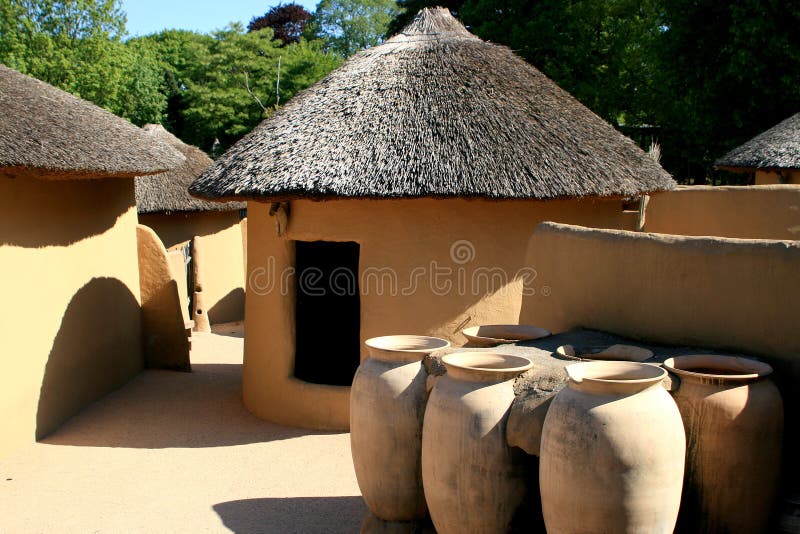

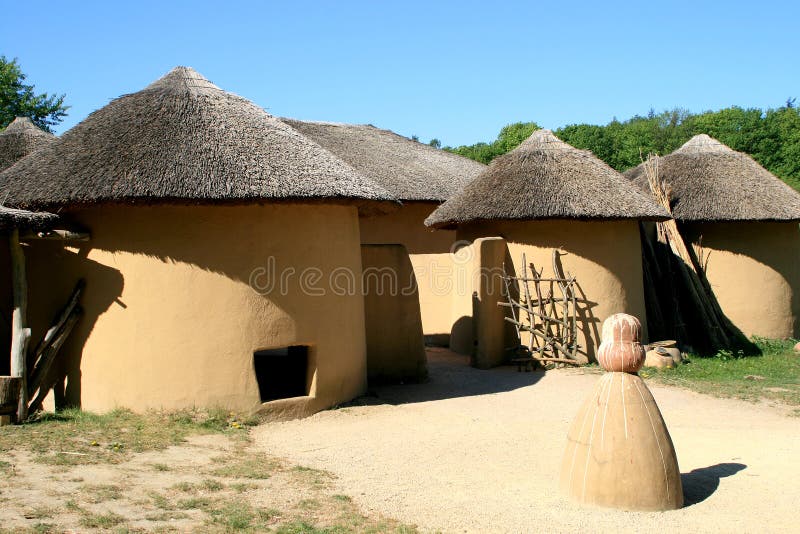
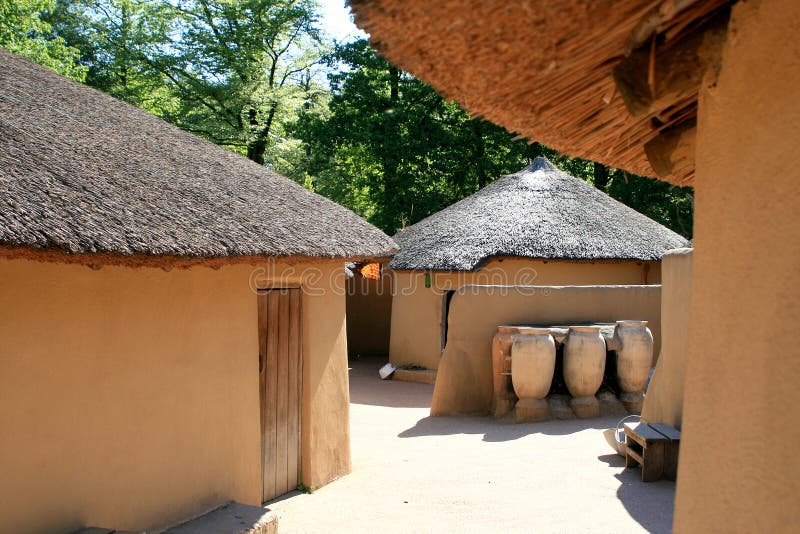
Houses like these can be found in Tempane, in the north-east of Ghana. Traditional elements are the roundings and the failure of a door. Basic elements stock images, royalty-free photos and pictures
Modern heart in retro style with the text Home Sweet Home, at an old weathered vintage wooden background. Nice for Mothers day and Fathers day. Basic elements stock images, royalty-free photos and pictures
Houses like these can be found in Tempane, in the north-east of Ghana. Traditional elements are the roundings and the failure of a door. Basic elements stock images, royalty-free photos and pictures
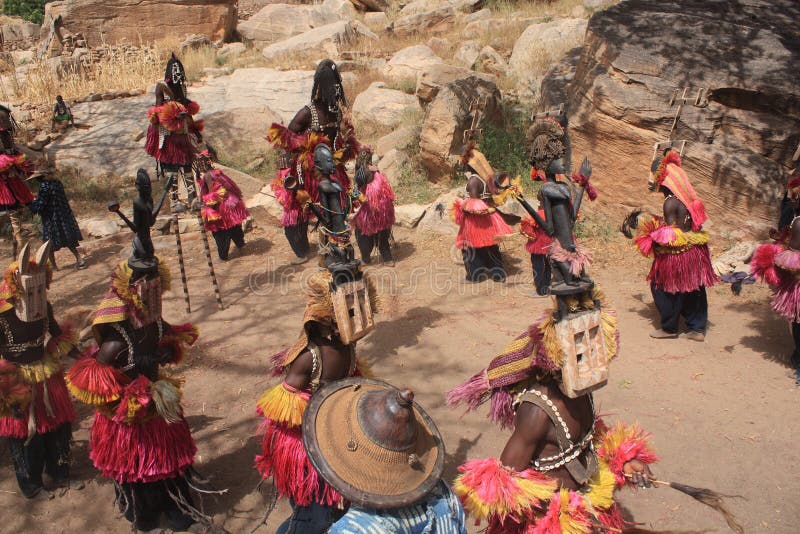
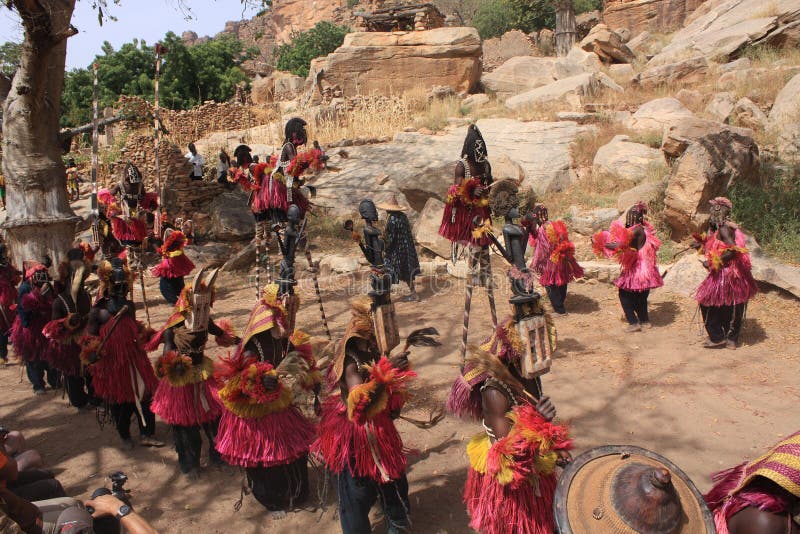
The Dogon are a group of people living in the central plateau region of Mali, south of the Niger bend near the city of Bandiagara in the Mopti region. They number just under 800,000. The Dogon are best known for their mythology, their mask dances, wooden sculpture and their architecture. Their traditional funeral rituals or “damas” are becoming very rare. They may be performed years after the death. Damas that are still performed today are not usually. The Dogon use this entertainment to The traditional dama consists of a masquerade that essentially leads the souls of the departed to their final resting places through a series of ritual dances and rites. Dogon damas include the use of many masks and statuettes. The dama consists of an event, known as the Halic, immediately after the death of a person and lasts for one day (Davis, 68). According to Shawn R. Davis, this particular ritual incorporates the elements of the yingim and the danyim. During the yincomoli ceremony, a gourd is smashed over the deceased’s wooden bowl, hoe, and bundukamba, (burial blanket), which announces the entrance of the masks used in this ceremony while the deceased entrance to their home in the family compound is decorated with ritual elements (Davis, 72-73). Masks used during the yincomoli ceremony include the Yana Gulay mask, the Satimbe mask, the Sirigie mask, and the Kanaga mask. Basic elements stock images, royalty-free photos and pictures

Dogon mask dance. The Dogon are a group of people living in the central plateau region of Mali, south of the Niger bend near the city of Bandiagara in the Mopti. The Dogon are a group of people living in the central plateau region of Mali, south of the Niger bend near the city of Bandiagara in the Mopti region. They number just under 800,000.The Dogon are best known for their mythology, their mask dances, wooden sculpture and their architecture. Their traditional funeral rituals or “damas” are becoming very rare. They may be performed years after the death. Damas that are still performed today are not usually. The Dogon use this entertainment to The traditional dama consists of a masquerade that essentially leads the souls of the departed to their final resting places through a series of ritual dances and rites. Dogon damas include the use of many masks and statuettes. The dama consists of an event, known as the Halic, immediately after the death of a person and lasts for one day (Davis, 68). According to Shawn R. Davis, this particular ritual incorporates the elements of the yingim and the danyim. During the yincomoli ceremony, a gourd is smashed over the deceased’s wooden bowl, hoe, and bundukamba, (burial blanket), which announces the entrance of the masks used in this ceremony while the deceased entrance to their home in the family compound is decorated with ritual elements (Davis, 72-73). Masks used during the yincomoli ceremony include the Yana Gulay mask, the Satimbe mask, the Sirigie mask, and the Kanaga mask.

The Dogon are a group of people living in the central plateau region of Mali, south of the Niger bend near the city of Bandiagara in the Mopti region. They number just under 800,000. The Dogon are best known for their mythology, their mask dances, wooden sculpture and their architecture. Their traditional funeral rituals or “damas” are becoming very rare. They may be performed years after the death. Damas that are still performed today are not usually. The Dogon use this entertainment to The traditional dama consists of a masquerade that essentially leads the souls of the departed to their final resting places through a series of ritual dances and rites. Dogon damas include the use of many masks and statuettes. The dama consists of an event, known as the Halic, immediately after the death of a person and lasts for one day (Davis, 68). According to Shawn R. Davis, this particular ritual incorporates the elements of the yingim and the danyim. During the yincomoli ceremony, a gourd is smashed over the deceased’s wooden bowl, hoe, and bundukamba, (burial blanket), which announces the entrance of the masks used in this ceremony while the deceased entrance to their home in the family compound is decorated with ritual elements (Davis, 72-73). Masks used during the yincomoli ceremony include the Yana Gulay mask, the Satimbe mask, the Sirigie mask, and the Kanaga mask. Basic elements stock images, royalty-free photos and pictures

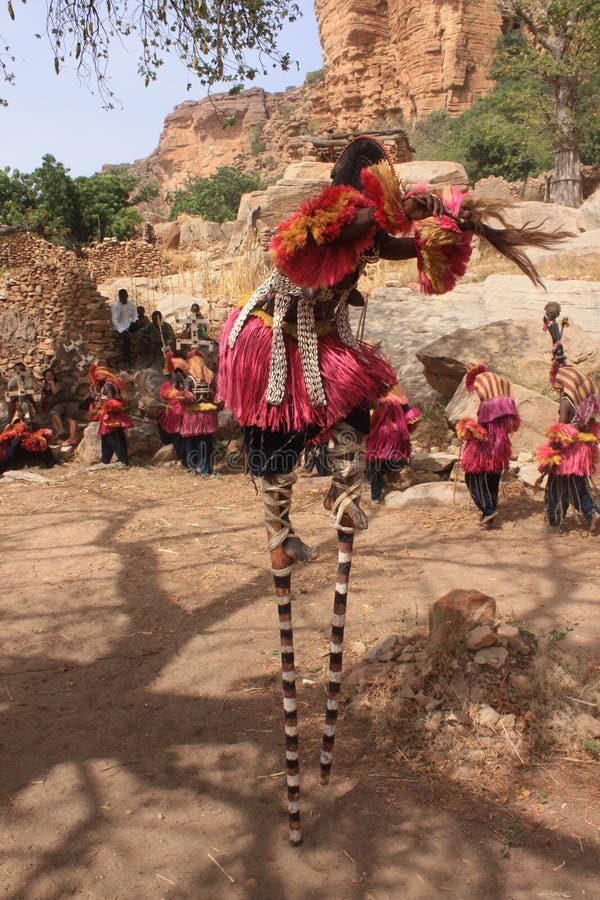
Dogon dance funeral masquerade. The Dogon are a group of people living in the central plateau region of Mali, south of the Niger bend near the city of Bandiagara. The Dogon are a group of people living in the central plateau region of Mali, south of the Niger bend near the city of Bandiagara in the Mopti region. They number just under 800,000.The Dogon are best known for their mythology, their mask dances, wooden sculpture and their architecture. Their traditional funeral rituals or “damas” are becoming very rare. They may be performed years after the death. Damas that are still performed today are not usually. The Dogon use this entertainment to The traditional dama consists of a masquerade that essentially leads the souls of the departed to their final resting places through a series of ritual dances and rites. Dogon damas include the use of many masks and statuettes. The dama consists of an event, known as the Halic, immediately after the death of a person and lasts for one day (Davis, 68). According to Shawn R. Davis, this particular ritual incorporates the elements of the yingim and the danyim. During the yincomoli ceremony, a gourd is smashed over the deceased’s wooden bowl, hoe, and bundukamba, (burial blanket), which announces the entrance of the masks used in this ceremony while the deceased entrance to their home in the family compound is decorated with ritual elements (Davis, 72-73). Masks used during the yincomoli ceremony include the Yana Gulay mask, the Satimbe mask, the Sirigie mask, and the Kanaga mask.

A central processing unit (CPU) is the electronic circuitry within a computer that carries out the instructions of a computer program by performing the basic arithmetic, logical, control and input/output (I/O) operations specified by the instructions. The term has been used in the computer industry at least since the early 1960s. [1] Traditionally, the term CPU refers to a processing unit, or processor, and its control unit (CU), distinguishing these core elements of a computer from external components such as main memory and I/O circuitry. Basic elements stock images, royalty-free photos and pictures
The Dogon are a group of people living in the central plateau region of Mali, south of the Niger bend near the city of Bandiagara in the Mopti region. They number just under 800,000. The Dogon are best known for their mythology, their mask dances, wooden sculpture and their architecture. Their traditional funeral rituals or “damas” are becoming very rare. They may be performed years after the death. Damas that are still performed today are not usually. The Dogon use this entertainment to The traditional dama consists of a masquerade that essentially leads the souls of the departed to their final resting places through a series of ritual dances and rites. Dogon damas include the use of many masks and statuettes. The dama consists of an event, known as the Halic, immediately after the death of a person and lasts for one day (Davis, 68). According to Shawn R. Davis, this particular ritual incorporates the elements of the yingim and the danyim. During the yincomoli ceremony, a gourd is smashed over the deceased’s wooden bowl, hoe, and bundukamba, (burial blanket), which announces the entrance of the masks used in this ceremony while the deceased entrance to their home in the family compound is decorated with ritual elements (Davis, 72-73). Masks used during the yincomoli ceremony include the Yana Gulay mask, the Satimbe mask, the Sirigie mask, and the Kanaga mask. Basic elements stock images, royalty-free photos and pictures

Dogon mask. The Dogon are a group of people living in the central plateau region of Mali, south of the Niger bend near the city of Bandiagara in the Mopti region. The Dogon are a group of people living in the central plateau region of Mali, south of the Niger bend near the city of Bandiagara in the Mopti region. They number just under 800,000.The Dogon are best known for their mythology, their mask dances, wooden sculpture and their architecture. Their traditional funeral rituals or “damas” are becoming very rare. They may be performed years after the death. Damas that are still performed today are not usually. The Dogon use this entertainment to The traditional dama consists of a masquerade that essentially leads the souls of the departed to their final resting places through a series of ritual dances and rites. Dogon damas include the use of many masks and statuettes. The dama consists of an event, known as the Halic, immediately after the death of a person and lasts for one day (Davis, 68). According to Shawn R. Davis, this particular ritual incorporates the elements of the yingim and the danyim. During the yincomoli ceremony, a gourd is smashed over the deceased’s wooden bowl, hoe, and bundukamba, (burial blanket), which announces the entrance of the masks used in this ceremony while the deceased entrance to their home in the family compound is decorated with ritual elements (Davis, 72-73). Masks used during the yincomoli ceremony include the Yana Gulay mask, the Satimbe mask, the Sirigie mask, and the Kanaga mask.

Houses like these can be found in Tempane, in the north-east of Ghana. Traditional elements are the roundings and the failure of a door. Basic elements stock images, royalty-free photos and pictures
The Dogon are a group of people living in the central plateau region of Mali, south of the Niger bend near the city of Bandiagara in the Mopti region. They number just under 800,000. The Dogon are best known for their mythology, their mask dances, wooden sculpture and their architecture. Their traditional funeral rituals or “damas” are becoming very rare. They may be performed years after the death. Damas that are still performed today are not usually. The Dogon use this entertainment to The traditional dama consists of a masquerade that essentially leads the souls of the departed to their final resting places through a series of ritual dances and rites. Dogon damas include the use of many masks and statuettes. The dama consists of an event, known as the Halic, immediately after the death of a person and lasts for one day (Davis, 68). According to Shawn R. Davis, this particular ritual incorporates the elements of the yingim and the danyim. During the yincomoli ceremony, a gourd is smashed over the deceased’s wooden bowl, hoe, and bundukamba, (burial blanket), which announces the entrance of the masks used in this ceremony while the deceased entrance to their home in the family compound is decorated with ritual elements (Davis, 72-73). Masks used during the yincomoli ceremony include the Yana Gulay mask, the Satimbe mask, the Sirigie mask, and the Kanaga mask. Basic elements stock images, royalty-free photos and pictures

African Religious ceremony. The Dogon are a group of people living in the central plateau region of Mali, south of the Niger bend near the city of Bandiagara in. The Dogon are a group of people living in the central plateau region of Mali, south of the Niger bend near the city of Bandiagara in the Mopti region. They number just under 800,000.The Dogon are best known for their mythology, their mask dances, wooden sculpture and their architecture. Their traditional funeral rituals or “damas” are becoming very rare. They may be performed years after the death. Damas that are still performed today are not usually. The Dogon use this entertainment to The traditional dama consists of a masquerade that essentially leads the souls of the departed to their final resting places through a series of ritual dances and rites. Dogon damas include the use of many masks and statuettes. The dama consists of an event, known as the Halic, immediately after the death of a person and lasts for one day (Davis, 68). According to Shawn R. Davis, this particular ritual incorporates the elements of the yingim and the danyim. During the yincomoli ceremony, a gourd is smashed over the deceased’s wooden bowl, hoe, and bundukamba, (burial blanket), which announces the entrance of the masks used in this ceremony while the deceased entrance to their home in the family compound is decorated with ritual elements (Davis, 72-73). Masks used during the yincomoli ceremony include the Yana Gulay mask, the Satimbe mask, the Sirigie mask, and the Kanaga mask.

A long exposure of a summer's beach at Cape Cod is a blur of color that inspires with the basic elements of blue sky, green ocean, and white sand. Basic elements stock images, royalty-free photos and pictures
Chinese calligraphy is an ancient art of writing Chinese characters, is a very unique visual art, Chinese calligraphy characters is an important factor, as Chinese calligraphy in Chinese culture produces, develops, and the characters are Chinese culture one of the basic elements. Basic elements stock images, royalty-free photos and pictures
Medium short shot, white background representing elements of the 1990s. Basic 90`s kit, purple backpack, cassette tape player, retro headphones, cassettes and high socks with blue stripes. Basic elements stock images, royalty-free photos and pictures
Handwriting text Employee Rights. Conceptual photo All employees have basic rights in their own workplace Elements of this image furnished by NASA. Basic elements stock images, royalty-free photos and pictures
Chinese calligraphy is an ancient art of writing Chinese characters, is a very unique visual art, Chinese calligraphy characters is an important factor, as Chinese calligraphy in Chinese culture produces, develops, and the characters are Chinese culture one of the basic elements. Basic elements stock images, royalty-free photos and pictures
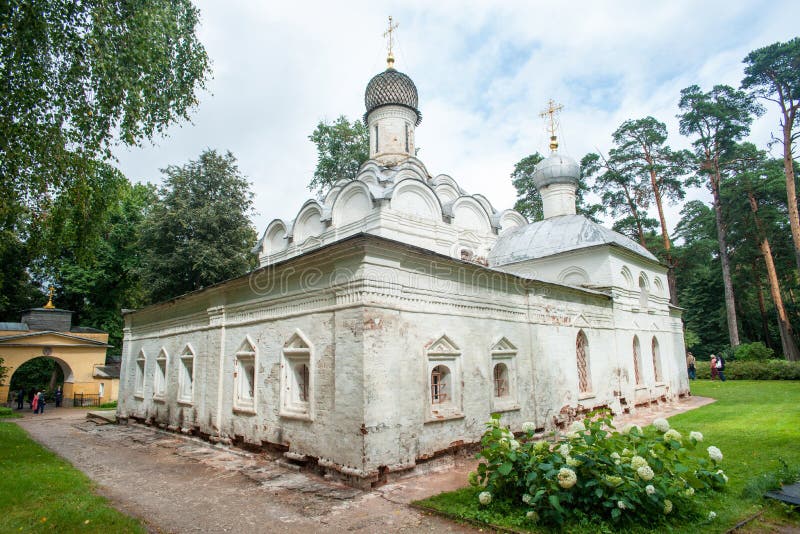
Arkhangelskoye known from written sources from the time of Ivan the Terrible. For three centuries, its owners were princes Odoevskogo Golitsyn, Yusupov. Archangelskoye remained intact only in Moscow Architectural and park ensemble, keeping all the basic elements of planning and development. Despite the uniqueness of the artistic techniques, it concentrates the best that has been created in the Russian art of the manor XVIII-XIX centuries. Basic elements stock images, royalty-free photos and pictures
The Church of São Francisco de Assis is a Catholic church in the city of Ouro Preto, Brazil, built in the Baroque style, with Rococo decorative elements. It is one of the most significant monuments of colonial art, one of the best-known Brazilian churches of that period and one of the most celebrated creations of master Aleijadinho, who created the basic design of the facade and the decoration in reliefs and gilded carving, personally creating several of its elements. , although other artists also collaborated. Basic elements stock images, royalty-free photos and pictures
Word writing text Code Of Ethics. Business photo showcasing basic guide for professional conduct and imposes duties Elements of this image furnished by NASA. Basic elements stock images, royalty-free photos and pictures
Abacus, children`s game for learning the basic mathematics of addition, subtraction, multiplication and division, along with clock to learn the hours, of ancestral and traditional origin, made of wood with rotating elements. Basic elements stock images, royalty-free photos and pictures