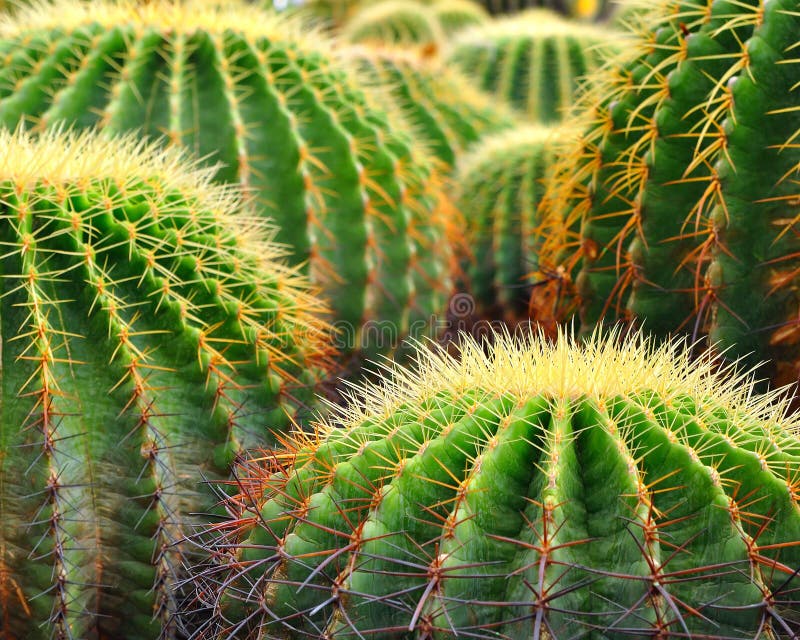
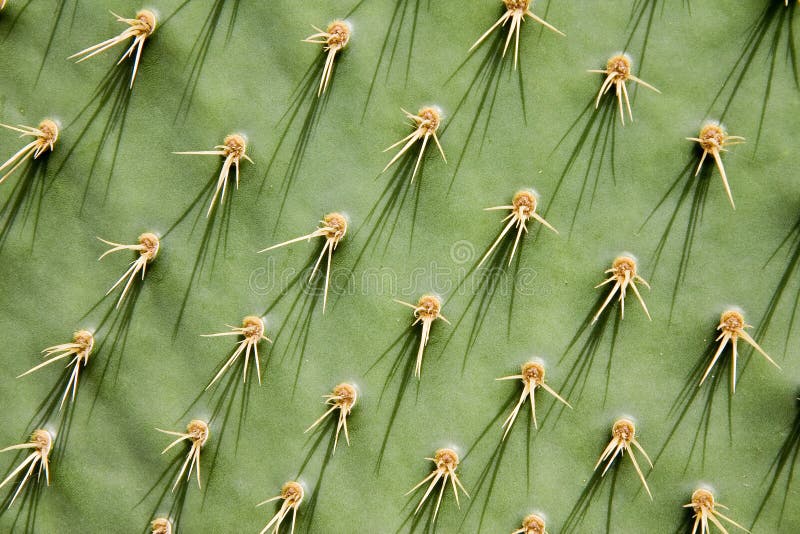
Free with trial Cactus. Close up of cactus to show detail of spiky. Bony stock images, royalty-free photos and pictures Cactus. Close up of cactus to show detail of spiky
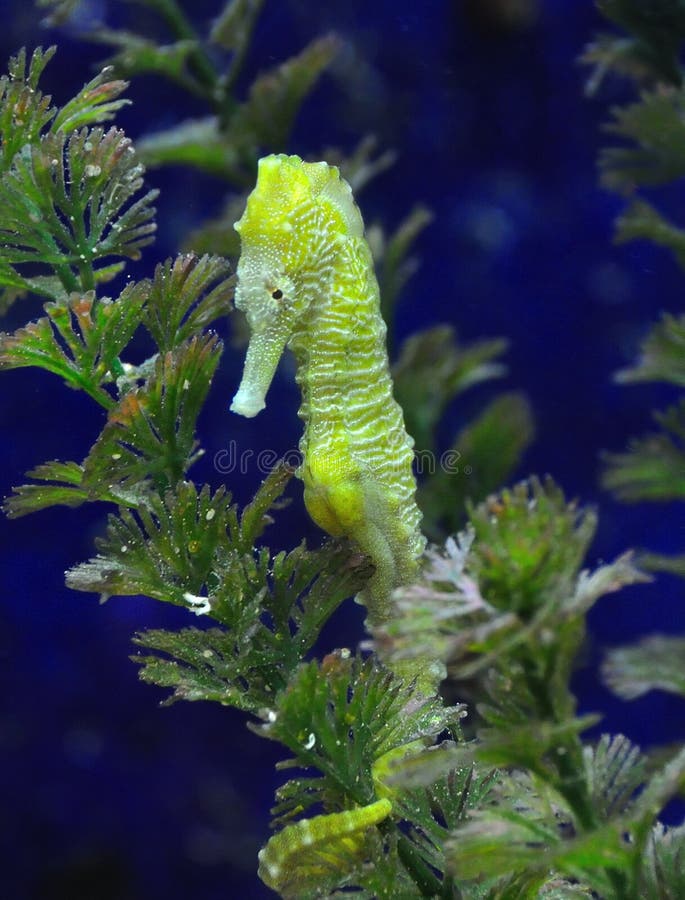
Free with trial Sea Horse. A yellow white striped sea horse. Bony stock images, royalty-free photos and pictures Sea Horse. A yellow white striped sea horse
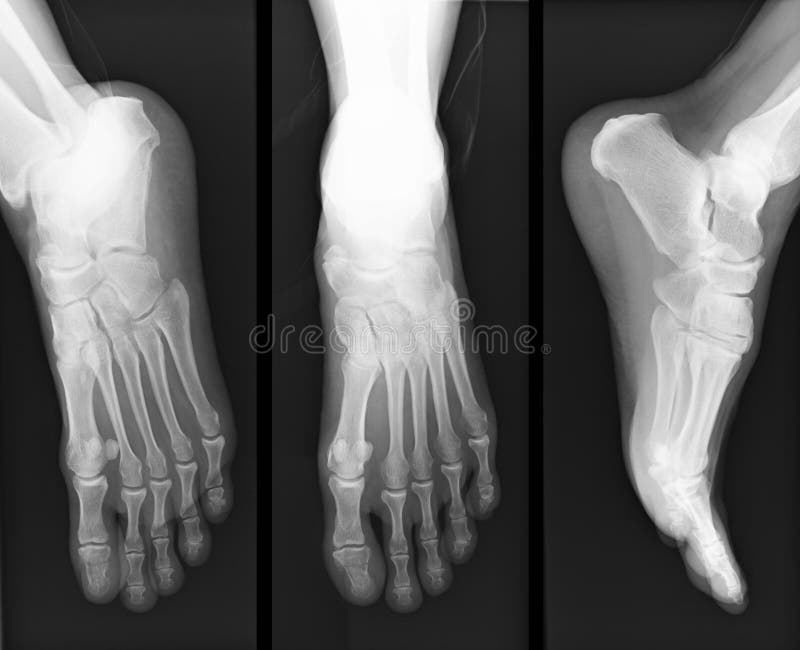
Free with trial X-ray of a foot with a broken large toe. Bony stock images, royalty-free photos and pictures Foot x-ray. X-ray of a foot with a broken large toe. X-ray of a foot with a broken large toe.
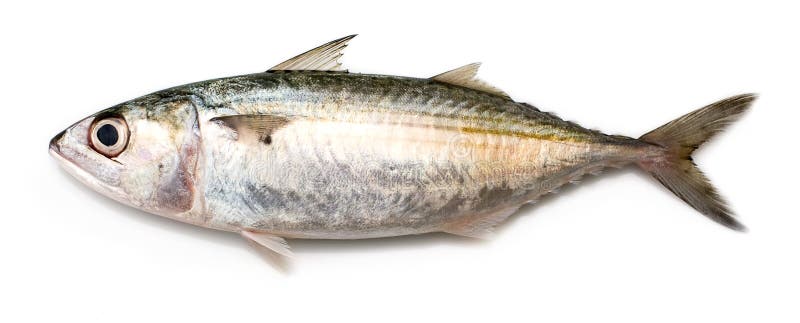
Free with trial Indian Mackerel. Fully grown matured mackerel found in large schools in the oceans. Bony stock images, royalty-free photos and pictures Indian Mackerel. Fully grown matured mackerel found in large schools in the oceans
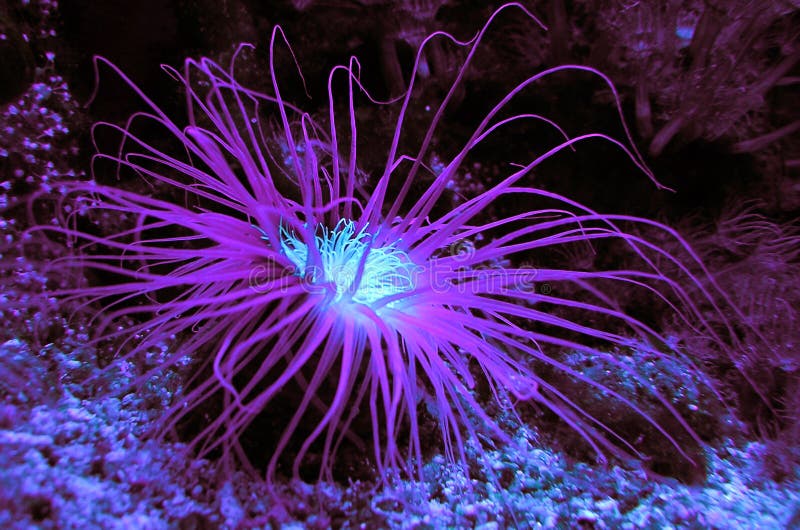
Free with trial Anemone. Actinia under UV-light. Bony stock images, royalty-free photos and pictures Anemone. Actinia under UV-light
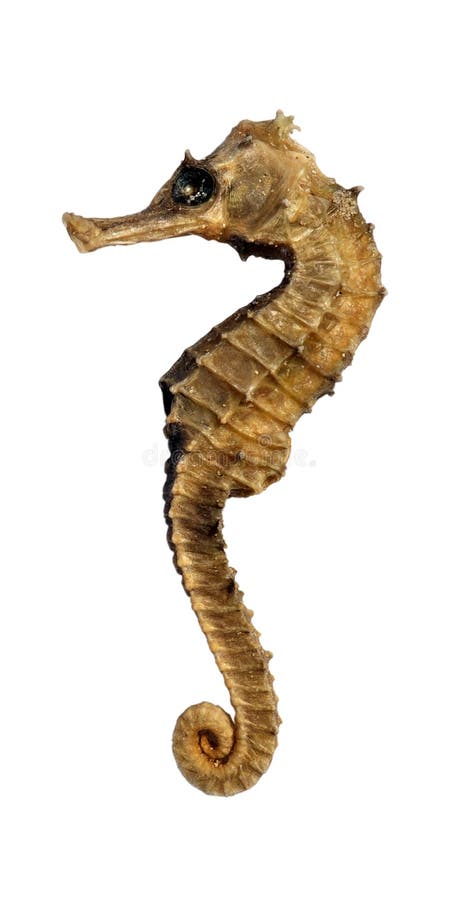
Free with trial Seahorse. Cute long snout seahorse with curly tail, isolated on white background. Bony stock images, royalty-free photos and pictures Seahorse. Cute long snout seahorse with curly tail, isolated on white background
Free with trial Painful foot Xray. Isolated on yellow background with red illumination. Bony stock images, royalty-free photos and pictures Painful foot Xray. Isolated on yellow background with red illumination
Free with trial Homeless dog on the road. Hungry and skinny homeless dog on the road. Bony stock images, royalty-free photos and pictures Homeless dog on the road. Hungry and skinny homeless dog on the road
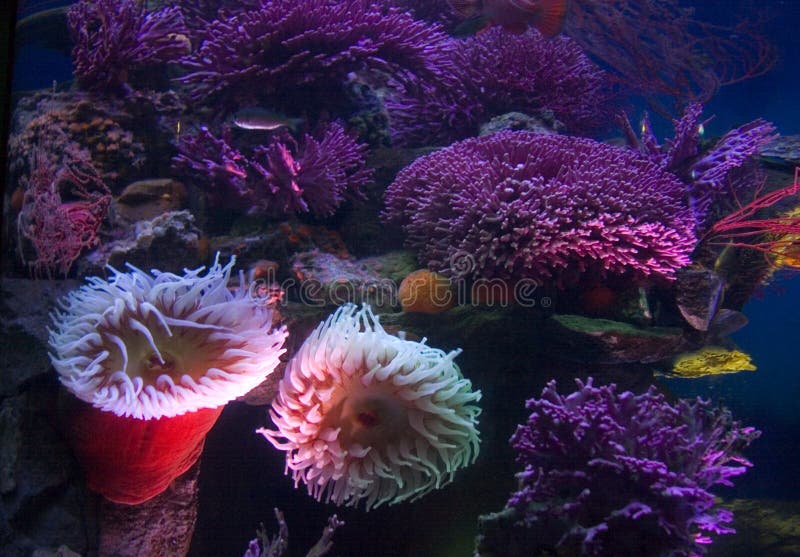
Free with trial Aquarium. View of aquatic life. Bony stock images, royalty-free photos and pictures Aquarium. View of aquatic life
Free with trial Birch trees. A stand of tall white birch trees in winter. Bony stock images, royalty-free photos and pictures Birch trees. A stand of tall white birch trees in winter
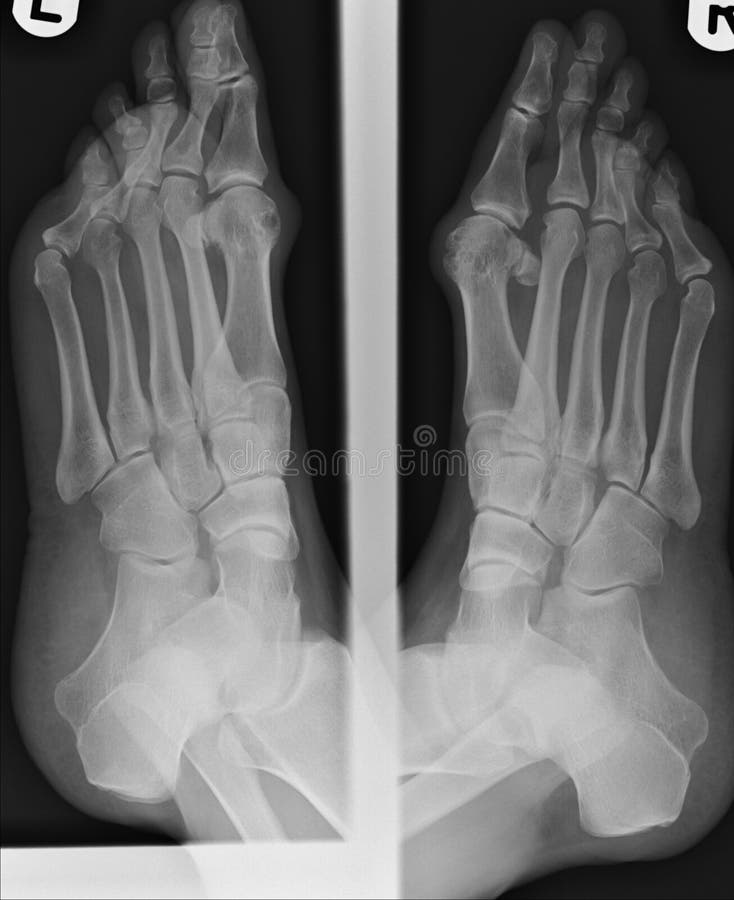
Free with trial Xray of bunions. Xrays of both feet showing hallux valgus (bunions) deformity with degenerative change of the head of the 1st metatarsal bone. Bony stock images, royalty-free photos and pictures Xray of bunions. Xrays of both feet showing hallux valgus (bunions) deformity with degenerative change of the head of the 1st metatarsal bone
Free with trial Weight Loss Concept. A thin man in the kitchen with tape over his mouth to signify diet and weight loss. Bony stock images, royalty-free photos and pictures Weight Loss Concept. A thin man in the kitchen with tape over his mouth to signify diet and weight loss
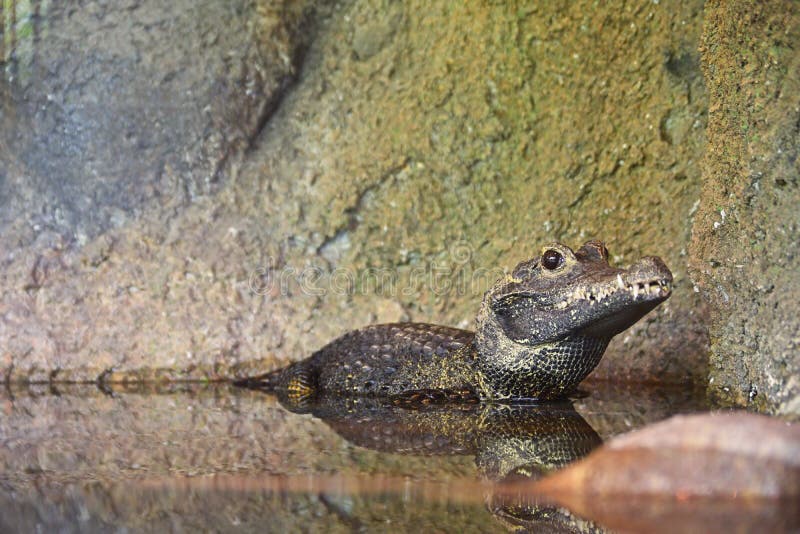
Free with trial Also the smallest extant crocodile species in the world. They attain a medium adult length of 1. 5 meters 4. 9 feet, though the maximum recorded length for this species is 1. 9 meters 6. 2 feet. Bony stock images, royalty-free photos and pictures African Dwarf Crocodile resting with half of the body submerged in the water while looking sharp into the lense. Also the smallest extant crocodile species in. Also the smallest extant crocodile species in the world. They attain a medium adult length of 1.5 meters 4.9 feet, though the maximum recorded length for this species is 1.9 meters 6.2 feet.
Free with trial Spondylosis , Spondylolisthesis ( Film x-ray lumbo - sacral spine show spine collapse , decrease in disc space , bony spur formation ) ( side , lateral view ) and blank area at right side. Bony stock images, royalty-free photos and pictures Spondylosis , Spondylolisthesis ( Film x-ray lumbo - sacral spine show spine collapse , decrease in disc space , bony spur format. Ion ) ( side , lateral view ). Spondylosis , Spondylolisthesis ( Film x-ray lumbo - sacral spine show spine collapse , decrease in disc space , bony spur formation ) ( side , lateral view ) and blank area at right side
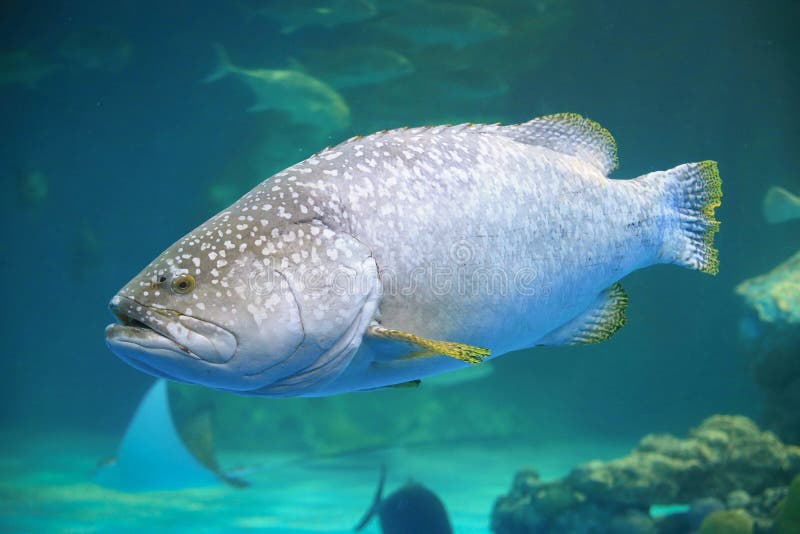
Free with trial The giant grouper (Epinephelus lanceolatus), also known as the brindle bass , brown spotted cod, bumblebee grouper and as the Queensland grouper in Australia, is the largest bony fish found in coral reefs, and the aquatic emblem of Queensland, Australia. It is found throughout the Indo-Pacific region, with the exception of the Persian Gulf. The species can grow as large as 2. 7 meters (9 ft) long, weighing up to 600 kg (1320 lb); there are unconfirmed reports of it growing much bigger. They are fairly common in shallow waters and feed on a variety of marine life, including small sharks and juvenile sea turtles. Bony stock images, royalty-free photos and pictures Giant grouper. The giant grouper (Epinephelus lanceolatus), also known as the brindle bass , brown spotted cod, bumblebee grouper and as the Queensland grouper. The giant grouper (Epinephelus lanceolatus), also known as the brindle bass , brown spotted cod, bumblebee grouper and as the Queensland grouper in Australia, is the largest bony fish found in coral reefs, and the aquatic emblem of Queensland, Australia. It is found throughout the Indo-Pacific region, with the exception of the Persian Gulf. The species can grow as large as 2.7 meters (9 ft) long, weighing up to 600 kg (1320 lb); there are unconfirmed reports of it growing much bigger. They are fairly common in shallow waters and feed on a variety of marine life, including small sharks and juvenile sea turtles.
Free with trial Turtles are reptiles of the order Testudines (the crown group of the superorder Chelonia), characterised by a special bony or cartilaginous shell developed from their ribs that acts as a shield. Turtle may either refer to the Testudines as a whole, or to particular Testudines which make up a form taxon that is not monophyletic—see also sea turtle, terrapin, tortoise, and the discussion below. Hermann's Tortoise (Testudo hermanni) is one of five tortoise species traditionally placed in the genus Testudo, which also includes the well-known Marginated Tortoise (T. marginata), Greek Tortoise (T. graeca), and Russian Tortoise (T. horsfieldii), for example. Three subspecies are known: the Western Hermann's Tortoise (T. h. hermanni), the Eastern Hermann's Tortoise (T. boettgeri) and Dalmatian Tortoise (T. hercegovinensis). Sometimes mentioned subspecies T. peleponnesica is not yet confirmed to be genetically different to T. boettgeri. Testudo hermanni can be found throughout southern Europe. The western population (hermanni) is found in eastern Spain, southern France, the Baleares islands, Corsica, Sardinia, Sicily, south and central Italy (Tuscany). The eastern population (boettgeri) Kosovo, Macedonia, Romania, Bulgaria, Albania, and Greece. While hercegovinensis populates coasts of Bosnia and Herzegovina, Croatia and Montenegro. Bony stock images, royalty-free photos and pictures Turtle testudo hermanni tortoise. Turtles are reptiles of the order Testudines (the crown group of the superorder Chelonia), characterised by a special bony or. Turtles are reptiles of the order Testudines (the crown group of the superorder Chelonia), characterised by a special bony or cartilaginous shell developed from their ribs that acts as a shield. Turtle may either refer to the Testudines as a whole, or to particular Testudines which make up a form taxon that is not monophyletic—see also sea turtle, terrapin, tortoise, and the discussion below. Hermann's Tortoise (Testudo hermanni) is one of five tortoise species traditionally placed in the genus Testudo, which also includes the well-known Marginated Tortoise (T. marginata), Greek Tortoise (T. graeca), and Russian Tortoise (T. horsfieldii), for example. Three subspecies are known: the Western Hermann's Tortoise (T. h. hermanni), the Eastern Hermann's Tortoise (T.h. boettgeri) and Dalmatian Tortoise (T.h. hercegovinensis). Sometimes mentioned subspecies T.h. peleponnesica is not yet confirmed to be genetically different to T.h. boettgeri.Testudo hermanni can be found throughout southern Europe. The western population (hermanni) is found in eastern Spain, southern France, the Baleares islands, Corsica, Sardinia, Sicily, south and central Italy (Tuscany). The eastern population (boettgeri) Kosovo, Macedonia, Romania, Bulgaria, Albania, and Greece. While hercegovinensis populates coasts of Bosnia and Herzegovina, Croatia and Montenegro.
Free with trial Turtles are reptiles of the order Testudines (the crown group of the superorder Chelonia), characterised by a special bony or cartilaginous shell developed from their ribs that acts as a shield. Turtle may either refer to the Testudines as a whole, or to particular Testudines which make up a form taxon that is not monophyletic—see also sea turtle, terrapin, tortoise, and the discussion below. Hermann's Tortoise (Testudo hermanni) is one of five tortoise species traditionally placed in the genus Testudo, which also includes the well-known Marginated Tortoise (T. marginata), Greek Tortoise (T. graeca), and Russian Tortoise (T. horsfieldii), for example. Three subspecies are known: the Western Hermann's Tortoise (T. h. hermanni), the Eastern Hermann's Tortoise (T. boettgeri) and Dalmatian Tortoise (T. hercegovinensis). Sometimes mentioned subspecies T. peleponnesica is not yet confirmed to be genetically different to T. boettgeri. Testudo hermanni can be found throughout southern Europe. The western population (hermanni) is found in eastern Spain, southern France, the Baleares islands, Corsica, Sardinia, Sicily, south and central Italy (Tuscany). The eastern population (boettgeri) Kosovo, Macedonia, Romania, Bulgaria, Albania, and Greece. While hercegovinensis populates coasts of Bosnia and Herzegovina, Croatia and Montenegro. Bony stock images, royalty-free photos and pictures Turtle testudo hermanni tortoise. Turtles are reptiles of the order Testudines (the crown group of the superorder Chelonia), characterised by a special bony or. Turtles are reptiles of the order Testudines (the crown group of the superorder Chelonia), characterised by a special bony or cartilaginous shell developed from their ribs that acts as a shield. Turtle may either refer to the Testudines as a whole, or to particular Testudines which make up a form taxon that is not monophyletic—see also sea turtle, terrapin, tortoise, and the discussion below. Hermann's Tortoise (Testudo hermanni) is one of five tortoise species traditionally placed in the genus Testudo, which also includes the well-known Marginated Tortoise (T. marginata), Greek Tortoise (T. graeca), and Russian Tortoise (T. horsfieldii), for example. Three subspecies are known: the Western Hermann's Tortoise (T. h. hermanni), the Eastern Hermann's Tortoise (T.h. boettgeri) and Dalmatian Tortoise (T.h. hercegovinensis). Sometimes mentioned subspecies T.h. peleponnesica is not yet confirmed to be genetically different to T.h. boettgeri.Testudo hermanni can be found throughout southern Europe. The western population (hermanni) is found in eastern Spain, southern France, the Baleares islands, Corsica, Sardinia, Sicily, south and central Italy (Tuscany). The eastern population (boettgeri) Kosovo, Macedonia, Romania, Bulgaria, Albania, and Greece. While hercegovinensis populates coasts of Bosnia and Herzegovina, Croatia and Montenegro.
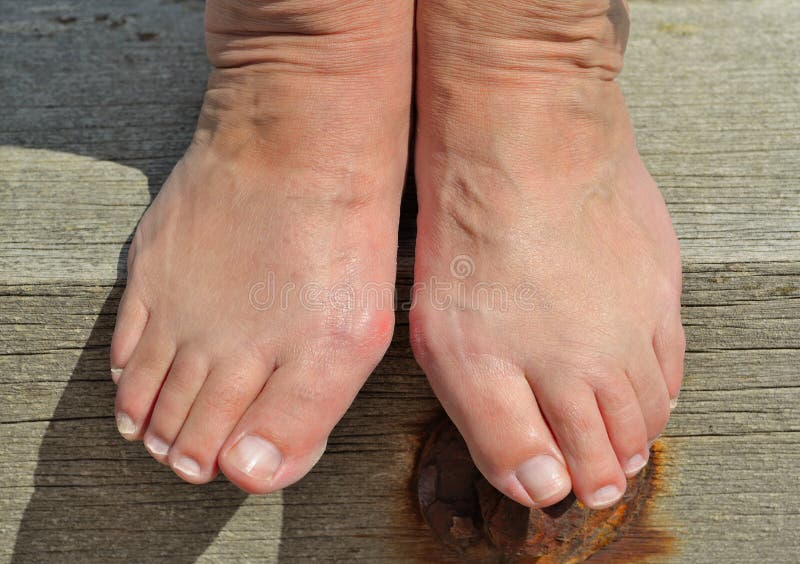
Free with trial Bunions. A painful, bony lump that can develop on the side of your foot. Bony stock images, royalty-free photos and pictures Bunions. A painful, bony lump that can develop on the side of your foot
Free with trial Little spiky green cactus in a cooled indoor garden. Bony stock images, royalty-free photos and pictures Cactus. Little spiky green cactus in a cooled indoor garden. Little spiky green cactus in a cooled indoor garden.
Free with trial A bird fossil whose age has already been more than 100million years. Bony stock images, royalty-free photos and pictures Bird fossil. A bird fossil whose age has already been more than 100million years. A bird fossil whose age has already been more than 100million years.
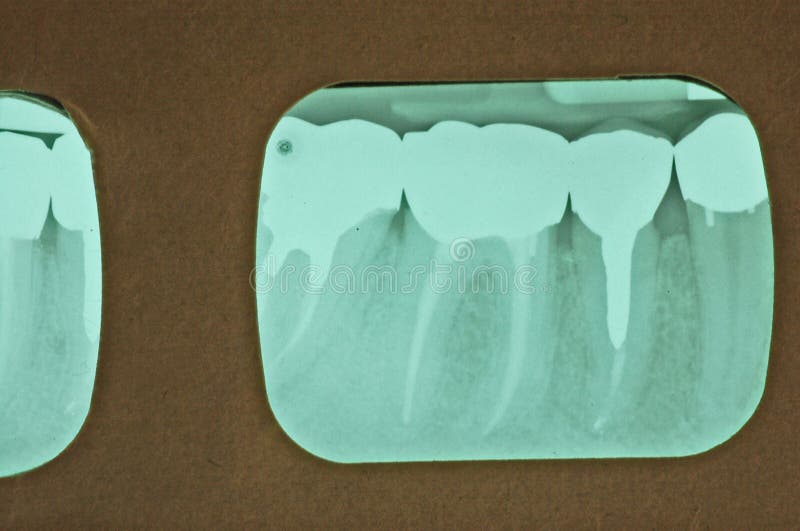
Free with trial Periapical x-ray from the mandibular right quadrant, posterior section (lower right teeth in back) showing one premolar and two molars with root canals and a series of radiopaque (solid white) crowns, probably of some metal alloy. The premolar has a very large post to anchor its crown over the root canal. Pins are noted in the dentin of other teeth. There is good bone support. Bony stock images, royalty-free photos and pictures Multiple Root Canals. Periapical x-ray from the mandibular right quadrant, posterior section (lower right teeth in back) showing one premolar and two molars with. Periapical x-ray from the mandibular right quadrant, posterior section (lower right teeth in back) showing one premolar and two molars with root canals and a series of radiopaque (solid white) crowns, probably of some metal alloy. The premolar has a very large post to anchor its crown over the root canal. Pins are noted in the dentin of other teeth. There is good bone support.
Free with trial An x-ray can provide insights on what is happening. Bony stock images, royalty-free photos and pictures Radiography Series 1. An x-ray can provide insights on what is happening. An x-ray can provide insights on what is happening.
Free with trial Ghostly ghouls with Halloween jack-o-lanterns inviting visitors into dark and misty forest for Halloween party. Jack-o-lanterns are lighted from within, large jack-o-latern has spider creeping above eye. Bony stock images, royalty-free photos and pictures Halloween Ghouls in Forest. Ghostly ghouls with Halloween jack-o-lanterns inviting visitors into dark and misty forest for Halloween party. Jack-o-lanterns are. Ghostly ghouls with Halloween jack-o-lanterns inviting visitors into dark and misty forest for Halloween party. Jack-o-lanterns are lighted from within, large jack-o-latern has spider creeping above eye
Free with trial Triceratops. In Saurier Park, Kleinwelka, Germany. Bony stock images, royalty-free photos and pictures Triceratops. In Saurier Park, Kleinwelka, Germany
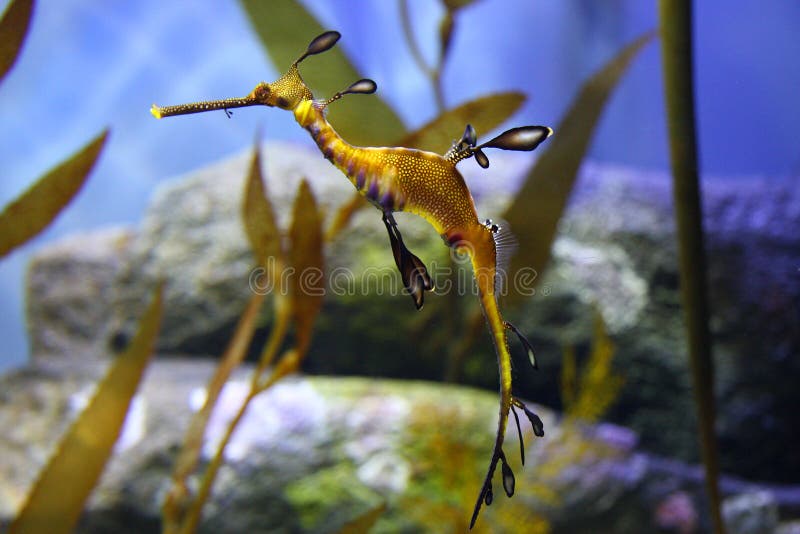
Free with trial Seaweed sea horse. Close up of seaweed sea horse. Bony stock images, royalty-free photos and pictures Seaweed sea horse. Close up of seaweed sea horse
Free with trial This is a male albino fallow deer. Bony stock images, royalty-free photos and pictures Albino Fallow Deer. This is a male albino fallow deer. This is a male albino fallow deer.
Free with trial A young nine banded armadillo rooting for insects. Bony stock images, royalty-free photos and pictures A Young Nine Banded Armadillo. Rooting for insects. A young nine banded armadillo rooting for insects
Free with trial Photo of two hands together, on black background. Nails are painted in black and white color, symbolising yin yang. Her hands and fingers are bony. This picture symbolizes togetherness of good and bad. Bony stock images, royalty-free photos and pictures Hands Together. Photo of two hands together, on black background. Nails are painted in black and white color, symbolising yin yang. Her hands and fingers are. Photo of two hands together, on black background. Nails are painted in black and white color, symbolising yin yang. Her hands and fingers are bony. This picture symbolizes togetherness of good and bad.
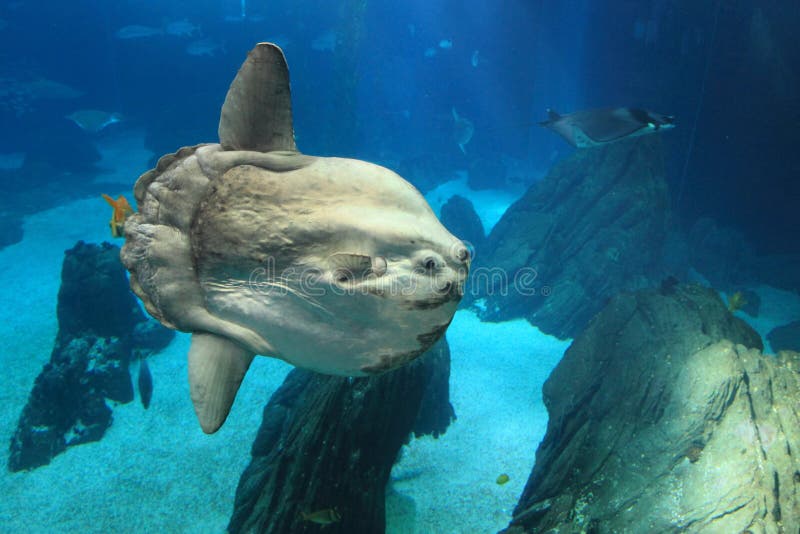
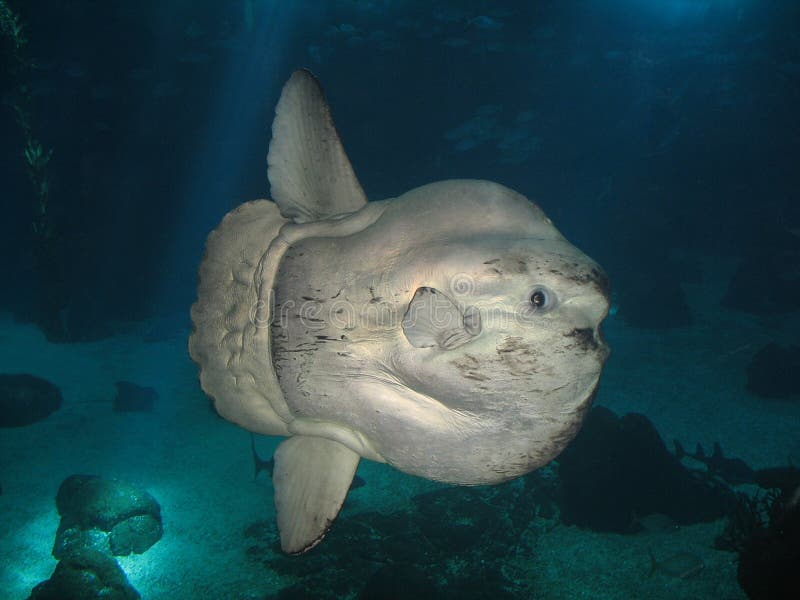
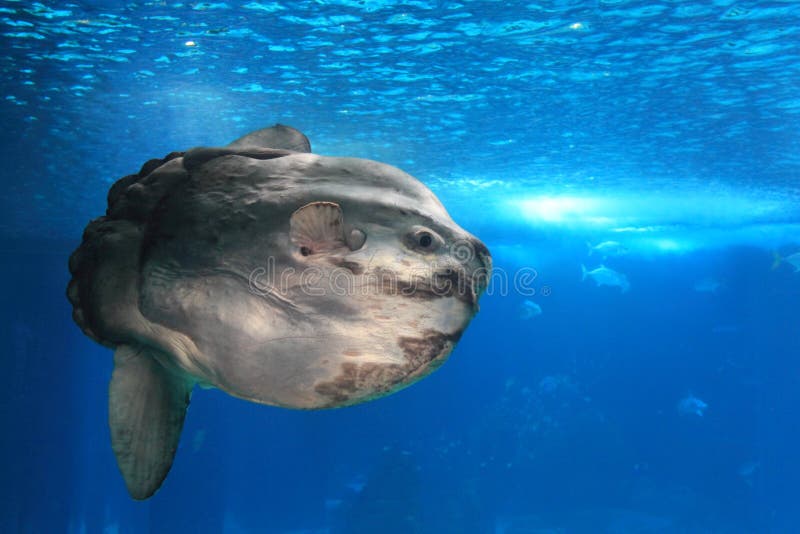
Free with trial Ocean sunfish floating in water. Bony stock images, royalty-free photos and pictures Ocean sunfish. Floating in water
Free with trial Man-tree in a wild wood. Art project. Fantasy. Halloween. Bony stock images, royalty-free photos and pictures Cruel hero. Man-tree in a wild wood. Art project. Fantasy. Halloween. Man-tree in a wild wood. Art project. Fantasy. Halloween.
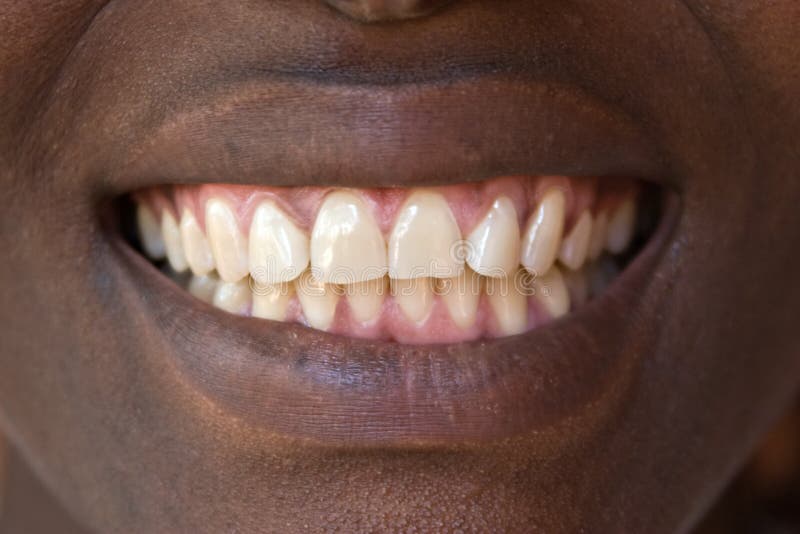
Free with trial Natural teeth. Sample teeth, well some of us are just lucky and do not need a second mortgage to fix their teeth. Bony stock images, royalty-free photos and pictures Natural teeth. Sample teeth, well some of us are just lucky and do not need a second mortgage to fix their teeth
Free with trial Tooth anatomy. (vital tooth, structure, bone, ligament) isolated on white background. Bony stock images, royalty-free photos and pictures Tooth anatomy. (vital tooth, structure, bone, ligament) isolated on white background
Free with trial Close-up of a prickly pear cactus ( Opuntia ficus-indica ). Bony stock images, royalty-free photos and pictures Prickly pear cactus. Close-up of a prickly pear cactus ( Opuntia ficus-indica. Close-up of a prickly pear cactus ( Opuntia ficus-indica )
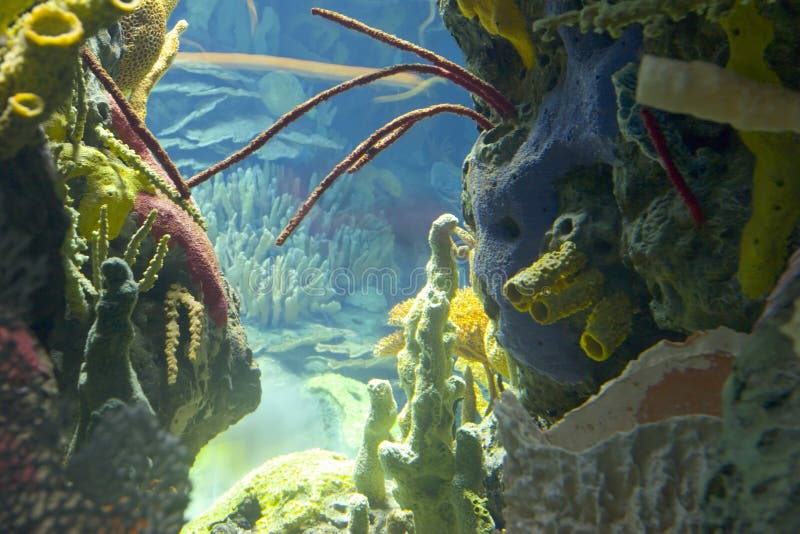
Free with trial Underwater world. Underwater colorful plants and corals. Bony stock images, royalty-free photos and pictures Underwater world. Underwater colorful plants and corals
Free with trial Marlin after Yellowfin Tuna School. Predatory Blue Marlin chase after an undersea school of Yellowfin Tuna fish in the Atlantic ocean. Bony stock images, royalty-free photos and pictures Marlin after Yellowfin Tuna School. Predatory Blue Marlin chase after an undersea school of Yellowfin Tuna fish in the Atlantic ocean
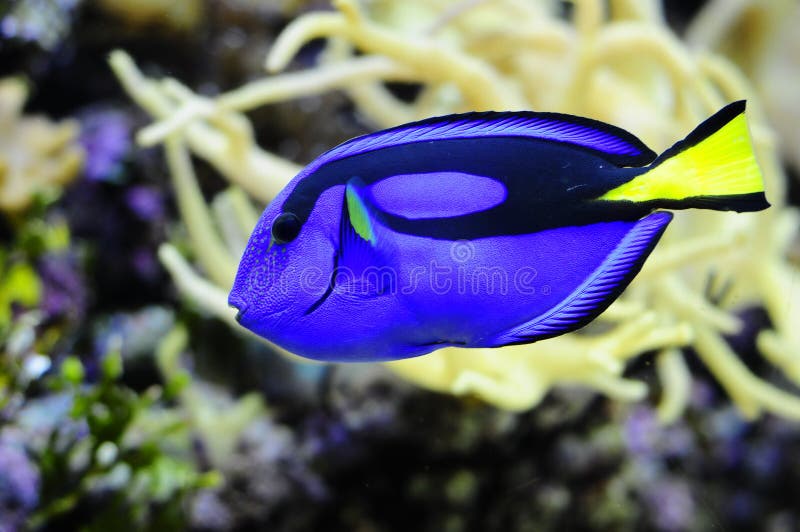
Free with trial Regal Tang fish. Colorful Dori from Finding Nemo swimming through coral reef. Bony stock images, royalty-free photos and pictures Regal Tang fish. Colorful Dori from Finding Nemo swimming through coral reef
Free with trial Normal thoracic x-ray image without any findings, light blue tone. Bony stock images, royalty-free photos and pictures Normal thoracic x-ray image without any findings. Light blue tone
Free with trial Ocean sunfish. Which is also called mola-mola, moon fish or swimming head. Bony stock images, royalty-free photos and pictures Ocean sunfish. Which is also called mola-mola, moon fish or swimming head
Free with trial A Spinosaurus Faces Off with A Tyrannosaurus Rex. A Spinosaurus Dinosaur in a Face Off with a Tyrannosaurus Rex. Bony stock images, royalty-free photos and pictures A Spinosaurus Faces Off with A Tyrannosaurus Rex. A Spinosaurus Dinosaur in a Face Off with a Tyrannosaurus Rex
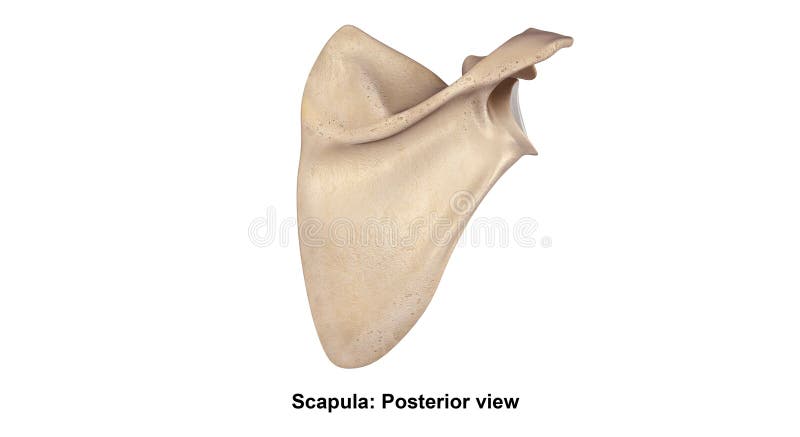
Free with trial In anatomy, the scapula plural scapulae or scapulas or shoulder blade is the bone that connects the humerus upper arm bone with the clavicle collar bone. Like their connected bones the scapulae are paired, with the scapula on the left side of the body being roughly a mirror image of the right scapula. In early Roman times, people thought the bone resembled a trowel, a small shovel. The shoulder blade is also called omo in Latin medical terminology. The scapula forms the back of the shoulder girdle. In humans, it is a flat bone, roughly triangular in shape, placed on a posterolateral aspect of the thoracic cage. Bony stock images, royalty-free photos and pictures Scapula Posterior view. In anatomy, the scapula plural scapulae or scapulas or shoulder blade is the bone that connects the humerus upper arm bone with the. In anatomy, the scapula plural scapulae or scapulas or shoulder blade is the bone that connects the humerus upper arm bone with the clavicle collar bone. Like their connected bones the scapulae are paired, with the scapula on the left side of the body being roughly a mirror image of the right scapula. In early Roman times, people thought the bone resembled a trowel, a small shovel. The shoulder blade is also called omo in Latin medical terminology. The scapula forms the back of the shoulder girdle. In humans, it is a flat bone, roughly triangular in shape, placed on a posterolateral aspect of the thoracic cage.
Free with trial Pablo Picasso. The Old Guitarist by Pablo Picasso 1904. oils on panel. Art Institute Of Chicago, USA. Bony stock images, royalty-free photos and pictures Pablo Picasso. The Old Guitarist by Pablo Picasso 1904. oils on panel. Art Institute Of Chicago, USA
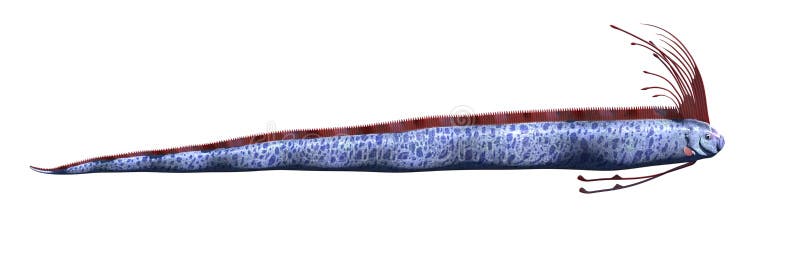
Free with trial Giant oarfish Regalecus glesne isolated on white background. So called king of herrings source of sea serpent sightings, cutout on white ground. Bony stock images, royalty-free photos and pictures Giant oarfish Regalecus glesne isolated on white background. So called king of herrings source of sea serpent sightings, cutout on white ground
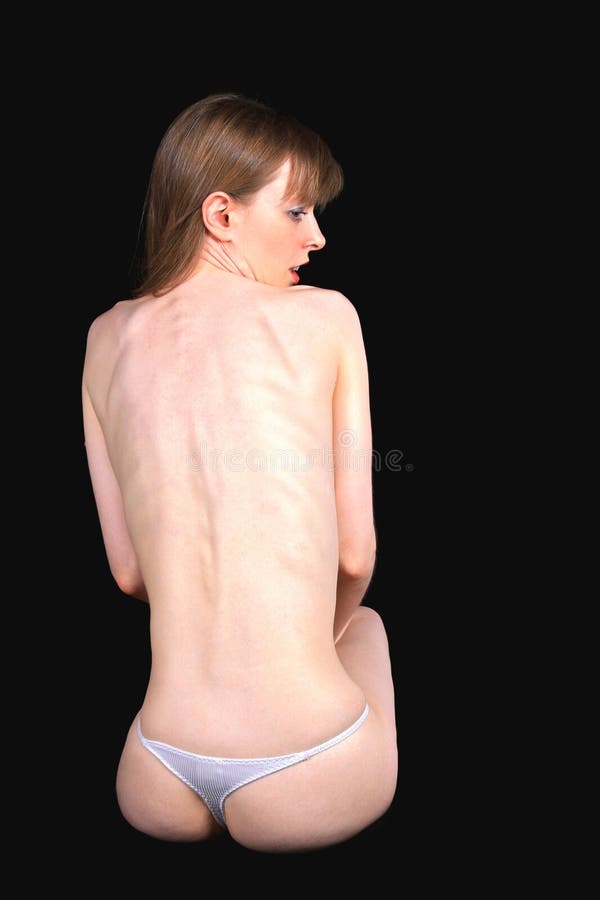
Free with trial Anorexic girl. Sad young girl suffering from anorexia nervosa. Bony stock images, royalty-free photos and pictures Anorexic girl. Sad young girl suffering from anorexia nervosa
Free with trial Raw meat. Fresh, raw meat texture of the red. Bony stock images, royalty-free photos and pictures Raw meat. Fresh, raw meat texture of the red
Free with trial Spondylosis , Spondylolisthesis ( Film x-ray lumbo - sacral spine show spine collapse , decrease in disc space , bony spur formation ) ( side , lateral view ) and blank area at right side. Bony stock images, royalty-free photos and pictures Spondylosis , Spondylolisthesis ( Film x-ray lumbo - sacral spine show spine collapse , decrease in disc space , bony spur format. Ion ) ( side , lateral view ). Spondylosis , Spondylolisthesis ( Film x-ray lumbo - sacral spine show spine collapse , decrease in disc space , bony spur formation ) ( side , lateral view ) and blank area at right side
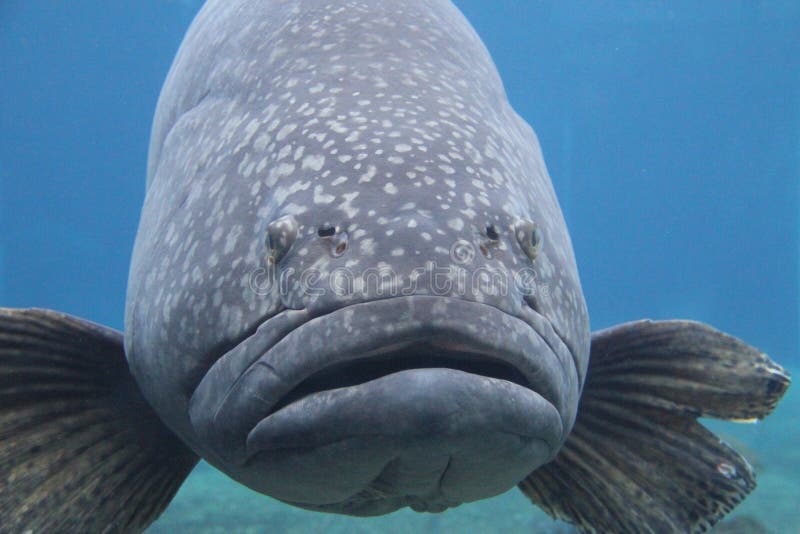
Free with trial The giant grouper (Epinephelus lanceolatus), also known as the brindle bass , brown spotted cod , bumblebee grouper and as the Queensland groper in Australia, is the largest bony fish found in coral reefs. Bony stock images, royalty-free photos and pictures Brindle bass. The giant grouper (Epinephelus lanceolatus), also known as the brindle bass , brown spotted cod , bumblebee grouper and as the Queensland groper in. The giant grouper (Epinephelus lanceolatus), also known as the brindle bass , brown spotted cod , bumblebee grouper and as the Queensland groper in Australia, is the largest bony fish found in coral reefs
Free with trial Ocean Sun fish. Mola Mola, heaviest bony fish in the world. Bony stock images, royalty-free photos and pictures Ocean Sun fish. Mola Mola, heaviest bony fish in the world
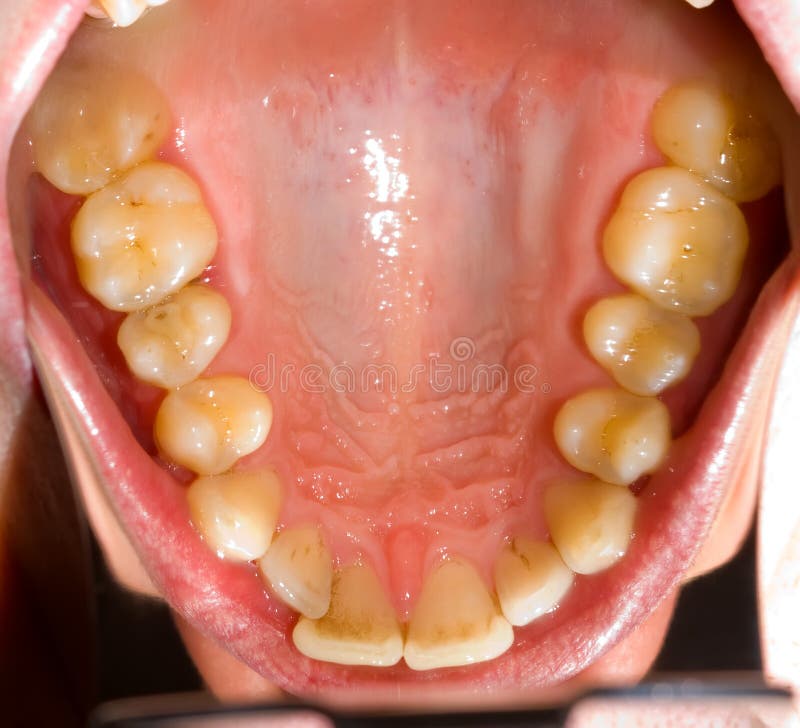
Free with trial A macro shot of the occlusal surface of the upper denture, well visible texture of the bony palate - the photo represents the technique of taking photos of upper teeth. Bony stock images, royalty-free photos and pictures Dental photograpy. A macro shot of the occlusal surface of the upper denture, well visible texture of the bony palate - the photo represents the technique of. A macro shot of the occlusal surface of the upper denture, well visible texture of the bony palate - the photo represents the technique of taking photos of upper teeth.
Free with trial Bony hand old dying person. One gaunt hand of an old woman with a terminal illness like cancer on a light duvet cover, concept of death, dying. Bony stock images, royalty-free photos and pictures Bony hand old dying person. One gaunt hand of an old woman with a terminal illness like cancer on a light duvet cover, concept of death, dying
Free with trial After barbecue. Bony stock images, royalty-free photos and pictures Bony fishes. After barbecue. After barbecue ...
Free with trial The Rope Fish is a fascinating and primitive-looking fish related to Bichirs. The Rope Fish has many unusual physical features including a flattened head, elongated eel-like body, and thick bony scales that form a distinct reticulated pattern. In addition, the Rope Fish has a modified swim bladder that it uses like a pair of lungs. Found in slow-moving or standing water with low dissolved oxygen content, the Rope Fish relies on this physical trait to gulp fresh air at the water`s surface to obtain vital oxygen. Bony stock images, royalty-free photos and pictures Rope fish close up. The Rope Fish is a fascinating and primitive-looking fish related to Bichirs. The Rope Fish has many unusual physical features including a. The Rope Fish is a fascinating and primitive-looking fish related to Bichirs. The Rope Fish has many unusual physical features including a flattened head, elongated eel-like body, and thick bony scales that form a distinct reticulated pattern. In addition, the Rope Fish has a modified swim bladder that it uses like a pair of lungs. Found in slow-moving or standing water with low dissolved oxygen content, the Rope Fish relies on this physical trait to gulp fresh air at the water`s surface to obtain vital oxygen.
Free with trial Ligaments and lumbar spine structure, the ligaments surrounding the lumbar spine, anterior longitudinal ligament, intertransverse ligaments, ligamentum flavum, human bony system, lateral view. Bony stock images, royalty-free photos and pictures BOARD Tthe ligaments surrounding the lumbar spine, Lateral view. Ligaments and lumbar spine structure, the ligaments surrounding the lumbar spine, anterior. Ligaments and lumbar spine structure, the ligaments surrounding the lumbar spine, anterior longitudinal ligament, intertransverse ligaments, ligamentum flavum, human bony system, lateral view
Free with trial The giant grouper (Epinephelus lanceolatus), also known as the brindlebass, brown spotted cod, or bumblebee grouper, and as the Queensland grouper in Australia, is the largest bony fish found in coral reefs, and the aquatic emblem of Queensland. It is found from near the surface to depths of 100 m (330 ft) at reefs throughout the Indo-Pacific region, with the exception of the Persian Gulf. It also enters estuaries, such as the lowermost part of the Brisbane River. Bony stock images, royalty-free photos and pictures Giant grouper. The giant grouper (Epinephelus lanceolatus), also known as the brindlebass, brown spotted cod, or bumblebee grouper, and as the Queensland grouper. The giant grouper (Epinephelus lanceolatus), also known as the brindlebass, brown spotted cod, or bumblebee grouper, and as the Queensland grouper in Australia, is the largest bony fish found in coral reefs, and the aquatic emblem of Queensland. It is found from near the surface to depths of 100 m (330 ft) at reefs throughout the Indo-Pacific region, with the exception of the Persian Gulf. It also enters estuaries, such as the lowermost part of the Brisbane River.
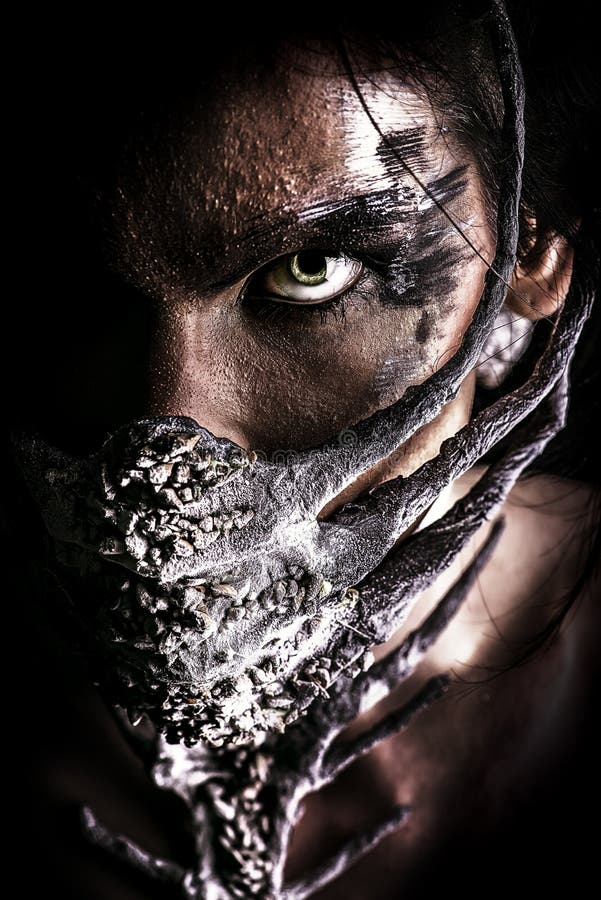
Free with trial Frightening mythical creature male. Halloween. Bony stock images, royalty-free photos and pictures Cruelty. Frightening mythical creature male. Halloween. Frightening mythical creature male. Halloween.
Free with trial A young woman exudles street style in a pink jumper, jeans and casual sneakers. Bony stock images, royalty-free photos and pictures Casual Style. A young woman exudles street style in a pink jumper, jeans and casual sneakers. A young woman exudles street style in a pink jumper, jeans and casual sneakers.
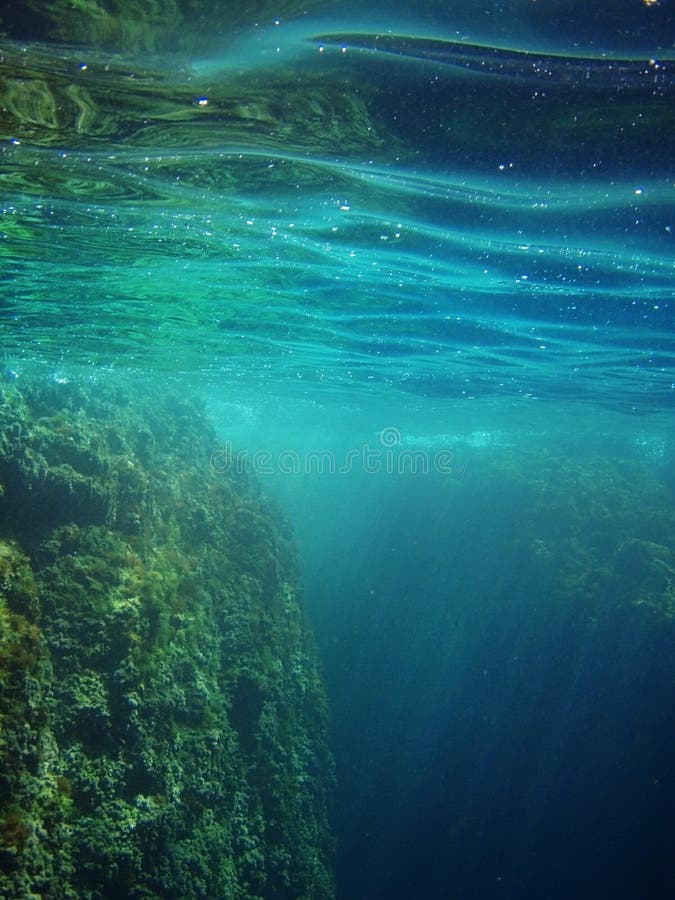
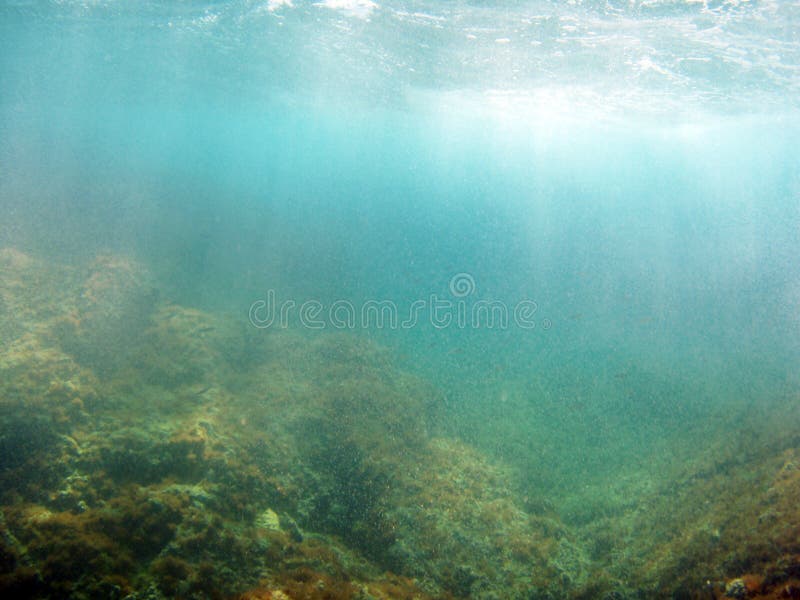
Free with trial Underworld. Deep water of Mediterranean sea. Bony stock images, royalty-free photos and pictures Underworld. Deep water of Mediterranean sea
Free with trial An x-ray can provide insights on what is happening. Bony stock images, royalty-free photos and pictures Radiography Series 3. An x-ray can provide insights on what is happening. An x-ray can provide insights on what is happening.
Free with trial The adult ocean sunfish floating in water. Bony stock images, royalty-free photos and pictures Ocean sunfish. The adult ocean sunfish floating in water. The adult ocean sunfish floating in water.
Free with trial Stegosaurus. A mother and baby stegosaurus at the Milwaukee County Zoo for their Exhibition Dinosaur. Bony stock images, royalty-free photos and pictures Stegosaurus. A mother and baby stegosaurus at the Milwaukee County Zoo for their Exhibition Dinosaur
Free with trial Giant sunfish floating in water. Bony stock images, royalty-free photos and pictures Giant sunfish. Floating in water
Free with trial Werewolf. Close-up portrait of a fantasy man in a wild wood. Art project. Fantasy. Halloween. Bony stock images, royalty-free photos and pictures Werewolf. Close-up portrait of a fantasy man in a wild wood. Art project. Fantasy. Halloween
Free with trial A medical xray scan of the human hand, fingers, and wrist. You can see the bones in this image. Bony stock images, royalty-free photos and pictures Human hand Xray Negative Scan. A medical xray scan of the human hand, fingers, and wrist. You can see the bones in this image. A medical xray scan of the human hand, fingers, and wrist. You can see the bones in this image.
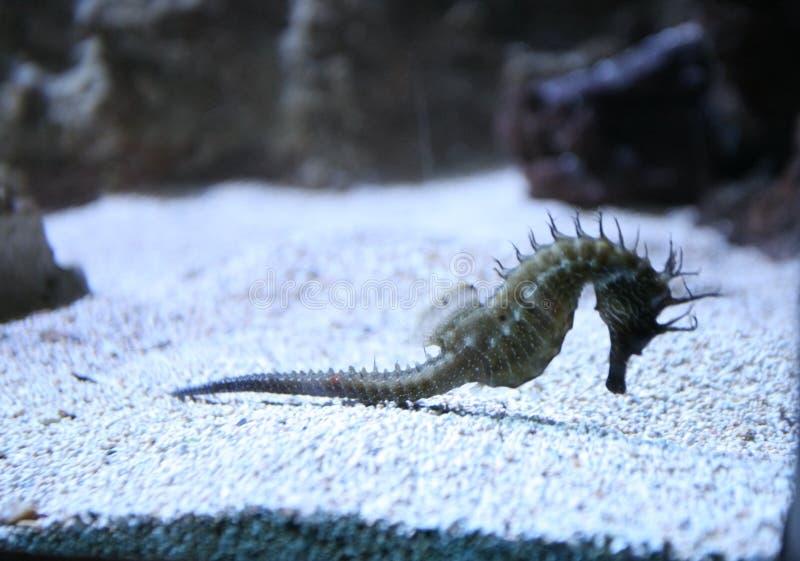
Free with trial Sea-horse. In the aquarium of Sea Museum. Bony stock images, royalty-free photos and pictures Sea-horse. In the aquarium of Sea Museum
Free with trial Underworld. Deep water of Mediterranean sea. Bony stock images, royalty-free photos and pictures Underworld. Deep water of Mediterranean sea
Free with trial African Beauty. Beautiful African American Woman. Bony stock images, royalty-free photos and pictures African Beauty. Beautiful African American Woman
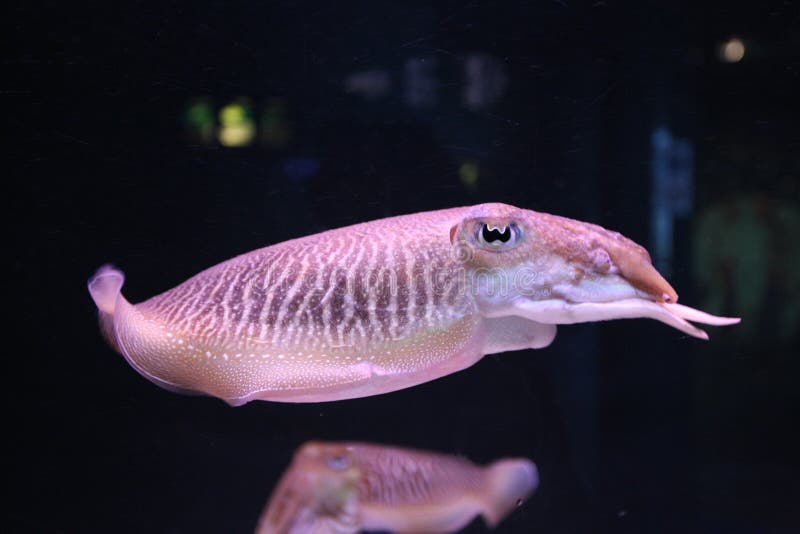
Free with trial Swimming squid. Deep water of Mediterranean sea. Bony stock images, royalty-free photos and pictures Swimming squid. Deep water of Mediterranean sea
Free with trial The giant grouper (Epinephelus lanceolatus), also known as the brindle bass , brown spotted cod , bumblebee grouper and as the Queensland grouper in Australia, is the largest bony fish found in coral reefs, and the aquatic emblem of Queensland, Australia. It is found throughout the Indo-Pacific region, with the exception of the Persian Gulf. The species can grow as large as 2. 7 meters (9 ft) long, weighing up to 600 kg (1320 lb); there are unconfirmed reports of it growing much bigger. They are fairly common in shallow waters and feed on a variety of marine life, including small sharks and juvenile sea turtles. Bony stock images, royalty-free photos and pictures Brindlebass, Giant grouper. The giant grouper (Epinephelus lanceolatus), also known as the brindle bass , brown spotted cod , bumblebee grouper and as the. The giant grouper (Epinephelus lanceolatus), also known as the brindle bass , brown spotted cod , bumblebee grouper and as the Queensland grouper in Australia, is the largest bony fish found in coral reefs, and the aquatic emblem of Queensland, Australia. It is found throughout the Indo-Pacific region, with the exception of the Persian Gulf. The species can grow as large as 2.7 meters (9 ft) long, weighing up to 600 kg (1320 lb); there are unconfirmed reports of it growing much bigger. They are fairly common in shallow waters and feed on a variety of marine life, including small sharks and juvenile sea turtles.
Free with trial Armadillo digging. In park in central Florida. Bony stock images, royalty-free photos and pictures Armadillo digging. In park in central Florida
Free with trial Armadillo. Texas armadillo crouching on hind legs in grass and leaves, autumn, late afternoon light. Bony stock images, royalty-free photos and pictures Armadillo. Texas armadillo crouching on hind legs in grass and leaves, autumn, late afternoon light
Free with trial Underwater: blue fish. Deep water of Indian ocean, Maldives. Bony stock images, royalty-free photos and pictures Underwater: blue fish. Deep water of Indian ocean, Maldives
Free with trial Dutch Cow. A Dutch cow grazing along a chanal on a with a rural scene in the background. Bony stock images, royalty-free photos and pictures Dutch Cow. A Dutch cow grazing along a chanal on a with a rural scene in the background
Free with trial Fossil. Of dinobird millions years old. Bony stock images, royalty-free photos and pictures Fossil. Of dinobird millions years old
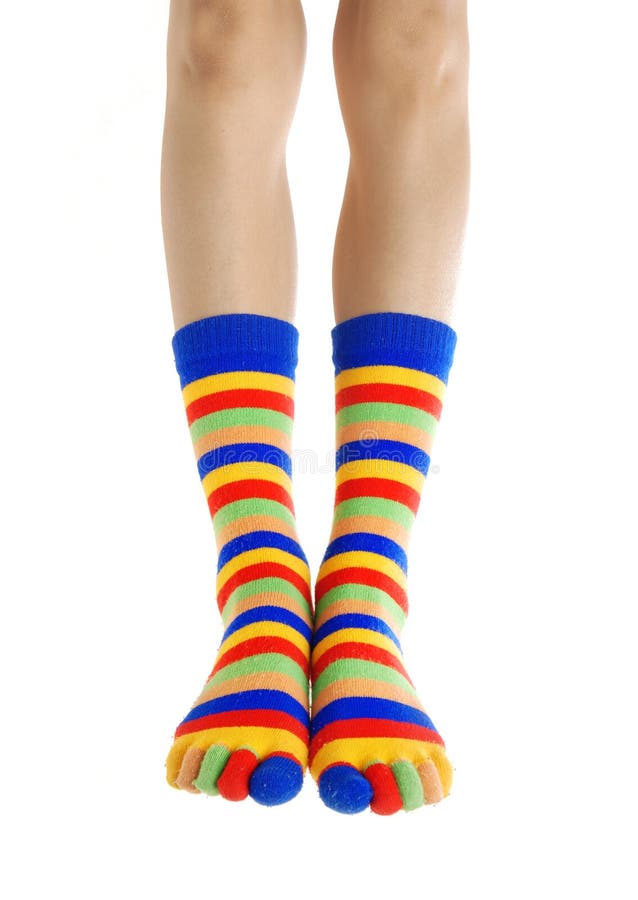
Free with trial Scratch my legs. Thin legs in colored socks scratching each other. Bony stock images, royalty-free photos and pictures Scratch my legs. Thin legs in colored socks scratching each other
Free with trial Standing in hosiery. Close-up photo of the woman legs in zebrine socks. Bony stock images, royalty-free photos and pictures Standing in hosiery. Close-up photo of the woman legs in zebrine socks
Free with trial An artist's dummy having its chest x-rayed. Bony stock images, royalty-free photos and pictures Chest x-ray. An artist's dummy having its chest x-rayed. An artist's dummy having its chest x-rayed.
Free with trial This 50 million year old, Eocene-Era fossil fish comes from one of the world's famous Laggerstatte, the Green River Formation in Wyoming. Diplomystus is from the Class actinopterygii, the ray-finned bony fishes, comprise almost half of all known species of vertebrates, some 20,000 extant species. Bony stock images, royalty-free photos and pictures Fossil Fish. This 50 million year old, Eocene-Era fossil fish comes from one of the world's famous Laggerstatte, the Green River Formation in Wyoming. This 50 million year old, Eocene-Era fossil fish comes from one of the world's famous Laggerstatte, the Green River Formation in Wyoming. Diplomystus is from the Class actinopterygii, the ray-finned bony fishes, comprise almost half of all known species of vertebrates, some 20,000 extant species.
Free with trial A Spinosaurus Faces Off with A Tyrannosaurus Rex. A Spinosaurus Dinosaur in a Face Off with a Tyrannosaurus Rex. Bony stock images, royalty-free photos and pictures A Spinosaurus Faces Off with A Tyrannosaurus Rex. A Spinosaurus Dinosaur in a Face Off with a Tyrannosaurus Rex
Free with trial African-American Beauty. Beautiful African-American Female. Bony stock images, royalty-free photos and pictures African-American Beauty. Beautiful African-American Female
Free with trial Coral background. The background with the corals. Bony stock images, royalty-free photos and pictures Coral background. The background with the corals
Free with trial Cassowaries are very large flightless birds native to the tropical forests of New Guinea and Australia. They are part of the ratite group, which also includes the emus, rheas, ostrich, moa, and kiwi. Adult Southern Cassowaries can grow to 5½ feet tall and weigh about 130 pounds. They have a bony casque on the head that is used to batter through underbrush, making them the only armored bird in the world. Bony stock images, royalty-free photos and pictures Big Bird. Cassowaries are very large flightless birds native to the tropical forests of New Guinea and Australia. They are part of the ratite group, which also. Cassowaries are very large flightless birds native to the tropical forests of New Guinea and Australia. They are part of the ratite group, which also includes the emus, rheas, ostrich, moa, and kiwi. Adult Southern Cassowaries can grow to 5½ feet tall and weigh about 130 pounds. They have a bony casque on the head that is used to batter through underbrush, making them the only armored bird in the world.
 Sign in