Search among 52 authentic decrease rainfall stock photos, high-definition images, and pictures, or look at other fifth place or forest area stock images to enhance your presentation with the perfect visual.

The deforestation rate in Indonesia has continued to increase in the last three years. The area of forest in Indonesia lost due to deforestation reached 1. 4 million hectares in 2023. This places Indonesia in fifth place as the country with the highest deforestation rate. The forest area in Indonesia continues to decrease from year to year. In 2021, Indonesia lost 800 thousand hectares of forest followed by 900 thousand hectares in 2022. At its peak in 2023, Indonesia's forest area was reduced by 1. 4 million hectares. Decrease rainfall stock images, royalty-free photos and pictures
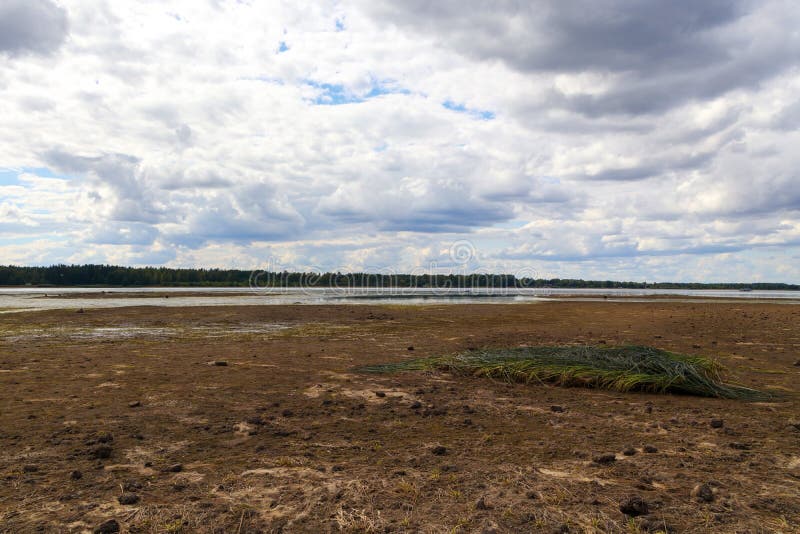
Bhopal, the capital city of madhya pradesh state, India which is known for worst industrial disaster, Bhopal Gas tragedy , Now famous for its wildlife wealth. Near about 15 tigers, more then a dozen leopard, many black buck, blue bull are roaming freely inside and outskirt forest of Bhopal. Also large flocks of sarus cranes, beautiful flamingoes are seen in the drying lack. The continueous decrease in rainfall since two years promote this arrival of Animals and birds. n. Decrease rainfall stock images, royalty-free photos and pictures
Turmeric is a flowering plant, Curcuma longa of the ginger family, Zingiberaceae, of which are used in cooking. The plant is a perennial, rhizomatous, herbaceous plant native to the Indian subcontinent and Southeast Asia, that requires temperatures between 20 and 30 °C 68 and 86 °F and a considerable amount of annual rainfall to thrive. Plants are gathered each year for their rhizomes, some for propagation in the following season and some for consumption. Turmeric has a warm, bitter taste and is frequently used to flavor or color curry powders, mustards, butters, and cheeses. Because curcumin and other chemicals in turmeric might decrease swelling, it is often used to treat conditions that involve pain and inflammation. People commonly use turmeric for osteoarthritis. It is also used for hay fever, depression, high cholesterol, a type of liver disease, and itching, but there is no good scientific evidence to support most of these uses. There is also no good evidence to support using turmeric for COVID-19. Decrease rainfall stock images, royalty-free photos and pictures