Considerable Decrease Images, Pictures And Stock Photos

Only a few matches for considerable decrease. Also displaying results for

Search among 59 authentic considerable decrease stock photos, high-definition images, and pictures, or look at other hay fever or plant native stock images to enhance your presentation with the perfect visual.

A bar graph illustrates a sharp downward trend, indicated by a prominent red arrow, representing a considerable decrease in values over time. Considerable decrease stock images, royalty-free photos and pictures
Turmeric is a flowering plant, Curcuma longa of the ginger family, Zingiberaceae, of which are used in cooking. The plant is a perennial, rhizomatous, herbaceous plant native to the Indian subcontinent and Southeast Asia, that requires temperatures between 20 and 30 °C 68 and 86 °F and a considerable amount of annual rainfall to thrive. Plants are gathered each year for their rhizomes, some for propagation in the following season and some for consumption. Turmeric has a warm, bitter taste and is frequently used to flavor or color curry powders, mustards, butters, and cheeses. Because curcumin and other chemicals in turmeric might decrease swelling, it is often used to treat conditions that involve pain and inflammation. People commonly use turmeric for osteoarthritis. It is also used for hay fever, depression, high cholesterol, a type of liver disease, and itching, but there is no good scientific evidence to support most of these uses. There is also no good evidence to support using turmeric for COVID-19. Considerable decrease stock images, royalty-free photos and pictures
A financial graph displays a fluctuating downward trend using a red line against a blue grid background. The graph illustrates a significant drop, leveling off towards the right side of the image. The combination of colors and design commonly suggests a visual representation of stock market or economic data, indicating decreases or losses. The blue grid provides a structured coordinate system for precise analysis of changes in value over time. Considerable decrease stock images, royalty-free photos and pictures
Unrecognizable manager projecting downward trend for a work team. Human resources management concept for teamwork review, career development discussion, demotion, negative performance, stagnation. Considerable decrease stock images, royalty-free photos and pictures
Symbol of business bar graph downward trend on man hand in concept of presentation or advertising support your organization isolated on white background. Considerable decrease stock images, royalty-free photos and pictures
Rows of industrial oil drums stacked in a vast warehouse, overlaid with a sharp red arrow indicating a downward trend. This image symbolizes falling prices, economic decline, and market volatility. Ideal for financial news, commodity market analysis, or investment strategy content. Considerable decrease stock images, royalty-free photos and pictures
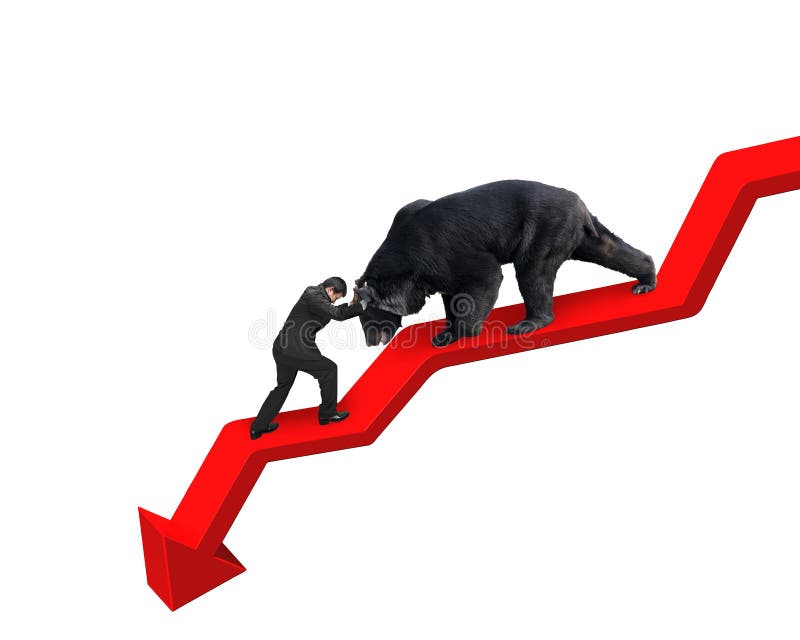
Businessman against black bear on red arrow downward trend line with sky cloudscape background. Fight back bearish market concept. Considerable decrease stock images, royalty-free photos and pictures
A stark, minimalist composition features a white oil barrel labeled 'OIL' with a vibrant, holographic downward trend arrow, visually representing a crisis in the oil industry and economic downturn. Ample copy space allows for custom text integration. Ideal for financial reports, news articles, or market analysis. Considerable decrease stock images, royalty-free photos and pictures
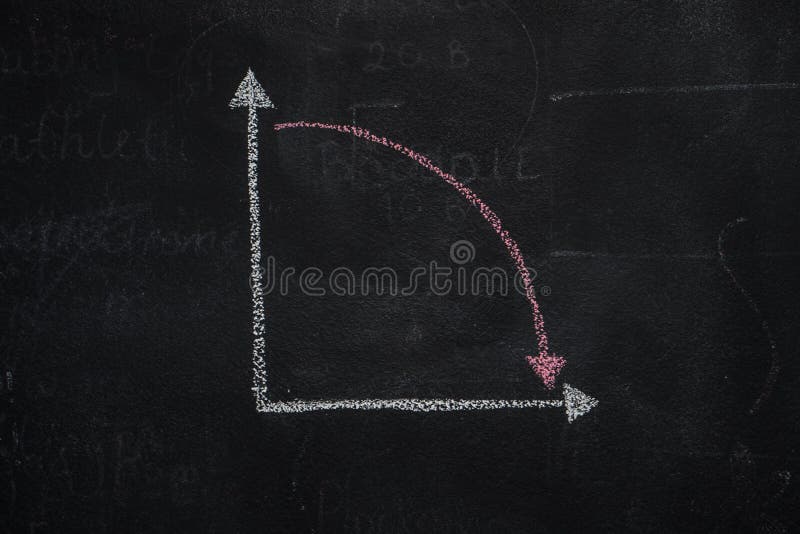
Time for Plan B. Business graph showing a downward trend is being replaced by Plan B which is highlighted by the colored chalk. Ample room for your own message. Considerable decrease stock images, royalty-free photos and pictures
Unrecognizable manager showing a white collar worker next to a downward trend chart. Business and human resources concept for performance evaluation, rejection, dismissal, firing, failure, refusal. Considerable decrease stock images, royalty-free photos and pictures
In order to avoid recession becoming depression governments must borrow and print money but does increasing debt mean a downward trend for the dollar. This graphical image asks that question. Considerable decrease stock images, royalty-free photos and pictures
A close up photo of six stacks of gold coins of decreasing heights under a red downward trend arrow symbolizing trading money loss and financial decline, underscoring the stacks of coins. Considerable decrease stock images, royalty-free photos and pictures
Two arrow graph trend shaped 100 dollar bank notes showing an economic downward trend recovering to an upward trend on an isolated background. Considerable decrease stock images, royalty-free photos and pictures
A downward trend of red candlestick bars placed over a world map visualizes trading money loss in global markets with financial conceptual imagery, underscoring the chart. Considerable decrease stock images, royalty-free photos and pictures
Isolated studio shot of a businesswoman presenting a clipboard with a downward trending graph that has fallen off the page onto the floor. Considerable decrease stock images, royalty-free photos and pictures
Back view of stressed young businessman looking at downward red arrow on blurry city background. Decrease, stats and investment concept. Double exposure. Considerable decrease stock images, royalty-free photos and pictures