HD Robot cyborg touched screen, various animated Stock Market charts and graphs. Artificial Intelligence. Robot cyborg touched screen, various animated Stock Market charts and graphs. Artificial Intelligence.
HD Seamless animation loop of various bar graphs, line graphs, and pie charts. Seamless animation loop of various bar graphs, line graphs, and pie charts.
4K Animation of decrease / drop chart. Animation of isolated graph for decrease / drop of your financial state, bankruptcy animated icon Animation of decrease / drop chart. Animation of isolated graph for decrease / drop of your financial state, bankruptcy animated icon
4K Woman drawing decrease diagram with red down arrow on transparent screen. Businesswoman write on board. Business failure concept. Woman drawing decrease diagram with red down arrow on transparent screen. Businesswoman write on board. Business failure concept.
4K Decrease in water levels due to global warming, global warming and drought. Decrease in water levels due to global warming, global warming and drought.
HD Animated red arrow. Recession chart of economy. Economic crisis, recession, decrease graph. Profit down. Vector illustration isolated on green background. Animated red arrow. Recession chart of economy. Economic crisis, recession, decrease graph. Profit down. Vector illustration isolated on green background.
4K Vasoconstriction and vasodilation blood pressure, dilated blood vessels or capillaries or artery, Increase and decrease in blood flow through the blood vessels, Different thickness, 3d render. Vasoconstriction and vasodilation blood pressure, dilated blood vessels or capillaries or artery, Increase and decrease in blood flow through the blood vessels, Different thickness, 3d render.
HD The blood vessels consist of arteries, arterioles, capillaries, venules, and veins. All blood is carried in these vessels. The arteries, which are strong, flexible, and resilient, carry blood away from the heart and bear the highest blood pressures. Because arteries are elastic, they narrow (recoil) passively when the heart is relaxing between beats and thus help maintain blood pressure. The arteries branch into smaller and smaller vessels, eventually becoming very small vessels called arterioles. Arteries and arterioles have muscular walls that can adjust their diameter to increase or decrease blood flow to a particular part of the body. The blood vessels consist of arteries, arterioles, capillaries, venules, and veins. All blood is carried in these vessels. The arteries, which are strong, flexible, and resilient, carry blood away from the heart and bear the highest blood pressures. Because arteries are elastic, they narrow (recoil) passively when the heart is relaxing between beats and thus help maintain blood pressure. The arteries branch into smaller and smaller vessels, eventually becoming very small vessels called arterioles. Arteries and arterioles have muscular walls that can adjust their diameter to increase or decrease blood flow to a particular part of the body.
HD Gum recession process. Medically accurate animation. Gum recession process. Medically accurate animation.
4K Thermometer with Celsius scale placed in snow showing temperature dropping from zero to minus 25 degrees cold winter weather change concept. Thermometer with Celsius scale placed in snow showing temperature dropping from zero to minus 25 degrees cold winter weather change concept.
4K 3D motion graphic animation of epidemic disease killing people or a multi level marketing (MLM) referral network social community is breaking off and people quit the business until bankrupt in funny concept in 4k ultra HD. 3D motion graphic animation of epidemic disease killing people or a multi level marketing (MLM) referral network social community is breaking off and people quit the business until bankrupt in funny concept in 4k ultra HD.
HD Businessman frustrated about a financial damage. Businessman frustrated about a financial loss Businessman frustrated about a financial damage. Businessman frustrated about a financial loss
HD Timelape Saving money coin isolated. On white background Timelape Saving money coin isolated. On white background
4K Coronabond coronavirus cells covid-19 influenza with color of europe euro, concept of corona bond crisis for economy finance business europe for pandemic health risk recession on chroma key green screen background. Coronabond coronavirus cells covid-19 influenza with color of europe euro, concept of corona bond crisis for economy finance business europe for pandemic health risk recession on chroma key green screen background.
4K Man is holding arrow in the hands as a symbol. Increase or reduce in business trading. Man is holding arrow in the hands as a symbol. Increase or reduce in business trading.
HD Growing stack of russian rubles in red wallet. Time lapse: growing and shrinking stack of russian banknotes in red wallet as object on white background Growing stack of russian rubles in red wallet. Time lapse: growing and shrinking stack of russian banknotes in red wallet as object on white background
HD Businessman on increase bar graph, rising market. (included alpha) Businessman on increase bar graph, rising market. (included alpha)
HD Increase and decrease pupil. The eye of a young woman is very large. No make-up. Pupil breathes - increases and decreases. No effects Increase and decrease pupil. The eye of a young woman is very large. No make-up. Pupil breathes - increases and decreases. No effects
4K Dollar cash business printing money. USA America bank Dollar cash business printing money. USA America bank
4K Diagrams icon animation video. Animation Infographic. 4K Diagrams icon animation video. Animation Infographic. 4K
HD Infographic blue bar graph with different values, loop. Infographic blue bar graph with different values, loop.
HD Two boys are standing in the Ames room. One of them seems to be big than other. Optical illusion in Ames room. Museum of popular scinece and technology. Prores codec. Two boys are standing in the Ames room. One of them seems to be big than other. Optical illusion in Ames room. Museum of popular scinece and technology. Prores codec.
HD Stock market, cryptocurrency exchange chart. Graph of cryptocurrency online on a laptop screen. Quotes of usd and btc at stock exchange market. Bitcoin trading with price evolution. Graph data, chart Stock market, cryptocurrency exchange chart. Graph of cryptocurrency online on a laptop screen. Quotes of usd and btc at stock exchange market. Bitcoin trading with price evolution. Graph data, chart
4K Uaxactun is an ancient sacred place of the Maya civilization, located in the Peten Basin region of the Maya lowlands, in the present-day department of Peten, Guatemala. The site lies some 12 miles 19 km north of the major center of Tikal. He coined the name from Maya words Waxac and Tun, to mean `Eight Stones`. A war between Tikal and Uaxactun, in which Uaxactun was defeated by forces led by Fire is Born Siyaj K`ak`, formerly identified as Smoking Frog, ended in 378 AD. The combined political entity of Tikal-Uaxactun dominated the region for the following 180 years. Siyaj K`ak` might have come from Teotihuacan, been the general of the Teotihuacano ruler Spearthrower Owl, and conquered Tikal earlier the same year. After the conquest, Uaxactun was still able to keep elite prerogatives of monument carving, temple erection, and rich burials during most of the Early Classic era. During the Hiatus period between Early Classic and Late Classic, Uaxactun experienced a lack of architectural activity and ceramic production, which coincided with the decline of the power of Teotihuacan and Tikal. By the middle of Late Classic, Uaxactun showed evidences of population increase, new construction, remodeling of old structures, and appearance of new residential areas, plaza groups, and buildings. There was a time of distinctive population decrease towards the end of Late Classic. By the end of Terminal Classic, Uaxactun was virtually abandoned. Uaxactun is an ancient sacred place of the Maya civilization, located in the Peten Basin region of the Maya lowlands, in the present-day department of Peten, Guatemala. The site lies some 12 miles 19 km north of the major center of Tikal. He coined the name from Maya words Waxac and Tun, to mean `Eight Stones`. A war between Tikal and Uaxactun, in which Uaxactun was defeated by forces led by Fire is Born Siyaj K`ak`, formerly identified as Smoking Frog, ended in 378 AD. The combined political entity of Tikal-Uaxactun dominated the region for the following 180 years. Siyaj K`ak` might have come from Teotihuacan, been the general of the Teotihuacano ruler Spearthrower Owl, and conquered Tikal earlier the same year. After the conquest, Uaxactun was still able to keep elite prerogatives of monument carving, temple erection, and rich burials during most of the Early Classic era. During the Hiatus period between Early Classic and Late Classic, Uaxactun experienced a lack of architectural activity and ceramic production, which coincided with the decline of the power of Teotihuacan and Tikal. By the middle of Late Classic, Uaxactun showed evidences of population increase, new construction, remodeling of old structures, and appearance of new residential areas, plaza groups, and buildings. There was a time of distinctive population decrease towards the end of Late Classic. By the end of Terminal Classic, Uaxactun was virtually abandoned.
HD Businessman on increase bar graph with various diagram, rising market. (included alpha) Businessman on increase bar graph with various diagram, rising market. (included alpha)
4K Uaxactun is an ancient sacred place of the Maya civilization, located in the Peten Basin region of the Maya lowlands, in the present-day department of Peten, Guatemala. The site lies some 12 miles 19 km north of the major center of Tikal. He coined the name from Maya words Waxac and Tun, to mean `Eight Stones`. A war between Tikal and Uaxactun, in which Uaxactun was defeated by forces led by Fire is Born Siyaj K`ak`, formerly identified as Smoking Frog, ended in 378 AD. The combined political entity of Tikal-Uaxactun dominated the region for the following 180 years. Siyaj K`ak` might have come from Teotihuacan, been the general of the Teotihuacano ruler Spearthrower Owl, and conquered Tikal earlier the same year. After the conquest, Uaxactun was still able to keep elite prerogatives of monument carving, temple erection, and rich burials during most of the Early Classic era. During the Hiatus period between Early Classic and Late Classic, Uaxactun experienced a lack of architectural activity and ceramic production, which coincided with the decline of the power of Teotihuacan and Tikal. By the middle of Late Classic, Uaxactun showed evidences of population increase, new construction, remodeling of old structures, and appearance of new residential areas, plaza groups, and buildings. There was a time of distinctive population decrease towards the end of Late Classic. By the end of Terminal Classic, Uaxactun was virtually abandoned. Uaxactun is an ancient sacred place of the Maya civilization, located in the Peten Basin region of the Maya lowlands, in the present-day department of Peten, Guatemala. The site lies some 12 miles 19 km north of the major center of Tikal. He coined the name from Maya words Waxac and Tun, to mean `Eight Stones`. A war between Tikal and Uaxactun, in which Uaxactun was defeated by forces led by Fire is Born Siyaj K`ak`, formerly identified as Smoking Frog, ended in 378 AD. The combined political entity of Tikal-Uaxactun dominated the region for the following 180 years. Siyaj K`ak` might have come from Teotihuacan, been the general of the Teotihuacano ruler Spearthrower Owl, and conquered Tikal earlier the same year. After the conquest, Uaxactun was still able to keep elite prerogatives of monument carving, temple erection, and rich burials during most of the Early Classic era. During the Hiatus period between Early Classic and Late Classic, Uaxactun experienced a lack of architectural activity and ceramic production, which coincided with the decline of the power of Teotihuacan and Tikal. By the middle of Late Classic, Uaxactun showed evidences of population increase, new construction, remodeling of old structures, and appearance of new residential areas, plaza groups, and buildings. There was a time of distinctive population decrease towards the end of Late Classic. By the end of Terminal Classic, Uaxactun was virtually abandoned.
4K Pilots take the plane off in a flight simulator. 4K. Pilots take the plane off in a flight simulator. 4K.
HD Refinance Your Home, Man Writing on Transparent Screen. Man writing on transparent screen Refinance Your Home, Man Writing on Transparent Screen. Man writing on transparent screen
HD Two 3D square bar Chart, Increase economic graph (included alpha). Two 3D square bar Chart, Increase economic graph (included alpha).
4K Inertial spring slide and scale motion effect effect applied to large marketing selling with script final unique offer written with 3Dd font garnished with constellation suggesting great chance. Inertial spring slide and scale motion effect effect applied to large marketing selling with script final unique offer written with 3Dd font garnished with constellation suggesting great chance.
HD Researcher engineer touched screen, various animated Stock Market charts and graphs. Increase line. Artificial Intelligence. Researcher engineer touched screen Researcher engineer touched screen, various animated Stock Market charts and graphs. Increase line. Artificial Intelligence. Researcher engineer touched screen
4K A tranquilly floating greenhouse in the middle of a vast ocean, depicting futuristic greenhouses utilizing seawater to grow crops, which are a potential solution to carbon emissions. A tranquilly floating greenhouse in the middle of a vast ocean, depicting futuristic greenhouses utilizing seawater to grow crops, which are a potential solution to carbon emissions.
4K Timelapse. Stormy Cloudy Sky Wide Panorama. Nature Environment. Meteorology Danger Windstorm Disasters Climate. Timelapse. Stormy Cloudy Sky Wide Panorama. Nature Environment. Meteorology Danger Windstorm Disasters Climate.
4K Fast speed scene of white fluffy cloud changing shape on gray cloudy sky, abstract beautiful cloudscape environment on rainy season, time lapse flowing air Fast speed scene of white fluffy cloud changing shape on gray cloudy sky, abstract beautiful cloudscape environment on rainy season, time lapse flowing air
HD Financial Rate Decrease Percent Symbol and Downward Arrow. Financial Rate Decrease Percent Symbol and Downward Arrow.
4K NVDA stock 2. 21 percent decrease, view through vision glasses. NVDA stock 2. 21 percent decrease, view through vision glasses.
4K AAPL stock 2. 27 percent decrease, view through vision glasses. AAPL stock 2. 27 percent decrease, view through vision glasses.
4K The diagram of younger skin and aging skin showing the decrease in collagen and elastin - 2D animation. The diagram of younger skin and aging skin showing the decrease in collagen and elastin - 2D animation.
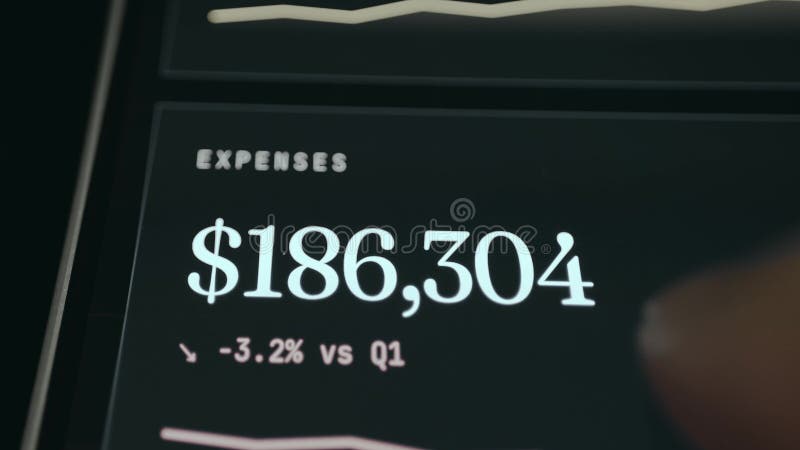
4K Financial Expense data indicating a decrease comparing to the previous quarter. Financial Expense data indicating a decrease comparing to the previous quarter.
4K Animation of the downward movement of the line and arrow. A business Chart with a tendency to decrease profits over a period of time. Animation of the downward movement of the line and arrow. A business Chart with a tendency to decrease profits over a period of time.
HD Vibrant blue and purple graphic depicts declining funds. A modern, clean financial illustration with money decrease symbol. Vibrant blue and purple graphic depicts declining funds. A modern, clean financial illustration with money decrease symbol.
4K Hands Typing on Keyboard with House Icon and Percentage Decrease Graphic Representing Real Estate Market Trends and Analysis Sigmoid. Hands Typing on Keyboard with House Icon and Percentage Decrease Graphic Representing Real Estate Market Trends and Analysis Sigmoid.
4K Red screen financial loss chart animation showing downward market trend, business failure, and economic decrease metrics. Red screen financial loss chart animation showing downward market trend, business failure, and economic decrease metrics.
4K A striking animation of a red down arrow, embodying concepts of decrease, sales, and financial trends. Perfect for illustrating discounts, falling rates, or market decline in various projects. A striking animation of a red down arrow, embodying concepts of decrease, sales, and financial trends. Perfect for illustrating discounts, falling rates, or market decline in various projects.
4K Hand holding holographic interface displaying arrows indicating quality increase and cost decrease with AI emphasis representing technological advancement and innovation Gluon. Hand holding holographic interface displaying arrows indicating quality increase and cost decrease with AI emphasis representing technological advancement and innovation Gluon.
4K Collaborative Teamwork and Partnership in Real Estate Market with House Icon and Financial Indicators Representing Decrease in Property Values Sigmoid. Collaborative Teamwork and Partnership in Real Estate Market with House Icon and Financial Indicators Representing Decrease in Property Values Sigmoid.
4K Top Losers list of assets that have experienced the largest decrease in value. Top Losers list of assets that have experienced the largest decrease in value.
4K Analysis of Population Decline Trends on a Smartphone Screen, Highlighting a Decrease in. Numbers and Implications for Future Demographics AI generated Analysis of Population Decline Trends on a Smartphone Screen, Highlighting a Decrease in. Numbers and Implications for Future Demographics AI generated
4K Account Balance Depleted to Zero with 100 percent Decrease, total loss of funds. Account Balance Depleted to Zero with 100 percent Decrease, total loss of funds.
4K Businessman Holding House Icon with Percentage Sign Indicating Decrease in Values, Financial Growth and Real Estate Decline Concept Sigmoid. Businessman Holding House Icon with Percentage Sign Indicating Decrease in Values, Financial Growth and Real Estate Decline Concept Sigmoid.
4K A factory with smoke stacks emitting smoke, overlaid with a red downward trending graph indicating a decrease in industrial pollution and emissions. A factory with smoke stacks emitting smoke, overlaid with a red downward trending graph indicating a decrease in industrial pollution and emissions.
HD A large red arrow points downwards on a green gradient background, indicating a decrease or decline in value, trend, or direction. A large red arrow points downwards on a green gradient background, indicating a decrease or decline in value, trend, or direction.
4K A Visual Representation of Population Decrease: From a Larger Group to a Smaller Number. Highlighting the Shift in Demographics AI generated A Visual Representation of Population Decrease: From a Larger Group to a Smaller Number. Highlighting the Shift in Demographics AI generated
4K Red line graph on digital screen showing financial performance decrease. Economic recession and market fall concept. Red line graph on digital screen showing financial performance decrease. Economic recession and market fall concept.
4K Line graph over used cars showing an initial increase then a decrease, illustrating sales decline or market downturn. Line graph over used cars showing an initial increase then a decrease, illustrating sales decline or market downturn.
4K Cost reduction concept. Businessman working on company cost saving. Cost wording on decrease money with down arrow. Cost Management, Economy recession, low budget, Effective business processes. Cost reduction concept. Businessman working on company cost saving. Cost wording on decrease money with down arrow. Cost Management, Economy recession, low budget, Effective business processes.
4K Glowing red dollar sign with downward arrow decrease animation icon. Business. Finance. Investment. 4K market downturn motion graphic. Glowing red dollar sign with downward arrow decrease animation icon. Business. Finance. Investment. 4K market downturn motion graphic.
4K A prominent red arrow points decisively downwards against a vibrant green screen background, symbolizing a significant decline or negative trend. A smaller red circular icon with a downward arrow reinforces the message of decrease and falling values. This graphic is ideal for illustrating financial downturns, stock market crashes, economic recession, business failure, or any concept related to. A prominent red arrow points decisively downwards against a vibrant green screen background, symbolizing a significant decline or negative trend. A smaller red circular icon with a downward arrow reinforces the message of decrease and falling values. This graphic is ideal for illustrating financial downturns, stock market crashes, economic recession, business failure, or any concept related to.
4K This 3D render features a colorful bar graph showing varying percentages, indicating increase and decrease in business. This 3D render features a colorful bar graph showing varying percentages, indicating increase and decrease in business.
4K Crypto currency crash and going down, 4k animation of Entrepreneurial investor participating in rodeo experiences decrease in the red arrow graph, facing uncertainty. Crypto currency crash and going down, 4k animation of Entrepreneurial investor participating in rodeo experiences decrease in the red arrow graph, facing uncertainty.
4K Red arrow showing stock market crash across black cubic blocks. Business financial data decrease with falling trend line. Red arrow showing stock market crash across black cubic blocks. Business financial data decrease with falling trend line.
4K Decline, decrease, fall, reduction, object business. One line drawing doodle hand drawn picture. Video 4k object illustration, minimalism hand drawn sketch design modern new Decline, decrease, fall, reduction, object business. One line drawing doodle hand drawn picture. Video 4k object illustration, minimalism hand drawn sketch design modern new
4K Increase and decrease line animation on financial business chart. Economic graph icon on white background for finance concepts and analytics ai generative. Increase and decrease line animation on financial business chart. Economic graph icon on white background for finance concepts and analytics ai generative.
4K Close-up white round rotary dimmer switch on wall hand turning knob to increase and decrease light brightness then pressing to turn off modern lighting control. High quality 4k footage. Close-up white round rotary dimmer switch on wall hand turning knob to increase and decrease light brightness then pressing to turn off modern lighting control. High quality 4k footage.
4K Frustrated man, night and stock market with computer screen for fail, bad investment or decrease. Businessman, broker or working late with technology display, graph or chart for trading in workplace. Frustrated man, night and stock market with computer screen for fail, bad investment or decrease. Businessman, broker or working late with technology display, graph or chart for trading in workplace.
4K Bear market term in browser search engine on computer monitor screen - stock market decrease fall, financial crisis concept. Bear market term in browser search engine on computer monitor screen - stock market decrease fall, financial crisis concept.
HD Operator hand grap and turn knob of scale dial meter rotation decrease gain from ten to zero unit. Operator hand grap and turn knob of scale dial meter rotation decrease gain from ten to zero unit.
4K Looping minimalist stock chart animation. Market trend decrease and low point graphing grid visualization. Business finance animated graph. Economy market trend decline with abstract background 4k video. Looping minimalist stock chart animation. Market trend decrease and low point graphing grid visualization. Business finance animated graph. Economy market trend decline with abstract background 4k video.
4K Power lines with declining graph animation indicating decrease in energy consumption. electricity, sustainability, conservation, efficiency, environment, grid Power lines with declining graph animation indicating decrease in energy consumption. electricity, sustainability, conservation, efficiency, environment, grid
4K Business down graph with arrow, business down graph Sale decrease, animated down concept, Business falling graph, chart down Business down graph with arrow, business down graph Sale decrease, animated down concept, Business falling graph, chart down
4K Business down graph with arrow, business down graph Sale decrease, animated down concept, Business falling graph, chart down Business down graph with arrow, business down graph Sale decrease, animated down concept, Business falling graph, chart down
4K Red arrow showing increase and decrease over plastic bottles. Visualization of declining plastic consumption or recycling rate. Red arrow showing increase and decrease over plastic bottles. Visualization of declining plastic consumption or recycling rate.
4K A water slide with a steep drop resembling the sudden decrease in neutron energy during moderation. AI generated A water slide with a steep drop resembling the sudden decrease in neutron energy during moderation. AI generated
4K Data trend with a down arrow in a cartoon animation. Downward financial loss graph. Performance decrease and market downturn symbol. Business decline bar chart icon. Alpha channel. Data trend with a down arrow in a cartoon animation. Downward financial loss graph. Performance decrease and market downturn symbol. Business decline bar chart icon. Alpha channel.
4K Medical 3D ultrasound sequence illustrating gradual fetal head circumference decrease due to viral infection during. Pregnancy. AI generated Medical 3D ultrasound sequence illustrating gradual fetal head circumference decrease due to viral infection during. Pregnancy. AI generated
4K Climate change , Global warming is expected to increase certain types of clouds in certain places and decrease them in others. Climate change , Global warming is expected to increase certain types of clouds in certain places and decrease them in others.
4K Red and green arrow animation Percentage Increase and Decrease Arrows Animation Red Down Green Up Finance Icons Loop for Stats,. Red and green arrow animation Red and green arrow animation Percentage Increase and Decrease Arrows Animation Red Down Green Up Finance Icons Loop for Stats,. Red and green arrow animation
4K Business down graph with arrow, business down graph Sale decrease, animated down concept, Business falling graph, chart down Business down graph with arrow, business down graph Sale decrease, animated down concept, Business falling graph, chart down
4K Business down graph with arrow, business down graph Sale decrease, animated down concept, Business falling graph, chart down Business down graph with arrow, business down graph Sale decrease, animated down concept, Business falling graph, chart down
 Sign in