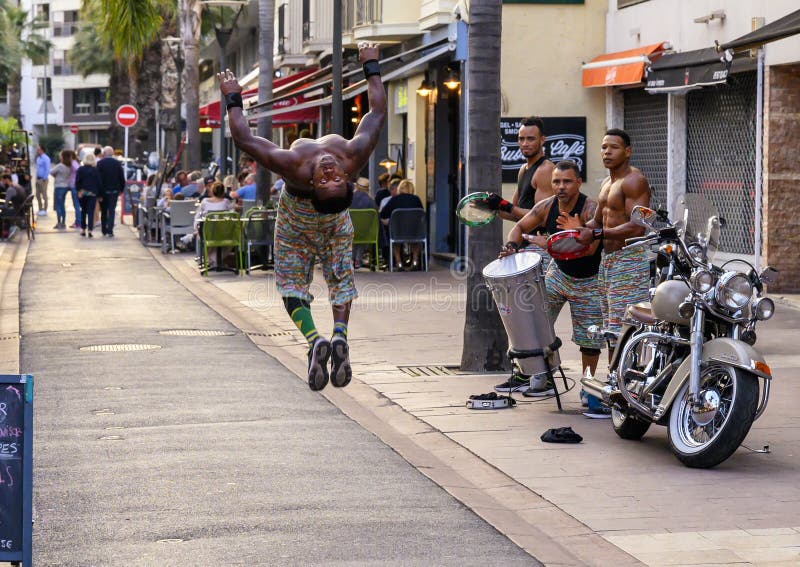
Free with trial Pictured are muscular male street performers on a street in Juan-les-Pins. Three are playing drums and tambourines while a fourth is acrobatically performing a backward flip. A classic antique Harley Davidson motorcycle is parked on the sidewalk and tourists are dining and walking the street. Acrobatically stock images, royalty-free photos and pictures Muscular street performers on a street in Juan-les-Pins near La Pinede. Pictured are muscular male street performers on a street in Juan-les-Pins. Three are. Pictured are muscular male street performers on a street in Juan-les-Pins. Three are playing drums and tambourines while a fourth is acrobatically performing a backward flip. A classic antique Harley Davidson motorcycle is parked on the sidewalk and tourists are dining and walking the street.
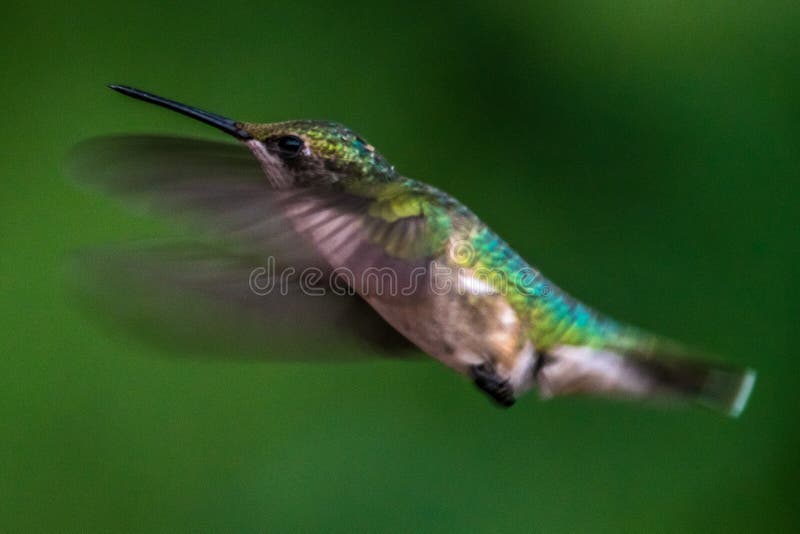
Free with trial Colorful hummingbird flying acrobatically through the air chasing other hummingbirds away from his feeder. Acrobatically stock images, royalty-free photos and pictures Flying Hummingbird. Colorful hummingbird flying acrobatically through the air chasing other hummingbirds away from his feeder. Colorful hummingbird flying acrobatically through the air chasing other hummingbirds away from his feeder.
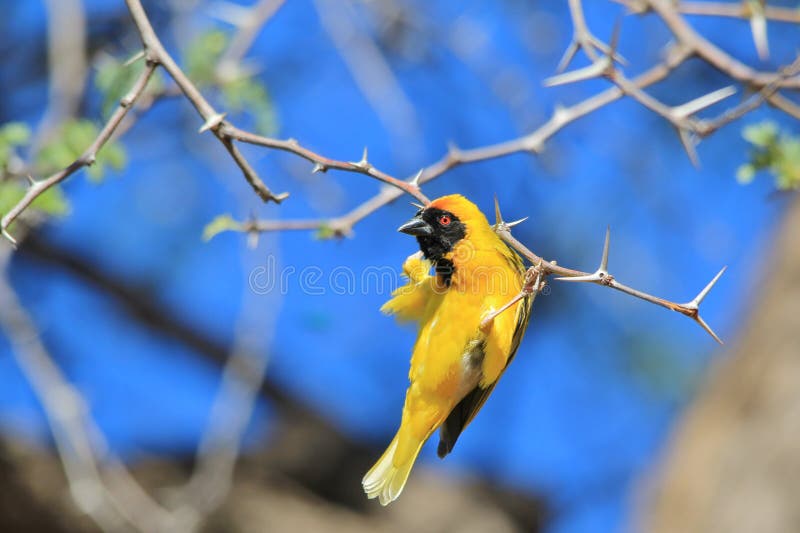
Free with trial A Southern Black Masked Weaver males acrobatically hangs from a thorn branch, as seen in the wilds and wilderness of Africa. Breeding season plumage of gold. Acrobatically stock images, royalty-free photos and pictures Black Masked Weaver - African Wild Bird Background - Acrobat for Gold. A Southern Black Masked Weaver males acrobatically hangs from a thorn branch, as seen in. A Southern Black Masked Weaver males acrobatically hangs from a thorn branch, as seen in the wilds and wilderness of Africa. Breeding season plumage of gold.
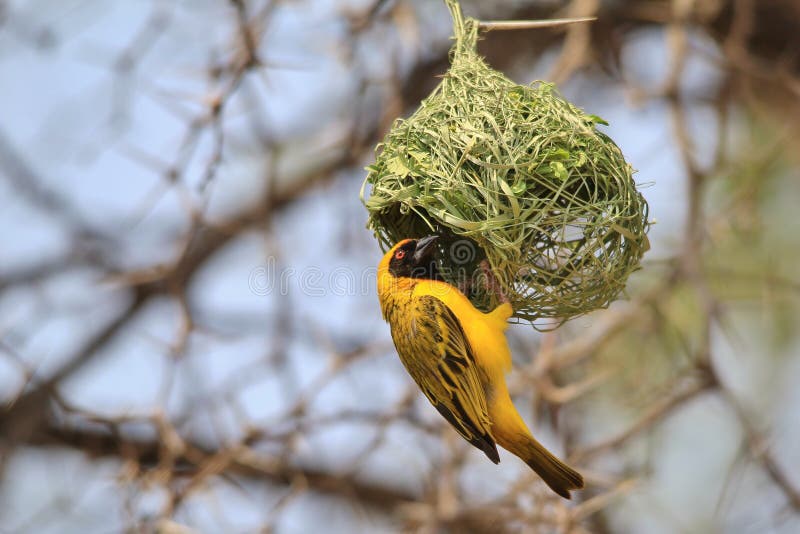
Free with trial A Southern Black Masked Weaver males acrobatically hangs from his nest, as seen in the wilds and wilderness of Africa. In breeding season plumage of gold. Acrobatically stock images, royalty-free photos and pictures Black Masked Weaver - African Wild Bird Background - Hanging around Home. A Southern Black Masked Weaver males acrobatically hangs from his nest, as seen in the. A Southern Black Masked Weaver males acrobatically hangs from his nest, as seen in the wilds and wilderness of Africa. In breeding season plumage of gold.
Free with trial Little Green Bee-eater/ Green Bee-eater (Merops orientalis) is a small bird of bee-eater family found in Indian Subcontinent. They are resident breeders in most of its range. They fly acrobatically in air to catch their prey like Bees, Flies, Insects and Drogon Flies. Acrobatically stock images, royalty-free photos and pictures Green Bee Eater with a Bee. Little Green Bee-eater/ Green Bee-eater (Merops orientalis) is a small bird of bee-eater family found in Indian Subcontinent. They. Little Green Bee-eater/ Green Bee-eater (Merops orientalis) is a small bird of bee-eater family found in Indian Subcontinent. They are resident breeders in most of its range. They fly acrobatically in air to catch their prey like Bees, Flies, Insects and Drogon Flies.
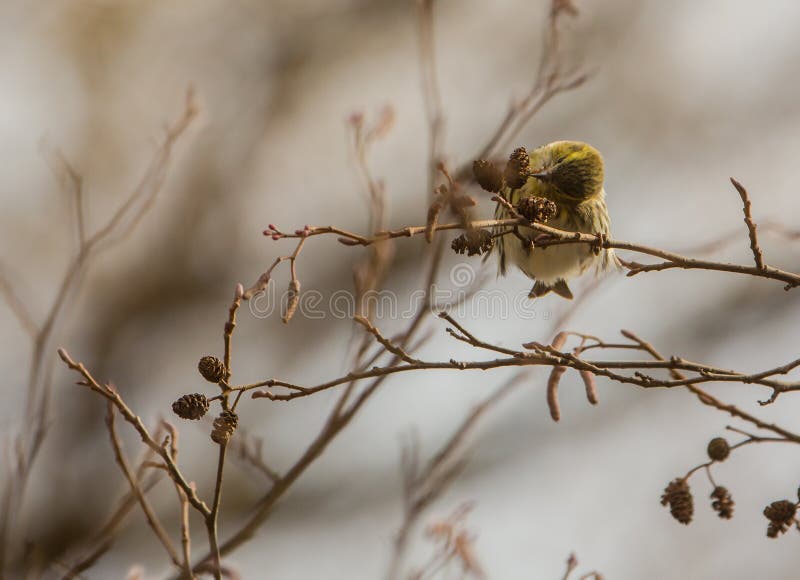
Free with trial A Serin (Serinus Serinus) feeds on seeds holding acrobatically on a thin branch. Acrobatically stock images, royalty-free photos and pictures Feeding Sering bird. A Serin (Serinus Serinus) feeds on seeds holding acrobatically on a thin branch. A Serin (Serinus Serinus) feeds on seeds holding acrobatically on a thin branch.
Free with trial A Coal Tit (Periparus ater) with a black cap, white nape patch and buff underparts clings acrobatically among the needles of a pine tree while foraging. Photographed at Phoenix Park, Dublin, Ireland. Acrobatically stock images, royalty-free photos and pictures Coal Tit in a pine tree. A Coal Tit (Periparus ater) with a black cap, white nape patch and buff underparts clings acrobatically among the needles of a pine tree. A Coal Tit (Periparus ater) with a black cap, white nape patch and buff underparts clings acrobatically among the needles of a pine tree while foraging. Photographed at Phoenix Park, Dublin, Ireland
Free with trial An adult blue tit hanging acrobatically among bramble stems at Turvey Nature Reserve, Dublin, Ireland, as it forages in the thicket. Acrobatically stock images, royalty-free photos and pictures Adult blue tit foraging in brambles. An adult blue tit hanging acrobatically among bramble stems at Turvey Nature Reserve, Dublin, Ireland, as it forages in the. An adult blue tit hanging acrobatically among bramble stems at Turvey Nature Reserve, Dublin, Ireland, as it forages in the thicket
Free with trial A Tropical kingbird is seen perched on a clothesline in a shrimp farm, near the Las Lisas beach, in Guatemala. The tropical kingbird (Tyrannus melancholicus) is a large tyrant flycatcher. This bird breeds from southern Arizona and the lower Rio Grande Valley of Texas in the United States through Central America, South America as far as south as central Argentina and eastern Peru, and on Trinidad and Tobago. Birds from the northernmost and southern breeding areas migrate to warmer parts of the range after breeding. Tropical kingbirds appear to be monogamous. In most parts of the species' range, they are permanent residents and remain together in pairs year-round. Their breeding habitat is semi-open areas with trees and shrubs, including gardens and roadsides. Tropical kingbirds like to observe their surroundings from a prominent open perch, usually high in a tree, undertaking long flights to acrobatically catch insects in mid-air (hawking), sometimes hovering to pick food off vegetation (gleaning). The insects preyed upon include beetles, bees, wasps, termites, butterflies, moths, dragonflies and grasshoppers. They also eat some berries and fruit from such diverse species as tamanqueiro (Alchornea glandulosa), common guava (Psidium guajava), the Annonaceae, Cymbopetalum mayanum and gumbo-limbo (Bursera simaruba) foraging for these even in disturbed habitat. Aplomado falcons have been known to prey on adult tropical kingbirds, while eggs and young have been attacked by swallow-tailed kites and chestnut-mandibled toucans. These birds aggressively defend their territory against intruders, even much larger birds such as magnificent frigatebirds, toucans, caracaras or hawks. The male and female inspect potential sites together before selecting a site, typically a fork or crotch high in a tree up to 20 m (66 ft) high, but sometimes just a few meters above water. Acrobatically stock images, royalty-free photos and pictures Wildlife in Guatemala: A Tropical kingbird is seen perched in a clothesline in Guatemala. A Tropical kingbird is seen perched on a clothesline in a shrimp farm. A Tropical kingbird is seen perched on a clothesline in a shrimp farm, near the Las Lisas beach, in Guatemala. The tropical kingbird (Tyrannus melancholicus) is a large tyrant flycatcher. This bird breeds from southern Arizona and the lower Rio Grande Valley of Texas in the United States through Central America, South America as far as south as central Argentina and eastern Peru, and on Trinidad and Tobago. Birds from the northernmost and southern breeding areas migrate to warmer parts of the range after breeding. Tropical kingbirds appear to be monogamous. In most parts of the species' range, they are permanent residents and remain together in pairs year-round. Their breeding habitat is semi-open areas with trees and shrubs, including gardens and roadsides. Tropical kingbirds like to observe their surroundings from a prominent open perch, usually high in a tree, undertaking long flights to acrobatically catch insects in mid-air (hawking), sometimes hovering to pick food off vegetation (gleaning). The insects preyed upon include beetles, bees, wasps, termites, butterflies, moths, dragonflies and grasshoppers. They also eat some berries and fruit from such diverse species as tamanqueiro (Alchornea glandulosa), common guava (Psidium guajava), the Annonaceae, Cymbopetalum mayanum and gumbo-limbo (Bursera simaruba) foraging for these even in disturbed habitat. Aplomado falcons have been known to prey on adult tropical kingbirds, while eggs and young have been attacked by swallow-tailed kites and chestnut-mandibled toucans. These birds aggressively defend their territory against intruders, even much larger birds such as magnificent frigatebirds, toucans, caracaras or hawks. The male and female inspect potential sites together before selecting a site, typically a fork or crotch high in a tree up to 20 m (66 ft) high, but sometimes just a few meters above water.
Free with trial A Tropical kingbird is seen perched on a clothesline in a shrimp farm, near the Las Lisas beach, in Guatemala. The tropical kingbird (Tyrannus melancholicus) is a large tyrant flycatcher. This bird breeds from southern Arizona and the lower Rio Grande Valley of Texas in the United States through Central America, South America as far as south as central Argentina and eastern Peru, and on Trinidad and Tobago. Birds from the northernmost and southern breeding areas migrate to warmer parts of the range after breeding. Tropical kingbirds appear to be monogamous. In most parts of the species' range, they are permanent residents and remain together in pairs year-round. Their breeding habitat is semi-open areas with trees and shrubs, including gardens and roadsides. Tropical kingbirds like to observe their surroundings from a prominent open perch, usually high in a tree, undertaking long flights to acrobatically catch insects in mid-air (hawking), sometimes hovering to pick food off vegetation (gleaning). The insects preyed upon include beetles, bees, wasps, termites, butterflies, moths, dragonflies and grasshoppers. They also eat some berries and fruit from such diverse species as tamanqueiro (Alchornea glandulosa), common guava (Psidium guajava), the Annonaceae, Cymbopetalum mayanum and gumbo-limbo (Bursera simaruba) foraging for these even in disturbed habitat. Aplomado falcons have been known to prey on adult tropical kingbirds, while eggs and young have been attacked by swallow-tailed kites and chestnut-mandibled toucans. These birds aggressively defend their territory against intruders, even much larger birds such as magnificent frigatebirds, toucans, caracaras or hawks. The male and female inspect potential sites together before selecting a site, typically a fork or crotch high in a tree up to 20 m (66 ft) high, but sometimes just a few meters above water. Acrobatically stock images, royalty-free photos and pictures Wildlife in Guatemala: A Tropical kingbird is seen perched in a clothesline in Guatemala. A Tropical kingbird is seen perched on a clothesline in a shrimp farm. A Tropical kingbird is seen perched on a clothesline in a shrimp farm, near the Las Lisas beach, in Guatemala. The tropical kingbird (Tyrannus melancholicus) is a large tyrant flycatcher. This bird breeds from southern Arizona and the lower Rio Grande Valley of Texas in the United States through Central America, South America as far as south as central Argentina and eastern Peru, and on Trinidad and Tobago. Birds from the northernmost and southern breeding areas migrate to warmer parts of the range after breeding. Tropical kingbirds appear to be monogamous. In most parts of the species' range, they are permanent residents and remain together in pairs year-round. Their breeding habitat is semi-open areas with trees and shrubs, including gardens and roadsides. Tropical kingbirds like to observe their surroundings from a prominent open perch, usually high in a tree, undertaking long flights to acrobatically catch insects in mid-air (hawking), sometimes hovering to pick food off vegetation (gleaning). The insects preyed upon include beetles, bees, wasps, termites, butterflies, moths, dragonflies and grasshoppers. They also eat some berries and fruit from such diverse species as tamanqueiro (Alchornea glandulosa), common guava (Psidium guajava), the Annonaceae, Cymbopetalum mayanum and gumbo-limbo (Bursera simaruba) foraging for these even in disturbed habitat. Aplomado falcons have been known to prey on adult tropical kingbirds, while eggs and young have been attacked by swallow-tailed kites and chestnut-mandibled toucans. These birds aggressively defend their territory against intruders, even much larger birds such as magnificent frigatebirds, toucans, caracaras or hawks. The male and female inspect potential sites together before selecting a site, typically a fork or crotch high in a tree up to 20 m (66 ft) high, but sometimes just a few meters above water.
Free with trial Long-tailed tit with its fluffy white face and elongated tail perched acrobatically on a slender reddish twig, set against a smooth, neutral background. The image captures the bird curious expression and agile posture, ideal for use in birdlife publications, winter wildlife themes, and educational content focused on small European passerines. Acrobatically stock images, royalty-free photos and pictures Long-tailed Tit Clinging to Thin Branch in Soft Light. Long-tailed tit with its fluffy white face and elongated tail perched acrobatically on a slender reddish. Long-tailed tit with its fluffy white face and elongated tail perched acrobatically on a slender reddish twig, set against a smooth, neutral background. The image captures the bird curious expression and agile posture, ideal for use in birdlife publications, winter wildlife themes, and educational content focused on small European passerines.
Free with trial Long-tailed tit with its fluffy white face and elongated tail perched acrobatically on a slender reddish twig, set against a smooth, neutral background. The image captures the bird curious expression and agile posture, ideal for use in birdlife publications, winter wildlife themes, and educational content focused on small European passerines. Acrobatically stock images, royalty-free photos and pictures Long-tailed Tit Clinging to Thin Branch in Soft Light. Long-tailed tit with its fluffy white face and elongated tail perched acrobatically on a slender reddish. Long-tailed tit with its fluffy white face and elongated tail perched acrobatically on a slender reddish twig, set against a smooth, neutral background. The image captures the bird curious expression and agile posture, ideal for use in birdlife publications, winter wildlife themes, and educational content focused on small European passerines.
Free with trial Long-tailed tit with its fluffy white face and elongated tail perched acrobatically on a slender reddish twig, set against a smooth, neutral background. The image captures the bird curious expression and agile posture, ideal for use in birdlife publications, winter wildlife themes, and educational content focused on small European passerines. Acrobatically stock images, royalty-free photos and pictures Long-tailed Tit Clinging to Thin Branch in Soft Light. Long-tailed tit with its fluffy white face and elongated tail perched acrobatically on a slender reddish. Long-tailed tit with its fluffy white face and elongated tail perched acrobatically on a slender reddish twig, set against a smooth, neutral background. The image captures the bird curious expression and agile posture, ideal for use in birdlife publications, winter wildlife themes, and educational content focused on small European passerines.
Free with trial A Baltimore oriole is seen perched in a branch of a tree at dusk, in the El Zonte beach, en El Salvador. The Baltimore oriole (Icterus galbula) is a small icterid blackbird common in eastern North America as a migratory breeding bird. It received its name from the resemblance of the male's colors to those on the coat-of-arms of 17th-century Lord Baltimore. The Baltimore oriole is the state bird of Maryland, and the namesake and mascot for the Baltimore Orioles baseball team. Baltimore orioles forage in trees and shrubs, also making short flights to catch insects. They acrobatically clamber, hover, and hang among foliage as they comb high branches. They mainly eat insects, berries, and nectar, and are often seen sipping at hummingbird feeders. Acrobatically stock images, royalty-free photos and pictures Wildlife in El Salvador: A Baltimore oriole is seen perched in a tree. A Baltimore oriole is seen perched in a branch of a tree at dusk, in the El Zonte beach. A Baltimore oriole is seen perched in a branch of a tree at dusk, in the El Zonte beach, en El Salvador. The Baltimore oriole (Icterus galbula) is a small icterid blackbird common in eastern North America as a migratory breeding bird. It received its name from the resemblance of the male's colors to those on the coat-of-arms of 17th-century Lord Baltimore. The Baltimore oriole is the state bird of Maryland, and the namesake and mascot for the Baltimore Orioles baseball team. Baltimore orioles forage in trees and shrubs, also making short flights to catch insects. They acrobatically clamber, hover, and hang among foliage as they comb high branches. They mainly eat insects, berries, and nectar, and are often seen sipping at hummingbird feeders.
Free with trial A Baltimore oriole is seen perched in a branch of a tree at dusk, in the El Zonte beach, en El Salvador. The Baltimore oriole (Icterus galbula) is a small icterid blackbird common in eastern North America as a migratory breeding bird. It received its name from the resemblance of the male's colors to those on the coat-of-arms of 17th-century Lord Baltimore. The Baltimore oriole is the state bird of Maryland, and the namesake and mascot for the Baltimore Orioles baseball team. Baltimore orioles forage in trees and shrubs, also making short flights to catch insects. They acrobatically clamber, hover, and hang among foliage as they comb high branches. They mainly eat insects, berries, and nectar, and are often seen sipping at hummingbird feeders. Acrobatically stock images, royalty-free photos and pictures Wildlife in El Salvador: A Baltimore oriole is seen perched in a tree. A Baltimore oriole is seen perched in a branch of a tree at dusk, in the El Zonte beach. A Baltimore oriole is seen perched in a branch of a tree at dusk, in the El Zonte beach, en El Salvador. The Baltimore oriole (Icterus galbula) is a small icterid blackbird common in eastern North America as a migratory breeding bird. It received its name from the resemblance of the male's colors to those on the coat-of-arms of 17th-century Lord Baltimore. The Baltimore oriole is the state bird of Maryland, and the namesake and mascot for the Baltimore Orioles baseball team. Baltimore orioles forage in trees and shrubs, also making short flights to catch insects. They acrobatically clamber, hover, and hang among foliage as they comb high branches. They mainly eat insects, berries, and nectar, and are often seen sipping at hummingbird feeders.
Free with trial A Baltimore oriole is seen perched in a branch of a tree at dusk, in the El Zonte beach, en El Salvador. The Baltimore oriole (Icterus galbula) is a small icterid blackbird common in eastern North America as a migratory breeding bird. It received its name from the resemblance of the male's colors to those on the coat-of-arms of 17th-century Lord Baltimore. The Baltimore oriole is the state bird of Maryland, and the namesake and mascot for the Baltimore Orioles baseball team. Baltimore orioles forage in trees and shrubs, also making short flights to catch insects. They acrobatically clamber, hover, and hang among foliage as they comb high branches. They mainly eat insects, berries, and nectar, and are often seen sipping at hummingbird feeders. Acrobatically stock images, royalty-free photos and pictures Wildlife in El Salvador: A Baltimore oriole is seen perched in a tree. A Baltimore oriole is seen perched in a branch of a tree at dusk, in the El Zonte beach. A Baltimore oriole is seen perched in a branch of a tree at dusk, in the El Zonte beach, en El Salvador. The Baltimore oriole (Icterus galbula) is a small icterid blackbird common in eastern North America as a migratory breeding bird. It received its name from the resemblance of the male's colors to those on the coat-of-arms of 17th-century Lord Baltimore. The Baltimore oriole is the state bird of Maryland, and the namesake and mascot for the Baltimore Orioles baseball team. Baltimore orioles forage in trees and shrubs, also making short flights to catch insects. They acrobatically clamber, hover, and hang among foliage as they comb high branches. They mainly eat insects, berries, and nectar, and are often seen sipping at hummingbird feeders.
Free with trial Monarch butterfly with black, orange, and white spotted wings and a silver abdomen has flipped out of its transparent chrysalis while holding on. Acrobatically stock images, royalty-free photos and pictures Monarch Butterfly Acrobatically Flips out of Chrysalis. Monarch butterfly with black, orange, and white spotted wings and a silver abdomen has flipped out of its. Monarch butterfly with black, orange, and white spotted wings and a silver abdomen has flipped out of its transparent chrysalis while holding on.
Free with trial A Cedar Waxwing hangs acrobatically from a bare winter branch, its distinctive plumage contrasting with the bright blue sky. Acrobatically stock images, royalty-free photos and pictures An agile Cedar Waxwing suspended upside down on a thin, leafless branch, searching for food under a clear blue sky. A Cedar Waxwing hangs acrobatically from a. A Cedar Waxwing hangs acrobatically from a bare winter branch, its distinctive plumage contrasting with the bright blue sky
Free with trial A striped dolphin leaps acrobatically from crystal clear blue water into bright sunlight, showcasing its agility and grace in the ocean. Acrobatically stock images, royalty-free photos and pictures A Striped Dolphin Performs an Incredible Leap From Crystal Clear Blue Water Into Bright Sunlight Over the Ocean Surface. A striped dolphin leaps acrobatically. A striped dolphin leaps acrobatically from crystal clear blue water into bright sunlight, showcasing its agility and grace in the ocean.
Free with trial This dynamic photograph captures a Black-throated Tit (Aegithalos concinnus), also known as the Golden-fronted Tit, hanging acrobatically upside down from a rough tree branch while feeding. The bird's strikinggolden-orange crest, contrasting black-and- white facial markings, and soft gray plumageare vividly displayed, with the slight motion blur of its underparts emphasizing its activeforaging behavior. The neutral-toned wooden branch and blurred pale sky background keep the focus on the tit's agile posture and distinctive coloration, showcasing the species'typical acrobatic feeding habits in its natural woodland habitat. No logos, copyrightedelements, or recognizable human figures are present in the frame, making this image ideal for wildlife educational materials, birdwatchingoublications, nature blogs, and ecologicalcontent focused on small passerine birds. Acrobatically stock images, royalty-free photos and pictures Black-throated Tit Hanging Upside Down to Feed on Tree Branch. This dynamic photograph captures a Black-throated Tit (Aegithalos concinnus), also known as the. This dynamic photograph captures a Black-throated Tit (Aegithalos concinnus), also known as the Golden-fronted Tit, hanging acrobatically upside down from a rough tree branch while feeding. The bird's strikinggolden-orange crest, contrasting black-and- white facial markings, and soft gray plumageare vividly displayed, with the slight motion blur of its underparts emphasizing its activeforaging behavior. The neutral-toned wooden branch and blurred pale sky background keep the focus on the tit's agile posture and distinctive coloration, showcasing the species'typical acrobatic feeding habits in its natural woodland habitat. No logos, copyrightedelements, or recognizable human figures are present in the frame, making this image ideal for wildlife educational materials, birdwatchingoublications, nature blogs, and ecologicalcontent focused on small passerine birds.
Free with trial This high-resolution photograph captures aGreat Tit (Parus major) hanging acrobatically upside down from a rough, gray-barked treebranch, set against a softly blurred warm- toned woodland backdrop. The bird's distinctive black and white head markings,bright yellow underparts, and sharp claws gripping the bark are sharply detailed,showcasing the species' iconic plumage and typical agile behavior. The natural daylight highlights the texture of the tree's cracked bark and the vibrant colors of the bird, creating a vivid contrast between the subject and itsnatural habitat. No logos, copyrightedelements, or recognizable human figures arepresent in the frame, making this image ideal for wildlife educational materials, birdwatchingpublications, nature blogs, and forest ecology design projects. Acrobatically stock images, royalty-free photos and pictures Parus Major with Bold Markings on aTextured Tree Trunk. This high-resolution photograph captures aGreat Tit (Parus major) hanging acrobatically upside down from. This high-resolution photograph captures aGreat Tit (Parus major) hanging acrobatically upside down from a rough, gray-barked treebranch, set against a softly blurred warm- toned woodland backdrop. The bird's distinctive black and white head markings,bright yellow underparts, and sharp claws gripping the bark are sharply detailed,showcasing the species' iconic plumage and typical agile behavior. The natural daylight highlights the texture of the tree's cracked bark and the vibrant colors of the bird, creating a vivid contrast between the subject and itsnatural habitat. No logos, copyrightedelements, or recognizable human figures arepresent in the frame, making this image ideal for wildlife educational materials, birdwatchingpublications, nature blogs, and forest ecology design projects.
Free with trial This high-resolution photograph captures aGreat Tit (Parus major) hanging acrobatically upside down from a rough, gray-barked treebranch, set against a softly blurred warm- toned woodland backdrop. The bird's distinctive black and white head markings,bright yellow underparts, and sharp claws gripping the bark are sharply detailed,showcasing the species' iconic plumage and typical agile behavior. The natural daylight highlights the texture of the tree's cracked bark and the vibrant colors of the bird, creating a vivid contrast between the subject and itsnatural habitat. No logos, copyrightedelements, or recognizable human figures arepresent in the frame, making this image ideal for wildlife educational materials, birdwatchingpublications, nature blogs, and forest ecology design projects. Acrobatically stock images, royalty-free photos and pictures Parus Major with Bold Markings on aTextured Tree Trunk. This high-resolution photograph captures aGreat Tit (Parus major) hanging acrobatically upside down from. This high-resolution photograph captures aGreat Tit (Parus major) hanging acrobatically upside down from a rough, gray-barked treebranch, set against a softly blurred warm- toned woodland backdrop. The bird's distinctive black and white head markings,bright yellow underparts, and sharp claws gripping the bark are sharply detailed,showcasing the species' iconic plumage and typical agile behavior. The natural daylight highlights the texture of the tree's cracked bark and the vibrant colors of the bird, creating a vivid contrast between the subject and itsnatural habitat. No logos, copyrightedelements, or recognizable human figures arepresent in the frame, making this image ideal for wildlife educational materials, birdwatchingpublications, nature blogs, and forest ecology design projects.
Free with trial Black snail crawls acrobatically over a blade of grass. Monster snail pests in the garden. Curious discoverer on discovery tour. Feelers outstretched. Acrobatically stock images, royalty-free photos and pictures Black snail crawls acrobatically over a blade of grass . Monster snail pests in the garden . Curious discoverer on discovery tour. Feelers outstretched
Free with trial A Southern Black Masked Weaver males acrobatically hangs from a thorn branch, as seen in the wilds and wilderness of Africa. Breeding season plumage of gold. Acrobatically stock images, royalty-free photos and pictures Black Masked Weaver - African Wild Bird Background - Funny Acrobat. A Southern Black Masked Weaver males acrobatically hangs from a thorn branch, as seen in the. A Southern Black Masked Weaver males acrobatically hangs from a thorn branch, as seen in the wilds and wilderness of Africa. Breeding season plumage of gold.
Free with trial A Southern Black Masked Weaver males acrobatically hangs from his nest, as seen in the wilds and wilderness of Africa. Breeding season plumage of gold. Acrobatically stock images, royalty-free photos and pictures Black Masked Weaver - African Wild Bird Background - Home Sweet Home. A Southern Black Masked Weaver males acrobatically hangs from his nest, as seen in the. A Southern Black Masked Weaver males acrobatically hangs from his nest, as seen in the wilds and wilderness of Africa. Breeding season plumage of gold.
Free with trial A Southern Black Masked Weaver male hangs acrobatically from a thorn tree branch, as seen in the wilds and wilderness of Africa. Breeding season plumage of gold. Acrobatically stock images, royalty-free photos and pictures Black Masked Weaver - African Wild Bird Background - Agile Acrobat. A Southern Black Masked Weaver male hangs acrobatically from a thorn tree branch, as seen in. A Southern Black Masked Weaver male hangs acrobatically from a thorn tree branch, as seen in the wilds and wilderness of Africa. Breeding season plumage of gold.
Free with trial Little Green Bee-eater/ Green Bee-eater (Merops orientalis) is a small bird of bee-eater family found in Indian Subcontinent. They are resident breeders in most of its range. They fly acrobatically in air to catch their prey like Bees, Flies, Insects and Drogon Flies. Acrobatically stock images, royalty-free photos and pictures Green Bee Eater. Little Green Bee-eater/ Green Bee-eater (Merops orientalis) is a small bird of bee-eater family found in Indian Subcontinent. They are resident. Little Green Bee-eater/ Green Bee-eater (Merops orientalis) is a small bird of bee-eater family found in Indian Subcontinent. They are resident breeders in most of its range. They fly acrobatically in air to catch their prey like Bees, Flies, Insects and Drogon Flies.
Free with trial A blue tit, Cyanistes caeruleus, feeds acrobatically on rosehip berries from a dog rose, Rosa canina, in autumn in a wood in Yorkshire, UK. The dog rose is also known as dog berry or witches’ briar. Acrobatically stock images, royalty-free photos and pictures Blue tit eating rosehips in autumn. A blue tit, Cyanistes caeruleus, feeds acrobatically on rosehip berries from a dog rose, Rosa canina, in autumn in a wood in. A blue tit, Cyanistes caeruleus, feeds acrobatically on rosehip berries from a dog rose, Rosa canina, in autumn in a wood in Yorkshire, UK. The dog rose is also known as dog berry or witches’ briar.
Free with trial A goldcrest, Regulus regulus, hangs acrobatically from a branch in a wood in Yorkshire, UK. Goldcrests are the UK`s smallest birds and are often found in woodland. Acrobatically stock images, royalty-free photos and pictures Goldcrest hanging from branch and looking into lens. A goldcrest, Regulus regulus, hangs acrobatically from a branch in a wood in Yorkshire, UK. Goldcrests are. A goldcrest, Regulus regulus, hangs acrobatically from a branch in a wood in Yorkshire, UK. Goldcrests are the UK`s smallest birds and are often found in woodland.
Free with trial The small but beautifully marked butterfly perched acrobatically on the top of a seed pod. Acrobatically stock images, royalty-free photos and pictures Small Heath butterfly perched on top of a plant. The small but beautifully marked butterfly perched acrobatically on the top of a seed pod. The small but beautifully marked butterfly perched acrobatically on the top of a seed pod.
Free with trial Ring necked parrot bird hanging upside down a cable. Indian parrot birds with green feathers and red beaks is acrobatically hanging upside down a cable wire. Acrobatically stock images, royalty-free photos and pictures Ring necked parrot bird hanging upside down a cable. Indian parrot birds with green feathers and red beaks is acrobatically hanging upside down a cable wire
Free with trial Ring necked parrot bird hanging upside down a cable. Indian parrot birds with green feathers and red beaks is acrobatically hanging upside down a cable wire. Acrobatically stock images, royalty-free photos and pictures Ring necked parrot bird hanging upside down a cable. Indian parrot birds with green feathers and red beaks is acrobatically hanging upside down a cable wire
Free with trial Boy balancing on hands in upside down position in a ground. Boy playing acrobatically in a ground. Acrobatically stock images, royalty-free photos and pictures Boy playing in the ground. Boy balancing on hands in upside down position in a ground. Boy playing acrobatically in a ground. Boy balancing on hands in upside down position in a ground. Boy playing acrobatically in a ground.
Free with trial Boy balancing on hands in upside down position in a ground. Boy playing acrobatically in a ground. Acrobatically stock images, royalty-free photos and pictures Boy playing in the ground. Boy balancing on hands in upside down position in a ground. Boy playing acrobatically in a ground. Boy balancing on hands in upside down position in a ground. Boy playing acrobatically in a ground.
Free with trial Two Red Kites Milvus milvus flying from right to left. Two Red Kites Milvus milvus flying acrobatically from right to left. Acrobatically stock images, royalty-free photos and pictures Two Red Kites Milvus milvus flying from right to left. Two Red Kites Milvus milvus flying acrobatically from right to left
Free with trial The Chilean Chinchinero is a popular character who wears on his back a drum which hits staves, and two saucers on the hype, they sound thanks to the action of a rope tied to a shoe performer who dances acrobatically, and a triangle sounds randomly depending on the moves made by the performer and his blow to the hype. Acrobatically stock images, royalty-free photos and pictures Typical Chilean Characters. The Chilean Chinchinero is a popular character who wears on his back a drum which hits staves, and two saucers on the hype, they. The Chilean Chinchinero is a popular character who wears on his back a drum which hits staves, and two saucers on the hype, they sound thanks to the action of a rope tied to a shoe performer who dances acrobatically, and a triangle sounds randomly depending on the moves made by the performer and his blow to the hype.
Free with trial The Chilean Chinchinero is a popular character who wears on his back a drum which hits staves, and two saucers on the hype, they sound thanks to the action of a rope tied to a shoe performer who dances acrobatically, and a triangle sounds randomly depending on the moves made by the performer and his blow to the hype. Acrobatically stock images, royalty-free photos and pictures Typical Chilean Characters. The Chilean Chinchinero is a popular character who wears on his back a drum which hits staves, and two saucers on the hype, they. The Chilean Chinchinero is a popular character who wears on his back a drum which hits staves, and two saucers on the hype, they sound thanks to the action of a rope tied to a shoe performer who dances acrobatically, and a triangle sounds randomly depending on the moves made by the performer and his blow to the hype.
Free with trial A Southern Black Masked Weaver male scratches at an itch in hilarious consequence, as seen in the wilds and wilderness of Africa. Breeding season plumage of gold. Acrobatically stock images, royalty-free photos and pictures Black Masked Weaver - African Wild Bird Background - Funny Scratch. A Southern Black Masked Weaver male scratches at an itch in hilarious consequence, as seen in. A Southern Black Masked Weaver male scratches at an itch in hilarious consequence, as seen in the wilds and wilderness of Africa. Breeding season plumage of gold.
Free with trial A Serin (Serinus Serinus) feeds on seeds holding acrobatically on a thin branch. Acrobatically stock images, royalty-free photos and pictures Feeding Sering bird. A Serin (Serinus Serinus) feeds on seeds holding acrobatically on a thin branch. A Serin (Serinus Serinus) feeds on seeds holding acrobatically on a thin branch.
Free with trial A Southern Masked Weaver male acrobatically hangs from a green thorn bush branch, as seen in the wilds and wilderness of Africa. Acrobatically stock images, royalty-free photos and pictures Masked Weaver - African Wild Bird Background - Acrobatic Beauty. A Southern Masked Weaver male acrobatically hangs from a green thorn bush branch, as seen in the. A Southern Masked Weaver male acrobatically hangs from a green thorn bush branch, as seen in the wilds and wilderness of Africa.
Free with trial Woman doing a stand-up in the water. Attractive young female with her upper body in the water and legs and feet over the water making a stand on the hands. Acrobatically stock images, royalty-free photos and pictures Woman doing a stand-up in the water. Attractive young female with her upper body in the water and legs and feet over the water making a stand on the hands
Free with trial A young man and a woman. A young men and a women acrobatically dance together in perfect sync against a white studio backdrop. , stock photo. Acrobatically stock images, royalty-free photos and pictures A young man and a woman. A young men and a women acrobatically dance together in perfect sync against a white studio backdrop., stock photo
Free with trial The big balloon festival in winter of Thailand. Acrobatically stock images, royalty-free photos and pictures Balloon. The big balloon festival in winter of Thailand. The big balloon festival in winter of Thailand.
Free with trial Air acrobats. Two planes executing a close passing in a acrobatic way. Acrobatically stock images, royalty-free photos and pictures Air acrobats. Two planes executing a close passing in a acrobatic way
Free with trial Young caucasian women doing step jump excersise. Acrobatically stock images, royalty-free photos and pictures Young caucasian women doing step jump excersise. Two young caucasian woman doing step jump excersise
Free with trial Titmouse bird. A small songbird that searches acrobatically for insects among foliage and branches. Acrobatically stock images, royalty-free photos and pictures Titmouse bird. A small songbird that searches acrobatically for insects among foliage and branches
Free with trial Titmouse bird. F small songbird that searches acrobatically for insects among foliage and branches. Acrobatically stock images, royalty-free photos and pictures Titmouse bird. F small songbird that searches acrobatically for insects among foliage and branches
Free with trial Titmouse bird. A small songbird that searches acrobatically for insects among foliage and branches. Acrobatically stock images, royalty-free photos and pictures Titmouse bird. A small songbird that searches acrobatically for insects among foliage and branches
Free with trial Titmouse bird. A small songbird that searches acrobatically for insects among foliage and branches. Acrobatically stock images, royalty-free photos and pictures Titmouse bird. A small songbird that searches acrobatically for insects among foliage and branches
Free with trial Titmouse bird. A small songbird that searches acrobatically for insects among foliage and branches. Acrobatically stock images, royalty-free photos and pictures Titmouse bird. A small songbird that searches acrobatically for insects among foliage and branches
Free with trial Titmouse bird. A small songbird that searches acrobatically for insects among foliage and branches. Acrobatically stock images, royalty-free photos and pictures Titmouse bird. A small songbird that searches acrobatically for insects among foliage and branches
Free with trial Titmouse bird. A small songbird that searches acrobatically for insects among foliage and branches. Acrobatically stock images, royalty-free photos and pictures Titmouse bird. A small songbird that searches acrobatically for insects among foliage and branches
Free with trial Titmouse bird. A small songbird that searches acrobatically for insects among foliage and branches. Acrobatically stock images, royalty-free photos and pictures Titmouse bird. A small songbird that searches acrobatically for insects among foliage and branches
Free with trial Acrobatic fly posters. Edinburgh, United Kingdom - August 10 2018: Two men acrobatically putting up posters during the 2018 Edinbugh Festival on Royal Mile. Acrobatically stock images, royalty-free photos and pictures Acrobatic fly posters. Edinburgh, United Kingdom - August 10 2018: Two men acrobatically putting up posters during the 2018 Edinbugh Festival on Royal Mile
 Sign in