Free with trial Approved Concept: White Keyboard with Approved, Selected Focus on Blue Enter Keypad. 3D Illustration. Asserted stock images, royalty-free photos and pictures Keyboard with Blue Button - Approved. 3D. Approved Concept: White Keyboard with Approved, Selected Focus on Blue Enter Keypad. 3D Illustration. Approved Concept: White Keyboard with Approved, Selected Focus on Blue Enter Keypad. 3D Illustration.
Free with trial Henry IV 15 April 1367 – 20 March 1413, also known as Henry Bolingbroke /ˈbɒlɪŋbrʊk/, was King of England from 1399 to 1413, and asserted the claim of his grandfather, Edward III himself a maternal grandson of Philip IV of France, to the Kingdom of France. Asserted stock images, royalty-free photos and pictures Portrait of Henry IV of England. Henry IV 15 April 1367 – 20 March 1413, also known as Henry Bolingbroke /ˈbɒlɪŋbrʊk/, was King of England from 1399 to. Henry IV 15 April 1367 – 20 March 1413, also known as Henry Bolingbroke /ˈbɒlɪŋbrʊk/, was King of England from 1399 to 1413, and asserted the claim of his grandfather, Edward III himself a maternal grandson of Philip IV of France, to the Kingdom of France.
Free with trial Parliament Square, Edinburgh, is located off the High Street, part of the Royal Mile. The square is not a formal square, but consists of two sections surrounding St Giles Kirk on three sides: an L-shaped area to the east and south and another area on the west side of the church called West Parliament Square. The square also includes a statue of James Braidwood, erected in 2008, who founded what is asserted to be the world`s first municipal fire service, in Edinburgh, after the Great Fire of Edinburgh in 1824. Parliament House not only housed the pre-union Parliament of Scotland but also the Court of Session. Asserted stock images, royalty-free photos and pictures Parliament Square, Edinburgh, is located off the High Street, part of the Royal Mile. The square is not a formal square, but consists of two sections
Free with trial Arbroath Abbey is famously associated with the Declaration of Arbroath of 1320, which asserted Scotland`s independence from England. Asserted stock images, royalty-free photos and pictures Ancient Ruins of Arbroath Abbey at Sunset in Scotland. Arbroath Abbey is famously associated with the Declaration of Arbroath of 1320, which asserted Scotland`s. Arbroath Abbey is famously associated with the Declaration of Arbroath of 1320, which asserted Scotland`s independence from England
Free with trial An example of engineering skills and sports spirit: the Škoda 130 RS asserted itself against seemingly stronger competition at first in circuit races and, eventually, in rallies as well. Its outstanding successes include a double victory in the Monte Carlo Rally in 1977 and in the European Sportscar Championship. Asserted stock images, royalty-free photos and pictures Škoda 130 RS type 735 (1975-1980). An example of engineering skills and sports spirit: the Škoda 130 RS asserted itself against seemingly stronger competition. An example of engineering skills and sports spirit: the Škoda 130 RS asserted itself against seemingly stronger competition at first in circuit races and, eventually, in rallies as well. Its outstanding successes include a double victory in the Monte Carlo Rally in 1977 and in the European Sportscar Championship.
Free with trial Glastonbury Abbey was a rich and powerful monastery in Glastonbury, Somerset, England. Since at least the 12th century the Glastonbury area was frequently associated with the legend of King Arthur, a connection promoted by medieval monks who asserted that Glastonbury was Avalon. The abbey was suppressed during the Dissolution of the Monasteries under King Henry VIII of England. The ruins and associated buildings are open today as a visitor attraction. Asserted stock images, royalty-free photos and pictures Glastonbury Abbey. Was a rich and powerful monastery in Glastonbury, Somerset, England. Since at least the 12th century the Glastonbury area was frequently. Glastonbury Abbey was a rich and powerful monastery in Glastonbury, Somerset, England. Since at least the 12th century the Glastonbury area was frequently associated with the legend of King Arthur, a connection promoted by medieval monks who asserted that Glastonbury was Avalon. The abbey was suppressed during the Dissolution of the Monasteries under King Henry VIII of England. The ruins and associated buildings are open today as a visitor attraction
Free with trial In the United States, the Supreme Court of the United States, established in 1789, is the highest Federal court in the country, with powers of judicial review first asserted in Calder v. Bull (1798) in Justice Iredell's dissenting opinion. The power was later given binding authority by Justice Marshall in Marbury v. Madison (1803). There are currently nine seats on the US Supreme Court. Asserted stock images, royalty-free photos and pictures Supreme Court. In the United States, the Supreme Court of the United States, established in 1789, is the highest Federal court in the country, with powers of. In the United States, the Supreme Court of the United States, established in 1789, is the highest Federal court in the country, with powers of judicial review first asserted in Calder v. Bull (1798) in Justice Iredell's dissenting opinion. The power was later given binding authority by Justice Marshall in Marbury v. Madison (1803). There are currently nine seats on the US Supreme Court.
Free with trial Glastonbury Abbey was a rich and powerful monastery in Glastonbury, Somerset, England. Since at least the 12th century the Glastonbury area was frequently associated with the legend of King Arthur, a connection promoted by medieval monks who asserted that Glastonbury was Avalon. The abbey was suppressed during the Dissolution of the Monasteries under King Henry VIII of England. The ruins and associated buildings are open today as a visitor attraction. Asserted stock images, royalty-free photos and pictures Glastonbury Abbey. Was a rich and powerful monastery in Glastonbury, Somerset, England. Since at least the 12th century the Glastonbury area was frequently. Glastonbury Abbey was a rich and powerful monastery in Glastonbury, Somerset, England. Since at least the 12th century the Glastonbury area was frequently associated with the legend of King Arthur, a connection promoted by medieval monks who asserted that Glastonbury was Avalon. The abbey was suppressed during the Dissolution of the Monasteries under King Henry VIII of England. The ruins and associated buildings are open today as a visitor attraction
Free with trial Glastonbury Abbey was a rich and powerful monastery in Glastonbury, Somerset, England. Since at least the 12th century the Glastonbury area was frequently associated with the legend of King Arthur, a connection promoted by medieval monks who asserted that Glastonbury was Avalon. The abbey was suppressed during the Dissolution of the Monasteries under King Henry VIII of England. The ruins and associated buildings are open today as a visitor attraction. Asserted stock images, royalty-free photos and pictures Glastonbury Abbey. Was a rich and powerful monastery in Glastonbury, Somerset, England. Since at least the 12th century the Glastonbury area was frequently. Glastonbury Abbey was a rich and powerful monastery in Glastonbury, Somerset, England. Since at least the 12th century the Glastonbury area was frequently associated with the legend of King Arthur, a connection promoted by medieval monks who asserted that Glastonbury was Avalon. The abbey was suppressed during the Dissolution of the Monasteries under King Henry VIII of England. The ruins and associated buildings are open today as a visitor attraction
Free with trial The Széchenyi Chain Bridge (Hungarian: Széchenyi lánchíd) is a suspension bridge that spans the River Danube between Buda and Pest, the western and eastern sides of Budapest, the capital of Hungary. Designed by the English engineer William Tierney Clark, it was the first permanent bridge across the Danube in Budapest, and was opened in 1849. It is anchored on the Pest side of the river to Széchenyi (formerly Roosevelt) Square, adjacent to the Gresham Palace and the Hungarian Academy of Sciences, and on the Buda side to Adam Clark Square, near the Zero Kilometer Stone and the lower end of the Castle Hill Funicular, leading to Buda Castle. The bridge has the name of István Széchenyi, a major supporter of its construction, attached to it, but is most commonly known as the Chain Bridge. At the time of its construction, it was regarded as one of the modern world's engineering wonders. [citation needed] It has asserted an enormous significance in the country's economic, social and cultural life, much as the Brooklyn Bridge has in New York and United States of America. Its decorations made of cast iron, and its construction, radiating calm dignity and balance, have elevated the Chain Bridge to a high stature in Europe. It became a symbol of advancement, national awakening, and the linkage between East and West. Asserted stock images, royalty-free photos and pictures Chain Bridge Budapest and a view on Parliament. The Széchenyi Chain Bridge (Hungarian: Széchenyi lánchíd) is a suspension bridge that spans the River Danube. The Széchenyi Chain Bridge (Hungarian: Széchenyi lánchíd) is a suspension bridge that spans the River Danube between Buda and Pest, the western and eastern sides of Budapest, the capital of Hungary. Designed by the English engineer William Tierney Clark, it was the first permanent bridge across the Danube in Budapest, and was opened in 1849. It is anchored on the Pest side of the river to Széchenyi (formerly Roosevelt) Square, adjacent to the Gresham Palace and the Hungarian Academy of Sciences, and on the Buda side to Adam Clark Square, near the Zero Kilometer Stone and the lower end of the Castle Hill Funicular, leading to Buda Castle. The bridge has the name of István Széchenyi, a major supporter of its construction, attached to it, but is most commonly known as the Chain Bridge. At the time of its construction, it was regarded as one of the modern world's engineering wonders.[citation needed] It has asserted an enormous significance in the country's economic, social and cultural life, much as the Brooklyn Bridge has in New York and United States of America. Its decorations made of cast iron, and its construction, radiating calm dignity and balance, have elevated the Chain Bridge to a high stature in Europe. It became a symbol of advancement, national awakening, and the linkage between East and West.
Free with trial Approved - Binder on Wooden Black Table. Approved - Business Concept on Toned Background. Approved. Business Illustration on Blurred Background. 3D Render. Asserted stock images, royalty-free photos and pictures Approved on Office Binder. Blurred Image. 3D. Approved - Binder on Wooden Black Table. Approved - Business Concept on Toned Background. Approved. Business. Approved - Binder on Wooden Black Table. Approved - Business Concept on Toned Background. Approved. Business Illustration on Blurred Background. 3D Render.
Free with trial The substantial ruins of a Tironensian monastery, founded by William the Lion in 1178, who is buried in Arbroath Abbey. Arbroath Abbey is famously associated with the Declaration of Arbroath of 1320, which asserted Scotland`s independence from England. Parts of the abbey church and domestic buildings remain, notably the gatehouse range and the abbot`s house. Asserted stock images, royalty-free photos and pictures Ruins of Arbroath Abbey gardens and cemetery. The substantial ruins of a Tironensian monastery, founded by William the Lion in 1178, who is buried in Arbroath. The substantial ruins of a Tironensian monastery, founded by William the Lion in 1178, who is buried in Arbroath Abbey. Arbroath Abbey is famously associated with the Declaration of Arbroath of 1320, which asserted Scotland`s independence from England. Parts of the abbey church and domestic buildings remain, notably the gatehouse range and the abbot`s house.
Free with trial Arbroath Abbey is famously associated with the Declaration of Arbroath of 1320, which asserted Scotland`s independence from England. Asserted stock images, royalty-free photos and pictures Ancient Ruins of Arbroath Abbey at Sunset in Scotland. Arbroath Abbey is famously associated with the Declaration of Arbroath of 1320, which asserted Scotland`s. Arbroath Abbey is famously associated with the Declaration of Arbroath of 1320, which asserted Scotland`s independence from England
Free with trial Arbroath Abbey is famously associated with the Declaration of Arbroath of 1320, which asserted Scotland`s independence from England. Asserted stock images, royalty-free photos and pictures Ancient Ruins of Arbroath Abbey at Sunset in Scotland. Arbroath Abbey is famously associated with the Declaration of Arbroath of 1320, which asserted Scotland`s. Arbroath Abbey is famously associated with the Declaration of Arbroath of 1320, which asserted Scotland`s independence from England
Free with trial Arbroath Abbey is famously associated with the Declaration of Arbroath of 1320, which asserted Scotland`s independence from England. Asserted stock images, royalty-free photos and pictures Ancient Ruins of Arbroath Abbey at Sunset in Scotland. Arbroath Abbey is famously associated with the Declaration of Arbroath of 1320, which asserted Scotland`s. Arbroath Abbey is famously associated with the Declaration of Arbroath of 1320, which asserted Scotland`s independence from England
Free with trial The substantial ruins of a Tironensian monastery, founded by William the Lion in 1178, who is buried in Arbroath Abbey. Arbroath Abbey is famously associated with the Declaration of Arbroath of 1320, which asserted Scotland`s independence from England. Parts of the abbey church and domestic buildings remain, notably the gatehouse range and the abbot`s house. Asserted stock images, royalty-free photos and pictures The Ancient Ruins of Arbroath Abbey Scotland. The substantial ruins of a Tironensian monastery, founded by William the Lion in 1178, who is buried in Arbroath. The substantial ruins of a Tironensian monastery, founded by William the Lion in 1178, who is buried in Arbroath Abbey. Arbroath Abbey is famously associated with the Declaration of Arbroath of 1320, which asserted Scotland`s independence from England. Parts of the abbey church and domestic buildings remain, notably the gatehouse range and the abbot`s house.
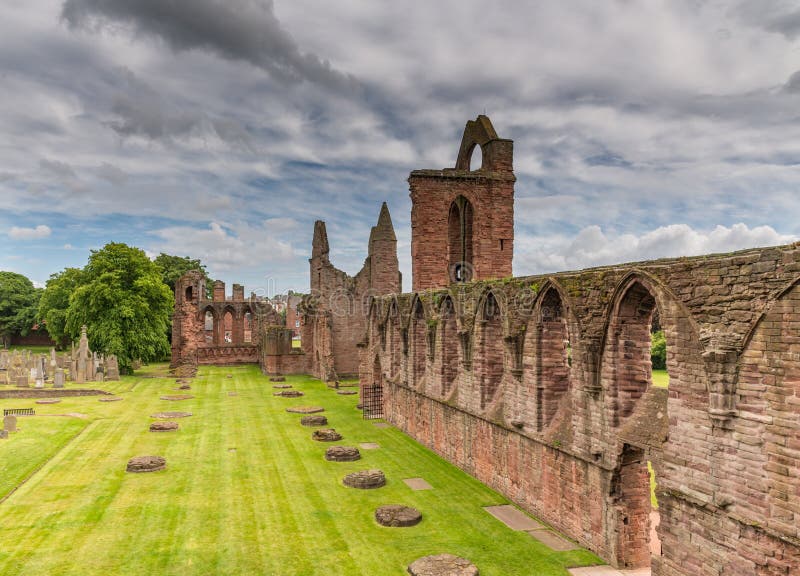
Free with trial The substantial ruins of a Tironensian monastery, founded by William the Lion in 1178, who is buried in Arbroath Abbey. Arbroath Abbey is famously associated with the Declaration of Arbroath of 1320, which asserted Scotland`s independence from England. Parts of the abbey church and domestic buildings remain, notably the gatehouse range and the abbot`s house. Asserted stock images, royalty-free photos and pictures Arbroath Abbey Graveyard and ancient Ruins from High. The substantial ruins of a Tironensian monastery, founded by William the Lion in 1178, who is buried in. The substantial ruins of a Tironensian monastery, founded by William the Lion in 1178, who is buried in Arbroath Abbey. Arbroath Abbey is famously associated with the Declaration of Arbroath of 1320, which asserted Scotland`s independence from England. Parts of the abbey church and domestic buildings remain, notably the gatehouse range and the abbot`s house.
Free with trial Arbroath Abbey is famously associated with the Declaration of Arbroath of 1320, which asserted Scotland`s independence from England. Asserted stock images, royalty-free photos and pictures Ancient Ruins of Arbroath Abbey at Sunset in Scotland. Arbroath Abbey is famously associated with the Declaration of Arbroath of 1320, which asserted Scotland`s. Arbroath Abbey is famously associated with the Declaration of Arbroath of 1320, which asserted Scotland`s independence from England
Free with trial Arbroath Abbey is famously associated with the Declaration of Arbroath of 1320, which asserted Scotland`s independence from England. Asserted stock images, royalty-free photos and pictures Ancient Ruins of Arbroath Abbey at Sunset in Scotland. Arbroath Abbey is famously associated with the Declaration of Arbroath of 1320, which asserted Scotland`s. Arbroath Abbey is famously associated with the Declaration of Arbroath of 1320, which asserted Scotland`s independence from England
Free with trial Arbroath Abbey is famously associated with the Declaration of Arbroath of 1320, which asserted Scotland`s independence from England. Asserted stock images, royalty-free photos and pictures Ancient Ruins of Arbroath Abbey at Sunset in Scotland. Arbroath Abbey is famously associated with the Declaration of Arbroath of 1320, which asserted Scotland`s. Arbroath Abbey is famously associated with the Declaration of Arbroath of 1320, which asserted Scotland`s independence from England
Free with trial Arbroath Abbey is famously associated with the Declaration of Arbroath of 1320, which asserted Scotland`s independence from England. Asserted stock images, royalty-free photos and pictures Ancient Ruins of Arbroath Abbey at Sunset in Scotland. Arbroath Abbey is famously associated with the Declaration of Arbroath of 1320, which asserted Scotland`s. Arbroath Abbey is famously associated with the Declaration of Arbroath of 1320, which asserted Scotland`s independence from England
Free with trial Arbroath Abbey is famously associated with the Declaration of Arbroath of 1320, which asserted Scotland`s independence from England. Asserted stock images, royalty-free photos and pictures Ancient Ruins of Arbroath Abbey at Sunset in Scotland. Arbroath Abbey is famously associated with the Declaration of Arbroath of 1320, which asserted Scotland`s. Arbroath Abbey is famously associated with the Declaration of Arbroath of 1320, which asserted Scotland`s independence from England
Free with trial Safe communities thrive on white paper. Background. Asserted stock images, royalty-free photos and pictures Safe communities thrive on white paper. Background
Free with trial Ljubljana[c] (also known by other historical names) is the capital and largest city of Slovenia,[13][14] located along a trade route between the northern Adriatic Sea and the Danube region,[15] north of the country's largest marsh, inhabited since prehistoric times. It is the country's cultural, educational, economic, political and administrative center and the seat of Urban Municipality of Ljubljana. During antiquity, a Roman city called Emona stood in the area. [16] The city was first mentioned in the first half of the 12th century. It was the historical capital of Carniola,[15] one of the Slovene-inhabited parts of the Habsburg monarchy. [13] It was under Habsburg rule from the Middle Ages until the dissolution of the Austro-Hungarian Empire in 1918. After World War II, Ljubljana became the capital of the Socialist Republic of Slovenia, part of the Socialist Federal Republic of Yugoslavia. The city retained this status until Slovenia became independent in 1991 and Ljubljana became the capital of the newly formed state. [17]NameDepiction of the city's coat of arms featuring the dragon on top of the castle, from Valvasor's The Glory of the Duchy of Carniola, 1689The exact origin of the name Ljubljana is unclear. In medieval times, both the river and the town were also called Laibach (German: [? la? bax]? ) in German. This name was used within the region until 1918 and continues to be used in German. In Italian, the city is referred to as Lubiana, and in Latin, it is known as Labacum. [18]The German name was first documented in 1144, and the Slovenian form appeared in records as early as 1146. The 10th-century work "Life of Gregentios" provides the Greek variant????????? (Lyplianes) and situates it among the Avars in the 6th century. This account is influenced by an earlier northern Italian source written shortly after the conquest of 774. [19]The connection between the Slovene and German names has posed a puzzle for scholars. In 2007, linguist Tijmen Pronk, an authority in comparative Indo-European linguistics and Slovene dialectology from the University of Leiden, provided strong support for the theory that the Slavic ljub- 'to love, like' was the most likely origin. He argued that the river's name likely stemmed from the settlement's name. [20][21] Silvo Torkar, a linguist with expertise in Slovene names, put forth the idea that Ljubljana's name has its roots in Ljubija, the original name of the Ljubljanica River. This can be traced back to the Old Slavic male name Ljubovid, which translates to 'the one with a lovely appearance'. Torkar also asserted that the name Laibach is a combination of German and Slovene, sharing its origins with the same personal name. [22][23]Dragon symbol. Asserted stock images, royalty-free photos and pictures Ljubljana capital of Slovenia autumn evening. Ljubljana[c] (also known by other historical names) is the capital and largest city of Slovenia,[13][14] located. Ljubljana[c] (also known by other historical names) is the capital and largest city of Slovenia,[13][14] located along a trade route between the northern Adriatic Sea and the Danube region,[15] north of the country's largest marsh, inhabited since prehistoric times. It is the country's cultural, educational, economic, political and administrative center and the seat of Urban Municipality of Ljubljana.During antiquity, a Roman city called Emona stood in the area.[16] The city was first mentioned in the first half of the 12th century. It was the historical capital of Carniola,[15] one of the Slovene-inhabited parts of the Habsburg monarchy.[13] It was under Habsburg rule from the Middle Ages until the dissolution of the Austro-Hungarian Empire in 1918. After World War II, Ljubljana became the capital of the Socialist Republic of Slovenia, part of the Socialist Federal Republic of Yugoslavia. The city retained this status until Slovenia became independent in 1991 and Ljubljana became the capital of the newly formed state.[17]NameDepiction of the city's coat of arms featuring the dragon on top of the castle, from Valvasor's The Glory of the Duchy of Carniola, 1689The exact origin of the name Ljubljana is unclear. In medieval times, both the river and the town were also called Laibach (German: [?la?bax] ?) in German. This name was used within the region until 1918 and continues to be used in German. In Italian, the city is referred to as Lubiana, and in Latin, it is known as Labacum.[18]The German name was first documented in 1144, and the Slovenian form appeared in records as early as 1146. The 10th-century work "Life of Gregentios" provides the Greek variant ????????? (Lyplianes) and situates it among the Avars in the 6th century. This account is influenced by an earlier northern Italian source written shortly after the conquest of 774.[19]The connection between the Slovene and German names has posed a puzzle for scholars. In 2007, linguist Tijmen Pronk, an authority in comparative Indo-European linguistics and Slovene dialectology from the University of Leiden, provided strong support for the theory that the Slavic ljub- 'to love, like' was the most likely origin. He argued that the river's name likely stemmed from the settlement's name.[20][21] Silvo Torkar, a linguist with expertise in Slovene names, put forth the idea that Ljubljana's name has its roots in Ljubija, the original name of the Ljubljanica River. This can be traced back to the Old Slavic male name Ljubovid, which translates to 'the one with a lovely appearance'. Torkar also asserted that the name Laibach is a combination of German and Slovene, sharing its origins with the same personal name.[22][23]Dragon symbol
Free with trial Ljubljana[c is the capital and largest city of Slovenia,[13][14] located along a trade route between the northern Adriatic Sea and the Danube region,[15] north of the country's largest marsh, inhabited since prehistoric times. It is the country's cultural, educational, economic, political and administrative center and the seat of Urban Municipality of Ljubljana. During antiquity, a Roman city called Emona stood in the area. [16] The city was first mentioned in the first half of the 12th century. It was the historical capital of Carniola,[15] one of the Slovene-inhabited parts of the Habsburg monarchy. [13] It was under Habsburg rule from the Middle Ages until the dissolution of the Austro-Hungarian Empire in 1918. After World War II, Ljubljana became the capital of the Socialist Republic of Slovenia, part of the Socialist Federal Republic of Yugoslavia. The city retained this status until Slovenia became independent in 1991 and Ljubljana became the capital of the newly formed state. [17]NameDepiction of the city's coat of arms featuring the dragon on top of the castle, from Valvasor's The Glory of the Duchy of Carniola, 1689The exact origin of the name Ljubljana is unclear. In medieval times, both the river and the town were also called Laibach (German: [? la? bax]? ) in German. This name was used within the region until 1918 and continues to be used in German. In Italian, the city is referred to as Lubiana, and in Latin, it is known as Labacum. [18]The German name was first documented in 1144, and the Slovenian form appeared in records as early as 1146. The 10th-century work "Life of Gregentios" provides the Greek variant????????? (Lyplianes) and situates it among the Avars in the 6th century. This account is influenced by an earlier northern Italian source written shortly after the conquest of 774. [19]The connection between the Slovene and German names has posed a puzzle for scholars. In 2007, linguist Tijmen Pronk, an authority in comparative Indo-European linguistics and Slovene dialectology from the University of Leiden, provided strong support for the theory that the Slavic ljub- 'to love, like' was the most likely origin. He argued that the river's name likely stemmed from the settlement's name. [20][21] Silvo Torkar, a linguist with expertise in Slovene names, put forth the idea that Ljubljana's name has its roots in Ljubija, the original name of the Ljubljanica River. This can be traced back to the Old Slavic male name Ljubovid, which translates to 'the one with a lovely appearance'. Torkar also asserted that the name Laibach is a combination of German and Slovene, sharing its origins with the same personal name. [22][23]Dragon symbolThe city's symbol is the Ljubljana Dragon. It is depicted on the top of the tower of Ljubljana Castle in the Ljubljana coat of arms and on the Ljubljanica-crossing Dragon Bridge (Zmajski most). [24] It represents power, courage, and greatness. Several explanations describe the origin of the Ljubljana Dragon. According to a Slavic myth, the slaying of a dragon releases the waters and ensures the fertility of the earth, and it is thought that the myth is tied to the Ljubljana Marsh, the expansive marshy area that periodically threatens Ljubljana with flooding. [25] According to Greek legend, the Argonauts on their return home after having taken the Golden Fleece found a large lake surrounded by a marsh between the present-day towns of Vrhnika and Ljubljana. There Jason struck down a monster. This monster evolved into the dragon that today is present in the city coat of arms and flag. [26]. Asserted stock images, royalty-free photos and pictures Ljubljana capital of Slovenia at night. Ljubljana[c is the capital and largest city of Slovenia,[13][14] located along a trade route between the northern. Ljubljana[c is the capital and largest city of Slovenia,[13][14] located along a trade route between the northern Adriatic Sea and the Danube region,[15] north of the country's largest marsh, inhabited since prehistoric times. It is the country's cultural, educational, economic, political and administrative center and the seat of Urban Municipality of Ljubljana.During antiquity, a Roman city called Emona stood in the area.[16] The city was first mentioned in the first half of the 12th century. It was the historical capital of Carniola,[15] one of the Slovene-inhabited parts of the Habsburg monarchy.[13] It was under Habsburg rule from the Middle Ages until the dissolution of the Austro-Hungarian Empire in 1918. After World War II, Ljubljana became the capital of the Socialist Republic of Slovenia, part of the Socialist Federal Republic of Yugoslavia. The city retained this status until Slovenia became independent in 1991 and Ljubljana became the capital of the newly formed state.[17]NameDepiction of the city's coat of arms featuring the dragon on top of the castle, from Valvasor's The Glory of the Duchy of Carniola, 1689The exact origin of the name Ljubljana is unclear. In medieval times, both the river and the town were also called Laibach (German: [?la?bax] ?) in German. This name was used within the region until 1918 and continues to be used in German. In Italian, the city is referred to as Lubiana, and in Latin, it is known as Labacum.[18]The German name was first documented in 1144, and the Slovenian form appeared in records as early as 1146. The 10th-century work "Life of Gregentios" provides the Greek variant ????????? (Lyplianes) and situates it among the Avars in the 6th century. This account is influenced by an earlier northern Italian source written shortly after the conquest of 774.[19]The connection between the Slovene and German names has posed a puzzle for scholars. In 2007, linguist Tijmen Pronk, an authority in comparative Indo-European linguistics and Slovene dialectology from the University of Leiden, provided strong support for the theory that the Slavic ljub- 'to love, like' was the most likely origin. He argued that the river's name likely stemmed from the settlement's name.[20][21] Silvo Torkar, a linguist with expertise in Slovene names, put forth the idea that Ljubljana's name has its roots in Ljubija, the original name of the Ljubljanica River. This can be traced back to the Old Slavic male name Ljubovid, which translates to 'the one with a lovely appearance'. Torkar also asserted that the name Laibach is a combination of German and Slovene, sharing its origins with the same personal name.[22][23]Dragon symbolThe city's symbol is the Ljubljana Dragon. It is depicted on the top of the tower of Ljubljana Castle in the Ljubljana coat of arms and on the Ljubljanica-crossing Dragon Bridge (Zmajski most).[24] It represents power, courage, and greatness.Several explanations describe the origin of the Ljubljana Dragon. According to a Slavic myth, the slaying of a dragon releases the waters and ensures the fertility of the earth, and it is thought that the myth is tied to the Ljubljana Marsh, the expansive marshy area that periodically threatens Ljubljana with flooding.[25] According to Greek legend, the Argonauts on their return home after having taken the Golden Fleece found a large lake surrounded by a marsh between the present-day towns of Vrhnika and Ljubljana. There Jason struck down a monster. This monster evolved into the dragon that today is present in the city coat of arms and flag.[26]
Free with trial Ljubljana[ is the capital and largest city of Slovenia, located along a trade route between the northern Adriatic Sea and the Danube region,north of the country's largest marsh, inhabited since prehistoric times. It is the country's cultural, educational, economic, political and administrative center and the seat of Urban Municipality of Ljubljana. During antiquity, a Roman city called Emona stood in the area. [16] The city was first mentioned in the first half of the 12th century. It was the historical capital of Carniola,[15] one of the Slovene-inhabited parts of the Habsburg monarchy. [13] It was under Habsburg rule from the Middle Ages until the dissolution of the Austro-Hungarian Empire in 1918. After World War II, Ljubljana became the capital of the Socialist Republic of Slovenia, part of the Socialist Federal Republic of Yugoslavia. The city retained this status until Slovenia became independent in 1991 and Ljubljana became the capital of the newly formed state. [17]NameDepiction of the city's coat of arms featuring the dragon on top of the castle, from Valvasor's The Glory of the Duchy of Carniola, 1689The exact origin of the name Ljubljana is unclear. In medieval times, both the river and the town were also called Laibach (German: [? la? bax]? ) in German. This name was used within the region until 1918 and continues to be used in German. In Italian, the city is referred to as Lubiana, and in Latin, it is known as Labacum. [18]The German name was first documented in 1144, and the Slovenian form appeared in records as early as 1146. The 10th-century work "Life of Gregentios" provides the Greek variant????????? (Lyplianes) and situates it among the Avars in the 6th century. This account is influenced by an earlier northern Italian source written shortly after the conquest of 774. [19]The connection between the Slovene and German names has posed a puzzle for scholars. In 2007, linguist Tijmen Pronk, an authority in comparative Indo-European linguistics and Slovene dialectology from the University of Leiden, provided strong support for the theory that the Slavic ljub- 'to love, like' was the most likely origin. He argued that the river's name likely stemmed from the settlement's name. [20][21] Silvo Torkar, a linguist with expertise in Slovene names, put forth the idea that Ljubljana's name has its roots in Ljubija, the original name of the Ljubljanica River. This can be traced back to the Old Slavic male name Ljubovid, which translates to 'the one with a lovely appearance'. Torkar also asserted that the name Laibach is a combination of German and Slovene, sharing its origins with the same personal name. [22][23]Dragon symbolThe city's symbol is the Ljubljana Dragon. It is depicted on the top of the tower of Ljubljana Castle in the Ljubljana coat of arms and on the Ljubljanica-crossing Dragon Bridge (Zmajski most). [24] It represents power, courage, and greatness. Several explanations describe the origin of the Ljubljana Dragon. According to a Slavic myth, the slaying of a dragon releases the waters and ensures the fertility of the earth, and it is thought that the myth is tied to the Ljubljana Marsh, the expansive marshy area that periodically threatens Ljubljana with flooding. [25] According to Greek legend, the Argonauts on their return home after having taken the Golden Fleece found a large lake surrounded by a marsh between the present-day towns of Vrhnika and Ljubljana. There Jason struck down a monster. This monster evolved into the dragon that today is present in the city coat of arms and flag. [26]. Asserted stock images, royalty-free photos and pictures Ljubljana Slovenia Centra europe. Ljubljana[ is the capital and largest city of Slovenia, located along a trade route between the northern Adriatic Sea and the. Ljubljana[ is the capital and largest city of Slovenia, located along a trade route between the northern Adriatic Sea and the Danube region,north of the country's largest marsh, inhabited since prehistoric times. It is the country's cultural, educational, economic, political and administrative center and the seat of Urban Municipality of Ljubljana.During antiquity, a Roman city called Emona stood in the area.[16] The city was first mentioned in the first half of the 12th century. It was the historical capital of Carniola,[15] one of the Slovene-inhabited parts of the Habsburg monarchy.[13] It was under Habsburg rule from the Middle Ages until the dissolution of the Austro-Hungarian Empire in 1918. After World War II, Ljubljana became the capital of the Socialist Republic of Slovenia, part of the Socialist Federal Republic of Yugoslavia. The city retained this status until Slovenia became independent in 1991 and Ljubljana became the capital of the newly formed state.[17]NameDepiction of the city's coat of arms featuring the dragon on top of the castle, from Valvasor's The Glory of the Duchy of Carniola, 1689The exact origin of the name Ljubljana is unclear. In medieval times, both the river and the town were also called Laibach (German: [?la?bax] ?) in German. This name was used within the region until 1918 and continues to be used in German. In Italian, the city is referred to as Lubiana, and in Latin, it is known as Labacum.[18]The German name was first documented in 1144, and the Slovenian form appeared in records as early as 1146. The 10th-century work "Life of Gregentios" provides the Greek variant ????????? (Lyplianes) and situates it among the Avars in the 6th century. This account is influenced by an earlier northern Italian source written shortly after the conquest of 774.[19]The connection between the Slovene and German names has posed a puzzle for scholars. In 2007, linguist Tijmen Pronk, an authority in comparative Indo-European linguistics and Slovene dialectology from the University of Leiden, provided strong support for the theory that the Slavic ljub- 'to love, like' was the most likely origin. He argued that the river's name likely stemmed from the settlement's name.[20][21] Silvo Torkar, a linguist with expertise in Slovene names, put forth the idea that Ljubljana's name has its roots in Ljubija, the original name of the Ljubljanica River. This can be traced back to the Old Slavic male name Ljubovid, which translates to 'the one with a lovely appearance'. Torkar also asserted that the name Laibach is a combination of German and Slovene, sharing its origins with the same personal name.[22][23]Dragon symbolThe city's symbol is the Ljubljana Dragon. It is depicted on the top of the tower of Ljubljana Castle in the Ljubljana coat of arms and on the Ljubljanica-crossing Dragon Bridge (Zmajski most).[24] It represents power, courage, and greatness.Several explanations describe the origin of the Ljubljana Dragon. According to a Slavic myth, the slaying of a dragon releases the waters and ensures the fertility of the earth, and it is thought that the myth is tied to the Ljubljana Marsh, the expansive marshy area that periodically threatens Ljubljana with flooding.[25] According to Greek legend, the Argonauts on their return home after having taken the Golden Fleece found a large lake surrounded by a marsh between the present-day towns of Vrhnika and Ljubljana. There Jason struck down a monster. This monster evolved into the dragon that today is present in the city coat of arms and flag.[26]
Free with trial Butter bread and green grapes on stem and asserted cheeses. On butchers wood table. Asserted stock images, royalty-free photos and pictures Butter bread and green grapes on stem and asserted cheeses. On butchers wood table
Free with trial Overview sliced bread butter asserted cheeses green grapes. On butchers wood table. Asserted stock images, royalty-free photos and pictures Overview sliced bread butter asserted cheeses green grapes. On butchers wood table
Free with trial Asserted pieces of candy on a butchers wood table. Asserted scattered multiple pieces of candy on a butchers wood table in glass bowl. Asserted stock images, royalty-free photos and pictures Asserted pieces of candy on a butchers wood table. Asserted scattered multiple pieces of candy on a butchers wood table in glass bowl
Free with trial Close up textured background of multiple asserted colorful candy. Close up textured background of multiple asserted colorful sweet candy primary colors. Asserted stock images, royalty-free photos and pictures Close up textured background of multiple asserted colorful candy. Close up textured background of multiple asserted colorful sweet candy primary colors
Free with trial Primary colored gummy asserted sweet candies in glass bowl. On a butcher wood table. Asserted stock images, royalty-free photos and pictures Primary colored gummy asserted sweet candies in glass bowl. On a butcher wood table
Free with trial Deception Island is an island in the South Shetland Islands archipelago, with one of the safest harbours in Antarctica. This island is the caldera of an active volcano, which seriously damaged local scientific stations in 1967 and 1969. The island previously held a whaling station; it is now a tourist destination and scientific outpost, with Argentine and Spanish research bases. While various countries have asserted sovereignty, it is still administered under the Antarctic Treaty System. Asserted stock images, royalty-free photos and pictures Panoramic view over Deception Island on a misty day, Antarctica. Deception Island is an island in the South Shetland Islands archipelago, with one of the safest. Deception Island is an island in the South Shetland Islands archipelago, with one of the safest harbours in Antarctica. This island is the caldera of an active volcano, which seriously damaged local scientific stations in 1967 and 1969. The island previously held a whaling station; it is now a tourist destination and scientific outpost, with Argentine and Spanish research bases. While various countries have asserted sovereignty, it is still administered under the Antarctic Treaty System.
Free with trial The founding generation of American political leaders asserted that the independent nation would be based on the ideal that its citizens had the right to “Life, Liberty and the Pursuit of Happiness,” and that the government under the Constitution was designed to “promote the general Welfare and secure the Blessings of Liberty. ”. Asserted stock images, royalty-free photos and pictures Citizens Right`s of an Independent Nation. The founding generation of American political leaders asserted that the independent nation would be based on the ideal. The founding generation of American political leaders asserted that the independent nation would be based on the ideal that its citizens had the right to “Life, Liberty and the Pursuit of Happiness,” and that the government under the Constitution was designed to “promote the general Welfare and secure the Blessings of Liberty.”
Free with trial An example of engineering skills and sports spirit: the Škoda 130 RS asserted itself against seemingly stronger competition at first in circuit races and, eventually, in rallies as well. Its outstanding successes include a double victory in the Monte Carlo Rally in 1977 and in the European Sportscar Championship. Asserted stock images, royalty-free photos and pictures Škoda 130 RS type 735 (1975-1980). An example of engineering skills and sports spirit: the Škoda 130 RS asserted itself against seemingly stronger competition. An example of engineering skills and sports spirit: the Škoda 130 RS asserted itself against seemingly stronger competition at first in circuit races and, eventually, in rallies as well. Its outstanding successes include a double victory in the Monte Carlo Rally in 1977 and in the European Sportscar Championship.
Free with trial An example of engineering skills and sports spirit: the Škoda 130 RS asserted itself against seemingly stronger competition at first in circuit races and, eventually, in rallies as well. Its outstanding successes include a double victory in the Monte Carlo Rally in 1977 and in the European Sportscar Championship. Asserted stock images, royalty-free photos and pictures Škoda 130 RS type 735 (1975-1980). An example of engineering skills and sports spirit: the Škoda 130 RS asserted itself against seemingly stronger competition. An example of engineering skills and sports spirit: the Škoda 130 RS asserted itself against seemingly stronger competition at first in circuit races and, eventually, in rallies as well. Its outstanding successes include a double victory in the Monte Carlo Rally in 1977 and in the European Sportscar Championship.
Free with trial An example of engineering skills and sports spirit: the Škoda 130 RS asserted itself against seemingly stronger competition at first in circuit races and, eventually, in rallies as well. Its outstanding successes include a double victory in the Monte Carlo Rally in 1977 and in the European Sportscar Championship. Asserted stock images, royalty-free photos and pictures Škoda 130 RS type 735 (1975-1980). An example of engineering skills and sports spirit: the Škoda 130 RS asserted itself against seemingly stronger competition. An example of engineering skills and sports spirit: the Škoda 130 RS asserted itself against seemingly stronger competition at first in circuit races and, eventually, in rallies as well. Its outstanding successes include a double victory in the Monte Carlo Rally in 1977 and in the European Sportscar Championship.
Free with trial An example of engineering skills and sports spirit: the Škoda 130 RS asserted itself against seemingly stronger competition at first in circuit races and, eventually, in rallies as well. Its outstanding successes include a double victory in the Monte Carlo Rally in 1977 and in the European Sportscar Championship. Asserted stock images, royalty-free photos and pictures Škoda 130 RS type 735 (1975-1980). An example of engineering skills and sports spirit: the Škoda 130 RS asserted itself against seemingly stronger competition. An example of engineering skills and sports spirit: the Škoda 130 RS asserted itself against seemingly stronger competition at first in circuit races and, eventually, in rallies as well. Its outstanding successes include a double victory in the Monte Carlo Rally in 1977 and in the European Sportscar Championship.
Free with trial Serious intention. Pleasant asserted thoughtful girl looking aside and expressing confidence while standing isolated on grey background. Asserted stock images, royalty-free photos and pictures Serious girl standing isolated on grey background. Serious intention. Pleasant asserted thoughtful girl looking aside and expressing confidence while standing. Serious intention. Pleasant asserted thoughtful girl looking aside and expressing confidence while standing isolated on grey background
Free with trial Sliced bread butter cheese blocks and green grapes. Sliced bread butter asserted cheese blocks and green grapes on stem. Asserted stock images, royalty-free photos and pictures Sliced bread butter cheese blocks and green grapes. Sliced bread butter asserted cheese blocks and green grapes on stem
Free with trial The Széchenyi Chain Bridge (Hungarian: Széchenyi lánchíd) is a suspension bridge that spans the River Danube between Buda and Pest, the western and eastern sides of Budapest, the capital of Hungary. Designed by the English engineer William Tierney Clark, it was the first permanent bridge across the Danube in Budapest, and was opened in 1849. It is anchored on the Pest side of the river to Széchenyi (formerly Roosevelt) Square, adjacent to the Gresham Palace and the Hungarian Academy of Sciences, and on the Buda side to Adam Clark Square, near the Zero Kilometer Stone and the lower end of the Castle Hill Funicular, leading to Buda Castle. The bridge has the name of István Széchenyi, a major supporter of its construction, attached to it, but is most commonly known as the Chain Bridge. At the time of its construction, it was regarded as one of the modern world's engineering wonders. [citation needed] It has asserted an enormous significance in the country's economic, social and cultural life, much as the Brooklyn Bridge has in New York and United States of America. Its decorations made of cast iron, and its construction, radiating calm dignity and balance, have elevated the Chain Bridge to a high stature in Europe. It became a symbol of advancement, national awakening, and the linkage between East and West. Asserted stock images, royalty-free photos and pictures Budapest cityscape. The Széchenyi Chain Bridge (Hungarian: Széchenyi lánchíd) is a suspension bridge that spans the River Danube between Buda and Pest, the. The Széchenyi Chain Bridge (Hungarian: Széchenyi lánchíd) is a suspension bridge that spans the River Danube between Buda and Pest, the western and eastern sides of Budapest, the capital of Hungary. Designed by the English engineer William Tierney Clark, it was the first permanent bridge across the Danube in Budapest, and was opened in 1849. It is anchored on the Pest side of the river to Széchenyi (formerly Roosevelt) Square, adjacent to the Gresham Palace and the Hungarian Academy of Sciences, and on the Buda side to Adam Clark Square, near the Zero Kilometer Stone and the lower end of the Castle Hill Funicular, leading to Buda Castle. The bridge has the name of István Széchenyi, a major supporter of its construction, attached to it, but is most commonly known as the Chain Bridge. At the time of its construction, it was regarded as one of the modern world's engineering wonders.[citation needed] It has asserted an enormous significance in the country's economic, social and cultural life, much as the Brooklyn Bridge has in New York and United States of America. Its decorations made of cast iron, and its construction, radiating calm dignity and balance, have elevated the Chain Bridge to a high stature in Europe. It became a symbol of advancement, national awakening, and the linkage between East and West.
Free with trial NO Asserted In Red. The word NO is boldly written in red marker ink over a white piece of paper. Asserted stock images, royalty-free photos and pictures NO Asserted In Red. The word NO is boldly written in red marker ink over a white piece of paper
Free with trial The Széchenyi Chain Bridge (Hungarian: Széchenyi lánchíd) is a suspension bridge that spans the River Danube between Buda and Pest, the western and eastern sides of Budapest, the capital of Hungary. Designed by the English engineer William Tierney Clark, it was the first permanent bridge across the Danube in Budapest, and was opened in 1849. It is anchored on the Pest side of the river to Széchenyi (formerly Roosevelt) Square, adjacent to the Gresham Palace and the Hungarian Academy of Sciences, and on the Buda side to Adam Clark Square, near the Zero Kilometer Stone and the lower end of the Castle Hill Funicular, leading to Buda Castle. The bridge has the name of István Széchenyi, a major supporter of its construction, attached to it, but is most commonly known as the Chain Bridge. At the time of its construction, it was regarded as one of the modern world's engineering wonders. [citation needed] It has asserted an enormous significance in the country's economic, social and cultural life, much as the Brooklyn Bridge has in New York and United States of America. Its decorations made of cast iron, and its construction, radiating calm dignity and balance, have elevated the Chain Bridge to a high stature in Europe. It became a symbol of advancement, national awakening, and the linkage between East and West. Asserted stock images, royalty-free photos and pictures Chain Bridge Budapest. The Széchenyi Chain Bridge (Hungarian: Széchenyi lánchíd) is a suspension bridge that spans the River Danube between Buda and Pest. The Széchenyi Chain Bridge (Hungarian: Széchenyi lánchíd) is a suspension bridge that spans the River Danube between Buda and Pest, the western and eastern sides of Budapest, the capital of Hungary. Designed by the English engineer William Tierney Clark, it was the first permanent bridge across the Danube in Budapest, and was opened in 1849. It is anchored on the Pest side of the river to Széchenyi (formerly Roosevelt) Square, adjacent to the Gresham Palace and the Hungarian Academy of Sciences, and on the Buda side to Adam Clark Square, near the Zero Kilometer Stone and the lower end of the Castle Hill Funicular, leading to Buda Castle. The bridge has the name of István Széchenyi, a major supporter of its construction, attached to it, but is most commonly known as the Chain Bridge. At the time of its construction, it was regarded as one of the modern world's engineering wonders.[citation needed] It has asserted an enormous significance in the country's economic, social and cultural life, much as the Brooklyn Bridge has in New York and United States of America. Its decorations made of cast iron, and its construction, radiating calm dignity and balance, have elevated the Chain Bridge to a high stature in Europe. It became a symbol of advancement, national awakening, and the linkage between East and West.
Free with trial Approved Concept Modernized Keyboard with Approved on Red Enter Key Background, Selected Focus. 3D Illustration. Asserted stock images, royalty-free photos and pictures Keyboard with Red Button - Approved. 3D. Approved Concept Modernized Keyboard with Approved on Red Enter Key Background, Selected Focus. 3D Illustration. Approved Concept Modernized Keyboard with Approved on Red Enter Key Background, Selected Focus. 3D Illustration.
Free with trial The Széchenyi Chain Bridge (Hungarian: Széchenyi lánchíd) is a suspension bridge that spans the River Danube between Buda and Pest, the western and eastern sides of Budapest, the capital of Hungary. Designed by the English engineer William Tierney Clark, it was the first permanent bridge across the Danube in Budapest, and was opened in 1849. It is anchored on the Pest side of the river to Széchenyi (formerly Roosevelt) Square, adjacent to the Gresham Palace and the Hungarian Academy of Sciences, and on the Buda side to Adam Clark Square, near the Zero Kilometer Stone and the lower end of the Castle Hill Funicular, leading to Buda Castle. The bridge has the name of István Széchenyi, a major supporter of its construction, attached to it, but is most commonly known as the Chain Bridge. At the time of its construction, it was regarded as one of the modern world's engineering wonders. [citation needed] It has asserted an enormous significance in the country's economic, social and cultural life, much as the Brooklyn Bridge has in New York and United States of America. Its decorations made of cast iron, and its construction, radiating calm dignity and balance, have elevated the Chain Bridge to a high stature in Europe. It became a symbol of advancement, national awakening, and the linkage between East and West. Asserted stock images, royalty-free photos and pictures Lamp posts of Chain bridge. The Széchenyi Chain Bridge (Hungarian: Széchenyi lánchíd) is a suspension bridge that spans the River Danube between Buda and. The Széchenyi Chain Bridge (Hungarian: Széchenyi lánchíd) is a suspension bridge that spans the River Danube between Buda and Pest, the western and eastern sides of Budapest, the capital of Hungary. Designed by the English engineer William Tierney Clark, it was the first permanent bridge across the Danube in Budapest, and was opened in 1849. It is anchored on the Pest side of the river to Széchenyi (formerly Roosevelt) Square, adjacent to the Gresham Palace and the Hungarian Academy of Sciences, and on the Buda side to Adam Clark Square, near the Zero Kilometer Stone and the lower end of the Castle Hill Funicular, leading to Buda Castle. The bridge has the name of István Széchenyi, a major supporter of its construction, attached to it, but is most commonly known as the Chain Bridge. At the time of its construction, it was regarded as one of the modern world's engineering wonders.[citation needed] It has asserted an enormous significance in the country's economic, social and cultural life, much as the Brooklyn Bridge has in New York and United States of America. Its decorations made of cast iron, and its construction, radiating calm dignity and balance, have elevated the Chain Bridge to a high stature in Europe. It became a symbol of advancement, national awakening, and the linkage between East and West.
Free with trial Old hand man. Old man man's hand on his cane asserted. Asserted stock images, royalty-free photos and pictures Old hand man. Old man man's hand on his cane asserted
Free with trial The substantial ruins of a Tironensian monastery, founded by William the Lion in 1178, who is buried in Arbroath Abbey. Arbroath Abbey is famously associated with the Declaration of Arbroath of 1320, which asserted Scotland`s independence from England. Parts of the abbey church and domestic buildings remain, notably the gatehouse range and the abbot`s house. Asserted stock images, royalty-free photos and pictures Ancient Ruins Arbroath Abbey Scotland. The substantial ruins of a Tironensian monastery, founded by William the Lion in 1178, who is buried in Arbroath Abbey. The substantial ruins of a Tironensian monastery, founded by William the Lion in 1178, who is buried in Arbroath Abbey. Arbroath Abbey is famously associated with the Declaration of Arbroath of 1320, which asserted Scotland`s independence from England. Parts of the abbey church and domestic buildings remain, notably the gatehouse range and the abbot`s house.
Free with trial The substantial ruins of a Tironensian monastery, founded by William the Lion in 1178, who is buried in Arbroath Abbey. Arbroath Abbey is famously associated with the Declaration of Arbroath of 1320, which asserted Scotland`s independence from England. Parts of the abbey church and domestic buildings remain, notably the gatehouse range and the abbot`s house and, his private toilet!!. Asserted stock images, royalty-free photos and pictures The Abbots Toilet Arbroath Abbey Ruins Scotland. The substantial ruins of a Tironensian monastery, founded by William the Lion in 1178, who is buried in Arbroath. The substantial ruins of a Tironensian monastery, founded by William the Lion in 1178, who is buried in Arbroath Abbey. Arbroath Abbey is famously associated with the Declaration of Arbroath of 1320, which asserted Scotland`s independence from England. Parts of the abbey church and domestic buildings remain, notably the gatehouse range and the abbot`s house and, his private toilet!!
Free with trial The substantial ruins of a Tironensian monastery, founded by William the Lion in 1178, who is buried in Arbroath Abbey. Arbroath Abbey is famously associated with the Declaration of Arbroath of 1320, which asserted Scotland`s independence from England. Parts of the abbey church and domestic buildings remain, notably the gatehouse range and the abbot`s house. Asserted stock images, royalty-free photos and pictures The Ruins of Arbroath Abbey & Gardens. The substantial ruins of a Tironensian monastery, founded by William the Lion in 1178, who is buried in Arbroath Abbey. The substantial ruins of a Tironensian monastery, founded by William the Lion in 1178, who is buried in Arbroath Abbey. Arbroath Abbey is famously associated with the Declaration of Arbroath of 1320, which asserted Scotland`s independence from England. Parts of the abbey church and domestic buildings remain, notably the gatehouse range and the abbot`s house.
Free with trial Out of temper. Cheerless beautiful girl closing her face with hands and looking at you while standing isolated on grey background. Asserted stock images, royalty-free photos and pictures Gloomy girl standing isolated on grey background. Out of temper. Cheerless beautiful girl closing her face with hands and looking at you while standing isolated. Out of temper. Cheerless beautiful girl closing her face with hands and looking at you while standing isolated on grey background
Free with trial The substantial ruins of a Tironensian monastery, founded by William the Lion in 1178, who is buried in Arbroath Abbey. Arbroath Abbey is famously associated with the Declaration of Arbroath of 1320, which asserted Scotland`s independence from England. Parts of the abbey church and domestic buildings remain, notably the gatehouse range and the abbot`s house. Asserted stock images, royalty-free photos and pictures Ancient Arbroath Abbey Ruins. The substantial ruins of a Tironensian monastery, founded by William the Lion in 1178, who is buried in Arbroath Abbey. Arbroath. The substantial ruins of a Tironensian monastery, founded by William the Lion in 1178, who is buried in Arbroath Abbey. Arbroath Abbey is famously associated with the Declaration of Arbroath of 1320, which asserted Scotland`s independence from England. Parts of the abbey church and domestic buildings remain, notably the gatehouse range and the abbot`s house.
Free with trial The substantial ruins of a Tironensian monastery, founded by William the Lion in 1178, who is buried in Arbroath Abbey. Arbroath Abbey is famously associated with the Declaration of Arbroath of 1320, which asserted Scotland`s independence from England. Parts of the abbey church and domestic buildings remain, notably the gatehouse range and the abbot`s house. Asserted stock images, royalty-free photos and pictures Arbroath Abbey Ruins Scotland. The substantial ruins of a Tironensian monastery, founded by William the Lion in 1178, who is buried in Arbroath Abbey. Arbroath. The substantial ruins of a Tironensian monastery, founded by William the Lion in 1178, who is buried in Arbroath Abbey. Arbroath Abbey is famously associated with the Declaration of Arbroath of 1320, which asserted Scotland`s independence from England. Parts of the abbey church and domestic buildings remain, notably the gatehouse range and the abbot`s house.
Free with trial The substantial ruins of a Tironensian monastery, founded by William the Lion in 1178, who is buried in Arbroath Abbey. Arbroath Abbey is famously associated with the Declaration of Arbroath of 1320, which asserted Scotland`s independence from England. Parts of the abbey church and domestic buildings remain, notably the gatehouse range and the abbot`s house. Asserted stock images, royalty-free photos and pictures Ancient Ruins of Arbroath Abbey. The substantial ruins of a Tironensian monastery, founded by William the Lion in 1178, who is buried in Arbroath Abbey. The substantial ruins of a Tironensian monastery, founded by William the Lion in 1178, who is buried in Arbroath Abbey. Arbroath Abbey is famously associated with the Declaration of Arbroath of 1320, which asserted Scotland`s independence from England. Parts of the abbey church and domestic buildings remain, notably the gatehouse range and the abbot`s house.
Free with trial Young beautiful woman with short black hair and sunglasses in blue sky eating strawberry. Asserted stock images, royalty-free photos and pictures Young beautiful woman with black hair and sunglasses in blue sky eating strawberry. Young beautiful woman with short black hair and sunglasses in blue sky eating. Young beautiful woman with short black hair and sunglasses in blue sky eating strawberry
Free with trial James Braidwood was a Scottish firefighter who founded one of the world`s first municipal fire service in Edinburgh. He was the first director of the London Fire Engine Establishment the brigade which was eventually to become the London Fire Brigade. Asserted stock images, royalty-free photos and pictures James Braidwood statue in Parliament Square, Edinburgh on the High Street, part of the Royal Mile. James Braidwood was a Scottish firefighter who founded one of. James Braidwood was a Scottish firefighter who founded one of the world`s first municipal fire service in Edinburgh . He was the first director of the London Fire Engine Establishment the brigade which was eventually to become the London Fire Brigade.
Free with trial A small iron weight of pressing the enter key on a black laptop confirms the final decision in thinking about business. Asserted stock images, royalty-free photos and pictures A small iron weight of pressing the enter key on a black laptop confirms the final decision in thinking about business.
Free with trial A small iron weight of pressing the enter key on a black laptop confirms the final decision in thinking about business. Asserted stock images, royalty-free photos and pictures A small iron weight of pressing the enter key on a black laptop confirms the final decision in thinking about business.
Free with trial A small iron weight of pressing the enter key on a black laptop confirms the final decision in thinking about business. Asserted stock images, royalty-free photos and pictures A small iron weight of pressing the enter key on a black laptop confirms the final decision in thinking about business.
Free with trial A small iron weight of pressing the enter key on a black laptop confirms the final decision in thinking about business. Asserted stock images, royalty-free photos and pictures A small iron weight of pressing the enter key on a black laptop confirms the final decision in thinking about business.
Free with trial A small iron weight of pressing the enter key on a black laptop confirms the final decision in thinking about business. Asserted stock images, royalty-free photos and pictures A small iron weight of pressing the enter key on a black laptop confirms the final decision in thinking about business.
Free with trial A small iron weight of pressing the enter key on a black laptop confirms the final decision in thinking about business. Asserted stock images, royalty-free photos and pictures A small iron weight of pressing the enter key on a black laptop confirms the final decision in thinking about business.
Free with trial Broadstairs, UK - January 7, 2015: Fishing boats in Viking Bay. Bleak House can be seen in the background. It has been asserted that it is the Bleak House referred to in Dickens' 1853 novel. Asserted stock images, royalty-free photos and pictures Broadstairs, Kent, UK. Broadstairs, UK - January 7, 2015: Fishing boats in Viking Bay. Bleak House can be seen in the background. It has been asserted that it is. Broadstairs, UK - January 7, 2015: Fishing boats in Viking Bay. Bleak House can be seen in the background. It has been asserted that it is the Bleak House referred to in Dickens' 1853 novel.
 Sign in




![Ljubljana[c is the capital and largest city of Slovenia,[13][14] located along a trade route between the northern Adriatic Sea and the Danube region,[15] north of the country's largest marsh, inhabited since prehistoric times. It is the country's cultural, educational, economic, political and administrative center and the seat of Urban Municipality of Ljubljana. During antiquity, a Roman city called Emona stood in the area. [16] The city was first mentioned in the first half of the 12th century. It was the historical capital of Carniola,[15] one of the Slovene-inhabited parts of the Habsburg monarchy. [13] It was under Habsburg rule from the Middle Ages until the dissolution of the Austro-Hungarian Empire in 1918. After World War II, Ljubljana became the capital of the Socialist Republic of Slovenia, part of the Socialist Federal Republic of Yugoslavia. The city retained this status until Slovenia became independent in 1991 and Ljubljana became the capital of the newly formed state. [17]NameDepiction of the city's coat of arms featuring the dragon on top of the castle, from Valvasor's The Glory of the Duchy of Carniola, 1689The exact origin of the name Ljubljana is unclear. In medieval times, both the river and the town were also called Laibach (German: [? la? bax]? ) in German. This name was used within the region until 1918 and continues to be used in German. In Italian, the city is referred to as Lubiana, and in Latin, it is known as Labacum. [18]The German name was first documented in 1144, and the Slovenian form appeared in records as early as 1146. The 10th-century work "Life of Gregentios" provides the Greek variant????????? (Lyplianes) and situates it among the Avars in the 6th century. This account is influenced by an earlier northern Italian source written shortly after the conquest of 774. [19]The connection between the Slovene and German names has posed a puzzle for scholars. In 2007, linguist Tijmen Pronk, an authority in comparative Indo-European linguistics and Slovene dialectology from the University of Leiden, provided strong support for the theory that the Slavic ljub- 'to love, like' was the most likely origin. He argued that the river's name likely stemmed from the settlement's name. [20][21] Silvo Torkar, a linguist with expertise in Slovene names, put forth the idea that Ljubljana's name has its roots in Ljubija, the original name of the Ljubljanica River. This can be traced back to the Old Slavic male name Ljubovid, which translates to 'the one with a lovely appearance'. Torkar also asserted that the name Laibach is a combination of German and Slovene, sharing its origins with the same personal name. [22][23]Dragon symbolThe city's symbol is the Ljubljana Dragon. It is depicted on the top of the tower of Ljubljana Castle in the Ljubljana coat of arms and on the Ljubljanica-crossing Dragon Bridge (Zmajski most). [24] It represents power, courage, and greatness. Several explanations describe the origin of the Ljubljana Dragon. According to a Slavic myth, the slaying of a dragon releases the waters and ensures the fertility of the earth, and it is thought that the myth is tied to the Ljubljana Marsh, the expansive marshy area that periodically threatens Ljubljana with flooding. [25] According to Greek legend, the Argonauts on their return home after having taken the Golden Fleece found a large lake surrounded by a marsh between the present-day towns of Vrhnika and Ljubljana. There Jason struck down a monster. This monster evolved into the dragon that today is present in the city coat of arms and flag. [26]. Asserted stock images, royalty-free photos and pictures](https://thumbs.dreamstime.com/b/ljubljana-capital-slovenia-night-ljubljana-c-capital-largest-city-slovenia-located-along-trade-route-361776200.jpg)
![Ljubljana[ is the capital and largest city of Slovenia, located along a trade route between the northern Adriatic Sea and the Danube region,north of the country's largest marsh, inhabited since prehistoric times. It is the country's cultural, educational, economic, political and administrative center and the seat of Urban Municipality of Ljubljana. During antiquity, a Roman city called Emona stood in the area. [16] The city was first mentioned in the first half of the 12th century. It was the historical capital of Carniola,[15] one of the Slovene-inhabited parts of the Habsburg monarchy. [13] It was under Habsburg rule from the Middle Ages until the dissolution of the Austro-Hungarian Empire in 1918. After World War II, Ljubljana became the capital of the Socialist Republic of Slovenia, part of the Socialist Federal Republic of Yugoslavia. The city retained this status until Slovenia became independent in 1991 and Ljubljana became the capital of the newly formed state. [17]NameDepiction of the city's coat of arms featuring the dragon on top of the castle, from Valvasor's The Glory of the Duchy of Carniola, 1689The exact origin of the name Ljubljana is unclear. In medieval times, both the river and the town were also called Laibach (German: [? la? bax]? ) in German. This name was used within the region until 1918 and continues to be used in German. In Italian, the city is referred to as Lubiana, and in Latin, it is known as Labacum. [18]The German name was first documented in 1144, and the Slovenian form appeared in records as early as 1146. The 10th-century work "Life of Gregentios" provides the Greek variant????????? (Lyplianes) and situates it among the Avars in the 6th century. This account is influenced by an earlier northern Italian source written shortly after the conquest of 774. [19]The connection between the Slovene and German names has posed a puzzle for scholars. In 2007, linguist Tijmen Pronk, an authority in comparative Indo-European linguistics and Slovene dialectology from the University of Leiden, provided strong support for the theory that the Slavic ljub- 'to love, like' was the most likely origin. He argued that the river's name likely stemmed from the settlement's name. [20][21] Silvo Torkar, a linguist with expertise in Slovene names, put forth the idea that Ljubljana's name has its roots in Ljubija, the original name of the Ljubljanica River. This can be traced back to the Old Slavic male name Ljubovid, which translates to 'the one with a lovely appearance'. Torkar also asserted that the name Laibach is a combination of German and Slovene, sharing its origins with the same personal name. [22][23]Dragon symbolThe city's symbol is the Ljubljana Dragon. It is depicted on the top of the tower of Ljubljana Castle in the Ljubljana coat of arms and on the Ljubljanica-crossing Dragon Bridge (Zmajski most). [24] It represents power, courage, and greatness. Several explanations describe the origin of the Ljubljana Dragon. According to a Slavic myth, the slaying of a dragon releases the waters and ensures the fertility of the earth, and it is thought that the myth is tied to the Ljubljana Marsh, the expansive marshy area that periodically threatens Ljubljana with flooding. [25] According to Greek legend, the Argonauts on their return home after having taken the Golden Fleece found a large lake surrounded by a marsh between the present-day towns of Vrhnika and Ljubljana. There Jason struck down a monster. This monster evolved into the dragon that today is present in the city coat of arms and flag. [26]. Asserted stock images, royalty-free photos and pictures](https://thumbs.dreamstime.com/b/ljubljana-slovenia-centra-europe-capital-largest-city-located-along-trade-route-northern-adriatic-sea-361750942.jpg)