Free with trial Peat bogs and dug up peat piles for home fires, Achill Island, County mayo, Ireland. Bogs stock images, royalty-free photos and pictures Peat bogs. And dug up peat piles for home fires, Achill Island, County mayo, Ireland
Free with trial A common snipe standing in a bog. Bogs stock images, royalty-free photos and pictures Common Snipe (Capella gallinag. A common snipe standing in a bog. A common snipe standing in a bog.
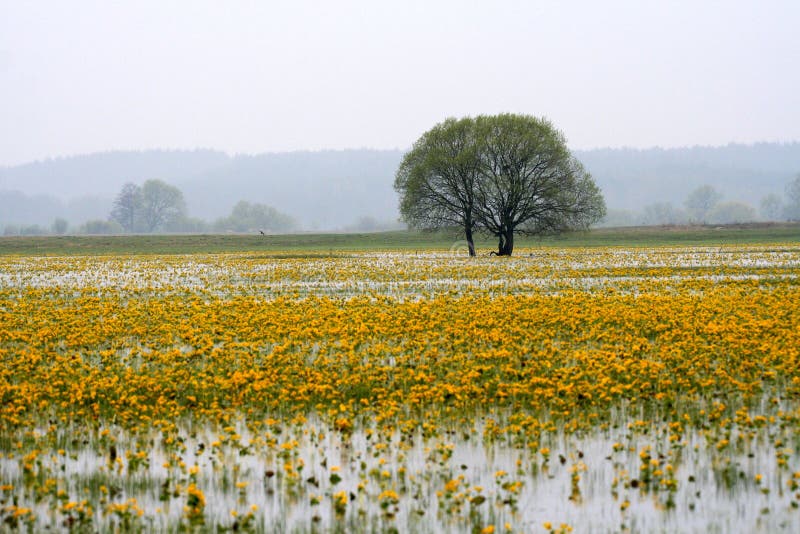
Free with trial Spring landscape. With marigolds and a tree, Biebrza National Park, Poland. Bogs stock images, royalty-free photos and pictures Spring landscape. With marigolds and a tree, Biebrza National Park, Poland
Free with trial Sunrise on bogs. Autumn sunrise on the most beautiful bogs of Estonia. Bogs stock images, royalty-free photos and pictures Sunrise on bogs. Autumn sunrise on the most beautiful bogs of Estonia
Free with trial Viru bogs at Lahemaa national park. In autumn. Wooden path at beautiful wild place in Estonia. Bogs stock images, royalty-free photos and pictures Viru bogs at Lahemaa national park. In autumn. Wooden path at beautiful wild place in Estonia
Free with trial Viru bogs at Lahemaa national park. In autumn. Wooden path at beautiful wild place in Estonia. Bogs stock images, royalty-free photos and pictures Viru bogs at Lahemaa national park. In autumn. Wooden path at beautiful wild place in Estonia
Free with trial Lobelia cardinalis. Found in wet areas this beautiful canadian flower is commonly known as the Red Cardinal. Bogs stock images, royalty-free photos and pictures Lobelia cardinalis. Found in wet areas this beautiful canadian flower is commonly known as the Red Cardinal
Free with trial New Jersey Marsh. Marshlands in southern New Jersey Pine Barrens. Bogs stock images, royalty-free photos and pictures New Jersey Marsh. Marshlands in southern New Jersey Pine Barrens
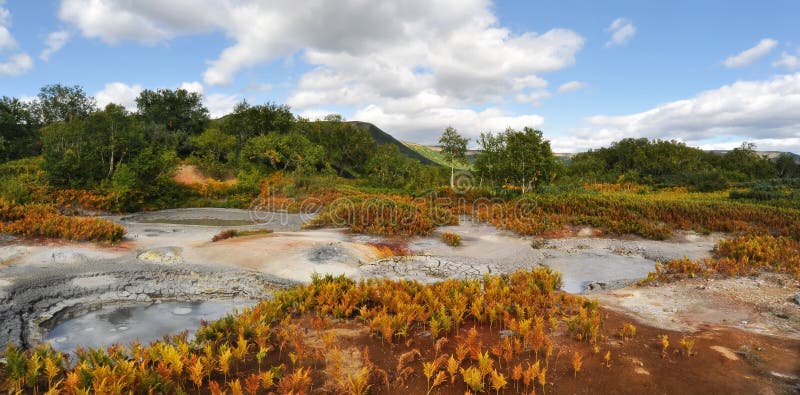
Free with trial Russia, Kamchatka, world heritage site. The Uzon Caldera is about 10 km in diameter, and inside it, behind steep walls, there is a complete museum collection of everything that Kamchatka is famous for: hot sources and cold rivers, poisonous mud cauldrons and pure lakes full of fish, a berry tundra and a birch forest, mountains and bogs, animals and birds. Bogs stock images, royalty-free photos and pictures The wonders of Kamchatka- Uzon Caldera. Russia, Kamchatka, world heritage site. The Uzon Caldera is about 10 km in diameter, and inside it, behind steep walls. Russia, Kamchatka, world heritage site. The Uzon Caldera is about 10 km in diameter, and inside it, behind steep walls, there is a complete museum collection of everything that Kamchatka is famous for: hot sources and cold rivers, poisonous mud cauldrons and pure lakes full of fish, a berry tundra and a birch forest, mountains and bogs, animals and birds.
Free with trial Cottongrass. In a swamp in Norway. Bogs stock images, royalty-free photos and pictures Cottongrass. In a swamp in Norway
Free with trial A reflecting pool in the New Jersey pine lands on a summer day. Bogs stock images, royalty-free photos and pictures New Jersey Pine Lands. A reflecting pool in the New Jersey pine lands on a summer day. A reflecting pool in the New Jersey pine lands on a summer day.
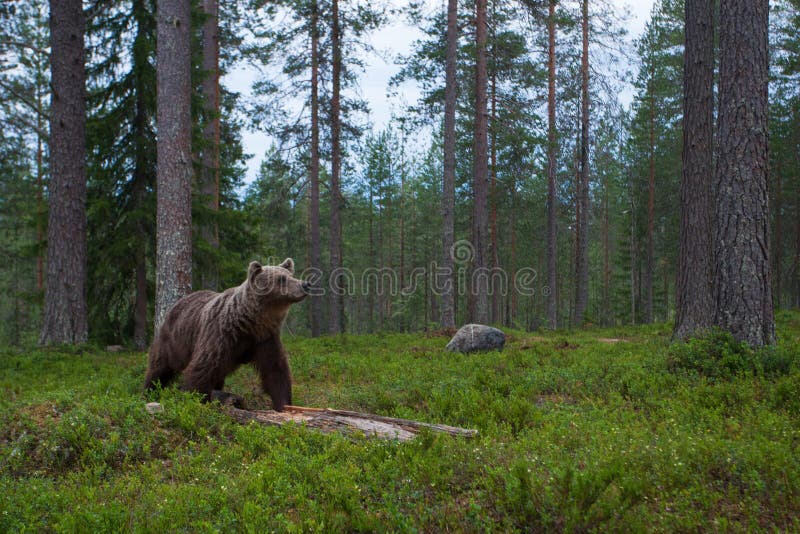
Free with trial Large Brown bear sniffing in a taiga forest. Brown bear walking and sniffing in a Finnish taiga forest. Bogs stock images, royalty-free photos and pictures Large Brown bear sniffing in a taiga forest. Brown bear walking and sniffing in a Finnish taiga forest
Free with trial Vaccinium corymbosum, known as highbush blueberry, is native to eastern North America where it typically grows in moist woods, bogs, swamps and low areas. Bogs stock images, royalty-free photos and pictures Blueberry Vaccinium corymbosum Bluecrop. Vaccinium corymbosum, known as highbush blueberry, is native to eastern North America where it typically grows in moist. Vaccinium corymbosum, known as highbush blueberry, is native to eastern North America where it typically grows in moist woods, bogs, swamps and low areas.
Free with trial A beatiful yellow iris spotted by the waterside. Bogs stock images, royalty-free photos and pictures Yellow iris. A beatiful yellow iris spotted by the waterside. A beatiful yellow iris spotted by the waterside.
Free with trial Viru bogs at Lahemaa national park. In autumn. Wooden path at beautiful wild place in Estonia. Bogs stock images, royalty-free photos and pictures Viru bogs at Lahemaa national park. In autumn. Wooden path at beautiful wild place in Estonia
Free with trial Viru bogs at Lahemaa national park. On summer. Bogs stock images, royalty-free photos and pictures Viru bogs at Lahemaa national park. On summer
Free with trial Viru bogs at Lahemaa national park. In summer. Bogs stock images, royalty-free photos and pictures Viru bogs at Lahemaa national park. In summer
Free with trial Viru bogs at Lahemaa national park. In summer. Wooden path for hiking in sunny day. Bogs stock images, royalty-free photos and pictures Viru bogs at Lahemaa national park. In summer. Wooden path for hiking in sunny day
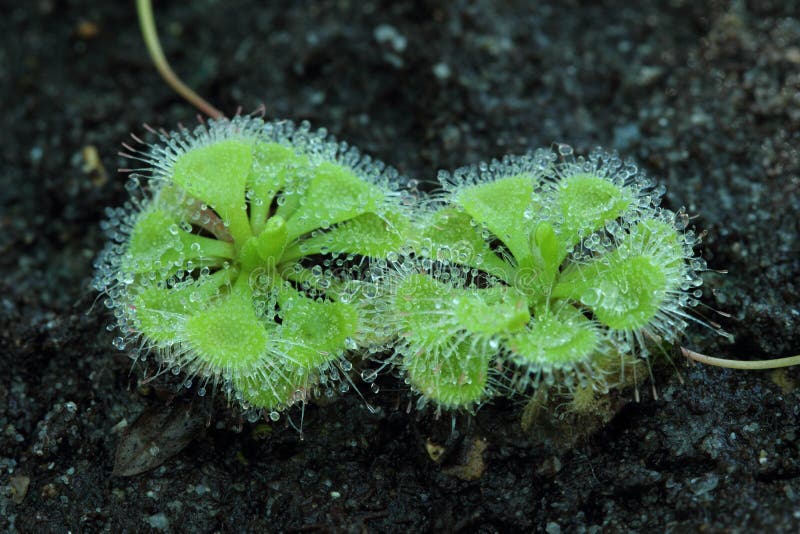
Free with trial Pair of sundews (Drosera burmannii) a sticky species of carnivorous plant that grow in peaty bogs. Bogs stock images, royalty-free photos and pictures Pair of sundews (Drosera burmannii). A sticky species of carnivorous plant that grow in peaty bogs
Free with trial Two snails on a South African airmail envelope. Bogs stock images, royalty-free photos and pictures Air mail or snail mail?. Two snails on a South African airmail envelope. Two snails on a South African airmail envelope.
Free with trial Spring landscape. With trees and bushes, Biebrza National Park, Poland. Bogs stock images, royalty-free photos and pictures Spring landscape. With trees and bushes, Biebrza National Park, Poland
Free with trial The way nowhere in bog and fog. Latvia, Kemeri bogs, in night. Bogs stock images, royalty-free photos and pictures The way nowhere in bog and fog. Latvia, Kemeri bogs, in night
Free with trial Cranberries are a group of evergreen dwarf shrubs or trailing vines in the genus Vaccinium subgenus Oxycoccos, or in some treatments, in the distinct genus Oxycoccos. They are found in acidic bogs throughout the cooler parts of the Northern Hemisphere. Cranberries are harvested in the Fall when the fruit takes on its distinctive deep red color. Bogs stock images, royalty-free photos and pictures Cranberries dried sweetened. Cranberries are a group of evergreen dwarf shrubs or trailing vines in the genus Vaccinium subgenus Oxycoccos, or in some treatments. Cranberries are a group of evergreen dwarf shrubs or trailing vines in the genus Vaccinium subgenus Oxycoccos, or in some treatments, in the distinct genus Oxycoccos. They are found in acidic bogs throughout the cooler parts of the Northern Hemisphere. Cranberries are harvested in the Fall when the fruit takes on its distinctive deep red color.
Free with trial Bog in Dunes State Park, Indiana near Beverly Shores. Bogs stock images, royalty-free photos and pictures Bog in Dunes State Park, Indiana. Near Beverly Shores
Free with trial Sphagnum peat moss. Orange and brown soft sphagnum peat moss background. Bogs stock images, royalty-free photos and pictures Sphagnum peat moss. Orange and brown soft sphagnum peat moss background
Free with trial A field of freshly cut turf. Bogs stock images, royalty-free photos and pictures A Field Of Freshly Cut Turf
Free with trial A field of freshly cut turf. Bogs stock images, royalty-free photos and pictures A Field Of Freshly Cut Turf
Free with trial Cotton Grass. Summer Landscape with Cotton Grass. Russia, Western Siberia. Bogs stock images, royalty-free photos and pictures Cotton Grass. Summer Landscape with Cotton Grass. Russia, Western Siberia
Free with trial A Spicebush Swallowtail butterfly feeding on a Red Columbine wildflower located in the Blue Ridge Mountains of Virginia, USA. Bogs stock images, royalty-free photos and pictures Wild Columbine and Butterfly. A Spicebush Swallowtail butterfly feeding on a Red Columbine wildflower located in the Blue Ridge Mountains of Virginia, USA. A Spicebush Swallowtail butterfly feeding on a Red Columbine wildflower located in the Blue Ridge Mountains of Virginia, USA.
Free with trial Viru Bog in Lahemaa National Park in Estonia in Europe. Bogs stock images, royalty-free photos and pictures Viru Bog in Lahemaa National Park in Estonia. In Europe
Free with trial Forest sunshine. Sunshine through the trunks and plants in the forest. Bogs stock images, royalty-free photos and pictures Forest sunshine. Sunshine through the trunks and plants in the forest
Free with trial Cardinal flowers are a hummingbird favorite. Hummingbirds can easily access the nectar at the base of the long flower’s tubes. Bogs stock images, royalty-free photos and pictures Cardinal Flower – Lobelia cardinalis. Cardinal flowers are a hummingbird favorite. Hummingbirds can easily access the nectar at the base of the long flower’s. Cardinal flowers are a hummingbird favorite. Hummingbirds can easily access the nectar at the base of the long flower’s tubes.
Free with trial Picking cloudberry. In the bog. Bogs stock images, royalty-free photos and pictures Picking cloudberry. In the bog
Free with trial Viru Bog in Lahemaa National Park in Estonia. In Europe. Bogs stock images, royalty-free photos and pictures Viru Bog in Lahemaa National Park in Estonia. In Europe
Free with trial Vaccinium corymbosum, known as highbush blueberry, is native to eastern North America where it typically grows in moist woods, bogs, swamps and low areas. Bogs stock images, royalty-free photos and pictures Blueberry Vaccinium corymbosum Bluecrop. Vaccinium corymbosum, known as highbush blueberry, is native to eastern North America where it typically grows in moist. Vaccinium corymbosum, known as highbush blueberry, is native to eastern North America where it typically grows in moist woods, bogs, swamps and low areas.
Free with trial People walking on a wooden boardwalk in Viru Bog in Lahemaa National Park in Estonia. nPhoto taken on: October 5th, 2014. Bogs stock images, royalty-free photos and pictures People walking on boardwalk in Lahemaa National Park in Estonia. People walking on a wooden boardwalk in Viru Bog in Lahemaa National Park in Estonia.nPhoto. People walking on a wooden boardwalk in Viru Bog in Lahemaa National Park in Estonia.nPhoto taken on: October 5th, 2014.
Free with trial YAMAL PENINSULA, RUSSIA - JUNE 18, 2015: Helicopter expedition to the giant funnel of unknown origin. Crater view. Bogs stock images, royalty-free photos and pictures YAMAL PENINSULA, RUSSIA - JUNE 18, 2015: Expedition to the giant funnel of unknown origin. Crater view. YAMAL PENINSULA, RUSSIA - JUNE 18, 2015: Helicopter. YAMAL PENINSULA, RUSSIA - JUNE 18, 2015: Helicopter expedition to the giant funnel of unknown origin. Crater view.
Free with trial YAMAL PENINSULA, RUSSIA - JUNE 18, 2015: Helicopter expedition to the giant funnel of unknown origin. The crater wall from the permafrost. Bogs stock images, royalty-free photos and pictures YAMAL PENINSULA, RUSSIA - JUNE 18, 2015: Expedition to the giant funnel of unknown origin. The crater wall from the. YAMAL PENINSULA, RUSSIA - JUNE 18, 2015. YAMAL PENINSULA, RUSSIA - JUNE 18, 2015: Helicopter expedition to the giant funnel of unknown origin. The crater wall from the permafrost.
Free with trial Path through the bogs. Aerial view of path through Lahemaa bogs. Bogs stock images, royalty-free photos and pictures Path through the bogs. Aerial view of path through Lahemaa bogs
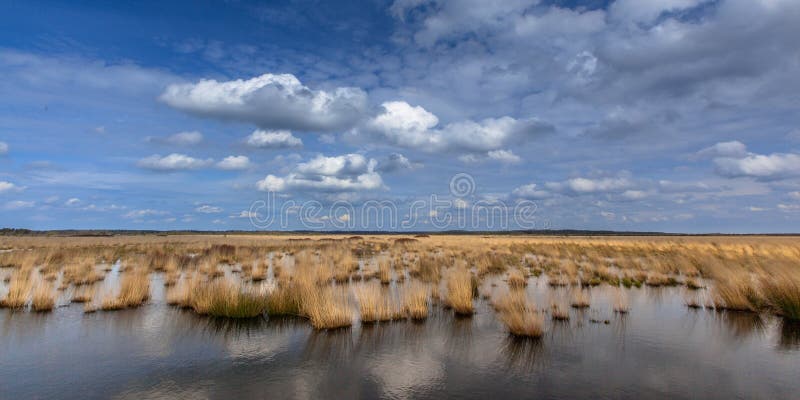
Free with trial White clouds above raised bogs swamp. Panorama of raised bogs in Natura 2000 nature reserve Fochtelooerveen on the border of Drenthe and Friesland, Netherlands. Bogs stock images, royalty-free photos and pictures White clouds above raised bogs swamp. Panorama of raised bogs in Natura 2000 nature reserve Fochtelooerveen on the border of Drenthe and Friesland, Netherlands
Free with trial A large field of cranberries bogs with blue sky background on Knob Hill Road South Yarmouth, MA,United States. Bogs stock images, royalty-free photos and pictures A large field of cranberries bogs. With blue sky background on Knob Hill Road South Yarmouth, MA,United States
Free with trial Bogs in Lahemaa National Park, Estonia. Bogs stock images, royalty-free photos and pictures Bogs in Lahemaa National Park. Estonia
Free with trial Bogs, lakes and eco trails in the Lahemaa National Park in Estonia. Wooden path throug Viru Bog in Estonia. Woods, trees, lakes, grass and other plants in the national park in summer. Bogs stock images, royalty-free photos and pictures Bogs, lakes and eco trails in the Lahemaa National Park in Estonia. Wooden path throug Viru Bog in Estonia. Woods, trees, lakes, grass and other plants in the
Free with trial A large field of cranberries bogs with blue sky background on Knob Hill Road South Yarmouth, MA,United States. Bogs stock images, royalty-free photos and pictures A large field of cranberries bogs. With blue sky background on Knob Hill Road South Yarmouth, MA,United States
Free with trial Viru bogs area on summer, aerial vertical view. Bogs stock images, royalty-free photos and pictures Viru bogs area on summer. Aerial vertical view
Free with trial Viru bogs area on summer, top view. From watch tower. Bogs stock images, royalty-free photos and pictures Viru bogs area on summer, top view. From watch tower
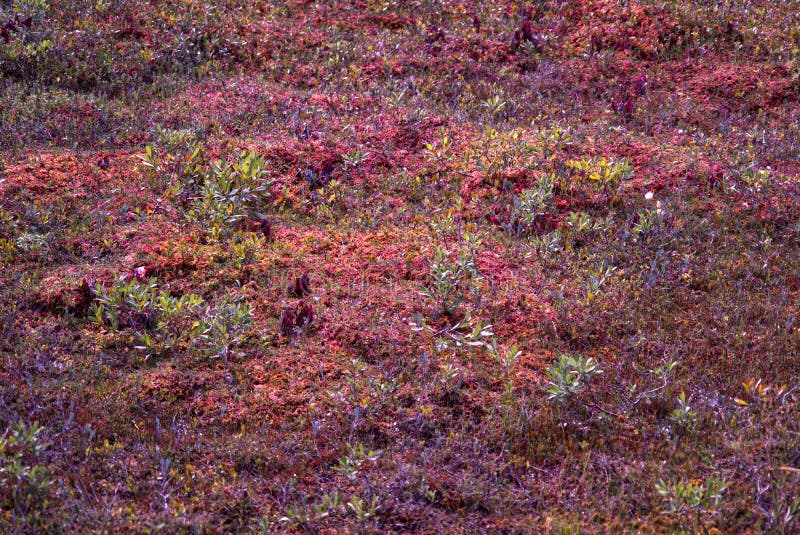
Free with trial In the interpretation Centre near Miscou in New Brunswick, you can observe the peat bogs turning red in Fall. Bogs stock images, royalty-free photos and pictures Red peat bogs in New Brunswick. In the interpretation Centre near Miscou in New Brunswick, you can observe the peat bogs turning red in Fall. In the interpretation Centre near Miscou in New Brunswick, you can observe the peat bogs turning red in Fall.
Free with trial Famous hanging bogs in autumnal Riisitunturi National Park in the middle of taiga forests of Norhern Finland. Bogs stock images, royalty-free photos and pictures Famous hanging bogs in autumnal Riisitunturi National Park. In the middle of taiga forests of Norhern Finland
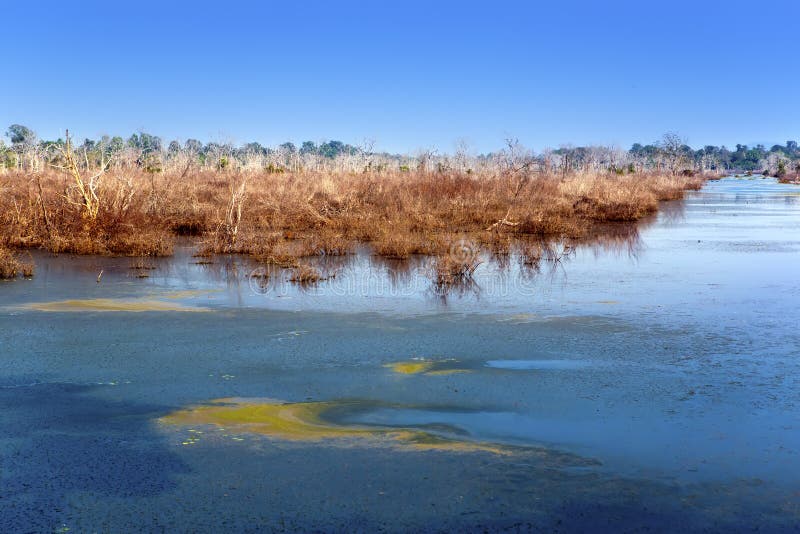
Free with trial Bogs in the period of a drought on the way to the temple Neak Pean near Siem Reap, Cambodia. Bogs stock images, royalty-free photos and pictures Bogs in the period of a drought on the way to the temple Neak Pean near Siem Reap, Cambodia.
Free with trial A large field of cranberries bogs with blue sky background on Knob Hill Road South Yarmouth, MA,United States. Bogs stock images, royalty-free photos and pictures A large field of cranberries bogs. With blue sky background on Knob Hill Road South Yarmouth, MA,United States
Free with trial Drocera anglica flower close up. Sundew lives on swamps and it fishes insects sticky leaves. Life of plants and insects on bogs. Selective focus. Beautiful background from plants on a background. Bogs stock images, royalty-free photos and pictures Drocera anglica flower close up. Sundew lives on swamps and it fishes insects sticky leaves. Life of plants and insects on bogs. Selective focus. Beautiful
Free with trial Formation of bogs mesotrophic In the climatic zone taiga, forest-tundra of the Arkhangelsk region. Russia. Bogs stock images, royalty-free photos and pictures Formation of bogs mesotrophic In the climatic zone taiga, forest-tundra of the Arkhangelsk region. Russia
Free with trial Panorama of the city are shrouded in thick smoke from burning peat bogs. Kiev, Ukraine. Bogs stock images, royalty-free photos and pictures Panorama of the city are shrouded in thick smoke from burning peat bogs. Kiev. Ukraine
Free with trial Tundra fire. Burning dry grass and peat bogs, fire and smoke in. The tundra. Bogs stock images, royalty-free photos and pictures Tundra fire. Burning dry grass and peat bogs, fire and smoke in. The tundra
Free with trial Tundra fire. Burning dry grass and peat bogs, fire and smoke in. The tundra. Bogs stock images, royalty-free photos and pictures Tundra fire. Burning dry grass and peat bogs, fire and smoke in. The tundra
Free with trial Drocera anglica flower close up. Sundew lives on swamps and it fishes insects sticky leaves. Life of plants and insects on bogs. Selective focus. Beautiful background from plants on a background. Bogs stock images, royalty-free photos and pictures Drocera anglica flower close up. Sundew lives on swamps and it fishes insects sticky leaves. Life of plants and insects on bogs. Selective focus. Beautiful
Free with trial Miory District, Vitebsk Region, Belarus. The Yelnya Swamp. Upland And Transitional Bogs With Numerous Lakes. Elevated Aerial View Of Yelnya Nature Reserve Landscape. Famous Natural Landmark. Bogs stock images, royalty-free photos and pictures Miory District, Vitebsk Region, Belarus. The Yelnya Swamp. Upland And Transitional Bogs With Numerous Lakes. Elevated. Aerial View Of Yelnya Nature Reserve. Miory District, Vitebsk Region, Belarus. The Yelnya Swamp. Upland And Transitional Bogs With Numerous Lakes. Elevated Aerial View Of Yelnya Nature Reserve Landscape. Famous Natural Landmark.
Free with trial Miory District, Vitebsk Region, Belarus. The Yelnya Swamp. Upland And Transitional Bogs With Numerous Lakes. Elevated Aerial View Of Yelnya Nature Reserve Landscape. Famous Natural Landmark. Bogs stock images, royalty-free photos and pictures Miory District, Vitebsk Region, Belarus. The Yelnya Swamp. Upland And Transitional Bogs With Numerous Lakes. Elevated. Aerial View Of Yelnya Nature Reserve. Miory District, Vitebsk Region, Belarus. The Yelnya Swamp. Upland And Transitional Bogs With Numerous Lakes. Elevated Aerial View Of Yelnya Nature Reserve Landscape. Famous Natural Landmark.
Free with trial Miory District, Vitebsk Region, Belarus. The Yelnya Swamp. Upland And Transitional Bogs With Numerous Lakes. Elevated Aerial View Of Yelnya Nature Reserve Landscape. Famous Natural Landmark. Bogs stock images, royalty-free photos and pictures Miory District, Vitebsk Region, Belarus. The Yelnya Swamp. Upland And Transitional Bogs With Numerous Lakes. Elevated. Aerial View Of Yelnya Nature Reserve. Miory District, Vitebsk Region, Belarus. The Yelnya Swamp. Upland And Transitional Bogs With Numerous Lakes. Elevated Aerial View Of Yelnya Nature Reserve Landscape. Famous Natural Landmark.
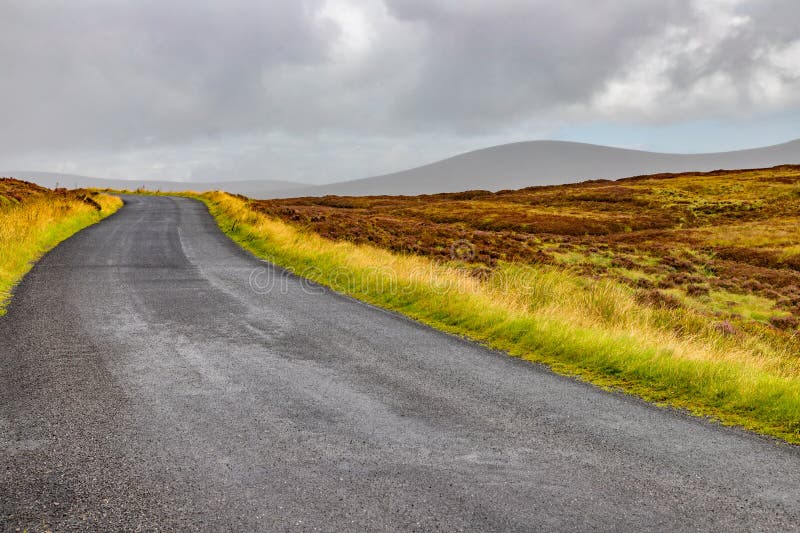
Free with trial Road, Bogs with mountains in background in Sally gap, Wicklow, Ireland. Bogs stock images, royalty-free photos and pictures Road, Bogs with mountains in background in Sally gap. Wicklow, Ireland
Free with trial Swamp Yelnya in autumn landscape. Wild mire of Belarus. East European swamps and Peat Bogs. Ecological reserve in wildlife. Marshland at wild nature. Swampy land and wetland, marsh, bog, aerial view. Bogs stock images, royalty-free photos and pictures Swamp Yelnya in autumn landscape. Wild mire of Belarus. East European swamps and Peat Bogs. Ecological reserve in wildlife. Marshland at wild nature. Swampy
Free with trial Water bogs of Rwenzori. Exploring the water bogs of Rwenzori Mountains National Park. Bogs stock images, royalty-free photos and pictures Water bogs of Rwenzori. Exploring the water bogs of Rwenzori Mountains National Park
Free with trial Bogs lane, Starbeck, Harrogate, North Yorkshire. Bogs lane sign, Starbeck, Harrogate, North Yorkshire, United Kingdom. Bogs stock images, royalty-free photos and pictures Bogs lane, Starbeck, Harrogate, North Yorkshire. Bogs lane sign, Starbeck, Harrogate, North Yorkshire, United Kingdom
Free with trial Tundra fire. Burning dry grass and peat bogs, fire and smoke in. The tundra. Bogs stock images, royalty-free photos and pictures Tundra fire. Burning dry grass and peat bogs, fire and smoke in. The tundra
Free with trial Formation of bogs oligotrophic In the climatic zone taiga, forest-tundra of the Arkhangelsk region. 2018. Bogs stock images, royalty-free photos and pictures Formation of bogs oligotrophic In the climatic zone taiga, forest-tundra of the Arkhangelsk region. 2018
Free with trial Formation of bogs oligotrophic In the climatic zone taiga, forest-tundra of the Arkhangelsk region. 2018. Bogs stock images, royalty-free photos and pictures Formation of bogs oligotrophic In the climatic zone taiga, forest-tundra of the Arkhangelsk region. 2018
Free with trial Formation of bogs mesotrophic In the climatic zone taiga, forest-tundra of the Arkhangelsk region. 2018. Bogs stock images, royalty-free photos and pictures Formation of bogs mesotrophic In the climatic zone taiga, forest-tundra of the Arkhangelsk region. 2018
Free with trial River estuary tidal flats at low tide with deadwood, logs, water pools, and bogs. Bogs stock images, royalty-free photos and pictures Estuary tidal flats. River estuary tidal flats at low tide with deadwood, logs, water pools, and bogs. River estuary tidal flats at low tide with deadwood, logs, water pools, and bogs.
Free with trial Decline. Decline above peat bogs. The end of summer. Last warm days. Bogs stock images, royalty-free photos and pictures Decline. Decline above peat bogs. The end of summer. Last warm days
Free with trial Flooded cranberry bogs on a cranberry farm. Bogs stock images, royalty-free photos and pictures Cranberry Farm. Flooded cranberry bogs on a cranberry farm. Flooded cranberry bogs on a cranberry farm.
Free with trial Hasansky bogs, rising. Sunrise in the autumn on Hasansky bogs in sea reserve. Bogs stock images, royalty-free photos and pictures Hasansky bogs, rising. Sunrise in the autumn on Hasansky bogs in sea reserve
Free with trial Viru bogs. Large Viru bogs panorama in Lahemaa national park, Estonia in Autumn. Bogs stock images, royalty-free photos and pictures Viru bogs. Large Viru bogs panorama in Lahemaa national park, Estonia in Autumn
Free with trial Calla palustris. Plant of bogs (Calla palustris) on white background. Bogs stock images, royalty-free photos and pictures Calla palustris. Plant of bogs (Calla palustris) on white background
Free with trial Blocks peat Scotland UK. Peat forms when plant material does not fully decay in acidic and anaerobic conditions. It is composed mainly of wetland vegetation: principally bog plants including mosses, sedge, and shrubs. As it accumulates, the peat holds water. Peat is the most damaging fuel in terms of global warming; even worse than coal. It has a lower calorific value than coal (generating less energy per tonne when it is burned) and yet it produces higher CO2 emissions per unit, so it is the least climate-efficient way to produce electricity or heat in Ireland bar none. Peat briquettes have been becoming more and more popular over the past number of years. They produce consistent, high heat and can burn for up to 3 hours. All bogs take hundreds or thousands of years to develop. A bog is formed when a lake slowly fills with plant debris. Sphagnum moss, as well as other plants, grow out from the lake's edge. The vegetation eventually covers the lake's entire surface. Peat is sometimes considered a “slowly renewable energy” and is classified as a “solid fossil” rather than a biomass fuel by the Intergovernmental Panel on Climate Change (IPCC). Although peat is not strictly a fossil fuel, its greenhouse gas emissions are comparable to that of fossil fuels. Bogs stock images, royalty-free photos and pictures Blocks of peat in Scotland,UK. Blocks peat Scotland UK. Peat forms when plant material does not fully decay in acidic and anaerobic conditions. It is composed. Blocks peat Scotland UK. Peat forms when plant material does not fully decay in acidic and anaerobic conditions. It is composed mainly of wetland vegetation: principally bog plants including mosses, sedge, and shrubs. As it accumulates, the peat holds water. Peat is the most damaging fuel in terms of global warming; even worse than coal. It has a lower calorific value than coal (generating less energy per tonne when it is burned) and yet it produces higher CO2 emissions per unit, so it is the least climate-efficient way to produce electricity or heat in Ireland bar none. Peat briquettes have been becoming more and more popular over the past number of years. They produce consistent, high heat and can burn for up to 3 hours. All bogs take hundreds or thousands of years to develop. A bog is formed when a lake slowly fills with plant debris. Sphagnum moss, as well as other plants, grow out from the lake's edge. The vegetation eventually covers the lake's entire surface. Peat is sometimes considered a “slowly renewable energy” and is classified as a “solid fossil” rather than a biomass fuel by the Intergovernmental Panel on Climate Change (IPCC). Although peat is not strictly a fossil fuel, its greenhouse gas emissions are comparable to that of fossil fuels.
Free with trial Winter road on the frozen bogs of Western Siberia, top view. Aerial view of winter road on the frozen bogs of Western Siberia. Bogs stock images, royalty-free photos and pictures Winter road on the frozen bogs of Western Siberia, top view. Aerial view of winter road on the frozen bogs of Western Siberia
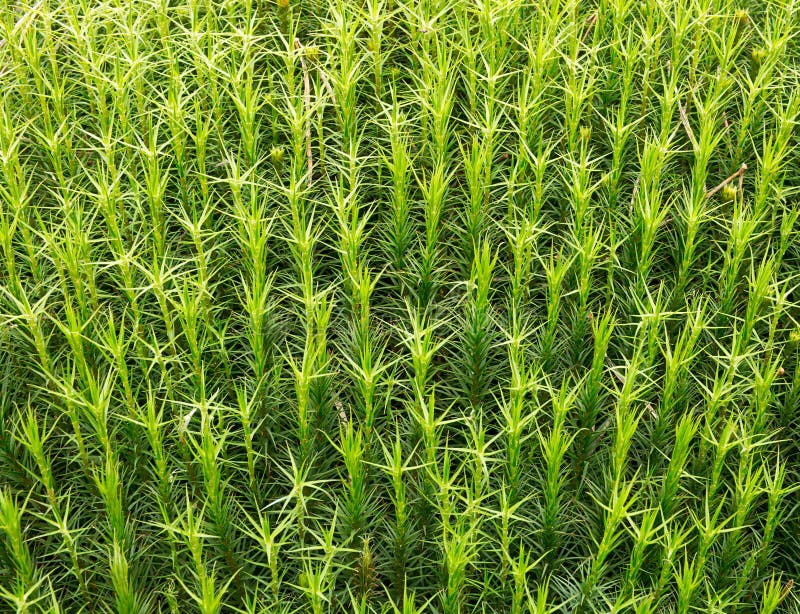
Free with trial Close up detail photo of Sphagnum moss which can be found on bogs or marshes a great fish tank background. Bogs stock images, royalty-free photos and pictures Sphagnum moss background. Close up detail photo of Sphagnum moss which can be found on bogs or marshes a great fish tank background. Close up detail photo of Sphagnum moss which can be found on bogs or marshes a great fish tank background.
Free with trial Viru bogs. Large Viru bogs in Lahemaa national park, Estonia in Autumn. Bogs stock images, royalty-free photos and pictures Viru bogs. Large Viru bogs in Lahemaa national park, Estonia in Autumn
Free with trial A Lincoln's sparrow perches during its autumn migration. This is a medium sized sparrow that nests in wet thickets or shrubby bogs across Canada, Alaska, and the northeastern and western United States. Bogs stock images, royalty-free photos and pictures Lincoln's Sparrow. A Lincoln's sparrow perches during its autumn migration. This is a medium sized sparrow that nests in wet thickets or shrubby bogs across. A Lincoln's sparrow perches during its autumn migration. This is a medium sized sparrow that nests in wet thickets or shrubby bogs across Canada, Alaska, and the northeastern and western United States.
Free with trial Viru bogs. View point tower at Large Viru bogs in Lahemaa national park, Estonia. Bogs stock images, royalty-free photos and pictures Viru bogs. View point tower at Large Viru bogs in Lahemaa national park, Estonia
Free with trial Viru bogs at Lahemaa national park. In autumn. Wooden path at beautiful wild place in Estonia. Bogs stock images, royalty-free photos and pictures Viru bogs at Lahemaa national park. In autumn. Wooden path at beautiful wild place in Estonia
 Sign in