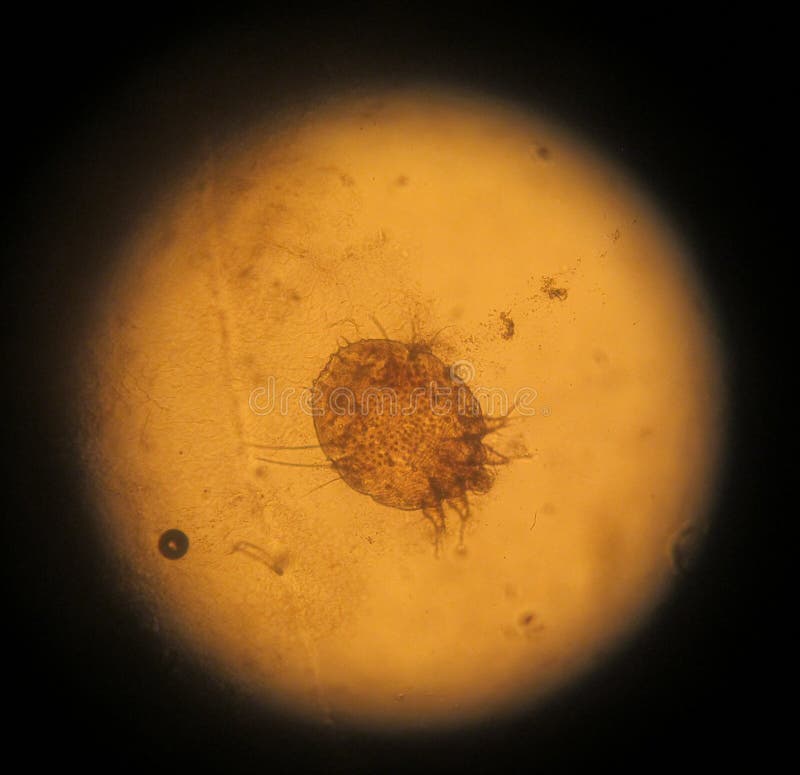
Free with trial Light microscopy image of a Sarcoptes scabiei, the mite that causes scabies (seven-year itch). Burrows stock images, royalty-free photos and pictures Scabies (seven-year-itch) mite. Light microscopy image of a Sarcoptes scabiei, the mite that causes scabies (seven-year itch. Light microscopy image of a Sarcoptes scabiei, the mite that causes scabies (seven-year itch).
Free with trial A Groundhog (Marmota monax) sitting at the entrance to its burrow. Burrows stock images, royalty-free photos and pictures Groundhog 02. A Groundhog (Marmota monax) sitting at the entrance to its burrow. A Groundhog (Marmota monax) sitting at the entrance to its burrow.
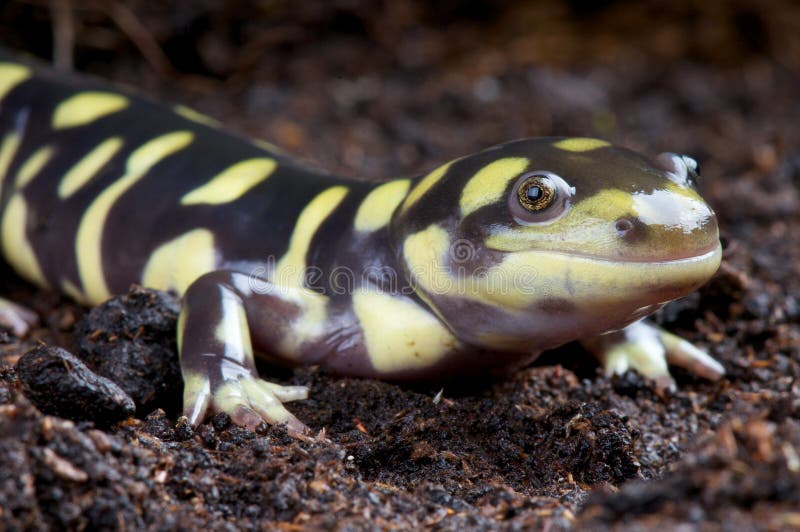
Free with trial The Tiger Salamander ,Ambystoma tigrinum, is a species of Mole Salamander. The proper common name is the Eastern Tiger Salamander. It lives in the USA. Adults are rarely seen in the open and often live in burrows that are usually 2 feet from the surface. Tiger salamanders are almost entirely terrestrial as adults, and usually only return to the water to breed. Burrows stock images, royalty-free photos and pictures Tiger salamander. The Tiger Salamander ,Ambystoma tigrinum, is a species of Mole Salamander. The proper common name is the Eastern Tiger Salamander.It lives in. The Tiger Salamander ,Ambystoma tigrinum, is a species of Mole Salamander. The proper common name is the Eastern Tiger Salamander.It lives in the USA. Adults are rarely seen in the open and often live in burrows that are usually 2 feet from the surface. Tiger salamanders are almost entirely terrestrial as adults, and usually only return to the water to breed.
Free with trial Wild European rabbits. Two baby wild European rabbits sit outside their burrow at a rabbit warren in the UK. Burrows stock images, royalty-free photos and pictures Wild European rabbits. Two baby wild European rabbits sit outside their burrow at a rabbit warren in the UK
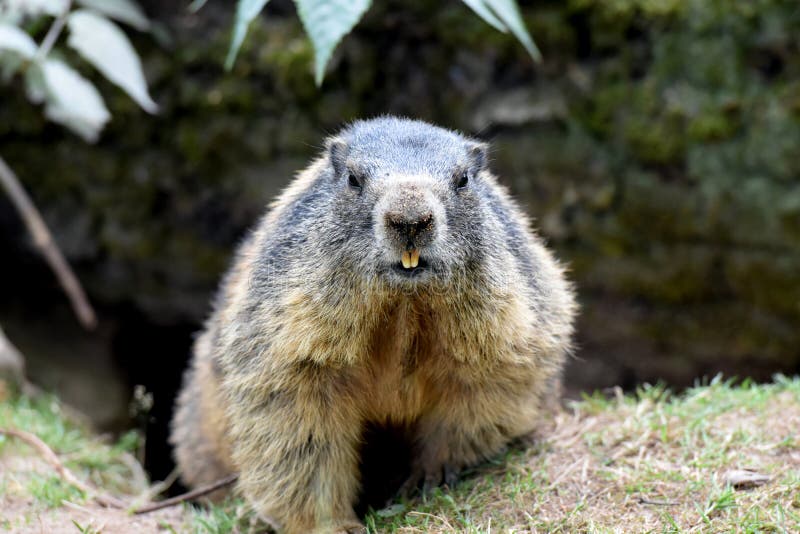
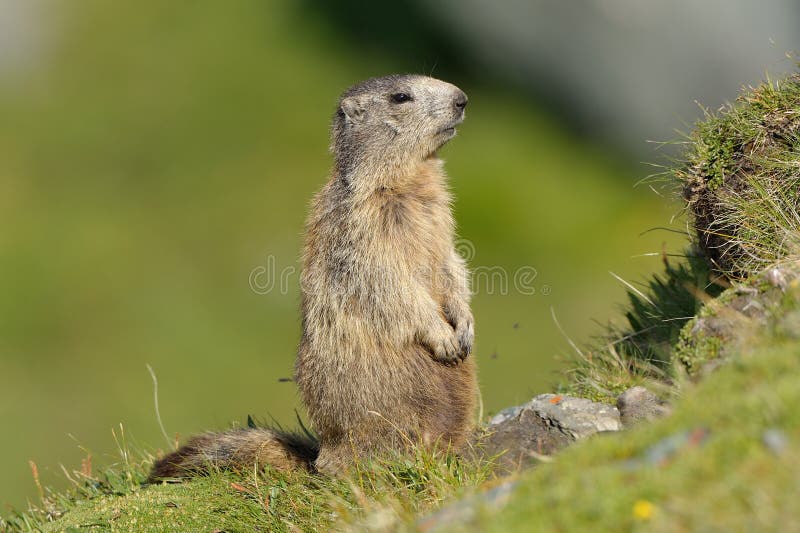
Free with trial Groundhog , marmot , sitting at the entrance to the burrow. Burrows stock images, royalty-free photos and pictures Groundhog. Marmot , sitting at the entrance to the burrow
Free with trial Deep perspective into dark, winding underground tunnel, leading to a metro station in Oslo, Norway. Burrows stock images, royalty-free photos and pictures Deep perspective into dark, winding underground tunnel. Leading to a metro station in Oslo, Norway
Free with trial Braunton burrows biosphere devon. Uk. Burrows stock images, royalty-free photos and pictures Braunton burrows biosphere devon. Uk
Free with trial Big colony of the Bee-eaters in their burrows on a clay wall. Africa. Uganda. An excellent illustration. Burrows stock images, royalty-free photos and pictures Big colony of the Bee-eaters in their burrows on a clay wall. Africa. Uganda. An excellent illustration
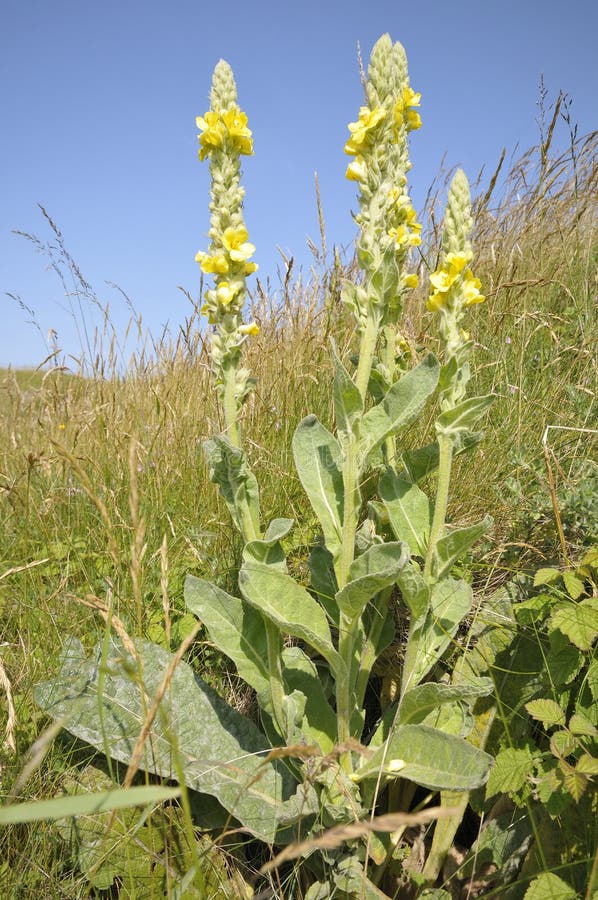
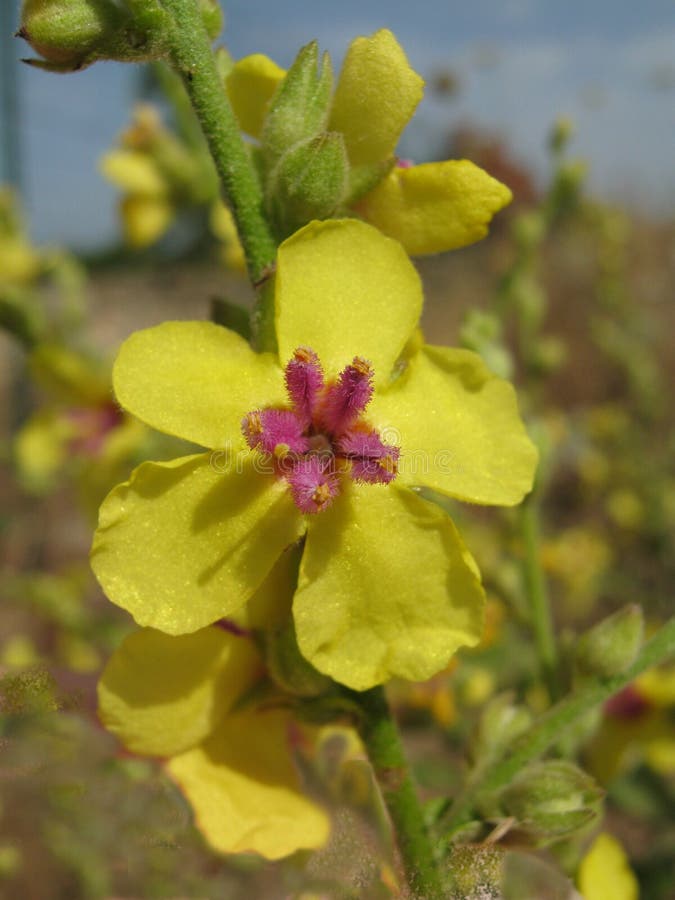
Free with trial Great Mullein - Verbascum thapsus In Sand Dunes at Kenfig Burrows. Burrows stock images, royalty-free photos and pictures Great Mullein. Verbascum thapsus In Sand Dunes at Kenfig Burrows
Free with trial Woodworm holes and burrows. Old log with woodworm holes and burrows created by beatles Anobium punctatum. Burrows stock images, royalty-free photos and pictures Woodworm holes and burrows. Old log with woodworm holes and burrows created by beatles Anobium punctatum
Free with trial Taj Burrows at Bells Beach Surf Contest. Taj Burrows at the Rip Curl Surf Classic in Bells Beach, Australia April 12, 2007. Burrows stock images, royalty-free photos and pictures Taj Burrows at Bells Beach Surf Contest. Taj Burrows at the Rip Curl Surf Classic in Bells Beach, Australia April 12, 2007
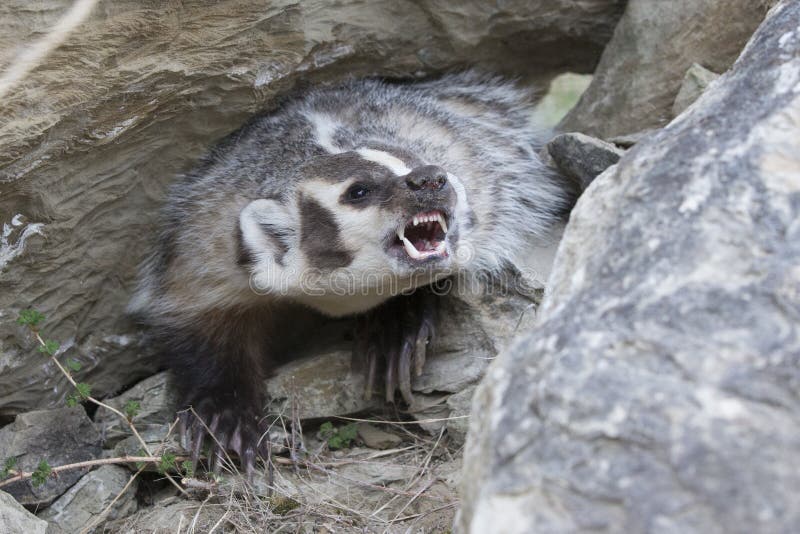
Free with trial The fight is on with american badger. Badger ready to bite backed up in rock formation. Burrows stock images, royalty-free photos and pictures The fight is on with american badger. Badger ready to bite backed up in rock formation
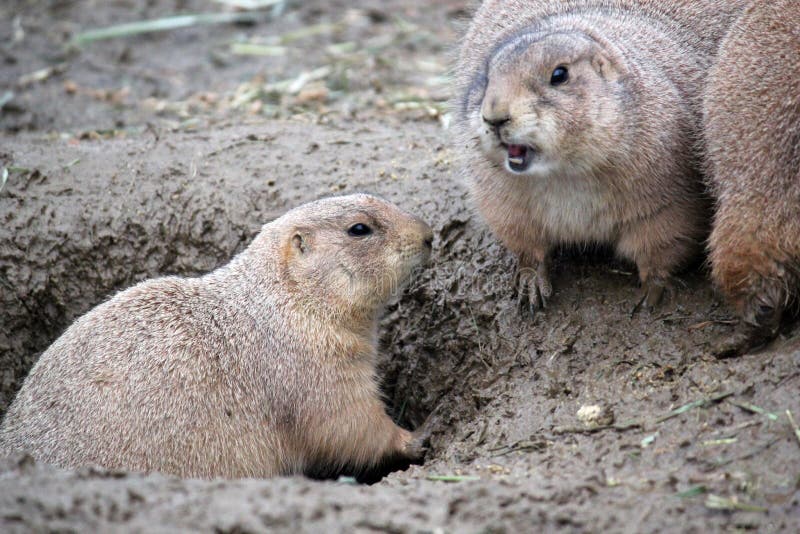
Free with trial A kiss of love. From newborn prairie dog. Burrows stock images, royalty-free photos and pictures A kiss of love. From newborn prairie dog
Free with trial Southern Hairy-nosed Wombat, Lasiorhinus latifrons, Australia. The Southern Hairy-nosed Wombat is one of three species of wombat, it can grow to a length of 75-100cm with a height of 25-35cm and can weigh as much as 32kg. Don`t let appearance fool you, these guys are very alert and when disturbed are capable of reaching speeds of 40km an hour. Southern Hairy-nosed Wombats are generally solitary creatures, however they live in complex tunnel systems which are known to hold between 5 and 10 wombats, generally not all individuals are present at the same time. The extensive burrows have clustered entrances which form a warren with smaller burrows attached. Burrows are connected by a network of trails which often lead to rubbing posts and wallows. Within the burrows the wombats rely on their excellent olfactory sense to communicate and entrances are often marked with urine, faeces and scratch markings. Southern Hairy-nosed Wombats use their burrow systems to beat the harsh heat of the day and can conserve energy while in a burrow by maintaining a low body temperature and slowing its breathing and heart rate. A tunnel system can have a radius of 100-150m and a Southern Hairy-nosed Wombat usually has a home range of 6-10 acres depending on the quality of the pasture. Burrows stock images, royalty-free photos and pictures Young Southern Hairy-nosed Wombat. Southern Hairy-nosed Wombat, Lasiorhinus latifrons, Australia. The Southern Hairy-nosed Wombat is one of three species of. Southern Hairy-nosed Wombat, Lasiorhinus latifrons, Australia. The Southern Hairy-nosed Wombat is one of three species of wombat, it can grow to a length of 75-100cm with a height of 25-35cm and can weigh as much as 32kg. Don`t let appearance fool you, these guys are very alert and when disturbed are capable of reaching speeds of 40km an hour. Southern Hairy-nosed Wombats are generally solitary creatures, however they live in complex tunnel systems which are known to hold between 5 and 10 wombats, generally not all individuals are present at the same time. The extensive burrows have clustered entrances which form a warren with smaller burrows attached. Burrows are connected by a network of trails which often lead to rubbing posts and wallows. Within the burrows the wombats rely on their excellent olfactory sense to communicate and entrances are often marked with urine, faeces and scratch markings. Southern Hairy-nosed Wombats use their burrow systems to beat the harsh heat of the day and can conserve energy while in a burrow by maintaining a low body temperature and slowing its breathing and heart rate. A tunnel system can have a radius of 100-150m and a Southern Hairy-nosed Wombat usually has a home range of 6-10 acres depending on the quality of the pasture.
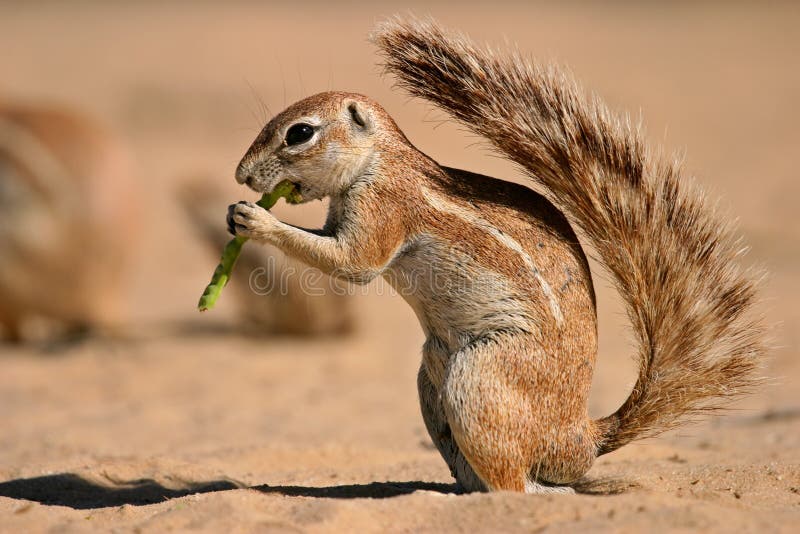
Free with trial Ground squirrel. (Xerus inaurus) feeding on a pod of a tree, Kalahari, South Africa. Burrows stock images, royalty-free photos and pictures Ground squirrel. (Xerus inaurus) feeding on a pod of a tree, Kalahari, South Africa
Free with trial (Odontodactylus scyllarus) Depth range 1 to 50 meters. This widespread species lives in u-shaped burrows constructed of small pieces og rubble. Adult males often have a bright green body colour. Females are more commonly olive while juveniles tend to be yellow. The strike of this animal is quite potent and there have been several reportsof human individuals suffering wounds to their hands when attempted to grab ones. It will raised its tail fan like a shield when provoked but held its eyes to keeping its opponent in sight. up to 18 cm length. Burrows stock images, royalty-free photos and pictures Smashing mantis shrimp. (Odontodactylus scyllarus) Depth range 1 to 50 meters. This widespread species lives in u-shaped burrows constructed of small pieces og. (Odontodactylus scyllarus) Depth range 1 to 50 meters. This widespread species lives in u-shaped burrows constructed of small pieces og rubble. Adult males often have a bright green body colour. Females are more commonly olive while juveniles tend to be yellow. The strike of this animal is quite potent and there have been several reportsof human individuals suffering wounds to their hands when attempted to grab ones.It will raised its tail fan like a shield when provoked but held its eyes to keeping its opponent in sight. up to 18 cm length
Free with trial Vanishing silhouette of a man disappearing into the light at the end of a tunnel. Rough and grimy surroundings and metal doors inside the tunnel. Burrows stock images, royalty-free photos and pictures Silhouette of a man disappearing into the light at the end of a tunnel. Vanishing silhouette of a man disappearing into the light at the end of a tunnel. Rough. Vanishing silhouette of a man disappearing into the light at the end of a tunnel. Rough and grimy surroundings and metal doors inside the tunnel.
Free with trial Burrowing Owl. Shot of a burrowing owl in front of its burrow taken in new mexico. Burrows stock images, royalty-free photos and pictures Burrowing Owl. Shot of a burrowing owl in front of its burrow taken in new mexico
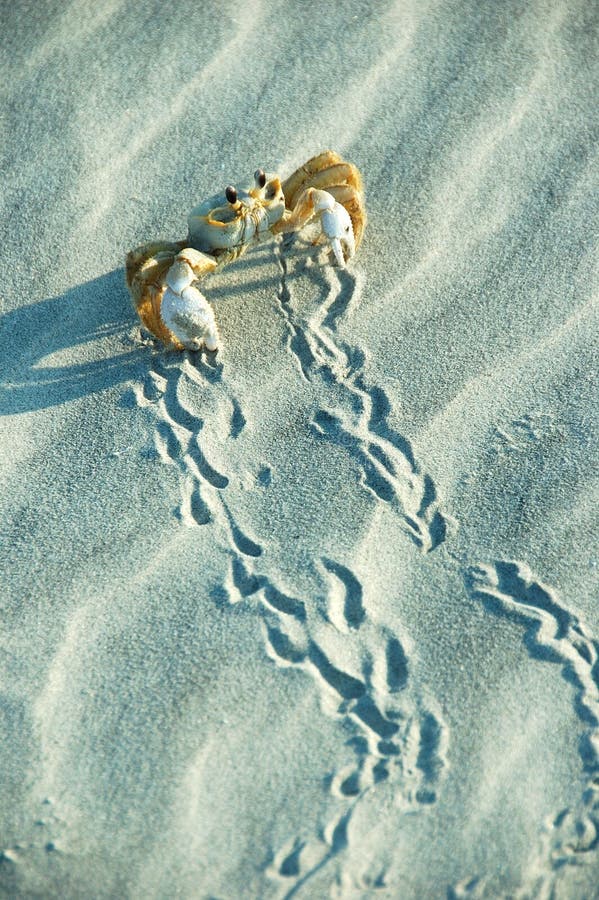
Free with trial Close up of a male Ghost Crab - Ocypode ceratophthalma. Ghost crabs live in burrows along the sandy beaches of the Eastern United States One can sometimes hear the bubbling sound of ghost crabs while tanning at the beach. Burrows stock images, royalty-free photos and pictures Male Ghost Crab - Ocypode ceratophthalma. Close up of a male Ghost Crab - Ocypode ceratophthalma. Ghost crabs live in burrows along the sandy beaches of the. Close up of a male Ghost Crab - Ocypode ceratophthalma. Ghost crabs live in burrows along the sandy beaches of the Eastern United States One can sometimes hear the bubbling sound of ghost crabs while tanning at the beach.
Free with trial Rabbits at burrow. Two baby wild European rabbits sit outside their burrow at a rabbit warren in the UK. Burrows stock images, royalty-free photos and pictures Rabbits at burrow. Two baby wild European rabbits sit outside their burrow at a rabbit warren in the UK
Free with trial Termite. S eat wood as a danger to residents. Burrows stock images, royalty-free photos and pictures Termite. S eat wood as a danger to residents
Free with trial Braunton burrows biosphere dev. On cottage by the bay. Burrows stock images, royalty-free photos and pictures Braunton burrows biosphere dev. On cottage by the bay
Free with trial The long-eared hedgehog is a species of hedgehog native to Central Asian countries and some countries of the Middle East. The long-eared hedgehog lives in burrows that it either makes or finds and is distinguished by its long ears. It is considered one of the smallest Middle Eastern hedgehogs. Burrows stock images, royalty-free photos and pictures The Long-eared hedgehog in desert. The long-eared hedgehog is a species of hedgehog native to Central Asian countries and some countries of the Middle East. The. The long-eared hedgehog is a species of hedgehog native to Central Asian countries and some countries of the Middle East. The long-eared hedgehog lives in burrows that it either makes or finds and is distinguished by its long ears. It is considered one of the smallest Middle Eastern hedgehogs
Free with trial Old log with woodworm holes. And burrows created by beatles Anobium punctatum. Burrows stock images, royalty-free photos and pictures Old log with woodworm holes. And burrows created by beatles Anobium punctatum
Free with trial Curious gopher looks out of burrows. Burrows stock images, royalty-free photos and pictures Gopher. Curious gopher looks out of burrows. Curious gopher looks out of burrows.
Free with trial Water Mongoose. (Marsh Mongoose), night safari South Luangwa, Zambia Africa. Burrows stock images, royalty-free photos and pictures Water Mongoose. (Marsh Mongoose), night safari South Luangwa, Zambia Africa
Free with trial The Stenodactylus petrii or dune gecko is a small, mostly nocturnal gecko of the genus Stenodactylus. It has large, interesting eyes, which have earned it the nickname frog-eyed gecko. They are found across northern Africa and in Israel in arid regions. From head to base of tail, they are about 2–3 inches (5–8 cm) long, a very small dwarf gecko. The tails are quite long compared to their size, 1–2 inches (3–5 cm). If a tail is dropped, it will grow back, only shorter and stubbier. Unlike other geckos, dune geckos cannot climb up smooth surfaces. Instead, they prefer to dig. During the day, they usually hide in burrows or in caves, though often these are out and about in the day. They sometimes appear slow, but they can be extremely fast. Camouflage in the sand helps them remain inconspicuous, especially when hunting. They eat mainly crickets and mealworms. Burrows stock images, royalty-free photos and pictures Dune gecko. The Stenodactylus petrii or dune gecko is a small, mostly nocturnal gecko of the genus Stenodactylus. It has large, interesting eyes, which have. The Stenodactylus petrii or dune gecko is a small, mostly nocturnal gecko of the genus Stenodactylus. It has large, interesting eyes, which have earned it the nickname frog-eyed gecko. They are found across northern Africa and in Israel in arid regions. From head to base of tail, they are about 2–3 inches (5–8 cm) long, a very small dwarf gecko. The tails are quite long compared to their size, 1–2 inches (3–5 cm). If a tail is dropped, it will grow back, only shorter and stubbier. Unlike other geckos, dune geckos cannot climb up smooth surfaces. Instead, they prefer to dig. During the day, they usually hide in burrows or in caves, though often these are out and about in the day. They sometimes appear slow, but they can be extremely fast. Camouflage in the sand helps them remain inconspicuous, especially when hunting. They eat mainly crickets and mealworms.
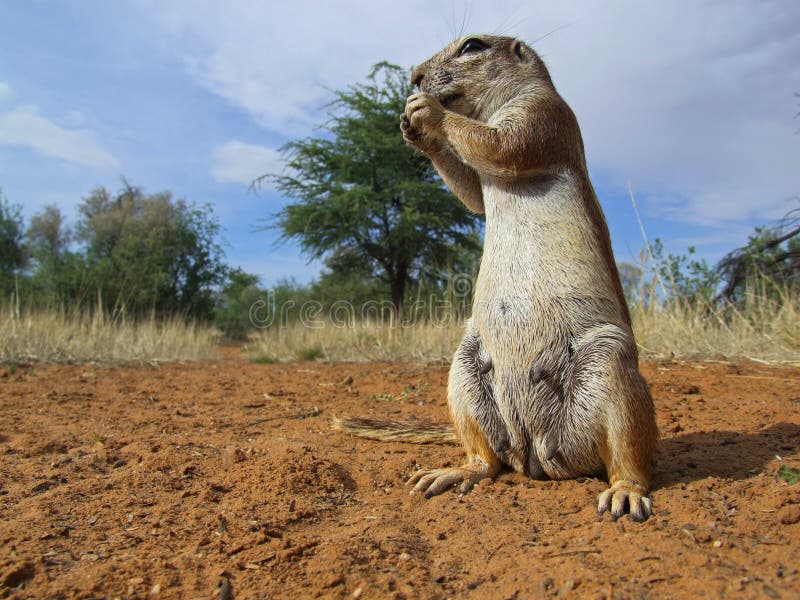
Free with trial Ground squirrel. Inquisitive ground squirrel (Xerus inaurus), Kalahari, South Africa. Burrows stock images, royalty-free photos and pictures Ground squirrel. Inquisitive ground squirrel (Xerus inaurus), Kalahari, South Africa
Free with trial Meerkats, live in groups of between 20 and 30 individuals in the wild. They live in underground burrows in groups are also called, mobs, clans, or gangs. They are very social animals and are very active during the day. Most of the pack members forage for food, meanwhile some of them will act as sentries, keeping a look out for danger. Burrows stock images, royalty-free photos and pictures Meerkats looking out for danger. Meerkats, live in groups of between 20 and 30 individuals in the wild. They live in underground burrows in groups are also. Meerkats, live in groups of between 20 and 30 individuals in the wild. They live in underground burrows in groups are also called, mobs, clans, or gangs. They are very social animals and are very active during the day. Most of the pack members forage for food, meanwhile some of them will act as sentries, keeping a look out for danger.
Free with trial The carapace of Uca arcuata is 3-4 cm wide and is larger than U. crassipes and U. lactea. The color of the carapace varies but is mostly in black and orange stripes. The walking legs are orange or dark red. The major cheliped is orange or red with white movable finger. They inhabit in mangrove and mudflat. During low tide, they use soil to build burrows with chimney-shaped opening which closes during high tide. Burrows stock images, royalty-free photos and pictures Uca arcuata crab. The carapace of Uca arcuata is 3-4 cm wide and is larger than U. crassipes and U. lactea. The color of the carapace varies but is mostly in. The carapace of Uca arcuata is 3-4 cm wide and is larger than U. crassipes and U. lactea. The color of the carapace varies but is mostly in black and orange stripes. The walking legs are orange or dark red. The major cheliped is orange or red with white movable finger. They inhabit in mangrove and mudflat. During low tide, they use soil to build burrows with chimney-shaped opening which closes during high tide.
Free with trial Saunton sands. On the north devon coast in england in uk. Burrows stock images, royalty-free photos and pictures Saunton sands. On the north devon coast in england in uk
Free with trial Close cropped image of slabbed core laid out in boxes. The core contains dark grey shales and siltstones and lighter grey sandstones deposited on an ancient coastline. The core contains abundant trace fossils including worm tubes and shrimp burrows. Burrows stock images, royalty-free photos and pictures Core Samples. Close cropped image of slabbed core laid out in boxes. The core contains dark grey shales and siltstones and lighter grey sandstones deposited on. Close cropped image of slabbed core laid out in boxes. The core contains dark grey shales and siltstones and lighter grey sandstones deposited on an ancient coastline. The core contains abundant trace fossils including worm tubes and shrimp burrows.
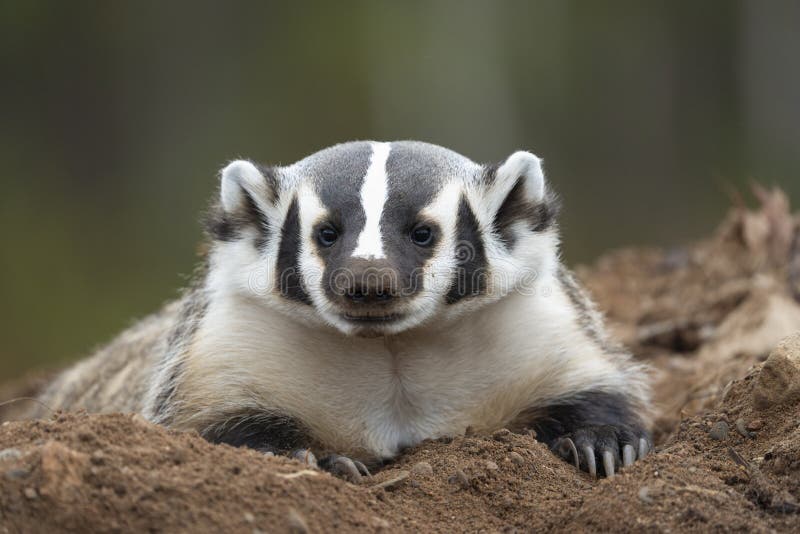
Free with trial American badger resting on his den. Site. Burrows stock images, royalty-free photos and pictures American badger resting on his den. Site
Free with trial Male Ghost Crab - Ocypode ceratophthalma. Ghost crabs live in burrows along the sandy beaches of the Eastern United States One can sometimes hear the bubbling sound of ghost crabs while tanning at the beach. Burrows stock images, royalty-free photos and pictures Male Ghost Crab Sidestep. Male Ghost Crab - Ocypode ceratophthalma. Ghost crabs live in burrows along the sandy beaches of the Eastern United States One can. Male Ghost Crab - Ocypode ceratophthalma. Ghost crabs live in burrows along the sandy beaches of the Eastern United States One can sometimes hear the bubbling sound of ghost crabs while tanning at the beach.
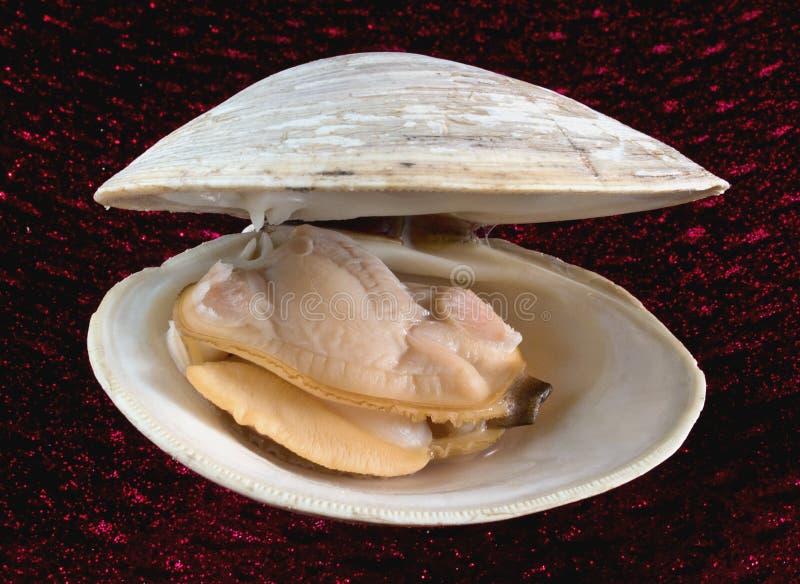
Free with trial Close-up. Of a littleneck in shell. Burrows stock images, royalty-free photos and pictures Close-up. Of a littleneck in shell
Free with trial Marmots (Marmota) typically live in burrows and hibernate there through the winter. Most marmots are highly social and use loud whistles to communicate with one another, especially when alarmed. Burrows stock images, royalty-free photos and pictures Marmot (Marmota). Marmots (Marmota) typically live in burrows and hibernate there through the winter. Most marmots are highly social and use loud whistles to. Marmots (Marmota) typically live in burrows and hibernate there through the winter. Most marmots are highly social and use loud whistles to communicate with one another, especially when alarmed.
Free with trial Close-up of american badger at sunrise on prairie. Close-up of badger during sunrise on the prairie. Burrows stock images, royalty-free photos and pictures Close-up of american badger at sunrise on prairie. Close-up of badger during sunrise on the prairie
Free with trial Furry Snow Bunny. Blond snow bunny burrows into her white furry coat and hat and black hot pants over a red background. Burrows stock images, royalty-free photos and pictures Furry Snow Bunny. Blond snow bunny burrows into her white furry coat and hat and black hot pants over a red background
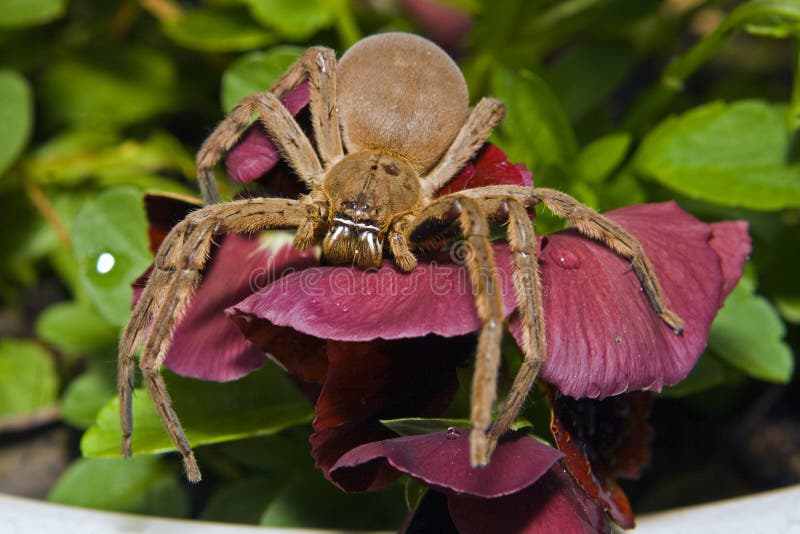
Free with trial Harpactirinae (commonly called baboon spiders) are a subfamily of old-world tarantulas which are native to the continent of Africa. Like many old-world tarantulas, they have a strong venom, and can inflict a painful bite; however most baboon spiders are not considered dangerous to man. Like many tarantulas, Harpactirinae are large, hairy spiders. Harpactirinae are ground-dwelling spiders who build silk-lined burrows, often under debris such as stones, using their fangs and chelicerae for digging. Habitats include savannah woodlands, grasslands, and dry scrublands. Burrows stock images, royalty-free photos and pictures Baboon spider on a purple flower. Harpactirinae (commonly called baboon spiders) are a subfamily of old-world tarantulas which are native to the continent of. Harpactirinae (commonly called baboon spiders) are a subfamily of old-world tarantulas which are native to the continent of Africa. Like many old-world tarantulas, they have a strong venom, and can inflict a painful bite; however most baboon spiders are not considered dangerous to man. Like many tarantulas, Harpactirinae are large, hairy spiders. Harpactirinae are ground-dwelling spiders who build silk-lined burrows, often under debris such as stones, using their fangs and chelicerae for digging. Habitats include savannah woodlands, grasslands, and dry scrublands.
Free with trial The Mandarin Ratsnake, Elaphe mandarina, is a species of snake found in Asia. The Mandarin Ratsnake is a secretive species, often using rodent burrows for shelter. It feeds primarily on small rodents, prefers cooler temperatures, and is predominately crepuscular. Occurs from sea level to at least 3,000m. Burrows stock images, royalty-free photos and pictures Mandarin ratsnake. The Mandarin Ratsnake, Elaphe mandarina, is a species of snake found in Asia. The Mandarin Ratsnake is a secretive species, often using rodent. The Mandarin Ratsnake, Elaphe mandarina, is a species of snake found in Asia. The Mandarin Ratsnake is a secretive species, often using rodent burrows for shelter. It feeds primarily on small rodents, prefers cooler temperatures, and is predominately crepuscular. Occurs from sea level to at least 3,000m.
Free with trial The stoat or short-tailed weasel Mustela erminea, also known as the ermine, is a mustelid native to Eurasia and North America. Because of its wide circumpolar distribution, it is listed as Least Concern on the IUCN Red List. Burrows stock images, royalty-free photos and pictures Stoat Mustela erminea. The stoat or short-tailed weasel Mustela erminea, also known as the ermine, is a mustelid native to Eurasia and North America. Because of. The stoat or short-tailed weasel Mustela erminea, also known as the ermine, is a mustelid native to Eurasia and North America. Because of its wide circumpolar distribution, it is listed as Least Concern on the IUCN Red List.
Free with trial Cobalt Blue Tarantula. The cobalt blue tarantula / Haplopelma lividum. Burrows stock images, royalty-free photos and pictures Cobalt Blue Tarantula. The cobalt blue tarantula / Haplopelma lividum
Free with trial Fiddler crabs just emerged from the burrows on the shore of the Yellow Sea in Korea. Burrows stock images, royalty-free photos and pictures Fiddler Crabs on the shore. Fiddler crabs just emerged from the burrows on the shore of the Yellow Sea in Korea. Fiddler crabs just emerged from the burrows on the shore of the Yellow Sea in Korea.
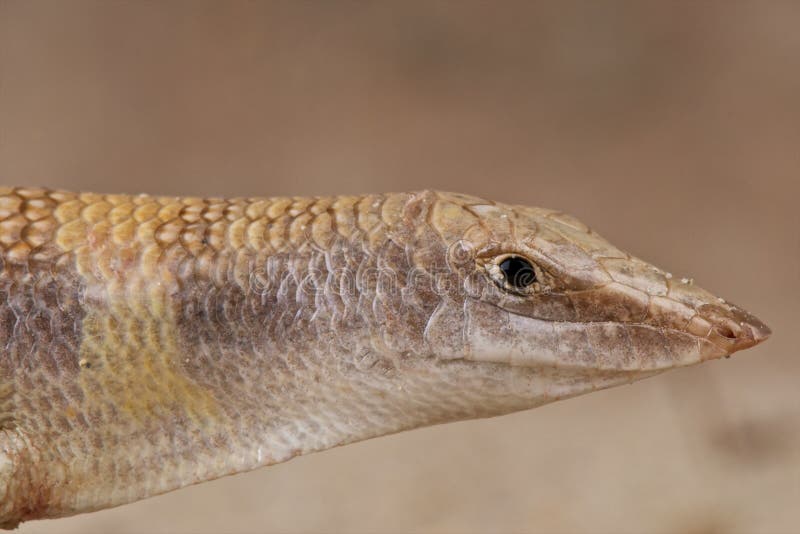
Free with trial Desert skink. The Sandfish (Scincus scincus) is a species of skink that burrows into the sand and swims through it. It is native to North asia to northern Africa. Burrows stock images, royalty-free photos and pictures Desert skink. The Sandfish (Scincus scincus) is a species of skink that burrows into the sand and swims through it. It is native to North asia to northern Africa
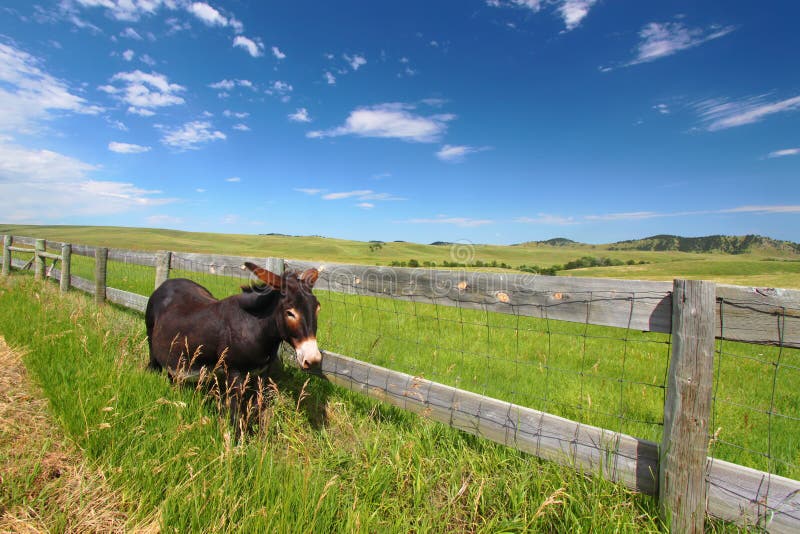
Free with trial One of the famous begging burros of Custer State Park in South Dakota. Burrows stock images, royalty-free photos and pictures Begging Burro - Custer State Park. One of the famous begging burros of Custer State Park in South Dakota. One of the famous begging burros of Custer State Park in South Dakota.
Free with trial Blue clay from the Cambrian of Estonia (Kunda Quarry). This clay is remarkable because it is still semi-soft and will absorb water when wet despite being approximately half a billion years old. There are some pyritized burrows visible on the rocks surface. This clay is quarried and used to make cement. Most important clay mineral in this sample is illite. Up to 2% of it consists of pyrite. The wid. Burrows stock images, royalty-free photos and pictures Blue clay from the Cambrian of Estonia. (Kunda Quarry). This clay is remarkable because it is still semi-soft and will absorb water when wet despite being. Blue clay from the Cambrian of Estonia (Kunda Quarry). This clay is remarkable because it is still semi-soft and will absorb water when wet despite being approximately half a billion years old. There are some pyritized burrows visible on the rocks surface. This clay is quarried and used to make cement. Most important clay mineral in this sample is illite. Up to 2% of it consists of pyrite. The wid
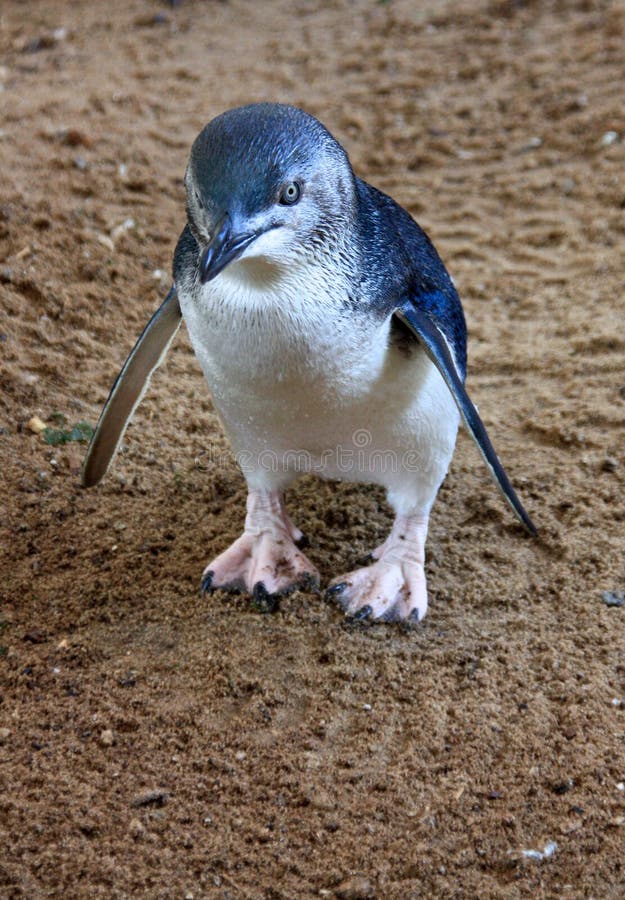
Free with trial Little Blue Penguins, Eudyptula minor. In captivity. Burrows stock images, royalty-free photos and pictures Little Blue Penguins, Eudyptula minor. In captivity
Free with trial Termite. S are harmful to wood. Burrows stock images, royalty-free photos and pictures Termite. S are harmful to wood
Free with trial Importance of Rodent-Proof Construction, proper temporary rodent proofing. Seal all holes. Sealing gaps or holes with rodent-proof materials where pipes, wires, or other similar objects enter buildings. Burrows stock images, royalty-free photos and pictures Importance of Rodent-Proof Construction, proper temporary rodent. Proofing. Seal all holes. Sealing gaps or holes with rodent-proof materials where pipes, wires. Importance of Rodent-Proof Construction, proper temporary rodent proofing. Seal all holes. Sealing gaps or holes with rodent-proof materials where pipes, wires, or other similar objects enter buildings.
Free with trial Chinese mitten crab, Eriocheir sinensis, Burrows in banks of River Thames, London, invading species. Burrows stock images, royalty-free photos and pictures Chinese mitten crab, Eriocheir sinensis. Burrows in banks of River Thames, London, invading species
Free with trial Marmot on the grass (Marmota Bobak). Burrows stock images, royalty-free photos and pictures Marmot. On the grass (a Bobak. Marmot on the grass (Marmota Bobak)
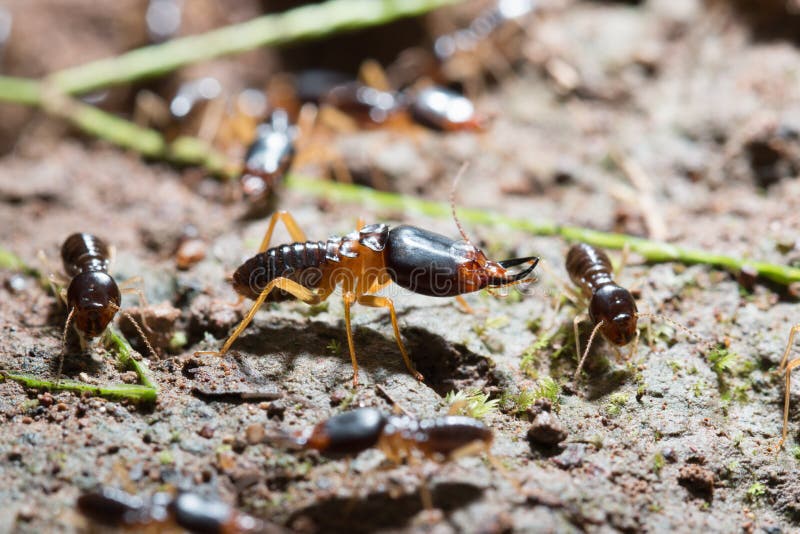
Free with trial Termites. Security soldier termites with worker termites on the forest floor in Saraburi thailand. Shallow DOF. Burrows stock images, royalty-free photos and pictures Termites. Security soldier termites with worker termites on the forest floor in Saraburi thailand. Shallow DOF
Free with trial Close up of mullein flowers (Verbascum). Burrows stock images, royalty-free photos and pictures Mullein flowers. Close up of mullein flowers (Verbascum. Close up of mullein flowers (Verbascum).
Free with trial Ground squirrel sitting at the entrance to its burrow. Burrows stock images, royalty-free photos and pictures Ground squirrel. Sitting at the entrance to its burrow
Free with trial Fossilized worm burrows on the underside of an overhang near The Patio at Deer Creek in the Grand Canyon, Arizona. Trace fossils may consist of impressions made on or in the substrate by an organism. Burrows stock images, royalty-free photos and pictures Worm burrow fossils. Fossilized worm burrows on the underside of an overhang near The Patio at Deer Creek in the Grand Canyon, Arizona. Trace fossils may consist. Fossilized worm burrows on the underside of an overhang near The Patio at Deer Creek in the Grand Canyon, Arizona. Trace fossils may consist of impressions made on or in the substrate by an organism
Free with trial Uca pugnax on the mud. The Atlantic marsh fiddler crab, Uca pugnax feeding at Natural Park of Los Torunos, Cadiz, Spain. Burrows stock images, royalty-free photos and pictures Uca pugnax on the mud. The Atlantic marsh fiddler crab, Uca pugnax feeding at Natural Park of Los Torunos, Cadiz, Spain
Free with trial Blue-tailed bee-eater feeding birds (Merops philippinus). Burrows stock images, royalty-free photos and pictures Blue-tailed bee-eater ( Merops philippinus ). Blue-tailed bee-eater feeding birds (Merops philippinus. Blue-tailed bee-eater feeding birds (Merops philippinus).
Free with trial Saltmarsh sheep on Northam Burrows. Sheep living on Northam Burrows, the mixed grassland and saltmarsh between Northam and Westward Ho in North Devon England. Burrows stock images, royalty-free photos and pictures Saltmarsh sheep on Northam Burrows. Sheep living on Northam Burrows, the mixed grassland and saltmarsh between Northam and Westward Ho in North Devon England
Free with trial Mutton-bird Islands muttonbird burrows or nesting sites on slope of offshore island. Of Mutton-bird Island, Coffs Harbour NSW Australia. Burrows stock images, royalty-free photos and pictures Mutton-bird Islands muttonbird burrows or nesting sites on slope of offshore island. Of Mutton-bird Island, Coffs Harbour NSW Australia
Free with trial Big colony of the Bee-eaters in their burrows on a clay wall. Africa. Uganda. An excellent illustration. Burrows stock images, royalty-free photos and pictures Big colony of the Bee-eaters in their burrows on a clay wall. Africa. Uganda. An excellent illustration
Free with trial Big colony of the Bee-eaters in their burrows on a clay wall. Africa. Uganda. An excellent illustration. Burrows stock images, royalty-free photos and pictures Big colony of the Bee-eaters in their burrows on a clay wall. Africa. Uganda. An excellent illustration
Free with trial Big colony of the Bee-eaters in their burrows on a clay wall. Africa. Uganda. An excellent illustration. Burrows stock images, royalty-free photos and pictures Big colony of the Bee-eaters in their burrows on a clay wall. Africa. Uganda. An excellent illustration
Free with trial Big colony of the Bee-eaters in their burrows on a clay wall. Africa. Uganda. An excellent illustration. Burrows stock images, royalty-free photos and pictures Big colony of the Bee-eaters in their burrows on a clay wall. Africa. Uganda. An excellent illustration
Free with trial Muskrats burrows. New muskrats burrows made in pond coast soil. Burrows stock images, royalty-free photos and pictures Muskrats burrows. New muskrats burrows made in pond coast soil
Free with trial Muskrats burrows 2. New muskrats burrows made in pond coast soil. Burrows stock images, royalty-free photos and pictures Muskrats burrows 2. New muskrats burrows made in pond coast soil
Free with trial Big colony of the Bee-eaters in their burrows on a clay wall. Africa. Uganda. An excellent illustration. Burrows stock images, royalty-free photos and pictures Big colony of the Bee-eaters in their burrows on a clay wall. Africa. Uganda. An excellent illustration
Free with trial Big colony of the Bee-eaters in their burrows on a clay wall. Africa. Uganda. An excellent illustration. Burrows stock images, royalty-free photos and pictures Big colony of the Bee-eaters in their burrows on a clay wall. Africa. Uganda. An excellent illustration
Free with trial Big colony of the Bee-eaters in their burrows on a clay wall. Africa. Uganda. An excellent illustration. Burrows stock images, royalty-free photos and pictures Big colony of the Bee-eaters in their burrows on a clay wall. Africa. Uganda. An excellent illustration
Free with trial Big colony of the Bee-eaters in their burrows on a clay wall. Africa. Uganda. An excellent illustration. Burrows stock images, royalty-free photos and pictures Big colony of the Bee-eaters in their burrows on a clay wall. Africa. Uganda. An excellent illustration
Free with trial Big colony of the Bee-eaters in their burrows on a clay wall. Africa. Uganda. An excellent illustration. Burrows stock images, royalty-free photos and pictures Big colony of the Bee-eaters in their burrows on a clay wall. Africa. Uganda. An excellent illustration
Free with trial Big colony of the Bee-eaters in their burrows on a clay wall. Africa. Uganda. An excellent illustration. Burrows stock images, royalty-free photos and pictures Big colony of the Bee-eaters in their burrows on a clay wall. Africa. Uganda. An excellent illustration
Free with trial Big colony of the Bee-eaters in their burrows on a clay wall. Africa. Uganda. An excellent illustration. Burrows stock images, royalty-free photos and pictures Big colony of the Bee-eaters in their burrows on a clay wall. Africa. Uganda. An excellent illustration
Free with trial Rabbit in burrows. Rabbit or cute bunny on nature background in summer. Burrows stock images, royalty-free photos and pictures Rabbit in burrows. Rabbit or cute bunny on nature background in summer.Rabbit in burrows
Free with trial Prairie dogs in burrows rodents native to the grasslands of North America - stock photo. Graph. Burrows stock images, royalty-free photos and pictures Prairie dogs in burrows rodents native to the grasslands of North America - stock photo. Graph
Free with trial View of Northam Burrows on the Torridge and Taw estuary. Sand dunes and pebbles on sandy beach. Tide out. Burrows stock images, royalty-free photos and pictures View of Northam Burrows on the Torridge and Taw estuary. Visible sand dunes and pebbles on sandy beach. Tide out. Dramatic. View of Northam Burrows on the. View of Northam Burrows on the Torridge and Taw estuary. Sand dunes and pebbles on sandy beach. Tide out
Free with trial One Aardvark, Orycteropus afer, carefully explores the surroundings of its spacious burrows. Burrows stock images, royalty-free photos and pictures Aardvark, Orycteropus afer, carefully explores the surroundings of its spacious burrows. One Aardvark, Orycteropus afer, carefully explores the surroundings of. One Aardvark, Orycteropus afer, carefully explores the surroundings of its spacious burrows
Free with trial Green field with burrows of moles. Burrows stock images, royalty-free photos and pictures Green field with burrows of moles.
Free with trial Rabbit in burrows. Rabbit or cute bunny on nature background in summer. Burrows stock images, royalty-free photos and pictures Rabbit in burrows. Rabbit or cute bunny on nature background in summer. Rabbit in burrows
Free with trial Burrows of mice in the ground. Focus in blur. Сoncept of harm of rodents for garden plantings,winterizing of house. С. Burrows stock images, royalty-free photos and pictures Burrows of mice in the ground.Focus in blur.Сoncept of harm of rodents for garden plantings,winterizing of house. Burrows of mice in the ground.Focus in blur.С
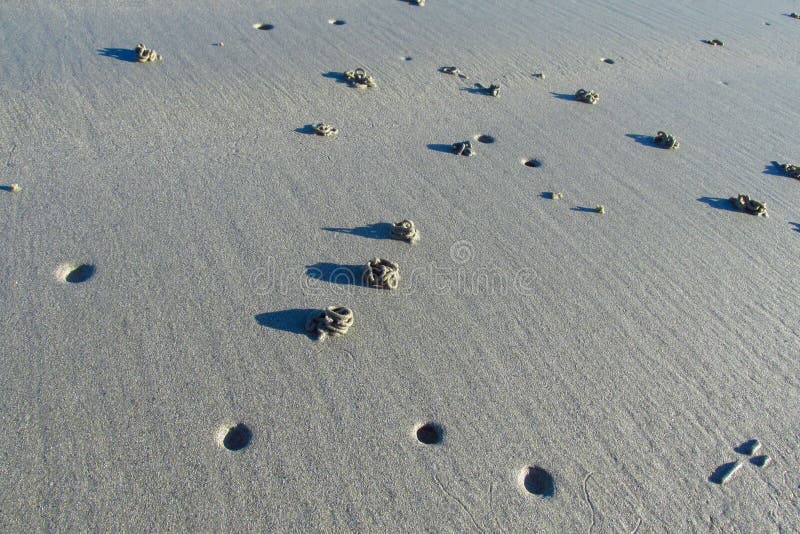
Free with trial Crab burrows on sand beach. At seaside. Burrows stock images, royalty-free photos and pictures Crab burrows on sand beach. At seaside
 Sign in