Free with trial Close up view of the mechanical parts of an air compressor. Common thread stock images, royalty-free photos and pictures Air Compressor Parts. Close up view of the mechanical parts of an air compressor. Close up view of the mechanical parts of an air compressor.
Free with trial Beautiful portrait of Maize or Corn silk is a common name for the shiny, thread-like, weak fibers that grow as part of ears of corn or maize. Corn silk is part stigma and part style, providing a female flower surface to which pollen grains can adhere and defining the lengthy path through which the pollen must transmit its genetic material. Common thread stock images, royalty-free photos and pictures Maize or Corn Silk. Beautiful portrait of Maize or Corn silk is a common name for the shiny, thread-like, weak fibers that grow as part of ears of corn or maize. Beautiful portrait of Maize or Corn silk is a common name for the shiny, thread-like, weak fibers that grow as part of ears of corn or maize. Corn silk is part stigma and part style, providing a female flower surface to which pollen grains can adhere and defining the lengthy path through which the pollen must transmit its genetic material.
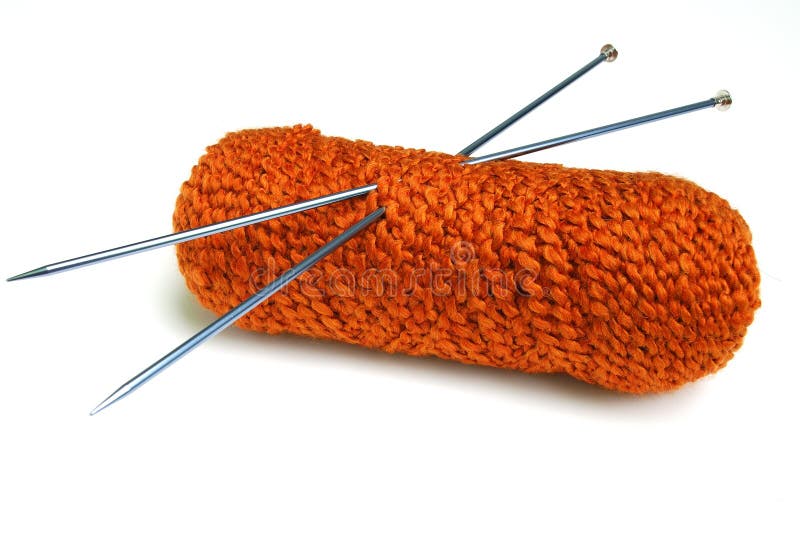
Free with trial Orange home spun woolen yarn with blue knitting needles for your hand craft projects. Spun yarn is made by twisting or otherwise bonding staple fibers together to make a cohesive thread. Twisting fibers into yarn in the process called spinning can be dated back to the Upper Paleolithic, and yarn spinning was one of the very first processes to be industrialized. Spun yarns may contain a single type of fiber, or be a blend of various types. Combining synthetic fibers (which have high strength, artificial lustre, and fire retardant qualities) with natural fibers (which have good water absorbance and skin comforting qualities) is very common. The most widely used blends are cotton-polyester and wool-acrylic fiber blends. Blends of different natural fibers are common too, especially with more expensive fibers such as angora and cashmere. Common thread stock images, royalty-free photos and pictures Orange yarn - knitting needles. Orange home spun woolen yarn with blue knitting needles for your hand craft projects. Spun yarn is made by twisting or otherwise. Orange home spun woolen yarn with blue knitting needles for your hand craft projects. Spun yarn is made by twisting or otherwise bonding staple fibers together to make a cohesive thread. Twisting fibers into yarn in the process called spinning can be dated back to the Upper Paleolithic, and yarn spinning was one of the very first processes to be industrialized. Spun yarns may contain a single type of fiber, or be a blend of various types. Combining synthetic fibers (which have high strength, artificial lustre, and fire retardant qualities) with natural fibers (which have good water absorbance and skin comforting qualities) is very common. The most widely used blends are cotton-polyester and wool-acrylic fiber blends. Blends of different natural fibers are common too, especially with more expensive fibers such as angora and cashmere.
Free with trial Red thread through a needle's eye as a symbol for the common thread. Common thread stock images, royalty-free photos and pictures The common thread. Red thread through a needle's eye as a symbol for the common thread. Red thread through a needle's eye as a symbol for the common thread.
Free with trial Home spun green and orange woolen yarn for your gorgeous hand craft projects. Spun yarn is made by twisting or otherwise bonding staple fibers together to make a cohesive thread. Twisting fibers into yarn in the process called spinning can be dated back to the Upper Paleolithic, and yarn spinning was one of the very first processes to be industrialized. Spun yarns may contain a single type of fiber, or be a blend of various types. Combining synthetic fibers (which have high strength, artificial lustre, and fire retardant qualities) with natural fibers (which have good water absorbance and skin comforting qualities) is very common. The most widely used blends are cotton-polyester and wool-acrylic fiber blends. Blends of different natural fibers are common too, especially with more expensive fibers such as angora and cashmere. Common thread stock images, royalty-free photos and pictures Green and orange yarn rolls. Home spun green and orange woolen yarn for your gorgeous hand craft projects. Spun yarn is made by twisting or otherwise bonding. Home spun green and orange woolen yarn for your gorgeous hand craft projects. Spun yarn is made by twisting or otherwise bonding staple fibers together to make a cohesive thread. Twisting fibers into yarn in the process called spinning can be dated back to the Upper Paleolithic, and yarn spinning was one of the very first processes to be industrialized. Spun yarns may contain a single type of fiber, or be a blend of various types. Combining synthetic fibers (which have high strength, artificial lustre, and fire retardant qualities) with natural fibers (which have good water absorbance and skin comforting qualities) is very common. The most widely used blends are cotton-polyester and wool-acrylic fiber blends. Blends of different natural fibers are common too, especially with more expensive fibers such as angora and cashmere.
Free with trial The hands of an old twine man mending a net for fishermen on the Portland,Maine,waterfront,a once-common onshore trade in the fish and seafood industry. Common thread stock images, royalty-free photos and pictures Twine Man\'s Hands & Fishing Net. The hands of an old twine man mending a net for fishermen on the Portland,Maine,waterfront,a once-common onshore trade in the. The hands of an old twine man mending a net for fishermen on the Portland,Maine,waterfront,a once-common onshore trade in the fish and seafood industry.
Free with trial Dark green and orange home spun woolen yarn for your hand craft projects. Spun yarn is made by twisting or otherwise bonding staple fibers together to make a cohesive thread. Twisting fibers into yarn in the process called spinning can be dated back to the Upper Paleolithic, and yarn spinning was one of the very first processes to be industrialized. Spun yarns may contain a single type of fiber, or be a blend of various types. Combining synthetic fibers (which have high strength, artificial lustre, and fire retardant qualities) with natural fibers (which have good water absorbance and skin comforting qualities) is very common. The most widely used blends are cotton-polyester and wool-acrylic fiber blends. Blends of different natural fibers are common too, especially with more expensive fibers such as angora and cashmere. Common thread stock images, royalty-free photos and pictures Green and orange yarn background. Dark green and orange home spun woolen yarn for your hand craft projects. Spun yarn is made by twisting or otherwise bonding. Dark green and orange home spun woolen yarn for your hand craft projects. Spun yarn is made by twisting or otherwise bonding staple fibers together to make a cohesive thread. Twisting fibers into yarn in the process called spinning can be dated back to the Upper Paleolithic, and yarn spinning was one of the very first processes to be industrialized. Spun yarns may contain a single type of fiber, or be a blend of various types. Combining synthetic fibers (which have high strength, artificial lustre, and fire retardant qualities) with natural fibers (which have good water absorbance and skin comforting qualities) is very common. The most widely used blends are cotton-polyester and wool-acrylic fiber blends. Blends of different natural fibers are common too, especially with more expensive fibers such as angora and cashmere.
Free with trial Distant parasite. With pliers distant parasite, macro. Common thread stock images, royalty-free photos and pictures Distant parasite. With pliers distant parasite, macro
Free with trial A common thread waisted wasp, Ammophila procera, on a pink coneflower, Echinacea. Common thread stock images, royalty-free photos and pictures Thread Waisted Wasp. A common thread waisted wasp, Ammophila procera, on a pink coneflower, Echinacea. A common thread waisted wasp, Ammophila procera, on a pink coneflower, Echinacea.
Free with trial Bouquet of blue Flax flowers and Linen thread ball on a white background. Linum usitatissimum common names: common flax or linseed. Close up view. Common thread stock images, royalty-free photos and pictures Bouquet of blue Flax flowers and Linen thread ball on a white background. Linum usitatissimum common names: common flax or linseed. Close up view
Free with trial Bouquet of blue Flax flowers and Linen thread ball on a white background. Linum usitatissimum common names: common flax or linseed. Close up view. Common thread stock images, royalty-free photos and pictures Bouquet of blue Flax flowers and Linen thread ball on a white background. Linum usitatissimum common names: common flax or linseed. Close up view
Free with trial Bouquet of blue Flax flowers and Linen thread ball on a white background. Linum usitatissimum common names: common flax or linseed. Close up view. Common thread stock images, royalty-free photos and pictures Bouquet of blue Flax flowers and Linen thread ball on a white background. Linum usitatissimum common names: common flax or linseed. Close up view
Free with trial Common Sewing Kit. From Hotel Stay. Common thread stock images, royalty-free photos and pictures Common Sewing Kit. From Hotel Stay
Free with trial Common Sewing Kit. From Hotel Stay. Common thread stock images, royalty-free photos and pictures Common Sewing Kit. From Hotel Stay
Free with trial Common White Bedsheet Square Pattern with shining triangles commonly used in luxury Hotel. Common thread stock images, royalty-free photos and pictures Common White Bedsheet Pattern. Common White Bedsheet Square Pattern with shining triangles commonly used in luxury Hotel. Common White Bedsheet Square Pattern with shining triangles commonly used in luxury Hotel.
Free with trial A Common Blue Mud-dauber is collecting nectar from a white Garlic Mustard flower. Taylor Creek Park, Toronto, Ontario, Canada. Common thread stock images, royalty-free photos and pictures Common Blue Mud-dauber - Chalybion californicum. A Common Blue Mud-dauber is collecting nectar from a white Garlic Mustard flower. Taylor Creek Park, Toronto. A Common Blue Mud-dauber is collecting nectar from a white Garlic Mustard flower. Taylor Creek Park, Toronto, Ontario, Canada.
Free with trial Common milkweed seed pod is called a follicle. This perennial plant is in the Asclepias family. The seeds bear a cluster of white white silky filament hairs called coma, pappus, floss, plume, or silk, and are spread by wind. It grows best in marshy areas. The filaments from the coma the `floss` are hollow and coated with wax, and have good insulation qualities. Concept photo, symbolic of `hanging on by a thread` peril, danger, close to failure, death, or bad outcome; resilience, tenacity. Common thread stock images, royalty-free photos and pictures Milkweed seed hanging on to a blade of grass, image of resilience, tenacity, `hanging on by a thread`. Common milkweed seed pod is called a follicle. This. Common milkweed seed pod is called a follicle. This perennial plant is in the Asclepias family. The seeds bear a cluster of white white silky filament hairs called coma, pappus, floss, plume, or silk, and are spread by wind. It grows best in marshy areas. The filaments from the coma the `floss` are hollow and coated with wax, and have good insulation qualities. Concept photo, symbolic of `hanging on by a thread` peril, danger, close to failure, death, or bad outcome; resilience, tenacity.
Free with trial Sustainable wooden items for common use. Sustainable and reusable wooden serving spoons and other shapes of different sizes. Common thread stock images, royalty-free photos and pictures Sustainable wooden hang tags for common use. Sustainable wooden items for common use. Sustainable and reusable wooden serving spoons and other shapes of. Sustainable wooden items for common use. Sustainable and reusable wooden serving spoons and other shapes of different sizes
Free with trial Red shoes women of various models, are based on a white floor and are joined by a red ribbon, which is the common thread that unites them: violence against women, symbolized by red shoes. Common thread stock images, royalty-free photos and pictures Red shoes, a symbol femicide. Red shoes women of various models, are based on a white floor and are joined by a red ribbon, which is the common thread that. Red shoes women of various models, are based on a white floor and are joined by a red ribbon, which is the common thread that unites them: violence against women, symbolized by red shoes.
Free with trial Empty layout layout on grey background. Common blank label name tag hanging on neck with thread. Common thread stock images, royalty-free photos and pictures Empty layout layout on grey background. Common blank label name tag hanging on neck with thread.
Free with trial Adam's needle and thread (Yucca filamentosa) is a species of flowering plant in the family Asparagaceae native to the southeastern United States. It is an evergreen shrub valued in horticulture. Usually trunkless, it is multisuckering with about 30 inches long, filamentous, blue-green, strappy leaves. Plant bears clusters of pendulous cream flowers in early summer. It is most commonly found in sandy soils, especially in beach scrub and dunes, but also in fields, barrens, and rocky slopes, though it grows well also in silt or clay soils. Common thread stock images, royalty-free photos and pictures Adam’s needle and thread (Yucca filamentosa) in bloom : (pix Sanjiv Shukla). Adam's needle and thread (Yucca filamentosa) is a species of flowering plant in. Adam's needle and thread (Yucca filamentosa) is a species of flowering plant in the family Asparagaceae native to the southeastern United States. It is an evergreen shrub valued in horticulture. Usually trunkless, it is multisuckering with about 30 inches long, filamentous, blue-green, strappy leaves. Plant bears clusters of pendulous cream flowers in early summer. It is most commonly found in sandy soils, especially in beach scrub and dunes, but also in fields, barrens, and rocky slopes, though it grows well also in silt or clay soils.
Free with trial Yellow black Orb-weaver spider Araneid insect coming down from the sky on his thread. Common thread stock images, royalty-free photos and pictures Yellow black Orb-weaver spider Araneid insect coming down from the sky on his silky thread. Yellow black Orb-weaver spider Araneid insect coming down from the. Yellow black Orb-weaver spider Araneid insect coming down from the sky on his thread
Free with trial A lot of black caterpillars of the peacock butterfly on nettles close-up,blurred background. Black caterpillar with spikes and white dots in a common nest of silk thread braided. Common thread stock images, royalty-free photos and pictures A lot of black caterpillars of the peacock butterfly on nettles close-up,blurred background. Black caterpillar with spikes and. White dots in a common nest of
Free with trial Table top image of khaki colored thread wound around some paper and an old retro wooden cotton reel with strong shiny thread and a darning needle on a wooden board. Two metal thimbles appear in the background with a pair of small scissors and a colorful thread plat. Winding thread around a folded piece of paper or card is a common way to save a length of thread. Common thread stock images, royalty-free photos and pictures KHAKI COLORED THREAD AROUND A PIECE OF PAPER WITH A WOODEN COTTON REEL WITH TRHEAD, SCISSORS, THIMBLES, NEEDLE AND COLORFUL THREA. Table top image of khaki. Table top image of khaki colored thread wound around some paper and an old retro wooden cotton reel with strong shiny thread and a darning needle on a wooden board. Two metal thimbles appear in the background with a pair of small scissors and a colorful thread plat. Winding thread around a folded piece of paper or card is a common way to save a length of thread.
Free with trial LYON, FRANCE, November 21, 2019 : Festival Silk in Lyon has laid on a unique cultural programme with silk as common thread. Housed in Palais de la Bourse, its second edition pays tribute to the city of Kyoto and its know-how. Common thread stock images, royalty-free photos and pictures Festival Silk in Lyon stands in Palais de la Bourse of Lyon. LYON, FRANCE, November 21, 2019 : Festival Silk in Lyon has laid on a unique cultural programme with. LYON, FRANCE, November 21, 2019 : Festival Silk in Lyon has laid on a unique cultural programme with silk as common thread. Housed in Palais de la Bourse, its second edition pays tribute to the city of Kyoto and its know-how
Free with trial LYON, FRANCE, November 21, 2019 : Festival Silk in Lyon has laid on a unique cultural programme with silk as common thread. Housed in Palais de la Bourse, its second edition pays tribute to the city of Kyoto and its know-how. Common thread stock images, royalty-free photos and pictures Printings on silk demonstration in festival SilkinLyon. LYON, FRANCE, November 21, 2019 : Festival Silk in Lyon has laid on a unique cultural programme with silk. LYON, FRANCE, November 21, 2019 : Festival Silk in Lyon has laid on a unique cultural programme with silk as common thread. Housed in Palais de la Bourse, its second edition pays tribute to the city of Kyoto and its know-how
Free with trial Suspended Animation. Two common, garden or orb spiders fight suspended by a thread over a third spider trapped and wrapped in silk. Common thread stock images, royalty-free photos and pictures Suspended Animation. Two common, garden or orb spiders fight suspended by a thread over a third spider trapped and wrapped in silk
Free with trial Back lighted butterfly, a Common Mime, Chilasa clytia clytia, foraging on a peregrina cluster early in the morning. The butterfly mimics the distasteful Danainae species for protection against predators. When it flutters around flowers, feeding, it mimics the slow and graceful flight of the Blue Glassy Tiger and Dark Glassy Tiger to fool predators into thinking that it is one of the distasteful species. Common thread stock images, royalty-free photos and pictures Mimic Tiger on Peregrina. Back lighted butterfly, a Common Mime, Chilasa clytia clytia, foraging on a peregrina cluster early in the morning. The butterfly. Back lighted butterfly, a Common Mime, Chilasa clytia clytia, foraging on a peregrina cluster early in the morning. The butterfly mimics the distasteful Danainae species for protection against predators. When it flutters around flowers, feeding, it mimics the slow and graceful flight of the Blue Glassy Tiger and Dark Glassy Tiger to fool predators into thinking that it is one of the distasteful species.
Free with trial Bowl of thread. In closeup. Common thread stock images, royalty-free photos and pictures Bowl of thread. In closeup
Free with trial Colorful plastic baskets for domestic use, little household items in small boxes containers, spools of thread, scissors, manicure set, isolated on white. Common thread stock images, royalty-free photos and pictures Colorful plastic baskets of different sizes for storing household tools. Colorful plastic baskets for domestic use, little household items in small boxes. Colorful plastic baskets for domestic use, little household items in small boxes containers, spools of thread, scissors, manicure set, isolated on white.
Free with trial Bartramia pomiformis, the common apple-moss, is a species of moss in the Bartramiaceae family. It is typically green or glaucous in hue, although sometimes it can appear yellowish. Common thread stock images, royalty-free photos and pictures Bartramia pomiformis, the common apple-moss. Bartramia pomiformis, the common apple-moss, is a species of moss in the Bartramiaceae family. It is typically. Bartramia pomiformis, the common apple-moss, is a species of moss in the Bartramiaceae family. It is typically green or glaucous in hue, although sometimes it can appear yellowish.
Free with trial Bartramia pomiformis, the common apple-moss, is a species of moss in the Bartramiaceae family. It is typically green or glaucous in hue, although sometimes it can appear yellowish. Common thread stock images, royalty-free photos and pictures Bartramia pomiformis, the common apple-moss. Bartramia pomiformis, the common apple-moss, is a species of moss in the Bartramiaceae family. It is typically. Bartramia pomiformis, the common apple-moss, is a species of moss in the Bartramiaceae family. It is typically green or glaucous in hue, although sometimes it can appear yellowish.
Free with trial A spider on a web strand. A spider on a thread of web. Common thread stock images, royalty-free photos and pictures A spider on a web strand. A spider on a thread of web
Free with trial At the handmade products shops, it is common to find art pieces like this one. Common thread stock images, royalty-free photos and pictures Filaments of natural fibers join to create a long rope. At the handmade products shops, it is common to find art pieces like this one. At the handmade products shops, it is common to find art pieces like this one.
Free with trial A circle in the form of a flower, colored spools with sewing threads as a concept of different people in one common business. Common thread stock images, royalty-free photos and pictures A circle in the form of a flower, colored spools with sewing threads as a concept of different people in one common. Business
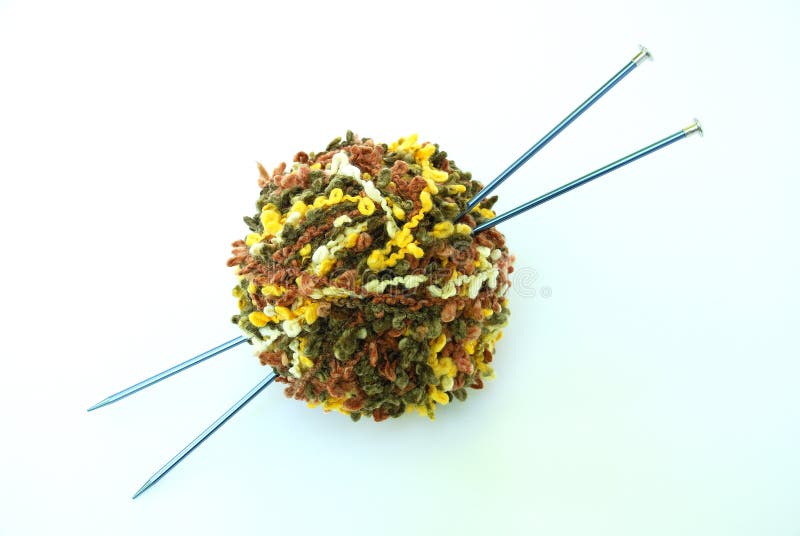
Free with trial Colorful homespun yarn ball and knitting needles for your creative hand craft projects. Spun yarn is made by twisting or otherwise bonding staple fibers together to make a cohesive thread. Twisting fibers into yarn in the process called spinning can be dated back to the Upper Paleolithic, and yarn spinning was one of the very first processes to be industrialized. Spun yarns may contain a single type of fiber, or be a blend of various types. Combining synthetic fibers (which have high strength, artificial lustre, and fire retardant qualities) with natural fibers (which have good water absorbance and skin comforting qualities) is very common. The most widely used blends are cotton-polyester and wool-acrylic fiber blends. Blends of different natural fibers are common too, especially with more expensive fibers such as angora and cashmere. Common thread stock images, royalty-free photos and pictures Colorful yarn ball - knitting. Colorful homespun yarn ball and knitting needles for your creative hand craft projects. Spun yarn is made by twisting or otherwise. Colorful homespun yarn ball and knitting needles for your creative hand craft projects. Spun yarn is made by twisting or otherwise bonding staple fibers together to make a cohesive thread. Twisting fibers into yarn in the process called spinning can be dated back to the Upper Paleolithic, and yarn spinning was one of the very first processes to be industrialized. Spun yarns may contain a single type of fiber, or be a blend of various types. Combining synthetic fibers (which have high strength, artificial lustre, and fire retardant qualities) with natural fibers (which have good water absorbance and skin comforting qualities) is very common. The most widely used blends are cotton-polyester and wool-acrylic fiber blends. Blends of different natural fibers are common too, especially with more expensive fibers such as angora and cashmere.
Free with trial A common c-clamp isolated over a white background. Clipping path is included. Common thread stock images, royalty-free photos and pictures C Clamp Over White. A common c-clamp isolated over a white background. Clipping path is included. A common c-clamp isolated over a white background. Clipping path is included.
Free with trial Martenitsa is a small piece of adornment, made of white and red yarn and worn from March 1 until around the end of March (or the first time an individual sees a stork, swallow or budding tree). People tie their martenitsa on a branch of a fruit tree, thus giving the tree health and luck, which the person wearing the martenitsa has enjoyed himself while wearing it. The common belief is that by wearing the red and white colours of the martenitsa people ask Baba Marta for mercy. In Bulgarian folklore the name Baba Marta is related to a grumpy old lady whose mood swings change very rapidly. This is an old pagan tradition and remains almost unchanged today. Common thread stock images, royalty-free photos and pictures Martenitsas on flowering plum. Martenitsa is a small piece of adornment, made of white and red yarn and worn from March 1 until around the end of March (or the. Martenitsa is a small piece of adornment, made of white and red yarn and worn from March 1 until around the end of March (or the first time an individual sees a stork, swallow or budding tree). People tie their martenitsa on a branch of a fruit tree, thus giving the tree health and luck, which the person wearing the martenitsa has enjoyed himself while wearing it. The common belief is that by wearing the red and white colours of the martenitsa people ask Baba Marta for mercy. In Bulgarian folklore the name Baba Marta is related to a grumpy old lady whose mood swings change very rapidly. This is an old pagan tradition and remains almost unchanged today.
Free with trial Fabric. Close up view of colorful fabric weave from a cushion cover. Common thread stock images, royalty-free photos and pictures Fabric. Close up view of colorful fabric weave from a cushion cover
Free with trial Gear or Wheel Puller Tool. Isolated on white background. Common thread stock images, royalty-free photos and pictures Gear or Wheel Puller Tool. Isolated on white background
Free with trial This is a Closeup Picture of Screw. Common thread stock images, royalty-free photos and pictures Closeup Picture of. This is a Closeup Picture of Screw. This is a Closeup Picture of Screw.
Free with trial -- this is the Chinese style mop made of many strings. Common thread stock images, royalty-free photos and pictures Mop Line Up. This is the Chinese style mop made of many strings. -- this is the Chinese style mop made of many strings
Free with trial A common c-clamp isolated over a white background. Common thread stock images, royalty-free photos and pictures C Clamp Over White. A common c-clamp isolated over a white background. A common c-clamp isolated over a white background.
Free with trial Budgerigar parakeet perched on a finger. Isolated on white. Common thread stock images, royalty-free photos and pictures Budgerigar parakeet perched on a finger. Isolated on white
Free with trial Seamless light blue cloth textile texture. Background. Common thread stock images, royalty-free photos and pictures Seamless light blue cloth textile texture. Background
Free with trial Please do not disturb message, a common request for others not to disturb the motel or resort room occupants, on a paper cardboard tag hung on the door knob of a hotel. Common thread stock images, royalty-free photos and pictures Please do not disturb message on cardboard tag. Please do not disturb message, a common request for others not to disturb the motel or resort room occupants, on. Please do not disturb message, a common request for others not to disturb the motel or resort room occupants, on a paper cardboard tag hung on the door knob of a hotel
Free with trial Folded, piled coarse woven burlap material background. Common thread stock images, royalty-free photos and pictures Burlap background. Folded, piled coarse woven burlap material background. Folded, piled coarse woven burlap material background.
Free with trial Jeans denim cotton material. With details accessories. Common thread stock images, royalty-free photos and pictures Jeans denim cotton material. With details accessories
Free with trial Kuda seahorse. On sandy bottom. Common thread stock images, royalty-free photos and pictures Kuda seahorse. On sandy bottom
Free with trial Jeans denim cotton material. Jeans denim rough blue cotton material fabric. Common thread stock images, royalty-free photos and pictures Jeans denim cotton material. Jeans denim rough blue cotton material fabric
Free with trial Light bulb. Closeup studio photography of a clear light bulb in orange back. Common thread stock images, royalty-free photos and pictures Light bulb. Closeup studio photography of a clear light bulb in orange back
Free with trial Jeans denim cotton material. With details accessories. Common thread stock images, royalty-free photos and pictures Jeans denim cotton material. With details accessories
Free with trial European garden spider. Female European garden spider (Araneus Diadematus) on the web. Common thread stock images, royalty-free photos and pictures European garden spider. Female European garden spider (Araneus Diadematus) on the web
Free with trial Cat and books. Grey Cat and old books. Common thread stock images, royalty-free photos and pictures Cat and books. Grey Cat and old books
Free with trial Wooden home. Traditional wooden sculpture. natural wood home concept. Common thread stock images, royalty-free photos and pictures Wooden home. Traditional wooden sculpture. natural wood home concept
Free with trial Distant parasite. With pliers distant parasite, macro. Common thread stock images, royalty-free photos and pictures Distant parasite. With pliers distant parasite, macro
Free with trial Tools used for sewing. Common tools for embroidery and sewing. Common thread stock images, royalty-free photos and pictures Tools used for sewing. Common tools for embroidery and sewing
Free with trial Distant parasite. With pliers distant parasite, macro. Common thread stock images, royalty-free photos and pictures Distant parasite. With pliers distant parasite, macro
Free with trial Kitten under wool. Studio photography of a kitten playing and coated with pink wool. Common thread stock images, royalty-free photos and pictures Kitten under wool. Studio photography of a kitten playing and coated with pink wool
Free with trial Kitten and pink wool. Studio photography ofa cute kitten playing with wool in light back. Common thread stock images, royalty-free photos and pictures Kitten and pink wool. Studio photography ofa cute kitten playing with wool in light back
Free with trial Extreme macro photo of a sunflower pistil. Common thread stock images, royalty-free photos and pictures Sunflower pistil. Extreme macro photo of a sunflower pistil. Extreme macro photo of a sunflower pistil.
Free with trial Kitten under wool. Studio photography of a kitten playing and coated with pink wool. Common thread stock images, royalty-free photos and pictures Kitten under wool. Studio photography of a kitten playing and coated with pink wool
Free with trial European garden spider, Araneus diadematus in web at golden hour. Common thread stock images, royalty-free photos and pictures European garden spider, Araneus diadematus in web at golden hour. European garden spider, Araneus diadematus working on web at golden hour
Free with trial Time between seams. Common things to do any work at home sewing. Common thread stock images, royalty-free photos and pictures Time between seams. Common things to do any work at home sewing
Free with trial A bead is a small, decorative object that is formed in a variety of shapes and sizes of a material such as glass, plastic, or wood, and that is pierced for threading or stringing. Beads range in size from under 1 millimetre (0. 039 in) to over 1 centimetre (0. 39 in) in diameter. A pair of beads made from Nassarius sea snail shells, approximately 100,000 years old, are thought to be the earliest known examples of jewellery. Beadwork is the art or craft of making things with beads. Beads can be woven together with specialized thread, strung onto thread or soft, flexible wire, or adhered to a surface. Beads can be made of many different materials. The earliest beads were made of a variety of natural materials which, after they were gathered, could be readily drilled and shaped. As humans became capable of obtaining and working with more difficult materials, those materials were added to the range of available substances. More recently, synthetic materials were added. In modern manufacturing, the most common bead materials are wood, plastic, glass, metal, and stone. A bead is a woodworking decorative treatment applied to various elements of wooden furniture, boxes and other items. A bead is typically a rounded shape cut into a square edge to soften the edge and provide some protection against splitting. Beads can be simple round shapes, or more complex patterns. Common thread stock images, royalty-free photos and pictures Wood Beads. A bead is a small, decorative object that is formed in a variety of shapes and sizes of a material such as glass, plastic, or wood, and that is. A bead is a small, decorative object that is formed in a variety of shapes and sizes of a material such as glass, plastic, or wood, and that is pierced for threading or stringing. Beads range in size from under 1 millimetre (0.039 in) to over 1 centimetre (0.39 in) in diameter. A pair of beads made from Nassarius sea snail shells, approximately 100,000 years old, are thought to be the earliest known examples of jewellery. Beadwork is the art or craft of making things with beads. Beads can be woven together with specialized thread, strung onto thread or soft, flexible wire, or adhered to a surface. Beads can be made of many different materials. The earliest beads were made of a variety of natural materials which, after they were gathered, could be readily drilled and shaped. As humans became capable of obtaining and working with more difficult materials, those materials were added to the range of available substances. More recently, synthetic materials were added. In modern manufacturing, the most common bead materials are wood, plastic, glass, metal, and stone. A bead is a woodworking decorative treatment applied to various elements of wooden furniture, boxes and other items. A bead is typically a rounded shape cut into a square edge to soften the edge and provide some protection against splitting. Beads can be simple round shapes, or more complex patterns
Free with trial Spider building web. Close up macro shot of back of spider in the process of buliding a web. Common thread stock images, royalty-free photos and pictures Spider building web. Close up macro shot of back of spider in the process of buliding a web
Free with trial Time between seams. Common things to do any work at home sewing. Common thread stock images, royalty-free photos and pictures Time between seams. Common things to do any work at home sewing
Free with trial Red cord on black coil. Studio photography showing aroll of red cord in white back. Common thread stock images, royalty-free photos and pictures Red cord on black coil. Studio photography showing aroll of red cord in white back
Free with trial Mussel is the common name used for some of bivalve molluscs, from saltwater and freshwater habitats. Humans have used mussels as food for thousands of years. Common thread stock images, royalty-free photos and pictures Mussel alive isolated on white background. Mussel is the common name used for some of bivalve molluscs, from saltwater and freshwater habitats. Humans have used. Mussel is the common name used for some of bivalve molluscs, from saltwater and freshwater habitats. Humans have used mussels as food for thousands of years.
Free with trial A bead is a small, decorative object that is formed in a variety of shapes and sizes of a material such as glass, plastic, or wood, and that is pierced for threading or stringing. Beads range in size from under 1 millimetre (0. 039 in) to over 1 centimetre (0. 39 in) in diameter. A pair of beads made from Nassarius sea snail shells, approximately 100,000 years old, are thought to be the earliest known examples of jewellery. Beadwork is the art or craft of making things with beads. Beads can be woven together with specialized thread, strung onto thread or soft, flexible wire, or adhered to a surface. Beads can be made of many different materials. The earliest beads were made of a variety of natural materials which, after they were gathered, could be readily drilled and shaped. As humans became capable of obtaining and working with more difficult materials, those materials were added to the range of available substances. More recently, synthetic materials were added. In modern manufacturing, the most common bead materials are wood, plastic, glass, metal, and stone. A bead is a woodworking decorative treatment applied to various elements of wooden furniture, boxes and other items. A bead is typically a rounded shape cut into a square edge to soften the edge and provide some protection against splitting. Beads can be simple round shapes, or more complex patterns. Common thread stock images, royalty-free photos and pictures Wood Beads. A bead is a small, decorative object that is formed in a variety of shapes and sizes of a material such as glass, plastic, or wood, and that is. A bead is a small, decorative object that is formed in a variety of shapes and sizes of a material such as glass, plastic, or wood, and that is pierced for threading or stringing. Beads range in size from under 1 millimetre (0.039 in) to over 1 centimetre (0.39 in) in diameter. A pair of beads made from Nassarius sea snail shells, approximately 100,000 years old, are thought to be the earliest known examples of jewellery. Beadwork is the art or craft of making things with beads. Beads can be woven together with specialized thread, strung onto thread or soft, flexible wire, or adhered to a surface. Beads can be made of many different materials. The earliest beads were made of a variety of natural materials which, after they were gathered, could be readily drilled and shaped. As humans became capable of obtaining and working with more difficult materials, those materials were added to the range of available substances. More recently, synthetic materials were added. In modern manufacturing, the most common bead materials are wood, plastic, glass, metal, and stone. A bead is a woodworking decorative treatment applied to various elements of wooden furniture, boxes and other items. A bead is typically a rounded shape cut into a square edge to soften the edge and provide some protection against splitting. Beads can be simple round shapes, or more complex patterns.
Free with trial Is the common name used for some of bivalve molluscs, from saltwater and freshwater habitats. Humans have used clams as food for thousands of years. Common thread stock images, royalty-free photos and pictures Arca boucardi open alive on ice. Is the common name used for some of bivalve molluscs, from saltwater and freshwater habitats. Humans have used clams as food for. is the common name used for some of bivalve molluscs, from saltwater and freshwater habitats. Humans have used clams as food for thousands of years.
Free with trial Time between seams. Common things to do any work at home sewing. Common thread stock images, royalty-free photos and pictures Time between seams. Common things to do any work at home sewing
Free with trial Time between seams. Common things to do any work at home sewing. Common thread stock images, royalty-free photos and pictures Time between seams. Common things to do any work at home sewing
Free with trial With one hand gripping the fabric behind the presser foot, and the other at the front, a seamstress guides the fabric as it is being stitched by an old sewing machine. Common thread stock images, royalty-free photos and pictures Guiding Fabric As It Stitches. With one hand gripping the fabric behind the presser foot, and the other at the front, a seamstress guides the fabric as it is. With one hand gripping the fabric behind the presser foot, and the other at the front, a seamstress guides the fabric as it is being stitched by an old sewing machine.
Free with trial Knitted gray tweed pattern. Gray color knitted tweed pattern with brown, dark gray and white blotches. Common thread stock images, royalty-free photos and pictures Knitted gray tweed pattern. Gray color knitted tweed pattern with brown, dark gray and white blotches
Free with trial The model of red shoes for women, casual shoes on a white floor and joined by a red ribbon, which is the common thread that unites them: violence against women, symbolized by red shoes. Common thread stock images, royalty-free photos and pictures Red shoes, a symbol femicide. Illustrative editorial. The model of red shoes for women, casual shoes on a white floor and joined by a red ribbon, which is the. The model of red shoes for women, casual shoes on a white floor and joined by a red ribbon, which is the common thread that unites them: violence against women, symbolized by red shoes.
Free with trial New men`s blue handkerchief for Christmas gifts. Night macro on a black background. Common thread stock images, royalty-free photos and pictures New men`s blue handkerchief for Christmas gifts isolated on black macro. New men`s blue handkerchief for Christmas gifts. Night macro on a black background. New men`s blue handkerchief for Christmas gifts. Night macro on a black background
Free with trial Time between seams. Common things to do any work at home sewing. Common thread stock images, royalty-free photos and pictures Time between seams. Common things to do any work at home sewing
Free with trial Hand holding ground with Bartramia pomiformis moss (the common apple-moss). It is a species of moss in the Bartramiaceae family. Common thread stock images, royalty-free photos and pictures Hand holding ground with Bartramia pomiformis moss. Hand holding ground with Bartramia pomiformis moss (the common apple-moss). It is a species of moss in the. Hand holding ground with Bartramia pomiformis moss (the common apple-moss). It is a species of moss in the Bartramiaceae family.
Free with trial A male hand with a caliper measures the diameter of a bolt. Choosing the right metal fastener. Use of manual measuring instruments. Focus in the foreground. Close-up. Common thread stock images, royalty-free photos and pictures A male hand with a caliper measures the diameter of a bolt. Choosing the right metal fastener. Use of manual measuring instruments. Focus in the foreground
 Sign in