Free with trial Trento, Italy - November 11, 2017: The MUSE is the Museum of the Sciences of Trento. The interior is characterized by a `big void` that connects all the floors of the museum, where suspended tassidermized animals and the original skeleton complete with a common whalebone. Complete void stock images, royalty-free photos and pictures The MUSE is the Museum of the Sciences of Trento. The interior i. Trento, Italy - November 11, 2017: The MUSE is the Museum of the Sciences of Trento. The. Trento, Italy - November 11, 2017: The MUSE is the Museum of the Sciences of Trento. The interior is characterized by a `big void` that connects all the floors of the museum, where suspended tassidermized animals and the original skeleton complete with a common whalebone.
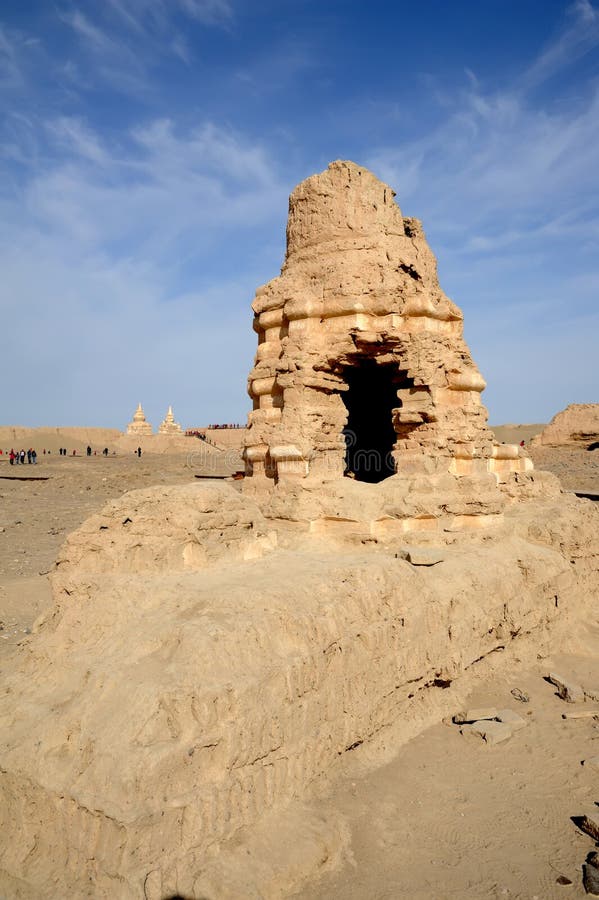
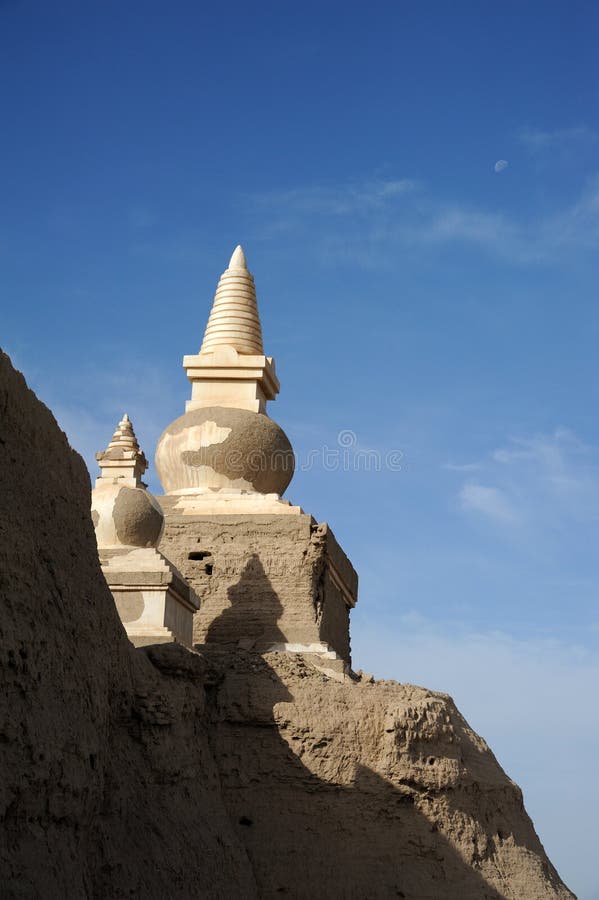
Free with trial Black City ruins located in Inner Mongolia Ejinaqi, China, is the most complete and largest of the ruins of the ancient Silk Road. Complete void stock images, royalty-free photos and pictures Black city ruins. Located in Inner Mongolia Ejinaqi, China, is the most complete and largest of the ruins of the ancient Silk Road
Free with trial This is an artistic depiction of a black hole in space. At the center is the black hole itself, an area of complete darkness, a circle from which no light can escape. Surrounding the black hole is an accretion disk, a glowing ring of matter being pulled in by the black hole& x27;s immense gravity. This ring shines with a spectrum of colors, from fiery orange to golden yellow, and is incredibly bright against the darkness of the black hole. Beyond the ring, space is illustrated in deep purples and blues, dotted with stars. A larger cosmic structure, perhaps a galaxy, forms a majestic arc around the scene with clusters of stars, dust, and gas highlighted by vibrant pinks and violets. The visual effect suggests both the ferocious power of a black hole and the sublime beauty of the cosmos. Complete void stock images, royalty-free photos and pictures An artistic depiction of a black hole in space. This is an artistic depiction of a black hole in space. At the center is the black hole itself, an area of. This is an artistic depiction of a black hole in space. At the center is the black hole itself, an area of complete darkness, a circle from which no light can escape. Surrounding the black hole is an accretion disk, a glowing ring of matter being pulled in by the black hole& x27;s immense gravity. This ring shines with a spectrum of colors, from fiery orange to golden yellow, and is incredibly bright against the darkness of the black hole. Beyond the ring, space is illustrated in deep purples and blues, dotted with stars. A larger cosmic structure, perhaps a galaxy, forms a majestic arc around the scene with clusters of stars, dust, and gas highlighted by vibrant pinks and violets. The visual effect suggests both the ferocious power of a black hole and the sublime beauty of the cosmos.
Free with trial Black City ruins located in Inner Mongolia Ejinaqi, China, is the most complete and largest of the ruins of the ancient Silk Road. Complete void stock images, royalty-free photos and pictures Black city ruins. Located in Inner Mongolia Ejinaqi, China, is the most complete and largest of the ruins of the ancient Silk Road
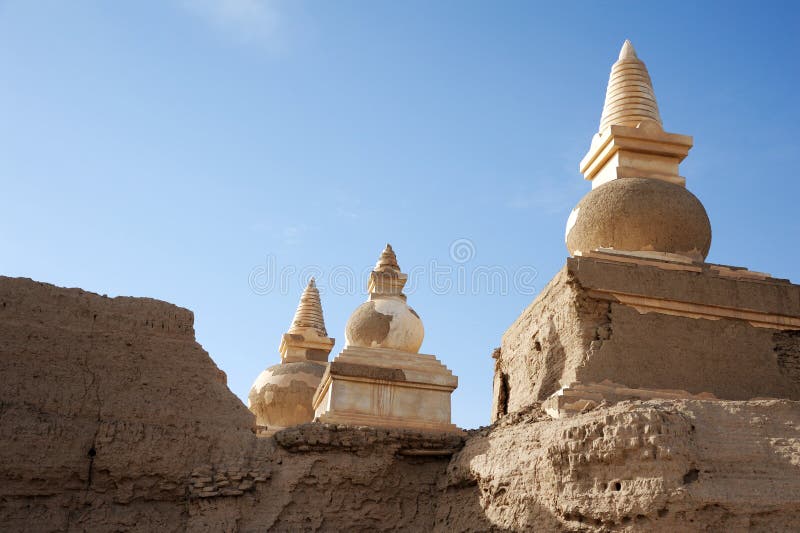
Free with trial Black City ruins located in Inner Mongolia Ejinaqi, China, is the most complete and largest of the ruins of the ancient Silk Road. Complete void stock images, royalty-free photos and pictures Black city ruins. Located in Inner Mongolia Ejinaqi, China, is the most complete and largest of the ruins of the ancient Silk Road
Free with trial Black City ruins located in Inner Mongolia Ejinaqi, China, is the most complete and largest of the ruins of the ancient Silk Road. Complete void stock images, royalty-free photos and pictures Black city ruins. Located in Inner Mongolia Ejinaqi, China, is the most complete and largest of the ruins of the ancient Silk Road
Free with trial Black City ruins located in Inner Mongolia Ejinaqi, China, is the most complete and largest of the ruins of the ancient Silk Road. Complete void stock images, royalty-free photos and pictures Black city ruins. Located in Inner Mongolia Ejinaqi, China, is the most complete and largest of the ruins of the ancient Silk Road
Free with trial Close up of jigsaw puzzle with last piece fitting background mouldy and dirty. Search for the solution, solving the problem, answer. Complete void stock images, royalty-free photos and pictures Last jigsaw puzzle peice close up texture pattern. Close up of jigsaw puzzle with last piece fitting background mouldy and dirty. Search for the solution. Close up of jigsaw puzzle with last piece fitting background mouldy and dirty. Search for the solution, solving the problem, answer.
Free with trial Tile letter in word clear on wood background. Complete void stock images, royalty-free photos and pictures Tile letter in word clear on wood background. Tile alphabet letter in word clear on wood background
Free with trial A single ember shines brightly in the complete darkness, appearing as a point of heat with a strong presence, highlighting its fiery nature. Complete void stock images, royalty-free photos and pictures Ember Glows Bright in Dark Space, Symbol of Fire and Heat, Isolated in Void, Capturing Intense Energy and Focus. A single ember shines brightly in the complete. A single ember shines brightly in the complete darkness, appearing as a point of heat with a strong presence, highlighting its fiery nature.
Free with trial Complete Blackness With A Single Faint Light. Complete Blackness With A Single Light AI generated. Complete void stock images, royalty-free photos and pictures Complete Blackness With A Single Faint Light. Complete Blackness With A Single Light AI generated
Free with trial A slender beam of radiant light emerges from deep darkness, illuminating surrounding particles and creating a stunning visual effect in the vast void. Complete void stock images, royalty-free photos and pictures Narrow beam of light pierces through complete darkness in a mesmerizing cosmic display. Generative AI. A slender beam of radiant light emerges from deep darkness. A slender beam of radiant light emerges from deep darkness, illuminating surrounding particles and creating a stunning visual effect in the vast void.
Free with trial Complete Blackness With A Single Faint Light. Dark Waters and the Pale Moon. Complete blackness with a single faint light in the distance AI generated. Complete void stock images, royalty-free photos and pictures Complete Blackness With A Single Faint Light. Dark Waters and the Pale Moon. Complete blackness with a single faint light in the distance AI generated
Free with trial A chaotic low poly particle abstract rendered in 3D, with polygonal spheres flying through a void. This futuristic background, complete with a bokeh effect, is perfect for poster designs. Complete void stock images, royalty-free photos and pictures A chaotic low poly particle abstract rendered in 3D, with polygonal spheres flying through a void. This futuristic. Background, complete with a bokeh effect, is. A chaotic low poly particle abstract rendered in 3D, with polygonal spheres flying through a void. This futuristic background, complete with a bokeh effect, is perfect for poster designs..
Free with trial Complete Blackness With A Single Faint Light. Dark Waters and the Pale Moon. Complete blackness with a single faint light in the distance AI generated. Complete void stock images, royalty-free photos and pictures Complete Blackness With A Single Faint Light. Dark Waters and the Pale Moon. Complete blackness with a single faint light in the distance AI generated
Free with trial The forest is shrouded in complete darkness, with towering trees rising against the void, creating a hauntingly beautiful environment under the night sky. Complete void stock images, royalty-free photos and pictures Pitch black forest enveloped in total darkness creating an atmosphere of mystery and intrigue at nighttime. The forest is shrouded in complete darkness, with. The forest is shrouded in complete darkness, with towering trees rising against the void, creating a hauntingly beautiful environment under the night sky.
Free with trial Lotus leaves rest in the sunset's mirrored glow and in the willows' reflected shadeThe lotus, emerging unstained from muddy water, is a sacred symbol in Buddhism (as the lotus throne) and also the embodiment of the scholar-gentleman's ideal of moral integrity. The white lily, as a symbol of the Virgin Mary, represents the Immaculate Conception and supreme purity. In Renaissance religious paintings, the lily and the lotus occupy exactly equivalent moral and symbolic heights within their respective cultural traditions. The majestic, opulent beauty of the lotus rendered in meticulous gongbi painting (heavy color) finds its counterpart in the sensory, sumptuous beauty of roses in Western classical oil paintings—such as those by Odilon Redon or Henri Fantin-Latour. The lotus in China also holds a status comparable to Monet's Water Lilies in the West—in that both once served as a revolution in the very mode of seeing. In China: Southern Song painters (such as Ma Yuan and Li Di) detached the lotus from its complete, sacred iconography, depicting merely a single leaf, a single blossom, and a dragonfly. This fragmented composition and its treatment of light, shadow, and atmospheric presence were remarkably groundbreaking in art history. In the West: Monet, in his late Water Lilies, abandoned solid forms altogether, pursuing only the light and color dancing on the water's surface. Though their materials differ, the two traditions share a profound spiritual kinship in that both treat the flower as a purely visual element rather than a narrative symbol. In essence, the lotus in Chinese art is the equivalent of the lily + the rose in Western art history—it simultaneously carries the divine (purity and transcendence) and the human (worldly prosperity and beauty). And at its highest aesthetic reach, like Monet's water lilies, it becomes a window through which the Eastern mind contemplates the void—the cosmic emptiness underlying all phenomena. It is more complex than any single flower in the Western tradition, because it is at once religious, secular, and philosophical. Complete void stock images, royalty-free photos and pictures IMG623 Lotus leaves lie in the reflections of the sunset and the willows. Lotus leaves rest in the sunset's mirrored glow and in the willows' reflected shadeThe. Lotus leaves rest in the sunset's mirrored glow and in the willows' reflected shadeThe lotus, emerging unstained from muddy water, is a sacred symbol in Buddhism (as the lotus throne) and also the embodiment of the scholar-gentleman's ideal of moral integrity. The white lily, as a symbol of the Virgin Mary, represents the Immaculate Conception and supreme purity. In Renaissance religious paintings, the lily and the lotus occupy exactly equivalent moral and symbolic heights within their respective cultural traditions.The majestic, opulent beauty of the lotus rendered in meticulous gongbi painting (heavy color) finds its counterpart in the sensory, sumptuous beauty of roses in Western classical oil paintings—such as those by Odilon Redon or Henri Fantin-Latour.The lotus in China also holds a status comparable to Monet's Water Lilies in the West—in that both once served as a revolution in the very mode of seeing.In China: Southern Song painters (such as Ma Yuan and Li Di) detached the lotus from its complete, sacred iconography, depicting merely a single leaf, a single blossom, and a dragonfly. This fragmented composition and its treatment of light, shadow, and atmospheric presence were remarkably groundbreaking in art history.In the West: Monet, in his late Water Lilies, abandoned solid forms altogether, pursuing only the light and color dancing on the water's surface. Though their materials differ, the two traditions share a profound spiritual kinship in that both treat the flower as a purely visual element rather than a narrative symbol.In essence, the lotus in Chinese art is the equivalent of the lily + the rose in Western art history—it simultaneously carries the divine (purity and transcendence) and the human (worldly prosperity and beauty). And at its highest aesthetic reach, like Monet's water lilies, it becomes a window through which the Eastern mind contemplates the void—the cosmic emptiness underlying all phenomena. It is more complex than any single flower in the Western tradition, because it is at once religious, secular, and philosophical.
Free with trial The lotus, emerging unstained from muddy water, is a sacred symbol in Buddhism (as the lotus throne) and also the embodiment of the scholar-gentleman's ideal of moral integrity. The white lily, as a symbol of the Virgin Mary, represents the Immaculate Conception and supreme purity. In Renaissance religious paintings, the lily and the lotus occupy exactly equivalent moral and symbolic heights within their respective cultural traditions. The majestic, opulent beauty of the lotus rendered in meticulous gongbi painting (heavy color) finds its counterpart in the sensory, sumptuous beauty of roses in Western classical oil paintings—such as those by Odilon Redon or Henri Fantin-Latour. The lotus in China also holds a status comparable to Monet's Water Lilies in the West—in that both once served as a revolution in the very mode of seeing. In China: Southern Song painters (such as Ma Yuan and Li Di) detached the lotus from its complete, sacred iconography, depicting merely a single leaf, a single blossom, and a dragonfly. This fragmented composition and its treatment of light, shadow, and atmospheric presence were remarkably groundbreaking in art history. In the West: Monet, in his late Water Lilies, abandoned solid forms altogether, pursuing only the light and color dancing on the water's surface. Though their materials differ, the two traditions share a profound spiritual kinship in that both treat the flower as a purely visual element rather than a narrative symbol. In essence, the lotus in Chinese art is the equivalent of the lily + the rose in Western art history—it simultaneously carries the divine (purity and transcendence) and the human (worldly prosperity and beauty). And at its highest aesthetic reach, like Monet's water lilies, it becomes a window through which the Eastern mind contemplates the void—the cosmic emptiness underlying all phenomena. It is more complex than any single flower in the Western tradition, because it is at once religious, secular, and philosophical. Complete void stock images, royalty-free photos and pictures IMG634 Lotus leaves lie in the reflection of the sunset glow and in the reflection of the willows. The lotus, emerging unstained from muddy water, is a sacred. The lotus, emerging unstained from muddy water, is a sacred symbol in Buddhism (as the lotus throne) and also the embodiment of the scholar-gentleman's ideal of moral integrity. The white lily, as a symbol of the Virgin Mary, represents the Immaculate Conception and supreme purity. In Renaissance religious paintings, the lily and the lotus occupy exactly equivalent moral and symbolic heights within their respective cultural traditions.The majestic, opulent beauty of the lotus rendered in meticulous gongbi painting (heavy color) finds its counterpart in the sensory, sumptuous beauty of roses in Western classical oil paintings—such as those by Odilon Redon or Henri Fantin-Latour.The lotus in China also holds a status comparable to Monet's Water Lilies in the West—in that both once served as a revolution in the very mode of seeing.In China: Southern Song painters (such as Ma Yuan and Li Di) detached the lotus from its complete, sacred iconography, depicting merely a single leaf, a single blossom, and a dragonfly. This fragmented composition and its treatment of light, shadow, and atmospheric presence were remarkably groundbreaking in art history.In the West: Monet, in his late Water Lilies, abandoned solid forms altogether, pursuing only the light and color dancing on the water's surface. Though their materials differ, the two traditions share a profound spiritual kinship in that both treat the flower as a purely visual element rather than a narrative symbol.In essence, the lotus in Chinese art is the equivalent of the lily + the rose in Western art history—it simultaneously carries the divine (purity and transcendence) and the human (worldly prosperity and beauty). And at its highest aesthetic reach, like Monet's water lilies, it becomes a window through which the Eastern mind contemplates the void—the cosmic emptiness underlying all phenomena. It is more complex than any single flower in the Western tradition, because it is at once religious, secular, and philosophical.
Free with trial The lotus, emerging unstained from muddy water, is a sacred symbol in Buddhism (as the lotus throne) and also the embodiment of the scholar-gentleman's ideal of moral integrity. The white lily, as a symbol of the Virgin Mary, represents the Immaculate Conception and supreme purity. In Renaissance religious paintings, the lily and the lotus occupy exactly equivalent moral and symbolic heights within their respective cultural traditions. The majestic, opulent beauty of the lotus rendered in meticulous gongbi painting (heavy color) finds its counterpart in the sensory, sumptuous beauty of roses in Western classical oil paintings—such as those by Odilon Redon or Henri Fantin-Latour. The lotus in China also holds a status comparable to Monet's Water Lilies in the West—in that both once served as a revolution in the very mode of seeing. In China: Southern Song painters (such as Ma Yuan and Li Di) detached the lotus from its complete, sacred iconography, depicting merely a single leaf, a single blossom, and a dragonfly. This fragmented composition and its treatment of light, shadow, and atmospheric presence were remarkably groundbreaking in art history. In the West: Monet, in his late Water Lilies, abandoned solid forms altogether, pursuing only the light and color dancing on the water's surface. Though their materials differ, the two traditions share a profound spiritual kinship in that both treat the flower as a purely visual element rather than a narrative symbol. In essence, the lotus in Chinese art is the equivalent of the lily + the rose in Western art history—it simultaneously carries the divine (purity and transcendence) and the human (worldly prosperity and beauty). And at its highest aesthetic reach, like Monet's water lilies, it becomes a window through which the Eastern mind contemplates the void—the cosmic emptiness underlying all phenomena. It is more complex than any single flower in the Western tradition, because it is at once religious, secular, and philosophical. Complete void stock images, royalty-free photos and pictures IMG670 Lotus leaves rest in the sunset's mirrored glow and in the willows' reflected shade. The lotus, emerging unstained from muddy water, is a sacred symbol. The lotus, emerging unstained from muddy water, is a sacred symbol in Buddhism (as the lotus throne) and also the embodiment of the scholar-gentleman's ideal of moral integrity. The white lily, as a symbol of the Virgin Mary, represents the Immaculate Conception and supreme purity. In Renaissance religious paintings, the lily and the lotus occupy exactly equivalent moral and symbolic heights within their respective cultural traditions.The majestic, opulent beauty of the lotus rendered in meticulous gongbi painting (heavy color) finds its counterpart in the sensory, sumptuous beauty of roses in Western classical oil paintings—such as those by Odilon Redon or Henri Fantin-Latour.The lotus in China also holds a status comparable to Monet's Water Lilies in the West—in that both once served as a revolution in the very mode of seeing.In China: Southern Song painters (such as Ma Yuan and Li Di) detached the lotus from its complete, sacred iconography, depicting merely a single leaf, a single blossom, and a dragonfly. This fragmented composition and its treatment of light, shadow, and atmospheric presence were remarkably groundbreaking in art history.In the West: Monet, in his late Water Lilies, abandoned solid forms altogether, pursuing only the light and color dancing on the water's surface. Though their materials differ, the two traditions share a profound spiritual kinship in that both treat the flower as a purely visual element rather than a narrative symbol.In essence, the lotus in Chinese art is the equivalent of the lily + the rose in Western art history—it simultaneously carries the divine (purity and transcendence) and the human (worldly prosperity and beauty). And at its highest aesthetic reach, like Monet's water lilies, it becomes a window through which the Eastern mind contemplates the void—the cosmic emptiness underlying all phenomena. It is more complex than any single flower in the Western tradition, because it is at once religious, secular, and philosophical.
Free with trial The lotus, emerging unstained from muddy water, is a sacred symbol in Buddhism (as the lotus throne) and also the embodiment of the scholar-gentleman's ideal of moral integrity. The white lily, as a symbol of the Virgin Mary, represents the Immaculate Conception and supreme purity. In Renaissance religious paintings, the lily and the lotus occupy exactly equivalent moral and symbolic heights within their respective cultural traditions. The majestic, opulent beauty of the lotus rendered in meticulous gongbi painting (heavy color) finds its counterpart in the sensory, sumptuous beauty of roses in Western classical oil paintings—such as those by Odilon Redon or Henri Fantin-Latour. The lotus in China also holds a status comparable to Monet's Water Lilies in the West—in that both once served as a revolution in the very mode of seeing. In China: Southern Song painters (such as Ma Yuan and Li Di) detached the lotus from its complete, sacred iconography, depicting merely a single leaf, a single blossom, and a dragonfly. This fragmented composition and its treatment of light, shadow, and atmospheric presence were remarkably groundbreaking in art history. In the West: Monet, in his late Water Lilies, abandoned solid forms altogether, pursuing only the light and color dancing on the water's surface. Though their materials differ, the two traditions share a profound spiritual kinship in that both treat the flower as a purely visual element rather than a narrative symbol. In essence, the lotus in Chinese art is the equivalent of the lily + the rose in Western art history—it simultaneously carries the divine (purity and transcendence) and the human (worldly prosperity and beauty). And at its highest aesthetic reach, like Monet's water lilies, it becomes a window through which the Eastern mind contemplates the void—the cosmic emptiness underlying all phenomena. It is more complex than any single flower in the Western tradition, because it is at once religious, secular, and philosophical. Complete void stock images, royalty-free photos and pictures IMG630 Lotus leaves rest in the sunset's mirrored glow and in the willows' reflected shade. The lotus, emerging unstained from muddy water, is a sacred symbol in. The lotus, emerging unstained from muddy water, is a sacred symbol in Buddhism (as the lotus throne) and also the embodiment of the scholar-gentleman's ideal of moral integrity. The white lily, as a symbol of the Virgin Mary, represents the Immaculate Conception and supreme purity. In Renaissance religious paintings, the lily and the lotus occupy exactly equivalent moral and symbolic heights within their respective cultural traditions.The majestic, opulent beauty of the lotus rendered in meticulous gongbi painting (heavy color) finds its counterpart in the sensory, sumptuous beauty of roses in Western classical oil paintings—such as those by Odilon Redon or Henri Fantin-Latour.The lotus in China also holds a status comparable to Monet's Water Lilies in the West—in that both once served as a revolution in the very mode of seeing.In China: Southern Song painters (such as Ma Yuan and Li Di) detached the lotus from its complete, sacred iconography, depicting merely a single leaf, a single blossom, and a dragonfly. This fragmented composition and its treatment of light, shadow, and atmospheric presence were remarkably groundbreaking in art history.In the West: Monet, in his late Water Lilies, abandoned solid forms altogether, pursuing only the light and color dancing on the water's surface. Though their materials differ, the two traditions share a profound spiritual kinship in that both treat the flower as a purely visual element rather than a narrative symbol.In essence, the lotus in Chinese art is the equivalent of the lily + the rose in Western art history—it simultaneously carries the divine (purity and transcendence) and the human (worldly prosperity and beauty). And at its highest aesthetic reach, like Monet's water lilies, it becomes a window through which the Eastern mind contemplates the void—the cosmic emptiness underlying all phenomena. It is more complex than any single flower in the Western tradition, because it is at once religious, secular, and philosophical.
Free with trial The lotus, emerging unstained from muddy water, is a sacred symbol in Buddhism (as the lotus throne) and also the embodiment of the scholar-gentleman's ideal of moral integrity. The white lily, as a symbol of the Virgin Mary, represents the Immaculate Conception and supreme purity. In Renaissance religious paintings, the lily and the lotus occupy exactly equivalent moral and symbolic heights within their respective cultural traditions. The majestic, opulent beauty of the lotus rendered in meticulous gongbi painting (heavy color) finds its counterpart in the sensory, sumptuous beauty of roses in Western classical oil paintings—such as those by Odilon Redon or Henri Fantin-Latour. The lotus in China also holds a status comparable to Monet's Water Lilies in the West—in that both once served as a revolution in the very mode of seeing. In China: Southern Song painters (such as Ma Yuan and Li Di) detached the lotus from its complete, sacred iconography, depicting merely a single leaf, a single blossom, and a dragonfly. This fragmented composition and its treatment of light, shadow, and atmospheric presence were remarkably groundbreaking in art history. In the West: Monet, in his late Water Lilies, abandoned solid forms altogether, pursuing only the light and color dancing on the water's surface. Though their materials differ, the two traditions share a profound spiritual kinship in that both treat the flower as a purely visual element rather than a narrative symbol. In essence, the lotus in Chinese art is the equivalent of the lily + the rose in Western art history—it simultaneously carries the divine (purity and transcendence) and the human (worldly prosperity and beauty). And at its highest aesthetic reach, like Monet's water lilies, it becomes a window through which the Eastern mind contemplates the void—the cosmic emptiness underlying all phenomena. It is more complex than any single flower in the Western tradition, because it is at once religious, secular, and philosophical. Complete void stock images, royalty-free photos and pictures IMG673 Lotus flowers, in their noble bearing, stand amid the reflections of clouds and trees upon the water. The lotus, emerging unstained from muddy water, is. The lotus, emerging unstained from muddy water, is a sacred symbol in Buddhism (as the lotus throne) and also the embodiment of the scholar-gentleman's ideal of moral integrity. The white lily, as a symbol of the Virgin Mary, represents the Immaculate Conception and supreme purity. In Renaissance religious paintings, the lily and the lotus occupy exactly equivalent moral and symbolic heights within their respective cultural traditions.The majestic, opulent beauty of the lotus rendered in meticulous gongbi painting (heavy color) finds its counterpart in the sensory, sumptuous beauty of roses in Western classical oil paintings—such as those by Odilon Redon or Henri Fantin-Latour.The lotus in China also holds a status comparable to Monet's Water Lilies in the West—in that both once served as a revolution in the very mode of seeing.In China: Southern Song painters (such as Ma Yuan and Li Di) detached the lotus from its complete, sacred iconography, depicting merely a single leaf, a single blossom, and a dragonfly. This fragmented composition and its treatment of light, shadow, and atmospheric presence were remarkably groundbreaking in art history.In the West: Monet, in his late Water Lilies, abandoned solid forms altogether, pursuing only the light and color dancing on the water's surface. Though their materials differ, the two traditions share a profound spiritual kinship in that both treat the flower as a purely visual element rather than a narrative symbol.In essence, the lotus in Chinese art is the equivalent of the lily + the rose in Western art history—it simultaneously carries the divine (purity and transcendence) and the human (worldly prosperity and beauty). And at its highest aesthetic reach, like Monet's water lilies, it becomes a window through which the Eastern mind contemplates the void—the cosmic emptiness underlying all phenomena. It is more complex than any single flower in the Western tradition, because it is at once religious, secular, and philosophical.
Free with trial MUNICH, GERMANY - JUNE 24, 2025: Minimalist black frame image from inside St. Ludwig church showing complete darkness. MUNICH, GERMANY - JUNE 24, 2025. Complete void stock images, royalty-free photos and pictures MUNICH, GERMANY - JUNE 24, 2025: Minimalist black frame image from inside St. Ludwig church showing complete darkness. MUNICH, GERMANY - JUNE 24, 2025
Free with trial Top view of Notepad with message "Not Anymore" and eyeglass on wooden background. Complete void stock images, royalty-free photos and pictures Notepad with message \'Not Anymore\' and eyeglass on wooden background. Top view of Notepad with message 'Not Anymore' and eyeglass on wooden background. Top view of Notepad with message "Not Anymore" and eyeglass on wooden background
Free with trial Cancelled message written on ripped torn paper piece with stone background. Conceptual cancelled symbol. Copy space. Complete void stock images, royalty-free photos and pictures Cancelled message written on ripped torn paper piece with stone background. Conceptual cancelled symbol. Copy space
Free with trial Submit specific text now, Provide exact text for variation creation, Please share complete text to generate different versions, Share exact text so I can produce five unique rewrites with variations. Complete void stock images, royalty-free photos and pictures Provided text contains no content and is completely void of any characters. Submit specific text now, Provide exact text for variation creation, Please share. Submit specific text now, Provide exact text for variation creation, Please share complete text to generate different versions, Share exact text so I can produce five unique rewrites with variations
Free with trial Cancelled message written on black notebook page with red background. Conceptual cancelled symbol. Copy space. Concept photo. Complete void stock images, royalty-free photos and pictures Cancelled message written on black notebook page with red background. Conceptual cancelled symbol. Copy space. Concept photo
Free with trial A pitch black forest stands in complete darkness, with tall trees creating haunting shadows as they reach toward the sky, evoking a sense of mystery and isolation. Complete void stock images, royalty-free photos and pictures Eerie darkness envelops a forest, with towering trees silhouetted against an absence of light. A pitch black forest stands in complete darkness, with tall trees. A pitch black forest stands in complete darkness, with tall trees creating haunting shadows as they reach toward the sky, evoking a sense of mystery and isolation.
Free with trial Cancelled message written on ripped torn yellow paper piece with stone background. Conceptual cancelled symbol. Copy space. Concept photo. Complete void stock images, royalty-free photos and pictures Cancelled message written on ripped torn yellow paper piece with stone background. Conceptual cancelled symbol. Copy space. Concept photo
Free with trial A luminous light beam radiates through complete darkness, revealing dazzling particles that sparkle along its path, creating a mesmerizing effect in the void. Complete void stock images, royalty-free photos and pictures Close-up view of a vibrant light beam penetrating a pitch-black background, showcasing intricate details and glowing. A luminous light beam radiates through. A luminous light beam radiates through complete darkness, revealing dazzling particles that sparkle along its path, creating a mesmerizing effect in the void.
Free with trial A vast, empty black studio room with a sleek, matte dark grey or black background that seems to absorb all light, creating an eerie sense of depth and isolation, with not a single object, prop, or piece of furniture in sight, and a complete absence of any reflective surfaces, shadows, or texture, emphasizing the stark, minimalist atmosphere, and surrounded by an unseen darkness that stretches out to the edges of the frame. Complete void stock images, royalty-free photos and pictures 3D Endless Void Stark Minimalist Black Studio. A vast, empty black studio room with a sleek, matte dark grey or black background that seems to absorb all light. A vast, empty black studio room with a sleek, matte dark grey or black background that seems to absorb all light, creating an eerie sense of depth and isolation, with not a single object, prop, or piece of furniture in sight, and a complete absence of any reflective surfaces, shadows, or texture, emphasizing the stark, minimalist atmosphere, and surrounded by an unseen darkness that stretches out to the edges of the frame.
Free with trial Empty white food containers are placed on the dining table. Complete void stock images, royalty-free photos and pictures Food containers are placed on the dining table. Empty white food containers are placed on the dining table. Empty white food containers are placed on the dining table.
Free with trial A puzzle with a missing piece is shown on a blue background. Concept of emptiness and incompleteness, as the missing piece represents a gap or void that cannot be filled. Complete void stock images, royalty-free photos and pictures A puzzle with a missing piece is shown on a blue background. Concept of emptiness and incompleteness, as the missing piece represents a gap or void that cannot
Free with trial Night Sky Over A Landscape In Complete Shadow. Night Sky Over A Landscape In Shadow AI generated. Complete void stock images, royalty-free photos and pictures Night Sky Over A Landscape In Complete Shadow. Night Sky Over A Landscape In Shadow AI generated
Free with trial Night Sky Over A Landscape In Complete Shadow. Night Sky Over A Landscape In Shadow AI generated. Complete void stock images, royalty-free photos and pictures Night Sky Over A Landscape In Complete Shadow. Night Sky Over A Landscape In Shadow AI generated
Free with trial Night Sky Over A Landscape In Complete Shadow. Night Sky Over A Landscape In Shadow AI generated. Complete void stock images, royalty-free photos and pictures Night Sky Over A Landscape In Complete Shadow. Night Sky Over A Landscape In Shadow AI generated
Free with trial A forklift carries a red block to insert into a wall void. A key element to complete the project, part of the whole. Innovation, concept of idea. Cooperation and collaboration. Teamwork. Complete void stock images, royalty-free photos and pictures A forklift carries a red block to insert into a wall void. A key element to complete the project, part of the whole. Innovation. Concept of idea. Cooperation. A forklift carries a red block to insert into a wall void. A key element to complete the project, part of the whole. Innovation, concept of idea. Cooperation and collaboration. Teamwork
Free with trial Beautiful white jasmine flowers in the home garden complete the void. Complete void stock images, royalty-free photos and pictures Beautiful white jasmine flowers in the home garden complete the void
Free with trial Yellow toy forklift hold letter block V to word void on wood background. Complete void stock images, royalty-free photos and pictures Yellow toy forklift hold letter block V to word void on wood background. Yellow toy forklift hold letter block V to complete word void on wood background
Free with trial A forklift truck brings a red block to a void in the wall. Repair work, elimination of gaps. Improving system security, fixing errors and bugs. Integration of solutions and problem solving. Complete void stock images, royalty-free photos and pictures A forklift truck brings a red block to a void in the wall. Repair work, elimination of gaps. Improving system security, fixing. Errors and bugs. Integration of. A forklift truck brings a red block to a void in the wall. Repair work, elimination of gaps. Improving system security, fixing errors and bugs. Integration of solutions and problem solving
Free with trial Toy bulldozer hold block d to complete word avoid on wood background. Complete void stock images, royalty-free photos and pictures Toy bulldozer hold block d to complete word avoid on wood background. Toy bulldozer hold letter block d to complete word avoid on wood background
Free with trial Light box with word void on wood background. Complete void stock images, royalty-free photos and pictures Light box with word void on wood background. Lightbox with word void on wood background
Free with trial Toy forklift hold block d to complete word avoid on wood background. Complete void stock images, royalty-free photos and pictures Toy forklift hold block d to complete word avoid on wood background. Toy forklift hold letter block d to complete word avoid on wood background
Free with trial Trento, Italy - November 11, 2017: The MUSE is the Museum of the Sciences of Trento. The interior is characterized by a `big void` that connects all the floors of the museum, where suspended tassidermized animals and the original skeleton complete with a common whalebone. Complete void stock images, royalty-free photos and pictures The MUSE is the Museum of the Sciences of Trento. The interior i. Trento, Italy - November 11, 2017: The MUSE is the Museum of the Sciences of Trento. The. Trento, Italy - November 11, 2017: The MUSE is the Museum of the Sciences of Trento. The interior is characterized by a `big void` that connects all the floors of the museum, where suspended tassidermized animals and the original skeleton complete with a common whalebone.
Free with trial Black City ruins located in Inner Mongolia Ejinaqi, China, is the most complete and largest of the ruins of the ancient Silk Road. Complete void stock images, royalty-free photos and pictures Black city ruins. Located in Inner Mongolia Ejinaqi, China, is the most complete and largest of the ruins of the ancient Silk Road
Free with trial Black City ruins located in Inner Mongolia Ejinaqi, China, is the most complete and largest of the ruins of the ancient Silk Road. Complete void stock images, royalty-free photos and pictures Black city ruins. Located in Inner Mongolia Ejinaqi, China, is the most complete and largest of the ruins of the ancient Silk Road
Free with trial Black City ruins located in Inner Mongolia Ejinaqi, China, is the most complete and largest of the ruins of the ancient Silk Road. Complete void stock images, royalty-free photos and pictures Black city ruins. Located in Inner Mongolia Ejinaqi, China, is the most complete and largest of the ruins of the ancient Silk Road
Free with trial Black City ruins located in Inner Mongolia Ejinaqi, China, is the most complete and largest of the ruins of the ancient Silk Road. Complete void stock images, royalty-free photos and pictures Black city ruins. Located in Inner Mongolia Ejinaqi, China, is the most complete and largest of the ruins of the ancient Silk Road
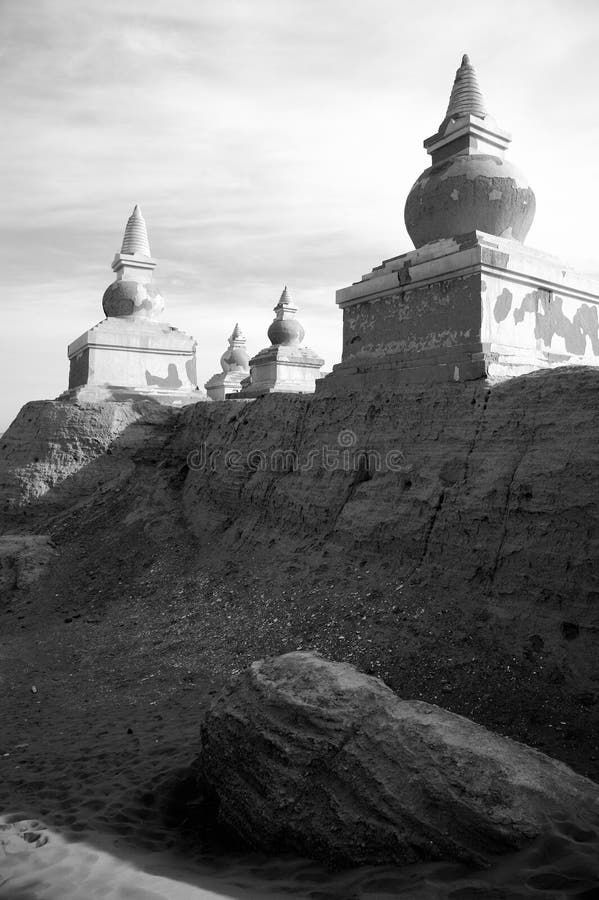
Free with trial Black City ruins located in Inner Mongolia Ejinaqi, China, is the most complete and largest of the ruins of the ancient Silk Road. Complete void stock images, royalty-free photos and pictures Black city ruins in black and white. Black City ruins located in Inner Mongolia Ejinaqi, China, is the most complete and largest of the ruins of the ancient Silk. Black City ruins located in Inner Mongolia Ejinaqi, China, is the most complete and largest of the ruins of the ancient Silk Road.
Free with trial Black City ruins located in Inner Mongolia Ejinaqi, China, is the most complete and largest of the ruins of the ancient Silk Road. Complete void stock images, royalty-free photos and pictures Black city ruins. Located in Inner Mongolia Ejinaqi, China, is the most complete and largest of the ruins of the ancient Silk Road
Free with trial Black City ruins located in Inner Mongolia Ejinaqi, China, is the most complete and largest of the ruins of the ancient Silk Road. Complete void stock images, royalty-free photos and pictures Black city ruins. Located in Inner Mongolia Ejinaqi, China, is the most complete and largest of the ruins of the ancient Silk Road
Free with trial Black City ruins located in Inner Mongolia Ejinaqi, China, is the most complete and largest of the ruins of the ancient Silk Road. Complete void stock images, royalty-free photos and pictures Black city ruins. Located in Inner Mongolia Ejinaqi, China, is the most complete and largest of the ruins of the ancient Silk Road
Free with trial Black City ruins located in Inner Mongolia Ejinaqi, China, is the most complete and largest of the ruins of the ancient Silk Road. Complete void stock images, royalty-free photos and pictures Black city ruins. Located in Inner Mongolia Ejinaqi, China, is the most complete and largest of the ruins of the ancient Silk Road
Free with trial Black City ruins located in Inner Mongolia Ejinaqi, China, is the most complete and largest of the ruins of the ancient Silk Road. Complete void stock images, royalty-free photos and pictures Black city ruins. Located in Inner Mongolia Ejinaqi, China, is the most complete and largest of the ruins of the ancient Silk Road
Free with trial Black City ruins located in Inner Mongolia Ejinaqi, China, is the most complete and largest of the ruins of the ancient Silk Road. Complete void stock images, royalty-free photos and pictures Black city ruins. Located in Inner Mongolia Ejinaqi, China, is the most complete and largest of the ruins of the ancient Silk Road
Free with trial Black City ruins located in Inner Mongolia Ejinaqi, China, is the most complete and largest of the ruins of the ancient Silk Road. Complete void stock images, royalty-free photos and pictures Black city ruins. Located in Inner Mongolia Ejinaqi, China, is the most complete and largest of the ruins of the ancient Silk Road
Free with trial Black City ruins located in Inner Mongolia Ejinaqi, China, is the most complete and largest of the ruins of the ancient Silk Road. Complete void stock images, royalty-free photos and pictures Black city ruins. Located in Inner Mongolia Ejinaqi, China, is the most complete and largest of the ruins of the ancient Silk Road
Free with trial Black City ruins located in Inner Mongolia Ejinaqi, China, is the most complete and largest of the ruins of the ancient Silk Road. Complete void stock images, royalty-free photos and pictures Black city ruins. Located in Inner Mongolia Ejinaqi, China, is the most complete and largest of the ruins of the ancient Silk Road
Free with trial Black City ruins located in Inner Mongolia Ejinaqi, China, is the most complete and largest of the ruins of the ancient Silk Road. Complete void stock images, royalty-free photos and pictures Black city ruins. Located in Inner Mongolia Ejinaqi, China, is the most complete and largest of the ruins of the ancient Silk Road
Free with trial Black City ruins located in Inner Mongolia Ejinaqi, China, is the most complete and largest of the ruins of the ancient Silk Road. Complete void stock images, royalty-free photos and pictures Black city ruins. Located in Inner Mongolia Ejinaqi, China, is the most complete and largest of the ruins of the ancient Silk Road
Free with trial Black City ruins located in Inner Mongolia Ejinaqi, China, is the most complete and largest of the ruins of the ancient Silk Road. Complete void stock images, royalty-free photos and pictures Black city ruins. Located in Inner Mongolia Ejinaqi, China, is the most complete and largest of the ruins of the ancient Silk Road
Free with trial Black City ruins located in Inner Mongolia Ejinaqi, China, is the most complete and largest of the ruins of the ancient Silk Road. Complete void stock images, royalty-free photos and pictures Black city ruins in black and white. Black City ruins located in Inner Mongolia Ejinaqi, China, is the most complete and largest of the ruins of the ancient Silk. Black City ruins located in Inner Mongolia Ejinaqi, China, is the most complete and largest of the ruins of the ancient Silk Road.
Free with trial Black City ruins located in Inner Mongolia Ejinaqi, China, is the most complete and largest of the ruins of the ancient Silk Road. Complete void stock images, royalty-free photos and pictures Black city ruins in black and white. Black City ruins located in Inner Mongolia Ejinaqi, China, is the most complete and largest of the ruins of the ancient Silk. Black City ruins located in Inner Mongolia Ejinaqi, China, is the most complete and largest of the ruins of the ancient Silk Road.
Free with trial Black City ruins located in Inner Mongolia Ejinaqi, China, is the most complete and largest of the ruins of the ancient Silk Road. Complete void stock images, royalty-free photos and pictures Black city ruins in black and white. Black City ruins located in Inner Mongolia Ejinaqi, China, is the most complete and largest of the ruins of the ancient Silk. Black City ruins located in Inner Mongolia Ejinaqi, China, is the most complete and largest of the ruins of the ancient Silk Road.
Free with trial Close up of jigsaw puzzle with one piece missing background mouldy and dirty. Search for the solution, solving the problem, answer. Complete void stock images, royalty-free photos and pictures Missing jigsaw puzzle peice close up texture pattern. Close up of jigsaw puzzle with one piece missing background mouldy and dirty. Search for the solution. Close up of jigsaw puzzle with one piece missing background mouldy and dirty. Search for the solution, solving the problem, answer.
Free with trial Wood letter in word clear on green grass background. Complete void stock images, royalty-free photos and pictures Wood letter in word clear on green grass background. Wood alphabet letter in word clear on green grass background
Free with trial Wood block in word clear on wood background with another alphabet. Complete void stock images, royalty-free photos and pictures Wood block in word clear on wood background with another alphabet. Wood letter block in word clear on wood background with another alphabet
 Sign in