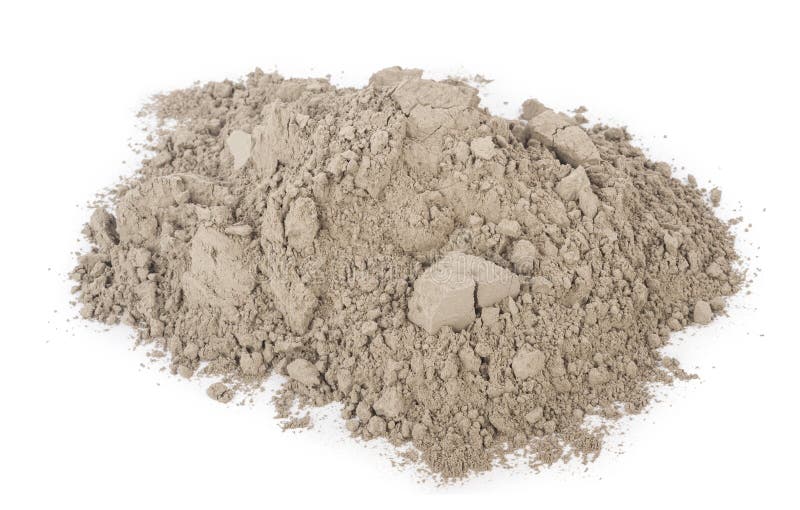
Free with trial Gray cement powder. On white background. Deification stock images, royalty-free photos and pictures Gray cement powder. On white background
Free with trial Handful of gray cement powder. On white background. Deification stock images, royalty-free photos and pictures Handful of gray cement powder. On white background
Free with trial Chevrolet. Pink retro Bel Air 1957. Deification stock images, royalty-free photos and pictures Chevrolet. Pink retro Bel Air 1957
Free with trial Chevrolet. Yellow retro Bel Air 1957. Deification stock images, royalty-free photos and pictures Chevrolet. Yellow retro Bel Air 1957
Free with trial Chevrolet. Pink retro Bel Air 1957. Deification stock images, royalty-free photos and pictures Chevrolet. Pink retro Bel Air 1957
Free with trial Chevrolet. Pink retro Bel Air 1957. Deification stock images, royalty-free photos and pictures Chevrolet. Pink retro Bel Air 1957
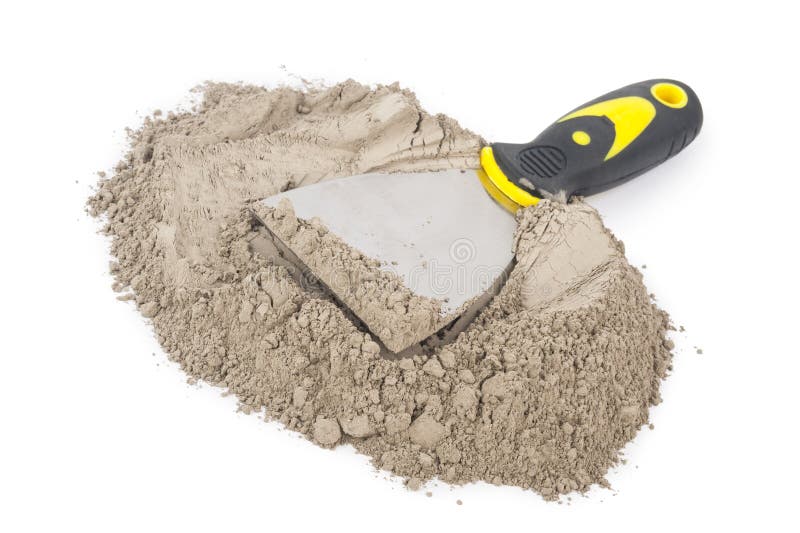
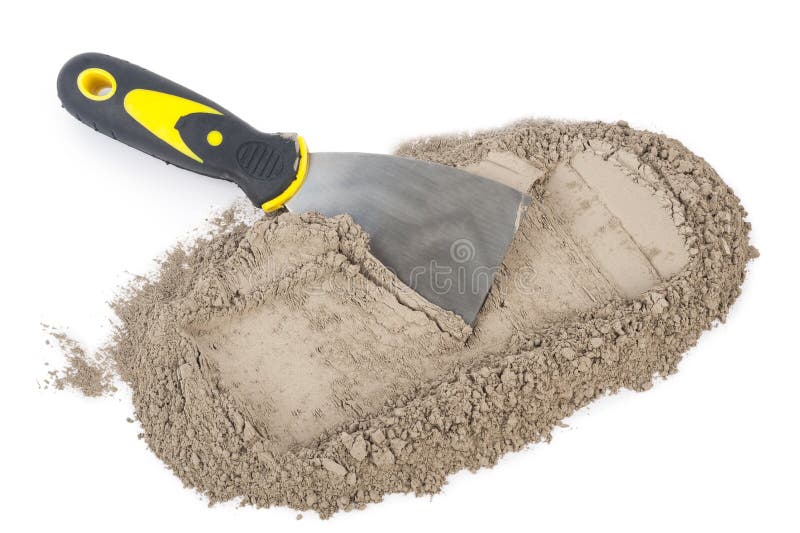
Free with trial Gray cement powder with trowel. On white background. Deification stock images, royalty-free photos and pictures Gray cement powder with trowel. On white background
Free with trial Yellow Chevrolet. Bel Air 1957. Deification stock images, royalty-free photos and pictures Yellow Chevrolet. Bel Air 1957
Free with trial Gray cement powder. On white background. Deification stock images, royalty-free photos and pictures Gray cement powder. On white background
Free with trial Gray cement powder. On white background. Deification stock images, royalty-free photos and pictures Gray cement powder. On white background
Free with trial Lugu Lake is the highest altitude Lake in Yunnan Province, and is the third largest deep-water Lake in china. Surrounding Lugu Lake mainly inhabited by Yi and Mosuo people, Pumi, living along the Mongolian 7 people, about 13 thousand people. Gehm goddess mountain is also called the lion mountain, 3770 meters above sea level, is the highest mountain in Lugu Lake. The lion Mosuo language called `Graham`, called `Senger Grimm`, `Tibetan sen`ge` means the lion, `Graham` means the white goddess in the Mosuo legend is the incarnation of the goddess gehm. Lugu Lake hill of case Mu goddess tourism, from the foot of Nisaicun Guem goddess mountain scenic area entrance, cableway ride up the mountain, visit Guem goddess hole. Mosuo people take Graham mountain deification, as is the embodiment of women, worship, every the 25th day of the seventh month of the Chinese lunar calendar, people worship the goddess, as a grand festival, has a history of one thousand years. Deification stock images, royalty-free photos and pictures Lugu Lake goddess mountain. Lugu Lake is the highest altitude Lake in Yunnan Province, and is the third largest deep-water Lake in china. Surrounding Lugu Lake. Lugu Lake is the highest altitude Lake in Yunnan Province, and is the third largest deep-water Lake in china. Surrounding Lugu Lake mainly inhabited by Yi and Mosuo people, Pumi, living along the Mongolian 7 people, about 13 thousand people. Gehm goddess mountain is also called the lion mountain, 3770 meters above sea level, is the highest mountain in Lugu Lake.The lion Mosuo language called `Graham`, called `Senger Grimm`, `Tibetan sen`ge` means the lion, `Graham` means the white goddess in the Mosuo legend is the incarnation of the goddess gehm.Lugu Lake hill of case Mu goddess tourism, from the foot of Nisaicun Guem goddess mountain scenic area entrance, cableway ride up the mountain, visit Guem goddess hole.Mosuo people take Graham mountain deification, as is the embodiment of women, worship, every the 25th day of the seventh month of the Chinese lunar calendar, people worship the goddess, as a grand festival, has a history of one thousand years. Surrounding Lugu Lake mainly inhabited by Yi and Mosuo people, Pumi, living along the Mongolian 7 people, about 13 thousand people.
Free with trial Gray cement powder. On white background. Deification stock images, royalty-free photos and pictures Gray cement powder. On white background
Free with trial Close up cement. Powder with sand. Deification stock images, royalty-free photos and pictures Close up cement. Powder with sand
Free with trial Brick wall of red brick background. Brick wall of red brick abstract background. Deification stock images, royalty-free photos and pictures Brick wall of red brick background. Brick wall of red brick abstract background
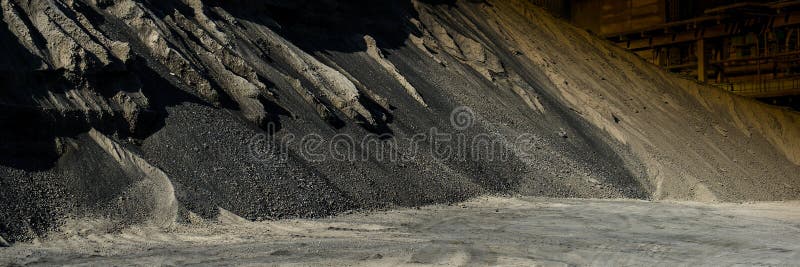
Free with trial Clinker raw material warehouse of cement plant. Sunny day. Web banner. Deification stock images, royalty-free photos and pictures Clinker raw material warehouse of cement plant. Sunny day. Web banner
Free with trial Buddhist temple in honor of the goddess of arts, Sciences, crafts, wisdom and prosperity is located in the Barguzin district of the Republic of Buryatia near the village of Yarikta 350 km from the capital city of Ulan-Ude. Deification stock images, royalty-free photos and pictures Buddhist temple of the goddess Yanzhima. Buddhist temple in honor of the goddess of arts, Sciences, crafts, wisdom and prosperity is located in the Barguzin. Buddhist temple in honor of the goddess of arts, Sciences, crafts, wisdom and prosperity is located in the Barguzin district of the Republic of Buryatia near the village of Yarikta 350 km from the capital city of Ulan-Ude
Free with trial Worship - cube with letters, sign with wooden cubes. Series of images: cube with letters, sign with wooden cubes. Deification stock images, royalty-free photos and pictures Worship - cube with letters, sign with wooden cubes. Series of images: cube with letters, sign with wooden cubes
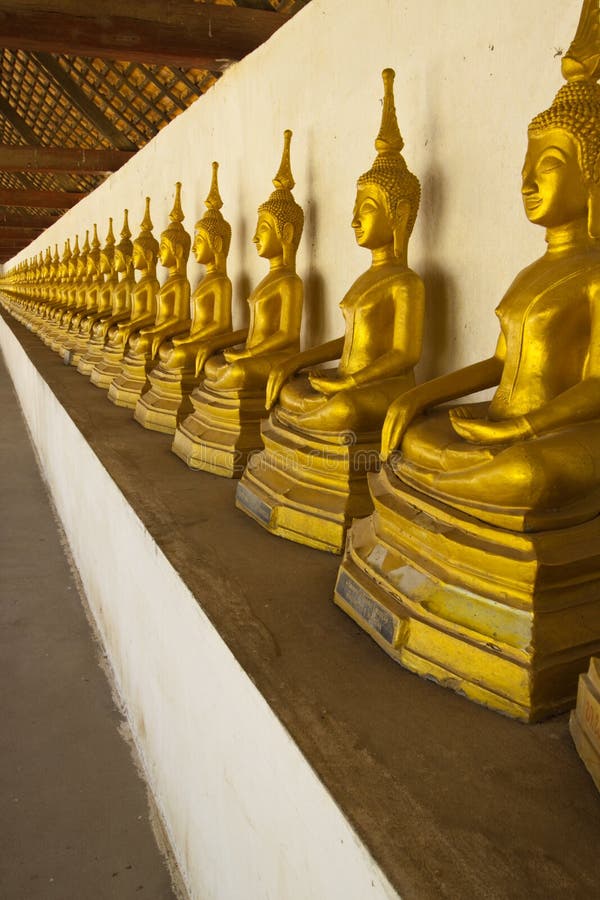
Free with trial Row of Buddha image under pavilion in Lao PDR. Deification stock images, royalty-free photos and pictures Row of Buddha image under pavilion. In Lao PDR
Free with trial Sacred cows on the streets. Of Indian cities. Deification stock images, royalty-free photos and pictures Sacred cows on the streets. Of Indian cities
Free with trial Cement powder and trowel put in bag package. Deification stock images, royalty-free photos and pictures .Cement powder and trowel put in bag package.
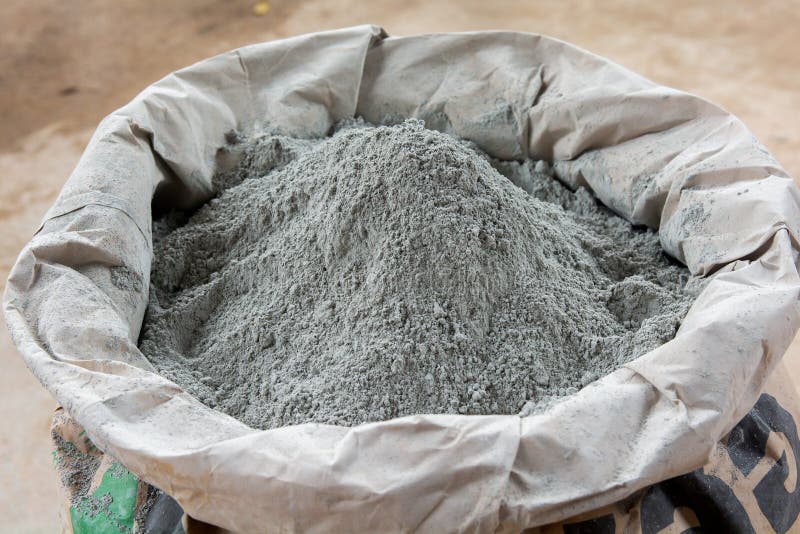
Free with trial Cement powder in bag package. Deification stock images, royalty-free photos and pictures Cement powder in bag package.
Free with trial Cement powder or mortar with trowel put on the Lightweight Concrete brick for construction work. Deification stock images, royalty-free photos and pictures Cement powder or mortar with trowel put on the Lightweight Concrete brick for construction work.
Free with trial Cement powder in bag package. Deification stock images, royalty-free photos and pictures Cement powder in bag package.
Free with trial Calgary Alberta Canada, June 08 2022: An off leash dog park sign posted in a public location with municipal bylaw information. Deification stock images, royalty-free photos and pictures An off leash dog park sign posted in a public location. Calgary Alberta Canada, June 08 2022: An off leash dog park sign posted in a public location with. Calgary Alberta Canada, June 08 2022: An off leash dog park sign posted in a public location with municipal bylaw information.
Free with trial Buddhist sanctuaries, bright ornamentation. Buddhist sanctuaries, Buddhist shrine, bright ornamentation and figurativeness of temples. Thailand. Deification stock images, royalty-free photos and pictures Buddhist sanctuaries, bright ornamentation. Buddhist sanctuaries, Buddhist shrine, bright ornamentation and figurativeness of temples. Thailand
Free with trial Buddhist sanctuaries, Buddhist shrine, bright ornamentation and figurativeness of temples. Scaled down model of the temple. Thailand. Deification stock images, royalty-free photos and pictures Buddhist sanctuaries, bright ornamentation. Buddhist sanctuaries, Buddhist shrine, bright ornamentation and figurativeness of temples. Scaled down model of the. Buddhist sanctuaries, Buddhist shrine, bright ornamentation and figurativeness of temples. Scaled down model of the temple. Thailand
Free with trial Buddhist sanctuaries, bright ornamentation. Buddhist sanctuaries, Buddhist shrine, bright ornamentation and figurativeness of temples. Thailand. Deification stock images, royalty-free photos and pictures Buddhist sanctuaries, bright ornamentation. Buddhist sanctuaries, Buddhist shrine, bright ornamentation and figurativeness of temples. Thailand
Free with trial Wood sculptures works, closeup of photo. Deification stock images, royalty-free photos and pictures Wood sculptures works. Closeup of photo
Free with trial Buddhist sanctuaries, Buddhist shrine, bright ornamentation and figurativeness of temples. Ganesha or Ganapati. Thailand. Deification stock images, royalty-free photos and pictures Buddhist sanctuaries, bright ornamentation. Buddhist sanctuaries, Buddhist shrine, bright ornamentation and figurativeness of temples. Ganesha or Ganapati. Buddhist sanctuaries, Buddhist shrine, bright ornamentation and figurativeness of temples. Ganesha or Ganapati. Thailand
Free with trial The Mummiform seated statue of a deity, usurped by Ramesses II is an important artifact from the 18th Dynasty of ancient Egypt, currently housed in the Egyptian Museum. Carved from granodiorite, this statue initially depicted a deity, but the identity is uncertain due to the features being covered. Ramesses II, during his reign, deified himself in many ways, such as in the el-Sheikh Abada Temple, where the king's deified image was worshipped alongside the gods Ra-Horakhty, Amun-Ra, and Ptah. Ramesses II ordered the creation of many statues to demonstrate power and majesty, and usurped numerous statues of kings from the Middle and Early Kingdom periods to strengthen his connection with the ancient kings and gods. This statue initially depicted a deity, but the identity is uncertain due to the features being covered. The study of this statue allows us to gain a deeper understanding of ancient Egyptian symbols of kingship, religious beliefs, and artistic styles. The discovery of this statue provides us with important clues for studying ancient Egyptian civilization, helping us better understand the complexity and richness of ancient Egyptian culture. It is not only a symbol of ancient Egyptian culture but also an essential part of human cultural heritage. Deification stock images, royalty-free photos and pictures [Museum treasure 183]Egyptian Museum in Cairo,Mummiform seated statue of a deity, usurped by Ramesses II. The Mummiform seated statue of a deity, usurped by. The Mummiform seated statue of a deity, usurped by Ramesses II is an important artifact from the 18th Dynasty of ancient Egypt, currently housed in the Egyptian Museum. Carved from granodiorite, this statue initially depicted a deity, but the identity is uncertain due to the features being covered. Ramesses II, during his reign, deified himself in many ways, such as in the el-Sheikh Abada Temple, where the king's deified image was worshipped alongside the gods Ra-Horakhty, Amun-Ra, and Ptah.Ramesses II ordered the creation of many statues to demonstrate power and majesty, and usurped numerous statues of kings from the Middle and Early Kingdom periods to strengthen his connection with the ancient kings and gods. This statue initially depicted a deity, but the identity is uncertain due to the features being covered. Ramesses II deified himself in many ways during his reign, such as in the el-Sheikh Abada Temple, where the king's deified image was worshipped alongside the gods Ra-Horakhty, Amun-Ra, and Ptah.The study of this statue allows us to gain a deeper understanding of ancient Egyptian symbols of kingship, religious beliefs, and artistic styles. The discovery of this statue provides us with important clues for studying ancient Egyptian civilization, helping us better understand the complexity and richness of ancient Egyptian culture. It is not only a symbol of ancient Egyptian culture but also an essential part of human cultural heritage.
Free with trial The Mummiform seated statue of a deity, usurped by Ramesses II is an important artifact from the 18th Dynasty of ancient Egypt, currently housed in the Egyptian Museum. Carved from granodiorite, this statue initially depicted a deity, but the identity is uncertain due to the features being covered. Ramesses II, during his reign, deified himself in many ways, such as in the el-Sheikh Abada Temple, where the king's deified image was worshipped alongside the gods Ra-Horakhty, Amun-Ra, and Ptah. Ramesses II ordered the creation of many statues to demonstrate power and majesty, and usurped numerous statues of kings from the Middle and Early Kingdom periods to strengthen his connection with the ancient kings and gods. This statue initially depicted a deity, but the identity is uncertain due to the features being covered. The study of this statue allows us to gain a deeper understanding of ancient Egyptian symbols of kingship, religious beliefs, and artistic styles. The discovery of this statue provides us with important clues for studying ancient Egyptian civilization, helping us better understand the complexity and richness of ancient Egyptian culture. It is not only a symbol of ancient Egyptian culture but also an essential part of human cultural heritage. Deification stock images, royalty-free photos and pictures [Museum treasure 183]Egyptian Museum in Cairo,Mummiform seated statue of a deity, usurped by Ramesses II. The Mummiform seated statue of a deity, usurped by. The Mummiform seated statue of a deity, usurped by Ramesses II is an important artifact from the 18th Dynasty of ancient Egypt, currently housed in the Egyptian Museum. Carved from granodiorite, this statue initially depicted a deity, but the identity is uncertain due to the features being covered. Ramesses II, during his reign, deified himself in many ways, such as in the el-Sheikh Abada Temple, where the king's deified image was worshipped alongside the gods Ra-Horakhty, Amun-Ra, and Ptah.Ramesses II ordered the creation of many statues to demonstrate power and majesty, and usurped numerous statues of kings from the Middle and Early Kingdom periods to strengthen his connection with the ancient kings and gods. This statue initially depicted a deity, but the identity is uncertain due to the features being covered. Ramesses II deified himself in many ways during his reign, such as in the el-Sheikh Abada Temple, where the king's deified image was worshipped alongside the gods Ra-Horakhty, Amun-Ra, and Ptah.The study of this statue allows us to gain a deeper understanding of ancient Egyptian symbols of kingship, religious beliefs, and artistic styles. The discovery of this statue provides us with important clues for studying ancient Egyptian civilization, helping us better understand the complexity and richness of ancient Egyptian culture. It is not only a symbol of ancient Egyptian culture but also an essential part of human cultural heritage.
Free with trial The Mummiform seated statue of a deity, usurped by Ramesses II is an important artifact from the 18th Dynasty of ancient Egypt, currently housed in the Egyptian Museum. Carved from granodiorite, this statue initially depicted a deity, but the identity is uncertain due to the features being covered. Ramesses II, during his reign, deified himself in many ways, such as in the el-Sheikh Abada Temple, where the king's deified image was worshipped alongside the gods Ra-Horakhty, Amun-Ra, and Ptah. Ramesses II ordered the creation of many statues to demonstrate power and majesty, and usurped numerous statues of kings from the Middle and Early Kingdom periods to strengthen his connection with the ancient kings and gods. This statue initially depicted a deity, but the identity is uncertain due to the features being covered. The study of this statue allows us to gain a deeper understanding of ancient Egyptian symbols of kingship, religious beliefs, and artistic styles. The discovery of this statue provides us with important clues for studying ancient Egyptian civilization, helping us better understand the complexity and richness of ancient Egyptian culture. It is not only a symbol of ancient Egyptian culture but also an essential part of human cultural heritage. Deification stock images, royalty-free photos and pictures [Museum treasure 183]Egyptian Museum in Cairo,Mummiform seated statue of a deity, usurped by Ramesses II. The Mummiform seated statue of a deity, usurped by. The Mummiform seated statue of a deity, usurped by Ramesses II is an important artifact from the 18th Dynasty of ancient Egypt, currently housed in the Egyptian Museum. Carved from granodiorite, this statue initially depicted a deity, but the identity is uncertain due to the features being covered. Ramesses II, during his reign, deified himself in many ways, such as in the el-Sheikh Abada Temple, where the king's deified image was worshipped alongside the gods Ra-Horakhty, Amun-Ra, and Ptah.Ramesses II ordered the creation of many statues to demonstrate power and majesty, and usurped numerous statues of kings from the Middle and Early Kingdom periods to strengthen his connection with the ancient kings and gods. This statue initially depicted a deity, but the identity is uncertain due to the features being covered. Ramesses II deified himself in many ways during his reign, such as in the el-Sheikh Abada Temple, where the king's deified image was worshipped alongside the gods Ra-Horakhty, Amun-Ra, and Ptah.The study of this statue allows us to gain a deeper understanding of ancient Egyptian symbols of kingship, religious beliefs, and artistic styles. The discovery of this statue provides us with important clues for studying ancient Egyptian civilization, helping us better understand the complexity and richness of ancient Egyptian culture. It is not only a symbol of ancient Egyptian culture but also an essential part of human cultural heritage.
Free with trial The Mummiform seated statue of a deity, usurped by Ramesses II is an important artifact from the 18th Dynasty of ancient Egypt, currently housed in the Egyptian Museum. Carved from granodiorite, this statue initially depicted a deity, but the identity is uncertain due to the features being covered. Ramesses II, during his reign, deified himself in many ways, such as in the el-Sheikh Abada Temple, where the king's deified image was worshipped alongside the gods Ra-Horakhty, Amun-Ra, and Ptah. Ramesses II ordered the creation of many statues to demonstrate power and majesty, and usurped numerous statues of kings from the Middle and Early Kingdom periods to strengthen his connection with the ancient kings and gods. This statue initially depicted a deity, but the identity is uncertain due to the features being covered. The study of this statue allows us to gain a deeper understanding of ancient Egyptian symbols of kingship, religious beliefs, and artistic styles. The discovery of this statue provides us with important clues for studying ancient Egyptian civilization, helping us better understand the complexity and richness of ancient Egyptian culture. It is not only a symbol of ancient Egyptian culture but also an essential part of human cultural heritage. Deification stock images, royalty-free photos and pictures [Museum treasure 183]Egyptian Museum in Cairo,Mummiform seated statue of a deity, usurped by Ramesses II. The Mummiform seated statue of a deity, usurped by. The Mummiform seated statue of a deity, usurped by Ramesses II is an important artifact from the 18th Dynasty of ancient Egypt, currently housed in the Egyptian Museum. Carved from granodiorite, this statue initially depicted a deity, but the identity is uncertain due to the features being covered. Ramesses II, during his reign, deified himself in many ways, such as in the el-Sheikh Abada Temple, where the king's deified image was worshipped alongside the gods Ra-Horakhty, Amun-Ra, and Ptah.Ramesses II ordered the creation of many statues to demonstrate power and majesty, and usurped numerous statues of kings from the Middle and Early Kingdom periods to strengthen his connection with the ancient kings and gods. This statue initially depicted a deity, but the identity is uncertain due to the features being covered. Ramesses II deified himself in many ways during his reign, such as in the el-Sheikh Abada Temple, where the king's deified image was worshipped alongside the gods Ra-Horakhty, Amun-Ra, and Ptah.The study of this statue allows us to gain a deeper understanding of ancient Egyptian symbols of kingship, religious beliefs, and artistic styles. The discovery of this statue provides us with important clues for studying ancient Egyptian civilization, helping us better understand the complexity and richness of ancient Egyptian culture. It is not only a symbol of ancient Egyptian culture but also an essential part of human cultural heritage.
Free with trial The Mummiform seated statue of a deity, usurped by Ramesses II is an important artifact from the 18th Dynasty of ancient Egypt, currently housed in the Egyptian Museum. Carved from granodiorite, this statue initially depicted a deity, but the identity is uncertain due to the features being covered. Ramesses II, during his reign, deified himself in many ways, such as in the el-Sheikh Abada Temple, where the king's deified image was worshipped alongside the gods Ra-Horakhty, Amun-Ra, and Ptah. Ramesses II ordered the creation of many statues to demonstrate power and majesty, and usurped numerous statues of kings from the Middle and Early Kingdom periods to strengthen his connection with the ancient kings and gods. This statue initially depicted a deity, but the identity is uncertain due to the features being covered. The study of this statue allows us to gain a deeper understanding of ancient Egyptian symbols of kingship, religious beliefs, and artistic styles. The discovery of this statue provides us with important clues for studying ancient Egyptian civilization, helping us better understand the complexity and richness of ancient Egyptian culture. It is not only a symbol of ancient Egyptian culture but also an essential part of human cultural heritage. Deification stock images, royalty-free photos and pictures [Museum treasure 183]Egyptian Museum in Cairo,Mummiform seated statue of a deity, usurped by Ramesses II. The Mummiform seated statue of a deity, usurped by. The Mummiform seated statue of a deity, usurped by Ramesses II is an important artifact from the 18th Dynasty of ancient Egypt, currently housed in the Egyptian Museum. Carved from granodiorite, this statue initially depicted a deity, but the identity is uncertain due to the features being covered. Ramesses II, during his reign, deified himself in many ways, such as in the el-Sheikh Abada Temple, where the king's deified image was worshipped alongside the gods Ra-Horakhty, Amun-Ra, and Ptah.Ramesses II ordered the creation of many statues to demonstrate power and majesty, and usurped numerous statues of kings from the Middle and Early Kingdom periods to strengthen his connection with the ancient kings and gods. This statue initially depicted a deity, but the identity is uncertain due to the features being covered. Ramesses II deified himself in many ways during his reign, such as in the el-Sheikh Abada Temple, where the king's deified image was worshipped alongside the gods Ra-Horakhty, Amun-Ra, and Ptah.The study of this statue allows us to gain a deeper understanding of ancient Egyptian symbols of kingship, religious beliefs, and artistic styles. The discovery of this statue provides us with important clues for studying ancient Egyptian civilization, helping us better understand the complexity and richness of ancient Egyptian culture. It is not only a symbol of ancient Egyptian culture but also an essential part of human cultural heritage.
Free with trial The Mummiform seated statue of a deity, usurped by Ramesses II is an important artifact from the 18th Dynasty of ancient Egypt, currently housed in the Egyptian Museum. Carved from granodiorite, this statue initially depicted a deity, but the identity is uncertain due to the features being covered. Ramesses II, during his reign, deified himself in many ways, such as in the el-Sheikh Abada Temple, where the king's deified image was worshipped alongside the gods Ra-Horakhty, Amun-Ra, and Ptah. Ramesses II ordered the creation of many statues to demonstrate power and majesty, and usurped numerous statues of kings from the Middle and Early Kingdom periods to strengthen his connection with the ancient kings and gods. This statue initially depicted a deity, but the identity is uncertain due to the features being covered. The study of this statue allows us to gain a deeper understanding of ancient Egyptian symbols of kingship, religious beliefs, and artistic styles. The discovery of this statue provides us with important clues for studying ancient Egyptian civilization, helping us better understand the complexity and richness of ancient Egyptian culture. It is not only a symbol of ancient Egyptian culture but also an essential part of human cultural heritage. Deification stock images, royalty-free photos and pictures [Museum treasure 183]Egyptian Museum in Cairo,Mummiform seated statue of a deity, usurped by Ramesses II. The Mummiform seated statue of a deity, usurped by. The Mummiform seated statue of a deity, usurped by Ramesses II is an important artifact from the 18th Dynasty of ancient Egypt, currently housed in the Egyptian Museum. Carved from granodiorite, this statue initially depicted a deity, but the identity is uncertain due to the features being covered. Ramesses II, during his reign, deified himself in many ways, such as in the el-Sheikh Abada Temple, where the king's deified image was worshipped alongside the gods Ra-Horakhty, Amun-Ra, and Ptah.Ramesses II ordered the creation of many statues to demonstrate power and majesty, and usurped numerous statues of kings from the Middle and Early Kingdom periods to strengthen his connection with the ancient kings and gods. This statue initially depicted a deity, but the identity is uncertain due to the features being covered. Ramesses II deified himself in many ways during his reign, such as in the el-Sheikh Abada Temple, where the king's deified image was worshipped alongside the gods Ra-Horakhty, Amun-Ra, and Ptah.The study of this statue allows us to gain a deeper understanding of ancient Egyptian symbols of kingship, religious beliefs, and artistic styles. The discovery of this statue provides us with important clues for studying ancient Egyptian civilization, helping us better understand the complexity and richness of ancient Egyptian culture. It is not only a symbol of ancient Egyptian culture but also an essential part of human cultural heritage.
Free with trial The Mummiform seated statue of a deity, usurped by Ramesses II is an important artifact from the 18th Dynasty of ancient Egypt, currently housed in the Egyptian Museum. Carved from granodiorite, this statue initially depicted a deity, but the identity is uncertain due to the features being covered. Ramesses II, during his reign, deified himself in many ways, such as in the el-Sheikh Abada Temple, where the king's deified image was worshipped alongside the gods Ra-Horakhty, Amun-Ra, and Ptah. Ramesses II ordered the creation of many statues to demonstrate power and majesty, and usurped numerous statues of kings from the Middle and Early Kingdom periods to strengthen his connection with the ancient kings and gods. This statue initially depicted a deity, but the identity is uncertain due to the features being covered. The study of this statue allows us to gain a deeper understanding of ancient Egyptian symbols of kingship, religious beliefs, and artistic styles. The discovery of this statue provides us with important clues for studying ancient Egyptian civilization, helping us better understand the complexity and richness of ancient Egyptian culture. It is not only a symbol of ancient Egyptian culture but also an essential part of human cultural heritage. Deification stock images, royalty-free photos and pictures [Museum treasure 183]Egyptian Museum in Cairo,Mummiform seated statue of a deity, usurped by Ramesses II. The Mummiform seated statue of a deity, usurped by. The Mummiform seated statue of a deity, usurped by Ramesses II is an important artifact from the 18th Dynasty of ancient Egypt, currently housed in the Egyptian Museum. Carved from granodiorite, this statue initially depicted a deity, but the identity is uncertain due to the features being covered. Ramesses II, during his reign, deified himself in many ways, such as in the el-Sheikh Abada Temple, where the king's deified image was worshipped alongside the gods Ra-Horakhty, Amun-Ra, and Ptah.Ramesses II ordered the creation of many statues to demonstrate power and majesty, and usurped numerous statues of kings from the Middle and Early Kingdom periods to strengthen his connection with the ancient kings and gods. This statue initially depicted a deity, but the identity is uncertain due to the features being covered. Ramesses II deified himself in many ways during his reign, such as in the el-Sheikh Abada Temple, where the king's deified image was worshipped alongside the gods Ra-Horakhty, Amun-Ra, and Ptah.The study of this statue allows us to gain a deeper understanding of ancient Egyptian symbols of kingship, religious beliefs, and artistic styles. The discovery of this statue provides us with important clues for studying ancient Egyptian civilization, helping us better understand the complexity and richness of ancient Egyptian culture. It is not only a symbol of ancient Egyptian culture but also an essential part of human cultural heritage.
Free with trial The Mummiform seated statue of a deity, usurped by Ramesses II is an important artifact from the 18th Dynasty of ancient Egypt, currently housed in the Egyptian Museum. Carved from granodiorite, this statue initially depicted a deity, but the identity is uncertain due to the features being covered. Ramesses II, during his reign, deified himself in many ways, such as in the el-Sheikh Abada Temple, where the king's deified image was worshipped alongside the gods Ra-Horakhty, Amun-Ra, and Ptah. Ramesses II ordered the creation of many statues to demonstrate power and majesty, and usurped numerous statues of kings from the Middle and Early Kingdom periods to strengthen his connection with the ancient kings and gods. This statue initially depicted a deity, but the identity is uncertain due to the features being covered. The study of this statue allows us to gain a deeper understanding of ancient Egyptian symbols of kingship, religious beliefs, and artistic styles. The discovery of this statue provides us with important clues for studying ancient Egyptian civilization, helping us better understand the complexity and richness of ancient Egyptian culture. It is not only a symbol of ancient Egyptian culture but also an essential part of human cultural heritage. Deification stock images, royalty-free photos and pictures [Museum treasure 183]Egyptian Museum in Cairo,Mummiform seated statue of a deity, usurped by Ramesses II. The Mummiform seated statue of a deity, usurped by. The Mummiform seated statue of a deity, usurped by Ramesses II is an important artifact from the 18th Dynasty of ancient Egypt, currently housed in the Egyptian Museum. Carved from granodiorite, this statue initially depicted a deity, but the identity is uncertain due to the features being covered. Ramesses II, during his reign, deified himself in many ways, such as in the el-Sheikh Abada Temple, where the king's deified image was worshipped alongside the gods Ra-Horakhty, Amun-Ra, and Ptah.Ramesses II ordered the creation of many statues to demonstrate power and majesty, and usurped numerous statues of kings from the Middle and Early Kingdom periods to strengthen his connection with the ancient kings and gods. This statue initially depicted a deity, but the identity is uncertain due to the features being covered. Ramesses II deified himself in many ways during his reign, such as in the el-Sheikh Abada Temple, where the king's deified image was worshipped alongside the gods Ra-Horakhty, Amun-Ra, and Ptah.The study of this statue allows us to gain a deeper understanding of ancient Egyptian symbols of kingship, religious beliefs, and artistic styles. The discovery of this statue provides us with important clues for studying ancient Egyptian civilization, helping us better understand the complexity and richness of ancient Egyptian culture. It is not only a symbol of ancient Egyptian culture but also an essential part of human cultural heritage.
Free with trial A mystical stairway ascends towards a radiant light in the sky, enveloped by fluffy clouds, creating a surreal and enchanting scene of transcendence. Deification stock images, royalty-free photos and pictures Ascending the Stairway to Heaven, A View of Fluffy White Clouds Surrounding a Brilliant Light at the Summit, Embracing. A mystical stairway ascends towards a. A mystical stairway ascends towards a radiant light in the sky, enveloped by fluffy clouds, creating a surreal and enchanting scene of transcendence.
Free with trial Post stamp printed in greece, 1983. Homer`s epics the deification of homer mythology. Value 2 greek drachma. Deification stock images, royalty-free photos and pictures Postage stamp Greece, 1983. Homer`s Epics The deification of Homer Mythology. Post stamp printed in greece, 1983. Homer`s epics the deification of homer. Post stamp printed in greece, 1983. Homer`s epics the deification of homer mythology. Value 2 greek drachma.
Free with trial GREECE - CIRCA 1983: A stamp printed in Greece from the `Homeric epics` issue shows The deification of Homer , circa 1983. Deification stock images, royalty-free photos and pictures GREECE - CIRCA 1983: A stamp printed in Greece from the `Homeric epics` issue shows The deification of Homer, circa 1983. GREECE - CIRCA 1983: A stamp printed. GREECE - CIRCA 1983: A stamp printed in Greece from the `Homeric epics` issue shows The deification of Homer , circa 1983.
Free with trial Deification of Homer. GREECE - CIRCA 1983: stamp printed by Greece, shows the deification of Homer, circa 1983. Deification stock images, royalty-free photos and pictures Deification of Homer. GREECE - CIRCA 1983: stamp printed by Greece, shows the deification of Homer, circa 1983
Free with trial Cancelled postage stamp printed by Greece, that shows Homer's Epics - The deification of Homer, circa 1983. Deification stock images, royalty-free photos and pictures Homer\'s Epics - The deification of Homer. Cancelled postage stamp printed by Greece, that shows Homer's Epics - The deification of Homer, circa 1983. Cancelled postage stamp printed by Greece, that shows Homer's Epics - The deification of Homer, circa 1983.
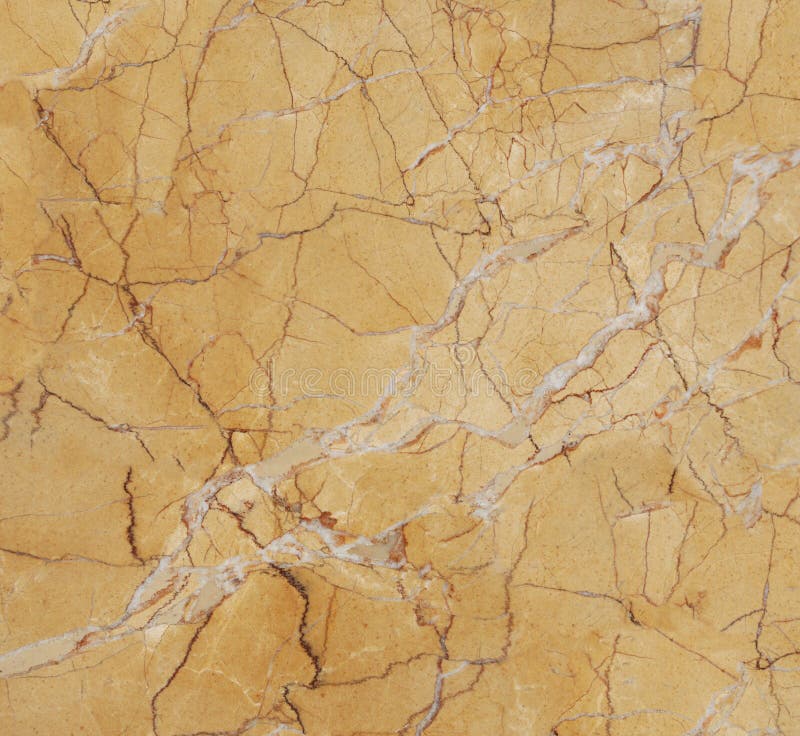
Free with trial Marble yellow surface. High deification yellow marble surface with brown line. Deification stock images, royalty-free photos and pictures Marble yellow surface. High deification yellow marble surface with brown line
Free with trial The Temple of Trajan was a Roman temple dedicated to the emperor Trajan and his wife Plotina after his deification by the Roman Senate. It was built in the Forum of Trajan, by Trajan`s adoptive son and successor Hadrian, between 125 and 138. The architect was Apollodorus of Damascus. Deification stock images, royalty-free photos and pictures Temple of Trajan. The Temple of Trajan was a Roman temple dedicated to the emperor Trajan and his wife Plotina after his deification by the Roman Senate. It was. The Temple of Trajan was a Roman temple dedicated to the emperor Trajan and his wife Plotina after his deification by the Roman Senate. It was built in the Forum of Trajan, by Trajan`s adoptive son and successor Hadrian, between 125 and 138. The architect was Apollodorus of Damascus.
Free with trial Decorating vermilion heap with eyes, nose and mouth of Deity at a store near Amba Bhavani Temple at Tulajapur, Maharashtra, India, Asia. Deification stock images, royalty-free photos and pictures Deification of Vermilion Heap. Decorating vermilion heap with eyes, nose and mouth of Deity at a store near Amba Bhavani Temple at Tulajapur, Maharashtra, India. Decorating vermilion heap with eyes, nose and mouth of Deity at a store near Amba Bhavani Temple at Tulajapur, Maharashtra, India, Asia
Free with trial A colossal AI entity towers over a cybernetic city, its eyes glowing with power, embodying the concept of AI as a modern deity in a high-tech civilization. Deification stock images, royalty-free photos and pictures Deification of Artificial Intelligence in Futuristic Cityscape. A colossal AI entity towers over a cybernetic city, its eyes glowing with power, embodying the. A colossal AI entity towers over a cybernetic city, its eyes glowing with power, embodying the concept of AI as a modern deity in a high-tech civilization.
Free with trial A colossal AI entity towers over a cybernetic city, its eyes glowing with power, embodying the concept of AI as a modern deity in a high-tech civilization. Deification stock images, royalty-free photos and pictures Deification of Artificial Intelligence in Futuristic Cityscape. A colossal AI entity towers over a cybernetic city, its eyes glowing with power, embodying the. A colossal AI entity towers over a cybernetic city, its eyes glowing with power, embodying the concept of AI as a modern deity in a high-tech civilization.
Free with trial Torii gate to Takakura-Jinja--a shinto shrine built for the deification of Prince Mochihito who died in battle circa 1180 in Ouchi-Juku, Shimogo, Fukushima Prefecture, Japan. Deification stock images, royalty-free photos and pictures Snow-Covered Gate to Shinto Shrine. Torii gate to Takakura-Jinja--a shinto shrine built for the deification of Prince Mochihito who died in battle circa 1180 in. Torii gate to Takakura-Jinja--a shinto shrine built for the deification of Prince Mochihito who died in battle circa 1180 in Ouchi-Juku, Shimogo, Fukushima Prefecture, Japan.
Free with trial It is a large-scale oil painting in a mostly grey palette from which spectral forms emerge. The composition is dominated by the almost symmetrical apparition of a two-headed horse, one of which bears the stripes of a zebra. At the time the painting was made, a three-year bombing campaign of North Vietnam was underway. Deification stock images, royalty-free photos and pictures Deification of a Soldier by Kikuji Yamashita at the Tate London museum England 2020. It is a large-scale oil painting in a mostly grey palette from which. It is a large-scale oil painting in a mostly grey palette from which spectral forms emerge. The composition is dominated by the almost symmetrical apparition of a two-headed horse, one of which bears the stripes of a zebra. At the time the painting was made, a three-year bombing campaign of North Vietnam was underway.
Free with trial MOSCOW, RUSSIA - OCTOBER 25, 2021: Postage stamp printed in Greece shows The deification of Homer, Homers Epics serie, circa 1983. Deification stock images, royalty-free photos and pictures The deification of Homer, Homers Epics serie, circa 1983. MOSCOW, RUSSIA - OCTOBER 25, 2021: Postage stamp printed in Greece shows The deification of Homer. MOSCOW, RUSSIA - OCTOBER 25, 2021: Postage stamp printed in Greece shows The deification of Homer, Homers Epics serie, circa 1983
Free with trial Chevrolet. Yellow retro Bel Air 1957. Deification stock images, royalty-free photos and pictures Chevrolet. Yellow retro Bel Air 1957
Free with trial Gray cement powder. On white background. Deification stock images, royalty-free photos and pictures Gray cement powder. On white background
Free with trial Gray cement powder with trowel. On white background. Deification stock images, royalty-free photos and pictures Gray cement powder with trowel. On white background
Free with trial Gray cement powder. On white background. Deification stock images, royalty-free photos and pictures Gray cement powder. On white background
Free with trial Lugu Lake is the highest altitude Lake in Yunnan Province, and is the third largest deep-water Lake in china. Surrounding Lugu Lake mainly inhabited by Yi and Mosuo people, Pumi, living along the Mongolian 7 people, about 13 thousand people. Gehm goddess mountain is also called the lion mountain, 3770 meters above sea level, is the highest mountain in Lugu Lake. The lion Mosuo language called `Graham`, called `Senger Grimm`, `Tibetan sen`ge` means the lion, `Graham` means the white goddess in the Mosuo legend is the incarnation of the goddess gehm. Lugu Lake hill of case Mu goddess tourism, from the foot of Nisaicun Guem goddess mountain scenic area entrance, cableway ride up the mountain, visit Guem goddess hole. Mosuo people take Graham mountain deification, as is the embodiment of women, worship, every the 25th day of the seventh month of the Chinese lunar calendar, people worship the goddess, as a grand festival, has a history of one thousand years. Deification stock images, royalty-free photos and pictures Lugu Lake goddess mountain. Lugu Lake is the highest altitude Lake in Yunnan Province, and is the third largest deep-water Lake in china. Surrounding Lugu Lake. Lugu Lake is the highest altitude Lake in Yunnan Province, and is the third largest deep-water Lake in china. Surrounding Lugu Lake mainly inhabited by Yi and Mosuo people, Pumi, living along the Mongolian 7 people, about 13 thousand people. Gehm goddess mountain is also called the lion mountain, 3770 meters above sea level, is the highest mountain in Lugu Lake.The lion Mosuo language called `Graham`, called `Senger Grimm`, `Tibetan sen`ge` means the lion, `Graham` means the white goddess in the Mosuo legend is the incarnation of the goddess gehm.Lugu Lake hill of case Mu goddess tourism, from the foot of Nisaicun Guem goddess mountain scenic area entrance, cableway ride up the mountain, visit Guem goddess hole.Mosuo people take Graham mountain deification, as is the embodiment of women, worship, every the 25th day of the seventh month of the Chinese lunar calendar, people worship the goddess, as a grand festival, has a history of one thousand years. Surrounding Lugu Lake mainly inhabited by Yi and Mosuo people, Pumi, living along the Mongolian 7 people, about 13 thousand people.
Free with trial Lugu Lake is the highest altitude Lake in Yunnan Province, and is the third largest deep-water Lake in china. Surrounding Lugu Lake mainly inhabited by Yi and Mosuo people, Pumi, living along the Mongolian 7 people, about 13 thousand people. Gehm goddess mountain is also called the lion mountain, 3770 meters above sea level, is the highest mountain in Lugu Lake. The lion Mosuo language called `Graham`, called `Senger Grimm`, `Tibetan sen`ge` means the lion, `Graham` means the white goddess in the Mosuo legend is the incarnation of the goddess gehm. Lugu Lake hill of case Mu goddess tourism, from the foot of Nisaicun Guem goddess mountain scenic area entrance, cableway ride up the mountain, visit Guem goddess hole. Mosuo people take Graham mountain deification, as is the embodiment of women, worship, every the 25th day of the seventh month of the Chinese lunar calendar, people worship the goddess, as a grand festival, has a history of one thousand years. Deification stock images, royalty-free photos and pictures Lugu Lake goddess mountain. Lugu Lake is the highest altitude Lake in Yunnan Province, and is the third largest deep-water Lake in china. Surrounding Lugu Lake. Lugu Lake is the highest altitude Lake in Yunnan Province, and is the third largest deep-water Lake in china. Surrounding Lugu Lake mainly inhabited by Yi and Mosuo people, Pumi, living along the Mongolian 7 people, about 13 thousand people. Gehm goddess mountain is also called the lion mountain, 3770 meters above sea level, is the highest mountain in Lugu Lake.The lion Mosuo language called `Graham`, called `Senger Grimm`, `Tibetan sen`ge` means the lion, `Graham` means the white goddess in the Mosuo legend is the incarnation of the goddess gehm.Lugu Lake hill of case Mu goddess tourism, from the foot of Nisaicun Guem goddess mountain scenic area entrance, cableway ride up the mountain, visit Guem goddess hole.Mosuo people take Graham mountain deification, as is the embodiment of women, worship, every the 25th day of the seventh month of the Chinese lunar calendar, people worship the goddess, as a grand festival, has a history of one thousand years. Surrounding Lugu Lake mainly inhabited by Yi and Mosuo people, Pumi, living along the Mongolian 7 people, about 13 thousand people.
Free with trial Gray cement powder with trowel. On white background. Deification stock images, royalty-free photos and pictures Gray cement powder with trowel. On white background
Free with trial The goddess of mountains in the clouds. nGehm goddess mountain is also called the lion mountain, 3770 meters above sea level, is the highest mountain in Lugu Lake. nThe lion Mosuo language called `Graham`, called `Senger Grimm`, `Tibetan sen`ge` means the lion, `Graham` means the white goddess in the Mosuo legend is the incarnation of the goddess gehm. nLugu Lake hill of case Mu goddess tourism, from the foot of Nisaicun Guem goddess mountain scenic area entrance, cableway ride up the mountain, visit Guem goddess hole. nMosuo people take Graham mountain deification, as is the embodiment of women, worship, every the 25th day of the seventh month of the Chinese lunar calendar, people worship the goddess, as a grand festival, has a history of one thousand years. Deification stock images, royalty-free photos and pictures Lugu Lake scenery. The goddess of mountains in the clouds.nGehm goddess mountain is also called the lion mountain, 3770 meters above sea level, is the highest. The goddess of mountains in the clouds.nGehm goddess mountain is also called the lion mountain, 3770 meters above sea level, is the highest mountain in Lugu Lake.nThe lion Mosuo language called `Graham`, called `Senger Grimm`, `Tibetan sen`ge` means the lion, `Graham` means the white goddess in the Mosuo legend is the incarnation of the goddess gehm.nLugu Lake hill of case Mu goddess tourism, from the foot of Nisaicun Guem goddess mountain scenic area entrance, cableway ride up the mountain, visit Guem goddess hole.nMosuo people take Graham mountain deification, as is the embodiment of women, worship, every the 25th day of the seventh month of the Chinese lunar calendar, people worship the goddess, as a grand festival, has a history of one thousand years.
Free with trial Gray cement powder. With trowel. Deification stock images, royalty-free photos and pictures Gray cement powder. With trowel
Free with trial Gray cement powder with trowel. On white background. Deification stock images, royalty-free photos and pictures Gray cement powder with trowel. On white background
Free with trial Gray cement powder. On white background. Deification stock images, royalty-free photos and pictures Gray cement powder. On white background
Free with trial Gray cement powder. With trowel. Deification stock images, royalty-free photos and pictures Gray cement powder. With trowel
Free with trial Red Heart. Red colour 3d loving hearts. Deification stock images, royalty-free photos and pictures Red Heart. Red colour 3d loving hearts
Free with trial Gray cement powder with trowel. On white background. Deification stock images, royalty-free photos and pictures Gray cement powder with trowel. On white background
Free with trial Gray cement powder with trowel. On white background. Deification stock images, royalty-free photos and pictures Gray cement powder with trowel. On white background
Free with trial The goddess of mountains in the clouds. nGehm goddess mountain is also called the lion mountain, 3770 meters above sea level, is the highest mountain in Lugu Lake. nThe lion Mosuo language called `Graham`, called `Senger Grimm`, `Tibetan sen`ge` means the lion, `Graham` means the white goddess in the Mosuo legend is the incarnation of the goddess gehm. nLugu Lake hill of case Mu goddess tourism, from the foot of Nisaicun Guem goddess mountain scenic area entrance, cableway ride up the mountain, visit Guem goddess hole. nMosuo people take Graham mountain deification, as is the embodiment of women, worship, every the 25th day of the seventh month of the Chinese lunar calendar, people worship the goddess, as a grand festival, has a history of one thousand years. Deification stock images, royalty-free photos and pictures Lugu Lake scenery. The goddess of mountains in the clouds.nGehm goddess mountain is also called the lion mountain, 3770 meters above sea level, is the highest. The goddess of mountains in the clouds.nGehm goddess mountain is also called the lion mountain, 3770 meters above sea level, is the highest mountain in Lugu Lake.nThe lion Mosuo language called `Graham`, called `Senger Grimm`, `Tibetan sen`ge` means the lion, `Graham` means the white goddess in the Mosuo legend is the incarnation of the goddess gehm.nLugu Lake hill of case Mu goddess tourism, from the foot of Nisaicun Guem goddess mountain scenic area entrance, cableway ride up the mountain, visit Guem goddess hole.nMosuo people take Graham mountain deification, as is the embodiment of women, worship, every the 25th day of the seventh month of the Chinese lunar calendar, people worship the goddess, as a grand festival, has a history of one thousand years.
Free with trial Expanded clay pellets building. On a white background. Deification stock images, royalty-free photos and pictures Expanded clay pellets building. On a white background
Free with trial Door Temples. Door in Temples carve Golden. Deification stock images, royalty-free photos and pictures Door Temples. Door in Temples carve Golden
Free with trial The Arch of Titus is a 1st-century AD honorific arch, located on the Via Sacra, Rome, just to the south-east of the Roman Forum. It was constructed in c. 81 CE by the Emperor Domitian to commemorate Titus`s official deification or consecratio and the victory of Titus together with their father, Vespasian, over the Jewish rebellion in Judaea. Deification stock images, royalty-free photos and pictures The Arch of Titus on the Via Sacra, Rome, Italy. The Arch of Titus is a 1st-century AD honorific arch, located on the Via Sacra, Rome, just to the south-east of. The Arch of Titus is a 1st-century AD honorific arch, located on the Via Sacra, Rome, just to the south-east of the Roman Forum. It was constructed in c. 81 CE by the Emperor Domitian to commemorate Titus`s official deification or consecratio and the victory of Titus together with their father, Vespasian, over the Jewish rebellion in Judaea.
Free with trial Old map with gun. Old map with the deification on a wooden table. Deification stock images, royalty-free photos and pictures Old map with gun. Old map with the deification on a wooden table
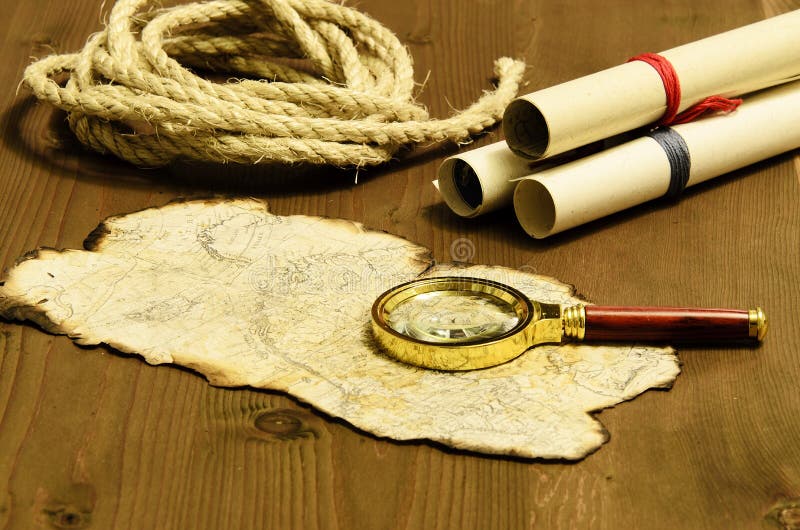
Free with trial Old map with burnt edges. Old map with the deification of the edges lie on a wooden table. Deification stock images, royalty-free photos and pictures Old map with burnt edges. Old map with the deification of the edges lie on a wooden table
Free with trial Sacred cow in India. Hindu principle of sanctity of all life, including animal life and especially that of cow. Animal lay on road and all go round. Deification stock images, royalty-free photos and pictures Sacred cow in India. Hindu principle of sanctity of all life, including animal life and especially that of cow. Animal lay on road and all go round
Free with trial Image of buddha statue at Wat Arwut Bangkok Thailand. Arrangement of offerings in Buddhism's faith. Deification stock images, royalty-free photos and pictures Image of buddha statue at Wat Arwut Bangkok Thailand. Arrangement of offerings in Buddhism's faith
Free with trial Blank white clay tablet on the wall of red brick. Deification stock images, royalty-free photos and pictures Blank white clay tablet on of red brick wall. Blank white clay tablet on the wall of red brick. Blank white clay tablet on the wall of red brick.
Free with trial This set is 8 tables for arrangement. Deification stock images, royalty-free photos and pictures Arrangement of offerings in Buddhism's faith. This set is 8 tables for arrangement. This set is 8 tables for arrangement.
Free with trial Hall of footprint at Poo Khai Ngoen temple. Located in Loei province,Thailand. Deification stock images, royalty-free photos and pictures Hall of footprint at Poo Khai Ngoen temple. Located in Loei province,Thailand
Free with trial Old clay vessel, Jug of milk. Deification stock images, royalty-free photos and pictures Old clay vessel. Jug of milk
Free with trial Outstanding in the lens of a cow's face (body part) on an Indian street against the background of passers-by and transport. Sacred cow behavior, sassy cow. Deification stock images, royalty-free photos and pictures Outstanding in lens of cow's face on Indian street. Outstanding in the lens of a cow's face (body part) on an Indian street against the background of passers-by. Outstanding in the lens of a cow's face (body part) on an Indian street against the background of passers-by and transport. Sacred cow behavior, sassy cow
 Sign in