Free with trial Woman imagines man sweeping her off of her feet in love, Man imagines the woman kissing him. The difference between man and woman. Bubble cartoon image to show thinking. Deviating stock images, royalty-free photos and pictures He Thinks, She Thinks. Woman imagines man sweeping her off of her feet in love, Man imagines the woman kissing him. The difference between man and woman. Bubble. Woman imagines man sweeping her off of her feet in love, Man imagines the woman kissing him. The difference between man and woman. Bubble cartoon image to show thinking.
Free with trial Stand out from the crowd 1. A line of pool balls on a table, one red. Deviating stock images, royalty-free photos and pictures Stand out from the crowd 1. A line of pool balls on a table, one red
Free with trial Stand out from the crowd 2. A line of pool balls on a table, on red. Deviating stock images, royalty-free photos and pictures Stand out from the crowd 2. A line of pool balls on a table, on red
Free with trial A mushroom, or toadstool, is the fleshy, spore-bearing fruiting body of a fungus, typically produced above ground, on soil, or on its food source. The standard for the name `mushroom` is the cultivated white button mushroom, Agaricus bisporus; hence the word `mushroom` is most often applied to those fungi Basidiomycota, Agaricomycetes that have a stem stipe, a cap pileus, and gills lamellae, sing. lamella on the underside of the cap. `Mushroom` also describes a variety of other gilled fungi, with or without stems, therefore the term is used to describe the fleshy fruiting bodies of some Ascomycota. These gills produce microscopic spores that help the fungus spread across the ground or its occupant surface. Forms deviating from the standard morphology usually have more specific names, such as `bolete`, `puffball`, `stinkhorn`, and `morel`, and gilled mushrooms themselves are often called `agarics` in reference to their similarity to Agaricus or their order Agaricales. By extension, the term `mushroom` can also refer to either the entire fungus when in culture, the thallus called a mycelium of species forming the fruiting bodies called mushrooms, or the species itself. Deviating stock images, royalty-free photos and pictures Closeup view of Wild mushrooms growing in a rain forest. A mushroom, or toadstool, is the fleshy, spore-bearing fruiting body of a fungus, typically produced. A mushroom, or toadstool, is the fleshy, spore-bearing fruiting body of a fungus, typically produced above ground, on soil, or on its food source. The standard for the name `mushroom` is the cultivated white button mushroom, Agaricus bisporus; hence the word `mushroom` is most often applied to those fungi Basidiomycota, Agaricomycetes that have a stem stipe, a cap pileus, and gills lamellae, sing. lamella on the underside of the cap. `Mushroom` also describes a variety of other gilled fungi, with or without stems, therefore the term is used to describe the fleshy fruiting bodies of some Ascomycota. These gills produce microscopic spores that help the fungus spread across the ground or its occupant surface. Forms deviating from the standard morphology usually have more specific names, such as `bolete`, `puffball`, `stinkhorn`, and `morel`, and gilled mushrooms themselves are often called `agarics` in reference to their similarity to Agaricus or their order Agaricales. By extension, the term `mushroom` can also refer to either the entire fungus when in culture, the thallus called a mycelium of species forming the fruiting bodies called mushrooms, or the species itself.
Free with trial Colour Pencils. A single colour pencil deviating from a group of colour pencils lined up in a wave configuration. Deviating stock images, royalty-free photos and pictures Colour Pencils. A single colour pencil deviating from a group of colour pencils lined up in a wave configuration
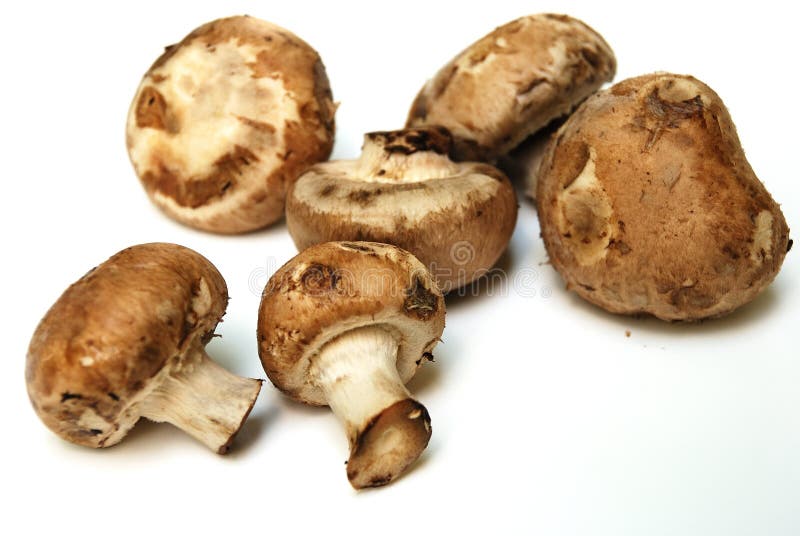
Free with trial A mushroom is the fleshy, spore-bearing fruiting body of a fungus, typically produced above ground on soil or on its food source. The standard for the name mushroom is the cultivated white button mushroom, Agaricus bisporus, hence the word mushroom is most often applied to fungi (Basidiomycota, Agaricomycetes) that have a stem (stipe), a cap (pileus), and gills (lamellae, sing. lamella) on the underside of the cap just as do store-bought white mushrooms. However, mushroom can also refer to a wide variety of gilled fungi, with or without stems, and the term is used even more generally to describe both the fleshy fruiting bodies of some Ascomycota and the woody or leathery fruiting bodies of some Basidiomycota, depending upon the context of the word. Forms deviating from the standard form usually have more specific names, such as puffball, stinkhorn, and morel, and gilled mushrooms themselves are often called agarics in reference to their similarity to Agaricus or their placement in the order Agaricales. By extension, mushroom can also designate the entire fungus when in culture or the thallus (called a mycelium) of species forming the fruiting bodies called mushrooms. Deviating stock images, royalty-free photos and pictures Mushroom. A mushroom is the fleshy, spore-bearing fruiting body of a fungus, typically produced above ground on soil or on its food source. The standard for the. A mushroom is the fleshy, spore-bearing fruiting body of a fungus, typically produced above ground on soil or on its food source. The standard for the name mushroom is the cultivated white button mushroom, Agaricus bisporus, hence the word mushroom is most often applied to fungi (Basidiomycota, Agaricomycetes) that have a stem (stipe), a cap (pileus), and gills (lamellae, sing. lamella) on the underside of the cap just as do store-bought white mushrooms. However, mushroom can also refer to a wide variety of gilled fungi, with or without stems, and the term is used even more generally to describe both the fleshy fruiting bodies of some Ascomycota and the woody or leathery fruiting bodies of some Basidiomycota, depending upon the context of the word. Forms deviating from the standard form usually have more specific names, such as puffball, stinkhorn, and morel, and gilled mushrooms themselves are often called agarics in reference to their similarity to Agaricus or their placement in the order Agaricales. By extension, mushroom can also designate the entire fungus when in culture or the thallus (called a mycelium) of species forming the fruiting bodies called mushrooms.
Free with trial Stairs that look weird, like they are upside down. Deviating stock images, royalty-free photos and pictures Weird Stairs. Stairs that look weird, like they are upside down. Stairs that look weird, like they are upside down.
Free with trial Three handmade plasticine flower models, one with red petals, the other two with white petals. Possible concept for individuality, standing out from the crowd. Deviating stock images, royalty-free photos and pictures Three Plasticine Flowers. Three handmade plasticine flower models, one with red petals, the other two with white petals. Possible concept for individuality. Three handmade plasticine flower models, one with red petals, the other two with white petals. Possible concept for individuality, standing out from the crowd.
Free with trial A padlock that is different from the others. Deviating stock images, royalty-free photos and pictures Different padlock from others. A padlock that is different from the others. A padlock that is different from the others.
Free with trial A padlock that is different from the others. Deviating stock images, royalty-free photos and pictures Odd one out padlock. A padlock that is different from the others. A padlock that is different from the others.
Free with trial Back-Up Plan 3d words and a green arrow jumping over to illustrate an alternate, alternative, or changed strategy due to a problem or emergency. Deviating stock images, royalty-free photos and pictures Back Up Plan Running Person Contingency Change Adapt. Back-Up Plan 3d words and a green arrow jumping over to illustrate an alternate, alternative, or changed. Back-Up Plan 3d words and a green arrow jumping over to illustrate an alternate, alternative, or changed strategy due to a problem or emergency
Free with trial Make a difference. Raws of chairs in red colour to the exception of a different coloured one. Deviating stock images, royalty-free photos and pictures Make a difference. Raws of chairs in red colour to the exception of a different coloured one
Free with trial Make a difference. Raws of chairs in red colour to the exception of a different coloured one. Deviating stock images, royalty-free photos and pictures Make a difference. Raws of chairs in red colour to the exception of a different coloured one
Free with trial Stranger in the line. Different of white object in black line. Deviating stock images, royalty-free photos and pictures Stranger in the line. Different of white object in black line
Free with trial Wrong direction with a dead end. Deviation from the plan and failure. Red cubes changing direction towards a dead end from a group of white cubes on a yellow background. Deviating stock images, royalty-free photos and pictures Choosing different direction from the crowd of cubes with arrows. Wrong direction with a dead end. Deviation from the plan and failure. Red cubes changing. Wrong direction with a dead end. Deviation from the plan and failure. Red cubes changing direction towards a dead end from a group of white cubes on a yellow background
Free with trial Different rubber stamp. Grunge design with dust scratches. Effects can be easily removed for a clean, crisp look. Color is easily changed. Deviating stock images, royalty-free photos and pictures Different rubber stamp. Grunge design with dust scratches. Effects can be easily removed for a clean, crisp look. Color is easily changed
Free with trial The standard for the name `mushroom` is the cultivated white button mushroom, Agaricus bisporus; hence the word `mushroom` is most often applied to those fungi Basidiomycota, Agaricomycetes that have a stem stipe, a cap pileus, and gills lamellae, sing. lamella on the underside of the cap. `Mushroom` also describes a variety of other gilled fungi, with or without stems, therefore the term is used to describe the fleshy fruiting bodies of some Ascomycota. These gills produce microscopic spores that help the fungus spread across the ground or its occupant surface. Forms deviating from the standard morphology usually have more specific names, such as `bolete`, `puffball`, `stinkhorn`, and `morel`, and gilled mushrooms themselves are often called `agarics` in reference to their similarity to Agaricus or their order Agaricales. By extension, the term `mushroom` can also refer to either the entire fungus when in culture, the thallus called a mycelium of species forming the fruiting bodies called mushrooms, or the species itself. Deviating stock images, royalty-free photos and pictures Rear view of a mushroom with bokhe background. The standard for the name `mushroom` is the cultivated white button mushroom, Agaricus bisporus; hence the word `. The standard for the name `mushroom` is the cultivated white button mushroom, Agaricus bisporus; hence the word `mushroom` is most often applied to those fungi Basidiomycota, Agaricomycetes that have a stem stipe, a cap pileus, and gills lamellae, sing. lamella on the underside of the cap. `Mushroom` also describes a variety of other gilled fungi, with or without stems, therefore the term is used to describe the fleshy fruiting bodies of some Ascomycota. These gills produce microscopic spores that help the fungus spread across the ground or its occupant surface. Forms deviating from the standard morphology usually have more specific names, such as `bolete`, `puffball`, `stinkhorn`, and `morel`, and gilled mushrooms themselves are often called `agarics` in reference to their similarity to Agaricus or their order Agaricales. By extension, the term `mushroom` can also refer to either the entire fungus when in culture, the thallus called a mycelium of species forming the fruiting bodies called mushrooms, or the species itself.
Free with trial Funny jokes. Adorable young female team leader conducting a meeting with her colleagues and laughing together with them while deviating from topic of discussion. Deviating stock images, royalty-free photos and pictures Upbeat team leader laughing together with her colleagues. Funny jokes. Adorable young female team leader conducting a meeting with her colleagues and laughing. Funny jokes. Adorable young female team leader conducting a meeting with her colleagues and laughing together with them while deviating from topic of discussion
Free with trial Deviating from the path of the 7 lakes, after 25 kilometers of gravel road you arrive at Villa Traful, a mountain village. Deviating stock images, royalty-free photos and pictures Views of Lake Traful from the pirador located in Villa Traful, on the road to the 7 lakes, Patagonia Argentina. Deviating from the path of the 7 lakes, after 25. Deviating from the path of the 7 lakes, after 25 kilometers of gravel road you arrive at Villa Traful, a mountain village
Free with trial Close up of annoying small mosquito sitting on top of black computer monitor in home office deviating from doing work. Close up of annoying small mosquito. Deviating stock images, royalty-free photos and pictures Close up of annoying small mosquito sitting on top of black computer monitor in home office deviating from doing work. Close up of annoying small mosquito
Free with trial Don't deviate from the plan. Deviating from the intended plan will lead to failure. Face a problem. Try to get around the obstacle. Go back to choosing paths. Deviating stock images, royalty-free photos and pictures Don\'t deviate from the plan. Deviating from the intended plan will lead to failure. Don't deviate from the plan. Deviating from the intended plan will lead to. Don't deviate from the plan. Deviating from the intended plan will lead to failure. Face a problem. Try to get around the obstacle. Go back to choosing paths
Free with trial Leucistic great-tailed grackle (Quiscalus mexicanus) in Galveston, Texas. The bird exhibits a unique pigmentation with white and black feathers, deviating from typical coloration due to leucism. It stands on sandy terrain with grass and leafy vegetation in the background. The grackle's long tail and sharp beak are prominent, set against a backdrop of green foliage under clear, open skies. Deviating stock images, royalty-free photos and pictures Leucistic great-tailed grackle (Quiscalus mexicanus), Galveston, Texas. Leucistic great-tailed grackle (Quiscalus mexicanus) in Galveston, Texas. The bird. Leucistic great-tailed grackle (Quiscalus mexicanus) in Galveston, Texas. The bird exhibits a unique pigmentation with white and black feathers, deviating from typical coloration due to leucism. It stands on sandy terrain with grass and leafy vegetation in the background. The grackle's long tail and sharp beak are prominent, set against a backdrop of green foliage under clear, open skies.
Free with trial Deviating from the safe, legal and mainstream practices in business. To deviate from the main path and turn onto a prohibited or dead-end way. Deviating stock images, royalty-free photos and pictures Deviating from the safe, legal and mainstream practices in business. To deviate from the main path and turn onto a prohibited or dead-end way
Free with trial On a pink background, a group of rubber ducks is arranged with one duck deviating from the line, creating a space for. On a pink background, a group of rubber. Deviating stock images, royalty-free photos and pictures On a pink background, a group of rubber ducks is arranged with one duck deviating from the line, creating a space for. On a pink background, a group of rubber
Free with trial White cubes with arrows moving away from a red target, symbolizing deviation, missed goals, and poor strategy execution. Deviating stock images, royalty-free photos and pictures Arrows deviating from business target goal achievement. White cubes with arrows moving away from a red target, symbolizing deviation, missed goals, and poor. White cubes with arrows moving away from a red target, symbolizing deviation, missed goals, and poor strategy execution
Free with trial Arrow cubes moving away from a target, illustrating concepts of misdirection, failure, missing a goal or the target, and strategic mistake. Deviating stock images, royalty-free photos and pictures Path of arrows deviating from reaching a target goal, concepts of misdirection, failure, missing a goal or the target, and. Arrow cubes moving away from a target. Arrow cubes moving away from a target, illustrating concepts of misdirection, failure, missing a goal or the target, and strategic mistake
Free with trial Catholic church in Brussels, Belgium, built in brick, deviating from traditional religious architecture and based on an old baroque temple that had been destroyed. Deviating stock images, royalty-free photos and pictures Brick Catholic Church in Brussels. Catholic church in Brussels, Belgium, built in brick, deviating from traditional religious architecture and based on an old. Catholic church in Brussels, Belgium, built in brick, deviating from traditional religious architecture and based on an old baroque temple that had been destroyed
Free with trial Magnifying glass focusing on the word off topic formed by wooden blocks on a blue background. Deviating stock images, royalty-free photos and pictures Magnifying glass is focusing on the word off topic formed by wooden blocks. Magnifying glass focusing on the word off topic formed by wooden blocks on a blue. Magnifying glass focusing on the word off topic formed by wooden blocks on a blue background
Free with trial Crane lifting materials on an under construction building. In Yokohama city. Deviating stock images, royalty-free photos and pictures Crane lifting materials on an under construction building. In Yokohama city
Free with trial Elegant amber hand soap bottles displayed on a dark background showcasing differing sizes and sleek pump designs positioned on a wooden shelf. Deviating stock images, royalty-free photos and pictures Elegant amber hand soap bottles displayed on a dark background showcasing differing sizes and sleek pump designs. AI Generated. Elegant amber hand soap bottles. Elegant amber hand soap bottles displayed on a dark background showcasing differing sizes and sleek pump designs positioned on a wooden shelf
Free with trial An American flag flies on a white picket fence with one post deviating from the uniform line, casting a shadow on the ground. The image symbolizes individuality, freedom, and patriotism. It could be used to represent concepts like standing out from the crowd, American values, or uniqueness. Deviating stock images, royalty-free photos and pictures American flag on a picket fence with one post standing out from the rest. An American flag flies on a white picket fence with one post deviating from the uniform. An American flag flies on a white picket fence with one post deviating from the uniform line, casting a shadow on the ground. The image symbolizes individuality, freedom, and patriotism. It could be used to represent concepts like standing out from the crowd, American values, or uniqueness.
Free with trial Police man deviating the traffic for a construction site. In Yokohama city. Deviating stock images, royalty-free photos and pictures Police man deviating the traffic for a construction site. In Yokohama city
Free with trial A deviating red paper boat down the high tide in ocean made with blue paper. Deviating stock images, royalty-free photos and pictures A deviating red paper boat down the high tide in ocean made with blue paper. A deviating red paper boat down the high tide ocean made with blue paper
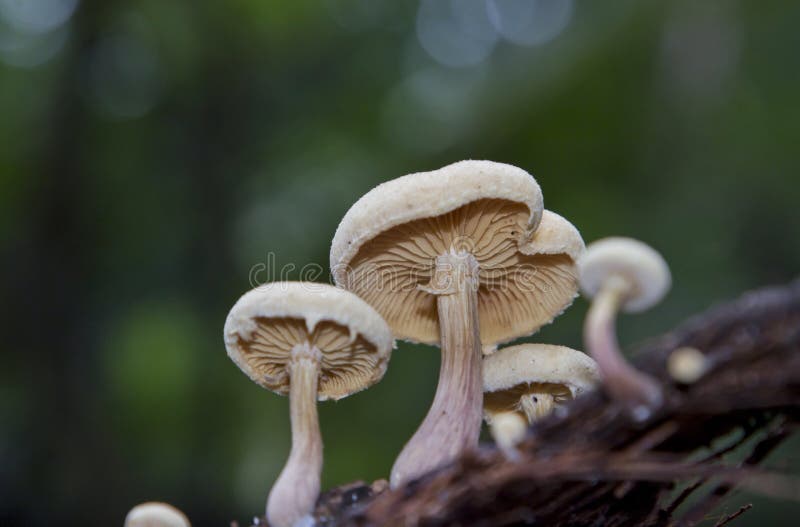
Free with trial A mushroom, or toadstool, is the fleshy, spore-bearing fruiting body of a fungus, typically produced above ground, on soil, or on its food source. The standard for the name `mushroom` is the cultivated white button mushroom, Agaricus bisporus; hence the word `mushroom` is most often applied to those fungi Basidiomycota, Agaricomycetes that have a stem stipe, a cap pileus, and gills lamellae, sing. lamella on the underside of the cap. `Mushroom` also describes a variety of other gilled fungi, with or without stems, therefore the term is used to describe the fleshy fruiting bodies of some Ascomycota. These gills produce microscopic spores that help the fungus spread across the ground or its occupant surface. Forms deviating from the standard morphology usually have more specific names, such as `bolete`, `puffball`, `stinkhorn`, and `morel`, and gilled mushrooms themselves are often called `agarics` in reference to their similarity to Agaricus or their order Agaricales. By extension, the term `mushroom` can also refer to either the entire fungus when in culture, the thallus called a mycelium of species forming the fruiting bodies called mushrooms, or the species itself. Deviating stock images, royalty-free photos and pictures A group of Wild mushrooms growing in a rain forest. A mushroom, or toadstool, is the fleshy, spore-bearing fruiting body of a fungus, typically produced above. A mushroom, or toadstool, is the fleshy, spore-bearing fruiting body of a fungus, typically produced above ground, on soil, or on its food source. The standard for the name `mushroom` is the cultivated white button mushroom, Agaricus bisporus; hence the word `mushroom` is most often applied to those fungi Basidiomycota, Agaricomycetes that have a stem stipe, a cap pileus, and gills lamellae, sing. lamella on the underside of the cap. `Mushroom` also describes a variety of other gilled fungi, with or without stems, therefore the term is used to describe the fleshy fruiting bodies of some Ascomycota. These gills produce microscopic spores that help the fungus spread across the ground or its occupant surface. Forms deviating from the standard morphology usually have more specific names, such as `bolete`, `puffball`, `stinkhorn`, and `morel`, and gilled mushrooms themselves are often called `agarics` in reference to their similarity to Agaricus or their order Agaricales. By extension, the term `mushroom` can also refer to either the entire fungus when in culture, the thallus called a mycelium of species forming the fruiting bodies called mushrooms, or the species itself.
Free with trial A mushroom, or toadstool, is the fleshy, spore-bearing fruiting body of a fungus, typically produced above ground, on soil, or on its food source. The standard for the name `mushroom` is the cultivated white button mushroom, Agaricus bisporus; hence the word `mushroom` is most often applied to those fungi Basidiomycota, Agaricomycetes that have a stem stipe, a cap pileus, and gills lamellae, sing. lamella on the underside of the cap. `Mushroom` also describes a variety of other gilled fungi, with or without stems, therefore the term is used to describe the fleshy fruiting bodies of some Ascomycota. These gills produce microscopic spores that help the fungus spread across the ground or its occupant surface. Forms deviating from the standard morphology usually have more specific names, such as `bolete`, `puffball`, `stinkhorn`, and `morel`, and gilled mushrooms themselves are often called `agarics` in reference to their similarity to Agaricus or their order Agaricales. By extension, the term `mushroom` can also refer to either the entire fungus when in culture, the thallus called a mycelium of species forming the fruiting bodies called mushrooms, or the species itself. Deviating stock images, royalty-free photos and pictures Wild mushrooms growing in a rain forest with green background. A mushroom, or toadstool, is the fleshy, spore-bearing fruiting body of a fungus, typically. A mushroom, or toadstool, is the fleshy, spore-bearing fruiting body of a fungus, typically produced above ground, on soil, or on its food source. The standard for the name `mushroom` is the cultivated white button mushroom, Agaricus bisporus; hence the word `mushroom` is most often applied to those fungi Basidiomycota, Agaricomycetes that have a stem stipe, a cap pileus, and gills lamellae, sing. lamella on the underside of the cap. `Mushroom` also describes a variety of other gilled fungi, with or without stems, therefore the term is used to describe the fleshy fruiting bodies of some Ascomycota. These gills produce microscopic spores that help the fungus spread across the ground or its occupant surface. Forms deviating from the standard morphology usually have more specific names, such as `bolete`, `puffball`, `stinkhorn`, and `morel`, and gilled mushrooms themselves are often called `agarics` in reference to their similarity to Agaricus or their order Agaricales. By extension, the term `mushroom` can also refer to either the entire fungus when in culture, the thallus called a mycelium of species forming the fruiting bodies called mushrooms, or the species itself.
Free with trial A mushroom or toadstool is the fleshy, spore-bearing fruiting body of a fungus, typically produced above ground, on soil, or on its food source. The standard for the name `mushroom` is the cultivated white button mushroom, Agaricus bisporus; hence the word `mushroom` is most often applied to those fungi Basidiomycota, Agaricomycetes that have a stem stipe, a cap pileus, and gills lamellae, sing. lamella on the underside of the cap. `Mushroom` also describes a variety of other gilled fungi, with or without stems, therefore the term is used to describe the fleshy fruiting bodies of some Ascomycota. These gills produce microscopic spores that help the fungus spread across the ground or its occupant surface. Forms deviating from the standard morphology usually have more specific names, such as `bolete`, `puffball`, `stinkhorn`, and `morel`, and gilled mushrooms themselves are often called `agarics` in reference to their similarity to Agaricus or their order Agaricales. By extension, the term `mushroom` can also refer to either the entire fungus when in culture, the thallus called a mycelium of species forming the fruiting bodies called mushrooms, or the species itself. Deviating stock images, royalty-free photos and pictures Close up view of an organic edible mushroom, water droops and bokhe background. A mushroom or toadstool is the fleshy, spore-bearing fruiting body of a fungus. A mushroom or toadstool is the fleshy, spore-bearing fruiting body of a fungus, typically produced above ground, on soil, or on its food source. The standard for the name `mushroom` is the cultivated white button mushroom, Agaricus bisporus; hence the word `mushroom` is most often applied to those fungi Basidiomycota, Agaricomycetes that have a stem stipe, a cap pileus, and gills lamellae, sing. lamella on the underside of the cap. `Mushroom` also describes a variety of other gilled fungi, with or without stems, therefore the term is used to describe the fleshy fruiting bodies of some Ascomycota. These gills produce microscopic spores that help the fungus spread across the ground or its occupant surface. Forms deviating from the standard morphology usually have more specific names, such as `bolete`, `puffball`, `stinkhorn`, and `morel`, and gilled mushrooms themselves are often called `agarics` in reference to their similarity to Agaricus or their order Agaricales. By extension, the term `mushroom` can also refer to either the entire fungus when in culture, the thallus called a mycelium of species forming the fruiting bodies called mushrooms, or the species itself.
Free with trial A mushroom, or toadstool, is the fleshy, spore-bearing fruiting body of a fungus, typically produced above ground, on soil, or on its food source. The standard for the name `mushroom` is the cultivated white button mushroom, Agaricus bisporus; hence the word `mushroom` is most often applied to those fungi Basidiomycota, Agaricomycetes that have a stem stipe, a cap pileus, and gills lamellae, sing. lamella on the underside of the cap. `Mushroom` also describes a variety of other gilled fungi, with or without stems, therefore the term is used to describe the fleshy fruiting bodies of some Ascomycota. These gills produce microscopic spores that help the fungus spread across the ground or its occupant surface. Forms deviating from the standard morphology usually have more specific names, such as `bolete`, `puffball`, `stinkhorn`, and `morel`, and gilled mushrooms themselves are often called `agarics` in reference to their similarity to Agaricus or their order Agaricales. By extension, the term `mushroom` can also refer to either the entire fungus when in culture, the thallus called a mycelium of species forming the fruiting bodies called mushrooms, or the species itself. Deviating stock images, royalty-free photos and pictures Wild mushrooms growing in a rain forest. A mushroom, or toadstool, is the fleshy, spore-bearing fruiting body of a fungus, typically produced above ground, on. A mushroom, or toadstool, is the fleshy, spore-bearing fruiting body of a fungus, typically produced above ground, on soil, or on its food source. The standard for the name `mushroom` is the cultivated white button mushroom, Agaricus bisporus; hence the word `mushroom` is most often applied to those fungi Basidiomycota, Agaricomycetes that have a stem stipe, a cap pileus, and gills lamellae, sing. lamella on the underside of the cap. `Mushroom` also describes a variety of other gilled fungi, with or without stems, therefore the term is used to describe the fleshy fruiting bodies of some Ascomycota. These gills produce microscopic spores that help the fungus spread across the ground or its occupant surface. Forms deviating from the standard morphology usually have more specific names, such as `bolete`, `puffball`, `stinkhorn`, and `morel`, and gilled mushrooms themselves are often called `agarics` in reference to their similarity to Agaricus or their order Agaricales. By extension, the term `mushroom` can also refer to either the entire fungus when in culture, the thallus called a mycelium of species forming the fruiting bodies called mushrooms, or the species itself.
Free with trial A mushroom, or toadstool, is the fleshy, spore-bearing fruiting body of a fungus, typically produced above ground, on soil, or on its food source. The standard for the name `mushroom` is the cultivated white button mushroom, Agaricus bisporus; hence the word `mushroom` is most often applied to those fungi Basidiomycota, Agaricomycetes that have a stem stipe, a cap pileus, and gills lamellae, sing. lamella on the underside of the cap. `Mushroom` also describes a variety of other gilled fungi, with or without stems, therefore the term is used to describe the fleshy fruiting bodies of some Ascomycota. These gills produce microscopic spores that help the fungus spread across the ground or its occupant surface. Forms deviating from the standard morphology usually have more specific names, such as `bolete`, `puffball`, `stinkhorn`, and `morel`, and gilled mushrooms themselves are often called `agarics` in reference to their similarity to Agaricus or their order Agaricales. By extension, the term `mushroom` can also refer to either the entire fungus when in culture, the thallus called a mycelium of species forming the fruiting bodies called mushrooms, or the species itself. Deviating stock images, royalty-free photos and pictures Wild mushrooms growing in a jungle. A mushroom, or toadstool, is the fleshy, spore-bearing fruiting body of a fungus, typically produced above ground, on soil. A mushroom, or toadstool, is the fleshy, spore-bearing fruiting body of a fungus, typically produced above ground, on soil, or on its food source. The standard for the name `mushroom` is the cultivated white button mushroom, Agaricus bisporus; hence the word `mushroom` is most often applied to those fungi Basidiomycota, Agaricomycetes that have a stem stipe, a cap pileus, and gills lamellae, sing. lamella on the underside of the cap. `Mushroom` also describes a variety of other gilled fungi, with or without stems, therefore the term is used to describe the fleshy fruiting bodies of some Ascomycota. These gills produce microscopic spores that help the fungus spread across the ground or its occupant surface. Forms deviating from the standard morphology usually have more specific names, such as `bolete`, `puffball`, `stinkhorn`, and `morel`, and gilled mushrooms themselves are often called `agarics` in reference to their similarity to Agaricus or their order Agaricales. By extension, the term `mushroom` can also refer to either the entire fungus when in culture, the thallus called a mycelium of species forming the fruiting bodies called mushrooms, or the species itself.
Free with trial A mushroom or toadstool is the fleshy, spore-bearing fruiting body of a fungus, typically produced above ground, on soil, or on its food source. The standard for the name `mushroom` is the cultivated white button mushroom, Agaricus bisporus; hence the word `mushroom` is most often applied to those fungi Basidiomycota, Agaricomycetes that have a stem stipe, a cap pileus, and gills lamellae, sing. lamella on the underside of the cap. `Mushroom` also describes a variety of other gilled fungi, with or without stems, therefore the term is used to describe the fleshy fruiting bodies of some Ascomycota. These gills produce microscopic spores that help the fungus spread across the ground or its occupant surface. Forms deviating from the standard morphology usually have more specific names, such as `bolete`, `puffball`, `stinkhorn`, and `morel`, and gilled mushrooms themselves are often called `agarics` in reference to their similarity to Agaricus or their order Agaricales. By extension, the term `mushroom` can also refer to either the entire fungus when in culture, the thallus called a mycelium of species forming the fruiting bodies called mushrooms, or the species itself. Deviating stock images, royalty-free photos and pictures Closeup view of an organic edible mushrooms and bokhe background. A mushroom or toadstool is the fleshy, spore-bearing fruiting body of a fungus, typically. A mushroom or toadstool is the fleshy, spore-bearing fruiting body of a fungus, typically produced above ground, on soil, or on its food source. The standard for the name `mushroom` is the cultivated white button mushroom, Agaricus bisporus; hence the word `mushroom` is most often applied to those fungi Basidiomycota, Agaricomycetes that have a stem stipe, a cap pileus, and gills lamellae, sing. lamella on the underside of the cap. `Mushroom` also describes a variety of other gilled fungi, with or without stems, therefore the term is used to describe the fleshy fruiting bodies of some Ascomycota. These gills produce microscopic spores that help the fungus spread across the ground or its occupant surface. Forms deviating from the standard morphology usually have more specific names, such as `bolete`, `puffball`, `stinkhorn`, and `morel`, and gilled mushrooms themselves are often called `agarics` in reference to their similarity to Agaricus or their order Agaricales. By extension, the term `mushroom` can also refer to either the entire fungus when in culture, the thallus called a mycelium of species forming the fruiting bodies called mushrooms, or the species itself.
Free with trial A mushroom or toadstool is the fleshy, spore-bearing fruiting body of a fungus, typically produced above ground, on soil, or on its food source. The standard for the name `mushroom` is the cultivated white button mushroom, Agaricus bisporus; hence the word `mushroom` is most often applied to those fungi Basidiomycota, Agaricomycetes that have a stem stipe, a cap pileus, and gills lamellae, sing. lamella on the underside of the cap. `Mushroom` also describes a variety of other gilled fungi, with or without stems, therefore the term is used to describe the fleshy fruiting bodies of some Ascomycota. These gills produce microscopic spores that help the fungus spread across the ground or its occupant surface. Forms deviating from the standard morphology usually have more specific names, such as `bolete`, `puffball`, `stinkhorn`, and `morel`, and gilled mushrooms themselves are often called `agarics` in reference to their similarity to Agaricus or their order Agaricales. By extension, the term `mushroom` can also refer to either the entire fungus when in culture, the thallus called a mycelium of species forming the fruiting bodies called mushrooms, or the species itself. Deviating stock images, royalty-free photos and pictures Closeup view of organic edible mushrooms, water droops and bokhe background. A mushroom or toadstool is the fleshy, spore-bearing fruiting body of a fungus. A mushroom or toadstool is the fleshy, spore-bearing fruiting body of a fungus, typically produced above ground, on soil, or on its food source. The standard for the name `mushroom` is the cultivated white button mushroom, Agaricus bisporus; hence the word `mushroom` is most often applied to those fungi Basidiomycota, Agaricomycetes that have a stem stipe, a cap pileus, and gills lamellae, sing. lamella on the underside of the cap. `Mushroom` also describes a variety of other gilled fungi, with or without stems, therefore the term is used to describe the fleshy fruiting bodies of some Ascomycota. These gills produce microscopic spores that help the fungus spread across the ground or its occupant surface. Forms deviating from the standard morphology usually have more specific names, such as `bolete`, `puffball`, `stinkhorn`, and `morel`, and gilled mushrooms themselves are often called `agarics` in reference to their similarity to Agaricus or their order Agaricales. By extension, the term `mushroom` can also refer to either the entire fungus when in culture, the thallus called a mycelium of species forming the fruiting bodies called mushrooms, or the species itself.
Free with trial A mushroom or toadstool is the fleshy, spore-bearing fruiting body of a fungus, typically produced above ground, on soil, or on its food source. The standard for the name `mushroom` is the cultivated white button mushroom, Agaricus bisporus; hence the word `mushroom` is most often applied to those fungi Basidiomycota, Agaricomycetes that have a stem stipe, a cap pileus, and gills lamellae, sing. lamella on the underside of the cap. `Mushroom` also describes a variety of other gilled fungi, with or without stems, therefore the term is used to describe the fleshy fruiting bodies of some Ascomycota. These gills produce microscopic spores that help the fungus spread across the ground or its occupant surface. Forms deviating from the standard morphology usually have more specific names, such as `bolete`, `puffball`, `stinkhorn`, and `morel`, and gilled mushrooms themselves are often called `agarics` in reference to their similarity to Agaricus or their order Agaricales. By extension, the term `mushroom` can also refer to either the entire fungus when in culture, the thallus called a mycelium of species forming the fruiting bodies called mushrooms, or the species itself. Deviating stock images, royalty-free photos and pictures Closeup view of organic edible mushrooms, water droops and bokhe background. A mushroom or toadstool is the fleshy, spore-bearing fruiting body of a fungus. A mushroom or toadstool is the fleshy, spore-bearing fruiting body of a fungus, typically produced above ground, on soil, or on its food source. The standard for the name `mushroom` is the cultivated white button mushroom, Agaricus bisporus; hence the word `mushroom` is most often applied to those fungi Basidiomycota, Agaricomycetes that have a stem stipe, a cap pileus, and gills lamellae, sing. lamella on the underside of the cap. `Mushroom` also describes a variety of other gilled fungi, with or without stems, therefore the term is used to describe the fleshy fruiting bodies of some Ascomycota. These gills produce microscopic spores that help the fungus spread across the ground or its occupant surface. Forms deviating from the standard morphology usually have more specific names, such as `bolete`, `puffball`, `stinkhorn`, and `morel`, and gilled mushrooms themselves are often called `agarics` in reference to their similarity to Agaricus or their order Agaricales. By extension, the term `mushroom` can also refer to either the entire fungus when in culture, the thallus called a mycelium of species forming the fruiting bodies called mushrooms, or the species itself.
Free with trial A mushroom or toadstool is the fleshy, spore-bearing fruiting body of a fungus, typically produced above ground, on soil, or on its food source. The standard for the name `mushroom` is the cultivated white button mushroom, Agaricus bisporus; hence the word `mushroom` is most often applied to those fungi Basidiomycota, Agaricomycetes that have a stem stipe, a cap pileus, and gills lamellae, sing. lamella on the underside of the cap. `Mushroom` also describes a variety of other gilled fungi, with or without stems, therefore the term is used to describe the fleshy fruiting bodies of some Ascomycota. These gills produce microscopic spores that help the fungus spread across the ground or its occupant surface. Forms deviating from the standard morphology usually have more specific names, such as `bolete`, `puffball`, `stinkhorn`, and `morel`, and gilled mushrooms themselves are often called `agarics` in reference to their similarity to Agaricus or their order Agaricales. By extension, the term `mushroom` can also refer to either the entire fungus when in culture, the thallus called a mycelium of species forming the fruiting bodies called mushrooms, or the species itself. Deviating stock images, royalty-free photos and pictures Closeup view of organic edible mushrooms, water droops and bokhe background. A mushroom or toadstool is the fleshy, spore-bearing fruiting body of a fungus. A mushroom or toadstool is the fleshy, spore-bearing fruiting body of a fungus, typically produced above ground, on soil, or on its food source. The standard for the name `mushroom` is the cultivated white button mushroom, Agaricus bisporus; hence the word `mushroom` is most often applied to those fungi Basidiomycota, Agaricomycetes that have a stem stipe, a cap pileus, and gills lamellae, sing. lamella on the underside of the cap. `Mushroom` also describes a variety of other gilled fungi, with or without stems, therefore the term is used to describe the fleshy fruiting bodies of some Ascomycota. These gills produce microscopic spores that help the fungus spread across the ground or its occupant surface. Forms deviating from the standard morphology usually have more specific names, such as `bolete`, `puffball`, `stinkhorn`, and `morel`, and gilled mushrooms themselves are often called `agarics` in reference to their similarity to Agaricus or their order Agaricales. By extension, the term `mushroom` can also refer to either the entire fungus when in culture, the thallus called a mycelium of species forming the fruiting bodies called mushrooms, or the species itself.
Free with trial A mushroom or toadstool is the fleshy, spore-bearing fruiting body of a fungus, typically produced above ground, on soil, or on its food source. The standard for the name `mushroom` is the cultivated white button mushroom, Agaricus bisporus; hence the word `mushroom` is most often applied to those fungi Basidiomycota, Agaricomycetes that have a stem stipe, a cap pileus, and gills lamellae, sing. lamella on the underside of the cap. `Mushroom` also describes a variety of other gilled fungi, with or without stems, therefore the term is used to describe the fleshy fruiting bodies of some Ascomycota. These gills produce microscopic spores that help the fungus spread across the ground or its occupant surface. Forms deviating from the standard morphology usually have more specific names, such as `bolete`, `puffball`, `stinkhorn`, and `morel`, and gilled mushrooms themselves are often called `agarics` in reference to their similarity to Agaricus or their order Agaricales. By extension, the term `mushroom` can also refer to either the entire fungus when in culture, the thallus called a mycelium of species forming the fruiting bodies called mushrooms, or the species itself. Deviating stock images, royalty-free photos and pictures Closeup view of organic edible mushrooms, water droops and bokhe background. A mushroom or toadstool is the fleshy, spore-bearing fruiting body of a fungus. A mushroom or toadstool is the fleshy, spore-bearing fruiting body of a fungus, typically produced above ground, on soil, or on its food source. The standard for the name `mushroom` is the cultivated white button mushroom, Agaricus bisporus; hence the word `mushroom` is most often applied to those fungi Basidiomycota, Agaricomycetes that have a stem stipe, a cap pileus, and gills lamellae, sing. lamella on the underside of the cap. `Mushroom` also describes a variety of other gilled fungi, with or without stems, therefore the term is used to describe the fleshy fruiting bodies of some Ascomycota. These gills produce microscopic spores that help the fungus spread across the ground or its occupant surface. Forms deviating from the standard morphology usually have more specific names, such as `bolete`, `puffball`, `stinkhorn`, and `morel`, and gilled mushrooms themselves are often called `agarics` in reference to their similarity to Agaricus or their order Agaricales. By extension, the term `mushroom` can also refer to either the entire fungus when in culture, the thallus called a mycelium of species forming the fruiting bodies called mushrooms, or the species itself.
Free with trial A mushroom, or toadstool, is the fleshy, spore-bearing fruiting body of a fungus, typically produced above ground, on soil, or on its food source. The standard for the name `mushroom` is the cultivated white button mushroom, Agaricus bisporus; hence the word `mushroom` is most often applied to those fungi Basidiomycota, Agaricomycetes that have a stem stipe, a cap pileus, and gills lamellae, sing. lamella on the underside of the cap. `Mushroom` also describes a variety of other gilled fungi, with or without stems, therefore the term is used to describe the fleshy fruiting bodies of some Ascomycota. These gills produce microscopic spores that help the fungus spread across the ground or its occupant surface. Forms deviating from the standard morphology usually have more specific names, such as `bolete`, `puffball`, `stinkhorn`, and `morel`, and gilled mushrooms themselves are often called `agarics` in reference to their similarity to Agaricus or their order Agaricales. By extension, the term `mushroom` can also refer to either the entire fungus when in culture, the thallus called a mycelium of species forming the fruiting bodies called mushrooms, or the species itself. Deviating stock images, royalty-free photos and pictures Organic mushrooms growing in a jungle. A mushroom, or toadstool, is the fleshy, spore-bearing fruiting body of a fungus, typically produced above ground, on soil. A mushroom, or toadstool, is the fleshy, spore-bearing fruiting body of a fungus, typically produced above ground, on soil, or on its food source. The standard for the name `mushroom` is the cultivated white button mushroom, Agaricus bisporus; hence the word `mushroom` is most often applied to those fungi Basidiomycota, Agaricomycetes that have a stem stipe, a cap pileus, and gills lamellae, sing. lamella on the underside of the cap. `Mushroom` also describes a variety of other gilled fungi, with or without stems, therefore the term is used to describe the fleshy fruiting bodies of some Ascomycota. These gills produce microscopic spores that help the fungus spread across the ground or its occupant surface. Forms deviating from the standard morphology usually have more specific names, such as `bolete`, `puffball`, `stinkhorn`, and `morel`, and gilled mushrooms themselves are often called `agarics` in reference to their similarity to Agaricus or their order Agaricales. By extension, the term `mushroom` can also refer to either the entire fungus when in culture, the thallus called a mycelium of species forming the fruiting bodies called mushrooms, or the species itself.
Free with trial A mushroom or toadstool is the fleshy, spore-bearing fruiting body of a fungus, typically produced above ground, on soil, or on its food source. The standard for the name `mushroom` is the cultivated white button mushroom, Agaricus bisporus; hence the word `mushroom` is most often applied to those fungi Basidiomycota, Agaricomycetes that have a stem stipe, a cap pileus, and gills lamellae, sing. lamella on the underside of the cap. `Mushroom` also describes a variety of other gilled fungi, with or without stems, therefore the term is used to describe the fleshy fruiting bodies of some Ascomycota. These gills produce microscopic spores that help the fungus spread across the ground or its occupant surface. Forms deviating from the standard morphology usually have more specific names, such as `bolete`, `puffball`, `stinkhorn`, and `morel`, and gilled mushrooms themselves are often called `agarics` in reference to their similarity to Agaricus or their order Agaricales. By extension, the term `mushroom` can also refer to either the entire fungus when in culture, the thallus called a mycelium of species forming the fruiting bodies called mushrooms, or the species itself. Deviating stock images, royalty-free photos and pictures Closeup view of an organic edible mushrooms, water droops and bokhe background. A mushroom or toadstool is the fleshy, spore-bearing fruiting body of a fungus. A mushroom or toadstool is the fleshy, spore-bearing fruiting body of a fungus, typically produced above ground, on soil, or on its food source. The standard for the name `mushroom` is the cultivated white button mushroom, Agaricus bisporus; hence the word `mushroom` is most often applied to those fungi Basidiomycota, Agaricomycetes that have a stem stipe, a cap pileus, and gills lamellae, sing. lamella on the underside of the cap. `Mushroom` also describes a variety of other gilled fungi, with or without stems, therefore the term is used to describe the fleshy fruiting bodies of some Ascomycota. These gills produce microscopic spores that help the fungus spread across the ground or its occupant surface. Forms deviating from the standard morphology usually have more specific names, such as `bolete`, `puffball`, `stinkhorn`, and `morel`, and gilled mushrooms themselves are often called `agarics` in reference to their similarity to Agaricus or their order Agaricales. By extension, the term `mushroom` can also refer to either the entire fungus when in culture, the thallus called a mycelium of species forming the fruiting bodies called mushrooms, or the species itself.
Free with trial A mushroom or toadstool is the fleshy, spore-bearing fruiting body of a fungus, typically produced above ground, on soil, or on its food source. The standard for the name `mushroom` is the cultivated white button mushroom, Agaricus bisporus; hence the word `mushroom` is most often applied to those fungi Basidiomycota, Agaricomycetes that have a stem stipe, a cap pileus, and gills lamellae, sing. lamella on the underside of the cap. `Mushroom` also describes a variety of other gilled fungi, with or without stems, therefore the term is used to describe the fleshy fruiting bodies of some Ascomycota. These gills produce microscopic spores that help the fungus spread across the ground or its occupant surface. Forms deviating from the standard morphology usually have more specific names, such as `bolete`, `puffball`, `stinkhorn`, and `morel`, and gilled mushrooms themselves are often called `agarics` in reference to their similarity to Agaricus or their order Agaricales. By extension, the term `mushroom` can also refer to either the entire fungus when in culture, the thallus called a mycelium of species forming the fruiting bodies called mushrooms, or the species itself. Deviating stock images, royalty-free photos and pictures Closeup view of two organic edible mushrooms, water droops and bokhe background. A mushroom or toadstool is the fleshy, spore-bearing fruiting body of a fungus. A mushroom or toadstool is the fleshy, spore-bearing fruiting body of a fungus, typically produced above ground, on soil, or on its food source. The standard for the name `mushroom` is the cultivated white button mushroom, Agaricus bisporus; hence the word `mushroom` is most often applied to those fungi Basidiomycota, Agaricomycetes that have a stem stipe, a cap pileus, and gills lamellae, sing. lamella on the underside of the cap. `Mushroom` also describes a variety of other gilled fungi, with or without stems, therefore the term is used to describe the fleshy fruiting bodies of some Ascomycota. These gills produce microscopic spores that help the fungus spread across the ground or its occupant surface. Forms deviating from the standard morphology usually have more specific names, such as `bolete`, `puffball`, `stinkhorn`, and `morel`, and gilled mushrooms themselves are often called `agarics` in reference to their similarity to Agaricus or their order Agaricales. By extension, the term `mushroom` can also refer to either the entire fungus when in culture, the thallus called a mycelium of species forming the fruiting bodies called mushrooms, or the species itself.
Free with trial A mushroom or toadstool is the fleshy, spore-bearing fruiting body of a fungus, typically produced above ground, on soil, or on its food source. The standard for the name `mushroom` is the cultivated white button mushroom, Agaricus bisporus; hence the word `mushroom` is most often applied to those fungi Basidiomycota, Agaricomycetes that have a stem stipe, a cap pileus, and gills lamellae, sing. lamella on the underside of the cap. `Mushroom` also describes a variety of other gilled fungi, with or without stems, therefore the term is used to describe the fleshy fruiting bodies of some Ascomycota. These gills produce microscopic spores that help the fungus spread across the ground or its occupant surface. Forms deviating from the standard morphology usually have more specific names, such as `bolete`, `puffball`, `stinkhorn`, and `morel`, and gilled mushrooms themselves are often called `agarics` in reference to their similarity to Agaricus or their order Agaricales. By extension, the term `mushroom` can also refer to either the entire fungus when in culture, the thallus called a mycelium of species forming the fruiting bodies called mushrooms, or the species itself. Deviating stock images, royalty-free photos and pictures Closeup view of two organic edible mushrooms, water droops and bokhe background. A mushroom or toadstool is the fleshy, spore-bearing fruiting body of a fungus. A mushroom or toadstool is the fleshy, spore-bearing fruiting body of a fungus, typically produced above ground, on soil, or on its food source. The standard for the name `mushroom` is the cultivated white button mushroom, Agaricus bisporus; hence the word `mushroom` is most often applied to those fungi Basidiomycota, Agaricomycetes that have a stem stipe, a cap pileus, and gills lamellae, sing. lamella on the underside of the cap. `Mushroom` also describes a variety of other gilled fungi, with or without stems, therefore the term is used to describe the fleshy fruiting bodies of some Ascomycota. These gills produce microscopic spores that help the fungus spread across the ground or its occupant surface. Forms deviating from the standard morphology usually have more specific names, such as `bolete`, `puffball`, `stinkhorn`, and `morel`, and gilled mushrooms themselves are often called `agarics` in reference to their similarity to Agaricus or their order Agaricales. By extension, the term `mushroom` can also refer to either the entire fungus when in culture, the thallus called a mycelium of species forming the fruiting bodies called mushrooms, or the species itself.
Free with trial A mushroom or toadstool is the fleshy, spore-bearing fruiting body of a fungus, typically produced above ground, on soil, or on its food source. The standard for the name `mushroom` is the cultivated white button mushroom, Agaricus bisporus; hence the word `mushroom` is most often applied to those fungi Basidiomycota, Agaricomycetes that have a stem stipe, a cap pileus, and gills lamellae, sing. lamella on the underside of the cap. `Mushroom` also describes a variety of other gilled fungi, with or without stems, therefore the term is used to describe the fleshy fruiting bodies of some Ascomycota. These gills produce microscopic spores that help the fungus spread across the ground or its occupant surface. Forms deviating from the standard morphology usually have more specific names, such as `bolete`, `puffball`, `stinkhorn`, and `morel`, and gilled mushrooms themselves are often called `agarics` in reference to their similarity to Agaricus or their order Agaricales. By extension, the term `mushroom` can also refer to either the entire fungus when in culture, the thallus called a mycelium of species forming the fruiting bodies called mushrooms, or the species itself. Deviating stock images, royalty-free photos and pictures Closeup view of two organic edible mushrooms, water droops and bokhe background. A mushroom or toadstool is the fleshy, spore-bearing fruiting body of a fungus. A mushroom or toadstool is the fleshy, spore-bearing fruiting body of a fungus, typically produced above ground, on soil, or on its food source. The standard for the name `mushroom` is the cultivated white button mushroom, Agaricus bisporus; hence the word `mushroom` is most often applied to those fungi Basidiomycota, Agaricomycetes that have a stem stipe, a cap pileus, and gills lamellae, sing. lamella on the underside of the cap. `Mushroom` also describes a variety of other gilled fungi, with or without stems, therefore the term is used to describe the fleshy fruiting bodies of some Ascomycota. These gills produce microscopic spores that help the fungus spread across the ground or its occupant surface. Forms deviating from the standard morphology usually have more specific names, such as `bolete`, `puffball`, `stinkhorn`, and `morel`, and gilled mushrooms themselves are often called `agarics` in reference to their similarity to Agaricus or their order Agaricales. By extension, the term `mushroom` can also refer to either the entire fungus when in culture, the thallus called a mycelium of species forming the fruiting bodies called mushrooms, or the species itself.
Free with trial A mushroom or toadstool is the fleshy, spore-bearing fruiting body of a fungus, typically produced above ground, on soil, or on its food source. The standard for the name `mushroom` is the cultivated white button mushroom, Agaricus bisporus; hence the word `mushroom` is most often applied to those fungi Basidiomycota, Agaricomycetes that have a stem stipe, a cap pileus, and gills lamellae, sing. lamella on the underside of the cap. `Mushroom` also describes a variety of other gilled fungi, with or without stems, therefore the term is used to describe the fleshy fruiting bodies of some Ascomycota. These gills produce microscopic spores that help the fungus spread across the ground or its occupant surface. Forms deviating from the standard morphology usually have more specific names, such as `bolete`, `puffball`, `stinkhorn`, and `morel`, and gilled mushrooms themselves are often called `agarics` in reference to their similarity to Agaricus or their order Agaricales. By extension, the term `mushroom` can also refer to either the entire fungus when in culture, the thallus called a mycelium of species forming the fruiting bodies called mushrooms, or the species itself. Deviating stock images, royalty-free photos and pictures Closeup view of three organic edible mushrooms, water droops and bokhe background. A mushroom or toadstool is the fleshy, spore-bearing fruiting body of a fungus. A mushroom or toadstool is the fleshy, spore-bearing fruiting body of a fungus, typically produced above ground, on soil, or on its food source. The standard for the name `mushroom` is the cultivated white button mushroom, Agaricus bisporus; hence the word `mushroom` is most often applied to those fungi Basidiomycota, Agaricomycetes that have a stem stipe, a cap pileus, and gills lamellae, sing. lamella on the underside of the cap. `Mushroom` also describes a variety of other gilled fungi, with or without stems, therefore the term is used to describe the fleshy fruiting bodies of some Ascomycota. These gills produce microscopic spores that help the fungus spread across the ground or its occupant surface. Forms deviating from the standard morphology usually have more specific names, such as `bolete`, `puffball`, `stinkhorn`, and `morel`, and gilled mushrooms themselves are often called `agarics` in reference to their similarity to Agaricus or their order Agaricales. By extension, the term `mushroom` can also refer to either the entire fungus when in culture, the thallus called a mycelium of species forming the fruiting bodies called mushrooms, or the species itself.
Free with trial A mushroom, or toadstool, is the fleshy, spore-bearing fruiting body of a fungus, typically produced above ground, on soil, or on its food source. The standard for the name `mushroom` is the cultivated white button mushroom, Agaricus bisporus; hence the word `mushroom` is most often applied to those fungi Basidiomycota, Agaricomycetes that have a stem stipe, a cap pileus, and gills lamellae, sing. lamella on the underside of the cap. `Mushroom` also describes a variety of other gilled fungi, with or without stems, therefore the term is used to describe the fleshy fruiting bodies of some Ascomycota. These gills produce microscopic spores that help the fungus spread across the ground or its occupant surface. Forms deviating from the standard morphology usually have more specific names, such as `bolete`, `puffball`, `stinkhorn`, and `morel`, and gilled mushrooms themselves are often called `agarics` in reference to their similarity to Agaricus or their order Agaricales. By extension, the term `mushroom` can also refer to either the entire fungus when in culture, the thallus called a mycelium of species forming the fruiting bodies called mushrooms, or the species itself. Deviating stock images, royalty-free photos and pictures A group of Wild mushrooms growing in a rain forest. A mushroom, or toadstool, is the fleshy, spore-bearing fruiting body of a fungus, typically produced above. A mushroom, or toadstool, is the fleshy, spore-bearing fruiting body of a fungus, typically produced above ground, on soil, or on its food source. The standard for the name `mushroom` is the cultivated white button mushroom, Agaricus bisporus; hence the word `mushroom` is most often applied to those fungi Basidiomycota, Agaricomycetes that have a stem stipe, a cap pileus, and gills lamellae, sing. lamella on the underside of the cap. `Mushroom` also describes a variety of other gilled fungi, with or without stems, therefore the term is used to describe the fleshy fruiting bodies of some Ascomycota. These gills produce microscopic spores that help the fungus spread across the ground or its occupant surface. Forms deviating from the standard morphology usually have more specific names, such as `bolete`, `puffball`, `stinkhorn`, and `morel`, and gilled mushrooms themselves are often called `agarics` in reference to their similarity to Agaricus or their order Agaricales. By extension, the term `mushroom` can also refer to either the entire fungus when in culture, the thallus called a mycelium of species forming the fruiting bodies called mushrooms, or the species itself.
Free with trial A mushroom or toadstool is the fleshy, spore-bearing fruiting body of a fungus, typically produced above ground, on soil, or on its food source. The standard for the name `mushroom` is the cultivated white button mushroom, Agaricus bisporus; hence the word `mushroom` is most often applied to those fungi Basidiomycota, Agaricomycetes that have a stem stipe, a cap pileus, and gills lamellae, sing. lamella on the underside of the cap. `Mushroom` also describes a variety of other gilled fungi, with or without stems, therefore the term is used to describe the fleshy fruiting bodies of some Ascomycota. These gills produce microscopic spores that help the fungus spread across the ground or its occupant surface. Forms deviating from the standard morphology usually have more specific names, such as `bolete`, `puffball`, `stinkhorn`, and `morel`, and gilled mushrooms themselves are often called `agarics` in reference to their similarity to Agaricus or their order Agaricales. By extension, the term `mushroom` can also refer to either the entire fungus when in culture, the thallus called a mycelium of species forming the fruiting bodies called mushrooms, or the species itself. Deviating stock images, royalty-free photos and pictures Organic edible mushroom, water droops and bokhe background. A mushroom or toadstool is the fleshy, spore-bearing fruiting body of a fungus, typically produced. A mushroom or toadstool is the fleshy, spore-bearing fruiting body of a fungus, typically produced above ground, on soil, or on its food source. The standard for the name `mushroom` is the cultivated white button mushroom, Agaricus bisporus; hence the word `mushroom` is most often applied to those fungi Basidiomycota, Agaricomycetes that have a stem stipe, a cap pileus, and gills lamellae, sing. lamella on the underside of the cap. `Mushroom` also describes a variety of other gilled fungi, with or without stems, therefore the term is used to describe the fleshy fruiting bodies of some Ascomycota. These gills produce microscopic spores that help the fungus spread across the ground or its occupant surface. Forms deviating from the standard morphology usually have more specific names, such as `bolete`, `puffball`, `stinkhorn`, and `morel`, and gilled mushrooms themselves are often called `agarics` in reference to their similarity to Agaricus or their order Agaricales. By extension, the term `mushroom` can also refer to either the entire fungus when in culture, the thallus called a mycelium of species forming the fruiting bodies called mushrooms, or the species itself.
Free with trial A mushroom or toadstool is the fleshy, spore-bearing fruiting body of a fungus, typically produced above ground, on soil, or on its food source. The standard for the name `mushroom` is the cultivated white button mushroom, Agaricus bisporus; hence the word `mushroom` is most often applied to those fungi Basidiomycota, Agaricomycetes that have a stem stipe, a cap pileus, and gills lamellae, sing. lamella on the underside of the cap. `Mushroom` also describes a variety of other gilled fungi, with or without stems, therefore the term is used to describe the fleshy fruiting bodies of some Ascomycota. These gills produce microscopic spores that help the fungus spread across the ground or its occupant surface. Forms deviating from the standard morphology usually have more specific names, such as `bolete`, `puffball`, `stinkhorn`, and `morel`, and gilled mushrooms themselves are often called `agarics` in reference to their similarity to Agaricus or their order Agaricales. By extension, the term `mushroom` can also refer to either the entire fungus when in culture, the thallus called a mycelium of species forming the fruiting bodies called mushrooms, or the species itself. Deviating stock images, royalty-free photos and pictures Closeup view of three organic edible mushrooms, water droops and bokhe background. A mushroom or toadstool is the fleshy, spore-bearing fruiting body of a fungus. A mushroom or toadstool is the fleshy, spore-bearing fruiting body of a fungus, typically produced above ground, on soil, or on its food source. The standard for the name `mushroom` is the cultivated white button mushroom, Agaricus bisporus; hence the word `mushroom` is most often applied to those fungi Basidiomycota, Agaricomycetes that have a stem stipe, a cap pileus, and gills lamellae, sing. lamella on the underside of the cap. `Mushroom` also describes a variety of other gilled fungi, with or without stems, therefore the term is used to describe the fleshy fruiting bodies of some Ascomycota. These gills produce microscopic spores that help the fungus spread across the ground or its occupant surface. Forms deviating from the standard morphology usually have more specific names, such as `bolete`, `puffball`, `stinkhorn`, and `morel`, and gilled mushrooms themselves are often called `agarics` in reference to their similarity to Agaricus or their order Agaricales. By extension, the term `mushroom` can also refer to either the entire fungus when in culture, the thallus called a mycelium of species forming the fruiting bodies called mushrooms, or the species itself.
Free with trial A mushroom or toadstool is the fleshy, spore-bearing fruiting body of a fungus, typically produced above ground, on soil, or on its food source. The standard for the name `mushroom` is the cultivated white button mushroom, Agaricus bisporus; hence the word `mushroom` is most often applied to those fungi Basidiomycota, Agaricomycetes that have a stem stipe, a cap pileus, and gills lamellae, sing. lamella on the underside of the cap. `Mushroom` also describes a variety of other gilled fungi, with or without stems, therefore the term is used to describe the fleshy fruiting bodies of some Ascomycota. These gills produce microscopic spores that help the fungus spread across the ground or its occupant surface. Forms deviating from the standard morphology usually have more specific names, such as `bolete`, `puffball`, `stinkhorn`, and `morel`, and gilled mushrooms themselves are often called `agarics` in reference to their similarity to Agaricus or their order Agaricales. By extension, the term `mushroom` can also refer to either the entire fungus when in culture, the thallus called a mycelium of species forming the fruiting bodies called mushrooms, or the species itself. Deviating stock images, royalty-free photos and pictures Closeup view of three organic edible mushrooms, water droops and bokhe background. A mushroom or toadstool is the fleshy, spore-bearing fruiting body of a fungus. A mushroom or toadstool is the fleshy, spore-bearing fruiting body of a fungus, typically produced above ground, on soil, or on its food source. The standard for the name `mushroom` is the cultivated white button mushroom, Agaricus bisporus; hence the word `mushroom` is most often applied to those fungi Basidiomycota, Agaricomycetes that have a stem stipe, a cap pileus, and gills lamellae, sing. lamella on the underside of the cap. `Mushroom` also describes a variety of other gilled fungi, with or without stems, therefore the term is used to describe the fleshy fruiting bodies of some Ascomycota. These gills produce microscopic spores that help the fungus spread across the ground or its occupant surface. Forms deviating from the standard morphology usually have more specific names, such as `bolete`, `puffball`, `stinkhorn`, and `morel`, and gilled mushrooms themselves are often called `agarics` in reference to their similarity to Agaricus or their order Agaricales. By extension, the term `mushroom` can also refer to either the entire fungus when in culture, the thallus called a mycelium of species forming the fruiting bodies called mushrooms, or the species itself.
Free with trial A mushroom or toadstool is the fleshy, spore-bearing fruiting body of a fungus, typically produced above ground, on soil, or on its food source. The standard for the name `mushroom` is the cultivated white button mushroom, Agaricus bisporus; hence the word `mushroom` is most often applied to those fungi Basidiomycota, Agaricomycetes that have a stem stipe, a cap pileus, and gills lamellae, sing. lamella on the underside of the cap. `Mushroom` also describes a variety of other gilled fungi, with or without stems, therefore the term is used to describe the fleshy fruiting bodies of some Ascomycota. These gills produce microscopic spores that help the fungus spread across the ground or its occupant surface. Forms deviating from the standard morphology usually have more specific names, such as `bolete`, `puffball`, `stinkhorn`, and `morel`, and gilled mushrooms themselves are often called `agarics` in reference to their similarity to Agaricus or their order Agaricales. By extension, the term `mushroom` can also refer to either the entire fungus when in culture, the thallus called a mycelium of species forming the fruiting bodies called mushrooms, or the species itself. Deviating stock images, royalty-free photos and pictures Closeup view of organic edible mushrooms, water droops and bokhe background. A mushroom or toadstool is the fleshy, spore-bearing fruiting body of a fungus. A mushroom or toadstool is the fleshy, spore-bearing fruiting body of a fungus, typically produced above ground, on soil, or on its food source. The standard for the name `mushroom` is the cultivated white button mushroom, Agaricus bisporus; hence the word `mushroom` is most often applied to those fungi Basidiomycota, Agaricomycetes that have a stem stipe, a cap pileus, and gills lamellae, sing. lamella on the underside of the cap. `Mushroom` also describes a variety of other gilled fungi, with or without stems, therefore the term is used to describe the fleshy fruiting bodies of some Ascomycota. These gills produce microscopic spores that help the fungus spread across the ground or its occupant surface. Forms deviating from the standard morphology usually have more specific names, such as `bolete`, `puffball`, `stinkhorn`, and `morel`, and gilled mushrooms themselves are often called `agarics` in reference to their similarity to Agaricus or their order Agaricales. By extension, the term `mushroom` can also refer to either the entire fungus when in culture, the thallus called a mycelium of species forming the fruiting bodies called mushrooms, or the species itself.
Free with trial A mushroom or toadstool is the fleshy, spore-bearing fruiting body of a fungus, typically produced above ground, on soil, or on its food source. The standard for the name `mushroom` is the cultivated white button mushroom, Agaricus bisporus; hence the word `mushroom` is most often applied to those fungi Basidiomycota, Agaricomycetes that have a stem stipe, a cap pileus, and gills lamellae, sing. lamella on the underside of the cap. `Mushroom` also describes a variety of other gilled fungi, with or without stems, therefore the term is used to describe the fleshy fruiting bodies of some Ascomycota. These gills produce microscopic spores that help the fungus spread across the ground or its occupant surface. Forms deviating from the standard morphology usually have more specific names, such as `bolete`, `puffball`, `stinkhorn`, and `morel`, and gilled mushrooms themselves are often called `agarics` in reference to their similarity to Agaricus or their order Agaricales. By extension, the term `mushroom` can also refer to either the entire fungus when in culture, the thallus called a mycelium of species forming the fruiting bodies called mushrooms, or the species itself. Deviating stock images, royalty-free photos and pictures Closeup view of two organic edible mushrooms, water droops and bokhe background. A mushroom or toadstool is the fleshy, spore-bearing fruiting body of a fungus. A mushroom or toadstool is the fleshy, spore-bearing fruiting body of a fungus, typically produced above ground, on soil, or on its food source. The standard for the name `mushroom` is the cultivated white button mushroom, Agaricus bisporus; hence the word `mushroom` is most often applied to those fungi Basidiomycota, Agaricomycetes that have a stem stipe, a cap pileus, and gills lamellae, sing. lamella on the underside of the cap. `Mushroom` also describes a variety of other gilled fungi, with or without stems, therefore the term is used to describe the fleshy fruiting bodies of some Ascomycota. These gills produce microscopic spores that help the fungus spread across the ground or its occupant surface. Forms deviating from the standard morphology usually have more specific names, such as `bolete`, `puffball`, `stinkhorn`, and `morel`, and gilled mushrooms themselves are often called `agarics` in reference to their similarity to Agaricus or their order Agaricales. By extension, the term `mushroom` can also refer to either the entire fungus when in culture, the thallus called a mycelium of species forming the fruiting bodies called mushrooms, or the species itself.
Free with trial A mushroom, or toadstool, is the fleshy, spore-bearing fruiting body of a fungus, typically produced above ground, on soil, or on its food source. The standard for the name `mushroom` is the cultivated white button mushroom, Agaricus bisporus; hence the word `mushroom` is most often applied to those fungi Basidiomycota, Agaricomycetes that have a stem stipe, a cap pileus, and gills lamellae, sing. lamella on the underside of the cap. `Mushroom` also describes a variety of other gilled fungi, with or without stems, therefore the term is used to describe the fleshy fruiting bodies of some Ascomycota. These gills produce microscopic spores that help the fungus spread across the ground or its occupant surface. Forms deviating from the standard morphology usually have more specific names, such as `bolete`, `puffball`, `stinkhorn`, and `morel`, and gilled mushrooms themselves are often called `agarics` in reference to their similarity to Agaricus or their order Agaricales. By extension, the term `mushroom` can also refer to either the entire fungus when in culture, the thallus called a mycelium of species forming the fruiting bodies called mushrooms, or the species itself. Deviating stock images, royalty-free photos and pictures Wild mushrooms growing in a forest. A mushroom, or toadstool, is the fleshy, spore-bearing fruiting body of a fungus, typically produced above ground, on soil. A mushroom, or toadstool, is the fleshy, spore-bearing fruiting body of a fungus, typically produced above ground, on soil, or on its food source. The standard for the name `mushroom` is the cultivated white button mushroom, Agaricus bisporus; hence the word `mushroom` is most often applied to those fungi Basidiomycota, Agaricomycetes that have a stem stipe, a cap pileus, and gills lamellae, sing. lamella on the underside of the cap. `Mushroom` also describes a variety of other gilled fungi, with or without stems, therefore the term is used to describe the fleshy fruiting bodies of some Ascomycota. These gills produce microscopic spores that help the fungus spread across the ground or its occupant surface. Forms deviating from the standard morphology usually have more specific names, such as `bolete`, `puffball`, `stinkhorn`, and `morel`, and gilled mushrooms themselves are often called `agarics` in reference to their similarity to Agaricus or their order Agaricales. By extension, the term `mushroom` can also refer to either the entire fungus when in culture, the thallus called a mycelium of species forming the fruiting bodies called mushrooms, or the species itself.
Free with trial A mushroom or toadstool is the fleshy, spore-bearing fruiting body of a fungus, typically produced above ground, on soil, or on its food source. The standard for the name `mushroom` is the cultivated white button mushroom, Agaricus bisporus; hence the word `mushroom` is most often applied to those fungi Basidiomycota, Agaricomycetes that have a stem stipe, a cap pileus, and gills lamellae, sing. lamella on the underside of the cap. `Mushroom` also describes a variety of other gilled fungi, with or without stems, therefore the term is used to describe the fleshy fruiting bodies of some Ascomycota. These gills produce microscopic spores that help the fungus spread across the ground or its occupant surface. Forms deviating from the standard morphology usually have more specific names, such as `bolete`, `puffball`, `stinkhorn`, and `morel`, and gilled mushrooms themselves are often called `agarics` in reference to their similarity to Agaricus or their order Agaricales. By extension, the term `mushroom` can also refer to either the entire fungus when in culture, the thallus called a mycelium of species forming the fruiting bodies called mushrooms, or the species itself. Deviating stock images, royalty-free photos and pictures Closeup view of organic edible mushrooms, water droops and bokhe background. A mushroom or toadstool is the fleshy, spore-bearing fruiting body of a fungus. A mushroom or toadstool is the fleshy, spore-bearing fruiting body of a fungus, typically produced above ground, on soil, or on its food source. The standard for the name `mushroom` is the cultivated white button mushroom, Agaricus bisporus; hence the word `mushroom` is most often applied to those fungi Basidiomycota, Agaricomycetes that have a stem stipe, a cap pileus, and gills lamellae, sing. lamella on the underside of the cap. `Mushroom` also describes a variety of other gilled fungi, with or without stems, therefore the term is used to describe the fleshy fruiting bodies of some Ascomycota. These gills produce microscopic spores that help the fungus spread across the ground or its occupant surface. Forms deviating from the standard morphology usually have more specific names, such as `bolete`, `puffball`, `stinkhorn`, and `morel`, and gilled mushrooms themselves are often called `agarics` in reference to their similarity to Agaricus or their order Agaricales. By extension, the term `mushroom` can also refer to either the entire fungus when in culture, the thallus called a mycelium of species forming the fruiting bodies called mushrooms, or the species itself.
Free with trial A mushroom or toadstool is the fleshy, spore-bearing fruiting body of a fungus, typically produced above ground, on soil, or on its food source. The standard for the name `mushroom` is the cultivated white button mushroom, Agaricus bisporus; hence the word `mushroom` is most often applied to those fungi Basidiomycota, Agaricomycetes that have a stem stipe, a cap pileus, and gills lamellae, sing. lamella on the underside of the cap. `Mushroom` also describes a variety of other gilled fungi, with or without stems, therefore the term is used to describe the fleshy fruiting bodies of some Ascomycota. These gills produce microscopic spores that help the fungus spread across the ground or its occupant surface. Forms deviating from the standard morphology usually have more specific names, such as `bolete`, `puffball`, `stinkhorn`, and `morel`, and gilled mushrooms themselves are often called `agarics` in reference to their similarity to Agaricus or their order Agaricales. By extension, the term `mushroom` can also refer to either the entire fungus when in culture, the thallus called a mycelium of species forming the fruiting bodies called mushrooms, or the species itself. Deviating stock images, royalty-free photos and pictures Closeup view of an organic edible mushrooms, water droops and bokhe background. A mushroom or toadstool is the fleshy, spore-bearing fruiting body of a fungus. A mushroom or toadstool is the fleshy, spore-bearing fruiting body of a fungus, typically produced above ground, on soil, or on its food source. The standard for the name `mushroom` is the cultivated white button mushroom, Agaricus bisporus; hence the word `mushroom` is most often applied to those fungi Basidiomycota, Agaricomycetes that have a stem stipe, a cap pileus, and gills lamellae, sing. lamella on the underside of the cap. `Mushroom` also describes a variety of other gilled fungi, with or without stems, therefore the term is used to describe the fleshy fruiting bodies of some Ascomycota. These gills produce microscopic spores that help the fungus spread across the ground or its occupant surface. Forms deviating from the standard morphology usually have more specific names, such as `bolete`, `puffball`, `stinkhorn`, and `morel`, and gilled mushrooms themselves are often called `agarics` in reference to their similarity to Agaricus or their order Agaricales. By extension, the term `mushroom` can also refer to either the entire fungus when in culture, the thallus called a mycelium of species forming the fruiting bodies called mushrooms, or the species itself.
Free with trial A mushroom or toadstool is the fleshy, spore-bearing fruiting body of a fungus, typically produced above ground, on soil, or on its food source. The standard for the name `mushroom` is the cultivated white button mushroom, Agaricus bisporus; hence the word `mushroom` is most often applied to those fungi Basidiomycota, Agaricomycetes that have a stem stipe, a cap pileus, and gills lamellae, sing. lamella on the underside of the cap. `Mushroom` also describes a variety of other gilled fungi, with or without stems, therefore the term is used to describe the fleshy fruiting bodies of some Ascomycota. These gills produce microscopic spores that help the fungus spread across the ground or its occupant surface. Forms deviating from the standard morphology usually have more specific names, such as `bolete`, `puffball`, `stinkhorn`, and `morel`, and gilled mushrooms themselves are often called `agarics` in reference to their similarity to Agaricus or their order Agaricales. By extension, the term `mushroom` can also refer to either the entire fungus when in culture, the thallus called a mycelium of species forming the fruiting bodies called mushrooms, or the species itself. Deviating stock images, royalty-free photos and pictures Closeup view of two organic edible mushrooms, water droops and bokhe background. A mushroom or toadstool is the fleshy, spore-bearing fruiting body of a fungus. A mushroom or toadstool is the fleshy, spore-bearing fruiting body of a fungus, typically produced above ground, on soil, or on its food source. The standard for the name `mushroom` is the cultivated white button mushroom, Agaricus bisporus; hence the word `mushroom` is most often applied to those fungi Basidiomycota, Agaricomycetes that have a stem stipe, a cap pileus, and gills lamellae, sing. lamella on the underside of the cap. `Mushroom` also describes a variety of other gilled fungi, with or without stems, therefore the term is used to describe the fleshy fruiting bodies of some Ascomycota. These gills produce microscopic spores that help the fungus spread across the ground or its occupant surface. Forms deviating from the standard morphology usually have more specific names, such as `bolete`, `puffball`, `stinkhorn`, and `morel`, and gilled mushrooms themselves are often called `agarics` in reference to their similarity to Agaricus or their order Agaricales. By extension, the term `mushroom` can also refer to either the entire fungus when in culture, the thallus called a mycelium of species forming the fruiting bodies called mushrooms, or the species itself.
Free with trial A mushroom or toadstool is the fleshy, spore-bearing fruiting body of a fungus, typically produced above ground, on soil, or on its food source. The standard for the name `mushroom` is the cultivated white button mushroom, Agaricus bisporus; hence the word `mushroom` is most often applied to those fungi Basidiomycota, Agaricomycetes that have a stem stipe, a cap pileus, and gills lamellae, sing. lamella on the underside of the cap. `Mushroom` also describes a variety of other gilled fungi, with or without stems, therefore the term is used to describe the fleshy fruiting bodies of some Ascomycota. These gills produce microscopic spores that help the fungus spread across the ground or its occupant surface. Forms deviating from the standard morphology usually have more specific names, such as `bolete`, `puffball`, `stinkhorn`, and `morel`, and gilled mushrooms themselves are often called `agarics` in reference to their similarity to Agaricus or their order Agaricales. By extension, the term `mushroom` can also refer to either the entire fungus when in culture, the thallus called a mycelium of species forming the fruiting bodies called mushrooms, or the species itself. Deviating stock images, royalty-free photos and pictures Closeup view of three organic edible mushrooms, water droops and bokhe background. A mushroom or toadstool is the fleshy, spore-bearing fruiting body of a fungus. A mushroom or toadstool is the fleshy, spore-bearing fruiting body of a fungus, typically produced above ground, on soil, or on its food source. The standard for the name `mushroom` is the cultivated white button mushroom, Agaricus bisporus; hence the word `mushroom` is most often applied to those fungi Basidiomycota, Agaricomycetes that have a stem stipe, a cap pileus, and gills lamellae, sing. lamella on the underside of the cap. `Mushroom` also describes a variety of other gilled fungi, with or without stems, therefore the term is used to describe the fleshy fruiting bodies of some Ascomycota. These gills produce microscopic spores that help the fungus spread across the ground or its occupant surface. Forms deviating from the standard morphology usually have more specific names, such as `bolete`, `puffball`, `stinkhorn`, and `morel`, and gilled mushrooms themselves are often called `agarics` in reference to their similarity to Agaricus or their order Agaricales. By extension, the term `mushroom` can also refer to either the entire fungus when in culture, the thallus called a mycelium of species forming the fruiting bodies called mushrooms, or the species itself.
Free with trial A mushroom or toadstool is the fleshy, spore-bearing fruiting body of a fungus, typically produced above ground, on soil, or on its food source. The standard for the name `mushroom` is the cultivated white button mushroom, Agaricus bisporus; hence the word `mushroom` is most often applied to those fungi Basidiomycota, Agaricomycetes that have a stem stipe, a cap pileus, and gills lamellae, sing. lamella on the underside of the cap. `Mushroom` also describes a variety of other gilled fungi, with or without stems, therefore the term is used to describe the fleshy fruiting bodies of some Ascomycota. These gills produce microscopic spores that help the fungus spread across the ground or its occupant surface. Forms deviating from the standard morphology usually have more specific names, such as `bolete`, `puffball`, `stinkhorn`, and `morel`, and gilled mushrooms themselves are often called `agarics` in reference to their similarity to Agaricus or their order Agaricales. By extension, the term `mushroom` can also refer to either the entire fungus when in culture, the thallus called a mycelium of species forming the fruiting bodies called mushrooms, or the species itself. Deviating stock images, royalty-free photos and pictures Closeup view of organic edible mushrooms, water droops and bokhe background. A mushroom or toadstool is the fleshy, spore-bearing fruiting body of a fungus. A mushroom or toadstool is the fleshy, spore-bearing fruiting body of a fungus, typically produced above ground, on soil, or on its food source. The standard for the name `mushroom` is the cultivated white button mushroom, Agaricus bisporus; hence the word `mushroom` is most often applied to those fungi Basidiomycota, Agaricomycetes that have a stem stipe, a cap pileus, and gills lamellae, sing. lamella on the underside of the cap. `Mushroom` also describes a variety of other gilled fungi, with or without stems, therefore the term is used to describe the fleshy fruiting bodies of some Ascomycota. These gills produce microscopic spores that help the fungus spread across the ground or its occupant surface. Forms deviating from the standard morphology usually have more specific names, such as `bolete`, `puffball`, `stinkhorn`, and `morel`, and gilled mushrooms themselves are often called `agarics` in reference to their similarity to Agaricus or their order Agaricales. By extension, the term `mushroom` can also refer to either the entire fungus when in culture, the thallus called a mycelium of species forming the fruiting bodies called mushrooms, or the species itself.
Free with trial Young spring red shoots of elusive peony or Maryin root, tall perennial ornamental plant. Deviating stock images, royalty-free photos and pictures Awakened young red robes of a plant marin root or peony deviating in a garden spring plot. Young spring red shoots of elusive peony or Maryin root, tall. Young spring red shoots of elusive peony or Maryin root, tall perennial ornamental plant.
Free with trial A mushroom or toadstool is the fleshy, spore-bearing fruiting body of a fungus, typically produced above ground, on soil, or on its food source. The standard for the name `mushroom` is the cultivated white button mushroom, Agaricus bisporus; hence the word `mushroom` is most often applied to those fungi Basidiomycota, Agaricomycetes that have a stem stipe, a cap pileus, and gills lamellae, sing. lamella on the underside of the cap. `Mushroom` also describes a variety of other gilled fungi, with or without stems, therefore the term is used to describe the fleshy fruiting bodies of some Ascomycota. These gills produce microscopic spores that help the fungus spread across the ground or its occupant surface. Forms deviating from the standard morphology usually have more specific names, such as `bolete`, `puffball`, `stinkhorn`, and `morel`, and gilled mushrooms themselves are often called `agarics` in reference to their similarity to Agaricus or their order Agaricales. By extension, the term `mushroom` can also refer to either the entire fungus when in culture, the thallus called a mycelium of species forming the fruiting bodies called mushrooms, or the species itself. Deviating stock images, royalty-free photos and pictures Closeup view of three organic edible mushrooms, water droops and bokhe background. A mushroom or toadstool is the fleshy, spore-bearing fruiting body of a fungus. A mushroom or toadstool is the fleshy, spore-bearing fruiting body of a fungus, typically produced above ground, on soil, or on its food source. The standard for the name `mushroom` is the cultivated white button mushroom, Agaricus bisporus; hence the word `mushroom` is most often applied to those fungi Basidiomycota, Agaricomycetes that have a stem stipe, a cap pileus, and gills lamellae, sing. lamella on the underside of the cap. `Mushroom` also describes a variety of other gilled fungi, with or without stems, therefore the term is used to describe the fleshy fruiting bodies of some Ascomycota. These gills produce microscopic spores that help the fungus spread across the ground or its occupant surface. Forms deviating from the standard morphology usually have more specific names, such as `bolete`, `puffball`, `stinkhorn`, and `morel`, and gilled mushrooms themselves are often called `agarics` in reference to their similarity to Agaricus or their order Agaricales. By extension, the term `mushroom` can also refer to either the entire fungus when in culture, the thallus called a mycelium of species forming the fruiting bodies called mushrooms, or the species itself.
Free with trial A mushroom or toadstool is the fleshy, spore-bearing fruiting body of a fungus, typically produced above ground, on soil, or on its food source. The standard for the name `mushroom` is the cultivated white button mushroom, Agaricus bisporus; hence the word `mushroom` is most often applied to those fungi Basidiomycota, Agaricomycetes that have a stem stipe, a cap pileus, and gills lamellae, sing. lamella on the underside of the cap. `Mushroom` also describes a variety of other gilled fungi, with or without stems, therefore the term is used to describe the fleshy fruiting bodies of some Ascomycota. These gills produce microscopic spores that help the fungus spread across the ground or its occupant surface. Forms deviating from the standard morphology usually have more specific names, such as `bolete`, `puffball`, `stinkhorn`, and `morel`, and gilled mushrooms themselves are often called `agarics` in reference to their similarity to Agaricus or their order Agaricales. By extension, the term `mushroom` can also refer to either the entire fungus when in culture, the thallus called a mycelium of species forming the fruiting bodies called mushrooms, or the species itself. Deviating stock images, royalty-free photos and pictures Closeup view of organic edible mushrooms, water droops and bokhe background. A mushroom or toadstool is the fleshy, spore-bearing fruiting body of a fungus. A mushroom or toadstool is the fleshy, spore-bearing fruiting body of a fungus, typically produced above ground, on soil, or on its food source. The standard for the name `mushroom` is the cultivated white button mushroom, Agaricus bisporus; hence the word `mushroom` is most often applied to those fungi Basidiomycota, Agaricomycetes that have a stem stipe, a cap pileus, and gills lamellae, sing. lamella on the underside of the cap. `Mushroom` also describes a variety of other gilled fungi, with or without stems, therefore the term is used to describe the fleshy fruiting bodies of some Ascomycota. These gills produce microscopic spores that help the fungus spread across the ground or its occupant surface. Forms deviating from the standard morphology usually have more specific names, such as `bolete`, `puffball`, `stinkhorn`, and `morel`, and gilled mushrooms themselves are often called `agarics` in reference to their similarity to Agaricus or their order Agaricales. By extension, the term `mushroom` can also refer to either the entire fungus when in culture, the thallus called a mycelium of species forming the fruiting bodies called mushrooms, or the species itself.
Free with trial A mushroom or toadstool is the fleshy, spore-bearing fruiting body of a fungus, typically produced above ground, on soil, or on its food source. The standard for the name `mushroom` is the cultivated white button mushroom, Agaricus bisporus; hence the word `mushroom` is most often applied to those fungi Basidiomycota, Agaricomycetes that have a stem stipe, a cap pileus, and gills lamellae, sing. lamella on the underside of the cap. `Mushroom` also describes a variety of other gilled fungi, with or without stems, therefore the term is used to describe the fleshy fruiting bodies of some Ascomycota. These gills produce microscopic spores that help the fungus spread across the ground or its occupant surface. Forms deviating from the standard morphology usually have more specific names, such as `bolete`, `puffball`, `stinkhorn`, and `morel`, and gilled mushrooms themselves are often called `agarics` in reference to their similarity to Agaricus or their order Agaricales. By extension, the term `mushroom` can also refer to either the entire fungus when in culture, the thallus called a mycelium of species forming the fruiting bodies called mushrooms, or the species itself. Deviating stock images, royalty-free photos and pictures Closeup view of two organic edible mushrooms, water droops and bokhe background. A mushroom or toadstool is the fleshy, spore-bearing fruiting body of a fungus. A mushroom or toadstool is the fleshy, spore-bearing fruiting body of a fungus, typically produced above ground, on soil, or on its food source. The standard for the name `mushroom` is the cultivated white button mushroom, Agaricus bisporus; hence the word `mushroom` is most often applied to those fungi Basidiomycota, Agaricomycetes that have a stem stipe, a cap pileus, and gills lamellae, sing. lamella on the underside of the cap. `Mushroom` also describes a variety of other gilled fungi, with or without stems, therefore the term is used to describe the fleshy fruiting bodies of some Ascomycota. These gills produce microscopic spores that help the fungus spread across the ground or its occupant surface. Forms deviating from the standard morphology usually have more specific names, such as `bolete`, `puffball`, `stinkhorn`, and `morel`, and gilled mushrooms themselves are often called `agarics` in reference to their similarity to Agaricus or their order Agaricales. By extension, the term `mushroom` can also refer to either the entire fungus when in culture, the thallus called a mycelium of species forming the fruiting bodies called mushrooms, or the species itself.
Free with trial Text showing inspiration Antisocial, Business concept hostile or harmful to organized society being marked deviating. Deviating stock images, royalty-free photos and pictures Text showing inspiration Antisocial. Word Written on hostile or harmful to organized society being marked deviating. Text showing inspiration Antisocial. Text showing inspiration Antisocial, Business concept hostile or harmful to organized society being marked deviating
Free with trial Sign displaying Antisocial, Word Written on hostile or harmful to organized society being marked deviating. Deviating stock images, royalty-free photos and pictures Conceptual display Antisocial. Conceptual photo hostile or harmful to organized society being marked deviating. Sign displaying Antisocial, Word Written on. Sign displaying Antisocial, Word Written on hostile or harmful to organized society being marked deviating
Free with trial A mushroom or toadstool is the fleshy, spore-bearing fruiting body of a fungus, typically produced above ground, on soil, or on its food source. The standard for the name `mushroom` is the cultivated white button mushroom, Agaricus bisporus; hence the word `mushroom` is most often applied to those fungi Basidiomycota, Agaricomycetes that have a stem stipe, a cap pileus, and gills lamellae, sing. lamella on the underside of the cap. `Mushroom` also describes a variety of other gilled fungi, with or without stems, therefore the term is used to describe the fleshy fruiting bodies of some Ascomycota. These gills produce microscopic spores that help the fungus spread across the ground or its occupant surface. Forms deviating from the standard morphology usually have more specific names, such as `bolete`, `puffball`, `stinkhorn`, and `morel`, and gilled mushrooms themselves are often called `agarics` in reference to their similarity to Agaricus or their order Agaricales. By extension, the term `mushroom` can also refer to either the entire fungus when in culture, the thallus called a mycelium of species forming the fruiting bodies called mushrooms, or the species itself. Deviating stock images, royalty-free photos and pictures Closeup view of two organic edible mushrooms, water droops and bokhe background. A mushroom or toadstool is the fleshy, spore-bearing fruiting body of a fungus. A mushroom or toadstool is the fleshy, spore-bearing fruiting body of a fungus, typically produced above ground, on soil, or on its food source. The standard for the name `mushroom` is the cultivated white button mushroom, Agaricus bisporus; hence the word `mushroom` is most often applied to those fungi Basidiomycota, Agaricomycetes that have a stem stipe, a cap pileus, and gills lamellae, sing. lamella on the underside of the cap. `Mushroom` also describes a variety of other gilled fungi, with or without stems, therefore the term is used to describe the fleshy fruiting bodies of some Ascomycota. These gills produce microscopic spores that help the fungus spread across the ground or its occupant surface. Forms deviating from the standard morphology usually have more specific names, such as `bolete`, `puffball`, `stinkhorn`, and `morel`, and gilled mushrooms themselves are often called `agarics` in reference to their similarity to Agaricus or their order Agaricales. By extension, the term `mushroom` can also refer to either the entire fungus when in culture, the thallus called a mycelium of species forming the fruiting bodies called mushrooms, or the species itself.
Free with trial A mushroom or toadstool is the fleshy, spore-bearing fruiting body of a fungus, typically produced above ground, on soil, or on its food source. The standard for the name `mushroom` is the cultivated white button mushroom, Agaricus bisporus; hence the word `mushroom` is most often applied to those fungi Basidiomycota, Agaricomycetes that have a stem stipe, a cap pileus, and gills lamellae, sing. lamella on the underside of the cap. `Mushroom` also describes a variety of other gilled fungi, with or without stems, therefore the term is used to describe the fleshy fruiting bodies of some Ascomycota. These gills produce microscopic spores that help the fungus spread across the ground or its occupant surface. Forms deviating from the standard morphology usually have more specific names, such as `bolete`, `puffball`, `stinkhorn`, and `morel`, and gilled mushrooms themselves are often called `agarics` in reference to their similarity to Agaricus or their order Agaricales. By extension, the term `mushroom` can also refer to either the entire fungus when in culture, the thallus called a mycelium of species forming the fruiting bodies called mushrooms, or the species itself. Deviating stock images, royalty-free photos and pictures Closeup view of two organic edible mushrooms, water droops and bokhe background. A mushroom or toadstool is the fleshy, spore-bearing fruiting body of a fungus. A mushroom or toadstool is the fleshy, spore-bearing fruiting body of a fungus, typically produced above ground, on soil, or on its food source. The standard for the name `mushroom` is the cultivated white button mushroom, Agaricus bisporus; hence the word `mushroom` is most often applied to those fungi Basidiomycota, Agaricomycetes that have a stem stipe, a cap pileus, and gills lamellae, sing. lamella on the underside of the cap. `Mushroom` also describes a variety of other gilled fungi, with or without stems, therefore the term is used to describe the fleshy fruiting bodies of some Ascomycota. These gills produce microscopic spores that help the fungus spread across the ground or its occupant surface. Forms deviating from the standard morphology usually have more specific names, such as `bolete`, `puffball`, `stinkhorn`, and `morel`, and gilled mushrooms themselves are often called `agarics` in reference to their similarity to Agaricus or their order Agaricales. By extension, the term `mushroom` can also refer to either the entire fungus when in culture, the thallus called a mycelium of species forming the fruiting bodies called mushrooms, or the species itself.
Free with trial A mushroom or toadstool is the fleshy, spore-bearing fruiting body of a fungus, typically produced above ground, on soil, or on its food source. The standard for the name `mushroom` is the cultivated white button mushroom, Agaricus bisporus; hence the word `mushroom` is most often applied to those fungi Basidiomycota, Agaricomycetes that have a stem stipe, a cap pileus, and gills lamellae, sing. lamella on the underside of the cap. `Mushroom` also describes a variety of other gilled fungi, with or without stems, therefore the term is used to describe the fleshy fruiting bodies of some Ascomycota. These gills produce microscopic spores that help the fungus spread across the ground or its occupant surface. Forms deviating from the standard morphology usually have more specific names, such as `bolete`, `puffball`, `stinkhorn`, and `morel`, and gilled mushrooms themselves are often called `agarics` in reference to their similarity to Agaricus or their order Agaricales. By extension, the term `mushroom` can also refer to either the entire fungus when in culture, the thallus called a mycelium of species forming the fruiting bodies called mushrooms, or the species itself. Deviating stock images, royalty-free photos and pictures Three organic edible mushrooms, water droops and bokhe background. A mushroom or toadstool is the fleshy, spore-bearing fruiting body of a fungus, typically. A mushroom or toadstool is the fleshy, spore-bearing fruiting body of a fungus, typically produced above ground, on soil, or on its food source. The standard for the name `mushroom` is the cultivated white button mushroom, Agaricus bisporus; hence the word `mushroom` is most often applied to those fungi Basidiomycota, Agaricomycetes that have a stem stipe, a cap pileus, and gills lamellae, sing. lamella on the underside of the cap. `Mushroom` also describes a variety of other gilled fungi, with or without stems, therefore the term is used to describe the fleshy fruiting bodies of some Ascomycota. These gills produce microscopic spores that help the fungus spread across the ground or its occupant surface. Forms deviating from the standard morphology usually have more specific names, such as `bolete`, `puffball`, `stinkhorn`, and `morel`, and gilled mushrooms themselves are often called `agarics` in reference to their similarity to Agaricus or their order Agaricales. By extension, the term `mushroom` can also refer to either the entire fungus when in culture, the thallus called a mycelium of species forming the fruiting bodies called mushrooms, or the species itself.
Free with trial Conceptual display Antisocial, Business concept hostile or harmful to organized society being marked deviating. Deviating stock images, royalty-free photos and pictures Sign displaying Antisocial. Internet Concept hostile or harmful to organized society being marked deviating. Conceptual display Antisocial, Business concept. Conceptual display Antisocial, Business concept hostile or harmful to organized society being marked deviating
Free with trial Text caption presenting Antisocial, Word Written on hostile or harmful to organized society being marked deviating. Deviating stock images, royalty-free photos and pictures Handwriting text Antisocial. Concept meaning hostile or harmful to organized society being marked deviating. Text caption presenting Antisocial, Word Written on. Text caption presenting Antisocial, Word Written on hostile or harmful to organized society being marked deviating
Free with trial A mushroom or toadstool is the fleshy, spore-bearing fruiting body of a fungus, typically produced above ground, on soil, or on its food source. The standard for the name `mushroom` is the cultivated white button mushroom, Agaricus bisporus; hence the word `mushroom` is most often applied to those fungi Basidiomycota, Agaricomycetes that have a stem stipe, a cap pileus, and gills lamellae, sing. lamella on the underside of the cap. `Mushroom` also describes a variety of other gilled fungi, with or without stems, therefore the term is used to describe the fleshy fruiting bodies of some Ascomycota. These gills produce microscopic spores that help the fungus spread across the ground or its occupant surface. Forms deviating from the standard morphology usually have more specific names, such as `bolete`, `puffball`, `stinkhorn`, and `morel`, and gilled mushrooms themselves are often called `agarics` in reference to their similarity to Agaricus or their order Agaricales. By extension, the term `mushroom` can also refer to either the entire fungus when in culture, the thallus called a mycelium of species forming the fruiting bodies called mushrooms, or the species itself. Deviating stock images, royalty-free photos and pictures Closeup view of two organic edible mushrooms, water droops and bokhe background. A mushroom or toadstool is the fleshy, spore-bearing fruiting body of a fungus. A mushroom or toadstool is the fleshy, spore-bearing fruiting body of a fungus, typically produced above ground, on soil, or on its food source. The standard for the name `mushroom` is the cultivated white button mushroom, Agaricus bisporus; hence the word `mushroom` is most often applied to those fungi Basidiomycota, Agaricomycetes that have a stem stipe, a cap pileus, and gills lamellae, sing. lamella on the underside of the cap. `Mushroom` also describes a variety of other gilled fungi, with or without stems, therefore the term is used to describe the fleshy fruiting bodies of some Ascomycota. These gills produce microscopic spores that help the fungus spread across the ground or its occupant surface. Forms deviating from the standard morphology usually have more specific names, such as `bolete`, `puffball`, `stinkhorn`, and `morel`, and gilled mushrooms themselves are often called `agarics` in reference to their similarity to Agaricus or their order Agaricales. By extension, the term `mushroom` can also refer to either the entire fungus when in culture, the thallus called a mycelium of species forming the fruiting bodies called mushrooms, or the species itself.
Free with trial Hand writing sign Antisocial, Business showcase hostile or harmful to organized society being marked deviating. Deviating stock images, royalty-free photos and pictures Handwriting text Antisocial. Business concept hostile or harmful to organized society being marked deviating. Hand writing sign Antisocial, Business showcase. Hand writing sign Antisocial, Business showcase hostile or harmful to organized society being marked deviating
Free with trial Conceptual caption Antisocial, Concept meaning hostile or harmful to organized society being marked deviating. Deviating stock images, royalty-free photos and pictures Hand writing sign Antisocial. Word Written on hostile or harmful to organized society being marked deviating. Conceptual caption Antisocial, Concept meaning. Conceptual caption Antisocial, Concept meaning hostile or harmful to organized society being marked deviating
Free with trial Text caption presenting Antisocial, Internet Concept hostile or harmful to organized society being marked deviating. Deviating stock images, royalty-free photos and pictures Sign displaying Antisocial. Business approach hostile or harmful to organized society being marked deviating. Text caption presenting Antisocial, Internet. Text caption presenting Antisocial, Internet Concept hostile or harmful to organized society being marked deviating
Free with trial Conceptual caption Antisocial, Word for hostile or harmful to organized society being marked deviating. Deviating stock images, royalty-free photos and pictures Handwriting text Antisocial. Business showcase hostile or harmful to organized society being marked deviating. Conceptual caption Antisocial, Word for hostile or. Conceptual caption Antisocial, Word for hostile or harmful to organized society being marked deviating
Free with trial Inspiration showing sign Antisocial, Internet Concept hostile or harmful to organized society being marked deviating. Deviating stock images, royalty-free photos and pictures Conceptual display Antisocial. Word Written on hostile or harmful to organized society being marked deviating. Inspiration showing sign Antisocial, Internet. Inspiration showing sign Antisocial, Internet Concept hostile or harmful to organized society being marked deviating
Free with trial Writing displaying text Antisocial, Business concept hostile or harmful to organized society being marked deviating. Deviating stock images, royalty-free photos and pictures Conceptual caption Antisocial. Business approach hostile or harmful to organized society being marked deviating. Writing displaying text Antisocial, Business. Writing displaying text Antisocial, Business concept hostile or harmful to organized society being marked deviating
Free with trial A mushroom or toadstool is the fleshy, spore-bearing fruiting body of a fungus, typically produced above ground, on soil, or on its food source. The standard for the name `mushroom` is the cultivated white button mushroom, Agaricus bisporus; hence the word `mushroom` is most often applied to those fungi Basidiomycota, Agaricomycetes that have a stem stipe, a cap pileus, and gills lamellae, sing. lamella on the underside of the cap. `Mushroom` also describes a variety of other gilled fungi, with or without stems, therefore the term is used to describe the fleshy fruiting bodies of some Ascomycota. These gills produce microscopic spores that help the fungus spread across the ground or its occupant surface. Forms deviating from the standard morphology usually have more specific names, such as `bolete`, `puffball`, `stinkhorn`, and `morel`, and gilled mushrooms themselves are often called `agarics` in reference to their similarity to Agaricus or their order Agaricales. By extension, the term `mushroom` can also refer to either the entire fungus when in culture, the thallus called a mycelium of species forming the fruiting bodies called mushrooms, or the species itself. Deviating stock images, royalty-free photos and pictures Closeup view of organic edible mushrooms, water droops and bokhe background. A mushroom or toadstool is the fleshy, spore-bearing fruiting body of a fungus. A mushroom or toadstool is the fleshy, spore-bearing fruiting body of a fungus, typically produced above ground, on soil, or on its food source. The standard for the name `mushroom` is the cultivated white button mushroom, Agaricus bisporus; hence the word `mushroom` is most often applied to those fungi Basidiomycota, Agaricomycetes that have a stem stipe, a cap pileus, and gills lamellae, sing. lamella on the underside of the cap. `Mushroom` also describes a variety of other gilled fungi, with or without stems, therefore the term is used to describe the fleshy fruiting bodies of some Ascomycota. These gills produce microscopic spores that help the fungus spread across the ground or its occupant surface. Forms deviating from the standard morphology usually have more specific names, such as `bolete`, `puffball`, `stinkhorn`, and `morel`, and gilled mushrooms themselves are often called `agarics` in reference to their similarity to Agaricus or their order Agaricales. By extension, the term `mushroom` can also refer to either the entire fungus when in culture, the thallus called a mycelium of species forming the fruiting bodies called mushrooms, or the species itself.
 Sign in