Free with trial Red umbrella concept. Red umbrella in mass of black umbrellas. Differed stock images, royalty-free photos and pictures Red umbrella concept. Red umbrella in mass of black umbrellas
Free with trial Red umbrella concept. Arm with red umbrella in mass of black umbrellas. Differed stock images, royalty-free photos and pictures Red umbrella concept. Arm with red umbrella in mass of black umbrellas
Free with trial Fruit cocktail with differed peaces of fruits as closeup on white background. Differed stock images, royalty-free photos and pictures Fruit Cocktail. With differed peaces of fruits as closeup on white background
Free with trial Garden flower bouquet. With Hydrangea cosmos and others. Differed stock images, royalty-free photos and pictures Garden flower bouquet. With Hydrangea cosmos and others
Free with trial Fruit cocktail with differed pieces of fruits as closeup on white background. Differed stock images, royalty-free photos and pictures Fruit Cocktail with Straw. Fruit cocktail with differed pieces of fruits as closeup on white background. Fruit cocktail with differed pieces of fruits as closeup on white background.
Free with trial Frames in Basket. Differed coloured painted wood frames in a basket for sale at a vendor in Hay-on-Wye, Wales, United Kingdom, Europe. Differed stock images, royalty-free photos and pictures Frames in Basket. Differed coloured painted wood frames in a basket for sale at a vendor in Hay-on-Wye, Wales, United Kingdom, Europe
Free with trial Old Wooden Panel colored, background. Old Wooden Panel colored in the differed colors, background. Differed stock images, royalty-free photos and pictures Old Wooden Panel colored, background. Old Wooden Panel colored in the differed colors, background
Free with trial Garden flower bouquet. With Hydrangea cosmos and others. Differed stock images, royalty-free photos and pictures Garden flower bouquet. With Hydrangea cosmos and others
Free with trial The Pavilion Theatre was a theatre in Torquay, Devon, England. It was perhaps the most attractive of Torbay's three main auditoria and during the 1970s differed from the Princess Theatre, Torquay, and the Festival Theatre, Paignton, in that it had plays rather than variety shows during the lucrative summer seasons. Differed stock images, royalty-free photos and pictures Torquay Pavilion. The Pavilion Theatre was a theatre in Torquay, Devon, England. It was perhaps the most attractive of Torbay's three main auditoria and during. The Pavilion Theatre was a theatre in Torquay, Devon, England. It was perhaps the most attractive of Torbay's three main auditoria and during the 1970s differed from the Princess Theatre, Torquay, and the Festival Theatre, Paignton, in that it had plays rather than variety shows during the lucrative summer seasons.
Free with trial Garden flower bouquet. With Hydrangea cosmos and others. Differed stock images, royalty-free photos and pictures Garden flower bouquet. With Hydrangea cosmos and others
Free with trial Fruit salad with differed peaces of fruits as closeup on white background. Differed stock images, royalty-free photos and pictures Fruit Salad. With differed peaces of fruits as closeup on white background
Free with trial Three color socks rolls. Three differed color socks rolls isolate on white. Differed stock images, royalty-free photos and pictures Three color socks rolls. Three differed color socks rolls isolate on white
Free with trial Fruit cocktail with differed peaces of fruits as closeup on white background. Differed stock images, royalty-free photos and pictures Fruit Cocktail. With differed peaces of fruits as closeup on white background
Free with trial Butterfly and purple flowers. A melanargia larissa kind of anatolia butterfly at feeding on purple hydrangeas. Differed stock images, royalty-free photos and pictures Butterfly and purple flowers. A melanargia larissa kind of anatolia butterfly at feeding on purple hydrangeas
Free with trial The first prototype Hunter T. 7 two-seat trainer flew on 8 July 1955. These aircraft differed from the fighter by having a lengthened nose and 'side by side' seating. From 1957, a total of 45 Hunter T. 7s were built at Kingston for the Royal Air Force. In addition, 6 Hunter F. 4 airframes were converted to T. 7 specification in 1958 and 1959. Differed stock images, royalty-free photos and pictures Hawker Hunter T.7. The first prototype Hunter T.7 two-seat trainer flew on 8 July 1955. These aircraft differed from the fighter by having a lengthened nose and. The first prototype Hunter T.7 two-seat trainer flew on 8 July 1955. These aircraft differed from the fighter by having a lengthened nose and 'side by side' seating. From 1957, a total of 45 Hunter T.7s were built at Kingston for the Royal Air Force. In addition, 6 Hunter F.4 airframes were converted to T.7 specification in 1958 and 1959.
Free with trial The branches, two in total, boasted green leaves that differed significantly, with one branch having many small leaflets. The branches, two in total, boasted. Differed stock images, royalty-free photos and pictures The branches, two in total, boasted green leaves that differed significantly, with one branch having many small leaflets. The branches, two in total, boasted
Free with trial In 1955, the BMW Isetta became the world's first mass-production car to achieve a fuel consumption of 3 L 100 km. The BMW Isetta widely differed from the Iso model. Although the major elements of the Italian design remained intact, BMW re-engineered much of the car. The BMW 600 was intended as an enlarged Isetta with more power and a more conventional four-wheel configuration. The front end of the 600 was virtually unchanged from the Isetta, but the 600's wheelbase was stretched to accommodate four seats. A conventional rear axle was added. Differed stock images, royalty-free photos and pictures BMW Isetta 600 (1958) - 91th Geneva International Motor Show 2024. In 1955, the BMW Isetta became the world's first mass-production car to achieve a fuel. In 1955, the BMW Isetta became the world's first mass-production car to achieve a fuel consumption of 3 L 100 km. The BMW Isetta widely differed from the Iso model. Although the major elements of the Italian design remained intact, BMW re-engineered much of the car. The BMW 600 was intended as an enlarged Isetta with more power and a more conventional four-wheel configuration. The front end of the 600 was virtually unchanged from the Isetta, but the 600's wheelbase was stretched to accommodate four seats. A conventional rear axle was added.
Free with trial In 1955, the BMW Isetta became the world's first mass-production car to achieve a fuel consumption of 3 L 100 km. The BMW Isetta widely differed from the Iso model. Although the major elements of the Italian design remained intact, BMW re-engineered much of the car. The BMW 600 was intended as an enlarged Isetta with more power and a more conventional four-wheel configuration. The front end of the 600 was virtually unchanged from the Isetta, but the 600's wheelbase was stretched to accommodate four seats. A conventional rear axle was added. Differed stock images, royalty-free photos and pictures BMW Isetta 600 (1958) - 91th Geneva International Motor Show 2024. In 1955, the BMW Isetta became the world's first mass-production car to achieve a fuel. In 1955, the BMW Isetta became the world's first mass-production car to achieve a fuel consumption of 3 L 100 km. The BMW Isetta widely differed from the Iso model. Although the major elements of the Italian design remained intact, BMW re-engineered much of the car. The BMW 600 was intended as an enlarged Isetta with more power and a more conventional four-wheel configuration. The front end of the 600 was virtually unchanged from the Isetta, but the 600's wheelbase was stretched to accommodate four seats. A conventional rear axle was added.
Free with trial In 1955, the BMW Isetta became the world's first mass-production car to achieve a fuel consumption of 3 L 100 km. The BMW Isetta widely differed from the Iso model. Although the major elements of the Italian design remained intact, BMW re-engineered much of the car. The BMW 600 was intended as an enlarged Isetta with more power and a more conventional four-wheel configuration. The front end of the 600 was virtually unchanged from the Isetta, but the 600's wheelbase was stretched to accommodate four seats. A conventional rear axle was added. Differed stock images, royalty-free photos and pictures BMW Isetta 600 (1958) - 91th Geneva International Motor Show 2024. In 1955, the BMW Isetta became the world's first mass-production car to achieve a fuel. In 1955, the BMW Isetta became the world's first mass-production car to achieve a fuel consumption of 3 L 100 km. The BMW Isetta widely differed from the Iso model. Although the major elements of the Italian design remained intact, BMW re-engineered much of the car. The BMW 600 was intended as an enlarged Isetta with more power and a more conventional four-wheel configuration. The front end of the 600 was virtually unchanged from the Isetta, but the 600's wheelbase was stretched to accommodate four seats. A conventional rear axle was added.
Free with trial In 1955, the BMW Isetta became the world's first mass-production car to achieve a fuel consumption of 3 L 100 km. The BMW Isetta widely differed from the Iso model. Although the major elements of the Italian design remained intact, BMW re-engineered much of the car. The BMW 600 was intended as an enlarged Isetta with more power and a more conventional four-wheel configuration. The front end of the 600 was virtually unchanged from the Isetta, but the 600's wheelbase was stretched to accommodate four seats. A conventional rear axle was added. Differed stock images, royalty-free photos and pictures BMW Isetta 600 (1958) - 91th Geneva International Motor Show 2024. In 1955, the BMW Isetta became the world's first mass-production car to achieve a fuel. In 1955, the BMW Isetta became the world's first mass-production car to achieve a fuel consumption of 3 L 100 km. The BMW Isetta widely differed from the Iso model. Although the major elements of the Italian design remained intact, BMW re-engineered much of the car. The BMW 600 was intended as an enlarged Isetta with more power and a more conventional four-wheel configuration. The front end of the 600 was virtually unchanged from the Isetta, but the 600's wheelbase was stretched to accommodate four seats. A conventional rear axle was added.
Free with trial In 1955, the BMW Isetta became the world's first mass-production car to achieve a fuel consumption of 3 L 100 km. The BMW Isetta widely differed from the Iso model. Although the major elements of the Italian design remained intact, BMW re-engineered much of the car. The BMW 600 was intended as an enlarged Isetta with more power and a more conventional four-wheel configuration. The front end of the 600 was virtually unchanged from the Isetta, but the 600's wheelbase was stretched to accommodate four seats. A conventional rear axle was added. Differed stock images, royalty-free photos and pictures BMW Isetta 600 (1958). In 1955, the BMW Isetta became the world's first mass-production car to achieve a fuel consumption of 3 L 100 km. The BMW Isetta widely. In 1955, the BMW Isetta became the world's first mass-production car to achieve a fuel consumption of 3 L 100 km. The BMW Isetta widely differed from the Iso model. Although the major elements of the Italian design remained intact, BMW re-engineered much of the car. The BMW 600 was intended as an enlarged Isetta with more power and a more conventional four-wheel configuration. The front end of the 600 was virtually unchanged from the Isetta, but the 600's wheelbase was stretched to accommodate four seats. A conventional rear axle was added.
Free with trial A red drone heart made with various drones. Differed drones makes a hart figure in the air. Differed stock images, royalty-free photos and pictures A red drone heart made with various drones. Differed drones makes a hart figure in the air
Free with trial The Douglas C-49 was the designation given to 138 Wright Cyclone powered DC-3s impressed by the USAAF after the American entry into the Second World War. Of these 138 aircraft 75 were taken direct from the production lines (C-49, C-49A, C-49B, C-49C, six C-49Ds, C-49J and C-49K), while the remaining 63 were already in service (five Ds and E-H). Another four apparently very similar Cyclone powered DC-3s were given the designation C-84. These aircraft differed in minor details, such as the number of seats installed. Many of the aircraft that were already in service were then leased back to airlines operating on approved routes seen as important by the War Department, although rarely went back to their original owners. Differed stock images, royalty-free photos and pictures Alaska Airlines Douglas C-49K NC91008 N15748 CN6337 . At the Museum of Flight. The Douglas C-49 was the designation given to 138 Wright Cyclone powered DC-3s. The Douglas C-49 was the designation given to 138 Wright Cyclone powered DC-3s impressed by the USAAF after the American entry into the Second World War. Of these 138 aircraft 75 were taken direct from the production lines (C-49, C-49A, C-49B, C-49C, six C-49Ds, C-49J and C-49K), while the remaining 63 were already in service (five Ds and E-H). Another four apparently very similar Cyclone powered DC-3s were given the designation C-84. These aircraft differed in minor details, such as the number of seats installed. Many of the aircraft that were already in service were then leased back to airlines operating on approved routes seen as important by the War Department, although rarely went back to their original owners.
Free with trial Close up of the border collie puppy nose. Close up of a dog's snout. Dog lying on a concrete floor. Differed stock images, royalty-free photos and pictures Close up of the border collie puppy nose. Close up of a dog's snout. Dog lying on a floor. Close up of the border collie puppy nose. Close up of a dog's snout. Close up of the border collie puppy nose. Close up of a dog's snout. Dog lying on a concrete floor
Free with trial Differed Contacts for Surface Mount placement. Differed stock images, royalty-free photos and pictures Differed Contacts for Surface Mount Placement.
Free with trial The Portrait Of White Colour Thai Cat With 2 Differed Eyent Colores, Selective Focus, Cute Cat With Different Eyes, Heterochromia Iridum, Cute Cat Looking At Camera. Differed stock images, royalty-free photos and pictures The Portrait Of White Colour Thai Cat With 2 Differed Eyent Colores, Selective Focus, Cute Cat With Different Eyes. Heterochromia Iridum, Cute Cat Looking At
Free with trial BMW made the Isetta its own. While it retained the "bubble window" styling it differed from the Italian model in that its headlamps were fixed separately to the sides of the bodywork and it carried the BMW badge below the windscreen. In Germany the Isetta could even be driven with a motorcycle license. The top speed of the Isetta 250 was rated as 85 km h (53 mph). Differed stock images, royalty-free photos and pictures BMW Isetta 250 1961. BMW made the Isetta its own. While it retained the 'bubble window' styling it differed from the Italian model in that its headlamps were. BMW made the Isetta its own. While it retained the "bubble window" styling it differed from the Italian model in that its headlamps were fixed separately to the sides of the bodywork and it carried the BMW badge below the windscreen. In Germany the Isetta could even be driven with a motorcycle license. The top speed of the Isetta 250 was rated as 85 km h (53 mph)
Free with trial Soviet scale small-format camera with automatic exposure control. It was produced in 1973-1985 by the Belarusian Optical-Mechanical Association. The first model from the unified family `Vilia`. Four models were produced “Vilia-auto”, “Vilia”, “Silhouette-electro”, “Orion-EE”, having the same body and lens, which differed only in the way of exposure setting. Cameras `Vilia-auto` and `Vilia` released about 3 million copies. Differed stock images, royalty-free photos and pictures Camera `Vilia Auto`. Soviet scale small-format camera with automatic exposure control. It was produced in 1973-1985 by the Belarusian Optical-Mechanical. Soviet scale small-format camera with automatic exposure control. It was produced in 1973-1985 by the Belarusian Optical-Mechanical Association. The first model from the unified family `Vilia`. Four models were produced “Vilia-auto”, “Vilia”, “Silhouette-electro”, “Orion-EE”, having the same body and lens, which differed only in the way of exposure setting. Cameras `Vilia-auto` and `Vilia` released about 3 million copies.
Free with trial The improved three-way tipper bore the model number S2 and differed mainly in the all-metal design of the body of a smaller volume. The vehicles were delivered with both the original wooden and all-metal cabin, which is mounted on the item. Differed stock images, royalty-free photos and pictures Tatra 111 S2, tipper (1957). The improved three-way tipper bore the model number S2 and differed mainly in the all-metal design of the body of a smaller volume. The improved three-way tipper bore the model number S2 and differed mainly in the all-metal design of the body of a smaller volume. The vehicles were delivered with both the original wooden and all-metal cabin, which is mounted on the item.
Free with trial The village is a town of medium size and of some importance expansion of a town outside the city walls. In past centuries, this name was often given to countries of importance who had a market and a fortification. Due to the presence of these structures, the village differed from the village, from the village and the township. Differed stock images, royalty-free photos and pictures Small village in Sardinia. The village is a town of medium size and of some importance expansion of a town outside the city walls. In past centuries, this name. The village is a town of medium size and of some importance expansion of a town outside the city walls. In past centuries, this name was often given to countries of importance who had a market and a fortification. Due to the presence of these structures, the village differed from the village, from the village and the township.
Free with trial Pattern of Italian Pizza with pepperon and differed vegetables. Top view. Abstract background. Differed stock images, royalty-free photos and pictures Pattern of Italian Pizza with pepperon and differed vegetables. Top view. Abstract background
Free with trial Collage made of differed happy children, boys and girls expressing positive emotions against multicolored background. Concept of childhood, kid& x27;s emotions, lifestyle, friendship, happiness. Differed stock images, royalty-free photos and pictures Collage made of differed happy children, boys and girls expressing positive emotions against multicolored background. Concept of childhood, kid& x27;s emotions
Free with trial Nothing different between burgers healthy first. Differed stock images, royalty-free photos and pictures Nothing different between burgers healthy first. Nothing differed between burgers healthy first
Free with trial Tortellini cooked pasta with differed kinds of pepper, allspice, red tomato and green pepper. Italian cuisine on wooden rustic ta. Ble background. Big conchiglie. Differed stock images, royalty-free photos and pictures Tortellini cooked pasta with differed kinds of pepper, allspice, red tomato and green pepper. Italian cuisine on wooden rustic ta. Ble background. Big conchiglie
Free with trial Half Dollar coin on Dollar Banknotes and differed USD coins. American Currency. Federal Reserve. Differed stock images, royalty-free photos and pictures Half Dollar coin on Dollar Banknotes and differed USD coins. American Currency. Federal Reserve.
Free with trial Half Dollar coin on Dollar Banknotes and differed USD coins. American Currency. Federal Reserve. Differed stock images, royalty-free photos and pictures Half Dollar coin on Dollar Banknotes and differed USD coins. American Currency. Federal Reserve.
Free with trial Match. Two faces merge into one. Differed stock images, royalty-free photos and pictures Match. Two faces merge into one
Free with trial Many pink fly balloon and one blue, concept distinguish. Differed stock images, royalty-free photos and pictures Many pink fly balloon and one blue. Concept distinguish
Free with trial Nut mix on a white plate. With wooden background. Differed stock images, royalty-free photos and pictures Nut mix on a white plate. With wooden background
Free with trial Nut mix on white background. Mixed nuts on white background. Differed stock images, royalty-free photos and pictures Nut mix on white background. Mixed nuts on white background
Free with trial Many pink fly balloon and one blue, concept distinguish. Differed stock images, royalty-free photos and pictures Many pink fly balloon and one blue. Concept distinguish
Free with trial Nut mix isolated on white background. Mixed nuts isolated on white background. Differed stock images, royalty-free photos and pictures Nut mix isolated on white background. Mixed nuts isolated on white background
Free with trial Nut mix isolated on white background. Mixed nuts isolated on white background. Differed stock images, royalty-free photos and pictures Nut mix isolated on white background. Mixed nuts isolated on white background
Free with trial Nut mix on white background. Mixed nuts on white background. Differed stock images, royalty-free photos and pictures Nut mix on white background. Mixed nuts on white background
Free with trial Nut mix on white background. Mixed nuts on white background. Differed stock images, royalty-free photos and pictures Nut mix on white background. Mixed nuts on white background
Free with trial Home decoration on floor. Natural weaved dish with differed dried plants and dry bones on wooden parquet floor. Differed stock images, royalty-free photos and pictures Home decoration on floor. Natural weaved dish with differed dried plants and dry bones on wooden parquet floor
Free with trial The highest of the towers was the Tower. It differed from other towers in a number of features: it had a larger diameter, there was a huge niche inside, there was no exit inside the fortress on the lower tier. The most interesting feature of the tower was that at its base there was a small arched passage, which served for unexpected forays into the enemy. The distinctive feature of Vyshka was given by two decorative crosses made of limestone outside the tower. Differed stock images, royalty-free photos and pictures High tower in Izborsk fortress, Pskov region, Russia. The highest of the towers was the Tower. It differed from other towers in a number of features: it had a. The highest of the towers was the Tower. It differed from other towers in a number of features: it had a larger diameter, there was a huge niche inside, there was no exit inside the fortress on the lower tier. The most interesting feature of the tower was that at its base there was a small arched passage, which served for unexpected forays into the enemy. The distinctive feature of Vyshka was given by two decorative crosses made of limestone outside the tower.
Free with trial Flowers in parc in Brussels. In end of summer. Differed stock images, royalty-free photos and pictures Flowers in parc in Brussels. In end of summer
Free with trial Newly Built House in wood and stone. A shell made of wood and brick. Differed stock images, royalty-free photos and pictures Newly Built House in wood and stone. A shell made of wood and brick. Newly Built House in wood and stone
Free with trial The wooden temples of Ukraine are monuments of wooden temple architecture in Ukraine, where about three thousand wooden religious buildings are located. Most of the wooden churches currently preserved are located in the western part of the country, and less in Left-Bank Ukraine. The absolute majority of the temples belong to the Ukrainian Orthodox Church and the Ukrainian Greek Catholic Church; Only 11 wooden churches in the Lviv region belong to the Roman Catholic Church. All these religious objects are the spiritual heritage of the country and architectural monuments. Differed stock images, royalty-free photos and pictures Old temple in Ukraine. The wooden temples of Ukraine are monuments of wooden temple architecture in Ukraine, where about three thousand wooden religious. The wooden temples of Ukraine are monuments of wooden temple architecture in Ukraine, where about three thousand wooden religious buildings are located. Most of the wooden churches currently preserved are located in the western part of the country, and less in Left-Bank Ukraine. The absolute majority of the temples belong to the Ukrainian Orthodox Church and the Ukrainian Greek Catholic Church; Only 11 wooden churches in the Lviv region belong to the Roman Catholic Church. All these religious objects are the spiritual heritage of the country and architectural monuments.
Free with trial The Isetta is an Italian-designed microcar built under license in a number of different countries. Because of its egg shape and bubble-like windows, it became known as a bubble car, a name also given to other similar vehicles. In 1955, the BMW Isetta became the world's first mass-production car to achieve a fuel consumption of 3 L 100 km. The BMW Isetta widely differed from the Iso model. Although the major elements of the Italian design remained intact, BMW re-engineered much of the car, so much so that none of the parts between a BMW Isetta Moto Coupe and an Iso Isetta are interchangeable. BMW changed the powerplant to a one-cylinder, four-stroke, 247 cc motorcycle engine of their own manufacture which generated 12 PS (8. 8 kW). Differed stock images, royalty-free photos and pictures BMW Isetta 250 (1955). The Isetta is an Italian-designed microcar built under license in a number of different countries. Because of its egg shape and bubble. The Isetta is an Italian-designed microcar built under license in a number of different countries. Because of its egg shape and bubble-like windows, it became known as a bubble car, a name also given to other similar vehicles. In 1955, the BMW Isetta became the world's first mass-production car to achieve a fuel consumption of 3 L 100 km. The BMW Isetta widely differed from the Iso model. Although the major elements of the Italian design remained intact, BMW re-engineered much of the car, so much so that none of the parts between a BMW Isetta Moto Coupe and an Iso Isetta are interchangeable. BMW changed the powerplant to a one-cylinder, four-stroke, 247 cc motorcycle engine of their own manufacture which generated 12 PS (8.8 kW)
Free with trial Various Wooden Color Planks, background. Various Wooden Color Planks beaten on a wall, background. Differed stock images, royalty-free photos and pictures Various Wooden Color Planks, background. Various Wooden Color Planks beaten on a wall, background
Free with trial Female cucumber flower ready for pollination. Female flower in cucumber differed between male flower due to the present of ovary. Differed stock images, royalty-free photos and pictures Female cucumber flower ready for pollination. Female flower in cucumber differed between male flower due to the present of ovary
Free with trial Traditional pieces of differed sausages, prepared in house and placed on bulk. Differed stock images, royalty-free photos and pictures Bulk pork sausages. Traditional pieces of differed sausages, prepared in house and placed on bulk. Traditional pieces of differed sausages, prepared in house and placed on bulk.
Free with trial Tomatoes and cucumbers for sale. Various tomatoes and cucumbers for sale at a farmers market. Differed stock images, royalty-free photos and pictures Tomatoes and cucumbers for sale. Various tomatoes and cucumbers for sale at a farmers market
Free with trial Row of green brooches. Row of pins green hanging from a rope making focus differed in one of them leaving the rest out of focus. Differed stock images, royalty-free photos and pictures Row of green brooches. Row of pins green hanging from a rope making focus differed in one of them leaving the rest out of focus
Free with trial LAZ-697R "Tourist" 1982 intercity bus manufactured at the Lviv Bus Plant from 1978 to 1985. This is the final version of the 697 which differed the lack of rear doors. Differed stock images, royalty-free photos and pictures LAZ-697R \'Tourist\' 1982 intercity bus manufactured at the Lviv Bus Plant from 1978 to 1985. LAZ-697R 'Tourist' 1982 intercity bus manufactured at the Lviv Bus. LAZ-697R "Tourist" 1982 intercity bus manufactured at the Lviv Bus Plant from 1978 to 1985. This is the final version of the 697 which differed the lack of rear doors
Free with trial LAZ-697R "Tourist" 1982 intercity bus manufactured at the Lviv Bus Plant from 1978 to 1985. This is the final version of the 697 which differed the lack of rear doors. Differed stock images, royalty-free photos and pictures LAZ-697R \'Tourist\' 1982 intercity bus manufactured at the Lviv Bus Plant from 1978 to 1985. LAZ-697R 'Tourist' 1982 intercity bus manufactured at the Lviv Bus. LAZ-697R "Tourist" 1982 intercity bus manufactured at the Lviv Bus Plant from 1978 to 1985. This is the final version of the 697 which differed the lack of rear doors
Free with trial Pale clouded yellow (Colias hyale) Berger's clouded yellow (Colias alfacariensis) in backlight. These two species can only be differed from the caterpillars. Differed stock images, royalty-free photos and pictures Pale clouded yellow (Colias hyale) Berger\'s clouded yellow (Colias alfacariensis). Pale clouded yellow (Colias hyale) Berger's clouded yellow (Colias. Pale clouded yellow (Colias hyale) Berger's clouded yellow (Colias alfacariensis) in backlight. These two species can only be differed from the caterpillars.
Free with trial Walls and windows of the old Soviet houses. Soviet architecture differed modesty and gray. Wall of the old USSR house in Moscow. Differed stock images, royalty-free photos and pictures Walls and windows of the old Soviet houses. Soviet architecture differed modesty and gray. Wall of the old USSR house in Moscow
Free with trial Pale clouded yellow (Colias hyale) Berger's clouded yellow (Colias alfacariensis). These species can only be differed from the caterpillars. Differed stock images, royalty-free photos and pictures Pale clouded yellow (Colias hyale) Berger\'s clouded yellow (Colias alfacariensis). Pale clouded yellow (Colias hyale) Berger's clouded yellow (Colias. Pale clouded yellow (Colias hyale) Berger's clouded yellow (Colias alfacariensis). These species can only be differed from the caterpillars.
Free with trial In the sailing fleet - a military three-masted ship with full sailing arms with one or two open and closed gun decks. nnThe frigate differed from sailing liners with smaller size and artillery armament and was intended for both long-range reconnaissance, that is, for the benefit of the linear fleet and for the cruiser service - independent combat operations on sea and ocean communications in order to protect trade or capture and destroy merchant ships of the enemy. In this sense, frigates are the predecessors of cruisers. nnThe term `frigate`, in the era of the sailing fleet, was quite arbitrary unofficial, as the name of the class of ships was rarely used. In the British Navy, sailing frigates corresponded to ships of the sixth and fifth rank battleships - ships of the fourth rank and above. Differed stock images, royalty-free photos and pictures White sails of freedom. In the sailing fleet - a military three-masted ship with full sailing arms with one or two open and closed gun decks.nnThe frigate. In the sailing fleet - a military three-masted ship with full sailing arms with one or two open and closed gun decks.nnThe frigate differed from sailing liners with smaller size and artillery armament and was intended for both long-range reconnaissance, that is, for the benefit of the linear fleet and for the cruiser service - independent combat operations on sea and ocean communications in order to protect trade or capture and destroy merchant ships of the enemy. In this sense, frigates are the predecessors of cruisers.nnThe term `frigate`, in the era of the sailing fleet, was quite arbitrary unofficial, as the name of the class of ships was rarely used. In the British Navy, sailing frigates corresponded to ships of the sixth and fifth rank battleships - ships of the fourth rank and above.
Free with trial Close up of the border collie puppy paw. Lying on the floor. Differed stock images, royalty-free photos and pictures Close up of the border collie puppy paw. Lying on the floor
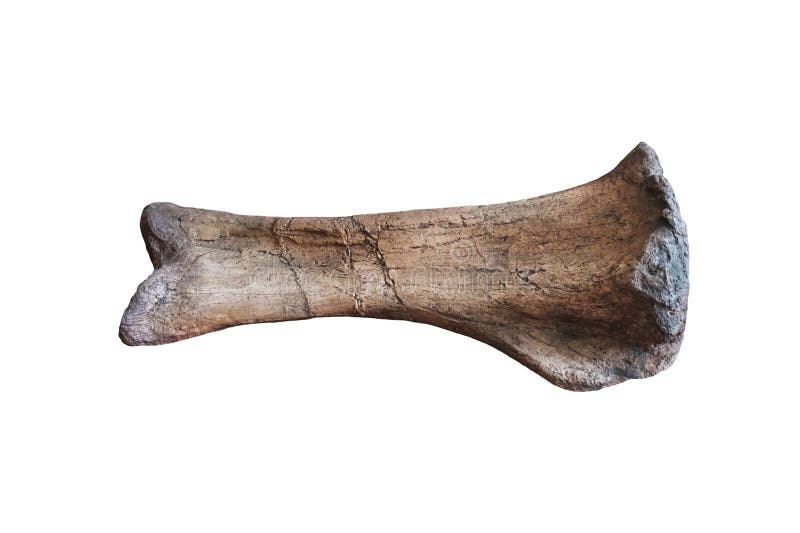
Free with trial Although dinosaur skeletons differed depending on the type of dinosaur, they all were vertebrates with a spine, and their tails were made up of many small bones called vertebrae. Not only did tails give dinosaurs balance, they were a built in weapon. Differed stock images, royalty-free photos and pictures Bone sample of dinosaur left hind leg bone of sauropod isolated on white background. Although dinosaur skeletons differed depending on the type of dinosaur. Although dinosaur skeletons differed depending on the type of dinosaur, they all were vertebrates with a spine, and their tails were made up of many small bones called vertebrae. Not only did tails give dinosaurs balance, they were a built in weapon.
Free with trial Butterfly on Violet Blossom of Wild Flower in the field. Differed stock images, royalty-free photos and pictures Butterfly on Violet Blossom of Wild Flower in the field.
Free with trial Close up of the border collie puppy nose. Close up of a dog's snout. Dog lying on a concrete floor. Differed stock images, royalty-free photos and pictures Close up of the border collie puppy nose. Close up of a dog\'s snout. Dog lying on a floor. Close up of the border collie puppy nose. Close up of a dog's snout. Close up of the border collie puppy nose. Close up of a dog's snout. Dog lying on a concrete floor
Free with trial Morning breakfast on the table. Differed stock images, royalty-free photos and pictures Morning breakfast on table. Morning breakfast on the table. Morning breakfast on the table
Free with trial Although dinosaur skeletons differed depending on the type of dinosaur, they all were vertebrates with a spine, and their tails were made up of many small bones called vertebrae. Not only did tails give dinosaurs balance, they were a built in weapon. Differed stock images, royalty-free photos and pictures Bone sample of dinosaur tibia of Phuwiangosaurus sirindhornae isolated on white background. Although dinosaur skeletons differed depending on the type of. Although dinosaur skeletons differed depending on the type of dinosaur, they all were vertebrates with a spine, and their tails were made up of many small bones called vertebrae. Not only did tails give dinosaurs balance, they were a built in weapon.
Free with trial Morning breakfast on the table. Differed stock images, royalty-free photos and pictures Morning breakfast on table. Morning breakfast on the table. Morning breakfast on the table
Free with trial Although dinosaur skeletons differed depending on the type of dinosaur, they all were vertebrates with a spine, and their tails were made up of many small bones called vertebrae. Not only did tails give dinosaurs balance, they were a built in weapon. Differed stock images, royalty-free photos and pictures Bone sample of dinosaur humerus of Phuwiangosaurus sirindhornae isolated on white background. Although dinosaur skeletons differed depending on the type of. Although dinosaur skeletons differed depending on the type of dinosaur, they all were vertebrates with a spine, and their tails were made up of many small bones called vertebrae. Not only did tails give dinosaurs balance, they were a built in weapon.
Free with trial Financial concept meaning Are You Diversified? with phrase on the page. Differed stock images, royalty-free photos and pictures Financial concept meaning Are You Diversified? with phrase on the page.
Free with trial Pale clouded yellow (Colias hyale) Berger's clouded yellow (Colias alfacariensis). These species can only be differed from the caterpillars. Differed stock images, royalty-free photos and pictures Pale clouded yellow (Colias hyale) or Berger\'s clouded yellow (Colias alfacariensis). Pale clouded yellow (Colias hyale) Berger's clouded yellow (Colias. Pale clouded yellow (Colias hyale) Berger's clouded yellow (Colias alfacariensis).These species can only be differed from the caterpillars
Free with trial Close up of the border collie puppy nose. Lying on the floor. Differed stock images, royalty-free photos and pictures Close up of the border collie puppy nose. Lying on the floor
Free with trial Although dinosaur skeletons differed depending on the type of dinosaur, they all were vertebrates with a spine, and their tails were made up of many small bones called vertebrae. Not only did tails give dinosaurs balance, they were a built in weapon. Differed stock images, royalty-free photos and pictures Bone sample of dinosaur femur of Phuwiangosaurus sirindhornae isolated on white background. Although dinosaur skeletons differed depending on the type of. Although dinosaur skeletons differed depending on the type of dinosaur, they all were vertebrates with a spine, and their tails were made up of many small bones called vertebrae. Not only did tails give dinosaurs balance, they were a built in weapon.
Free with trial Although dinosaur skeletons differed depending on the type of dinosaur, they all were vertebrates with a spine, and their tails were made up of many small bones called vertebrae. Not only did tails give dinosaurs balance, they were a built in weapon. Differed stock images, royalty-free photos and pictures Bone sample of dinosaur femur of Phuwiangosaurus sirindhornae isolated on white background. Although dinosaur skeletons differed depending on the type of. Although dinosaur skeletons differed depending on the type of dinosaur, they all were vertebrates with a spine, and their tails were made up of many small bones called vertebrae. Not only did tails give dinosaurs balance, they were a built in weapon.
Free with trial Financial concept about Are You Diversified? with phrase on the page. Differed stock images, royalty-free photos and pictures Financial concept about Are You Diversified? with phrase on the page.
Free with trial Morning breakfast on the table. Differed stock images, royalty-free photos and pictures Morning breakfast on table. Morning breakfast on the table. Morning breakfast on the table
Free with trial Morning breakfast on the table. Differed stock images, royalty-free photos and pictures Morning breakfast on table. Morning breakfast on the table. Morning breakfast on the table
Free with trial Morning breakfast on the table. Differed stock images, royalty-free photos and pictures Morning breakfast on table. Morning breakfast on the table. Morning breakfast on the table
 Sign in