Free with trial Town hall (Rathaus) of the Switzerland capital, Bern dates back to the 15th century (1416). Build in Gothic style it reflects the features used in bernese architecture. Double dates stock images, royalty-free photos and pictures Rathaus, Bern, Switzerland. Town hall (Rathaus) of the Switzerland capital, Bern dates back to the 15th century (1416). Build in Gothic style it reflects the. Town hall (Rathaus) of the Switzerland capital, Bern dates back to the 15th century (1416). Build in Gothic style it reflects the features used in bernese architecture.
Free with trial Christmas decorations in Leadenhall Market (the existing building was designed towards the end of the nineteenth century by Sir Horace Jones, while the market itself dates back to the fourteenth century), City of London, London, UK on 30 November 2011. Double dates stock images, royalty-free photos and pictures Christmas Decorations in London. Christmas decorations in Leadenhall Market (the existing building was designed towards the end of the nineteenth century by Sir. Christmas decorations in Leadenhall Market (the existing building was designed towards the end of the nineteenth century by Sir Horace Jones, while the market itself dates back to the fourteenth century), City of London, London, UK on 30 November 2011
Free with trial Inner view of a large dome at Jami Masjid Mosque, UNESCO protected Champaner - Pavagadh Archaeological Park, Gujarat, India. Dates to 1513, construction over 125 years, the building is double storied, with both Islamic and Hindu styles of decoration. Double dates stock images, royalty-free photos and pictures Inner view of a large dome at Jami Masjid Mosque, UNESCO protected Champaner - Pavagadh Archaeological Park, Gujarat, India. Dates to 1513, construction over
Free with trial Nihonbashi (Nihombashi) is a business district of Chūō, Tokyo, Japan which grew up around the bridge of the same name which has linked two sides of the Nihonbashi River at this site since the 17th century. The first wooden bridge was completed in 1603, and the current bridge made of stone dates from 1911. The district covers a large area to the north and east of the bridge, reaching Akihabara to the north and the Sumida River to the east. Ōtemachi is to the west and Yaesu and Ginza to the south. Double dates stock images, royalty-free photos and pictures Japan : Nihonbashi. Nihonbashi (Nihombashi) is a business district of Chūō, Tokyo, Japan which grew up around the bridge of the same name which has linked two. Nihonbashi (Nihombashi) is a business district of Chūō, Tokyo, Japan which grew up around the bridge of the same name which has linked two sides of the Nihonbashi River at this site since the 17th century. The first wooden bridge was completed in 1603, and the current bridge made of stone dates from 1911.The district covers a large area to the north and east of the bridge, reaching Akihabara to the north and the Sumida River to the east. Ōtemachi is to the west and Yaesu and Ginza to the south.
Free with trial The Double Gates of Saint Francis, also known as the Double Gates of the Cross, are the main entrance to the historical village of Almeida. Although the Exterior Gate dates from the 19th century, the Interior Gate or Magisterial Gate was built in the 17th century, together with the remaining military architectural complex of the Praça-Forte de Almeida. The clock tower is located in the archaeological area of the castle and Parish Church of Our Lady of Candeias, which was destroyed in 1810, though the foundations of its tower may have been used. It is square in shape and has four bell openings. Its design fluctuates between the sobriety of neoclassicism and exotic baroque and stands out in the town’s skyline. It bears date of 1830. Double dates stock images, royalty-free photos and pictures Double Gates of Saint Francis, Almeida, Portugal. The Double Gates of Saint Francis, also known as the Double Gates of the Cross, are the main entrance to the. The Double Gates of Saint Francis, also known as the Double Gates of the Cross, are the main entrance to the historical village of Almeida. Although the Exterior Gate dates from the 19th century, the Interior Gate or Magisterial Gate was built in the 17th century, together with the remaining military architectural complex of the Praça-Forte de Almeida. The clock tower is located in the archaeological area of the castle and Parish Church of Our Lady of Candeias, which was destroyed in 1810, though the foundations of its tower may have been used. It is square in shape and has four bell openings. Its design fluctuates between the sobriety of neoclassicism and exotic baroque and stands out in the town’s skyline. It bears date of 1830.
Free with trial Generic traditional Chinese tea set with generic red envelope bearing the word double happiness, in red background. Double dates stock images, royalty-free photos and pictures Chinese tea set with envelope bearing the word double happiness. Generic traditional Chinese tea set with generic red envelope bearing the word double happiness. Generic traditional Chinese tea set with generic red envelope bearing the word double happiness, in red background
Free with trial Generic traditional Chinese tea set with generic red envelope bearing the word double happiness, in white background. Double dates stock images, royalty-free photos and pictures Chinese tea set with envelope bearing the word double happiness. Generic traditional Chinese tea set with generic red envelope bearing the word double happiness. Generic traditional Chinese tea set with generic red envelope bearing the word double happiness, in white background
Free with trial The ruins of a Padhanaghara, a double-platform stone structure, at the ancient Buddhist monastery site at Ritigala Strict Nature Reserve in Sri Lanka. The site dates to the 1st Century BC. Double dates stock images, royalty-free photos and pictures The ruins of a Padhanaghara at Ritigala in Sri Lanka. The ruins of a Padhanaghara, a double-platform stone structure, at the ancient Buddhist monastery site at. The ruins of a Padhanaghara, a double-platform stone structure, at the ancient Buddhist monastery site at Ritigala Strict Nature Reserve in Sri Lanka. The site dates to the 1st Century BC.
Free with trial Chinese nourishing red dates soup dining. Double dates stock images, royalty-free photos and pictures Chinese nourishing red dates soup. Dining
Free with trial Padua. Island Memmia in Prato della Valle (Pra de La Vale / pra goddess vae /, in Padua) is the largest square in the city of Padua and among the largest in Italy and Europe with an area of 88 620 m² [2]. The current configuration dates from the late eighteenth century and is characterized by elliptical central island, called Memmia island (20,000 square meters), surrounded by a channel (channel fed by Alicorno) on whose shores lies a double ring of statues, with an outside circumference of 1,450 meters. Photo, made in the evening, the top of the Christmas tree located in the center of the square. Double dates stock images, royalty-free photos and pictures Padua. Island Memmia in Prato della Valle (Pra de La Vale / pra goddess vae /, in ) is the largest square in the city of and among the largest in Italy and. Padua. Island Memmia in Prato della Valle (Pra de La Vale / pra goddess vae /, in Padua) is the largest square in the city of Padua and among the largest in Italy and Europe with an area of 88 620 m² [2] . The current configuration dates from the late eighteenth century and is characterized by elliptical central island, called Memmia island (20,000 square meters), surrounded by a channel (channel fed by Alicorno) on whose shores lies a double ring of statues, with an outside circumference of 1,450 meters. Photo, made in the evening, the top of the Christmas tree located in the center of the square.
Free with trial Interior of the Arab Baths of Palma de Mallorca, Spain, which dates from the XI century, located in the gardens of Can Fontirroig. The central room, with 12 columns, was intended for hot baths. Double dates stock images, royalty-free photos and pictures Interior of the Arab Baths of Palma de Mallorca, Spain, which dates from the XI century. Located in the gardens of Can Fontirroig. The central room, with 12. Interior of the Arab Baths of Palma de Mallorca, Spain, which dates from the XI century, located in the gardens of Can Fontirroig. The central room, with 12 columns, was intended for hot baths
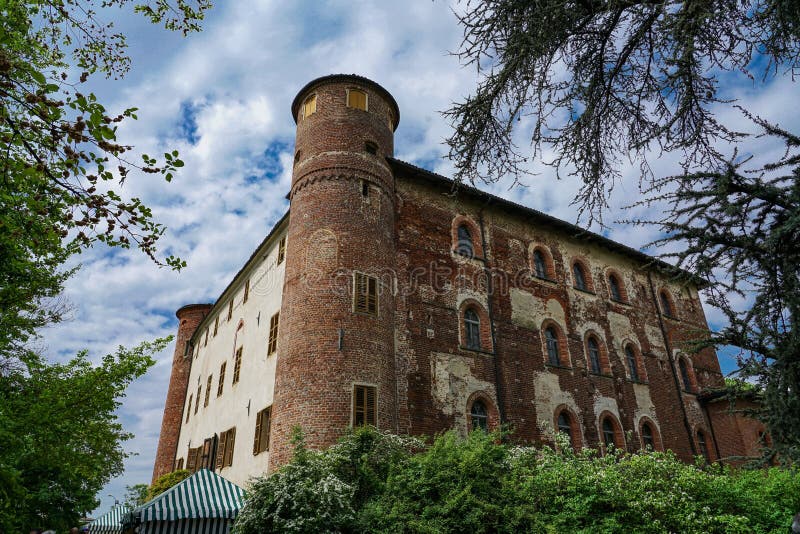
Free with trial Pralormo Piedmont Italy The Beraudo Castle of Pralormo, whose first construction dates back to the 13th century as part of the fortification system of this disputed area of Piedmont between Asti and the Biandrates. It was owned by the Gorzano, the Pelletta and after the definitive victory of Asti, Manfredo Roero and his descendants. In 1680 Giacomo Beraudo acquired the third of the castle facing south and was invested with the title of count by the regent Maria Giovanna Battista of Savoy Nemours. In about 1730 the chapel was built by the architect Galletti, then raised with a beautiful frescoed hall. But it is to be attributed to the count Carlo Beraudo the restructuring of the entire building, entrusted in 1840 to the court architect Ernesto Melano. In this modernization work the moat and the drawbridge were abolished, the entrance portico was built, a grand staircase was built and the central courtyard was covered, transformed into a double-height hall. In that same period the small rose garden, on the south side already mentioned in the XVI century. it was transformed into an English park by the architect Xavier Kurten. At the end of the century the minister`s nephew had the Orangerie, the magnificent farmhouse and the glass and iron greenhouse built by the Lefevre brothers in Paris built. Still inhabited by the Beraudo family, the castle can be visited with a guided tour. Double dates stock images, royalty-free photos and pictures A view of the majestic Pralormo castle. Pralormo Piedmont Italy The Beraudo Castle of Pralormo, whose first construction dates back to the 13th century as part. Pralormo Piedmont Italy The Beraudo Castle of Pralormo, whose first construction dates back to the 13th century as part of the fortification system of this disputed area of Piedmont between Asti and the Biandrates. It was owned by the Gorzano, the Pelletta and after the definitive victory of Asti, Manfredo Roero and his descendants. In 1680 Giacomo Beraudo acquired the third of the castle facing south and was invested with the title of count by the regent Maria Giovanna Battista of Savoy Nemours. In about 1730 the chapel was built by the architect Galletti, then raised with a beautiful frescoed hall. But it is to be attributed to the count Carlo Beraudo the restructuring of the entire building, entrusted in 1840 to the court architect Ernesto Melano. In this modernization work the moat and the drawbridge were abolished, the entrance portico was built, a grand staircase was built and the central courtyard was covered, transformed into a double-height hall. In that same period the small rose garden, on the south side already mentioned in the XVI century. it was transformed into an English park by the architect Xavier Kurten. At the end of the century the minister`s nephew had the Orangerie, the magnificent farmhouse and the glass and iron greenhouse built by the Lefevre brothers in Paris built. Still inhabited by the Beraudo family, the castle can be visited with a guided tour.
Free with trial Inner carved wall of Jami Masjid Mosque, UNESCO protected Champaner - Pavagadh Archaeological Park, Gujarat, India. Dates to 1513, construction over 125 years, the building is double storied, with both Islamic and Hindu styles of decoration. Double dates stock images, royalty-free photos and pictures Inner carved wall of Jami Masjid Mosque, UNESCO protected Champaner - Pavagadh Archaeological Park, Gujarat, India. Dates to 151. 3, construction over 125 years. Inner carved wall of Jami Masjid Mosque, UNESCO protected Champaner - Pavagadh Archaeological Park, Gujarat, India. Dates to 1513, construction over 125 years, the building is double storied, with both Islamic and Hindu styles of decoration.
Free with trial Double flavor hot pot. On the table. Chinese traditional cuisine. Double dates stock images, royalty-free photos and pictures Double flavor hot pot. On the table. Chinese traditional cuisine
Free with trial The amazing, double-roofed church of St Catherine`s, almost entirely built out of wood, dates back to the 15C after the Hundred Years War, Honfleur, France. Double dates stock images, royalty-free photos and pictures The amazing, double-roofed church of St Catherine`s, almost entirely built out of wood. Honfleur. France. The amazing, double-roofed church of St Catherine`s. The amazing, double-roofed church of St Catherine`s, almost entirely built out of wood, dates back to the 15C after the Hundred Years War, Honfleur, France.
Free with trial Outer view of Jami Masjid Mosque, dates to 1513, UNESCO protected Champaner - Pavagadh Archaeological Park, Gujarat, India. Dates to 1513, construction over 125 years, the building is double storied, with both Islamic and Hindu styles of decoration. Double dates stock images, royalty-free photos and pictures Outer view of Jami Masjid Mosque, UNESCO protected Champaner - Pavagadh Archaeological Park, Gujarat, India. Dates to 1513 AD. Outer view of Jami Masjid Mosque. Outer view of Jami Masjid Mosque, dates to 1513, UNESCO protected Champaner - Pavagadh Archaeological Park, Gujarat, India. Dates to 1513, construction over 125 years, the building is double storied, with both Islamic and Hindu styles of decoration.
Free with trial The amazing, double-roofed church of St Catherine`s, almost entirely built out of wood, dates back to the 15C after the Hundred Years War, Honfleur, France. Double dates stock images, royalty-free photos and pictures The amazing, double-roofed church of St Catherine`s, almost entirely built out of wood. Honfleur. France. The amazing, double-roofed church of St Catherine`s. The amazing, double-roofed church of St Catherine`s, almost entirely built out of wood, dates back to the 15C after the Hundred Years War, Honfleur, France.
Free with trial Outer view of Jami Masjid Mosque, UNESCO protected Champaner - Pavagadh Archaeological Park, Gujarat, India. Dates to 1513, construction over 125 years, the building is double storied, with both Islamic and Hindu styles of decoration. Double dates stock images, royalty-free photos and pictures Outer view of Jami Masjid Mosque, UNESCO protected Champaner - Pavagadh Archaeological Park, Gujarat, India. Dates to 1513 AD. Outer view of Jami Masjid Mosque. Outer view of Jami Masjid Mosque, UNESCO protected Champaner - Pavagadh Archaeological Park, Gujarat, India. Dates to 1513, construction over 125 years, the building is double storied, with both Islamic and Hindu styles of decoration.
Free with trial Outer view of Jami Masjid Mosque, UNESCO protected Champaner - Pavagadh Archaeological Park, Gujarat, India. Dates to 1513, construction over 125 years, the building is double storied, with both Islamic and Hindu styles of decoration. Double dates stock images, royalty-free photos and pictures Outer view of Jami Masjid Mosque, UNESCO protected Champaner - Pavagadh Archaeological Park, Gujarat, India. Dates to 1513 AD. Outer view of Jami Masjid Mosque. Outer view of Jami Masjid Mosque, UNESCO protected Champaner - Pavagadh Archaeological Park, Gujarat, India. Dates to 1513, construction over 125 years, the building is double storied, with both Islamic and Hindu styles of decoration.
Free with trial Outer view of Jami Masjid Mosque, UNESCO protected Champaner - Pavagadh Archaeological Park, Gujarat, India. Dates to 1513, construction over 125 years, the building is double storied, with both Islamic and Hindu styles of decoration. Double dates stock images, royalty-free photos and pictures Outer view of Jami Masjid Mosque, UNESCO protected Champaner - Pavagadh Archaeological Park, Gujarat, India. Dates to 1513 AD. Outer view of Jami Masjid Mosque. Outer view of Jami Masjid Mosque, UNESCO protected Champaner - Pavagadh Archaeological Park, Gujarat, India. Dates to 1513, construction over 125 years, the building is double storied, with both Islamic and Hindu styles of decoration.
Free with trial Peranakan beaded slippers, also known as kasut manek, literally meaning beaded shoes, is a type of shoe that dates back to the early twentieth century. It refers to beaded slippers worn by a nyonya to complete her Sarong Kebaya outfit, together with chained brooches and a silver belt. Double dates stock images, royalty-free photos and pictures Peranakan beaded slippers. Also known as kasut manek, literally meaning beaded shoes, is a type of shoe that dates back to the early twentieth century. It. Peranakan beaded slippers, also known as kasut manek, literally meaning beaded shoes, is a type of shoe that dates back to the early twentieth century. It refers to beaded slippers worn by a nyonya to complete her Sarong Kebaya outfit, together with chained brooches and a silver belt.
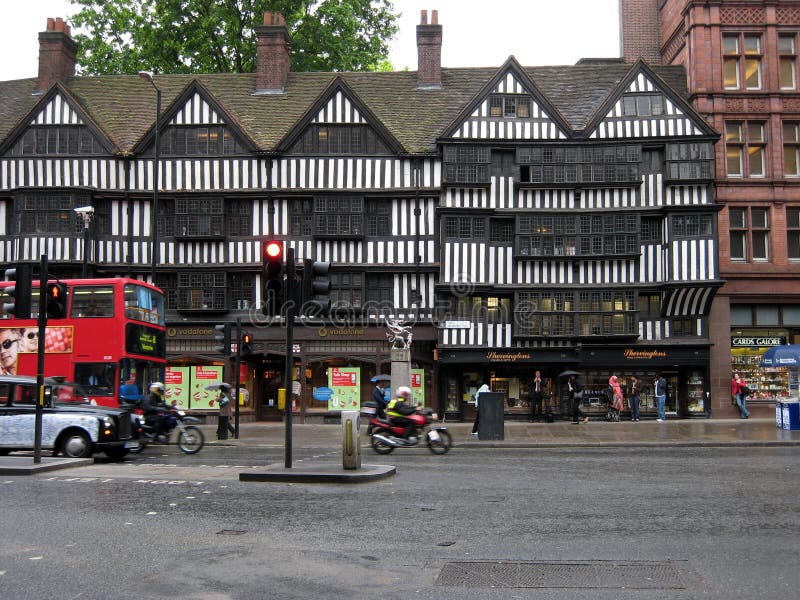
Free with trial Staple Inn, the only Elizabethan half-timbered building surviving in today's London. It dates from 1585, and was originally a wool market. Double dates stock images, royalty-free photos and pictures Tudor half-timbered building in London. Staple Inn, the only Elizabethan half-timbered building surviving in today's London. It dates from 1585, and was. Staple Inn, the only Elizabethan half-timbered building surviving in today's London. It dates from 1585, and was originally a wool market.
Free with trial Casserole of Chinese old yellow cucumber soup in white. Double dates stock images, royalty-free photos and pictures Casserole of Chinese old yellow cucumber soup in white.
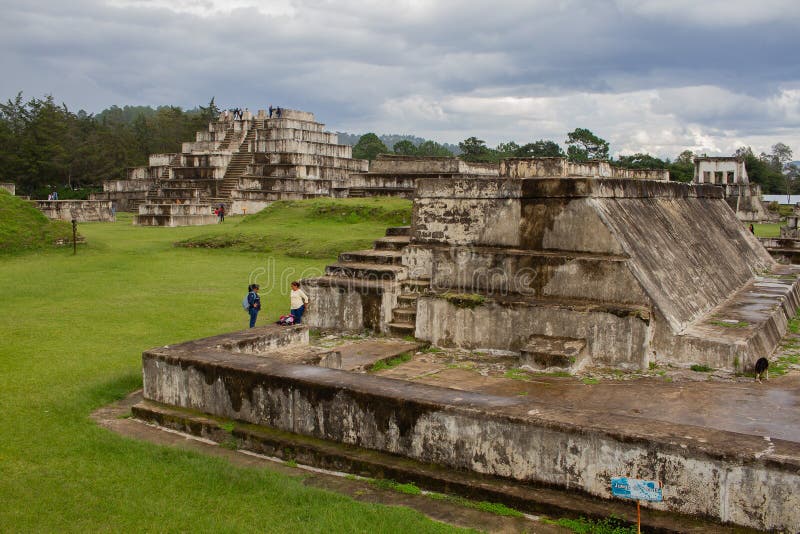
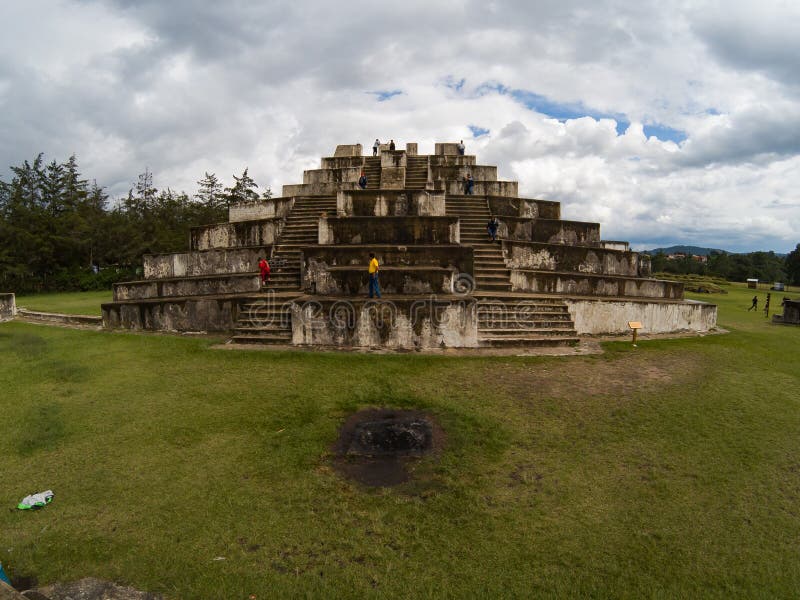
Free with trial Zaculeu is a pre-Columbian Maya archaeological site in the highlands of western Guatemala, about 3. 7 kilometres 2. 3 mi outside of the modern city of Huehuetenango. Occupation at the site dates to the Early Classic period AD 250–600 of Mesoamerican history. Zaculeu was the capital of the Postclassic Mam kingdom, and was conquered by the K`iche` Kingdom of Q`umarkaj. It displays a mixture of Mam and K`iche` style architecture. In AD 1525 the city was attacked by Spanish conquistadors under Gonzalo de Alvarado y Contreras during a siege that lasted several months. Kayb`il B`alam, the city`s last ruler, finally surrendered to the Spanish due to starvation. The site contains a number of temple-pyramids with talud-tablero style architecture and double stairways. The pyramids and governmental palaces are grouped around a series of large public plazas. The site also holds a ballcourt for playing the Mesoamerican ballgame. The site was originally fortified with walls. The site was restored by the United Fruit Company in the late 1940s. It is open to tourists and includes a small museum. The name Zaculeu means `white earth` in the Mam, K`iche` and Q`anjob`al languages, from saq adj meaning `white` and ulew n meaning `earth`. Zaculeu is the main tourist attraction in the Huehuetenango area. Zaculeu is located at an altitude of 1,900 meters 6,200 ft above mean sea level, and is bordered by the Sierra de los Cuchumatanes mountain range. Double dates stock images, royalty-free photos and pictures Archaeological Site: Zaculeu, the Last Mayan Stronghold to fight the Spanish Conquistadors. Zaculeu is a pre-Columbian Maya archaeological site in the highlands. Zaculeu is a pre-Columbian Maya archaeological site in the highlands of western Guatemala, about 3.7 kilometres 2.3 mi outside of the modern city of Huehuetenango. Occupation at the site dates to the Early Classic period AD 250–600 of Mesoamerican history. Zaculeu was the capital of the Postclassic Mam kingdom, and was conquered by the K`iche` Kingdom of Q`umarkaj. It displays a mixture of Mam and K`iche` style architecture. In AD 1525 the city was attacked by Spanish conquistadors under Gonzalo de Alvarado y Contreras during a siege that lasted several months. Kayb`il B`alam, the city`s last ruler, finally surrendered to the Spanish due to starvation. The site contains a number of temple-pyramids with talud-tablero style architecture and double stairways. The pyramids and governmental palaces are grouped around a series of large public plazas. The site also holds a ballcourt for playing the Mesoamerican ballgame. The site was originally fortified with walls. The site was restored by the United Fruit Company in the late 1940s. It is open to tourists and includes a small museum. The name Zaculeu means `white earth` in the Mam, K`iche` and Q`anjob`al languages, from saq adj meaning `white` and ulew n meaning `earth`. Zaculeu is the main tourist attraction in the Huehuetenango area. Zaculeu is located at an altitude of 1,900 meters 6,200 ft above mean sea level, and is bordered by the Sierra de los Cuchumatanes mountain range.
Free with trial Zaculeu is a pre-Columbian Maya archaeological site in the highlands of western Guatemala, about 3. 7 kilometres 2. 3 mi outside of the modern city of Huehuetenango. Occupation at the site dates to the Early Classic period AD 250–600 of Mesoamerican history. Zaculeu was the capital of the Postclassic Mam kingdom, and was conquered by the K`iche` Kingdom of Q`umarkaj. It displays a mixture of Mam and K`iche` style architecture. In AD 1525 the city was attacked by Spanish conquistadors under Gonzalo de Alvarado y Contreras during a siege that lasted several months. Kayb`il B`alam, the city`s last ruler, finally surrendered to the Spanish due to starvation. The site contains a number of temple-pyramids with talud-tablero style architecture and double stairways. The pyramids and governmental palaces are grouped around a series of large public plazas. The site also holds a ballcourt for playing the Mesoamerican ballgame. The site was originally fortified with walls. The site was restored by the United Fruit Company in the late 1940s. It is open to tourists and includes a small museum. The name Zaculeu means `white earth` in the Mam, K`iche` and Q`anjob`al languages, from saq adj meaning `white` and ulew n meaning `earth`. Zaculeu is the main tourist attraction in the Huehuetenango area. Zaculeu is located at an altitude of 1,900 meters 6,200 ft above mean sea level, and is bordered by the Sierra de los Cuchumatanes mountain range. Double dates stock images, royalty-free photos and pictures Archaeological Site: Zaculeu, the Last Mayan Stronghold to fight the Spanish Conquistadors. Zaculeu is a pre-Columbian Maya archaeological site in the highlands. Zaculeu is a pre-Columbian Maya archaeological site in the highlands of western Guatemala, about 3.7 kilometres 2.3 mi outside of the modern city of Huehuetenango. Occupation at the site dates to the Early Classic period AD 250–600 of Mesoamerican history. Zaculeu was the capital of the Postclassic Mam kingdom, and was conquered by the K`iche` Kingdom of Q`umarkaj. It displays a mixture of Mam and K`iche` style architecture. In AD 1525 the city was attacked by Spanish conquistadors under Gonzalo de Alvarado y Contreras during a siege that lasted several months. Kayb`il B`alam, the city`s last ruler, finally surrendered to the Spanish due to starvation. The site contains a number of temple-pyramids with talud-tablero style architecture and double stairways. The pyramids and governmental palaces are grouped around a series of large public plazas. The site also holds a ballcourt for playing the Mesoamerican ballgame. The site was originally fortified with walls. The site was restored by the United Fruit Company in the late 1940s. It is open to tourists and includes a small museum. The name Zaculeu means `white earth` in the Mam, K`iche` and Q`anjob`al languages, from saq adj meaning `white` and ulew n meaning `earth`. Zaculeu is the main tourist attraction in the Huehuetenango area. Zaculeu is located at an altitude of 1,900 meters 6,200 ft above mean sea level, and is bordered by the Sierra de los Cuchumatanes mountain range.
Free with trial Zaculeu is a pre-Columbian Maya archaeological site in the highlands of western Guatemala, about 3. 7 kilometres 2. 3 mi outside of the modern city of Huehuetenango. Occupation at the site dates to the Early Classic period AD 250–600 of Mesoamerican history. Zaculeu was the capital of the Postclassic Mam kingdom, and was conquered by the K`iche` Kingdom of Q`umarkaj. It displays a mixture of Mam and K`iche` style architecture. In AD 1525 the city was attacked by Spanish conquistadors under Gonzalo de Alvarado y Contreras during a siege that lasted several months. Kayb`il B`alam, the city`s last ruler, finally surrendered to the Spanish due to starvation. The site contains a number of temple-pyramids with talud-tablero style architecture and double stairways. The pyramids and governmental palaces are grouped around a series of large public plazas. The site also holds a ballcourt for playing the Mesoamerican ballgame. The site was originally fortified with walls. The site was restored by the United Fruit Company in the late 1940s. It is open to tourists and includes a small museum. The name Zaculeu means `white earth` in the Mam, K`iche` and Q`anjob`al languages, from saq adj meaning `white` and ulew n meaning `earth`. Zaculeu is the main tourist attraction in the Huehuetenango area. Zaculeu is located at an altitude of 1,900 meters 6,200 ft above mean sea level, and is bordered by the Sierra de los Cuchumatanes mountain range. Double dates stock images, royalty-free photos and pictures Archaeological Site: Zaculeu, the Last Mayan Stronghold to fight the Spanish Conquistadors. Zaculeu is a pre-Columbian Maya archaeological site in the highlands. Zaculeu is a pre-Columbian Maya archaeological site in the highlands of western Guatemala, about 3.7 kilometres 2.3 mi outside of the modern city of Huehuetenango. Occupation at the site dates to the Early Classic period AD 250–600 of Mesoamerican history. Zaculeu was the capital of the Postclassic Mam kingdom, and was conquered by the K`iche` Kingdom of Q`umarkaj. It displays a mixture of Mam and K`iche` style architecture. In AD 1525 the city was attacked by Spanish conquistadors under Gonzalo de Alvarado y Contreras during a siege that lasted several months. Kayb`il B`alam, the city`s last ruler, finally surrendered to the Spanish due to starvation. The site contains a number of temple-pyramids with talud-tablero style architecture and double stairways. The pyramids and governmental palaces are grouped around a series of large public plazas. The site also holds a ballcourt for playing the Mesoamerican ballgame. The site was originally fortified with walls. The site was restored by the United Fruit Company in the late 1940s. It is open to tourists and includes a small museum. The name Zaculeu means `white earth` in the Mam, K`iche` and Q`anjob`al languages, from saq adj meaning `white` and ulew n meaning `earth`. Zaculeu is the main tourist attraction in the Huehuetenango area. Zaculeu is located at an altitude of 1,900 meters 6,200 ft above mean sea level, and is bordered by the Sierra de los Cuchumatanes mountain range.
Free with trial Zaculeu is a pre-Columbian Maya archaeological site in the highlands of western Guatemala, about 3. 7 kilometres 2. 3 mi outside of the modern city of Huehuetenango. Occupation at the site dates to the Early Classic period AD 250–600 of Mesoamerican history. Zaculeu was the capital of the Postclassic Mam kingdom, and was conquered by the K`iche` Kingdom of Q`umarkaj. It displays a mixture of Mam and K`iche` style architecture. In AD 1525 the city was attacked by Spanish conquistadors under Gonzalo de Alvarado y Contreras during a siege that lasted several months. Kayb`il B`alam, the city`s last ruler, finally surrendered to the Spanish due to starvation. The site contains a number of temple-pyramids with talud-tablero style architecture and double stairways. The pyramids and governmental palaces are grouped around a series of large public plazas. The site also holds a ballcourt for playing the Mesoamerican ballgame. The site was originally fortified with walls. The site was restored by the United Fruit Company in the late 1940s. It is open to tourists and includes a small museum. The name Zaculeu means `white earth` in the Mam, K`iche` and Q`anjob`al languages, from saq adj meaning `white` and ulew n meaning `earth`. Zaculeu is the main tourist attraction in the Huehuetenango area. Zaculeu is located at an altitude of 1,900 meters 6,200 ft above mean sea level, and is bordered by the Sierra de los Cuchumatanes mountain range. Double dates stock images, royalty-free photos and pictures Archaeological Site: Zaculeu, the Last Mayan Stronghold to fight the Spanish Conquistadors. Zaculeu is a pre-Columbian Maya archaeological site in the highlands. Zaculeu is a pre-Columbian Maya archaeological site in the highlands of western Guatemala, about 3.7 kilometres 2.3 mi outside of the modern city of Huehuetenango. Occupation at the site dates to the Early Classic period AD 250–600 of Mesoamerican history. Zaculeu was the capital of the Postclassic Mam kingdom, and was conquered by the K`iche` Kingdom of Q`umarkaj. It displays a mixture of Mam and K`iche` style architecture. In AD 1525 the city was attacked by Spanish conquistadors under Gonzalo de Alvarado y Contreras during a siege that lasted several months. Kayb`il B`alam, the city`s last ruler, finally surrendered to the Spanish due to starvation. The site contains a number of temple-pyramids with talud-tablero style architecture and double stairways. The pyramids and governmental palaces are grouped around a series of large public plazas. The site also holds a ballcourt for playing the Mesoamerican ballgame. The site was originally fortified with walls. The site was restored by the United Fruit Company in the late 1940s. It is open to tourists and includes a small museum. The name Zaculeu means `white earth` in the Mam, K`iche` and Q`anjob`al languages, from saq adj meaning `white` and ulew n meaning `earth`. Zaculeu is the main tourist attraction in the Huehuetenango area. Zaculeu is located at an altitude of 1,900 meters 6,200 ft above mean sea level, and is bordered by the Sierra de los Cuchumatanes mountain range.
Free with trial Zaculeu is a pre-Columbian Maya archaeological site in the highlands of western Guatemala, about 3. 7 kilometres 2. 3 mi outside of the modern city of Huehuetenango. Occupation at the site dates to the Early Classic period AD 250–600 of Mesoamerican history. Zaculeu was the capital of the Postclassic Mam kingdom, and was conquered by the K`iche` Kingdom of Q`umarkaj. It displays a mixture of Mam and K`iche` style architecture. In AD 1525 the city was attacked by Spanish conquistadors under Gonzalo de Alvarado y Contreras during a siege that lasted several months. Kayb`il B`alam, the city`s last ruler, finally surrendered to the Spanish due to starvation. The site contains a number of temple-pyramids with talud-tablero style architecture and double stairways. The pyramids and governmental palaces are grouped around a series of large public plazas. The site also holds a ballcourt for playing the Mesoamerican ballgame. The site was originally fortified with walls. The site was restored by the United Fruit Company in the late 1940s. It is open to tourists and includes a small museum. The name Zaculeu means `white earth` in the Mam, K`iche` and Q`anjob`al languages, from saq adj meaning `white` and ulew n meaning `earth`. Zaculeu is the main tourist attraction in the Huehuetenango area. Zaculeu is located at an altitude of 1,900 meters 6,200 ft above mean sea level, and is bordered by the Sierra de los Cuchumatanes mountain range. Double dates stock images, royalty-free photos and pictures Archaeological Site: Zaculeu, the Last Mayan Stronghold to fight the Spanish Conquistadors. Zaculeu is a pre-Columbian Maya archaeological site in the highlands. Zaculeu is a pre-Columbian Maya archaeological site in the highlands of western Guatemala, about 3.7 kilometres 2.3 mi outside of the modern city of Huehuetenango. Occupation at the site dates to the Early Classic period AD 250–600 of Mesoamerican history. Zaculeu was the capital of the Postclassic Mam kingdom, and was conquered by the K`iche` Kingdom of Q`umarkaj. It displays a mixture of Mam and K`iche` style architecture. In AD 1525 the city was attacked by Spanish conquistadors under Gonzalo de Alvarado y Contreras during a siege that lasted several months. Kayb`il B`alam, the city`s last ruler, finally surrendered to the Spanish due to starvation. The site contains a number of temple-pyramids with talud-tablero style architecture and double stairways. The pyramids and governmental palaces are grouped around a series of large public plazas. The site also holds a ballcourt for playing the Mesoamerican ballgame. The site was originally fortified with walls. The site was restored by the United Fruit Company in the late 1940s. It is open to tourists and includes a small museum. The name Zaculeu means `white earth` in the Mam, K`iche` and Q`anjob`al languages, from saq adj meaning `white` and ulew n meaning `earth`. Zaculeu is the main tourist attraction in the Huehuetenango area. Zaculeu is located at an altitude of 1,900 meters 6,200 ft above mean sea level, and is bordered by the Sierra de los Cuchumatanes mountain range.
Free with trial Zaculeu is a pre-Columbian Maya archaeological site in the highlands of western Guatemala, about 3. 7 kilometres 2. 3 mi outside of the modern city of Huehuetenango. Occupation at the site dates to the Early Classic period AD 250–600 of Mesoamerican history. Zaculeu was the capital of the Postclassic Mam kingdom, and was conquered by the K`iche` Kingdom of Q`umarkaj. It displays a mixture of Mam and K`iche` style architecture. In AD 1525 the city was attacked by Spanish conquistadors under Gonzalo de Alvarado y Contreras during a siege that lasted several months. Kayb`il B`alam, the city`s last ruler, finally surrendered to the Spanish due to starvation. The site contains a number of temple-pyramids with talud-tablero style architecture and double stairways. The pyramids and governmental palaces are grouped around a series of large public plazas. The site also holds a ballcourt for playing the Mesoamerican ballgame. The site was originally fortified with walls. The site was restored by the United Fruit Company in the late 1940s. It is open to tourists and includes a small museum. The name Zaculeu means `white earth` in the Mam, K`iche` and Q`anjob`al languages, from saq adj meaning `white` and ulew n meaning `earth`. Zaculeu is the main tourist attraction in the Huehuetenango area. Zaculeu is located at an altitude of 1,900 meters 6,200 ft above mean sea level, and is bordered by the Sierra de los Cuchumatanes mountain range. Double dates stock images, royalty-free photos and pictures Archaeological Site: Zaculeu, the Last Mayan Stronghold to fight the Spanish Conquistadors. Zaculeu is a pre-Columbian Maya archaeological site in the highlands. Zaculeu is a pre-Columbian Maya archaeological site in the highlands of western Guatemala, about 3.7 kilometres 2.3 mi outside of the modern city of Huehuetenango. Occupation at the site dates to the Early Classic period AD 250–600 of Mesoamerican history. Zaculeu was the capital of the Postclassic Mam kingdom, and was conquered by the K`iche` Kingdom of Q`umarkaj. It displays a mixture of Mam and K`iche` style architecture. In AD 1525 the city was attacked by Spanish conquistadors under Gonzalo de Alvarado y Contreras during a siege that lasted several months. Kayb`il B`alam, the city`s last ruler, finally surrendered to the Spanish due to starvation. The site contains a number of temple-pyramids with talud-tablero style architecture and double stairways. The pyramids and governmental palaces are grouped around a series of large public plazas. The site also holds a ballcourt for playing the Mesoamerican ballgame. The site was originally fortified with walls. The site was restored by the United Fruit Company in the late 1940s. It is open to tourists and includes a small museum. The name Zaculeu means `white earth` in the Mam, K`iche` and Q`anjob`al languages, from saq adj meaning `white` and ulew n meaning `earth`. Zaculeu is the main tourist attraction in the Huehuetenango area. Zaculeu is located at an altitude of 1,900 meters 6,200 ft above mean sea level, and is bordered by the Sierra de los Cuchumatanes mountain range.
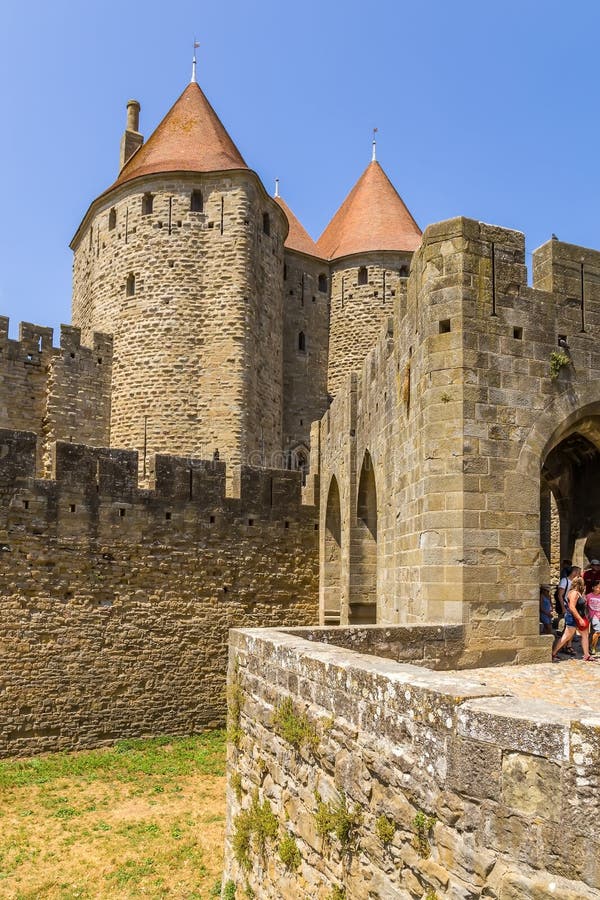
Free with trial Fortress of Carcassonne - a medieval architectural complex, located in the French town of Carcassonne in the department of Aude. The history of this fortified medieval town dates back to the Gallo-Roman period of French history. The town is surrounded by a double row of fortified walls, the length of which is about 3 km. Above the walls tower 52 towers. Since 1997, the Fortress is included in the UNESCO World Heritage List. Double dates stock images, royalty-free photos and pictures Chateau Comtal Carcassonne fortress in France. UNESCO List. Fortress of Carcassonne - a medieval architectural complex, located in the French town of Carcassonne. Fortress of Carcassonne - a medieval architectural complex, located in the French town of Carcassonne in the department of Aude. The history of this fortified medieval town dates back to the Gallo-Roman period of French history. The town is surrounded by a double row of fortified walls, the length of which is about 3 km. Above the walls tower 52 towers. Since 1997, the Fortress is included in the UNESCO World Heritage List.
Free with trial Details of carvings on the outer wall of Jami Masjid Mosque, UNESCO protected Champaner - Pavagadh Archaeological Park, Gujarat, India. Dates to 1513, construction over 125 years, the building is double storied, with both Islamic and Hindu styles of decoration. Double dates stock images, royalty-free photos and pictures Details of carvings on the outer wall of Jami Masjid Mosque, UNESCO protected Champaner - Pavagadh Archaeological Park, Gujarat,. India. Dates to 1513. Details of carvings on the outer wall of Jami Masjid Mosque, UNESCO protected Champaner - Pavagadh Archaeological Park, Gujarat, India. Dates to 1513, construction over 125 years, the building is double storied, with both Islamic and Hindu styles of decoration.
Free with trial Zaculeu is a pre-Columbian Maya archaeological site in the highlands of western Guatemala, about 3. 7 kilometres 2. 3 mi outside of the modern city of Huehuetenango. Occupation at the site dates to the Early Classic period AD 250–600 of Mesoamerican history. Zaculeu was the capital of the Postclassic Mam kingdom, and was conquered by the K`iche` Kingdom of Q`umarkaj. It displays a mixture of Mam and K`iche` style architecture. In AD 1525 the city was attacked by Spanish conquistadors under Gonzalo de Alvarado y Contreras during a siege that lasted several months. Kayb`il B`alam, the city`s last ruler, finally surrendered to the Spanish due to starvation. The site contains a number of temple-pyramids with talud-tablero style architecture and double stairways. The pyramids and governmental palaces are grouped around a series of large public plazas. The site also holds a ballcourt for playing the Mesoamerican ballgame. The site was originally fortified with walls. The site was restored by the United Fruit Company in the late 1940s. It is open to tourists and includes a small museum. The name Zaculeu means `white earth` in the Mam, K`iche` and Q`anjob`al languages, from saq adj meaning `white` and ulew n meaning `earth`. Zaculeu is the main tourist attraction in the Huehuetenango area. Zaculeu is located at an altitude of 1,900 meters 6,200 ft above mean sea level, and is bordered by the Sierra de los Cuchumatanes mountain range. Double dates stock images, royalty-free photos and pictures Archaeological Site: Zaculeu, the Last Mayan Stronghold to fight the Spanish Conquistadors. Zaculeu is a pre-Columbian Maya archaeological site in the highlands. Zaculeu is a pre-Columbian Maya archaeological site in the highlands of western Guatemala, about 3.7 kilometres 2.3 mi outside of the modern city of Huehuetenango. Occupation at the site dates to the Early Classic period AD 250–600 of Mesoamerican history. Zaculeu was the capital of the Postclassic Mam kingdom, and was conquered by the K`iche` Kingdom of Q`umarkaj. It displays a mixture of Mam and K`iche` style architecture. In AD 1525 the city was attacked by Spanish conquistadors under Gonzalo de Alvarado y Contreras during a siege that lasted several months. Kayb`il B`alam, the city`s last ruler, finally surrendered to the Spanish due to starvation. The site contains a number of temple-pyramids with talud-tablero style architecture and double stairways. The pyramids and governmental palaces are grouped around a series of large public plazas. The site also holds a ballcourt for playing the Mesoamerican ballgame. The site was originally fortified with walls. The site was restored by the United Fruit Company in the late 1940s. It is open to tourists and includes a small museum. The name Zaculeu means `white earth` in the Mam, K`iche` and Q`anjob`al languages, from saq adj meaning `white` and ulew n meaning `earth`. Zaculeu is the main tourist attraction in the Huehuetenango area. Zaculeu is located at an altitude of 1,900 meters 6,200 ft above mean sea level, and is bordered by the Sierra de los Cuchumatanes mountain range.
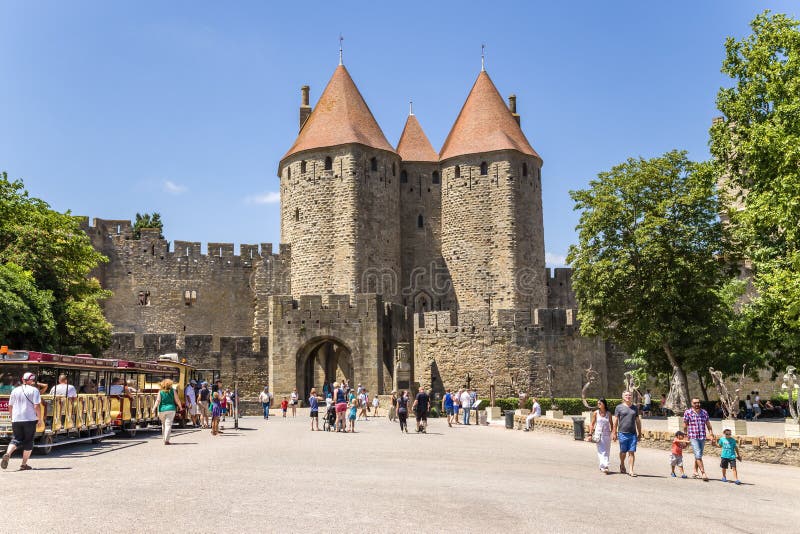
Free with trial Fortress of Carcassonne - a medieval architectural complex, located in the French town of Carcassonne in the department of Aude. The history of this fortified medieval town dates back to the Gallo-Roman period of French history. The town is surrounded by a double row of fortified walls, the length of which is about 3 km. Above the walls tower 52 towers. The city is the counts castle Comtal and the Basilica of Saint Nazaire. Since 1997, the Fortress is included in the UNESCO World Heritage List. Narbonne gate open entrance to the fortress of Carcassonne. They are named Narbonne because it turned towards the town of Narbonne. The gate was built in 1280 and consists of two twin towers that connect the central building. The area where the gate was a vulnerable point in the Middle Ages, because the gate was built very powerful. Narbonne Gate is considered one of the most beautiful medieval gates of France. Double dates stock images, royalty-free photos and pictures Carcassonne, France. Scenic Narbonne Gate, 1280. UNESCO list. Fortress of Carcassonne - a medieval architectural complex, located in the French town of. Fortress of Carcassonne - a medieval architectural complex, located in the French town of Carcassonne in the department of Aude. The history of this fortified medieval town dates back to the Gallo-Roman period of French history. The town is surrounded by a double row of fortified walls, the length of which is about 3 km. Above the walls tower 52 towers. The city is the counts castle Comtal and the Basilica of Saint Nazaire. Since 1997, the Fortress is included in the UNESCO World Heritage List. Narbonne gate open entrance to the fortress of Carcassonne. They are named Narbonne because it turned towards the town of Narbonne. The gate was built in 1280 and consists of two twin towers that connect the central building. The area where the gate was a vulnerable point in the Middle Ages, because the gate was built very powerful. Narbonne Gate is considered one of the most beautiful medieval gates of France.
Free with trial Fortress of Carcassonne - a medieval architectural complex, located in the French town of Carcassonne in the department of Aude. The history of this fortified medieval town dates back to the Gallo-Roman period of French history. The town is surrounded by a double row of fortified walls, the length of which is about 3 km. Above the walls tower 52 towers. The Fortress is included in the UNESCO World Heritage List. Double dates stock images, royalty-free photos and pictures Carcassonne, France. Landscape with ancient fortified buildings. Fortress of Carcassonne - a medieval architectural complex, located in the French town of. Fortress of Carcassonne - a medieval architectural complex, located in the French town of Carcassonne in the department of Aude. The history of this fortified medieval town dates back to the Gallo-Roman period of French history. The town is surrounded by a double row of fortified walls, the length of which is about 3 km. Above the walls tower 52 towers. The Fortress is included in the UNESCO World Heritage List.
Free with trial Zaculeu is a pre-Columbian Maya archaeological site in the highlands of western Guatemala, about 3. 7 kilometres 2. 3 mi outside of the modern city of Huehuetenango. Occupation at the site dates to the Early Classic period AD 250–600 of Mesoamerican history. Zaculeu was the capital of the Postclassic Mam kingdom, and was conquered by the K`iche` Kingdom of Q`umarkaj. It displays a mixture of Mam and K`iche` style architecture. In AD 1525 the city was attacked by Spanish conquistadors under Gonzalo de Alvarado y Contreras during a siege that lasted several months. Kayb`il B`alam, the city`s last ruler, finally surrendered to the Spanish due to starvation. The site contains a number of temple-pyramids with talud-tablero style architecture and double stairways. The pyramids and governmental palaces are grouped around a series of large public plazas. The site also holds a ballcourt for playing the Mesoamerican ballgame. The site was originally fortified with walls. The site was restored by the United Fruit Company in the late 1940s. It is open to tourists and includes a small museum. The name Zaculeu means `white earth` in the Mam, K`iche` and Q`anjob`al languages, from saq adj meaning `white` and ulew n meaning `earth`. Zaculeu is the main tourist attraction in the Huehuetenango area. Zaculeu is located at an altitude of 1,900 meters 6,200 ft above mean sea level, and is bordered by the Sierra de los Cuchumatanes mountain range. Double dates stock images, royalty-free photos and pictures Archaeological Site: Zaculeu, the Last Mayan Stronghold to fight the Spanish Conquistadors. Zaculeu is a pre-Columbian Maya archaeological site in the highlands. Zaculeu is a pre-Columbian Maya archaeological site in the highlands of western Guatemala, about 3.7 kilometres 2.3 mi outside of the modern city of Huehuetenango. Occupation at the site dates to the Early Classic period AD 250–600 of Mesoamerican history. Zaculeu was the capital of the Postclassic Mam kingdom, and was conquered by the K`iche` Kingdom of Q`umarkaj. It displays a mixture of Mam and K`iche` style architecture. In AD 1525 the city was attacked by Spanish conquistadors under Gonzalo de Alvarado y Contreras during a siege that lasted several months. Kayb`il B`alam, the city`s last ruler, finally surrendered to the Spanish due to starvation. The site contains a number of temple-pyramids with talud-tablero style architecture and double stairways. The pyramids and governmental palaces are grouped around a series of large public plazas. The site also holds a ballcourt for playing the Mesoamerican ballgame. The site was originally fortified with walls. The site was restored by the United Fruit Company in the late 1940s. It is open to tourists and includes a small museum. The name Zaculeu means `white earth` in the Mam, K`iche` and Q`anjob`al languages, from saq adj meaning `white` and ulew n meaning `earth`. Zaculeu is the main tourist attraction in the Huehuetenango area. Zaculeu is located at an altitude of 1,900 meters 6,200 ft above mean sea level, and is bordered by the Sierra de los Cuchumatanes mountain range.
Free with trial Zaculeu is a pre-Columbian Maya archaeological site in the highlands of western Guatemala, about 3. 7 kilometres 2. 3 mi outside of the modern city of Huehuetenango. Occupation at the site dates to the Early Classic period AD 250–600 of Mesoamerican history. Zaculeu was the capital of the Postclassic Mam kingdom, and was conquered by the K`iche` Kingdom of Q`umarkaj. It displays a mixture of Mam and K`iche` style architecture. In AD 1525 the city was attacked by Spanish conquistadors under Gonzalo de Alvarado y Contreras during a siege that lasted several months. Kayb`il B`alam, the city`s last ruler, finally surrendered to the Spanish due to starvation. The site contains a number of temple-pyramids with talud-tablero style architecture and double stairways. The pyramids and governmental palaces are grouped around a series of large public plazas. The site also holds a ballcourt for playing the Mesoamerican ballgame. The site was originally fortified with walls. The site was restored by the United Fruit Company in the late 1940s. It is open to tourists and includes a small museum. The name Zaculeu means `white earth` in the Mam, K`iche` and Q`anjob`al languages, from saq adj meaning `white` and ulew n meaning `earth`. Zaculeu is the main tourist attraction in the Huehuetenango area. Zaculeu is located at an altitude of 1,900 meters 6,200 ft above mean sea level, and is bordered by the Sierra de los Cuchumatanes mountain range. Double dates stock images, royalty-free photos and pictures Archaeological Site: Zaculeu, the Last Mayan Stronghold to fight the Spanish Conquistadors. Zaculeu is a pre-Columbian Maya archaeological site in the highlands. Zaculeu is a pre-Columbian Maya archaeological site in the highlands of western Guatemala, about 3.7 kilometres 2.3 mi outside of the modern city of Huehuetenango. Occupation at the site dates to the Early Classic period AD 250–600 of Mesoamerican history. Zaculeu was the capital of the Postclassic Mam kingdom, and was conquered by the K`iche` Kingdom of Q`umarkaj. It displays a mixture of Mam and K`iche` style architecture. In AD 1525 the city was attacked by Spanish conquistadors under Gonzalo de Alvarado y Contreras during a siege that lasted several months. Kayb`il B`alam, the city`s last ruler, finally surrendered to the Spanish due to starvation. The site contains a number of temple-pyramids with talud-tablero style architecture and double stairways. The pyramids and governmental palaces are grouped around a series of large public plazas. The site also holds a ballcourt for playing the Mesoamerican ballgame. The site was originally fortified with walls. The site was restored by the United Fruit Company in the late 1940s. It is open to tourists and includes a small museum. The name Zaculeu means `white earth` in the Mam, K`iche` and Q`anjob`al languages, from saq adj meaning `white` and ulew n meaning `earth`. Zaculeu is the main tourist attraction in the Huehuetenango area. Zaculeu is located at an altitude of 1,900 meters 6,200 ft above mean sea level, and is bordered by the Sierra de los Cuchumatanes mountain range.
Free with trial Fortress of Carcassonne - a medieval architectural complex, located in the French town of Carcassonne in the department of Aude. The history of this fortified medieval town dates back to the Gallo-Roman period of French history. The town is surrounded by a double row of fortified walls, the length of which is about 3 km. Above the walls tower 52 towers. The city is the count's castle Comtal and the Basilica of Saint Nazaire. Since 1997, the Cité is included in the UNESCO World Heritage List. Narbonne gate open entrance to the fortress of Carcassonne. They are named Narbonne because it turned towards the town of Narbonne. The gate was built in 1280 and consists of two twin towers that connect the central building. The area where the gate was a vulnerable point in the Middle Ages, because the gate was built very powerful. Narbonne Gate is considered one of the most beautiful medieval gates of France. Double dates stock images, royalty-free photos and pictures Carcassonne, France. View Narbonne Gate, 1280. Fortress of Carcassonne - a medieval architectural complex, located in the French town of Carcassonne in the. Fortress of Carcassonne - a medieval architectural complex, located in the French town of Carcassonne in the department of Aude. The history of this fortified medieval town dates back to the Gallo-Roman period of French history. The town is surrounded by a double row of fortified walls, the length of which is about 3 km. Above the walls tower 52 towers. The city is the count's castle Comtal and the Basilica of Saint Nazaire. Since 1997, the Cité is included in the UNESCO World Heritage List. Narbonne gate open entrance to the fortress of Carcassonne. They are named Narbonne because it turned towards the town of Narbonne. The gate was built in 1280 and consists of two twin towers that connect the central building. The area where the gate was a vulnerable point in the Middle Ages, because the gate was built very powerful. Narbonne Gate is considered one of the most beautiful medieval gates of France.
Free with trial Fortress of Carcassonne - a medieval architectural complex, located in the French town of Carcassonne in the department of Aude. The history of this fortified medieval town dates back to the Gallo-Roman period of French history. The town is surrounded by a double row of fortified walls, the length of which is about 3 km. Above the walls tower 52 towers. The city is the count's castle Comtal and the Basilica of Saint Nazaire. Since 1997, the Fortress is included in the UNESCO World Heritage List. Double dates stock images, royalty-free photos and pictures Carcassonne, France. Tourists visiting the picturesque medieval fortress. UNESCO list. Fortress of Carcassonne - a medieval architectural complex, located in the. Fortress of Carcassonne - a medieval architectural complex, located in the French town of Carcassonne in the department of Aude. The history of this fortified medieval town dates back to the Gallo-Roman period of French history. The town is surrounded by a double row of fortified walls, the length of which is about 3 km. Above the walls tower 52 towers. The city is the count's castle Comtal and the Basilica of Saint Nazaire. Since 1997, the Fortress is included in the UNESCO World Heritage List.
Free with trial Fortress of Carcassonne - a medieval architectural complex, located in the French town of Carcassonne in the department of Aude. The history of this fortified medieval town dates back to the Gallo-Roman period of French history. The town is surrounded by a double row of fortified walls, the length of which is about 3 km. Above the walls tower 52 towers. The Fortress is included in the UNESCO World Heritage List. Double dates stock images, royalty-free photos and pictures Carcassonne, France. Horse carriage with tourists on the background of a medieval fortress. UNESCO list. Fortress of Carcassonne - a medieval architectural. Fortress of Carcassonne - a medieval architectural complex, located in the French town of Carcassonne in the department of Aude. The history of this fortified medieval town dates back to the Gallo-Roman period of French history. The town is surrounded by a double row of fortified walls, the length of which is about 3 km. Above the walls tower 52 towers. The Fortress is included in the UNESCO World Heritage List.
Free with trial Zaculeu is a pre-Columbian Maya archaeological site in the highlands of western Guatemala, about 3. 7 kilometres 2. 3 mi outside of the modern city of Huehuetenango. Occupation at the site dates to the Early Classic period AD 250–600 of Mesoamerican history. Zaculeu was the capital of the Postclassic Mam kingdom, and was conquered by the K`iche` Kingdom of Q`umarkaj. It displays a mixture of Mam and K`iche` style architecture. In AD 1525 the city was attacked by Spanish conquistadors under Gonzalo de Alvarado y Contreras during a siege that lasted several months. Kayb`il B`alam, the city`s last ruler, finally surrendered to the Spanish due to starvation. The site contains a number of temple-pyramids with talud-tablero style architecture and double stairways. The pyramids and governmental palaces are grouped around a series of large public plazas. The site also holds a ballcourt for playing the Mesoamerican ballgame. The site was originally fortified with walls. The site was restored by the United Fruit Company in the late 1940s. It is open to tourists and includes a small museum. The name Zaculeu means `white earth` in the Mam, K`iche` and Q`anjob`al languages, from saq adj meaning `white` and ulew n meaning `earth`. Zaculeu is the main tourist attraction in the Huehuetenango area. Zaculeu is located at an altitude of 1,900 meters 6,200 ft above mean sea level, and is bordered by the Sierra de los Cuchumatanes mountain range. Double dates stock images, royalty-free photos and pictures Archaeological Site: Zaculeu, the Last Mayan Stronghold to fight the Spanish Conquistadors. Zaculeu is a pre-Columbian Maya archaeological site in the highlands. Zaculeu is a pre-Columbian Maya archaeological site in the highlands of western Guatemala, about 3.7 kilometres 2.3 mi outside of the modern city of Huehuetenango. Occupation at the site dates to the Early Classic period AD 250–600 of Mesoamerican history. Zaculeu was the capital of the Postclassic Mam kingdom, and was conquered by the K`iche` Kingdom of Q`umarkaj. It displays a mixture of Mam and K`iche` style architecture. In AD 1525 the city was attacked by Spanish conquistadors under Gonzalo de Alvarado y Contreras during a siege that lasted several months. Kayb`il B`alam, the city`s last ruler, finally surrendered to the Spanish due to starvation. The site contains a number of temple-pyramids with talud-tablero style architecture and double stairways. The pyramids and governmental palaces are grouped around a series of large public plazas. The site also holds a ballcourt for playing the Mesoamerican ballgame. The site was originally fortified with walls. The site was restored by the United Fruit Company in the late 1940s. It is open to tourists and includes a small museum. The name Zaculeu means `white earth` in the Mam, K`iche` and Q`anjob`al languages, from saq adj meaning `white` and ulew n meaning `earth`. Zaculeu is the main tourist attraction in the Huehuetenango area. Zaculeu is located at an altitude of 1,900 meters 6,200 ft above mean sea level, and is bordered by the Sierra de los Cuchumatanes mountain range.
Free with trial Fortress of Carcassonne - a medieval architectural complex, located in the French town of Carcassonne in the department of Aude. The history of this fortified medieval town dates back to the Gallo-Roman period of French history. The town is surrounded by a double row of fortified walls, the length of which is about 3 km. Above the walls tower 52 towers. The city is the counts castle Comtal and the Basilica of Saint Nazaire. The Fortress is included in the UNESCO World Heritage List. Double dates stock images, royalty-free photos and pictures Carcassonne, France. View of the castle Comtal. UNESCO List. Fortress of Carcassonne - a medieval architectural complex, located in the French town of. Fortress of Carcassonne - a medieval architectural complex, located in the French town of Carcassonne in the department of Aude. The history of this fortified medieval town dates back to the Gallo-Roman period of French history. The town is surrounded by a double row of fortified walls, the length of which is about 3 km. Above the walls tower 52 towers. The city is the counts castle Comtal and the Basilica of Saint Nazaire. The Fortress is included in the UNESCO World Heritage List.
Free with trial Fortress of Carcassonne - a medieval architectural complex, located in the French town of Carcassonne in the department of Aude. The history of this fortified medieval town dates back to the Gallo-Roman period of French history. The town is surrounded by a double row of fortified walls, the length of which is about 3 km. Above the walls tower 52 towers. The Fortress is included in the UNESCO World Heritage List. Double dates stock images, royalty-free photos and pictures Carcassonne, France. Tourists visiting the castle. UNESCO list. Fortress of Carcassonne - a medieval architectural complex, located in the French town of. Fortress of Carcassonne - a medieval architectural complex, located in the French town of Carcassonne in the department of Aude. The history of this fortified medieval town dates back to the Gallo-Roman period of French history. The town is surrounded by a double row of fortified walls, the length of which is about 3 km. Above the walls tower 52 towers. The Fortress is included in the UNESCO World Heritage List.
Free with trial Fortress of Carcassonne - a medieval architectural complex, located in the French town of Carcassonne in the department of Aude. The history of this fortified medieval town dates back to the Gallo-Roman period of French history. The town is surrounded by a double row of fortified walls, the length of which is about 3 km. Above the walls tower 52 towers. Since 1997, the Fortress is included in the UNESCO World Heritage List. Double dates stock images, royalty-free photos and pictures Carcassonne, France. The road between two rows of fortifications. Fortress of Carcassonne - a medieval architectural complex, located in the French town of. Fortress of Carcassonne - a medieval architectural complex, located in the French town of Carcassonne in the department of Aude. The history of this fortified medieval town dates back to the Gallo-Roman period of French history. The town is surrounded by a double row of fortified walls, the length of which is about 3 km. Above the walls tower 52 towers. Since 1997, the Fortress is included in the UNESCO World Heritage List.
Free with trial Stone carvings on outer wall of Jami Masjid Mosque, UNESCO protected Champaner - Pavagadh Archaeological Park, Gujarat, India. Dates to 1513, construction over 125 years, the building is double storied, with both Islamic and Hindu styles of decoration. Double dates stock images, royalty-free photos and pictures Stone carvings on outer wall of Jami Masjid Mosque, UNESCO protected Champaner - Pavagadh Archaeological Park, Gujarat, India. Dates to 1513, construction over
Free with trial Fortress of Carcassonne - a medieval architectural complex, located in the French town of Carcassonne in the department of Aude. The history of this fortified medieval town dates back to the Gallo-Roman period of French history. The town is surrounded by a double row of fortified walls, the length of which is about 3 km. Above the walls tower 52 towers. The Fortress is included in the UNESCO World Heritage List. Double dates stock images, royalty-free photos and pictures Carcassonne, France. Tourists visiting the medieval fortress. UNESCO List. Fortress of Carcassonne - a medieval architectural complex, located in the French town. Fortress of Carcassonne - a medieval architectural complex, located in the French town of Carcassonne in the department of Aude. The history of this fortified medieval town dates back to the Gallo-Roman period of French history. The town is surrounded by a double row of fortified walls, the length of which is about 3 km. Above the walls tower 52 towers. The Fortress is included in the UNESCO World Heritage List.
Free with trial Zaculeu is a pre-Columbian Maya archaeological site in the highlands of western Guatemala, about 3. 7 kilometres 2. 3 mi outside of the modern city of Huehuetenango. Occupation at the site dates to the Early Classic period AD 250–600 of Mesoamerican history. Zaculeu was the capital of the Postclassic Mam kingdom, and was conquered by the K`iche` Kingdom of Q`umarkaj. It displays a mixture of Mam and K`iche` style architecture. In AD 1525 the city was attacked by Spanish conquistadors under Gonzalo de Alvarado y Contreras during a siege that lasted several months. Kayb`il B`alam, the city`s last ruler, finally surrendered to the Spanish due to starvation. The site contains a number of temple-pyramids with talud-tablero style architecture and double stairways. The pyramids and governmental palaces are grouped around a series of large public plazas. The site also holds a ballcourt for playing the Mesoamerican ballgame. The site was originally fortified with walls. The site was restored by the United Fruit Company in the late 1940s. It is open to tourists and includes a small museum. The name Zaculeu means `white earth` in the Mam, K`iche` and Q`anjob`al languages, from saq adj meaning `white` and ulew n meaning `earth`. Zaculeu is the main tourist attraction in the Huehuetenango area. Zaculeu is located at an altitude of 1,900 meters 6,200 ft above mean sea level, and is bordered by the Sierra de los Cuchumatanes mountain range. Double dates stock images, royalty-free photos and pictures Archaeological Site: Zaculeu, the Last Mayan Stronghold to fight the Spanish Conquistadors. Zaculeu is a pre-Columbian Maya archaeological site in the highlands. Zaculeu is a pre-Columbian Maya archaeological site in the highlands of western Guatemala, about 3.7 kilometres 2.3 mi outside of the modern city of Huehuetenango. Occupation at the site dates to the Early Classic period AD 250–600 of Mesoamerican history. Zaculeu was the capital of the Postclassic Mam kingdom, and was conquered by the K`iche` Kingdom of Q`umarkaj. It displays a mixture of Mam and K`iche` style architecture. In AD 1525 the city was attacked by Spanish conquistadors under Gonzalo de Alvarado y Contreras during a siege that lasted several months. Kayb`il B`alam, the city`s last ruler, finally surrendered to the Spanish due to starvation. The site contains a number of temple-pyramids with talud-tablero style architecture and double stairways. The pyramids and governmental palaces are grouped around a series of large public plazas. The site also holds a ballcourt for playing the Mesoamerican ballgame. The site was originally fortified with walls. The site was restored by the United Fruit Company in the late 1940s. It is open to tourists and includes a small museum. The name Zaculeu means `white earth` in the Mam, K`iche` and Q`anjob`al languages, from saq adj meaning `white` and ulew n meaning `earth`. Zaculeu is the main tourist attraction in the Huehuetenango area. Zaculeu is located at an altitude of 1,900 meters 6,200 ft above mean sea level, and is bordered by the Sierra de los Cuchumatanes mountain range.
Free with trial Zaculeu is a pre-Columbian Maya archaeological site in the highlands of western Guatemala, about 3. 7 kilometres 2. 3 mi outside of the modern city of Huehuetenango. Occupation at the site dates to the Early Classic period AD 250–600 of Mesoamerican history. Zaculeu was the capital of the Postclassic Mam kingdom, and was conquered by the K`iche` Kingdom of Q`umarkaj. It displays a mixture of Mam and K`iche` style architecture. In AD 1525 the city was attacked by Spanish conquistadors under Gonzalo de Alvarado y Contreras during a siege that lasted several months. Kayb`il B`alam, the city`s last ruler, finally surrendered to the Spanish due to starvation. The site contains a number of temple-pyramids with talud-tablero style architecture and double stairways. The pyramids and governmental palaces are grouped around a series of large public plazas. The site also holds a ballcourt for playing the Mesoamerican ballgame. The site was originally fortified with walls. The site was restored by the United Fruit Company in the late 1940s. It is open to tourists and includes a small museum. The name Zaculeu means `white earth` in the Mam, K`iche` and Q`anjob`al languages, from saq adj meaning `white` and ulew n meaning `earth`. Zaculeu is the main tourist attraction in the Huehuetenango area. Zaculeu is located at an altitude of 1,900 meters 6,200 ft above mean sea level, and is bordered by the Sierra de los Cuchumatanes mountain range. Double dates stock images, royalty-free photos and pictures Archaeological Site: Zaculeu, the Last Mayan Stronghold to fight the Spanish Conquistadors. Zaculeu is a pre-Columbian Maya archaeological site in the highlands. Zaculeu is a pre-Columbian Maya archaeological site in the highlands of western Guatemala, about 3.7 kilometres 2.3 mi outside of the modern city of Huehuetenango. Occupation at the site dates to the Early Classic period AD 250–600 of Mesoamerican history. Zaculeu was the capital of the Postclassic Mam kingdom, and was conquered by the K`iche` Kingdom of Q`umarkaj. It displays a mixture of Mam and K`iche` style architecture. In AD 1525 the city was attacked by Spanish conquistadors under Gonzalo de Alvarado y Contreras during a siege that lasted several months. Kayb`il B`alam, the city`s last ruler, finally surrendered to the Spanish due to starvation. The site contains a number of temple-pyramids with talud-tablero style architecture and double stairways. The pyramids and governmental palaces are grouped around a series of large public plazas. The site also holds a ballcourt for playing the Mesoamerican ballgame. The site was originally fortified with walls. The site was restored by the United Fruit Company in the late 1940s. It is open to tourists and includes a small museum. The name Zaculeu means `white earth` in the Mam, K`iche` and Q`anjob`al languages, from saq adj meaning `white` and ulew n meaning `earth`. Zaculeu is the main tourist attraction in the Huehuetenango area. Zaculeu is located at an altitude of 1,900 meters 6,200 ft above mean sea level, and is bordered by the Sierra de los Cuchumatanes mountain range.
Free with trial Fortress of Carcassonne - a medieval architectural complex, located in the French town of Carcassonne in the department of Aude. The history of this fortified medieval town dates back to the Gallo-Roman period of French history. The town is surrounded by a double row of fortified walls, the length of which is about 3 km. Above the walls tower 52 towers. The Fortress is included in the UNESCO World Heritage List. Double dates stock images, royalty-free photos and pictures Carcassonne, France. The picturesque buildings of a medieval fortress. UNESCO List. Fortress of Carcassonne - a medieval architectural complex, located in the. Fortress of Carcassonne - a medieval architectural complex, located in the French town of Carcassonne in the department of Aude. The history of this fortified medieval town dates back to the Gallo-Roman period of French history. The town is surrounded by a double row of fortified walls, the length of which is about 3 km. Above the walls tower 52 towers. The Fortress is included in the UNESCO World Heritage List.
Free with trial Fortress of Carcassonne - a medieval architectural complex, located in the French town of Carcassonne in the department of Aude. The history of this fortified medieval town dates back to the Gallo-Roman period of French history. The town is surrounded by a double row of fortified walls, the length of which is about 3 km. Above the walls tower 52 towers. The city is the counts castle Comtal and the Basilica of Saint Nazaire. The Fortress is included in the UNESCO World Heritage List. Double dates stock images, royalty-free photos and pictures Carcassonne, France. Chateau Comtal, 1130. UNESCO list. Fortress of Carcassonne - a medieval architectural complex, located in the French town of Carcassonne in. Fortress of Carcassonne - a medieval architectural complex, located in the French town of Carcassonne in the department of Aude. The history of this fortified medieval town dates back to the Gallo-Roman period of French history. The town is surrounded by a double row of fortified walls, the length of which is about 3 km. Above the walls tower 52 towers. The city is the counts castle Comtal and the Basilica of Saint Nazaire. The Fortress is included in the UNESCO World Heritage List.
Free with trial Inner view of a large dome at Jami Masjid Mosque,UNESCO protected Champaner - Pavagadh Archaeological Park, Gujarat, India. Dates to 1513, construction over 125 years, the building is double storied, with both Islamic and Hindu styles of decoration. Double dates stock images, royalty-free photos and pictures Inner view of a large dome at Jami Masjid Mosque,UNESCO protected Champaner - Pavagadh Archaeological Park, Gujarat, India. Dates to 1513, construction over
Free with trial Fortress of Carcassonne - a medieval architectural complex, located in the French town of Carcassonne in the department of Aude. The history of this fortified medieval town dates back to the Gallo-Roman period of French history. The town is surrounded by a double row of fortified walls, the length of which is about 3 km. Above the walls tower 52 towers. Since 1997, the Fortress is included in the UNESCO World Heritage List. Double dates stock images, royalty-free photos and pictures Carcassonne, France. Tourist horse carriage on the background of medieval fortifications. UNESCO List. Fortress of Carcassonne - a medieval architectural complex. Fortress of Carcassonne - a medieval architectural complex, located in the French town of Carcassonne in the department of Aude. The history of this fortified medieval town dates back to the Gallo-Roman period of French history. The town is surrounded by a double row of fortified walls, the length of which is about 3 km. Above the walls tower 52 towers. Since 1997, the Fortress is included in the UNESCO World Heritage List.
Free with trial Stone carvings on outer wall of Jami Masjid Mosque, UNESCO protected Champaner - Pavagadh Archaeological Park, Gujarat, India. Dates to 1513, construction over 125 years, the building is double storied, with both Islamic and Hindu styles of decoration. Double dates stock images, royalty-free photos and pictures Stone carvings on outer wall of Jami Masjid Mosque, UNESCO protected Champaner - Pavagadh Archaeological Park, Gujarat, India. Dates to 1513, construction over
Free with trial Details of carved pillar of outer wall of Jami Masjid Mosque, UNESCO protected Champaner - Pavagadh Archaeological Park, Gujarat, India. Dates to 1513, construction over 125 years, the building is double storied, with both Islamic and Hindu styles of decoration. Double dates stock images, royalty-free photos and pictures Details of carved pillar of outer wall of Jami Masjid Mosque, UNESCO protected Champaner - Pavagadh Archaeological Park, Gujarat. India. Dates to 1513. Details of carved pillar of outer wall of Jami Masjid Mosque, UNESCO protected Champaner - Pavagadh Archaeological Park, Gujarat, India. Dates to 1513, construction over 125 years, the building is double storied, with both Islamic and Hindu styles of decoration.
Free with trial Pedraza Castle dates from the 13th century and it was rebuilt in the 15th century by García Herrera and again in the early 16th century by the Dukes of Frías. Poligonal ground plan, double enclosure, with cues and square turrets, plus an artificial moat excavated in the rock. The castle uses part of the wall and preserves the remains of one front, with Romanesque elements. Double dates stock images, royalty-free photos and pictures Aerial view of Pedraza medieval walled town in Spain with historic center. Pedraza Castle dates from the 13th century and it was rebuilt in the 15th century by. Pedraza Castle dates from the 13th century and it was rebuilt in the 15th century by García Herrera and again in the early 16th century by the Dukes of Frías.Poligonal ground plan, double enclosure, with cues and square turrets, plus an artificial moat excavated in the rock. The castle uses part of the wall and preserves the remains of one front, with Romanesque elements.
Free with trial Al Bithnah Fort is a traditional double story rock, coral and mudbrick fortification located in the Wadi Ham, near the village of Bithnah in Fujairah in the UAE. The fort dates back to the 18th Century and was restored in 2008. Double dates stock images, royalty-free photos and pictures Al Bithnah Fort in Fujairah, UAE. Al Bithnah Fort is a traditional double story rock, coral and mudbrick fortification located in the Wadi Ham, near the village. Al Bithnah Fort is a traditional double story rock, coral and mudbrick fortification located in the Wadi Ham, near the village of Bithnah in Fujairah in the UAE. The fort dates back to the 18th Century and was restored in 2008
Free with trial Al Bithnah Fort is a traditional double story rock, coral and mudbrick fortification located in the Wadi Ham, near the village of Bithnah in Fujairah in the UAE. The fort dates back to the 18th Century and was restored in 2008. Double dates stock images, royalty-free photos and pictures Al Bithnah Fort in Fujairah, UAE. Al Bithnah Fort is a traditional double story rock, coral and mudbrick fortification located in the Wadi Ham, near the village. Al Bithnah Fort is a traditional double story rock, coral and mudbrick fortification located in the Wadi Ham, near the village of Bithnah in Fujairah in the UAE. The fort dates back to the 18th Century and was restored in 2008
Free with trial A Double Bull Capital from the Achaemenid Persian Empire. The original capital was part of the palace of Darius I and Xerxes I at Persepolis, the ceremonial capital of the empire. It was a crowning element of a column in the Apadana, or audience hall, and dates to around 520-465 BCE. The double-headed bull design symbolized royal power and was a significant architectural feature of the Achaemenid period. The original sculpture was made of limestone and is currently housed at the Institute for the Study of Ancient Cultures Museum at the University of Chicago. Double dates stock images, royalty-free photos and pictures A Double Bull Capital from the Achaemenid Persian Empire. The original capital was part of the palace of Darius I and Xerxes I at Persepolis, the ceremonial
Free with trial This vintage Russian Ruble coin displays the double headed eagle on one side and the denomination of 50 rubles on the other side. It dates back to 1998 and highlights Russian currency design. Double dates stock images, royalty-free photos and pictures Vintage Russian Ruble coin features double headed eagle and denomination on white background, showing rich history and design from. This vintage Russian Ruble. This vintage Russian Ruble coin displays the double headed eagle on one side and the denomination of 50 rubles on the other side. It dates back to 1998 and highlights Russian currency design
Free with trial Traditional Chinese Wedding Ritual Snacks with Red Jujubes and Double Happiness Symbol in a Decorative Red Bowl for Auspicious Celebration and Good Fortune. This high quality photograph highlights red dates, jujube, chinese wedding. Double dates stock images, royalty-free photos and pictures Traditional Chinese Wedding Ritual Snacks with Red Jujubes and Double Happiness Symbol in a Decorative Red Bowl for Auspicious. Celebration and Good Fortune. Traditional Chinese Wedding Ritual Snacks with Red Jujubes and Double Happiness Symbol in a Decorative Red Bowl for Auspicious Celebration and Good Fortune. This high quality photograph highlights red dates, jujube, chinese wedding
Free with trial Assorted Chicken Soup include sesame oil, pineapple, bitter melon, Ginseng, Glutinous Rice with South African Tea, Red Dates and Wolfberry Tea, japanese double tea, apple, and lemon on table top view,. Double dates stock images, royalty-free photos and pictures Assorted Chicken Soup include sesame oil, pineapple, bitter melon, Ginseng, Glutinous Rice with South African Tea, Red Dates and. Wolfberry Tea, japanese double. Assorted Chicken Soup include sesame oil, pineapple, bitter melon, Ginseng, Glutinous Rice with South African Tea, Red Dates and Wolfberry Tea, japanese double tea, apple, and lemon on table top view,
Free with trial The ruins of a Padhanaghara, a double-platform stone structure, at the ancient Buddhist monastery site at Ritigala in Sri Lanka which dates to the 1st Century BC. Double dates stock images, royalty-free photos and pictures The ruins of a Padhanaghara at Ritigala in Sri Lanka. The ruins of a Padhanaghara, a double-platform stone structure, at the ancient Buddhist monastery site at. The ruins of a Padhanaghara, a double-platform stone structure, at the ancient Buddhist monastery site at Ritigala in Sri Lanka which dates to the 1st Century BC.
Free with trial American Ginseng Dendrobium Soup include Lingzhi, red dates, wolfberries, and dang shen served in broth isolated on background side view of Hong Kong food,. Double dates stock images, royalty-free photos and pictures American Ginseng Dendrobium Soup include Lingzhi, red dates, wolfberries, and dang shen served in broth isolated on background. Side view of Hong Kong food
Free with trial The Bronze Square Kettle with Double Chi-Dragon Handles, a treasure of the Shaanxi History Museum, dates from the Warring States Period. The kettle boasts a square body with smooth lines, a towering lid adorned with intricate t? otiè patterns, and double chi-dragon handles on both sides, depicting vivid and lifelike chi-dragons. This kettle not only demonstrates the superb bronze casting techniques of the Warring States Period but also reflects the solemnity and majesty of ancient ceremonial rites. Its exquisite decoration and unique shape showcase the exceptional skills and aesthetic taste of ancient craftsmen. Double dates stock images, royalty-free photos and pictures [Museum treasure 146] Shaanxi History Museum,Xi\'an,China.Bronze Square Kettle with Double Chi-Dragon Handles. The Bronze Square Kettle with Double Chi-Dragon. The Bronze Square Kettle with Double Chi-Dragon Handles, a treasure of the Shaanxi History Museum, dates from the Warring States Period. The kettle boasts a square body with smooth lines, a towering lid adorned with intricate t?otiè patterns, and double chi-dragon handles on both sides, depicting vivid and lifelike chi-dragons. This kettle not only demonstrates the superb bronze casting techniques of the Warring States Period but also reflects the solemnity and majesty of ancient ceremonial rites. Its exquisite decoration and unique shape showcase the exceptional skills and aesthetic taste of ancient craftsmen.
Free with trial The site's strategic location in the upper part of the Alhambra, in close proximity to the urban center of the medina, serves as a testament to the significance of its inhabitants. This archaeological area is known as the Palace of Abencerrajes, the Castilian name given to the Banu Sarray, a noble family of the Nasrid kingdom. In 1501, the Catholic Monarchs ceded the building to Don Juan Chacón, Governor of Murcia and Chief Accountant of the Royal Council. Consequently, the building was renamed the Palace of the Contaduría (Accounting Office). The initial interventions in the complex occurred in the late 19th century, by which time the site had already fallen into a state of disrepair, and the remnants of its architectural structure and urban layout were exposed. In the 1930s, the site's significance was revealed through the results of studies and excavations. A double bath of two distinct periods is located on the eastern side. One of these baths is of a primitive nature, while the other dates to the reign of Yusuf I (1325-1354). The former is comparatively diminutive in stature when viewed in juxtaposition with the latter, which is more sizable and adheres to the design principles of the Comares baths. This latter structure features a restroom crowned by a lantern and a lofty floor, enclosing a diminutive cistern that is isolated from the immediate environment by a moisture-proof chamber. The cold room, characterized by its side alcoves adorned with columns embedded in the walls, is situated subsequent to a corridor that also contains a latrine. The warm room, which also featured side alcoves, contained a basin for the cleansing of feet. The hot room is notable for its preservation of the hypocaust pillars and the boiler area. Architecturally, the hot room shares similarities with the warm and cold rooms, featuring side alcoves. The rich decoration of the site is evident in the numerous decorative elements, tiles, and mosaics that have been preserved. December 12, 2024. Double dates stock images, royalty-free photos and pictures Palace Of Abencerrajes At The Alhambra. The site's strategic location in the upper part of the Alhambra, in close proximity to the urban center of the medina. The site's strategic location in the upper part of the Alhambra, in close proximity to the urban center of the medina, serves as a testament to the significance of its inhabitants. This archaeological area is known as the Palace of Abencerrajes, the Castilian name given to the Banu Sarray, a noble family of the Nasrid kingdom. In 1501, the Catholic Monarchs ceded the building to Don Juan Chacón, Governor of Murcia and Chief Accountant of the Royal Council. Consequently, the building was renamed the Palace of the Contaduría (Accounting Office). The initial interventions in the complex occurred in the late 19th century, by which time the site had already fallen into a state of disrepair, and the remnants of its architectural structure and urban layout were exposed. In the 1930s, the site's significance was revealed through the results of studies and excavations. A double bath of two distinct periods is located on the eastern side. One of these baths is of a primitive nature, while the other dates to the reign of Yusuf I (1325-1354). The former is comparatively diminutive in stature when viewed in juxtaposition with the latter, which is more sizable and adheres to the design principles of the Comares baths. This latter structure features a restroom crowned by a lantern and a lofty floor, enclosing a diminutive cistern that is isolated from the immediate environment by a moisture-proof chamber. The cold room, characterized by its side alcoves adorned with columns embedded in the walls, is situated subsequent to a corridor that also contains a latrine. The warm room, which also featured side alcoves, contained a basin for the cleansing of feet. The hot room is notable for its preservation of the hypocaust pillars and the boiler area. Architecturally, the hot room shares similarities with the warm and cold rooms, featuring side alcoves. The rich decoration of the site is evident in the numerous decorative elements, tiles, and mosaics that have been preserved. December 12, 2024
Free with trial Dates having breakfast on double bed. Happy young couple holding appetizing donuts by their eyes and having fun by breakfast while both relaxing on double bed. Double dates stock images, royalty-free photos and pictures Dates having breakfast on double bed. Happy young couple holding appetizing donuts by their eyes and having fun by breakfast while both relaxing on double bed
Free with trial Scottish Royal Mail post boxes have been distinguished by the St Andrews Scottish crown since 1955. The tradition of the royal cypher appearing on post boxes dates back 170 years to the era of Queen Victoria, however at the start of the Queen's reign in 1952, there were objections in Scotland to her being styled Elizabeth II because the Tudor queen Elizabeth I was never the queen of Scotland. The Royal Cypher on Scottish post boxes was replaced by St Andrews crown. Double dates stock images, royalty-free photos and pictures Scottish Crown on Brora Royal Mail Post Box. Scottish Royal Mail post boxes have been distinguished by the St Andrews Scottish crown since 1955. The tradition of. Scottish Royal Mail post boxes have been distinguished by the St Andrews Scottish crown since 1955. The tradition of the royal cypher appearing on post boxes dates back 170 years to the era of Queen Victoria, however at the start of the Queen's reign in 1952, there were objections in Scotland to her being styled Elizabeth II because the Tudor queen Elizabeth I was never the queen of Scotland. The Royal Cypher on Scottish post boxes was replaced by St Andrews crown.
Free with trial Ramadan bread, called Pide, pita bread, flat bread. Especially baked for iftar after fasting day. Serving with dates and black olives. Double dates stock images, royalty-free photos and pictures Ramadan bread, called Pide, pita bread, date fruits and black olives. Ramadan bread, called Pide, pita bread, flat bread. Especially baked for iftar after. Ramadan bread, called Pide, pita bread, flat bread. Especially baked for iftar after fasting day. Serving with dates and black olives
Free with trial Displaying white ceramic bowls of cherries on wood board on gray tabletop with stock ticker overlay. Flatlay, fruit, berries, prunes, dates, olives, garnish. Double dates stock images, royalty-free photos and pictures Displaying white ceramic bowls of cherries on wood board on gray tabletop with stock ticker overlay. Flatlay, fruit, berries, prunes, dates, olives, garnish
Free with trial In the mysterious and grand pantheon of ancient Egyptian deities, the "Head of the god Amun" is like a precious key, unlocking the mystery of ancient Egyptian religious beliefs. Carved from limestone, this head dates back to the 18th Dynasty (1550 - 1295 BCE) and is now treasured in the Egyptian Museum in Cairo. The god Amun held a pivotal position in ancient Egyptian religion. Initially, he was just a local deity in Thebes, and his name in the Egyptian language meant "hidden" or "invisible," which gave the god Amun a mysterious color. From the Middle Kingdom period, the status of the god Amun began to rise rapidly. By the New Kingdom period, he had become the supreme god of the entire Egyptian state, revered as the "King of the Gods. " The Egyptians held the god Amun in high esteem and built numerous magnificent temples for him. Looking at this head, its flat - topped crown and the remaining double - feather ornaments on both sides clearly indicate that it originated from a statue of the god Amun. In ancient Egyptian artistic representations, the god Amun was often depicted as a male figure wearing a crown with two long feathers inserted into it, and sometimes as a figure with the head of a ram. Lions, giant snakes, and Egyptian geese were also often regarded as symbols of the god Amun. This head is not only an outstanding representative of ancient Egyptian sculpture art but also important physical evidence for studying the evolution of ancient Egyptian religion, deity worship, and cultural development. Through it, we seem to be able to travel through time and space, enter the ancient Egyptian temples, feel the people's awe and piety towards the god Amun, and appreciate the depth and mystery of ancient Egyptian religious culture. Double dates stock images, royalty-free photos and pictures [Museum treasure 187]Egyptian Museum in Cairo,Head of the god Amun. In the mysterious and grand pantheon of ancient Egyptian deities, the 'Head of the god Amun'. In the mysterious and grand pantheon of ancient Egyptian deities, the "Head of the god Amun" is like a precious key, unlocking the mystery of ancient Egyptian religious beliefs. Carved from limestone, this head dates back to the 18th Dynasty (1550 - 1295 BCE) and is now treasured in the Egyptian Museum in Cairo.The god Amun held a pivotal position in ancient Egyptian religion. Initially, he was just a local deity in Thebes, and his name in the Egyptian language meant "hidden" or "invisible," which gave the god Amun a mysterious color. From the Middle Kingdom period, the status of the god Amun began to rise rapidly. By the New Kingdom period, he had become the supreme god of the entire Egyptian state, revered as the "King of the Gods." The Egyptians held the god Amun in high esteem and built numerous magnificent temples for him.Looking at this head, its flat - topped crown and the remaining double - feather ornaments on both sides clearly indicate that it originated from a statue of the god Amun. In ancient Egyptian artistic representations, the god Amun was often depicted as a male figure wearing a crown with two long feathers inserted into it, and sometimes as a figure with the head of a ram. Lions, giant snakes, and Egyptian geese were also often regarded as symbols of the god Amun. This head is not only an outstanding representative of ancient Egyptian sculpture art but also important physical evidence for studying the evolution of ancient Egyptian religion, deity worship, and cultural development. Through it, we seem to be able to travel through time and space, enter the ancient Egyptian temples, feel the people's awe and piety towards the god Amun, and appreciate the depth and mystery of ancient Egyptian religious culture.
Free with trial In the mysterious and grand pantheon of ancient Egyptian deities, the "Head of the god Amun" is like a precious key, unlocking the mystery of ancient Egyptian religious beliefs. Carved from limestone, this head dates back to the 18th Dynasty (1550 - 1295 BCE) and is now treasured in the Egyptian Museum in Cairo. The god Amun held a pivotal position in ancient Egyptian religion. Initially, he was just a local deity in Thebes, and his name in the Egyptian language meant "hidden" or "invisible," which gave the god Amun a mysterious color. From the Middle Kingdom period, the status of the god Amun began to rise rapidly. By the New Kingdom period, he had become the supreme god of the entire Egyptian state, revered as the "King of the Gods. " The Egyptians held the god Amun in high esteem and built numerous magnificent temples for him. Looking at this head, its flat - topped crown and the remaining double - feather ornaments on both sides clearly indicate that it originated from a statue of the god Amun. In ancient Egyptian artistic representations, the god Amun was often depicted as a male figure wearing a crown with two long feathers inserted into it, and sometimes as a figure with the head of a ram. Lions, giant snakes, and Egyptian geese were also often regarded as symbols of the god Amun. This head is not only an outstanding representative of ancient Egyptian sculpture art but also important physical evidence for studying the evolution of ancient Egyptian religion, deity worship, and cultural development. Through it, we seem to be able to travel through time and space, enter the ancient Egyptian temples, feel the people's awe and piety towards the god Amun, and appreciate the depth and mystery of ancient Egyptian religious culture. Double dates stock images, royalty-free photos and pictures [Museum treasure 187]Egyptian Museum in Cairo,Head of the god Amun. In the mysterious and grand pantheon of ancient Egyptian deities, the 'Head of the god Amun'. In the mysterious and grand pantheon of ancient Egyptian deities, the "Head of the god Amun" is like a precious key, unlocking the mystery of ancient Egyptian religious beliefs. Carved from limestone, this head dates back to the 18th Dynasty (1550 - 1295 BCE) and is now treasured in the Egyptian Museum in Cairo.The god Amun held a pivotal position in ancient Egyptian religion. Initially, he was just a local deity in Thebes, and his name in the Egyptian language meant "hidden" or "invisible," which gave the god Amun a mysterious color. From the Middle Kingdom period, the status of the god Amun began to rise rapidly. By the New Kingdom period, he had become the supreme god of the entire Egyptian state, revered as the "King of the Gods." The Egyptians held the god Amun in high esteem and built numerous magnificent temples for him.Looking at this head, its flat - topped crown and the remaining double - feather ornaments on both sides clearly indicate that it originated from a statue of the god Amun. In ancient Egyptian artistic representations, the god Amun was often depicted as a male figure wearing a crown with two long feathers inserted into it, and sometimes as a figure with the head of a ram. Lions, giant snakes, and Egyptian geese were also often regarded as symbols of the god Amun. This head is not only an outstanding representative of ancient Egyptian sculpture art but also important physical evidence for studying the evolution of ancient Egyptian religion, deity worship, and cultural development. Through it, we seem to be able to travel through time and space, enter the ancient Egyptian temples, feel the people's awe and piety towards the god Amun, and appreciate the depth and mystery of ancient Egyptian religious culture.
Free with trial In the mysterious and grand pantheon of ancient Egyptian deities, the Head of the god Amun is like a precious key, unlocking the mystery of ancient Egyptian religious beliefs. Carved from limestone, this head dates back to the 18th Dynasty (1550 - 1295 BCE) and is now treasured in the Egyptian Museum in Cairo. The god Amun held a pivotal position in ancient Egyptian religion. Initially, he was just a local deity in Thebes, and his name in the Egyptian language meant hidden or invisible, which gave the god Amun a mysterious color. From the Middle Kingdom period, the status of the god Amun began to rise rapidly. By the New Kingdom period, he had become the supreme god of the entire Egyptian state, revered as the King of the Gods. The Egyptians held the god Amun in high esteem and built numerous magnificent temples for him. Looking at this head, its flat - topped crown and the remaining double - feather ornaments on both sides clearly indicate that it originated from a statue of the god Amun. In ancient Egyptian artistic representations, the god Amun was often depicted as a male figure wearing a crown with two long feathers inserted into it, and sometimes as a figure with the head of a ram. Lions, giant snakes, and Egyptian geese were also often regarded as symbols of the god Amun. This head is not only an outstanding representative of ancient Egyptian sculpture art but also important physical evidence for studying the evolution of ancient Egyptian religion, deity worship, and cultural development. Through it, we seem to be able to travel through time and space, enter the ancient Egyptian temples, feel the people's awe and piety towards the god Amun, and appreciate the depth and mystery of ancient Egyptian religious culture. Double dates stock images, royalty-free photos and pictures [Museum treasure 187]Egyptian Museum in Cairo,Head of the god Amun. In the mysterious and grand pantheon of ancient Egyptian deities, the Head of the god Amun is. In the mysterious and grand pantheon of ancient Egyptian deities, the Head of the god Amun is like a precious key, unlocking the mystery of ancient Egyptian religious beliefs. Carved from limestone, this head dates back to the 18th Dynasty (1550 - 1295 BCE) and is now treasured in the Egyptian Museum in Cairo.The god Amun held a pivotal position in ancient Egyptian religion. Initially, he was just a local deity in Thebes, and his name in the Egyptian language meant hidden or invisible, which gave the god Amun a mysterious color. From the Middle Kingdom period, the status of the god Amun began to rise rapidly. By the New Kingdom period, he had become the supreme god of the entire Egyptian state, revered as the King of the Gods. The Egyptians held the god Amun in high esteem and built numerous magnificent temples for him.Looking at this head, its flat - topped crown and the remaining double - feather ornaments on both sides clearly indicate that it originated from a statue of the god Amun. In ancient Egyptian artistic representations, the god Amun was often depicted as a male figure wearing a crown with two long feathers inserted into it, and sometimes as a figure with the head of a ram. Lions, giant snakes, and Egyptian geese were also often regarded as symbols of the god Amun. This head is not only an outstanding representative of ancient Egyptian sculpture art but also important physical evidence for studying the evolution of ancient Egyptian religion, deity worship, and cultural development. Through it, we seem to be able to travel through time and space, enter the ancient Egyptian temples, feel the people's awe and piety towards the god Amun, and appreciate the depth and mystery of ancient Egyptian religious culture.
Free with trial In the mysterious and grand pantheon of ancient Egyptian deities, the "Head of the god Amun" is like a precious key, unlocking the mystery of ancient Egyptian religious beliefs. Carved from limestone, this head dates back to the 18th Dynasty (1550 - 1295 BCE) and is now treasured in the Egyptian Museum in Cairo. The god Amun held a pivotal position in ancient Egyptian religion. Initially, he was just a local deity in Thebes, and his name in the Egyptian language meant "hidden" or "invisible," which gave the god Amun a mysterious color. From the Middle Kingdom period, the status of the god Amun began to rise rapidly. By the New Kingdom period, he had become the supreme god of the entire Egyptian state, revered as the "King of the Gods. " The Egyptians held the god Amun in high esteem and built numerous magnificent temples for him. Looking at this head, its flat - topped crown and the remaining double - feather ornaments on both sides clearly indicate that it originated from a statue of the god Amun. In ancient Egyptian artistic representations, the god Amun was often depicted as a male figure wearing a crown with two long feathers inserted into it, and sometimes as a figure with the head of a ram. Lions, giant snakes, and Egyptian geese were also often regarded as symbols of the god Amun. This head is not only an outstanding representative of ancient Egyptian sculpture art but also important physical evidence for studying the evolution of ancient Egyptian religion, deity worship, and cultural development. Through it, we seem to be able to travel through time and space, enter the ancient Egyptian temples, feel the people's awe and piety towards the god Amun, and appreciate the depth and mystery of ancient Egyptian religious culture. Double dates stock images, royalty-free photos and pictures [Museum treasure 187]Egyptian Museum in Cairo,Head of the god Amun. In the mysterious and grand pantheon of ancient Egyptian deities, the 'Head of the god Amun'. In the mysterious and grand pantheon of ancient Egyptian deities, the "Head of the god Amun" is like a precious key, unlocking the mystery of ancient Egyptian religious beliefs. Carved from limestone, this head dates back to the 18th Dynasty (1550 - 1295 BCE) and is now treasured in the Egyptian Museum in Cairo.The god Amun held a pivotal position in ancient Egyptian religion. Initially, he was just a local deity in Thebes, and his name in the Egyptian language meant "hidden" or "invisible," which gave the god Amun a mysterious color. From the Middle Kingdom period, the status of the god Amun began to rise rapidly. By the New Kingdom period, he had become the supreme god of the entire Egyptian state, revered as the "King of the Gods." The Egyptians held the god Amun in high esteem and built numerous magnificent temples for him.Looking at this head, its flat - topped crown and the remaining double - feather ornaments on both sides clearly indicate that it originated from a statue of the god Amun. In ancient Egyptian artistic representations, the god Amun was often depicted as a male figure wearing a crown with two long feathers inserted into it, and sometimes as a figure with the head of a ram. Lions, giant snakes, and Egyptian geese were also often regarded as symbols of the god Amun. This head is not only an outstanding representative of ancient Egyptian sculpture art but also important physical evidence for studying the evolution of ancient Egyptian religion, deity worship, and cultural development. Through it, we seem to be able to travel through time and space, enter the ancient Egyptian temples, feel the people's awe and piety towards the god Amun, and appreciate the depth and mystery of ancient Egyptian religious culture.
Free with trial In the mysterious and grand pantheon of ancient Egyptian deities, the "Head of the god Amun" is like a precious key, unlocking the mystery of ancient Egyptian religious beliefs. Carved from limestone, this head dates back to the 18th Dynasty (1550 - 1295 BCE) and is now treasured in the Egyptian Museum in Cairo. The god Amun held a pivotal position in ancient Egyptian religion. Initially, he was just a local deity in Thebes, and his name in the Egyptian language meant "hidden" or "invisible," which gave the god Amun a mysterious color. From the Middle Kingdom period, the status of the god Amun began to rise rapidly. By the New Kingdom period, he had become the supreme god of the entire Egyptian state, revered as the "King of the Gods. " The Egyptians held the god Amun in high esteem and built numerous magnificent temples for him. Looking at this head, its flat - topped crown and the remaining double - feather ornaments on both sides clearly indicate that it originated from a statue of the god Amun. In ancient Egyptian artistic representations, the god Amun was often depicted as a male figure wearing a crown with two long feathers inserted into it, and sometimes as a figure with the head of a ram. Lions, giant snakes, and Egyptian geese were also often regarded as symbols of the god Amun. This head is not only an outstanding representative of ancient Egyptian sculpture art but also important physical evidence for studying the evolution of ancient Egyptian religion, deity worship, and cultural development. Through it, we seem to be able to travel through time and space, enter the ancient Egyptian temples, feel the people's awe and piety towards the god Amun, and appreciate the depth and mystery of ancient Egyptian religious culture. Double dates stock images, royalty-free photos and pictures [Museum treasure 187]Egyptian Museum in Cairo,Head of the god Amun. In the mysterious and grand pantheon of ancient Egyptian deities, the 'Head of the god Amun'. In the mysterious and grand pantheon of ancient Egyptian deities, the "Head of the god Amun" is like a precious key, unlocking the mystery of ancient Egyptian religious beliefs. Carved from limestone, this head dates back to the 18th Dynasty (1550 - 1295 BCE) and is now treasured in the Egyptian Museum in Cairo.The god Amun held a pivotal position in ancient Egyptian religion. Initially, he was just a local deity in Thebes, and his name in the Egyptian language meant "hidden" or "invisible," which gave the god Amun a mysterious color. From the Middle Kingdom period, the status of the god Amun began to rise rapidly. By the New Kingdom period, he had become the supreme god of the entire Egyptian state, revered as the "King of the Gods." The Egyptians held the god Amun in high esteem and built numerous magnificent temples for him.Looking at this head, its flat - topped crown and the remaining double - feather ornaments on both sides clearly indicate that it originated from a statue of the god Amun. In ancient Egyptian artistic representations, the god Amun was often depicted as a male figure wearing a crown with two long feathers inserted into it, and sometimes as a figure with the head of a ram. Lions, giant snakes, and Egyptian geese were also often regarded as symbols of the god Amun. This head is not only an outstanding representative of ancient Egyptian sculpture art but also important physical evidence for studying the evolution of ancient Egyptian religion, deity worship, and cultural development. Through it, we seem to be able to travel through time and space, enter the ancient Egyptian temples, feel the people's awe and piety towards the god Amun, and appreciate the depth and mystery of ancient Egyptian religious culture.
Free with trial In the mysterious and grand pantheon of ancient Egyptian deities, the "Head of the god Amun" is like a precious key, unlocking the mystery of ancient Egyptian religious beliefs. Carved from limestone, this head dates back to the 18th Dynasty (1550 - 1295 BCE) and is now treasured in the Egyptian Museum in Cairo. The god Amun held a pivotal position in ancient Egyptian religion. Initially, he was just a local deity in Thebes, and his name in the Egyptian language meant "hidden" or "invisible," which gave the god Amun a mysterious color. From the Middle Kingdom period, the status of the god Amun began to rise rapidly. By the New Kingdom period, he had become the supreme god of the entire Egyptian state, revered as the "King of the Gods. " The Egyptians held the god Amun in high esteem and built numerous magnificent temples for him. Looking at this head, its flat - topped crown and the remaining double - feather ornaments on both sides clearly indicate that it originated from a statue of the god Amun. In ancient Egyptian artistic representations, the god Amun was often depicted as a male figure wearing a crown with two long feathers inserted into it, and sometimes as a figure with the head of a ram. Lions, giant snakes, and Egyptian geese were also often regarded as symbols of the god Amun. This head is not only an outstanding representative of ancient Egyptian sculpture art but also important physical evidence for studying the evolution of ancient Egyptian religion, deity worship, and cultural development. Through it, we seem to be able to travel through time and space, enter the ancient Egyptian temples, feel the people's awe and piety towards the god Amun, and appreciate the depth and mystery of ancient Egyptian religious culture. Double dates stock images, royalty-free photos and pictures [Museum treasure 187]Egyptian Museum in Cairo,Head of the god Amun. In the mysterious and grand pantheon of ancient Egyptian deities, the 'Head of the god Amun'. In the mysterious and grand pantheon of ancient Egyptian deities, the "Head of the god Amun" is like a precious key, unlocking the mystery of ancient Egyptian religious beliefs. Carved from limestone, this head dates back to the 18th Dynasty (1550 - 1295 BCE) and is now treasured in the Egyptian Museum in Cairo.The god Amun held a pivotal position in ancient Egyptian religion. Initially, he was just a local deity in Thebes, and his name in the Egyptian language meant "hidden" or "invisible," which gave the god Amun a mysterious color. From the Middle Kingdom period, the status of the god Amun began to rise rapidly. By the New Kingdom period, he had become the supreme god of the entire Egyptian state, revered as the "King of the Gods." The Egyptians held the god Amun in high esteem and built numerous magnificent temples for him.Looking at this head, its flat - topped crown and the remaining double - feather ornaments on both sides clearly indicate that it originated from a statue of the god Amun. In ancient Egyptian artistic representations, the god Amun was often depicted as a male figure wearing a crown with two long feathers inserted into it, and sometimes as a figure with the head of a ram. Lions, giant snakes, and Egyptian geese were also often regarded as symbols of the god Amun. This head is not only an outstanding representative of ancient Egyptian sculpture art but also important physical evidence for studying the evolution of ancient Egyptian religion, deity worship, and cultural development. Through it, we seem to be able to travel through time and space, enter the ancient Egyptian temples, feel the people's awe and piety towards the god Amun, and appreciate the depth and mystery of ancient Egyptian religious culture.
Free with trial In the mysterious and grand pantheon of ancient Egyptian deities, the "Head of the god Amun" is like a precious key, unlocking the mystery of ancient Egyptian religious beliefs. Carved from limestone, this head dates back to the 18th Dynasty (1550 - 1295 BCE) and is now treasured in the Egyptian Museum in Cairo. The god Amun held a pivotal position in ancient Egyptian religion. Initially, he was just a local deity in Thebes, and his name in the Egyptian language meant "hidden" or "invisible," which gave the god Amun a mysterious color. From the Middle Kingdom period, the status of the god Amun began to rise rapidly. By the New Kingdom period, he had become the supreme god of the entire Egyptian state, revered as the "King of the Gods. " The Egyptians held the god Amun in high esteem and built numerous magnificent temples for him. Looking at this head, its flat - topped crown and the remaining double - feather ornaments on both sides clearly indicate that it originated from a statue of the god Amun. In ancient Egyptian artistic representations, the god Amun was often depicted as a male figure wearing a crown with two long feathers inserted into it, and sometimes as a figure with the head of a ram. Lions, giant snakes, and Egyptian geese were also often regarded as symbols of the god Amun. This head is not only an outstanding representative of ancient Egyptian sculpture art but also important physical evidence for studying the evolution of ancient Egyptian religion, deity worship, and cultural development. Through it, we seem to be able to travel through time and space, enter the ancient Egyptian temples, feel the people's awe and piety towards the god Amun, and appreciate the depth and mystery of ancient Egyptian religious culture. Double dates stock images, royalty-free photos and pictures [Museum treasure 187]Egyptian Museum in Cairo,Head of the god Amun. In the mysterious and grand pantheon of ancient Egyptian deities, the 'Head of the god Amun'. In the mysterious and grand pantheon of ancient Egyptian deities, the "Head of the god Amun" is like a precious key, unlocking the mystery of ancient Egyptian religious beliefs. Carved from limestone, this head dates back to the 18th Dynasty (1550 - 1295 BCE) and is now treasured in the Egyptian Museum in Cairo.The god Amun held a pivotal position in ancient Egyptian religion. Initially, he was just a local deity in Thebes, and his name in the Egyptian language meant "hidden" or "invisible," which gave the god Amun a mysterious color. From the Middle Kingdom period, the status of the god Amun began to rise rapidly. By the New Kingdom period, he had become the supreme god of the entire Egyptian state, revered as the "King of the Gods." The Egyptians held the god Amun in high esteem and built numerous magnificent temples for him.Looking at this head, its flat - topped crown and the remaining double - feather ornaments on both sides clearly indicate that it originated from a statue of the god Amun. In ancient Egyptian artistic representations, the god Amun was often depicted as a male figure wearing a crown with two long feathers inserted into it, and sometimes as a figure with the head of a ram. Lions, giant snakes, and Egyptian geese were also often regarded as symbols of the god Amun. This head is not only an outstanding representative of ancient Egyptian sculpture art but also important physical evidence for studying the evolution of ancient Egyptian religion, deity worship, and cultural development. Through it, we seem to be able to travel through time and space, enter the ancient Egyptian temples, feel the people's awe and piety towards the god Amun, and appreciate the depth and mystery of ancient Egyptian religious culture.
Free with trial The Zeng Bowen Bronze Gui, preserved in the Hubei Provincial Museum, dates back to the early Spring and Autumn Period. With an elegant shape and exquisite decoration, it stands approximately 22cm tall and has a mouth diameter of around 18. 5cm. Characterized by its inward-turned rim, protruding belly, and double beast-head ears adorned with pendants, the body is adorned with tile-shaped and double-ring patterns. The interior of the lid and the body bear 25-character inscriptions, recording Zeng Bowen's crafting of this precious Gui in the hope of longevity, health, and perpetual enjoyment by his descendants. This Gui serves as a vital resource for studying the history, culture, and bronze casting techniques of the early Spring and Autumn Period. Double dates stock images, royalty-free photos and pictures [Museum treasure 169] Hubei Provincial Museum,Wuhan,China. Zeng Bowen Bronze Gui. The Zeng Bowen Bronze Gui, preserved in the Hubei Provincial Museum, dates back. The Zeng Bowen Bronze Gui, preserved in the Hubei Provincial Museum, dates back to the early Spring and Autumn Period. With an elegant shape and exquisite decoration, it stands approximately 22cm tall and has a mouth diameter of around 18.5cm. Characterized by its inward-turned rim, protruding belly, and double beast-head ears adorned with pendants, the body is adorned with tile-shaped and double-ring patterns. The interior of the lid and the body bear 25-character inscriptions, recording Zeng Bowen's crafting of this precious Gui in the hope of longevity, health, and perpetual enjoyment by his descendants. This Gui serves as a vital resource for studying the history, culture, and bronze casting techniques of the early Spring and Autumn Period.
Free with trial Glowing double-helix waveform pulsing across dark canvas, linking 29. 09. 2013 and 23. 07. 2010 labels. Neon, blue, particles, visualization, timeline, infographic, digital. Double dates stock images, royalty-free photos and pictures Glowing double-helix waveform pulsing across dark canvas, linking 29. 09.2013 and 23.07.2010 labels. Neon, blue, particles, visualization, timeline, infographic
Free with trial Person interacts with holographic calendar on laptop. Digital interface shows colorful dates and graphs. Professional setting suggests planning or data analysis. Ideal for business, tech. Double dates stock images, royalty-free photos and pictures Hand touches floating calendar display or data analysis. Ideal for business, tech. Person interacts with holographic calendar on laptop. Digital interface shows. Person interacts with holographic calendar on laptop. Digital interface shows colorful dates and graphs. Professional setting suggests planning or data analysis. Ideal for business, tech
Free with trial KYIV, UKRAINE - OCTOBER 22, 2025 Big amount of lottery tickets from different US lotteries. With various titles. Double dates stock images, royalty-free photos and pictures KYIV, UKRAINE - OCTOBER 22, 2025 Big amount of lottery tickets from different US lotteries. With various titles
Free with trial An historic facade in Trg Forum, the main square in Pula, Istria, Croatia. Venetian with Gothic and Renaissance influences and earlier Romanesque elements, the building likely dates back to 14th-16th century and is made from limestone blocks. It features arched windows including a bifora twin window. The windows are framed by carved stone archivolts or decorative moldings following the curve of. Double dates stock images, royalty-free photos and pictures Facade in Trg Forum in Pula, Istria, Croatia. An historic facade in Trg Forum, the main square in Pula, Istria, Croatia. Venetian with Gothic and Renaissance. An historic facade in Trg Forum, the main square in Pula, Istria, Croatia. Venetian with Gothic and Renaissance influences and earlier Romanesque elements, the building likely dates back to 14th-16th century and is made from limestone blocks. It features arched windows including a bifora twin window. The windows are framed by carved stone archivolts or decorative moldings following the curve of
 Sign in