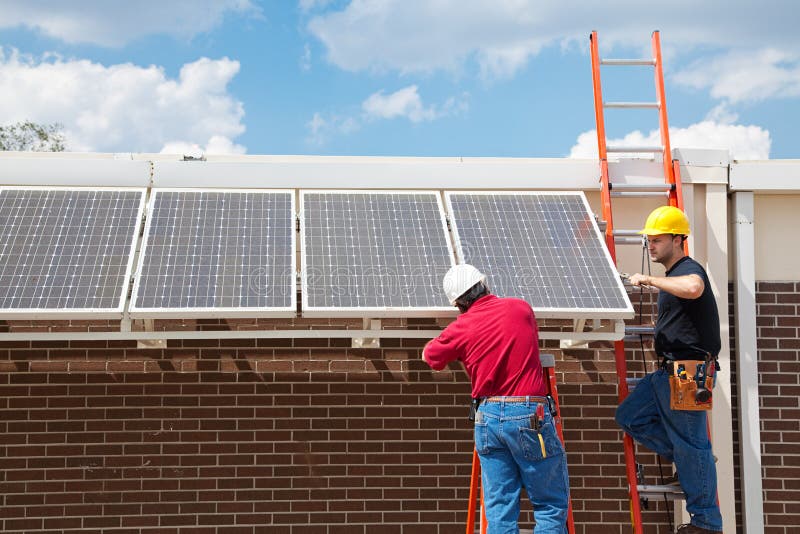
Free with trial Workers installing solar panels on the side of a building. Wide angle view with room for text. Installing illustrations Green Jobs - Solar Power. Workers installing solar panels on the side of a building. Wide angle view with room for text. Workers installing solar panels on the side of a building. Wide angle view with room for text.
Free with trial Man installing fiberglass insulation. Man, protected by mask and gloves, installing fiberglass insulation. Installing illustrations Man installing fiberglass insulation. Man, protected by mask and gloves, installing fiberglass insulation
Free with trial Apps - Smart Phone Application Word Collage. The word Apps at the center of a word collage listing different types of applications found on a smart phone. Installing illustrations Apps - Smart Phone Application Word Collage. The word Apps at the center of a word collage listing different types of applications found on a smart phone
Free with trial Metal pliers and red copper electrical wire. Isolated on white background. Installing illustrations Metal pliers and red copper electrical wire. Isolated on white background
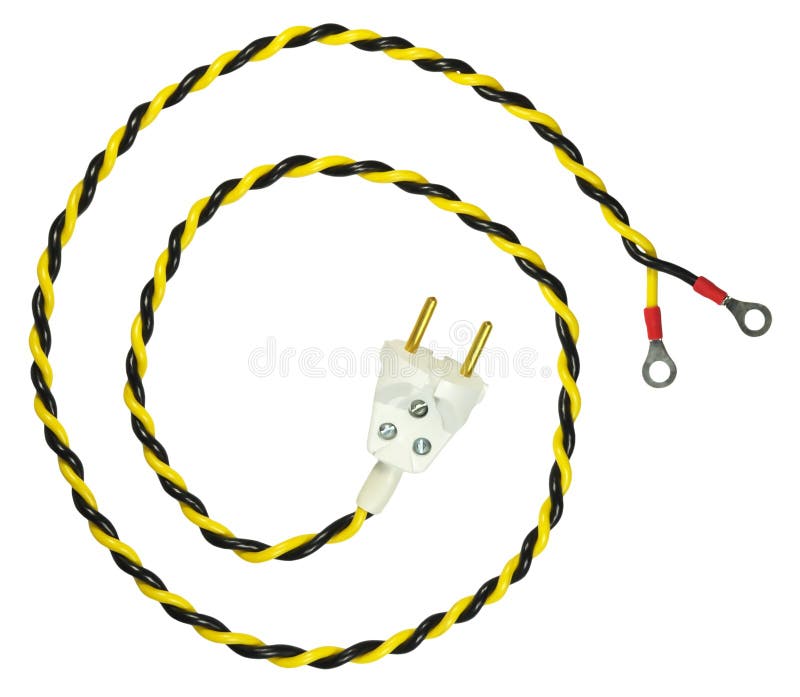
Free with trial Electric plug and wire. Electric plug and twisted wire isolated on white background. Installing illustrations Electric plug and wire. Electric plug and twisted wire isolated on white background
Free with trial WREXHAM, WALES, UNITED KINGDOM - AUGUST 11, 2016: Restoration of decorative slate roof on a residential terraced house in North Wales. With two skilled roofers. Installing illustrations Decorative slate roof restoration in Wales. WREXHAM, WALES, UNITED KINGDOM - AUGUST 11, 2016: Restoration of decorative slate roof on a residential terraced. WREXHAM, WALES, UNITED KINGDOM - AUGUST 11, 2016: Restoration of decorative slate roof on a residential terraced house in North Wales. With two skilled roofers.
Free with trial Installing a lawn in the park. Installing illustrations Lawn. Installing a lawn in the park. Installing a lawn in the park.
Free with trial Handyman installing smoke detector. With screwdriver on the ceiling. Installing illustrations Handyman installing smoke detector. With screwdriver on the ceiling
Free with trial Water pump isolated. Isolated on white. Installing illustrations Water pump isolated. Isolated on white
Free with trial NEW YORK CITY - APR 21,2016: Road construction workers installing paving stones and operating excavator on road in Hoboken, Hudson County, New Jersey, USA. Installing illustrations Road construction workers. NEW YORK CITY - APR 21,2016: Road construction workers installing paving stones and operating excavator on road in Hoboken, Hudson. NEW YORK CITY - APR 21,2016: Road construction workers installing paving stones and operating excavator on road in Hoboken, Hudson County, New Jersey, USA
Free with trial Air conditioning technician holding a drill. Work on installing a new air conditioner. Installing illustrations Air conditioning technician holding a drill. Work on installing a new air conditioner
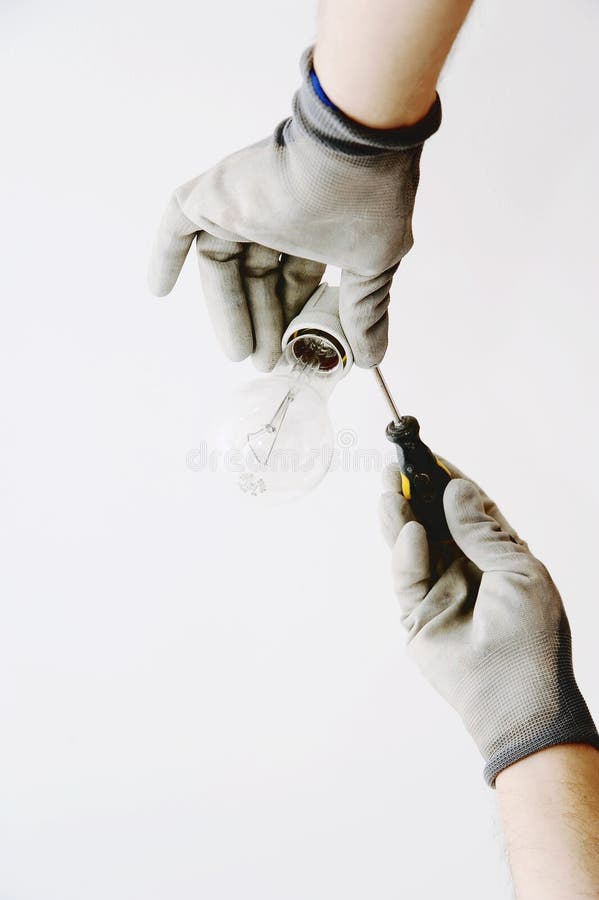
Free with trial Replacement and installation of an light bulb. Two male hands holding light bulb and a screwdriver. Installing illustrations Replacement and installation of an light bulb. Two male hands holding light bulb and a screwdriver
Free with trial Plumbing tools two man. Plumbing tools two men white background studio. Installing illustrations Plumbing tools two man. Plumbing tools two men white background studio
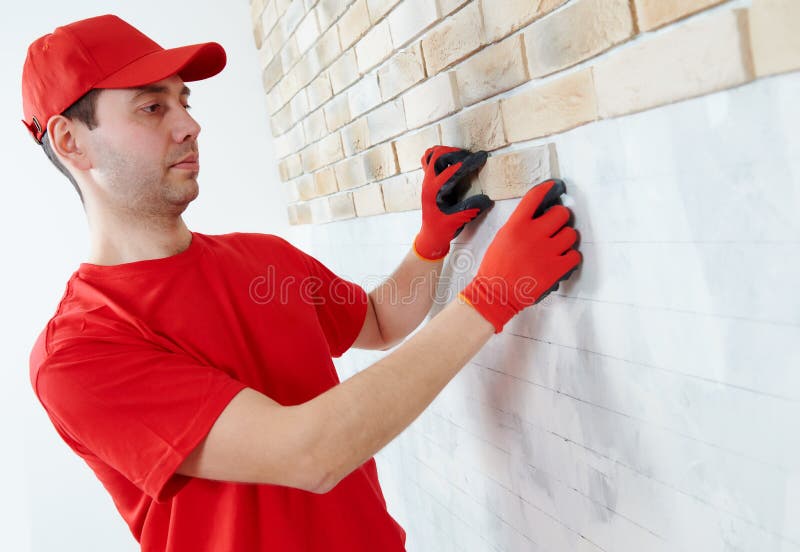
Free with trial Interior wall facing decoration work with brick veneer installing by professional construction worker bricklayer at home indoors. Installing illustrations Wall facing work with brick by professional bricklayer worker. Interior wall facing decoration work with brick veneer installing by professional construction. Interior wall facing decoration work with brick veneer installing by professional construction worker bricklayer at home indoors
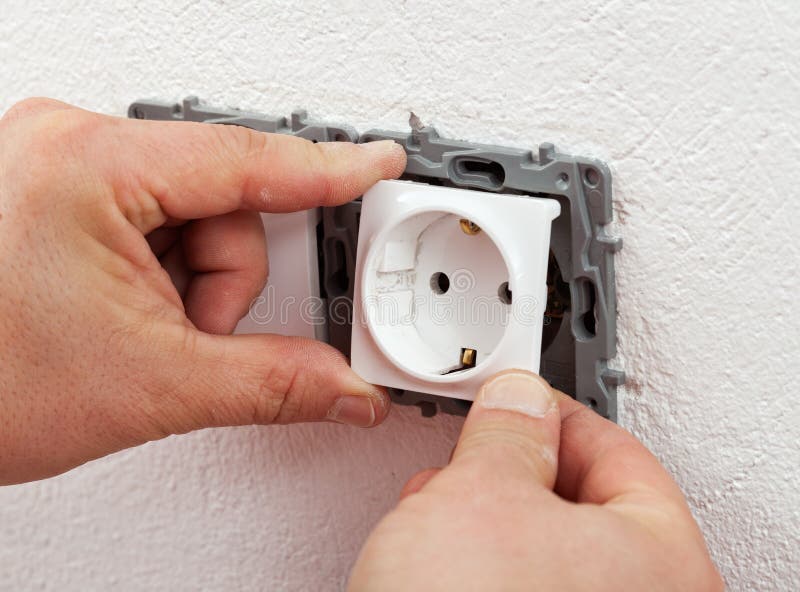
Free with trial Installing electrical outlet or socket - closeup. On electrician hands. Installing illustrations Installing electrical outlet or socket - closeup. On electrician hands
Free with trial A man using a notched trowel to comb mortar before tile installation. Installing illustrations Install Tile. A man using a notched trowel to comb mortar before tile installation. A man using a notched trowel to comb mortar before tile installation.
Free with trial A construction worker putting on new floor tiles. Installing illustrations Mechanic Floor tiles. A construction worker putting on new floor tiles. A construction worker putting on new floor tiles.
Free with trial SELANGOR, MALAYSIA – May 25, 2015: Construction workers installing the pile cap formwork made from polymer at the construction site. Installing illustrations Construction workers installing pile cap formwork made from polymer at the construction site. SELANGOR, MALAYSIA – May 25, 2015: Construction workers. SELANGOR, MALAYSIA – May 25, 2015: Construction workers installing the pile cap formwork made from polymer at the construction site.
Free with trial Installing structural Insulated Panels SIP. Building new frame energy-efficient house. Building new frame energy. Installing illustrations Installing structural Insulated Panels SIP. Building new frame energy-efficient house. Installing structural Insulated Panels SIP. Building new frame energy
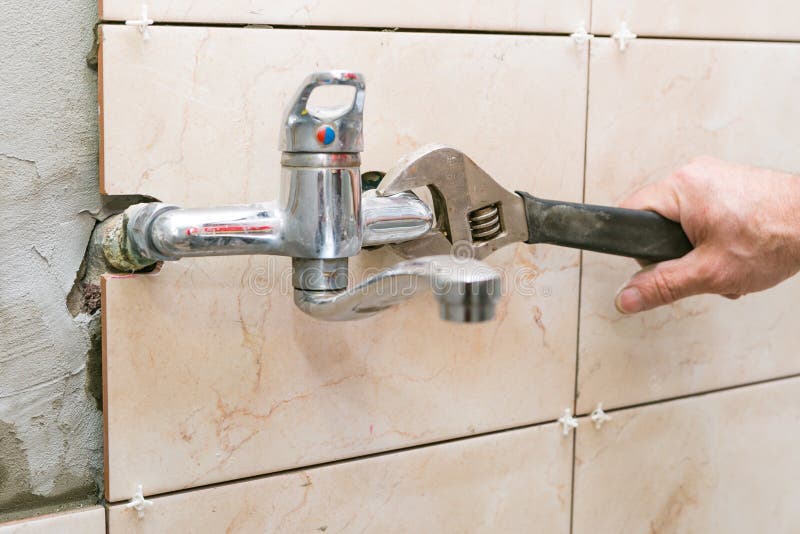
Free with trial Water fixing - plumber hands with wratch fix tap. Plumber hands fixing water tap with spanner. Installing illustrations Water fixing - plumber hands with wratch fix tap. Plumber hands fixing water tap with spanner
Free with trial Handsome construction worker sitting down for a rest, with a serious expression. Installing illustrations Serious Handsome Construction Worker. Handsome construction worker sitting down for a rest, with a serious expression. Handsome construction worker sitting down for a rest, with a serious expression.
Free with trial Roofer doing repair roof drain. Flat roof installation. Heating and melting bitumen roofing felt. Flat roof repairing with roofing felt. Professional master , making waterproofing. Installing illustrations Roofer doing repair roof drain. Flat roof installation. Heating and melting bitumen roofing felt. Flat roof repairing with roofing felt. Professional master
Free with trial Chiangmai, Thailand - August 31, 2014: The workers are uninstalling the big tent in front of Chiangmai university conference hall after the banquet event on August 31, 2014 in Chiangmai, Thailand. Installing illustrations The workers are uninstalling the big tent in front of Chiangmai. Chiangmai, Thailand - August 31, 2014: The workers are uninstalling the big tent in front of. Chiangmai, Thailand - August 31, 2014: The workers are uninstalling the big tent in front of Chiangmai university conference hall after the banquet event on August 31, 2014 in Chiangmai, Thailand.
Free with trial Floor tile installation. Home improvement, renovation - handyman laying tile, trowel with mortar. Installing illustrations Floor tile installation. Home improvement, renovation - handyman laying tile, trowel with mortar
Free with trial A battered black lamp holder lies on a seamless white surface, its cylindrical shell coated in grey dust and fine fibers. Two cream insulated leads emerge from the ribbed cap, twist together and split into separate ends wrapped with crumbling dark friction tape, whose torn edges reveal frayed cotton threads. Inside the open mouth, a tarnished brass thread awaits a light source that will never arrive. The angled view from slightly above shows both the cable entry and the socket opening, emphasizing age, neglect and decay. The screw base familiar worldwide originates from Thomas Edison, whose company patented the design around 1881 the common 27 millimetre size known as E27 dominates Europe, while a marginally narrower variant prevails in North America. Early fittings used porcelain or sheet steel, and from the 1920s onward manufacturers adopted phenolic resins such as Bakelite, the first fully synthetic plastic invented by Leo Baekeland in 1907, prized for heat resistance and electrical insulation. Standards such as IEC 60238 now define lampholder construction, and modern versions employ elevated temperature thermoplastics or ceramics with shields preventing accidental finger contact with live parts. Such deteriorating components pose serious risks. Brittle sheaths, loose contacts and improvised taping can cause short circuits, arcing, electric shocks or house fires, which is why electricians recommend replacing cloth covered or perished cabling in older buildings. Fire services, insurers and safety regulators frequently warn homeowners against overloaded sockets, outdated fuses and amateur repairs. Statistics in many countries list faulty wiring among the leading causes of residential blazes. Composition places the object diagonally, creating dynamic movement from upper left toward lower right, while generous negative space surrounds it for text, arrows or warning labels. The palette is minimal: charcoal casing, ivory conductors and ash colored grime set on pure brightness, which suits clean infographic layouts. Commercial uses include installers, handyman businesses and renovation contractors advertising rewiring, inspections and modernization. DIY stores, hardware retailers and lighting brands can contrast this relic with new LED lamps in before and after campaigns. Insurance companies, electricity utilities and blaze prevention agencies may illustrate leaflets, websites and social media posts on household hazards. Property managers, real estate agents and home inspectors can document defects in reports, while museums of technology may display comparable artifacts. Educators teaching physics, vocational training or workplace health can feature it in textbooks, presentations and exam materials. Recycling firms and environmental organizations might use it to discuss electronic waste, scrap collection and circular economy. Journalists writing about housing quality, energy poverty, landlord negligence or aging infrastructure gain a telling visual, and designers can integrate the cutout into posters, brochures, packaging mockups or blog headers. Conceptually, the dusty fixture symbolizes obsolescence, the end of an era, forgotten ideas, burnout, power outage, deprivation, abandonment and the need for change. With no bulb inserted, it can represent missing inspiration, a lack of solutions or an idea waiting to be switched on. Retro enthusiasts may also feel nostalgia for midcentury apartments, attics of grandparents or interwar gadgets. In numerous postwar homes, a single bare globe dangling from such a receptacle lit entire kitchens, a minimalist arrangement now revived by loft decorators using exposed filaments and twisted textile cords. Thermoset resin cannot be melted and remolded, so discarded pieces usually get ground into filler or landfilled, while conductive terminals and copper strands are recovered by recyclers. Collectors of vintage electrics search flea markets for rotary switches, ceramic insulators and braided flex to restore authentic period luminaires. Before touching any old luminaire, switch off the breaker, verify absence of voltage with a tester and call a licensed professional if sheathing looks cracked or sticky. Looking closely, one can almost smell singed fluff and hear the faint buzz of a failing filament, sensations recognizable to anyone who has lived in a neglected flat. Isolated objects like this remain evergreen in stock libraries because they fit countless narratives, from instruction manuals and repair apps to satirical cartoons, memes and editorial collages. Seen as a business metaphor, it fits slides on legacy systems, technical debt, obsolete processes and digital transformation, reminding teams that ignored foundations eventually fail. Technically, the image offers sharp focus on specks, lint and shallow scratches, balanced studio illumination, accurate neutral tones and a crisp silhouette that simplifies masking. High resolution allows enlargement, cropping and compositing. Installing illustrations Old lamp socket isolated white background dusty electrical wire black bakelite light bulb holder E27 broken insulation tape danger. A battered black lamp holder. A battered black lamp holder lies on a seamless white surface, its cylindrical shell coated in grey dust and fine fibers. Two cream insulated leads emerge from the ribbed cap, twist together and split into separate ends wrapped with crumbling dark friction tape, whose torn edges reveal frayed cotton threads. Inside the open mouth, a tarnished brass thread awaits a light source that will never arrive. The angled view from slightly above shows both the cable entry and the socket opening, emphasizing age, neglect and decay.The screw base familiar worldwide originates from Thomas Edison, whose company patented the design around 1881 the common 27 millimetre size known as E27 dominates Europe, while a marginally narrower variant prevails in North America. Early fittings used porcelain or sheet steel, and from the 1920s onward manufacturers adopted phenolic resins such as Bakelite, the first fully synthetic plastic invented by Leo Baekeland in 1907, prized for heat resistance and electrical insulation. Standards such as IEC 60238 now define lampholder construction, and modern versions employ elevated temperature thermoplastics or ceramics with shields preventing accidental finger contact with live parts.Such deteriorating components pose serious risks. Brittle sheaths, loose contacts and improvised taping can cause short circuits, arcing, electric shocks or house fires, which is why electricians recommend replacing cloth covered or perished cabling in older buildings. Fire services, insurers and safety regulators frequently warn homeowners against overloaded sockets, outdated fuses and amateur repairs. Statistics in many countries list faulty wiring among the leading causes of residential blazes.Composition places the object diagonally, creating dynamic movement from upper left toward lower right, while generous negative space surrounds it for text, arrows or warning labels. The palette is minimal: charcoal casing, ivory conductors and ash colored grime set on pure brightness, which suits clean infographic layouts.Commercial uses include installers, handyman businesses and renovation contractors advertising rewiring, inspections and modernization. DIY stores, hardware retailers and lighting brands can contrast this relic with new LED lamps in before and after campaigns. Insurance companies, electricity utilities and blaze prevention agencies may illustrate leaflets, websites and social media posts on household hazards. Property managers, real estate agents and home inspectors can document defects in reports, while museums of technology may display comparable artifacts. Educators teaching physics, vocational training or workplace health can feature it in textbooks, presentations and exam materials. Recycling firms and environmental organizations might use it to discuss electronic waste, scrap collection and circular economy. Journalists writing about housing quality, energy poverty, landlord negligence or aging infrastructure gain a telling visual, and designers can integrate the cutout into posters, brochures, packaging mockups or blog headers.Conceptually, the dusty fixture symbolizes obsolescence, the end of an era, forgotten ideas, burnout, power outage, deprivation, abandonment and the need for change. With no bulb inserted, it can represent missing inspiration, a lack of solutions or an idea waiting to be switched on. Retro enthusiasts may also feel nostalgia for midcentury apartments, attics of grandparents or interwar gadgets.In numerous postwar homes, a single bare globe dangling from such a receptacle lit entire kitchens, a minimalist arrangement now revived by loft decorators using exposed filaments and twisted textile cords. Thermoset resin cannot be melted and remolded, so discarded pieces usually get ground into filler or landfilled, while conductive terminals and copper strands are recovered by recyclers. Collectors of vintage electrics search flea markets for rotary switches, ceramic insulators and braided flex to restore authentic period luminaires.Before touching any old luminaire, switch off the breaker, verify absence of voltage with a tester and call a licensed professional if sheathing looks cracked or sticky. Looking closely, one can almost smell singed fluff and hear the faint buzz of a failing filament, sensations recognizable to anyone who has lived in a neglected flat.Isolated objects like this remain evergreen in stock libraries because they fit countless narratives, from instruction manuals and repair apps to satirical cartoons, memes and editorial collages. Seen as a business metaphor, it fits slides on legacy systems, technical debt, obsolete processes and digital transformation, reminding teams that ignored foundations eventually fail.Technically, the image offers sharp focus on specks, lint and shallow scratches, balanced studio illumination, accurate neutral tones and a crisp silhouette that simplifies masking. High resolution allows enlargement, cropping and compositing.
Free with trial Application software storage. Application software box white background. Installing illustrations Application software storage. Application software box white background
Free with trial Interlocking stone driveway. Stacks of interlocking stones for installing driveway landscaping. Installing illustrations Interlocking stone driveway. Stacks of interlocking stones for installing driveway landscaping
Free with trial Silhouette electrical workers are installing high voltage system. S over blur night city. Installing illustrations Silhouette electrical workers are installing high voltage system. S over blur night city
Free with trial Furniture maker sets bed. In bedroom. Installing illustrations Furniture maker sets bed. In bedroom
Free with trial Gas Pipeline. Yellow gas pipelines at the blue sky background. Installing illustrations Gas Pipeline. Yellow gas pipelines at the blue sky background
Free with trial Drill left on wooden floor. Close up electric drill and nail left on wooden floor. Installing illustrations Drill left on wooden floor. Close up electric drill and nail left on wooden floor
Free with trial Electrical components and tools. In the current colors of red-hot. Installing illustrations Electrical components and tools. In the current colors of red-hot
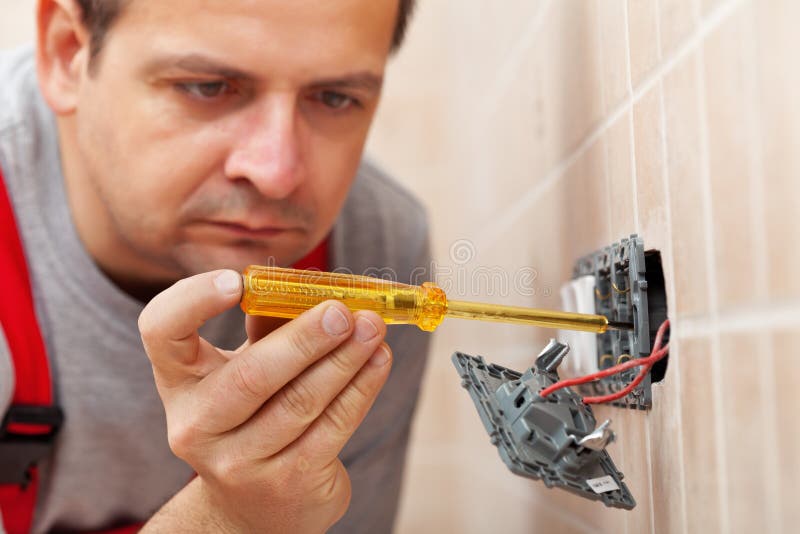
Free with trial Electrician checking wall fixture with voltage tester. Before unmounting it. Installing illustrations Electrician checking wall fixture with voltage tester. Before unmounting it
Free with trial Roofer builder worker with crane installing structural Insulated Panels SIP. Building new frame energy-efficient house. Roofer builder worker with crane. Installing illustrations Roofer builder worker with crane installing structural Insulated Panels SIP. Building new frame energy-efficient house. Roofer builder worker with crane
Free with trial Lining material. Imprint left on the cement facade tiles. Installing illustrations Lining material. Imprint left on the cement facade tiles
Free with trial A large vernier scale lying on cross section paper with two ball valves and a pencil lying beside on wooden table background. Engineering systems. Repair works. Plumbing. Installing illustrations A large vernier scale lying on cross section paper with two ball valves and a pencil lying beside on wooden table. Background. Engineering systems. Repair works
Free with trial Builder installing road concrete kerb. Builder worker using installing raod concrete road kerb curb at construction site. Installing illustrations Builder installing road concrete kerb. Builder worker using installing raod concrete road kerb curb at construction site
Free with trial Hands of an electrician. The hands of an electrician. Installing illustrations Hands of an electrician. The hands of an electrician
Free with trial Plumber at work. With a basing in a bathroom. Installing illustrations Plumber at work. With a basing in a bathroom
Free with trial Electrician at work. In a plant. Installing illustrations Electrician at work. In a plant
Free with trial Male plumber assembling water pipes. Installing illustrations Male plumber. Male plumber assembling water pipes. Male plumber assembling water pipes.
Free with trial Pushing business. Businessman pushing along business text on a white background. Installing illustrations Pushing business. Businessman pushing along business text on a white background
Free with trial Laying Ceramic Tiles. Tiler knocking on the tiles with a rubber mallet. Installing illustrations Laying Ceramic Tiles. Tiler knocking on the tiles with a rubber mallet
Free with trial Monkey wrench copper plumbing fixtures blueprint rolls. Installing illustrations Monkey wrench copper plumbing fixtures blueprint. Rolls
Free with trial Workers. Were installing a fence at the edge of a canal in the city of Solo, Central Java, Indonesia. Installing illustrations Workers. Were installing a fence at the edge of a canal in the city of Solo, Central Java, Indonesia
Free with trial Construction site with cranes. On sky background. Installing illustrations Construction site with cranes. On sky background
Free with trial Construction site with cranes. On sky background. Installing illustrations Construction site with cranes. On sky background
Free with trial Electrician installing wall outlet. Installing illustrations Electrician installing wall outlet. Electrician installing a wall outlet
Free with trial Roofer measuring tiles on a new house. With a tape measure as he stands on a ladder while installing the roof. Installing illustrations Roofer measuring tiles on a new house. With a tape measure as he stands on a ladder while installing the roof
Free with trial Heating radiator installation. Plumber to connect the heating radiator to a polypropylene pipe. Installing illustrations Heating radiator installation. Plumber to connect the heating radiator to a polypropylene pipe
Free with trial Silhouette of highway ramps on a sunny day, useful for construction, engineering, transportation, building, industrial concepts. Installing illustrations Silhouette of highway ramps on a sunny day. Useful for construction, engineering, transportation, building, industrial concepts
Free with trial Repairman. With screwdriver in his hand working on a wall. Installing illustrations Repairman. With screwdriver in his hand working on a wall
Free with trial Hands and tiles. Construction mason man hands on tiles work with cement mortar. Installing illustrations Hands and tiles. Construction mason man hands on tiles work with cement mortar
Free with trial Progress Bar Loading with the text: Free Advice. Installing illustrations Progress Bar Loading with the text: Free Advice
Free with trial Brick wall in residential building construction. Site. Installing illustrations Brick wall in residential building construction. Site
Free with trial Frustrated and exhausted it engineer / consultant in a data center. Sitting apathetic in front of a server rack. Installing illustrations Exhausted IT Consultant in DataCenter. Frustrated and exhausted it engineer / consultant in a data center. Sitting apathetic in front of a server rack. Frustrated and exhausted it engineer / consultant in a data center. Sitting apathetic in front of a server rack.
Free with trial Isolated paint brush design. Paint brush icon. Tool instrument repair and construction theme. Isolated design. Vector illustration. Installing vectors Isolated paint brush design. Paint brush icon. Tool instrument repair and construction theme. Isolated design. Vector illustration
Free with trial Portrait of young Electrician in uniform. One Portrait of young Electrician in uniform with wire cable and pliers. Installing illustrations Portrait of young Electrician in uniform. One Portrait of young Electrician in uniform with wire cable and pliers
Free with trial Gray radiator, flat design. Icon with long shadow on yellow background. Installing vectors Gray radiator, flat design. Icon with long shadow on yellow background
Free with trial Home design and renovation concepts. Home interiors design and renovation concepts. Installing illustrations Home design and renovation concepts. Home interiors design and renovation concepts
Free with trial Male Plumber Working On Central Heating Boiler. Installing illustrations Male Plumber Working On Central Heating Boiler. Male Plumber Works On Central Heating Boiler
Free with trial Work on installing the frame of the composite reinforcement. Installing illustrations The frame of composite reinforcement for concrete. Work on installing the frame of the composite reinforcement. Work on installing the frame of the composite reinforcement.
Free with trial Man Reading Assembly Instructions For Flat Pack. Furniture. Installing illustrations Man Reading Assembly Instructions For Flat Pack. Furniture
Free with trial Electrician. Installing the electricity system. Installing illustrations Electrician. Installing the electricity system
Free with trial Blue pipeline background. Illustration of a blue pipeline system, background image. Installing vectors Blue pipeline background. Illustration of a blue pipeline system, background image
Free with trial Part of house under construction. Installing illustrations House under construction. Part of house under construction. Part of house under construction.
Free with trial Installing stone blocks. Pavement rocks, stones and cobblestone blocks. Installing illustrations Installing stone blocks. Pavement rocks, stones and cobblestone blocks
Free with trial Road under construction. Road currently under construction at several levels to increase traffic. Installing illustrations Road under construction. Road currently under construction at several levels to increase traffic
Free with trial Workman Installing Luxury Fitted Kitchen. Installing illustrations Workman Installing Luxury Fitted Kitchen. Workman Installs Luxury Fitted Kitchen
Free with trial Water inlet valve. Pipe coupling isolated on a white background. Installing illustrations Water inlet valve. Pipe coupling isolated on a white background
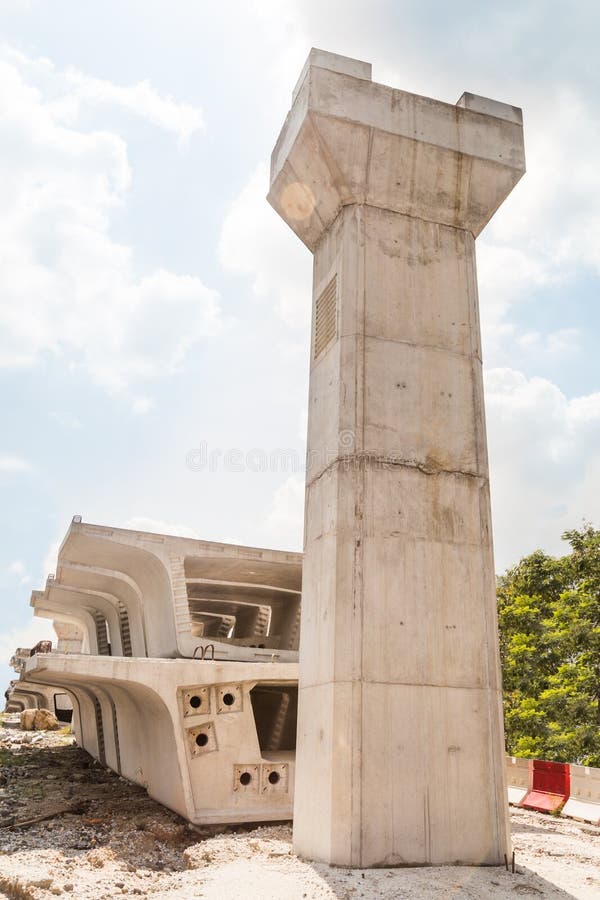
Free with trial Construction of a mass transit train line in progress with heavy infrastructure. This photo shows the progress in joining the various blocks/modules of the line with heavy equipment. Installing illustrations Construction of a mass rail transit line in progress. Construction of a mass transit train line in progress with heavy infrastructure. This photo shows the. Construction of a mass transit train line in progress with heavy infrastructure. This photo shows the progress in joining the various blocks/modules of the line with heavy equipment.
Free with trial Construction worker wearing protective vest. And holding safety gloves and hard hat isolated on white background. Installing illustrations Construction worker wearing protective vest. And holding safety gloves and hard hat isolated on white background
Free with trial Installing ceramic tile. Man spreading mortar with trowel to install ceramic tiles. Installing illustrations Installing ceramic tile. Man spreading mortar with trowel to install ceramic tiles
Free with trial Update concept on laptop computer screen on wooden table. Hands typing on a keyboard. All screen content is designed by me. Installing illustrations Update concept on laptop computer screen on wooden table. Hands typing on a keyboard. All screen content is designed by me
Free with trial A female worker twisting a light bulb on a background of room with paint cans and ladder vector flat design illustration on white background. Square layout. Installing vectors Electrician twisting light bulb. A female worker twisting a light bulb on a background of room with paint cans and ladder vector flat design illustration on. A female worker twisting a light bulb on a background of room with paint cans and ladder vector flat design illustration on white background. Square layout.
 Sign in