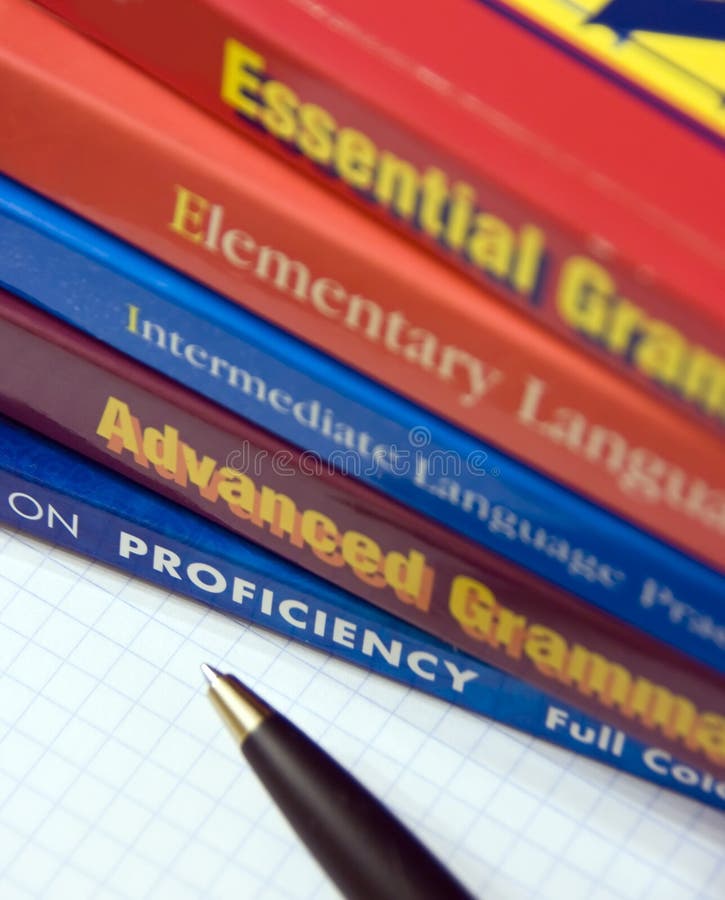
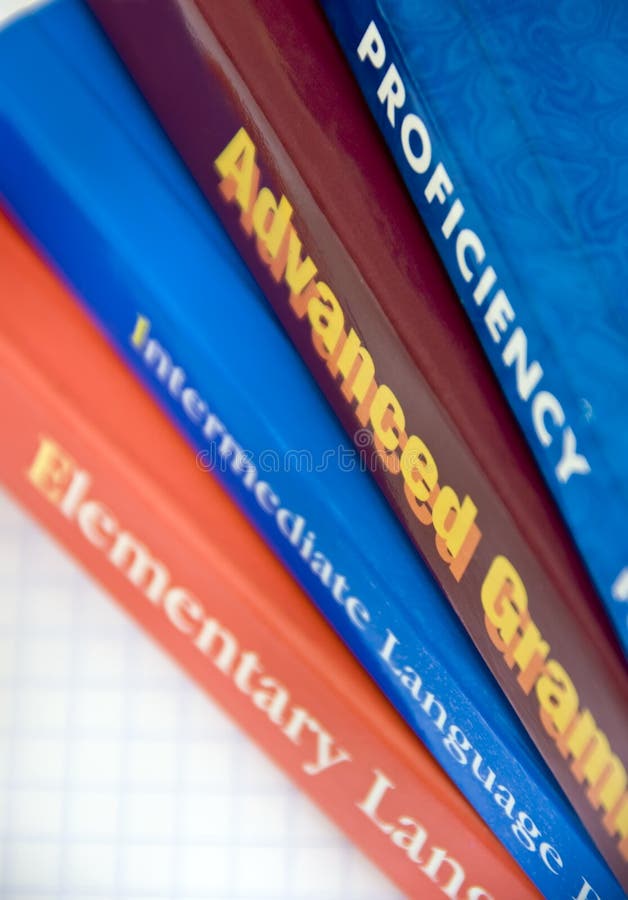
Free with trial English language books piled in difficulty level order, focus on proficiency. Intermediate stock images, royalty-free photos and pictures English language levels. English language books piled in difficulty level order, focus on proficiency. English language books piled in difficulty level order, focus on proficiency.
Free with trial A macro picture of the scratch math homework paper from an intermediate algebra class. Also in the picture are some key math accessories such as a calculator, pencil, eraser and pencil sharpener. Intermediate stock images, royalty-free photos and pictures Math Homework Tools. A macro picture of the scratch math homework paper from an intermediate algebra class. Also in the picture are some key math accessories. A macro picture of the scratch math homework paper from an intermediate algebra class. Also in the picture are some key math accessories such as a calculator, pencil, eraser and pencil sharpener.
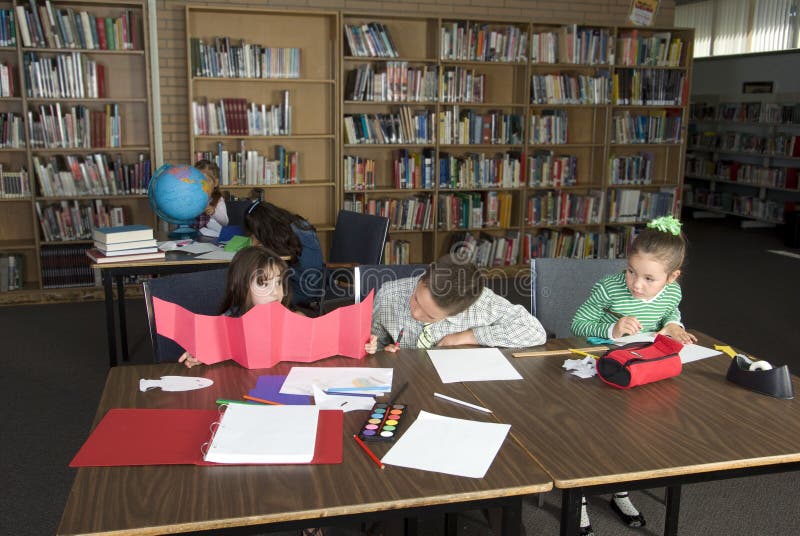
Free with trial Elementary school students studying. In library. Intermediate stock images, royalty-free photos and pictures Elementary school students studying. In library
Free with trial Colourful bed with vegetable brassicas and annual flowers. The intermediate space can be seeded with flowers and also liven up the garden flower beds. Intermediate stock images, royalty-free photos and pictures Colourful vegetable garden bed. Colourful bed with vegetable brassicas and annual flowers. The intermediate space can be seeded with flowers and also liven up. Colourful bed with vegetable brassicas and annual flowers. The intermediate space can be seeded with flowers and also liven up the garden flower beds.
Free with trial Blue drums and container. Blue drums and IBC container in a storage room. Intermediate stock images, royalty-free photos and pictures Blue drums and container. Blue drums and IBC container in a storage room
Free with trial English language learning books with the proficiency focused, a teacher's note well done in a notebook. Intermediate stock images, royalty-free photos and pictures English language books. English language learning books with the proficiency focused, a teacher's note well done in a notebook. English language learning books with the proficiency focused, a teacher's note well done in a notebook.
Free with trial Gymnasium entrance for a school. Exterior gymnasium entrance for a school. Intermediate stock images, royalty-free photos and pictures Gymnasium entrance for a school. Exterior gymnasium entrance for a school
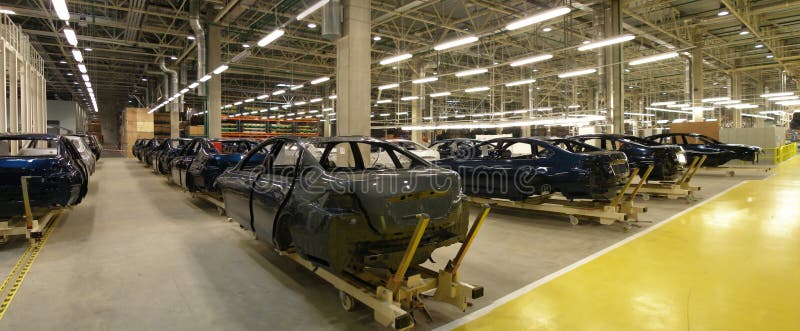
Free with trial Motor-car factory. Place for warehousing of baskets. Intermediate stock images, royalty-free photos and pictures Motor-car factory. Place for warehousing of baskets
Free with trial Store shelves packed with popular children's books for young readers. Intermediate stock images, royalty-free photos and pictures Popular Childrens Books. Store shelves packed with popular children's books for young readers. Store shelves packed with popular children's books for young readers.
Free with trial Elementary school students studying. In library. Intermediate stock images, royalty-free photos and pictures Elementary school students studying. In library
Free with trial Sporty muscular young man working out, yoga, pilates, fitness training, high lunge exercise, Reverse Warrior Pose, Crescent variation, Viparita Virabhadrasana, gray background, low key shot. Intermediate stock images, royalty-free photos and pictures Yoga Reverse Warrior Pose. Sporty muscular young man working out, yoga, pilates, fitness training, high lunge exercise, Reverse Warrior Pose, Crescent variation. Sporty muscular young man working out, yoga, pilates, fitness training, high lunge exercise, Reverse Warrior Pose, Crescent variation, Viparita Virabhadrasana, gray background, low key shot
Free with trial Formic acid, an important intermediate in chemical synthesis which occurs naturally, most notably in some ants. Intermediate stock images, royalty-free photos and pictures Formic acid, an important intermediate in chemical synthesis which occurs naturally, most notably in some ants.
Free with trial Ed Wolf, morpholocially an intermediate between a coyoteand gray wolf. Federally listed as an endangered species of United States. Most are living in No. Carolina the wolves original range. Intermediate stock images, royalty-free photos and pictures Red wolf endangered species. Ed Wolf, morpholocially an intermediate between a coyoteand gray wolf. Federally listed as an endangered species of United States. Ed Wolf, morpholocially an intermediate between a coyoteand gray wolf. Federally listed as an endangered species of United States. Most are living in No. Carolina the wolves original range.
Free with trial Store shelves packed with popular children's books for intermediate level readers. Intermediate stock images, royalty-free photos and pictures Childrens Books. Store shelves packed with popular children's books for intermediate level readers. Store shelves packed with popular children's books for intermediate level readers.
Free with trial Flock of various Wetland Birds including Little Egret, Intermediate Egret, Indian Cormorants and many other birds. Intermediate stock images, royalty-free photos and pictures Flock of Wetland Birds at the Pond. Flock of various Wetland Birds including Little Egret, Intermediate Egret, Indian Cormorants and many other birds. Flock of various Wetland Birds including Little Egret, Intermediate Egret, Indian Cormorants and many other birds.
Free with trial Four English language books for students, four different levels, focus on proficiency. Intermediate stock images, royalty-free photos and pictures English language books choice. Four English language books for students, four different levels, focus on proficiency. Four English language books for students, four different levels, focus on proficiency.
Free with trial Results. On the blackboard varying from outstanding to poor. Intermediate stock images, royalty-free photos and pictures Results. On the blackboard varying from outstanding to poor
Free with trial Bright sudoku. Drowning by numbers with this sudoku. Intermediate stock images, royalty-free photos and pictures Bright sudoku. Drowning by numbers with this sudoku
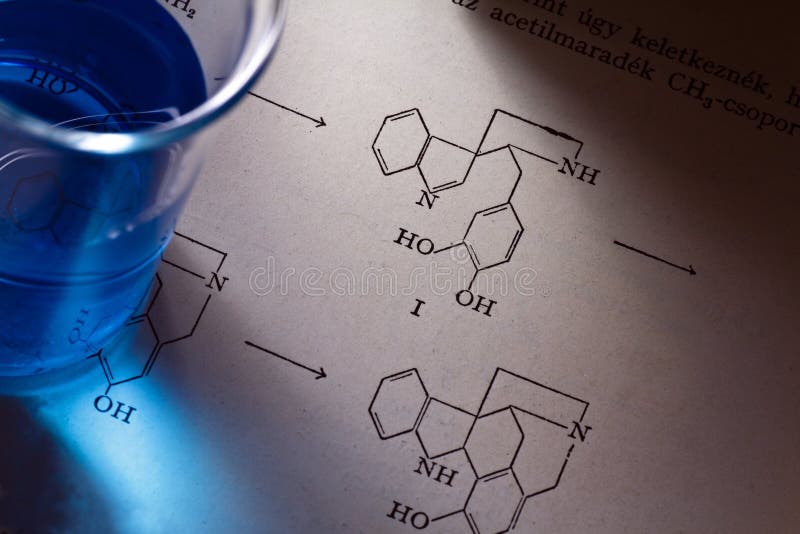
Free with trial Science formula. With blue solution. Intermediate stock images, royalty-free photos and pictures Science formula. With blue solution
Free with trial Woman in yoga posture Revolving Side Angle Pose or Parivrtta Parshvakonasana. Scan of alternative fine art photograph. Intermediate stock images, royalty-free photos and pictures Yoga Revolving Side Angle. Woman in yoga posture Revolving Side Angle Pose or Parivrtta Parshvakonasana. Scan of alternative fine art photograph. Woman in yoga posture Revolving Side Angle Pose or Parivrtta Parshvakonasana. Scan of alternative fine art photograph.
Free with trial Athletics entrance for a school. Gymnasium entrance for a school. Intermediate stock images, royalty-free photos and pictures Athletics entrance for a school. Gymnasium entrance for a school
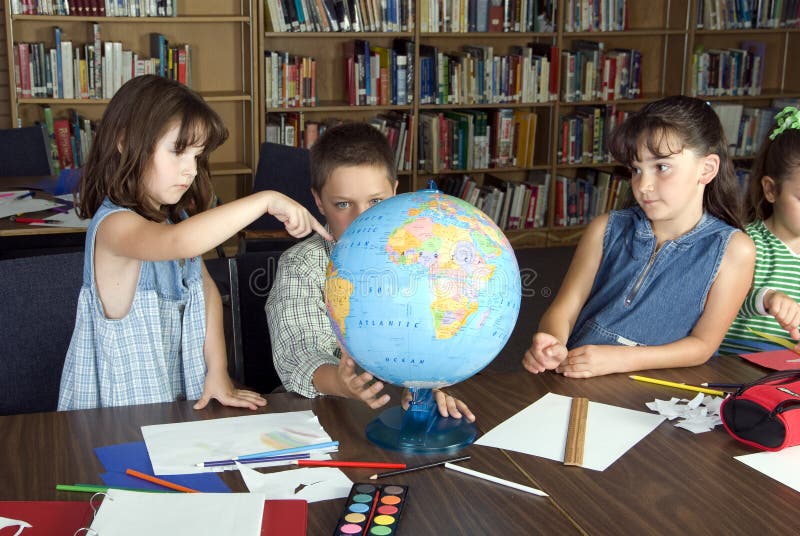
Free with trial Elementary school students studying. Elementary school students study in library. Some are bored others work. Intermediate stock images, royalty-free photos and pictures Elementary school students studying. Elementary school students study in library. Some are bored others work
Free with trial Successful, strong and powerful tackle. Roll up your shirt sleeves. Men's shirt. Intermediate stock images, royalty-free photos and pictures Successful, strong and powerful tackle. Shirt. Successful, strong and powerful tackle. Roll up your shirt sleeves. Men's shirt. Successful, strong and powerful tackle. Roll up your shirt sleeves. Men's shirt.
Free with trial Old style school door with fire alarm above. Old style school door - blue isolated on a white background. Intermediate stock images, royalty-free photos and pictures Old style school door with fire alarm above. Old style school door - blue isolated on a white background
Free with trial The phalanges are the bones that make up the fingers of the hand and the toes of the foot. There are 56 phalanges in the human body, with fourteen on each hand and foot. Three phalanges are present on each finger and toe, with the exception of the thumb and large toe, which possess only two. The middle and far phalanges of the fourth and fifth toes are often fused together symphalangism. The phalanges of the hand are commonly known as the finger bones. The phalanges of the foot differ from the hand in that they are often shorter and more compressed, especially in the proximal phalanges, those closest to the body. The phalanges are named according to whether they are proximal, intermediate or distal, and according to the finger or toe they are in. The proximal phalanges are those that are closest to the hand or foot. In the hand, the prominent, knobby ends of the proximal phalanx is often called the knuckle. The proximal phalanges join with the metacarpals of the hand or metatarsals of the foot at the metacarpophalangeal joint or metatarsophalangeal joint. The intermediate phalanx is not only intermediate in location, but usually also in size. The thumb and large toe do not possess a middle phalanx. The distal phalanges are the bones at the tips of the fingers or toes. The proximal, intermediate, and distal phalanges articulate with one another through interphalangeal articulations. Intermediate stock images, royalty-free photos and pictures Left Hand Posterior dorsal view. The phalanges are the bones that make up the fingers of the hand and the toes of the foot. There are 56 phalanges in the human. The phalanges are the bones that make up the fingers of the hand and the toes of the foot. There are 56 phalanges in the human body, with fourteen on each hand and foot. Three phalanges are present on each finger and toe, with the exception of the thumb and large toe, which possess only two. The middle and far phalanges of the fourth and fifth toes are often fused together symphalangism. The phalanges of the hand are commonly known as the finger bones. The phalanges of the foot differ from the hand in that they are often shorter and more compressed, especially in the proximal phalanges, those closest to the body. The phalanges are named according to whether they are proximal, intermediate or distal, and according to the finger or toe they are in. The proximal phalanges are those that are closest to the hand or foot. In the hand, the prominent, knobby ends of the proximal phalanx is often called the knuckle. The proximal phalanges join with the metacarpals of the hand or metatarsals of the foot at the metacarpophalangeal joint or metatarsophalangeal joint. The intermediate phalanx is not only intermediate in location, but usually also in size. The thumb and large toe do not possess a middle phalanx. The distal phalanges are the bones at the tips of the fingers or toes. The proximal, intermediate, and distal phalanges articulate with one another through interphalangeal articulations.
Free with trial Tropical Forest. On Intermediate Hill, Lord Howe Island, Australia. Intermediate stock images, royalty-free photos and pictures Tropical Forest. On Intermediate Hill, Lord Howe Island, Australia
Free with trial Elementary school students studying. Elementary school students studies in library with pencil and paper. Intermediate stock images, royalty-free photos and pictures Elementary school students studying. Elementary school students studies in library with pencil and paper
Free with trial Closeup business woman hands holding white card sign with we build relationships text message isolated grey wall office background. Retro instagram style image. Human communication leadership concept. Intermediate stock images, royalty-free photos and pictures Businesswoman hands holding card with we build relationships message. Closeup business woman hands holding white card sign with we build relationships text. Closeup business woman hands holding white card sign with we build relationships text message isolated grey wall office background. Retro instagram style image. Human communication leadership concept
Free with trial Successful, strong and powerful tackle. Roll up your shirt sleeves. Men's shirt. Intermediate stock images, royalty-free photos and pictures Successful, strong and powerful tackle. Shirt. Successful, strong and powerful tackle. Roll up your shirt sleeves. Men's shirt. Successful, strong and powerful tackle. Roll up your shirt sleeves. Men's shirt.
Free with trial Three male Rio grande wild turkeys meleagris gallopavo intermediate, in full mating display, standing in a row. Green foliage, brush and woods are in the background. Intermediate stock images, royalty-free photos and pictures The three amigos. Three male Rio grande wild turkeys meleagris gallopavo intermediate, in full mating display, standing in a row. Green foliage, brush and woods. Three male Rio grande wild turkeys meleagris gallopavo intermediate, in full mating display, standing in a row. Green foliage, brush and woods are in the background.
Free with trial Panorama of Exxon Mobil refinery in Joliet, Illinois. Exxon Mobil refinery in Joliet, Illinois on at Arsenal Road and Interstate 55. Intermediate stock images, royalty-free photos and pictures Panorama of Exxon Mobil refinery in Joliet, Illinois. Exxon Mobil refinery in Joliet, Illinois on at Arsenal Road and Interstate 55
Free with trial Squamous epithelial cells of human cervix under the microscope view. Pap smear test is a procedure to test for cervical cancer in women. Intermediate stock images, royalty-free photos and pictures Squamous epithelial cells of human cervix under the microscope view. Pap smear test is a procedure to test for cervical cancer in women
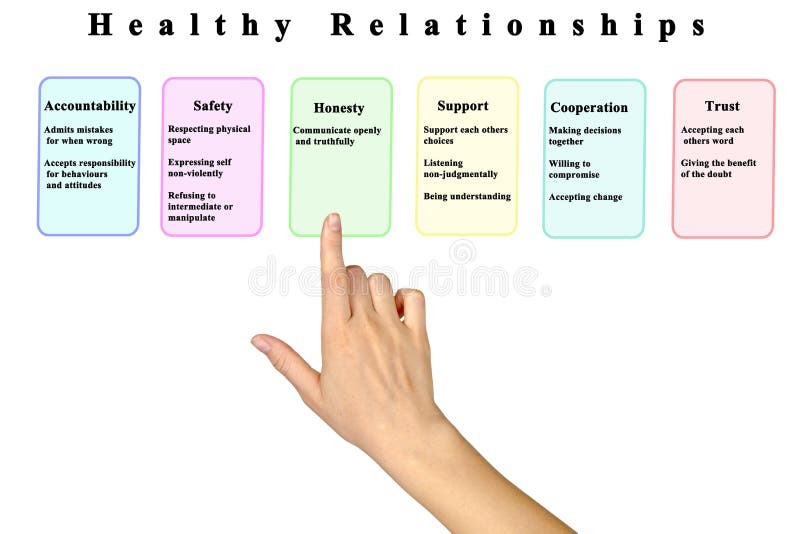
Free with trial Building Healthy Relationships. How to Build Healthy Relationships. Intermediate stock images, royalty-free photos and pictures Building Healthy Relationships. How to Build Healthy Relationships
Free with trial Squash rackets over white. Squash rackets and ball over white. Intermediate stock images, royalty-free photos and pictures Squash rackets over white. Squash rackets and ball over white
Free with trial Close up of four blue high school lockers in a hallway with combination locks and latches. Intermediate stock images, royalty-free photos and pictures Row of Blue High School Lockers, Closed. Close up of four blue high school lockers in a hallway with combination locks and latches. Close up of four blue high school lockers in a hallway with combination locks and latches.
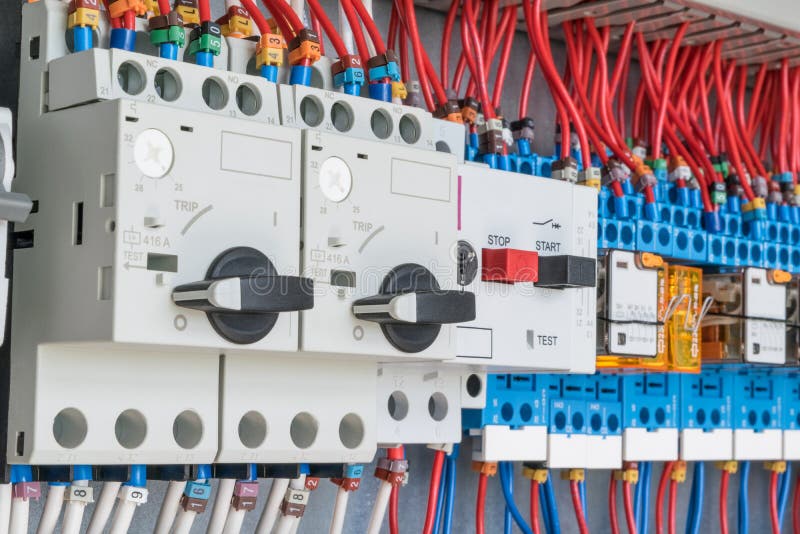
Free with trial N the electrical control panel are circuit breakers protecting the motor and relay. Circuit breakers with rotary handles and push-button and arranged in a row. Wires with ferrules number coded. Intermediate stock images, royalty-free photos and pictures In the electrical control panel are circuit breakers protecting the motor and relay. N the electrical control panel are circuit breakers protecting the motor. N the electrical control panel are circuit breakers protecting the motor and relay. Circuit breakers with rotary handles and push-button and arranged in a row. Wires with ferrules number coded.
Free with trial Business team gives a presentation of a new financial project for the business partners of the company. the photo has a empty space for your text. Intermediate stock images, royalty-free photos and pictures Business team gives a presentation of a new financial project for the business partners of the company. The photo has a empty space for your text
Free with trial Shale is a fine-grained sedimentary rock that forms from the compaction of silt and clay-size mineral particles that we commonly call mud. Intermediate stock images, royalty-free photos and pictures Specimen of shale sedimentary rock isolated on white background. Shale is a fine-grained sedimentary rock that forms from the compaction of silt and clay-size. Shale is a fine-grained sedimentary rock that forms from the compaction of silt and clay-size mineral particles that we commonly call mud.
Free with trial Power Transmission Tower. Air hi-voltage electric line supports at cornfield under blue sky. Intermediate stock images, royalty-free photos and pictures Power Transmission Tower. Air hi-voltage electric line supports. Power Transmission Tower. Air hi-voltage electric line supports at cornfield under blue sky. Power Transmission Tower. Air hi-voltage electric line supports at cornfield under blue sky.
Free with trial August 7th, 2022, Dublin Ireland; Croke Park stadium ready for the Glen Dimplex Senior Camogie All Ireland Championship Final match between Cork 1-12 and Kilkenny 1-13. Croke Park is a Gaelic games stadium in Dublin, Ireland. Named after Archbishop Thomas Croke, it is referred to as Croker by GAA fans and locals. It serves as both the principal national stadium of Ireland and headquarters of the Gaelic Athletic Association. Intermediate stock images, royalty-free photos and pictures Croke Park stadium ready for the Camogie All Ireland Championship Final between Cork and Kilkenny. August 7th, 2022, Dublin Ireland; Croke Park stadium ready for. August 7th, 2022, Dublin Ireland; Croke Park stadium ready for the Glen Dimplex Senior Camogie All Ireland Championship Final match between Cork 1-12 and Kilkenny 1-13. Croke Park is a Gaelic games stadium in Dublin, Ireland. Named after Archbishop Thomas Croke, it is referred to as Croker by GAA fans and locals. It serves as both the principal national stadium of Ireland and headquarters of the Gaelic Athletic Association
Free with trial August 7th, 2022, Dublin Ireland; Croke Park stadium ready for the Glen Dimplex Senior Camogie All Ireland Championship Final match between Cork 1-12 and Kilkenny 1-13. Croke Park is a Gaelic games stadium in Dublin, Ireland. Named after Archbishop Thomas Croke, it is referred to as Croker by GAA fans and locals. It serves as both the principal national stadium of Ireland and headquarters of the Gaelic Athletic Association. Intermediate stock images, royalty-free photos and pictures Croke Park stadium ready for the Camogie All Ireland Championship Final between Cork and Kilkenny. August 7th, 2022, Dublin Ireland; Croke Park stadium ready for. August 7th, 2022, Dublin Ireland; Croke Park stadium ready for the Glen Dimplex Senior Camogie All Ireland Championship Final match between Cork 1-12 and Kilkenny 1-13. Croke Park is a Gaelic games stadium in Dublin, Ireland. Named after Archbishop Thomas Croke, it is referred to as Croker by GAA fans and locals. It serves as both the principal national stadium of Ireland and headquarters of the Gaelic Athletic Association
Free with trial Middle school is an intermediate between elementary school and high school, usually encompassing grades five or six through eight. Intermediate stock images, royalty-free photos and pictures Intermediate Middle School. Middle school is an intermediate between elementary school and high school, usually encompassing grades five or six through eight. Middle school is an intermediate between elementary school and high school, usually encompassing grades five or six through eight.
Free with trial Intermediate Egret in Pottuvil, Sri Lanka. Specie Ardea intermedia, Intermediate Egret in Pottuvil, Sri Lanka, in Arugam bay lagoon. Intermediate stock images, royalty-free photos and pictures Intermediate Egret in Pottuvil, Sri Lanka. Specie Ardea intermedia, Intermediate Egret in Pottuvil, Sri Lanka, in Arugam bay lagoon
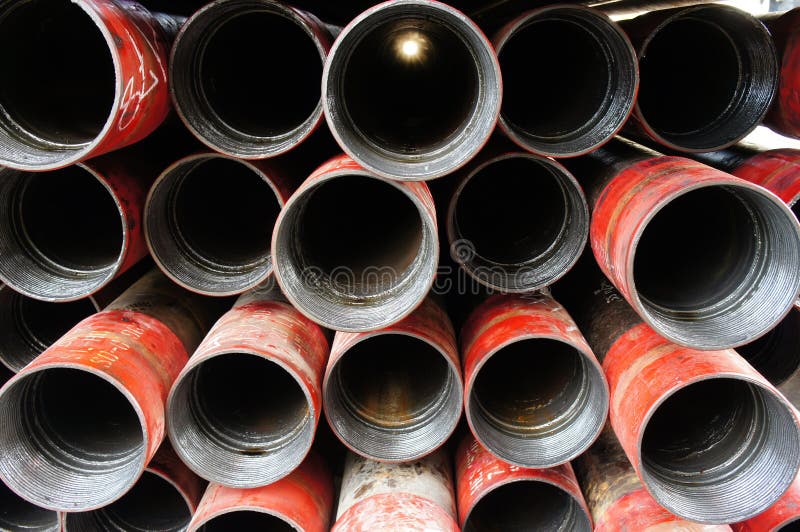
Free with trial Stack of oil well intermediate casing bundles. At box end of casing. Intermediate stock images, royalty-free photos and pictures Stack of oil well intermediate casing bundles. At box end of casing
Free with trial July 6th, 2019, Cork, Ireland - Liberty Insurance Camogie Intermediate Championship: Cork vs Dublin. Intermediate stock images, royalty-free photos and pictures Liberty Insurance Camogie Intermediate Championship: Cork vs Dublin. July 6th, 2019, Cork, Ireland - Liberty Insurance Camogie Intermediate Championship: Cork vs. July 6th, 2019, Cork, Ireland - Liberty Insurance Camogie Intermediate Championship: Cork vs Dublin
Free with trial Southern Lehigh Intermediate school. In Center Valley, Pennsylvania. Intermediate stock images, royalty-free photos and pictures Southern Lehigh Intermediate school. In Center Valley, Pennsylvania
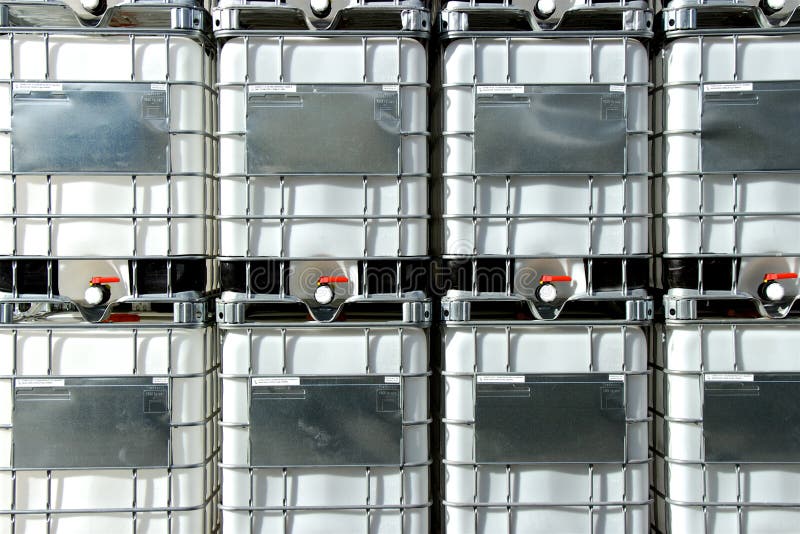
Free with trial Stack of intermediate bulk container metal-caged plastic totes. Intermediate stock images, royalty-free photos and pictures Stack of IBC Totes. Stack of intermediate bulk container metal-caged plastic totes. Stack of intermediate bulk container metal-caged plastic totes.
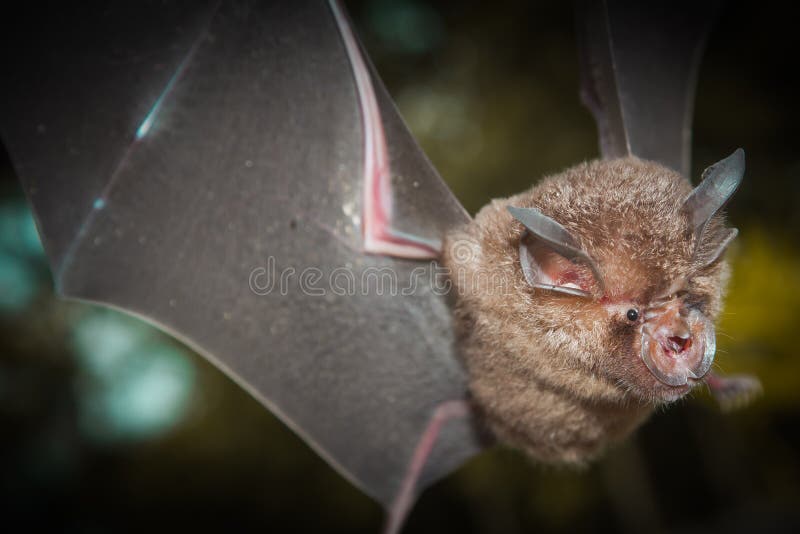
Free with trial Intermediate Horseshoe Bat Rhinolophus affinis,that live in caves Is a nocturnal animal Foul and dirty These bats are a collection of many diseases. And Colona virus. Intermediate stock images, royalty-free photos and pictures Intermediate Horseshoe Bat Rhinolophus affinis. That live in caves Is a nocturnal animal Foul and dirty These bats are a collection of many diseases. And Colona
Free with trial Electrical Cabinet with frequency converters, controller, circuit breaker. On the mounting panel mounted thermostat, intermediate relays and fuse holders. The wires are laid in cable channels. Intermediate stock images, royalty-free photos and pictures Electrical Cabinet with frequency converters, controller, circuit breaker. On the mounting panel mounted thermostat, intermediate relays and fuse holders. The
Free with trial Hashima Island, commonly called Gunkanjima (meaning Battleship Island), is former coal mining island. It's one of the oldest coal mine in Japan. In 1974, it becomes uninhabited island due to closing of coal mine. The island was formally approved as UNESCO World Heritage side in July 2015. Intermediate stock images, royalty-free photos and pictures Ruins of Hashima Elementary/Intermediate School in Gunkanjima (Hashima). Hashima Island, commonly called Gunkanjima (meaning Battleship Island), is former coal. Hashima Island, commonly called Gunkanjima (meaning Battleship Island), is former coal mining island. It's one of the oldest coal mine in Japan. In 1974, it becomes uninhabited island due to closing of coal mine. The island was formally approved as UNESCO World Heritage side in July 2015.
Free with trial This wolf is called red wolf. The red wolf pup begins life with a slate or dark gray pelt with auburn-tinged fur visible on its head (thus it's name). As it matures, this color changes color to a mixture of buff, tawny, cinnamon, and brown along the body and a black tipped tail; it often has black guard hairs too and sometimes presents with black or dark bars on its fore-legs. Black or melanistic individuals once occurred; such individuals were more common in Florida and in western areas. The pelt molts once annually in the winter. Its muzzle is white furred around the lips. The red wolf is generally intermediate in size between the coyote and the gray wolf. However, the disproportionately long legs & large ears are two obvious features that separate red wolves from coyotes and gray wolves. Its overall appearance is more slender and graceful looking than that of a grey wolf. Intermediate stock images, royalty-free photos and pictures Wolf. This wolf is called red wolf. The red wolf pup begins life with a slate or dark gray pelt with auburn-tinged fur visible on its head (thus it's name). As. This wolf is called red wolf. The red wolf pup begins life with a slate or dark gray pelt with auburn-tinged fur visible on its head (thus it's name). As it matures, this color changes color to a mixture of buff, tawny, cinnamon, and brown along the body and a black tipped tail; it often has black guard hairs too and sometimes presents with black or dark bars on its fore-legs. Black or melanistic individuals once occurred; such individuals were more common in Florida and in western areas. The pelt molts once annually in the winter. Its muzzle is white furred around the lips. The red wolf is generally intermediate in size between the coyote and the gray wolf. However, the disproportionately long legs & large ears are two obvious features that separate red wolves from coyotes and gray wolves.Its overall appearance is more slender and graceful looking than that of a grey wolf.
Free with trial English language books piled in difficulty level order, focus on proficiency. Intermediate stock images, royalty-free photos and pictures English language levels. English language books piled in difficulty level order, focus on proficiency. English language books piled in difficulty level order, focus on proficiency.
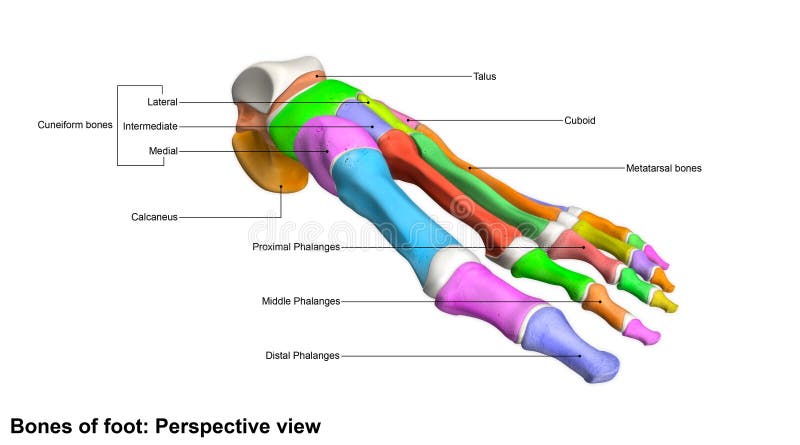
Free with trial The phalanges are the bones that make up the fingers of the hand and the toes of the foot. There are 56 phalanges in the human body, with fourteen on each hand and foot. Three phalanges are present on each finger and toe, with the exception of the thumb and large toe, which possess only two. The middle and far phalanges of the fourth and fifth toes are often fused together (symphalangism). The phalanges of the hand are commonly known as the finger bones. The phalanges of the foot differ from the hand in that they are often shorter and more compressed, especially in the proximal phalanges, those closest to the body. The phalanges are named according to whether they are proximal, intermediate or distal, and according to the finger or toe they are in. The proximal phalanges are those that are closest to the hand or foot. In the hand, the prominent, knobby ends of the proximal phalanx is often called the knuckle. The proximal phalanges join with the metacarpals of the hand or metatarsals of the foot at the metacarpophalangeal joint or metatarsophalangeal joint. The intermediate phalanx is not only intermediate in location, but usually also in size. The thumb and large toe do not possess a middle phalanx. The distal phalanges are the bones at the tips of the fingers or toes. The proximal, intermediate, and distal phalanges articulate with one another through interphalangeal articulations. Intermediate stock images, royalty-free photos and pictures Foot Perspective view. The phalanges are the bones that make up the fingers of the hand and the toes of the foot. There are 56 phalanges in the human body, with. The phalanges are the bones that make up the fingers of the hand and the toes of the foot. There are 56 phalanges in the human body, with fourteen on each hand and foot. Three phalanges are present on each finger and toe, with the exception of the thumb and large toe, which possess only two. The middle and far phalanges of the fourth and fifth toes are often fused together (symphalangism). The phalanges of the hand are commonly known as the finger bones. The phalanges of the foot differ from the hand in that they are often shorter and more compressed, especially in the proximal phalanges, those closest to the body. The phalanges are named according to whether they are proximal, intermediate or distal, and according to the finger or toe they are in. The proximal phalanges are those that are closest to the hand or foot. In the hand, the prominent, knobby ends of the proximal phalanx is often called the knuckle. The proximal phalanges join with the metacarpals of the hand or metatarsals of the foot at the metacarpophalangeal joint or metatarsophalangeal joint. The intermediate phalanx is not only intermediate in location, but usually also in size. The thumb and large toe do not possess a middle phalanx. The distal phalanges are the bones at the tips of the fingers or toes. The proximal, intermediate, and distal phalanges articulate with one another through interphalangeal articulations.
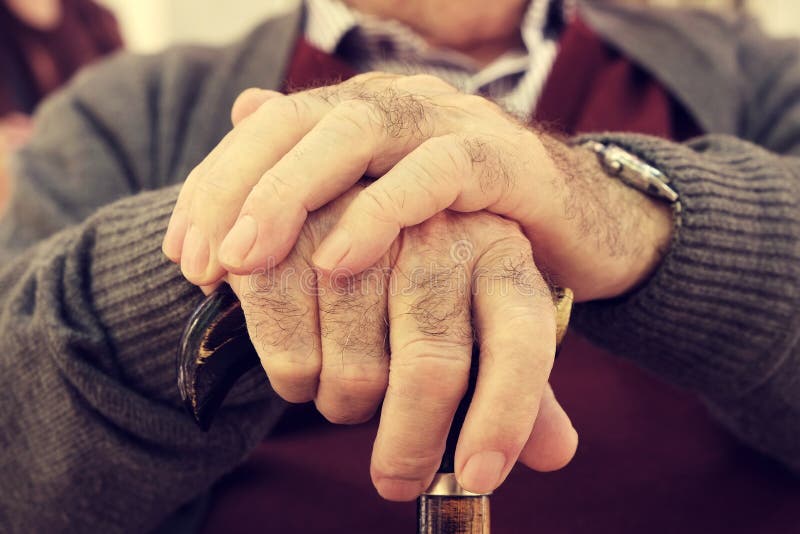
Free with trial Old man. Closeup of the hand of an old man with a walking stick. Intermediate stock images, royalty-free photos and pictures Old man. Closeup of the hand of an old man with a walking stick
Free with trial Welcome Back to school background. Intermediate stock images, royalty-free photos and pictures Back to school. Welcome Back to school background. Welcome Back to school background .
Free with trial Science formula. With yellow solution. Intermediate stock images, royalty-free photos and pictures Science formula. With yellow solution
Free with trial Science formula. With yellow solution. Intermediate stock images, royalty-free photos and pictures Science formula. With yellow solution
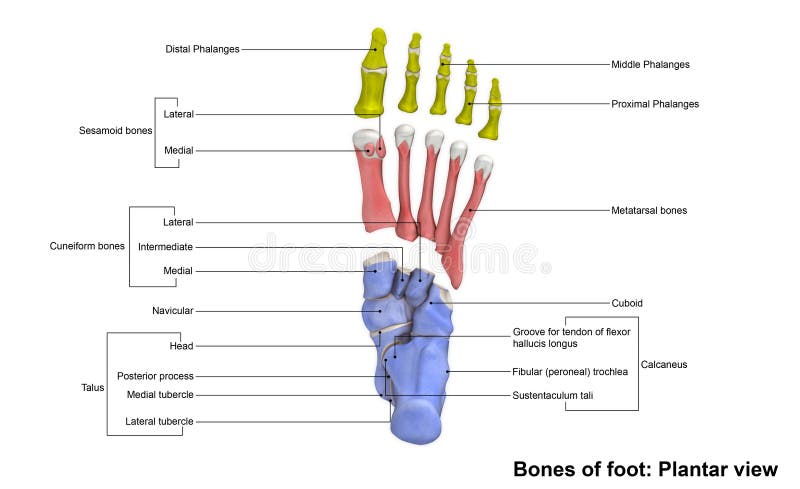
Free with trial The phalanges are the bones that make up the fingers of the hand and the toes of the foot. There are 56 phalanges in the human body, with fourteen on each hand and foot. Three phalanges are present on each finger and toe, with the exception of the thumb and large toe, which possess only two. The middle and far phalanges of the fourth and fifth toes are often fused together (symphalangism). The phalanges of the hand are commonly known as the finger bones. The phalanges of the foot differ from the hand in that they are often shorter and more compressed, especially in the proximal phalanges, those closest to the body. The phalanges are named according to whether they are proximal, intermediate or distal, and according to the finger or toe they are in. The proximal phalanges are those that are closest to the hand or foot. In the hand, the prominent, knobby ends of the proximal phalanx is often called the knuckle. The proximal phalanges join with the metacarpals of the hand or metatarsals of the foot at the metacarpophalangeal joint or metatarsophalangeal joint. The intermediate phalanx is not only intermediate in location, but usually also in size. The thumb and large toe do not possess a middle phalanx. The distal phalanges are the bones at the tips of the fingers or toes. The proximal, intermediate, and distal phalanges articulate with one another through interphalangeal articulations. Intermediate stock images, royalty-free photos and pictures Foot Planter view. The phalanges are the bones that make up the fingers of the hand and the toes of the foot. There are 56 phalanges in the human body, with. The phalanges are the bones that make up the fingers of the hand and the toes of the foot. There are 56 phalanges in the human body, with fourteen on each hand and foot. Three phalanges are present on each finger and toe, with the exception of the thumb and large toe, which possess only two. The middle and far phalanges of the fourth and fifth toes are often fused together (symphalangism). The phalanges of the hand are commonly known as the finger bones. The phalanges of the foot differ from the hand in that they are often shorter and more compressed, especially in the proximal phalanges, those closest to the body. The phalanges are named according to whether they are proximal, intermediate or distal, and according to the finger or toe they are in. The proximal phalanges are those that are closest to the hand or foot. In the hand, the prominent, knobby ends of the proximal phalanx is often called the knuckle. The proximal phalanges join with the metacarpals of the hand or metatarsals of the foot at the metacarpophalangeal joint or metatarsophalangeal joint. The intermediate phalanx is not only intermediate in location, but usually also in size. The thumb and large toe do not possess a middle phalanx. The distal phalanges are the bones at the tips of the fingers or toes. The proximal, intermediate, and distal phalanges articulate with one another through interphalangeal articulations.
Free with trial Windscreen wipers. Windscreen wiper stalk showing symbols for off, intermediate and different speeds. Intermediate stock images, royalty-free photos and pictures Windscreen wipers. Windscreen wiper stalk showing symbols for off, intermediate and different speeds
Free with trial Airport terminal Warsaw. Interior of airport terminal space Warsaw Poland. Intermediate stock images, royalty-free photos and pictures Airport terminal Warsaw. Interior of airport terminal space Warsaw Poland
Free with trial Photo of a girl jumping over hurdle. Intermediate stock images, royalty-free photos and pictures Girl Hurdling. Photo of a girl jumping over hurdle. Photo of a girl jumping over hurdle.
Free with trial Middle school. Hand drawing `Middle school` on black chalkboard. Intermediate stock images, royalty-free photos and pictures Middle school. Hand drawing `Middle school` on black chalkboard
Free with trial A happy senior holds his cd-rom. Maybe he's excited because the cd was free. Or perhaps, he just learned how to use it. Intermediate stock images, royalty-free photos and pictures Excited senior holds a cd-rom. A happy senior holds his cd-rom. Maybe he's excited because the cd was free. Or perhaps, he just learned how to use it. A happy senior holds his cd-rom. Maybe he's excited because the cd was free. Or perhaps, he just learned how to use it.
Free with trial The phalanges are the bones that make up the fingers of the hand and the toes of the foot. There are 56 phalanges in the human body, with fourteen on each hand and foot. Three phalanges are present on each finger and toe, with the exception of the thumb and large toe, which possess only two. The middle and far phalanges of the fourth and fifth toes are often fused together (symphalangism). The phalanges of the hand are commonly known as the finger bones. The phalanges of the foot differ from the hand in that they are often shorter and more compressed, especially in the proximal phalanges, those closest to the body. The phalanges are named according to whether they are proximal, intermediate or distal, and according to the finger or toe they are in. The proximal phalanges are those that are closest to the hand or foot. In the hand, the prominent, knobby ends of the proximal phalanx is often called the knuckle. The proximal phalanges join with the metacarpals of the hand or metatarsals of the foot at the metacarpophalangeal joint or metatarsophalangeal joint. The intermediate phalanx is not only intermediate in location, but usually also in size. The thumb and large toe do not possess a middle phalanx. The distal phalanges are the bones at the tips of the fingers or toes. The proximal, intermediate, and distal phalanges articulate with one another through interphalangeal articulations. Intermediate stock images, royalty-free photos and pictures Foot Planter view. The phalanges are the bones that make up the fingers of the hand and the toes of the foot. There are 56 phalanges in the human body, with. The phalanges are the bones that make up the fingers of the hand and the toes of the foot. There are 56 phalanges in the human body, with fourteen on each hand and foot. Three phalanges are present on each finger and toe, with the exception of the thumb and large toe, which possess only two. The middle and far phalanges of the fourth and fifth toes are often fused together (symphalangism). The phalanges of the hand are commonly known as the finger bones. The phalanges of the foot differ from the hand in that they are often shorter and more compressed, especially in the proximal phalanges, those closest to the body. The phalanges are named according to whether they are proximal, intermediate or distal, and according to the finger or toe they are in. The proximal phalanges are those that are closest to the hand or foot. In the hand, the prominent, knobby ends of the proximal phalanx is often called the knuckle. The proximal phalanges join with the metacarpals of the hand or metatarsals of the foot at the metacarpophalangeal joint or metatarsophalangeal joint. The intermediate phalanx is not only intermediate in location, but usually also in size. The thumb and large toe do not possess a middle phalanx. The distal phalanges are the bones at the tips of the fingers or toes. The proximal, intermediate, and distal phalanges articulate with one another through interphalangeal articulations.
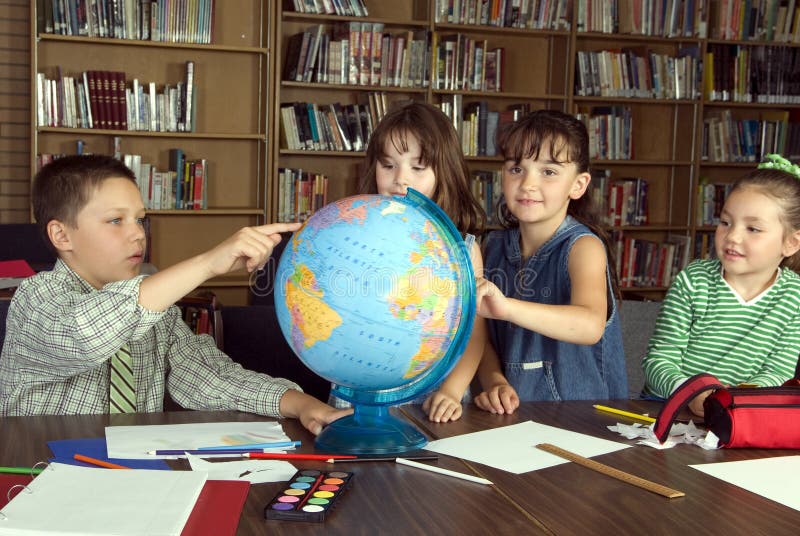
Free with trial Elementary school students studying. Elementary school students work on art and geography projects or homework in library. Intermediate stock images, royalty-free photos and pictures Elementary school students studying. Elementary school students work on art and geography projects or homework in library
Free with trial Trophy and Medal Winner. Martial Arts Competition Trophy with Gold Medal. Intermediate stock images, royalty-free photos and pictures Trophy and Medal Winner. Martial Arts Competition Trophy with Gold Medal
Free with trial Injection. Solution and syringe with blue background. Intermediate stock images, royalty-free photos and pictures Injection. Solution and syringe with blue background
Free with trial Old man with a walking stick. Closeup of the hands of an old caucasian man with a walking stick. Intermediate stock images, royalty-free photos and pictures Old man with a walking stick. Closeup of the hands of an old caucasian man with a walking stick
Free with trial The phalanges are the bones that make up the fingers of the hand and the toes of the foot. There are 56 phalanges in the human body, with fourteen on each hand and foot. Three phalanges are present on each finger and toe, with the exception of the thumb and large toe, which possess only two. The middle and far phalanges of the fourth and fifth toes are often fused together (symphalangism). The phalanges of the hand are commonly known as the finger bones. The phalanges of the foot differ from the hand in that they are often shorter and more compressed, especially in the proximal phalanges, those closest to the body. The phalanges are named according to whether they are proximal, intermediate or distal, and according to the finger or toe they are in. The proximal phalanges are those that are closest to the hand or foot. In the hand, the prominent, knobby ends of the proximal phalanx is often called the knuckle. The proximal phalanges join with the metacarpals of the hand or metatarsals of the foot at the metacarpophalangeal joint or metatarsophalangeal joint. The intermediate phalanx is not only intermediate in location, but usually also in size. The thumb and large toe do not possess a middle phalanx. The distal phalanges are the bones at the tips of the fingers or toes. The proximal, intermediate, and distal phalanges articulate with one another through interphalangeal articulations. Intermediate stock images, royalty-free photos and pictures Foot Side view. The phalanges are the bones that make up the fingers of the hand and the toes of the foot. There are 56 phalanges in the human body, with. The phalanges are the bones that make up the fingers of the hand and the toes of the foot. There are 56 phalanges in the human body, with fourteen on each hand and foot. Three phalanges are present on each finger and toe, with the exception of the thumb and large toe, which possess only two. The middle and far phalanges of the fourth and fifth toes are often fused together (symphalangism). The phalanges of the hand are commonly known as the finger bones. The phalanges of the foot differ from the hand in that they are often shorter and more compressed, especially in the proximal phalanges, those closest to the body. The phalanges are named according to whether they are proximal, intermediate or distal, and according to the finger or toe they are in. The proximal phalanges are those that are closest to the hand or foot. In the hand, the prominent, knobby ends of the proximal phalanx is often called the knuckle. The proximal phalanges join with the metacarpals of the hand or metatarsals of the foot at the metacarpophalangeal joint or metatarsophalangeal joint. The intermediate phalanx is not only intermediate in location, but usually also in size. The thumb and large toe do not possess a middle phalanx. The distal phalanges are the bones at the tips of the fingers or toes. The proximal, intermediate, and distal phalanges articulate with one another through interphalangeal articulations.
Free with trial The Board of Education is the school district`s governing body. Voters elect seven members at large, each serving a four-year term. Members elect a president and vice president annually at the January organizational meeting. Intermediate stock images, royalty-free photos and pictures Board of Education. The Board of Education is the school district`s governing body. Voters elect seven members at large, each serving a four-year term. Members. The Board of Education is the school district`s governing body. Voters elect seven members at large, each serving a four-year term. Members elect a president and vice president annually at the January organizational meeting.
Free with trial Science formula. With blue solution. Intermediate stock images, royalty-free photos and pictures Science formula. With blue solution
Free with trial Successful, strong and powerful tackle. Shirt sleeves rolled up. Men's shirt. Intermediate stock images, royalty-free photos and pictures Successful, strong and powerful tackle. Hemdärm. Successful, strong and powerful tackle. Shirt sleeves rolled up. Men's shirt. Successful, strong and powerful tackle. Shirt sleeves rolled up. Men's shirt.
Free with trial Blue and yellow oil drums. In a factory. Intermediate stock images, royalty-free photos and pictures Blue and yellow oil drums. In a factory
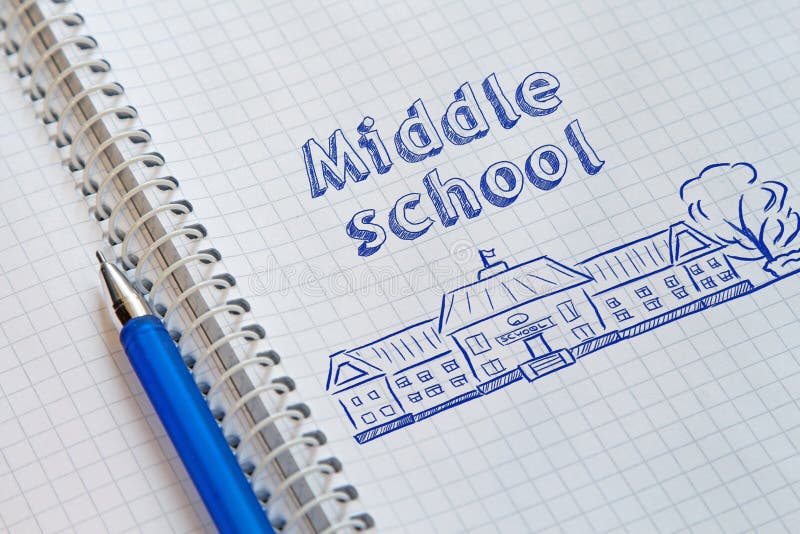
Free with trial Middle school. Text Middle school handwritten on sheet of notebook. Intermediate stock images, royalty-free photos and pictures Middle school. Text Middle school handwritten on sheet of notebook
Free with trial The phalanges are the bones that make up the fingers of the hand and the toes of the foot. There are 56 phalanges in the human body, with fourteen on each hand and foot. Three phalanges are present on each finger and toe, with the exception of the thumb and large toe, which possess only two. The middle and far phalanges of the fourth and fifth toes are often fused together symphalangism. The phalanges of the hand are commonly known as the finger bones. The phalanges of the foot differ from the hand in that they are often shorter and more compressed, especially in the proximal phalanges, those closest to the body. The phalanges are named according to whether they are proximal, intermediate or distal, and according to the finger or toe they are in. The proximal phalanges are those that are closest to the hand or foot. In the hand, the prominent, knobby ends of the proximal phalanx is often called the knuckle. The proximal phalanges join with the metacarpals of the hand or metatarsals of the foot at the metacarpophalangeal joint or metatarsophalangeal joint. The intermediate phalanx is not only intermediate in location, but usually also in size. The thumb and large toe do not possess a middle phalanx. The distal phalanges are the bones at the tips of the fingers or toes. The proximal, intermediate, and distal phalanges articulate with one another through interphalangeal articulations. Intermediate stock images, royalty-free photos and pictures Foot Side view. The phalanges are the bones that make up the fingers of the hand and the toes of the foot. There are 56 phalanges in the human body, with. The phalanges are the bones that make up the fingers of the hand and the toes of the foot. There are 56 phalanges in the human body, with fourteen on each hand and foot. Three phalanges are present on each finger and toe, with the exception of the thumb and large toe, which possess only two. The middle and far phalanges of the fourth and fifth toes are often fused together symphalangism. The phalanges of the hand are commonly known as the finger bones. The phalanges of the foot differ from the hand in that they are often shorter and more compressed, especially in the proximal phalanges, those closest to the body. The phalanges are named according to whether they are proximal, intermediate or distal, and according to the finger or toe they are in. The proximal phalanges are those that are closest to the hand or foot. In the hand, the prominent, knobby ends of the proximal phalanx is often called the knuckle. The proximal phalanges join with the metacarpals of the hand or metatarsals of the foot at the metacarpophalangeal joint or metatarsophalangeal joint. The intermediate phalanx is not only intermediate in location, but usually also in size. The thumb and large toe do not possess a middle phalanx. The distal phalanges are the bones at the tips of the fingers or toes. The proximal, intermediate, and distal phalanges articulate with one another through interphalangeal articulations.
Free with trial Elementary school students studying. Elementary school age boy studies in library. Intermediate stock images, royalty-free photos and pictures Elementary school students studying. Elementary school age boy studies in library
Free with trial Educational Essentials. Children's toy blocks spelling Read with Slanted A. Intermediate stock images, royalty-free photos and pictures Educational Essentials. Children's toy blocks spelling Read with Slanted A
Free with trial School gymnasium entrance. Gymnasium entrance for an elementary school in New Jersey. Intermediate stock images, royalty-free photos and pictures School gymnasium entrance. Gymnasium entrance for an elementary school in New Jersey
Free with trial Sporty beautiful young woman practicing yoga, doing Reclining Hero Pose - variation of Virasana or Supta-Vajrasana, Fixed Firm Pose (bikram), working out wearing black sportswear, studio, full length. Intermediate stock images, royalty-free photos and pictures Reclining Hero Pose. Sporty beautiful young woman practicing yoga, doing Reclining Hero Pose - variation of Virasana or Supta-Vajrasana, Fixed Firm Pose (bikram. Sporty beautiful young woman practicing yoga, doing Reclining Hero Pose - variation of Virasana or Supta-Vajrasana, Fixed Firm Pose (bikram), working out wearing black sportswear, studio, full length
Free with trial Elementary student gets her hair pulled in library. Elementary student gets her hair pulled while studying in library. Intermediate stock images, royalty-free photos and pictures Elementary student gets her hair pulled in library. Elementary student gets her hair pulled while studying in library
 Sign in