Free with trial Mobbing. Sad bound businesswoman sitting in front of a laptop. Legate stock images, royalty-free photos and pictures Mobbing. Sad bound businesswoman sitting in front of a laptop
Free with trial Control. Beautiful woman tied to ropes as a puppet. Legate stock images, royalty-free photos and pictures Control. Beautiful woman tied to ropes as a puppet
Free with trial Cart Monastery is a former Cistercian-Benedictine monastery in the Tara Fagarasului region, southern Transylvania, Romania, currently a Lutheran Evangelical church belonging to the local Saxon community. The monastery was probably founded in 1202-1206 by monks from Igris abbey, and was disbanded in 1494, when the apostolic legate Ursus of Ursinis ratified Carta Abbeys attachment to the Provostship. Legate stock images, royalty-free photos and pictures Old Cistercian Church in Carta, Romania. Cart Monastery is a former Cistercian-Benedictine monastery in the Tara Fagarasului region, southern Transylvania. Cart Monastery is a former Cistercian-Benedictine monastery in the Tara Fagarasului region, southern Transylvania, Romania, currently a Lutheran Evangelical church belonging to the local Saxon community. The monastery was probably founded in 1202-1206 by monks from Igris abbey, and was disbanded in 1494, when the apostolic legate Ursus of Ursinis ratified Carta Abbeys attachment to the Provostship
Free with trial Ambassador word from wooden blocks. On desk. Legate stock images, royalty-free photos and pictures Ambassador word from wooden blocks. On desk
Free with trial Cârţa Monastery is a former Cistercian (Benedictine) monastery in the Ţara Făgăraşului region in southern Transylvania in Romania, currently a Lutheran Evangelical church belonging to the local Saxon community. It lies on the left bank of the Olt River, between the cities of Sibiu and Făgăraş, close to the villages of Cârţa (German Kerz, Hungarian: Kerc) and Cârțișoara (German: Kleinkerz). The monastery was probably founded in 1202-1206 by monks from Igriș abbey (daughter house of Pontigny abbey), and was disbanded in 1494, when the apostolic legate Ursus of Ursinis ratified Cârţa Abbey’s attachment to the Provostship nullius of Sibiu. The Cistercian monastery introduced and helped develop French Gothic art in the region. Legate stock images, royalty-free photos and pictures Window in the church of Carta medieval monastery near Sibiu, Transilvania. Cârţa Monastery is a former Cistercian (Benedictine) monastery in the Ţara Făgăra. Cârţa Monastery is a former Cistercian (Benedictine) monastery in the Ţara Făgăraşului region in southern Transylvania in Romania, currently a Lutheran Evangelical church belonging to the local Saxon community. It lies on the left bank of the Olt River, between the cities of Sibiu and Făgăraş, close to the villages of Cârţa (German Kerz, Hungarian: Kerc) and Cârțișoara (German: Kleinkerz). The monastery was probably founded in 1202-1206 by monks from Igriș abbey (daughter house of Pontigny abbey), and was disbanded in 1494, when the apostolic legate Ursus of Ursinis ratified Cârţa Abbey’s attachment to the Provostship nullius of Sibiu. The Cistercian monastery introduced and helped develop French Gothic art in the region.
Free with trial Cârţa Monastery is a former Cistercian (Benedictine) monastery in the Ţara Făgăraşului region in southern Transylvania in Romania, currently a Lutheran Evangelical church belonging to the local Saxon community. It lies on the left bank of the Olt River, between the cities of Sibiu and Făgăraş, close to the villages of Cârţa (German Kerz, Hungarian: Kerc) and Cârțișoara (German: Kleinkerz). The monastery was probably founded in 1202-1206 by monks from Igriș abbey (daughter house of Pontigny abbey), and was disbanded in 1494, when the apostolic legate Ursus of Ursinis ratified Cârţa Abbey’s attachment to the Provostship nullius of Sibiu. The Cistercian monastery introduced and helped develop French Gothic art in the region. Legate stock images, royalty-free photos and pictures Administration of Carta medieval monastery near Sibiu, Transilvania. Cârţa Monastery is a former Cistercian (Benedictine) monastery in the Ţara Făgăraşului. Cârţa Monastery is a former Cistercian (Benedictine) monastery in the Ţara Făgăraşului region in southern Transylvania in Romania, currently a Lutheran Evangelical church belonging to the local Saxon community. It lies on the left bank of the Olt River, between the cities of Sibiu and Făgăraş, close to the villages of Cârţa (German Kerz, Hungarian: Kerc) and Cârțișoara (German: Kleinkerz). The monastery was probably founded in 1202-1206 by monks from Igriș abbey (daughter house of Pontigny abbey), and was disbanded in 1494, when the apostolic legate Ursus of Ursinis ratified Cârţa Abbey’s attachment to the Provostship nullius of Sibiu. The Cistercian monastery introduced and helped develop French Gothic art in the region.
Free with trial Cârţa Monastery is a former Cistercian (Benedictine) monastery in the Ţara Făgăraşului region in southern Transylvania in Romania, currently a Lutheran Evangelical church belonging to the local Saxon community. It lies on the left bank of the Olt River, between the cities of Sibiu and Făgăraş, close to the villages of Cârţa (German Kerz, Hungarian: Kerc) and Cârțișoara (German: Kleinkerz). The monastery was probably founded in 1202-1206 by monks from Igriș abbey (daughter house of Pontigny abbey), and was disbanded in 1494, when the apostolic legate Ursus of Ursinis ratified Cârţa Abbey’s attachment to the Provostship nullius of Sibiu. The Cistercian monastery introduced and helped develop French Gothic art in the region. Legate stock images, royalty-free photos and pictures View of ruins of Carta medieval monastery near Sibiu, Transilvania. Cârţa Monastery is a former Cistercian (Benedictine) monastery in the Ţara Făgăraşului. Cârţa Monastery is a former Cistercian (Benedictine) monastery in the Ţara Făgăraşului region in southern Transylvania in Romania, currently a Lutheran Evangelical church belonging to the local Saxon community. It lies on the left bank of the Olt River, between the cities of Sibiu and Făgăraş, close to the villages of Cârţa (German Kerz, Hungarian: Kerc) and Cârțișoara (German: Kleinkerz). The monastery was probably founded in 1202-1206 by monks from Igriș abbey (daughter house of Pontigny abbey), and was disbanded in 1494, when the apostolic legate Ursus of Ursinis ratified Cârţa Abbey’s attachment to the Provostship nullius of Sibiu. The Cistercian monastery introduced and helped develop French Gothic art in the region.
Free with trial Kathmandu, Nepal - December 23, 2012: Memorial Stone, Himalayan Graveyard of Pete Legate Covered by Prayer Flags, Everest Base Camp Trek Lobuche to Gorak Shep, Nepal. Legate stock images, royalty-free photos and pictures Memorial. Kathmandu, Nepal - December 23, 2012: Memorial Stone, Himalayan Graveyard of Pete Legate Covered by Prayer Flags, Everest Base Camp Trek Lobuche to. Kathmandu, Nepal - December 23, 2012: Memorial Stone, Himalayan Graveyard of Pete Legate Covered by Prayer Flags, Everest Base Camp Trek Lobuche to Gorak Shep, Nepal
Free with trial Beautiful puppet woman. Young beautiful woman in the mountains being a puppet. Legate stock images, royalty-free photos and pictures Beautiful puppet woman. Young beautiful woman in the mountains being a puppet
Free with trial Obstacles. Sad bound businesswoman trying to type on a computer keyboard. Legate stock images, royalty-free photos and pictures Obstacles. Sad bound businesswoman trying to type on a computer keyboard
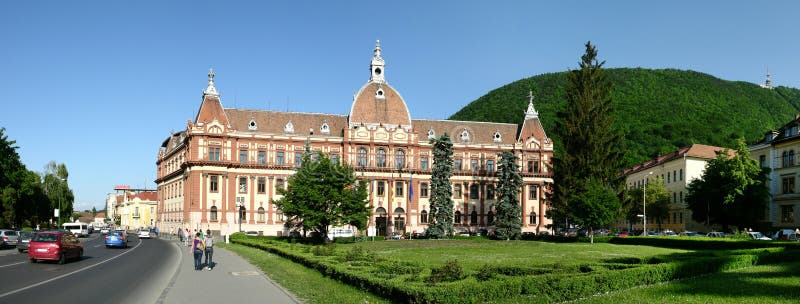
Free with trial Central administration building of Brasov county, in Romania. Legate stock images, royalty-free photos and pictures Government of Brasov, Romania. Central administration building of Brasov county, in Romania. Central administration building of Brasov county, in Romania.
Free with trial Central administration building of Brasov county, in Romania. Legate stock images, royalty-free photos and pictures Government of Brasov, Romania. Central administration building of Brasov county, in Romania. Central administration building of Brasov county, in Romania.
Free with trial Central administration building of Brasov county, in Romania. Legate stock images, royalty-free photos and pictures Government of Brasov county, Transylvania, Romania. Central administration building of Brasov county, in Romania. Central administration building of Brasov county, in Romania.
Free with trial A businessman is trapped in the plastic. Legate stock images, royalty-free photos and pictures Businessman Trapped in the Plastic. A businessman is trapped in the plastic. A businessman is trapped in the plastic.
Free with trial Central administration building of Brasov county, in Romania. Legate stock images, royalty-free photos and pictures Brasov Landmark. Central administration building of Brasov county, in Romania. Central administration building of Brasov county, in Romania.
Free with trial Central administration building of Brasov county, in Romania. Legate stock images, royalty-free photos and pictures Brasov Landmark. Central administration building of Brasov county, in Romania. Central administration building of Brasov county, in Romania.
Free with trial Government of Brasov county. Central administration building of Brasov county, in Romania. Legate stock images, royalty-free photos and pictures Government of Brasov county, Transylvania, Romania. Government of Brasov county. Central administration building of Brasov county, in Romania. Government of Brasov county. Central administration building of Brasov county, in Romania.
Free with trial Cart Monastery is a former Cistercian-Benedictine monastery in the Tara Fagarasului region, southern Transylvania, Romania, currently a Lutheran Evangelical church belonging to the local Saxon community. The monastery was probably founded in 1202-1206 by monks from Igris abbey, and was disbanded in 1494, when the apostolic legate Ursus of Ursinis ratified Carta Abbeys attachment to the Provostship. Legate stock images, royalty-free photos and pictures Old Cistercian Church in Carta, Romania. Cart Monastery is a former Cistercian-Benedictine monastery in the Tara Fagarasului region, southern Transylvania. Cart Monastery is a former Cistercian-Benedictine monastery in the Tara Fagarasului region, southern Transylvania, Romania, currently a Lutheran Evangelical church belonging to the local Saxon community. The monastery was probably founded in 1202-1206 by monks from Igris abbey, and was disbanded in 1494, when the apostolic legate Ursus of Ursinis ratified Carta Abbeys attachment to the Provostship
Free with trial Cart Monastery is a former Cistercian-Benedictine monastery in the Tara Fagarasului region, southern Transylvania, Romania, currently a Lutheran Evangelical church belonging to the local Saxon community. The monastery was probably founded in 1202-1206 by monks from Igris abbey, and was disbanded in 1494, when the apostolic legate Ursus of Ursinis ratified Carta Abbeys attachment to the Provostship. Legate stock images, royalty-free photos and pictures Old Cistercian Church in Carta, Romania. Cart Monastery is a former Cistercian-Benedictine monastery in the Tara Fagarasului region, southern Transylvania. Cart Monastery is a former Cistercian-Benedictine monastery in the Tara Fagarasului region, southern Transylvania, Romania, currently a Lutheran Evangelical church belonging to the local Saxon community. The monastery was probably founded in 1202-1206 by monks from Igris abbey, and was disbanded in 1494, when the apostolic legate Ursus of Ursinis ratified Carta Abbeys attachment to the Provostship
Free with trial Carta, Sibiu. Ruins of medieval Cistercian abbey in Transylvania, Romania. Legate stock images, royalty-free photos and pictures Carta, Sibiu. Ruins of medieval Cistercian abbey. Carta, Sibiu. Ruins of medieval Cistercian abbey in Transylvania, Romania. Carta, Sibiu. Ruins of medieval Cistercian abbey in Transylvania, Romania.
Free with trial Cart Monastery is a former Cistercian-Benedictine monastery in the Tara Fagarasului region, southern Transylvania, Romania, currently a Lutheran Evangelical church belonging to the local Saxon community. The monastery was probably founded in 1202-1206 by monks from Igris abbey, and was disbanded in 1494, when the apostolic legate Ursus of Ursinis ratified Carta Abbeys attachment to the Provostship. Legate stock images, royalty-free photos and pictures Old Cistercian Church in Carta, Romania. Cart Monastery is a former Cistercian-Benedictine monastery in the Tara Fagarasului region, southern Transylvania. Cart Monastery is a former Cistercian-Benedictine monastery in the Tara Fagarasului region, southern Transylvania, Romania, currently a Lutheran Evangelical church belonging to the local Saxon community. The monastery was probably founded in 1202-1206 by monks from Igris abbey, and was disbanded in 1494, when the apostolic legate Ursus of Ursinis ratified Carta Abbeys attachment to the Provostship
Free with trial Cart Monastery is a former Cistercian-Benedictine monastery in the Tara Fagarasului region, southern Transylvania, Romania, currently a Lutheran Evangelical church belonging to the local Saxon community. The monastery was probably founded in 1202-1206 by monks from Igris abbey, and was disbanded in 1494, when the apostolic legate Ursus of Ursinis ratified Carta Abbeys attachment to the Provostship. Legate stock images, royalty-free photos and pictures Old Cistercian Church in Carta, Romania. Cart Monastery is a former Cistercian-Benedictine monastery in the Tara Fagarasului region, southern Transylvania. Cart Monastery is a former Cistercian-Benedictine monastery in the Tara Fagarasului region, southern Transylvania, Romania, currently a Lutheran Evangelical church belonging to the local Saxon community. The monastery was probably founded in 1202-1206 by monks from Igris abbey, and was disbanded in 1494, when the apostolic legate Ursus of Ursinis ratified Carta Abbeys attachment to the Provostship
Free with trial Cart Monastery is a former Cistercian-Benedictine monastery in the Tara Fagarasului region, southern Transylvania, Romania, currently a Lutheran Evangelical church belonging to the local Saxon community. The monastery was probably founded in 1202-1206 by monks from Igris abbey, and was disbanded in 1494, when the apostolic legate Ursus of Ursinis ratified Carta Abbeys attachment to the Provostship. Legate stock images, royalty-free photos and pictures Ruins of the old Cistercian-Benedictine monastery in Carta, Romania. Cart Monastery is a former Cistercian-Benedictine monastery in the Tara Fagarasului region. Cart Monastery is a former Cistercian-Benedictine monastery in the Tara Fagarasului region, southern Transylvania, Romania, currently a Lutheran Evangelical church belonging to the local Saxon community. The monastery was probably founded in 1202-1206 by monks from Igris abbey, and was disbanded in 1494, when the apostolic legate Ursus of Ursinis ratified Carta Abbeys attachment to the Provostship.
Free with trial The fortified church of Kirchenburg, Romania. Southeastern Transylvania in Romania has one of the fortified churches build in Transylvania. Legate stock images, royalty-free photos and pictures Entrance in the Kirchenburg (Harman) fortified church. The fortified church of Kirchenburg, Romania. Southeastern Transylvania in Romania has one of the. The fortified church of Kirchenburg, Romania. Southeastern Transylvania in Romania has one of the fortified churches build in Transylvania.
Free with trial The fortified church of Kirchenburg, Romania. Southeastern Transylvania in Romania has one of the fortified churches build in Transylvania. Legate stock images, royalty-free photos and pictures Kirchenburg (Harman) fortified church. The fortified church of Kirchenburg, Romania. Southeastern Transylvania in Romania has one of the fortified churches build. The fortified church of Kirchenburg, Romania. Southeastern Transylvania in Romania has one of the fortified churches build in Transylvania.
Free with trial The fortified church of Kirchenburg, Romania. Southeastern Transylvania in Romania has one of the fortified churches build in Transylvania. Legate stock images, royalty-free photos and pictures Kirchenburg (Harman) fortified church. The fortified church of Kirchenburg, Romania. Southeastern Transylvania in Romania has one of the fortified churches build. The fortified church of Kirchenburg, Romania. Southeastern Transylvania in Romania has one of the fortified churches build in Transylvania.
Free with trial The fortified church of Kirchenburg, Romania. Southeastern Transylvania in Romania has one of the fortified churches build in Transylvania. Legate stock images, royalty-free photos and pictures Inside Kirchenburg (Harman) fortified church. The fortified church of Kirchenburg, Romania. Southeastern Transylvania in Romania has one of the fortified. The fortified church of Kirchenburg, Romania. Southeastern Transylvania in Romania has one of the fortified churches build in Transylvania.
Free with trial Near Sibiu there are Cârţa Monastery, a former Cistercian (Benedictine) monastery. Is situated in the region Ţara Făgăraşului, in southern Transylvania in Romania. At the beginning , was a Lutheran Evangelical church belonging to the local Saxon community. The monastery of the cistercian monks introduced and develop French Gothic art in this area. Legate stock images, royalty-free photos and pictures Cemetery in Carta medieval monastery near Sibiu, Transilvania. Near Sibiu there are Cârţa Monastery, a former Cistercian (Benedictine) monastery. Is situated. Near Sibiu there are Cârţa Monastery, a former Cistercian (Benedictine) monastery. Is situated in the region Ţara Făgăraşului, in southern Transylvania in Romania. At the beginning , was a Lutheran Evangelical church belonging to the local Saxon community. The monastery of the cistercian monks introduced and develop French Gothic art in this area.
Free with trial The fortified church of Kirchenburg, Romania. Southeastern Transylvania in Romania has one of the fortified churches build in Transylvania. Legate stock images, royalty-free photos and pictures Entrance in Kirchenburg (Harman) fortified church. The fortified church of Kirchenburg, Romania. Southeastern Transylvania in Romania has one of the fortified. The fortified church of Kirchenburg, Romania. Southeastern Transylvania in Romania has one of the fortified churches build in Transylvania.
Free with trial The fortified church of Kirchenburg, Romania. Southeastern Transylvania in Romania has one of the fortified churches build in Transylvania. Legate stock images, royalty-free photos and pictures Entrance in the Kirchenburg (Harman) fortified church. The fortified church of Kirchenburg, Romania. Southeastern Transylvania in Romania has one of the. The fortified church of Kirchenburg, Romania. Southeastern Transylvania in Romania has one of the fortified churches build in Transylvania.
Free with trial Cârţa Monastery is a former Cistercian (Benedictine) monastery in the Ţara Făgăraşului region in southern Transylvania in Romania, currently a Lutheran Evangelical church belonging to the local Saxon community. Legate stock images, royalty-free photos and pictures Inside the church of Carta medieval monastery near Sibiu, Transilvania. Cârţa Monastery is a former Cistercian (Benedictine) monastery in the Ţara Făgăraş. Cârţa Monastery is a former Cistercian (Benedictine) monastery in the Ţara Făgăraşului region in southern Transylvania in Romania, currently a Lutheran Evangelical church belonging to the local Saxon community.
Free with trial Cârţa Monastery is a former Cistercian (Benedictine) monastery in the Ţara Făgăraşului region in southern Transylvania in Romania, currently a Lutheran Evangelical church belonging to the local Saxon community. Legate stock images, royalty-free photos and pictures Inside the church of Carta medieval monastery near Sibiu, Transilvania. Cârţa Monastery is a former Cistercian (Benedictine) monastery in the Ţara Făgăraş. Cârţa Monastery is a former Cistercian (Benedictine) monastery in the Ţara Făgăraşului region in southern Transylvania in Romania, currently a Lutheran Evangelical church belonging to the local Saxon community.
Free with trial Cârţa Monastery is a former Cistercian (Benedictine) monastery in the Ţara Făgăraşului region in southern Transylvania in Romania, currently a Lutheran Evangelical church belonging to the local Saxon community. Legate stock images, royalty-free photos and pictures Inside the church of Carta medieval monastery near Sibiu, Transilvania. Cârţa Monastery is a former Cistercian (Benedictine) monastery in the Ţara Făgăraş. Cârţa Monastery is a former Cistercian (Benedictine) monastery in the Ţara Făgăraşului region in southern Transylvania in Romania, currently a Lutheran Evangelical church belonging to the local Saxon community.
Free with trial Near Sibiu there are Cârţa Monastery, a former Cistercian (Benedictine) monastery. Is situated in the region Ţara Făgăraşului, in southern Transylvania in Romania. At the beginning , was a Lutheran Evangelical church belonging to the local Saxon community. The monastery of the cistercian monks introduced and develop French Gothic art in this area. Legate stock images, royalty-free photos and pictures Vault inside church of Carta medieval monastery near Sibiu, Transilvania. Near Sibiu there are Cârţa Monastery, a former Cistercian (Benedictine) monastery. Is. Near Sibiu there are Cârţa Monastery, a former Cistercian (Benedictine) monastery. Is situated in the region Ţara Făgăraşului, in southern Transylvania in Romania. At the beginning , was a Lutheran Evangelical church belonging to the local Saxon community. The monastery of the cistercian monks introduced and develop French Gothic art in this area.
Free with trial BUCHAREST, ROMANIA - OCTOBER 25, 2016: U. S. Ambassador to Romania, Hans Klemm, participates at the National Top of Private Companies conference. Legate stock images, royalty-free photos and pictures U.S. Ambassador to Romania, Hans Klemm. BUCHAREST, ROMANIA - OCTOBER 25, 2016: U.S. Ambassador to Romania, Hans Klemm, participates at the National Top of. BUCHAREST, ROMANIA - OCTOBER 25, 2016: U.S. Ambassador to Romania, Hans Klemm, participates at the National Top of Private Companies conference.
Free with trial A Roman-style suit of armor is displayed on a wooden stand. The intricately designed cuirass features gold reliefs depicting classical figures and scenes. Red leather straps embellished with gold trimming hang from the armor. In the background, a canvas tent typical of historical Roman military camps is visible, set against a grassy landscape. The craftsmanship and artistic detailing suggest a ceremonial or high-ranking military use. Legate stock images, royalty-free photos and pictures A richly decorated full suit of armor of a Roman legate in a Roman military camp. A Roman-style suit of armor is displayed on a wooden stand. The intricately. A Roman-style suit of armor is displayed on a wooden stand. The intricately designed cuirass features gold reliefs depicting classical figures and scenes. Red leather straps embellished with gold trimming hang from the armor. In the background, a canvas tent typical of historical Roman military camps is visible, set against a grassy landscape. The craftsmanship and artistic detailing suggest a ceremonial or high-ranking military use.
Free with trial A Roman-style suit of armor is displayed on a wooden stand. The intricately designed cuirass features gold reliefs depicting classical figures and scenes. Red leather straps embellished with gold trimming hang from the armor. In the background, a canvas tent typical of historical Roman military camps is visible, set against a grassy landscape. The craftsmanship and artistic detailing suggest a ceremonial or high-ranking military use. Legate stock images, royalty-free photos and pictures A richly decorated full suit of armor of a Roman legate in a Roman military camp. A Roman-style suit of armor is displayed on a wooden stand. The intricately. A Roman-style suit of armor is displayed on a wooden stand. The intricately designed cuirass features gold reliefs depicting classical figures and scenes. Red leather straps embellished with gold trimming hang from the armor. In the background, a canvas tent typical of historical Roman military camps is visible, set against a grassy landscape. The craftsmanship and artistic detailing suggest a ceremonial or high-ranking military use.
Free with trial A Roman-style suit of armor is displayed on a wooden stand. The intricately designed cuirass features gold reliefs depicting classical figures and scenes. Red leather straps embellished with gold trimming hang from the armor. In the background, a canvas tent typical of historical Roman military camps is visible, set against a grassy landscape. The craftsmanship and artistic detailing suggest a ceremonial or high-ranking military use. Legate stock images, royalty-free photos and pictures A richly decorated full suit of armor of a Roman legate in a Roman military camp. A Roman-style suit of armor is displayed on a wooden stand. The intricately. A Roman-style suit of armor is displayed on a wooden stand. The intricately designed cuirass features gold reliefs depicting classical figures and scenes. Red leather straps embellished with gold trimming hang from the armor. In the background, a canvas tent typical of historical Roman military camps is visible, set against a grassy landscape. The craftsmanship and artistic detailing suggest a ceremonial or high-ranking military use.
Free with trial VIENNA, AUSTIRA - OCTOBER 22, 2020: The papal legate giving the Benedictions to christian nobles on the stained glass in the Laurentiuskirche by workrooms from Czech and Austria end of 19. cent. Legate stock images, royalty-free photos and pictures VIENNA, AUSTIRA - OCTOBER 22, 2020: The papal legate giving the Benedictions to christian nobles on the stained glass. In the Laurentiuskirche by workrooms. VIENNA, AUSTIRA - OCTOBER 22, 2020: The papal legate giving the Benedictions to christian nobles on the stained glass in the Laurentiuskirche by workrooms from Czech and Austria end of 19. cent
Free with trial Pictured is the D'Accursio Palace on the western end of the Main Square of Bologna, Italy. The Clock Tower of Bologna is seen rising on the left end. The D’Accursio Palace has been the seat and symbol of Bologna’s political power since medieval times. It was where the highest magistrates of the city – the Elders, or Anziani, congregated, and later it became the seat of the papal legate, the representative of the pope in town when Bologna was under papal rule. Today, D’Accursio Palace still houses some administrative offices and the Civic Art Collections museum. The Main Square is full of tourists. Legate stock images, royalty-free photos and pictures The D\'Accursio Palace on the western end of the Main Square of Bologna, Italy. Pictured is the D'Accursio Palace on the western end of the Main Square of. Pictured is the D'Accursio Palace on the western end of the Main Square of Bologna, Italy. The Clock Tower of Bologna is seen rising on the left end. The D’Accursio Palace has been the seat and symbol of Bologna’s political power since medieval times. It was where the highest magistrates of the city – the Elders, or Anziani, congregated, and later it became the seat of the papal legate, the representative of the pope in town when Bologna was under papal rule. Today, D’Accursio Palace still houses some administrative offices and the Civic Art Collections museum. The Main Square is full of tourists.
Free with trial Pictured is the D'Accursio Palace on the western end of the Main Square of Bologna, Italy. The Clock Tower of Bologna is seen rising on the left end. The D’Accursio Palace has been the seat and symbol of Bologna’s political power since medieval times. It was where the highest magistrates of the city – the Elders, or Anziani, congregated, and later it became the seat of the papal legate, the representative of the pope in town when Bologna was under papal rule. Today, D’Accursio Palace still houses some administrative offices and the Civic Art Collections museum. The Main Square is full of tourists. Legate stock images, royalty-free photos and pictures The D\'Accursio Palace on the western end of the Main Square of Bologna, Italy. Pictured is the D'Accursio Palace on the western end of the Main Square of. Pictured is the D'Accursio Palace on the western end of the Main Square of Bologna, Italy. The Clock Tower of Bologna is seen rising on the left end. The D’Accursio Palace has been the seat and symbol of Bologna’s political power since medieval times. It was where the highest magistrates of the city – the Elders, or Anziani, congregated, and later it became the seat of the papal legate, the representative of the pope in town when Bologna was under papal rule. Today, D’Accursio Palace still houses some administrative offices and the Civic Art Collections museum. The Main Square is full of tourists.
Free with trial Cârţa Monastery is a former Cistercian (Benedictine) monastery in the Ţara Făgăraşului region in southern Transylvania in Romania, currently a Lutheran Evangelical church belonging to the local Saxon community. It lies on the left bank of the Olt River, between the cities of Sibiu and Făgăraş, close to the villages of Cârţa (German Kerz, Hungarian: Kerc) and Cârțișoara (German: Kleinkerz). The monastery was probably founded in 1202-1206 by monks from Igriș abbey (daughter house of Pontigny abbey), and was disbanded in 1494, when the apostolic legate Ursus of Ursinis ratified Cârţa Abbey’s attachment to the Provostship nullius of Sibiu. The Cistercian monastery introduced and helped develop French Gothic art in the region. Legate stock images, royalty-free photos and pictures Courtyard of the church of Carta medieval monastery near Sibiu, Transilvania. Cârţa Monastery is a former Cistercian (Benedictine) monastery in the Ţara Făg. Cârţa Monastery is a former Cistercian (Benedictine) monastery in the Ţara Făgăraşului region in southern Transylvania in Romania, currently a Lutheran Evangelical church belonging to the local Saxon community. It lies on the left bank of the Olt River, between the cities of Sibiu and Făgăraş, close to the villages of Cârţa (German Kerz, Hungarian: Kerc) and Cârțișoara (German: Kleinkerz). The monastery was probably founded in 1202-1206 by monks from Igriș abbey (daughter house of Pontigny abbey), and was disbanded in 1494, when the apostolic legate Ursus of Ursinis ratified Cârţa Abbey’s attachment to the Provostship nullius of Sibiu. The Cistercian monastery introduced and helped develop French Gothic art in the region.
Free with trial Cârţa Monastery is a former Cistercian (Benedictine) monastery in the Ţara Făgăraşului region in southern Transylvania in Romania, currently a Lutheran Evangelical church belonging to the local Saxon community. It lies on the left bank of the Olt River, between the cities of Sibiu and Făgăraş, close to the villages of Cârţa (German Kerz, Hungarian: Kerc) and Cârțișoara (German: Kleinkerz). The monastery was probably founded in 1202-1206 by monks from Igriș abbey (daughter house of Pontigny abbey), and was disbanded in 1494, when the apostolic legate Ursus of Ursinis ratified Cârţa Abbey’s attachment to the Provostship nullius of Sibiu. The Cistercian monastery introduced and helped develop French Gothic art in the region. Legate stock images, royalty-free photos and pictures Courtyard and administration of Carta medieval monastery near Sibiu, Transilvania. Cârţa Monastery is a former Cistercian (Benedictine) monastery in the Ţara. Cârţa Monastery is a former Cistercian (Benedictine) monastery in the Ţara Făgăraşului region in southern Transylvania in Romania, currently a Lutheran Evangelical church belonging to the local Saxon community. It lies on the left bank of the Olt River, between the cities of Sibiu and Făgăraş, close to the villages of Cârţa (German Kerz, Hungarian: Kerc) and Cârțișoara (German: Kleinkerz). The monastery was probably founded in 1202-1206 by monks from Igriș abbey (daughter house of Pontigny abbey), and was disbanded in 1494, when the apostolic legate Ursus of Ursinis ratified Cârţa Abbey’s attachment to the Provostship nullius of Sibiu. The Cistercian monastery introduced and helped develop French Gothic art in the region.
Free with trial Cârţa Monastery is a former Cistercian (Benedictine) monastery in the Ţara Făgăraşului region in southern Transylvania in Romania, currently a Lutheran Evangelical church belonging to the local Saxon community. It lies on the left bank of the Olt River, between the cities of Sibiu and Făgăraş, close to the villages of Cârţa (German Kerz, Hungarian: Kerc) and Cârțișoara (German: Kleinkerz). The monastery was probably founded in 1202-1206 by monks from Igriș abbey (daughter house of Pontigny abbey), and was disbanded in 1494, when the apostolic legate Ursus of Ursinis ratified Cârţa Abbey’s attachment to the Provostship nullius of Sibiu. The Cistercian monastery introduced and helped develop French Gothic art in the region. Legate stock images, royalty-free photos and pictures Old tower in Carta medieval monastery near Sibiu, Transilvania. Cârţa Monastery is a former Cistercian (Benedictine) monastery in the Ţara Făgăraşului. Cârţa Monastery is a former Cistercian (Benedictine) monastery in the Ţara Făgăraşului region in southern Transylvania in Romania, currently a Lutheran Evangelical church belonging to the local Saxon community. It lies on the left bank of the Olt River, between the cities of Sibiu and Făgăraş, close to the villages of Cârţa (German Kerz, Hungarian: Kerc) and Cârțișoara (German: Kleinkerz). The monastery was probably founded in 1202-1206 by monks from Igriș abbey (daughter house of Pontigny abbey), and was disbanded in 1494, when the apostolic legate Ursus of Ursinis ratified Cârţa Abbey’s attachment to the Provostship nullius of Sibiu. The Cistercian monastery introduced and helped develop French Gothic art in the region.
Free with trial Cârţa Monastery is a former Cistercian (Benedictine) monastery in the Ţara Făgăraşului region in southern Transylvania in Romania, currently a Lutheran Evangelical church belonging to the local Saxon community. It lies on the left bank of the Olt River, between the cities of Sibiu and Făgăraş, close to the villages of Cârţa (German Kerz, Hungarian: Kerc) and Cârțișoara (German: Kleinkerz). The monastery was probably founded in 1202-1206 by monks from Igriș abbey (daughter house of Pontigny abbey), and was disbanded in 1494, when the apostolic legate Ursus of Ursinis ratified Cârţa Abbey’s attachment to the Provostship nullius of Sibiu. The Cistercian monastery introduced and helped develop French Gothic art in the region. Legate stock images, royalty-free photos and pictures Administration of Carta medieval monastery near Sibiu, Transilvania. Cârţa Monastery is a former Cistercian (Benedictine) monastery in the Ţara Făgăraşului. Cârţa Monastery is a former Cistercian (Benedictine) monastery in the Ţara Făgăraşului region in southern Transylvania in Romania, currently a Lutheran Evangelical church belonging to the local Saxon community. It lies on the left bank of the Olt River, between the cities of Sibiu and Făgăraş, close to the villages of Cârţa (German Kerz, Hungarian: Kerc) and Cârțișoara (German: Kleinkerz). The monastery was probably founded in 1202-1206 by monks from Igriș abbey (daughter house of Pontigny abbey), and was disbanded in 1494, when the apostolic legate Ursus of Ursinis ratified Cârţa Abbey’s attachment to the Provostship nullius of Sibiu. The Cistercian monastery introduced and helped develop French Gothic art in the region.
Free with trial Cârţa Monastery is a former Cistercian (Benedictine) monastery in the Ţara Făgăraşului region in southern Transylvania in Romania, currently a Lutheran Evangelical church belonging to the local Saxon community. It lies on the left bank of the Olt River, between the cities of Sibiu and Făgăraş, close to the villages of Cârţa (German Kerz, Hungarian: Kerc) and Cârțișoara (German: Kleinkerz). The monastery was probably founded in 1202-1206 by monks from Igriș abbey (daughter house of Pontigny abbey), and was disbanded in 1494, when the apostolic legate Ursus of Ursinis ratified Cârţa Abbey’s attachment to the Provostship nullius of Sibiu. The Cistercian monastery introduced and helped develop French Gothic art in the region. Legate stock images, royalty-free photos and pictures Ruins of Carta medieval monastery near Sibiu, Transilvania. Cârţa Monastery is a former Cistercian (Benedictine) monastery in the Ţara Făgăraşului region. Cârţa Monastery is a former Cistercian (Benedictine) monastery in the Ţara Făgăraşului region in southern Transylvania in Romania, currently a Lutheran Evangelical church belonging to the local Saxon community. It lies on the left bank of the Olt River, between the cities of Sibiu and Făgăraş, close to the villages of Cârţa (German Kerz, Hungarian: Kerc) and Cârțișoara (German: Kleinkerz). The monastery was probably founded in 1202-1206 by monks from Igriș abbey (daughter house of Pontigny abbey), and was disbanded in 1494, when the apostolic legate Ursus of Ursinis ratified Cârţa Abbey’s attachment to the Provostship nullius of Sibiu. The Cistercian monastery introduced and helped develop French Gothic art in the region.
Free with trial Cârţa Monastery is a former Cistercian (Benedictine) monastery in the Ţara Făgăraşului region in southern Transylvania in Romania, currently a Lutheran Evangelical church belonging to the local Saxon community. It lies on the left bank of the Olt River, between the cities of Sibiu and Făgăraş, close to the villages of Cârţa (German Kerz, Hungarian: Kerc) and Cârțișoara (German: Kleinkerz). The monastery was probably founded in 1202-1206 by monks from Igriș abbey (daughter house of Pontigny abbey), and was disbanded in 1494, when the apostolic legate Ursus of Ursinis ratified Cârţa Abbey’s attachment to the Provostship nullius of Sibiu. The Cistercian monastery introduced and helped develop French Gothic art in the region. Legate stock images, royalty-free photos and pictures Ruins of Carta medieval monastery near Sibiu, Transilvania. Cârţa Monastery is a former Cistercian (Benedictine) monastery in the Ţara Făgăraşului region. Cârţa Monastery is a former Cistercian (Benedictine) monastery in the Ţara Făgăraşului region in southern Transylvania in Romania, currently a Lutheran Evangelical church belonging to the local Saxon community. It lies on the left bank of the Olt River, between the cities of Sibiu and Făgăraş, close to the villages of Cârţa (German Kerz, Hungarian: Kerc) and Cârțișoara (German: Kleinkerz). The monastery was probably founded in 1202-1206 by monks from Igriș abbey (daughter house of Pontigny abbey), and was disbanded in 1494, when the apostolic legate Ursus of Ursinis ratified Cârţa Abbey’s attachment to the Provostship nullius of Sibiu. The Cistercian monastery introduced and helped develop French Gothic art in the region.
Free with trial Cârţa Monastery is a former Cistercian (Benedictine) monastery in the Ţara Făgăraşului region in southern Transylvania in Romania, currently a Lutheran Evangelical church belonging to the local Saxon community. It lies on the left bank of the Olt River, between the cities of Sibiu and Făgăraş, close to the villages of Cârţa (German Kerz, Hungarian: Kerc) and Cârțișoara (German: Kleinkerz). The monastery was probably founded in 1202-1206 by monks from Igriș abbey (daughter house of Pontigny abbey), and was disbanded in 1494, when the apostolic legate Ursus of Ursinis ratified Cârţa Abbey’s attachment to the Provostship nullius of Sibiu. The Cistercian monastery introduced and helped develop French Gothic art in the region. Legate stock images, royalty-free photos and pictures Carta medieval monastery near Sibiu, Transilvania. Cârţa Monastery is a former Cistercian (Benedictine) monastery in the Ţara Făgăraşului region in. Cârţa Monastery is a former Cistercian (Benedictine) monastery in the Ţara Făgăraşului region in southern Transylvania in Romania, currently a Lutheran Evangelical church belonging to the local Saxon community. It lies on the left bank of the Olt River, between the cities of Sibiu and Făgăraş, close to the villages of Cârţa (German Kerz, Hungarian: Kerc) and Cârțișoara (German: Kleinkerz). The monastery was probably founded in 1202-1206 by monks from Igriș abbey (daughter house of Pontigny abbey), and was disbanded in 1494, when the apostolic legate Ursus of Ursinis ratified Cârţa Abbey’s attachment to the Provostship nullius of Sibiu. The Cistercian monastery introduced and helped develop French Gothic art in the region.
Free with trial Cârţa Monastery is a former Cistercian (Benedictine) monastery in the Ţara Făgăraşului region in southern Transylvania in Romania, currently a Lutheran Evangelical church belonging to the local Saxon community. It lies on the left bank of the Olt River, between the cities of Sibiu and Făgăraş, close to the villages of Cârţa (German Kerz, Hungarian: Kerc) and Cârțișoara (German: Kleinkerz). The monastery was probably founded in 1202-1206 by monks from Igriș abbey (daughter house of Pontigny abbey), and was disbanded in 1494, when the apostolic legate Ursus of Ursinis ratified Cârţa Abbey’s attachment to the Provostship nullius of Sibiu. The Cistercian monastery introduced and helped develop French Gothic art in the region. Legate stock images, royalty-free photos and pictures View of ruins of Carta medieval monastery near Sibiu, Transilvania. Cârţa Monastery is a former Cistercian (Benedictine) monastery in the Ţara Făgăraşului. Cârţa Monastery is a former Cistercian (Benedictine) monastery in the Ţara Făgăraşului region in southern Transylvania in Romania, currently a Lutheran Evangelical church belonging to the local Saxon community. It lies on the left bank of the Olt River, between the cities of Sibiu and Făgăraş, close to the villages of Cârţa (German Kerz, Hungarian: Kerc) and Cârțișoara (German: Kleinkerz). The monastery was probably founded in 1202-1206 by monks from Igriș abbey (daughter house of Pontigny abbey), and was disbanded in 1494, when the apostolic legate Ursus of Ursinis ratified Cârţa Abbey’s attachment to the Provostship nullius of Sibiu. The Cistercian monastery introduced and helped develop French Gothic art in the region.
Free with trial Cârţa Monastery is a former Cistercian (Benedictine) monastery in the Ţara Făgăraşului region in southern Transylvania in Romania, currently a Lutheran Evangelical church belonging to the local Saxon community. It lies on the left bank of the Olt River, between the cities of Sibiu and Făgăraş, close to the villages of Cârţa (German Kerz, Hungarian: Kerc) and Cârțișoara (German: Kleinkerz). The monastery was probably founded in 1202-1206 by monks from Igriș abbey (daughter house of Pontigny abbey), and was disbanded in 1494, when the apostolic legate Ursus of Ursinis ratified Cârţa Abbey’s attachment to the Provostship nullius of Sibiu. The Cistercian monastery introduced and helped develop French Gothic art in the region. Legate stock images, royalty-free photos and pictures View of Carta medieval monastery near Sibiu, Transilvania. Cârţa Monastery is a former Cistercian (Benedictine) monastery in the Ţara Făgăraşului region in. Cârţa Monastery is a former Cistercian (Benedictine) monastery in the Ţara Făgăraşului region in southern Transylvania in Romania, currently a Lutheran Evangelical church belonging to the local Saxon community. It lies on the left bank of the Olt River, between the cities of Sibiu and Făgăraş, close to the villages of Cârţa (German Kerz, Hungarian: Kerc) and Cârțișoara (German: Kleinkerz). The monastery was probably founded in 1202-1206 by monks from Igriș abbey (daughter house of Pontigny abbey), and was disbanded in 1494, when the apostolic legate Ursus of Ursinis ratified Cârţa Abbey’s attachment to the Provostship nullius of Sibiu. The Cistercian monastery introduced and helped develop French Gothic art in the region.
Free with trial Fresh fruit strawberry, kiwi, nectarine legate on a white background. Space for text. Menu. Legate stock images, royalty-free photos and pictures Fresh fruit strawberry, kiwi, nectarine legate on a white background.Space for text. Menu
Free with trial Cenotaph - stone chorten in memory of Peter Legate, climber who died on Everest in the Nepal Himalaya. Legate stock images, royalty-free photos and pictures Cenotaph in memory of Peter Legate, climber who died on Everest. Cenotaph - stone chorten in memory of Peter Legate, climber who died on Everest in the Nepal. Cenotaph - stone chorten in memory of Peter Legate, climber who died on Everest in the Nepal Himalaya
Free with trial Fresh fruit strawberry, kiwi, nectarine legate on a white background. Space for text. Menu. Legate stock images, royalty-free photos and pictures Fresh fruit strawberry, kiwi, nectarine legate on a white background.Space for text. Menu
Free with trial Fresh fruit strawberry, kiwi, nectarine legate on a white background. Space for text. Menu. Legate stock images, royalty-free photos and pictures Fresh fruit strawberry, kiwi, nectarine legate on a white background.Space for text. Menu
Free with trial Fresh fruit strawberry, kiwi, nectarine legate on a white background. Space for text. Menu. Legate stock images, royalty-free photos and pictures Fresh fruit strawberry, kiwi, nectarine legate on a white background.Space for text. Menu
Free with trial Under a plastic bag. A man is stuck under a plastic bag. Legate stock images, royalty-free photos and pictures Under a plastic bag. A man is stuck under a plastic bag
Free with trial Cart Monastery is a former Cistercian-Benedictine monastery in the Tara Fagarasului region, southern Transylvania, Romania, currently a Lutheran Evangelical church belonging to the local Saxon community. The monastery was probably founded in 1202-1206 by monks from Igris abbey, and was disbanded in 1494, when the apostolic legate Ursus of Ursinis ratified Carta Abbeys attachment to the Provostship. Legate stock images, royalty-free photos and pictures Old Cistercian Church in Carta, Romania. Cart Monastery is a former Cistercian-Benedictine monastery in the Tara Fagarasului region, southern Transylvania. Cart Monastery is a former Cistercian-Benedictine monastery in the Tara Fagarasului region, southern Transylvania, Romania, currently a Lutheran Evangelical church belonging to the local Saxon community. The monastery was probably founded in 1202-1206 by monks from Igris abbey, and was disbanded in 1494, when the apostolic legate Ursus of Ursinis ratified Carta Abbeys attachment to the Provostship
Free with trial Cart Monastery is a former Cistercian-Benedictine monastery in the Tara Fagarasului region, southern Transylvania, Romania, currently a Lutheran Evangelical church belonging to the local Saxon community. The monastery was probably founded in 1202-1206 by monks from Igris abbey, and was disbanded in 1494, when the apostolic legate Ursus of Ursinis ratified Carta Abbeys attachment to the Provostship. Legate stock images, royalty-free photos and pictures Old Cistercian Church in Carta, Romania. Cart Monastery is a former Cistercian-Benedictine monastery in the Tara Fagarasului region, southern Transylvania. Cart Monastery is a former Cistercian-Benedictine monastery in the Tara Fagarasului region, southern Transylvania, Romania, currently a Lutheran Evangelical church belonging to the local Saxon community. The monastery was probably founded in 1202-1206 by monks from Igris abbey, and was disbanded in 1494, when the apostolic legate Ursus of Ursinis ratified Carta Abbeys attachment to the Provostship
Free with trial Cart Monastery is a former Cistercian-Benedictine monastery in the Tara Fagarasului region, southern Transylvania, Romania, currently a Lutheran Evangelical church belonging to the local Saxon community. The monastery was probably founded in 1202-1206 by monks from Igris abbey, and was disbanded in 1494, when the apostolic legate Ursus of Ursinis ratified Carta Abbeys attachment to the Provostship. Legate stock images, royalty-free photos and pictures Old Cistercian Church in Carta, Romania. Cart Monastery is a former Cistercian-Benedictine monastery in the Tara Fagarasului region, southern Transylvania. Cart Monastery is a former Cistercian-Benedictine monastery in the Tara Fagarasului region, southern Transylvania, Romania, currently a Lutheran Evangelical church belonging to the local Saxon community. The monastery was probably founded in 1202-1206 by monks from Igris abbey, and was disbanded in 1494, when the apostolic legate Ursus of Ursinis ratified Carta Abbeys attachment to the Provostship
Free with trial Central administration building of Brasov county, in Romania. Legate stock images, royalty-free photos and pictures Brasov Landmark. Central administration building of Brasov county, in Romania. Central administration building of Brasov county, in Romania.
Free with trial Isolated. A man is stuck under a plastic bag. Legate stock images, royalty-free photos and pictures Isolated. A man is stuck under a plastic bag
Free with trial Cart Monastery is a former Cistercian-Benedictine monastery in the Tara Fagarasului region, southern Transylvania, Romania, currently a Lutheran Evangelical church belonging to the local Saxon community. The monastery was probably founded in 1202-1206 by monks from Igris abbey, and was disbanded in 1494, when the apostolic legate Ursus of Ursinis ratified Carta Abbeys attachment to the Provostship. Legate stock images, royalty-free photos and pictures Old Cistercian Church in Carta, Romania. Cart Monastery is a former Cistercian-Benedictine monastery in the Tara Fagarasului region, southern Transylvania. Cart Monastery is a former Cistercian-Benedictine monastery in the Tara Fagarasului region, southern Transylvania, Romania, currently a Lutheran Evangelical church belonging to the local Saxon community. The monastery was probably founded in 1202-1206 by monks from Igris abbey, and was disbanded in 1494, when the apostolic legate Ursus of Ursinis ratified Carta Abbeys attachment to the Provostship
Free with trial Cart Monastery is a former Cistercian-Benedictine monastery in the Tara Fagarasului region, southern Transylvania, Romania, currently a Lutheran Evangelical church belonging to the local Saxon community. The monastery was probably founded in 1202-1206 by monks from Igris abbey, and was disbanded in 1494, when the apostolic legate Ursus of Ursinis ratified Carta Abbeys attachment to the Provostship. Legate stock images, royalty-free photos and pictures Old Cistercian Church in Carta, Romania. Cart Monastery is a former Cistercian-Benedictine monastery in the Tara Fagarasului region, southern Transylvania. Cart Monastery is a former Cistercian-Benedictine monastery in the Tara Fagarasului region, southern Transylvania, Romania, currently a Lutheran Evangelical church belonging to the local Saxon community. The monastery was probably founded in 1202-1206 by monks from Igris abbey, and was disbanded in 1494, when the apostolic legate Ursus of Ursinis ratified Carta Abbeys attachment to the Provostship
Free with trial Woman stealing bicycle with pliers. Pliers. Legate stock images, royalty-free photos and pictures Woman stealing bicycle with pliers. Pliers
Free with trial Napoleon Bonaparte - French military genius. 3d rendering. Legate stock images, royalty-free photos and pictures Napoleon Bonaparte - French military genius. 3d rendering
Free with trial Woman in white holding red aids ribbon vertical photo. Legate stock images, royalty-free photos and pictures Woman in white holding red aids ribbon vertical photo.
Free with trial Saint Peter Damian by Giovanni di Paoli. ITALY - CIRCA 1972: stamp printed by Italy, shows Saint Peter Damian by Giovanni di Paoli, circa 1972. Legate stock images, royalty-free photos and pictures Saint Peter Damian by Giovanni di Paoli. ITALY - CIRCA 1972: stamp printed by Italy, shows Saint Peter Damian by Giovanni di Paoli, circa 1972
Free with trial Cart Monastery is a former Cistercian-Benedictine monastery in the Tara Fagarasului region, southern Transylvania, Romania, currently a Lutheran Evangelical church belonging to the local Saxon community. The monastery was probably founded in 1202-1206 by monks from Igris abbey, and was disbanded in 1494, when the apostolic legate Ursus of Ursinis ratified Carta Abbeys attachment to the Provostship. Legate stock images, royalty-free photos and pictures Ruins of the old Cistercian-Benedictine monastery in Carta, Romania. Cart Monastery is a former Cistercian-Benedictine monastery in the Tara Fagarasului region. Cart Monastery is a former Cistercian-Benedictine monastery in the Tara Fagarasului region, southern Transylvania, Romania, currently a Lutheran Evangelical church belonging to the local Saxon community. The monastery was probably founded in 1202-1206 by monks from Igris abbey, and was disbanded in 1494, when the apostolic legate Ursus of Ursinis ratified Carta Abbeys attachment to the Provostship.
Free with trial The fortified church of Tartlau (Prejmer), Romania. Southeastern Transylvania in Romania has one of the fortified churches build in Transylvania. Legate stock images, royalty-free photos and pictures Courtyard inside Tartlau (Prejmer) fortified church. The fortified church of Tartlau (Prejmer), Romania. Southeastern Transylvania in Romania has one of the. The fortified church of Tartlau (Prejmer), Romania. Southeastern Transylvania in Romania has one of the fortified churches build in Transylvania.
Free with trial The fortified church of Kirchenburg, Romania. Southeastern Transylvania in Romania has one of the fortified churches build in Transylvania. Legate stock images, royalty-free photos and pictures Inside Kirchenburg (Harman) fortified church. The fortified church of Kirchenburg, Romania. Southeastern Transylvania in Romania has one of the fortified. The fortified church of Kirchenburg, Romania. Southeastern Transylvania in Romania has one of the fortified churches build in Transylvania.
Free with trial Near Sibiu there are Cârţa Monastery, a former Cistercian (Benedictine) monastery. Is situated in the region Ţara Făgăraşului, in southern Transylvania in Romania. At the beginning , was a Lutheran Evangelical church belonging to the local Saxon community. The monastery of the cistercian monks introduced and develop French Gothic art in this area. Legate stock images, royalty-free photos and pictures Cemetery in Carta medieval monastery near Sibiu, Transilvania. Near Sibiu there are Cârţa Monastery, a former Cistercian (Benedictine) monastery. Is situated. Near Sibiu there are Cârţa Monastery, a former Cistercian (Benedictine) monastery. Is situated in the region Ţara Făgăraşului, in southern Transylvania in Romania. At the beginning , was a Lutheran Evangelical church belonging to the local Saxon community. The monastery of the cistercian monks introduced and develop French Gothic art in this area.
Free with trial Young woman stealing bicycle in street. Legate stock images, royalty-free photos and pictures Young woman stealing bicycle in street. Young woman stealing bicycle in the street
Free with trial The cat was domesticated about 9. 5 centuries ago in the middle East. In Ancient Egypt, the cat was identified with Bastet-the goddess of sunlight and moonlight. In the middle Ages cats were less lucky. They were recognized as accomplices of Satan and made over them terrible and cruel ceremonies. However, all this mysticism and horror in the past, and now the cat-the most famous pet. Playful disposition, grace of movements, inherent to all cats, undeniable beauty and a very developed intelligence make a cat an ideal human companion. Legate stock images, royalty-free photos and pictures The cat was domesticated about 9.5 centuries ago in the middle East. In Ancient Egypt, the cat was identified with Bastet-the goddess of sunlight and moonlight
Free with trial The fortified church of Kirchenburg, Romania. Southeastern Transylvania in Romania has one of the fortified churches build in Transylvania. Legate stock images, royalty-free photos and pictures Vault in Kirchenburg (Harman) fortified church. The fortified church of Kirchenburg, Romania. Southeastern Transylvania in Romania has one of the fortified. The fortified church of Kirchenburg, Romania. Southeastern Transylvania in Romania has one of the fortified churches build in Transylvania.
Free with trial The fortified church of Tartlau (Prejmer), Romania. Southeastern Transylvania in Romania has one of the fortified churches build in Transylvania. Legate stock images, royalty-free photos and pictures Vaults inside Tartlau (Prejmer) fortified church. The fortified church of Tartlau (Prejmer), Romania. Southeastern Transylvania in Romania has one of the. The fortified church of Tartlau (Prejmer), Romania. Southeastern Transylvania in Romania has one of the fortified churches build in Transylvania.
Free with trial The fortified church of Kirchenburg, Romania. Southeastern Transylvania in Romania has one of the fortified churches build in Transylvania. Legate stock images, royalty-free photos and pictures Vaults inside Kirchenburg (Harman) fortified church. The fortified church of Kirchenburg, Romania. Southeastern Transylvania in Romania has one of the fortified. The fortified church of Kirchenburg, Romania. Southeastern Transylvania in Romania has one of the fortified churches build in Transylvania.
Free with trial The fortified church of Tartlau (Prejmer), Romania. Southeastern Transylvania in Romania has one of the fortified churches build in Transylvania. Legate stock images, royalty-free photos and pictures Inside Tartlau (Prejmer) medieval fortified church. The fortified church of Tartlau (Prejmer), Romania. Southeastern Transylvania in Romania has one of the. The fortified church of Tartlau (Prejmer), Romania. Southeastern Transylvania in Romania has one of the fortified churches build in Transylvania.
Free with trial The fortified church of Tartlau (Prejmer), Romania. Southeastern Transylvania in Romania has one of the fortified churches build in Transylvania. Legate stock images, royalty-free photos and pictures Inside Tartlau (Prejmer) fortified church. The fortified church of Tartlau (Prejmer), Romania. Southeastern Transylvania in Romania has one of the fortified. The fortified church of Tartlau (Prejmer), Romania. Southeastern Transylvania in Romania has one of the fortified churches build in Transylvania.
Free with trial The fortified church of Kirchenburg, Romania. Southeastern Transylvania in Romania has one of the fortified churches build in Transylvania. Legate stock images, royalty-free photos and pictures Tower of the Kirchenburg (Harman) fortified church. The fortified church of Kirchenburg, Romania. Southeastern Transylvania in Romania has one of the fortified. The fortified church of Kirchenburg, Romania. Southeastern Transylvania in Romania has one of the fortified churches build in Transylvania.
Free with trial The cat was domesticated about 9. 5 centuries ago in the middle East. In Ancient Egypt, the cat was identified with Bastet-the goddess of sunlight and moonlight. In the middle Ages cats were less lucky. They were recognized as accomplices of Satan and made over them terrible and cruel ceremonies. However, all this mysticism and horror in the past, and now the cat-the most famous pet. Playful disposition, grace of movements, inherent to all cats, undeniable beauty and a very developed intelligence make a cat an ideal human companion. Legate stock images, royalty-free photos and pictures The cat was domesticated about 9.5 centuries ago in the middle East. In Ancient Egypt, the cat was identified with Bastet-the goddess of sunlight and moonlight
 Sign in