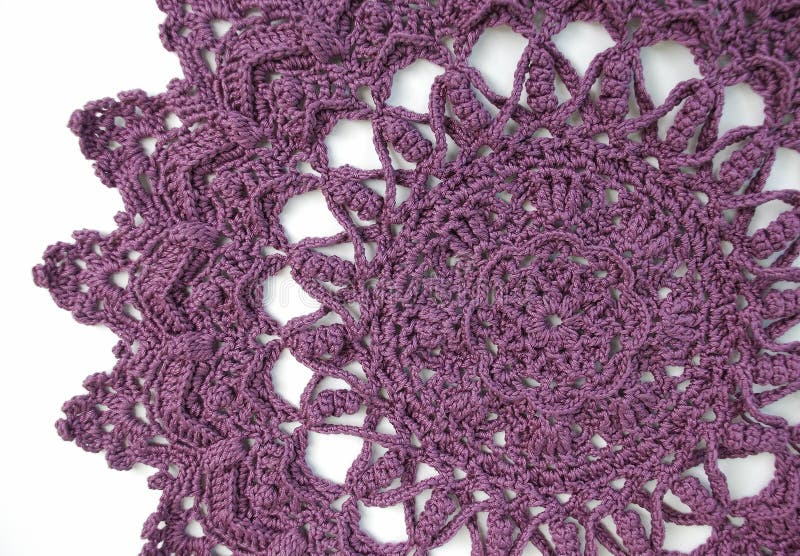
Free with trial Gorgeous handmade dusty purple doily by crochet. Around the world, crochet became a thriving cottage industry, particularly in Ireland and northern France, supporting communities whose traditional livelihoods had been damaged by wars, changes in farming and land use, and crop failures. Women and sometimes even children would stay at home and create things such as clothes and blankets to make money. The finished items were purchased mainly by the emerging middle class. The introduction of crochet as an imitation of a status symbol, rather than a unique craft in its own right, had stigmatized the practice as common. Those who could afford lace made by older and more expensive methods disdained crochet as a cheap copy. This impression was partially mitigated by Queen Victoria, who conspicuously purchased Irish-made crochet lace and even learned to crochet herself. Irish crochet lace was further promoted by Mlle. Riego de la Branchardiere around 1842 who published patterns and instructions for reproducing bobbin lace and needle lace via crochet, along with many publications for making crocheted clothing from wool yarns. The patterns available as early as the 1840s were varied and complex. Mitigated stock images, royalty-free photos and pictures Purple crochet doily. Gorgeous handmade dusty purple doily by crochet. Around the world, crochet became a thriving cottage industry, particularly in Ireland and. Gorgeous handmade dusty purple doily by crochet. Around the world, crochet became a thriving cottage industry, particularly in Ireland and northern France, supporting communities whose traditional livelihoods had been damaged by wars, changes in farming and land use, and crop failures. Women and sometimes even children would stay at home and create things such as clothes and blankets to make money. The finished items were purchased mainly by the emerging middle class. The introduction of crochet as an imitation of a status symbol, rather than a unique craft in its own right, had stigmatized the practice as common. Those who could afford lace made by older and more expensive methods disdained crochet as a cheap copy. This impression was partially mitigated by Queen Victoria, who conspicuously purchased Irish-made crochet lace and even learned to crochet herself. Irish crochet lace was further promoted by Mlle. Riego de la Branchardiere around 1842 who published patterns and instructions for reproducing bobbin lace and needle lace via crochet, along with many publications for making crocheted clothing from wool yarns. The patterns available as early as the 1840s were varied and complex.
Free with trial Radon is a colorless and odorless gas that accumulates (from natural sources) in buildings and can cause health issues if not mitigated. Radon reduction systems are installed to reduce the build up of radon gas in buildings and thus prevent health problems associated with radon gas. Mitigated stock images, royalty-free photos and pictures Radon mitigation reduction system. Radon is a colorless and odorless gas that accumulates (from natural sources) in buildings and can cause health issues if not. Radon is a colorless and odorless gas that accumulates (from natural sources) in buildings and can cause health issues if not mitigated. Radon reduction systems are installed to reduce the build up of radon gas in buildings and thus prevent health problems associated with radon gas.
Free with trial Mallard (Anas platyrhynchos) duck feathers background texture. Mitigated stock images, royalty-free photos and pictures Mallard (Anas platyrhynchos) duck feathers background texture.
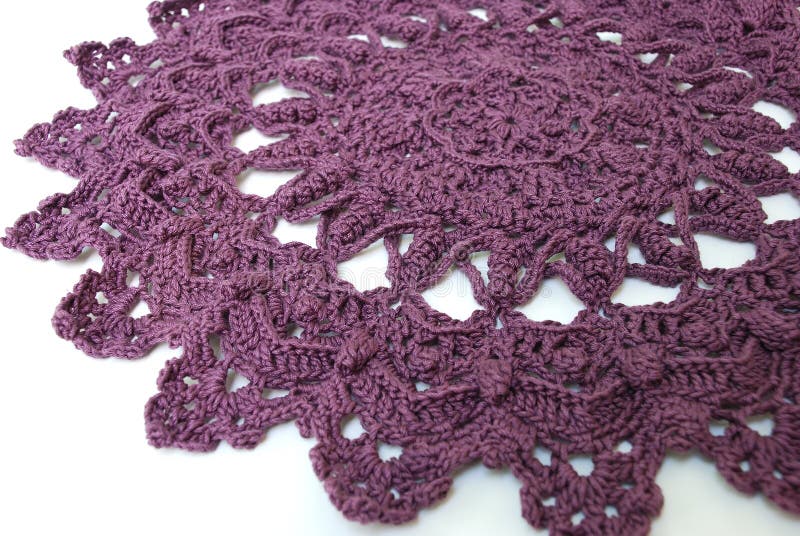
Free with trial Gorgeous handmade dusty purple doily by crochet. Around the world, crochet became a thriving cottage industry, particularly in Ireland and northern France, supporting communities whose traditional livelihoods had been damaged by wars, changes in farming and land use, and crop failures. Women and sometimes even children would stay at home and create things such as clothes and blankets to make money. The finished items were purchased mainly by the emerging middle class. The introduction of crochet as an imitation of a status symbol, rather than a unique craft in its own right, had stigmatized the practice as common. Those who could afford lace made by older and more expensive methods disdained crochet as a cheap copy. This impression was partially mitigated by Queen Victoria, who conspicuously purchased Irish-made crochet lace and even learned to crochet herself. Irish crochet lace was further promoted by Mlle. Riego de la Branchardiere around 1842 who published patterns and instructions for reproducing bobbin lace and needle lace via crochet, along with many publications for making crocheted clothing from wool yarns. The patterns available as early as the 1840s were varied and complex. Mitigated stock images, royalty-free photos and pictures Purple doily. Gorgeous handmade dusty purple doily by crochet. Around the world, crochet became a thriving cottage industry, particularly in Ireland and northern. Gorgeous handmade dusty purple doily by crochet. Around the world, crochet became a thriving cottage industry, particularly in Ireland and northern France, supporting communities whose traditional livelihoods had been damaged by wars, changes in farming and land use, and crop failures. Women and sometimes even children would stay at home and create things such as clothes and blankets to make money. The finished items were purchased mainly by the emerging middle class. The introduction of crochet as an imitation of a status symbol, rather than a unique craft in its own right, had stigmatized the practice as common. Those who could afford lace made by older and more expensive methods disdained crochet as a cheap copy. This impression was partially mitigated by Queen Victoria, who conspicuously purchased Irish-made crochet lace and even learned to crochet herself. Irish crochet lace was further promoted by Mlle. Riego de la Branchardiere around 1842 who published patterns and instructions for reproducing bobbin lace and needle lace via crochet, along with many publications for making crocheted clothing from wool yarns. The patterns available as early as the 1840s were varied and complex.
Free with trial Gorgeous handmade dusty purple doily by crochet. Around the world, crochet became a thriving cottage industry, particularly in Ireland and northern France, supporting communities whose traditional livelihoods had been damaged by wars, changes in farming and land use, and crop failures. Women and sometimes even children would stay at home and create things such as clothes and blankets to make money. The finished items were purchased mainly by the emerging middle class. The introduction of crochet as an imitation of a status symbol, rather than a unique craft in its own right, had stigmatized the practice as common. Those who could afford lace made by older and more expensive methods disdained crochet as a cheap copy. This impression was partially mitigated by Queen Victoria, who conspicuously purchased Irish-made crochet lace and even learned to crochet herself. Irish crochet lace was further promoted by Mlle. Riego de la Branchardiere around 1842 who published patterns and instructions for reproducing bobbin lace and needle lace via crochet, along with many publications for making crocheted clothing from wool yarns. The patterns available as early as the 1840s were varied and complex. Mitigated stock images, royalty-free photos and pictures Purple doily. Gorgeous handmade dusty purple doily by crochet. Around the world, crochet became a thriving cottage industry, particularly in Ireland and northern. Gorgeous handmade dusty purple doily by crochet. Around the world, crochet became a thriving cottage industry, particularly in Ireland and northern France, supporting communities whose traditional livelihoods had been damaged by wars, changes in farming and land use, and crop failures. Women and sometimes even children would stay at home and create things such as clothes and blankets to make money. The finished items were purchased mainly by the emerging middle class. The introduction of crochet as an imitation of a status symbol, rather than a unique craft in its own right, had stigmatized the practice as common. Those who could afford lace made by older and more expensive methods disdained crochet as a cheap copy. This impression was partially mitigated by Queen Victoria, who conspicuously purchased Irish-made crochet lace and even learned to crochet herself. Irish crochet lace was further promoted by Mlle. Riego de la Branchardiere around 1842 who published patterns and instructions for reproducing bobbin lace and needle lace via crochet, along with many publications for making crocheted clothing from wool yarns. The patterns available as early as the 1840s were varied and complex.
Free with trial Gorgeous handmade dusty purple doily by crochet. Around the world, crochet became a thriving cottage industry, particularly in Ireland and northern France, supporting communities whose traditional livelihoods had been damaged by wars, changes in farming and land use, and crop failures. Women and sometimes even children would stay at home and create things such as clothes and blankets to make money. The finished items were purchased mainly by the emerging middle class. The introduction of crochet as an imitation of a status symbol, rather than a unique craft in its own right, had stigmatized the practice as common. Those who could afford lace made by older and more expensive methods disdained crochet as a cheap copy. This impression was partially mitigated by Queen Victoria, who conspicuously purchased Irish-made crochet lace and even learned to crochet herself. Irish crochet lace was further promoted by Mlle. Riego de la Branchardiere around 1842 who published patterns and instructions for reproducing bobbin lace and needle lace via crochet, along with many publications for making crocheted clothing from wool yarns. The patterns available as early as the 1840s were varied and complex. Mitigated stock images, royalty-free photos and pictures Purple crochet doily. Gorgeous handmade dusty purple doily by crochet. Around the world, crochet became a thriving cottage industry, particularly in Ireland and. Gorgeous handmade dusty purple doily by crochet. Around the world, crochet became a thriving cottage industry, particularly in Ireland and northern France, supporting communities whose traditional livelihoods had been damaged by wars, changes in farming and land use, and crop failures. Women and sometimes even children would stay at home and create things such as clothes and blankets to make money. The finished items were purchased mainly by the emerging middle class. The introduction of crochet as an imitation of a status symbol, rather than a unique craft in its own right, had stigmatized the practice as common. Those who could afford lace made by older and more expensive methods disdained crochet as a cheap copy. This impression was partially mitigated by Queen Victoria, who conspicuously purchased Irish-made crochet lace and even learned to crochet herself. Irish crochet lace was further promoted by Mlle. Riego de la Branchardiere around 1842 who published patterns and instructions for reproducing bobbin lace and needle lace via crochet, along with many publications for making crocheted clothing from wool yarns. The patterns available as early as the 1840s were varied and complex.
Free with trial Gorgeous handmade orange crochet doily. Around the world, crochet became a thriving cottage industry, particularly in Ireland and northern France, supporting communities whose traditional livelihoods had been damaged by wars, changes in farming and land use, and crop failures. Women and sometimes even children would stay at home and create things such as clothes and blankets to make money. The finished items were purchased mainly by the emerging middle class. The introduction of crochet as an imitation of a status symbol, rather than a unique craft in its own right, had stigmatized the practice as common. Those who could afford lace made by older and more expensive methods disdained crochet as a cheap copy. This impression was partially mitigated by Queen Victoria, who conspicuously purchased Irish-made crochet lace and even learned to crochet herself. Irish crochet lace was further promoted by Mlle. Riego de la Branchardiere around 1842 who published patterns and instructions for reproducing bobbin lace and needle lace via crochet, along with many publications for making crocheted clothing from wool yarns. The patterns available as early as the 1840s were varied and complex. Mitigated stock images, royalty-free photos and pictures Handmade orange crochet doily. Gorgeous handmade orange crochet doily. Around the world, crochet became a thriving cottage industry, particularly in Ireland and. Gorgeous handmade orange crochet doily. Around the world, crochet became a thriving cottage industry, particularly in Ireland and northern France, supporting communities whose traditional livelihoods had been damaged by wars, changes in farming and land use, and crop failures. Women and sometimes even children would stay at home and create things such as clothes and blankets to make money. The finished items were purchased mainly by the emerging middle class. The introduction of crochet as an imitation of a status symbol, rather than a unique craft in its own right, had stigmatized the practice as common. Those who could afford lace made by older and more expensive methods disdained crochet as a cheap copy. This impression was partially mitigated by Queen Victoria, who conspicuously purchased Irish-made crochet lace and even learned to crochet herself. Irish crochet lace was further promoted by Mlle. Riego de la Branchardiere around 1842 who published patterns and instructions for reproducing bobbin lace and needle lace via crochet, along with many publications for making crocheted clothing from wool yarns. The patterns available as early as the 1840s were varied and complex.
Free with trial Gorgeous handmade orange crochet doily. Around the world, crochet became a thriving cottage industry, particularly in Ireland and northern France, supporting communities whose traditional livelihoods had been damaged by wars, changes in farming and land use, and crop failures. Women and sometimes even children would stay at home and create things such as clothes and blankets to make money. The finished items were purchased mainly by the emerging middle class. The introduction of crochet as an imitation of a status symbol, rather than a unique craft in its own right, had stigmatized the practice as common. Those who could afford lace made by older and more expensive methods disdained crochet as a cheap copy. This impression was partially mitigated by Queen Victoria, who conspicuously purchased Irish-made crochet lace and even learned to crochet herself. Irish crochet lace was further promoted by Mlle. Riego de la Branchardiere around 1842 who published patterns and instructions for reproducing bobbin lace and needle lace via crochet, along with many publications for making crocheted clothing from wool yarns. The patterns available as early as the 1840s were varied and complex. Mitigated stock images, royalty-free photos and pictures Handmade orange crochet doily. Gorgeous handmade orange crochet doily. Around the world, crochet became a thriving cottage industry, particularly in Ireland and. Gorgeous handmade orange crochet doily. Around the world, crochet became a thriving cottage industry, particularly in Ireland and northern France, supporting communities whose traditional livelihoods had been damaged by wars, changes in farming and land use, and crop failures. Women and sometimes even children would stay at home and create things such as clothes and blankets to make money. The finished items were purchased mainly by the emerging middle class. The introduction of crochet as an imitation of a status symbol, rather than a unique craft in its own right, had stigmatized the practice as common. Those who could afford lace made by older and more expensive methods disdained crochet as a cheap copy. This impression was partially mitigated by Queen Victoria, who conspicuously purchased Irish-made crochet lace and even learned to crochet herself. Irish crochet lace was further promoted by Mlle. Riego de la Branchardiere around 1842 who published patterns and instructions for reproducing bobbin lace and needle lace via crochet, along with many publications for making crocheted clothing from wool yarns. The patterns available as early as the 1840s were varied and complex.
Free with trial Gorgeous handmade orange crochet doily. Around the world, crochet became a thriving cottage industry, particularly in Ireland and northern France, supporting communities whose traditional livelihoods had been damaged by wars, changes in farming and land use, and crop failures. Women and sometimes even children would stay at home and create things such as clothes and blankets to make money. The finished items were purchased mainly by the emerging middle class. The introduction of crochet as an imitation of a status symbol, rather than a unique craft in its own right, had stigmatized the practice as common. Those who could afford lace made by older and more expensive methods disdained crochet as a cheap copy. This impression was partially mitigated by Queen Victoria, who conspicuously purchased Irish-made crochet lace and even learned to crochet herself. Irish crochet lace was further promoted by Mlle. Riego de la Branchardiere around 1842 who published patterns and instructions for reproducing bobbin lace and needle lace via crochet, along with many publications for making crocheted clothing from wool yarns. The patterns available as early as the 1840s were varied and complex. Mitigated stock images, royalty-free photos and pictures Handmade orange crochet doily. Gorgeous handmade orange crochet doily. Around the world, crochet became a thriving cottage industry, particularly in Ireland and. Gorgeous handmade orange crochet doily. Around the world, crochet became a thriving cottage industry, particularly in Ireland and northern France, supporting communities whose traditional livelihoods had been damaged by wars, changes in farming and land use, and crop failures. Women and sometimes even children would stay at home and create things such as clothes and blankets to make money. The finished items were purchased mainly by the emerging middle class. The introduction of crochet as an imitation of a status symbol, rather than a unique craft in its own right, had stigmatized the practice as common. Those who could afford lace made by older and more expensive methods disdained crochet as a cheap copy. This impression was partially mitigated by Queen Victoria, who conspicuously purchased Irish-made crochet lace and even learned to crochet herself. Irish crochet lace was further promoted by Mlle. Riego de la Branchardiere around 1842 who published patterns and instructions for reproducing bobbin lace and needle lace via crochet, along with many publications for making crocheted clothing from wool yarns. The patterns available as early as the 1840s were varied and complex.
Free with trial Male mallard duck swimming on lake. Beautiful male mallard duck swimming on lake surface. Mitigated stock images, royalty-free photos and pictures Male mallard duck swimming on lake. Beautiful male mallard duck swimming on lake surface
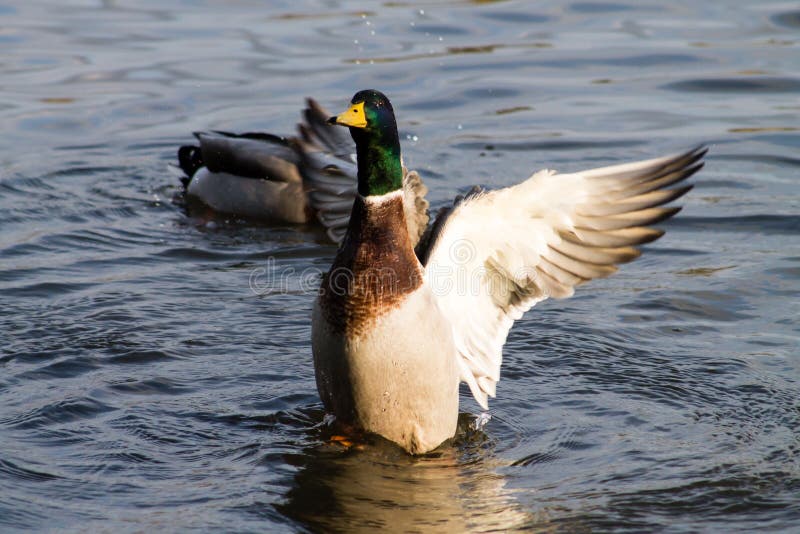
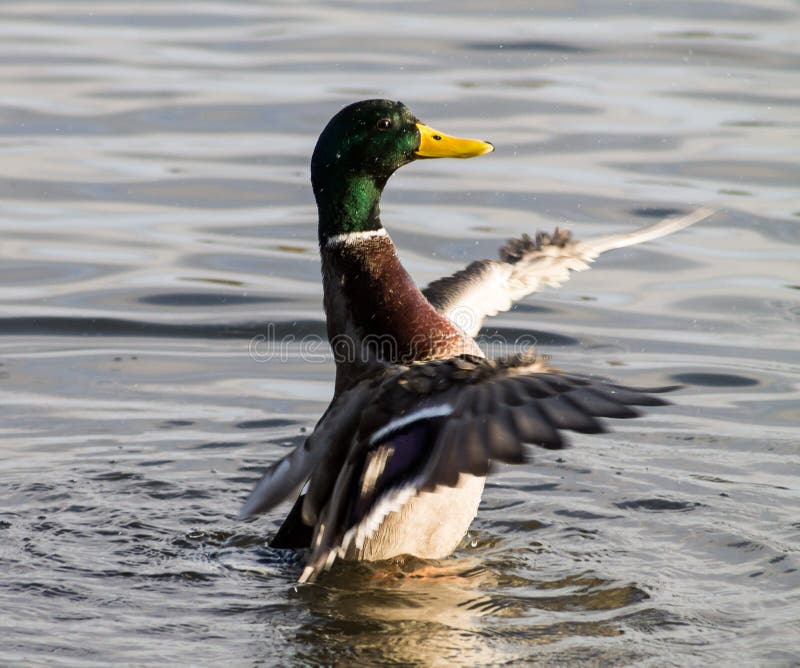
Free with trial Adult Mallard Drake, flapping it's wings on the water. Mitigated stock images, royalty-free photos and pictures Mallard Drake. Adult Mallard Drake, flapping it's wings on the water. Adult Mallard Drake, flapping it's wings on the water.
Free with trial Cyber threats can be mitigated and user private data security ensured through the implementation of robust cyber. Cyber threats can be mitigated and user private. Mitigated stock images, royalty-free photos and pictures Cyber threats can be mitigated and user private data security ensured through the implementation of robust cyber. Cyber threats can be mitigated and user private
Free with trial Visual representation of cloud security with advanced digital threats being mitigated by AI technologies in a high-tech environment. Mitigated stock images, royalty-free photos and pictures Cloud Security Concept Illustrating Digital Threat Protection Using AI Tools in a Modern Data Center Setting. Visual representation of cloud security with. Visual representation of cloud security with advanced digital threats being mitigated by AI technologies in a high-tech environment.
Free with trial Soft blackout curtains in a tranquil bedroom create a serene atmosphere for peaceful sleep, enhanced by neutral colors. Mitigated stock images, royalty-free photos and pictures Home interior design, soft blackout curtains in a tranquil bedroom create a serene atmosphere for peaceful sleep. Soft blackout curtains in a tranquil bedroom. soft blackout curtains in a tranquil bedroom create a serene atmosphere for peaceful sleep, enhanced by neutral colors
Free with trial The Granucillo Castle is estimated to have been built before 1446 by members of the Escobar family, lords of the town. They later sold it to the Pimentels, Counts of Benavente, in the mid-15th century. From this moment on, the castle suffered a progressive decline that was only partially mitigated thanks to some restorations carried out in the 19th century. Mitigated stock images, royalty-free photos and pictures Wall of a castle of Granucillo de Vidriales, Zamora, Spain. The Granucillo Castle is estimated to have been built before 1446 by members of the Escobar family. The Granucillo Castle is estimated to have been built before 1446 by members of the Escobar family, lords of the town. They later sold it to the Pimentels, Counts of Benavente, in the mid-15th century. From this moment on, the castle suffered a progressive decline that was only partially mitigated thanks to some restorations carried out in the 19th century.
Free with trial Climate change can be mitigated in part by investing in ESG, Circular Economy, Sustainability Technology, Positive Environmental Impact, Net Zero, Carbon footprint reduction, etc. Mitigated stock images, royalty-free photos and pictures Climate change can be mitigated in part by investing in ESG, Circular Economy, Sustainability Technology, Positive. Environmental Impact, Net Zero, Carbon. Climate change can be mitigated in part by investing in ESG, Circular Economy, Sustainability Technology, Positive Environmental Impact, Net Zero, Carbon footprint reduction, etc..
Free with trial This young woman often mitigated her thirst with drink. Mitigated stock images, royalty-free photos and pictures Young woman drinking the beverage. This young woman often mitigated her thirst with drink. This young woman often mitigated her thirst with drink.
Free with trial Sciacchetrà is a rare wine of very limited production. It is obtained from the Bosco, Vermentino and Albarola grapes, suitably chosen and left for a long time to dry on the racks in the shade, therefore protected from direct sunlight. The concentration of sugars, combined with the development of noble rot, allows to obtain a golden yellow nectar with decisive amber reflections. The scent is broad and persistent, with elegant hints of apricot and acacia honey. Its sweet, never cloying flavor is always mitigated by a slight sapidity, with expressive notes of rare finesse and personality. When young it goes very well with spicy cheeses and desserts with a good consistency, such as the classic Genoese pandolce, while after adequate aging it becomes a meditation wine. Mitigated stock images, royalty-free photos and pictures Two glass of Sciacchetrà wine in Corniglia & x28;Italy& x29;. Sciacchetrà is a rare wine of very limited production. It is obtained from the Bosco, Vermentino. Sciacchetrà is a rare wine of very limited production. It is obtained from the Bosco, Vermentino and Albarola grapes, suitably chosen and left for a long time to dry on the racks in the shade, therefore protected from direct sunlight. The concentration of sugars, combined with the development of noble rot, allows to obtain a golden yellow nectar with decisive amber reflections. The scent is broad and persistent, with elegant hints of apricot and acacia honey. Its sweet, never cloying flavor is always mitigated by a slight sapidity, with expressive notes of rare finesse and personality. When young it goes very well with spicy cheeses and desserts with a good consistency, such as the classic Genoese pandolce, while after adequate aging it becomes a meditation wine.
Free with trial Fallow deer doe portrait looking at camera. ( Dama ) over out of focus background. Mitigated stock images, royalty-free photos and pictures Fallow deer doe portrait looking at camera. ( Dama ) over out of focus background
Free with trial Fallow deer calf looking at camera. Fallow deer calf ( Dama ) portrait while looking at camera. Mitigated stock images, royalty-free photos and pictures Fallow deer calf looking at camera. Fallow deer calf ( Dama ) portrait while looking at camera
Free with trial Rabbit at an animal park. Brown rabbit standing on snow at an animal park. Mitigated stock images, royalty-free photos and pictures Rabbit at an animal park. Brown rabbit standing on snow at an animal park
Free with trial Deer buck in an enclousure. Fallow deer buck ( dama dama ) standing in an enclosure for animals in the feeding area. Mitigated stock images, royalty-free photos and pictures Deer buck in an enclousure. Fallow deer buck ( dama dama ) standing in an enclosure for animals in the feeding area
Free with trial Cat on a wooden fence. Big beautiful cat relaxing on a fence. Mitigated stock images, royalty-free photos and pictures Cat on a wooden fence. Big beautiful cat relaxing on a fence
Free with trial Fallow deer calf looking at camera. Fallow deer calf ( Dama ) looking at camera while grazing. Mitigated stock images, royalty-free photos and pictures Fallow deer calf looking at camera. Fallow deer calf ( Dama ) looking at camera while grazing
Free with trial Duck swimming towards the camera. Male mallard duck ( anas platyrhynchos ) swimming towards the camera. Mitigated stock images, royalty-free photos and pictures Duck swimming towards the camera. Male mallard duck ( anas platyrhynchos ) swimming towards the camera
Free with trial Adult Mallard Drake, swimming in the canal. Mitigated stock images, royalty-free photos and pictures Mallard Drake. Adult Mallard Drake, swimming in the canal. Adult Mallard Drake, swimming in the canal.
Free with trial Adult Mallard Drake, flapping it's wings on the water. Mitigated stock images, royalty-free photos and pictures Mallard Drake. Adult Mallard Drake, flapping it's wings on the water. Adult Mallard Drake, flapping it's wings on the water.
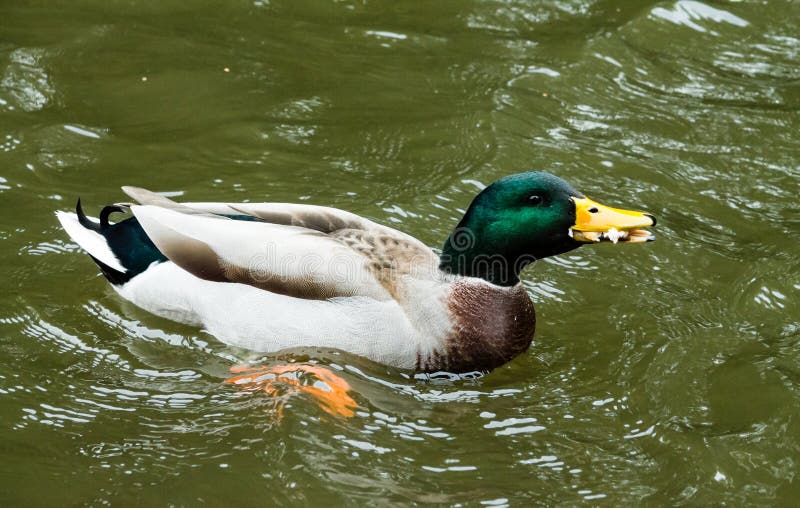
Free with trial Hungry male Mallard, swimming in the canal and eating a piece of bread. Mitigated stock images, royalty-free photos and pictures Mallard Drake. Hungry male Mallard, swimming in the canal and eating a piece of bread. Hungry male Mallard, swimming in the canal and eating a piece of bread.
Free with trial Adult Mallard Drake, swimming in the canal. Mitigated stock images, royalty-free photos and pictures Mallard Drake. Adult Mallard Drake, swimming in the canal. Adult Mallard Drake, swimming in the canal.
Free with trial Adult Mallard Drake, swimming in the canal. Mitigated stock images, royalty-free photos and pictures Mallard Drake. Adult Mallard Drake, swimming in the canal. Adult Mallard Drake, swimming in the canal.
Free with trial Adult Mallard Drake, swimming in the pond and preening. Mitigated stock images, royalty-free photos and pictures Mallard Drake. Adult Mallard Drake, swimming in the pond and preening. Adult Mallard Drake, swimming in the pond and preening.
Free with trial Adult Mallard Drake, swimming in the pond and preening. Mitigated stock images, royalty-free photos and pictures Mallard Drake. Adult Mallard Drake, swimming in the pond and preening. Adult Mallard Drake, swimming in the pond and preening.
Free with trial Hungry Mallard Drake, swimming in the canal and eating bread. Mitigated stock images, royalty-free photos and pictures Mallard Drake. Hungry Mallard Drake, swimming in the canal and eating bread. Hungry Mallard Drake, swimming in the canal and eating bread.
Free with trial Adult Mallard Drake, swimming in the canal. Mitigated stock images, royalty-free photos and pictures Mallard Drake. Adult Mallard Drake, swimming in the canal. Adult Mallard Drake, swimming in the canal.
Free with trial Two adult Mallard drakes, swimming in the canal. Mitigated stock images, royalty-free photos and pictures Mallard Drake. Two adult Mallard drakes, swimming in the canal. Two adult Mallard drakes, swimming in the canal.
Free with trial Adult Mallard Drake, swimming in the pond and preening. Mitigated stock images, royalty-free photos and pictures Mallard Drake. Adult Mallard Drake, swimming in the pond and preening. Adult Mallard Drake, swimming in the pond and preening.
Free with trial Two adult Mallard Drakes, fighting with each other. Mitigated stock images, royalty-free photos and pictures Mallard Drake. Two adult Mallard Drakes, fighting with each other. Two adult Mallard Drakes, fighting with each other.
Free with trial Adult Mallard Drake, flapping it's wings on the water. Mitigated stock images, royalty-free photos and pictures Mallard Drake. Adult Mallard Drake, flapping it's wings on the water. Adult Mallard Drake, flapping it's wings on the water.
Free with trial Adult Mallard Drake, swimming in the canal. Mitigated stock images, royalty-free photos and pictures Mallard Drake. Adult Mallard Drake, swimming in the canal. Adult Mallard Drake, swimming in the canal.
Free with trial Adult Mallard Drake, swimming in the pond and preening. Mitigated stock images, royalty-free photos and pictures Mallard Drake. Adult Mallard Drake, swimming in the pond and preening. Adult Mallard Drake, swimming in the pond and preening.
Free with trial Adult Mallard Drake, swimming in the canal. Mitigated stock images, royalty-free photos and pictures Mallard Drake. Adult Mallard Drake, swimming in the canal. Adult Mallard Drake, swimming in the canal.
Free with trial Adult Mallard Drake, swimming in the canal. Mitigated stock images, royalty-free photos and pictures Mallard Drake. Adult Mallard Drake, swimming in the canal. Adult Mallard Drake, swimming in the canal.
Free with trial Closeup of a deer looking in the lens. eyes of a deer are looking into the camera. Mitigated stock images, royalty-free photos and pictures Closeup of a deer looking in the lens. Eyes of a deer are looking into the camera
Free with trial Calf at the zoo. In the park in nature. Mitigated stock images, royalty-free photos and pictures Calf at the zoo. In the park in nature
Free with trial Calf at the zoo. In the park in nature. Mitigated stock images, royalty-free photos and pictures Calf at the zoo. In the park in nature
Free with trial Calf at the zoo. In the park in nature. Mitigated stock images, royalty-free photos and pictures Calf at the zoo. In the park in nature
Free with trial Calf at the zoo. A photo. Mitigated stock images, royalty-free photos and pictures Calf at the zoo. A photo
Free with trial Portrait Of Cat Animal Minimalist Eternal Melancholy. Generative AI. Mitigated stock images, royalty-free photos and pictures Portrait Of Cat Animal Minimalist Eternal Melancholy. Generative AI. Portrait Of Cat Animal Minimalist Eternal Melancholy
Free with trial The Granucillo Castle is estimated to have been built before 1446 by members of the Escobar family, lords of the town. They later sold it to the Pimentels, Counts of Benavente, in the mid-15th century. From this moment on, the castle suffered a progressive decline that was only partially mitigated thanks to some restorations carried out in the 19th century. Mitigated stock images, royalty-free photos and pictures Wall of a castle of Granucillo de Vidriales, Zamora, Spain. The Granucillo Castle is estimated to have been built before 1446 by members of the Escobar family. The Granucillo Castle is estimated to have been built before 1446 by members of the Escobar family, lords of the town. They later sold it to the Pimentels, Counts of Benavente, in the mid-15th century. From this moment on, the castle suffered a progressive decline that was only partially mitigated thanks to some restorations carried out in the 19th century.
Free with trial The Granucillo Castle is estimated to have been built before 1446 by members of the Escobar family, lords of the town. They later sold it to the Pimentels, Counts of Benavente, in the mid-15th century. From this moment on, the castle suffered a progressive decline that was only partially mitigated thanks to some restorations carried out in the 19th century. Mitigated stock images, royalty-free photos and pictures Wall of a castle of Granucillo de Vidriales, Zamora, Spain. The Granucillo Castle is estimated to have been built before 1446 by members of the Escobar family. The Granucillo Castle is estimated to have been built before 1446 by members of the Escobar family, lords of the town. They later sold it to the Pimentels, Counts of Benavente, in the mid-15th century. From this moment on, the castle suffered a progressive decline that was only partially mitigated thanks to some restorations carried out in the 19th century.
Free with trial The Granucillo Castle is estimated to have been built before 1446 by members of the Escobar family, lords of the town. They later sold it to the Pimentels, Counts of Benavente, in the mid-15th century. From this moment on, the castle suffered a progressive decline that was only partially mitigated thanks to some restorations carried out in the 19th century. Mitigated stock images, royalty-free photos and pictures Wall of a castle of Granucillo de Vidriales, Zamora, Spain. The Granucillo Castle is estimated to have been built before 1446 by members of the Escobar family. The Granucillo Castle is estimated to have been built before 1446 by members of the Escobar family, lords of the town. They later sold it to the Pimentels, Counts of Benavente, in the mid-15th century. From this moment on, the castle suffered a progressive decline that was only partially mitigated thanks to some restorations carried out in the 19th century.
Free with trial The Granucillo Castle is estimated to have been built before 1446 by members of the Escobar family, lords of the town. They later sold it to the Pimentels, Counts of Benavente, in the mid-15th century. From this moment on, the castle suffered a progressive decline that was only partially mitigated thanks to some restorations carried out in the 19th century. Mitigated stock images, royalty-free photos and pictures Wall of a castle of Granucillo de Vidriales, Zamora, Spain. The Granucillo Castle is estimated to have been built before 1446 by members of the Escobar family. The Granucillo Castle is estimated to have been built before 1446 by members of the Escobar family, lords of the town. They later sold it to the Pimentels, Counts of Benavente, in the mid-15th century. From this moment on, the castle suffered a progressive decline that was only partially mitigated thanks to some restorations carried out in the 19th century.
Free with trial The Granucillo Castle is estimated to have been built before 1446 by members of the Escobar family, lords of the town. They later sold it to the Pimentels, Counts of Benavente, in the mid-15th century. From this moment on, the castle suffered a progressive decline that was only partially mitigated thanks to some restorations carried out in the 19th century. Mitigated stock images, royalty-free photos and pictures Wall of a castle of Granucillo de Vidriales, Zamora, Spain. The Granucillo Castle is estimated to have been built before 1446 by members of the Escobar family. The Granucillo Castle is estimated to have been built before 1446 by members of the Escobar family, lords of the town. They later sold it to the Pimentels, Counts of Benavente, in the mid-15th century. From this moment on, the castle suffered a progressive decline that was only partially mitigated thanks to some restorations carried out in the 19th century.
 Sign in