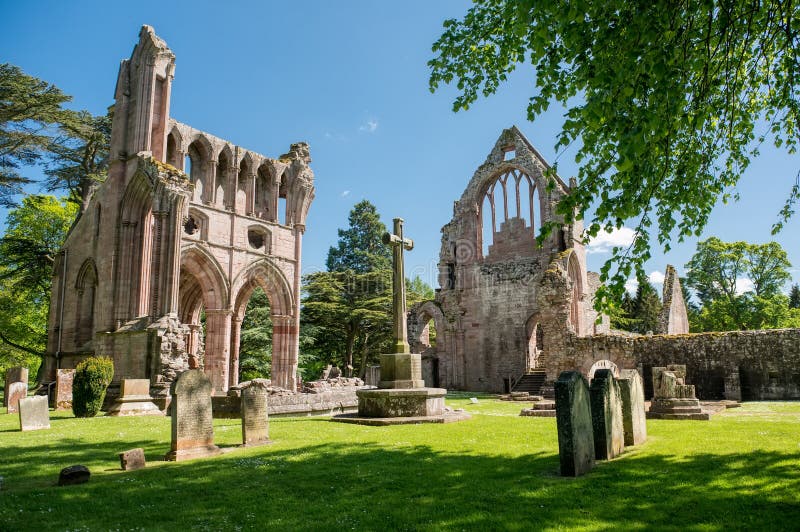
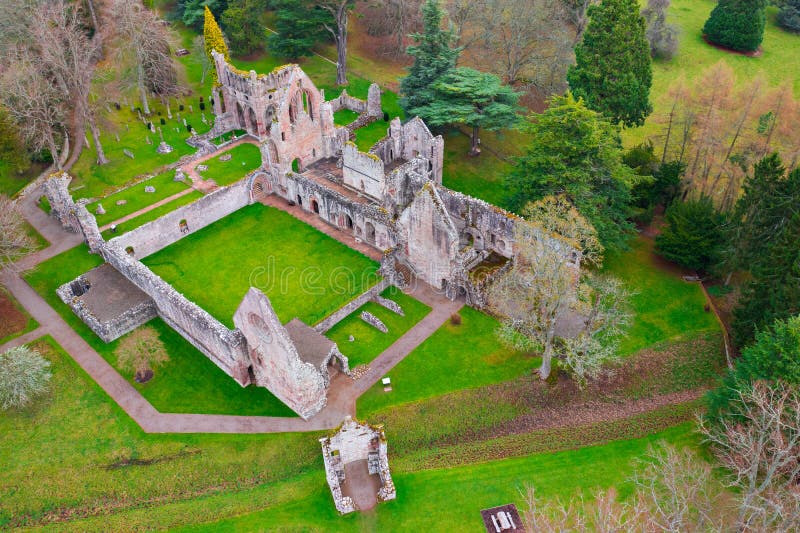
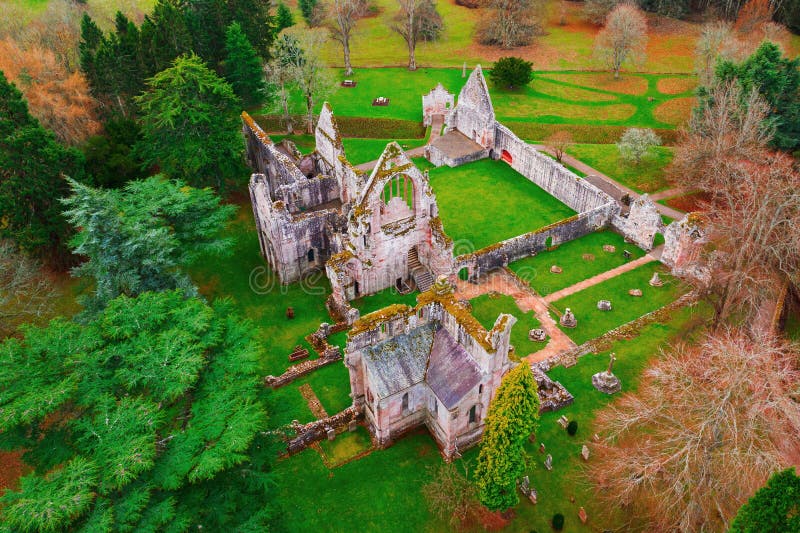
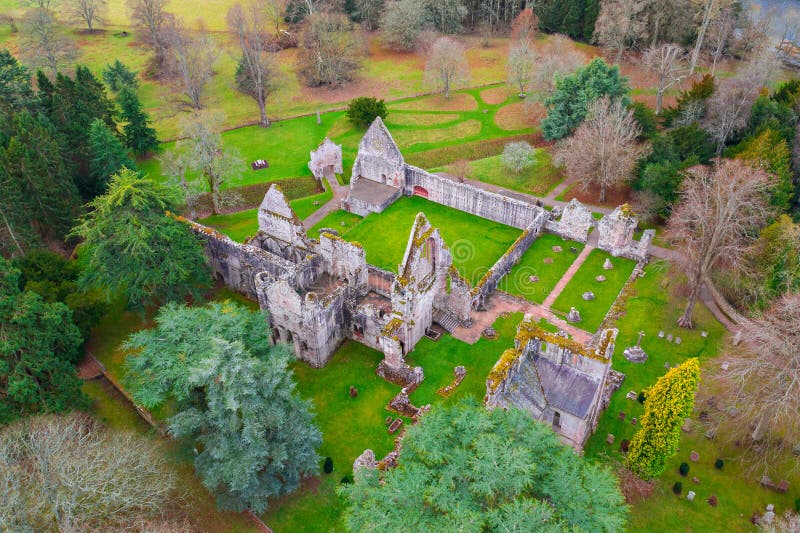
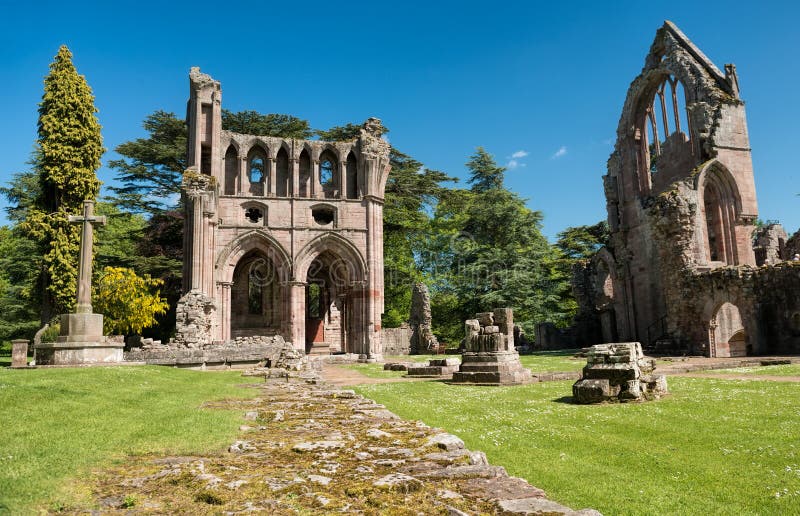
Free with trial Dryburgh Abbey, near Dryburgh on the banks of the River Tweed in the Scottish Borders, was nominally founded on 10 November 1150. Sir Walter Scott and Douglas Haig are buried in its grounds. Nominally stock images, royalty-free photos and pictures Ruins of Dryburgh Abbey, Scotland. Dryburgh Abbey, near Dryburgh on the banks of the River Tweed in the Scottish Borders, was nominally founded on 10 November. Dryburgh Abbey, near Dryburgh on the banks of the River Tweed in the Scottish Borders, was nominally founded on 10 November 1150. Sir Walter Scott and Douglas Haig are buried in its grounds.
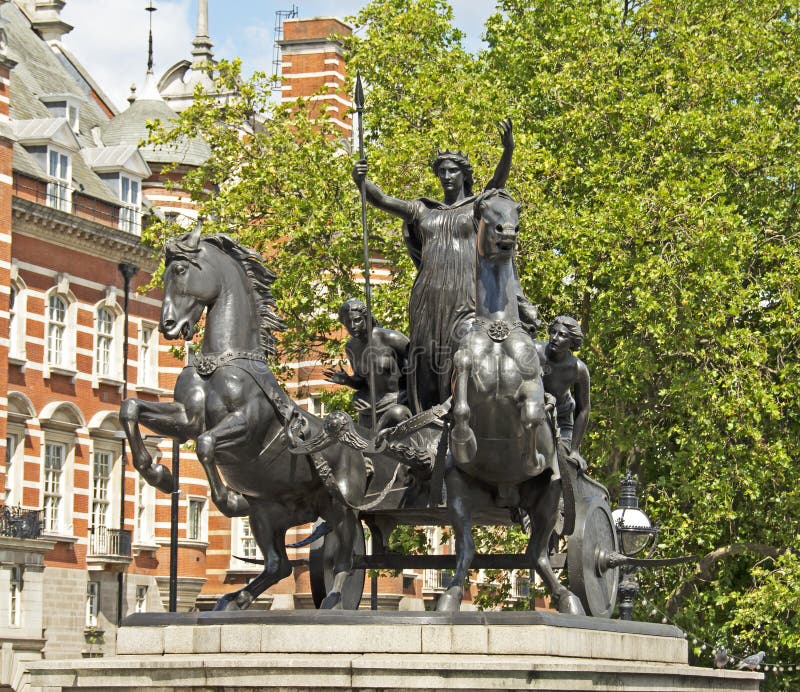
Free with trial Boudica (alternative spelling: Boudicca, also known as Boadicea and in Welsh as Buddug) (d. AD 60 or 61) was a queen of the British Iceni tribe who led an uprising against the occupying forces of the Roman Empire. Boudica's husband Prasutagus ruled as a nominally independent ally of Rome and left his kingdom jointly to his daughters and the Roman emperor in his will. However, when he died, his will was ignored and the kingdom was annexed. Boudica was flogged, her daughters raped, and Roman financiers called in their loans. Nominally stock images, royalty-free photos and pictures Statue of Queen Boudica, London, England. Boudica (alternative spelling: Boudicca, also known as Boadicea and in Welsh as Buddug) (d. AD 60 or 61) was a queen of. Boudica (alternative spelling: Boudicca, also known as Boadicea and in Welsh as Buddug) (d. AD 60 or 61) was a queen of the British Iceni tribe who led an uprising against the occupying forces of the Roman Empire. Boudica's husband Prasutagus ruled as a nominally independent ally of Rome and left his kingdom jointly to his daughters and the Roman emperor in his will. However, when he died, his will was ignored and the kingdom was annexed. Boudica was flogged, her daughters raped, and Roman financiers called in their loans.
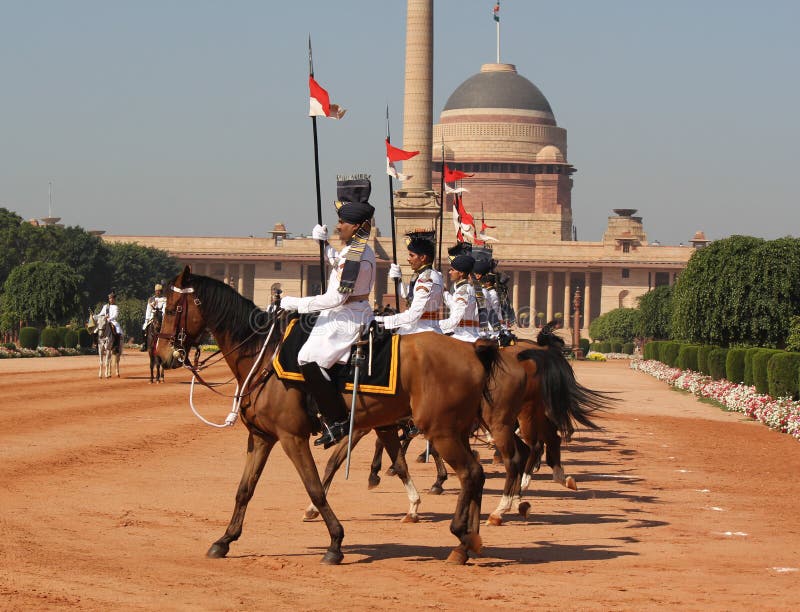
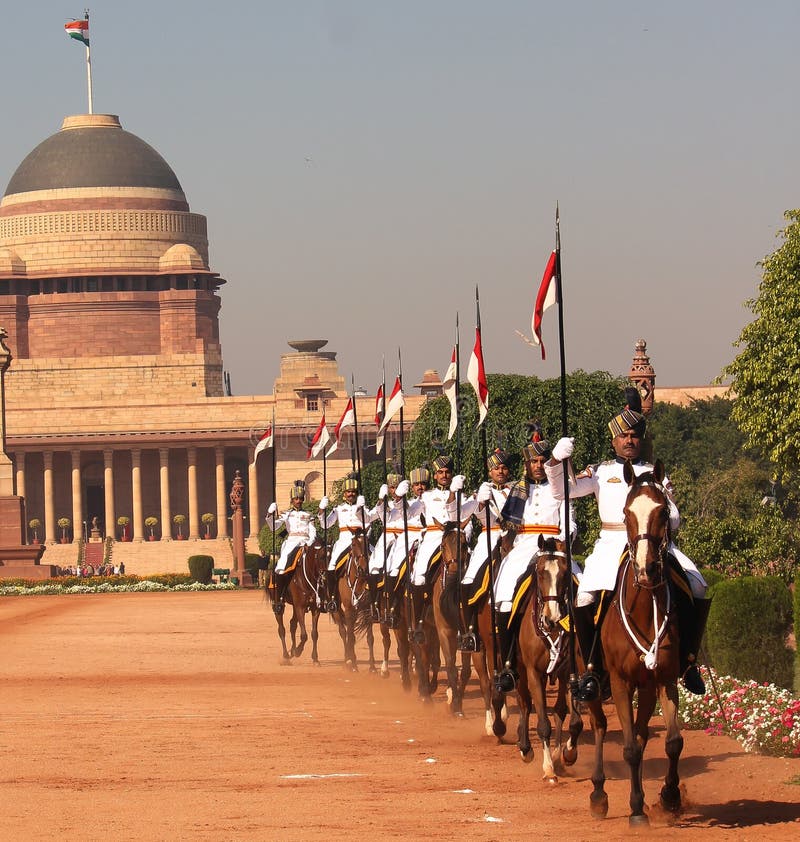
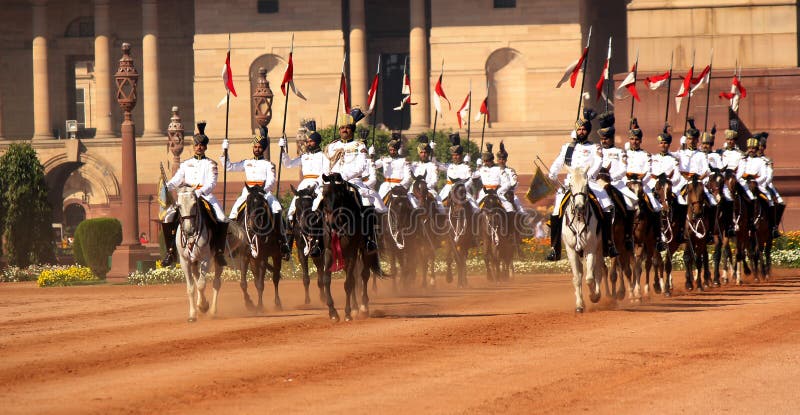
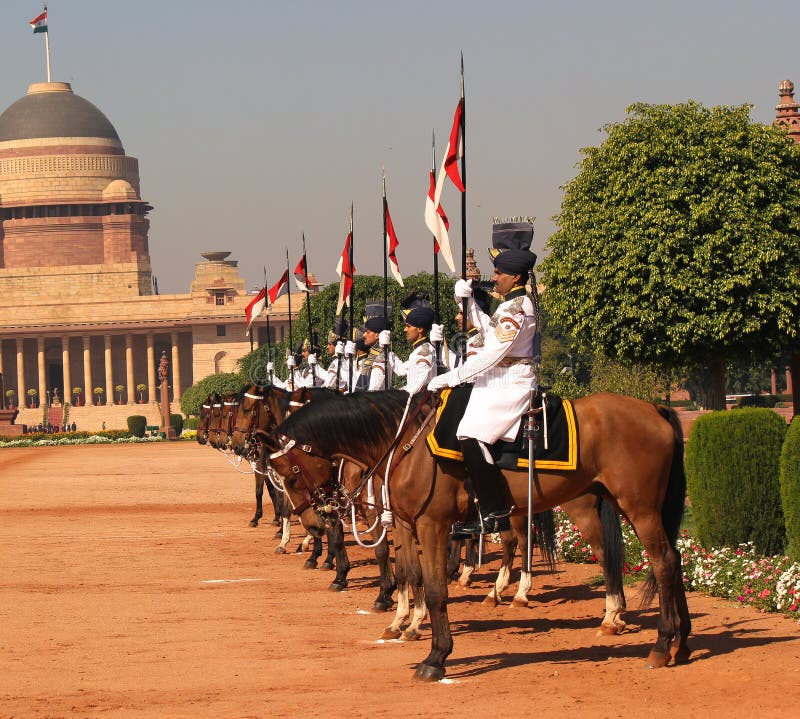
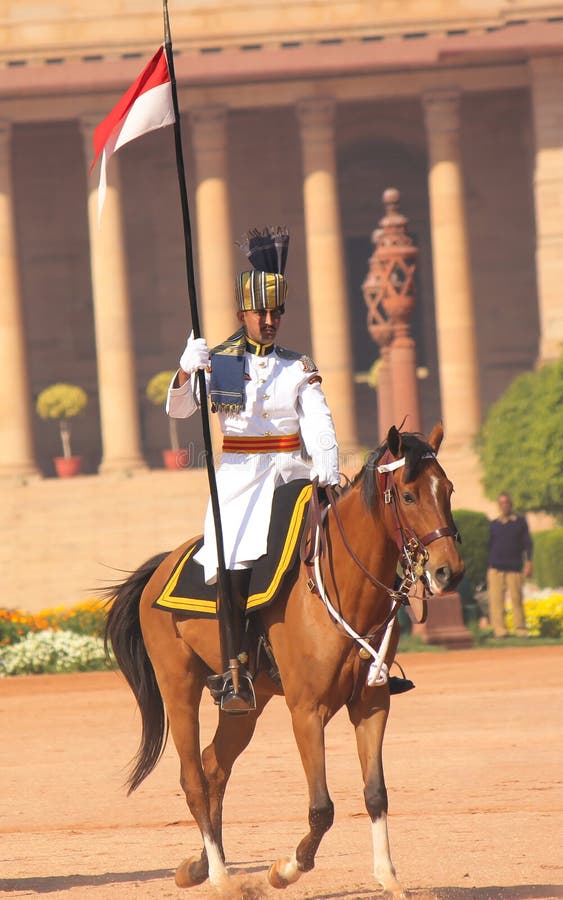
Free with trial The President's Bodyguard (PBG) is an elite household cavalry regiment of the Indian Army. It is senior-most in the order of precedence of the units of the Indian Army. The primary role of the President's Bodyguard is to escort and protect the President of India which is why the regiment is based in the Rashtrapati Bhawan in New Delhi, India. It is equipped as a mounted unit, with horses for ceremonies at the presidential palace and BTR-60 vehicles for use in combat. The personnel of the regiment are also trained as paratroopers and nominally are expected to lead in airborne assaults in the role of pathfinders. The regiment is the successor of the Governor General's Bodyguard of the British Raj. Nominally stock images, royalty-free photos and pictures President's Bodyguard - India. The President's Bodyguard (PBG) is an elite household cavalry regiment of the Indian Army. It is senior-most in the order of. The President's Bodyguard (PBG) is an elite household cavalry regiment of the Indian Army. It is senior-most in the order of precedence of the units of the Indian Army. The primary role of the President's Bodyguard is to escort and protect the President of India which is why the regiment is based in the Rashtrapati Bhawan in New Delhi, India. It is equipped as a mounted unit, with horses for ceremonies at the presidential palace and BTR-60 vehicles for use in combat. The personnel of the regiment are also trained as paratroopers and nominally are expected to lead in airborne assaults in the role of pathfinders. The regiment is the successor of the Governor General's Bodyguard of the British Raj.
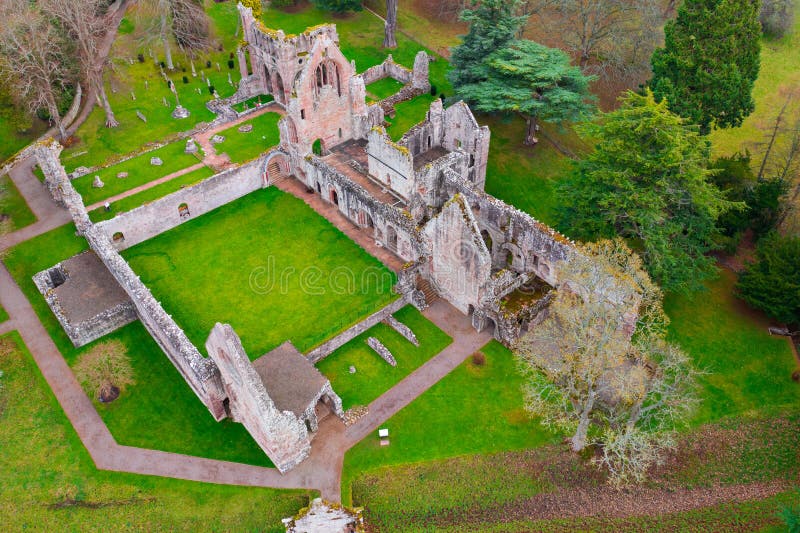
Free with trial Aerial view to ruins of Dryburgh Abbey on the banks of the River Tweed in the Scottish Borders, was nominally founded on 10 November 1150, Scotland. Nominally stock images, royalty-free photos and pictures Ruins of Dryburgh Abbey in the Scottish Borders. Aerial view to ruins of Dryburgh Abbey on the banks of the River Tweed in the Scottish Borders, was nominally. Aerial view to ruins of Dryburgh Abbey on the banks of the River Tweed in the Scottish Borders, was nominally founded on 10 November 1150, Scotland.
Free with trial The President's Bodyguard (PBG) is an elite household cavalry regiment of the Indian Army. It is senior-most in the order of precedence of the units of the Indian Army. The primary role of the President's Bodyguard is to escort and protect the President of India which is why the regiment is based in the Rashtrapati Bhawan in New Delhi, India. It is equipped as a mounted unit, with horses for ceremonies at the presidential palace and BTR-60 vehicles for use in combat. The personnel of the regiment are also trained as paratroopers and nominally are expected to lead in airborne assaults in the role of pathfinders. The regiment is the successor of the Governor General's Bodyguard of the British Raj. Nominally stock images, royalty-free photos and pictures President's Bodyguard - India. The President's Bodyguard (PBG) is an elite household cavalry regiment of the Indian Army. It is senior-most in the order of. The President's Bodyguard (PBG) is an elite household cavalry regiment of the Indian Army. It is senior-most in the order of precedence of the units of the Indian Army. The primary role of the President's Bodyguard is to escort and protect the President of India which is why the regiment is based in the Rashtrapati Bhawan in New Delhi, India. It is equipped as a mounted unit, with horses for ceremonies at the presidential palace and BTR-60 vehicles for use in combat. The personnel of the regiment are also trained as paratroopers and nominally are expected to lead in airborne assaults in the role of pathfinders. The regiment is the successor of the Governor General's Bodyguard of the British Raj.
Free with trial The President's Bodyguard (PBG) is an elite household cavalry regiment of the Indian Army. It is senior-most in the order of precedence of the units of the Indian Army. The primary role of the President's Bodyguard is to escort and protect the President of India which is why the regiment is based in the Rashtrapati Bhawan in New Delhi, India. It is equipped as a mounted unit, with horses for ceremonies at the presidential palace and BTR-60 vehicles for use in combat. The personnel of the regiment are also trained as paratroopers and nominally are expected to lead in airborne assaults in the role of pathfinders. The regiment is the successor of the Governor General's Bodyguard of the British Raj. Nominally stock images, royalty-free photos and pictures President's Bodyguard - India. The President's Bodyguard (PBG) is an elite household cavalry regiment of the Indian Army. It is senior-most in the order of. The President's Bodyguard (PBG) is an elite household cavalry regiment of the Indian Army. It is senior-most in the order of precedence of the units of the Indian Army. The primary role of the President's Bodyguard is to escort and protect the President of India which is why the regiment is based in the Rashtrapati Bhawan in New Delhi, India. It is equipped as a mounted unit, with horses for ceremonies at the presidential palace and BTR-60 vehicles for use in combat. The personnel of the regiment are also trained as paratroopers and nominally are expected to lead in airborne assaults in the role of pathfinders. The regiment is the successor of the Governor General's Bodyguard of the British Raj.
Free with trial The President's Bodyguard (PBG) is an elite household cavalry regiment of the Indian Army. It is senior-most in the order of precedence of the units of the Indian Army. The primary role of the President's Bodyguard is to escort and protect the President of India which is why the regiment is based in the Rashtrapati Bhawan in New Delhi, India. It is equipped as a mounted unit, with horses for ceremonies at the presidential palace and BTR-60 vehicles for use in combat. The personnel of the regiment are also trained as paratroopers and nominally are expected to lead in airborne assaults in the role of pathfinders. The regiment is the successor of the Governor General's Bodyguard of the British Raj. Nominally stock images, royalty-free photos and pictures President's Bodyguard - India. The President's Bodyguard (PBG) is an elite household cavalry regiment of the Indian Army. It is senior-most in the order of. The President's Bodyguard (PBG) is an elite household cavalry regiment of the Indian Army. It is senior-most in the order of precedence of the units of the Indian Army. The primary role of the President's Bodyguard is to escort and protect the President of India which is why the regiment is based in the Rashtrapati Bhawan in New Delhi, India. It is equipped as a mounted unit, with horses for ceremonies at the presidential palace and BTR-60 vehicles for use in combat. The personnel of the regiment are also trained as paratroopers and nominally are expected to lead in airborne assaults in the role of pathfinders. The regiment is the successor of the Governor General's Bodyguard of the British Raj.
Free with trial The President's Bodyguard (PBG) is an elite household cavalry regiment of the Indian Army. It is senior-most in the order of precedence of the units of the Indian Army. The primary role of the President's Bodyguard is to escort and protect the President of India which is why the regiment is based in the Rashtrapati Bhawan in New Delhi, India. It is equipped as a mounted unit, with horses for ceremonies at the presidential palace and BTR-60 vehicles for use in combat. The personnel of the regiment are also trained as paratroopers and nominally are expected to lead in airborne assaults in the role of pathfinders. The regiment is the successor of the Governor General's Bodyguard of the British Raj. Nominally stock images, royalty-free photos and pictures President's Bodyguard - India. The President's Bodyguard (PBG) is an elite household cavalry regiment of the Indian Army. It is senior-most in the order of. The President's Bodyguard (PBG) is an elite household cavalry regiment of the Indian Army. It is senior-most in the order of precedence of the units of the Indian Army. The primary role of the President's Bodyguard is to escort and protect the President of India which is why the regiment is based in the Rashtrapati Bhawan in New Delhi, India. It is equipped as a mounted unit, with horses for ceremonies at the presidential palace and BTR-60 vehicles for use in combat. The personnel of the regiment are also trained as paratroopers and nominally are expected to lead in airborne assaults in the role of pathfinders. The regiment is the successor of the Governor General's Bodyguard of the British Raj.
Free with trial Portrait smile girl in cravat. On wall background. Nominally stock images, royalty-free photos and pictures Portrait smile girl in cravat. On wall background
Free with trial Portrait girl with necktie. For your design. Nominally stock images, royalty-free photos and pictures Portrait girl with necktie. For your design
Free with trial Aerial view to ruins of Dryburgh Abbey on the banks of the River Tweed in the Scottish Borders, was nominally founded on 10 November 1150, Scotland. Nominally stock images, royalty-free photos and pictures Ruins of Dryburgh Abbey in the Scottish Borders. Aerial view to ruins of Dryburgh Abbey on the banks of the River Tweed in the Scottish Borders, was nominally. Aerial view to ruins of Dryburgh Abbey on the banks of the River Tweed in the Scottish Borders, was nominally founded on 10 November 1150, Scotland
Free with trial Aerial view to ruins of Dryburgh Abbey on the banks of the River Tweed in the Scottish Borders, was nominally founded on 10 November 1150, Scotland. Nominally stock images, royalty-free photos and pictures Ruins of Dryburgh Abbey in the Scottish Borders. Aerial view to ruins of Dryburgh Abbey on the banks of the River Tweed in the Scottish Borders, was nominally. Aerial view to ruins of Dryburgh Abbey on the banks of the River Tweed in the Scottish Borders, was nominally founded on 10 November 1150, Scotland
Free with trial Aerial view to ruins of Dryburgh Abbey on the banks of the River Tweed in the Scottish Borders, was nominally founded on 10 November 1150, Scotland. Nominally stock images, royalty-free photos and pictures Ruins of Dryburgh Abbey in the Scottish Borders. Aerial view to ruins of Dryburgh Abbey on the banks of the River Tweed in the Scottish Borders, was nominally. Aerial view to ruins of Dryburgh Abbey on the banks of the River Tweed in the Scottish Borders, was nominally founded on 10 November 1150, Scotland
Free with trial Dryburgh Abbey, near Dryburgh on the banks of the River Tweed in the Scottish Borders, was nominally founded on 10 November 1150. Sir Walter Scott and Douglas Haig are buried in its grounds. Nominally stock images, royalty-free photos and pictures Ruins of Dryburgh Abbey, Scotland. Dryburgh Abbey, near Dryburgh on the banks of the River Tweed in the Scottish Borders, was nominally founded on 10 November. Dryburgh Abbey, near Dryburgh on the banks of the River Tweed in the Scottish Borders, was nominally founded on 10 November 1150. Sir Walter Scott and Douglas Haig are buried in its grounds.
Free with trial The Greek Orthodox Church consists of 81 dioceses. 36 of them, which are located in the north of Greece and on the large islands in the north (the so-called New Territories) are nominally under the jurisdiction of the Patriarchate of Constantinople. Of the 12 metropolitans in the Permanent Holy Synod, 6 of them represent the New Territories. The dioceses of Crete and the Dodecanese, as well as all the monasteries of Mount Athos, are under the direct jurisdiction of the Patriarchate of Constantinople and are not considered part of the Greek Orthodox Church. The Church has about 200 monasteries, and includes about 8 million believers (out of 10. 6 million inhabitants of Greece). Nominally stock images, royalty-free photos and pictures Greek Orthodox Church. The Greek Orthodox Church consists of 81 dioceses. 36 of them, which are located in the north of Greece and on the large islands in the. The Greek Orthodox Church consists of 81 dioceses. 36 of them, which are located in the north of Greece and on the large islands in the north (the so-called New Territories) are nominally under the jurisdiction of the Patriarchate of Constantinople. Of the 12 metropolitans in the Permanent Holy Synod, 6 of them represent the New Territories.The dioceses of Crete and the Dodecanese, as well as all the monasteries of Mount Athos, are under the direct jurisdiction of the Patriarchate of Constantinople and are not considered part of the Greek Orthodox Church.The Church has about 200 monasteries, and includes about 8 million believers (out of 10.6 million inhabitants of Greece).
Free with trial The Greek Orthodox Church consists of 81 dioceses. 36 of them, which are located in the north of Greece and on the large islands in the north (the so-called New Territories) are nominally under the jurisdiction of the Patriarchate of Constantinople. Of the 12 metropolitans in the Permanent Holy Synod, 6 of them represent the New Territories. The dioceses of Crete and the Dodecanese, as well as all the monasteries of Mount Athos, are under the direct jurisdiction of the Patriarchate of Constantinople and are not considered part of the Greek Orthodox Church. The Church has about 200 monasteries, and includes about 8 million believers (out of 10. 6 million inhabitants of Greece). Nominally stock images, royalty-free photos and pictures Greek Orthodox Church. The Greek Orthodox Church consists of 81 dioceses. 36 of them, which are located in the north of Greece and on the large islands in the. The Greek Orthodox Church consists of 81 dioceses. 36 of them, which are located in the north of Greece and on the large islands in the north (the so-called New Territories) are nominally under the jurisdiction of the Patriarchate of Constantinople. Of the 12 metropolitans in the Permanent Holy Synod, 6 of them represent the New Territories.The dioceses of Crete and the Dodecanese, as well as all the monasteries of Mount Athos, are under the direct jurisdiction of the Patriarchate of Constantinople and are not considered part of the Greek Orthodox Church.The Church has about 200 monasteries, and includes about 8 million believers (out of 10.6 million inhabitants of Greece).
Free with trial The Greek Orthodox Church consists of 81 dioceses. 36 of them, which are located in the north of Greece and on the large islands in the north (the so-called New Territories) are nominally under the jurisdiction of the Patriarchate of Constantinople. Of the 12 metropolitans in the Permanent Holy Synod, 6 of them represent the New Territories. The dioceses of Crete and the Dodecanese, as well as all the monasteries of Mount Athos, are under the direct jurisdiction of the Patriarchate of Constantinople and are not considered part of the Greek Orthodox Church. The Church has about 200 monasteries, and includes about 8 million believers (out of 10. 6 million inhabitants of Greece). Nominally stock images, royalty-free photos and pictures Greek Orthodox Church. The Greek Orthodox Church consists of 81 dioceses. 36 of them, which are located in the north of Greece and on the large islands in the. The Greek Orthodox Church consists of 81 dioceses. 36 of them, which are located in the north of Greece and on the large islands in the north (the so-called New Territories) are nominally under the jurisdiction of the Patriarchate of Constantinople. Of the 12 metropolitans in the Permanent Holy Synod, 6 of them represent the New Territories.The dioceses of Crete and the Dodecanese, as well as all the monasteries of Mount Athos, are under the direct jurisdiction of the Patriarchate of Constantinople and are not considered part of the Greek Orthodox Church.The Church has about 200 monasteries, and includes about 8 million believers (out of 10.6 million inhabitants of Greece).
Free with trial The Greek Orthodox Church consists of 81 dioceses. 36 of them, which are located in the north of Greece and on the large islands in the north (the so-called New Territories) are nominally under the jurisdiction of the Patriarchate of Constantinople. Of the 12 metropolitans in the Permanent Holy Synod, 6 of them represent the New Territories. The dioceses of Crete and the Dodecanese, as well as all the monasteries of Mount Athos, are under the direct jurisdiction of the Patriarchate of Constantinople and are not considered part of the Greek Orthodox Church. The Church has about 200 monasteries, and includes about 8 million believers (out of 10. 6 million inhabitants of Greece). Nominally stock images, royalty-free photos and pictures Greek Orthodox Church. The Greek Orthodox Church consists of 81 dioceses. 36 of them, which are located in the north of Greece and on the large islands in the. The Greek Orthodox Church consists of 81 dioceses. 36 of them, which are located in the north of Greece and on the large islands in the north (the so-called New Territories) are nominally under the jurisdiction of the Patriarchate of Constantinople. Of the 12 metropolitans in the Permanent Holy Synod, 6 of them represent the New Territories.The dioceses of Crete and the Dodecanese, as well as all the monasteries of Mount Athos, are under the direct jurisdiction of the Patriarchate of Constantinople and are not considered part of the Greek Orthodox Church.The Church has about 200 monasteries, and includes about 8 million believers (out of 10.6 million inhabitants of Greece).
Free with trial The Greek Orthodox Church consists of 81 dioceses. 36 of them, which are located in the north of Greece and on the large islands in the north (the so-called New Territories) are nominally under the jurisdiction of the Patriarchate of Constantinople. Of the 12 metropolitans in the Permanent Holy Synod, 6 of them represent the New Territories. The dioceses of Crete and the Dodecanese, as well as all the monasteries of Mount Athos, are under the direct jurisdiction of the Patriarchate of Constantinople and are not considered part of the Greek Orthodox Church. The Church has about 200 monasteries, and includes about 8 million believers (out of 10. 6 million inhabitants of Greece). Nominally stock images, royalty-free photos and pictures Greek Orthodox Church. The Greek Orthodox Church consists of 81 dioceses. 36 of them, which are located in the north of Greece and on the large islands in the. The Greek Orthodox Church consists of 81 dioceses. 36 of them, which are located in the north of Greece and on the large islands in the north (the so-called New Territories) are nominally under the jurisdiction of the Patriarchate of Constantinople. Of the 12 metropolitans in the Permanent Holy Synod, 6 of them represent the New Territories.The dioceses of Crete and the Dodecanese, as well as all the monasteries of Mount Athos, are under the direct jurisdiction of the Patriarchate of Constantinople and are not considered part of the Greek Orthodox Church.The Church has about 200 monasteries, and includes about 8 million believers (out of 10.6 million inhabitants of Greece).
Free with trial The Narmer Palette, also known as the Great Hierakonpolis Palette or the Palette of Narmer, is a significant Egyptian archaeological find, dating from about the 31st century BC, belonging, at least nominally, to the category of cosmetic palettes. It contains some of the earliest hieroglyphic inscriptions ever found. The tablet is thought by some to depict the unification of Upper and Lower Egypt under the king Narmer. July 21, 2024. Nominally stock images, royalty-free photos and pictures The Five Millenia Manifesto. The Narmer Palette, also known as the Great Hierakonpolis Palette or the Palette of Narmer, is a significant Egyptian archaeological. The Narmer Palette, also known as the Great Hierakonpolis Palette or the Palette of Narmer, is a significant Egyptian archaeological find, dating from about the 31st century BC, belonging, at least nominally, to the category of cosmetic palettes. It contains some of the earliest hieroglyphic inscriptions ever found. The tablet is thought by some to depict the unification of Upper and Lower Egypt under the king Narmer. July 21, 2024
Free with trial The Narmer Palette, also known as the Great Hierakonpolis Palette or the Palette of Narmer, is a significant Egyptian archaeological find, dating from about the 31st century BC, belonging, at least nominally, to the category of cosmetic palettes. It contains some of the earliest hieroglyphic inscriptions ever found. The tablet is thought by some to depict the unification of Upper and Lower Egypt under the king Narmer. July 21, 2024. Nominally stock images, royalty-free photos and pictures The Ancient Chronicles Of North And South. The Narmer Palette, also known as the Great Hierakonpolis Palette or the Palette of Narmer, is a significant Egyptian. The Narmer Palette, also known as the Great Hierakonpolis Palette or the Palette of Narmer, is a significant Egyptian archaeological find, dating from about the 31st century BC, belonging, at least nominally, to the category of cosmetic palettes. It contains some of the earliest hieroglyphic inscriptions ever found. The tablet is thought by some to depict the unification of Upper and Lower Egypt under the king Narmer. July 21, 2024
Free with trial Azad kashmir is a region administered by pakistan as a nominally self governing ,its a beautiful place and is a safe and peaceful region. Nominally stock images, royalty-free photos and pictures Tour of azaad kashmir pakistan. Azad kashmir is a region administered by pakistan as a nominally self governing ,its a beautiful place and is a safe and peaceful. Azad kashmir is a region administered by pakistan as a nominally self governing ,its a beautiful place and is a safe and peaceful region
Free with trial The Soviet Union, officially the Union of Soviet Socialist Republics, was a socialist state in Eurasia that existed from 1922 to 1991. Nominally a union of multiple national Soviet republics, its government and economy were highly centralized. Nominally stock images, royalty-free photos and pictures White blossoms in front of a Soviet block in Ukraine. The Soviet Union, officially the Union of Soviet Socialist Republics, was a socialist state in Eurasia that. The Soviet Union, officially the Union of Soviet Socialist Republics, was a socialist state in Eurasia that existed from 1922 to 1991. Nominally a union of multiple national Soviet republics, its government and economy were highly centralized.
Free with trial The Soviet Union, officially the Union of Soviet Socialist Republics, was a socialist state that spanned Eurasia during its existence from 1922 to 1991. It was nominally a federal union of multiple national republics; in practice its government and economy were highly centralized until its final years. Nominally stock images, royalty-free photos and pictures An old Soviet Statue of a female soldier is covered in winter snow - BACK IN THE USSR. The Soviet Union, officially the Union of Soviet Socialist Republics, was. The Soviet Union, officially the Union of Soviet Socialist Republics, was a socialist state that spanned Eurasia during its existence from 1922 to 1991. It was nominally a federal union of multiple national republics; in practice its government and economy were highly centralized until its final years.
Free with trial Winter storm clouds. Lite up sky, winter storm an nominally. Nominally stock images, royalty-free photos and pictures Winter storm clouds. Lite up sky, winter storm an nominally
Free with trial A railway sleeper is a rectangular support for the rails in railroad tracks. Generally laid perpendicular to the rails, ties transfer loads to the track ballast and subgrade, hold the rails upright and keep them spaced to the correct gauge. Railroad ties are traditionally made of wood, but pre-stressed concrete is now also widely used, especially in Europe and Asia. Steel ties are common on secondary lines in the UK; plastic composite ties are also employed, although far less than wood or concrete. As of January 2008, the approximate market share in North America for traditional and wood ties was 91. 5%, the remainder being concrete, steel, azobé red ironwood and plastic composite. Approximately 3,520 wooden crossties are used per mile of mainline railroad track in the US distance between ties is nominally 18` including one tie and the crib, 2,640 per mile 30 per 60 ft rail on main lines in the UK. Rails in the US may be fastened to the tie by a railroad spike; iron/steel baseplates screwed to the tie and secured to the rail by a proprietary fastening system such as a Vossloh or Pandrol are commonly used in Europe. Nominally stock images, royalty-free photos and pictures Railway Sleeper. A railway sleeper is a rectangular support for the rails in railroad tracks. Generally laid perpendicular to the rails, ties transfer loads to. A railway sleeper is a rectangular support for the rails in railroad tracks. Generally laid perpendicular to the rails, ties transfer loads to the track ballast and subgrade, hold the rails upright and keep them spaced to the correct gauge. Railroad ties are traditionally made of wood, but pre-stressed concrete is now also widely used, especially in Europe and Asia. Steel ties are common on secondary lines in the UK; plastic composite ties are also employed, although far less than wood or concrete. As of January 2008, the approximate market share in North America for traditional and wood ties was 91.5%, the remainder being concrete, steel, azobé red ironwood and plastic composite. Approximately 3,520 wooden crossties are used per mile of mainline railroad track in the US distance between ties is nominally 18` including one tie and the crib, 2,640 per mile 30 per 60 ft rail on main lines in the UK. Rails in the US may be fastened to the tie by a railroad spike; iron/steel baseplates screwed to the tie and secured to the rail by a proprietary fastening system such as a Vossloh or Pandrol are commonly used in Europe.
Free with trial Portrait happy girl. On balcony. Nominally stock images, royalty-free photos and pictures Portrait happy girl. On balcony
Free with trial Portrait happy girl. On balcony. Nominally stock images, royalty-free photos and pictures Portrait happy girl. On balcony
Free with trial Portrait smile girl. With necktie. Nominally stock images, royalty-free photos and pictures Portrait smile girl. With necktie
Free with trial Portrait pretty girl. Closed door. Nominally stock images, royalty-free photos and pictures Portrait pretty girl. Closed door
Free with trial Onslow Salt mine near Onslow, Western Australia. Onslow Salt Pty Ltd is capable of producing nominally 2. 5 million tones of sodium chloride per annum. Nominally stock images, royalty-free photos and pictures Onslow Salt mine near Onslow town in Western Australia. Onslow Salt mine near Onslow, Western Australia. Onslow Salt Pty Ltd is capable of producing nominally 2. Onslow Salt mine near Onslow, Western Australia. Onslow Salt Pty Ltd is capable of producing nominally 2.5 million tones of sodium chloride per annum
Free with trial Dryburgh Abbey, near Dryburgh on the banks of the River Tweed in the Scottish Borders, was nominally founded on 10 November 1150. Sir Walter Scott and Douglas Haig are buried in its grounds. Nominally stock images, royalty-free photos and pictures Ruins of Dryburgh Abbey, Scotland. Dryburgh Abbey, near Dryburgh on the banks of the River Tweed in the Scottish Borders, was nominally founded on 10 November. Dryburgh Abbey, near Dryburgh on the banks of the River Tweed in the Scottish Borders, was nominally founded on 10 November 1150. Sir Walter Scott and Douglas Haig are buried in its grounds.
Free with trial Aerial view to ruins of Dryburgh Abbey on the banks of the River Tweed in the Scottish Borders, was nominally founded on 10 November 1150, Scotland. Nominally stock images, royalty-free photos and pictures Ruins of Dryburgh Abbey in the Scottish Borders. Aerial view to ruins of Dryburgh Abbey on the banks of the River Tweed in the Scottish Borders, was nominally. Aerial view to ruins of Dryburgh Abbey on the banks of the River Tweed in the Scottish Borders, was nominally founded on 10 November 1150, Scotland
Free with trial The Tower of London is a castle located on the north bank of the River Thames in central London. It is still nominally the British Royal Palace. Kings such as James I, Henry III, etc. , also changed to fortresses, armory, treasury, mint, palace, execution grounds, public archives office, observatory, refuge and prison. Nominally stock images, royalty-free photos and pictures History book on the Thames. The Tower of London is a castle located on the north bank of the River Thames in central London. It is still nominally the British. The Tower of London is a castle located on the north bank of the River Thames in central London. It is still nominally the British Royal Palace. Kings such as James I, Henry III, etc., also changed to fortresses, armory, treasury, mint, palace, execution grounds, public archives office, observatory, refuge and prison.
Free with trial Aerial view to ruins of Dryburgh Abbey on the banks of the River Tweed in the Scottish Borders, was nominally founded on 10 November 1150, Scotland. Nominally stock images, royalty-free photos and pictures Ruins of Dryburgh Abbey in the Scottish Borders. Aerial view to ruins of Dryburgh Abbey on the banks of the River Tweed in the Scottish Borders, was nominally. Aerial view to ruins of Dryburgh Abbey on the banks of the River Tweed in the Scottish Borders, was nominally founded on 10 November 1150, Scotland
Free with trial Aerial view to ruins of Dryburgh Abbey on the banks of the River Tweed in the Scottish Borders, was nominally founded on 10 November 1150, Scotland. Nominally stock images, royalty-free photos and pictures Ruins of Dryburgh Abbey in the Scottish Borders. Aerial view to ruins of Dryburgh Abbey on the banks of the River Tweed in the Scottish Borders, was nominally. Aerial view to ruins of Dryburgh Abbey on the banks of the River Tweed in the Scottish Borders, was nominally founded on 10 November 1150, Scotland
Free with trial Aerial view to ruins of Dryburgh Abbey on the banks of the River Tweed in the Scottish Borders, was nominally founded on 10 November 1150, Scotland. Nominally stock images, royalty-free photos and pictures Ruins of Dryburgh Abbey in the Scottish Borders. Aerial view to ruins of Dryburgh Abbey on the banks of the River Tweed in the Scottish Borders, was nominally. Aerial view to ruins of Dryburgh Abbey on the banks of the River Tweed in the Scottish Borders, was nominally founded on 10 November 1150, Scotland
Free with trial Dryburgh Abbey, near Dryburgh on the banks of the River Tweed in the Scottish Borders, was nominally founded on 10 November 1150. Sir Walter Scott and Douglas Haig are buried in its grounds. Nominally stock images, royalty-free photos and pictures Ruins of Dryburgh Abbey, Scotland. Dryburgh Abbey, near Dryburgh on the banks of the River Tweed in the Scottish Borders, was nominally founded on 10 November. Dryburgh Abbey, near Dryburgh on the banks of the River Tweed in the Scottish Borders, was nominally founded on 10 November 1150. Sir Walter Scott and Douglas Haig are buried in its grounds.
Free with trial Dryburgh Abbey, near Dryburgh on the banks of the River Tweed in the Scottish Borders, was nominally founded on 10 November 1150. Sir Walter Scott and Douglas Haig are buried in its grounds. Nominally stock images, royalty-free photos and pictures Ruins of Dryburgh Abbey, Scotland. Dryburgh Abbey, near Dryburgh on the banks of the River Tweed in the Scottish Borders, was nominally founded on 10 November. Dryburgh Abbey, near Dryburgh on the banks of the River Tweed in the Scottish Borders, was nominally founded on 10 November 1150. Sir Walter Scott and Douglas Haig are buried in its grounds.
Free with trial Dryburgh Abbey, near Dryburgh on the banks of the River Tweed in the Scottish Borders, was nominally founded on 10 November 1150. Sir Walter Scott and Douglas Haig are buried in its grounds. Nominally stock images, royalty-free photos and pictures Ruins of Dryburgh Abbey, Scotland. Dryburgh Abbey, near Dryburgh on the banks of the River Tweed in the Scottish Borders, was nominally founded on 10 November. Dryburgh Abbey, near Dryburgh on the banks of the River Tweed in the Scottish Borders, was nominally founded on 10 November 1150. Sir Walter Scott and Douglas Haig are buried in its grounds.
Free with trial Dryburgh Abbey, near Dryburgh on the banks of the River Tweed in the Scottish Borders, was nominally founded on 10 November 1150. Sir Walter Scott and Douglas Haig are buried in its grounds. Nominally stock images, royalty-free photos and pictures Ruins of Dryburgh Abbey, Scotland. Dryburgh Abbey, near Dryburgh on the banks of the River Tweed in the Scottish Borders, was nominally founded on 10 November. Dryburgh Abbey, near Dryburgh on the banks of the River Tweed in the Scottish Borders, was nominally founded on 10 November 1150. Sir Walter Scott and Douglas Haig are buried in its grounds.
Free with trial Dryburgh Abbey, near Dryburgh on the banks of the River Tweed in the Scottish Borders, was nominally founded on 10 November 1150. Sir Walter Scott and Douglas Haig are buried in its grounds. Nominally stock images, royalty-free photos and pictures Ruins of Dryburgh Abbey, Scotland. Dryburgh Abbey, near Dryburgh on the banks of the River Tweed in the Scottish Borders, was nominally founded on 10 November. Dryburgh Abbey, near Dryburgh on the banks of the River Tweed in the Scottish Borders, was nominally founded on 10 November 1150. Sir Walter Scott and Douglas Haig are buried in its grounds.
Free with trial The Museum of Islamic Art is a museum located in Athens, Greece. As the name implies, it focuses on Islamic art from diverse times. The museum is nominally part of the Benaki Museum, but it is located in a separate building in the Kerameikos district. Nominally stock images, royalty-free photos and pictures Exterior view of the Benaki Museum of Islamic Art, situated in Dipilou street in the area of Keramikos in Athens, Greece. The Museum of Islamic Art is a museum. The Museum of Islamic Art is a museum located in Athens, Greece. As the name implies, it focuses on Islamic art from diverse times. The museum is nominally part of the Benaki Museum, but it is located in a separate building in the Kerameikos district.
Free with trial 10. 24. 2019 Divnoe Stavropol Territory Russia postage stamp USSR 1981 60 years of the Adjarian Autonomous Soviet Socialist Republic scenes of economic activity of the republic. Nominally stock images, royalty-free photos and pictures 10.24.2019 Divnoe Stavropol Territory Russia postage stamp USSR 1981 60 years of the Adjarian Autonomous Soviet Socialist Republic. Scenes of economic activity
 Sign in