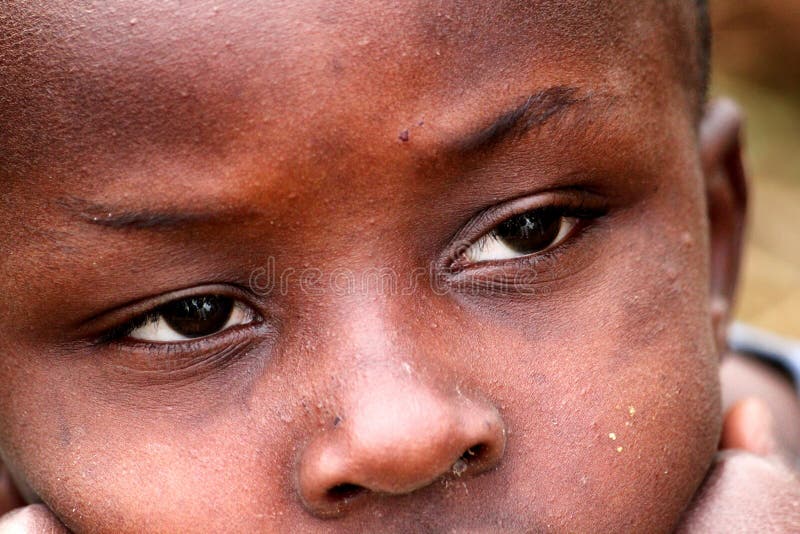
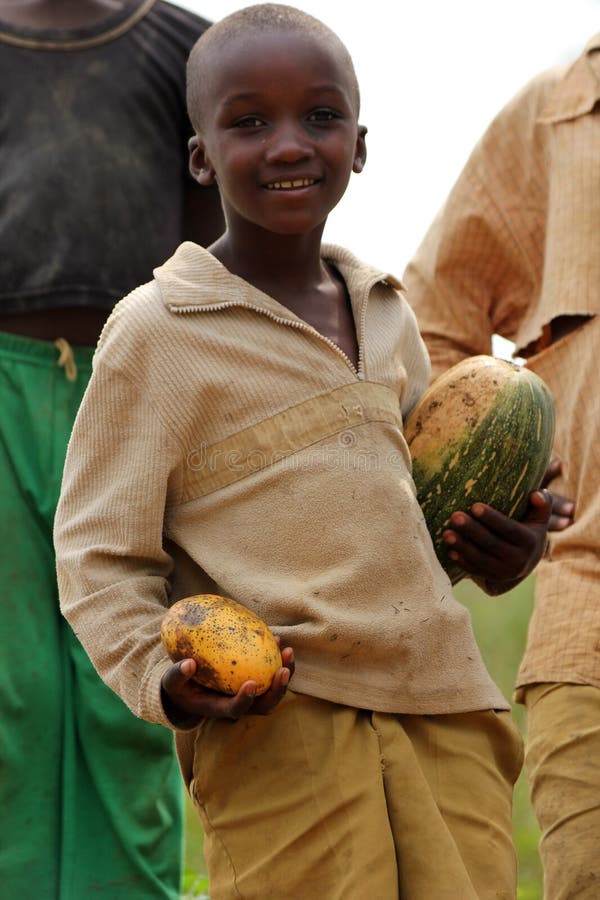
Free with trial Rwanda kids. Unidentified kids from the UN Millenium village at Mayange, Rwanda. It is a village of returnees-who came back to Rwanda after the 1994 genocide. Returnees stock images, royalty-free photos and pictures Rwanda kids. Unidentified kids from the UN Millenium village at Mayange, Rwanda. It is a village of returnees-who came back to Rwanda after the 1994 genocide
Free with trial Rwanda woman. Unidentified woman from the UN Millenium village at Mayange, Rwanda. It is a village of returnees who came back to Rwanda after the 1994 genocide. Returnees stock images, royalty-free photos and pictures Rwanda woman. Unidentified woman from the UN Millenium village at Mayange, Rwanda. It is a village of returnees who came back to Rwanda after the 1994 genocide
Free with trial Rwanda kids. Unidentified kids from the UN Millenium village in Mayange, Rwanda. It is a village of returnees-who came back to Rwanda after the 1994 genocide. Returnees stock images, royalty-free photos and pictures Rwanda kids. Unidentified kids from the UN Millenium village in Mayange, Rwanda. It is a village of returnees-who came back to Rwanda after the 1994 genocide
Free with trial Madrid, Spain; 02/11/2020: Facade of the defense general hospital `Gomez Ulla` where the Spanish returnees kept quarantined because of the Wuhan coronavirus. Returnees stock images, royalty-free photos and pictures Facade of the defense general hospital `Gomez Ulla` where the Spanish returnees kept quarantined, Wuhan coronavirus. Madrid, Spain; 02/11/2020: Facade of the. Madrid, Spain; 02/11/2020: Facade of the defense general hospital `Gomez Ulla` where the Spanish returnees kept quarantined because of the Wuhan coronavirus
Free with trial Madrid, Spain; 02/11/2020: Facade of the defense general hospital `Gomez Ulla` where the Spanish returnees kept quarantined because of the Wuhan coronavirus. Returnees stock images, royalty-free photos and pictures Facade of the defense general hospital `Gomez Ulla` where the Spanish returnees kept quarantined, Wuhan coronavirus. Madrid, Spain; 02/11/2020: Facade of the. Madrid, Spain; 02/11/2020: Facade of the defense general hospital `Gomez Ulla` where the Spanish returnees kept quarantined because of the Wuhan coronavirus
Free with trial African girls. MAYANGE, RWANDA - Unidentified kids from the UN Millenium village. It is a village of returnees-who came back to Rwanda after the 1994 genocide. Returnees stock images, royalty-free photos and pictures African girls. MAYANGE, RWANDA - Unidentified kids from the UN Millenium village. It is a village of returnees-who came back to Rwanda after the 1994 genocide
Free with trial A group of illegal immigrants deported from the U. S. descend from an airplane after landing, in the Guatemalan Air Force runway at the International Aurora Airport in Guatemala City, Guatemala. Deportation (or removal) is the formal expulsion of a noncitizen from the U. for violating immigration laws, such as illegal entry, visa violations, or criminal activity. The process often involves ICE detention, court hearings, or expedited removal. The 2025–2026 period has seen significantly increased enforcement, with high rates of arrests and voluntary departures. As of early 2026, the United States has experienced high rates of removals, including the use of rapid "voluntary departures". The Trump administration has targeted high-volume deportations, with ICE arrests doubling in some periods. Reports indicate that detention facilities are often overcrowded, and accessing legal counsel is difficult. The U. has utilized financial agreements with third countries, like Guatemala and Honduras, to facilitate the repatriation of migrants. Deportations from the United States to Guatemala have recently undergone significant changes, driven by Trump administration policies focused on the mass removal of people from the interior of the country. During fiscal year 2024, nearly 66,000 Guatemalans were deported from the U. , the highest number recorded in recent years. In 2025 and 2026, deportations have shifted from focusing on people recently crossed the border to individuals who have lived in the U. for years or decades. During the Joe Biden's administration, the country processed approximately 14 return flights daily. Human Rights organizations have documented that returnees often arrive in precarious health conditions, dehydrated, or without access to their belongings and original identity documents. Returnees stock images, royalty-free photos and pictures Deportation flights from U.S. to Guatemala. A group of illegal immigrants deported from the U.S. descend from an airplane after landing, in the Guatemalan Air. A group of illegal immigrants deported from the U.S. descend from an airplane after landing, in the Guatemalan Air Force runway at the International Aurora Airport in Guatemala City, Guatemala. Deportation (or removal) is the formal expulsion of a noncitizen from the U.S. for violating immigration laws, such as illegal entry, visa violations, or criminal activity. The process often involves ICE detention, court hearings, or expedited removal. The 2025–2026 period has seen significantly increased enforcement, with high rates of arrests and voluntary departures. As of early 2026, the United States has experienced high rates of removals, including the use of rapid "voluntary departures". The Trump administration has targeted high-volume deportations, with ICE arrests doubling in some periods. Reports indicate that detention facilities are often overcrowded, and accessing legal counsel is difficult. The U.S. has utilized financial agreements with third countries, like Guatemala and Honduras, to facilitate the repatriation of migrants. Deportations from the United States to Guatemala have recently undergone significant changes, driven by Trump administration policies focused on the mass removal of people from the interior of the country. During fiscal year 2024, nearly 66,000 Guatemalans were deported from the U.S., the highest number recorded in recent years. In 2025 and 2026, deportations have shifted from focusing on people recently crossed the border to individuals who have lived in the U.S. for years or decades. During the Joe Biden's administration, the country processed approximately 14 return flights daily. Human Rights organizations have documented that returnees often arrive in precarious health conditions, dehydrated, or without access to their belongings and original identity documents.
Free with trial The evening of 25 october 2014, xiamen city, china. oversea returnees held a concert in xiamen university. Returnees stock images, royalty-free photos and pictures Zhangyuchen presided concerts. The evening of 25 october 2014, xiamen city, china. oversea returnees held a concert in xiamen university. The evening of 25 october 2014, xiamen city, china. oversea returnees held a concert in xiamen university.
Free with trial MAYANGE; RWANDA - Unidentified children from the UN Millenium village. It is a village of returnees-who came back to Rwanda after the 1994 genocide. Returnees stock images, royalty-free photos and pictures Children of Africa. MAYANGE; RWANDA - Unidentified children from the UN Millenium village. It is a village of returnees-who came back to Rwanda after the 1994. MAYANGE; RWANDA - Unidentified children from the UN Millenium village. It is a village of returnees-who came back to Rwanda after the 1994 genocide.
Free with trial MAYANGE; RWANDA - Unidentified children from the UN Millenium village. It is a village of returnees-who came back to Rwanda after the 1994 genocide. Returnees stock images, royalty-free photos and pictures African boys in Rwanda. MAYANGE; RWANDA - Unidentified children from the UN Millenium village. It is a village of returnees-who came back to Rwanda after the. MAYANGE; RWANDA - Unidentified children from the UN Millenium village. It is a village of returnees-who came back to Rwanda after the 1994 genocide.
Free with trial MAYANGE; RWANDA - Unidentified children from the UN Millenium village. It is a village of returnees-who came back to Rwanda after the 1994 genocide. Returnees stock images, royalty-free photos and pictures African children. MAYANGE; RWANDA - Unidentified children from the UN Millenium village. It is a village of returnees-who came back to Rwanda after the 1994. MAYANGE; RWANDA - Unidentified children from the UN Millenium village. It is a village of returnees-who came back to Rwanda after the 1994 genocide.
Free with trial MAYANGE; RWANDA - Unidentified child from the UN Millenium village. It is a village of returnees-who came back to Rwanda after the 1994 genocide. Returnees stock images, royalty-free photos and pictures African boy in Rwanda. MAYANGE; RWANDA - Unidentified child from the UN Millenium village. It is a village of returnees-who came back to Rwanda after the 1994. MAYANGE; RWANDA - Unidentified child from the UN Millenium village. It is a village of returnees-who came back to Rwanda after the 1994 genocide.
Free with trial MAYANGE; RWANDA - Unidentified child from the UN Millenium village. It is a village of returnees-who came back to Rwanda after the 1994 genocide. Returnees stock images, royalty-free photos and pictures African child in Rwanda. MAYANGE; RWANDA - Unidentified child from the UN Millenium village. It is a village of returnees-who came back to Rwanda after the 1994. MAYANGE; RWANDA - Unidentified child from the UN Millenium village. It is a village of returnees-who came back to Rwanda after the 1994 genocide.
Free with trial KINIHIRA, RWANDA Unidentified child in a raining day from the UN Millenium village. It is a village of returnees-who came back to Rwanda after the 1994 genocide. Returnees stock images, royalty-free photos and pictures African child in a raining day. KINIHIRA, RWANDA Unidentified child in a raining day from the UN Millenium village. It is a village of returnees-who came back to. KINIHIRA, RWANDA Unidentified child in a raining day from the UN Millenium village. It is a village of returnees-who came back to Rwanda after the 1994 genocide.
Free with trial MAYANGE; RWANDA - Unidentified children from the UN Millenium village. It is a village of returnees-who came back to Rwanda after the 1994 genocide. Returnees stock images, royalty-free photos and pictures African children in Rwanda. MAYANGE; RWANDA - Unidentified children from the UN Millenium village. It is a village of returnees-who came back to Rwanda after the. MAYANGE; RWANDA - Unidentified children from the UN Millenium village. It is a village of returnees-who came back to Rwanda after the 1994 genocide.
Free with trial MAYANGE; RWANDA - Unidentified girl from the UN Millenium village. It is a village of returnees-who came back to Rwanda after the 1994 genocide. Returnees stock images, royalty-free photos and pictures African child in a Rwanda village. MAYANGE; RWANDA - Unidentified girl from the UN Millenium village. It is a village of returnees-who came back to Rwanda after. MAYANGE; RWANDA - Unidentified girl from the UN Millenium village. It is a village of returnees-who came back to Rwanda after the 1994 genocide.
Free with trial Rwanda boy. Unidentified boy from the UN Millenium village at Mayange, Rwanda. It is a village of returnees-who came back to Rwanda after the 1994 genocide. Returnees stock images, royalty-free photos and pictures Rwanda boy. Unidentified boy from the UN Millenium village at Mayange, Rwanda. It is a village of returnees-who came back to Rwanda after the 1994 genocide
Free with trial Rwanda boy. Unidentified boy from the UN Millenium village at Mayange, Rwanda. It is a village of returnees-who came back to Rwanda after the 1994 genocide. Returnees stock images, royalty-free photos and pictures Rwanda boy. Unidentified boy from the UN Millenium village at Mayange, Rwanda. It is a village of returnees-who came back to Rwanda after the 1994 genocide
Free with trial Rwanda girl. Unidentified girl from the UN Millenium village at Mayange, Rwanda. It is a village of returnees who came back to Rwanda after the 1994 genocide. Returnees stock images, royalty-free photos and pictures Rwanda girl. Unidentified girl from the UN Millenium village at Mayange, Rwanda. It is a village of returnees who came back to Rwanda after the 1994 genocide
Free with trial Rwanda boy. Unidentified boy from the UN Millenium village at Mayange, Rwanda. It is a village of returnees-who came back to Rwanda after the 1994 genocide. Returnees stock images, royalty-free photos and pictures Rwanda boy. Unidentified boy from the UN Millenium village at Mayange, Rwanda. It is a village of returnees-who came back to Rwanda after the 1994 genocide
Free with trial Rwanda kids. Unidentified kids from the UN Millenium village at Mayange, Rwanda. It is a village of returnees-who came back to Rwanda after the 1994 genocide. Returnees stock images, royalty-free photos and pictures Rwanda kids. Unidentified kids from the UN Millenium village at Mayange, Rwanda. It is a village of returnees-who came back to Rwanda after the 1994 genocide
Free with trial Rwanda. Unidentified people from the UN Millenium village at Mayange, Rwanda. It is avillage of returnees who came back to Rwanda after the 1994 genocide. Returnees stock images, royalty-free photos and pictures Rwanda. Unidentified people from the UN Millenium village at Mayange, Rwanda. It is avillage of returnees who came back to Rwanda after the 1994 genocide
Free with trial Rwanda boy. Unidentified boy from the UN Millenium village at Mayange, Rwanda. It is a village of returnees who came back to Rwanda after the 1994 genocide. Returnees stock images, royalty-free photos and pictures Rwanda boy. Unidentified boy from the UN Millenium village at Mayange, Rwanda. It is a village of returnees who came back to Rwanda after the 1994 genocide
Free with trial African people. Unidentified people from the UN Millenium village. It is a village of returnees-who came back to Rwanda after the 1994 genocide. Returnees stock images, royalty-free photos and pictures African people. Unidentified people from the UN Millenium village. It is a village of returnees-who came back to Rwanda after the 1994 genocide
Free with trial Rwanda boy. Unidentified boy from the UN Millenium village at Mayange, Rwanda. It is a village of returnees-who came back to Rwanda after the 1994 genocide. Returnees stock images, royalty-free photos and pictures Rwanda boy. Unidentified boy from the UN Millenium village at Mayange, Rwanda. It is a village of returnees-who came back to Rwanda after the 1994 genocide
Free with trial Rwanda. Unidentified man from the UN Millenium village. It is a village of returnees who came back to Rwanda after the 1994 genocide. Returnees stock images, royalty-free photos and pictures Rwanda. Unidentified man from the UN Millenium village. It is a village of returnees who came back to Rwanda after the 1994 genocide
Free with trial African people. Unidentified people from the UN Millenium village. It is a village of returnees-who came back to Rwanda after the 1994 genocide. Returnees stock images, royalty-free photos and pictures African people. Unidentified people from the UN Millenium village. It is a village of returnees-who came back to Rwanda after the 1994 genocide
Free with trial Zone of Alienation. House in Kupovate settlement of so called Samosely - residents of Chernobyl Exclusion Zone, Ukraine. Returnees stock images, royalty-free photos and pictures Zone of Alienation. House in Kupovate settlement of so called Samosely - residents of Chernobyl Exclusion Zone, Ukraine
Free with trial Rwanda. Unidentified kids from the UN Millenium village at Mayange, Rwanda. It is a village of returnees who came back to Rwanda after the 1994 genocide. Returnees stock images, royalty-free photos and pictures Rwanda. Unidentified kids from the UN Millenium village at Mayange, Rwanda. It is a village of returnees who came back to Rwanda after the 1994 genocide
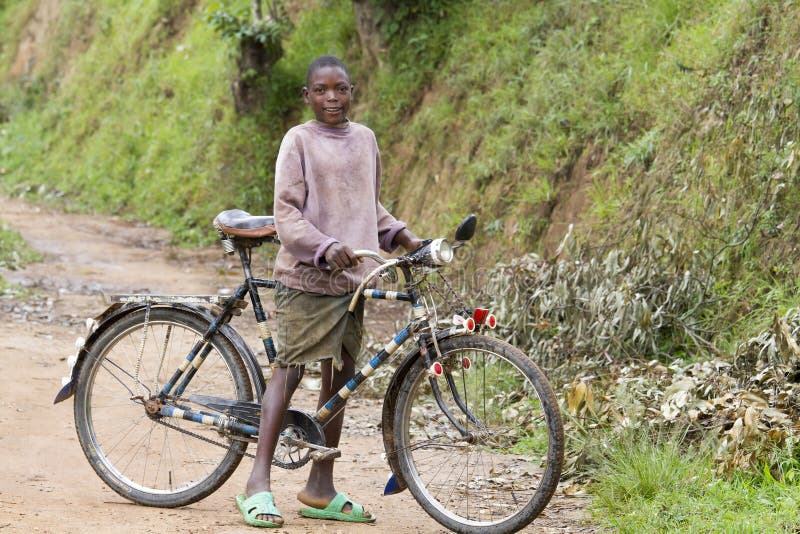
Free with trial MAYANGE; RWANDA - NOVEMBER 4: Unidentified boys with a bicycle in a dusty road in the UN Millenium village at at November 4; 2013. It is a village of returnees-who came back to Rwanda after the 1994 genocide. Returnees stock images, royalty-free photos and pictures African boys carring water. MAYANGE; RWANDA - NOVEMBER 4: Unidentified boys with a bicycle in a dusty road in the UN Millenium village at at November 4; 2013. It. MAYANGE; RWANDA - NOVEMBER 4: Unidentified boys with a bicycle in a dusty road in the UN Millenium village at at November 4; 2013. It is a village of returnees-who came back to Rwanda after the 1994 genocide.
Free with trial MAYANGE; RWANDA - NOVEMBER 13: Unidentified child from the UN Millenium village at November 13; 2013. It is a village of returnees-who came back to Rwanda after the 1994 genocide. Returnees stock images, royalty-free photos and pictures African child in Rwanda. MAYANGE; RWANDA - NOVEMBER 13: Unidentified child from the UN Millenium village at November 13; 2013. It is a village of returnees-who. MAYANGE; RWANDA - NOVEMBER 13: Unidentified child from the UN Millenium village at November 13; 2013. It is a village of returnees-who came back to Rwanda after the 1994 genocide.
Free with trial MAYANGE; RWANDA - NOVEMBER 4: Unidentified child from the UN Millenium village at November 4; 2013. It is a village of returnees-who came back to Rwanda after the 1994 genocide. Returnees stock images, royalty-free photos and pictures African sleeping child. MAYANGE; RWANDA - NOVEMBER 4: Unidentified child from the UN Millenium village at November 4; 2013. It is a village of returnees-who came. MAYANGE; RWANDA - NOVEMBER 4: Unidentified child from the UN Millenium village at November 4; 2013. It is a village of returnees-who came back to Rwanda after the 1994 genocide.
Free with trial MAYANGE, RWANDA - NOVEMBER 4: Unidentified woman from the UN Millenium village at November 4, 2013. It is a village of returnees-who came back to Rwanda after the 1994 genocide. Returnees stock images, royalty-free photos and pictures African woman. MAYANGE, RWANDA - NOVEMBER 4: Unidentified woman from the UN Millenium village at November 4, 2013. It is a village of returnees-who came back to. MAYANGE, RWANDA - NOVEMBER 4: Unidentified woman from the UN Millenium village at November 4, 2013. It is a village of returnees-who came back to Rwanda after the 1994 genocide.
Free with trial MAYANGE, RWANDA - NOVEMBER 4: Unidentified kid from the UN Millenium village at November 4, 2013. It is a village of returnees-who came back to Rwanda after the 1994 genocide. Returnees stock images, royalty-free photos and pictures African boy. MAYANGE, RWANDA - NOVEMBER 4: Unidentified kid from the UN Millenium village at November 4, 2013. It is a village of returnees-who came back to. MAYANGE, RWANDA - NOVEMBER 4: Unidentified kid from the UN Millenium village at November 4, 2013. It is a village of returnees-who came back to Rwanda after the 1994 genocide.
Free with trial MAYANGE; RWANDA - NOVEMBER 13: Unidentified children from the UN Millenium village at November 13; 2013. It is a village of returnees-who came back to Rwanda after the 1994 genocide. Returnees stock images, royalty-free photos and pictures African children. MAYANGE; RWANDA - NOVEMBER 13: Unidentified children from the UN Millenium village at November 13; 2013. It is a village of returnees-who came. MAYANGE; RWANDA - NOVEMBER 13: Unidentified children from the UN Millenium village at November 13; 2013. It is a village of returnees-who came back to Rwanda after the 1994 genocide.
Free with trial MAYANGE; RWANDA - NOVEMBER 13: Unidentified children from the UN Millenium village at November 13; 2013. It is a village of returnees-who came back to Rwanda after the 1994 genocide. Returnees stock images, royalty-free photos and pictures African children in a daisies field. MAYANGE; RWANDA - NOVEMBER 13: Unidentified children from the UN Millenium village at November 13; 2013. It is a village of. MAYANGE; RWANDA - NOVEMBER 13: Unidentified children from the UN Millenium village at November 13; 2013. It is a village of returnees-who came back to Rwanda after the 1994 genocide.
Free with trial MAYANGE; RWANDA - NOVEMBER 4: Unidentified girl from the UN Millenium village at November 4; 2013. It is a village of returnees-who came back to Rwanda after the 1994 genocide. Returnees stock images, royalty-free photos and pictures African girl - Rwanda. MAYANGE; RWANDA - NOVEMBER 4: Unidentified girl from the UN Millenium village at November 4; 2013. It is a village of returnees-who came. MAYANGE; RWANDA - NOVEMBER 4: Unidentified girl from the UN Millenium village at November 4; 2013. It is a village of returnees-who came back to Rwanda after the 1994 genocide.
Free with trial MAYANGE; RWANDA - NOVEMBER 13: Unidentified child from the UN Millenium village at November 13; 2013. It is a village of returnees-who came back to Rwanda after the 1994 genocide. Returnees stock images, royalty-free photos and pictures African children in Rwanda. MAYANGE; RWANDA - NOVEMBER 13: Unidentified child from the UN Millenium village at November 13; 2013. It is a village of returnees. MAYANGE; RWANDA - NOVEMBER 13: Unidentified child from the UN Millenium village at November 13; 2013. It is a village of returnees-who came back to Rwanda after the 1994 genocide.
Free with trial MAYANGE; RWANDA - NOVEMBER 4: Unidentified boy with a bicycle in a dusty road in the UN Millenium village at at November 4; 2013. It is a village of returnees-who came back to Rwanda after the 1994 genocide. Returnees stock images, royalty-free photos and pictures African boy. MAYANGE; RWANDA - NOVEMBER 4: Unidentified boy with a bicycle in a dusty road in the UN Millenium village at at November 4; 2013. It is a village of. MAYANGE; RWANDA - NOVEMBER 4: Unidentified boy with a bicycle in a dusty road in the UN Millenium village at at November 4; 2013. It is a village of returnees-who came back to Rwanda after the 1994 genocide.
Free with trial MAYANGE; RWANDA - NOVEMBER 13: Unidentified children from the UN Millenium village at November 13; 2013. It is a village of returnees-who came back to Rwanda after the 1994 genocide. Returnees stock images, royalty-free photos and pictures African children in Rwanda. MAYANGE; RWANDA - NOVEMBER 13: Unidentified children from the UN Millenium village at November 13; 2013. It is a village of returnees. MAYANGE; RWANDA - NOVEMBER 13: Unidentified children from the UN Millenium village at November 13; 2013. It is a village of returnees-who came back to Rwanda after the 1994 genocide.
Free with trial MAYANGE; RWANDA - NOVEMBER 13: Unidentified child from the UN Millenium village at November 13; 2013. It is a village of returnees-who came back to Rwanda after the 1994 genocide. Returnees stock images, royalty-free photos and pictures African child working in the field. MAYANGE; RWANDA - NOVEMBER 13: Unidentified child from the UN Millenium village at November 13; 2013. It is a village of. MAYANGE; RWANDA - NOVEMBER 13: Unidentified child from the UN Millenium village at November 13; 2013. It is a village of returnees-who came back to Rwanda after the 1994 genocide.
Free with trial MAYANGE; RWANDA - NOVEMBER 4: Unidentified child from the UN Millenium village at November 4; 2013. It is a village of returnees-who came back to Rwanda after the 1994 genocide. Returnees stock images, royalty-free photos and pictures African boy in Rwanda. MAYANGE; RWANDA - NOVEMBER 4: Unidentified child from the UN Millenium village at November 4; 2013. It is a village of returnees-who came. MAYANGE; RWANDA - NOVEMBER 4: Unidentified child from the UN Millenium village at November 4; 2013. It is a village of returnees-who came back to Rwanda after the 1994 genocide.
Free with trial House in Chernobyl Zone. Kupuvate, Ukraine - September 21, 2016: Self settler woman in front of her house in Kupovate village located in Chernobyl exclusion area. Returnees stock images, royalty-free photos and pictures House in Chernobyl Zone. Kupuvate, Ukraine - September 21, 2016: Self settler woman in front of her house in Kupovate village located in Chernobyl exclusion area
Free with trial Resident of Chernobyl Zone. Kupuvate, Ukraine - September 21, 2016: Self settler woman in Kupovate village located in Chernobyl exclusion area. Returnees stock images, royalty-free photos and pictures Resident of Chernobyl Zone. Kupuvate, Ukraine - September 21, 2016: Self settler woman in Kupovate village located in Chernobyl exclusion area
Free with trial Resident of Chernobyl Zone. Kupuvate, Ukraine - September 21, 2016: Self settler woman in Kupovate village located in Chernobyl exclusion area. Returnees stock images, royalty-free photos and pictures Resident of Chernobyl Zone. Kupuvate, Ukraine - September 21, 2016: Self settler woman in Kupovate village located in Chernobyl exclusion area
Free with trial A group of illegal immigrants deported from the U. S. descend from an airplane after landing, in the Guatemalan Air Force runway at the International Aurora Airport in Guatemala City, Guatemala. Deportation (or removal) is the formal expulsion of a noncitizen from the U. for violating immigration laws, such as illegal entry, visa violations, or criminal activity. The process often involves ICE detention, court hearings, or expedited removal. The 2025–2026 period has seen significantly increased enforcement, with high rates of arrests and voluntary departures. As of early 2026, the United States has experienced high rates of removals, including the use of rapid voluntary departures. The Trump administration has targeted high-volume deportations, with ICE arrests doubling in some periods. Reports indicate that detention facilities are often overcrowded, and accessing legal counsel is difficult. The U. has utilized financial agreements with third countries, like Guatemala and Honduras, to facilitate the repatriation of migrants. Deportations from the United States to Guatemala have recently undergone significant changes, driven by Trump administration policies focused on the mass removal of people from the interior of the country. During fiscal year 2024, nearly 66,000 Guatemalans were deported from the U. , the highest number recorded in recent years. In 2025 and 2026, deportations have shifted from focusing on people recently crossed the border to individuals who have lived in the U. for years or decades. During the Joe Biden's administration, the country processed approximately 14 return flights daily. Human Rights organizations have documented that returnees often arrive in precarious health conditions, dehydrated, or without access to their belongings and original identity documents. Returnees stock images, royalty-free photos and pictures Deportation flights from U.S. to Guatemala. A group of illegal immigrants deported from the U.S. descend from an airplane after landing, in the Guatemalan Air. A group of illegal immigrants deported from the U.S. descend from an airplane after landing, in the Guatemalan Air Force runway at the International Aurora Airport in Guatemala City, Guatemala. Deportation (or removal) is the formal expulsion of a noncitizen from the U.S. for violating immigration laws, such as illegal entry, visa violations, or criminal activity. The process often involves ICE detention, court hearings, or expedited removal. The 2025–2026 period has seen significantly increased enforcement, with high rates of arrests and voluntary departures. As of early 2026, the United States has experienced high rates of removals, including the use of rapid voluntary departures. The Trump administration has targeted high-volume deportations, with ICE arrests doubling in some periods. Reports indicate that detention facilities are often overcrowded, and accessing legal counsel is difficult. The U.S. has utilized financial agreements with third countries, like Guatemala and Honduras, to facilitate the repatriation of migrants. Deportations from the United States to Guatemala have recently undergone significant changes, driven by Trump administration policies focused on the mass removal of people from the interior of the country. During fiscal year 2024, nearly 66,000 Guatemalans were deported from the U.S., the highest number recorded in recent years. In 2025 and 2026, deportations have shifted from focusing on people recently crossed the border to individuals who have lived in the U.S. for years or decades. During the Joe Biden's administration, the country processed approximately 14 return flights daily. Human Rights organizations have documented that returnees often arrive in precarious health conditions, dehydrated, or without access to their belongings and original identity documents.
Free with trial A group of illegal immigrants deported from the U. S. is conducted by an immigration official across the runway, towards the Immigration Office in the Guatemalan Air Force at the International Aurora Airport in Guatemala City, Guatemala. Deportation (or removal) is the formal expulsion of a noncitizen from the U. for violating immigration laws, such as illegal entry, visa violations, or criminal activity. The process often involves ICE detention, court hearings, or expedited removal. The 2025–2026 period has seen significantly increased enforcement, with high rates of arrests and voluntary departures. As of early 2026, the United States has experienced high rates of removals, including the use of rapid voluntary departures. The Trump administration has targeted high-volume deportations, with ICE arrests doubling in some periods. Reports indicate that detention facilities are often overcrowded, and accessing legal counsel is difficult. The U. has utilized financial agreements with third countries, like Guatemala and Honduras, to facilitate the repatriation of migrants. Deportations from the United States to Guatemala have recently undergone significant changes, driven by Trump administration policies focused on the mass removal of people from the interior of the country. During fiscal year 2024, nearly 66,000 Guatemalans were deported from the U. , the highest number recorded in recent years. In 2025 and 2026, deportations have shifted from focusing on people recently crossed the border to individuals who have lived in the U. for years or decades. During the Joe Biden's administration, the country processed approximately 14 return flights daily. Human Rights organizations have documented that returnees often arrive in precarious health conditions, dehydrated, or without access to their belongings and original identity documents. Returnees stock images, royalty-free photos and pictures Deportation flights from U.S. to Guatemala. A group of illegal immigrants deported from the U.S. is conducted by an immigration official across the runway. A group of illegal immigrants deported from the U.S. is conducted by an immigration official across the runway, towards the Immigration Office in the Guatemalan Air Force at the International Aurora Airport in Guatemala City, Guatemala. Deportation (or removal) is the formal expulsion of a noncitizen from the U.S. for violating immigration laws, such as illegal entry, visa violations, or criminal activity. The process often involves ICE detention, court hearings, or expedited removal. The 2025–2026 period has seen significantly increased enforcement, with high rates of arrests and voluntary departures. As of early 2026, the United States has experienced high rates of removals, including the use of rapid voluntary departures. The Trump administration has targeted high-volume deportations, with ICE arrests doubling in some periods. Reports indicate that detention facilities are often overcrowded, and accessing legal counsel is difficult. The U.S. has utilized financial agreements with third countries, like Guatemala and Honduras, to facilitate the repatriation of migrants. Deportations from the United States to Guatemala have recently undergone significant changes, driven by Trump administration policies focused on the mass removal of people from the interior of the country. During fiscal year 2024, nearly 66,000 Guatemalans were deported from the U.S., the highest number recorded in recent years. In 2025 and 2026, deportations have shifted from focusing on people recently crossed the border to individuals who have lived in the U.S. for years or decades. During the Joe Biden's administration, the country processed approximately 14 return flights daily. Human Rights organizations have documented that returnees often arrive in precarious health conditions, dehydrated, or without access to their belongings and original identity documents.
Free with trial A group of illegal immigrants deported from the U. S. is seen lined up and waiting to enter the Immigration Office in the Guatemalan Air Force, at the International Aurora Airport in Guatemala City, Guatemala. Deportation (or removal) is the formal expulsion of a noncitizen from the U. for violating immigration laws, such as illegal entry, visa violations, or criminal activity. The process often involves ICE detention, court hearings, or expedited removal. The 2025–2026 period has seen significantly increased enforcement, with high rates of arrests and voluntary departures. As of early 2026, the United States has experienced high rates of removals, including the use of rapid voluntary departures. The Trump administration has targeted high-volume deportations, with ICE arrests doubling in some periods. Reports indicate that detention facilities are often overcrowded, and accessing legal counsel is difficult. The U. has utilized financial agreements with third countries, like Guatemala and Honduras, to facilitate the repatriation of migrants. Deportations from the United States to Guatemala have recently undergone significant changes, driven by Trump administration policies focused on the mass removal of people from the interior of the country. During fiscal year 2024, nearly 66,000 Guatemalans were deported from the U. , the highest number recorded in recent years. In 2025 and 2026, deportations have shifted from focusing on people recently crossed the border to individuals who have lived in the U. for years or decades. During the Joe Biden's administration, the country processed approximately 14 return flights daily. Human Rights organizations have documented that returnees often arrive in precarious health conditions, dehydrated, or without access to their belongings and original identity documents. Returnees stock images, royalty-free photos and pictures Deportation flights from U.S. to Guatemala. A group of illegal immigrants deported from the U.S. is seen lined up and waiting to enter the Immigration Office in. A group of illegal immigrants deported from the U.S. is seen lined up and waiting to enter the Immigration Office in the Guatemalan Air Force, at the International Aurora Airport in Guatemala City, Guatemala. Deportation (or removal) is the formal expulsion of a noncitizen from the U.S. for violating immigration laws, such as illegal entry, visa violations, or criminal activity. The process often involves ICE detention, court hearings, or expedited removal. The 2025–2026 period has seen significantly increased enforcement, with high rates of arrests and voluntary departures. As of early 2026, the United States has experienced high rates of removals, including the use of rapid voluntary departures. The Trump administration has targeted high-volume deportations, with ICE arrests doubling in some periods. Reports indicate that detention facilities are often overcrowded, and accessing legal counsel is difficult. The U.S. has utilized financial agreements with third countries, like Guatemala and Honduras, to facilitate the repatriation of migrants. Deportations from the United States to Guatemala have recently undergone significant changes, driven by Trump administration policies focused on the mass removal of people from the interior of the country. During fiscal year 2024, nearly 66,000 Guatemalans were deported from the U.S., the highest number recorded in recent years. In 2025 and 2026, deportations have shifted from focusing on people recently crossed the border to individuals who have lived in the U.S. for years or decades. During the Joe Biden's administration, the country processed approximately 14 return flights daily. Human Rights organizations have documented that returnees often arrive in precarious health conditions, dehydrated, or without access to their belongings and original identity documents.
Free with trial A group of illegal immigrants deported from the U. S. is conducted by an immigration official across the runway, towards the Immigration Office in the Guatemalan Air Force at the International Aurora Airport in Guatemala City, Guatemala. Deportation (or removal) is the formal expulsion of a noncitizen from the U. for violating immigration laws, such as illegal entry, visa violations, or criminal activity. The process often involves ICE detention, court hearings, or expedited removal. The 2025–2026 period has seen significantly increased enforcement, with high rates of arrests and voluntary departures. As of early 2026, the United States has experienced high rates of removals, including the use of rapid voluntary departures. The Trump administration has targeted high-volume deportations, with ICE arrests doubling in some periods. Reports indicate that detention facilities are often overcrowded, and accessing legal counsel is difficult. The U. has utilized financial agreements with third countries, like Guatemala and Honduras, to facilitate the repatriation of migrants. Deportations from the United States to Guatemala have recently undergone significant changes, driven by Trump administration policies focused on the mass removal of people from the interior of the country. During fiscal year 2024, nearly 66,000 Guatemalans were deported from the U. , the highest number recorded in recent years. In 2025 and 2026, deportations have shifted from focusing on people recently crossed the border to individuals who have lived in the U. for years or decades. During the Joe Biden's administration, the country processed approximately 14 return flights daily. Human Rights organizations have documented that returnees often arrive in precarious health conditions, dehydrated, or without access to their belongings and original identity documents. Returnees stock images, royalty-free photos and pictures Deportation flights from U.S. to Guatemala. A group of illegal immigrants deported from the U.S. is conducted by an immigration official across the runway. A group of illegal immigrants deported from the U.S. is conducted by an immigration official across the runway, towards the Immigration Office in the Guatemalan Air Force at the International Aurora Airport in Guatemala City, Guatemala. Deportation (or removal) is the formal expulsion of a noncitizen from the U.S. for violating immigration laws, such as illegal entry, visa violations, or criminal activity. The process often involves ICE detention, court hearings, or expedited removal. The 2025–2026 period has seen significantly increased enforcement, with high rates of arrests and voluntary departures. As of early 2026, the United States has experienced high rates of removals, including the use of rapid voluntary departures. The Trump administration has targeted high-volume deportations, with ICE arrests doubling in some periods. Reports indicate that detention facilities are often overcrowded, and accessing legal counsel is difficult. The U.S. has utilized financial agreements with third countries, like Guatemala and Honduras, to facilitate the repatriation of migrants. Deportations from the United States to Guatemala have recently undergone significant changes, driven by Trump administration policies focused on the mass removal of people from the interior of the country. During fiscal year 2024, nearly 66,000 Guatemalans were deported from the U.S., the highest number recorded in recent years. In 2025 and 2026, deportations have shifted from focusing on people recently crossed the border to individuals who have lived in the U.S. for years or decades. During the Joe Biden's administration, the country processed approximately 14 return flights daily. Human Rights organizations have documented that returnees often arrive in precarious health conditions, dehydrated, or without access to their belongings and original identity documents.
Free with trial A group of illegal immigrants deported from the U. S. descend from an airplane after landing, in the Guatemalan Air Force runway at the International Aurora Airport in Guatemala City, Guatemala. Deportation (or removal) is the formal expulsion of a noncitizen from the U. for violating immigration laws, such as illegal entry, visa violations, or criminal activity. The process often involves ICE detention, court hearings, or expedited removal. The 2025–2026 period has seen significantly increased enforcement, with high rates of arrests and voluntary departures. As of early 2026, the United States has experienced high rates of removals, including the use of rapid voluntary departures. The Trump administration has targeted high-volume deportations, with ICE arrests doubling in some periods. Reports indicate that detention facilities are often overcrowded, and accessing legal counsel is difficult. The U. has utilized financial agreements with third countries, like Guatemala and Honduras, to facilitate the repatriation of migrants. Deportations from the United States to Guatemala have recently undergone significant changes, driven by Trump administration policies focused on the mass removal of people from the interior of the country. During fiscal year 2024, nearly 66,000 Guatemalans were deported from the U. , the highest number recorded in recent years. In 2025 and 2026, deportations have shifted from focusing on people recently crossed the border to individuals who have lived in the U. for years or decades. During the Joe Biden's administration, the country processed approximately 14 return flights daily. Human Rights organizations have documented that returnees often arrive in precarious health conditions, dehydrated, or without access to their belongings and original identity documents. Returnees stock images, royalty-free photos and pictures Deportation flights from U.S. to Guatemala. A group of illegal immigrants deported from the U.S. descend from an airplane after landing, in the Guatemalan Air. A group of illegal immigrants deported from the U.S. descend from an airplane after landing, in the Guatemalan Air Force runway at the International Aurora Airport in Guatemala City, Guatemala. Deportation (or removal) is the formal expulsion of a noncitizen from the U.S. for violating immigration laws, such as illegal entry, visa violations, or criminal activity. The process often involves ICE detention, court hearings, or expedited removal. The 2025–2026 period has seen significantly increased enforcement, with high rates of arrests and voluntary departures. As of early 2026, the United States has experienced high rates of removals, including the use of rapid voluntary departures. The Trump administration has targeted high-volume deportations, with ICE arrests doubling in some periods. Reports indicate that detention facilities are often overcrowded, and accessing legal counsel is difficult. The U.S. has utilized financial agreements with third countries, like Guatemala and Honduras, to facilitate the repatriation of migrants. Deportations from the United States to Guatemala have recently undergone significant changes, driven by Trump administration policies focused on the mass removal of people from the interior of the country. During fiscal year 2024, nearly 66,000 Guatemalans were deported from the U.S., the highest number recorded in recent years. In 2025 and 2026, deportations have shifted from focusing on people recently crossed the border to individuals who have lived in the U.S. for years or decades. During the Joe Biden's administration, the country processed approximately 14 return flights daily. Human Rights organizations have documented that returnees often arrive in precarious health conditions, dehydrated, or without access to their belongings and original identity documents.
Free with trial A group of illegal immigrants deported from the U. S. are seen descending from an airplane after landing in the runway of the Guatemalan Air Force, in the International Aurora Airport in Guatemala City, Guatemala. Deportation (or removal) is the formal expulsion of a noncitizen from the U. for violating immigration laws, such as illegal entry, visa violations, or criminal activity. The process often involves ICE detention, court hearings, or expedited removal. The 2025–2026 period has seen significantly increased enforcement, with high rates of arrests and voluntary departures. As of early 2026, the United States has experienced high rates of removals, including the use of rapid voluntary departures. The Trump administration has targeted high-volume deportations, with ICE arrests doubling in some periods. Reports indicate that detention facilities are often overcrowded, and accessing legal counsel is difficult. The U. has utilized financial agreements with third countries, like Guatemala and Honduras, to facilitate the repatriation of migrants. Deportations from the United States to Guatemala have recently undergone significant changes, driven by Trump administration policies focused on the mass removal of people from the interior of the country. During fiscal year 2024, nearly 66,000 Guatemalans were deported from the U. , the highest number recorded in recent years. In 2025 and 2026, deportations have shifted from focusing on people recently crossed the border to individuals who have lived in the U. for years or decades. During the Joe Biden's administration, the country processed approximately 14 return flights daily. Human Rights organizations have documented that returnees often arrive in precarious health conditions, dehydrated, or without access to their belongings and original identity documents. Returnees stock images, royalty-free photos and pictures Deportation flights from U.S. to Guatemala. A group of illegal immigrants deported from the U.S. are seen descending from an airplane after landing in the runway. A group of illegal immigrants deported from the U.S. are seen descending from an airplane after landing in the runway of the Guatemalan Air Force, in the International Aurora Airport in Guatemala City, Guatemala. Deportation (or removal) is the formal expulsion of a noncitizen from the U.S. for violating immigration laws, such as illegal entry, visa violations, or criminal activity. The process often involves ICE detention, court hearings, or expedited removal. The 2025–2026 period has seen significantly increased enforcement, with high rates of arrests and voluntary departures. As of early 2026, the United States has experienced high rates of removals, including the use of rapid voluntary departures. The Trump administration has targeted high-volume deportations, with ICE arrests doubling in some periods. Reports indicate that detention facilities are often overcrowded, and accessing legal counsel is difficult. The U.S. has utilized financial agreements with third countries, like Guatemala and Honduras, to facilitate the repatriation of migrants. Deportations from the United States to Guatemala have recently undergone significant changes, driven by Trump administration policies focused on the mass removal of people from the interior of the country. During fiscal year 2024, nearly 66,000 Guatemalans were deported from the U.S., the highest number recorded in recent years. In 2025 and 2026, deportations have shifted from focusing on people recently crossed the border to individuals who have lived in the U.S. for years or decades. During the Joe Biden's administration, the country processed approximately 14 return flights daily. Human Rights organizations have documented that returnees often arrive in precarious health conditions, dehydrated, or without access to their belongings and original identity documents.
Free with trial A group of illegal immigrants deported from the U. S. descend from an airplane after landing in the runway of the Guatemalan Air Force, in the International Aurora Airport in Guatemala City, Guatemala. Deportation (or removal) is the formal expulsion of a noncitizen from the U. for violating immigration laws, such as illegal entry, visa violations, or criminal activity. The process often involves ICE detention, court hearings, or expedited removal. The 2025–2026 period has seen significantly increased enforcement, with high rates of arrests and voluntary departures. As of early 2026, the United States has experienced high rates of removals, including the use of rapid voluntary departures. The Trump administration has targeted high-volume deportations, with ICE arrests doubling in some periods. Reports indicate that detention facilities are often overcrowded, and accessing legal counsel is difficult. The U. has utilized financial agreements with third countries, like Guatemala and Honduras, to facilitate the repatriation of migrants. Deportations from the United States to Guatemala have recently undergone significant changes, driven by Trump administration policies focused on the mass removal of people from the interior of the country. During fiscal year 2024, nearly 66,000 Guatemalans were deported from the U. , the highest number recorded in recent years. In 2025 and 2026, deportations have shifted from focusing on people recently crossed the border to individuals who have lived in the U. for years or decades. During the Joe Biden's administration, the country processed approximately 14 return flights daily. Human Rights organizations have documented that returnees often arrive in precarious health conditions, dehydrated, or without access to their belongings and original identity documents. Returnees stock images, royalty-free photos and pictures Deportation flights from U.S. to Guatemala. A group of illegal immigrants deported from the U.S. descend from an airplane after landing in the runway of the. A group of illegal immigrants deported from the U.S. descend from an airplane after landing in the runway of the Guatemalan Air Force, in the International Aurora Airport in Guatemala City, Guatemala. Deportation (or removal) is the formal expulsion of a noncitizen from the U.S. for violating immigration laws, such as illegal entry, visa violations, or criminal activity. The process often involves ICE detention, court hearings, or expedited removal. The 2025–2026 period has seen significantly increased enforcement, with high rates of arrests and voluntary departures. As of early 2026, the United States has experienced high rates of removals, including the use of rapid voluntary departures. The Trump administration has targeted high-volume deportations, with ICE arrests doubling in some periods. Reports indicate that detention facilities are often overcrowded, and accessing legal counsel is difficult. The U.S. has utilized financial agreements with third countries, like Guatemala and Honduras, to facilitate the repatriation of migrants. Deportations from the United States to Guatemala have recently undergone significant changes, driven by Trump administration policies focused on the mass removal of people from the interior of the country. During fiscal year 2024, nearly 66,000 Guatemalans were deported from the U.S., the highest number recorded in recent years. In 2025 and 2026, deportations have shifted from focusing on people recently crossed the border to individuals who have lived in the U.S. for years or decades. During the Joe Biden's administration, the country processed approximately 14 return flights daily. Human Rights organizations have documented that returnees often arrive in precarious health conditions, dehydrated, or without access to their belongings and original identity documents.
Free with trial A group of illegal immigrants deported from the U. S. descend from an airplane after landing in the runway of the Guatemalan Air Force, in the International Aurora Airport in Guatemala City, Guatemala. Deportation (or removal) is the formal expulsion of a noncitizen from the U. for violating immigration laws, such as illegal entry, visa violations, or criminal activity. The process often involves ICE detention, court hearings, or expedited removal. The 2025–2026 period has seen significantly increased enforcement, with high rates of arrests and voluntary departures. As of early 2026, the United States has experienced high rates of removals, including the use of rapid voluntary departures. The Trump administration has targeted high-volume deportations, with ICE arrests doubling in some periods. Reports indicate that detention facilities are often overcrowded, and accessing legal counsel is difficult. The U. has utilized financial agreements with third countries, like Guatemala and Honduras, to facilitate the repatriation of migrants. Deportations from the United States to Guatemala have recently undergone significant changes, driven by Trump administration policies focused on the mass removal of people from the interior of the country. During fiscal year 2024, nearly 66,000 Guatemalans were deported from the U. , the highest number recorded in recent years. In 2025 and 2026, deportations have shifted from focusing on people recently crossed the border to individuals who have lived in the U. for years or decades. During the Joe Biden's administration, the country processed approximately 14 return flights daily. Human Rights organizations have documented that returnees often arrive in precarious health conditions, dehydrated, or without access to their belongings and original identity documents. Returnees stock images, royalty-free photos and pictures Deportation flights from U.S. to Guatemala. A group of illegal immigrants deported from the U.S. descend from an airplane after landing in the runway of the. A group of illegal immigrants deported from the U.S. descend from an airplane after landing in the runway of the Guatemalan Air Force, in the International Aurora Airport in Guatemala City, Guatemala. Deportation (or removal) is the formal expulsion of a noncitizen from the U.S. for violating immigration laws, such as illegal entry, visa violations, or criminal activity. The process often involves ICE detention, court hearings, or expedited removal. The 2025–2026 period has seen significantly increased enforcement, with high rates of arrests and voluntary departures. As of early 2026, the United States has experienced high rates of removals, including the use of rapid voluntary departures. The Trump administration has targeted high-volume deportations, with ICE arrests doubling in some periods. Reports indicate that detention facilities are often overcrowded, and accessing legal counsel is difficult. The U.S. has utilized financial agreements with third countries, like Guatemala and Honduras, to facilitate the repatriation of migrants. Deportations from the United States to Guatemala have recently undergone significant changes, driven by Trump administration policies focused on the mass removal of people from the interior of the country. During fiscal year 2024, nearly 66,000 Guatemalans were deported from the U.S., the highest number recorded in recent years. In 2025 and 2026, deportations have shifted from focusing on people recently crossed the border to individuals who have lived in the U.S. for years or decades. During the Joe Biden's administration, the country processed approximately 14 return flights daily. Human Rights organizations have documented that returnees often arrive in precarious health conditions, dehydrated, or without access to their belongings and original identity documents.
Free with trial A group of illegal immigrants are seen lining up in front of an airplane after landing, in the Guatemalan Air Force runway at the International Aurora Airport in Guatemala City, Guatemala. Deportation (or removal) is the formal expulsion of a noncitizen from the U. S. for violating immigration laws, such as illegal entry, visa violations, or criminal activity. The process often involves ICE detention, court hearings, or expedited removal. The 2025–2026 period has seen significantly increased enforcement, with high rates of arrests and voluntary departures. As of early 2026, the United States has experienced high rates of removals, including the use of rapid "voluntary departures". The Trump administration has targeted high-volume deportations, with ICE arrests doubling in some periods. Reports indicate that detention facilities are often overcrowded, and accessing legal counsel is difficult. The U. has utilized financial agreements with third countries, like Guatemala and Honduras, to facilitate the repatriation of migrants. Deportations from the United States to Guatemala have recently undergone significant changes, driven by Trump administration policies focused on the mass removal of people from the interior of the country. During fiscal year 2024, nearly 66,000 Guatemalans were deported from the U. , the highest number recorded in recent years. In 2025 and 2026, deportations have shifted from focusing on people recently crossed the border to individuals who have lived in the U. for years or decades. During the Joe Biden's administration, the country processed approximately 14 return flights daily. Human Rights organizations have documented that returnees often arrive in precarious health conditions, dehydrated, or without access to their belongings and original identity documents. Returnees stock images, royalty-free photos and pictures Deportation flights from U.S. to Guatemala. A group of illegal immigrants are seen lining up in front of an airplane after landing, in the Guatemalan Air Force. A group of illegal immigrants are seen lining up in front of an airplane after landing, in the Guatemalan Air Force runway at the International Aurora Airport in Guatemala City, Guatemala. Deportation (or removal) is the formal expulsion of a noncitizen from the U.S. for violating immigration laws, such as illegal entry, visa violations, or criminal activity. The process often involves ICE detention, court hearings, or expedited removal. The 2025–2026 period has seen significantly increased enforcement, with high rates of arrests and voluntary departures. As of early 2026, the United States has experienced high rates of removals, including the use of rapid "voluntary departures". The Trump administration has targeted high-volume deportations, with ICE arrests doubling in some periods. Reports indicate that detention facilities are often overcrowded, and accessing legal counsel is difficult. The U.S. has utilized financial agreements with third countries, like Guatemala and Honduras, to facilitate the repatriation of migrants. Deportations from the United States to Guatemala have recently undergone significant changes, driven by Trump administration policies focused on the mass removal of people from the interior of the country. During fiscal year 2024, nearly 66,000 Guatemalans were deported from the U.S., the highest number recorded in recent years. In 2025 and 2026, deportations have shifted from focusing on people recently crossed the border to individuals who have lived in the U.S. for years or decades. During the Joe Biden's administration, the country processed approximately 14 return flights daily. Human Rights organizations have documented that returnees often arrive in precarious health conditions, dehydrated, or without access to their belongings and original identity documents.
Free with trial A group of illegal immigrants deported from the U. S. is conducted by immigration officials across the runway towards the Immigration Office in the Guatemalan Air Force, at the International Aurora Airport in Guatemala City, Guatemala. Deportation (or removal) is the formal expulsion of a noncitizen from the U. for violating immigration laws, such as illegal entry, visa violations, or criminal activity. The process often involves ICE detention, court hearings, or expedited removal. The 2025–2026 period has seen significantly increased enforcement, with high rates of arrests and voluntary departures. As of early 2026, the United States has experienced high rates of removals, including the use of rapid "voluntary departures". The Trump administration has targeted high-volume deportations, with ICE arrests doubling in some periods. Reports indicate that detention facilities are often overcrowded, and accessing legal counsel is difficult. The U. has utilized financial agreements with third countries, like Guatemala and Honduras, to facilitate the repatriation of migrants. Deportations from the United States to Guatemala have recently undergone significant changes, driven by Trump administration policies focused on the mass removal of people from the interior of the country. During fiscal year 2024, nearly 66,000 Guatemalans were deported from the U. , the highest number recorded in recent years. In 2025 and 2026, deportations have shifted from focusing on people recently crossed the border to individuals who have lived in the U. for years or decades. During the Joe Biden's administration, the country processed approximately 14 return flights daily. Human Rights organizations have documented that returnees often arrive in precarious health conditions, dehydrated, or without access to their belongings and original identity documents. Returnees stock images, royalty-free photos and pictures Deportation flights from U.S. to Guatemala. A group of illegal immigrants deported from the U.S. is conducted by immigration officials across the runway towards. A group of illegal immigrants deported from the U.S. is conducted by immigration officials across the runway towards the Immigration Office in the Guatemalan Air Force, at the International Aurora Airport in Guatemala City, Guatemala. Deportation (or removal) is the formal expulsion of a noncitizen from the U.S. for violating immigration laws, such as illegal entry, visa violations, or criminal activity. The process often involves ICE detention, court hearings, or expedited removal. The 2025–2026 period has seen significantly increased enforcement, with high rates of arrests and voluntary departures. As of early 2026, the United States has experienced high rates of removals, including the use of rapid "voluntary departures". The Trump administration has targeted high-volume deportations, with ICE arrests doubling in some periods. Reports indicate that detention facilities are often overcrowded, and accessing legal counsel is difficult. The U.S. has utilized financial agreements with third countries, like Guatemala and Honduras, to facilitate the repatriation of migrants. Deportations from the United States to Guatemala have recently undergone significant changes, driven by Trump administration policies focused on the mass removal of people from the interior of the country. During fiscal year 2024, nearly 66,000 Guatemalans were deported from the U.S., the highest number recorded in recent years. In 2025 and 2026, deportations have shifted from focusing on people recently crossed the border to individuals who have lived in the U.S. for years or decades. During the Joe Biden's administration, the country processed approximately 14 return flights daily. Human Rights organizations have documented that returnees often arrive in precarious health conditions, dehydrated, or without access to their belongings and original identity documents.
Free with trial A group of illegal immigrants deported from the U. S. descend from an airplane after landing in the runway of the Guatemalan Air Force, in the International Aurora Airport in Guatemala City, Guatemala. Deportation (or removal) is the formal expulsion of a noncitizen from the U. for violating immigration laws, such as illegal entry, visa violations, or criminal activity. The process often involves ICE detention, court hearings, or expedited removal. The 2025–2026 period has seen significantly increased enforcement, with high rates of arrests and voluntary departures. As of early 2026, the United States has experienced high rates of removals, including the use of rapid "voluntary departures". The Trump administration has targeted high-volume deportations, with ICE arrests doubling in some periods. Reports indicate that detention facilities are often overcrowded, and accessing legal counsel is difficult. The U. has utilized financial agreements with third countries, like Guatemala and Honduras, to facilitate the repatriation of migrants. Deportations from the United States to Guatemala have recently undergone significant changes, driven by Trump administration policies focused on the mass removal of people from the interior of the country. During fiscal year 2024, nearly 66,000 Guatemalans were deported from the U. , the highest number recorded in recent years. In 2025 and 2026, deportations have shifted from focusing on people recently crossed the border to individuals who have lived in the U. for years or decades. During the Joe Biden's administration, the country processed approximately 14 return flights daily. Human Rights organizations have documented that returnees often arrive in precarious health conditions, dehydrated, or without access to their belongings and original identity documents. Returnees stock images, royalty-free photos and pictures Deportation flights from U.S. to Guatemala. A group of illegal immigrants deported from the U.S. descend from an airplane after landing in the runway of the. A group of illegal immigrants deported from the U.S. descend from an airplane after landing in the runway of the Guatemalan Air Force, in the International Aurora Airport in Guatemala City, Guatemala. Deportation (or removal) is the formal expulsion of a noncitizen from the U.S. for violating immigration laws, such as illegal entry, visa violations, or criminal activity. The process often involves ICE detention, court hearings, or expedited removal. The 2025–2026 period has seen significantly increased enforcement, with high rates of arrests and voluntary departures. As of early 2026, the United States has experienced high rates of removals, including the use of rapid "voluntary departures". The Trump administration has targeted high-volume deportations, with ICE arrests doubling in some periods. Reports indicate that detention facilities are often overcrowded, and accessing legal counsel is difficult. The U.S. has utilized financial agreements with third countries, like Guatemala and Honduras, to facilitate the repatriation of migrants. Deportations from the United States to Guatemala have recently undergone significant changes, driven by Trump administration policies focused on the mass removal of people from the interior of the country. During fiscal year 2024, nearly 66,000 Guatemalans were deported from the U.S., the highest number recorded in recent years. In 2025 and 2026, deportations have shifted from focusing on people recently crossed the border to individuals who have lived in the U.S. for years or decades. During the Joe Biden's administration, the country processed approximately 14 return flights daily. Human Rights organizations have documented that returnees often arrive in precarious health conditions, dehydrated, or without access to their belongings and original identity documents.
Free with trial A group of illegal immigrants deported from the U. S. descend from an airplane after landing in the runway of the Guatemalan Air Force, in the International Aurora Airport in Guatemala City, Guatemala. Deportation (or removal) is the formal expulsion of a noncitizen from the U. for violating immigration laws, such as illegal entry, visa violations, or criminal activity. The process often involves ICE detention, court hearings, or expedited removal. The 2025–2026 period has seen significantly increased enforcement, with high rates of arrests and voluntary departures. As of early 2026, the United States has experienced high rates of removals, including the use of rapid "voluntary departures". The Trump administration has targeted high-volume deportations, with ICE arrests doubling in some periods. Reports indicate that detention facilities are often overcrowded, and accessing legal counsel is difficult. The U. has utilized financial agreements with third countries, like Guatemala and Honduras, to facilitate the repatriation of migrants. Deportations from the United States to Guatemala have recently undergone significant changes, driven by Trump administration policies focused on the mass removal of people from the interior of the country. During fiscal year 2024, nearly 66,000 Guatemalans were deported from the U. , the highest number recorded in recent years. In 2025 and 2026, deportations have shifted from focusing on people recently crossed the border to individuals who have lived in the U. for years or decades. During the Joe Biden's administration, the country processed approximately 14 return flights daily. Human Rights organizations have documented that returnees often arrive in precarious health conditions, dehydrated, or without access to their belongings and original identity documents. Returnees stock images, royalty-free photos and pictures Deportation flights from U.S. to Guatemala. A group of illegal immigrants deported from the U.S. descend from an airplane after landing in the runway of the. A group of illegal immigrants deported from the U.S. descend from an airplane after landing in the runway of the Guatemalan Air Force, in the International Aurora Airport in Guatemala City, Guatemala. Deportation (or removal) is the formal expulsion of a noncitizen from the U.S. for violating immigration laws, such as illegal entry, visa violations, or criminal activity. The process often involves ICE detention, court hearings, or expedited removal. The 2025–2026 period has seen significantly increased enforcement, with high rates of arrests and voluntary departures. As of early 2026, the United States has experienced high rates of removals, including the use of rapid "voluntary departures". The Trump administration has targeted high-volume deportations, with ICE arrests doubling in some periods. Reports indicate that detention facilities are often overcrowded, and accessing legal counsel is difficult. The U.S. has utilized financial agreements with third countries, like Guatemala and Honduras, to facilitate the repatriation of migrants. Deportations from the United States to Guatemala have recently undergone significant changes, driven by Trump administration policies focused on the mass removal of people from the interior of the country. During fiscal year 2024, nearly 66,000 Guatemalans were deported from the U.S., the highest number recorded in recent years. In 2025 and 2026, deportations have shifted from focusing on people recently crossed the border to individuals who have lived in the U.S. for years or decades. During the Joe Biden's administration, the country processed approximately 14 return flights daily. Human Rights organizations have documented that returnees often arrive in precarious health conditions, dehydrated, or without access to their belongings and original identity documents.
Free with trial A group of illegal immigrants deported from the U. S. descend from an airplane after landing, in the Guatemalan Air Force runway at the International Aurora Airport in Guatemala City, Guatemala. Deportation (or removal) is the formal expulsion of a noncitizen from the U. for violating immigration laws, such as illegal entry, visa violations, or criminal activity. The process often involves ICE detention, court hearings, or expedited removal. The 2025–2026 period has seen significantly increased enforcement, with high rates of arrests and voluntary departures. As of early 2026, the United States has experienced high rates of removals, including the use of rapid "voluntary departures". The Trump administration has targeted high-volume deportations, with ICE arrests doubling in some periods. Reports indicate that detention facilities are often overcrowded, and accessing legal counsel is difficult. The U. has utilized financial agreements with third countries, like Guatemala and Honduras, to facilitate the repatriation of migrants. Deportations from the United States to Guatemala have recently undergone significant changes, driven by Trump administration policies focused on the mass removal of people from the interior of the country. During fiscal year 2024, nearly 66,000 Guatemalans were deported from the U. , the highest number recorded in recent years. In 2025 and 2026, deportations have shifted from focusing on people recently crossed the border to individuals who have lived in the U. for years or decades. During the Joe Biden's administration, the country processed approximately 14 return flights daily. Human Rights organizations have documented that returnees often arrive in precarious health conditions, dehydrated, or without access to their belongings and original identity documents. Returnees stock images, royalty-free photos and pictures Deportation flights from U.S. to Guatemala. A group of illegal immigrants deported from the U.S. descend from an airplane after landing, in the Guatemalan Air. A group of illegal immigrants deported from the U.S. descend from an airplane after landing, in the Guatemalan Air Force runway at the International Aurora Airport in Guatemala City, Guatemala. Deportation (or removal) is the formal expulsion of a noncitizen from the U.S. for violating immigration laws, such as illegal entry, visa violations, or criminal activity. The process often involves ICE detention, court hearings, or expedited removal. The 2025–2026 period has seen significantly increased enforcement, with high rates of arrests and voluntary departures. As of early 2026, the United States has experienced high rates of removals, including the use of rapid "voluntary departures". The Trump administration has targeted high-volume deportations, with ICE arrests doubling in some periods. Reports indicate that detention facilities are often overcrowded, and accessing legal counsel is difficult. The U.S. has utilized financial agreements with third countries, like Guatemala and Honduras, to facilitate the repatriation of migrants. Deportations from the United States to Guatemala have recently undergone significant changes, driven by Trump administration policies focused on the mass removal of people from the interior of the country. During fiscal year 2024, nearly 66,000 Guatemalans were deported from the U.S., the highest number recorded in recent years. In 2025 and 2026, deportations have shifted from focusing on people recently crossed the border to individuals who have lived in the U.S. for years or decades. During the Joe Biden's administration, the country processed approximately 14 return flights daily. Human Rights organizations have documented that returnees often arrive in precarious health conditions, dehydrated, or without access to their belongings and original identity documents.
Free with trial A group of illegal immigrants deported from the U. S. descend from an airplane after landing, in the Guatemalan Air Force runway at the International Aurora Airport in Guatemala City, Guatemala. Deportation (or removal) is the formal expulsion of a noncitizen from the U. for violating immigration laws, such as illegal entry, visa violations, or criminal activity. The process often involves ICE detention, court hearings, or expedited removal. The 2025–2026 period has seen significantly increased enforcement, with high rates of arrests and voluntary departures. As of early 2026, the United States has experienced high rates of removals, including the use of rapid "voluntary departures". The Trump administration has targeted high-volume deportations, with ICE arrests doubling in some periods. Reports indicate that detention facilities are often overcrowded, and accessing legal counsel is difficult. The U. has utilized financial agreements with third countries, like Guatemala and Honduras, to facilitate the repatriation of migrants. Deportations from the United States to Guatemala have recently undergone significant changes, driven by Trump administration policies focused on the mass removal of people from the interior of the country. During fiscal year 2024, nearly 66,000 Guatemalans were deported from the U. , the highest number recorded in recent years. In 2025 and 2026, deportations have shifted from focusing on people recently crossed the border to individuals who have lived in the U. for years or decades. During the Joe Biden's administration, the country processed approximately 14 return flights daily. Human Rights organizations have documented that returnees often arrive in precarious health conditions, dehydrated, or without access to their belongings and original identity documents. Returnees stock images, royalty-free photos and pictures Deportation flights from U.S. to Guatemala. A group of illegal immigrants deported from the U.S. descend from an airplane after landing, in the Guatemalan Air. A group of illegal immigrants deported from the U.S. descend from an airplane after landing, in the Guatemalan Air Force runway at the International Aurora Airport in Guatemala City, Guatemala. Deportation (or removal) is the formal expulsion of a noncitizen from the U.S. for violating immigration laws, such as illegal entry, visa violations, or criminal activity. The process often involves ICE detention, court hearings, or expedited removal. The 2025–2026 period has seen significantly increased enforcement, with high rates of arrests and voluntary departures. As of early 2026, the United States has experienced high rates of removals, including the use of rapid "voluntary departures". The Trump administration has targeted high-volume deportations, with ICE arrests doubling in some periods. Reports indicate that detention facilities are often overcrowded, and accessing legal counsel is difficult. The U.S. has utilized financial agreements with third countries, like Guatemala and Honduras, to facilitate the repatriation of migrants. Deportations from the United States to Guatemala have recently undergone significant changes, driven by Trump administration policies focused on the mass removal of people from the interior of the country. During fiscal year 2024, nearly 66,000 Guatemalans were deported from the U.S., the highest number recorded in recent years. In 2025 and 2026, deportations have shifted from focusing on people recently crossed the border to individuals who have lived in the U.S. for years or decades. During the Joe Biden's administration, the country processed approximately 14 return flights daily. Human Rights organizations have documented that returnees often arrive in precarious health conditions, dehydrated, or without access to their belongings and original identity documents.
Free with trial A group of illegal immigrants deported from the U. S. descend from an airplane after landing, in the Guatemalan Air Force runway at the International Aurora Airport in Guatemala City, Guatemala. Deportation (or removal) is the formal expulsion of a noncitizen from the U. for violating immigration laws, such as illegal entry, visa violations, or criminal activity. The process often involves ICE detention, court hearings, or expedited removal. The 2025–2026 period has seen significantly increased enforcement, with high rates of arrests and voluntary departures. As of early 2026, the United States has experienced high rates of removals, including the use of rapid "voluntary departures". The Trump administration has targeted high-volume deportations, with ICE arrests doubling in some periods. Reports indicate that detention facilities are often overcrowded, and accessing legal counsel is difficult. The U. has utilized financial agreements with third countries, like Guatemala and Honduras, to facilitate the repatriation of migrants. Deportations from the United States to Guatemala have recently undergone significant changes, driven by Trump administration policies focused on the mass removal of people from the interior of the country. During fiscal year 2024, nearly 66,000 Guatemalans were deported from the U. , the highest number recorded in recent years. In 2025 and 2026, deportations have shifted from focusing on people recently crossed the border to individuals who have lived in the U. for years or decades. During the Joe Biden's administration, the country processed approximately 14 return flights daily. Human Rights organizations have documented that returnees often arrive in precarious health conditions, dehydrated, or without access to their belongings and original identity documents. Returnees stock images, royalty-free photos and pictures Deportation flights from U.S. to Guatemala. A group of illegal immigrants deported from the U.S. descend from an airplane after landing, in the Guatemalan Air. A group of illegal immigrants deported from the U.S. descend from an airplane after landing, in the Guatemalan Air Force runway at the International Aurora Airport in Guatemala City, Guatemala. Deportation (or removal) is the formal expulsion of a noncitizen from the U.S. for violating immigration laws, such as illegal entry, visa violations, or criminal activity. The process often involves ICE detention, court hearings, or expedited removal. The 2025–2026 period has seen significantly increased enforcement, with high rates of arrests and voluntary departures. As of early 2026, the United States has experienced high rates of removals, including the use of rapid "voluntary departures". The Trump administration has targeted high-volume deportations, with ICE arrests doubling in some periods. Reports indicate that detention facilities are often overcrowded, and accessing legal counsel is difficult. The U.S. has utilized financial agreements with third countries, like Guatemala and Honduras, to facilitate the repatriation of migrants. Deportations from the United States to Guatemala have recently undergone significant changes, driven by Trump administration policies focused on the mass removal of people from the interior of the country. During fiscal year 2024, nearly 66,000 Guatemalans were deported from the U.S., the highest number recorded in recent years. In 2025 and 2026, deportations have shifted from focusing on people recently crossed the border to individuals who have lived in the U.S. for years or decades. During the Joe Biden's administration, the country processed approximately 14 return flights daily. Human Rights organizations have documented that returnees often arrive in precarious health conditions, dehydrated, or without access to their belongings and original identity documents.
Free with trial A group of illegal immigrants deported from the U. S. descend from an airplane after landing, in the Guatemalan Air Force runway at the International Aurora Airport in Guatemala City, Guatemala. Deportation (or removal) is the formal expulsion of a noncitizen from the U. for violating immigration laws, such as illegal entry, visa violations, or criminal activity. The process often involves ICE detention, court hearings, or expedited removal. The 2025–2026 period has seen significantly increased enforcement, with high rates of arrests and voluntary departures. As of early 2026, the United States has experienced high rates of removals, including the use of rapid "voluntary departures". The Trump administration has targeted high-volume deportations, with ICE arrests doubling in some periods. Reports indicate that detention facilities are often overcrowded, and accessing legal counsel is difficult. The U. has utilized financial agreements with third countries, like Guatemala and Honduras, to facilitate the repatriation of migrants. Deportations from the United States to Guatemala have recently undergone significant changes, driven by Trump administration policies focused on the mass removal of people from the interior of the country. During fiscal year 2024, nearly 66,000 Guatemalans were deported from the U. , the highest number recorded in recent years. In 2025 and 2026, deportations have shifted from focusing on people recently crossed the border to individuals who have lived in the U. for years or decades. During the Joe Biden's administration, the country processed approximately 14 return flights daily. Human Rights organizations have documented that returnees often arrive in precarious health conditions, dehydrated, or without access to their belongings and original identity documents. Returnees stock images, royalty-free photos and pictures Deportation flights from U.S. to Guatemala. A group of illegal immigrants deported from the U.S. descend from an airplane after landing, in the Guatemalan Air. A group of illegal immigrants deported from the U.S. descend from an airplane after landing, in the Guatemalan Air Force runway at the International Aurora Airport in Guatemala City, Guatemala. Deportation (or removal) is the formal expulsion of a noncitizen from the U.S. for violating immigration laws, such as illegal entry, visa violations, or criminal activity. The process often involves ICE detention, court hearings, or expedited removal. The 2025–2026 period has seen significantly increased enforcement, with high rates of arrests and voluntary departures. As of early 2026, the United States has experienced high rates of removals, including the use of rapid "voluntary departures". The Trump administration has targeted high-volume deportations, with ICE arrests doubling in some periods. Reports indicate that detention facilities are often overcrowded, and accessing legal counsel is difficult. The U.S. has utilized financial agreements with third countries, like Guatemala and Honduras, to facilitate the repatriation of migrants. Deportations from the United States to Guatemala have recently undergone significant changes, driven by Trump administration policies focused on the mass removal of people from the interior of the country. During fiscal year 2024, nearly 66,000 Guatemalans were deported from the U.S., the highest number recorded in recent years. In 2025 and 2026, deportations have shifted from focusing on people recently crossed the border to individuals who have lived in the U.S. for years or decades. During the Joe Biden's administration, the country processed approximately 14 return flights daily. Human Rights organizations have documented that returnees often arrive in precarious health conditions, dehydrated, or without access to their belongings and original identity documents.
Free with trial A group of illegal immigrants deported from the U. S. is conducted by immigration officials across the runway towards the Immigration Office in the Guatemalan Air Force, at the International Aurora Airport in Guatemala City, Guatemala. Deportation (or removal) is the formal expulsion of a noncitizen from the U. for violating immigration laws, such as illegal entry, visa violations, or criminal activity. The process often involves ICE detention, court hearings, or expedited removal. The 2025–2026 period has seen significantly increased enforcement, with high rates of arrests and voluntary departures. As of early 2026, the United States has experienced high rates of removals, including the use of rapid "voluntary departures". The Trump administration has targeted high-volume deportations, with ICE arrests doubling in some periods. Reports indicate that detention facilities are often overcrowded, and accessing legal counsel is difficult. The U. has utilized financial agreements with third countries, like Guatemala and Honduras, to facilitate the repatriation of migrants. Deportations from the United States to Guatemala have recently undergone significant changes, driven by Trump administration policies focused on the mass removal of people from the interior of the country. During fiscal year 2024, nearly 66,000 Guatemalans were deported from the U. , the highest number recorded in recent years. In 2025 and 2026, deportations have shifted from focusing on people recently crossed the border to individuals who have lived in the U. for years or decades. During the Joe Biden's administration, the country processed approximately 14 return flights daily. Human Rights organizations have documented that returnees often arrive in precarious health conditions, dehydrated, or without access to their belongings and original identity documents. Returnees stock images, royalty-free photos and pictures Deportation flights from U.S. to Guatemala. A group of illegal immigrants deported from the U.S. is conducted by immigration officials across the runway towards. A group of illegal immigrants deported from the U.S. is conducted by immigration officials across the runway towards the Immigration Office in the Guatemalan Air Force, at the International Aurora Airport in Guatemala City, Guatemala. Deportation (or removal) is the formal expulsion of a noncitizen from the U.S. for violating immigration laws, such as illegal entry, visa violations, or criminal activity. The process often involves ICE detention, court hearings, or expedited removal. The 2025–2026 period has seen significantly increased enforcement, with high rates of arrests and voluntary departures. As of early 2026, the United States has experienced high rates of removals, including the use of rapid "voluntary departures". The Trump administration has targeted high-volume deportations, with ICE arrests doubling in some periods. Reports indicate that detention facilities are often overcrowded, and accessing legal counsel is difficult. The U.S. has utilized financial agreements with third countries, like Guatemala and Honduras, to facilitate the repatriation of migrants. Deportations from the United States to Guatemala have recently undergone significant changes, driven by Trump administration policies focused on the mass removal of people from the interior of the country. During fiscal year 2024, nearly 66,000 Guatemalans were deported from the U.S., the highest number recorded in recent years. In 2025 and 2026, deportations have shifted from focusing on people recently crossed the border to individuals who have lived in the U.S. for years or decades. During the Joe Biden's administration, the country processed approximately 14 return flights daily. Human Rights organizations have documented that returnees often arrive in precarious health conditions, dehydrated, or without access to their belongings and original identity documents.
Free with trial A group of illegal immigrants deported from the U. S. descend from an airplane after landing, in the Guatemalan Air Force runway at the International Aurora Airport in Guatemala City, Guatemala. Deportation (or removal) is the formal expulsion of a noncitizen from the U. for violating immigration laws, such as illegal entry, visa violations, or criminal activity. The process often involves ICE detention, court hearings, or expedited removal. The 2025–2026 period has seen significantly increased enforcement, with high rates of arrests and voluntary departures. As of early 2026, the United States has experienced high rates of removals, including the use of rapid "voluntary departures". The Trump administration has targeted high-volume deportations, with ICE arrests doubling in some periods. Reports indicate that detention facilities are often overcrowded, and accessing legal counsel is difficult. The U. has utilized financial agreements with third countries, like Guatemala and Honduras, to facilitate the repatriation of migrants. Deportations from the United States to Guatemala have recently undergone significant changes, driven by Trump administration policies focused on the mass removal of people from the interior of the country. During fiscal year 2024, nearly 66,000 Guatemalans were deported from the U. , the highest number recorded in recent years. In 2025 and 2026, deportations have shifted from focusing on people recently crossed the border to individuals who have lived in the U. for years or decades. During the Joe Biden's administration, the country processed approximately 14 return flights daily. Human Rights organizations have documented that returnees often arrive in precarious health conditions, dehydrated, or without access to their belongings and original identity documents. Returnees stock images, royalty-free photos and pictures Deportation flights from U.S. to Guatemala. A group of illegal immigrants deported from the U.S. descend from an airplane after landing, in the Guatemalan Air. A group of illegal immigrants deported from the U.S. descend from an airplane after landing, in the Guatemalan Air Force runway at the International Aurora Airport in Guatemala City, Guatemala. Deportation (or removal) is the formal expulsion of a noncitizen from the U.S. for violating immigration laws, such as illegal entry, visa violations, or criminal activity. The process often involves ICE detention, court hearings, or expedited removal. The 2025–2026 period has seen significantly increased enforcement, with high rates of arrests and voluntary departures. As of early 2026, the United States has experienced high rates of removals, including the use of rapid "voluntary departures". The Trump administration has targeted high-volume deportations, with ICE arrests doubling in some periods. Reports indicate that detention facilities are often overcrowded, and accessing legal counsel is difficult. The U.S. has utilized financial agreements with third countries, like Guatemala and Honduras, to facilitate the repatriation of migrants. Deportations from the United States to Guatemala have recently undergone significant changes, driven by Trump administration policies focused on the mass removal of people from the interior of the country. During fiscal year 2024, nearly 66,000 Guatemalans were deported from the U.S., the highest number recorded in recent years. In 2025 and 2026, deportations have shifted from focusing on people recently crossed the border to individuals who have lived in the U.S. for years or decades. During the Joe Biden's administration, the country processed approximately 14 return flights daily. Human Rights organizations have documented that returnees often arrive in precarious health conditions, dehydrated, or without access to their belongings and original identity documents.
Free with trial A group of illegal immigrants deported from the U. S. descend from an airplane after landing, in the Guatemalan Air Force runway at the International Aurora Airport in Guatemala City, Guatemala. Deportation (or removal) is the formal expulsion of a noncitizen from the U. for violating immigration laws, such as illegal entry, visa violations, or criminal activity. The process often involves ICE detention, court hearings, or expedited removal. The 2025–2026 period has seen significantly increased enforcement, with high rates of arrests and voluntary departures. As of early 2026, the United States has experienced high rates of removals, including the use of rapid "voluntary departures". The Trump administration has targeted high-volume deportations, with ICE arrests doubling in some periods. Reports indicate that detention facilities are often overcrowded, and accessing legal counsel is difficult. The U. has utilized financial agreements with third countries, like Guatemala and Honduras, to facilitate the repatriation of migrants. Deportations from the United States to Guatemala have recently undergone significant changes, driven by Trump administration policies focused on the mass removal of people from the interior of the country. During fiscal year 2024, nearly 66,000 Guatemalans were deported from the U. , the highest number recorded in recent years. In 2025 and 2026, deportations have shifted from focusing on people recently crossed the border to individuals who have lived in the U. for years or decades. During the Joe Biden's administration, the country processed approximately 14 return flights daily. Human Rights organizations have documented that returnees often arrive in precarious health conditions, dehydrated, or without access to their belongings and original identity documents. Returnees stock images, royalty-free photos and pictures Deportation flights from U.S. to Guatemala. A group of illegal immigrants deported from the U.S. descend from an airplane after landing, in the Guatemalan Air. A group of illegal immigrants deported from the U.S. descend from an airplane after landing, in the Guatemalan Air Force runway at the International Aurora Airport in Guatemala City, Guatemala. Deportation (or removal) is the formal expulsion of a noncitizen from the U.S. for violating immigration laws, such as illegal entry, visa violations, or criminal activity. The process often involves ICE detention, court hearings, or expedited removal. The 2025–2026 period has seen significantly increased enforcement, with high rates of arrests and voluntary departures. As of early 2026, the United States has experienced high rates of removals, including the use of rapid "voluntary departures". The Trump administration has targeted high-volume deportations, with ICE arrests doubling in some periods. Reports indicate that detention facilities are often overcrowded, and accessing legal counsel is difficult. The U.S. has utilized financial agreements with third countries, like Guatemala and Honduras, to facilitate the repatriation of migrants. Deportations from the United States to Guatemala have recently undergone significant changes, driven by Trump administration policies focused on the mass removal of people from the interior of the country. During fiscal year 2024, nearly 66,000 Guatemalans were deported from the U.S., the highest number recorded in recent years. In 2025 and 2026, deportations have shifted from focusing on people recently crossed the border to individuals who have lived in the U.S. for years or decades. During the Joe Biden's administration, the country processed approximately 14 return flights daily. Human Rights organizations have documented that returnees often arrive in precarious health conditions, dehydrated, or without access to their belongings and original identity documents.
Free with trial A group of illegal immigrants deported from the U. S. descend from an airplane after landing in the runway of the Guatemalan Air Force, in the International Aurora Airport in Guatemala City, Guatemala. Deportation (or removal) is the formal expulsion of a noncitizen from the U. for violating immigration laws, such as illegal entry, visa violations, or criminal activity. The process often involves ICE detention, court hearings, or expedited removal. The 2025–2026 period has seen significantly increased enforcement, with high rates of arrests and voluntary departures. As of early 2026, the United States has experienced high rates of removals, including the use of rapid "voluntary departures". The Trump administration has targeted high-volume deportations, with ICE arrests doubling in some periods. Reports indicate that detention facilities are often overcrowded, and accessing legal counsel is difficult. The U. has utilized financial agreements with third countries, like Guatemala and Honduras, to facilitate the repatriation of migrants. Deportations from the United States to Guatemala have recently undergone significant changes, driven by Trump administration policies focused on the mass removal of people from the interior of the country. During fiscal year 2024, nearly 66,000 Guatemalans were deported from the U. , the highest number recorded in recent years. In 2025 and 2026, deportations have shifted from focusing on people recently crossed the border to individuals who have lived in the U. for years or decades. During the Joe Biden's administration, the country processed approximately 14 return flights daily. Human Rights organizations have documented that returnees often arrive in precarious health conditions, dehydrated, or without access to their belongings and original identity documents. Returnees stock images, royalty-free photos and pictures Deportation flights from U.S. to Guatemala. A group of illegal immigrants deported from the U.S. descend from an airplane after landing in the runway of the. A group of illegal immigrants deported from the U.S. descend from an airplane after landing in the runway of the Guatemalan Air Force, in the International Aurora Airport in Guatemala City, Guatemala. Deportation (or removal) is the formal expulsion of a noncitizen from the U.S. for violating immigration laws, such as illegal entry, visa violations, or criminal activity. The process often involves ICE detention, court hearings, or expedited removal. The 2025–2026 period has seen significantly increased enforcement, with high rates of arrests and voluntary departures. As of early 2026, the United States has experienced high rates of removals, including the use of rapid "voluntary departures". The Trump administration has targeted high-volume deportations, with ICE arrests doubling in some periods. Reports indicate that detention facilities are often overcrowded, and accessing legal counsel is difficult. The U.S. has utilized financial agreements with third countries, like Guatemala and Honduras, to facilitate the repatriation of migrants. Deportations from the United States to Guatemala have recently undergone significant changes, driven by Trump administration policies focused on the mass removal of people from the interior of the country. During fiscal year 2024, nearly 66,000 Guatemalans were deported from the U.S., the highest number recorded in recent years. In 2025 and 2026, deportations have shifted from focusing on people recently crossed the border to individuals who have lived in the U.S. for years or decades. During the Joe Biden's administration, the country processed approximately 14 return flights daily. Human Rights organizations have documented that returnees often arrive in precarious health conditions, dehydrated, or without access to their belongings and original identity documents.
Free with trial A group of illegal immigrants deported from the U. S. descend from an airplane after landing in the runway of the Guatemalan Air Force, in the International Aurora Airport in Guatemala City, Guatemala. Deportation (or removal) is the formal expulsion of a noncitizen from the U. for violating immigration laws, such as illegal entry, visa violations, or criminal activity. The process often involves ICE detention, court hearings, or expedited removal. The 2025–2026 period has seen significantly increased enforcement, with high rates of arrests and voluntary departures. As of early 2026, the United States has experienced high rates of removals, including the use of rapid "voluntary departures". The Trump administration has targeted high-volume deportations, with ICE arrests doubling in some periods. Reports indicate that detention facilities are often overcrowded, and accessing legal counsel is difficult. The U. has utilized financial agreements with third countries, like Guatemala and Honduras, to facilitate the repatriation of migrants. Deportations from the United States to Guatemala have recently undergone significant changes, driven by Trump administration policies focused on the mass removal of people from the interior of the country. During fiscal year 2024, nearly 66,000 Guatemalans were deported from the U. , the highest number recorded in recent years. In 2025 and 2026, deportations have shifted from focusing on people recently crossed the border to individuals who have lived in the U. for years or decades. During the Joe Biden's administration, the country processed approximately 14 return flights daily. Human Rights organizations have documented that returnees often arrive in precarious health conditions, dehydrated, or without access to their belongings and original identity documents. Returnees stock images, royalty-free photos and pictures Deportation flights from U.S. to Guatemala. A group of illegal immigrants deported from the U.S. descend from an airplane after landing in the runway of the. A group of illegal immigrants deported from the U.S. descend from an airplane after landing in the runway of the Guatemalan Air Force, in the International Aurora Airport in Guatemala City, Guatemala. Deportation (or removal) is the formal expulsion of a noncitizen from the U.S. for violating immigration laws, such as illegal entry, visa violations, or criminal activity. The process often involves ICE detention, court hearings, or expedited removal. The 2025–2026 period has seen significantly increased enforcement, with high rates of arrests and voluntary departures. As of early 2026, the United States has experienced high rates of removals, including the use of rapid "voluntary departures". The Trump administration has targeted high-volume deportations, with ICE arrests doubling in some periods. Reports indicate that detention facilities are often overcrowded, and accessing legal counsel is difficult. The U.S. has utilized financial agreements with third countries, like Guatemala and Honduras, to facilitate the repatriation of migrants. Deportations from the United States to Guatemala have recently undergone significant changes, driven by Trump administration policies focused on the mass removal of people from the interior of the country. During fiscal year 2024, nearly 66,000 Guatemalans were deported from the U.S., the highest number recorded in recent years. In 2025 and 2026, deportations have shifted from focusing on people recently crossed the border to individuals who have lived in the U.S. for years or decades. During the Joe Biden's administration, the country processed approximately 14 return flights daily. Human Rights organizations have documented that returnees often arrive in precarious health conditions, dehydrated, or without access to their belongings and original identity documents.
Free with trial A group of illegal immigrants deported from the U. S. are seen in front of an airplane after landing in the runway of the Guatemalan Air Force, in the International Aurora Airport in Guatemala City, Guatemala. Deportation (or removal) is the formal expulsion of a noncitizen from the U. for violating immigration laws, such as illegal entry, visa violations, or criminal activity. The process often involves ICE detention, court hearings, or expedited removal. The 2025–2026 period has seen significantly increased enforcement, with high rates of arrests and voluntary departures. As of early 2026, the United States has experienced high rates of removals, including the use of rapid "voluntary departures". The Trump administration has targeted high-volume deportations, with ICE arrests doubling in some periods. Reports indicate that detention facilities are often overcrowded, and accessing legal counsel is difficult. The U. has utilized financial agreements with third countries, like Guatemala and Honduras, to facilitate the repatriation of migrants. Deportations from the United States to Guatemala have recently undergone significant changes, driven by Trump administration policies focused on the mass removal of people from the interior of the country. During fiscal year 2024, nearly 66,000 Guatemalans were deported from the U. , the highest number recorded in recent years. In 2025 and 2026, deportations have shifted from focusing on people recently crossed the border to individuals who have lived in the U. for years or decades. During the Joe Biden's administration, the country processed approximately 14 return flights daily. Human Rights organizations have documented that returnees often arrive in precarious health conditions, dehydrated, or without access to their belongings and original identity documents. Returnees stock images, royalty-free photos and pictures Deportation flights from U.S. to Guatemala. A group of illegal immigrants deported from the U.S. are seen in front of an airplane after landing in the runway of. A group of illegal immigrants deported from the U.S. are seen in front of an airplane after landing in the runway of the Guatemalan Air Force, in the International Aurora Airport in Guatemala City, Guatemala. Deportation (or removal) is the formal expulsion of a noncitizen from the U.S. for violating immigration laws, such as illegal entry, visa violations, or criminal activity. The process often involves ICE detention, court hearings, or expedited removal. The 2025–2026 period has seen significantly increased enforcement, with high rates of arrests and voluntary departures. As of early 2026, the United States has experienced high rates of removals, including the use of rapid "voluntary departures". The Trump administration has targeted high-volume deportations, with ICE arrests doubling in some periods. Reports indicate that detention facilities are often overcrowded, and accessing legal counsel is difficult. The U.S. has utilized financial agreements with third countries, like Guatemala and Honduras, to facilitate the repatriation of migrants. Deportations from the United States to Guatemala have recently undergone significant changes, driven by Trump administration policies focused on the mass removal of people from the interior of the country. During fiscal year 2024, nearly 66,000 Guatemalans were deported from the U.S., the highest number recorded in recent years. In 2025 and 2026, deportations have shifted from focusing on people recently crossed the border to individuals who have lived in the U.S. for years or decades. During the Joe Biden's administration, the country processed approximately 14 return flights daily. Human Rights organizations have documented that returnees often arrive in precarious health conditions, dehydrated, or without access to their belongings and original identity documents.
Free with trial A group of illegal immigrants deported from the U. S. are seen descending from an airplane after landing, in the runway of the Guatemalan Air Force in the International Aurora Airport in Guatemala City, Guatemala. Deportation (or removal) is the formal expulsion of a noncitizen from the U. for violating immigration laws, such as illegal entry, visa violations, or criminal activity. The process often involves ICE detention, court hearings, or expedited removal. The 2025–2026 period has seen significantly increased enforcement, with high rates of arrests and voluntary departures. As of early 2026, the United States has experienced high rates of removals, including the use of rapid "voluntary departures". The Trump administration has targeted high-volume deportations, with ICE arrests doubling in some periods. Reports indicate that detention facilities are often overcrowded, and accessing legal counsel is difficult. The U. has utilized financial agreements with third countries, like Guatemala and Honduras, to facilitate the repatriation of migrants. Deportations from the United States to Guatemala have recently undergone significant changes, driven by Trump administration policies focused on the mass removal of people from the interior of the country. During fiscal year 2024, nearly 66,000 Guatemalans were deported from the U. , the highest number recorded in recent years. In 2025 and 2026, deportations have shifted from focusing on people recently crossed the border to individuals who have lived in the U. for years or decades. During the Joe Biden's administration, the country processed approximately 14 return flights daily. Human Rights organizations have documented that returnees often arrive in precarious health conditions, dehydrated, or without access to their belongings and original identity documents. Returnees stock images, royalty-free photos and pictures Deportation flights from U.S. to Guatemala. A group of illegal immigrants deported from the U.S. are seen descending from an airplane after landing, in the. A group of illegal immigrants deported from the U.S. are seen descending from an airplane after landing, in the runway of the Guatemalan Air Force in the International Aurora Airport in Guatemala City, Guatemala. Deportation (or removal) is the formal expulsion of a noncitizen from the U.S. for violating immigration laws, such as illegal entry, visa violations, or criminal activity. The process often involves ICE detention, court hearings, or expedited removal. The 2025–2026 period has seen significantly increased enforcement, with high rates of arrests and voluntary departures. As of early 2026, the United States has experienced high rates of removals, including the use of rapid "voluntary departures". The Trump administration has targeted high-volume deportations, with ICE arrests doubling in some periods. Reports indicate that detention facilities are often overcrowded, and accessing legal counsel is difficult. The U.S. has utilized financial agreements with third countries, like Guatemala and Honduras, to facilitate the repatriation of migrants. Deportations from the United States to Guatemala have recently undergone significant changes, driven by Trump administration policies focused on the mass removal of people from the interior of the country. During fiscal year 2024, nearly 66,000 Guatemalans were deported from the U.S., the highest number recorded in recent years. In 2025 and 2026, deportations have shifted from focusing on people recently crossed the border to individuals who have lived in the U.S. for years or decades. During the Joe Biden's administration, the country processed approximately 14 return flights daily. Human Rights organizations have documented that returnees often arrive in precarious health conditions, dehydrated, or without access to their belongings and original identity documents.
Free with trial A group of illegal immigrants deported from the U. S. are seen descending from an airplane after landing, in the runway of the Guatemalan Air Force in the International Aurora Airport in Guatemala City, Guatemala. Deportation (or removal) is the formal expulsion of a noncitizen from the U. for violating immigration laws, such as illegal entry, visa violations, or criminal activity. The process often involves ICE detention, court hearings, or expedited removal. The 2025–2026 period has seen significantly increased enforcement, with high rates of arrests and voluntary departures. As of early 2026, the United States has experienced high rates of removals, including the use of rapid "voluntary departures". The Trump administration has targeted high-volume deportations, with ICE arrests doubling in some periods. Reports indicate that detention facilities are often overcrowded, and accessing legal counsel is difficult. The U. has utilized financial agreements with third countries, like Guatemala and Honduras, to facilitate the repatriation of migrants. Deportations from the United States to Guatemala have recently undergone significant changes, driven by Trump administration policies focused on the mass removal of people from the interior of the country. During fiscal year 2024, nearly 66,000 Guatemalans were deported from the U. , the highest number recorded in recent years. In 2025 and 2026, deportations have shifted from focusing on people recently crossed the border to individuals who have lived in the U. for years or decades. During the Joe Biden's administration, the country processed approximately 14 return flights daily. Human Rights organizations have documented that returnees often arrive in precarious health conditions, dehydrated, or without access to their belongings and original identity documents. Returnees stock images, royalty-free photos and pictures Deportation flights from U.S. to Guatemala. A group of illegal immigrants deported from the U.S. are seen descending from an airplane after landing, in the. A group of illegal immigrants deported from the U.S. are seen descending from an airplane after landing, in the runway of the Guatemalan Air Force in the International Aurora Airport in Guatemala City, Guatemala. Deportation (or removal) is the formal expulsion of a noncitizen from the U.S. for violating immigration laws, such as illegal entry, visa violations, or criminal activity. The process often involves ICE detention, court hearings, or expedited removal. The 2025–2026 period has seen significantly increased enforcement, with high rates of arrests and voluntary departures. As of early 2026, the United States has experienced high rates of removals, including the use of rapid "voluntary departures". The Trump administration has targeted high-volume deportations, with ICE arrests doubling in some periods. Reports indicate that detention facilities are often overcrowded, and accessing legal counsel is difficult. The U.S. has utilized financial agreements with third countries, like Guatemala and Honduras, to facilitate the repatriation of migrants. Deportations from the United States to Guatemala have recently undergone significant changes, driven by Trump administration policies focused on the mass removal of people from the interior of the country. During fiscal year 2024, nearly 66,000 Guatemalans were deported from the U.S., the highest number recorded in recent years. In 2025 and 2026, deportations have shifted from focusing on people recently crossed the border to individuals who have lived in the U.S. for years or decades. During the Joe Biden's administration, the country processed approximately 14 return flights daily. Human Rights organizations have documented that returnees often arrive in precarious health conditions, dehydrated, or without access to their belongings and original identity documents.
Free with trial A group of illegal immigrants deported from the U. S. are seen descending from an airplane after landing, in the runway of the Guatemalan Air Force in the International Aurora Airport in Guatemala City, Guatemala. Deportation (or removal) is the formal expulsion of a noncitizen from the U. for violating immigration laws, such as illegal entry, visa violations, or criminal activity. The process often involves ICE detention, court hearings, or expedited removal. The 2025–2026 period has seen significantly increased enforcement, with high rates of arrests and voluntary departures. As of early 2026, the United States has experienced high rates of removals, including the use of rapid "voluntary departures". The Trump administration has targeted high-volume deportations, with ICE arrests doubling in some periods. Reports indicate that detention facilities are often overcrowded, and accessing legal counsel is difficult. The U. has utilized financial agreements with third countries, like Guatemala and Honduras, to facilitate the repatriation of migrants. Deportations from the United States to Guatemala have recently undergone significant changes, driven by Trump administration policies focused on the mass removal of people from the interior of the country. During fiscal year 2024, nearly 66,000 Guatemalans were deported from the U. , the highest number recorded in recent years. In 2025 and 2026, deportations have shifted from focusing on people recently crossed the border to individuals who have lived in the U. for years or decades. During the Joe Biden's administration, the country processed approximately 14 return flights daily. Human Rights organizations have documented that returnees often arrive in precarious health conditions, dehydrated, or without access to their belongings and original identity documents. Returnees stock images, royalty-free photos and pictures Deportation flights from U.S. to Guatemala. A group of illegal immigrants deported from the U.S. are seen descending from an airplane after landing, in the. A group of illegal immigrants deported from the U.S. are seen descending from an airplane after landing, in the runway of the Guatemalan Air Force in the International Aurora Airport in Guatemala City, Guatemala. Deportation (or removal) is the formal expulsion of a noncitizen from the U.S. for violating immigration laws, such as illegal entry, visa violations, or criminal activity. The process often involves ICE detention, court hearings, or expedited removal. The 2025–2026 period has seen significantly increased enforcement, with high rates of arrests and voluntary departures. As of early 2026, the United States has experienced high rates of removals, including the use of rapid "voluntary departures". The Trump administration has targeted high-volume deportations, with ICE arrests doubling in some periods. Reports indicate that detention facilities are often overcrowded, and accessing legal counsel is difficult. The U.S. has utilized financial agreements with third countries, like Guatemala and Honduras, to facilitate the repatriation of migrants. Deportations from the United States to Guatemala have recently undergone significant changes, driven by Trump administration policies focused on the mass removal of people from the interior of the country. During fiscal year 2024, nearly 66,000 Guatemalans were deported from the U.S., the highest number recorded in recent years. In 2025 and 2026, deportations have shifted from focusing on people recently crossed the border to individuals who have lived in the U.S. for years or decades. During the Joe Biden's administration, the country processed approximately 14 return flights daily. Human Rights organizations have documented that returnees often arrive in precarious health conditions, dehydrated, or without access to their belongings and original identity documents.
Free with trial A group of illegal immigrants deported from the U. S. are seen descending from an airplane after landing, in the runway of the Guatemalan Air Force in the International Aurora Airport in Guatemala City, Guatemala. Deportation (or removal) is the formal expulsion of a noncitizen from the U. for violating immigration laws, such as illegal entry, visa violations, or criminal activity. The process often involves ICE detention, court hearings, or expedited removal. The 2025–2026 period has seen significantly increased enforcement, with high rates of arrests and voluntary departures. As of early 2026, the United States has experienced high rates of removals, including the use of rapid "voluntary departures". The Trump administration has targeted high-volume deportations, with ICE arrests doubling in some periods. Reports indicate that detention facilities are often overcrowded, and accessing legal counsel is difficult. The U. has utilized financial agreements with third countries, like Guatemala and Honduras, to facilitate the repatriation of migrants. Deportations from the United States to Guatemala have recently undergone significant changes, driven by Trump administration policies focused on the mass removal of people from the interior of the country. During fiscal year 2024, nearly 66,000 Guatemalans were deported from the U. , the highest number recorded in recent years. In 2025 and 2026, deportations have shifted from focusing on people recently crossed the border to individuals who have lived in the U. for years or decades. During the Joe Biden's administration, the country processed approximately 14 return flights daily. Human Rights organizations have documented that returnees often arrive in precarious health conditions, dehydrated, or without access to their belongings and original identity documents. Returnees stock images, royalty-free photos and pictures Deportation flights from U.S. to Guatemala. A group of illegal immigrants deported from the U.S. are seen descending from an airplane after landing, in the. A group of illegal immigrants deported from the U.S. are seen descending from an airplane after landing, in the runway of the Guatemalan Air Force in the International Aurora Airport in Guatemala City, Guatemala. Deportation (or removal) is the formal expulsion of a noncitizen from the U.S. for violating immigration laws, such as illegal entry, visa violations, or criminal activity. The process often involves ICE detention, court hearings, or expedited removal. The 2025–2026 period has seen significantly increased enforcement, with high rates of arrests and voluntary departures. As of early 2026, the United States has experienced high rates of removals, including the use of rapid "voluntary departures". The Trump administration has targeted high-volume deportations, with ICE arrests doubling in some periods. Reports indicate that detention facilities are often overcrowded, and accessing legal counsel is difficult. The U.S. has utilized financial agreements with third countries, like Guatemala and Honduras, to facilitate the repatriation of migrants. Deportations from the United States to Guatemala have recently undergone significant changes, driven by Trump administration policies focused on the mass removal of people from the interior of the country. During fiscal year 2024, nearly 66,000 Guatemalans were deported from the U.S., the highest number recorded in recent years. In 2025 and 2026, deportations have shifted from focusing on people recently crossed the border to individuals who have lived in the U.S. for years or decades. During the Joe Biden's administration, the country processed approximately 14 return flights daily. Human Rights organizations have documented that returnees often arrive in precarious health conditions, dehydrated, or without access to their belongings and original identity documents.
Free with trial A group of illegal immigrants deported from the U. S. is conducted by an immigration official across the runway, towards the Immigration Office in the Guatemalan Air Force at the International Aurora Airport in Guatemala City, Guatemala. Deportation (or removal) is the formal expulsion of a noncitizen from the U. for violating immigration laws, such as illegal entry, visa violations, or criminal activity. The process often involves ICE detention, court hearings, or expedited removal. The 2025–2026 period has seen significantly increased enforcement, with high rates of arrests and voluntary departures. As of early 2026, the United States has experienced high rates of removals, including the use of rapid "voluntary departures". The Trump administration has targeted high-volume deportations, with ICE arrests doubling in some periods. Reports indicate that detention facilities are often overcrowded, and accessing legal counsel is difficult. The U. has utilized financial agreements with third countries, like Guatemala and Honduras, to facilitate the repatriation of migrants. Deportations from the United States to Guatemala have recently undergone significant changes, driven by Trump administration policies focused on the mass removal of people from the interior of the country. During fiscal year 2024, nearly 66,000 Guatemalans were deported from the U. , the highest number recorded in recent years. In 2025 and 2026, deportations have shifted from focusing on people recently crossed the border to individuals who have lived in the U. for years or decades. During the Joe Biden's administration, the country processed approximately 14 return flights daily. Human Rights organizations have documented that returnees often arrive in precarious health conditions, dehydrated, or without access to their belongings and original identity documents. Returnees stock images, royalty-free photos and pictures Deportation flights from U.S. to Guatemala. A group of illegal immigrants deported from the U.S. is conducted by an immigration official across the runway. A group of illegal immigrants deported from the U.S. is conducted by an immigration official across the runway, towards the Immigration Office in the Guatemalan Air Force at the International Aurora Airport in Guatemala City, Guatemala. Deportation (or removal) is the formal expulsion of a noncitizen from the U.S. for violating immigration laws, such as illegal entry, visa violations, or criminal activity. The process often involves ICE detention, court hearings, or expedited removal. The 2025–2026 period has seen significantly increased enforcement, with high rates of arrests and voluntary departures. As of early 2026, the United States has experienced high rates of removals, including the use of rapid "voluntary departures". The Trump administration has targeted high-volume deportations, with ICE arrests doubling in some periods. Reports indicate that detention facilities are often overcrowded, and accessing legal counsel is difficult. The U.S. has utilized financial agreements with third countries, like Guatemala and Honduras, to facilitate the repatriation of migrants. Deportations from the United States to Guatemala have recently undergone significant changes, driven by Trump administration policies focused on the mass removal of people from the interior of the country. During fiscal year 2024, nearly 66,000 Guatemalans were deported from the U.S., the highest number recorded in recent years. In 2025 and 2026, deportations have shifted from focusing on people recently crossed the border to individuals who have lived in the U.S. for years or decades. During the Joe Biden's administration, the country processed approximately 14 return flights daily. Human Rights organizations have documented that returnees often arrive in precarious health conditions, dehydrated, or without access to their belongings and original identity documents.
Free with trial A group of illegal immigrants deported from the U. S. is conducted by an immigration official across the runway, towards the Immigration Office in the Guatemalan Air Force at the International Aurora Airport in Guatemala City, Guatemala. Deportation (or removal) is the formal expulsion of a noncitizen from the U. for violating immigration laws, such as illegal entry, visa violations, or criminal activity. The process often involves ICE detention, court hearings, or expedited removal. The 2025–2026 period has seen significantly increased enforcement, with high rates of arrests and voluntary departures. As of early 2026, the United States has experienced high rates of removals, including the use of rapid "voluntary departures". The Trump administration has targeted high-volume deportations, with ICE arrests doubling in some periods. Reports indicate that detention facilities are often overcrowded, and accessing legal counsel is difficult. The U. has utilized financial agreements with third countries, like Guatemala and Honduras, to facilitate the repatriation of migrants. Deportations from the United States to Guatemala have recently undergone significant changes, driven by Trump administration policies focused on the mass removal of people from the interior of the country. During fiscal year 2024, nearly 66,000 Guatemalans were deported from the U. , the highest number recorded in recent years. In 2025 and 2026, deportations have shifted from focusing on people recently crossed the border to individuals who have lived in the U. for years or decades. During the Joe Biden's administration, the country processed approximately 14 return flights daily. Human Rights organizations have documented that returnees often arrive in precarious health conditions, dehydrated, or without access to their belongings and original identity documents. Returnees stock images, royalty-free photos and pictures Deportation flights from U.S. to Guatemala. A group of illegal immigrants deported from the U.S. is conducted by an immigration official across the runway. A group of illegal immigrants deported from the U.S. is conducted by an immigration official across the runway, towards the Immigration Office in the Guatemalan Air Force at the International Aurora Airport in Guatemala City, Guatemala. Deportation (or removal) is the formal expulsion of a noncitizen from the U.S. for violating immigration laws, such as illegal entry, visa violations, or criminal activity. The process often involves ICE detention, court hearings, or expedited removal. The 2025–2026 period has seen significantly increased enforcement, with high rates of arrests and voluntary departures. As of early 2026, the United States has experienced high rates of removals, including the use of rapid "voluntary departures". The Trump administration has targeted high-volume deportations, with ICE arrests doubling in some periods. Reports indicate that detention facilities are often overcrowded, and accessing legal counsel is difficult. The U.S. has utilized financial agreements with third countries, like Guatemala and Honduras, to facilitate the repatriation of migrants. Deportations from the United States to Guatemala have recently undergone significant changes, driven by Trump administration policies focused on the mass removal of people from the interior of the country. During fiscal year 2024, nearly 66,000 Guatemalans were deported from the U.S., the highest number recorded in recent years. In 2025 and 2026, deportations have shifted from focusing on people recently crossed the border to individuals who have lived in the U.S. for years or decades. During the Joe Biden's administration, the country processed approximately 14 return flights daily. Human Rights organizations have documented that returnees often arrive in precarious health conditions, dehydrated, or without access to their belongings and original identity documents.
Free with trial A group of illegal immigrants deported from the U. S. is conducted by an immigration official across the runway, towards the Immigration Office in the Guatemalan Air Force at the International Aurora Airport in Guatemala City, Guatemala. Deportation (or removal) is the formal expulsion of a noncitizen from the U. for violating immigration laws, such as illegal entry, visa violations, or criminal activity. The process often involves ICE detention, court hearings, or expedited removal. The 2025–2026 period has seen significantly increased enforcement, with high rates of arrests and voluntary departures. As of early 2026, the United States has experienced high rates of removals, including the use of rapid "voluntary departures". The Trump administration has targeted high-volume deportations, with ICE arrests doubling in some periods. Reports indicate that detention facilities are often overcrowded, and accessing legal counsel is difficult. The U. has utilized financial agreements with third countries, like Guatemala and Honduras, to facilitate the repatriation of migrants. Deportations from the United States to Guatemala have recently undergone significant changes, driven by Trump administration policies focused on the mass removal of people from the interior of the country. During fiscal year 2024, nearly 66,000 Guatemalans were deported from the U. , the highest number recorded in recent years. In 2025 and 2026, deportations have shifted from focusing on people recently crossed the border to individuals who have lived in the U. for years or decades. During the Joe Biden's administration, the country processed approximately 14 return flights daily. Human Rights organizations have documented that returnees often arrive in precarious health conditions, dehydrated, or without access to their belongings and original identity documents. Returnees stock images, royalty-free photos and pictures Deportation flights from U.S. to Guatemala. A group of illegal immigrants deported from the U.S. is conducted by an immigration official across the runway. A group of illegal immigrants deported from the U.S. is conducted by an immigration official across the runway, towards the Immigration Office in the Guatemalan Air Force at the International Aurora Airport in Guatemala City, Guatemala. Deportation (or removal) is the formal expulsion of a noncitizen from the U.S. for violating immigration laws, such as illegal entry, visa violations, or criminal activity. The process often involves ICE detention, court hearings, or expedited removal. The 2025–2026 period has seen significantly increased enforcement, with high rates of arrests and voluntary departures. As of early 2026, the United States has experienced high rates of removals, including the use of rapid "voluntary departures". The Trump administration has targeted high-volume deportations, with ICE arrests doubling in some periods. Reports indicate that detention facilities are often overcrowded, and accessing legal counsel is difficult. The U.S. has utilized financial agreements with third countries, like Guatemala and Honduras, to facilitate the repatriation of migrants. Deportations from the United States to Guatemala have recently undergone significant changes, driven by Trump administration policies focused on the mass removal of people from the interior of the country. During fiscal year 2024, nearly 66,000 Guatemalans were deported from the U.S., the highest number recorded in recent years. In 2025 and 2026, deportations have shifted from focusing on people recently crossed the border to individuals who have lived in the U.S. for years or decades. During the Joe Biden's administration, the country processed approximately 14 return flights daily. Human Rights organizations have documented that returnees often arrive in precarious health conditions, dehydrated, or without access to their belongings and original identity documents.
Free with trial A group of illegal immigrants deported from the U. S. is conducted by an immigration official across the runway, towards the Immigration Office in the Guatemalan Air Force at the International Aurora Airport in Guatemala City, Guatemala. Deportation (or removal) is the formal expulsion of a noncitizen from the U. for violating immigration laws, such as illegal entry, visa violations, or criminal activity. The process often involves ICE detention, court hearings, or expedited removal. The 2025–2026 period has seen significantly increased enforcement, with high rates of arrests and voluntary departures. As of early 2026, the United States has experienced high rates of removals, including the use of rapid "voluntary departures". The Trump administration has targeted high-volume deportations, with ICE arrests doubling in some periods. Reports indicate that detention facilities are often overcrowded, and accessing legal counsel is difficult. The U. has utilized financial agreements with third countries, like Guatemala and Honduras, to facilitate the repatriation of migrants. Deportations from the United States to Guatemala have recently undergone significant changes, driven by Trump administration policies focused on the mass removal of people from the interior of the country. During fiscal year 2024, nearly 66,000 Guatemalans were deported from the U. , the highest number recorded in recent years. In 2025 and 2026, deportations have shifted from focusing on people recently crossed the border to individuals who have lived in the U. for years or decades. During the Joe Biden's administration, the country processed approximately 14 return flights daily. Human Rights organizations have documented that returnees often arrive in precarious health conditions, dehydrated, or without access to their belongings and original identity documents. Returnees stock images, royalty-free photos and pictures Deportation flights from U.S. to Guatemala. A group of illegal immigrants deported from the U.S. is conducted by an immigration official across the runway. A group of illegal immigrants deported from the U.S. is conducted by an immigration official across the runway, towards the Immigration Office in the Guatemalan Air Force at the International Aurora Airport in Guatemala City, Guatemala. Deportation (or removal) is the formal expulsion of a noncitizen from the U.S. for violating immigration laws, such as illegal entry, visa violations, or criminal activity. The process often involves ICE detention, court hearings, or expedited removal. The 2025–2026 period has seen significantly increased enforcement, with high rates of arrests and voluntary departures. As of early 2026, the United States has experienced high rates of removals, including the use of rapid "voluntary departures". The Trump administration has targeted high-volume deportations, with ICE arrests doubling in some periods. Reports indicate that detention facilities are often overcrowded, and accessing legal counsel is difficult. The U.S. has utilized financial agreements with third countries, like Guatemala and Honduras, to facilitate the repatriation of migrants. Deportations from the United States to Guatemala have recently undergone significant changes, driven by Trump administration policies focused on the mass removal of people from the interior of the country. During fiscal year 2024, nearly 66,000 Guatemalans were deported from the U.S., the highest number recorded in recent years. In 2025 and 2026, deportations have shifted from focusing on people recently crossed the border to individuals who have lived in the U.S. for years or decades. During the Joe Biden's administration, the country processed approximately 14 return flights daily. Human Rights organizations have documented that returnees often arrive in precarious health conditions, dehydrated, or without access to their belongings and original identity documents.
Free with trial A group of illegal immigrants deported from the U. S. is seen lined up and waiting to enter the Immigration Office in the Guatemalan Air Force, at the International Aurora Airport in Guatemala City, Guatemala. Deportation (or removal) is the formal expulsion of a noncitizen from the U. for violating immigration laws, such as illegal entry, visa violations, or criminal activity. The process often involves ICE detention, court hearings, or expedited removal. The 2025–2026 period has seen significantly increased enforcement, with high rates of arrests and voluntary departures. As of early 2026, the United States has experienced high rates of removals, including the use of rapid voluntary departures. The Trump administration has targeted high-volume deportations, with ICE arrests doubling in some periods. Reports indicate that detention facilities are often overcrowded, and accessing legal counsel is difficult. The U. has utilized financial agreements with third countries, like Guatemala and Honduras, to facilitate the repatriation of migrants. Deportations from the United States to Guatemala have recently undergone significant changes, driven by Trump administration policies focused on the mass removal of people from the interior of the country. During fiscal year 2024, nearly 66,000 Guatemalans were deported from the U. , the highest number recorded in recent years. In 2025 and 2026, deportations have shifted from focusing on people recently crossed the border to individuals who have lived in the U. for years or decades. During the Joe Biden's administration, the country processed approximately 14 return flights daily. Human Rights organizations have documented that returnees often arrive in precarious health conditions, dehydrated, or without access to their belongings and original identity documents. Returnees stock images, royalty-free photos and pictures Deportation flights from U.S. to Guatemala. A group of illegal immigrants deported from the U.S. is seen lined up and waiting to enter the Immigration Office in. A group of illegal immigrants deported from the U.S. is seen lined up and waiting to enter the Immigration Office in the Guatemalan Air Force, at the International Aurora Airport in Guatemala City, Guatemala. Deportation (or removal) is the formal expulsion of a noncitizen from the U.S. for violating immigration laws, such as illegal entry, visa violations, or criminal activity. The process often involves ICE detention, court hearings, or expedited removal. The 2025–2026 period has seen significantly increased enforcement, with high rates of arrests and voluntary departures. As of early 2026, the United States has experienced high rates of removals, including the use of rapid voluntary departures. The Trump administration has targeted high-volume deportations, with ICE arrests doubling in some periods. Reports indicate that detention facilities are often overcrowded, and accessing legal counsel is difficult. The U.S. has utilized financial agreements with third countries, like Guatemala and Honduras, to facilitate the repatriation of migrants. Deportations from the United States to Guatemala have recently undergone significant changes, driven by Trump administration policies focused on the mass removal of people from the interior of the country. During fiscal year 2024, nearly 66,000 Guatemalans were deported from the U.S., the highest number recorded in recent years. In 2025 and 2026, deportations have shifted from focusing on people recently crossed the border to individuals who have lived in the U.S. for years or decades. During the Joe Biden's administration, the country processed approximately 14 return flights daily. Human Rights organizations have documented that returnees often arrive in precarious health conditions, dehydrated, or without access to their belongings and original identity documents.
Free with trial A group of illegal immigrants deported from the U. S. is conducted by immigration officials across the runway towards the Immigration Office in the Guatemalan Air Force, at the International Aurora Airport in Guatemala City, Guatemala. Deportation (or removal) is the formal expulsion of a noncitizen from the U. for violating immigration laws, such as illegal entry, visa violations, or criminal activity. The process often involves ICE detention, court hearings, or expedited removal. The 2025–2026 period has seen significantly increased enforcement, with high rates of arrests and voluntary departures. As of early 2026, the United States has experienced high rates of removals, including the use of rapid voluntary departures. The Trump administration has targeted high-volume deportations, with ICE arrests doubling in some periods. Reports indicate that detention facilities are often overcrowded, and accessing legal counsel is difficult. The U. has utilized financial agreements with third countries, like Guatemala and Honduras, to facilitate the repatriation of migrants. Deportations from the United States to Guatemala have recently undergone significant changes, driven by Trump administration policies focused on the mass removal of people from the interior of the country. During fiscal year 2024, nearly 66,000 Guatemalans were deported from the U. , the highest number recorded in recent years. In 2025 and 2026, deportations have shifted from focusing on people recently crossed the border to individuals who have lived in the U. for years or decades. During the Joe Biden's administration, the country processed approximately 14 return flights daily. Human Rights organizations have documented that returnees often arrive in precarious health conditions, dehydrated, or without access to their belongings and original identity documents. Returnees stock images, royalty-free photos and pictures Deportation flights from U.S. to Guatemala. A group of illegal immigrants deported from the U.S. is conducted by immigration officials across the runway towards. A group of illegal immigrants deported from the U.S. is conducted by immigration officials across the runway towards the Immigration Office in the Guatemalan Air Force, at the International Aurora Airport in Guatemala City, Guatemala. Deportation (or removal) is the formal expulsion of a noncitizen from the U.S. for violating immigration laws, such as illegal entry, visa violations, or criminal activity. The process often involves ICE detention, court hearings, or expedited removal. The 2025–2026 period has seen significantly increased enforcement, with high rates of arrests and voluntary departures. As of early 2026, the United States has experienced high rates of removals, including the use of rapid voluntary departures. The Trump administration has targeted high-volume deportations, with ICE arrests doubling in some periods. Reports indicate that detention facilities are often overcrowded, and accessing legal counsel is difficult. The U.S. has utilized financial agreements with third countries, like Guatemala and Honduras, to facilitate the repatriation of migrants. Deportations from the United States to Guatemala have recently undergone significant changes, driven by Trump administration policies focused on the mass removal of people from the interior of the country. During fiscal year 2024, nearly 66,000 Guatemalans were deported from the U.S., the highest number recorded in recent years. In 2025 and 2026, deportations have shifted from focusing on people recently crossed the border to individuals who have lived in the U.S. for years or decades. During the Joe Biden's administration, the country processed approximately 14 return flights daily. Human Rights organizations have documented that returnees often arrive in precarious health conditions, dehydrated, or without access to their belongings and original identity documents.
Free with trial A group of illegal immigrants deported from the U. S. is conducted by immigration officials across the runway towards the Immigration Office in the Guatemalan Air Force, at the International Aurora Airport in Guatemala City, Guatemala. Deportation (or removal) is the formal expulsion of a noncitizen from the U. for violating immigration laws, such as illegal entry, visa violations, or criminal activity. The process often involves ICE detention, court hearings, or expedited removal. The 2025–2026 period has seen significantly increased enforcement, with high rates of arrests and voluntary departures. As of early 2026, the United States has experienced high rates of removals, including the use of rapid voluntary departures. The Trump administration has targeted high-volume deportations, with ICE arrests doubling in some periods. Reports indicate that detention facilities are often overcrowded, and accessing legal counsel is difficult. The U. has utilized financial agreements with third countries, like Guatemala and Honduras, to facilitate the repatriation of migrants. Deportations from the United States to Guatemala have recently undergone significant changes, driven by Trump administration policies focused on the mass removal of people from the interior of the country. During fiscal year 2024, nearly 66,000 Guatemalans were deported from the U. , the highest number recorded in recent years. In 2025 and 2026, deportations have shifted from focusing on people recently crossed the border to individuals who have lived in the U. for years or decades. During the Joe Biden's administration, the country processed approximately 14 return flights daily. Human Rights organizations have documented that returnees often arrive in precarious health conditions, dehydrated, or without access to their belongings and original identity documents. Returnees stock images, royalty-free photos and pictures Deportation flights from U.S. to Guatemala. A group of illegal immigrants deported from the U.S. is conducted by immigration officials across the runway towards. A group of illegal immigrants deported from the U.S. is conducted by immigration officials across the runway towards the Immigration Office in the Guatemalan Air Force, at the International Aurora Airport in Guatemala City, Guatemala. Deportation (or removal) is the formal expulsion of a noncitizen from the U.S. for violating immigration laws, such as illegal entry, visa violations, or criminal activity. The process often involves ICE detention, court hearings, or expedited removal. The 2025–2026 period has seen significantly increased enforcement, with high rates of arrests and voluntary departures. As of early 2026, the United States has experienced high rates of removals, including the use of rapid voluntary departures. The Trump administration has targeted high-volume deportations, with ICE arrests doubling in some periods. Reports indicate that detention facilities are often overcrowded, and accessing legal counsel is difficult. The U.S. has utilized financial agreements with third countries, like Guatemala and Honduras, to facilitate the repatriation of migrants. Deportations from the United States to Guatemala have recently undergone significant changes, driven by Trump administration policies focused on the mass removal of people from the interior of the country. During fiscal year 2024, nearly 66,000 Guatemalans were deported from the U.S., the highest number recorded in recent years. In 2025 and 2026, deportations have shifted from focusing on people recently crossed the border to individuals who have lived in the U.S. for years or decades. During the Joe Biden's administration, the country processed approximately 14 return flights daily. Human Rights organizations have documented that returnees often arrive in precarious health conditions, dehydrated, or without access to their belongings and original identity documents.
Free with trial A group of illegal immigrants deported from the U. S. is conducted by an immigration official across the runway, towards the Immigration Office in the Guatemalan Air Force at the International Aurora Airport in Guatemala City, Guatemala. Deportation (or removal) is the formal expulsion of a noncitizen from the U. for violating immigration laws, such as illegal entry, visa violations, or criminal activity. The process often involves ICE detention, court hearings, or expedited removal. The 2025–2026 period has seen significantly increased enforcement, with high rates of arrests and voluntary departures. As of early 2026, the United States has experienced high rates of removals, including the use of rapid voluntary departures. The Trump administration has targeted high-volume deportations, with ICE arrests doubling in some periods. Reports indicate that detention facilities are often overcrowded, and accessing legal counsel is difficult. The U. has utilized financial agreements with third countries, like Guatemala and Honduras, to facilitate the repatriation of migrants. Deportations from the United States to Guatemala have recently undergone significant changes, driven by Trump administration policies focused on the mass removal of people from the interior of the country. During fiscal year 2024, nearly 66,000 Guatemalans were deported from the U. , the highest number recorded in recent years. In 2025 and 2026, deportations have shifted from focusing on people recently crossed the border to individuals who have lived in the U. for years or decades. During the Joe Biden's administration, the country processed approximately 14 return flights daily. Human Rights organizations have documented that returnees often arrive in precarious health conditions, dehydrated, or without access to their belongings and original identity documents. Returnees stock images, royalty-free photos and pictures Deportation flights from U.S. to Guatemala. A group of illegal immigrants deported from the U.S. is conducted by an immigration official across the runway. A group of illegal immigrants deported from the U.S. is conducted by an immigration official across the runway, towards the Immigration Office in the Guatemalan Air Force at the International Aurora Airport in Guatemala City, Guatemala. Deportation (or removal) is the formal expulsion of a noncitizen from the U.S. for violating immigration laws, such as illegal entry, visa violations, or criminal activity. The process often involves ICE detention, court hearings, or expedited removal. The 2025–2026 period has seen significantly increased enforcement, with high rates of arrests and voluntary departures. As of early 2026, the United States has experienced high rates of removals, including the use of rapid voluntary departures. The Trump administration has targeted high-volume deportations, with ICE arrests doubling in some periods. Reports indicate that detention facilities are often overcrowded, and accessing legal counsel is difficult. The U.S. has utilized financial agreements with third countries, like Guatemala and Honduras, to facilitate the repatriation of migrants. Deportations from the United States to Guatemala have recently undergone significant changes, driven by Trump administration policies focused on the mass removal of people from the interior of the country. During fiscal year 2024, nearly 66,000 Guatemalans were deported from the U.S., the highest number recorded in recent years. In 2025 and 2026, deportations have shifted from focusing on people recently crossed the border to individuals who have lived in the U.S. for years or decades. During the Joe Biden's administration, the country processed approximately 14 return flights daily. Human Rights organizations have documented that returnees often arrive in precarious health conditions, dehydrated, or without access to their belongings and original identity documents.
Free with trial A group of illegal immigrants deported from the U. S. descend from an airplane after landing in the runway of the Guatemalan Air Force, in the International Aurora Airport in Guatemala City, Guatemala. Deportation (or removal) is the formal expulsion of a noncitizen from the U. for violating immigration laws, such as illegal entry, visa violations, or criminal activity. The process often involves ICE detention, court hearings, or expedited removal. The 2025–2026 period has seen significantly increased enforcement, with high rates of arrests and voluntary departures. As of early 2026, the United States has experienced high rates of removals, including the use of rapid voluntary departures. The Trump administration has targeted high-volume deportations, with ICE arrests doubling in some periods. Reports indicate that detention facilities are often overcrowded, and accessing legal counsel is difficult. The U. has utilized financial agreements with third countries, like Guatemala and Honduras, to facilitate the repatriation of migrants. Deportations from the United States to Guatemala have recently undergone significant changes, driven by Trump administration policies focused on the mass removal of people from the interior of the country. During fiscal year 2024, nearly 66,000 Guatemalans were deported from the U. , the highest number recorded in recent years. In 2025 and 2026, deportations have shifted from focusing on people recently crossed the border to individuals who have lived in the U. for years or decades. During the Joe Biden's administration, the country processed approximately 14 return flights daily. Human Rights organizations have documented that returnees often arrive in precarious health conditions, dehydrated, or without access to their belongings and original identity documents. Returnees stock images, royalty-free photos and pictures Deportation flights from U.S. to Guatemala. A group of illegal immigrants deported from the U.S. descend from an airplane after landing in the runway of the. A group of illegal immigrants deported from the U.S. descend from an airplane after landing in the runway of the Guatemalan Air Force, in the International Aurora Airport in Guatemala City, Guatemala. Deportation (or removal) is the formal expulsion of a noncitizen from the U.S. for violating immigration laws, such as illegal entry, visa violations, or criminal activity. The process often involves ICE detention, court hearings, or expedited removal. The 2025–2026 period has seen significantly increased enforcement, with high rates of arrests and voluntary departures. As of early 2026, the United States has experienced high rates of removals, including the use of rapid voluntary departures. The Trump administration has targeted high-volume deportations, with ICE arrests doubling in some periods. Reports indicate that detention facilities are often overcrowded, and accessing legal counsel is difficult. The U.S. has utilized financial agreements with third countries, like Guatemala and Honduras, to facilitate the repatriation of migrants. Deportations from the United States to Guatemala have recently undergone significant changes, driven by Trump administration policies focused on the mass removal of people from the interior of the country. During fiscal year 2024, nearly 66,000 Guatemalans were deported from the U.S., the highest number recorded in recent years. In 2025 and 2026, deportations have shifted from focusing on people recently crossed the border to individuals who have lived in the U.S. for years or decades. During the Joe Biden's administration, the country processed approximately 14 return flights daily. Human Rights organizations have documented that returnees often arrive in precarious health conditions, dehydrated, or without access to their belongings and original identity documents.
 Sign in