Free with trial Reverse side of an old photo print with a decorative border, isolated on white background. Reverse side stock images, royalty-free photos and pictures Antique Photo Border. Reverse side of an old photo print with a decorative border, isolated on white background. Reverse side of an old photo print with a decorative border, isolated on white background.
Free with trial Reverse side of an old photo print with a decorative border, isolated on white background. Reverse side stock images, royalty-free photos and pictures Antique Photo Border. Reverse side of an old photo print with a decorative border, isolated on white background. Reverse side of an old photo print with a decorative border, isolated on white background.
Free with trial Rough Old School Folder or Notebook Texture - reverse side also available see my full portfolio for more details. Reverse side stock images, royalty-free photos and pictures Rough Old School Folder or Notebook Texture. Reverse side also available see my full portfolio for more details
Free with trial Old Postcard. Reverse side of plain old unused postcard on white background. Reverse side stock images, royalty-free photos and pictures Old Postcard. Reverse side of plain old unused postcard on white background
Free with trial American one silver dollar, two side. American silver dollar - front and reverse. Isolated on white background. Reverse side stock images, royalty-free photos and pictures American one silver dollar, two side. American silver dollar - front and reverse. Isolated on white background
Free with trial Digitalization. Book of which take out figures of digitalization. Reverse side stock images, royalty-free photos and pictures Digitalization. Book of which take out figures of digitalization
Free with trial Several one real coins (Brazilian currency) spread on a white background with selective focus on two (front and back). Reverse side stock images, royalty-free photos and pictures One real coins - 4. Several one real coins (Brazilian currency) spread on a white background with selective focus on two (front and back. Several one real coins (Brazilian currency) spread on a white background with selective focus on two (front and back).
Free with trial Reverse side of an old photo. Print with a decorative border. Reverse side stock images, royalty-free photos and pictures Reverse side of an old photo. Print with a decorative border
Free with trial Caucasian woman doing reverse plank on mat in pilates studio. Yoga, fitness, wellness, balance and smart body concept. Reverse side stock images, royalty-free photos and pictures Caucasian woman doing reverse plank on mat in pilates studio, one leg up, side view. Caucasian woman doing reverse plank on mat in pilates studio. Yoga, fitness. Caucasian woman doing reverse plank on mat in pilates studio. Yoga, fitness, wellness, balance and smart body concept.
Free with trial U. S. one dollar border with empty middle area. Clear one dollar reverse side banknote pattern for your picture or text. Reverse side stock images, royalty-free photos and pictures U.S. one dollar border with empty middle area. Clear one dollar reverse side banknote pattern for design purposes. U.S. one dollar border with empty middle area. U.S. one dollar border with empty middle area. Clear one dollar reverse side banknote pattern for your picture or text
Free with trial Old Postcard. Old vintage postcard isolated on white. Reverse side. Close up. Top view. Reverse side stock images, royalty-free photos and pictures Old Postcard. Old vintage postcard isolated on white. Reverse side. Close up. Top view
Free with trial Back side of Las Vegas Sign while leaving the strip. (In Sepia). Reverse side stock images, royalty-free photos and pictures Las Vegas Sign. Back side of Las Vegas Sign while leaving the strip. (In Sepia. Back side of Las Vegas Sign while leaving the strip. (In Sepia)
Free with trial Yes No Maybe So. Hand with thumbs up on left side, and with thumbs down on right side. This demonstrates controversies and disagreements. Reverse side stock images, royalty-free photos and pictures Yes No Maybe So. Hand with thumbs up on left side, and with thumbs down on right side. This demonstrates controversies and disagreements
Free with trial Close Objects. A mountain looms in a car's side mirror reflection. The warning message reads: Objects in mirror are closer than they apear. Reverse side stock images, royalty-free photos and pictures Close Objects. A mountain looms in a car's side mirror reflection. The warning message reads: Objects in mirror are closer than they apear
Free with trial Bullethole and squashed bullet. Seamy side of target with bullet hole and used bullet isolated on white. Reverse side stock images, royalty-free photos and pictures Bullethole and squashed bullet. Seamy side of target with bullet hole and used bullet isolated on white
Free with trial Back side of Las Vegas sign while leaving strip. Reverse side stock images, royalty-free photos and pictures Las Vegas Sign. Back side of Las Vegas sign while leaving strip. Back side of Las Vegas sign while leaving strip.
Free with trial Pile of Brazilian centavos coins in close-up. Reverse side stock images, royalty-free photos and pictures Brazilian Money. Pile of Brazilian centavos coins in close-up. Pile of Brazilian centavos coins in close-up.
Free with trial Israel sheqel. Coin isolated over white background. Reverse side stock images, royalty-free photos and pictures Israel sheqel. Coin isolated over white background
Free with trial Back side of Las Vegas sign while leaving the strip. Reverse side stock images, royalty-free photos and pictures Las Vegas Sign. Back side of Las Vegas sign while leaving the strip. Back side of Las Vegas sign while leaving the strip.
Free with trial Isolated male gymnist. Sepia male gymnist. Reverse side stock images, royalty-free photos and pictures Isolated male gymnist. Sepia male gymnist
Free with trial Polish zloty. Coins isolated over white background. Reverse side stock images, royalty-free photos and pictures Polish zloty. Coins isolated over white background
Free with trial Iron deficiency of Hydrangea macrophylla leaf - ch. Lorosis - isolated. Reverse side stock images, royalty-free photos and pictures Iron deficiency of Hydrangea macrophylla leaf - ch. Lorosis - isolated
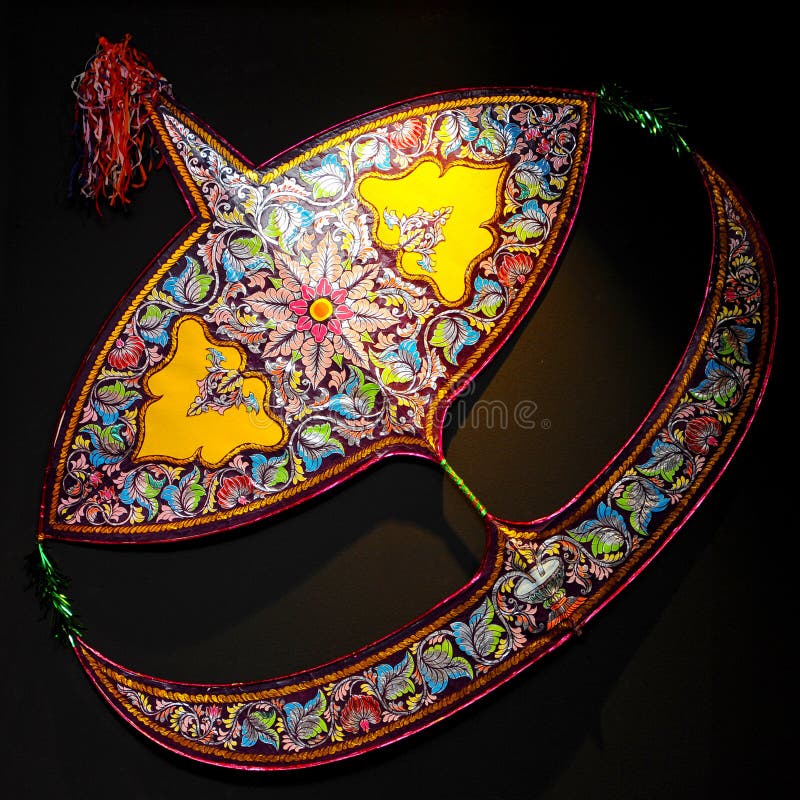
Free with trial Wau bulan is an intricately designed Malaysian moon-kite (normally with floral motifs) that is traditionally flown by men in the Malaysian state of Kelantan. It is one of Malaysia's national symbols, some others being the kris and hibiscus. The reverse side of the fifty-cent coin of Malaysia (1989 series) features an intricately decorated wau bulan with a hummer on top. The logo of Malaysia Airlines (MAS) is based on the Wau Kucing (cat kite). Reverse side stock images, royalty-free photos and pictures Wau Bulan (Moon-Kite). Wau bulan is an intricately designed Malaysian moon-kite (normally with floral motifs) that is traditionally flown by men in the Malaysian. Wau bulan is an intricately designed Malaysian moon-kite (normally with floral motifs) that is traditionally flown by men in the Malaysian state of Kelantan. It is one of Malaysia's national symbols, some others being the kris and hibiscus. The reverse side of the fifty-cent coin of Malaysia (1989 series) features an intricately decorated wau bulan with a hummer on top. The logo of Malaysia Airlines (MAS) is based on the Wau Kucing (cat kite).
Free with trial Reverse (tails) side of a vintage Palestine 50 mils coin, minted in 1933 when the British mandate ruled the land of Israel. Isolated on white background. Reverse side stock images, royalty-free photos and pictures Vintage Palestine 50 Mils - Tails. Reverse (tails) side of a vintage Palestine 50 mils coin, minted in 1933 when the British mandate ruled the land of Israel. Reverse (tails) side of a vintage Palestine 50 mils coin, minted in 1933 when the British mandate ruled the land of Israel. Isolated on white background.
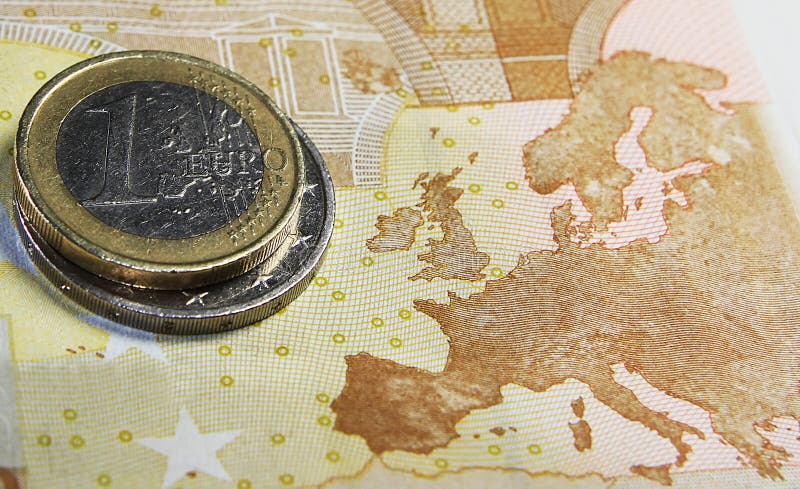
Free with trial Euro zone. Euro coins and map of euro zone on the back of fifty euro banknote. Reverse side stock images, royalty-free photos and pictures Euro zone. Euro coins and map of euro zone on the back of fifty euro banknote
Free with trial Back of Tarot card decorated with stars, sun and moon. Esoteric symbols on aged background, retro style. Isolated. On white background. Reverse side stock images, royalty-free photos and pictures Back of Tarot card decorated with stars, sun and moon. Esoteric symbols on aged background, retro style. Isolated. On white background
Free with trial Alushta, Russia - November 20, 2014: Man holding in the hand a new iPhone 6 Space Gray. iPhone 6 was created and developed by the Apple inc. Reverse side stock images, royalty-free photos and pictures Man holding a new iPhone 6 Space Gray. Alushta, Russia - November 20, 2014: Man holding in the hand a new iPhone 6 Space Gray. iPhone 6 was created and developed. Alushta, Russia - November 20, 2014: Man holding in the hand a new iPhone 6 Space Gray. iPhone 6 was created and developed by the Apple inc.
Free with trial Alushta, Russia - December 03, 2014: Woman holding in the hand a new iPhone 6 Space Gray. iPhone 6 was created and developed by the Apple inc. Reverse side stock images, royalty-free photos and pictures Woman holding in the hand iPhone 6 Space Gray. Alushta, Russia - December 03, 2014: Woman holding in the hand a new iPhone 6 Space Gray. iPhone 6 was created and. Alushta, Russia - December 03, 2014: Woman holding in the hand a new iPhone 6 Space Gray. iPhone 6 was created and developed by the Apple inc.
Free with trial The reverse side of a postage stamp on a black background. Reverse side stock images, royalty-free photos and pictures Reverse side of a postage stamp. The reverse side of a postage stamp on a black background. The reverse side of a postage stamp on a black background.
Free with trial Reverse side of COVID-19 vaccination record card with a reminder to return for a second dose on scheduled date on the flag of the United States of America - San Jose, California, USA - 2021. Reverse side stock images, royalty-free photos and pictures Reverse side of COVID-19 vaccination record card with a reminder to return for a second dose on scheduled date. On the flag of the United States of America. Reverse side of COVID-19 vaccination record card with a reminder to return for a second dose on scheduled date on the flag of the United States of America - San Jose, California, USA - 2021
Free with trial Blank stamp, macro. A reverse side of a postal stamp, macro. Reverse side stock images, royalty-free photos and pictures Blank stamp, macro. A reverse side of a postal stamp, macro
Free with trial Woman driving a car in reverse. Reverse side stock images, royalty-free photos and pictures Woman driving a car in reverse
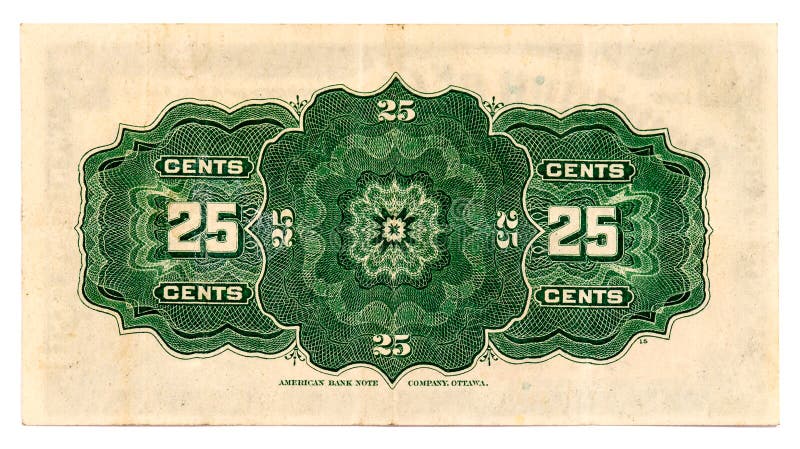
Free with trial Canadian Twenty-Five Cents - Vintage Paper Money - reverse side. Vintage Canadian paper currency, used instead of coins, dated January 1900 - reverse side. Reverse side stock images, royalty-free photos and pictures Canadian Twenty-Five Cents - Vintage Paper Money - reverse side. Vintage Canadian paper currency, used instead of coins, dated January 1900 - reverse side
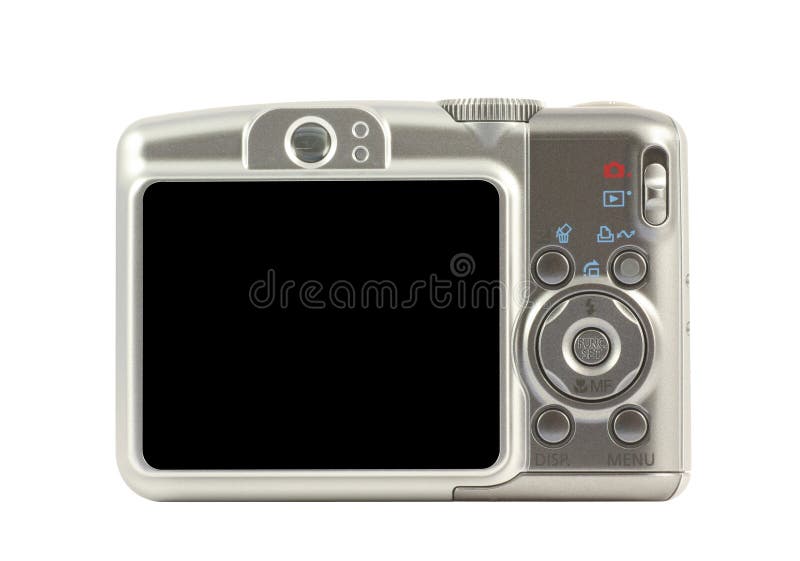
Free with trial Digital compact camera back side. Isolated in white. Reverse side stock images, royalty-free photos and pictures Digital compact camera back side. Isolated in white
Free with trial The reverse side of an integrated circuit. Reverse side stock images, royalty-free photos and pictures BGA chip in prospect. The reverse side of an integrated circuit. The reverse side of an integrated circuit.
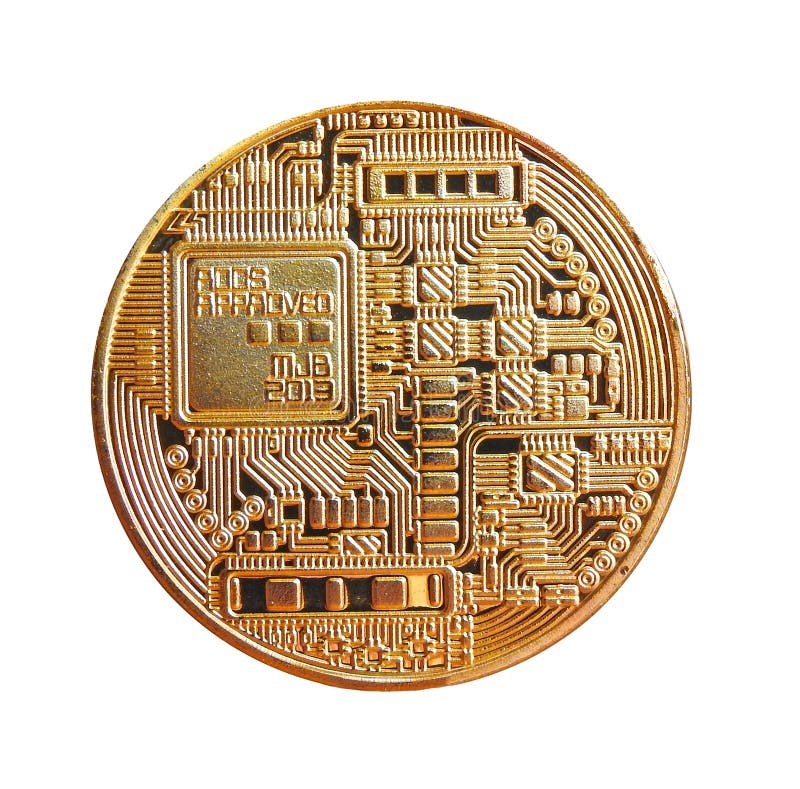
Free with trial Photo showing reverse side of gold bitcoin digital cryptocurrency coin on white background. Reverse side stock images, royalty-free photos and pictures Bitcoin cryptocurrency. Photo showing reverse side of gold bitcoin digital cryptocurrency coin on white background. Photo showing reverse side of gold bitcoin digital cryptocurrency coin on white background.
Free with trial Heads side-by-side. Couple laying wuth their heads side-by-side. Reverse side stock images, royalty-free photos and pictures Heads side-by-side. Couple laying wuth their heads side-by-side
Free with trial Tsarskoye Selo, Russia, August 24, 1916. An old photograph of a postcard without restoration, which depicts a woman in an antique outfit. On the reverse side with a personalized printed text and coat of arms: `Photographer of His Majesty`s Courtyard`. Hand signature:`I give for a long good memory name, from your sister name, date`. Reverse side stock images, royalty-free photos and pictures Old photo postcard without restoration with a signed on the back. Tsarskoye Selo, Russia, August 24, 1916. An old photograph of a postcard without restoration. Tsarskoye Selo, Russia, August 24, 1916. An old photograph of a postcard without restoration, which depicts a woman in an antique outfit. On the reverse side with a personalized printed text and coat of arms: `Photographer of His Majesty`s Courtyard`. Hand signature:`I give for a long good memory name, from your sister name, date`
Free with trial Close-up 20 US dollar banknotes, reverse side twenty dollar banknote depicting white house. Cash exchange currency, business investment, background from banknotes. Reverse side stock images, royalty-free photos and pictures Close-up 20 US dollar banknotes, reverse side twenty dollar banknote depicting white house. Cash exchange currency. Close-up 20 US dollar banknotes, reverse. Close-up 20 US dollar banknotes, reverse side twenty dollar banknote depicting white house. Cash exchange currency, business investment, background from banknotes.
Free with trial Sports Car. The rear side of a matt black sports car. Reverse side stock images, royalty-free photos and pictures Sports Car. The rear side of a matt black sports car
Free with trial Canadian Gold Maple Leaf coins with the maple leaf side up. Reverse side stock images, royalty-free photos and pictures Canadian Silver Maple Leaf. Canadian Gold Maple Leaf coins with the maple leaf side up. Canadian Gold Maple Leaf coins with the maple leaf side up.
Free with trial Sycamore maple leaf background. Collection of dried dead sycamore maple leaves - reverse side. Reverse side stock images, royalty-free photos and pictures Sycamore maple leaf background. Collection of dried dead sycamore maple leaves - reverse side
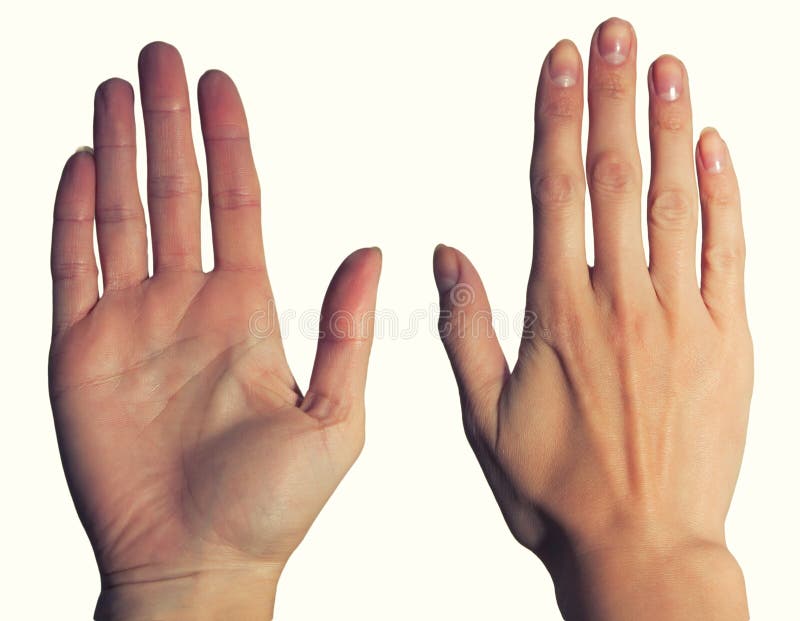
Free with trial Women's hands, palm and back. Female hand palm with lines and reverse side. Reverse side stock images, royalty-free photos and pictures Women's hands, palm and back. Female hand palm with lines and reverse side
Free with trial Annuit coeptis motto and the Eye of Providence on the reverse side of one American dollar bill. USD. Reverse side stock images, royalty-free photos and pictures Annuit coeptis motto and the Eye of Providence. One dollar bill. Annuit coeptis motto and the Eye of Providence on the reverse side of one American dollar bill. Annuit coeptis motto and the Eye of Providence on the reverse side of one American dollar bill. USD
Free with trial Old empty postcard from the back side. Isolated on the white background. Reverse side stock images, royalty-free photos and pictures Old empty postcard from the back side. Isolated on the white background
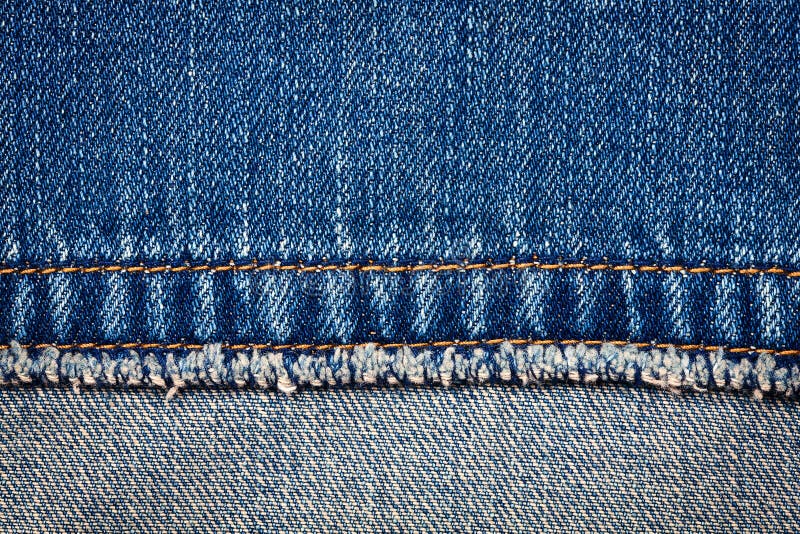
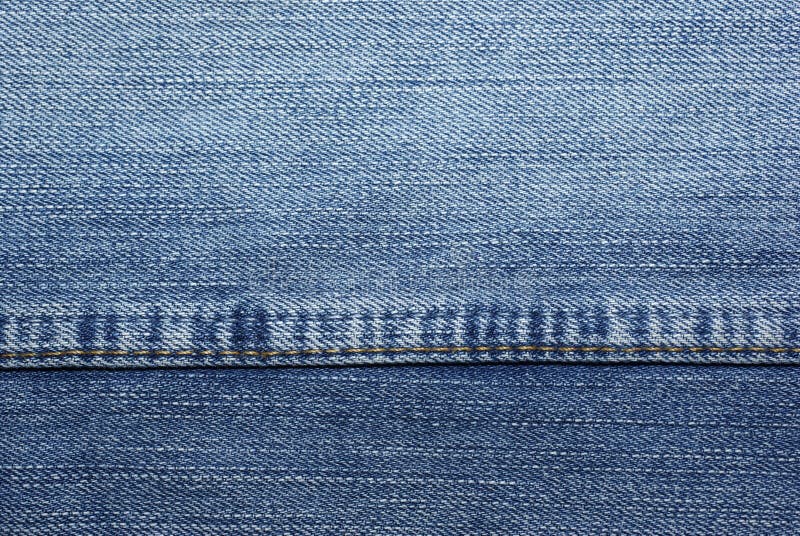
Free with trial Jeans texture. Worn blue denim jeans texture with stitch and reverse side. Reverse side stock images, royalty-free photos and pictures Jeans texture. Worn blue denim jeans texture with stitch and reverse side
Free with trial Wedding suit. A very luxurious Wedding suit. Reverse side stock images, royalty-free photos and pictures Wedding suit. A very luxurious Wedding suit
Free with trial Are you pro, anti, for, or against? Controversies and paradoxes. Reverse side stock images, royalty-free photos and pictures Opposing views. Are you pro, anti, for, or against? Controversies and paradoxes. Are you pro, anti, for, or against? Controversies and paradoxes.
Free with trial Reverse side of Roman Republic (200-30bc) silver coin AR denarius (89bc) depicting Victory Seated. The Victoire sitting. With the epigraph, VICTRIX. Reverse side stock images, royalty-free photos and pictures Roman Silver Coin 89 BC. Reverse side of Roman Republic (200-30bc) silver coin AR denarius (89bc) depicting Victory Seated. The Victoire sitting. With the. Reverse side of Roman Republic (200-30bc) silver coin AR denarius (89bc) depicting Victory Seated. The Victoire sitting. With the epigraph, VICTRIX.
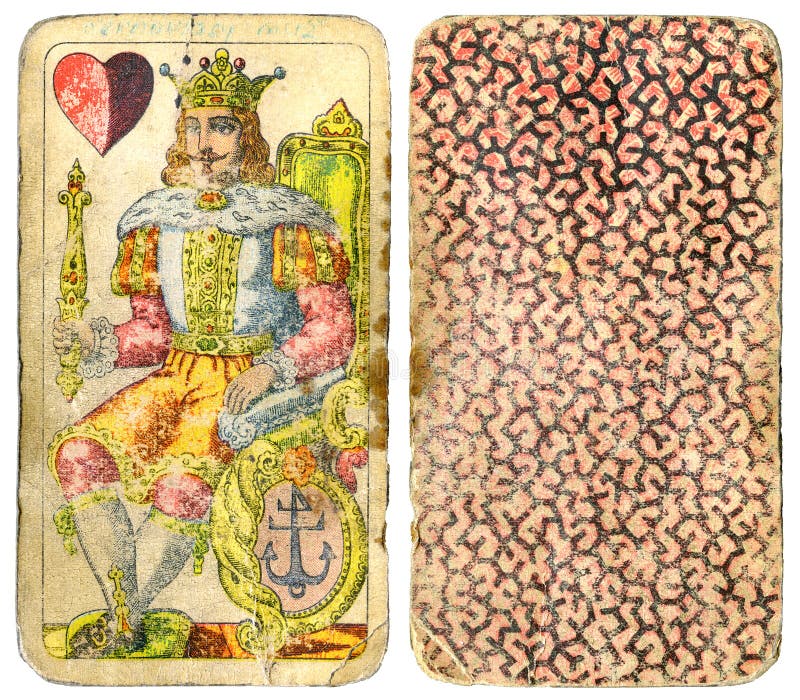
Free with trial Vintage playing cards 1. Vintage playing cards - king and heart - isolated with clipping path - XL size. Reverse side stock images, royalty-free photos and pictures Vintage playing cards 1. Vintage playing cards - king and heart - isolated with clipping path - XL size
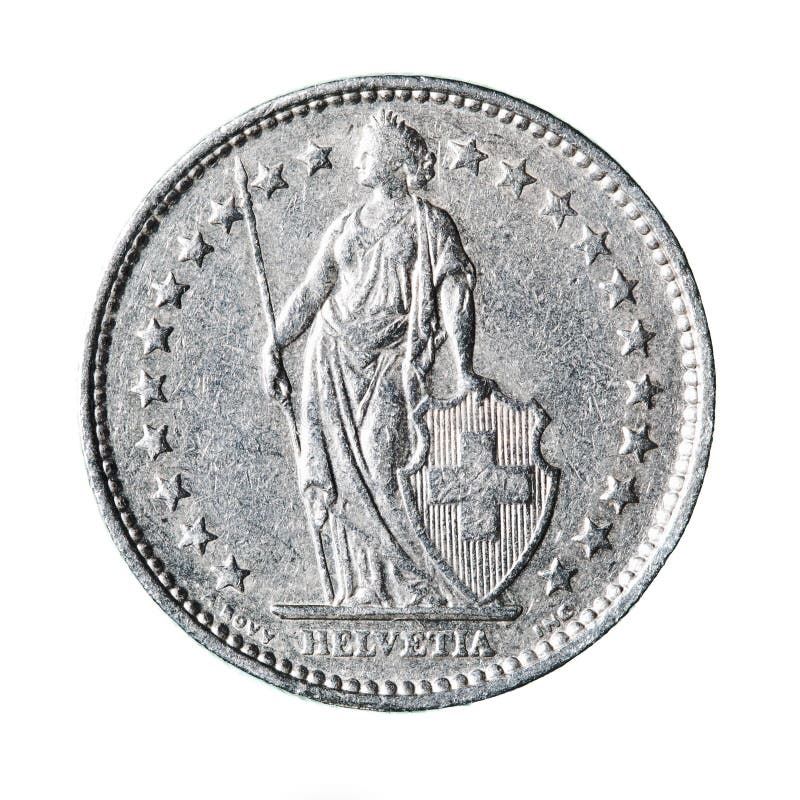
Free with trial Swiss franc. Isolated over white background. Reverse side stock images, royalty-free photos and pictures Swiss franc. Isolated over white background
Free with trial American Silver Eagle, the official silver bullion coin of the United States. Heraldic eagle with shield and thirteen five-pointed stars (Type 1). Reverse side stock images, royalty-free photos and pictures American Silver Eagle with heraldic eagle with shield and thirteen five-pointed. American Silver Eagle, the official silver bullion coin of the United States. American Silver Eagle, the official silver bullion coin of the United States. Heraldic eagle with shield and thirteen five-pointed stars (Type 1).
Free with trial Old English Coin. Reverse side of an old English coin showing St George and the dragon. Reverse side stock images, royalty-free photos and pictures Old English Coin. Reverse side of an old English coin showing St George and the dragon
Free with trial White wedding suit. E, men's fashion. Reverse side stock images, royalty-free photos and pictures White wedding suit. E, men's fashion
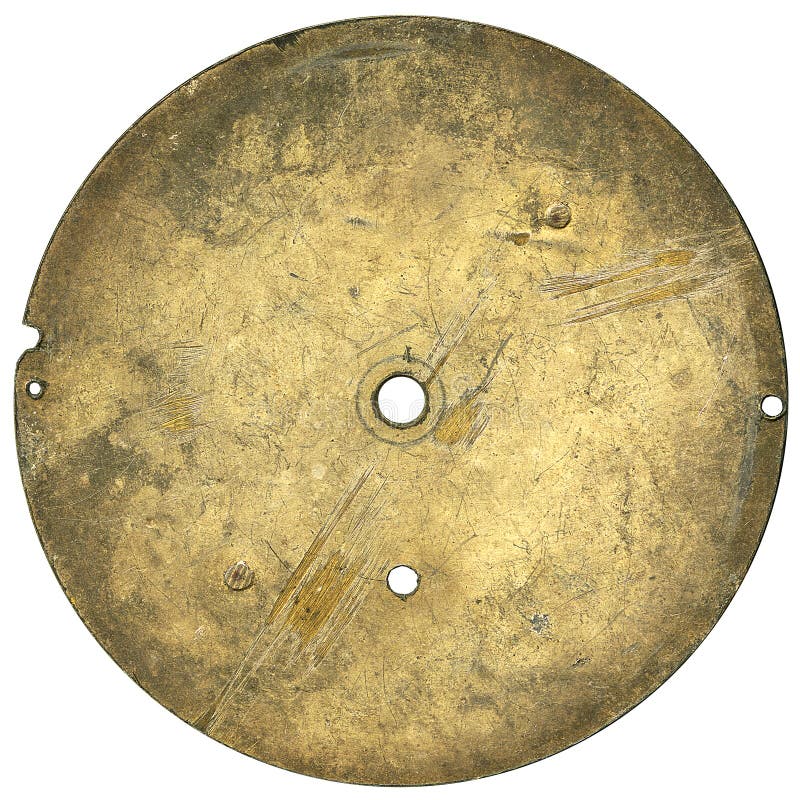
Free with trial Vintage Watch Dial Back 2. Vintage pocket watch dial - backside - isolated with clipping path. Reverse side stock images, royalty-free photos and pictures Vintage Watch Dial Back 2. Vintage pocket watch dial - backside - isolated with clipping path
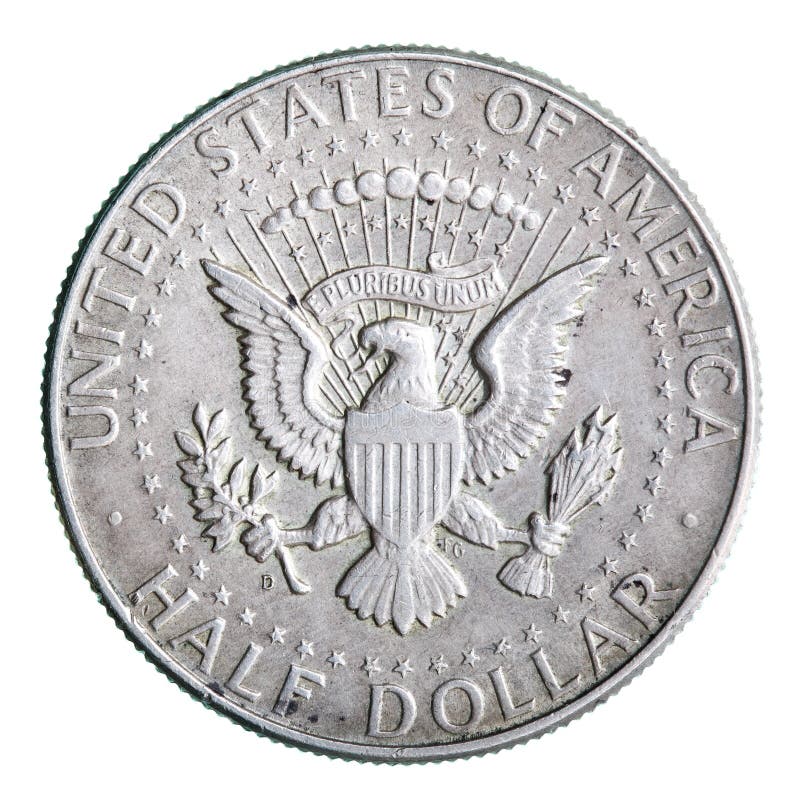
Free with trial Half dollar coin. State Emblem of USA on the half dollar coin. Reverse side stock images, royalty-free photos and pictures Half dollar coin. State Emblem of USA on the half dollar coin
Free with trial Old School Text Book Held Together With Tape And Safety Clips which is very useful for design purposes and can be used in many applications Reverse Side also available. Reverse side stock images, royalty-free photos and pictures Old School Text Book Held Together With Tape And S. Afety Clips which is very useful for design purposes and can be used in many applications Reverse Side also
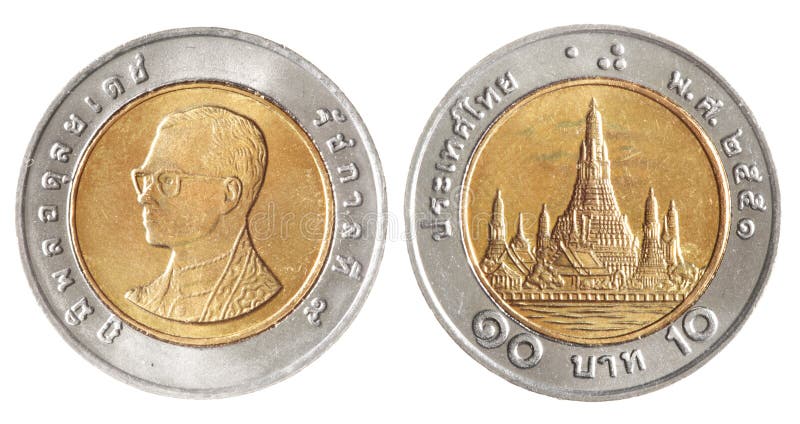
Free with trial Thailand baht coins. Isolated over white background. Reverse side stock images, royalty-free photos and pictures Thailand baht coins. Isolated over white background
Free with trial The road and landscape of rural Australia reflected in an exterior rear view mirror. Left-hand traffic. Reverse side stock images, royalty-free photos and pictures Rear view mirror of car reflecting Australian countryside. The road and landscape of rural Australia reflected in an exterior rear view mirror. Left-hand traffic. The road and landscape of rural Australia reflected in an exterior rear view mirror. Left-hand traffic.
Free with trial Old Paper. Or a Reverse Side of an Old Photo. Reverse side stock images, royalty-free photos and pictures Old Paper. Or a Reverse Side of an Old Photo
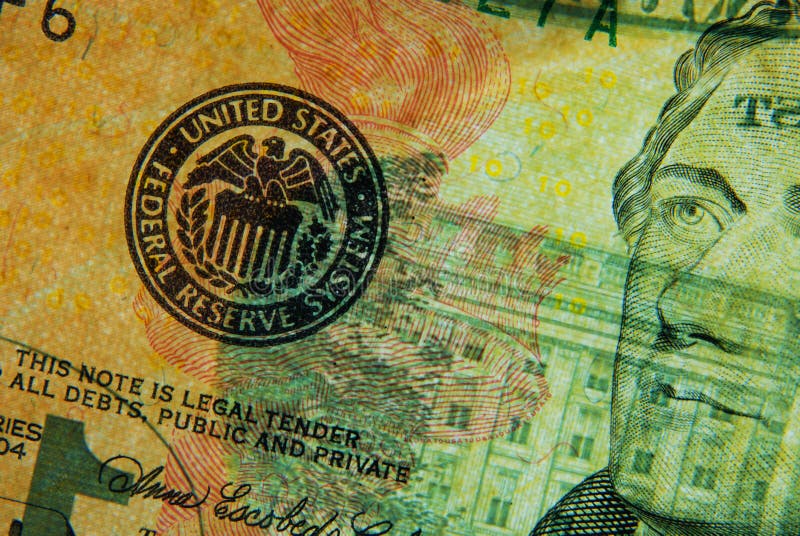
Free with trial Legal Tender. Close-up of ten dollar bill with reverse side visible. Reverse side stock images, royalty-free photos and pictures Legal Tender. Close-up of ten dollar bill with reverse side visible
Free with trial Vintage Watch Dial Back 1. Vintage pocket watch dial - backside - isolated with clipping path. Reverse side stock images, royalty-free photos and pictures Vintage Watch Dial Back 1. Vintage pocket watch dial - backside - isolated with clipping path
Free with trial Slug damage of Hydrangea macrophylla leaf - isolated. Reverse side stock images, royalty-free photos and pictures Slug damage of Hydrangea macrophylla leaf. Isolated
Free with trial White suit. A white wedding suit, men's fashion. Reverse side stock images, royalty-free photos and pictures White suit. A white wedding suit, men's fashion
Free with trial Back of old wood frame. Isolated on white. Reverse side stock images, royalty-free photos and pictures Back of old wood frame. Isolated on white
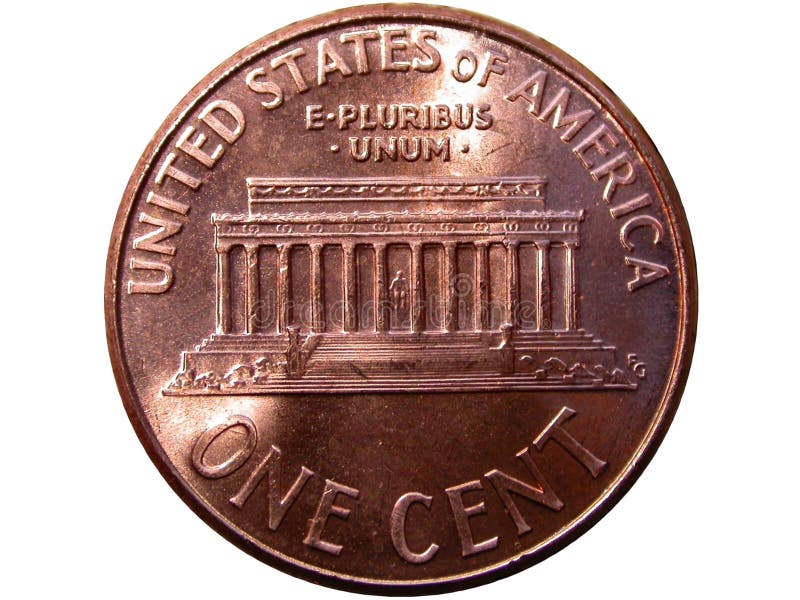
Free with trial Backside of an American penny isolated on white background. Reverse side stock images, royalty-free photos and pictures One cent coin. Backside of an American penny isolated on white background. Backside of an American penny isolated on white background.
Free with trial Several one real coins (Brazilian currency) spread on a white background with selective focus on two (front and back). Reverse side stock images, royalty-free photos and pictures One real coins - 3. Several one real coins (Brazilian currency) spread on a white background with selective focus on two (front and back. Several one real coins (Brazilian currency) spread on a white background with selective focus on two (front and back).
Free with trial Two sides of a USA 25 cent (quarter) coin. The obverse side depicts president's George Washington profile portrait, and the reverse side depicts USA's coat of arms - the bald eagle. Isolated on white background. Reverse side stock images, royalty-free photos and pictures Isolated Quarter - Both Sides Frontal. Two sides of a USA 25 cent (quarter) coin. The obverse side depicts president's George Washington profile portrait, and. Two sides of a USA 25 cent (quarter) coin. The obverse side depicts president's George Washington profile portrait, and the reverse side depicts USA's coat of arms - the bald eagle. Isolated on white background.
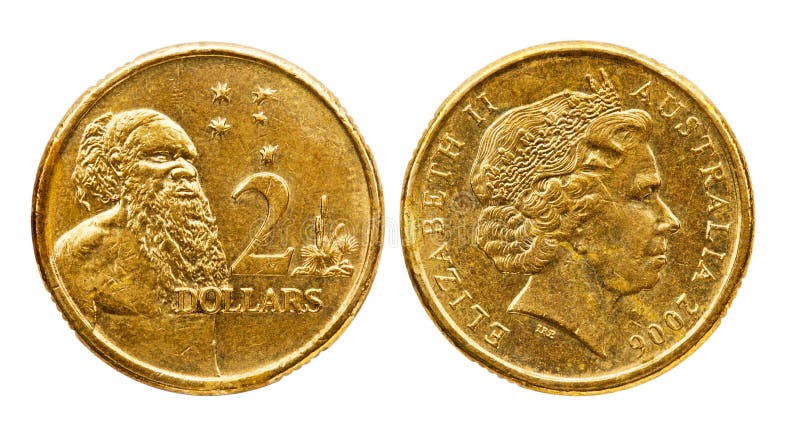
Free with trial The both side of Australia two dollars coin in white background. Reverse side stock images, royalty-free photos and pictures Australia two dollars coin. The both side of Australia two dollars coin in white background. The both side of Australia two dollars coin in white background.
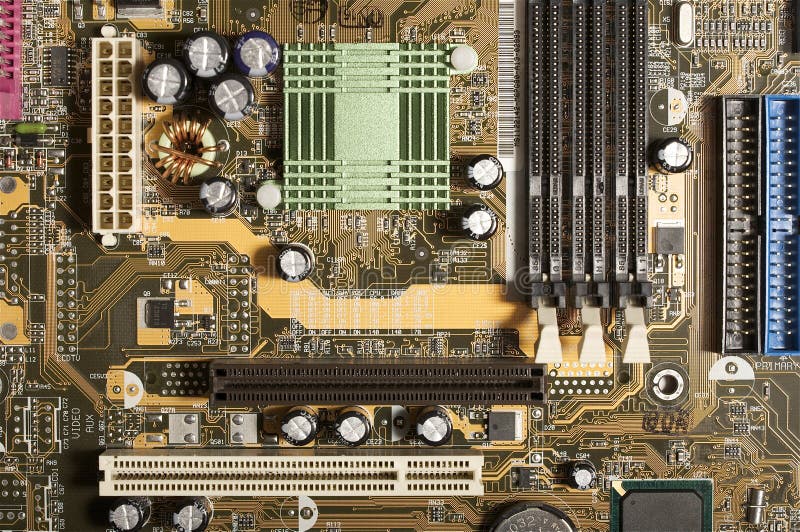
Free with trial Computer motherboard with chips, capacitors, pci clots, memory slots and chipset radiator view (front side top view). Reverse side stock images, royalty-free photos and pictures Computer motherboard with chips, memory, pci. Computer motherboard with chips, capacitors, pci clots, memory slots and chipset radiator view (front side top view. Computer motherboard with chips, capacitors, pci clots, memory slots and chipset radiator view (front side top view)
Free with trial 100 West African CFA francs coin, 2002, both sides, isolated on white background. Reverse side stock images, royalty-free photos and pictures 100 West African CFA francs coin, 2002, both sides. Isolated on white background
Free with trial Vintage Post Card. The reverse side old paper yellowed postcard postmarked and pollution. Reverse side stock images, royalty-free photos and pictures Vintage Post Card. The reverse side old paper yellowed postcard postmarked and pollution
Free with trial Euro zone. Euro coins on euro zone map. Reverse side stock images, royalty-free photos and pictures Euro zone. Euro coins on euro zone map
Free with trial This macro photograph presents a horizontal expanse of worn blue jeans fabric crossed near its lower third by a crisp seam. A neat row of mustard topstitching runs from one edge to the other, separating two panels of distinctly different tone: above, sun-bleached cotton shows powdery azure highlights below, a deeper, almost navy band suggests a folded hem that escaped repeated laundering. Diagonal twill ribs travel over every square centimetre, revealing the classic weave favoured for rugged legwear. Irregular slub yarns form faint streaks, lending authentic, lived-in character no software filter can convincingly imitate. Small puckers beside the stitches show where tension pulled both layers together during assembly. Denim traces its roots to the French city of Nimes, where weavers produced a sturdy serge later exported throughout Europe. Genoese sailors wore similar cloth, which is why English speakers eventually borrowed the word jean. During the nineteenth century, California gold miners demanded pocketed overalls reinforced with copper rivets, and such garments quickly became synonymous with frontier labour, ranch hands and railroad crews. Traditional manufacturing dyes only the warp with indigo, a pigment once extracted from Indigofera tinctoria foliage, while weft threads stay undyed. That contrast explains the speckled, salt-and-pepper look apparent here and the paler reverse side of any pair. Over months, abrasion strips outer fibres, exposing white cores and producing the gradual fading enthusiasts prize. Chromatically, the palette shifts from icy cerulean through cobalt toward ink-dark sapphire, offering a cool, calming foundation. The warm golden thread introduces a complementary accent that leads attention horizontally and divides space into an asymmetrical yet harmonious arrangement. Soft, even illumination without harsh shadows keeps every fibre legible, and the generous upper area leaves room for headlines, logos or price tags. Because the pattern fills the frame completely, layout editors can crop freely, rotate, or tile sections into seamless repeats. Commercially, the image suits apparel retailers, outlet stores and boutique websites seeking an instantly recognisable casual vibe. It works well behind sale banners, lookbook covers, catalogue spreads and webshop category pages. Packaging designers may apply it to shoeboxes, wrapping paper, shopping bags, hangtags and labels laundry detergent producers could illustrate stain-removal or colour-protection claims. Print uses include posters, flyers, postcards, greeting cards, invitations for western-themed parties, scrapbook sheets and stationery. In web and digital media it fits social posts, blog headers, presentation slides, newsletter templates, smartphone wallpapers and video thumbnails. Interior decor specialists might reproduce it on canvas prints, cushions, upholstery mockups or kitchen splashbacks with a rustic loft spirit. Textile schools, tailoring courses and sewing tutorials can use it as an educational reference showing yarn interlacing, needlecraft and finishing techniques. Publishers of costume history books, magazines about workwear or Americana, and country music festival programmes will find it equally appropriate. Seasonally, the visual adapts to many calendars: back-to-school promotions, autumn wardrobe refreshes, spring cleaning of closets, summer road trips and holiday gift guides for him or her. Stylists building mood boards appreciate its neutral versatility, since this hue pairs effortlessly with crimson, ochre, khaki, ivory, charcoal or pastel accents. Bloggers covering minimalism, capsule wardrobes, mending, visible repair, sashiko embroidery or selvedge collecting will likewise discover practical value. Engineers, marketers and educators explaining material strength, consumer trends or supply chains could pick this background as an approachable, universally understood metaphor. Captured under diffused daylight through a specialised optic, the shot preserves microscopic irregularities: tiny knots, loose filaments and subtle mottling where dye penetrated unevenly. Such tactile realism lets viewers almost feel the coarse, slightly stiff hand typical of raw selvage before softening through countless washes. Fans of Japanese mills, premium menswear and meticulous craftsmanship will instantly recognise these hallmarks. Technically, the file delivers sharp focus, rich tonal gradation and high resolution suitable for large-format output. Graphic artists can employ it as an overlay with multiply or screen blend modes, as a 3D texture map, or as a realistic mockup surface. Symbolically, it evokes durability, honest hard work, working-class pride, youthful rebellion, freedom, comfort and timeless everyday style. Sustainability campaigns may adopt it to discuss upcycling, recycling old clothes, slow fashion, water consumption during dyeing and the environmental footprint of the global garment industry. Reverse side stock images, royalty-free photos and pictures Denim texture blue jeans fabric background seam stitching closeup twill cloth pattern cotton material textile indigo thread worn. This macro photograph presents. This macro photograph presents a horizontal expanse of worn blue jeans fabric crossed near its lower third by a crisp seam. A neat row of mustard topstitching runs from one edge to the other, separating two panels of distinctly different tone: above, sun-bleached cotton shows powdery azure highlights below, a deeper, almost navy band suggests a folded hem that escaped repeated laundering. Diagonal twill ribs travel over every square centimetre, revealing the classic weave favoured for rugged legwear. Irregular slub yarns form faint streaks, lending authentic, lived-in character no software filter can convincingly imitate. Small puckers beside the stitches show where tension pulled both layers together during assembly.Denim traces its roots to the French city of Nimes, where weavers produced a sturdy serge later exported throughout Europe. Genoese sailors wore similar cloth, which is why English speakers eventually borrowed the word jean. During the nineteenth century, California gold miners demanded pocketed overalls reinforced with copper rivets, and such garments quickly became synonymous with frontier labour, ranch hands and railroad crews. Traditional manufacturing dyes only the warp with indigo, a pigment once extracted from Indigofera tinctoria foliage, while weft threads stay undyed. That contrast explains the speckled, salt-and-pepper look apparent here and the paler reverse side of any pair. Over months, abrasion strips outer fibres, exposing white cores and producing the gradual fading enthusiasts prize.Chromatically, the palette shifts from icy cerulean through cobalt toward ink-dark sapphire, offering a cool, calming foundation. The warm golden thread introduces a complementary accent that leads attention horizontally and divides space into an asymmetrical yet harmonious arrangement. Soft, even illumination without harsh shadows keeps every fibre legible, and the generous upper area leaves room for headlines, logos or price tags. Because the pattern fills the frame completely, layout editors can crop freely, rotate, or tile sections into seamless repeats.Commercially, the image suits apparel retailers, outlet stores and boutique websites seeking an instantly recognisable casual vibe. It works well behind sale banners, lookbook covers, catalogue spreads and webshop category pages. Packaging designers may apply it to shoeboxes, wrapping paper, shopping bags, hangtags and labels laundry detergent producers could illustrate stain-removal or colour-protection claims. Print uses include posters, flyers, postcards, greeting cards, invitations for western-themed parties, scrapbook sheets and stationery. In web and digital media it fits social posts, blog headers, presentation slides, newsletter templates, smartphone wallpapers and video thumbnails. Interior decor specialists might reproduce it on canvas prints, cushions, upholstery mockups or kitchen splashbacks with a rustic loft spirit. Textile schools, tailoring courses and sewing tutorials can use it as an educational reference showing yarn interlacing, needlecraft and finishing techniques. Publishers of costume history books, magazines about workwear or Americana, and country music festival programmes will find it equally appropriate.Seasonally, the visual adapts to many calendars: back-to-school promotions, autumn wardrobe refreshes, spring cleaning of closets, summer road trips and holiday gift guides for him or her. Stylists building mood boards appreciate its neutral versatility, since this hue pairs effortlessly with crimson, ochre, khaki, ivory, charcoal or pastel accents. Bloggers covering minimalism, capsule wardrobes, mending, visible repair, sashiko embroidery or selvedge collecting will likewise discover practical value. Engineers, marketers and educators explaining material strength, consumer trends or supply chains could pick this background as an approachable, universally understood metaphor.Captured under diffused daylight through a specialised optic, the shot preserves microscopic irregularities: tiny knots, loose filaments and subtle mottling where dye penetrated unevenly. Such tactile realism lets viewers almost feel the coarse, slightly stiff hand typical of raw selvage before softening through countless washes. Fans of Japanese mills, premium menswear and meticulous craftsmanship will instantly recognise these hallmarks.Technically, the file delivers sharp focus, rich tonal gradation and high resolution suitable for large-format output. Graphic artists can employ it as an overlay with multiply or screen blend modes, as a 3D texture map, or as a realistic mockup surface. Symbolically, it evokes durability, honest hard work, working-class pride, youthful rebellion, freedom, comfort and timeless everyday style. Sustainability campaigns may adopt it to discuss upcycling, recycling old clothes, slow fashion, water consumption during dyeing and the environmental footprint of the global garment industry.
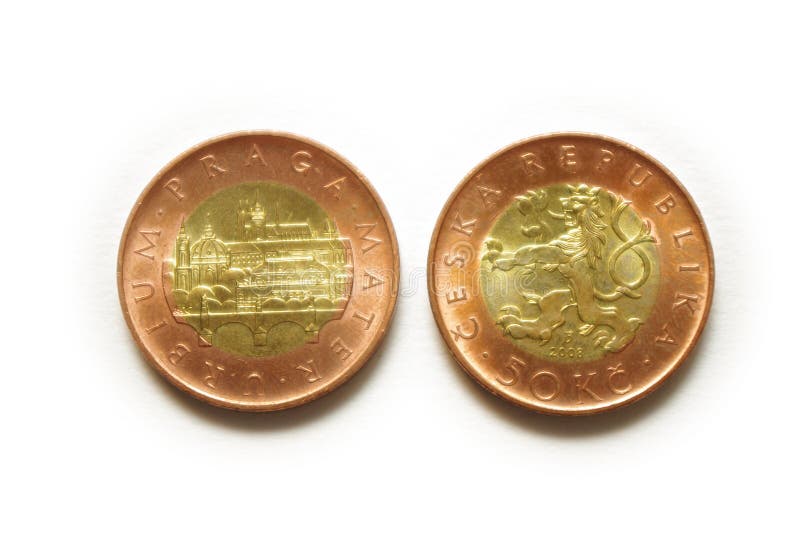
Free with trial Coin. 50 Czech crowns coin isolated on white. Reverse side stock images, royalty-free photos and pictures Coin. 50 Czech crowns coin isolated on white
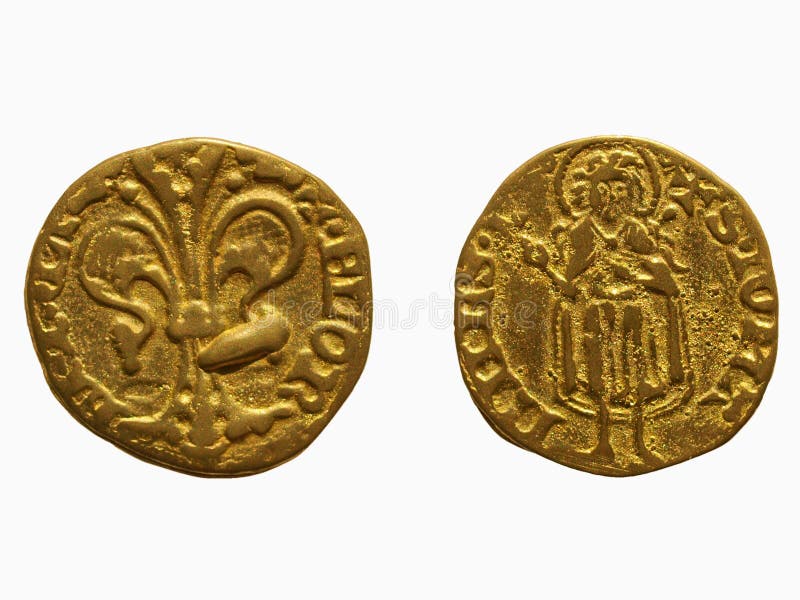
Free with trial Gold Florin, Florence. Gold Florin Fiorino doro coin issued circa 1256 in Florence, Italy - reading Florentia on the front side and S. Iohannes on the rear side. Reverse side stock images, royalty-free photos and pictures Gold Florin, Florence. Gold Florin Fiorino doro coin issued circa 1256 in Florence, Italy - reading Florentia on the front side and S. Iohannes on the rear side
Free with trial Colorful plastic beads spelling the word `Tech Stocks`. In the background is the reverse side of a printed circuit board (PCB). Reverse side stock images, royalty-free photos and pictures Beads Spelling `Tech Stocks` With PCB In The Background. Colorful plastic beads spelling the word `Tech Stocks`. In the background is the reverse side of a. Colorful plastic beads spelling the word `Tech Stocks`. In the background is the reverse side of a printed circuit board (PCB)
Free with trial An envelope is a common packaging item, usually made of thin flat material. It is designed to contain a flat object, such as a letter or card. Traditional envelopes are made from sheets of paper cut to one of three shapes: a rhombus, a short-arm cross, or a kite. These shapes allow for the creation of the envelope structure by folding the sheet sides around a central rectangular area. In this manner, a rectangle-faced enclosure is formed with an arrangement of four flaps on the reverse side. Reverse side stock images, royalty-free photos and pictures An envelope. Is a common packaging item, usually made of thin flat material. It is designed to contain a flat object, such as a letter or card. Traditional. An envelope is a common packaging item, usually made of thin flat material. It is designed to contain a flat object, such as a letter or card. Traditional envelopes are made from sheets of paper cut to one of three shapes: a rhombus, a short-arm cross, or a kite. These shapes allow for the creation of the envelope structure by folding the sheet sides around a central rectangular area. In this manner, a rectangle-faced enclosure is formed with an arrangement of four flaps on the reverse side.
Free with trial Print. Set of road sign icons. Vector illustration decorative design. Reverse side stock images, royalty-free photos and pictures Print. Set of road sign icons. Vector illustration decorative design
Free with trial Alushta, Russia - October 23, 2014: Man unpacking new phone iPhone 6 Space Gray over the table. iPhone 6 was created and developed by the Apple inc. Reverse side stock images, royalty-free photos and pictures Man unpacking new phone iPhone 6 Space Gray. Alushta, Russia - October 23, 2014: Man unpacking new phone iPhone 6 Space Gray over the table. iPhone 6 was created. Alushta, Russia - October 23, 2014: Man unpacking new phone iPhone 6 Space Gray over the table. iPhone 6 was created and developed by the Apple inc.
 Sign in