Free with trial Close-up of eyes and spiracles of gray juvenile southern sting rays foraging along sea bed. In barrier islands of Belize. Spiracles stock images, royalty-free photos and pictures Close-up of eyes and spiracles of gray juvenile southern sting rays foraging along sea bed. In barrier islands of Belize
Free with trial A macro photo of a small grasshopper. Spiracles stock images, royalty-free photos and pictures Artistic Hopper. A macro photo of a small grasshopper. A macro photo of a small grasshopper.
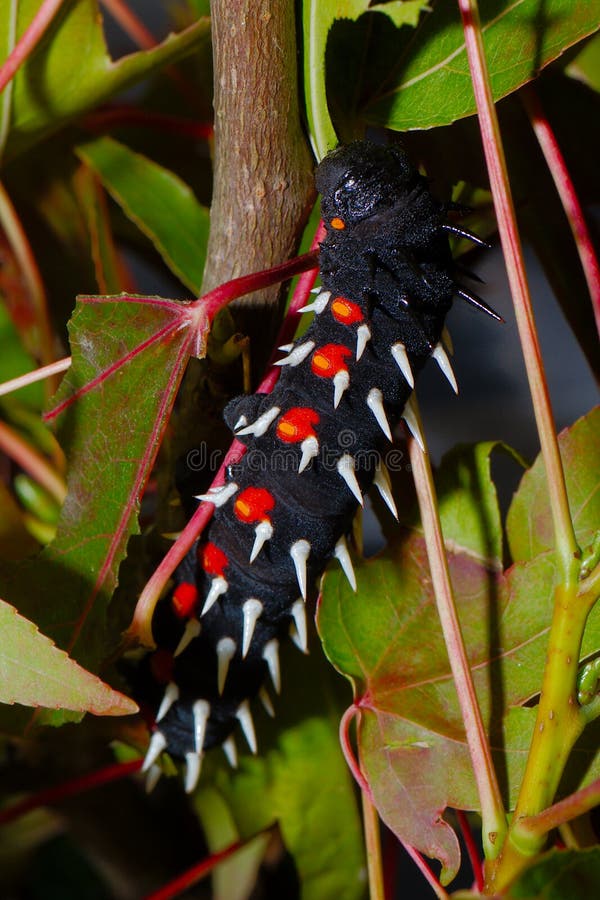
Free with trial A disturbed crow butterfly caterpillar, with its head curled into its body. Spiracles stock images, royalty-free photos and pictures Caterpillar defense. A disturbed crow butterfly caterpillar, with its head curled into its body. A disturbed crow butterfly caterpillar, with its head curled into its body.
Free with trial A leaf surfing Australian crow butterfly caterpillar. Spiracles stock images, royalty-free photos and pictures Caterpillar on a leaf. A leaf surfing Australian crow butterfly caterpillar. A leaf surfing Australian crow butterfly caterpillar.
Free with trial A caterpillar leaf surfing in a garden. Spiracles stock images, royalty-free photos and pictures Caterpillar macro. A caterpillar leaf surfing in a garden. A caterpillar leaf surfing in a garden.
Free with trial Holding on. An australian crow butterfly caterpillar bent backwards eating an oleander leaf. Spiracles stock images, royalty-free photos and pictures Holding on. An australian crow butterfly caterpillar bent backwards eating an oleander leaf
Free with trial Caterpillar on the edge of an oleander leaf. Spiracles stock images, royalty-free photos and pictures Caterpillar. On the edge of an oleander leaf
Free with trial This is an image of a collar caterpillar. the caterpillar rests comfortably on the twig after eating much of young stems and leaves of a lime tree. Spiracles stock images, royalty-free photos and pictures Collar caterpillar. This is an image of a collar caterpillar. the caterpillar rests comfortably on the twig after eating much of young stems and leaves of a lime. This is an image of a collar caterpillar. the caterpillar rests comfortably on the twig after eating much of young stems and leaves of a lime tree.
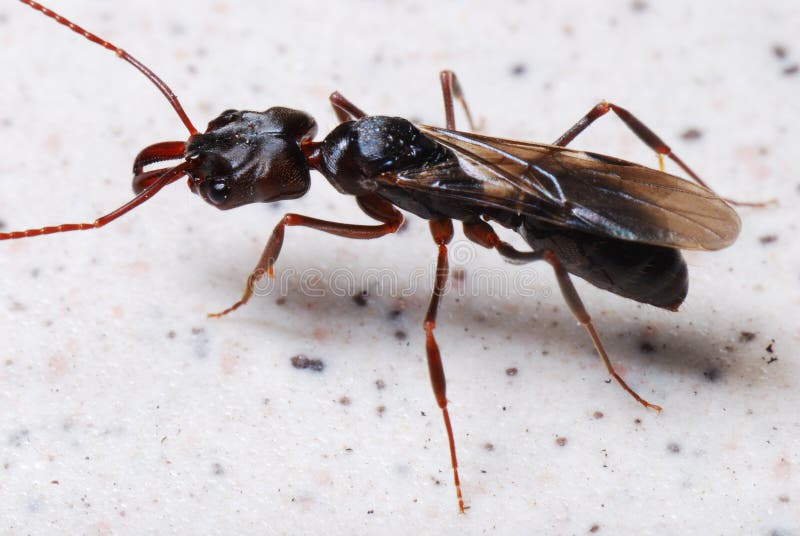
Free with trial A macro photo taken on a big winged ant with large mandibles. Spiracles stock images, royalty-free photos and pictures Giant Ant. A macro photo taken on a big winged ant with large mandibles. A macro photo taken on a big winged ant with large mandibles.
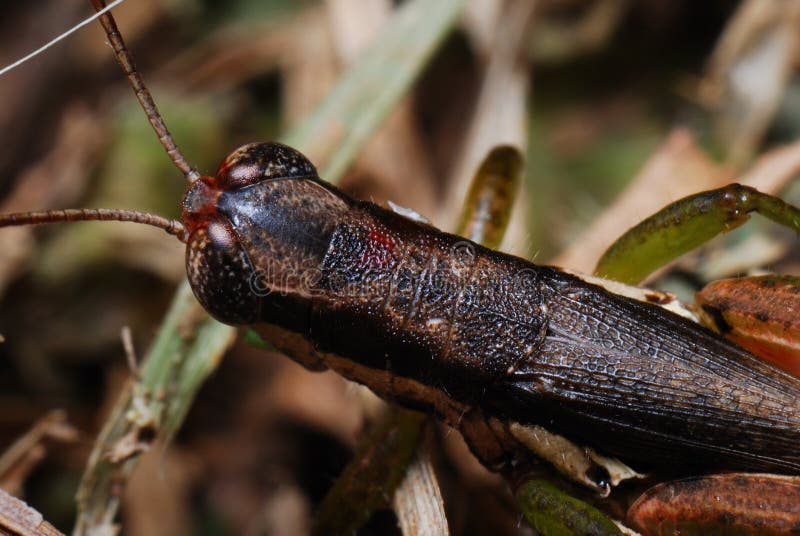
Free with trial A macro photo taken on the head of a grasshopper. Spiracles stock images, royalty-free photos and pictures The Look. A macro photo taken on the head of a grasshopper. A macro photo taken on the head of a grasshopper.
Free with trial Cocoon of Painted Lady Butterfly (Vanessa cardui) on white background. Spiracles stock images, royalty-free photos and pictures Cocoon of Painted Lady Butterfly. (Vanessa cardui) on white background
Free with trial A closeup photo of a grasshopper on a leaf. Spiracles stock images, royalty-free photos and pictures Grasshopper Portrait. A closeup photo of a grasshopper on a leaf. A closeup photo of a grasshopper on a leaf.
Free with trial A crossed eyed grasshopper macro photo. Spiracles stock images, royalty-free photos and pictures Cross Eyed. A crossed eyed grasshopper macro photo. A crossed eyed grasshopper macro photo.
Free with trial A full body view macro photo taken on a grasshopper. Spiracles stock images, royalty-free photos and pictures Green Grasshopper. A full body view macro photo taken on a grasshopper. A full body view macro photo taken on a grasshopper.
Free with trial Like other arthropods, spiders are coelomates in which the coelom is reduced to small areas around the reproductive and excretory systems. Its place is largely taken by a hemocoel, a cavity that runs most of the length of the body and through which blood flows. The heart is a tube in the upper part of the body, with a few ostia that act as non-return valves allowing blood to enter the heart from the hemocoel but prevent it from leaving before it reaches the front end. However, in spiders, it occupies only the upper part of the abdomen, and blood is discharged into the hemocoel by one artery that opens at the rear end of the abdomen and by branching arteries that pass through the pedicle and open into several parts of the cephalothorax. Hence spiders have open circulatory systems. The blood of many spiders that have book lungs contains the respiratory pigment hemocyanin to make oxygen transport more efficient. Spiders have developed several different respiratory anatomies, based on book lungs, a tracheal system, or both. Mygalomorph and Mesothelae spiders have two pairs of book lungs filled with haemolymph, where openings on the ventral surface of the abdomen allow air to enter and diffuse oxygen. This is also the case for some basal araneomorph spiders, like the family Hypochilidae, but the remaining members of this group have just the anterior pair of book lungs intact while the posterior pair of breathing organs are partly or fully modified into tracheae, through which oxygen is diffused into the haemolymph or directly to the tissue and organs. The tracheal system has most likely evolved in small ancestors to help resist desiccation. [14] The trachea were originally connected to the surroundings through a pair of openings called spiracles, but in the majority of spiders this pair of spiracles has fused into a single one in the middle, and moved backwards close to the spinnerets. Spiders that have tracheae generally have higher metabolic rates and better water conservation. Spiders are ectotherms, so environmental temperatures affect their activity. Spiracles stock images, royalty-free photos and pictures Spider egg sac identification guide. Like other arthropods, spiders are coelomates in which the coelom is reduced to small areas around the reproductive and. Like other arthropods, spiders are coelomates in which the coelom is reduced to small areas around the reproductive and excretory systems. Its place is largely taken by a hemocoel, a cavity that runs most of the length of the body and through which blood flows. The heart is a tube in the upper part of the body, with a few ostia that act as non-return valves allowing blood to enter the heart from the hemocoel but prevent it from leaving before it reaches the front end. However, in spiders, it occupies only the upper part of the abdomen, and blood is discharged into the hemocoel by one artery that opens at the rear end of the abdomen and by branching arteries that pass through the pedicle and open into several parts of the cephalothorax. Hence spiders have open circulatory systems. The blood of many spiders that have book lungs contains the respiratory pigment hemocyanin to make oxygen transport more efficient. Spiders have developed several different respiratory anatomies, based on book lungs, a tracheal system, or both. Mygalomorph and Mesothelae spiders have two pairs of book lungs filled with haemolymph, where openings on the ventral surface of the abdomen allow air to enter and diffuse oxygen. This is also the case for some basal araneomorph spiders, like the family Hypochilidae, but the remaining members of this group have just the anterior pair of book lungs intact while the posterior pair of breathing organs are partly or fully modified into tracheae, through which oxygen is diffused into the haemolymph or directly to the tissue and organs. The tracheal system has most likely evolved in small ancestors to help resist desiccation.[14] The trachea were originally connected to the surroundings through a pair of openings called spiracles, but in the majority of spiders this pair of spiracles has fused into a single one in the middle, and moved backwards close to the spinnerets. Spiders that have tracheae generally have higher metabolic rates and better water conservation. Spiders are ectotherms, so environmental temperatures affect their activity.
Free with trial Cicada skin inside trachae detail. On tree. Spiracles stock images, royalty-free photos and pictures Cicada skin inside trachae detail. On tree
Free with trial Clos-up striped oakworm. Anisota senatoria or Anisota peigleri, striped oakworm close-up, on white background. Spiracles stock images, royalty-free photos and pictures Clos-up striped oakworm. Anisota senatoria or Anisota peigleri, striped oakworm close-up, on white background
Free with trial Giant African Millepede Or Archispirostreptus Gigas. Giant African millipede or Archispirostreptus gigas resting on a bed of peat moss. Spiracles stock images, royalty-free photos and pictures Giant African Millepede Or Archispirostreptus Gigas. Giant African millipede or Archispirostreptus gigas resting on a bed of peat moss
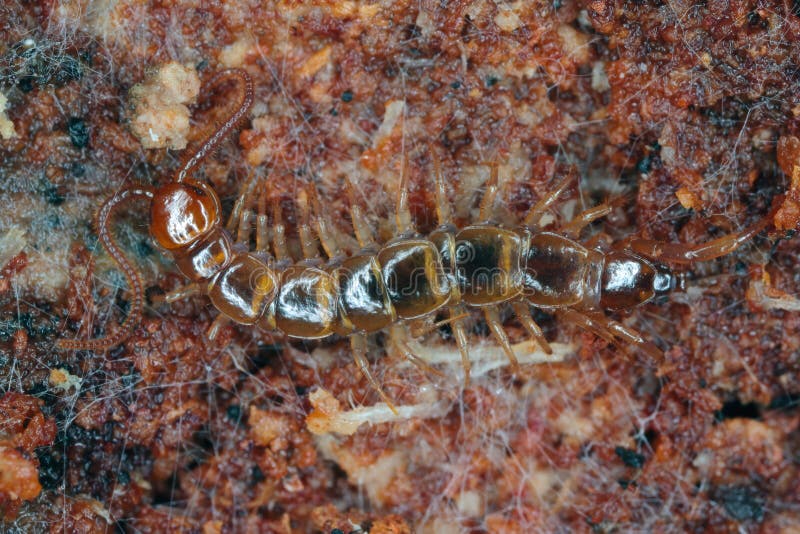
Free with trial Centipede, Lithobiidae on wood, macro photo. Spiracles stock images, royalty-free photos and pictures Centipede, Lithobiidae on wood. Macro photo
Free with trial Centipede, Lithobiidae on wood, macro photo. Spiracles stock images, royalty-free photos and pictures Centipede, Lithobiidae on wood. Macro photo
Free with trial Anisota senatoria or Anisota peigleri, striped oakworm close-up, on oak leaf. Spiracles stock images, royalty-free photos and pictures Striped oakworm on leaf. Anisota senatoria or Anisota peigleri, striped oakworm close-up, on oak leaf. Anisota senatoria or Anisota peigleri, striped oakworm close-up, on oak leaf.
Free with trial Silkworms Eating Mulberry Leaves. Thailand`s silkworm farmers cultivate both types of domesticated silkworms that produce commercial silk: Samia Ricini. Spiracles stock images, royalty-free photos and pictures Silkworms Eating Mulberry Leaves. Thailand`s silkworm farmers cultivate both types of domesticated silkworms that produce commercial silk: Samia Ricini
Free with trial A macro image of a Cabbage Moth Caterpillar, Mamestra brassicae on a red tulip petal in England, UK in April. Spiracles stock images, royalty-free photos and pictures A macro image of a Cabbage Moth caterpillar - Mamestra brassicae. A macro image of a Cabbage Moth Caterpillar, Mamestra brassicae on a red tulip petal in England. A macro image of a Cabbage Moth Caterpillar, Mamestra brassicae on a red tulip petal in England, UK in April
Free with trial A yellow striped and black spotted toadflax brocade moth caterpillar forms an l shaped curve resting on the leaf of a toadflax with purple flowers and green foliage out of focus in the background. Spiracles stock images, royalty-free photos and pictures Toadflax brocade caterpiller curls into a U shape on a slender leaf. A yellow striped and black spotted toadflax brocade moth caterpillar forms an l shaped curve. A yellow striped and black spotted toadflax brocade moth caterpillar forms an l shaped curve resting on the leaf of a toadflax with purple flowers and green foliage out of focus in the background
Free with trial Closeup shot of the theretra oldenlandiae hawkmoth caterpillar. Spiracles stock images, royalty-free photos and pictures The theretra oldenlandiae hawkmoth caterpillar. Closeup shot of the theretra oldenlandiae hawkmoth caterpillar. Closeup shot of the theretra oldenlandiae hawkmoth caterpillar.
Free with trial A cicadas Hemiptera: Cicadidae is resting. This insect has a loud voice. Spiracles stock images, royalty-free photos and pictures A cicadas Hemiptera: Cicadidae is resting. This insect has a loud voice
Free with trial Lithobius forficatus, most commonly known as the brown centipede or stone centipede, is a common European centipede of the family Lithobiidae. Here seen in natural environment of soil and litter. Spiracles stock images, royalty-free photos and pictures Close up of Lithobius forficatus, most commonly known as the brown centipede or stone centipede, is a common European. Lithobius forficatus, most commonly known. Lithobius forficatus, most commonly known as the brown centipede or stone centipede, is a common European centipede of the family Lithobiidae. Here seen in natural environment of soil and litter.
Free with trial Macro close-up of a vibrant green Puss moth caterpillar (Cerura vinula) resting on a branch, showing detailed spiracles and unique tail appendages, insect and wildlife stock photo image. Spiracles stock images, royalty-free photos and pictures Puss moth caterpillar (Cerura vinula. Macro close-up of a vibrant green Puss moth caterpillar (Cerura vinula) resting on a branch, showing detailed spiracles and. Macro close-up of a vibrant green Puss moth caterpillar (Cerura vinula) resting on a branch, showing detailed spiracles and unique tail appendages, insect and wildlife stock photo image
Free with trial Authentic studio macro photography of a green caterpillar (Lepidoptera) crawling in side view, isolated on a white background. Real camera capture showing detailed segmented body, yellow lateral stripe, small black spots, spiracles, and thoracic legs with prolegs. Spiracles stock images, royalty-free photos and pictures Green caterpillar Lepidoptera with yellow stripe isolated on white background. Authentic studio macro photography of a green caterpillar (Lepidoptera) crawling. Authentic studio macro photography of a green caterpillar (Lepidoptera) crawling in side view, isolated on a white background. Real camera capture showing detailed segmented body, yellow lateral stripe, small black spots, spiracles, and thoracic legs with prolegs
Free with trial Based on key anatomical features, sharks, rays, and guitarfish can be distinguished primarily by the position of their gill slits, the shape of their bodies, and their primary mode of movement. All three are cartilaginous fish, but guitarfish are a species of ray that has an intermediate body form, often causing them to be mistaken for sharks. Have five pairs of gill slits located on the underside (ventral side) of their bodies. To breathe while resting on the ocean floor, they use small openings called spiracles, located behind their eyes, to take in water. Spiracles stock images, royalty-free photos and pictures A shark like ray or guitar fish. Based on key anatomical features, sharks, rays, and guitarfish can be distinguished primarily by the position of their gill. Based on key anatomical features, sharks, rays, and guitarfish can be distinguished primarily by the position of their gill slits, the shape of their bodies, and their primary mode of movement. All three are cartilaginous fish, but guitarfish are a species of ray that has an intermediate body form, often causing them to be mistaken for sharks. Have five pairs of gill slits located on the underside (ventral side) of their bodies. To breathe while resting on the ocean floor, they use small openings called spiracles, located behind their eyes, to take in water.
Free with trial A Gulf fritillary caterpillar (Agraulis incarnata) clings to the edge of a green leaf. The orange larva has black branched spines, visible body segments and small lateral spiracles. Spiracles stock images, royalty-free photos and pictures A Gulf fritillary caterpillar (Agraulis incarnata) clings to the edge of a green leaf. The orange larva has black branched spines, visible body segments and
Free with trial Silkworm moth larva, whole mount, under the light microscope. Larva of the domestic silk moth, Bombyx mori. Shot with a 4X microscope objective and a 2X camera adapter. Labeled with a mm scale. Photo. Spiracles stock images, royalty-free photos and pictures Silkworm moth larva, whole mount, under the light microscope. Larva of the domestic silk moth, Bombyx mori. Shot with a 4X microscope objective and a 2X camera
Free with trial High-resolution image capturing the detailed texture and patterns of a flamboyant flower beetle, eudicella gralli beetle, larva isolated on a white. Spiracles stock images, royalty-free photos and pictures Close-up of eudicella gralli larva on white. High-resolution image capturing the detailed texture and patterns of a flamboyant flower beetle, eudicella gralli. High-resolution image capturing the detailed texture and patterns of a flamboyant flower beetle, eudicella gralli beetle, larva isolated on a white
Free with trial A stunning botanical macro photograph capturing a vibrant green nymph of a gold grasshopper (Chrysochraon dispar) sitting on a withered, reddish-purple autumn leaf. Shot in its natural grassland habitat in Central Russia. The sharp selective focus highlights the detailed textures of the insect's head, antennae, and shiny exoskeleton against a soft blurred summer meadow background. Spiracles stock images, royalty-free photos and pictures Nymph of gold grasshopper (Chrysochraon dispar) on a colorful autumn leaf. A stunning botanical macro photograph capturing a vibrant green nymph of a gold. A stunning botanical macro photograph capturing a vibrant green nymph of a gold grasshopper (Chrysochraon dispar) sitting on a withered, reddish-purple autumn leaf. Shot in its natural grassland habitat in Central Russia. The sharp selective focus highlights the detailed textures of the insect's head, antennae, and shiny exoskeleton against a soft blurred summer meadow background
Free with trial Large Green Caterpillar Crawling on Plant Stem Macro. Close-up view of a large green caterpillar moving along a thin plant stem in a natural garden setting. Spiracles stock images, royalty-free photos and pictures Large Green Caterpillar Crawling on Plant Stem Macro. Close-up view of a large green caterpillar moving along a thin plant stem in a natural garden setting
Free with trial A close-up of a cockchafer larva (white grub) resting on dark soil. Close-up of a large beetle larva (white grub) resting on dark soil. Spiracles stock images, royalty-free photos and pictures A close-up of a cockchafer larva (white grub) resting on dark soil. Close-up of a large beetle larva (white grub) resting on dark soil
Free with trial Macro shot of a vibrant green hornworm caterpillar on a plant stem, consuming a leaf. The image highlights the insect\'s texture and natural garden environment. Spiracles stock images, royalty-free photos and pictures Large Green Caterpillar Eating Leaf in Garden Macro Photography. Macro shot of a vibrant green hornworm caterpillar on a plant stem, consuming a leaf. The image. Macro shot of a vibrant green hornworm caterpillar on a plant stem, consuming a leaf. The image highlights the insect\'s texture and natural garden environment
Free with trial A high-detail macro shot of a vibrant green caterpillar, likely a Tomato Hornworm (Manduca quinquemaculata), resting on a surface of grey crushed stones or split rocks. The image captures the intricate segments, spiracles, and tiny hairs of the larva. This compelling visual represents garden pests, agricultural challenges, and metamorphosis. Perfect for pest control services, educational biology materials, and farming articles. Spiracles stock images, royalty-free photos and pictures Green Tomato Hornworm Caterpillar on Crushed Stone Background. A high-detail macro shot of a vibrant green caterpillar, likely a Tomato Hornworm (Manduca. A high-detail macro shot of a vibrant green caterpillar, likely a Tomato Hornworm (Manduca quinquemaculata), resting on a surface of grey crushed stones or split rocks. The image captures the intricate segments, spiracles, and tiny hairs of the larva. This compelling visual represents garden pests, agricultural challenges, and metamorphosis. Perfect for pest control services, educational biology materials, and farming articles.
Free with trial Rusty Millipede (Trigoniulus corallinus), also known as the scarlet millipede. Spiracles stock images, royalty-free photos and pictures Rusty Millipede (Trigoniulus corallinus), also known as the scarlet millipede.
Free with trial Rusty Millipede (Trigoniulus corallinus), also known as the scarlet millipede. Spiracles stock images, royalty-free photos and pictures Rusty Millipede (Trigoniulus corallinus), also known as the scarlet millipede.
Free with trial A southern stingray (*Dasyatis americana*) glides gracefully over a sandy ocean floor covered in fragments of shells. The stingray's flat, diamond-shaped body and long, whip-like tail are clearly visible. Its soft, muted coloration blends seamlessly with the substrate, providing effective camouflage. The stingray's eyes and spiracles are positioned on top of its body, adapted for its benthic lifestyle. The scene is serene, capturing the gentle movement of this marine creature in its natural habitat. Spiracles stock images, royalty-free photos and pictures Graceful Southern Stingray Gliding Over Ocean Floor. A southern stingray (*Dasyatis americana*) glides gracefully over a sandy ocean floor covered in fragments. A southern stingray (*Dasyatis americana*) glides gracefully over a sandy ocean floor covered in fragments of shells. The stingray's flat, diamond-shaped body and long, whip-like tail are clearly visible. Its soft, muted coloration blends seamlessly with the substrate, providing effective camouflage. The stingray's eyes and spiracles are positioned on top of its body, adapted for its benthic lifestyle. The scene is serene, capturing the gentle movement of this marine creature in its natural habitat.
Free with trial Like other arthropods, spiders are coelomates in which the coelom is reduced to small areas around the reproductive and excretory systems. Its place is largely taken by a hemocoel, a cavity that runs most of the length of the body and through which blood flows. The heart is a tube in the upper part of the body, with a few ostia that act as non-return valves allowing blood to enter the heart from the hemocoel but prevent it from leaving before it reaches the front end. However, in spiders, it occupies only the upper part of the abdomen, and blood is discharged into the hemocoel by one artery that opens at the rear end of the abdomen and by branching arteries that pass through the pedicle and open into several parts of the cephalothorax. Hence spiders have open circulatory systems. The blood of many spiders that have book lungs contains the respiratory pigment hemocyanin to make oxygen transport more efficient. Spiders have developed several different respiratory anatomies, based on book lungs, a tracheal system, or both. Mygalomorph and Mesothelae spiders have two pairs of book lungs filled with haemolymph, where openings on the ventral surface of the abdomen allow air to enter and diffuse oxygen. This is also the case for some basal araneomorph spiders, like the family Hypochilidae, but the remaining members of this group have just the anterior pair of book lungs intact while the posterior pair of breathing organs are partly or fully modified into tracheae, through which oxygen is diffused into the haemolymph or directly to the tissue and organs. The tracheal system has most likely evolved in small ancestors to help resist desiccation. [14] The trachea were originally connected to the surroundings through a pair of openings called spiracles, but in the majority of spiders this pair of spiracles has fused into a single one in the middle, and moved backwards close to the spinnerets. [13] Spiders that have tracheae generally have higher metabolic rates and better water conservation. Spiders are ectotherms, so environmental temperatures affect their activity. Spiracles stock images, royalty-free photos and pictures Spider egg sac identification guide. Like other arthropods, spiders are coelomates in which the coelom is reduced to small areas around the reproductive and. Like other arthropods, spiders are coelomates in which the coelom is reduced to small areas around the reproductive and excretory systems. Its place is largely taken by a hemocoel, a cavity that runs most of the length of the body and through which blood flows. The heart is a tube in the upper part of the body, with a few ostia that act as non-return valves allowing blood to enter the heart from the hemocoel but prevent it from leaving before it reaches the front end. However, in spiders, it occupies only the upper part of the abdomen, and blood is discharged into the hemocoel by one artery that opens at the rear end of the abdomen and by branching arteries that pass through the pedicle and open into several parts of the cephalothorax. Hence spiders have open circulatory systems. The blood of many spiders that have book lungs contains the respiratory pigment hemocyanin to make oxygen transport more efficient. Spiders have developed several different respiratory anatomies, based on book lungs, a tracheal system, or both. Mygalomorph and Mesothelae spiders have two pairs of book lungs filled with haemolymph, where openings on the ventral surface of the abdomen allow air to enter and diffuse oxygen. This is also the case for some basal araneomorph spiders, like the family Hypochilidae, but the remaining members of this group have just the anterior pair of book lungs intact while the posterior pair of breathing organs are partly or fully modified into tracheae, through which oxygen is diffused into the haemolymph or directly to the tissue and organs. The tracheal system has most likely evolved in small ancestors to help resist desiccation.[14] The trachea were originally connected to the surroundings through a pair of openings called spiracles, but in the majority of spiders this pair of spiracles has fused into a single one in the middle, and moved backwards close to the spinnerets.[13] Spiders that have tracheae generally have higher metabolic rates and better water conservation. Spiders are ectotherms, so environmental temperatures affect their activity.
Free with trial Like other arthropods, spiders are coelomates in which the coelom is reduced to small areas around the reproductive and excretory systems. Its place is largely taken by a hemocoel, a cavity that runs most of the length of the body and through which blood flows. The heart is a tube in the upper part of the body, with a few ostia that act as non-return valves allowing blood to enter the heart from the hemocoel but prevent it from leaving before it reaches the front end. However, in spiders, it occupies only the upper part of the abdomen, and blood is discharged into the hemocoel by one artery that opens at the rear end of the abdomen and by branching arteries that pass through the pedicle and open into several parts of the cephalothorax. Hence spiders have open circulatory systems. The blood of many spiders that have book lungs contains the respiratory pigment hemocyanin to make oxygen transport more efficient. Spiders have developed several different respiratory anatomies, based on book lungs, a tracheal system, or both. Mygalomorph and Mesothelae spiders have two pairs of book lungs filled with haemolymph, where openings on the ventral surface of the abdomen allow air to enter and diffuse oxygen. This is also the case for some basal araneomorph spiders, like the family Hypochilidae, but the remaining members of this group have just the anterior pair of book lungs intact while the posterior pair of breathing organs are partly or fully modified into tracheae, through which oxygen is diffused into the haemolymph or directly to the tissue and organs. The tracheal system has most likely evolved in small ancestors to help resist desiccation. [14] The trachea were originally connected to the surroundings through a pair of openings called spiracles, but in the majority of spiders this pair of spiracles has fused into a single one in the middle, and moved backwards close to the spinnerets. [13] Spiders that have tracheae generally have higher metabolic rates and better water conservation. Spiders are ectotherms, so environmental temperatures affect their activity. Spiracles stock images, royalty-free photos and pictures Spider egg sac identification guide. Like other arthropods, spiders are coelomates in which the coelom is reduced to small areas around the reproductive and. Like other arthropods, spiders are coelomates in which the coelom is reduced to small areas around the reproductive and excretory systems. Its place is largely taken by a hemocoel, a cavity that runs most of the length of the body and through which blood flows. The heart is a tube in the upper part of the body, with a few ostia that act as non-return valves allowing blood to enter the heart from the hemocoel but prevent it from leaving before it reaches the front end. However, in spiders, it occupies only the upper part of the abdomen, and blood is discharged into the hemocoel by one artery that opens at the rear end of the abdomen and by branching arteries that pass through the pedicle and open into several parts of the cephalothorax. Hence spiders have open circulatory systems. The blood of many spiders that have book lungs contains the respiratory pigment hemocyanin to make oxygen transport more efficient. Spiders have developed several different respiratory anatomies, based on book lungs, a tracheal system, or both. Mygalomorph and Mesothelae spiders have two pairs of book lungs filled with haemolymph, where openings on the ventral surface of the abdomen allow air to enter and diffuse oxygen. This is also the case for some basal araneomorph spiders, like the family Hypochilidae, but the remaining members of this group have just the anterior pair of book lungs intact while the posterior pair of breathing organs are partly or fully modified into tracheae, through which oxygen is diffused into the haemolymph or directly to the tissue and organs. The tracheal system has most likely evolved in small ancestors to help resist desiccation.[14] The trachea were originally connected to the surroundings through a pair of openings called spiracles, but in the majority of spiders this pair of spiracles has fused into a single one in the middle, and moved backwards close to the spinnerets.[13] Spiders that have tracheae generally have higher metabolic rates and better water conservation. Spiders are ectotherms, so environmental temperatures affect their activity.
Free with trial Like other arthropods, spiders are coelomates in which the coelom is reduced to small areas around the reproductive and excretory systems. Its place is largely taken by a hemocoel, a cavity that runs most of the length of the body and through which blood flows. The heart is a tube in the upper part of the body, with a few ostia that act as non-return valves allowing blood to enter the heart from the hemocoel but prevent it from leaving before it reaches the front end. However, in spiders, it occupies only the upper part of the abdomen, and blood is discharged into the hemocoel by one artery that opens at the rear end of the abdomen and by branching arteries that pass through the pedicle and open into several parts of the cephalothorax. Hence spiders have open circulatory systems. The blood of many spiders that have book lungs contains the respiratory pigment hemocyanin to make oxygen transport more efficient. Spiders have developed several different respiratory anatomies, based on book lungs, a tracheal system, or both. Mygalomorph and Mesothelae spiders have two pairs of book lungs filled with haemolymph, where openings on the ventral surface of the abdomen allow air to enter and diffuse oxygen. This is also the case for some basal araneomorph spiders, like the family Hypochilidae, but the remaining members of this group have just the anterior pair of book lungs intact while the posterior pair of breathing organs are partly or fully modified into tracheae, through which oxygen is diffused into the haemolymph or directly to the tissue and organs. The tracheal system has most likely evolved in small ancestors to help resist desiccation. [14] The trachea were originally connected to the surroundings through a pair of openings called spiracles, but in the majority of spiders this pair of spiracles has fused into a single one in the middle, and moved backwards close to the spinnerets. [13] Spiders that have tracheae generally have higher metabolic rates and better water conservation. Spiders are ectotherms, so environmental temperatures affect their activity. Spiracles stock images, royalty-free photos and pictures Spider egg sac identification guide. Like other arthropods, spiders are coelomates in which the coelom is reduced to small areas around the reproductive and. Like other arthropods, spiders are coelomates in which the coelom is reduced to small areas around the reproductive and excretory systems. Its place is largely taken by a hemocoel, a cavity that runs most of the length of the body and through which blood flows. The heart is a tube in the upper part of the body, with a few ostia that act as non-return valves allowing blood to enter the heart from the hemocoel but prevent it from leaving before it reaches the front end. However, in spiders, it occupies only the upper part of the abdomen, and blood is discharged into the hemocoel by one artery that opens at the rear end of the abdomen and by branching arteries that pass through the pedicle and open into several parts of the cephalothorax. Hence spiders have open circulatory systems. The blood of many spiders that have book lungs contains the respiratory pigment hemocyanin to make oxygen transport more efficient. Spiders have developed several different respiratory anatomies, based on book lungs, a tracheal system, or both. Mygalomorph and Mesothelae spiders have two pairs of book lungs filled with haemolymph, where openings on the ventral surface of the abdomen allow air to enter and diffuse oxygen. This is also the case for some basal araneomorph spiders, like the family Hypochilidae, but the remaining members of this group have just the anterior pair of book lungs intact while the posterior pair of breathing organs are partly or fully modified into tracheae, through which oxygen is diffused into the haemolymph or directly to the tissue and organs. The tracheal system has most likely evolved in small ancestors to help resist desiccation.[14] The trachea were originally connected to the surroundings through a pair of openings called spiracles, but in the majority of spiders this pair of spiracles has fused into a single one in the middle, and moved backwards close to the spinnerets.[13] Spiders that have tracheae generally have higher metabolic rates and better water conservation. Spiders are ectotherms, so environmental temperatures affect their activity.
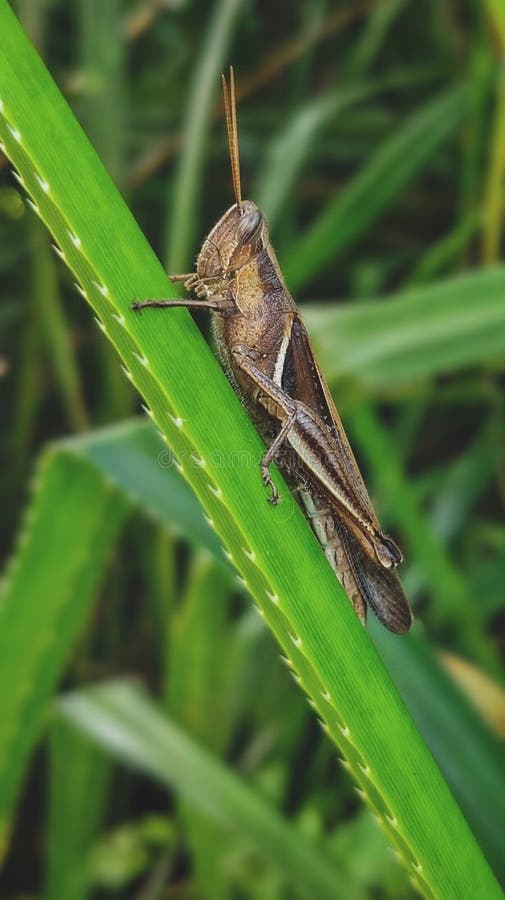
Free with trial Brown grasshopper on diagonal screwpine leaf with green nature background. Spiracles stock images, royalty-free photos and pictures Brown grasshopper on diagonal screwpine leaf with green nature background. Side view of brown grasshopper on diagonal screwpine leaf with green nature background
Free with trial Closeup front view of Riley's 13-year Cicada (Magicicada tredecim). Spiracles stock images, royalty-free photos and pictures Front view of Riley\'s 13-year Cicada. Closeup front view of Riley's 13-year Cicada (Magicicada tredecim. closeup front view of Riley's 13-year Cicada (Magicicada tredecim).
Free with trial Milipede are arthropods are an Order of invertebrates included in the phylum Arthropoda, class Myriapoda. The body of this animal is cylindrical, the number of segments is around 25-100 and the number of legs is ± 224 or 112 pairs of legs, each segment only has one pair of legs and each abdomen has five pairs of legs and two pairs of spiracles. This animal reproduces by laying eggs. Generally, millipedes eat rotting plant remains. However, there are several species that are classified as carnivores. They swallow the food they find, extract the nutrients, then excrete the indigestible remains. This way of eating does not apply to several species that have a sucking mouth type. This fauna is found in abundance on the Raja Ampat islands, Papua. Spiracles stock images, royalty-free photos and pictures Archispirostreptus Gigas in Raja Ampat rainforest. Milipede are arthropods are an Order of invertebrates included in the phylum Arthropoda, class Myriapoda. The. Milipede are arthropods are an Order of invertebrates included in the phylum Arthropoda, class Myriapoda. The body of this animal is cylindrical, the number of segments is around 25-100 and the number of legs is ± 224 or 112 pairs of legs, each segment only has one pair of legs and each abdomen has five pairs of legs and two pairs of spiracles. This animal reproduces by laying eggs. Generally, millipedes eat rotting plant remains. However, there are several species that are classified as carnivores. They swallow the food they find, extract the nutrients, then excrete the indigestible remains. This way of eating does not apply to several species that have a sucking mouth type. This fauna is found in abundance on the Raja Ampat islands, Papua.
Free with trial Close up of a caterpillar that will become a Monarch butterfly. Spiracles stock images, royalty-free photos and pictures Close up of a caterpillar that will become a Monarch butterfly.
Free with trial Stingray Spiracles. Atlantic Southern Stingray Dasyatis americana black and white close up showing eyes and spiracles. Jupiter, Florida, USA. Spiracles stock images, royalty-free photos and pictures Stingray Spiracles. Atlantic Southern Stingray Dasyatis americana black and white close up showing eyes and spiracles. Jupiter, Florida, USA
Free with trial Underneath mushroom texture holes and spiracles. Spiracles stock images, royalty-free photos and pictures Underneath mushroom texture holes and spiracles
Free with trial Grasshopper on Concrete. Grasshopper getting some warmth on sunny concrete surface. Spiracles stock images, royalty-free photos and pictures Grasshopper on Concrete. Grasshopper getting some warmth on sunny concrete surface
Free with trial A Southern Stingray feeds in the ocean sand while shadowed by a Bar Jack, looking for leftovers;. Spiracles stock images, royalty-free photos and pictures Southern Stingray w/ Bar Jack. A Southern Stingray feeds in the ocean sand while shadowed by a Bar Jack, looking for leftovers. A Southern Stingray feeds in the ocean sand while shadowed by a Bar Jack, looking for leftovers;
Free with trial A caterpillar hiding its face from the camera. Spiracles stock images, royalty-free photos and pictures Camera shy. A caterpillar hiding its face from the camera. A caterpillar hiding its face from the camera.
Free with trial Hello Mate. Friendly grasshopper soaking up the sun`s warmth from the concrete. Spiracles stock images, royalty-free photos and pictures Hello Mate. Friendly grasshopper soaking up the sun`s warmth from the concrete
Free with trial Caterpillar climbing down an oleander stalk stem. Spiracles stock images, royalty-free photos and pictures Caterpillar on a stem. Caterpillar climbing down an oleander stalk stem. Caterpillar climbing down an oleander stalk stem.
Free with trial Tomato worm on plant. Caterpillar pest on a tomato plant. Spiracles stock images, royalty-free photos and pictures Tomato worm on plant. Caterpillar pest on a tomato plant
Free with trial An Australian crow butterfly caterpillar on an oleander stalk. Spiracles stock images, royalty-free photos and pictures Climbing down. An Australian crow butterfly caterpillar on an oleander stalk. An Australian crow butterfly caterpillar on an oleander stalk.
Free with trial A macro photo taken on a green grasshopper head against a black background. Spiracles stock images, royalty-free photos and pictures Green Hopper Head. A macro photo taken on a green grasshopper head against a black background. A macro photo taken on a green grasshopper head against a black background.
Free with trial Tomato hornworm on a leaf. Closeup of a common garden pest. Spiracles stock images, royalty-free photos and pictures Tomato hornworm on a leaf. Closeup of a common garden pest
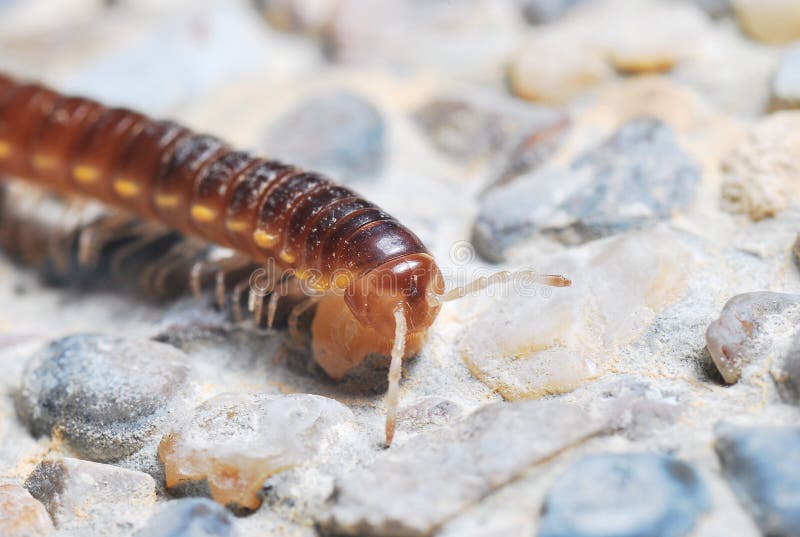
Free with trial A closeup photo taken on a millipede crawling on a stone ground. Spiracles stock images, royalty-free photos and pictures Millipede. A closeup photo taken on a millipede crawling on a stone ground. A closeup photo taken on a millipede crawling on a stone ground.
Free with trial A closeup side viewing photo taken on a black winged ant. Spiracles stock images, royalty-free photos and pictures Winged Ant. A closeup side viewing photo taken on a black winged ant. A closeup side viewing photo taken on a black winged ant.
Free with trial Two butterflies. Looking for sweets. Spiracles stock images, royalty-free photos and pictures Two butterflies. Looking for sweets
Free with trial A quite frightening image of a collar ribbon caterpillar. it does not move instead rising up its head and bending its body backwards and hoisting its glowing fire like warning-tentacles in such a forceful situation, means if it is threatened. Spiracles stock images, royalty-free photos and pictures Threatening collar caterpillar. A quite frightening image of a collar ribbon caterpillar. it does not move instead rising up its head and bending its body. A quite frightening image of a collar ribbon caterpillar. it does not move instead rising up its head and bending its body backwards and hoisting its glowing fire like warning-tentacles in such a forceful situation, means if it is threatened.
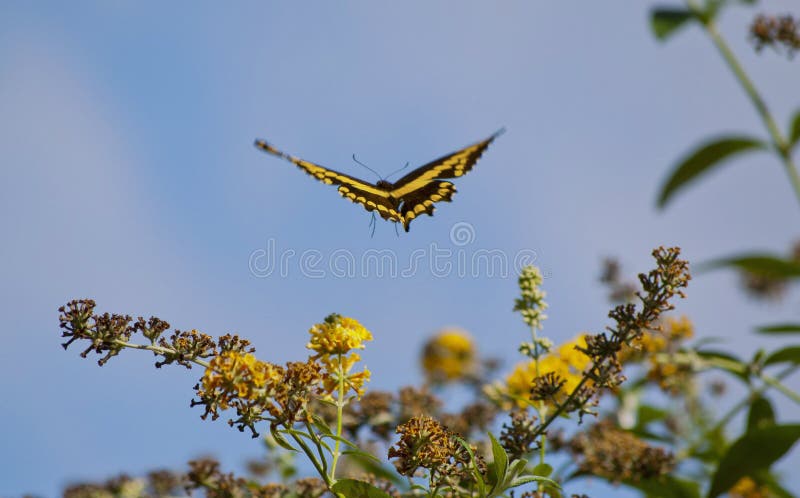
Free with trial Butterfly in flight. A black and yellow butterfly in flight. Spiracles stock images, royalty-free photos and pictures Butterfly in flight. A black and yellow butterfly in flight
Free with trial A closeup photo taken on a brown grasshopper at a park. Spiracles stock images, royalty-free photos and pictures Brown Hopper. A closeup photo taken on a brown grasshopper at a park. A closeup photo taken on a brown grasshopper at a park.
Free with trial A macro closeup photo taken on a grasshopper at rest. Spiracles stock images, royalty-free photos and pictures Grasshopper. A macro closeup photo taken on a grasshopper at rest. A macro closeup photo taken on a grasshopper at rest.
Free with trial A yellow striped and black spotted toadflax brocade moth caterpillar peeks over the top of a purple flower the rest of its body and the yellow and white flowers and green foliage out of focus. Spiracles stock images, royalty-free photos and pictures Toadflax brocade caterpiller peeks over a purple flower. A yellow striped and black spotted toadflax brocade moth caterpillar peeks over the top of a purple. A yellow striped and black spotted toadflax brocade moth caterpillar peeks over the top of a purple flower the rest of its body and the yellow and white flowers and green foliage out of focus
Free with trial Mosquito larvae in the Family Culicidae in a green stagnant pond. These are hanging from the surface water tension by their breathing tubes called Siphons which are extensions of their spiracles. Spiracles stock images, royalty-free photos and pictures Mosquito Larvae of the Family Culicidae in a stagnant green pond. Mosquito larvae in the Family Culicidae in a green stagnant pond. These are hanging from the. Mosquito larvae in the Family Culicidae in a green stagnant pond. These are hanging from the surface water tension by their breathing tubes called Siphons which are extensions of their spiracles
Free with trial A caterpillar with black and brown stripes, spiracles and horns. It`s standing on a finger. Spiracles stock images, royalty-free photos and pictures Black and brown caterpillar on a finger. A caterpillar with black and brown stripes, spiracles. A caterpillar with black and brown stripes, spiracles and horns. It`s standing on a finger.
Free with trial Caterpillar of Bunaea Alcinoe. Eating from leaves. Spiracles stock images, royalty-free photos and pictures Caterpillar of Bunaea Alcinoe. Eating from leaves
Free with trial Cicada on a hot summer night on a tree. The birth of a new young cicada from the larva macro. High quality photo. Spiracles stock images, royalty-free photos and pictures Cicada on a hot summer night on a tree. The birth of a new young cicada from the larva macro. High quality photo
Free with trial Closeup shot of the theretra oldenlandiae hawkmoth caterpillar. Spiracles stock images, royalty-free photos and pictures The theretra oldenlandiae hawkmoth caterpillar. Closeup shot of the theretra oldenlandiae hawkmoth caterpillar. Closeup shot of the theretra oldenlandiae hawkmoth caterpillar.
Free with trial Closeup shot of the theretra oldenlandiae hawkmoth caterpillar. Spiracles stock images, royalty-free photos and pictures The theretra oldenlandiae hawkmoth caterpillar. Closeup shot of the theretra oldenlandiae hawkmoth caterpillar. Closeup shot of the theretra oldenlandiae hawkmoth caterpillar.
Free with trial Extreme close shot of of a tussock moth caterpillar crawling on the stem. Spiracles stock images, royalty-free photos and pictures Close shot of of a tussock moth caterpillar. Extreme close shot of of a tussock moth caterpillar crawling on the stem. Extreme close shot of of a tussock moth caterpillar crawling on the stem.
Free with trial Extreme close shot of of a tussock moth caterpillar crawling on the stem. Spiracles stock images, royalty-free photos and pictures Close shot of of a tussock moth caterpillar. Extreme close shot of of a tussock moth caterpillar crawling on the stem. Extreme close shot of of a tussock moth caterpillar crawling on the stem.
Free with trial Extreme close shot of of a tussock moth caterpillar crawling on the stem. Spiracles stock images, royalty-free photos and pictures Close shot of of a tussock moth caterpillar. Extreme close shot of of a tussock moth caterpillar crawling on the stem. Extreme close shot of of a tussock moth caterpillar crawling on the stem.
Free with trial Extreme close shot of of a tussock moth caterpillar crawling on the stem. Spiracles stock images, royalty-free photos and pictures Close shot of of a tussock moth caterpillar. Extreme close shot of of a tussock moth caterpillar crawling on the stem. Extreme close shot of of a tussock moth caterpillar crawling on the stem.
Free with trial Close shot of the tussock moth caterpillar crawling on the twig. Spiracles stock images, royalty-free photos and pictures Close shot of the tussock moth caterpillar. Crawling on the twig
Free with trial Close shot of the tussock moth caterpillar crawling on the twig. Spiracles stock images, royalty-free photos and pictures Close shot of the tussock moth caterpillar. Crawling on the twig
Free with trial Close shot of the tussock moth caterpillar crawling on the twig. Spiracles stock images, royalty-free photos and pictures Close shot of the tussock moth caterpillar. Crawling on the twig
 Sign in