Free with trial Yellow bell peppers. With green steams fresh from the fields. Subclass stock images, royalty-free photos and pictures Yellow bell peppers. With green steams fresh from the fields
Free with trial Fresh green bell pepper. Bell, bunch, fruit, grapes, green, pepper, thanks, vegitabels, yellow. Subclass stock images, royalty-free photos and pictures Fresh green bell pepper. Bell, bunch, fruit, grapes, green, pepper, thanks, vegitabels, yellow
Free with trial Ticks are small arachnids in the order Ixodida. Along with mites, they constitute the subclass Acarina. Ticks are ectoparasites (external parasites), living by hematophagy on the blood of mammals, birds, and sometimes reptiles and amphibians. Ticks are s of a number of diseases, including Lyme disease, Q fever (rare; more commonly transmitted by infected excreta),Colorado tick fever, Rocky Mountain spotted fever, African tick bite fever, tularemia, tick-borne relapsing fever, babesiosis, ehrlichiosis, Tick paralysis and tick-borne meningoencephalitis, as well as bovine anaplasmosis. Subclass stock images, royalty-free photos and pictures Portrait of a tick. Ticks are small arachnids in the order Ixodida. Along with mites, they constitute the subclass Acarina. Ticks are ectoparasites (external. Ticks are small arachnids in the order Ixodida. Along with mites, they constitute the subclass Acarina. Ticks are ectoparasites (external parasites), living by hematophagy on the blood of mammals, birds, and sometimes reptiles and amphibians. Ticks are s of a number of diseases, including Lyme disease, Q fever (rare; more commonly transmitted by infected excreta),Colorado tick fever, Rocky Mountain spotted fever, African tick bite fever, tularemia, tick-borne relapsing fever, babesiosis, ehrlichiosis, Tick paralysis and tick-borne meningoencephalitis, as well as bovine anaplasmosis.
Free with trial Marine life, this cuttlefish comes from the North Pacific Ocean. With green blood, three hearts, and able to change colour in a flash, it sounds like a ‘weird aliens’ movie creature. Actually, the cuttlefish is a seafood delicacy. Subclass stock images, royalty-free photos and pictures Cuttlefish. Marine life, this cuttlefish comes from the North Pacific Ocean. With green blood, three hearts, and able to change colour in a flash, it sounds like. Marine life, this cuttlefish comes from the North Pacific Ocean. With green blood, three hearts, and able to change colour in a flash, it sounds like a ‘weird aliens’ movie creature. Actually, the cuttlefish is a seafood delicacy.
Free with trial IgG2a, a subclass of Immunoglobulin G, an antibody. 3d model. Subclass stock images, royalty-free photos and pictures IgG2a, a subclass of Immunoglobulin G, an antibody. 3d model.
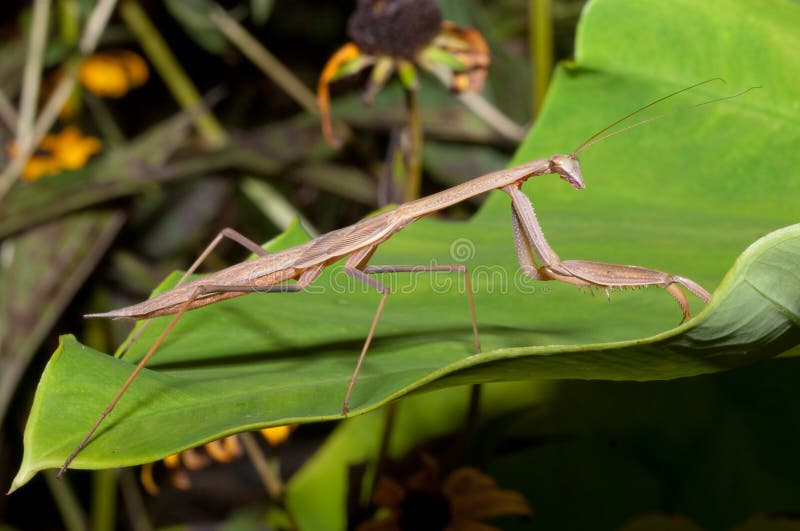
Free with trial The Carolina Praying Mantis (Stagmomantis carolina) on Leaf. The Carolina mantis is a praying mantis native to the Southern United (photo taken in Cherry Hill, NJ USA). It grows to approximately 2. 5 in (64 mm) in length. The Carolina mantis has a dusty brown, gray, or green color useful as camouflage in certain environments. Carolina mantis oothecae can be purchased in garden supply centers as a means of biological control of pest insects. It is the state insect of South Carolina. Mantodea or mantises is an order of insects which contains approximately 2,200 species in 9 families worldwide in temperate and tropical habitats. About 20 species are native to the United States, including the common Carolina mantis. Scientific classification Domain: Eukarya Kingdom: Animalia Phylum: Arthropoda Class: Insecta Subclass: Pterygota Infraclass: Neoptera Superorder: Dictyoptera Order: Mantodea Family: Mantidae Genus: Stagmomantis Species: carolina. Subclass stock images, royalty-free photos and pictures Carolina Praying Mantis (Stagmomantis carolina). The Carolina Praying Mantis (Stagmomantis carolina) on Leaf. The Carolina mantis is a praying mantis native to. The Carolina Praying Mantis (Stagmomantis carolina) on Leaf. The Carolina mantis is a praying mantis native to the Southern United (photo taken in Cherry Hill, NJ USA) . It grows to approximately 2.5 in (64 mm) in length. The Carolina mantis has a dusty brown, gray, or green color useful as camouflage in certain environments. Carolina mantis oothecae can be purchased in garden supply centers as a means of biological control of pest insects. It is the state insect of South Carolina. Mantodea or mantises is an order of insects which contains approximately 2,200 species in 9 families worldwide in temperate and tropical habitats. About 20 species are native to the United States, including the common Carolina mantis. Scientific classification Domain: Eukarya Kingdom: Animalia Phylum: Arthropoda Class: Insecta Subclass: Pterygota Infraclass: Neoptera Superorder: Dictyoptera Order: Mantodea Family: Mantidae Genus: Stagmomantis Species: carolina
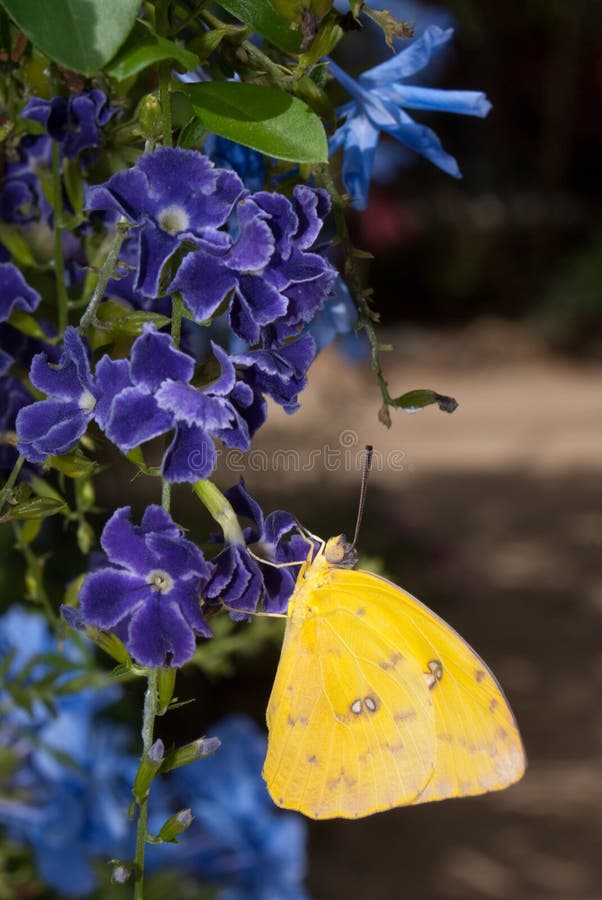
Free with trial Orange Barred Sulphur Butterfly (Phoebis philea) on blue flowers in a garden. Phoebis (or Sulphurs) is a genus of butterflies, belonging to the Coliadinae subfamily of the Whites or Pieridae. They are native to the Americas. (neotropical) Scientific classification Kingdom: Animalia Phylum: Arthropoda Subphylum: Hexapoda Class: Insecta Subclass: Pterygota Infraclass: Neoptera Superorder: Endopterygota Order: Lepidoptera (unranked): Rhopalocera Superfamily: Papilionoidea Family: Pieridae Subfamily: Coliadinae Tribe: Coliadini Genus: Phoebis Species: P. philea. Subclass stock images, royalty-free photos and pictures Orange Barred Sulphur Butterfly (Phoebis philea). On blue flowers in a garden. Phoebis (or Sulphurs) is a genus of butterflies, belonging to the Coliadinae. Orange Barred Sulphur Butterfly (Phoebis philea) on blue flowers in a garden. Phoebis (or Sulphurs) is a genus of butterflies, belonging to the Coliadinae subfamily of the Whites or Pieridae. They are native to the Americas. (neotropical) Scientific classification Kingdom: Animalia Phylum: Arthropoda Subphylum: Hexapoda Class: Insecta Subclass: Pterygota Infraclass: Neoptera Superorder: Endopterygota Order: Lepidoptera (unranked): Rhopalocera Superfamily: Papilionoidea Family: Pieridae Subfamily: Coliadinae Tribe: Coliadini Genus: Phoebis Species: P. philea
Free with trial Mites, numerous species of tiny arthropods, members of the mite and tick subclass Acari. Subclass stock images, royalty-free photos and pictures Mites, numerous species of tiny arthropods, members of the mite and tick subclass Acari.
Free with trial Leech on the glass. Bloodsucking animal. subclass of ringworms from the belt-type class. Hirudotherapy. Subclass stock images, royalty-free photos and pictures Leech on the glass. Bloodsucking animal. subclass of ringworms from the belt-type class. Hirudotherapy
Free with trial Oligochaeta a subclass of animals in the phylum Annelida, which is made up of many types of aquatic and terrestrial earthworms. Subclass stock images, royalty-free photos and pictures Oligochaeta a subclass of animals in the phylum Annelida, which is made up of many types of aquatic and terrestrial earthworms
Free with trial The close up of a tick in family Ixodidae called hard ticks. Ticks are arachnids, typically 3 to 5 mm long, part of the order Parasitiformes. Along with mites, they constitute the subclass Acari. Ticks are external parasites, living by feeding on the blood of mammals, birds, and sometimes reptiles and amphibians. Subclass stock images, royalty-free photos and pictures Tick sitting on grass tip in green background. The close up of a tick in family Ixodidae called hard ticks. Ticks are arachnids, typically 3 to 5 mm long, part. The close up of a tick in family Ixodidae called hard ticks. Ticks are arachnids, typically 3 to 5 mm long, part of the order Parasitiformes. Along with mites, they constitute the subclass Acari. Ticks are external parasites, living by feeding on the blood of mammals, birds, and sometimes reptiles and amphibians.
Free with trial Sea anemones are a group of water-dwelling, predatory animals of the order Actiniaria. They are named for the anemone, a terrestrial flower. Sea anemones are classified in the phylum Cnidaria, class Anthozoa, subclass Hexacorallia. Anthozoa often have large polyps that allow for digestion of larger prey and also lack a medusa stage. As cnidarians, sea anemones are related to corals, jellyfish, tube-dwelling anemones, and Hydra. Subclass stock images, royalty-free photos and pictures Colorful Sea anemone. Sea anemones are a group of water-dwelling, predatory animals of the order Actiniaria. They are named for the anemone, a terrestrial flower. Sea anemones are a group of water-dwelling, predatory animals of the order Actiniaria. They are named for the anemone, a terrestrial flower. Sea anemones are classified in the phylum Cnidaria, class Anthozoa, subclass Hexacorallia. Anthozoa often have large polyps that allow for digestion of larger prey and also lack a medusa stage. As cnidarians, sea anemones are related to corals, jellyfish, tube-dwelling anemones, and Hydra.
Free with trial Sea anemones are a group of water-dwelling, predatory animals of the order Actiniaria. They are named for the anemone, a terrestrial flower. Sea anemones are classified in the phylum Cnidaria, class Anthozoa, subclass Hexacorallia. Anthozoa often have large polyps that allow for digestion of larger prey and also lack a medusa stage. As cnidarians, sea anemones are related to corals, jellyfish, tube-dwelling anemones, and Hydra. Subclass stock images, royalty-free photos and pictures Sea anemone. S are a group of water-dwelling, predatory animals of the order Actiniaria. They are named for the anemone, a terrestrial flower. s are classified. Sea anemones are a group of water-dwelling, predatory animals of the order Actiniaria. They are named for the anemone, a terrestrial flower. Sea anemones are classified in the phylum Cnidaria, class Anthozoa, subclass Hexacorallia. Anthozoa often have large polyps that allow for digestion of larger prey and also lack a medusa stage. As cnidarians, sea anemones are related to corals, jellyfish, tube-dwelling anemones, and Hydra.
Free with trial Sea anemones are a group of water-dwelling, predatory animals of the order Actiniaria. They are named for the anemone, a terrestrial flower. Sea anemones are classified in the phylum Cnidaria, class Anthozoa, subclass Hexacorallia. Anthozoa often have large polyps that allow for digestion of larger prey and also lack a medusa stage. As cnidarians, sea anemones are related to corals, jellyfish, tube-dwelling anemones, and Hydra. Subclass stock images, royalty-free photos and pictures Colorful Sea anemone. Sea anemones are a group of water-dwelling, predatory animals of the order Actiniaria. They are named for the anemone, a terrestrial flower. Sea anemones are a group of water-dwelling, predatory animals of the order Actiniaria. They are named for the anemone, a terrestrial flower. Sea anemones are classified in the phylum Cnidaria, class Anthozoa, subclass Hexacorallia. Anthozoa often have large polyps that allow for digestion of larger prey and also lack a medusa stage. As cnidarians, sea anemones are related to corals, jellyfish, tube-dwelling anemones, and Hydra.
Free with trial Ammonites fossil shell large spiral - extinct subclass of cephalopod mollusks. That existed from the Devonian for the Cretaceous period. Subclass stock images, royalty-free photos and pictures Ammonites fossil shell large spiral - extinct subclass of cephalopod mollusks. That existed from the Devonian for the Cretaceous period
Free with trial Ammonites, or ammonoids Latin Ammonoidea, is a subclass of extinct cephalopods that existed from Devonian to Cretaceous. Ammonites got their name in honor of the ancient Egyptian deity Amon with twisted horns. Subclass stock images, royalty-free photos and pictures Ammonite Ammonia, Aconite, Amount, Amenity, Ammonium, Immunity, Monte, Ammonia`s, Emanate. Ammonites, or ammonoids Latin Ammonoidea, is a subclass of extinct. Ammonites, or ammonoids Latin Ammonoidea, is a subclass of extinct cephalopods that existed from Devonian to Cretaceous. Ammonites got their name in honor of the ancient Egyptian deity Amon with twisted horns.
Free with trial Leech on the glass. Bloodsucking animal. subclass of ringworms from the belt-type class. Hirudotherapy. Subclass stock images, royalty-free photos and pictures Leech on the glass. Bloodsucking animal. subclass of ringworms from the belt-type class. Hirudotherapy.
Free with trial Ammonites are an extinct group of marine invertebrate animals in the subclass Ammonoidea of the class Cephalopoda. These molluscs are more closely related to living coleoids (i. e. octopuses, squid, and cuttlefish) than they are to shelled nautiloids such as the living Nautilus species. Subclass stock images, royalty-free photos and pictures Ammonite Fossil. Ammonites are an extinct group of marine invertebrate animals in the subclass Ammonoidea of the class Cephalopoda. These molluscs are more. Ammonites are an extinct group of marine invertebrate animals in the subclass Ammonoidea of the class Cephalopoda. These molluscs are more closely related to living coleoids (i.e. octopuses, squid, and cuttlefish) than they are to shelled nautiloids such as the living Nautilus species.
Free with trial Mating Smiling Armina. Form a spiral pattern. Subclass stock images, royalty-free photos and pictures Mating Smiling Armina. Form a spiral pattern
Free with trial Ammonites are an extinct group of marine mollusc animals in the subclass Ammonoidea of the class Cephalopoda. These molluscs are more closely related to living coleoids (i. e. , octopuses, squid, and cuttlefish) than they are to shelled nautiloids such as the living Nautilus species. The earliest ammonites appear during the Devonian, and the last species died out during the Cretaceous–Paleogene extinction event. This excellent fossil example is shown against a white background. Subclass stock images, royalty-free photos and pictures Ammonite Fossil. Ammonites are an extinct group of marine mollusc animals in the subclass Ammonoidea of the class Cephalopoda. These molluscs are more closely. Ammonites are an extinct group of marine mollusc animals in the subclass Ammonoidea of the class Cephalopoda. These molluscs are more closely related to living coleoids (i.e., octopuses, squid, and cuttlefish) than they are to shelled nautiloids such as the living Nautilus species. The earliest ammonites appear during the Devonian, and the last species died out during the Cretaceous–Paleogene extinction event. This excellent fossil example is shown against a white background.
Free with trial Chromodoris magnifica Nudibranch. Orange & Black stripped Chromodoris magnifica Nudibranch. Subclass stock images, royalty-free photos and pictures Chromodoris magnifica Nudibranch. Orange & Black stripped Chromodoris magnifica Nudibranch
Free with trial Scuba Diver and Gorgonian Coral. A diver discovers beautiful coral in California. Subclass stock images, royalty-free photos and pictures Scuba Diver and Gorgonian Coral. A diver discovers beautiful coral in California
Free with trial Red bell peppers. With green stems. Subclass stock images, royalty-free photos and pictures Red bell peppers. With green stems
Free with trial Nudibranch. A unusual Nudibranch from the Philippines. Subclass stock images, royalty-free photos and pictures Nudibranch. A unusual Nudibranch from the Philippines
Free with trial Ardeadoris egretta Nudibranch. Gold and Pure White Ardeadoris egretta Nudibranch. Subclass stock images, royalty-free photos and pictures Ardeadoris egretta Nudibranch. Gold and Pure White Ardeadoris egretta Nudibranch
Free with trial The order Cyatheales is a taxonomic division of the fern subclass, Cyatheatae, which includes the tree ferns. Subclass stock images, royalty-free photos and pictures Tree Ferns (Cyatheales). The order Cyatheales is a taxonomic division of the fern subclass, Cyatheatae, which includes the tree ferns. The order Cyatheales is a taxonomic division of the fern subclass, Cyatheatae, which includes the tree ferns.
Free with trial Pictured are 3 Texas River Turtles and a Diamondback water snake basking in the sun on a fallen tree in the wetlands of the Heard Wildlife Sanctuary in McKinney, Texas. Subclass stock images, royalty-free photos and pictures Three Texas River Turtles and a Diamondback water snake basking in the sun. Pictured are 3 Texas River Turtles and a Diamondback water snake basking in the sun. Pictured are 3 Texas River Turtles and a Diamondback water snake basking in the sun on a fallen tree in the wetlands of the Heard Wildlife Sanctuary in McKinney, Texas.
Free with trial Pictured is a Texas River climbing onto a log between a pond slider and a Red-eared pond slider turtle, in the Heard Wildlife Sanctuary in McKinney, Texas. Subclass stock images, royalty-free photos and pictures Pond Slider, Texas River and Red-eared pond slider on a log. Pictured is a Texas River climbing onto a log between a pond slider and a Red-eared pond slider. Pictured is a Texas River climbing onto a log between a pond slider and a Red-eared pond slider turtle, in the Heard Wildlife Sanctuary in McKinney, Texas.
Free with trial Yellow Bloom prickly pear cactus. A yellow bloom of Opuntia engelmannii, also known as Cactus Apple or Englemann`s Prickly Pear. Subclass stock images, royalty-free photos and pictures Yellow Bloom prickly pear cactus. A yellow bloom of Opuntia engelmannii, also known as Cactus Apple or Englemann`s Prickly Pear
Free with trial Ammonoids are an extinct group of marine mollusc animals in the subclass Ammonoidea of the class Cephalopoda. These molluscs are more closely related to living coleoids i. e. , octopuses, squid, and cuttlefish than they are to shelled nautiloids such as the living Nautilus species. The earliest ammonites appear during the Devonian, and the last species died out during the Cretaceous–Paleogene extinction event. Subclass stock images, royalty-free photos and pictures Fossil of an ammonoids. Ammonoids are an extinct group of marine mollusc animals in the subclass Ammonoidea of the class Cephalopoda. These molluscs are more. Ammonoids are an extinct group of marine mollusc animals in the subclass Ammonoidea of the class Cephalopoda. These molluscs are more closely related to living coleoids i.e., octopuses, squid, and cuttlefish than they are to shelled nautiloids such as the living Nautilus species. The earliest ammonites appear during the Devonian, and the last species died out during the Cretaceous–Paleogene extinction event.
Free with trial Pictured is a close up view of a green-backed heron perched on a small fence looking into water for food in Puerto Aventuras, Mexico. Subclass stock images, royalty-free photos and pictures Green-backed heron perched on a fence. Pictured is a close up view of a green-backed heron perched on a small fence looking into water for food in Puerto. Pictured is a close up view of a green-backed heron perched on a small fence looking into water for food in Puerto Aventuras, Mexico
Free with trial Purple color flower of the Subalpine Paintbrush is in bloom at the Tuolumne Meadows, Yosemite National Park, California. Subalpine paintbrush is one of the India Paintbrush with purple color but not pink color. Subclass stock images, royalty-free photos and pictures Subalpine Paintbrush, Tuolumne Meadows, Yosemite National Park. Purple color flower of the Subalpine Paintbrush is in bloom at the Tuolumne Meadows, Yosemite. Purple color flower of the Subalpine Paintbrush is in bloom at the Tuolumne Meadows, Yosemite National Park, California. Subalpine paintbrush is one of the India Paintbrush with purple color but not pink color.
Free with trial Turtles that were out in the sun. I placed on a circle of stones in the middle of a lake. Subclass stock images, royalty-free photos and pictures Group of turtles red eared slider. Turtles that were out in the sun .I placed on a circle of stones in the middle of a lake. Turtles that were out in the sun .I placed on a circle of stones in the middle of a lake.
Free with trial Magnification of tiny Oribatid mites (Oribatida or beetle mites) of the superorder Acariformes and Acaridae family mites on perishable food. Subclass stock images, royalty-free photos and pictures Magnification of tiny Oribatid mites and Acaridae family mites on perishable food. Magnification of tiny Oribatid mites (Oribatida or beetle mites) of the. Magnification of tiny Oribatid mites (Oribatida or beetle mites) of the superorder Acariformes and Acaridae family mites on perishable food.
Free with trial Pin clusters of Elephant Heads are in bloom at the Tuolumne Meadows, Yosemite National Park, California. Subclass stock images, royalty-free photos and pictures Pedicularis groenlandica, Elephant Heads, Tuolumne Meadows, Yosemite National Park. Pin clusters of Elephant Heads are in bloom at the Tuolumne Meadows, Yosemite. Pin clusters of Elephant Heads are in bloom at the Tuolumne Meadows, Yosemite National Park, California.
Free with trial One blue or purple color flower of the Sierra Fringed Gentian (Gentianopsis Holopetala) is in bloom at the Tuolumne Meadows, Yosemite National Park, California. Subclass stock images, royalty-free photos and pictures Sierra fringed gentian, Tuolumne Meadows, Yosemite National Park. One blue or purple color flower of the Sierra Fringed Gentian (Gentianopsis Holopetala&#. One blue or purple color flower of the Sierra Fringed Gentian (Gentianopsis Holopetala) is in bloom at the Tuolumne Meadows, Yosemite National Park, California.
Free with trial Rhodobryum roseum. Long sprouts of moss on red brick. Lithophytes growing on stony substratum ecotopes. Subclass stock images, royalty-free photos and pictures Rhodobryum roseum. Long sprouts of moss on red brick. Lithophytes growing on stony substratum ecotopes
Free with trial Cladocora caespitosa, commonly known as cushion coral, is a stony coral of the subclass Hexacorallia. This species forms the only true coral reef in the Mediterranean Sea. Subclass stock images, royalty-free photos and pictures Cushion coral in to the Mediterranean sea, Cladocora caespitosa. Cladocora caespitosa, commonly known as cushion coral, is a stony coral of the subclass. Cladocora caespitosa, commonly known as cushion coral, is a stony coral of the subclass Hexacorallia. This species forms the only true coral reef in the Mediterranean Sea.
Free with trial Cortinarius pholideus. Mushroom Spider web scaly in the forest in the North of Western Siberia. Subclass stock images, royalty-free photos and pictures Cortinarius pholideus. Three mushroom Paulinic flake at the end of summer. Cortinarius pholideus. Mushroom Spider web scaly in the forest in the North of Western. Cortinarius pholideus. Mushroom Spider web scaly in the forest in the North of Western Siberia
Free with trial Russet Toughshank Fungi - Collybia dryophila. Mushrooms Rhodocollybia butyracea wet pine with raindrops. Rhodocollybia butyracea, common name Buttery Collybia, seen directly from above. Butter Cap Fungi - Collybia butyracea. The Butter Cap Rhodocollybia butyracea is an edible mushroom , stacked macro photo. Division: Basidiomycota, Sub-Division: Agaricomycotina, Class: Agaricomycetes , Subclass: Agaricomycetidae , Order: Agaricales , Family: Omphalotaceae, Genus: Rhodocollybia, Species: Rhodocollybia prolixa. Collybia distorta; Large Rhodocollybia; Broad Rhodocollybia. The curved collybia is an unusual mushroom. In young mushrooms, the edges are curved downwards, in the future they begin to straighten. The color of the hat is very pleasant brown or yellow and other warm shades in between, the edge is often lighter. To the touch, the collybium is curved smooth, slightly oily. A similar mushroom loves to grow on trees. Especially on those that are no longer alive, regardless of whether it is a coniferous or deciduous forest. It is most often found in groups, so it is quite easy to get enough. If you go to the forest from late summer to mid-autumn. This mushroom can be eaten very easily, it does not have a special taste or smell. It is impossible to find an analogue of such a mushroom on a tree. Its curved leg fully justifies the name and distinguishes it from all types. Subclass stock images, royalty-free photos and pictures Mushrooms in the northern forest in late autumn. The Latin name is Collybia distorta, Rhodocollybia prolixa. Russet Toughshank Fungi - Collybia dryophila. Russet Toughshank Fungi - Collybia dryophila. Mushrooms Rhodocollybia butyracea wet pine with raindrops. Rhodocollybia butyracea, common name Buttery Collybia, seen directly from above. Butter Cap Fungi - Collybia butyracea. The Butter Cap Rhodocollybia butyracea is an edible mushroom , stacked macro photo. Division: Basidiomycota, Sub-Division: Agaricomycotina, Class: Agaricomycetes , Subclass: Agaricomycetidae , Order: Agaricales , Family: Omphalotaceae, Genus: Rhodocollybia, Species: Rhodocollybia prolixa. Collybia distorta; Large Rhodocollybia; Broad Rhodocollybia. The curved collybia is an unusual mushroom. In young mushrooms, the edges are curved downwards, in the future they begin to straighten. The color of the hat is very pleasant brown or yellow and other warm shades in between, the edge is often lighter. To the touch, the collybium is curved smooth, slightly oily.A similar mushroom loves to grow on trees. Especially on those that are no longer alive, regardless of whether it is a coniferous or deciduous forest. It is most often found in groups, so it is quite easy to get enough. If you go to the forest from late summer to mid-autumn. This mushroom can be eaten very easily, it does not have a special taste or smell. It is impossible to find an analogue of such a mushroom on a tree. Its curved leg fully justifies the name and distinguishes it from all types.
Free with trial Russet Toughshank Fungi - Collybia dryophila. Mushrooms Rhodocollybia butyracea wet pine with raindrops. Rhodocollybia butyracea, common name Buttery Collybia, seen directly from above. Butter Cap Fungi - Collybia butyracea. The Butter Cap Rhodocollybia butyracea is an edible mushroom , stacked macro photo. Division: Basidiomycota, Sub-Division: Agaricomycotina, Class: Agaricomycetes , Subclass: Agaricomycetidae , Order: Agaricales , Family: Omphalotaceae, Genus: Rhodocollybia, Species: Rhodocollybia prolixa. Collybia distorta; Large Rhodocollybia; Broad Rhodocollybia. The curved collybia is an unusual mushroom. In young mushrooms, the edges are curved downwards, in the future they begin to straighten. The color of the hat is very pleasant brown or yellow and other warm shades in between, the edge is often lighter. To the touch, the collybium is curved smooth, slightly oily. A similar mushroom loves to grow on trees. Especially on those that are no longer alive, regardless of whether it is a coniferous or deciduous forest. It is most often found in groups, so it is quite easy to get enough. If you go to the forest from late summer to mid-autumn. This mushroom can be eaten very easily, it does not have a special taste or smell. It is impossible to find an analogue of such a mushroom on a tree. Its curved leg fully justifies the name and distinguishes it from all types. Subclass stock images, royalty-free photos and pictures Mushrooms in the northern forest in late autumn. The Latin name is Collybia distorta, Rhodocollybia prolixa. Russet Toughshank Fungi - Collybia dryophila. Russet Toughshank Fungi - Collybia dryophila. Mushrooms Rhodocollybia butyracea wet pine with raindrops. Rhodocollybia butyracea, common name Buttery Collybia, seen directly from above. Butter Cap Fungi - Collybia butyracea. The Butter Cap Rhodocollybia butyracea is an edible mushroom , stacked macro photo. Division: Basidiomycota, Sub-Division: Agaricomycotina, Class: Agaricomycetes , Subclass: Agaricomycetidae , Order: Agaricales , Family: Omphalotaceae, Genus: Rhodocollybia, Species: Rhodocollybia prolixa. Collybia distorta; Large Rhodocollybia; Broad Rhodocollybia. The curved collybia is an unusual mushroom. In young mushrooms, the edges are curved downwards, in the future they begin to straighten. The color of the hat is very pleasant brown or yellow and other warm shades in between, the edge is often lighter. To the touch, the collybium is curved smooth, slightly oily.A similar mushroom loves to grow on trees. Especially on those that are no longer alive, regardless of whether it is a coniferous or deciduous forest. It is most often found in groups, so it is quite easy to get enough. If you go to the forest from late summer to mid-autumn. This mushroom can be eaten very easily, it does not have a special taste or smell. It is impossible to find an analogue of such a mushroom on a tree. Its curved leg fully justifies the name and distinguishes it from all types.
Free with trial Russet Toughshank Fungi - Collybia dryophila. Mushrooms Rhodocollybia butyracea wet pine with raindrops. Rhodocollybia butyracea, common name Buttery Collybia, seen directly from above. Butter Cap Fungi - Collybia butyracea. The Butter Cap Rhodocollybia butyracea is an edible mushroom , stacked macro photo. Division: Basidiomycota, Sub-Division: Agaricomycotina, Class: Agaricomycetes , Subclass: Agaricomycetidae , Order: Agaricales , Family: Omphalotaceae, Genus: Rhodocollybia, Species: Rhodocollybia prolixa. Collybia distorta; Large Rhodocollybia; Broad Rhodocollybia. The curved collybia is an unusual mushroom. In young mushrooms, the edges are curved downwards, in the future they begin to straighten. The color of the hat is very pleasant brown or yellow and other warm shades in between, the edge is often lighter. To the touch, the collybium is curved smooth, slightly oily. A similar mushroom loves to grow on trees. Especially on those that are no longer alive, regardless of whether it is a coniferous or deciduous forest. It is most often found in groups, so it is quite easy to get enough. If you go to the forest from late summer to mid-autumn. This mushroom can be eaten very easily, it does not have a special taste or smell. It is impossible to find an analogue of such a mushroom on a tree. Its curved leg fully justifies the name and distinguishes it from all types. Subclass stock images, royalty-free photos and pictures Mushrooms in the northern forest in late autumn. The Latin name is Collybia distorta, Rhodocollybia prolixa. Russet Toughshank Fungi - Collybia dryophila. Russet Toughshank Fungi - Collybia dryophila. Mushrooms Rhodocollybia butyracea wet pine with raindrops. Rhodocollybia butyracea, common name Buttery Collybia, seen directly from above. Butter Cap Fungi - Collybia butyracea. The Butter Cap Rhodocollybia butyracea is an edible mushroom , stacked macro photo. Division: Basidiomycota, Sub-Division: Agaricomycotina, Class: Agaricomycetes , Subclass: Agaricomycetidae , Order: Agaricales , Family: Omphalotaceae, Genus: Rhodocollybia, Species: Rhodocollybia prolixa. Collybia distorta; Large Rhodocollybia; Broad Rhodocollybia. The curved collybia is an unusual mushroom. In young mushrooms, the edges are curved downwards, in the future they begin to straighten. The color of the hat is very pleasant brown or yellow and other warm shades in between, the edge is often lighter. To the touch, the collybium is curved smooth, slightly oily.A similar mushroom loves to grow on trees. Especially on those that are no longer alive, regardless of whether it is a coniferous or deciduous forest. It is most often found in groups, so it is quite easy to get enough. If you go to the forest from late summer to mid-autumn. This mushroom can be eaten very easily, it does not have a special taste or smell. It is impossible to find an analogue of such a mushroom on a tree. Its curved leg fully justifies the name and distinguishes it from all types.
Free with trial The Butter Cap Rhodocollybia butyracea is an edible mushroom , stacked macro photo. Mushroom Rhodocollybia butyracea. Old fungus Rhodocollybia butyracea in a pine forest. Mushroom closeup. Selective focus. Shallow depth of field. Gymnopilus yellow-plate Latin Gymnopus ocior. Taxonomy: division: Basidiomycota, sub-division: Agaricomycotina,class: Agaricomycetes, subclass: Agaricomycetidae, order: Agaric or lamellar, family: Omphalotaceae, genus: Gymnopus, species: Gymnopus ocior. Synonyms: Collybia yellow-plate, gymnopus precocious, Collybia ocior, Collybia funicularis, Collybia succinea, Collybia extuberans, Collybia xanthopus, Collybia xanthopoda, Collybia luteifolia, Collybia aquosa var. ocior, Collybia dryophila var. xanthopus, Collybia dryophila var. funicularis, Collybia dryophila var. extuberans, Marasmius funicularis, Marasmius dryophilus var. funicularis, Chamaeceras funicularis, Rhodocollybia extuberans. it lives from the beginning of summer to the end of autumn in forests of all kinds, on the ground in grass, among mosses, on litter, on rotten wood. Similar species: Gymnopus dryophilus, Gymnopus aquosus, Gymnopus alpinus. an edible mushroom, completely analogous to collybia lesolyubivaya. Subclass stock images, royalty-free photos and pictures Gymnopus ocior mushroom on an old stump, closeup. The Butter Cap Rhodocollybia butyracea is an edible mushroom , stacked macro. The Butter Cap Rhodocollybia. The Butter Cap Rhodocollybia butyracea is an edible mushroom , stacked macro photo. Mushroom Rhodocollybia butyracea. Old fungus Rhodocollybia butyracea in a pine forest. Mushroom closeup. Selective focus. Shallow depth of field. Gymnopilus yellow-plate Latin Gymnopus ocior. Taxonomy: division: Basidiomycota, sub-division: Agaricomycotina,class: Agaricomycetes, subclass: Agaricomycetidae, order: Agaric or lamellar, family: Omphalotaceae, genus: Gymnopus, species: Gymnopus ocior.Synonyms: Collybia yellow-plate, gymnopus precocious, Collybia ocior, Collybia funicularis, Collybia succinea, Collybia extuberans, Collybia xanthopus, Collybia xanthopoda, Collybia luteifolia, Collybia aquosa var. ocior, Collybia dryophila var. xanthopus, Collybia dryophila var. funicularis, Collybia dryophila var. extuberans, Marasmius funicularis, Marasmius dryophilus var. funicularis, Chamaeceras funicularis, Rhodocollybia extuberans. it lives from the beginning of summer to the end of autumn in forests of all kinds, on the ground in grass, among mosses, on litter, on rotten wood. Similar species: Gymnopus dryophilus, Gymnopus aquosus, Gymnopus alpinus. an edible mushroom, completely analogous to collybia lesolyubivaya.
Free with trial The Butter Cap Rhodocollybia butyracea is an edible mushroom , stacked macro photo. Mushroom Rhodocollybia butyracea. Old fungus Rhodocollybia butyracea in a pine forest. Mushroom closeup. Selective focus. Shallow depth of field. Gymnopilus yellow-plate Latin Gymnopus ocior. Taxonomy: division: Basidiomycota, sub-division: Agaricomycotina,class: Agaricomycetes, subclass: Agaricomycetidae, order: Agaric or lamellar, family: Omphalotaceae, genus: Gymnopus, species: Gymnopus ocior. Synonyms: Collybia yellow-plate, gymnopus precocious, Collybia ocior, Collybia funicularis, Collybia succinea, Collybia extuberans, Collybia xanthopus, Collybia xanthopoda, Collybia luteifolia, Collybia aquosa var. ocior, Collybia dryophila var. xanthopus, Collybia dryophila var. funicularis, Collybia dryophila var. extuberans, Marasmius funicularis, Marasmius dryophilus var. funicularis, Chamaeceras funicularis, Rhodocollybia extuberans. it lives from the beginning of summer to the end of autumn in forests of all kinds, on the ground in grass, among mosses, on litter, on rotten wood. Similar species: Gymnopus dryophilus, Gymnopus aquosus, Gymnopus alpinus. an edible mushroom, completely analogous to collybia lesolyubivaya. Subclass stock images, royalty-free photos and pictures Gymnopus ocior mushroom on an old stump, closeup. The Butter Cap Rhodocollybia butyracea is an edible mushroom , stacked macro. The Butter Cap Rhodocollybia. The Butter Cap Rhodocollybia butyracea is an edible mushroom , stacked macro photo. Mushroom Rhodocollybia butyracea. Old fungus Rhodocollybia butyracea in a pine forest. Mushroom closeup. Selective focus. Shallow depth of field. Gymnopilus yellow-plate Latin Gymnopus ocior. Taxonomy: division: Basidiomycota, sub-division: Agaricomycotina,class: Agaricomycetes, subclass: Agaricomycetidae, order: Agaric or lamellar, family: Omphalotaceae, genus: Gymnopus, species: Gymnopus ocior.Synonyms: Collybia yellow-plate, gymnopus precocious, Collybia ocior, Collybia funicularis, Collybia succinea, Collybia extuberans, Collybia xanthopus, Collybia xanthopoda, Collybia luteifolia, Collybia aquosa var. ocior, Collybia dryophila var. xanthopus, Collybia dryophila var. funicularis, Collybia dryophila var. extuberans, Marasmius funicularis, Marasmius dryophilus var. funicularis, Chamaeceras funicularis, Rhodocollybia extuberans. it lives from the beginning of summer to the end of autumn in forests of all kinds, on the ground in grass, among mosses, on litter, on rotten wood. Similar species: Gymnopus dryophilus, Gymnopus aquosus, Gymnopus alpinus. an edible mushroom, completely analogous to collybia lesolyubivaya.
Free with trial Writing note showing Niche Market. Business photo showcasing Subset of the market on which specific product is focused Square notebook crumpled papers forming question mark green background. Subclass stock images, royalty-free photos and pictures Writing note showing Niche Market. Business photo showcasing Subset of the market on which specific product is focused Square note. Book crumpled papers forming. Writing note showing Niche Market. Business photo showcasing Subset of the market on which specific product is focused Square notebook crumpled papers forming question mark green background
Free with trial Cladocora caespitosa, commonly known as cushion coral, is a stony coral of the subclass Hexacorallia. This species forms the only true coral reef in the Mediterranean Sea. Subclass stock images, royalty-free photos and pictures Cushion coral in to the Mediterranean sea, Cladocora caespitosa. Cladocora caespitosa, commonly known as cushion coral, is a stony coral of the subclass. Cladocora caespitosa, commonly known as cushion coral, is a stony coral of the subclass Hexacorallia. This species forms the only true coral reef in the Mediterranean Sea.
Free with trial Cladocora caespitosa, commonly known as cushion coral, is a stony coral of the subclass Hexacorallia. This species forms the only true coral reef in the Mediterranean Sea. Subclass stock images, royalty-free photos and pictures Cushion coral in to the Mediterranean sea, Cladocora caespitosa. Cladocora caespitosa, commonly known as cushion coral, is a stony coral of the subclass. Cladocora caespitosa, commonly known as cushion coral, is a stony coral of the subclass Hexacorallia. This species forms the only true coral reef in the Mediterranean Sea.
Free with trial The brown emu is Australia`s largest indigenous bird. It has tufted, free-flowing gray-brown feathers, massive legs and short wings. It is very sociable, living in free flocks, which consist of dozens of individuals. Subclass stock images, royalty-free photos and pictures The brown emu is Australia`s largest indigenous bird. It has tufted, free-flowing gray-brown feathers, massive legs and short wing. S. It is very sociable. The brown emu is Australia`s largest indigenous bird. It has tufted, free-flowing gray-brown feathers, massive legs and short wings. It is very sociable, living in free flocks, which consist of dozens of individuals
Free with trial Eltz Castle is a medieval castle nestled in the hills above the Moselle River between Koblenz and Trier, Germany. It is still owned by a branch of the same family that lived there in the 12th century, 33 generations ago. Bürresheim Castle, Eltz Castle and Lissingen Castle are the only castles on the left bank of the Rhine in Rhineland-Palatinate which have never been destroyed. Subclass stock images, royalty-free photos and pictures Eltz Castle is a medieval castle nestled in the hills above the Moselle River between Koblenz and Trier. Germany. It is still owned by a branch of the same. Eltz Castle is a medieval castle nestled in the hills above the Moselle River between Koblenz and Trier, Germany. It is still owned by a branch of the same family that lived there in the 12th century, 33 generations ago. Bürresheim Castle, Eltz Castle and Lissingen Castle are the only castles on the left bank of the Rhine in Rhineland-Palatinate which have never been destroyed.
Free with trial Windsor Castle is a royal residence at Windsor in the English county of Berkshire. It is notable for its long association with the English and later British royal family and for its architecture. The original castle was built in the 11th century after the Norman invasion of England by William the Conqueror. Since the time of Henry I, it has been used by the reigning monarch and is the longest-occupied palace in Europe. The castle`s lavish early 19th-century State Apartments were described by the art historian Hugh Roberts as `a superb and unrivalled sequence of rooms widely regarded as the finest and most complete expression of later Georgian taste Inside the castle walls is the 15th-century St George`s Chapel, considered by the historian John Martin Robinson to be `one of the supreme achievements of English Perpendicular Gothic design. Subclass stock images, royalty-free photos and pictures Windsor Castle is a royal residence at Windsor in the English county of Berkshire. It is notable for its long association. With the English and later British. Windsor Castle is a royal residence at Windsor in the English county of Berkshire. It is notable for its long association with the English and later British royal family and for its architecture.The original castle was built in the 11th century after the Norman invasion of England by William the Conqueror. Since the time of Henry I, it has been used by the reigning monarch and is the longest-occupied palace in Europe. The castle`s lavish early 19th-century State Apartments were described by the art historian Hugh Roberts as `a superb and unrivalled sequence of rooms widely regarded as the finest and most complete expression of later Georgian taste Inside the castle walls is the 15th-century St George`s Chapel, considered by the historian John Martin Robinson to be `one of the supreme achievements of English Perpendicular Gothic design.
Free with trial The old monastery of Tsambika is built on top of a hill with gorgeous view to the sea and the surrounding area, offering breathtaking views over the beaches of Tsambika and Kolymbia. Tsambika beach is long and broad with fine, golden sand and dozens of colourful little flags marking out the various eating establishments and beach sports centers. Tsambika is one of the most beautiful beaches on Rhodes. Subclass stock images, royalty-free photos and pictures The old monastery of Tsambika is built on top of a hill with gorgeous view to the sea and the surrounding area, offering breathtak. Ing views over the beaches of. The old monastery of Tsambika is built on top of a hill with gorgeous view to the sea and the surrounding area, offering breathtaking views over the beaches of Tsambika and Kolymbia. Tsambika beach is long and broad with fine, golden sand and dozens of colourful little flags marking out the various eating establishments and beach sports centers. Tsambika is one of the most beautiful beaches on Rhodes.
Free with trial Barnacles (subclass Cirripedia) attached to a rusty metal surface, displaying their conical shells. The barnacles vary in size, with shells ranging from light beige to dark brown, showcasing ridged textures. The surrounding metal is heavily corroded, with areas of orange and red rust, indicative of prolonged exposure to seawater. This close-up captures the adaptation of barnacles, which are common marine crustaceans, anchoring themselves to hard substrates. Their presence indicates a marine environment, highlighting ecological interactions between organisms and their inorganic hosts. Subclass stock images, royalty-free photos and pictures Barnacles (subclass Cirripedia) attached to a rusty metal surface, displaying their conical shells. The barnacles vary in size, with shells ranging from light
Free with trial Streptocarpus DS-Mucmuka is a hybrid violet. It is a plant species belonging to the family Gesneriaceae, family Gesneriaceae, order Lamiaceae, subclass Rosaceae, and suborder Asteroidei. The leaf morphology of moss plants is diverse, including oval, elliptical, etc. Some leaves have a paper-based or fleshy texture, and the edges have fine serrations. Rich in colors, including purple, pink, blue purple, and even rare varieties such as mosaic flowers. Subclass stock images, royalty-free photos and pictures The blue purple flowers of Streptocarpus. Streptocarpus DS-Mucmuka is a hybrid violet. It is a plant species belonging to the family Gesneriaceae, family. Streptocarpus DS-Mucmuka is a hybrid violet. It is a plant species belonging to the family Gesneriaceae, family Gesneriaceae, order Lamiaceae, subclass Rosaceae, and suborder Asteroidei.The leaf morphology of moss plants is diverse, including oval, elliptical, etc. Some leaves have a paper-based or fleshy texture, and the edges have fine serrations. Rich in colors, including purple, pink, blue purple, and even rare varieties such as mosaic flowers.
Free with trial Ruttya fruticosa (scientific name: Ruttya fruticosa) is a plant belonging to the genus Ruttya in the family Ruttyaceae, order Lamiaceae, subclass Rosaceae, and suborder Rosaceae of the phylum Magnoliaceae in the plant kingdom. Subclass stock images, royalty-free photos and pictures The Ruttya fruticosa flowers ready to bloom. Ruttya fruticosa (scientific name: Ruttya fruticosa) is a plant belonging to the genus Ruttya in the family. Ruttya fruticosa (scientific name: Ruttya fruticosa) is a plant belonging to the genus Ruttya in the family Ruttyaceae, order Lamiaceae, subclass Rosaceae, and suborder Rosaceae of the phylum Magnoliaceae in the plant kingdom.
Free with trial Ruttya fruticosa (scientific name: Ruttya fruticosa) is a plant belonging to the genus Ruttya in the family Ruttyaceae, order Lamiaceae, subclass Rosaceae, and suborder Rosaceae of the phylum Magnoliaceae in the plant kingdom. Subclass stock images, royalty-free photos and pictures The Ruttya fruticosa buds and blooming flowers. Ruttya fruticosa (scientific name: Ruttya fruticosa) is a plant belonging to the genus Ruttya in the family. Ruttya fruticosa (scientific name: Ruttya fruticosa) is a plant belonging to the genus Ruttya in the family Ruttyaceae, order Lamiaceae, subclass Rosaceae, and suborder Rosaceae of the phylum Magnoliaceae in the plant kingdom.
Free with trial Pithecellobium dulce is a plant species belonging to the family Actinopterygii, order Magnoliaceae, subclass Rosaceae, suborder Rosaceae, and family Fabaceae. Evergreen shrub, 1-4 meters tall. The small branches have needle like spines that transform from bracts. There is one pair of feathers, with only one pair of small leaves per feather. The small leaves are hard paper, oblong or long, pink or white. The inflorescence is small and arranged in a narrow conical shape at the leaf axil or branch top The corolla is white or pale yellow, densely covered with long soft hairs. The pod is linear and dark red in color. Flowering period: March Fruit period: July. Subclass stock images, royalty-free photos and pictures The colorful leaves of Pithecellobium dulce tree. Pithecellobium dulce is a plant species belonging to the family Actinopterygii, order Magnoliaceae, subclass. Pithecellobium dulce is a plant species belonging to the family Actinopterygii, order Magnoliaceae, subclass Rosaceae, suborder Rosaceae, and family Fabaceae.Evergreen shrub, 1-4 meters tall. The small branches have needle like spines that transform from bracts. There is one pair of feathers, with only one pair of small leaves per feather. The small leaves are hard paper, oblong or long, pink or white. The inflorescence is small and arranged in a narrow conical shape at the leaf axil or branch top The corolla is white or pale yellow, densely covered with long soft hairs. The pod is linear and dark red in color. Flowering period: March Fruit period: July.
Free with trial Streptocarpus Neil's Wam Bam is a hybrid violet. It is a plant species belonging to the family Gesneriaceae, family Gesneriaceae, order Lamiaceae, subclass Rosaceae, and suborder Asteroidei. The leaf morphology of moss plants is diverse, including oval, elliptical, etc. Some leaves have a paper-based or fleshy texture, and the edges have fine serrations. Rich in colors, including purple, pink, blue purple, and even rare varieties such as mosaic flowers. Subclass stock images, royalty-free photos and pictures The blue purple flower and bud of Streptocarpus. Streptocarpus Neil's Wam Bam is a hybrid violet. It is a plant species belonging to the family Gesneriaceae. Streptocarpus Neil's Wam Bam is a hybrid violet. It is a plant species belonging to the family Gesneriaceae, family Gesneriaceae, order Lamiaceae, subclass Rosaceae, and suborder Asteroidei.The leaf morphology of moss plants is diverse, including oval, elliptical, etc. Some leaves have a paper-based or fleshy texture, and the edges have fine serrations. Rich in colors, including purple, pink, blue purple, and even rare varieties such as mosaic flowers.
Free with trial Ruttya fruticosa (scientific name: Ruttya fruticosa) is a plant belonging to the genus Ruttya in the family Ruttyaceae, order Lamiaceae, subclass Rosaceae, and suborder Rosaceae of the phylum Magnoliaceae in the plant kingdom. Subclass stock images, royalty-free photos and pictures The Ruttya fruticosa bud and blooming flowers. Ruttya fruticosa (scientific name: Ruttya fruticosa) is a plant belonging to the genus Ruttya in the family. Ruttya fruticosa (scientific name: Ruttya fruticosa) is a plant belonging to the genus Ruttya in the family Ruttyaceae, order Lamiaceae, subclass Rosaceae, and suborder Rosaceae of the phylum Magnoliaceae in the plant kingdom.
Free with trial Ruttya fruticosa (scientific name: Ruttya fruticosa) is a plant belonging to the genus Ruttya in the family Ruttyaceae, order Lamiaceae, subclass Rosaceae, and suborder Rosaceae of the phylum Magnoliaceae in the plant kingdom. Subclass stock images, royalty-free photos and pictures The Ruttya fruticosa bud and blooming flowers. Ruttya fruticosa (scientific name: Ruttya fruticosa) is a plant belonging to the genus Ruttya in the family. Ruttya fruticosa (scientific name: Ruttya fruticosa) is a plant belonging to the genus Ruttya in the family Ruttyaceae, order Lamiaceae, subclass Rosaceae, and suborder Rosaceae of the phylum Magnoliaceae in the plant kingdom.
Free with trial Streptocarpus DS-Mucmuka is a hybrid violet. It is a plant species belonging to the family Gesneriaceae, family Gesneriaceae, order Lamiaceae, subclass Rosaceae, and suborder Asteroidei. The leaf morphology of moss plants is diverse, including oval, elliptical, etc. Some leaves have a paper-based or fleshy texture, and the edges have fine serrations. Rich in colors, including purple, pink, blue purple, and even rare varieties such as mosaic flowers. Subclass stock images, royalty-free photos and pictures The blue purple flowers of Streptocarpus. Streptocarpus DS-Mucmuka is a hybrid violet. It is a plant species belonging to the family Gesneriaceae, family. Streptocarpus DS-Mucmuka is a hybrid violet. It is a plant species belonging to the family Gesneriaceae, family Gesneriaceae, order Lamiaceae, subclass Rosaceae, and suborder Asteroidei.The leaf morphology of moss plants is diverse, including oval, elliptical, etc. Some leaves have a paper-based or fleshy texture, and the edges have fine serrations. Rich in colors, including purple, pink, blue purple, and even rare varieties such as mosaic flowers.
Free with trial Ruttya fruticosa (scientific name: Ruttya fruticosa) is a plant belonging to the genus Ruttya in the family Ruttyaceae, order Lamiaceae, subclass Rosaceae, and suborder Rosaceae of the phylum Magnoliaceae in the plant kingdom. Subclass stock images, royalty-free photos and pictures The blooming Ruttya fruticosa flowers. Ruttya fruticosa (scientific name: Ruttya fruticosa) is a plant belonging to the genus Ruttya in the family Ruttyaceae. Ruttya fruticosa (scientific name: Ruttya fruticosa) is a plant belonging to the genus Ruttya in the family Ruttyaceae, order Lamiaceae, subclass Rosaceae, and suborder Rosaceae of the phylum Magnoliaceae in the plant kingdom.
Free with trial Streptocarpus Neil's Wam Bam is a hybrid violet. It is a plant species belonging to the family Gesneriaceae, family Gesneriaceae, order Lamiaceae, subclass Rosaceae, and suborder Asteroidei. The leaf morphology of moss plants is diverse, including oval, elliptical, etc. Some leaves have a paper-based or fleshy texture, and the edges have fine serrations. Rich in colors, including purple, pink, blue purple, and even rare varieties such as mosaic flowers. Subclass stock images, royalty-free photos and pictures The blue purple flower and bud of Streptocarpus. Streptocarpus Neil's Wam Bam is a hybrid violet. It is a plant species belonging to the family Gesneriaceae. Streptocarpus Neil's Wam Bam is a hybrid violet. It is a plant species belonging to the family Gesneriaceae, family Gesneriaceae, order Lamiaceae, subclass Rosaceae, and suborder Asteroidei.The leaf morphology of moss plants is diverse, including oval, elliptical, etc. Some leaves have a paper-based or fleshy texture, and the edges have fine serrations. Rich in colors, including purple, pink, blue purple, and even rare varieties such as mosaic flowers.
Free with trial Barnacles (subclass Cirripedia) are clustered on a rusted metal surface. These marine crustaceans attach themselves to the substrate using strong, adhesive-like secretions. They have hard, calcareous plates that protect their soft bodies. The surface shows extensive rust and weathering, indicating prolonged exposure to water and environmental elements. The barnacles vary in size, appearing as small, rounded cones scattered across the metal, contributing to its textural and color variation. Subclass stock images, royalty-free photos and pictures Barnacles (Cirripedia) firmly attached to a rusted metal surface. Barnacles (subclass Cirripedia) are clustered on a rusted metal surface. These marine. Barnacles (subclass Cirripedia) are clustered on a rusted metal surface. These marine crustaceans attach themselves to the substrate using strong, adhesive-like secretions. They have hard, calcareous plates that protect their soft bodies. The surface shows extensive rust and weathering, indicating prolonged exposure to water and environmental elements. The barnacles vary in size, appearing as small, rounded cones scattered across the metal, contributing to its textural and color variation.
Free with trial Dicranales gren. Dicranales is an order of haplolepideous mosses in the subclass Dicranidae. Subclass stock images, royalty-free photos and pictures Dicranales gren. Dicranales is an order of haplolepideous mosses in the subclass Dicranidae
Free with trial Barnacles (subclass Cirripedia) are encrusted on a rocky surface. They are small, cone-shaped crustaceans with hard calcified shells, clustered closely together. The shells exhibit a series of plates with star-like patterns visible on their exterior. The texture is rugged, and the color ranges from whitish to greenish hues, indicating possible algae growth. These marine organisms are commonly found in intertidal zones, attaching themselves to submerged surfaces. Subclass stock images, royalty-free photos and pictures Barnacles encrusted on a rock on Coney Beach Porthcawl South Wales UK. Barnacles (subclass Cirripedia) are encrusted on a rocky surface. They are small, cone. Barnacles (subclass Cirripedia) are encrusted on a rocky surface. They are small, cone-shaped crustaceans with hard calcified shells, clustered closely together. The shells exhibit a series of plates with star-like patterns visible on their exterior. The texture is rugged, and the color ranges from whitish to greenish hues, indicating possible algae growth. These marine organisms are commonly found in intertidal zones, attaching themselves to submerged surfaces.
Free with trial Soft coral Anthelia belongs to the order Alcyonacea, subclass Octocorallia, and is characterized by the formation of soft tissue colonies. Subclass stock images, royalty-free photos and pictures Soft coral Anthelia belongs to the order Alcyonacea, subclass Octocorallia, and is characterized by the formation of. Soft tissue colonies
Free with trial Earthworm is a soil-dwelling terrestrial invertebrate that belongs to the phylum Annelida. The term is the common name for the largest members of the class & x28;or subclass, depending on the author& x29; Oligochaeta. Subclass stock images, royalty-free photos and pictures Earthworms. Earthworm is a soil-dwelling terrestrial invertebrate that belongs to the phylum Annelida. The term is the common name for the largest members of. earthworm is a soil-dwelling terrestrial invertebrate that belongs to the phylum Annelida. The term is the common name for the largest members of the class & x28;or subclass, depending on the author& x29; Oligochaeta.
Free with trial The Achatina gigantic snail is a terrestrial gastropod mollusk from the subclass of pulmonary snails. The Achatina gigantic snail is a terrestrial gastropod. Subclass stock images, royalty-free photos and pictures The Achatina gigantic snail is a terrestrial gastropod mollusk from the subclass of pulmonary snails. The Achatina gigantic snail is a terrestrial gastropod
Free with trial The Achatina gigantic snail is a terrestrial gastropod mollusk from the subclass of pulmonary snails. The Achatina gigantic snail is a terrestrial gastropod. Subclass stock images, royalty-free photos and pictures The Achatina gigantic snail is a terrestrial gastropod mollusk from the subclass of pulmonary snails. The Achatina gigantic snail is a terrestrial gastropod
Free with trial The Achatina gigantic snail is a terrestrial gastropod mollusk from the subclass of pulmonary snails. The Achatina gigantic snail is a terrestrial gastropod. Subclass stock images, royalty-free photos and pictures The Achatina gigantic snail is a terrestrial gastropod mollusk from the subclass of pulmonary snails. The Achatina gigantic snail is a terrestrial gastropod
Free with trial The Achatina gigantic snail is a terrestrial gastropod mollusk from the subclass of pulmonary snails. The Achatina gigantic snail is a terrestrial gastropod. Subclass stock images, royalty-free photos and pictures The Achatina gigantic snail is a terrestrial gastropod mollusk from the subclass of pulmonary snails. The Achatina gigantic snail is a terrestrial gastropod
Free with trial The Achatina gigantic snail is a terrestrial gastropod mollusk from the subclass of pulmonary snails. The Achatina gigantic snail is a terrestrial gastropod. Subclass stock images, royalty-free photos and pictures The Achatina gigantic snail is a terrestrial gastropod mollusk from the subclass of pulmonary snails. The Achatina gigantic snail is a terrestrial gastropod
Free with trial Grape snailMolluskA terrestrial gastropod, a subclass of pulmonate snails of the Helicid family. The largest snail in Europe. It is believed that the homeland of the grape snail is Central and South-Eastern Europe. Subclass stock images, royalty-free photos and pictures Grape snail Mollusk A terrestrial gastropod, a subclass of pulmonate snails of the Helicid family. Grape snailMolluskA terrestrial gastropod, a subclass of. Grape snailMolluskA terrestrial gastropod, a subclass of pulmonate snails of the Helicid family. The largest snail in Europe. It is believed that the homeland of the grape snail is Central and South-Eastern Europe.
Free with trial Gomphostigma virgatum is a plant species belonging to the family Hymenophyllaceae, order Lamiaceae, subclass Rosaceae, and suborder Chrysanthemum in the phylum Actinopterygii. It can reach a height of up to 2. 6m, with soft and slender branches that are silver gray in color. The leaves are opposite each other and have a slender shape. The flowers are white, and the silver white leaves are slender and strip-shaped, resembling willow leaves. The flower is white, with four petals that open from bottom to top, and an unopened bud at the top. Subclass stock images, royalty-free photos and pictures The buds and flowers of Gomphostigma virgatum. Gomphostigma virgatum is a plant species belonging to the family Hymenophyllaceae, order Lamiaceae, subclass. Gomphostigma virgatum is a plant species belonging to the family Hymenophyllaceae, order Lamiaceae, subclass Rosaceae, and suborder Chrysanthemum in the phylum Actinopterygii. It can reach a height of up to 2.6m, with soft and slender branches that are silver gray in color. The leaves are opposite each other and have a slender shape. The flowers are white, and the silver white leaves are slender and strip-shaped, resembling willow leaves. The flower is white, with four petals that open from bottom to top, and an unopened bud at the top.
Free with trial Gomphostigma virgatum is a plant species belonging to the family Hymenophyllaceae, order Lamiaceae, subclass Rosaceae, and suborder Chrysanthemum in the phylum Actinopterygii. It can reach a height of up to 2. 6m, with soft and slender branches that are silver gray in color. The leaves are opposite each other and have a slender shape. The flowers are white, and the silver white leaves are slender and strip-shaped, resembling willow leaves. The flower is white, with four petals that open from bottom to top, and an unopened bud at the top. Subclass stock images, royalty-free photos and pictures The buds and flowers of Gomphostigma virgatum. Gomphostigma virgatum is a plant species belonging to the family Hymenophyllaceae, order Lamiaceae, subclass. Gomphostigma virgatum is a plant species belonging to the family Hymenophyllaceae, order Lamiaceae, subclass Rosaceae, and suborder Chrysanthemum in the phylum Actinopterygii. It can reach a height of up to 2.6m, with soft and slender branches that are silver gray in color. The leaves are opposite each other and have a slender shape. The flowers are white, and the silver white leaves are slender and strip-shaped, resembling willow leaves. The flower is white, with four petals that open from bottom to top, and an unopened bud at the top.
Free with trial Ammonites were marine cephalopod molluscs of the subclass Ammonoidea. Their widely-known fossils show a ribbed spiral-form shell, in the end compartment of which lived the tentacled animal. These creatures lived in the seas from at least 400 to 65 million years ago. Subclass stock images, royalty-free photos and pictures Ammonite exposed in Moroccan bazar. Ammonites were marine cephalopod molluscs of the subclass Ammonoidea. Their widely-known fossils show a ribbed spiral-form. Ammonites were marine cephalopod molluscs of the subclass Ammonoidea. Their widely-known fossils show a ribbed spiral-form shell, in the end compartment of which lived the tentacled animal. These creatures lived in the seas from at least 400 to 65 million years ago.
Free with trial Three snails with spiral shells rest on vibrant green moss covering a tree trunk. The moss, likely a species from the subclass Bryidae, provides a soft, lush surface. The snails, potentially from the family Helicidae, exhibit varied shell sizes, hinting at different ages. The backdrop of blurred greenery suggests a forested or natural area, creating a serene and scenic environment. Subclass stock images, royalty-free photos and pictures A family of snails on green tree moss. Three snails with spiral shells rest on vibrant green moss covering a tree trunk. The moss, likely a species from the. Three snails with spiral shells rest on vibrant green moss covering a tree trunk. The moss, likely a species from the subclass Bryidae, provides a soft, lush surface. The snails, potentially from the family Helicidae, exhibit varied shell sizes, hinting at different ages. The backdrop of blurred greenery suggests a forested or natural area, creating a serene and scenic environment.
Free with trial A large school building, built in japan's modernist architectural style. the exterior of m subclass is made up of wooden buildings and concrete walls. Subclass stock images, royalty-free photos and pictures A modern school building, surrounded by green trees and buildings. A large school building, built in japan's modernist architectural style. the exterior of m. a large school building, built in japan's modernist architectural style. the exterior of m subclass is made up of wooden buildings and concrete walls
Free with trial Rocky shoreline in Acadia National park covered with barnacles. Barnacles are arthropods of the subclass Cirripedia in the subphylum Crustacea. They are related to crabs and lobsters, with similar nauplius larvae. Subclass stock images, royalty-free photos and pictures Maine shoreline, Acadia National Park, Maine. Rocky shoreline in Acadia National park covered with barnacles. Barnacles are arthropods of the subclass Cirripedia. Rocky shoreline in Acadia National park covered with barnacles. Barnacles are arthropods of the subclass Cirripedia in the subphylum Crustacea. They are related to crabs and lobsters, with similar nauplius larvae
Free with trial Equisetum (?? kw?? si? t? m horsetail) is the only living genus in Equisetaceae, a family of vascular plants that reproduce by spores rather than seeds. [2]Equisetum is a "living fossil", the only living genus of the entire subclass Equisetidae, which for over 100 million years was much more diverse and dominated the understorey of late Paleozoic forests. Some equisetids were large trees reaching to 30 m (98 ft) tall. [3] The genus Calamites of the family Calamitaceae, for example, is abundant in coal deposits from the Carboniferous period. The pattern of spacing of nodes in horsetails, wherein those toward the apex of the shoot are increasingly close together, is said to have inspired John Napier to invent logarithms. [4] Modern horsetails first appeared during the Jurassic period. A superficially similar but entirely unrelated flowering plant genus, mare's tail (Hippuris), is occasionally referred to as "horsetail", and adding to confusion, the name "mare's tail" is sometimes applied to Equisetum. [5]. Subclass stock images, royalty-free photos and pictures Equisetum. ( ??kw??si?t?m horsetail) is the only living genus in Equisetaceae, a family of vascular plants that reproduce by spores rather than seeds.[2] is a '. Equisetum ( ??kw??si?t?m horsetail) is the only living genus in Equisetaceae, a family of vascular plants that reproduce by spores rather than seeds.[2]Equisetum is a "living fossil", the only living genus of the entire subclass Equisetidae, which for over 100 million years was much more diverse and dominated the understorey of late Paleozoic forests. Some equisetids were large trees reaching to 30 m (98 ft) tall.[3] The genus Calamites of the family Calamitaceae, for example, is abundant in coal deposits from the Carboniferous period. The pattern of spacing of nodes in horsetails, wherein those toward the apex of the shoot are increasingly close together, is said to have inspired John Napier to invent logarithms.[4] Modern horsetails first appeared during the Jurassic period.A superficially similar but entirely unrelated flowering plant genus, mare's tail (Hippuris), is occasionally referred to as "horsetail", and adding to confusion, the name "mare's tail" is sometimes applied to Equisetum.[5]
 Sign in