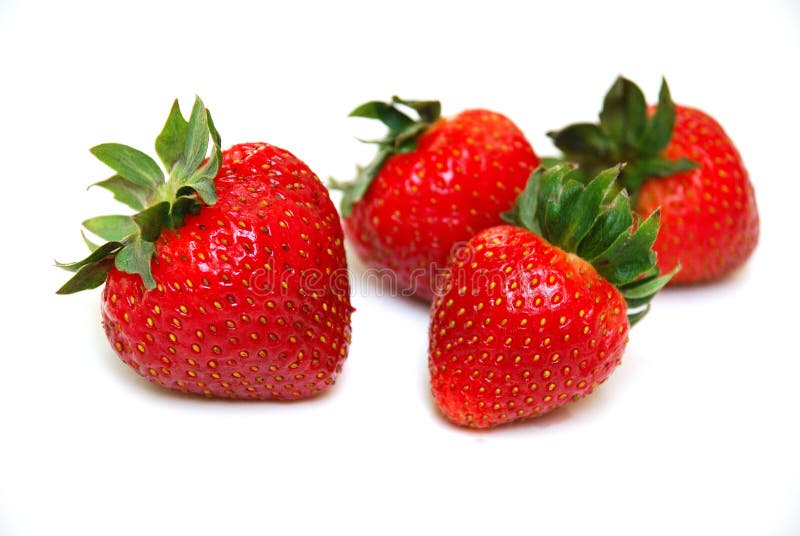
Free with trial The Garden strawberry (Fragaria × ananassa and related cultivars) is the most common variety of strawberry cultivated worldwide. Like other species of Fragaria (strawberries), it belongs to the family Rosaceae. Technically, its fruit is known as an accessory fruit, in that the fleshy part is derived not from the plant's ovaries (achenes) but from the peg at the bottom of the bowl-shaped hypanthium that holds the ovaries. The Garden Strawberry was first bred in Europe in the early 18th century, and represents the accidental cross of Fragaria virginiana from eastern North America, which was noted for its flavor, and Fragaria chiloensis from Chile, which was noted for its large size. In addition to being consumed fresh, strawberries can be frozen, made into preserves as well as dried and used in such things as cereal bars. Strawberries are a popular addition to dairy products, as in strawberry flavored ice cream, milkshakes, smoothies and yogurts. Strawberry pie is also popular. Cosmetically, they are supposedly used for whitening teeth. They can be crushed and made into an exfoliant for skin. Strawberry pigment extract can be used as a natural acid/base indicator due to the different color of the conjugate acid and conjugate base of the pigment. Technically stock images, royalty-free photos and pictures Strawberry. The Garden strawberry (Fragaria × ananassa and related cultivars) is the most common variety of strawberry cultivated worldwide. Like other species. The Garden strawberry (Fragaria × ananassa and related cultivars) is the most common variety of strawberry cultivated worldwide. Like other species of Fragaria (strawberries), it belongs to the family Rosaceae. Technically, its fruit is known as an accessory fruit, in that the fleshy part is derived not from the plant's ovaries (achenes) but from the peg at the bottom of the bowl-shaped hypanthium that holds the ovaries. The Garden Strawberry was first bred in Europe in the early 18th century, and represents the accidental cross of Fragaria virginiana from eastern North America, which was noted for its flavor, and Fragaria chiloensis from Chile, which was noted for its large size.In addition to being consumed fresh, strawberries can be frozen, made into preserves as well as dried and used in such things as cereal bars. Strawberries are a popular addition to dairy products, as in strawberry flavored ice cream, milkshakes, smoothies and yogurts. Strawberry pie is also popular. Cosmetically, they are supposedly used for whitening teeth. They can be crushed and made into an exfoliant for skin. Strawberry pigment extract can be used as a natural acid/base indicator due to the different color of the conjugate acid and conjugate base of the pigment.
Free with trial Computer expert. Repaired a notebook. Technically stock images, royalty-free photos and pictures Computer expert. Repaired a notebook
Free with trial The Garden strawberry (Fragaria × ananassa and related cultivars) is the most common variety of strawberry cultivated worldwide. Like other species of Fragaria (strawberries), it belongs to the family Rosaceae. Technically, its fruit is known as an accessory fruit, in that the fleshy part is derived not from the plant's ovaries (achenes) but from the peg at the bottom of the bowl-shaped hypanthium that holds the ovaries. The Garden Strawberry was first bred in Europe in the early 18th century, and represents the accidental cross of Fragaria virginiana from eastern North America, which was noted for its flavor, and Fragaria chiloensis from Chile, which was noted for its large size. In addition to being consumed fresh, strawberries can be frozen, made into preserves as well as dried and used in such things as cereal bars. Strawberries are a popular addition to dairy products, as in strawberry flavored ice cream, milkshakes, smoothies and yogurts. Strawberry pie is also popular. Cosmetically, they are supposedly used for whitening teeth. They can be crushed and made into an exfoliant for skin. Strawberry pigment extract can be used as a natural acid/base indicator due to the different color of the conjugate acid and conjugate base of the pigment. Technically stock images, royalty-free photos and pictures Strawberry. The Garden strawberry (Fragaria × ananassa and related cultivars) is the most common variety of strawberry cultivated worldwide. Like other species. The Garden strawberry (Fragaria × ananassa and related cultivars) is the most common variety of strawberry cultivated worldwide. Like other species of Fragaria (strawberries), it belongs to the family Rosaceae. Technically, its fruit is known as an accessory fruit, in that the fleshy part is derived not from the plant's ovaries (achenes) but from the peg at the bottom of the bowl-shaped hypanthium that holds the ovaries. The Garden Strawberry was first bred in Europe in the early 18th century, and represents the accidental cross of Fragaria virginiana from eastern North America, which was noted for its flavor, and Fragaria chiloensis from Chile, which was noted for its large size.In addition to being consumed fresh, strawberries can be frozen, made into preserves as well as dried and used in such things as cereal bars. Strawberries are a popular addition to dairy products, as in strawberry flavored ice cream, milkshakes, smoothies and yogurts. Strawberry pie is also popular. Cosmetically, they are supposedly used for whitening teeth. They can be crushed and made into an exfoliant for skin. Strawberry pigment extract can be used as a natural acid/base indicator due to the different color of the conjugate acid and conjugate base of the pigment.
Free with trial Mount Fitz Roy and mount Poicenot with amazing cloudscape at the Los Glaciares National Park, Argentina. It is near a Mount Fitz Roy among the most technically challenging mountains for mountaineers on Earth. Technically stock images, royalty-free photos and pictures Mount Fitz Roy and mount Poicenot at the Los Glaciares National Park, Argentina. Mount Fitz Roy and mount Poicenot with amazing cloudscape at the Los Glaciares. Mount Fitz Roy and mount Poicenot with amazing cloudscape at the Los Glaciares National Park, Argentina. It is near a Mount Fitz Roy among the most technically challenging mountains for mountaineers on Earth
Free with trial Male programmer with headset. Working on laptop computer. Technically stock images, royalty-free photos and pictures Male programmer with headset. Working on laptop computer
Free with trial Chemical Industry and Pharmaceutical Industry. Production equipment an facilitie of chemical and pharmaceutical industries. Technically stock images, royalty-free photos and pictures Chemical Industry and Pharmaceutical Industry. Production equipment an facilitie of chemical and pharmaceutical industries
Free with trial Computer expert. Repair a hard drive. Technically stock images, royalty-free photos and pictures Computer expert. Repair a hard drive
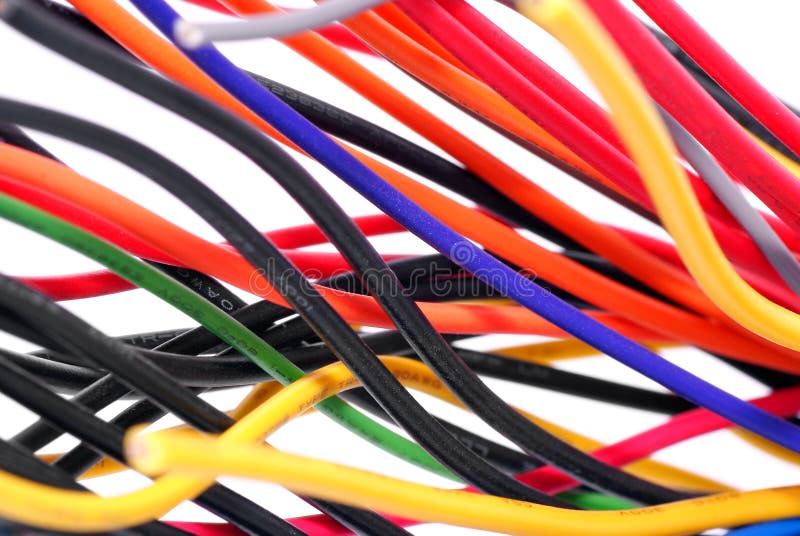
Free with trial Wiring of electrical equipment,input element. Technically stock images, royalty-free photos and pictures Electrical wires. Wiring of electrical equipment,input element. Wiring of electrical equipment,input element.
Free with trial Craftsman. Or electrician with pliers and other tools. Technically stock images, royalty-free photos and pictures Craftsman. Or electrician with pliers and other tools
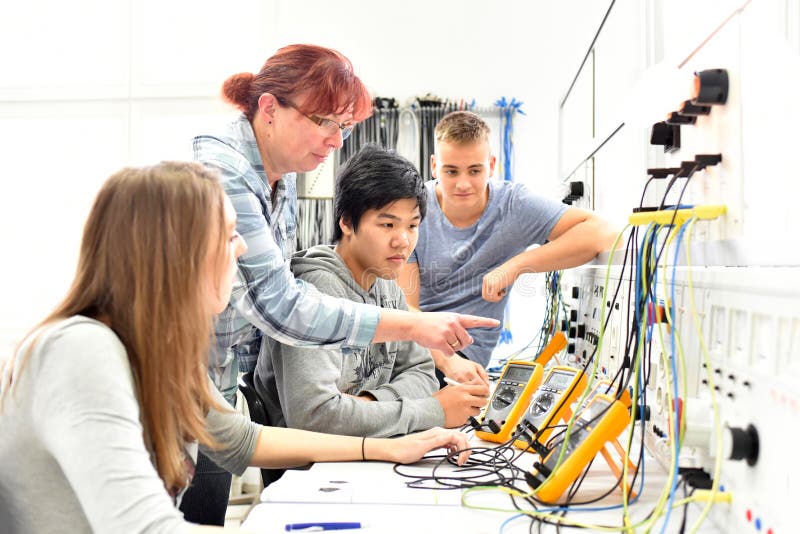
Free with trial Group of young people in technical vocational training with teacher. Technically stock images, royalty-free photos and pictures Group of young people in technical vocational training with teacher
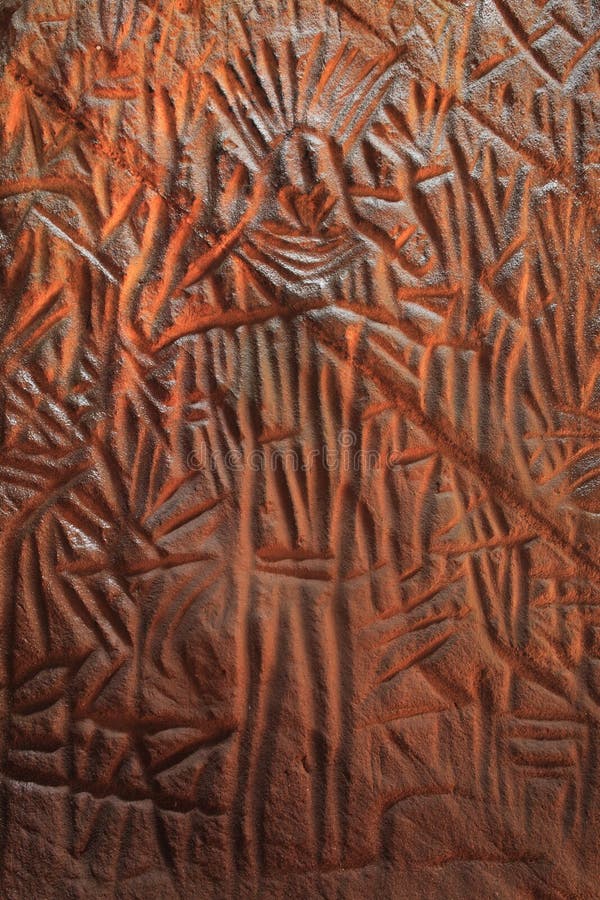
Free with trial Edakkal Caves are two natural caves at a remote location at Edakkal, 25 km from Kalpetta in the Wayanad district of Kerala in India's Western Ghats. They lie 1,200 metres above sea level on Ambukutty Mala, beside an ancient trade route connecting the high mountains of Mysore to the ports of the Malabar coast. Inside the caves are pictorial writings believed to be dating to at least 5000 BC, from the Neolithic man, indicating the presence of a prehistoric civilization or settlement in this region. The Stone Age carvings of Edakkal are rare and are the only known examples from south India. These are not technically caves, but rather a cleft or rift approximately 96 feet (29 m) by 22 feet (6. 7 m), a 30-foot-deep (9. 1 m) fissure caused by a piece of rock splitting away from the main body. On one side of the cleft is a rock weighing several tons that covers this cleft to form the 'roof' of the cave. The carvings are of human and animal figures, tools used by humans and of symbols yet to be deciphered, suggesting the presence of a prehistoric settlement. Technically stock images, royalty-free photos and pictures Edakkal cave-Petroglyph. Edakkal Caves are two natural caves at a remote location at Edakkal, 25 km from Kalpetta in the Wayanad district of Kerala in India's. Edakkal Caves are two natural caves at a remote location at Edakkal, 25 km from Kalpetta in the Wayanad district of Kerala in India's Western Ghats. They lie 1,200 metres above sea level on Ambukutty Mala, beside an ancient trade route connecting the high mountains of Mysore to the ports of the Malabar coast. Inside the caves are pictorial writings believed to be dating to at least 5000 BC, from the Neolithic man, indicating the presence of a prehistoric civilization or settlement in this region. The Stone Age carvings of Edakkal are rare and are the only known examples from south India. These are not technically caves, but rather a cleft or rift approximately 96 feet (29 m) by 22 feet (6.7 m), a 30-foot-deep (9.1 m) fissure caused by a piece of rock splitting away from the main body. On one side of the cleft is a rock weighing several tons that covers this cleft to form the 'roof' of the cave. The carvings are of human and animal figures, tools used by humans and of symbols yet to be deciphered, suggesting the presence of a prehistoric settlement.
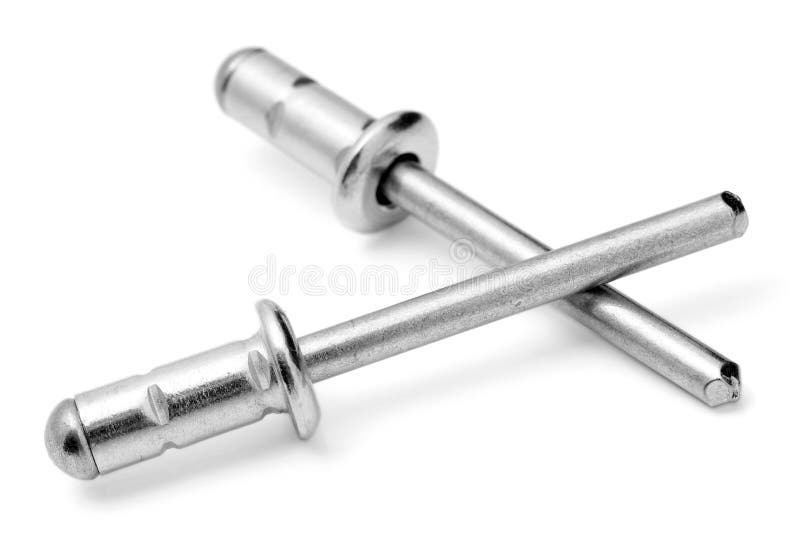
Free with trial Two metal rivets lying crosswise over each other. Technically stock images, royalty-free photos and pictures Metal rivets. Two metal rivets lying crosswise over each other. Two metal rivets lying crosswise over each other.
Free with trial Humorous look at technology, business, computers, and the internet. Comedy for the technically challenged! Complete with red nose and funny glasses. Isolated on white. Technically stock images, royalty-free photos and pictures Businessman Computer Clown Isolated, Red Nose. Humorous look at technology, business, computers, and the internet. Comedy for the technically challenged!. Humorous look at technology, business, computers, and the internet. Comedy for the technically challenged! Complete with red nose and funny glasses. Isolated on white.
Free with trial IT Expert. Computer technicians repaired a hard drive. Technically stock images, royalty-free photos and pictures IT Expert. Computer technicians repaired a hard drive
Free with trial Close-up of a wood ruler in centimetre. Technically stock images, royalty-free photos and pictures Close up wood ruler. Close-up of a wood ruler in centimetre. Close-up of a wood ruler in centimetre.
Free with trial Computer expert. A computer expert repairs a hard disk. Technically stock images, royalty-free photos and pictures Computer expert. A computer expert repairs a hard disk
Free with trial Repair technicians. Computer expert repair a hard disk. Technically stock images, royalty-free photos and pictures Repair technicians. Computer expert repair a hard disk
Free with trial Different types of car bulbs and fuses on a white background. Technically stock images, royalty-free photos and pictures Car bulbs and fuses. Different types of car bulbs and fuses on a white background. Different types of car bulbs and fuses on a white background.
Free with trial Computer technicians. Male computer technicians in black shirt working on laptop. Technically stock images, royalty-free photos and pictures Computer technicians. Male computer technicians in black shirt working on laptop
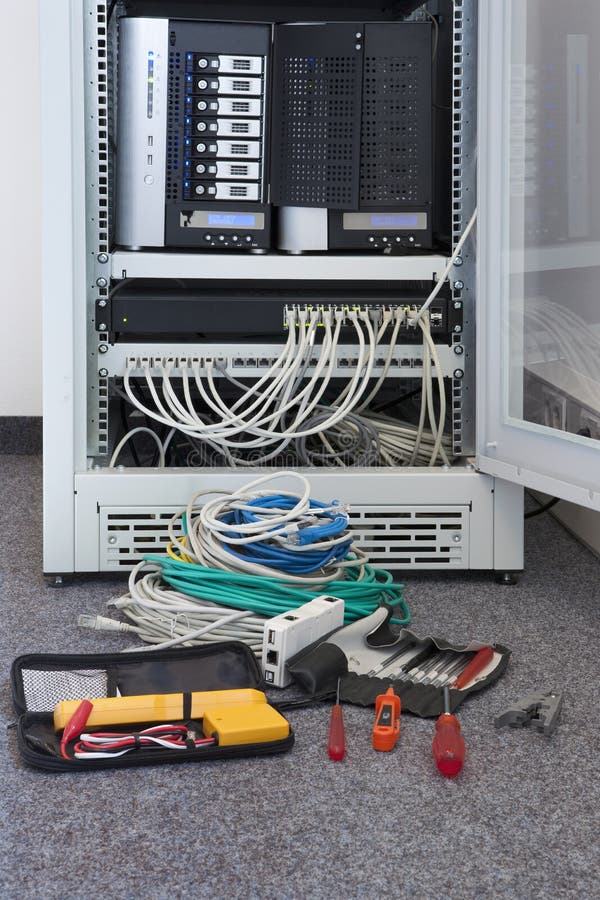
Free with trial Network administrator. Is working on a server and installed cable. Technically stock images, royalty-free photos and pictures Network administrator. Is working on a server and installed cable
Free with trial Network administrator. Is working on a server. Technically stock images, royalty-free photos and pictures Network administrator. Is working on a server
Free with trial Group of cheerful young students in vocational education and training for electronics. Technically stock images, royalty-free photos and pictures Group of cheerful young students in vocational education and training for electronics
Free with trial Technical vocational training in industry: young apprentices and. Trainers in the classroom. Technically stock images, royalty-free photos and pictures Technical vocational training in industry: young apprentices and. Trainers in the classroom
Free with trial Extreme macro view of a blue printed circuit board populated with surface mount electronic components, photographed at a low diagonal angle. Sharpness falls on a small black integrated chip in a gull wing package, soldered to shiny tin pads and surrounded by tiny resistors, ceramic capacitors and transistors, while larger voltage regulators in the upper area dissolve into soft bokeh. White silkscreen markings such as R856 and C922 identify individual parts, and thin copper traces, vias and test points form an intricate mesh across the solder mask. A round mounting hole glows near the top right corner. Semiconductors are the foundation of modern computing. Silicon wafers are processed in ultra clean fabrication plants through photolithography, doping, etching and deposition, then diced into dies, packaged and tested before arriving on boards like this one. Factories in Taiwan, South Korea, the United States, Japan, China and Europe compete to shrink transistor geometries to a few nanometers, enabling faster microprocessors, coprocessors and memory modules. Recent supply shortages, export controls and massive investment in artificial intelligence infrastructure have turned microchips into strategic resources discussed by governments, investors and engineers alike. Because cleanroom access at a foundry is tightly restricted, close views of finished assemblies often represent the whole fab ecosystem in editorial coverage. The palette is cool and technological: navy, cobalt, cyan and steel tones dominate, punctuated by matte charcoal packages, silvery metallic highlights and crisp ivory lettering. Selective focus guides attention to the central component, while the shallow depth of field creates a futuristic atmosphere and leaves defocused zones suitable for headlines, icons or user interface overlays, so the shot also works as a background. The oblique perspective adds dynamism and a sense of motion. Computer technology firms, electronics manufacturers, distributors and repair services can use this image on product listings, catalogs, brochures, trade show banners and annual reports. Advertising agencies may build campaigns promoting wearables, cloud platforms, cybersecurity, 5G telecommunications, Internet of Things or autonomous vehicles around it. Publishers will find it ideal for magazine covers, textbook chapters, news articles on chip scarcity and semiconductor stocks, and nonfiction books on inventions. Web designers can apply it as website hero headers, blog thumbnails, SaaS landing pages, webinar slides and social media posts. Retail boxes for PC accessories, graphics cards, motherboards, routers and gadgets benefit from its authentic look. Interior decorators in offices, coworking spaces, IT departments and server rooms may print it as large wall murals, while textile producers can adapt it for geek apparel, mousemats and laptop sleeves. Educators teaching physics, electrical engineering, robotics and STEM subjects also gain a clear visual example. Every part performs a specific role: a resistor limits current, a capacitor stores charge and filters noise, inductors smooth DC rails, diodes guard against reverse polarity, and microcircuits handle logic, amplification or power regulation. Automated pick and place machines position thousands of such elements per hour, after which reflow ovens melt alloy paste and optical inspection systems verify every joint. Demand for neural network training has made accelerators, high bandwidth DRAM and advanced packaging the hottest industry topics. Startups pursue hardware agnostic AI frameworks so models run on many architectures, from GPUs and TPUs to RISC V and neuromorphic processors. Hyperscalers increasingly design custom ASICs for inference. Graphic artists can combine the frame with glowing lines, binary code, holographic interfaces or neon gradients to visualize analytics, blockchain, quantum research or smart cities. Video editors may animate slow parallax movement over the laminate for explainer clips, corporate films and tech podcasts. History began with the point contact device built at Bell Labs in 1947 Jack Kilby and Robert Noyce created monolithic microcircuitry in 1958 and 1959, and Intel launched its 4004 in 1971. Since then the sector has roughly followed the observation of Gordon Moore, doubling element density about every two years, now packing tens of billions of switches onto a fingernail sized die. Technicians, makers and hobbyists working with Arduino, Raspberry Pi or custom keyboards will recognize the miniature footprints, while recycling companies can illustrate e waste recovery of gold, palladium and rare metals. Technically, the photograph offers fine detail, accurate color rendering and pleasant blur gradation. Conceptually, it symbolizes progress, connectivity, precision, innovation, digital transformation, machine learning, the fourth industrial revolution and the invisible backbone powering everyday life. Technically stock images, royalty-free photos and pictures Semiconductors Chip Electronic Components Circuit Board Microchips AI Computer Technology Digital Silicon Microprocessor Hardware. Extreme macro view of a blue. Extreme macro view of a blue printed circuit board populated with surface mount electronic components, photographed at a low diagonal angle. Sharpness falls on a small black integrated chip in a gull wing package, soldered to shiny tin pads and surrounded by tiny resistors, ceramic capacitors and transistors, while larger voltage regulators in the upper area dissolve into soft bokeh. White silkscreen markings such as R856 and C922 identify individual parts, and thin copper traces, vias and test points form an intricate mesh across the solder mask. A round mounting hole glows near the top right corner.Semiconductors are the foundation of modern computing. Silicon wafers are processed in ultra clean fabrication plants through photolithography, doping, etching and deposition, then diced into dies, packaged and tested before arriving on boards like this one. Factories in Taiwan, South Korea, the United States, Japan, China and Europe compete to shrink transistor geometries to a few nanometers, enabling faster microprocessors, coprocessors and memory modules. Recent supply shortages, export controls and massive investment in artificial intelligence infrastructure have turned microchips into strategic resources discussed by governments, investors and engineers alike. Because cleanroom access at a foundry is tightly restricted, close views of finished assemblies often represent the whole fab ecosystem in editorial coverage.The palette is cool and technological: navy, cobalt, cyan and steel tones dominate, punctuated by matte charcoal packages, silvery metallic highlights and crisp ivory lettering. Selective focus guides attention to the central component, while the shallow depth of field creates a futuristic atmosphere and leaves defocused zones suitable for headlines, icons or user interface overlays, so the shot also works as a background. The oblique perspective adds dynamism and a sense of motion.Computer technology firms, electronics manufacturers, distributors and repair services can use this image on product listings, catalogs, brochures, trade show banners and annual reports. Advertising agencies may build campaigns promoting wearables, cloud platforms, cybersecurity, 5G telecommunications, Internet of Things or autonomous vehicles around it. Publishers will find it ideal for magazine covers, textbook chapters, news articles on chip scarcity and semiconductor stocks, and nonfiction books on inventions. Web designers can apply it as website hero headers, blog thumbnails, SaaS landing pages, webinar slides and social media posts. Retail boxes for PC accessories, graphics cards, motherboards, routers and gadgets benefit from its authentic look. Interior decorators in offices, coworking spaces, IT departments and server rooms may print it as large wall murals, while textile producers can adapt it for geek apparel, mousemats and laptop sleeves. Educators teaching physics, electrical engineering, robotics and STEM subjects also gain a clear visual example.Every part performs a specific role: a resistor limits current, a capacitor stores charge and filters noise, inductors smooth DC rails, diodes guard against reverse polarity, and microcircuits handle logic, amplification or power regulation. Automated pick and place machines position thousands of such elements per hour, after which reflow ovens melt alloy paste and optical inspection systems verify every joint.Demand for neural network training has made accelerators, high bandwidth DRAM and advanced packaging the hottest industry topics. Startups pursue hardware agnostic AI frameworks so models run on many architectures, from GPUs and TPUs to RISC V and neuromorphic processors. Hyperscalers increasingly design custom ASICs for inference.Graphic artists can combine the frame with glowing lines, binary code, holographic interfaces or neon gradients to visualize analytics, blockchain, quantum research or smart cities. Video editors may animate slow parallax movement over the laminate for explainer clips, corporate films and tech podcasts.History began with the point contact device built at Bell Labs in 1947 Jack Kilby and Robert Noyce created monolithic microcircuitry in 1958 and 1959, and Intel launched its 4004 in 1971. Since then the sector has roughly followed the observation of Gordon Moore, doubling element density about every two years, now packing tens of billions of switches onto a fingernail sized die. Technicians, makers and hobbyists working with Arduino, Raspberry Pi or custom keyboards will recognize the miniature footprints, while recycling companies can illustrate e waste recovery of gold, palladium and rare metals.Technically, the photograph offers fine detail, accurate color rendering and pleasant blur gradation. Conceptually, it symbolizes progress, connectivity, precision, innovation, digital transformation, machine learning, the fourth industrial revolution and the invisible backbone powering everyday life.
Free with trial The Makgadikgadi Pan is a large salt pan in the middle of the dry savanna of northeastern Botswana. It is one of the largest salt flats in the world. The pan is all that remains of the formerly enormous Lake Makgadikgadi, which once covered an area larger than Switzerland, but dried up several thousand years ago. Makgadikgadi is technically not a single pan but many pans with sandy desert in between, the largest being the Sua, Nwetwe and Nxai Pans. The prominent baobab trees found in the area function as local landmarks. In Nxai Pan you can still see the baobabs painted by 19th century British artist Thomas Baines. Technically stock images, royalty-free photos and pictures Baines' baobab. The Makgadikgadi Pan is a large salt pan in the middle of the dry savanna of northeastern Botswana. It is one of the largest salt flats in the. The Makgadikgadi Pan is a large salt pan in the middle of the dry savanna of northeastern Botswana. It is one of the largest salt flats in the world. The pan is all that remains of the formerly enormous Lake Makgadikgadi, which once covered an area larger than Switzerland, but dried up several thousand years ago. Makgadikgadi is technically not a single pan but many pans with sandy desert in between, the largest being the Sua, Nwetwe and Nxai Pans.The prominent baobab trees found in the area function as local landmarks. In Nxai Pan you can still see the baobabs painted by 19th century British artist Thomas Baines.
Free with trial Blackboard with Time to upgrade. Hand writes Time to upgrade on blackboard. Technically stock images, royalty-free photos and pictures Blackboard with Time to upgrade. Hand writes Time to upgrade on blackboard
Free with trial Woman face recognition - biometric verification. Concept. Technically stock images, royalty-free photos and pictures Woman face recognition - biometric verification. Concept
Free with trial Woman face recognition - biometric verification concept - retro style. Technically stock images, royalty-free photos and pictures Woman face recognition - biometric verification concept. Retro style
Free with trial Times Square is a major commercial intersection in Midtown Manhattan, New York City, at the junction of Broadway and Seventh Avenue and stretching from West 42nd to West 47th Streets. Times Square – iconified as The Crossroads of the World,The Center of the Universe, and the The Great White Way– is the brightly illuminated hub of the Broadway theater district, one of the world's busiest pedestrian intersections, and a major center of the world's entertainment industry. According to Travel + Leisure magazine's October 2011 survey, Times Square is the world's most visited tourist attraction, hosting over 39 million visitors annually. Approximately 300,000 people pass through Times Square daily. Formerly Longacre Square, Times Square was renamed in April 1904 after The New York Times moved its headquarters to the newly erected Times Building – now called One Times Square – site of the annual ball drop on New Year's Eve. The northern triangle of Times Square is technically Duffy Square, dedicated in 1937 to Chaplain Francis P. Duffy of New York City's Fighting 69th Infantry Regiment; a memorial to Duffy is located there, along with a statue of George M. Cohan, and the TKTS discount theater tickets booth. The stepped red roof of the TKTS booth also provides seating for various events. The Duffy Statue and the square were listed on the National Register of Historic Places in 2001. Technically stock images, royalty-free photos and pictures Times Square New York. Times Square is a major commercial intersection in Midtown Manhattan, New York City, at the junction of Broadway and Seventh Avenue and. Times Square is a major commercial intersection in Midtown Manhattan, New York City, at the junction of Broadway and Seventh Avenue and stretching from West 42nd to West 47th Streets. Times Square – iconified as The Crossroads of the World,The Center of the Universe, and the The Great White Way– is the brightly illuminated hub of the Broadway theater district, one of the world's busiest pedestrian intersections, and a major center of the world's entertainment industry. According to Travel + Leisure magazine's October 2011 survey, Times Square is the world's most visited tourist attraction, hosting over 39 million visitors annually. Approximately 300,000 people pass through Times Square daily. Formerly Longacre Square, Times Square was renamed in April 1904 after The New York Times moved its headquarters to the newly erected Times Building – now called One Times Square – site of the annual ball drop on New Year's Eve. The northern triangle of Times Square is technically Duffy Square, dedicated in 1937 to Chaplain Francis P. Duffy of New York City's Fighting 69th Infantry Regiment; a memorial to Duffy is located there, along with a statue of George M. Cohan, and the TKTS discount theater tickets booth. The stepped red roof of the TKTS booth also provides seating for various events. The Duffy Statue and the square were listed on the National Register of Historic Places in 2001.
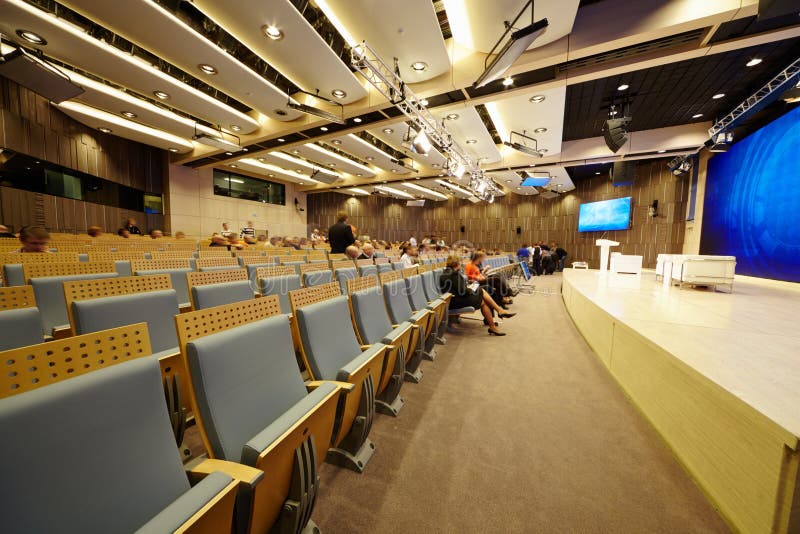
Free with trial MOSCOW - FEB 28: People in main conference hall in International multimedia center during awarding employees of RIA Novosti, Feb 28, 2012, Moscow, Russia. Technically stock images, royalty-free photos and pictures People in main conference hall. MOSCOW - FEB 28: People in main conference hall in International multimedia center during awarding employees of RIA Novosti, Feb. MOSCOW - FEB 28: People in main conference hall in International multimedia center during awarding employees of RIA Novosti, Feb 28, 2012, Moscow, Russia.
Free with trial Modern popular comfortable technically equipped with innovations white big rig long haul semi truck tractor transporting container with commercial cargo on flat bed trailer on wet dangerous road in rainy storm weather. Technically stock images, royalty-free photos and pictures Modern big rig semi truck tractor transporting container with co. Modern popular comfortable technically equipped with innovations white big rig long haul semi. Modern popular comfortable technically equipped with innovations white big rig long haul semi truck tractor transporting container with commercial cargo on flat bed trailer on wet dangerous road in rainy storm weather.
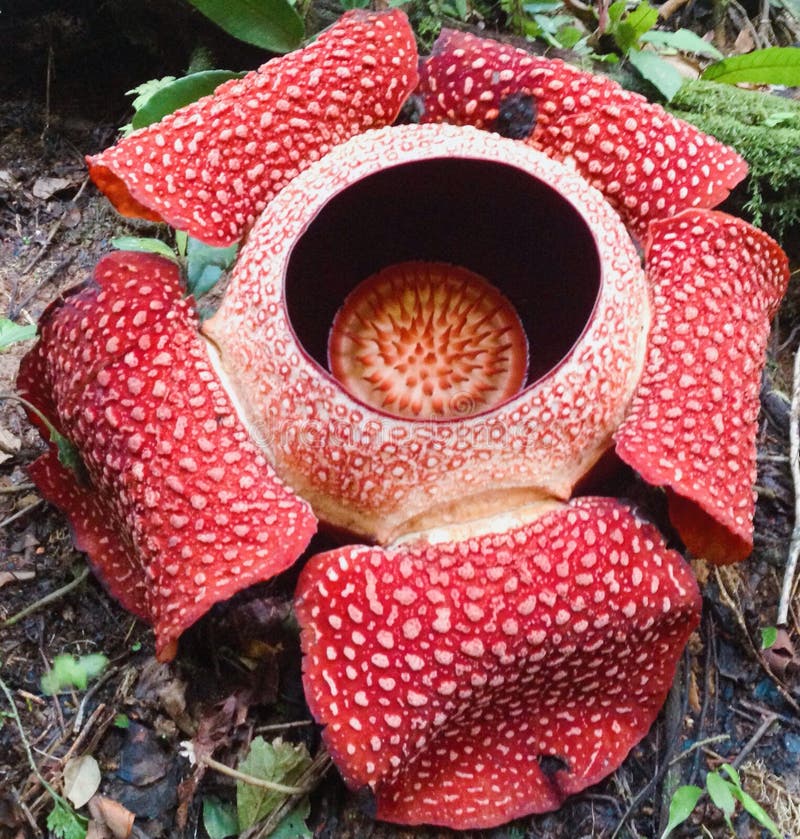
Free with trial Rafflesia arnoldii, commonly called the corpse lily or stinking corpse lily, is a species of flowering plant in the parasitic genus Rafflesia. It is noted for producing the largest individual flower on Earth. It has a very strong and unpleasant odour of decaying flesh, earning it the nickname `corpse flower`. It is endemic to the rainforests of Sumatra and Borneo. Although there are some plants with larger flowering organs like the titan arum Amorphophallus titanum and talipot palm Corypha umbraculifera, those are technically clusters of many flowers. Technically stock images, royalty-free photos and pictures GIANT RAFFLESIA ARNOLDII FLOWER STINGKING CORPSE LILY INDONESIA ASIA SUMATRA BORNEO. Rafflesia arnoldii, commonly called the corpse lily or stinking corpse lily. Rafflesia arnoldii, commonly called the corpse lily or stinking corpse lily, is a species of flowering plant in the parasitic genus Rafflesia. It is noted for producing the largest individual flower on Earth. It has a very strong and unpleasant odour of decaying flesh, earning it the nickname `corpse flower`. It is endemic to the rainforests of Sumatra and Borneo. Although there are some plants with larger flowering organs like the titan arum Amorphophallus titanum and talipot palm Corypha umbraculifera, those are technically clusters of many flowers.
Free with trial Computer expert. A computer expert repairs a hard disk. Technically stock images, royalty-free photos and pictures Computer expert. A computer expert repairs a hard disk
Free with trial Repairing computer. Male computer technician with laptop in his hand repairing computer. Technically stock images, royalty-free photos and pictures Repairing computer. Male computer technician with laptop in his hand repairing computer
Free with trial Computer technician. With a tester. Technically stock images, royalty-free photos and pictures Computer technician. With a tester
Free with trial Network installation. In a data center. Technically stock images, royalty-free photos and pictures Network installation. In a data center
Free with trial Computer installation. Computer expert and technician installing new hardware. Technically stock images, royalty-free photos and pictures Computer installation. Computer expert and technician installing new hardware
Free with trial Craftsman. With water level and other tools. Technically stock images, royalty-free photos and pictures Craftsman. With water level and other tools
Free with trial Metal filter,insert oil filter,detail on a white background. Technically stock images, royalty-free photos and pictures Oil filters. Metal filter,insert oil filter,detail on a white background. Metal filter,insert oil filter,detail on a white background.
Free with trial Computer technician at work. Computer technician with earphone working at laptops. Technically stock images, royalty-free photos and pictures Computer technician at work. Computer technician with earphone working at laptops
Free with trial Update now!. Hand writes Update now! on blackboard. Technically stock images, royalty-free photos and pictures Update now!. Hand writes Update now! on blackboard
Free with trial Happy computer technicians. Happy male computer technicians showing thumbs up. Technically stock images, royalty-free photos and pictures Happy computer technicians. Happy male computer technicians showing thumbs up
Free with trial Hand Chakras on a black background. A crystal ball, also known as an orbuculum or crystal sphere, is a crystal or glass ball and common fortune telling object. It is generally associated with the performance of clairvoyance and scrying in particular. If you look at the base or tip of the crystal, you may notice some paint. That tells that the crystal is fake. If you see bubbles inside the crystal then the crystal is not real, it's glass. If the crystal looks perfect, then it is probably fake. The palm chakras are extremely important for those who are into spiritual healing as these chakras are powerful tool for giving and receiving healing. ... It is said that left-hand palm chakras help receive energy whereas right-hand palm chakras help sending/giving energy. Chakras are powerful energy centres contained within the human body. ... Technically there are 7 chakras located in each hand – one in the middle of the palm, one in the wrist point and the remaining 5 in the fingers and thumb. It is our hands that allow us to interact with the world on both a physical and energetic level. They follow each other like the colours of the rainbow which include the red colour, orange, yellow, the green, blue, indigo, and the violet colour. As the emotions of the body changes, these colours also change. The chakra colours usually indicate the current emotional, spiritual and physical state of a human being. Chakras are the circular vortexes of energy that are placed. Technically stock images, royalty-free photos and pictures Hand Chakras on a black background. A crystal ball, also known as an orbuculum or crystal sphere, is a crystal or glass ball and common fortune telling object
Free with trial Technician fixing problem on computer. Male technician with laptop fixing a problem on computer. Technically stock images, royalty-free photos and pictures Technician fixing problem on computer. Male technician with laptop fixing a problem on computer
Free with trial Craftsman. With water level and other tools. Technically stock images, royalty-free photos and pictures Craftsman. With water level and other tools
Free with trial Establishment of a network. With many network cables. Technically stock images, royalty-free photos and pictures Establishment of a network. With many network cables
Free with trial Fossil coral Lithostrotionella 4 inch wide. Fossil coral is State gem of West Virginia. The State Gem is technically not a gemstone, but rather the silicified Mississippian Fossil Coral Lithostrotionella, preserved as the siliceous mineral chalcedony. This coral and many other varieties lived about 340 million years ago, during the Mississippian Period. Corals may look like plants, but they are really animals. Lithostrotionella is found almost exclusively in the Hillsdale Limestone of Greenbrier and Pocahontas counties in the southeastern portion of the West Virginia. Technically stock images, royalty-free photos and pictures Fossil coral Lithostrotionella. 4 inch wide. Fossil coral is State gem of West Virginia. The State Gem is technically not a gemstone, but rather the silicified. Fossil coral Lithostrotionella 4 inch wide. Fossil coral is State gem of West Virginia. The State Gem is technically not a gemstone, but rather the silicified Mississippian Fossil Coral Lithostrotionella, preserved as the siliceous mineral chalcedony. This coral and many other varieties lived about 340 million years ago, during the Mississippian Period. Corals may look like plants, but they are really animals. Lithostrotionella is found almost exclusively in the Hillsdale Limestone of Greenbrier and Pocahontas counties in the southeastern portion of the West Virginia.
Free with trial Worker adjusts a machine in factory. Worker improving the setting of a machine in factory. Technically stock images, royalty-free photos and pictures Worker adjusts a machine in factory. Worker improving the setting of a machine in factory
Free with trial Science research on food genetics concept. Science research on food genetics: normal cherry versus technically modified. Technically stock images, royalty-free photos and pictures Science research on food genetics concept. Science research on food genetics: normal cherry versus technically modified
Free with trial Edakkal Caves are two natural caves at a remote location at Edakkal, 25 km from Kalpetta in the Wayanad district of Kerala in India`s Western Ghats. They lie 1,200 metres above sea level on Ambukutty Mala, beside an ancient trade route connecting the high mountains of Mysore to the ports of the Malabar coast. Inside the caves are pictorial writings believed to be dating to at least 5000 BC, from the Neolithic man, indicating the presence of a prehistoric civilization or settlement in this region. The Stone Age carvings of Edakkal are rare and are the only known examples from south India. These are not technically caves, but rather a cleft or rift approximately 96 feet 29 m by 22 feet 6. 7 m, a 30-foot-deep 9. 1 m fissure caused by a piece of rock splitting away from the main body. On one side of the cleft is a rock weighing several tons that covers this cleft to form the `roof` of the cave. The carvings are of human and animal figures, tools used by humans and of symbols yet to be deciphered, suggesting the presence of a prehistoric settlement. Technically stock images, royalty-free photos and pictures Edakkal cave-Petroglyph , Wayanad, Kerala. Edakkal Caves are two natural caves at a remote location at Edakkal, 25 km from Kalpetta in the Wayanad district of. Edakkal Caves are two natural caves at a remote location at Edakkal, 25 km from Kalpetta in the Wayanad district of Kerala in India`s Western Ghats. They lie 1,200 metres above sea level on Ambukutty Mala, beside an ancient trade route connecting the high mountains of Mysore to the ports of the Malabar coast. Inside the caves are pictorial writings believed to be dating to at least 5000 BC, from the Neolithic man, indicating the presence of a prehistoric civilization or settlement in this region. The Stone Age carvings of Edakkal are rare and are the only known examples from south India. These are not technically caves, but rather a cleft or rift approximately 96 feet 29 m by 22 feet 6.7 m, a 30-foot-deep 9.1 m fissure caused by a piece of rock splitting away from the main body. On one side of the cleft is a rock weighing several tons that covers this cleft to form the `roof` of the cave. The carvings are of human and animal figures, tools used by humans and of symbols yet to be deciphered, suggesting the presence of a prehistoric settlement.
Free with trial Radar station for air navigation. The radar station for air navigation for civil aviation on the Grand Ballon (1424m) in the Vosges Mountains, France. Technically stock images, royalty-free photos and pictures Radar station for air navigation. The radar station for air navigation for civil aviation on the Grand Ballon (1424m) in the Vosges Mountains, France
Free with trial Close-up USB connector,isolated on white background. Technically stock images, royalty-free photos and pictures Computer USB cable. Close-up USB connector,isolated on white background. Close-up USB connector,isolated on white background.
Free with trial A blazing winter sunset turns the whole sky over the Slovenian countryside into a sea of fire. Banks of charcoal and maroon clouds drift diagonally across a glowing field of tangerine, vermilion and molten gold, their ragged undersides lit as if by embers. Below, a forested ridge climbs from the middle as a pitch black silhouette, its treetops forming a delicate serrated edge, while a gentler rise closes the frame on the opposite side. The result looks almost volcanic, as though an inferno were raging just beyond the horizon. This shot was captured in early January. Such intense hues appear when low sunlight crosses a long slice of atmosphere: shorter blue wavelengths scatter away, leaving reds and oranges to illuminate cloud bases from beneath. Cold season air in this region is typically transparent and arid, so chroma reaches remarkable levels, and the bora wind frequently tears stratocumulus into tattered streaks that heighten intensity. Meteorologists describe such broken, chaotic layers as turbulent, reflecting vigorous mixing within the troposphere. Color theory explains the punch: warm red and orange dominate most of the area, while sooty masses provide weight and contrast. Diagonal bands lead the eye from upper left toward lower right, echoing the slope of the hill and creating dynamic tension. Open regions of pure flame tones around the center and top offer generous space for headlines, logos or captions in pale or dark lettering. Commercial applications span numerous sectors. Advertising agencies can build campaigns for energy drinks, hot sauces, barbecue grills, fireplaces, heating systems, motorsport events or action games. Movie studios, streaming platforms and book publishers might choose it for thriller, horror, fantasy, war or apocalyptic posters and covers, while musicians use it for album artwork, concert flyers and festival visuals. Insurers and emergency services can illustrate wildfire risk, climate change, drought or disaster preparedness. Churches and spiritual organizations may apply it to sermons about judgment, hell or divine might. Web designers will appreciate it as a hero image, landing page backdrop, blog header or presentation slide, and interior decorators could print large canvases, acrylic panels or photo wallpaper for lofts, offices, bars and gaming rooms. Fashion and textile brands may transfer the fiery palette onto scarves, leggings, hoodies or swimwear. Collectors of fine art editions, hotel lobbies and restaurants with a bold design concept would hang it gladly. Conceptually, the scene symbolizes passion, anger, danger, destruction, rebirth, transformation and courage. It can represent a crisis, a heated conflict, market crashes, burnout or an approaching storm in business or politics, yet also the hope of a new day emerging from chaos. Writers on psychology, leadership and motivation regularly seek such imagery to dramatize overcoming obstacles. In many cultures, burning heavens have carried omens. An old mariner rhyme links an evening glow with fair weather ahead, Norse legends spoke of fires at Ragnarok, and Slavic folklore connected thunder with Perun. Painters from Turner to Munch, whose Scream portrays a bloody firmament inspired by a walk near Oslo, depicted comparable drama. Emotionally, the view triggers awe, unease and exhilaration simultaneously. Gamers, metal fans and science fiction enthusiasts recognize the aesthetic of alien planets, dragon lairs and battlefields, while yoga schools and meditation apps might crop calmer sections representing inner flames, vitality and kundalini awakening. On Instagram, TikTok and Pinterest, flaming skies consistently attract engagement, making this file attractive for influencers, travel bloggers and content teams building moody feeds or story templates. Divaca lies on the Karst plateau of southwestern Slovenia, famous for Skocjan Caves, a UNESCO World Heritage site, nearby Lipica stud farm with its Lipizzaner horses, terra rossa soils, Teran wine and dry stone walls. Few tourists realize that this district can deliver such spectacular light shows during the coldest months. Midwinter sunsets come at roughly four thirty in this part of Europe, which lets commuters, schoolchildren and dog walkers witness such displays on their way home. Photographers hoping for similar results should watch forecasts for fragmented mid level cover with unobstructed horizons westward, arrive half an hour before sundown and keep shooting well after the sun disappears, since peak saturation often arrives late. Technically, the photograph offers rich tonality, clean shadows and crisp treeline detail, with no visible noise or banding. High resolution supports big prints and ample cropping into square, vertical or panoramic formats. Teachers explaining Rayleigh scattering, convection, humidity or optics can include the picture in textbooks, slides and worksheets, and television presenters may feature it in broadcasts or viewer galleries. Technically stock images, royalty-free photos and pictures Red sky fire clouds storm turbulent background skies fiery dramatic orange sunset flame burning silhouette hills winter Karst. A blazing winter sunset turns the. A blazing winter sunset turns the whole sky over the Slovenian countryside into a sea of fire. Banks of charcoal and maroon clouds drift diagonally across a glowing field of tangerine, vermilion and molten gold, their ragged undersides lit as if by embers. Below, a forested ridge climbs from the middle as a pitch black silhouette, its treetops forming a delicate serrated edge, while a gentler rise closes the frame on the opposite side. The result looks almost volcanic, as though an inferno were raging just beyond the horizon. This shot was captured in early January.Such intense hues appear when low sunlight crosses a long slice of atmosphere: shorter blue wavelengths scatter away, leaving reds and oranges to illuminate cloud bases from beneath. Cold season air in this region is typically transparent and arid, so chroma reaches remarkable levels, and the bora wind frequently tears stratocumulus into tattered streaks that heighten intensity. Meteorologists describe such broken, chaotic layers as turbulent, reflecting vigorous mixing within the troposphere.Color theory explains the punch: warm red and orange dominate most of the area, while sooty masses provide weight and contrast. Diagonal bands lead the eye from upper left toward lower right, echoing the slope of the hill and creating dynamic tension. Open regions of pure flame tones around the center and top offer generous space for headlines, logos or captions in pale or dark lettering.Commercial applications span numerous sectors. Advertising agencies can build campaigns for energy drinks, hot sauces, barbecue grills, fireplaces, heating systems, motorsport events or action games. Movie studios, streaming platforms and book publishers might choose it for thriller, horror, fantasy, war or apocalyptic posters and covers, while musicians use it for album artwork, concert flyers and festival visuals. Insurers and emergency services can illustrate wildfire risk, climate change, drought or disaster preparedness. Churches and spiritual organizations may apply it to sermons about judgment, hell or divine might. Web designers will appreciate it as a hero image, landing page backdrop, blog header or presentation slide, and interior decorators could print large canvases, acrylic panels or photo wallpaper for lofts, offices, bars and gaming rooms. Fashion and textile brands may transfer the fiery palette onto scarves, leggings, hoodies or swimwear. Collectors of fine art editions, hotel lobbies and restaurants with a bold design concept would hang it gladly.Conceptually, the scene symbolizes passion, anger, danger, destruction, rebirth, transformation and courage. It can represent a crisis, a heated conflict, market crashes, burnout or an approaching storm in business or politics, yet also the hope of a new day emerging from chaos. Writers on psychology, leadership and motivation regularly seek such imagery to dramatize overcoming obstacles.In many cultures, burning heavens have carried omens. An old mariner rhyme links an evening glow with fair weather ahead, Norse legends spoke of fires at Ragnarok, and Slavic folklore connected thunder with Perun. Painters from Turner to Munch, whose Scream portrays a bloody firmament inspired by a walk near Oslo, depicted comparable drama.Emotionally, the view triggers awe, unease and exhilaration simultaneously. Gamers, metal fans and science fiction enthusiasts recognize the aesthetic of alien planets, dragon lairs and battlefields, while yoga schools and meditation apps might crop calmer sections representing inner flames, vitality and kundalini awakening. On Instagram, TikTok and Pinterest, flaming skies consistently attract engagement, making this file attractive for influencers, travel bloggers and content teams building moody feeds or story templates.Divaca lies on the Karst plateau of southwestern Slovenia, famous for Skocjan Caves, a UNESCO World Heritage site, nearby Lipica stud farm with its Lipizzaner horses, terra rossa soils, Teran wine and dry stone walls. Few tourists realize that this district can deliver such spectacular light shows during the coldest months. Midwinter sunsets come at roughly four thirty in this part of Europe, which lets commuters, schoolchildren and dog walkers witness such displays on their way home.Photographers hoping for similar results should watch forecasts for fragmented mid level cover with unobstructed horizons westward, arrive half an hour before sundown and keep shooting well after the sun disappears, since peak saturation often arrives late.Technically, the photograph offers rich tonality, clean shadows and crisp treeline detail, with no visible noise or banding. High resolution supports big prints and ample cropping into square, vertical or panoramic formats. Teachers explaining Rayleigh scattering, convection, humidity or optics can include the picture in textbooks, slides and worksheets, and television presenters may feature it in broadcasts or viewer galleries.
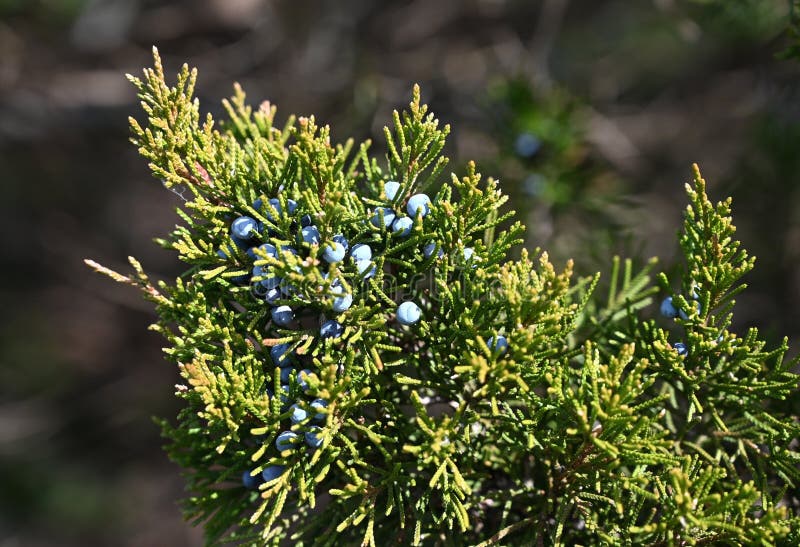
Free with trial Eastern red cedar, Juniperus virginiana, blue berries are actually technically a kind of soft cone with scales that have coalesced. The red cedar is a conifer. Technically stock images, royalty-free photos and pictures Eastern Red Cedar Berries. Eastern red cedar, Juniperus virginiana, blue berries are actually technically a kind of soft cone with scales that have coalesced. Eastern red cedar, Juniperus virginiana, blue berries are actually technically a kind of soft cone with scales that have coalesced. The red cedar is a conifer.
Free with trial Construction series. Constructor redecorating the house walls. Technically stock images, royalty-free photos and pictures Construction series. Constructor redecorating the house walls
Free with trial Construction series. Constructor redecorating the house walls. Technically stock images, royalty-free photos and pictures Construction series. Constructor redecorating the house walls
Free with trial This macro photograph presents a horizontal expanse of worn blue jeans fabric crossed near its lower third by a crisp seam. A neat row of mustard topstitching runs from one edge to the other, separating two panels of distinctly different tone: above, sun-bleached cotton shows powdery azure highlights below, a deeper, almost navy band suggests a folded hem that escaped repeated laundering. Diagonal twill ribs travel over every square centimetre, revealing the classic weave favoured for rugged legwear. Irregular slub yarns form faint streaks, lending authentic, lived-in character no software filter can convincingly imitate. Small puckers beside the stitches show where tension pulled both layers together during assembly. Denim traces its roots to the French city of Nimes, where weavers produced a sturdy serge later exported throughout Europe. Genoese sailors wore similar cloth, which is why English speakers eventually borrowed the word jean. During the nineteenth century, California gold miners demanded pocketed overalls reinforced with copper rivets, and such garments quickly became synonymous with frontier labour, ranch hands and railroad crews. Traditional manufacturing dyes only the warp with indigo, a pigment once extracted from Indigofera tinctoria foliage, while weft threads stay undyed. That contrast explains the speckled, salt-and-pepper look apparent here and the paler reverse side of any pair. Over months, abrasion strips outer fibres, exposing white cores and producing the gradual fading enthusiasts prize. Chromatically, the palette shifts from icy cerulean through cobalt toward ink-dark sapphire, offering a cool, calming foundation. The warm golden thread introduces a complementary accent that leads attention horizontally and divides space into an asymmetrical yet harmonious arrangement. Soft, even illumination without harsh shadows keeps every fibre legible, and the generous upper area leaves room for headlines, logos or price tags. Because the pattern fills the frame completely, layout editors can crop freely, rotate, or tile sections into seamless repeats. Commercially, the image suits apparel retailers, outlet stores and boutique websites seeking an instantly recognisable casual vibe. It works well behind sale banners, lookbook covers, catalogue spreads and webshop category pages. Packaging designers may apply it to shoeboxes, wrapping paper, shopping bags, hangtags and labels laundry detergent producers could illustrate stain-removal or colour-protection claims. Print uses include posters, flyers, postcards, greeting cards, invitations for western-themed parties, scrapbook sheets and stationery. In web and digital media it fits social posts, blog headers, presentation slides, newsletter templates, smartphone wallpapers and video thumbnails. Interior decor specialists might reproduce it on canvas prints, cushions, upholstery mockups or kitchen splashbacks with a rustic loft spirit. Textile schools, tailoring courses and sewing tutorials can use it as an educational reference showing yarn interlacing, needlecraft and finishing techniques. Publishers of costume history books, magazines about workwear or Americana, and country music festival programmes will find it equally appropriate. Seasonally, the visual adapts to many calendars: back-to-school promotions, autumn wardrobe refreshes, spring cleaning of closets, summer road trips and holiday gift guides for him or her. Stylists building mood boards appreciate its neutral versatility, since this hue pairs effortlessly with crimson, ochre, khaki, ivory, charcoal or pastel accents. Bloggers covering minimalism, capsule wardrobes, mending, visible repair, sashiko embroidery or selvedge collecting will likewise discover practical value. Engineers, marketers and educators explaining material strength, consumer trends or supply chains could pick this background as an approachable, universally understood metaphor. Captured under diffused daylight through a specialised optic, the shot preserves microscopic irregularities: tiny knots, loose filaments and subtle mottling where dye penetrated unevenly. Such tactile realism lets viewers almost feel the coarse, slightly stiff hand typical of raw selvage before softening through countless washes. Fans of Japanese mills, premium menswear and meticulous craftsmanship will instantly recognise these hallmarks. Technically, the file delivers sharp focus, rich tonal gradation and high resolution suitable for large-format output. Graphic artists can employ it as an overlay with multiply or screen blend modes, as a 3D texture map, or as a realistic mockup surface. Symbolically, it evokes durability, honest hard work, working-class pride, youthful rebellion, freedom, comfort and timeless everyday style. Sustainability campaigns may adopt it to discuss upcycling, recycling old clothes, slow fashion, water consumption during dyeing and the environmental footprint of the global garment industry. Technically stock images, royalty-free photos and pictures Denim texture blue jeans fabric background seam stitching closeup twill cloth pattern cotton material textile indigo thread worn. This macro photograph presents. This macro photograph presents a horizontal expanse of worn blue jeans fabric crossed near its lower third by a crisp seam. A neat row of mustard topstitching runs from one edge to the other, separating two panels of distinctly different tone: above, sun-bleached cotton shows powdery azure highlights below, a deeper, almost navy band suggests a folded hem that escaped repeated laundering. Diagonal twill ribs travel over every square centimetre, revealing the classic weave favoured for rugged legwear. Irregular slub yarns form faint streaks, lending authentic, lived-in character no software filter can convincingly imitate. Small puckers beside the stitches show where tension pulled both layers together during assembly.Denim traces its roots to the French city of Nimes, where weavers produced a sturdy serge later exported throughout Europe. Genoese sailors wore similar cloth, which is why English speakers eventually borrowed the word jean. During the nineteenth century, California gold miners demanded pocketed overalls reinforced with copper rivets, and such garments quickly became synonymous with frontier labour, ranch hands and railroad crews. Traditional manufacturing dyes only the warp with indigo, a pigment once extracted from Indigofera tinctoria foliage, while weft threads stay undyed. That contrast explains the speckled, salt-and-pepper look apparent here and the paler reverse side of any pair. Over months, abrasion strips outer fibres, exposing white cores and producing the gradual fading enthusiasts prize.Chromatically, the palette shifts from icy cerulean through cobalt toward ink-dark sapphire, offering a cool, calming foundation. The warm golden thread introduces a complementary accent that leads attention horizontally and divides space into an asymmetrical yet harmonious arrangement. Soft, even illumination without harsh shadows keeps every fibre legible, and the generous upper area leaves room for headlines, logos or price tags. Because the pattern fills the frame completely, layout editors can crop freely, rotate, or tile sections into seamless repeats.Commercially, the image suits apparel retailers, outlet stores and boutique websites seeking an instantly recognisable casual vibe. It works well behind sale banners, lookbook covers, catalogue spreads and webshop category pages. Packaging designers may apply it to shoeboxes, wrapping paper, shopping bags, hangtags and labels laundry detergent producers could illustrate stain-removal or colour-protection claims. Print uses include posters, flyers, postcards, greeting cards, invitations for western-themed parties, scrapbook sheets and stationery. In web and digital media it fits social posts, blog headers, presentation slides, newsletter templates, smartphone wallpapers and video thumbnails. Interior decor specialists might reproduce it on canvas prints, cushions, upholstery mockups or kitchen splashbacks with a rustic loft spirit. Textile schools, tailoring courses and sewing tutorials can use it as an educational reference showing yarn interlacing, needlecraft and finishing techniques. Publishers of costume history books, magazines about workwear or Americana, and country music festival programmes will find it equally appropriate.Seasonally, the visual adapts to many calendars: back-to-school promotions, autumn wardrobe refreshes, spring cleaning of closets, summer road trips and holiday gift guides for him or her. Stylists building mood boards appreciate its neutral versatility, since this hue pairs effortlessly with crimson, ochre, khaki, ivory, charcoal or pastel accents. Bloggers covering minimalism, capsule wardrobes, mending, visible repair, sashiko embroidery or selvedge collecting will likewise discover practical value. Engineers, marketers and educators explaining material strength, consumer trends or supply chains could pick this background as an approachable, universally understood metaphor.Captured under diffused daylight through a specialised optic, the shot preserves microscopic irregularities: tiny knots, loose filaments and subtle mottling where dye penetrated unevenly. Such tactile realism lets viewers almost feel the coarse, slightly stiff hand typical of raw selvage before softening through countless washes. Fans of Japanese mills, premium menswear and meticulous craftsmanship will instantly recognise these hallmarks.Technically, the file delivers sharp focus, rich tonal gradation and high resolution suitable for large-format output. Graphic artists can employ it as an overlay with multiply or screen blend modes, as a 3D texture map, or as a realistic mockup surface. Symbolically, it evokes durability, honest hard work, working-class pride, youthful rebellion, freedom, comfort and timeless everyday style. Sustainability campaigns may adopt it to discuss upcycling, recycling old clothes, slow fashion, water consumption during dyeing and the environmental footprint of the global garment industry.
Free with trial Laptop repair. The specialist conducts repairs laptop motherboard plans. Technically stock images, royalty-free photos and pictures Laptop repair. The specialist conducts repairs laptop motherboard plans
Free with trial Construction series. Constructor redecorating the house walls. Technically stock images, royalty-free photos and pictures Construction series. Constructor redecorating the house walls
Free with trial Construction series. Constructor redecorating the house walls. Technically stock images, royalty-free photos and pictures Construction series. Constructor redecorating the house walls
Free with trial Factory. Production hall photographed inside, factory. Technically stock images, royalty-free photos and pictures Factory. Production hall photographed inside, factory
Free with trial Construction series. Constructor redecorating the house walls. Technically stock images, royalty-free photos and pictures Construction series. Constructor redecorating the house walls
Free with trial Man face recognition - biometric verification concept - retro style. Technically stock images, royalty-free photos and pictures Man face recognition - biometric verification concept. Retro style
Free with trial Ama Dablam - Nepal. Himalayan peak technically difficult to climb. Technically stock images, royalty-free photos and pictures Ama Dablam - Nepal. Himalayan peak technically difficult to climb
Free with trial Two young students in technical vocational training, the lesson in technical college. Technically stock images, royalty-free photos and pictures Two young students in technical vocational training, the lesson in technical college.
Free with trial Robot computer programmer at work. Futuristic concept of AI and software development. Ai Generative. Illustration. Technically stock images, royalty-free photos and pictures Robot computer programmer at work. Futuristic concept of AI and software development. Ai Generative. Illustration
Free with trial Group of young students in technical vocational training celebrating finishing project with holding their hands together, Unity, education and technology concept. Technically stock images, royalty-free photos and pictures Group of young students in technical vocational training celebrating finishing project with holding their hands together, Unity,. Education and technology
Free with trial Group of young students in technical vocational training with teacher, the lesson in technical college. Education and technology concept. Technically stock images, royalty-free photos and pictures Group of young students in technical vocational training with teacher, the lesson in technical college. Education and technology. Concept
Free with trial Times Square is a major commercial intersection in Midtown Manhattan, New York City, at the junction of Broadway and Seventh Avenue and stretching from West 42nd to West 47th Streets. Times Square – iconified as The Crossroads of the World,The Center of the Universe, and the The Great White Way– is the brightly illuminated hub of the Broadway theater district, one of the world's busiest pedestrian intersections, and a major center of the world's entertainment industry. According to Travel + Leisure magazine's October 2011 survey, Times Square is the world's most visited tourist attraction, hosting over 39 million visitors annually. Approximately 300,000 people pass through Times Square daily. Formerly Longacre Square, Times Square was renamed in April 1904 after The New York Times moved its headquarters to the newly erected Times Building – now called One Times Square – site of the annual ball drop on New Year's Eve. The northern triangle of Times Square is technically Duffy Square, dedicated in 1937 to Chaplain Francis P. Duffy of New York City's Fighting 69th Infantry Regiment; a memorial to Duffy is located there, along with a statue of George M. Cohan, and the TKTS discount theater tickets booth. The stepped red roof of the TKTS booth also provides seating for various events. The Duffy Statue and the square were listed on the National Register of Historic Places in 2001. Technically stock images, royalty-free photos and pictures Times Square New York. Times Square is a major commercial intersection in Midtown Manhattan, New York City, at the junction of Broadway and Seventh Avenue and. Times Square is a major commercial intersection in Midtown Manhattan, New York City, at the junction of Broadway and Seventh Avenue and stretching from West 42nd to West 47th Streets. Times Square – iconified as The Crossroads of the World,The Center of the Universe, and the The Great White Way– is the brightly illuminated hub of the Broadway theater district, one of the world's busiest pedestrian intersections, and a major center of the world's entertainment industry. According to Travel + Leisure magazine's October 2011 survey, Times Square is the world's most visited tourist attraction, hosting over 39 million visitors annually. Approximately 300,000 people pass through Times Square daily. Formerly Longacre Square, Times Square was renamed in April 1904 after The New York Times moved its headquarters to the newly erected Times Building – now called One Times Square – site of the annual ball drop on New Year's Eve. The northern triangle of Times Square is technically Duffy Square, dedicated in 1937 to Chaplain Francis P. Duffy of New York City's Fighting 69th Infantry Regiment; a memorial to Duffy is located there, along with a statue of George M. Cohan, and the TKTS discount theater tickets booth. The stepped red roof of the TKTS booth also provides seating for various events. The Duffy Statue and the square were listed on the National Register of Historic Places in 2001.
Free with trial MOSCOW - FEB 28: Main conference hall in International multimedia center of RIA Novosti, Feb 28, 2012, Moscow, Russia. Conference room well equipped with modern multimedia equipment. Technically stock images, royalty-free photos and pictures Main conference hall in International multimedia center. MOSCOW - FEB 28: Main conference hall in International multimedia center of RIA Novosti, Feb 28, 2012. MOSCOW - FEB 28: Main conference hall in International multimedia center of RIA Novosti, Feb 28, 2012, Moscow, Russia. Conference room well equipped with modern multimedia equipment.
Free with trial The circular technically fractal. Detailed view of a circular technically fractal. Technically stock images, royalty-free photos and pictures The circular technically fractal. Detailed view of a circular technically fractal
Free with trial NEOWISE Comet technically known as C/2020 F3, rising on the Horizon in Utah, United States, taken just before dawn on July 12, 2020, from the Simpson Springs Pony Express Trail Station in the West Desert by Salt Lake City. USA. Technically stock images, royalty-free photos and pictures NEOWISE Comet technically known as C/2020 F3, rising on the Horizon in Utah, United States, taken just before dawn on July 12, 202. 0, from the Simpson Springs. NEOWISE Comet technically known as C/2020 F3, rising on the Horizon in Utah, United States, taken just before dawn on July 12, 2020, from the Simpson Springs Pony Express Trail Station in the West Desert by Salt Lake City. USA.
Free with trial NEOWISE Comet technically known as C/2020 F3, rising on the Horizon in Utah, United States, taken just before dawn on July 12, 2020, from the Simpson Springs Pony Express Trail Station in the West Desert by Salt Lake City. USA. Technically stock images, royalty-free photos and pictures NEOWISE Comet technically known as C/2020 F3, rising on the Horizon in Utah, United States, taken just before dawn on July 12, 202. 0, from the Simpson Springs. NEOWISE Comet technically known as C/2020 F3, rising on the Horizon in Utah, United States, taken just before dawn on July 12, 2020, from the Simpson Springs Pony Express Trail Station in the West Desert by Salt Lake City. USA.
Free with trial NEOWISE Comet technically known as C/2020 F3, rising on the Horizon in Utah, United States, taken just before dawn on July 12, 2020, from the Simpson Springs Pony Express Trail Station in the West Desert by Salt Lake City. USA. Technically stock images, royalty-free photos and pictures NEOWISE Comet technically known as C/2020 F3, rising on the Horizon in Utah, United States, taken just before dawn on July 12, 202. 0, from the Simpson Springs. NEOWISE Comet technically known as C/2020 F3, rising on the Horizon in Utah, United States, taken just before dawn on July 12, 2020, from the Simpson Springs Pony Express Trail Station in the West Desert by Salt Lake City. USA.
Free with trial NEOWISE Comet technically known as C/2020 F3, rising on the Horizon in Utah, United States, taken just before dawn on July 12, 2020, from the Simpson Springs Pony Express Trail Station in the West Desert by Salt Lake City. USA. Technically stock images, royalty-free photos and pictures NEOWISE Comet technically known as C/2020 F3, rising on the Horizon in Utah, United States, taken just before dawn on July 12, 202. 0, from the Simpson Springs. NEOWISE Comet technically known as C/2020 F3, rising on the Horizon in Utah, United States, taken just before dawn on July 12, 2020, from the Simpson Springs Pony Express Trail Station in the West Desert by Salt Lake City. USA.
Free with trial Darjeeling tea is a tea from the Darjeeling district in West Bengal, India. It is available in black, green, white and oolong. When properly brewed, it yields a thin-bodied, light-colored infusion with a floral aroma. The flavor can include a tinge of astringent tannic characteristics, and a musky spiciness sometimes described as muscatel. Although Darjeeling teas are marketed commercially as black teas, almost all of them have incomplete oxidation, so they are technically more oolong than black. Technically stock images, royalty-free photos and pictures Tea Garden Darjeeling. Darjeeling tea is a tea from the Darjeeling district in West Bengal, India. It is available in black, green, white and oolong. When. Darjeeling tea is a tea from the Darjeeling district in West Bengal, India. It is available in black, green, white and oolong. When properly brewed, it yields a thin-bodied, light-colored infusion with a floral aroma. The flavor can include a tinge of astringent tannic characteristics, and a musky spiciness sometimes described as muscatel.Although Darjeeling teas are marketed commercially as black teas, almost all of them have incomplete oxidation, so they are technically more oolong than black.
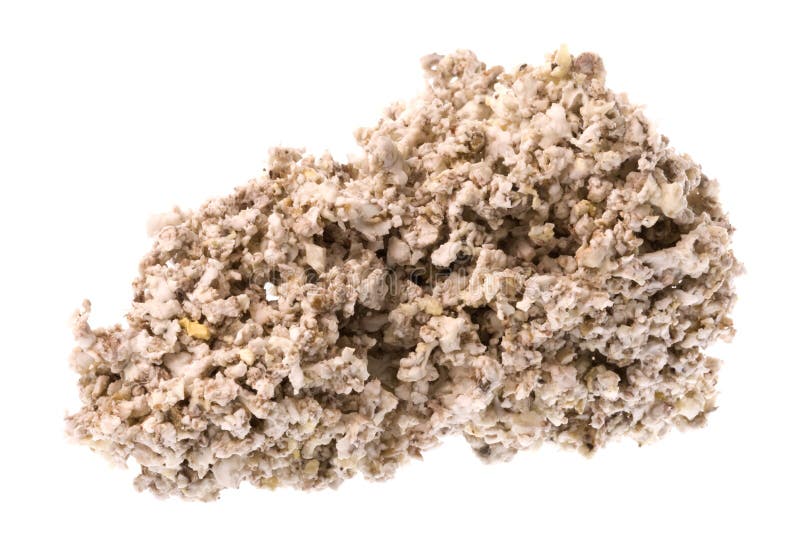
Free with trial Isolated macro image of raw rubber crumbs that will eventually be oven dried to produce technically specified rubber commodity grades. Technically stock images, royalty-free photos and pictures Raw Rubber Crumbs Isolated. Isolated macro image of raw rubber crumbs that will eventually be oven dried to produce technically specified rubber commodity grades. Isolated macro image of raw rubber crumbs that will eventually be oven dried to produce technically specified rubber commodity grades.
Free with trial Darjeeling tea is a tea from the Darjeeling district in West Bengal, India. It is available in black, green, white and oolong. When properly brewed, it yields a thin-bodied, light-colored infusion with a floral aroma. The flavor can include a tinge of astringent tannic characteristics, and a musky spiciness sometimes described as muscatel. Although Darjeeling teas are marketed commercially as black teas, almost all of them have incomplete oxidation, so they are technically more oolong than black. Technically stock images, royalty-free photos and pictures Tea Garden Darjeeling. Darjeeling tea is a tea from the Darjeeling district in West Bengal, India. It is available in black, green, white and oolong. When. Darjeeling tea is a tea from the Darjeeling district in West Bengal, India. It is available in black, green, white and oolong. When properly brewed, it yields a thin-bodied, light-colored infusion with a floral aroma. The flavor can include a tinge of astringent tannic characteristics, and a musky spiciness sometimes described as muscatel.Although Darjeeling teas are marketed commercially as black teas, almost all of them have incomplete oxidation, so they are technically more oolong than black.
Free with trial Isolated macro image of oven dried raw rubber crumbs that will eventually be used to produce technically specified rubber commodity grades. Technically stock images, royalty-free photos and pictures Dried Raw Rubber Crumbs. Isolated macro image of oven dried raw rubber crumbs that will eventually be used to produce technically specified rubber commodity. Isolated macro image of oven dried raw rubber crumbs that will eventually be used to produce technically specified rubber commodity grades.
Free with trial Isolated macro image of raw rubber crumbs that will eventually be oven dried to produce technically specified rubber commodity grades. Technically stock images, royalty-free photos and pictures Raw Rubber Crumbs Isolated. Isolated macro image of raw rubber crumbs that will eventually be oven dried to produce technically specified rubber commodity grades. Isolated macro image of raw rubber crumbs that will eventually be oven dried to produce technically specified rubber commodity grades.
 Sign in