Free with trial Door knocks. Two lions Door-knock on a wooden door. Two knocks stock images, royalty-free photos and pictures Door knocks. Two lions Door-knock on a wooden door
Free with trial Child in an embroidered shirt knocks Easter eggs against each other on a sunny spring holiday. Ukrainian Easter traditions. Selective focus. Two knocks stock images, royalty-free photos and pictures Child in an embroidered shirt knocks Easter eggs against each other on a sunny spring holiday. Ukrainian Easter traditions. Selective focus
Free with trial A photo taken on a row of parked bumper cars dodgems at a carnival. Two knocks stock images, royalty-free photos and pictures A row of parked bumper cars at a carnival. A photo taken on a row of parked bumper cars dodgems at a carnival. A photo taken on a row of parked bumper cars dodgems at a carnival.
Free with trial Tractor wheel repair,a man knocks out a hammer wedge on the shaft of a two-wheeled tractor. A man knocks out a hammer wedge on the shaft of a two-wheeled tractor. Two knocks stock images, royalty-free photos and pictures Tractor wheel repair,a man knocks out a hammer wedge on the shaft of a two-wheeled tractor. A man knocks out a hammer wedge on the shaft of a two-wheeled tractor
Free with trial A young man knocks out a businessman, isolated on a white background. Two knocks stock images, royalty-free photos and pictures A young man knocks out a businessman. A young man knocks out a businessman, isolated on a white background. A young man knocks out a businessman, isolated on a white background.
Free with trial Teacher student knocks on the head. Teacher bangs his hand on the head and scolds student. Two knocks stock images, royalty-free photos and pictures Teacher student knocks on the head. Teacher bangs his hand on the head and scolds student
Free with trial A young girl knocks. Her fist on the glass door. Two knocks stock images, royalty-free photos and pictures A young girl knocks. Her fist on the glass door
Free with trial Two guides looking at a massive ice cave on the Matanuska Glacier in Alaska. Before entering the cave, one guide on top knocks down rocks that may fall from above. Two knocks stock images, royalty-free photos and pictures Two climbing guides exploring a huge ice cave on the Matanuska Glacier in Alaska. Two guides looking at a massive ice cave on the Matanuska Glacier in Alaska. Two guides looking at a massive ice cave on the Matanuska Glacier in Alaska. Before entering the cave, one guide on top knocks down rocks that may fall from above
Free with trial A businessman knocks at a white door on a blue background with another man asking him to name himself. Unexpected business situations. Business partnership. Know your colleagues. Two knocks stock images, royalty-free photos and pictures A businessman knocks at a white door on a blue background with another man asking him to name himself. Unexpected business situations. Business partnership
Free with trial Bird in its natural habitat, two woodpeckers on tree, south america, ecuador. Wildlife scene from nature. Two knocks stock images, royalty-free photos and pictures Two woodpeckers on tree. Bird in its natural habitat, two woodpeckers on tree, south america, ecuador. Wildlife scene from nature. Bird in its natural habitat, two woodpeckers on tree, south america, ecuador. Wildlife scene from nature.
Free with trial Teacher student knocks on the head. Teacher bangs his hand on the head and scolds student. Two knocks stock images, royalty-free photos and pictures Teacher student knocks on the head. Teacher bangs his hand on the head and scolds student
Free with trial Cute little girl knocks on the window to newborn sister. Toddler kid meeting new born sibling. Infant sleeping in white bouncer under a blanket. Kids playing and bonding. Children with small age difference. Two knocks stock images, royalty-free photos and pictures Cute little girl knocks on the window to newborn sister. Toddler kid meeting new born sibling. Infant sleeping in white. Bouncer under a blanket. Kids playing. Cute little girl knocks on the window to newborn sister. Toddler kid meeting new born sibling. Infant sleeping in white bouncer under a blanket. Kids playing and bonding. Children with small age difference
Free with trial KALININGRAD, RUSSIA. Two smiths forge a metal. KALININGRAD, RUSSIA - AUGUST 01, 2013: Two smiths forge a metal product. Two knocks stock images, royalty-free photos and pictures KALININGRAD, RUSSIA.Two smiths forge a metal. KALININGRAD, RUSSIA - AUGUST 01, 2013: Two smiths forge a metal product
Free with trial The carpenter, after foaming and insulating the front door, knocks with a hammer for good adhesion of the foam to the wall and. Door. 2020. Two knocks stock images, royalty-free photos and pictures The carpenter, after foaming and insulating the front door, knocks with a hammer for good adhesion of the foam to the wall and. Door.2020
Free with trial The carpenter, after foaming and insulating the front door, knocks with a hammer for good adhesion of the foam to the wall and. Door. 2020. Two knocks stock images, royalty-free photos and pictures The carpenter, after foaming and insulating the front door, knocks with a hammer for good adhesion of the foam to the wall and. Door.2020
Free with trial REPUBLIC OF TATARSTAN, RUSSIA: 04. 07. 2019 - Two fit men in green and red are fighting on the ring, one of the bottom. Knocks the other - Mid shot. Two knocks stock images, royalty-free photos and pictures REPUBLIC OF TATARSTAN, RUSSIA: 04.07.2019 - Two fit men in green and red are fighting on the ring, one of the bottom. Knocks the other - Mid shot
Free with trial Couple wearing gloves Boxing in Ring. Woman knocks men in jaw. Two knocks stock images, royalty-free photos and pictures Couple Man and Woman Boxing in Ring. Couple wearing gloves Boxing in Ring. Woman knocks men in jaw. Couple wearing gloves Boxing in Ring. Woman knocks men in jaw.
Free with trial Significant blow. Woman knocks man and peers into camera. Two knocks stock images, royalty-free photos and pictures Significant blow. Woman knocks man and peers into camera
Free with trial Teacher brings student. Teacher bangs his hand on the head and scolds student. Two knocks stock images, royalty-free photos and pictures Teacher brings student. Teacher bangs his hand on the head and scolds student
Free with trial Pupil suffers from a hard teacher. Teacher bangs his hand on the head and scolds student. Two knocks stock images, royalty-free photos and pictures Pupil suffers from a hard teacher. Teacher bangs his hand on the head and scolds student
Free with trial Bright yellow flames eat through the top of an electric pole line in residential neighborhood. Cloudy sky background. Two homes and leafless winter trees across street from electrical heat and danger. Two knocks stock images, royalty-free photos and pictures Transformer fire atop telephone pole. Bright yellow flames eat through the top of an electric pole line in residential neighborhood. Cloudy sky background. Two. Bright yellow flames eat through the top of an electric pole line in residential neighborhood. Cloudy sky background. Two homes and leafless winter trees across street from electrical heat and danger
Free with trial Typing on the keyboard. Female hand knocks on laptop. Two knocks stock images, royalty-free photos and pictures Typing on the keyboard. Female hand knocks on laptop
Free with trial The teacher shakes his finger at the student. The teacher shakes his finger and scolds student. Two knocks stock images, royalty-free photos and pictures The teacher shakes his finger at the student. The teacher shakes his finger and scolds student
Free with trial The teacher shakes his finger at the student. The teacher shakes his finger and scolds student. Two knocks stock images, royalty-free photos and pictures The teacher shakes his finger at the student. The teacher shakes his finger and scolds student
Free with trial The teacher gives the student a mandate. The teacher shakes his finger and scolds student. Two knocks stock images, royalty-free photos and pictures The teacher gives the student a mandate. The teacher shakes his finger and scolds student
Free with trial Teacher scolds student. Teacher bangs his hand on the head and scolds student. Two knocks stock images, royalty-free photos and pictures Teacher scolds student. Teacher bangs his hand on the head and scolds student
Free with trial The teacher makes the student think and learn. Teacher bangs his hand on the head and scolds student. Two knocks stock images, royalty-free photos and pictures The teacher makes the student think and learn. Teacher bangs his hand on the head and scolds student
Free with trial Blue ball knocks down all bowling pins and knocks out a strike. Panoramic image, which is composed of two photos before and after the impact. Two knocks stock images, royalty-free photos and pictures Picture of bowling ball hitting pins scoring a strike. Blue ball knocks down all bowling pins and knocks out a strike. Panoramic image, which is composed of two. Blue ball knocks down all bowling pins and knocks out a strike. Panoramic image, which is composed of two photos before and after the impact
Free with trial Teacher student is dissatisfied with the knowledge. Teacher bangs his hand on the head and scolds student. Two knocks stock images, royalty-free photos and pictures Teacher student is dissatisfied with the knowledge. Teacher bangs his hand on the head and scolds student
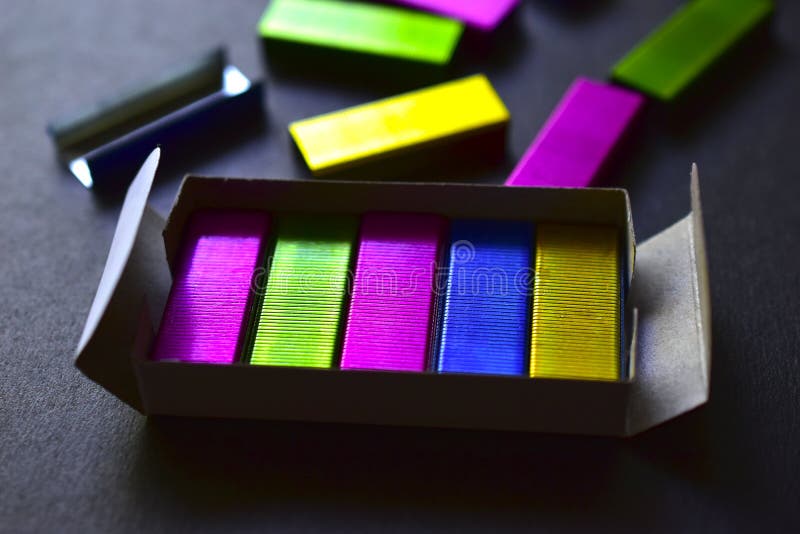
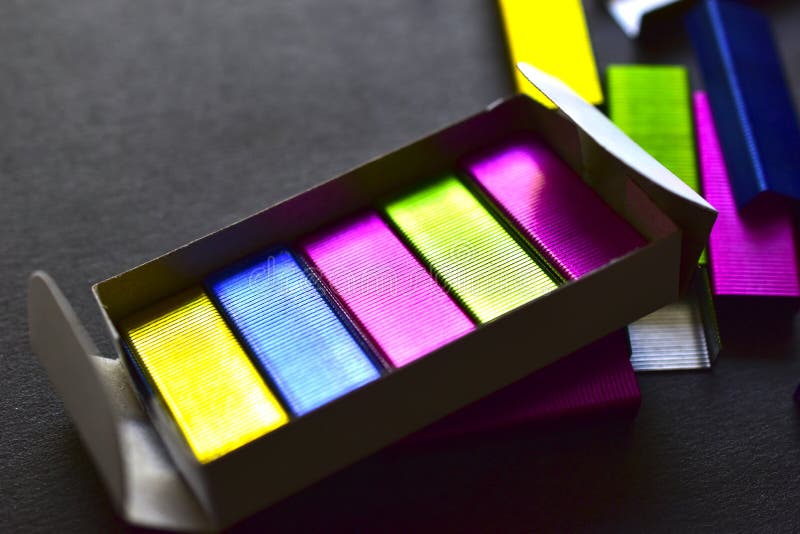
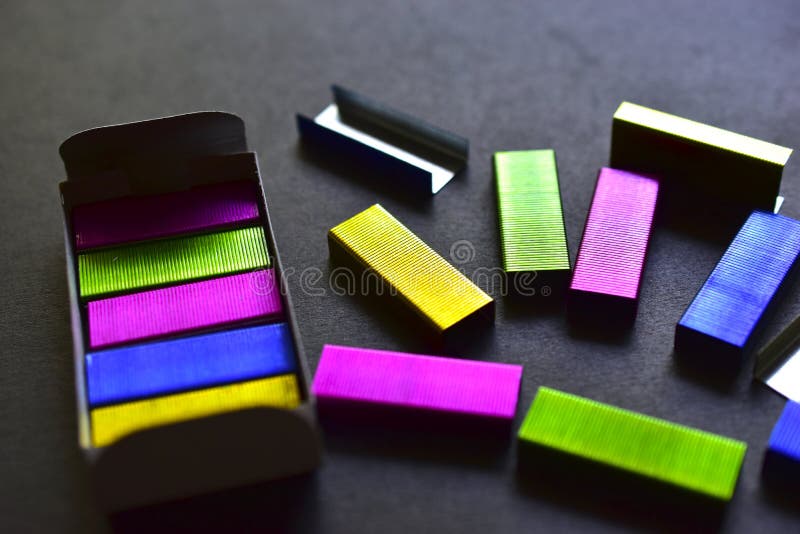
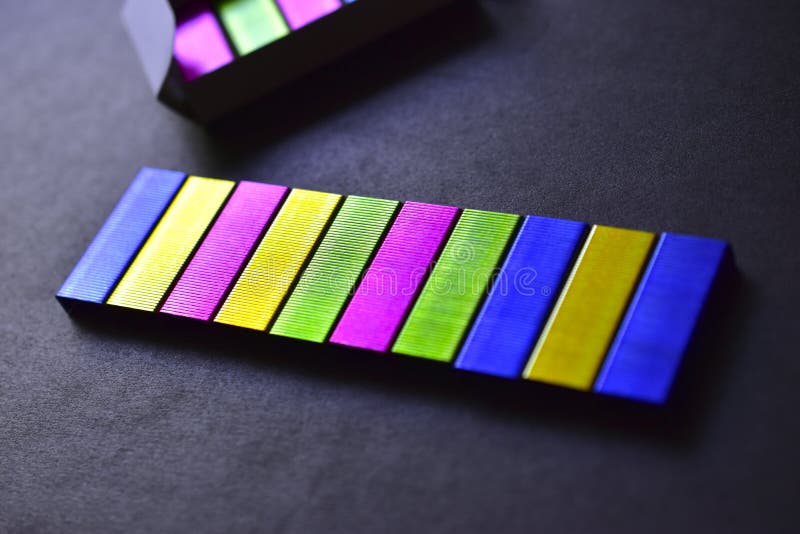
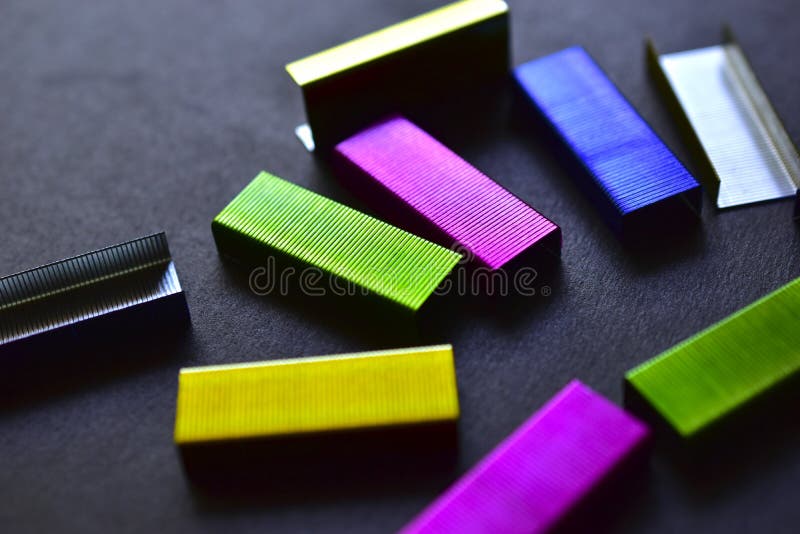
Free with trial Multi-colored stapler staples on a black background. Stapler or stapler English: stapler, /ststeɪplər/ is a device for binding sheets of paper with metal staples. A characteristic difference between the stapler is the through fastening. The bracket passes through the stack of sheets through, and then its ends rest against the deflecting plate. On the surface of the plate is a pair of depressions that deflect the ends of the pressed bracket so that they bend in or out. In some staplers, the deflecting plate can have two sets of recesses and rotate, providing both inward and outward bending if necessary. Bending the bracket outward is used to temporarily fasten the sheets, so that the bracket can be easily pulled out. In the back of the stapler closest to the hinge, there may be a metal protrusion that is used to hook the staples when they are unbent and removed. In this case, the stapler can also be used as an anti-stepler. Manual staplers can have a mechanical amplifier. In such devices, the force of the hand presses not on the bracket itself, but on the mechanism that knocks out the bracket. This allows you to drive the staples with sufficient force under low pressure. Staplers are designed for both traditional binding in the corner and in-line, and for the production of brochures. Staplers can be manual or electric. Two knocks stock images, royalty-free photos and pictures Multi-colored stapler staples on a black background. Stapler or stapler English: stapler, /ststeɪplər/ is a device for binding sheets of paper with metal
Free with trial Multi-colored stapler staples on a black background. Stapler or stapler English: stapler, /ststeɪplər/ is a device for binding sheets of paper with metal staples. A characteristic difference between the stapler is the through fastening. The bracket passes through the stack of sheets through, and then its ends rest against the deflecting plate. On the surface of the plate is a pair of depressions that deflect the ends of the pressed bracket so that they bend in or out. In some staplers, the deflecting plate can have two sets of recesses and rotate, providing both inward and outward bending if necessary. Bending the bracket outward is used to temporarily fasten the sheets, so that the bracket can be easily pulled out. In the back of the stapler closest to the hinge, there may be a metal protrusion that is used to hook the staples when they are unbent and removed. In this case, the stapler can also be used as an anti-stepler. Manual staplers can have a mechanical amplifier. In such devices, the force of the hand presses not on the bracket itself, but on the mechanism that knocks out the bracket. This allows you to drive the staples with sufficient force under low pressure. Staplers are designed for both traditional binding in the corner and in-line, and for the production of brochures. Staplers can be manual or electric. Two knocks stock images, royalty-free photos and pictures Multi-colored stapler staples on a black background. Stapler or stapler English: stapler, /ststeɪplər/ is a device for binding sheets of paper with metal
Free with trial Multi-colored stapler staples on a black background. Stapler or stapler English: stapler, /ststeɪplər/ is a device for binding sheets of paper with metal staples. A characteristic difference between the stapler is the through fastening. The bracket passes through the stack of sheets through, and then its ends rest against the deflecting plate. On the surface of the plate is a pair of depressions that deflect the ends of the pressed bracket so that they bend in or out. In some staplers, the deflecting plate can have two sets of recesses and rotate, providing both inward and outward bending if necessary. Bending the bracket outward is used to temporarily fasten the sheets, so that the bracket can be easily pulled out. In the back of the stapler closest to the hinge, there may be a metal protrusion that is used to hook the staples when they are unbent and removed. In this case, the stapler can also be used as an anti-stepler. Manual staplers can have a mechanical amplifier. In such devices, the force of the hand presses not on the bracket itself, but on the mechanism that knocks out the bracket. This allows you to drive the staples with sufficient force under low pressure. Staplers are designed for both traditional binding in the corner and in-line, and for the production of brochures. Staplers can be manual or electric. Two knocks stock images, royalty-free photos and pictures Multi-colored stapler staples on a black background. Stapler or stapler English: stapler, /ststeɪplər/ is a device for binding sheets of paper with metal
Free with trial Multi-colored stapler staples on a black background. Stapler or stapler English: stapler, /ststeɪplər/ is a device for binding sheets of paper with metal staples. A characteristic difference between the stapler is the through fastening. The bracket passes through the stack of sheets through, and then its ends rest against the deflecting plate. On the surface of the plate is a pair of depressions that deflect the ends of the pressed bracket so that they bend in or out. In some staplers, the deflecting plate can have two sets of recesses and rotate, providing both inward and outward bending if necessary. Bending the bracket outward is used to temporarily fasten the sheets, so that the bracket can be easily pulled out. In the back of the stapler closest to the hinge, there may be a metal protrusion that is used to hook the staples when they are unbent and removed. In this case, the stapler can also be used as an anti-stepler. Manual staplers can have a mechanical amplifier. In such devices, the force of the hand presses not on the bracket itself, but on the mechanism that knocks out the bracket. This allows you to drive the staples with sufficient force under low pressure. Staplers are designed for both traditional binding in the corner and in-line, and for the production of brochures. Staplers can be manual or electric. Two knocks stock images, royalty-free photos and pictures Multi-colored stapler staples on a black background. Stapler or stapler English: stapler, /ststeɪplər/ is a device for binding sheets of paper with metal
Free with trial Multi-colored stapler staples on a black background. Stapler or stapler English: stapler, /ststeɪplər/ is a device for binding sheets of paper with metal staples. A characteristic difference between the stapler is the through fastening. The bracket passes through the stack of sheets through, and then its ends rest against the deflecting plate. On the surface of the plate is a pair of depressions that deflect the ends of the pressed bracket so that they bend in or out. In some staplers, the deflecting plate can have two sets of recesses and rotate, providing both inward and outward bending if necessary. Bending the bracket outward is used to temporarily fasten the sheets, so that the bracket can be easily pulled out. In the back of the stapler closest to the hinge, there may be a metal protrusion that is used to hook the staples when they are unbent and removed. In this case, the stapler can also be used as an anti-stepler. Manual staplers can have a mechanical amplifier. In such devices, the force of the hand presses not on the bracket itself, but on the mechanism that knocks out the bracket. This allows you to drive the staples with sufficient force under low pressure. Staplers are designed for both traditional binding in the corner and in-line, and for the production of brochures. Staplers can be manual or electric. Two knocks stock images, royalty-free photos and pictures Multi-colored stapler staples on a black background. Stapler or stapler English: stapler, /ststeɪplər/ is a device for binding sheets of paper with metal
Free with trial Blue ball knocks down all bowling pins and knocks out a strike. Panoramic image, which is composed of two photos before and after the impact. Two knocks stock images, royalty-free photos and pictures Picture of bowling ball hitting pins scoring a strike. Blue ball knocks down all bowling pins and knocks out a strike. Panoramic image, which is composed of two. Blue ball knocks down all bowling pins and knocks out a strike. Panoramic image, which is composed of two photos before and after the impact
Free with trial He still knocks me off my feet. Shot of a loving young couple dancing in the kitchen. Two knocks stock images, royalty-free photos and pictures He still knocks me off my feet. Shot of a loving young couple dancing in the kitchen. Shot of a loving young couple dancing in the kitchen
Free with trial Multi-colored stapler staples on a black background. Stapler or stapler English: stapler, /ststeɪplər/ is a device for binding sheets of paper with metal staples. A characteristic difference between the stapler is the through fastening. The bracket passes through the stack of sheets through, and then its ends rest against the deflecting plate. On the surface of the plate is a pair of depressions that deflect the ends of the pressed bracket so that they bend in or out. In some staplers, the deflecting plate can have two sets of recesses and rotate, providing both inward and outward bending if necessary. Bending the bracket outward is used to temporarily fasten the sheets, so that the bracket can be easily pulled out. In the back of the stapler closest to the hinge, there may be a metal protrusion that is used to hook the staples when they are unbent and removed. In this case, the stapler can also be used as an anti-stepler. Manual staplers can have a mechanical amplifier. In such devices, the force of the hand presses not on the bracket itself, but on the mechanism that knocks out the bracket. This allows you to drive the staples with sufficient force under low pressure. Staplers are designed for both traditional binding in the corner and in-line, and for the production of brochures. Staplers can be manual or electric. Two knocks stock images, royalty-free photos and pictures Multi-colored stapler staples on a black background. Stapler or stapler English: stapler, /ststeɪplər/ is a device for binding sheets of paper with metal
Free with trial Multi-colored stapler staples on a black background. Stapler or stapler English: stapler, /ststeɪplər/ is a device for binding sheets of paper with metal staples. A characteristic difference between the stapler is the through fastening. The bracket passes through the stack of sheets through, and then its ends rest against the deflecting plate. On the surface of the plate is a pair of depressions that deflect the ends of the pressed bracket so that they bend in or out. In some staplers, the deflecting plate can have two sets of recesses and rotate, providing both inward and outward bending if necessary. Bending the bracket outward is used to temporarily fasten the sheets, so that the bracket can be easily pulled out. In the back of the stapler closest to the hinge, there may be a metal protrusion that is used to hook the staples when they are unbent and removed. In this case, the stapler can also be used as an anti-stepler. Manual staplers can have a mechanical amplifier. In such devices, the force of the hand presses not on the bracket itself, but on the mechanism that knocks out the bracket. This allows you to drive the staples with sufficient force under low pressure. Staplers are designed for both traditional binding in the corner and in-line, and for the production of brochures. Staplers can be manual or electric. Two knocks stock images, royalty-free photos and pictures Multi-colored stapler staples on a black background. Stapler or stapler English: stapler, /ststeɪplər/ is a device for binding sheets of paper with metal
Free with trial Multi-colored stapler staples on a black background. Stapler or stapler English: stapler, /ststeɪplər/ is a device for binding sheets of paper with metal staples. A characteristic difference between the stapler is the through fastening. The bracket passes through the stack of sheets through, and then its ends rest against the deflecting plate. On the surface of the plate is a pair of depressions that deflect the ends of the pressed bracket so that they bend in or out. In some staplers, the deflecting plate can have two sets of recesses and rotate, providing both inward and outward bending if necessary. Bending the bracket outward is used to temporarily fasten the sheets, so that the bracket can be easily pulled out. In the back of the stapler closest to the hinge, there may be a metal protrusion that is used to hook the staples when they are unbent and removed. In this case, the stapler can also be used as an anti-stepler. Manual staplers can have a mechanical amplifier. In such devices, the force of the hand presses not on the bracket itself, but on the mechanism that knocks out the bracket. This allows you to drive the staples with sufficient force under low pressure. Staplers are designed for both traditional binding in the corner and in-line, and for the production of brochures. Staplers can be manual or electric. Two knocks stock images, royalty-free photos and pictures Multi-colored stapler staples on a black background. Stapler or stapler English: stapler, /ststeɪplər/ is a device for binding sheets of paper with metal
Free with trial Multi-colored stapler staples on a black background. Stapler or stapler English: stapler, /ststeɪplər/ is a device for binding sheets of paper with metal staples. A characteristic difference between the stapler is the through fastening. The bracket passes through the stack of sheets through, and then its ends rest against the deflecting plate. On the surface of the plate is a pair of depressions that deflect the ends of the pressed bracket so that they bend in or out. In some staplers, the deflecting plate can have two sets of recesses and rotate, providing both inward and outward bending if necessary. Bending the bracket outward is used to temporarily fasten the sheets, so that the bracket can be easily pulled out. In the back of the stapler closest to the hinge, there may be a metal protrusion that is used to hook the staples when they are unbent and removed. In this case, the stapler can also be used as an anti-stepler. Manual staplers can have a mechanical amplifier. In such devices, the force of the hand presses not on the bracket itself, but on the mechanism that knocks out the bracket. This allows you to drive the staples with sufficient force under low pressure. Staplers are designed for both traditional binding in the corner and in-line, and for the production of brochures. Staplers can be manual or electric. Two knocks stock images, royalty-free photos and pictures Multi-colored stapler staples on a black background. Stapler or stapler English: stapler, /ststeɪplər/ is a device for binding sheets of paper with metal
Free with trial Multi-colored stapler staples on a black background. Stapler or stapler English: stapler, /ststeɪplər/ is a device for binding sheets of paper with metal staples. A characteristic difference between the stapler is the through fastening. The bracket passes through the stack of sheets through, and then its ends rest against the deflecting plate. On the surface of the plate is a pair of depressions that deflect the ends of the pressed bracket so that they bend in or out. In some staplers, the deflecting plate can have two sets of recesses and rotate, providing both inward and outward bending if necessary. Bending the bracket outward is used to temporarily fasten the sheets, so that the bracket can be easily pulled out. In the back of the stapler closest to the hinge, there may be a metal protrusion that is used to hook the staples when they are unbent and removed. In this case, the stapler can also be used as an anti-stepler. Manual staplers can have a mechanical amplifier. In such devices, the force of the hand presses not on the bracket itself, but on the mechanism that knocks out the bracket. This allows you to drive the staples with sufficient force under low pressure. Staplers are designed for both traditional binding in the corner and in-line, and for the production of brochures. Staplers can be manual or electric. Two knocks stock images, royalty-free photos and pictures Multi-colored stapler staples on a black background. Stapler or stapler English: stapler, /ststeɪplər/ is a device for binding sheets of paper with metal
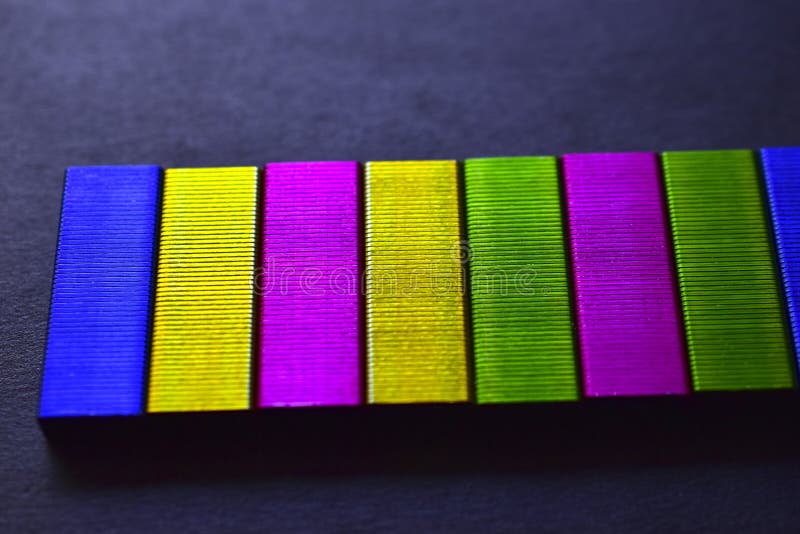
Free with trial Multi-colored stapler staples on a black background. Stapler or stapler English: stapler, /ststeɪplər/ is a device for binding sheets of paper with metal staples. A characteristic difference between the stapler is the through fastening. The bracket passes through the stack of sheets through, and then its ends rest against the deflecting plate. On the surface of the plate is a pair of depressions that deflect the ends of the pressed bracket so that they bend in or out. In some staplers, the deflecting plate can have two sets of recesses and rotate, providing both inward and outward bending if necessary. Bending the bracket outward is used to temporarily fasten the sheets, so that the bracket can be easily pulled out. nnIn the back of the stapler closest to the hinge, there may be a metal protrusion that is used to hook the staples when they are unbent and removed. In this case, the stapler can also be used as an anti-stepler. nnManual staplers can have a mechanical amplifier. In such devices, the force of the hand presses not on the bracket itself, but on the mechanism that knocks out the bracket. This allows you to drive the staples with sufficient force under low pressure. nnLimiting the thickness of the stitched foot are the characteristics of the staples used. As a rule, conventional and file staples with a length of 6 and 8 mm are used, allowing you to fasten 10-50 sheets. Two knocks stock images, royalty-free photos and pictures Multi-colored stapler staples on a black background. Stapler or stapler English: stapler, /ststeɪplər/ is a device for binding sheets of paper with metal
Free with trial Multi-colored stapler staples on a black background. Stapler or stapler English: stapler, /ststeɪplər/ is a device for binding sheets of paper with metal staples. A characteristic difference between the stapler is the through fastening. The bracket passes through the stack of sheets through, and then its ends rest against the deflecting plate. On the surface of the plate is a pair of depressions that deflect the ends of the pressed bracket so that they bend in or out. In some staplers, the deflecting plate can have two sets of recesses and rotate, providing both inward and outward bending if necessary. Bending the bracket outward is used to temporarily fasten the sheets, so that the bracket can be easily pulled out. In the back of the stapler closest to the hinge, there may be a metal protrusion that is used to hook the staples when they are unbent and removed. In this case, the stapler can also be used as an anti-stepler. Manual staplers can have a mechanical amplifier. In such devices, the force of the hand presses not on the bracket itself, but on the mechanism that knocks out the bracket. This allows you to drive the staples with sufficient force under low pressure. Staplers are designed for both traditional binding in the corner and in-line, and for the production of brochures. Staplers can be manual or electric. Two knocks stock images, royalty-free photos and pictures Multi-colored stapler staples on a black background. Stapler or stapler English: stapler, /ststeɪplər/ is a device for binding sheets of paper with metal
Free with trial A loaf of black bread with sesame seeds on a black background. Stapler or stapler English: stapler, /ststeɪplər/ is a device for binding sheets of paper with metal staples. A characteristic difference between the stapler is the through fastening. The bracket passes through the stack of sheets through, and then its ends rest against the deflecting plate. On the surface of the plate is a pair of depressions that deflect the ends of the pressed bracket so that they bend in or out. In some staplers, the deflecting plate can have two sets of recesses and rotate, providing both inward and outward bending if necessary. Bending the bracket outward is used to temporarily fasten the sheets, so that the bracket can be easily pulled out. In the back of the stapler closest to the hinge, there may be a metal protrusion that is used to hook the staples when they are unbent and removed. In this case, the stapler can also be used as an anti-stepler. Manual staplers can have a mechanical amplifier. In such devices, the force of the hand presses not on the bracket itself, but on the mechanism that knocks out the bracket. This allows you to drive the staples with sufficient force under low pressure. Staplers are designed for both traditional binding in the corner and in-line, and for the production of brochures. Staplers can be manual or electric. Two knocks stock images, royalty-free photos and pictures A loaf of black bread with sesame seeds on a black background. Stapler or stapler English: stapler, /ststeɪplər/ is a device for binding sheets of paper with
 Sign in