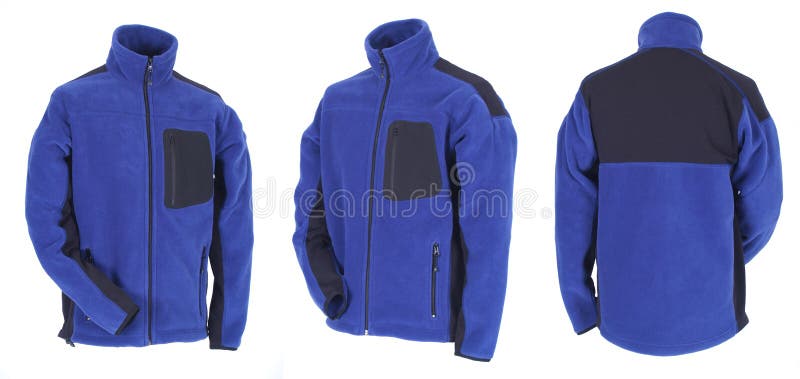
Free with trial Wind jacket. Tree scenes of wind jacket. Windproof stock images, royalty-free photos and pictures Wind jacket. Tree scenes of wind jacket
Free with trial Winter running smartwatch woman in cold snow weather jogging outside wearing windproof clothes with gloves, headband, winter tights and wind jacket in white snowfall background. Windproof stock images, royalty-free photos and pictures Winter running smartwatch woman in cold snow weather jogging outside wearing windproof clothes with gloves, headband. Winter tights and wind jacket in white
Free with trial Worker jacket. Wind and water proof worker costume. Windproof stock images, royalty-free photos and pictures Worker jacket. Wind and water proof worker costume
Free with trial Wind and water resistant, heat retention, breathable fabric. Windproof stock images, royalty-free photos and pictures Weather protection fabric. Wind and water resistant, heat retention, breathable fabric. Wind and water resistant, heat retention, breathable fabric.
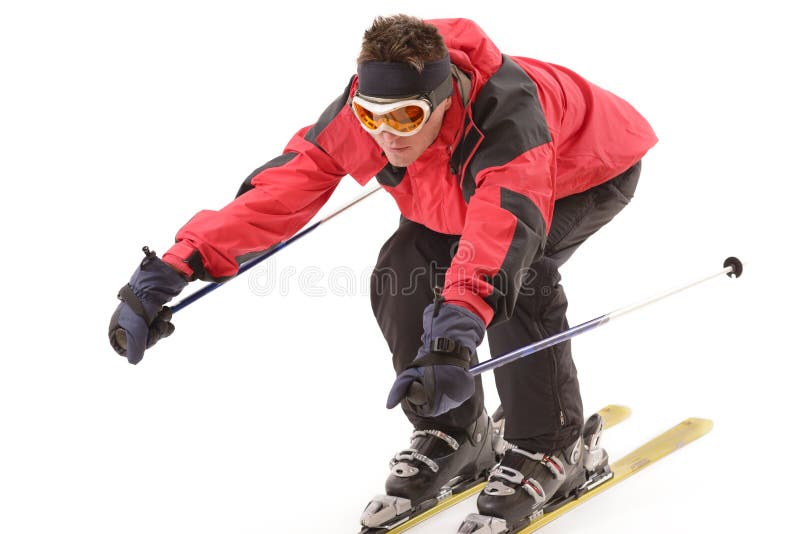
Free with trial Ski Jump. Man in ski suit isolated on white. Windproof stock images, royalty-free photos and pictures Ski Jump. Man in ski suit isolated on white
Free with trial Wind-jacket. Isolated on the white background. Windproof stock images, royalty-free photos and pictures Wind-jacket. Isolated on the white background
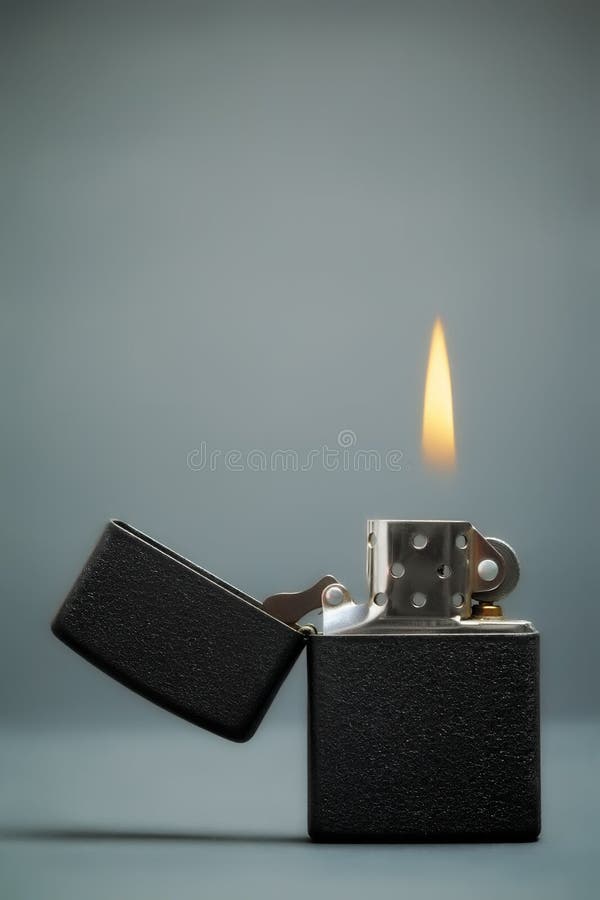
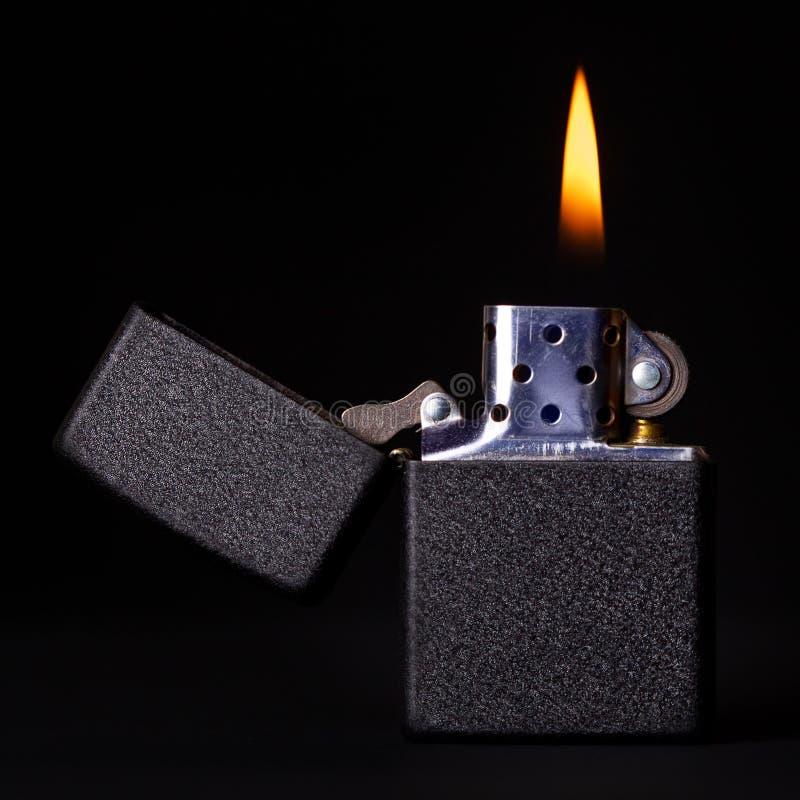
Free with trial Burning Lighter. Black gasoline lighter with flame on dark background. Windproof stock images, royalty-free photos and pictures Burning Lighter. Black gasoline lighter with flame on dark background
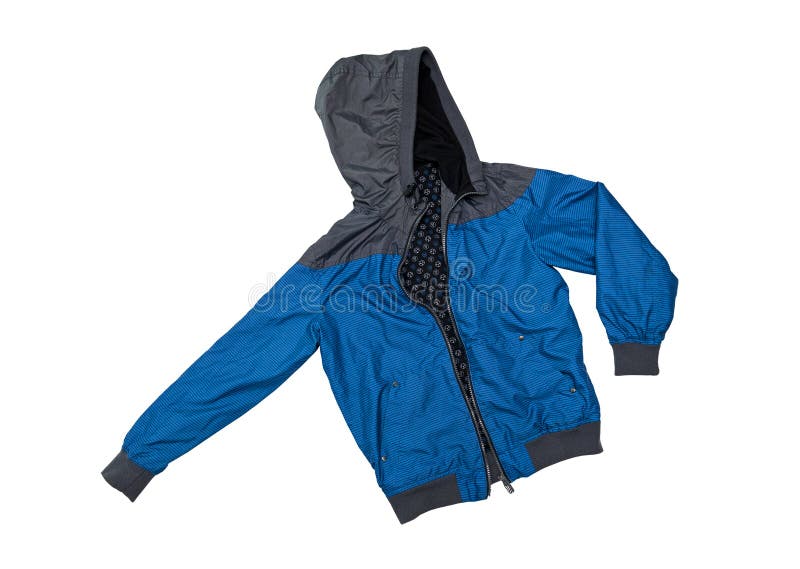
Free with trial Jacket. Men's dark blue hooded windproof jacket isolated on white with natural shadows. Windproof stock images, royalty-free photos and pictures Jacket. Men's dark blue hooded windproof jacket isolated on white with natural shadows
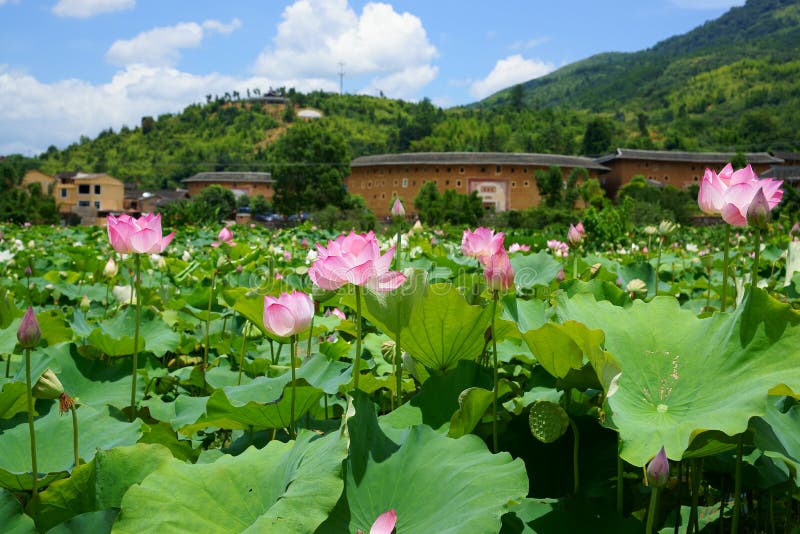
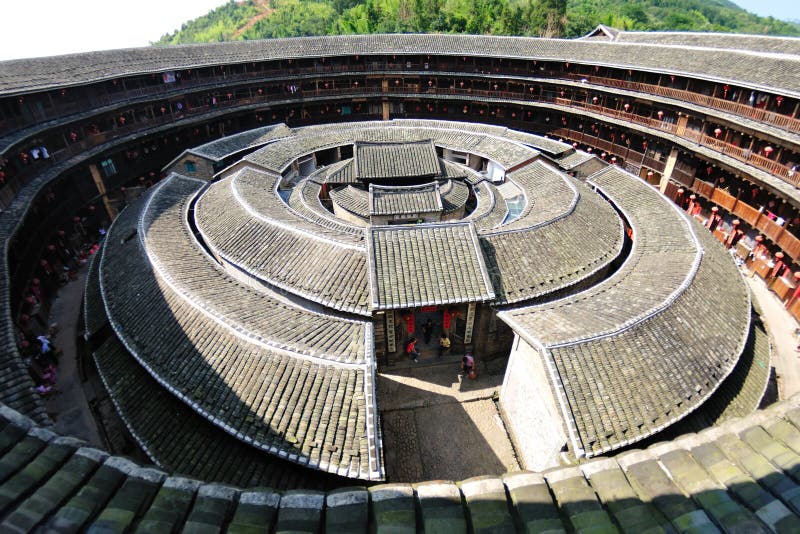
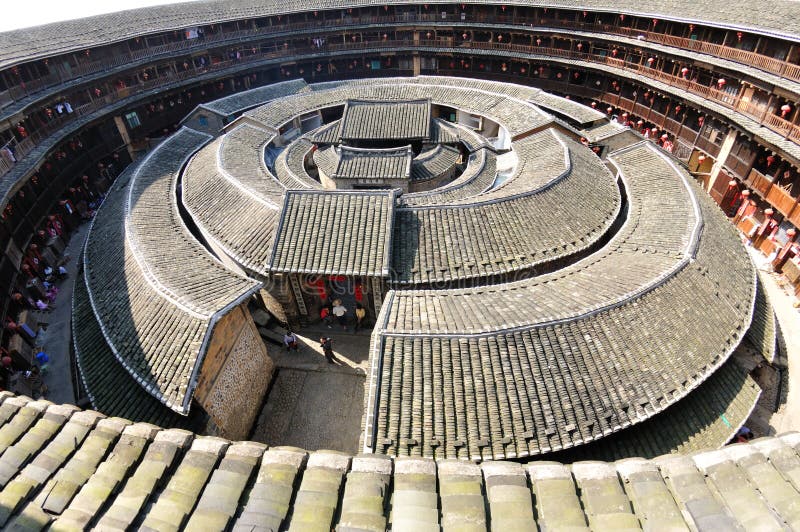
Free with trial Fujian Tulou is a type of Chinese rural dwellings of the Hakka and Minnan people in the mountainous areas in southeastern Fujian, China. They were mostly built between the 12th and the 20th centuries. A tulou is usually a large, enclosed and fortified earth building, most commonly rectangular or circular in configuration, with very thick load-bearing rammed earth walls between three and five stories high and housing up to 80 families. Smaller interior buildings are often enclosed by these huge peripheral walls which can contain halls, storehouses, wells and living areas, the whole structure resembling a small fortified city. The fortified outer structures are formed by compacting earth, mixed with stone, bamboo, wood and other readily available materials, to form walls up to 6 feet (1. 8 m) thick. Branches, strips of wood and bamboo chips are often laid in the wall as additional reinforcement. The result is a well-lit, well-ventilated, windproof and earthquake-proof building that is warm in winter and cool in summer. Tulous usually have only one main gate, guarded by 4–5-inch-thick (100–130 mm) wooden doors reinforced with an outer shell of iron plate. The top level of these earth buildings has gun holes for defensive purposes. Windproof stock images, royalty-free photos and pictures Fujian Tulou. Is a type of Chinese rural dwellings of the Hakka and Minnan people in the mountainous areas in southeastern Fujian, China. They were mostly built. Fujian Tulou is a type of Chinese rural dwellings of the Hakka and Minnan people in the mountainous areas in southeastern Fujian, China. They were mostly built between the 12th and the 20th centuries. A tulou is usually a large, enclosed and fortified earth building, most commonly rectangular or circular in configuration, with very thick load-bearing rammed earth walls between three and five stories high and housing up to 80 families. Smaller interior buildings are often enclosed by these huge peripheral walls which can contain halls, storehouses, wells and living areas, the whole structure resembling a small fortified city. The fortified outer structures are formed by compacting earth, mixed with stone, bamboo, wood and other readily available materials, to form walls up to 6 feet (1.8 m) thick. Branches, strips of wood and bamboo chips are often laid in the wall as additional reinforcement. The result is a well-lit, well-ventilated, windproof and earthquake-proof building that is warm in winter and cool in summer. Tulous usually have only one main gate, guarded by 4–5-inch-thick (100–130 mm) wooden doors reinforced with an outer shell of iron plate. The top level of these earth buildings has gun holes for defensive purposes.
Free with trial Water drops on the softshell clothing. Windproof stock images, royalty-free photos and pictures Waterproof fabric. Water drops on the softshell clothing. Water drops on the softshell clothing.
Free with trial Stack of zippo lighters. On white background. Windproof stock images, royalty-free photos and pictures Stack of zippo lighters. On white background
Free with trial A stack of windbreakers shot in the studio. The windbreakers are isolated in front of white background. Windproof stock images, royalty-free photos and pictures Stack of Windbreaker. A stack of windbreakers shot in the studio. The windbreakers are isolated in front of white background. A stack of windbreakers shot in the studio. The windbreakers are isolated in front of white background.
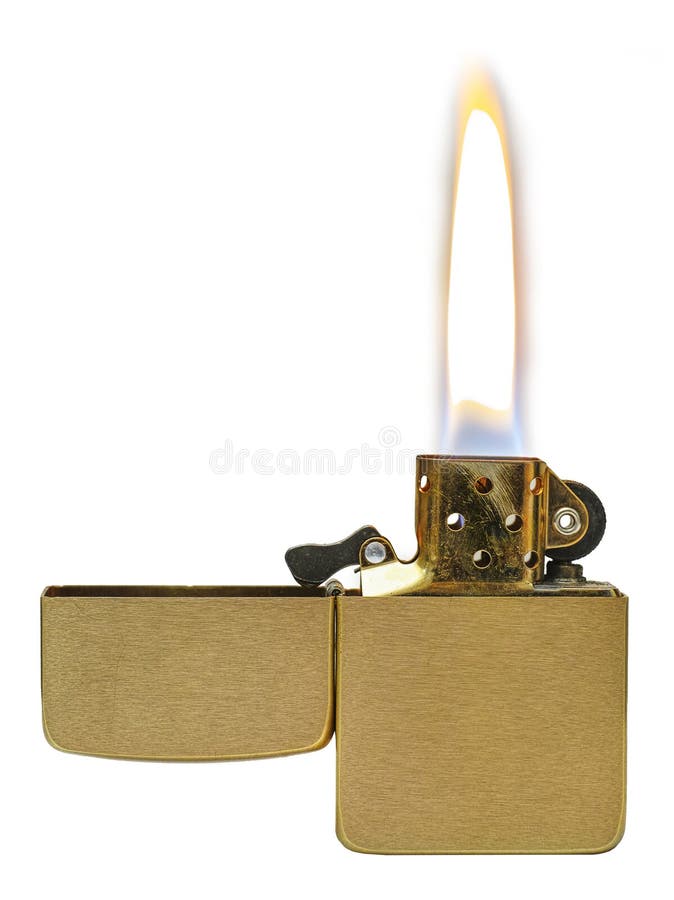
Free with trial Lighter ignite. Closeup for brushed brass lighter ignite isolated on white. Windproof stock images, royalty-free photos and pictures Lighter ignite. Closeup for brushed brass lighter ignite isolated on white
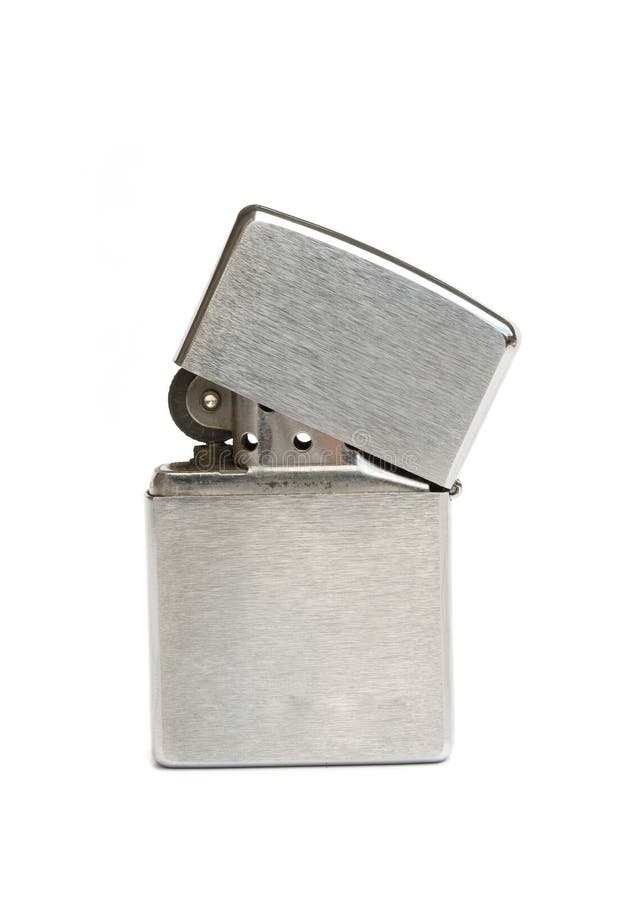
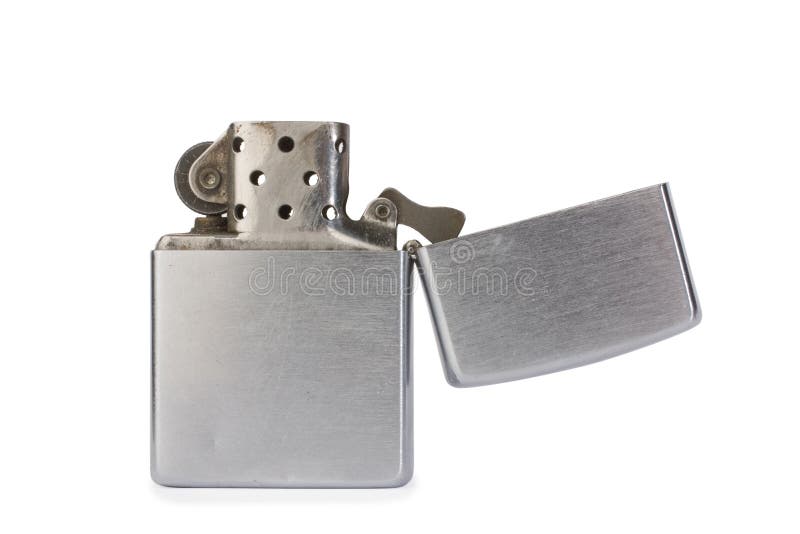
Free with trial Lighter. A brushed metal zippo lighter. Windproof stock images, royalty-free photos and pictures Lighter. A brushed metal zippo lighter
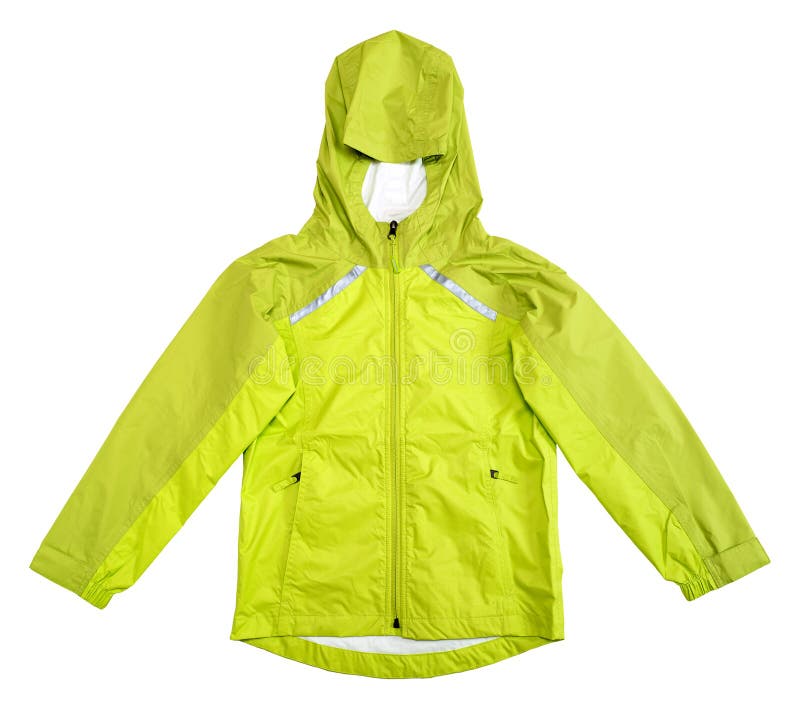
Free with trial Rain jacket. Isolated on white background. Windproof stock images, royalty-free photos and pictures Rain jacket. Isolated on white background
Free with trial Jacket. Isolated on the white background. Windproof stock images, royalty-free photos and pictures Jacket. Isolated on the white background
Free with trial Wind jacket. Isolated on the white background. Windproof stock images, royalty-free photos and pictures Wind jacket. Isolated on the white background
Free with trial Close up of confident man standing in winter hat and coat. Showing thumb up isolated over blue background. Windproof stock images, royalty-free photos and pictures Close up of confident man standing in winter hat and coat. Showing thumb up isolated over blue background
Free with trial Lighter. Wind proof outdoor lighter, detailed photo. Windproof stock images, royalty-free photos and pictures Lighter. Wind proof outdoor lighter, detailed photo
Free with trial Running athlete woman getting ready for outdoor run tying up running shoes laces during winter season. Outside cardio training in cold snow weather. Asian girl wearing gloves, headband and jacket. Windproof stock images, royalty-free photos and pictures Winter running woman getting ready to run in snow. Running athlete woman getting ready for outdoor run tying up running shoes laces during winter season. Outside. Running athlete woman getting ready for outdoor run tying up running shoes laces during winter season. Outside cardio training in cold snow weather. Asian girl wearing gloves, headband and jacket.
Free with trial Pure white folding umbrella. Collage perfect pure white folding umbrella isolated on white background and PNG file with transparent background. Windproof stock images, royalty-free photos and pictures Pure white folding umbrella. Collage perfect pure white folding umbrella isolated on white background and PNG file with transparent background
Free with trial Waterproof windproof breathable venture Rain jacket with hood in black color isolated on white background. Windproof stock images, royalty-free photos and pictures Waterproof windproof Rain jacket with hood in black isolated on. Waterproof windproof breathable venture Rain jacket with hood in black color isolated on white. Waterproof windproof breathable venture Rain jacket with hood in black color isolated on white background
Free with trial Windproof Cigarette lighter. Windproof Silver metal Cigarette lighter on white background. Windproof stock images, royalty-free photos and pictures Windproof Cigarette lighter. Windproof Silver metal Cigarette lighter on white background
Free with trial Winter running woman in cold snow weather jogging outside wearing windproof clothes with gloves, headband, winter tights and wind jacket in white snowing storm background. Windproof stock images, royalty-free photos and pictures Winter running woman in cold snow weather jogging outside wearing windproof clothes with gloves, headband, winter tights and wind. Jacket in white snowing storm
Free with trial Man hiker legs with windproof trousers and hiking boots. On mountain peak rock with a valley at background. Windproof stock images, royalty-free photos and pictures Man hiker legs with windproof trousers and hiking boots. On mountain peak rock with a valley at background
Free with trial Red ski waterproof and windproof jacket isolated on white background. Windproof stock images, royalty-free photos and pictures Red ski waterproof and windproof jacket isolated on white background.
Free with trial Brushed chrome lighter with windproof. metal lighter with flame on dark background. Windproof stock images, royalty-free photos and pictures Brushed chrome lighter with windproof. Metal lighter with flame on dark background
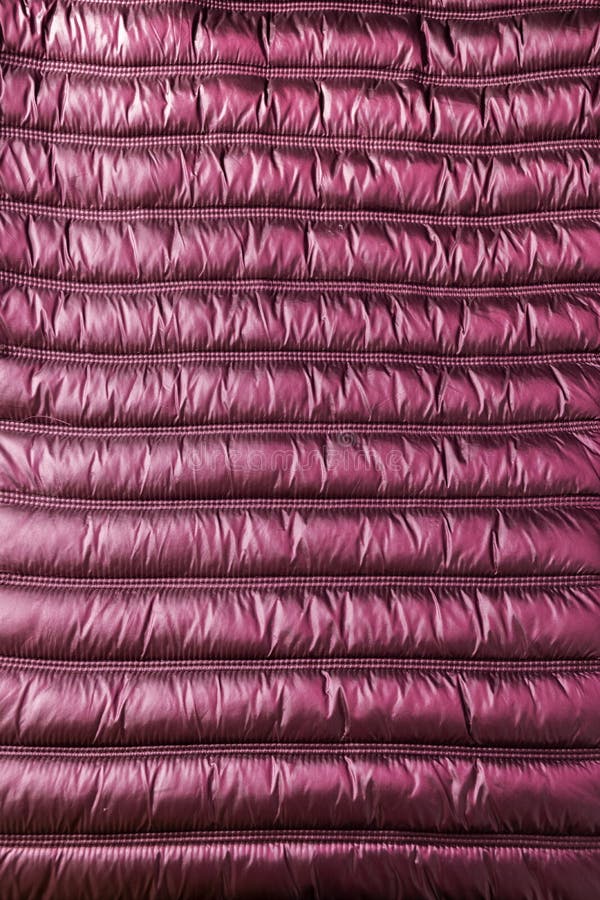
Free with trial Detail of purple winter jacket, waterproof and windproof material, fabric cloth. Pattern. Windproof stock images, royalty-free photos and pictures Detail of purple winter jacket, waterproof and windproof material, fabric cloth. Pattern
Free with trial SAINT PETERSBURG, RUSSIA - OCTOBER 31, 2018: Film Crew On Location. Sound recording on the set. Man with a microphone with windproof. Windproof stock images, royalty-free photos and pictures SAINT PETERSBURG, RUSSIA - OCTOBER 31, 2018: Film Crew. Sound recording on the set. Man with a microphone with windproof. SAINT PETERSBURG, RUSSIA - OCTOBER 31. SAINT PETERSBURG, RUSSIA - OCTOBER 31, 2018: Film Crew On Location. Sound recording on the set. Man with a microphone with windproof.
Free with trial Black waterproof and windproof black umbrella texture with water droplets showing water repellent properties. Windproof stock images, royalty-free photos and pictures Black waterproof umbrella texture with water droplets. Black waterproof and windproof black umbrella texture with water droplets showing water repellent. Black waterproof and windproof black umbrella texture with water droplets showing water repellent properties.
Free with trial Child in raincoat. A cute girl dressed up for rain in pink rain and windproof coat with hood. Windproof stock images, royalty-free photos and pictures Child in raincoat. A cute girl dressed up for rain in pink rain and windproof coat with hood
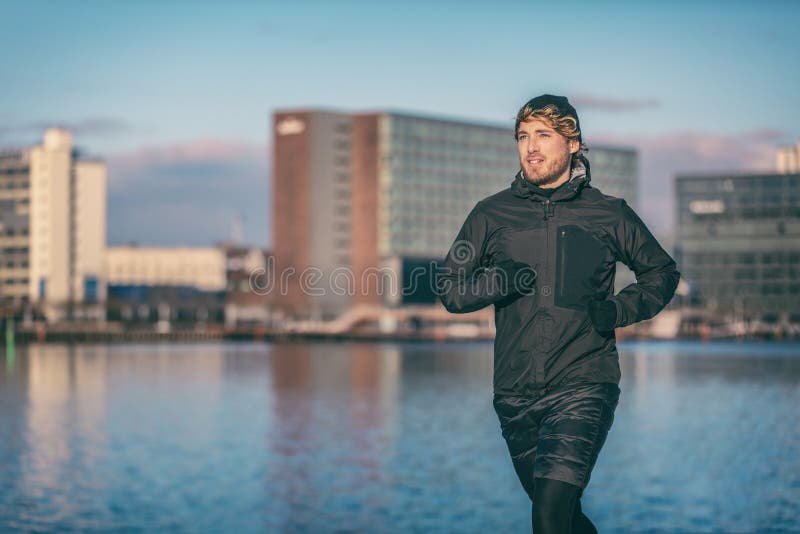
Free with trial Winter run man jogging outdoor in city harbour running outside wearing cold weather accessories - hat ,gloves , windproof sport jacket. Active fit male athlete. Windproof stock images, royalty-free photos and pictures Winter run man jogging outdoor in city harbour running outside wearing cold weather accessories - hat ,gloves. Windproof sport jacket. Active fit male athlete
Free with trial Customer testing whether sport eyeglasses are windproof in front of wind tunnel. In optician's shop. Windproof stock images, royalty-free photos and pictures Customer testing whether sport eyeglasses are windproof in front of wind tunnel. In optician's shop
Free with trial Zippo. Genuine windproof lighters hand warmwers logo type banner mark pedryj. Windproof stock images, royalty-free photos and pictures Zippo. Genuine windproof lighters hand warmwers logo type banner mark pedryj
Free with trial Self Portrait of Group of smiling and excited Mountain Climbers in windproof Jacket Sunglasses and Caps with high Peaks on Background. Windproof stock images, royalty-free photos and pictures Self Portrait of Group of smiling Mountain Climbers. Self Portrait of Group of smiling and excited Mountain Climbers in windproof Jacket Sunglasses and Caps with. Self Portrait of Group of smiling and excited Mountain Climbers in windproof Jacket Sunglasses and Caps with high Peaks on Background
Free with trial A white building in a vineyard in la geria, lanzarote, canary island. the typical lava black rocks which is windproof. Windproof stock images, royalty-free photos and pictures White building and geria vineyard with mountains in background. A white building in a vineyard in la geria, lanzarote, canary island. the typical lava black. A white building in a vineyard in la geria, lanzarote, canary island. the typical lava black rocks which is windproof
Free with trial Umbrella. UV protection large travel umbrella. Auto open close windproof, rain, raindrop, sun blocking umbrella. Protection in rainy day. Rainy weather. Compact size for bag, handbag, purse, backpack. Windproof stock images, royalty-free photos and pictures Umbrella. UV protection large travel umbrella. Auto open close windproof, rain, raindrop, sun blocking umbrella. Protection in rainy day. Rainy weather
Free with trial Windproof sports scarf and neck warmer. Soft textured lightweight black sports scarf isolated on a white background. Windproof stock images, royalty-free photos and pictures Windproof sports scarf and neck warmer. Soft textured lightweight black sports scarf isolated on a white background
Free with trial PM2. 5 anti dust mask activated carbon filter. Windproof mouth muffle. Windproof stock images, royalty-free photos and pictures PM2.5 anti dust mask activated carbon filter. Windproof mouth muffle
Free with trial Climber on a snowy mountain top. Climber in a windproof mask and glasses reached the snow top of the mountain. Windproof stock images, royalty-free photos and pictures Climber on a snowy mountain top. Climber in a windproof mask and glasses reached the snow top of the mountain
Free with trial Old Used vintage Silver metal lighter red background smoker zippo light open burn one used tobacco macro equipment wheel object gas gasoline shiny metallic, retro, cigarette, closeup, fire, flame, fuel, heat, steel, black, close-up, isolated, orange, petrol, reflect, white, windproof, brass, bright, classic, dark, flint, horizontal, ignition, nobody, petroleum, photo, spark. Windproof stock images, royalty-free photos and pictures Old Used vintage Silver metal lighter red background smoker zippo light open burn one used tobacco macro equipment wheel object. Gas gasoline shiny metallic. Old Used vintage Silver metal lighter red background smoker zippo light open burn one used tobacco macro equipment wheel object gas gasoline shiny metallic, retro, cigarette, closeup, fire, flame, fuel, heat, steel, black, close-up, isolated, orange, petrol, reflect, white, windproof, brass, bright, classic, dark, flint, horizontal, ignition, nobody, petroleum, photo, spark
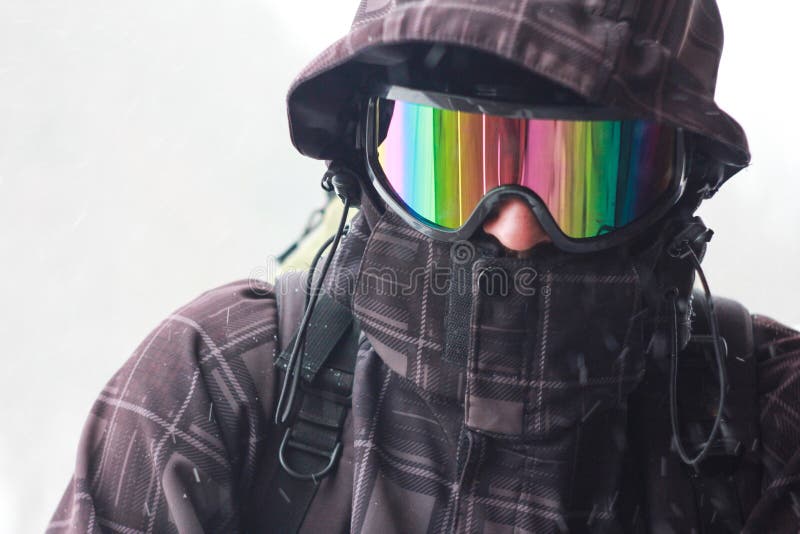
Free with trial Portrait of a tourist with a backpack in bad weather in the mountains. Heavy snowstorm. Face closed with a windproof mask. Extreme clothing. Close-up. Windproof stock images, royalty-free photos and pictures Portrait of a tourist with a backpack in bad weather in the mountains. Heavy snowstorm. Face closed with a windproof mask. Extreme clothing. Close-up
Free with trial An active male enjoys kicking up snow in an Ontario forest on cross-country skis. Windproof stock images, royalty-free photos and pictures Cross Country Skier. An active male enjoys kicking up snow in an Ontario forest on cross-country skis. An active male enjoys kicking up snow in an Ontario forest on cross-country skis.
Free with trial Fujian Tulou is a type of Chinese rural dwellings of the Hakka and Minnan people in the mountainous areas in southeastern Fujian, China. They were mostly built between the 12th and the 20th centuries. A tulou is usually a large, enclosed and fortified earth building, most commonly rectangular or circular in configuration, with very thick load-bearing rammed earth walls between three and five stories high and housing up to 80 families. Smaller interior buildings are often enclosed by these huge peripheral walls which can contain halls, storehouses, wells and living areas, the whole structure resembling a small fortified city. The fortified outer structures are formed by compacting earth, mixed with stone, bamboo, wood and other readily available materials, to form walls up to 6 feet (1. 8 m) thick. Branches, strips of wood and bamboo chips are often laid in the wall as additional reinforcement. The result is a well-lit, well-ventilated, windproof and earthquake-proof building that is warm in winter and cool in summer. Tulous usually have only one main gate, guarded by 4–5-inch-thick (100–130 mm) wooden doors reinforced with an outer shell of iron plate. The top level of these earth buildings has gun holes for defensive purposes. Windproof stock images, royalty-free photos and pictures Fujian Tulou. Is a type of Chinese rural dwellings of the Hakka and Minnan people in the mountainous areas in southeastern Fujian, China. They were mostly built. Fujian Tulou is a type of Chinese rural dwellings of the Hakka and Minnan people in the mountainous areas in southeastern Fujian, China. They were mostly built between the 12th and the 20th centuries. A tulou is usually a large, enclosed and fortified earth building, most commonly rectangular or circular in configuration, with very thick load-bearing rammed earth walls between three and five stories high and housing up to 80 families. Smaller interior buildings are often enclosed by these huge peripheral walls which can contain halls, storehouses, wells and living areas, the whole structure resembling a small fortified city. The fortified outer structures are formed by compacting earth, mixed with stone, bamboo, wood and other readily available materials, to form walls up to 6 feet (1.8 m) thick. Branches, strips of wood and bamboo chips are often laid in the wall as additional reinforcement. The result is a well-lit, well-ventilated, windproof and earthquake-proof building that is warm in winter and cool in summer. Tulous usually have only one main gate, guarded by 4–5-inch-thick (100–130 mm) wooden doors reinforced with an outer shell of iron plate. The top level of these earth buildings has gun holes for defensive purposes.
Free with trial Earthen Houses (Tulou), Fujian Province Earthen houses represent a vernacular architecture specific to Jiangxi, Fujian and Guangdong provinces following the flow of the Hakka people from central China to the South. As most Hakka resided in mountains, communal houses made of compacted earth were built to provide protection against bandits and wild animals. The older examples of this style of construction consist of interior buildings enclosed by huge peripheral ones holding hundreds of rooms and dwellers. With all the halls, storehouses, wells and bedrooms inside, the huge towerlike building functions almost as a small fortified city. Earthen houses are made of earth, stone, bamboo and wood, all readily available materials. After constructing the walls with rammed earth, branches, strips of wood and bamboo chips were laid in the wall as bones to reinforce it. The end result is a well lit, well-ventilated, windproof, quakeproof building that is warm in winter and cool in summer. Windproof stock images, royalty-free photos and pictures Old buildings. Earthen Houses (Tulou), Fujian Province Earthen houses represent a vernacular architecture specific to Jiangxi, Fujian and Guangdong provinces. Earthen Houses (Tulou), Fujian Province Earthen houses represent a vernacular architecture specific to Jiangxi, Fujian and Guangdong provinces following the flow of the Hakka people from central China to the South. As most Hakka resided in mountains, communal houses made of compacted earth were built to provide protection against bandits and wild animals. The older examples of this style of construction consist of interior buildings enclosed by huge peripheral ones holding hundreds of rooms and dwellers. With all the halls, storehouses, wells and bedrooms inside, the huge towerlike building functions almost as a small fortified city. Earthen houses are made of earth, stone, bamboo and wood, all readily available materials. After constructing the walls with rammed earth, branches, strips of wood and bamboo chips were laid in the wall as bones to reinforce it. The end result is a well lit, well-ventilated, windproof, quakeproof building that is warm in winter and cool in summer.
Free with trial Zippo lighters for sale. A variety of Zippo lighters in counter for sale. Windproof stock images, royalty-free photos and pictures Zippo lighters for sale. A variety of Zippo lighters in counter for sale
Free with trial Lighter. Lighted lighter with vawy reflection. Windproof stock images, royalty-free photos and pictures Lighter. Lighted lighter with vawy reflection
Free with trial A pretty young woman cuddles up in her new white winter coat!. Windproof stock images, royalty-free photos and pictures My New Winter Coat!. A pretty young woman cuddles up in her new white winter coat. A pretty young woman cuddles up in her new white winter coat!
Free with trial Zippo. Silver zippo lighter isolated on white background. Windproof stock images, royalty-free photos and pictures Zippo. Silver zippo lighter isolated on white background
Free with trial A young woman tries on a new white winter coat with a matching hood. Windproof stock images, royalty-free photos and pictures I Love My New Winter Coat!. A young woman tries on a new white winter coat with a matching hood. A young woman tries on a new white winter coat with a matching hood.
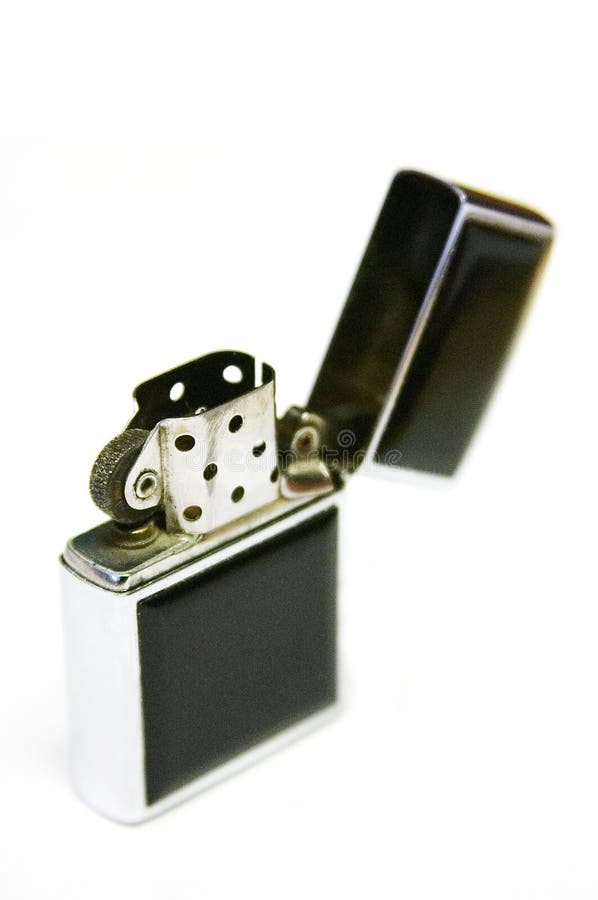
Free with trial Lighter. Old metal lighter studio isolated on white. Windproof stock images, royalty-free photos and pictures Lighter. Old metal lighter studio isolated on white
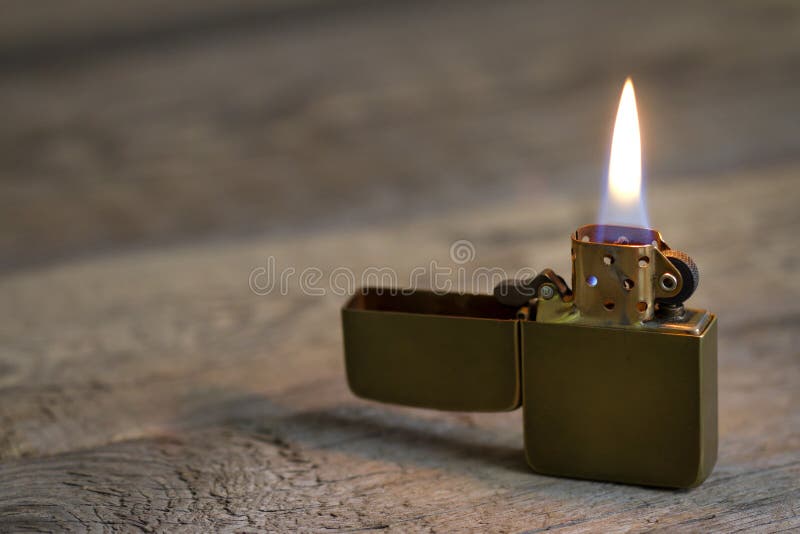
Free with trial Old retro golden lighter closeup. On vintage boards. Windproof stock images, royalty-free photos and pictures Old retro golden lighter closeup. On vintage boards
Free with trial Stormproof matches. Isolated on white. Windproof stock images, royalty-free photos and pictures Stormproof matches. Isolated on white
Free with trial Earthen houses represent a vernacular architecture specific to Jiangxi, Fujian and Guangdong provinces following the flow of the Hakka people from central China to the South. As most Hakka resided in mountains, communal houses made of compacted earth were built to provide protection against bandits and wild animals. The older examples of this style of construction consist of interior buildings enclosed by huge peripheral ones holding hundreds of rooms and dwellers. With all the halls, storehouses, wells and bedrooms inside, the huge towerlike building functions almost as a small fortified city. Earthen houses are made of earth, stone, bamboo and wood, all readily available materials. After constructing the walls with rammed earth, branches, strips of wood and bamboo chips were laid in the wall as bones to reinforce it. The end result is a well lit, well-ventilated, windproof, quakeproof building that is warm in winter and cool in summer. Windproof stock images, royalty-free photos and pictures Earthen Houses (Tulou), Fujian Province. Earthen houses represent a vernacular architecture specific to Jiangxi, Fujian and Guangdong provinces following the. Earthen houses represent a vernacular architecture specific to Jiangxi, Fujian and Guangdong provinces following the flow of the Hakka people from central China to the South. As most Hakka resided in mountains, communal houses made of compacted earth were built to provide protection against bandits and wild animals. The older examples of this style of construction consist of interior buildings enclosed by huge peripheral ones holding hundreds of rooms and dwellers. With all the halls, storehouses, wells and bedrooms inside, the huge towerlike building functions almost as a small fortified city. Earthen houses are made of earth, stone, bamboo and wood, all readily available materials. After constructing the walls with rammed earth, branches, strips of wood and bamboo chips were laid in the wall as bones to reinforce it. The end result is a well lit, well-ventilated, windproof, quakeproof building that is warm in winter and cool in summer.
Free with trial Lighter. A silver old gasoline lighter. Windproof stock images, royalty-free photos and pictures Lighter. A silver old gasoline lighter
Free with trial Zippo. Metal lighter open for smoking. Windproof stock images, royalty-free photos and pictures Zippo. Metal lighter open for smoking
Free with trial Winter runner woman jogging outside in forest. Jogger fit Asian girl running outdoor breathing cold air wearing sportswear windproof jacket, tights, gloves and ear warmers headband. Windproof stock images, royalty-free photos and pictures Winter runner woman jogging outside in forest. Jogger fit Asian girl running outdoor breathing cold air wearing sportswear windproof jacket, tights, gloves and
Free with trial Three Lighters. Three aluminium lighters in a row, with a cold blue background. Windproof stock images, royalty-free photos and pictures Three Lighters. Three aluminium lighters in a row, with a cold blue background
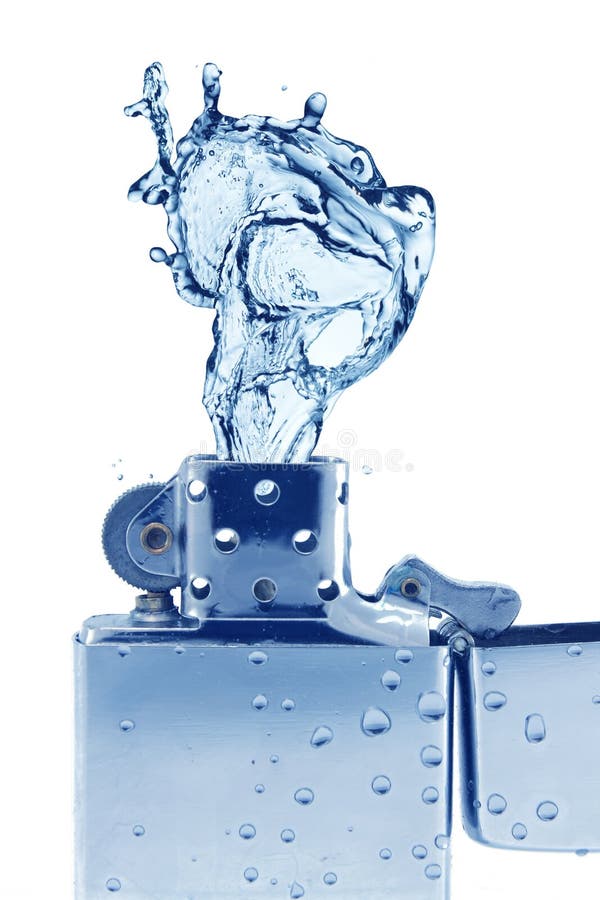
Free with trial Zippo Lighter. Picture of zippo lighter with water. Windproof stock images, royalty-free photos and pictures Zippo Lighter. Picture of zippo lighter with water
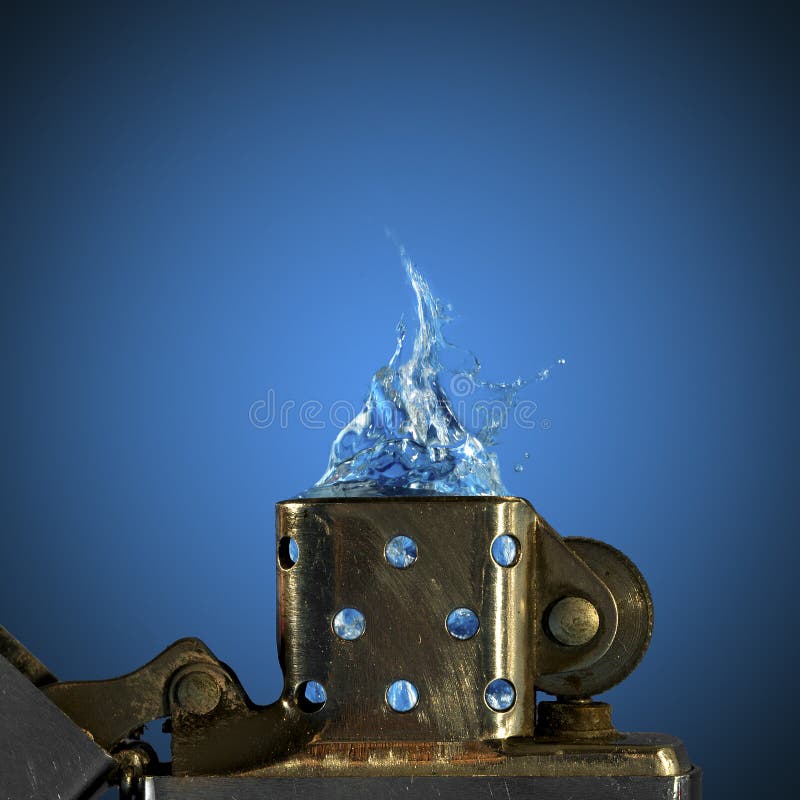
Free with trial Silver metal lighter with water instead flame symbolize stop smoking concept. Lighter is in blue tone nad symbolize cold water. Windproof stock images, royalty-free photos and pictures Silver metal lighter with water. Instead flame symbolize stop smoking concept. Lighter is in blue tone nad symbolize cold water
Free with trial Metal lighter isolated. On white background. Windproof stock images, royalty-free photos and pictures Metal lighter isolated. On white background
Free with trial Softshell zipper. Softshell fleece jacket zipper detail. Windproof stock images, royalty-free photos and pictures Softshell zipper. Softshell fleece jacket zipper detail
Free with trial Compact waterproof umbrella with sleeve in hard case on white. Windproof stock images, royalty-free photos and pictures Umbrella with sleeve in hard case on white. Compact waterproof umbrella with sleeve in hard case on white. Compact waterproof umbrella with sleeve in hard case on white.
Free with trial Silver zippo lighter. Silver metal zippo lighter for smokers, close-up, macro, copy space. Windproof stock images, royalty-free photos and pictures Silver zippo lighter. Silver metal zippo lighter for smokers, close-up, macro, copy space
Free with trial Better matches. Bright, red wind and waterproof matches, with oversized heads. Windproof stock images, royalty-free photos and pictures Better matches. Bright, red wind and waterproof matches, with oversized heads
Free with trial Oil Lighter. Black metal gasoline lighter, isolated on white. Windproof stock images, royalty-free photos and pictures Oil Lighter. Black metal gasoline lighter, isolated on white
Free with trial Winter runner girl training running in snow wearing cold weather clothes, gloves, warm yellow jacket. Asian woman jogging in park during snowfall. Active and fitness lifestyle. Windproof stock images, royalty-free photos and pictures Winter exercise Asian woman running in cold weather clothes. Chinese runner girl training outside. Athlete working out jogging in. Winter runner girl training. Winter runner girl training running in snow wearing cold weather clothes, gloves, warm yellow jacket. Asian woman jogging in park during snowfall. Active and fitness lifestyle
Free with trial Metal lighter. Isolated on white background. Windproof stock images, royalty-free photos and pictures Metal lighter. Isolated on white background
Free with trial Metal lighter isolated on white background, gold color. Windproof stock images, royalty-free photos and pictures Metal lighter isolated on white background. Gold color
Free with trial Lighter. Metal lighter over dark reflective surface. Windproof stock images, royalty-free photos and pictures Lighter. Metal lighter over dark reflective surface
Free with trial Young bicycler on the background of autumn leaves (portrait, head and shoulders, helmet and sports glasses). Windproof stock images, royalty-free photos and pictures Young smiling bicycler on the background of autumn. Young bicycler on the background of autumn leaves (portrait, head and shoulders, helmet and sports glasses. Young bicycler on the background of autumn leaves (portrait, head and shoulders, helmet and sports glasses)
Free with trial Zippo lighter. Silver metal zippo lighter close-up, macro. Windproof stock images, royalty-free photos and pictures Zippo lighter. Silver metal zippo lighter close-up, macro
Free with trial A Box of storm proof matches aka lifeboat matches isolated on white with natural shadow. Windproof stock images, royalty-free photos and pictures Lifeboat matches. A Box of storm proof matches aka lifeboat matches isolated on white with natural shadow. A Box of storm proof matches aka lifeboat matches isolated on white with natural shadow.
Free with trial Burning Lighter. Black gasoline lighter with flame on dark background. Windproof stock images, royalty-free photos and pictures Burning Lighter. Black gasoline lighter with flame on dark background
Free with trial Compact waterproof umbrella with sleeve in hard case on white with a black tag label. Windproof stock images, royalty-free photos and pictures Umbrella with sleeve in hard case on white. Compact waterproof umbrella with sleeve in hard case on white with a black tag label. Compact waterproof umbrella with sleeve in hard case on white with a black tag label.
Free with trial Winter running Asian girl wearing cold weather clothing for outside exercise in snow storm snowfall during winter training outdoors in city street. Fitness woman exercising. Windproof stock images, royalty-free photos and pictures Winter running Asian girl wearing cold weather clothing for outside exercise in snow storm snowfall during winter training. Outdoors in city street. Fitness
Free with trial Waterproof textile background. With water drops. Windproof stock images, royalty-free photos and pictures Waterproof textile background. With water drops
Free with trial Golden metal lighter and smoke. Concept golden metal lighter and smoke. Windproof stock images, royalty-free photos and pictures Golden metal lighter and smoke. Concept golden metal lighter and smoke
Free with trial Oil Lighter. Black metal gasoline lighter, on white. Windproof stock images, royalty-free photos and pictures Oil Lighter. Black metal gasoline lighter, on white
Free with trial Blue waterproof fabric with raindrops close-up. Fabric for active sports. Windproof stock images, royalty-free photos and pictures Blue waterproof fabric with raindrops close-up. Fabric for active sports.
 Sign in