
Angular Stratified Surface Illustrations & Vectors

Only a few matches for angular stratified surface. Also displaying results for

Browse through 67 angular stratified surface illustrations & vectors or explore more angular edges or natural beauty vectors to complete your project with stunning visuals.

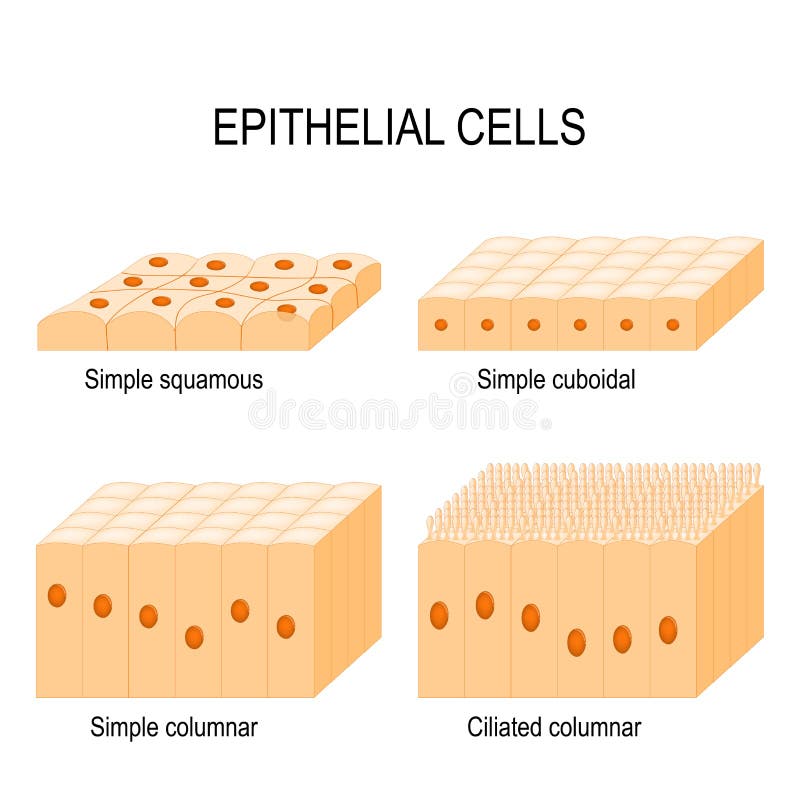
Epithelial tissue with labeled squamous, cuboidal and columnar examples vector illustration. Educational simple, straitified and trasitional comparison scheme in anatomical classification collection. Angular stratified surface vectors
A piece of stratified sandstone displaying alternating reddish-brown and beige layers. The stone has a flat, irregular surface with a rough texture, typical of sedimentary rock formation. Set against a dark background, the lighting highlights the natural banding, emphasizing the contrast between the layers. The stone's angular edges suggest it is a fragment of a larger rock formation. Sandstone is often used in construction and decoration for its visual appeal and durability. Angular stratified surface illustrations
A large, floating rock formation with stratified layers. The upper surface is covered in patches of green moss or vegetation. The rock has a rugged, textured appearance with sharp, angular edges. The underside features intricate, root-like structures. The scene is set against a backdrop of a cloudy sky, suggesting isolation and surrealism. The lighting highlights the rock's details, creating contrasts between shadows and illuminated areas. Angular stratified surface illustrations
A large, angular grey rock sits against a neutral grey background. The surface of the stone is textured with rough, jagged edges and deep cracks. Prominent vertical and diagonal bands of rust-brown and orange mineral deposits cut through the grey stone, creating a layered, stratified appearance. The lighting highlights the sharp edges and the contrast between the cool grey tones of the rock and. Angular stratified surface illustrations
A detailed, high-resolution focusing on a dark charcoal-colored slate rock formation. The surface is characterized by sharp, angular edges and deep fractures, revealing the stratified nature of the stone. The texture is rough and uneven, with subtle variations in shade and light creating a sense of depth and solidity. highlights the raw, natural beauty of geological. Angular stratified surface illustrations
A large, angular grey rock sits against a neutral grey background. The surface of the stone is textured with rough, jagged edges and deep cracks. Prominent vertical and diagonal bands of rust-brown and orange mineral deposits cut through the grey stone, creating a layered, stratified appearance. The lighting highlights the sharp edges and the contrast between the cool grey tones of the rock and. Angular stratified surface illustrations
A close-up, detailed view of a dark grey to black slate stone wall. The surface is composed of large, angular, fractured pieces of rock, creating a rugged and textured appearance. Sharp lines and deep shadows highlight the natural cracks and fissures within the stone, emphasizing its raw, geological nature. The overall impression is one of strength, durability, and natural beauty. Angular stratified surface illustrations
This is a vertical, portrait-format, outdoor stock photograph of a high mountain scene, shot from an elevated vantage point looking across a valley toward two rocky summits. The frame is built from a strong diagonal, with a layered foreground, midground and background. Two dominant jagged grey rock peaks fill the upper half of the frame: the left peak is a broad, angular, ridge-streaked mass with strong vertical fracturing and a small pointed spur at its lower left, while the right peak is a taller, narrower, more pointed spire-like summit, the two separated by a shallow saddle or couloir. At the far left, hazier blue-grey distant mountains recede into the distance, carrying clear white patches of snow on their upper slopes. In the centre of the frame a stratified rock ledge or cliff outcrop juts out, a craggy formation of horizontally layered grey sedimentary rock capped with a mat of green grass and moss on its top surface, forming a sharp cliff edge that drops away to the left. Below and beyond the ledge, a broad pale-grey scree or talus slope of loose rock debris sweeps diagonally from the foot of the peaks down to the lower-left, where it meets a flat green valley floor with scattered boulders, and a faint thin line at the very bottom-left may be a small stream. The foreground on the right is a steep, lush green mountain grass slope or meadow running diagonally from the top-right corner down to the bottom-right, vivid green with scattered yellowing-tan patches and a few bare spots. At the right edge stands a single weathered, pale-brown wooden fence post with several thin horizontal metal wires strung across the slope, marking a pasture boundary, with a second, smaller dark post visible higher up the slope. The sky is pale blue, filled with scattered, soft white cumulus clouds, thin wisps and a faint contrail at the top-left. The light is bright, soft and fairly even, with moderate directional shading on the rock faces, indicating a high sun and a midday to early afternoon hour. The lush, fully green mountain meadow with no snow on the main summits, and only residual white snow on the highest distant peaks, point to late spring or summer. There are no people, no animals and no buildings in the scene. The only man-made elements are the weathered wooden fence post and its wire fence. The composition uses the diagonal green slope and the central stratified rock ledge on the right and centre to lead the eye down and across the pale scree slope, the two peaks anchor the upper half, and the fence post on the right edge acts as a vertical frame element. The palette is muted grey and pale grey, vivid green, yellow-tan, white and pale blue. Angular stratified surface illustrations

Two Jagged Grey Rock Peaks above a Steep Green Grass Slope. This is a vertical, portrait-format, outdoor stock photograph of a high mountain scene, shot from an. This is a vertical, portrait-format, outdoor stock photograph of a high mountain scene, shot from an elevated vantage point looking across a valley toward two rocky summits. The frame is built from a strong diagonal, with a layered foreground, midground and background. Two dominant jagged grey rock peaks fill the upper half of the frame: the left peak is a broad, angular, ridge-streaked mass with strong vertical fracturing and a small pointed spur at its lower left, while the right peak is a taller, narrower, more pointed spire-like summit, the two separated by a shallow saddle or couloir. At the far left, hazier blue-grey distant mountains recede into the distance, carrying clear white patches of snow on their upper slopes. In the centre of the frame a stratified rock ledge or cliff outcrop juts out, a craggy formation of horizontally layered grey sedimentary rock capped with a mat of green grass and moss on its top surface, forming a sharp cliff edge that drops away to the left. Below and beyond the ledge, a broad pale-grey scree or talus slope of loose rock debris sweeps diagonally from the foot of the peaks down to the lower-left, where it meets a flat green valley floor with scattered boulders, and a faint thin line at the very bottom-left may be a small stream. The foreground on the right is a steep, lush green mountain grass slope or meadow running diagonally from the top-right corner down to the bottom-right, vivid green with scattered yellowing-tan patches and a few bare spots. At the right edge stands a single weathered, pale-brown wooden fence post with several thin horizontal metal wires strung across the slope, marking a pasture boundary, with a second, smaller dark post visible higher up the slope. The sky is pale blue, filled with scattered, soft white cumulus clouds, thin wisps and a faint contrail at the top-left. The light is bright, soft and fairly even, with moderate directional shading on the rock faces, indicating a high sun and a midday to early afternoon hour. The lush, fully green mountain meadow with no snow on the main summits, and only residual white snow on the highest distant peaks, point to late spring or summer. There are no people, no animals and no buildings in the scene. The only man-made elements are the weathered wooden fence post and its wire fence. The composition uses the diagonal green slope and the central stratified rock ledge on the right and centre to lead the eye down and across the pale scree slope, the two peaks anchor the upper half, and the fence post on the right edge acts as a vertical frame element. The palette is muted grey and pale grey, vivid green, yellow-tan, white and pale blue.

Presents an extreme close-up of golden-hued rock formations. The surface is characterized by a network of deep, dark cracks and fissures that run across sharp, angular facets. The interplay of light and shadow accentuates the rugged texture and the geometric patterns inherent in the stone's structure. The warm, rich golden and brown tones suggest a mineral-rich composition, possibly with a. Angular stratified surface illustrations
A vertical portrait orientation alpine landscape photograph taken from the shoreline of a high mountain lake, looking across the water toward a wall of snow covered peaks, the frame divided into three horizontal zones with a band of sky at the top, a band of mountains in the middle, and a broad expanse of lake water filling the lower half, the viewpoint low at water level so the lake feels immediate and expansive. The lower portion is occupied by the glacial lake, its surface gently rippled and not glass calm, with fine wind made texture, the color a striking glacial turquoise or teal on the left fading to a paler milky blue green toward the center and right, typical of meltwater lakes carrying rock flour, and at the very bottom edge a thin strip of pale tan or grey sandy gravelly shore is visible, with a tiny white speck on the water at the left that may be a small boat, buoy, or piece of floating ice or rock, with no people discernible. On the left a steep angular rock outcrop rises out of the snow, a brownish grey cliff face with clear horizontal stratification of layered sedimentary rock, dusted with snow in its ledges and crevices, and below the rock the slope is a smooth white snowfield that runs down to the water, while on the right and in the distance additional rounded snow blanketed peaks and ridges recede into the background with a soft dome shaped summit in the center right distance. A narrow band of dark green coniferous trees, spruce and pine, lines the water's edge on the left and appears in scattered patches on the right hand slopes where dark forest shows through the snow. Snow is a dominant white element, covering the lower mountain slopes, the ground, and the crevices of the rock, indicating late winter or early spring or high altitude conditions. The sky fills the upper portion, mostly overcast with soft white and light grey cloud cover, with patches of clear blue sky breaking through in the upper left corner. The palette is a cool desaturated set dominated by turquoise and teal in the water, bright white in the snow and clouds, slate grey brown in the rock, deep forest green in the conifers, and pale blue in the sky, the turquoise of the lake being the most saturated eye catching hue in the image. The light is soft, diffuse, and even, consistent with an overcast day, with no harsh shadows or strong highlights, the snow evenly lit and the rock face gently modeled, the light feeling cool and crisp and reinforcing the cold climate mood. The mood is serene, pristine, tranquil, majestic and cold, a sense of remote untouched wilderness and quiet solitude, the still water and snow conveying calm and isolation, with no people or buildings visible. The steep angular rock outcrop rising out of the snow with its brownish grey cliff face and clear horizontal stratification of layered sedimentary rock dusted with snow, the smooth white snowfield running down to the water, and the additional rounded snow blanketed peaks and ridges receding into the background, is the dominant element, the glacial lake with its gently rippled surface and striking glacial turquoise or teal color on the left fading to a paler milky blue green toward the center and right, is the secondary element, and the mostly overcast sky with its soft white and light grey cloud cover and patches of clear blue sky, the narrow band of dark green coniferous trees lining the water's edge, and the scattered patches of dark forest on the right hand slopes, complete the serene pristine tranquil majestic cold remote untouched wilderness glacial lake and mountain landscape scene. Angular stratified surface illustrations

A Snow Covered Alpine Lake With Turquoise Glacial Water And A Stratified Rock Cliff. A vertical portrait orientation alpine landscape photograph taken from the. A vertical portrait orientation alpine landscape photograph taken from the shoreline of a high mountain lake, looking across the water toward a wall of snow covered peaks, the frame divided into three horizontal zones with a band of sky at the top, a band of mountains in the middle, and a broad expanse of lake water filling the lower half, the viewpoint low at water level so the lake feels immediate and expansive. The lower portion is occupied by the glacial lake, its surface gently rippled and not glass calm, with fine wind made texture, the color a striking glacial turquoise or teal on the left fading to a paler milky blue green toward the center and right, typical of meltwater lakes carrying rock flour, and at the very bottom edge a thin strip of pale tan or grey sandy gravelly shore is visible, with a tiny white speck on the water at the left that may be a small boat, buoy, or piece of floating ice or rock, with no people discernible. On the left a steep angular rock outcrop rises out of the snow, a brownish grey cliff face with clear horizontal stratification of layered sedimentary rock, dusted with snow in its ledges and crevices, and below the rock the slope is a smooth white snowfield that runs down to the water, while on the right and in the distance additional rounded snow blanketed peaks and ridges recede into the background with a soft dome shaped summit in the center right distance. A narrow band of dark green coniferous trees, spruce and pine, lines the water's edge on the left and appears in scattered patches on the right hand slopes where dark forest shows through the snow. Snow is a dominant white element, covering the lower mountain slopes, the ground, and the crevices of the rock, indicating late winter or early spring or high altitude conditions. The sky fills the upper portion, mostly overcast with soft white and light grey cloud cover, with patches of clear blue sky breaking through in the upper left corner. The palette is a cool desaturated set dominated by turquoise and teal in the water, bright white in the snow and clouds, slate grey brown in the rock, deep forest green in the conifers, and pale blue in the sky, the turquoise of the lake being the most saturated eye catching hue in the image. The light is soft, diffuse, and even, consistent with an overcast day, with no harsh shadows or strong highlights, the snow evenly lit and the rock face gently modeled, the light feeling cool and crisp and reinforcing the cold climate mood. The mood is serene, pristine, tranquil, majestic and cold, a sense of remote untouched wilderness and quiet solitude, the still water and snow conveying calm and isolation, with no people or buildings visible. The steep angular rock outcrop rising out of the snow with its brownish grey cliff face and clear horizontal stratification of layered sedimentary rock dusted with snow, the smooth white snowfield running down to the water, and the additional rounded snow blanketed peaks and ridges receding into the background, is the dominant element, the glacial lake with its gently rippled surface and striking glacial turquoise or teal color on the left fading to a paler milky blue green toward the center and right, is the secondary element, and the mostly overcast sky with its soft white and light grey cloud cover and patches of clear blue sky, the narrow band of dark green coniferous trees lining the water's edge, and the scattered patches of dark forest on the right hand slopes, complete the serene pristine tranquil majestic cold remote untouched wilderness glacial lake and mountain landscape scene.

This macro shot captures the complex, angular geometry of translucent mineral cleavage planes. A powerful light source emphasizes the sharp edges and crystalline texture, creating a dramatic contrast between the glowing golden core and the dark surrounding layers. Rendered by Ai this abstract texture suggests geological depth and brilliant natural fracturing. It is ideal for backgrounds or design. Angular stratified surface illustrations
Close-up of a textured gray rock, showcasing its angular, stratified surface illuminated by sunlight. The rock's rough and rugged texture is highlighted, with varied shades of gray accentuating the layers and crevices. The background is softly blurred, suggesting an outdoor setting, with hints of earth tones that might indicate surrounding natural elements or landscape. Angular stratified surface illustrations
Showcases a close-up of overlapping dark grey slate tiles, likely forming a roof. The natural texture of the slate is prominent, with visible cracks and fissures adding character to each piece. The angular shapes of the tiles create an interesting pattern, enhanced by the interplay of light and shadow. The overall feel is one of natural and weathered durability. Angular stratified surface illustrations
A close-up view of a rugged rock face displaying a complex texture and striking color contrast. Large, angular blocks of stone are clearly defined by sharp fracture lines, creating a geometric and almost architectural appearance. The rock exhibits a palette of golden yellow, grey, and brown hues, with some areas appearing weathered and stained. This natural formation presents an abstract pattern. Angular stratified surface illustrations
Abstract 3D render of angular metallic prisms with rusty textures, orange edge glows piercing black fog, evoking industrial minimalism and dramatic contrast. Angular stratified surface illustrations
Layered slate from a Moroccan desert landscape displays thin stratified edges, angular fractures, and naturally varied ochre and charcoal mineral coloration. Fine sediment accumulates in recessed seams between firmly stacked stone plates. This image is generated with the use of an AI. Angular stratified surface illustrations
A vertical, portrait format alpine landscape photograph taken from an elevated vantage point on a forested slope, looking down and across a high mountain lake toward a snow streaked mountain range, and the frame is built in three zones, a dark, shadowed foreground and left edge with rocks, dead wood, and a wall of conifers, a bright, mirror still lake in the middle, and a sun lit mountain range under a clouded sky in the upper portion, and the eye is drawn from the dark trees on the left, across the turquoise water, up to the glowing peaks, and then back down into their reflection. The mountains are the dominant element and the subject of the photograph, and the background is dominated by a rugged mountain range that runs across the upper third to half of the frame, and the central and right hand peaks are the visual hero, and their upper slopes and ridges are catching direct, low angle sunlight, producing a warm, golden orange to pink alpenglow on the rock and on the snow patches, and below the lit summits the mountains fall away into cooler grey scree, bare rock, and lingering snowfields, with a pale, fan shaped debris slope descending toward the head of the lake in the centre, and the contrast between the warm lit tops and the cool, shadowed lower slopes gives the range strong three dimensional depth. The water is the secondary element and the main stage of the scene, and a calm, glacial lake fills the central band of the image, and its colour is a clear turquoise and teal, typical of meltwater lakes, and its surface is glassy and almost perfectly still, so it acts as a mirror, and the pink clouds, the grey sky, and the warm lit peaks are all reflected in it, creating a near symmetrical composition, with the mountains above and their inverted image below, and the water is the main stage of the scene and carries the light from the peaks down into the middle of the frame. On the left edge a dense, dark wall of coniferous trees runs vertically from the top of the frame down to the water s edge, and their trunks read as a series of thin vertical lines and the canopy as a near black green mass, placing that side of the image in deep shadow, and in the lower centre, a single isolated conifer stands on the near shore, dark green and slightly backlit, acting as a foreground anchor, and a few low shrubs and bare twigs appear at the very bottom edge, and the vegetation functions as a dark framing device on the left and a focal point in the foreground, rather than as the main subject. The immediate foreground, the bottom of the frame, is a dark, sloping bank of bare earth, rocks, and dead branches, mostly in shadow, and at the far left edge there is a pale, angular shape that reads as either a large rock or the corner of a small man made structure, and it is ambiguous and minor, and these rocky and earthy tones ground the composition and provide the darkest values in the picture. The sky occupies the top band of the image and is not clear blue, but layered with soft, stratified clouds, and the clouds nearest the summits are tinged warm pink, peach, and pale orange, the same low angle light that hits the peaks, while the higher cloud masses are cooler slate grey, and a small patch of brighter, almost white sky shows through on the upper left behind the treetops, and the cloud cover gives the scene a soft, diffused backdrop that contrasts with the crisp, hard lit rock faces below. The light is low angle, characteristic of sunrise or sunset, and the sun is behind or to the side of the peaks, so the upper mountain faces and the clouds are illuminated with warm light, while the foreground slope, the left forest, and the near shore are in shadow, backlit, and this creates high contrast between the bright peaks and reflection and the dark framing elements, and it is what gives the water its luminous, glowing reflection. The colour palette is a balanced mix of cool and warm tones, with deep forest green and charcoal brown in the foreground and left forest, vivid turquoise and teal in the lake, white and cool grey in the snow, scree, and upper clouds, and warm gold, orange, and pink in the sunlit peaks and lower clouds, and the warm accents are concentrated in the upper right and centre, while the cool, dark tones dominate the lower left, producing a strong diagonal colour contrast. The mood is serene, majestic, and tranquil, with an undercurrent of awe and drama, and the still water, the soft clouds, and the warm light on the cold peaks evoke a quiet, pristine, high altitude atmosphere, peaceful yet grand, the feeling of a remote wilderness at the edge of day. The rugged mountain range running across the upper third to half of the frame, with the central and right hand peaks catching direct, low angle sunlight and producing a warm, golden orange to pink alpenglow on the rock and on the snow patches, and the warm lit tops contrasting with the cool, shadowed lower slopes of grey scree, bare rock, and lingering snowfields, is the dominant element, the calm, glacial lake filling the central band of the image, with its clear turquoise and teal colour and its glassy, almost perfectly still surface acting as a mirror reflecting the pink clouds, the grey sky, and the warm lit peaks in a near symmetrical composition, is the secondary element, and the dense, dark wall of coniferous trees on the left edge, with their trunks reading as a series of thin vertical lines and their canopy as a near black green mass in deep shadow, and the single isolated conifer standing on the near shore as a dark green, slightly backlit foreground anchor, complete the serene majestic tranquil awe drama quiet pristine high altitude remote wilderness edge of day scene. Angular stratified surface illustrations

Alpenglow Peaks Reflected In A Turquoise Alpine Lake. A vertical, portrait format alpine landscape photograph taken from an elevated vantage point on a forested. A vertical, portrait format alpine landscape photograph taken from an elevated vantage point on a forested slope, looking down and across a high mountain lake toward a snow streaked mountain range, and the frame is built in three zones, a dark, shadowed foreground and left edge with rocks, dead wood, and a wall of conifers, a bright, mirror still lake in the middle, and a sun lit mountain range under a clouded sky in the upper portion, and the eye is drawn from the dark trees on the left, across the turquoise water, up to the glowing peaks, and then back down into their reflection. The mountains are the dominant element and the subject of the photograph, and the background is dominated by a rugged mountain range that runs across the upper third to half of the frame, and the central and right hand peaks are the visual hero, and their upper slopes and ridges are catching direct, low angle sunlight, producing a warm, golden orange to pink alpenglow on the rock and on the snow patches, and below the lit summits the mountains fall away into cooler grey scree, bare rock, and lingering snowfields, with a pale, fan shaped debris slope descending toward the head of the lake in the centre, and the contrast between the warm lit tops and the cool, shadowed lower slopes gives the range strong three dimensional depth. The water is the secondary element and the main stage of the scene, and a calm, glacial lake fills the central band of the image, and its colour is a clear turquoise and teal, typical of meltwater lakes, and its surface is glassy and almost perfectly still, so it acts as a mirror, and the pink clouds, the grey sky, and the warm lit peaks are all reflected in it, creating a near symmetrical composition, with the mountains above and their inverted image below, and the water is the main stage of the scene and carries the light from the peaks down into the middle of the frame. On the left edge a dense, dark wall of coniferous trees runs vertically from the top of the frame down to the water s edge, and their trunks read as a series of thin vertical lines and the canopy as a near black green mass, placing that side of the image in deep shadow, and in the lower centre, a single isolated conifer stands on the near shore, dark green and slightly backlit, acting as a foreground anchor, and a few low shrubs and bare twigs appear at the very bottom edge, and the vegetation functions as a dark framing device on the left and a focal point in the foreground, rather than as the main subject. The immediate foreground, the bottom of the frame, is a dark, sloping bank of bare earth, rocks, and dead branches, mostly in shadow, and at the far left edge there is a pale, angular shape that reads as either a large rock or the corner of a small man made structure, and it is ambiguous and minor, and these rocky and earthy tones ground the composition and provide the darkest values in the picture. The sky occupies the top band of the image and is not clear blue, but layered with soft, stratified clouds, and the clouds nearest the summits are tinged warm pink, peach, and pale orange, the same low angle light that hits the peaks, while the higher cloud masses are cooler slate grey, and a small patch of brighter, almost white sky shows through on the upper left behind the treetops, and the cloud cover gives the scene a soft, diffused backdrop that contrasts with the crisp, hard lit rock faces below. The light is low angle, characteristic of sunrise or sunset, and the sun is behind or to the side of the peaks, so the upper mountain faces and the clouds are illuminated with warm light, while the foreground slope, the left forest, and the near shore are in shadow, backlit, and this creates high contrast between the bright peaks and reflection and the dark framing elements, and it is what gives the water its luminous, glowing reflection. The colour palette is a balanced mix of cool and warm tones, with deep forest green and charcoal brown in the foreground and left forest, vivid turquoise and teal in the lake, white and cool grey in the snow, scree, and upper clouds, and warm gold, orange, and pink in the sunlit peaks and lower clouds, and the warm accents are concentrated in the upper right and centre, while the cool, dark tones dominate the lower left, producing a strong diagonal colour contrast. The mood is serene, majestic, and tranquil, with an undercurrent of awe and drama, and the still water, the soft clouds, and the warm light on the cold peaks evoke a quiet, pristine, high altitude atmosphere, peaceful yet grand, the feeling of a remote wilderness at the edge of day. The rugged mountain range running across the upper third to half of the frame, with the central and right hand peaks catching direct, low angle sunlight and producing a warm, golden orange to pink alpenglow on the rock and on the snow patches, and the warm lit tops contrasting with the cool, shadowed lower slopes of grey scree, bare rock, and lingering snowfields, is the dominant element, the calm, glacial lake filling the central band of the image, with its clear turquoise and teal colour and its glassy, almost perfectly still surface acting as a mirror reflecting the pink clouds, the grey sky, and the warm lit peaks in a near symmetrical composition, is the secondary element, and the dense, dark wall of coniferous trees on the left edge, with their trunks reading as a series of thin vertical lines and their canopy as a near black green mass in deep shadow, and the single isolated conifer standing on the near shore as a dark green, slightly backlit foreground anchor, complete the serene majestic tranquil awe drama quiet pristine high altitude remote wilderness edge of day scene.

Layered rock formations create a striking abstract pattern under a clear, deep blue sky. The stratified layers vary in thickness, showcasing a range of dark and light shades. These sedimentary rocks illustrate geological processes over time, forming flat, angular surfaces. The deep blue sky adds contrast, highlighting the intricate and rugged texture of the rocks. The natural beauty and complexity of these formations are emphasized by the clean, uninterrupted sky background. Angular stratified surface illustrations
Parallel bands of pale limestone and weathered gray rock define the steep escarpments of Jebel Jais in the Hajar range of Ras Al Khaimah, United Arab Emirates, with scattered umbrella thorn acacia (Vachellia tortilis) rooted in gravelly ledges. Low evening sunlight reveals the mineral layers and angular rock fractures across the exposed terrain. This image is generated with the use of an AI. Angular stratified surface illustrations
An intricate close-up reveals the raw complexity of a fractured volcanic surface, with sharp ridges and layered strata beneath shadowed, atmospheric illuminatio. Angular stratified surface illustrations
Rugged rock face with stratified layers and jagged formations. The surface features a mix of earthy tones, predominantly brown and gray, suggesting a sedimentary or metamorphic origin. Visible striations and textures indicate erosion and geological processes over time. The irregular surface creates a sense of depth and complexity, highlighting natural fractures and angular protrusions. Ideal for studying geological formations and rock composition. background and illustration. Angular stratified surface illustrations
This image appears to show a detailed cross-sectional diagram of geological layers, illustrating the stratified composition beneath the Earth's surface. The layers vary in color and texture, representing different rock types, sediment deposits, and possibly fossil inclusions. The top portion depicts the surface terrain with a building and vegetation, indicating the transition from subsurface. Angular stratified surface illustrations
Macro view of raw black coal rock surface featuring detailed geological layers and metallic shine, natural industrial carbon mineral texture pattern study. Angular stratified surface illustrations
A cylindrical ice core section, transparent with visible stratified layers, indicating seasonal variations in snow accumulation. The surface is smooth, with slight frosting and bubbles trapped within. Ice cores are essential for climate research, as they preserve atmospheric gases and particles over millennia, revealing past climate conditions. Typically extracted from polar regions like Antarctica or Greenland, these samples are crucial for understanding Earth's climate history and predicting future changes. The core appears to be approximately the size of a small cylinder. Angular stratified surface illustrations
This high-resolution photograph features a detailed close-up of a rugged sandstone cliff face. The image showcases the intricate geological layers, weathered textures, and earthy color palette ranging from deep ochre to light beige. The natural erosion patterns create a complex, stratified surface that highlights the passage of time and geological history. This background is ideal for design projects requiring organic textures, themes related to nature, geology, earth sciences, or as a rustic backdrop for marketing materials, website headers, and artistic compositions emphasizing raw, natural beauty and environmental elements. Angular stratified surface illustrations
Model of an earthquake fault line illustrating stratified sedimentary layers in varied colors like orange, beige, and blue. A diagonal fault cuts through the layers, displacing them. Miniature vegetation and rocks adorn the model's top surface. The cross-section is supported on a rectangular base with a ruler for scale, showcasing the geological process of tectonic movement. Angular stratified surface illustrations
A macro shot captures the intricate texture of a weathered gray rock in a deep forest setting. Lush green moss and dry brown needles rest on the stratified surface against a bokeh background of trees. Angular stratified surface illustrations
A dramatic monochrome high contrast image captures the textured and stratified surface of a massive rock cliff face, illuminated by the low angle light of either sunrise or sunset, highlighting deep crevices and sharp edges, suggesting immense geological time and natural forces at play. Angular stratified surface illustrations
Detailed view of a natural slate serving board, showcasing its rugged, stratified surface and irregular chipped border against a muted backdrop. Angular stratified surface illustrations
Illustration of stratified squamous epithelium, showing multiple layers of flattened cells. The cells transition from cuboidal to flat as they move towards the surface. The image highlights the cell nuclei, stained dark purple, against a pink cytoplasm. This type of tissue is typically found in areas subject to abrasion, such as the skin, esophagus, and mouth. The layering provides protective functions, resisting mechanical stress and potential pathogens. Angular stratified surface illustrations
Rough texture of a stratified rock surface, featuring layers of varying thickness in shades of gray and beige. The layers show signs of erosion, with jagged edges and irregular shapes. The rock displays a natural pattern indicative of sedimentary origins, possibly sandstone or shale. Its uneven surface suggests weathering effects over time, providing insight into geological processes. Visible horizontal striations highlight the difference in material deposition over epochs. The texture is coarse, typical of a natural rock formation exposed to elements. Angular stratified surface illustrations
A powerful earth science background featuring a stratified lava surface, revealing the intricate layered cooling process. This image is perfect for educational and documentary content on geology, volcanoes, and the formation of the earth's crust. It? s an ideal texture for visual learning. Angular stratified surface illustrations
Sedimentary rock surface featuring stratified layers with varying shades of brown, orange, and dark gray. The layers are gently curved, showcasing patterns formed over time due to geological processes. The texture appears rough, with visible lines indicating ancient sediment deposition. A prominent crack runs diagonally, adding to the intricate natural design. This rock exemplifies sedimentary formations often found in regions with historical water flow or wind erosion, revealing the dynamic history of Earth's surface. Angular stratified surface illustrations
High resolution macro detail of natural beige sandstone surface showing rough grainy texture with stratified layers and weathered erosion pattern ideal for construction background material abstract geology design concept. Angular stratified surface illustrations
Rugged red rock texture with a prominent rough surface, featuring stratified layers. The rock has an earthy orange hue, typical of sandstone formations. Left side shows a blurred background with greenery, possibly a forest setting. The surface exhibits natural weathering, creating an intricate pattern of grooves and ridges, enhancing its geological character. The close-up perspective highlights the tactile quality and complexity of the rock's structure. Angular stratified surface illustrations
A six-panel black-and-white depicts snow cornices projecting over steep mountain ridges, a fractured snow slab breaking away, and close views of layered wind-sculpted snow. The panels contrast overhanging cornices and jagged ridge formations with deep crown fractures that expose dark, stratified snow beneath the surface. Dense ink lines trace the slopes, crests, and broken edges, giving the alpine terrain a stark, rugged texture. Angular stratified surface illustrations
Triangular stone slab with natural stratified patterns in shades of brown, tan, and yellow. The surface texture appears rough, typical of sedimentary rocks like sandstone. Blue background creates contrast, highlighting the stone's layered structure. Angular stratified surface illustrations
Cracked concrete wall displaying rough texture and stratified layers of gray cement. Exposed sections reveal inner layers of uneven stones and some orange-brown hues, indicating possible brick or rust presence. The surface features an irregular pattern of lines and cracks, highlighting erosion and material fatigue. Curved shapes hint at erosion effects or structural imperfections in the construction process. Weathering contributes to varied color tones across the surface. Angular stratified surface illustrations
Red and orange textured wall resembling stratified rock formations. The surface has a rugged, uneven appearance, with layers in varying shades of burnt sienna and ochre. Some areas appear chipped, creating a sense of depth and dimension. The texture suggests erosion or natural wear, evoking the look of a canyon or desert landscape. The play of light and shadow highlights the intricate details of the layered pattern, offering an abstract visual experience. Angular stratified surface illustrations
This image depicts a stratified rock formation with distinct layers of sedimentary rock. The layers exhibit varying colors and textures, indicating different geological periods or environmental conditions. The image captures the natural beauty and complexity of geological strata, showcasing the history of the Earth's surface. Angular stratified surface illustrations
A close-up view of a polished green onyx marble slab featuring distinct, wavy horizontal bands. The texture consists of alternating layers of deep forest green, sage, and off-white mineral deposits. The organic, flowing lines create a rhythmic, stratified pattern across the surface, showcasing the natural geological formation of the stone. The finish is smooth and reflective, highlighting the. Angular stratified surface illustrations
The image displays three distinct perspectives of a stratified rock sample. The leftmost view shows a rough, uneven surface with visible layers. The middle view presents a smoother, rounded rock with less defined layers. The rightmost view highlights a cross-section of the rock, revealing clear stratification and several bright mineral inclusions that appear to be small crystals or veins. Angular stratified surface illustrations
This image showcases a piece of natural rock with distinct stratified layers, revealing textures and patterns formed over time. The surface appears rugged and uneven, with a mix of dark and light shades indicating variations in composition or mineral content. Such formations are commonly found in geological settings and can provide insights into the history and processes of the Earth's crust. Angular stratified surface illustrations
This macro view captures the intricate details of stratified metamorphic rock, displaying bands of yellow, rust, gray, and brown hues running diagonally. The layered structure and fractured surface create a rich geological texture suitable for backgrounds or abstract art. This detailed representation of natural stone weathering is Rendered by Ai. Angular stratified surface illustrations
This image depicts a 3D geological model illustrating the stratified layers of rock beneath a terrain surface. The cross-section reveals various geological strata, each with distinct colors indicating different rock types or formations. The top layer appears to be a simplified terrain map, while the lower portion shows the detailed stratification, likely representing sedimentary rock layers. This. Angular stratified surface illustrations
A wall constructed from stacked slate stones, featuring a mix of rectangular and irregular shapes. The stones display various shades of gray, with subtle hints of blue and beige. The texture is rough and stratified, characteristic of natural slate, and the stacking creates a patterned design. The alignment is predominantly horizontal, with some stones overlapping, emphasizing a rustic aesthetic. The stone surface catches natural light, creating shadows that enhance the depth and dimension of the wall. Angular stratified surface illustrations
A of a transparent Erlenmeyer flask containing stratified, colorful liquid layers. The liquid is arranged in four horizontal bands: yellow, green, and shades of blue from top to bottom. Bubbles are visible within the liquid, suggesting a chemical reaction or carbonation. The flask is positioned against a plain white background with a gray surface at the base. The design uses clean lines and vivid colors, typical of digital artwork. Angular stratified surface illustrations
This serene natural landscape showcases a prominent layered rock formation rising from tranquil lake waters, with its rugged texture and stratified layers mirrored perfectly on the glassy surface. Towering mountains form a dramatic backdrop under a vivid blue sky with wispy clouds, creating an atmosphere of peaceful solitude. The bright, clear daylight enhances the earthy tones of the rocks and. Angular stratified surface illustrations
Rugged rock formation with distinct, stratified layers of varying colors, from dark gray to rusty brown. The layered structure suggests sedimentary rock, possibly shale or sandstone, displaying weathering and erosion patterns. Textures range from smooth to rough, with some pitting and minor cavities. The rocks surface exhibits a natural, earthy appearance, indicating geological processes over time. Angular stratified surface illustrations
A close-up view of a natural rock formation, showcasing numerous thin, stratified layers of sedimentary stone. The weathered surface displays a rich texture with varying shades of grey, brown, and beige, highlighted by natural light. The diagonal lines of the layers create a dynamic and interesting pattern. This geological background is ideal for projects related to nature, geology, strength, erosion, or as an abstract texture for graphic design, websites, and educational materials. Angular stratified surface illustrations
Wavy, layered patterns resembling stratified rock formations with alternating shades of brown and gray. The surface is textured with frosty, white speckles, creating a crystallized appearance. The rust-colored areas contrast with the smoother, darker bands, suggesting natural erosion or sediment buildup. The interplay of colors and shapes provides a geological aesthetic, resembling formations found in caves or cliffs, demonstrating the beauty of natural mineral deposits over time. Angular stratified surface illustrations
Jagged, stratified sedimentary sandstone layers create an organic natural border framing a smooth, finely textured sandy surface below. Even, warm ambient lighting highlights the rich earthy ochre tones while minimizing harsh shadows across the rock face. Featuring expansive negative copy space, this composition is ideally suited for desert travel banners, eco-friendly product mockups, and geological publications. Angular stratified surface illustrations
Close up macro view of a brown stratified rock surface with glowing blue crystalline veins forming a geometric grid and star-like nodes. The translucent blue crystal structures resemble ice or quartz mineral deposits growing inside cracked stone. Concept of geology, mineralogy, crystal formation, mining, earth science, abstract connection between nature and futuristic technology, energy network and natural pattern. Angular stratified surface illustrations
A stack of smooth, polished stones forms a vertical pyramid. The stones are stratified, with a glowing, translucent stone at the top emitting a warm light. The stones vary in size, becoming progressively smaller towards the top. The background is softly blurred, highlighting the illuminated centerpiece. The surface around the pyramid consists of similar, smaller stones, enhancing the serene, balanced composition. Angular stratified surface illustrations
A close-up view of a gray marble slab featuring prominent horizontal stratified layers. The surface a mix of charcoal, mid-tone, and light gray bands interspersed with thin white mineral veins. Angular stratified surface illustrations
A close-up view of vibrant, stratified rock formations showcasing natural layers of earthy tones, including shades of orange, yellow, gray, and brown. The image highlights the intricate textures and patterns formed by geological processes over time, ideal for backgrounds, textures, or nature-themed designs. Angular stratified surface illustrations