Free with trial Anterior pelvic tilt model compared with posterior labeled outline diagram. Educational scheme with skeletal bone location and movement angle vector illustration. Anatomical right posture explanation. Anterior oblique view vectors Anterior pelvic tilt model compared with posterior in labeled outline diagram. Anterior pelvic tilt model compared with posterior labeled outline diagram. Educational scheme with skeletal bone location and movement angle vector illustration. Anatomical right posture explanation.
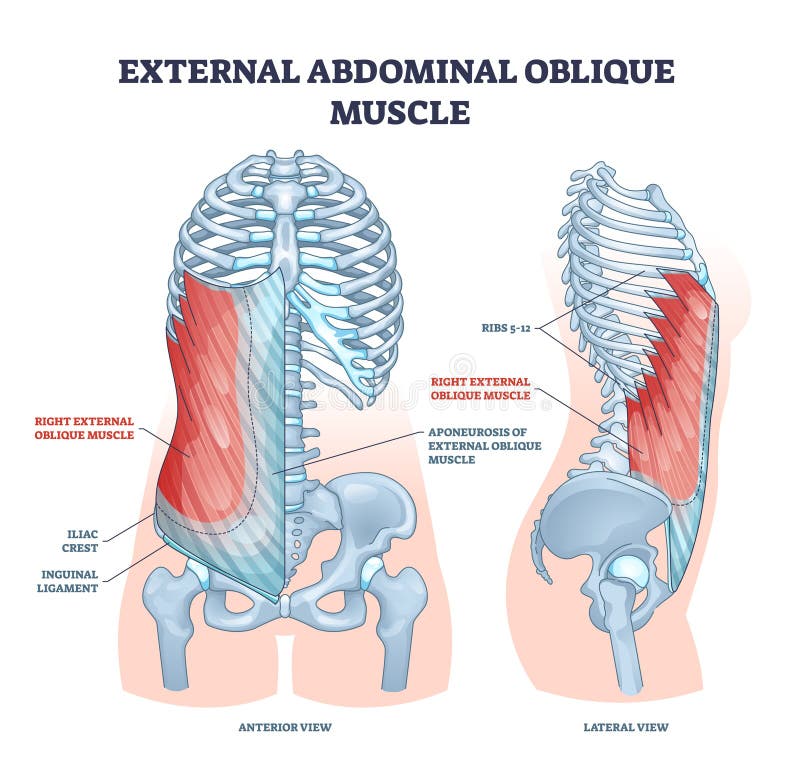
Free with trial External abdominal oblique muscle with human ribcage bones outline diagram. Labeled educational scheme with hip iliac crest, inguinal ligament and aponeurosis anatomical location vector illustration. Anterior oblique view vectors External abdominal oblique muscle with human ribcage bones outline diagram
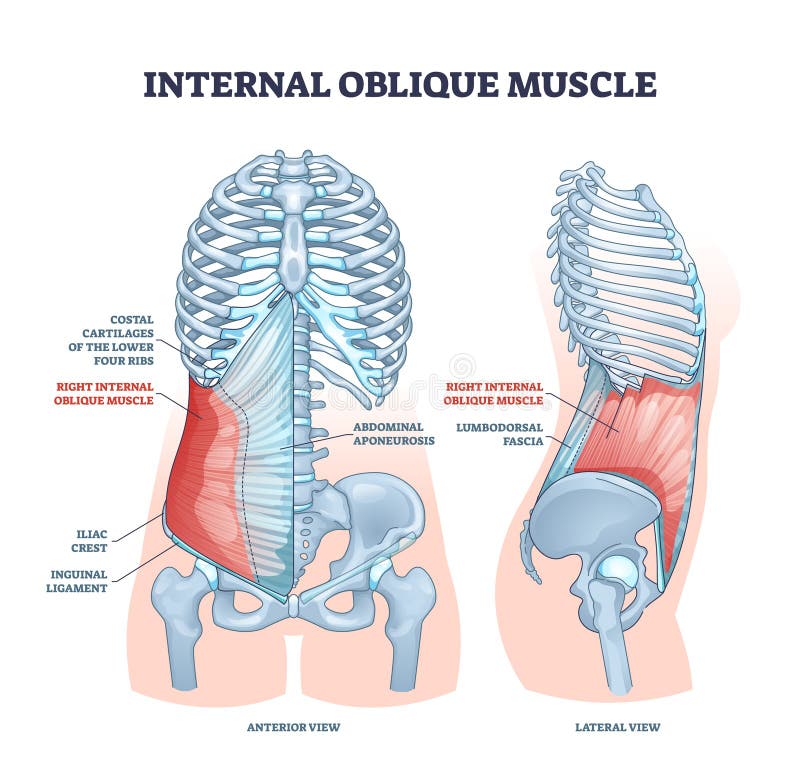
Free with trial Internal oblique muscle with ribcage muscular system anatomy outline diagram. Labeled educational scheme with ribs costal cartilages, aponeurosis, iliac crest and inguinal ligament vector illustration. Anterior oblique view vectors Internal oblique muscle with ribcage muscular system anatomy outline diagram
Free with trial Eye muscles detailed anatomical description with medical lens outline diagram. Labeled educational anatomy scheme and lateral or anterior view inner parts vector illustration. Rectus, nerve or oblique. Anterior oblique view vectors Eye muscles detailed anatomical description with medical lens outline diagram
Free with trial The stomach connects the esophagus to the small intestines and is where the majority of food digestion takes place. Anterior oblique view illustrations Stomach and Small Intestine zoom with Organs Anterior view. The stomach connects the esophagus to the small intestines and is where the majority of food digestion takes place.
Free with trial The stomach is a muscular hollow organ. It takes in food from the esophagus gullet or food pipe, mixes it, breaks it down, and then passes it on to the small intestine in small portions. The entire digestive system is made up of one muscular tube extending from the mouth to the anus. Functions of the small intestine. The small intestine is the part of the intestines. Where 90% of the digestion and absorption of food occurs, the other 10% taking place in the stomach and large intestine. The main function of the small intestine is absorption of nutrients and minerals from food. Anterior oblique view illustrations Stomach and Small Intestine zoom with Skeleton Body Anterior view. The stomach is a muscular hollow organ. It takes in food from the esophagus gullet or food pipe, mixes it, breaks it down, and then passes it on to the small intestine in small portions. The entire digestive system is made up of one muscular tube extending from the mouth to the anus. Functions of the small intestine. The small intestine is the part of the intestines. Where 90% of the digestion and absorption of food occurs, the other 10% taking place in the stomach and large intestine. The main function of the small intestine is absorption of nutrients and minerals from food.
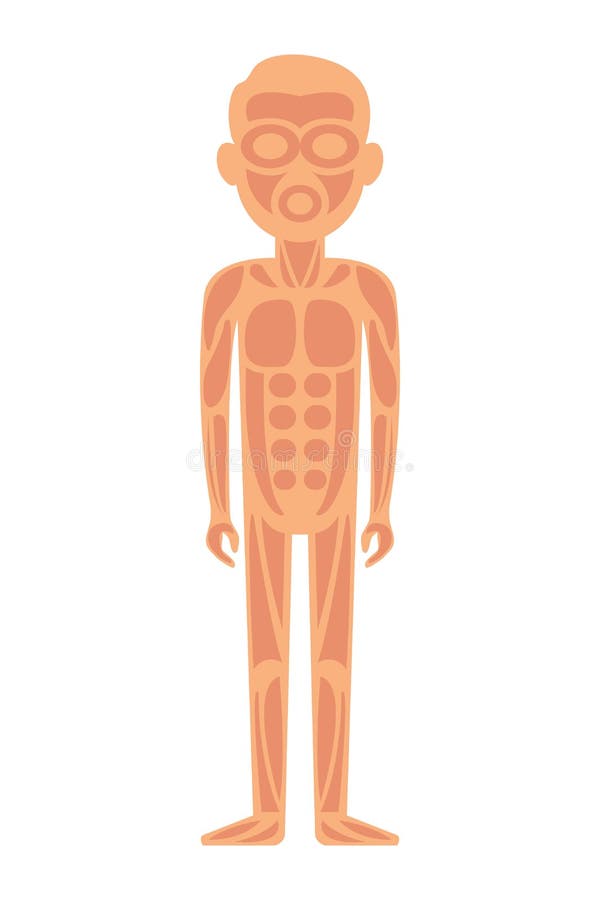
Free with trial Muscular system of a human. Cartoon illustration for medical atlas or educational textbook. Anterior oblique view illustrations Human muscular system. Muscular system of a human. Cartoon illustration for medical atlas or educational textbook.
Free with trial The stomach is a muscular hollow organ. It takes in food from the esophagus gullet or food pipe, mixes it, breaks it down, and then passes it on to the small intestine in small portions. The entire digestive system is made up of one muscular tube extending from the mouth to the anus. Functions of the small intestine. The small intestine is the part of the intestines. Where 90% of the digestion and absorption of food occurs, the other 10% taking place in the stomach and large intestine. The main function of the small intestine is absorption of nutrients and minerals from food. Anterior oblique view illustrations Stomach and Small Intestine zoom with Body Anterior view. The stomach is a muscular hollow organ. It takes in food from the esophagus gullet or food pipe, mixes it, breaks it down, and then passes it on to the small intestine in small portions. The entire digestive system is made up of one muscular tube extending from the mouth to the anus. Functions of the small intestine. The small intestine is the part of the intestines. Where 90% of the digestion and absorption of food occurs, the other 10% taking place in the stomach and large intestine. The main function of the small intestine is absorption of nutrients and minerals from food.
Free with trial This detailed X-ray image showcases a proximal metatarsal fracture in the foot, captured from an anterior-posterior oblique viewpoint. The image is crucial for accurate diagnosis and treatment planning. Notice the distinct fracture line traversing the affected metatarsal bone, clearly visible against the surrounding anatomical structures. The oblique angle of the radiographic projection. Anterior oblique view illustrations XRay Image of Proximal Metatarsal Fracture Detailed AP Oblique View of the Foot for Diagnostic Purposes. This detailed X-ray image showcases a proximal metatarsal fracture in the foot, captured from an anterior-posterior oblique viewpoint. The image is crucial for accurate diagnosis and treatment planning. Notice the distinct fracture line traversing the affected metatarsal bone, clearly visible against the surrounding anatomical structures. The oblique angle of the radiographic projection
Free with trial Detailed External Abdominal Oblique Muscle Anatomy Illustration. Anterior oblique view illustrations Detailed External Abdominal Oblique Muscle Anatomy Illustration
Free with trial Detailed External Abdominal Oblique Muscle Anatomy Illustration. Anterior oblique view illustrations Detailed External Abdominal Oblique Muscle Anatomy Illustration.
Free with trial Male body, waist up, side view. Anterior oblique view illustrations Male body, waist up, side view.
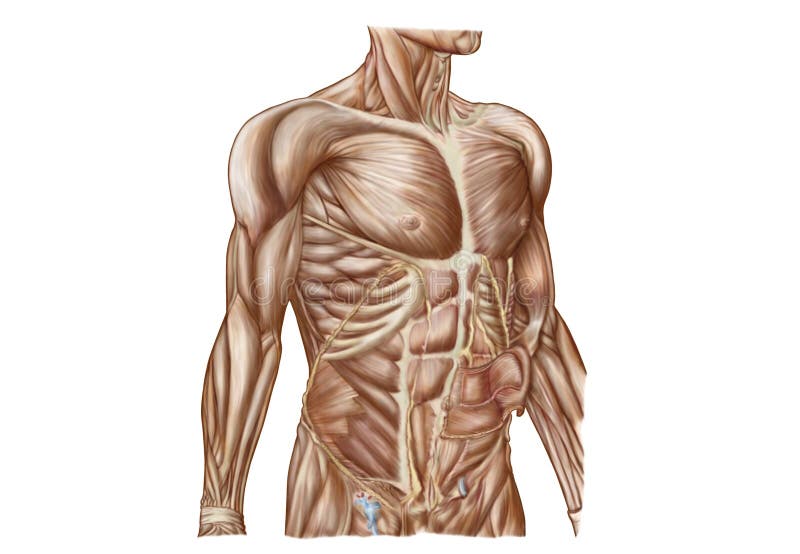
Free with trial Anatomy of human abdominal muscles. Anterior oblique view illustrations Anatomy of human abdominal muscles.
Free with trial Cross section of human eye. Anterior oblique view illustrations Cross section of human eye.
Free with trial Conceptual image of human eye anatomy. Anterior oblique view illustrations Conceptual image of human eye anatomy.
Free with trial Conceptual image of human eye anatomy. Anterior oblique view illustrations Conceptual image of human eye anatomy.
Free with trial Conceptual image of human eye anatomy. Anterior oblique view illustrations Conceptual image of human eye anatomy.
Free with trial Conceptual image of human eye anatomy. Anterior oblique view illustrations Conceptual image of human eye anatomy.
Free with trial Conceptual image of human eye anatomy. Anterior oblique view illustrations Conceptual image of human eye anatomy.
Free with trial Accurate three-quarter anterior or front view of human spine bones or vertebrae isolated on white background 3D rendering illustration. Blank anatomical chart. Anatomy, medical, osteology healthcare, science concept. Anterior oblique view illustrations Accurate three-quarter anterior or front view of human spine bones or vertebrae isolated on white background 3D rendering
Free with trial Eye Anatomy concept as a front view with an eyeball with superior rectus including lateral medial and inferior oblique ocular muscles representing vision and optometry or Ophthalmology science or on white with 3D illustration elements. Anterior oblique view illustrations Eye Anatomy Front view. Eye Anatomy concept as a front view with an eyeball with superior rectus including lateral medial and inferior oblique ocular muscles representing vision and optometry or Ophthalmology science or on white with 3D illustration elements
Free with trial Anatomy of man muscular system - anterior view. Anterior oblique view vectors Anatomy of man muscular system - anterior view
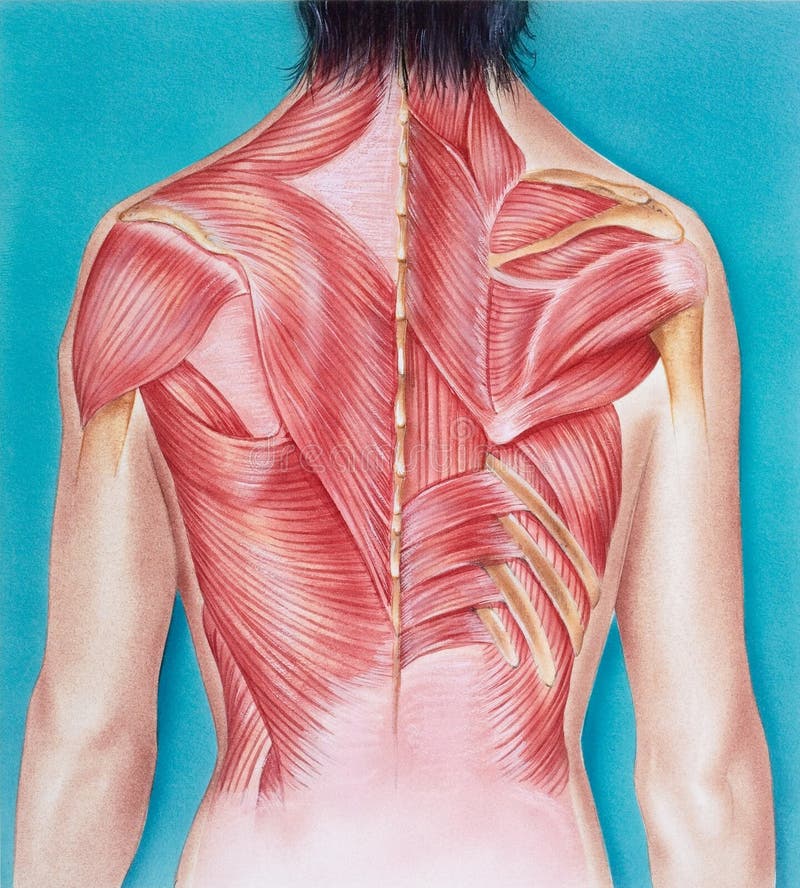
Free with trial Shown is the musculature of a female torso, dorsal view. Anterior oblique view illustrations Torso - Musculature of a Female Torso, dorsal view. Shown is the musculature of a female torso, dorsal view.
Free with trial Set of human leg bones isolated on white. Anterior oblique view vectors Set of human leg bones
Free with trial The stomach is a muscular hollow organ. It takes in food from the esophagus gullet or food pipe, mixes it, breaks it down, and then passes it on to the small intestine in small portions. The entire digestive system is made up of one muscular tube extending from the mouth to the anus. Functions of the small intestine. The small intestine is the part of the intestines. Where 90% of the digestion and absorption of food occurs, the other 10% taking place in the stomach and large intestine. The main function of the small intestine is absorption of nutrients and minerals from food. Anterior oblique view illustrations Stomach and Small Intestine zoom with Organs Anterior view. The stomach is a muscular hollow organ. It takes in food from the esophagus gullet or food pipe, mixes it, breaks it down, and then passes it on to the small intestine in small portions. The entire digestive system is made up of one muscular tube extending from the mouth to the anus. Functions of the small intestine. The small intestine is the part of the intestines. Where 90% of the digestion and absorption of food occurs, the other 10% taking place in the stomach and large intestine. The main function of the small intestine is absorption of nutrients and minerals from food.
Free with trial The stomach is a muscular hollow organ. It takes in food from the esophagus gullet or food pipe, mixes it, breaks it down, and then passes it on to the small intestine in small portions. The entire digestive system is made up of one muscular tube extending from the mouth to the anus. Functions of the small intestine. The small intestine is the part of the intestines. Where 90% of the digestion and absorption of food occurs, the other 10% taking place in the stomach and large intestine. The main function of the small intestine is absorption of nutrients and minerals from food. Anterior oblique view illustrations Stomach and Small Intestine zoom with Organs Anterior view. The stomach is a muscular hollow organ. It takes in food from the esophagus gullet or food pipe, mixes it, breaks it down, and then passes it on to the small intestine in small portions. The entire digestive system is made up of one muscular tube extending from the mouth to the anus. Functions of the small intestine. The small intestine is the part of the intestines. Where 90% of the digestion and absorption of food occurs, the other 10% taking place in the stomach and large intestine. The main function of the small intestine is absorption of nutrients and minerals from food.
Free with trial The stomach is a muscular hollow organ. It takes in food from the esophagus gullet or food pipe, mixes it, breaks it down, and then passes it on to the small intestine in small portions. The entire digestive system is made up of one muscular tube extending from the mouth to the anus. Functions of the small intestine. The small intestine is the part of the intestines. Where 90% of the digestion and absorption of food occurs, the other 10% taking place in the stomach and large intestine. The main function of the small intestine is absorption of nutrients and minerals from food. Anterior oblique view illustrations Stomach and Small Intestine zoom with Organs Anterior view. The stomach is a muscular hollow organ. It takes in food from the esophagus gullet or food pipe, mixes it, breaks it down, and then passes it on to the small intestine in small portions. The entire digestive system is made up of one muscular tube extending from the mouth to the anus. Functions of the small intestine. The small intestine is the part of the intestines. Where 90% of the digestion and absorption of food occurs, the other 10% taking place in the stomach and large intestine. The main function of the small intestine is absorption of nutrients and minerals from food.
Free with trial The stomach is a muscular hollow organ. It takes in food from the esophagus gullet or food pipe, mixes it, breaks it down, and then passes it on to the small intestine in small portions. The entire digestive system is made up of one muscular tube extending from the mouth to the anus. Functions of the small intestine. The small intestine is the part of the intestines. Where 90% of the digestion and absorption of food occurs, the other 10% taking place in the stomach and large intestine. The main function of the small intestine is absorption of nutrients and minerals from food. Anterior oblique view illustrations Stomach and Small Intestine zoom with Organs Anterior view. The stomach is a muscular hollow organ. It takes in food from the esophagus gullet or food pipe, mixes it, breaks it down, and then passes it on to the small intestine in small portions. The entire digestive system is made up of one muscular tube extending from the mouth to the anus. Functions of the small intestine. The small intestine is the part of the intestines. Where 90% of the digestion and absorption of food occurs, the other 10% taking place in the stomach and large intestine. The main function of the small intestine is absorption of nutrients and minerals from food.
Free with trial The stomach is a muscular hollow organ. It takes in food from the esophagus gullet or food pipe, mixes it, breaks it down, and then passes it on to the small intestine in small portions. The entire digestive system is made up of one muscular tube extending from the mouth to the anus. Functions of the small intestine. The small intestine is the part of the intestines. Where 90% of the digestion and absorption of food occurs, the other 10% taking place in the stomach and large intestine. The main function of the small intestine is absorption of nutrients and minerals from food. Anterior oblique view illustrations Stomach and Small Intestine with Body Anterior view. The stomach is a muscular hollow organ. It takes in food from the esophagus gullet or food pipe, mixes it, breaks it down, and then passes it on to the small intestine in small portions. The entire digestive system is made up of one muscular tube extending from the mouth to the anus. Functions of the small intestine. The small intestine is the part of the intestines. Where 90% of the digestion and absorption of food occurs, the other 10% taking place in the stomach and large intestine. The main function of the small intestine is absorption of nutrients and minerals from food.
Free with trial The stomach is a muscular hollow organ. It takes in food from the esophagus gullet or food pipe, mixes it, breaks it down, and then passes it on to the small intestine in small portions. The entire digestive system is made up of one muscular tube extending from the mouth to the anus. Functions of the small intestine. The small intestine is the part of the intestines. Where 90% of the digestion and absorption of food occurs, the other 10% taking place in the stomach and large intestine. The main function of the small intestine is absorption of nutrients and minerals from food. Anterior oblique view illustrations Stomach and Small Intestine Anterior view. The stomach is a muscular hollow organ. It takes in food from the esophagus gullet or food pipe, mixes it, breaks it down, and then passes it on to the small intestine in small portions. The entire digestive system is made up of one muscular tube extending from the mouth to the anus. Functions of the small intestine. The small intestine is the part of the intestines. Where 90% of the digestion and absorption of food occurs, the other 10% taking place in the stomach and large intestine. The main function of the small intestine is absorption of nutrients and minerals from food.
Free with trial The stomach connects the esophagus to the small intestines and is where the majority of food digestion takes place. Anterior oblique view illustrations Stomach and Small Intestine zoom with Organs Anterior view. The stomach connects the esophagus to the small intestines and is where the majority of food digestion takes place.
Free with trial The stomach connects the esophagus to the small intestines and is where the majority of food digestion takes place. Anterior oblique view illustrations Stomach and Small Intestine zoom with Organs Anterior view. The stomach connects the esophagus to the small intestines and is where the majority of food digestion takes place.
Free with trial The stomach connects the esophagus to the small intestines and is where the majority of food digestion takes place. Anterior oblique view illustrations Stomach and Small Intestine zoom with Organs Anterior view. The stomach connects the esophagus to the small intestines and is where the majority of food digestion takes place.
Free with trial The stomach connects the esophagus to the small intestines and is where the majority of food digestion takes place. Anterior oblique view illustrations Stomach and Small Intestine with Organs Anterior view. The stomach connects the esophagus to the small intestines and is where the majority of food digestion takes place.
Free with trial The stomach is a muscular hollow organ. It takes in food from the esophagus gullet or food pipe, mixes it, breaks it down, and then passes it on to the small intestine in small portions. The entire digestive system is made up of one muscular tube extending from the mouth to the anus. Functions of the small intestine. The small intestine is the part of the intestines. Where 90% of the digestion and absorption of food occurs, the other 10% taking place in the stomach and large intestine. The main function of the small intestine is absorption of nutrients and minerals from food. Anterior oblique view illustrations Stomach and Small Intestine Anterior view. The stomach is a muscular hollow organ. It takes in food from the esophagus gullet or food pipe, mixes it, breaks it down, and then passes it on to the small intestine in small portions. The entire digestive system is made up of one muscular tube extending from the mouth to the anus. Functions of the small intestine. The small intestine is the part of the intestines. Where 90% of the digestion and absorption of food occurs, the other 10% taking place in the stomach and large intestine. The main function of the small intestine is absorption of nutrients and minerals from food.
Free with trial The stomach connects the esophagus to the small intestines and is where the majority of food digestion takes place. Anterior oblique view illustrations Stomach and Small Intestine with Body Anterior view. The stomach connects the esophagus to the small intestines and is where the majority of food digestion takes place.
Free with trial The stomach is a muscular hollow organ. It takes in food from the esophagus gullet or food pipe, mixes it, breaks it down, and then passes it on to the small intestine in small portions. The entire digestive system is made up of one muscular tube extending from the mouth to the anus. Functions of the small intestine. The small intestine is the part of the intestines. Where 90% of the digestion and absorption of food occurs, the other 10% taking place in the stomach and large intestine. The main function of the small intestine is absorption of nutrients and minerals from food. Anterior oblique view illustrations Stomach and Small Intestine Anterior view. The stomach is a muscular hollow organ. It takes in food from the esophagus gullet or food pipe, mixes it, breaks it down, and then passes it on to the small intestine in small portions. The entire digestive system is made up of one muscular tube extending from the mouth to the anus. Functions of the small intestine. The small intestine is the part of the intestines. Where 90% of the digestion and absorption of food occurs, the other 10% taking place in the stomach and large intestine. The main function of the small intestine is absorption of nutrients and minerals from food.
Free with trial The stomach is a muscular hollow organ. It takes in food from the esophagus gullet or food pipe, mixes it, breaks it down, and then passes it on to the small intestine in small portions. The entire digestive system is made up of one muscular tube extending from the mouth to the anus. Functions of the small intestine. The small intestine is the part of the intestines. Where 90% of the digestion and absorption of food occurs, the other 10% taking place in the stomach and large intestine. The main function of the small intestine is absorption of nutrients and minerals from food. Anterior oblique view illustrations Stomach and Small Intestine Anterior view. The stomach is a muscular hollow organ. It takes in food from the esophagus gullet or food pipe, mixes it, breaks it down, and then passes it on to the small intestine in small portions. The entire digestive system is made up of one muscular tube extending from the mouth to the anus. Functions of the small intestine. The small intestine is the part of the intestines. Where 90% of the digestion and absorption of food occurs, the other 10% taking place in the stomach and large intestine. The main function of the small intestine is absorption of nutrients and minerals from food.
Free with trial The stomach connects the esophagus to the small intestines and is where the majority of food digestion takes place. Anterior oblique view illustrations Stomach and Small Intestine with Body Anterior view. The stomach connects the esophagus to the small intestines and is where the majority of food digestion takes place.
Free with trial The stomach is a muscular hollow organ. It takes in food from the esophagus gullet or food pipe, mixes it, breaks it down, and then passes it on to the small intestine in small portions. The entire digestive system is made up of one muscular tube extending from the mouth to the anus. Functions of the small intestine. The small intestine is the part of the intestines. Where 90% of the digestion and absorption of food occurs, the other 10% taking place in the stomach and large intestine. The main function of the small intestine is absorption of nutrients and minerals from food. Anterior oblique view illustrations Stomach and Small Intestine zoom with Organs Anterior view. The stomach is a muscular hollow organ. It takes in food from the esophagus gullet or food pipe, mixes it, breaks it down, and then passes it on to the small intestine in small portions. The entire digestive system is made up of one muscular tube extending from the mouth to the anus. Functions of the small intestine. The small intestine is the part of the intestines. Where 90% of the digestion and absorption of food occurs, the other 10% taking place in the stomach and large intestine. The main function of the small intestine is absorption of nutrients and minerals from food.
Free with trial The stomach is a muscular hollow organ. It takes in food from the esophagus gullet or food pipe, mixes it, breaks it down, and then passes it on to the small intestine in small portions. The entire digestive system is made up of one muscular tube extending from the mouth to the anus. Functions of the small intestine. The small intestine is the part of the intestines. Where 90% of the digestion and absorption of food occurs, the other 10% taking place in the stomach and large intestine. The main function of the small intestine is absorption of nutrients and minerals from food. Anterior oblique view illustrations Stomach and Small Intestine with Body Anterior view. The stomach is a muscular hollow organ. It takes in food from the esophagus gullet or food pipe, mixes it, breaks it down, and then passes it on to the small intestine in small portions. The entire digestive system is made up of one muscular tube extending from the mouth to the anus. Functions of the small intestine. The small intestine is the part of the intestines. Where 90% of the digestion and absorption of food occurs, the other 10% taking place in the stomach and large intestine. The main function of the small intestine is absorption of nutrients and minerals from food.
Free with trial The stomach is a muscular hollow organ. It takes in food from the esophagus gullet or food pipe, mixes it, breaks it down, and then passes it on to the small intestine in small portions. The entire digestive system is made up of one muscular tube extending from the mouth to the anus. Functions of the small intestine. The small intestine is the part of the intestines. Where 90% of the digestion and absorption of food occurs, the other 10% taking place in the stomach and large intestine. The main function of the small intestine is absorption of nutrients and minerals from food. Anterior oblique view illustrations Stomach and Small Intestine with Body Anterior view. The stomach is a muscular hollow organ. It takes in food from the esophagus gullet or food pipe, mixes it, breaks it down, and then passes it on to the small intestine in small portions. The entire digestive system is made up of one muscular tube extending from the mouth to the anus. Functions of the small intestine. The small intestine is the part of the intestines. Where 90% of the digestion and absorption of food occurs, the other 10% taking place in the stomach and large intestine. The main function of the small intestine is absorption of nutrients and minerals from food.
Free with trial The stomach is a muscular hollow organ. It takes in food from the esophagus gullet or food pipe, mixes it, breaks it down, and then passes it on to the small intestine in small portions. The entire digestive system is made up of one muscular tube extending from the mouth to the anus. Functions of the small intestine. The small intestine is the part of the intestines. Where 90% of the digestion and absorption of food occurs, the other 10% taking place in the stomach and large intestine. The main function of the small intestine is absorption of nutrients and minerals from food. Anterior oblique view illustrations Stomach and Small Intestine with Body Anterior view. The stomach is a muscular hollow organ. It takes in food from the esophagus gullet or food pipe, mixes it, breaks it down, and then passes it on to the small intestine in small portions. The entire digestive system is made up of one muscular tube extending from the mouth to the anus. Functions of the small intestine. The small intestine is the part of the intestines. Where 90% of the digestion and absorption of food occurs, the other 10% taking place in the stomach and large intestine. The main function of the small intestine is absorption of nutrients and minerals from food.
Free with trial The stomach connects the esophagus to the small intestines and is where the majority of food digestion takes place. Anterior oblique view illustrations Stomach and Small Intestine with Body Anterior view. The stomach connects the esophagus to the small intestines and is where the majority of food digestion takes place.
Free with trial The stomach connects the esophagus to the small intestines and is where the majority of food digestion takes place. Anterior oblique view illustrations Stomach and Small Intestine with Organs Anterior view. The stomach connects the esophagus to the small intestines and is where the majority of food digestion takes place.
Free with trial The stomach is a muscular hollow organ. It takes in food from the esophagus gullet or food pipe, mixes it, breaks it down, and then passes it on to the small intestine in small portions. The entire digestive system is made up of one muscular tube extending from the mouth to the anus. Functions of the small intestine. The small intestine is the part of the intestines. Where 90% of the digestion and absorption of food occurs, the other 10% taking place in the stomach and large intestine. The main function of the small intestine is absorption of nutrients and minerals from food. Anterior oblique view illustrations Stomach and Small Intestine with Organs Anterior view. The stomach is a muscular hollow organ. It takes in food from the esophagus gullet or food pipe, mixes it, breaks it down, and then passes it on to the small intestine in small portions. The entire digestive system is made up of one muscular tube extending from the mouth to the anus. Functions of the small intestine. The small intestine is the part of the intestines. Where 90% of the digestion and absorption of food occurs, the other 10% taking place in the stomach and large intestine. The main function of the small intestine is absorption of nutrients and minerals from food.
Free with trial The stomach is a muscular hollow organ. It takes in food from the esophagus gullet or food pipe, mixes it, breaks it down, and then passes it on to the small intestine in small portions. The entire digestive system is made up of one muscular tube extending from the mouth to the anus. Functions of the small intestine. The small intestine is the part of the intestines. Where 90% of the digestion and absorption of food occurs, the other 10% taking place in the stomach and large intestine. The main function of the small intestine is absorption of nutrients and minerals from food. Anterior oblique view illustrations Stomach and Small Intestine with Organs Anterior view. The stomach is a muscular hollow organ. It takes in food from the esophagus gullet or food pipe, mixes it, breaks it down, and then passes it on to the small intestine in small portions. The entire digestive system is made up of one muscular tube extending from the mouth to the anus. Functions of the small intestine. The small intestine is the part of the intestines. Where 90% of the digestion and absorption of food occurs, the other 10% taking place in the stomach and large intestine. The main function of the small intestine is absorption of nutrients and minerals from food.
Free with trial The stomach connects the esophagus to the small intestines and is where the majority of food digestion takes place. Anterior oblique view illustrations Stomach and Small Intestine with Organs Anterior view. The stomach connects the esophagus to the small intestines and is where the majority of food digestion takes place.
Free with trial The stomach connects the esophagus to the small intestines and is where the majority of food digestion takes place. Anterior oblique view illustrations Stomach and Small Intestine with Organs Anterior view. The stomach connects the esophagus to the small intestines and is where the majority of food digestion takes place.
Free with trial The stomach connects the esophagus to the small intestines and is where the majority of food digestion takes place. Anterior oblique view illustrations Stomach and Small Intestine with Organs Anterior view. The stomach connects the esophagus to the small intestines and is where the majority of food digestion takes place.
Free with trial The stomach is a muscular hollow organ. It takes in food from the esophagus gullet or food pipe, mixes it, breaks it down, and then passes it on to the small intestine in small portions. The entire digestive system is made up of one muscular tube extending from the mouth to the anus. Functions of the small intestine. The small intestine is the part of the intestines. Where 90% of the digestion and absorption of food occurs, the other 10% taking place in the stomach and large intestine. The main function of the small intestine is absorption of nutrients and minerals from food. Anterior oblique view illustrations Stomach and Small Intestine zoom with Body Anterior view. The stomach is a muscular hollow organ. It takes in food from the esophagus gullet or food pipe, mixes it, breaks it down, and then passes it on to the small intestine in small portions. The entire digestive system is made up of one muscular tube extending from the mouth to the anus. Functions of the small intestine. The small intestine is the part of the intestines. Where 90% of the digestion and absorption of food occurs, the other 10% taking place in the stomach and large intestine. The main function of the small intestine is absorption of nutrients and minerals from food.
Free with trial The stomach is a muscular hollow organ. It takes in food from the esophagus gullet or food pipe, mixes it, breaks it down, and then passes it on to the small intestine in small portions. The entire digestive system is made up of one muscular tube extending from the mouth to the anus. Functions of the small intestine. The small intestine is the part of the intestines. Where 90% of the digestion and absorption of food occurs, the other 10% taking place in the stomach and large intestine. The main function of the small intestine is absorption of nutrients and minerals from food. Anterior oblique view illustrations Stomach and Small Intestine zoom with Body Anterior view. The stomach is a muscular hollow organ. It takes in food from the esophagus gullet or food pipe, mixes it, breaks it down, and then passes it on to the small intestine in small portions. The entire digestive system is made up of one muscular tube extending from the mouth to the anus. Functions of the small intestine. The small intestine is the part of the intestines. Where 90% of the digestion and absorption of food occurs, the other 10% taking place in the stomach and large intestine. The main function of the small intestine is absorption of nutrients and minerals from food.
Free with trial The stomach is a muscular hollow organ. It takes in food from the esophagus gullet or food pipe, mixes it, breaks it down, and then passes it on to the small intestine in small portions. The entire digestive system is made up of one muscular tube extending from the mouth to the anus. Functions of the small intestine. The small intestine is the part of the intestines. Where 90% of the digestion and absorption of food occurs, the other 10% taking place in the stomach and large intestine. The main function of the small intestine is absorption of nutrients and minerals from food. Anterior oblique view illustrations Stomach and Small Intestine zoom with Body Anterior view. The stomach is a muscular hollow organ. It takes in food from the esophagus gullet or food pipe, mixes it, breaks it down, and then passes it on to the small intestine in small portions. The entire digestive system is made up of one muscular tube extending from the mouth to the anus. Functions of the small intestine. The small intestine is the part of the intestines. Where 90% of the digestion and absorption of food occurs, the other 10% taking place in the stomach and large intestine. The main function of the small intestine is absorption of nutrients and minerals from food.
Free with trial The stomach is a muscular hollow organ. It takes in food from the esophagus gullet or food pipe, mixes it, breaks it down, and then passes it on to the small intestine in small portions. The entire digestive system is made up of one muscular tube extending from the mouth to the anus. Functions of the small intestine. The small intestine is the part of the intestines. Where 90% of the digestion and absorption of food occurs, the other 10% taking place in the stomach and large intestine. The main function of the small intestine is absorption of nutrients and minerals from food. Anterior oblique view illustrations Stomach and Small Intestine zoom with Organs Anterior view. The stomach is a muscular hollow organ. It takes in food from the esophagus gullet or food pipe, mixes it, breaks it down, and then passes it on to the small intestine in small portions. The entire digestive system is made up of one muscular tube extending from the mouth to the anus. Functions of the small intestine. The small intestine is the part of the intestines. Where 90% of the digestion and absorption of food occurs, the other 10% taking place in the stomach and large intestine. The main function of the small intestine is absorption of nutrients and minerals from food.
Free with trial The stomach is a muscular hollow organ. It takes in food from the esophagus gullet or food pipe, mixes it, breaks it down, and then passes it on to the small intestine in small portions. The entire digestive system is made up of one muscular tube extending from the mouth to the anus. Functions of the small intestine. The small intestine is the part of the intestines. Where 90% of the digestion and absorption of food occurs, the other 10% taking place in the stomach and large intestine. The main function of the small intestine is absorption of nutrients and minerals from food. Anterior oblique view illustrations Stomach and Small Intestine with Skeleton Body Anterior view. The stomach is a muscular hollow organ. It takes in food from the esophagus gullet or food pipe, mixes it, breaks it down, and then passes it on to the small intestine in small portions. The entire digestive system is made up of one muscular tube extending from the mouth to the anus. Functions of the small intestine. The small intestine is the part of the intestines. Where 90% of the digestion and absorption of food occurs, the other 10% taking place in the stomach and large intestine. The main function of the small intestine is absorption of nutrients and minerals from food.
Free with trial The stomach is a muscular hollow organ. It takes in food from the esophagus gullet or food pipe, mixes it, breaks it down, and then passes it on to the small intestine in small portions. The entire digestive system is made up of one muscular tube extending from the mouth to the anus. Functions of the small intestine. The small intestine is the part of the intestines. Where 90% of the digestion and absorption of food occurs, the other 10% taking place in the stomach and large intestine. The main function of the small intestine is absorption of nutrients and minerals from food. Anterior oblique view illustrations Stomach and Small Intestine with Skeleton Body Anterior view. The stomach is a muscular hollow organ. It takes in food from the esophagus gullet or food pipe, mixes it, breaks it down, and then passes it on to the small intestine in small portions. The entire digestive system is made up of one muscular tube extending from the mouth to the anus. Functions of the small intestine. The small intestine is the part of the intestines. Where 90% of the digestion and absorption of food occurs, the other 10% taking place in the stomach and large intestine. The main function of the small intestine is absorption of nutrients and minerals from food.
Free with trial The stomach is a muscular hollow organ. It takes in food from the esophagus gullet or food pipe, mixes it, breaks it down, and then passes it on to the small intestine in small portions. The entire digestive system is made up of one muscular tube extending from the mouth to the anus. Functions of the small intestine. The small intestine is the part of the intestines. Where 90% of the digestion and absorption of food occurs, the other 10% taking place in the stomach and large intestine. The main function of the small intestine is absorption of nutrients and minerals from food. Anterior oblique view illustrations Stomach and Small Intestine zoom with Skeleton Body Anterior view. The stomach is a muscular hollow organ. It takes in food from the esophagus gullet or food pipe, mixes it, breaks it down, and then passes it on to the small intestine in small portions. The entire digestive system is made up of one muscular tube extending from the mouth to the anus. Functions of the small intestine. The small intestine is the part of the intestines. Where 90% of the digestion and absorption of food occurs, the other 10% taking place in the stomach and large intestine. The main function of the small intestine is absorption of nutrients and minerals from food.
Free with trial The stomach is a muscular hollow organ. It takes in food from the esophagus gullet or food pipe, mixes it, breaks it down, and then passes it on to the small intestine in small portions. The entire digestive system is made up of one muscular tube extending from the mouth to the anus. Functions of the small intestine. The small intestine is the part of the intestines. Where 90% of the digestion and absorption of food occurs, the other 10% taking place in the stomach and large intestine. The main function of the small intestine is absorption of nutrients and minerals from food. Anterior oblique view illustrations Stomach and Small Intestine zoom with Skeleton Body Anterior view. The stomach is a muscular hollow organ. It takes in food from the esophagus gullet or food pipe, mixes it, breaks it down, and then passes it on to the small intestine in small portions. The entire digestive system is made up of one muscular tube extending from the mouth to the anus. Functions of the small intestine. The small intestine is the part of the intestines. Where 90% of the digestion and absorption of food occurs, the other 10% taking place in the stomach and large intestine. The main function of the small intestine is absorption of nutrients and minerals from food.
Free with trial The stomach is a muscular hollow organ. It takes in food from the esophagus gullet or food pipe, mixes it, breaks it down, and then passes it on to the small intestine in small portions. The entire digestive system is made up of one muscular tube extending from the mouth to the anus. Functions of the small intestine. The small intestine is the part of the intestines. Where 90% of the digestion and absorption of food occurs, the other 10% taking place in the stomach and large intestine. The main function of the small intestine is absorption of nutrients and minerals from food. Anterior oblique view illustrations Stomach and Small Intestine zoom with Skeleton Body Anterior view. The stomach is a muscular hollow organ. It takes in food from the esophagus gullet or food pipe, mixes it, breaks it down, and then passes it on to the small intestine in small portions. The entire digestive system is made up of one muscular tube extending from the mouth to the anus. Functions of the small intestine. The small intestine is the part of the intestines. Where 90% of the digestion and absorption of food occurs, the other 10% taking place in the stomach and large intestine. The main function of the small intestine is absorption of nutrients and minerals from food.
Free with trial The stomach is a muscular hollow organ. It takes in food from the esophagus gullet or food pipe, mixes it, breaks it down, and then passes it on to the small intestine in small portions. The entire digestive system is made up of one muscular tube extending from the mouth to the anus. Functions of the small intestine. The small intestine is the part of the intestines. Where 90% of the digestion and absorption of food occurs, the other 10% taking place in the stomach and large intestine. The main function of the small intestine is absorption of nutrients and minerals from food. Anterior oblique view illustrations Stomach and Small Intestine zoom with Skeleton Body Anterior view. The stomach is a muscular hollow organ. It takes in food from the esophagus gullet or food pipe, mixes it, breaks it down, and then passes it on to the small intestine in small portions. The entire digestive system is made up of one muscular tube extending from the mouth to the anus. Functions of the small intestine. The small intestine is the part of the intestines. Where 90% of the digestion and absorption of food occurs, the other 10% taking place in the stomach and large intestine. The main function of the small intestine is absorption of nutrients and minerals from food.
 Sign in