Free with trial Supply and demand. Graph representing the equilibrium between supply and demand. Basic structures illustrations Supply and demand. Graph representing the equilibrium between supply and demand
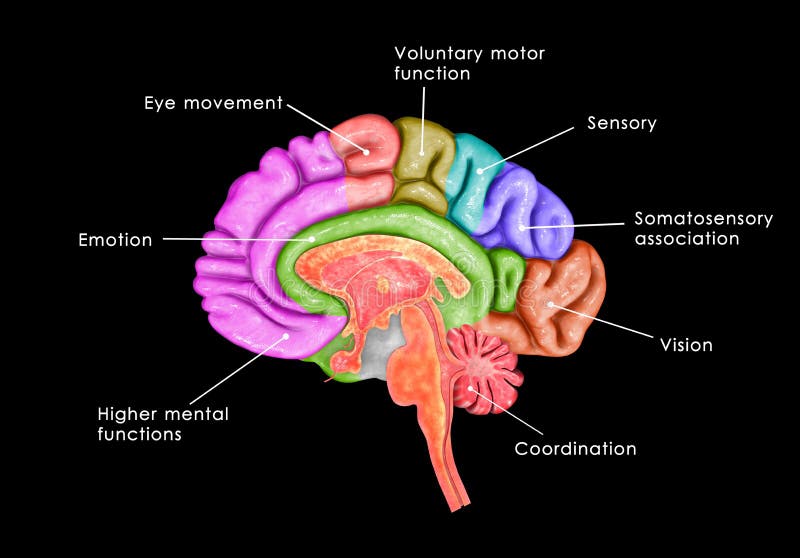
Free with trial The human brain has many properties that are common to all vertebrate brains, including a basic division into three parts called the forebrain, midbrain, and hindbrain, each with fluid-filled ventricles at their core, and a set of generic vertebrate brain structures including the medulla oblongata, pons, cerebellum, optic tectum, thalamus, hypothalamus, basal ganglia, olfactory bulb, and many others. Basic structures illustrations Human Brain. The human brain has many properties that are common to all vertebrate brains, including a basic division into three parts called the forebrain. The human brain has many properties that are common to all vertebrate brains, including a basic division into three parts called the forebrain, midbrain, and hindbrain, each with fluid-filled ventricles at their core, and a set of generic vertebrate brain structures including the medulla oblongata, pons, cerebellum, optic tectum, thalamus, hypothalamus, basal ganglia, olfactory bulb, and many others.
Free with trial Generic bacterium. Drawing of a generic bacterium showing basic structures. Basic structures vectors Generic bacterium. Drawing of a generic bacterium showing basic structures
Free with trial The human brain has many properties that are common to all vertebrate brains, including a basic division into three parts called the forebrain, midbrain, and hindbrain, each with fluid-filled ventricles at their core, and a set of generic vertebrate brain structures including the medulla oblongata, pons, cerebellum, optic tectum, thalamus, hypothalamus, basal ganglia, olfactory bulb, and many others. Basic structures illustrations Brain parts. The human brain has many properties that are common to all vertebrate brains, including a basic division into three parts called the forebrain. The human brain has many properties that are common to all vertebrate brains, including a basic division into three parts called the forebrain, midbrain, and hindbrain, each with fluid-filled ventricles at their core, and a set of generic vertebrate brain structures including the medulla oblongata, pons, cerebellum, optic tectum, thalamus, hypothalamus, basal ganglia, olfactory bulb, and many others.
Free with trial The human brain has many properties that are common to all vertebrate brains, including a basic division into three parts called the forebrain, midbrain, and hindbrain, each with fluid-filled ventricles at their core, and a set of generic vertebrate brain structures including the medulla oblongata, pons, cerebellum, optic tectum, thalamus, hypothalamus, basal ganglia, olfactory bulb, and many others. Basic structures illustrations Human Brain. The human brain has many properties that are common to all vertebrate brains, including a basic division into three parts called the forebrain. The human brain has many properties that are common to all vertebrate brains, including a basic division into three parts called the forebrain, midbrain, and hindbrain, each with fluid-filled ventricles at their core, and a set of generic vertebrate brain structures including the medulla oblongata, pons, cerebellum, optic tectum, thalamus, hypothalamus, basal ganglia, olfactory bulb, and many others.
Free with trial Clear, colorful illustration of basic structures of a single-celled paramecium. Basic structures illustrations Paramecium with key. Clear, colorful illustration of basic structures of a single-celled paramecium. Clear, colorful illustration of basic structures of a single-celled paramecium.
Free with trial Atomic Models History Infographic Diagram including Democritus Dalton Tomson Rutherford Bohr Schrodinger atom structures for chemistry science education poster vector. Basic structures vectors Atomic Models History Infographic Diagram. Including Democritus Dalton Tomson Rutherford Bohr Schrodinger atom structures for chemistry science education poster
Free with trial Capitol of florida. Vector illustration decorative design. Basic structures vectors Capitol of florida. Vector illustration decorative design
Free with trial Set of chemical structures of basic seven artificial dyes permitted for coloring of food. Colors of structures represent color of dyes in real. Basic structures vectors Set of artificial food dyes structures. Set of chemical structures of basic seven artificial dyes permitted for coloring of food. Colors of structures represent. Set of chemical structures of basic seven artificial dyes permitted for coloring of food. Colors of structures represent color of dyes in real.
Free with trial The human brain has many properties that are common to all vertebrate brains, including a basic division into three parts called the forebrain, midbrain, and hindbrain, each with fluid-filled ventricles at their core, and a set of generic vertebrate brain structures including the medulla oblongata, pons, cerebellum, optic tectum, thalamus, hypothalamus, basal ganglia, olfactory bulb, and many others. Basic structures illustrations Human Brain. The human brain has many properties that are common to all vertebrate brains, including a basic division into three parts called the forebrain. The human brain has many properties that are common to all vertebrate brains, including a basic division into three parts called the forebrain, midbrain, and hindbrain, each with fluid-filled ventricles at their core, and a set of generic vertebrate brain structures including the medulla oblongata, pons, cerebellum, optic tectum, thalamus, hypothalamus, basal ganglia, olfactory bulb, and many others.
Free with trial The human brain has many properties that are common to all vertebrate brains, including a basic division into three parts called the forebrain, midbrain, and hindbrain, each with fluid-filled ventricles at their core, and a set of generic vertebrate brain structures. Basic structures illustrations Brain with backbone. The human brain has many properties that are common to all vertebrate brains, including a basic division into three parts called the. The human brain has many properties that are common to all vertebrate brains, including a basic division into three parts called the forebrain, midbrain, and hindbrain, each with fluid-filled ventricles at their core, and a set of generic vertebrate brain structures
Free with trial The human brain has many properties that are common to all vertebrate brains, including a basic division into three parts called the forebrain, midbrain, and hindbrain, each with fluid-filled ventricles at their core, and a set of generic vertebrate brain structures including the medulla oblongata, pons, cerebellum, optic tectum, thalamus, hypothalamus, basal ganglia, olfactory bulb, and many others. Basic structures illustrations Human Brain. The human brain has many properties that are common to all vertebrate brains, including a basic division into three parts called the forebrain. The human brain has many properties that are common to all vertebrate brains, including a basic division into three parts called the forebrain, midbrain, and hindbrain, each with fluid-filled ventricles at their core, and a set of generic vertebrate brain structures including the medulla oblongata, pons, cerebellum, optic tectum, thalamus, hypothalamus, basal ganglia, olfactory bulb, and many others.
Free with trial The human brain has many properties that are common to all vertebrate brains, including a basic division into three parts called the forebrain, midbrain, and hindbrain, each with fluid-filled ventricles at their core, and a set of generic vertebrate brain structures including the medulla oblongata, pons, cerebellum, optic tectum, thalamus, hypothalamus, basal ganglia, olfactory bulb, and many others. Basic structures illustrations Brain Parts. The human brain has many properties that are common to all vertebrate brains, including a basic division into three parts called the forebrain. The human brain has many properties that are common to all vertebrate brains, including a basic division into three parts called the forebrain, midbrain, and hindbrain, each with fluid-filled ventricles at their core, and a set of generic vertebrate brain structures including the medulla oblongata, pons, cerebellum, optic tectum, thalamus, hypothalamus, basal ganglia, olfactory bulb, and many others.
Free with trial The human brain has many properties that are common to all vertebrate brains, including a basic division into three parts called the forebrain, midbrain, and hindbrain, each with fluid-filled ventricles at their core, and a set of generic vertebrate brain structures including the medulla oblongata, pons, cerebellum, optic tectum, thalamus, hypothalamus, basal ganglia, olfactory bulb, and many others. Basic structures illustrations Human Brain. The human brain has many properties that are common to all vertebrate brains, including a basic division into three parts called the forebrain. The human brain has many properties that are common to all vertebrate brains, including a basic division into three parts called the forebrain, midbrain, and hindbrain, each with fluid-filled ventricles at their core, and a set of generic vertebrate brain structures including the medulla oblongata, pons, cerebellum, optic tectum, thalamus, hypothalamus, basal ganglia, olfactory bulb, and many others.
Free with trial Paramecium. Colorful, clearly labeled illustration of basic structures of a single-celled paramecium. Basic structures vectors Paramecium. Colorful, clearly labeled illustration of basic structures of a single-celled paramecium
Free with trial This detailed 3D rendering showcases the skeletal structures of three essential basic amino acids: lysine, arginine, and histidine. Each model, presented against a clean white background, highlights the key structural components, including carbon, nitrogen, oxygen, and hydrogen atoms. The vibrant colors and clear depiction of bonds facilitate comprehension of the molecular architecture of these. Basic structures illustrations 3D Skeletal Structures of Basic Amino Acids Lysine Arginine and Histidine Detailed Molecular Models for Educational and. This detailed 3D rendering showcases the. This detailed 3D rendering showcases the skeletal structures of three essential basic amino acids: lysine, arginine, and histidine. Each model, presented against a clean white background, highlights the key structural components, including carbon, nitrogen, oxygen, and hydrogen atoms. The vibrant colors and clear depiction of bonds facilitate comprehension of the molecular architecture of these
Free with trial Aerial view of a sprawling refugee camp with tents and makeshift structures in a desert. refugee camp. Basic structures illustrations Aerial view of a sprawling refugee camp with tents and makeshift structures in a desert. Refugee camp
Free with trial Illustration of chemistry,Atomic models,Atomic Models History Infographic Diagram including Democritus Dalton Rutherford Bohr Schrodinger atom structures,history of the atom. Basic structures illustrations Atomic models, Atomic Models History Infographic Diagram. Illustration of chemistry,Atomic models,Atomic Models History Infographic Diagram including Democritus. illustration of chemistry,Atomic models,Atomic Models History Infographic Diagram including Democritus Dalton Rutherford Bohr Schrodinger atom structures,history of the atom
Free with trial The human brain has many properties that are common to all vertebrate brains, including a basic division into three parts called the forebrain, midbrain, and hindbrain, each with fluid-filled ventricles at their core, and a set of generic vertebrate brain structures including the medulla oblongata, pons, cerebellum, optic tectum, thalamus, hypothalamus, basal ganglia, olfactory bulb, and many others. Basic structures illustrations Brain Parts. The human brain has many properties that are common to all vertebrate brains, including a basic division into three parts called the forebrain. The human brain has many properties that are common to all vertebrate brains, including a basic division into three parts called the forebrain, midbrain, and hindbrain, each with fluid-filled ventricles at their core, and a set of generic vertebrate brain structures including the medulla oblongata, pons, cerebellum, optic tectum, thalamus, hypothalamus, basal ganglia, olfactory bulb, and many others.
Free with trial Digitally generated model of multiple identical lots and houses from an aerial view. Basic structures illustrations Digital generic housing lots. Digitally generated model of multiple identical lots and houses from an aerial view. Digitally generated model of multiple identical lots and houses from an aerial view.
Free with trial The human brain has many properties that are common to all vertebrate brains, including a basic division into three parts called the forebrain, midbrain, and hindbrain, each with fluid-filled ventricles at their core, and a set of generic vertebrate brain structures including the medulla oblongata, pons, cerebellum, optic tectum, thalamus, hypothalamus, basal ganglia, olfactory bulb, and many others. Basic structures illustrations Brain Motor Areas. The human brain has many properties that are common to all vertebrate brains, including a basic division into three parts called the forebrain. The human brain has many properties that are common to all vertebrate brains, including a basic division into three parts called the forebrain, midbrain, and hindbrain, each with fluid-filled ventricles at their core, and a set of generic vertebrate brain structures including the medulla oblongata, pons, cerebellum, optic tectum, thalamus, hypothalamus, basal ganglia, olfactory bulb, and many others.
Free with trial The human brain has many properties that are common to all vertebrate brains, including a basic division into three parts called the forebrain, midbrain, and hindbrain, each with fluid-filled ventricles at their core, and a set of generic vertebrate brain structures including the medulla oblongata, pons, cerebellum, optic tectum, thalamus, hypothalamus, basal ganglia, olfactory bulb, and many others. Basic structures illustrations Brain anatomy. The human brain has many properties that are common to all vertebrate brains, including a basic division into three parts called the forebrain. The human brain has many properties that are common to all vertebrate brains, including a basic division into three parts called the forebrain, midbrain, and hindbrain, each with fluid-filled ventricles at their core, and a set of generic vertebrate brain structures including the medulla oblongata, pons, cerebellum, optic tectum, thalamus, hypothalamus, basal ganglia, olfactory bulb, and many others.
Free with trial The human brain has many properties that are common to all vertebrate brains, including a basic division into three parts called the forebrain, midbrain, and hindbrain, each with fluid-filled ventricles at their core, and a set of generic vertebrate brain structures including the medulla oblongata, pons, cerebellum, optic tectum, thalamus, hypothalamus, basal ganglia, olfactory bulb, and many others. Basic structures illustrations Brain anatomy. The human brain has many properties that are common to all vertebrate brains, including a basic division into three parts called the forebrain. The human brain has many properties that are common to all vertebrate brains, including a basic division into three parts called the forebrain, midbrain, and hindbrain, each with fluid-filled ventricles at their core, and a set of generic vertebrate brain structures including the medulla oblongata, pons, cerebellum, optic tectum, thalamus, hypothalamus, basal ganglia, olfactory bulb, and many others.
Free with trial The human brain has many properties that are common to all vertebrate brains, including a basic division into three parts called the forebrain, midbrain, and hindbrain, each with fluid-filled ventricles at their core, and a set of generic vertebrate brain structures including the medulla oblongata, pons, cerebellum, optic tectum, thalamus, hypothalamus, basal ganglia, olfactory bulb, and many others. Basic structures illustrations Human Brain. The human brain has many properties that are common to all vertebrate brains, including a basic division into three parts called the forebrain. The human brain has many properties that are common to all vertebrate brains, including a basic division into three parts called the forebrain, midbrain, and hindbrain, each with fluid-filled ventricles at their core, and a set of generic vertebrate brain structures including the medulla oblongata, pons, cerebellum, optic tectum, thalamus, hypothalamus, basal ganglia, olfactory bulb, and many others.
Free with trial The human brain has many properties that are common to all vertebrate brains, including a basic division into three parts called the forebrain, midbrain, and hindbrain, each with fluid-filled ventricles at their core, and a set of generic vertebrate brain structures including the medulla oblongata, pons, cerebellum, optic tectum, thalamus, hypothalamus, basal ganglia, olfactory bulb, and many others. Basic structures illustrations Brain side. The human brain has many properties that are common to all vertebrate brains, including a basic division into three parts called the forebrain. The human brain has many properties that are common to all vertebrate brains, including a basic division into three parts called the forebrain, midbrain, and hindbrain, each with fluid-filled ventricles at their core, and a set of generic vertebrate brain structures including the medulla oblongata, pons, cerebellum, optic tectum, thalamus, hypothalamus, basal ganglia, olfactory bulb, and many others.
Free with trial The human brain has many properties that are common to all vertebrate brains, including a basic division into three parts called the forebrain, midbrain, and hindbrain, each with fluid-filled ventricles at their core, and a set of generic vertebrate brain structures including the medulla oblongata, pons, cerebellum, optic tectum, thalamus, hypothalamus, basal ganglia, olfactory bulb, and many others. Basic structures illustrations Human Brain. The human brain has many properties that are common to all vertebrate brains, including a basic division into three parts called the forebrain. The human brain has many properties that are common to all vertebrate brains, including a basic division into three parts called the forebrain, midbrain, and hindbrain, each with fluid-filled ventricles at their core, and a set of generic vertebrate brain structures including the medulla oblongata, pons, cerebellum, optic tectum, thalamus, hypothalamus, basal ganglia, olfactory bulb, and many others.
Free with trial Pet Paramecium. Colorful, clearly labeled illustration of basic structures of a single-celled paramecium in the easy-to-remember form of a fuzzy cartoon pet. Basic structures vectors Pet Paramecium. Colorful, clearly labeled illustration of basic structures of a single-celled paramecium in the easy-to-remember form of a fuzzy cartoon pet
Free with trial The human brain has many properties that are common to all vertebrate brains, including a basic division into three parts called the forebrain, midbrain, and hindbrain, each with fluid-filled ventricles at their core, and a set of generic vertebrate brain structures including the medulla oblongata, pons, cerebellum, optic tectum, thalamus, hypothalamus, basal ganglia, olfactory bulb, and many others. Basic structures illustrations Brain with backbone. The human brain has many properties that are common to all vertebrate brains, including a basic division into three parts called the. The human brain has many properties that are common to all vertebrate brains, including a basic division into three parts called the forebrain, midbrain, and hindbrain, each with fluid-filled ventricles at their core, and a set of generic vertebrate brain structures including the medulla oblongata, pons, cerebellum, optic tectum, thalamus, hypothalamus, basal ganglia, olfactory bulb, and many others.
Free with trial The human brain has the same general structure as the brains of other mammals, but has a more developed cortex than any other. The human brain has many properties that are common to all vertebrate brains, including a basic division into three parts called the forebrain, midbrain, and hindbrain, each with fluid-filled ventricles at their core, and a set of generic vertebrate brain structures including the medulla oblongata, pons, cerebellum, optic tectum, thalamus, hypothalamus, basal ganglia, olfactory bulb, and many others. Basic structures illustrations Human Brain corpus callosum top view. The human brain has the same general structure as the brains of other mammals, but has a more developed cortex than any. The human brain has the same general structure as the brains of other mammals, but has a more developed cortex than any other. The human brain has many properties that are common to all vertebrate brains, including a basic division into three parts called the forebrain, midbrain, and hindbrain, each with fluid-filled ventricles at their core, and a set of generic vertebrate brain structures including the medulla oblongata, pons, cerebellum, optic tectum, thalamus, hypothalamus, basal ganglia, olfactory bulb, and many others.
Free with trial The human brain has many properties that are common to all vertebrate brains, including a basic division into three parts called the forebrain, midbrain, and hindbrain, each with fluid-filled ventricles at their core, and a set of generic vertebrate brain structures including the medulla oblongata, pons, cerebellum, optic tectum, thalamus, hypothalamus, basal ganglia, olfactory bulb, and many others. Basic structures illustrations Human Brain. The human brain has many properties that are common to all vertebrate brains, including a basic division into three parts called the forebrain. The human brain has many properties that are common to all vertebrate brains, including a basic division into three parts called the forebrain, midbrain, and hindbrain, each with fluid-filled ventricles at their core, and a set of generic vertebrate brain structures including the medulla oblongata, pons, cerebellum, optic tectum, thalamus, hypothalamus, basal ganglia, olfactory bulb, and many others.
Free with trial The human brain has many properties that are common to all vertebrate brains, including a basic division into three parts called the forebrain, midbrain, and hindbrain, each with fluid-filled ventricles at their core, and a set of generic vertebrate brain structures including the medulla oblongata, pons, cerebellum, optic tectum, thalamus, hypothalamus, basal ganglia, olfactory bulb, and many others. Basic structures illustrations Brain. The human brain has many properties that are common to all vertebrate brains, including a basic division into three parts called the forebrain, midbrain. The human brain has many properties that are common to all vertebrate brains, including a basic division into three parts called the forebrain, midbrain, and hindbrain, each with fluid-filled ventricles at their core, and a set of generic vertebrate brain structures including the medulla oblongata, pons, cerebellum, optic tectum, thalamus, hypothalamus, basal ganglia, olfactory bulb, and many others.
Free with trial The human brain has many properties that are common to all vertebrate brains, including a basic division into three parts called the forebrain, midbrain, and hindbrain, each with fluid-filled ventricles at their core, and a set of generic vertebrate brain structures including the medulla oblongata, pons, cerebellum, optic tectum, thalamus, hypothalamus, basal ganglia, olfactory bulb, and many others. Basic structures illustrations Human Brain. The human brain has many properties that are common to all vertebrate brains, including a basic division into three parts called the forebrain. The human brain has many properties that are common to all vertebrate brains, including a basic division into three parts called the forebrain, midbrain, and hindbrain, each with fluid-filled ventricles at their core, and a set of generic vertebrate brain structures including the medulla oblongata, pons, cerebellum, optic tectum, thalamus, hypothalamus, basal ganglia, olfactory bulb, and many others.
Free with trial The human brain has the same general structure as the brains of other mammals, but has a more developed cortex than any other. The human brain has many properties that are common to all vertebrate brains, including a basic division into three parts called the forebrain, midbrain, and hindbrain, each with fluid-filled ventricles at their core, and a set of generic vertebrate brain structures including the medulla oblongata, pons, cerebellum, optic tectum, thalamus, hypothalamus, basal ganglia, olfactory bulb, and many others. Basic structures illustrations Brain. The human brain has the same general structure as the brains of other mammals, but has a more developed cortex than any other. The human brain has many. The human brain has the same general structure as the brains of other mammals, but has a more developed cortex than any other. The human brain has many properties that are common to all vertebrate brains, including a basic division into three parts called the forebrain, midbrain, and hindbrain, each with fluid-filled ventricles at their core, and a set of generic vertebrate brain structures including the medulla oblongata, pons, cerebellum, optic tectum, thalamus, hypothalamus, basal ganglia, olfactory bulb, and many others.
Free with trial White background. Original white background for any use. Basic structures vectors White background. Original white background for any use
Free with trial The human brain has the same general structure as the brains of other mammals, but has a more developed cortex than any other. The human brain has many properties that are common to all vertebrate brains, including a basic division into three parts called the forebrain, midbrain, and hindbrain, each with fluid-filled ventricles at their core, and a set of generic vertebrate brain structures including the medulla oblongata, pons, cerebellum, optic tectum, thalamus, hypothalamus, basal ganglia, olfactory bulb, and many others. Basic structures illustrations Human Brain Intersection. The human brain has the same general structure as the brains of other mammals, but has a more developed cortex than any other. The. The human brain has the same general structure as the brains of other mammals, but has a more developed cortex than any other. The human brain has many properties that are common to all vertebrate brains, including a basic division into three parts called the forebrain, midbrain, and hindbrain, each with fluid-filled ventricles at their core, and a set of generic vertebrate brain structures including the medulla oblongata, pons, cerebellum, optic tectum, thalamus, hypothalamus, basal ganglia, olfactory bulb, and many others.
Free with trial The human brain has many properties that are common to all vertebrate brains, including a basic division into three parts called the forebrain, midbrain, and hindbrain, each with fluid-filled ventricles at their core, and a set of generic vertebrate brain structures including the medulla oblongata, pons, cerebellum, optic tectum, thalamus, hypothalamus, basal ganglia, olfactory bulb, and many others. Basic structures illustrations Brain with backbone. The human brain has many properties that are common to all vertebrate brains, including a basic division into three parts called the. The human brain has many properties that are common to all vertebrate brains, including a basic division into three parts called the forebrain, midbrain, and hindbrain, each with fluid-filled ventricles at their core, and a set of generic vertebrate brain structures including the medulla oblongata, pons, cerebellum, optic tectum, thalamus, hypothalamus, basal ganglia, olfactory bulb, and many others.
Free with trial The human brain has the same general structure as the brains of other mammals, but has a more developed cortex than any other. The human brain has many properties that are common to all vertebrate brains, including a basic division into three parts called the forebrain, midbrain, and hindbrain, each with fluid-filled ventricles at their core, and a set of generic vertebrate brain structures including the medulla oblongata, pons, cerebellum, optic tectum, thalamus, hypothalamus, basal ganglia, olfactory bulb, and many others. Basic structures illustrations Human Brain lateral view. The human brain has the same general structure as the brains of other mammals, but has a more developed cortex than any other. The. The human brain has the same general structure as the brains of other mammals, but has a more developed cortex than any other. The human brain has many properties that are common to all vertebrate brains, including a basic division into three parts called the forebrain, midbrain, and hindbrain, each with fluid-filled ventricles at their core, and a set of generic vertebrate brain structures including the medulla oblongata, pons, cerebellum, optic tectum, thalamus, hypothalamus, basal ganglia, olfactory bulb, and many others.
Free with trial The human brain has many properties that are common to all vertebrate brains, including a basic division into three parts called the forebrain, midbrain, and hindbrain, each with fluid-filled ventricles at their core, and a set of generic vertebrate brain structures including the medulla oblongata, pons, cerebellum, optic tectum, thalamus, hypothalamus, basal ganglia, olfactory bulb, and many others. Basic structures illustrations Brain with backbone. The human brain has many properties that are common to all vertebrate brains, including a basic division into three parts called the. The human brain has many properties that are common to all vertebrate brains, including a basic division into three parts called the forebrain, midbrain, and hindbrain, each with fluid-filled ventricles at their core, and a set of generic vertebrate brain structures including the medulla oblongata, pons, cerebellum, optic tectum, thalamus, hypothalamus, basal ganglia, olfactory bulb, and many others.
Free with trial The human brain has the same general structure as the brains of other mammals, but has a more developed cortex than any other. The human brain has many properties that are common to all vertebrate brains, including a basic division into three parts called the forebrain, midbrain, and hindbrain, each with fluid-filled ventricles at their core, and a set of generic vertebrate brain structures including the medulla oblongata, pons, cerebellum, optic tectum, thalamus, hypothalamus, basal ganglia, olfactory bulb, and many others. Basic structures illustrations Human Brain Back View. The human brain has the same general structure as the brains of other mammals, but has a more developed cortex than any other. The human. The human brain has the same general structure as the brains of other mammals, but has a more developed cortex than any other. The human brain has many properties that are common to all vertebrate brains, including a basic division into three parts called the forebrain, midbrain, and hindbrain, each with fluid-filled ventricles at their core, and a set of generic vertebrate brain structures including the medulla oblongata, pons, cerebellum, optic tectum, thalamus, hypothalamus, basal ganglia, olfactory bulb, and many others.
Free with trial The human brain has the same general structure as the brains of other mammals, but has a more developed cortex than any other. The human brain has many properties that are common to all vertebrate brains, including a basic division into three parts called the forebrain, midbrain, and hindbrain, each with fluid-filled ventricles at their core, and a set of generic vertebrate brain structures including the medulla oblongata, pons, cerebellum, optic tectum, thalamus, hypothalamus, basal ganglia, olfactory bulb, and many others. Basic structures illustrations Human Brain with impulse transmitting. The human brain has the same general structure as the brains of other mammals, but has a more developed cortex than any. The human brain has the same general structure as the brains of other mammals, but has a more developed cortex than any other. The human brain has many properties that are common to all vertebrate brains, including a basic division into three parts called the forebrain, midbrain, and hindbrain, each with fluid-filled ventricles at their core, and a set of generic vertebrate brain structures including the medulla oblongata, pons, cerebellum, optic tectum, thalamus, hypothalamus, basal ganglia, olfactory bulb, and many others.
Free with trial The human brain has the same general structure as the brains of other mammals, but has a more developed cortex than any other. The human brain has many properties that are common to all vertebrate brains, including a basic division into three parts called the forebrain, midbrain, and hindbrain, each with fluid-filled ventricles at their core, and a set of generic vertebrate brain structures including the medulla oblongata, pons, cerebellum, optic tectum, thalamus, hypothalamus, basal ganglia, olfactory bulb, and many others. Basic structures illustrations Human Brain Intersection. The human brain has the same general structure as the brains of other mammals, but has a more developed cortex than any other. The. The human brain has the same general structure as the brains of other mammals, but has a more developed cortex than any other. The human brain has many properties that are common to all vertebrate brains, including a basic division into three parts called the forebrain, midbrain, and hindbrain, each with fluid-filled ventricles at their core, and a set of generic vertebrate brain structures including the medulla oblongata, pons, cerebellum, optic tectum, thalamus, hypothalamus, basal ganglia, olfactory bulb, and many others.
Free with trial The human brain has the same general structure as the brains of other mammals, but has a more developed cortex than any other. The human brain has many properties that are common to all vertebrate brains, including a basic division into three parts called the forebrain, midbrain, and hindbrain, each with fluid-filled ventricles at their core, and a set of generic vertebrate brain structures including the medulla oblongata, pons, cerebellum, optic tectum, thalamus, hypothalamus, basal ganglia, olfactory bulb, and many others. Basic structures illustrations Human Brain lateral view. The human brain has the same general structure as the brains of other mammals, but has a more developed cortex than any other. The. The human brain has the same general structure as the brains of other mammals, but has a more developed cortex than any other. The human brain has many properties that are common to all vertebrate brains, including a basic division into three parts called the forebrain, midbrain, and hindbrain, each with fluid-filled ventricles at their core, and a set of generic vertebrate brain structures including the medulla oblongata, pons, cerebellum, optic tectum, thalamus, hypothalamus, basal ganglia, olfactory bulb, and many others.
Free with trial The human brain has the same general structure as the brains of other mammals, but has a more developed cortex than any other. The human brain has many properties that are common to all vertebrate brains, including a basic division into three parts called the forebrain, midbrain, and hindbrain, each with fluid-filled ventricles at their core, and a set of generic vertebrate brain structures including the medulla oblongata, pons, cerebellum, optic tectum, thalamus, hypothalamus, basal ganglia, olfactory bulb, and many others. Basic structures illustrations Human Brain anterior view. The human brain has the same general structure as the brains of other mammals, but has a more developed cortex than any other. The. The human brain has the same general structure as the brains of other mammals, but has a more developed cortex than any other. The human brain has many properties that are common to all vertebrate brains, including a basic division into three parts called the forebrain, midbrain, and hindbrain, each with fluid-filled ventricles at their core, and a set of generic vertebrate brain structures including the medulla oblongata, pons, cerebellum, optic tectum, thalamus, hypothalamus, basal ganglia, olfactory bulb, and many others.
Free with trial The human brain has the same general structure as the brains of other mammals, but has a more developed cortex than any other. The human brain has many properties that are common to all vertebrate brains, including a basic division into three parts called the forebrain, midbrain, and hindbrain, each with fluid-filled ventricles at their core, and a set of generic vertebrate brain structures including the medulla oblongata, pons, cerebellum, optic tectum, thalamus, hypothalamus, basal ganglia, olfactory bulb, and many others. Basic structures illustrations Human Brain anterior view. The human brain has the same general structure as the brains of other mammals, but has a more developed cortex than any other. The. The human brain has the same general structure as the brains of other mammals, but has a more developed cortex than any other. The human brain has many properties that are common to all vertebrate brains, including a basic division into three parts called the forebrain, midbrain, and hindbrain, each with fluid-filled ventricles at their core, and a set of generic vertebrate brain structures including the medulla oblongata, pons, cerebellum, optic tectum, thalamus, hypothalamus, basal ganglia, olfactory bulb, and many others.
Free with trial The human brain has the same general structure as the brains of other mammals, but has a more developed cortex than any other. The human brain has many properties that are common to all vertebrate brains, including a basic division into three parts called the forebrain, midbrain, and hindbrain, each with fluid-filled ventricles at their core, and a set of generic vertebrate brain structures including the medulla oblongata, pons, cerebellum, optic tectum, thalamus, hypothalamus, basal ganglia, olfactory bulb, and many others. Basic structures illustrations Human Brain posterior view. The human brain has the same general structure as the brains of other mammals, but has a more developed cortex than any other. The. The human brain has the same general structure as the brains of other mammals, but has a more developed cortex than any other. The human brain has many properties that are common to all vertebrate brains, including a basic division into three parts called the forebrain, midbrain, and hindbrain, each with fluid-filled ventricles at their core, and a set of generic vertebrate brain structures including the medulla oblongata, pons, cerebellum, optic tectum, thalamus, hypothalamus, basal ganglia, olfactory bulb, and many others.
Free with trial The human brain has the same general structure as the brains of other mammals, but has a more developed cortex than any other. The human brain has many properties that are common to all vertebrate brains, including a basic division into three parts called the forebrain, midbrain, and hindbrain, each with fluid-filled ventricles at their core, and a set of generic vertebrate brain structures including the medulla oblongata, pons, cerebellum, optic tectum, thalamus, hypothalamus, basal ganglia, olfactory bulb, and many others. Basic structures illustrations Human Brain posterior view. The human brain has the same general structure as the brains of other mammals, but has a more developed cortex than any other. The. The human brain has the same general structure as the brains of other mammals, but has a more developed cortex than any other. The human brain has many properties that are common to all vertebrate brains, including a basic division into three parts called the forebrain, midbrain, and hindbrain, each with fluid-filled ventricles at their core, and a set of generic vertebrate brain structures including the medulla oblongata, pons, cerebellum, optic tectum, thalamus, hypothalamus, basal ganglia, olfactory bulb, and many others.
Free with trial The human brain has the same general structure as the brains of other mammals, but has a more developed cortex than any other. The human brain has many properties that are common to all vertebrate brains, including a basic division into three parts called the forebrain, midbrain, and hindbrain, each with fluid-filled ventricles at their core, and a set of generic vertebrate brain structures including the medulla oblongata, pons, cerebellum, optic tectum, thalamus, hypothalamus, basal ganglia, olfactory bulb, and many others. Basic structures illustrations Human Brain Half Back View. The human brain has the same general structure as the brains of other mammals, but has a more developed cortex than any other. The. The human brain has the same general structure as the brains of other mammals, but has a more developed cortex than any other. The human brain has many properties that are common to all vertebrate brains, including a basic division into three parts called the forebrain, midbrain, and hindbrain, each with fluid-filled ventricles at their core, and a set of generic vertebrate brain structures including the medulla oblongata, pons, cerebellum, optic tectum, thalamus, hypothalamus, basal ganglia, olfactory bulb, and many others.
Free with trial The human brain has the same general structure as the brains of other mammals, but has a more developed cortex than any other. The human brain has many properties that are common to all vertebrate brains, including a basic division into three parts called the forebrain, midbrain, and hindbrain, each with fluid-filled ventricles at their core, and a set of generic vertebrate brain structures including the medulla oblongata, pons, cerebellum, optic tectum, thalamus, hypothalamus, basal ganglia, olfactory bulb, and many others. Basic structures illustrations Parts of Brain with human Body. The human brain has the same general structure as the brains of other mammals, but has a more developed cortex than any other. The human brain has the same general structure as the brains of other mammals, but has a more developed cortex than any other. The human brain has many properties that are common to all vertebrate brains, including a basic division into three parts called the forebrain, midbrain, and hindbrain, each with fluid-filled ventricles at their core, and a set of generic vertebrate brain structures including the medulla oblongata, pons, cerebellum, optic tectum, thalamus, hypothalamus, basal ganglia, olfactory bulb, and many others.
Free with trial The human brain has the same general structure as the brains of other mammals, but has a more developed cortex than any other. The human brain has many properties that are common to all vertebrate brains, including a basic division into three parts called the forebrain, midbrain, and hindbrain, each with fluid-filled ventricles at their core, and a set of generic vertebrate brain structures including the medulla oblongata, pons, cerebellum, optic tectum, thalamus, hypothalamus, basal ganglia, olfactory bulb, and many others. Basic structures illustrations Human Brain Aerial View. The human brain has the same general structure as the brains of other mammals, but has a more developed cortex than any other. The human. The human brain has the same general structure as the brains of other mammals, but has a more developed cortex than any other. The human brain has many properties that are common to all vertebrate brains, including a basic division into three parts called the forebrain, midbrain, and hindbrain, each with fluid-filled ventricles at their core, and a set of generic vertebrate brain structures including the medulla oblongata, pons, cerebellum, optic tectum, thalamus, hypothalamus, basal ganglia, olfactory bulb, and many others.
Free with trial The human brain has the same general structure as the brains of other mammals, but has a more developed cortex than any other. The human brain has many properties that are common to all vertebrate brains, including a basic division into three parts called the forebrain, midbrain, and hindbrain, each with fluid-filled ventricles at their core, and a set of generic vertebrate brain structures including the medulla oblongata, pons, cerebellum, optic tectum, thalamus, hypothalamus, basal ganglia, olfactory bulb, and many others. Basic structures illustrations Human Brain zoom with Body Lateral view. The human brain has the same general structure as the brains of other mammals, but has a more developed cortex than any. The human brain has the same general structure as the brains of other mammals, but has a more developed cortex than any other. The human brain has many properties that are common to all vertebrate brains, including a basic division into three parts called the forebrain, midbrain, and hindbrain, each with fluid-filled ventricles at their core, and a set of generic vertebrate brain structures including the medulla oblongata, pons, cerebellum, optic tectum, thalamus, hypothalamus, basal ganglia, olfactory bulb, and many others.
Free with trial The human brain has the same general structure as the brains of other mammals, but has a more developed cortex than any other. The human brain has many properties that are common to all vertebrate brains, including a basic division into three parts called the forebrain, midbrain, and hindbrain, each with fluid-filled ventricles at their core, and a set of generic vertebrate brain structures including the medulla oblongata, pons, cerebellum, optic tectum, thalamus, hypothalamus, basal ganglia, olfactory bulb, and many others. Basic structures illustrations Human Brain Intersection. The human brain has the same general structure as the brains of other mammals, but has a more developed cortex than any other. The. The human brain has the same general structure as the brains of other mammals, but has a more developed cortex than any other. The human brain has many properties that are common to all vertebrate brains, including a basic division into three parts called the forebrain, midbrain, and hindbrain, each with fluid-filled ventricles at their core, and a set of generic vertebrate brain structures including the medulla oblongata, pons, cerebellum, optic tectum, thalamus, hypothalamus, basal ganglia, olfactory bulb, and many others.
Free with trial Cross grid seamless pattern. Square paper. Check mesh texture. Black cell on white background. Repeated crisscross patern. Squar lines grill. Repeating criss line grating. Checkered notebook. Vector. Basic structures vectors Cross grid seamless pattern. Square paper. Check mesh texture. Black cell on white background. Repeated crisscross patern. Squar l. Ines grill. Repeating criss. Cross grid seamless pattern. Square paper. Check mesh texture. Black cell on white background. Repeated crisscross patern. Squar lines grill. Repeating criss line grating. Checkered notebook. Vector
Free with trial The human brain has the same general structure as the brains of other mammals, but has a more developed cortex than any other. The human brain has many properties that are common to all vertebrate brains, including a basic division into three parts called the forebrain, midbrain, and hindbrain, each with fluid-filled ventricles at their core, and a set of generic vertebrate brain structures including the medulla oblongata, pons, cerebellum, optic tectum, thalamus, hypothalamus, basal ganglia, olfactory bulb, and many others. Basic structures illustrations Brain. The human brain has the same general structure as the brains of other mammals, but has a more developed cortex than any other. The human brain has many. The human brain has the same general structure as the brains of other mammals, but has a more developed cortex than any other. The human brain has many properties that are common to all vertebrate brains, including a basic division into three parts called the forebrain, midbrain, and hindbrain, each with fluid-filled ventricles at their core, and a set of generic vertebrate brain structures including the medulla oblongata, pons, cerebellum, optic tectum, thalamus, hypothalamus, basal ganglia, olfactory bulb, and many others.
Free with trial The human brain has the same general structure as the brains of other mammals, but has a more developed cortex than any other. The human brain has many properties that are common to all vertebrate brains, including a basic division into three parts called the forebrain, midbrain, and hindbrain, each with fluid-filled ventricles at their core, and a set of generic vertebrate brain structures including the medulla oblongata, pons, cerebellum, optic tectum, thalamus, hypothalamus, basal ganglia, olfactory bulb, and many others. Basic structures illustrations Human Brain with body anterior view. The human brain has the same general structure as the brains of other mammals, but has a more developed cortex than any. The human brain has the same general structure as the brains of other mammals, but has a more developed cortex than any other. The human brain has many properties that are common to all vertebrate brains, including a basic division into three parts called the forebrain, midbrain, and hindbrain, each with fluid-filled ventricles at their core, and a set of generic vertebrate brain structures including the medulla oblongata, pons, cerebellum, optic tectum, thalamus, hypothalamus, basal ganglia, olfactory bulb, and many others.
Free with trial Flooding house icon illustration vector. On white background. Basic structures vectors Flooding house icon illustration vector. On white background
Free with trial Flooding house icon. Illustration vector on white background. Basic structures vectors Flooding house icon. Illustration vector on white background
Free with trial The human brain has the same general structure as the brains of other mammals, but has a more developed cortex than any other. The human brain has many properties that are common to all vertebrate brains, including a basic division into three parts called the forebrain, midbrain, and hindbrain, each with fluid-filled ventricles at their core, and a set of generic vertebrate brain structures including the medulla oblongata, pons, cerebellum, optic tectum, thalamus, hypothalamus, basal ganglia, olfactory bulb, and many others. Basic structures illustrations Human Brain Half Aerial View. The human brain has the same general structure as the brains of other mammals, but has a more developed cortex than any other. The. The human brain has the same general structure as the brains of other mammals, but has a more developed cortex than any other. The human brain has many properties that are common to all vertebrate brains, including a basic division into three parts called the forebrain, midbrain, and hindbrain, each with fluid-filled ventricles at their core, and a set of generic vertebrate brain structures including the medulla oblongata, pons, cerebellum, optic tectum, thalamus, hypothalamus, basal ganglia, olfactory bulb, and many others.
Free with trial The human brain has the same general structure as the brains of other mammals, but has a more developed cortex than any other. The human brain has many properties that are common to all vertebrate brains, including a basic division into three parts called the forebrain, midbrain, and hindbrain, each with fluid-filled ventricles at their core, and a set of generic vertebrate brain structures including the medulla oblongata, pons, cerebellum, optic tectum, thalamus, hypothalamus, basal ganglia, olfactory bulb, and many others. Basic structures illustrations Human Brain lateral view. The human brain has the same general structure as the brains of other mammals, but has a more developed cortex than any other. The. The human brain has the same general structure as the brains of other mammals, but has a more developed cortex than any other. The human brain has many properties that are common to all vertebrate brains, including a basic division into three parts called the forebrain, midbrain, and hindbrain, each with fluid-filled ventricles at their core, and a set of generic vertebrate brain structures including the medulla oblongata, pons, cerebellum, optic tectum, thalamus, hypothalamus, basal ganglia, olfactory bulb, and many others.
Free with trial Urban abstract backdrop. Square structures forming abstract city environment. Basic structures illustrations Urban abstract backdrop. Square structures forming abstract city environment
Free with trial The human brain has the same general structure as the brains of other mammals, but has a more developed cortex than any other. The human brain has many properties that are common to all vertebrate brains, including a basic division into three parts called the forebrain, midbrain, and hindbrain, each with fluid-filled ventricles at their core, and a set of generic vertebrate brain structures including the medulla oblongata, pons, cerebellum, optic tectum, thalamus, hypothalamus, basal ganglia, olfactory bulb, and many others. Basic structures illustrations Human Brain anterior view. The human brain has the same general structure as the brains of other mammals, but has a more developed cortex than any other. The. The human brain has the same general structure as the brains of other mammals, but has a more developed cortex than any other. The human brain has many properties that are common to all vertebrate brains, including a basic division into three parts called the forebrain, midbrain, and hindbrain, each with fluid-filled ventricles at their core, and a set of generic vertebrate brain structures including the medulla oblongata, pons, cerebellum, optic tectum, thalamus, hypothalamus, basal ganglia, olfactory bulb, and many others.
Free with trial The human brain has the same general structure as the brains of other mammals, but has a more developed cortex than any other. The human brain has many properties that are common to all vertebrate brains, including a basic division into three parts called the forebrain, midbrain, and hindbrain, each with fluid-filled ventricles at their core, and a set of generic vertebrate brain structures including the medulla oblongata, pons, cerebellum, optic tectum, thalamus, hypothalamus, basal ganglia, olfactory bulb, and many others. Basic structures illustrations Human Brain posterior view. The human brain has the same general structure as the brains of other mammals, but has a more developed cortex than any other. The. The human brain has the same general structure as the brains of other mammals, but has a more developed cortex than any other. The human brain has many properties that are common to all vertebrate brains, including a basic division into three parts called the forebrain, midbrain, and hindbrain, each with fluid-filled ventricles at their core, and a set of generic vertebrate brain structures including the medulla oblongata, pons, cerebellum, optic tectum, thalamus, hypothalamus, basal ganglia, olfactory bulb, and many others.
Free with trial The human brain has the same general structure as the brains of other mammals, but has a more developed cortex than any other. The human brain has many properties that are common to all vertebrate brains, including a basic division into three parts called the forebrain, midbrain, and hindbrain, each with fluid-filled ventricles at their core, and a set of generic vertebrate brain structures including the medulla oblongata, pons, cerebellum, optic tectum, thalamus, hypothalamus, basal ganglia, olfactory bulb, and many others. Basic structures illustrations Human Brain with Body Posterior view. The human brain has the same general structure as the brains of other mammals, but has a more developed cortex than any. The human brain has the same general structure as the brains of other mammals, but has a more developed cortex than any other. The human brain has many properties that are common to all vertebrate brains, including a basic division into three parts called the forebrain, midbrain, and hindbrain, each with fluid-filled ventricles at their core, and a set of generic vertebrate brain structures including the medulla oblongata, pons, cerebellum, optic tectum, thalamus, hypothalamus, basal ganglia, olfactory bulb, and many others.
Free with trial The human brain has the same general structure as the brains of other mammals, but has a more developed cortex than any other. The human brain has many properties that are common to all vertebrate brains, including a basic division into three parts called the forebrain, midbrain, and hindbrain, each with fluid-filled ventricles at their core, and a set of generic vertebrate brain structures including the medulla oblongata, pons, cerebellum, optic tectum, thalamus, hypothalamus, basal ganglia, olfactory bulb, and many others. Basic structures illustrations Human Brain with body posterior view. The human brain has the same general structure as the brains of other mammals, but has a more developed cortex than any. The human brain has the same general structure as the brains of other mammals, but has a more developed cortex than any other. The human brain has many properties that are common to all vertebrate brains, including a basic division into three parts called the forebrain, midbrain, and hindbrain, each with fluid-filled ventricles at their core, and a set of generic vertebrate brain structures including the medulla oblongata, pons, cerebellum, optic tectum, thalamus, hypothalamus, basal ganglia, olfactory bulb, and many others.
Free with trial The human brain has the same general structure as the brains of other mammals, but has a more developed cortex than any other. The human brain has many properties that are common to all vertebrate brains, including a basic division into three parts called the forebrain, midbrain, and hindbrain, each with fluid-filled ventricles at their core, and a set of generic vertebrate brain structures including the medulla oblongata, pons, cerebellum, optic tectum, thalamus, hypothalamus, basal ganglia, olfactory bulb, and many others. Basic structures illustrations Human Brain with Organs lateral view. The human brain has the same general structure as the brains of other mammals, but has a more developed cortex than any. The human brain has the same general structure as the brains of other mammals, but has a more developed cortex than any other. The human brain has many properties that are common to all vertebrate brains, including a basic division into three parts called the forebrain, midbrain, and hindbrain, each with fluid-filled ventricles at their core, and a set of generic vertebrate brain structures including the medulla oblongata, pons, cerebellum, optic tectum, thalamus, hypothalamus, basal ganglia, olfactory bulb, and many others.
Free with trial The human brain has the same general structure as the brains of other mammals, but has a more developed cortex than any other. The human brain has many properties that are common to all vertebrate brains, including a basic division into three parts called the forebrain, midbrain, and hindbrain, each with fluid-filled ventricles at their core, and a set of generic vertebrate brain structures including the medulla oblongata, pons, cerebellum, optic tectum, thalamus, hypothalamus, basal ganglia, olfactory bulb, and many others. Basic structures illustrations Human Brain with organs anterior view. The human brain has the same general structure as the brains of other mammals, but has a more developed cortex than any. The human brain has the same general structure as the brains of other mammals, but has a more developed cortex than any other. The human brain has many properties that are common to all vertebrate brains, including a basic division into three parts called the forebrain, midbrain, and hindbrain, each with fluid-filled ventricles at their core, and a set of generic vertebrate brain structures including the medulla oblongata, pons, cerebellum, optic tectum, thalamus, hypothalamus, basal ganglia, olfactory bulb, and many others.
Free with trial The human brain has the same general structure as the brains of other mammals, but has a more developed cortex than any other. The human brain has many properties that are common to all vertebrate brains, including a basic division into three parts called the forebrain, midbrain, and hindbrain, each with fluid-filled ventricles at their core, and a set of generic vertebrate brain structures including the medulla oblongata, pons, cerebellum, optic tectum, thalamus, hypothalamus, basal ganglia, olfactory bulb, and many others. Basic structures illustrations Human Brain with Skeleton Lateral view. The human brain has the same general structure as the brains of other mammals, but has a more developed cortex than any. The human brain has the same general structure as the brains of other mammals, but has a more developed cortex than any other. The human brain has many properties that are common to all vertebrate brains, including a basic division into three parts called the forebrain, midbrain, and hindbrain, each with fluid-filled ventricles at their core, and a set of generic vertebrate brain structures including the medulla oblongata, pons, cerebellum, optic tectum, thalamus, hypothalamus, basal ganglia, olfactory bulb, and many others.
Free with trial The human brain has the same general structure as the brains of other mammals, but has a more developed cortex than any other. The human brain has many properties that are common to all vertebrate brains, including a basic division into three parts called the forebrain, midbrain, and hindbrain, each with fluid-filled ventricles at their core, and a set of generic vertebrate brain structures including the medulla oblongata, pons, cerebellum, optic tectum, thalamus, hypothalamus, basal ganglia, olfactory bulb, and many others. Basic structures illustrations Human Brain with Skeleton lateral view. The human brain has the same general structure as the brains of other mammals, but has a more developed cortex than any. The human brain has the same general structure as the brains of other mammals, but has a more developed cortex than any other. The human brain has many properties that are common to all vertebrate brains, including a basic division into three parts called the forebrain, midbrain, and hindbrain, each with fluid-filled ventricles at their core, and a set of generic vertebrate brain structures including the medulla oblongata, pons, cerebellum, optic tectum, thalamus, hypothalamus, basal ganglia, olfactory bulb, and many others.
Free with trial The human brain has the same general structure as the brains of other mammals, but has a more developed cortex than any other. The human brain has many properties that are common to all vertebrate brains, including a basic division into three parts called the forebrain, midbrain, and hindbrain, each with fluid-filled ventricles at their core, and a set of generic vertebrate brain structures including the medulla oblongata, pons, cerebellum, optic tectum, thalamus, hypothalamus, basal ganglia, olfactory bulb, and many others. Basic structures illustrations Human Brain with organs posterior view. The human brain has the same general structure as the brains of other mammals, but has a more developed cortex than any. The human brain has the same general structure as the brains of other mammals, but has a more developed cortex than any other. The human brain has many properties that are common to all vertebrate brains, including a basic division into three parts called the forebrain, midbrain, and hindbrain, each with fluid-filled ventricles at their core, and a set of generic vertebrate brain structures including the medulla oblongata, pons, cerebellum, optic tectum, thalamus, hypothalamus, basal ganglia, olfactory bulb, and many others.
Free with trial The human brain has the same general structure as the brains of other mammals, but has a more developed cortex than any other. The human brain has many properties that are common to all vertebrate brains, including a basic division into three parts called the forebrain, midbrain, and hindbrain, each with fluid-filled ventricles at their core, and a set of generic vertebrate brain structures including the medulla oblongata, pons, cerebellum, optic tectum, thalamus, hypothalamus, basal ganglia, olfactory bulb, and many others. Basic structures illustrations Human Brain with organs posterior view. The human brain has the same general structure as the brains of other mammals, but has a more developed cortex than any. The human brain has the same general structure as the brains of other mammals, but has a more developed cortex than any other. The human brain has many properties that are common to all vertebrate brains, including a basic division into three parts called the forebrain, midbrain, and hindbrain, each with fluid-filled ventricles at their core, and a set of generic vertebrate brain structures including the medulla oblongata, pons, cerebellum, optic tectum, thalamus, hypothalamus, basal ganglia, olfactory bulb, and many others.
Free with trial The human brain has the same general structure as the brains of other mammals, but has a more developed cortex than any other. The human brain has many properties that are common to all vertebrate brains, including a basic division into three parts called the forebrain, midbrain, and hindbrain, each with fluid-filled ventricles at their core, and a set of generic vertebrate brain structures including the medulla oblongata, pons, cerebellum, optic tectum, thalamus, hypothalamus, basal ganglia, olfactory bulb, and many others. Basic structures illustrations Human Brain with Organs posterior view. The human brain has the same general structure as the brains of other mammals, but has a more developed cortex than any. The human brain has the same general structure as the brains of other mammals, but has a more developed cortex than any other. The human brain has many properties that are common to all vertebrate brains, including a basic division into three parts called the forebrain, midbrain, and hindbrain, each with fluid-filled ventricles at their core, and a set of generic vertebrate brain structures including the medulla oblongata, pons, cerebellum, optic tectum, thalamus, hypothalamus, basal ganglia, olfactory bulb, and many others.
Free with trial The human brain has the same general structure as the brains of other mammals, but has a more developed cortex than any other. The human brain has many properties that are common to all vertebrate brains, including a basic division into three parts called the forebrain, midbrain, and hindbrain, each with fluid-filled ventricles at their core, and a set of generic vertebrate brain structures including the medulla oblongata, pons, cerebellum, optic tectum, thalamus, hypothalamus, basal ganglia, olfactory bulb, and many others. Basic structures illustrations Human Brain with Skeleton lateral view. The human brain has the same general structure as the brains of other mammals, but has a more developed cortex than any. The human brain has the same general structure as the brains of other mammals, but has a more developed cortex than any other. The human brain has many properties that are common to all vertebrate brains, including a basic division into three parts called the forebrain, midbrain, and hindbrain, each with fluid-filled ventricles at their core, and a set of generic vertebrate brain structures including the medulla oblongata, pons, cerebellum, optic tectum, thalamus, hypothalamus, basal ganglia, olfactory bulb, and many others.
Free with trial The human brain has the same general structure as the brains of other mammals, but has a more developed cortex than any other. The human brain has many properties that are common to all vertebrate brains, including a basic division into three parts called the forebrain, midbrain, and hindbrain, each with fluid-filled ventricles at their core, and a set of generic vertebrate brain structures including the medulla oblongata, pons, cerebellum, optic tectum, thalamus, hypothalamus, basal ganglia, olfactory bulb, and many others. Basic structures illustrations Human Brain with Skeleton Lateral view. The human brain has the same general structure as the brains of other mammals, but has a more developed cortex than any. The human brain has the same general structure as the brains of other mammals, but has a more developed cortex than any other. The human brain has many properties that are common to all vertebrate brains, including a basic division into three parts called the forebrain, midbrain, and hindbrain, each with fluid-filled ventricles at their core, and a set of generic vertebrate brain structures including the medulla oblongata, pons, cerebellum, optic tectum, thalamus, hypothalamus, basal ganglia, olfactory bulb, and many others.
Free with trial The human brain has the same general structure as the brains of other mammals, but has a more developed cortex than any other. The human brain has many properties that are common to all vertebrate brains, including a basic division into three parts called the forebrain, midbrain, and hindbrain, each with fluid-filled ventricles at their core, and a set of generic vertebrate brain structures including the medulla oblongata, pons, cerebellum, optic tectum, thalamus, hypothalamus, basal ganglia, olfactory bulb, and many others. Basic structures illustrations Human Brain with Skeleton lateral view. The human brain has the same general structure as the brains of other mammals, but has a more developed cortex than any. The human brain has the same general structure as the brains of other mammals, but has a more developed cortex than any other. The human brain has many properties that are common to all vertebrate brains, including a basic division into three parts called the forebrain, midbrain, and hindbrain, each with fluid-filled ventricles at their core, and a set of generic vertebrate brain structures including the medulla oblongata, pons, cerebellum, optic tectum, thalamus, hypothalamus, basal ganglia, olfactory bulb, and many others.
Free with trial The human brain has the same general structure as the brains of other mammals, but has a more developed cortex than any other. The human brain has many properties that are common to all vertebrate brains, including a basic division into three parts called the forebrain, midbrain, and hindbrain, each with fluid-filled ventricles at their core, and a set of generic vertebrate brain structures including the medulla oblongata, pons, cerebellum, optic tectum, thalamus, hypothalamus, basal ganglia, olfactory bulb, and many others. Basic structures illustrations Human Brain zoom with Body Lateral view. The human brain has the same general structure as the brains of other mammals, but has a more developed cortex than any. The human brain has the same general structure as the brains of other mammals, but has a more developed cortex than any other. The human brain has many properties that are common to all vertebrate brains, including a basic division into three parts called the forebrain, midbrain, and hindbrain, each with fluid-filled ventricles at their core, and a set of generic vertebrate brain structures including the medulla oblongata, pons, cerebellum, optic tectum, thalamus, hypothalamus, basal ganglia, olfactory bulb, and many others.
Free with trial The human brain has the same general structure as the brains of other mammals, but has a more developed cortex than any other. The human brain has many properties that are common to all vertebrate brains, including a basic division into three parts called the forebrain, midbrain, and hindbrain, each with fluid-filled ventricles at their core, and a set of generic vertebrate brain structures including the medulla oblongata, pons, cerebellum, optic tectum, thalamus, hypothalamus, basal ganglia, olfactory bulb, and many others. Basic structures illustrations Human Brain zoom with body lateral view. The human brain has the same general structure as the brains of other mammals, but has a more developed cortex than any. The human brain has the same general structure as the brains of other mammals, but has a more developed cortex than any other. The human brain has many properties that are common to all vertebrate brains, including a basic division into three parts called the forebrain, midbrain, and hindbrain, each with fluid-filled ventricles at their core, and a set of generic vertebrate brain structures including the medulla oblongata, pons, cerebellum, optic tectum, thalamus, hypothalamus, basal ganglia, olfactory bulb, and many others.
Free with trial The human brain has the same general structure as the brains of other mammals, but has a more developed cortex than any other. The human brain has many properties that are common to all vertebrate brains, including a basic division into three parts called the forebrain, midbrain, and hindbrain, each with fluid-filled ventricles at their core, and a set of generic vertebrate brain structures including the medulla oblongata, pons, cerebellum, optic tectum, thalamus, hypothalamus, basal ganglia, olfactory bulb, and many others. Basic structures illustrations Human Brain zoom with body lateral view. The human brain has the same general structure as the brains of other mammals, but has a more developed cortex than any. The human brain has the same general structure as the brains of other mammals, but has a more developed cortex than any other. The human brain has many properties that are common to all vertebrate brains, including a basic division into three parts called the forebrain, midbrain, and hindbrain, each with fluid-filled ventricles at their core, and a set of generic vertebrate brain structures including the medulla oblongata, pons, cerebellum, optic tectum, thalamus, hypothalamus, basal ganglia, olfactory bulb, and many others.
Free with trial The human brain has the same general structure as the brains of other mammals, but has a more developed cortex than any other. The human brain has many properties that are common to all vertebrate brains, including a basic division into three parts called the forebrain, midbrain, and hindbrain, each with fluid-filled ventricles at their core, and a set of generic vertebrate brain structures including the medulla oblongata, pons, cerebellum, optic tectum, thalamus, hypothalamus, basal ganglia, olfactory bulb, and many others. Basic structures illustrations Human Brain zoom with body anterior view. The human brain has the same general structure as the brains of other mammals, but has a more developed cortex than any. The human brain has the same general structure as the brains of other mammals, but has a more developed cortex than any other. The human brain has many properties that are common to all vertebrate brains, including a basic division into three parts called the forebrain, midbrain, and hindbrain, each with fluid-filled ventricles at their core, and a set of generic vertebrate brain structures including the medulla oblongata, pons, cerebellum, optic tectum, thalamus, hypothalamus, basal ganglia, olfactory bulb, and many others.
Free with trial The human brain has the same general structure as the brains of other mammals, but has a more developed cortex than any other. The human brain has many properties that are common to all vertebrate brains, including a basic division into three parts called the forebrain, midbrain, and hindbrain, each with fluid-filled ventricles at their core, and a set of generic vertebrate brain structures including the medulla oblongata, pons, cerebellum, optic tectum, thalamus, hypothalamus, basal ganglia, olfactory bulb, and many others. Basic structures illustrations Human Brain zoom with body anterior view. The human brain has the same general structure as the brains of other mammals, but has a more developed cortex than any. The human brain has the same general structure as the brains of other mammals, but has a more developed cortex than any other. The human brain has many properties that are common to all vertebrate brains, including a basic division into three parts called the forebrain, midbrain, and hindbrain, each with fluid-filled ventricles at their core, and a set of generic vertebrate brain structures including the medulla oblongata, pons, cerebellum, optic tectum, thalamus, hypothalamus, basal ganglia, olfactory bulb, and many others.
Free with trial The human brain has the same general structure as the brains of other mammals, but has a more developed cortex than any other. The human brain has many properties that are common to all vertebrate brains, including a basic division into three parts called the forebrain, midbrain, and hindbrain, each with fluid-filled ventricles at their core, and a set of generic vertebrate brain structures including the medulla oblongata, pons, cerebellum, optic tectum, thalamus, hypothalamus, basal ganglia, olfactory bulb, and many others. Basic structures illustrations Human Brain with skeleton posterior view. The human brain has the same general structure as the brains of other mammals, but has a more developed cortex than any. The human brain has the same general structure as the brains of other mammals, but has a more developed cortex than any other. The human brain has many properties that are common to all vertebrate brains, including a basic division into three parts called the forebrain, midbrain, and hindbrain, each with fluid-filled ventricles at their core, and a set of generic vertebrate brain structures including the medulla oblongata, pons, cerebellum, optic tectum, thalamus, hypothalamus, basal ganglia, olfactory bulb, and many others.
Free with trial The human brain has the same general structure as the brains of other mammals, but has a more developed cortex than any other. The human brain has many properties that are common to all vertebrate brains, including a basic division into three parts called the forebrain, midbrain, and hindbrain, each with fluid-filled ventricles at their core, and a set of generic vertebrate brain structures including the medulla oblongata, pons, cerebellum, optic tectum, thalamus, hypothalamus, basal ganglia, olfactory bulb, and many others. Basic structures illustrations Human Brain zoom with Body Posterior view. The human brain has the same general structure as the brains of other mammals, but has a more developed cortex than. The human brain has the same general structure as the brains of other mammals, but has a more developed cortex than any other. The human brain has many properties that are common to all vertebrate brains, including a basic division into three parts called the forebrain, midbrain, and hindbrain, each with fluid-filled ventricles at their core, and a set of generic vertebrate brain structures including the medulla oblongata, pons, cerebellum, optic tectum, thalamus, hypothalamus, basal ganglia, olfactory bulb, and many others.
 Sign in