Free with trial Color wheel (color circle), abstract illustrative organization of colors around a circle shows the relationships between primary colors, secondary colors and complementary colors. Basic system model vectors Color Wheel. (color circle), abstract illustrative organization of colors around a circle shows the relationships between primary colors, secondary colors and
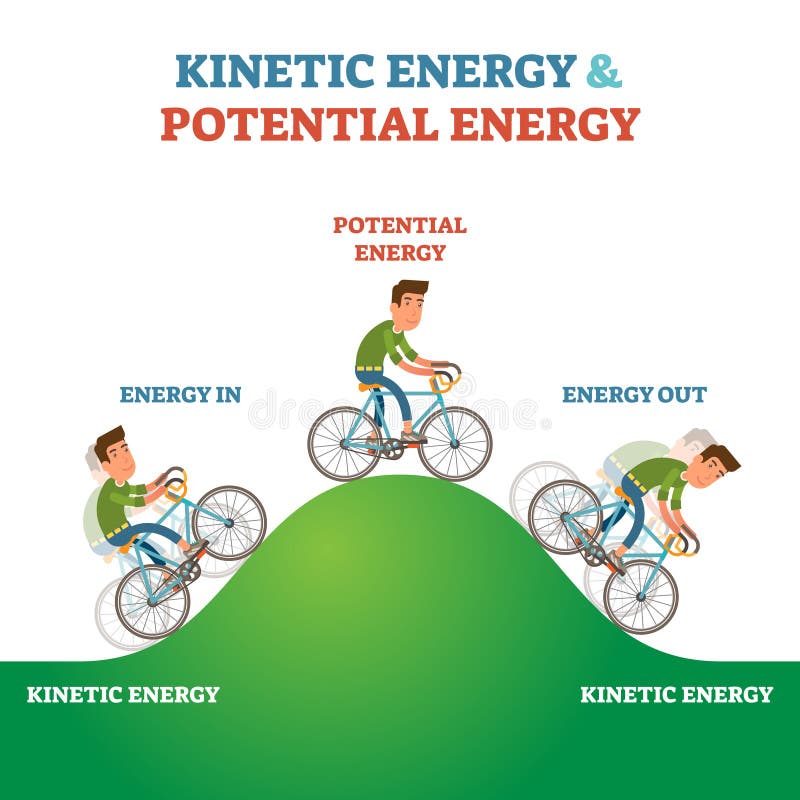
Free with trial Kinetic and potential energy explanation labeled vector illustration scheme. Physics forces visualization with bicycle and mountain. Simple dynamic mechanics motion example description school handout. Basic system model vectors Kinetic and potential energy explanation labeled vector illustration scheme. Physics forces visualization with bicycle and mountain. Simple dynamic mechanics
Free with trial Archimedes principle vector illustration. Buoyant force physics experiment explanation. Immersed body in fluid is equal to displaced weight. Educational liquid mechanics law visualization diagram. Basic system model vectors Archimedes principle vector illustration. Buoyant force physics experiment. Archimedes principle vector illustration. Buoyant force physics experiment. Archimedes principle vector illustration. Buoyant force physics experiment explanation. Immersed body in fluid is equal to displaced weight. Educational liquid mechanics law visualization diagram.
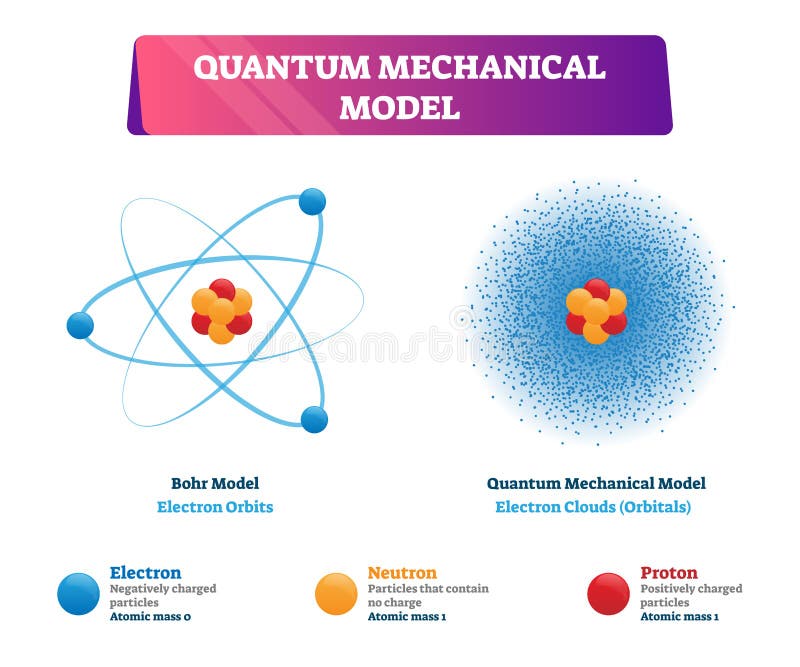
Free with trial Quantum mechanical model vector illustration physics examples. Negatively charged electron, neutron and positively charged proton in Bohr model as electron orbits and quants model as electron clouds. Basic system model vectors Quantum mechanical model vector illustration physics examples. Negatively charged electron, neutron and positively charged proton in Bohr model as electron
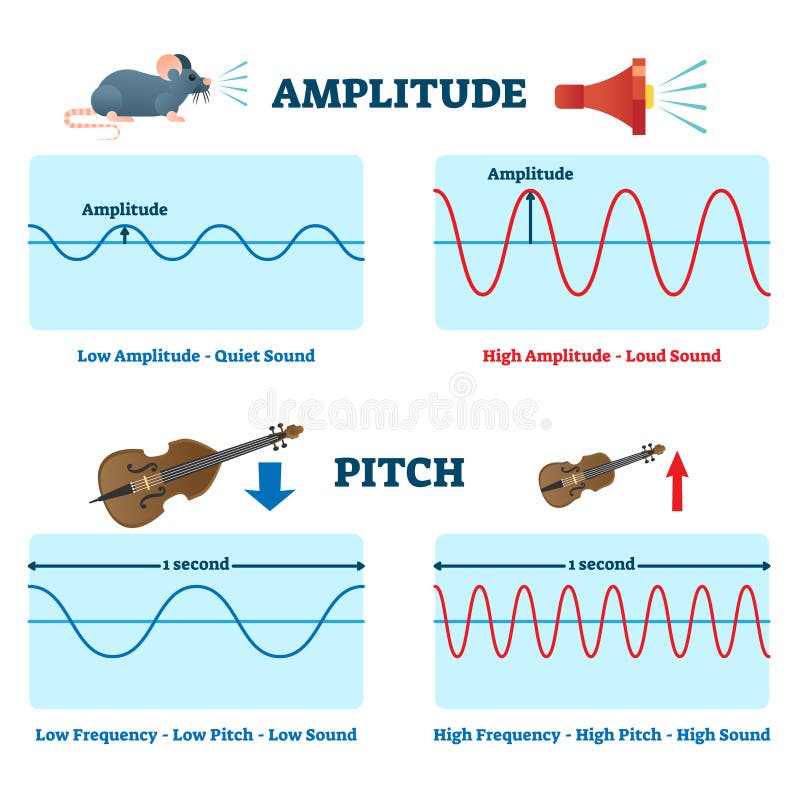
Free with trial Amplitude and pitch vector illustration. Labeled educational quiet or loud sound scheme. Compared low and high frequency impact on tune resonance. Explanation diagram as basic physics handout brochure. Basic system model vectors Amplitude and pitch vector illustration. Labeled educational sound scheme. Amplitude and pitch vector illustration. Labeled educational quiet or loud sound. Amplitude and pitch vector illustration. Labeled educational quiet or loud sound scheme. Compared low and high frequency impact on tune resonance. Explanation diagram as basic physics handout brochure
Free with trial Light and space technology. Technology and the light effects. Basic system model illustrations Light and space technology. Technology and the light effects
Free with trial Human cell vector illustration. Flat tiny stylized microbiology persons concept. Scientists examine and research life blocks structure. Laboratory for basic structural, functional and biological unit. Basic system model vectors Human cell vector illustration. Tiny stylized microbiology persons concept. Human cell vector illustration. Flat tiny stylized microbiology persons concept. Human cell vector illustration. Flat tiny stylized microbiology persons concept. Scientists examine and research life blocks structure. Laboratory for basic structural, functional and biological unit.
Free with trial Theory and practice. Are two different things. Basic system model illustrations Theory and practice. Are two different things
Free with trial Universal basic income vector illustration. Flat tiny money receiving person concept. Economical governmental income guarantee to resident citizens equality. Social support system to reduce poverty. Basic system model vectors Universal basic income vector illustration. Flat tiny money person concept. Universal basic income vector illustration. Flat tiny money receiving person concept. Universal basic income vector illustration. Flat tiny money receiving person concept. Economical governmental income guarantee to resident citizens equality. Social support system to reduce poverty.
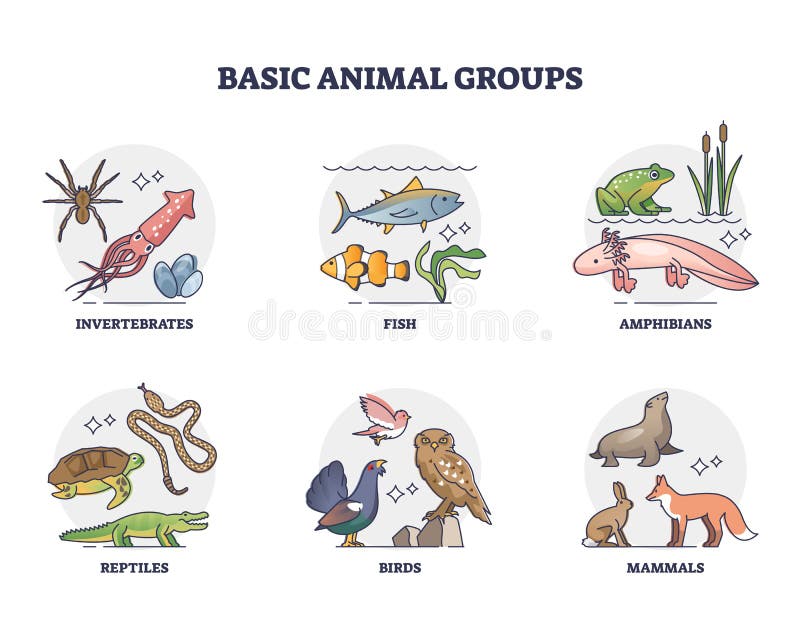
Free with trial Basic animal groups and biological nature categories division outline diagram. Labeled educational zoology scheme with invertebrates, fish, amphibians, reptiles, birds and mammals vector illustration. Basic system model vectors Basic animal groups and biological nature categories division outline diagram. Labeled educational zoology scheme with invertebrates, fish, amphibians
Free with trial Basic needs vector illustration. Flat tiny Maslows hierarchy person concept. Triangle pyramid with physiological, safety, belonging love social esteem and self actualization levels structure scheme. Basic system model vectors Basic needs vector illustration. Flat tiny Maslows hierarchy person concept. Triangle pyramid with physiological, safety, belonging love social esteem and self
Free with trial Circle Arrow Icons Set. Basic color design circle arrows flowcharts process models set vector illustration. Basic system model vectors Circle Arrow Icons Set. Basic color design circle arrows flowcharts process models set vector illustration
Free with trial Business woman drawing data flow diagram. Close up Business woman drawing data flow diagram. Basic system model illustrations Business woman drawing data flow diagram. Close up Business woman drawing data flow diagram
Free with trial How to draw cube in perspective. Drawing scheme of three-dimensional objects. Vector illustration. Level of the horizon, vanishing point, auxiliary lines of perspective. 3D cube drawing process. Basic system model vectors How to draw cube in perspective. 3D cube drawing process. How to draw cube in perspective. Drawing scheme of three-dimensional objects. Vector illustration. How to draw cube in perspective. Drawing scheme of three-dimensional objects. Vector illustration. Level of the horizon, vanishing point, auxiliary lines of perspective. 3D cube drawing process
Free with trial Universal basic income vector illustration. Labeled explanation system graph. Economical governmental income guarantee to resident citizens equality scheme. Diagram with social support reduce poverty. Basic system model vectors Universal basic income vector illustration. Labeled explained system graph. Universal basic income vector illustration. Labeled explanation system graph. Universal basic income vector illustration. Labeled explanation system graph. Economical governmental income guarantee to resident citizens equality scheme. Diagram with social support reduce poverty.
Free with trial Basic needs vector illustration. Flat tiny Maslows hierarchy person concept. Triangle pyramid with physiological, safety, belonging love social esteem and self actualization levels structure scheme. Basic system model illustrations Basic needs vector illustration. Flat tiny. Maslows hierarchy person concept. Triangle pyramid with physiological, safety, belonging love social esteem and self. Basic needs vector illustration. Flat tiny Maslows hierarchy person concept. Triangle pyramid with physiological, safety, belonging love social esteem and self actualization levels structure scheme.
Free with trial Basic needs. Maslow pyramid hierarchy actual basic human life need, fundamental basics needing color triangle analysis safety self-actualization love, concept vector illustration of basic hierarchy. Basic system model vectors Basic needs. Maslow pyramid hierarchy actual basic human life need, fundamental basics needing color triangle analysis. Safety self-actualization love, concept. Basic needs. Maslow pyramid hierarchy actual basic human life need, fundamental basics needing color triangle analysis safety self-actualization love, concept vector illustration of basic hierarchy
Free with trial Maslow pyramid with hierarchy of human needs classification tiny person concept. Triangle diagram with essential levels symbols vector illustration. Abstract physiological needs, safety and love graph. Basic system model vectors Maslow pyramid with hierarchy system of human needs tiny persons concept. Maslow pyramid with hierarchy of human needs classification tiny person concept. Maslow pyramid with hierarchy of human needs classification tiny person concept. Triangle diagram with essential levels symbols vector illustration. Abstract physiological needs, safety and love graph
Free with trial Hierarchy of needs diagram as Maslows theory levels tiny person concept. Labeled educational pyramid with self actualization, esteem, love belonging, safety and physiological parts vector illustration. Basic system model vectors Hierarchy of needs diagram with Maslows theory levels tiny person concept. Hierarchy of needs diagram as Maslows theory levels tiny person concept. Labeled. Hierarchy of needs diagram as Maslows theory levels tiny person concept. Labeled educational pyramid with self actualization, esteem, love belonging, safety and physiological parts vector illustration
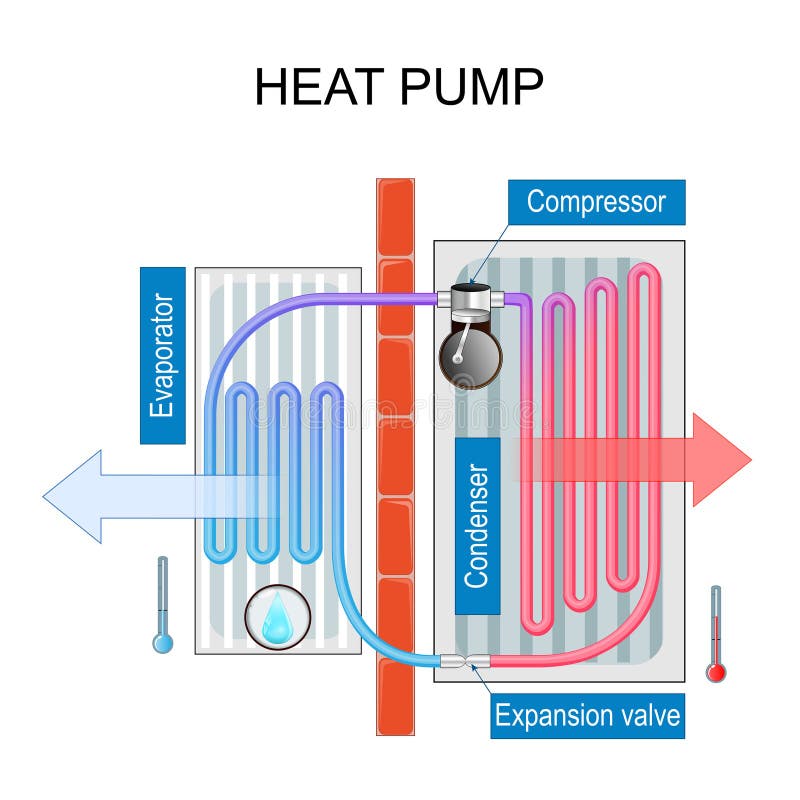
Free with trial Heat pump. this device works like a refrigerator, fridge, cooling System, or air conditioner. Basic scheme of work. A heat pump transfers heat using a refrigeration cycle. It absorbs heat from outdoors to warm indoors, and reverses for cooling. Vector poster. Basic system model vectors Heat pump. working principle. Heat pump. this device works like a refrigerator, fridge, cooling System, or air conditioner. Basic scheme of work. A heat pump. heat pump. this device works like a refrigerator, fridge, cooling System, or air conditioner. Basic scheme of work. A heat pump transfers heat using a refrigeration cycle. It absorbs heat from outdoors to warm indoors, and reverses for cooling. Vector poster
Free with trial House in Cutaway and Element Set Isometric View Basic Room of Apartment, Section Building with Furniture. Vector illustration. Basic system model vectors House in Cutaway and Element Set Isometric View. Vector. House in Cutaway and Element Set Isometric View Basic Room of Apartment, Section Building with Furniture. House in Cutaway and Element Set Isometric View Basic Room of Apartment, Section Building with Furniture. Vector illustration
Free with trial Maslow Pyramid icon. Maslow pyramid of seven steps with icons for each item and the text into a flat style. Vector Illustration. Basic system model vectors Maslow Pyramid icon. Maslow pyramid of seven steps with icons for each item and the text into a flat style. Vector Illustration
Free with trial Floor heating eps10 icon. At red background. Basic system model illustrations Floor heating eps10 icon. At red background
Free with trial Presentation shapes - Creative visualisation techniques - gray shadow. Bikablo - presentation scheme technique - Basic set gray shadow. Basic system model illustrations Presentation shapes - Creative visualisation techniques - gray shadow. Bikablo - presentation scheme technique - Basic set gray shadow
Free with trial Flowchart depicting a basic system model includes four rectangular boxes labeled: "Input," "Process," "Output," and "Control. " Arrows indicate the flow direction: from "Input" to "Process," then to "Output. " Dotted arrows connect "Process" to "Control" and return, indicating feedback or control mechanism. Solid lines denote the primary flow, while dashed lines show secondary interactions. This diagram illustrates a control system highlighting key components and their interactions. Basic system model illustrations Depicting a basic system model includes four rectangular boxes. Flowchart depicting a basic system model includes four rectangular boxes labeled: 'Input,' '. Flowchart depicting a basic system model includes four rectangular boxes labeled: "Input," "Process," "Output," and "Control." Arrows indicate the flow direction: from "Input" to "Process," then to "Output." Dotted arrows connect "Process" to "Control" and return, indicating feedback or control mechanism. Solid lines denote the primary flow, while dashed lines show secondary interactions. This diagram illustrates a control system highlighting key components and their interactions.
Free with trial An illustration depicting several planets orbiting the sun in a simplified solar system model. Represents space, astronomy, planets, or the cosmos. Ideal for educational materials or themes related to science and the universe. A basic diagram of planetary arrangement, vector design Generative AI. Basic system model vectors Solar system planets illustration astronomy space diagram orbiting bodies, vector design Generative AI. An illustration depicting several planets orbiting the. An illustration depicting several planets orbiting the sun in a simplified solar system model. Represents space, astronomy, planets, or the cosmos. Ideal for educational materials or themes related to science and the universe. A basic diagram of planetary arrangement, vector design Generative AI
Free with trial Minimalist illustration of a simple solar system model showing colorful planets orbiting a central star, representing the basic structure of a planetary system. Basic system model illustrations Colorful minimalist solar system model depicting planetary orbits around vibrant central star, illustrating cosmic. Minimalist illustration of a simple solar. Minimalist illustration of a simple solar system model showing colorful planets orbiting a central star, representing the basic structure of a planetary system
Free with trial Detailed anatomical model of human digestive system showing intestines and internal structure for medical education and. Scientific study, Generative AI. Basic system model illustrations Detailed anatomical model of human digestive system showing intestines and internal structure for medical education and. Scientific study, Generative AI
Free with trial The image displays an architectural model of a large building with a focus on its roof structure. The roof is semi-transparent, revealing an internal grid pattern that appears to be part of a solar panel array or a ventilation system. The grid is overlaid with a blue mesh, potentially indicating structural analysis or design planning. The surrounding area includes basic structural elements like. Basic system model illustrations Aerial view of a partially transparent building roof structure with grid overlay. The image displays an architectural model of a large building with a focus on. The image displays an architectural model of a large building with a focus on its roof structure. The roof is semi-transparent, revealing an internal grid pattern that appears to be part of a solar panel array or a ventilation system. The grid is overlaid with a blue mesh, potentially indicating structural analysis or design planning. The surrounding area includes basic structural elements like
Free with trial Flowchart illustrating a basic system model. Three rectangular boxes labeled "Input Module," "Processing Unit," and "Output Stage" are connected by arrows. The arrows indicate the flow of information from the Input Module to the Processing Unit and then to the Output Stage. Additional arrows loop back from both the Output Stage to the Processing Unit and from the Processing Unit to the Input Module, indicating feedback loops. The design is in black and white, with simple and clear lines. Basic system model illustrations The arrows indicate the flow of information from the Input Module to. Flowchart illustrating a basic system model. Three rectangular boxes labeled 'Input Module. Flowchart illustrating a basic system model. Three rectangular boxes labeled "Input Module," "Processing Unit," and "Output Stage" are connected by arrows. The arrows indicate the flow of information from the Input Module to the Processing Unit and then to the Output Stage. Additional arrows loop back from both the Output Stage to the Processing Unit and from the Processing Unit to the Input Module, indicating feedback loops. The design is in black and white, with simple and clear lines.
Free with trial Flowchart illustrating a basic three-step process. Three rectangles labeled "Input Module," "Processing Unit," and "Output Stage" are connected by arrows indicating the flow of information. The arrow from "Input Module" points to "Processing Unit," which leads to "Output Stage. " Additional arrows show feedback loops from "Output Stage" back to both "Processing Unit" and "Input Module," indicating cyclic processing. This diagram represents a simplified model of data flow in a system or algorithm. Basic system model illustrations The graphic appears to be an abstract representation of a wave. Flowchart illustrating a basic three-step process. Three rectangles labeled 'Input Module,' '. Flowchart illustrating a basic three-step process. Three rectangles labeled "Input Module," "Processing Unit," and "Output Stage" are connected by arrows indicating the flow of information. The arrow from "Input Module" points to "Processing Unit," which leads to "Output Stage." Additional arrows show feedback loops from "Output Stage" back to both "Processing Unit" and "Input Module," indicating cyclic processing. This diagram represents a simplified model of data flow in a system or algorithm.
Free with trial Flowchart depicting a process with five blocks labeled: "Input," "Process A," "Output," "Process B," and "Feedback. " Arrows connect the blocks showing data flow: input leads to Process A, then to output. Output has a feedback loop returning to Process B, which also feeds back into Process A. This visualizes a basic system model with feedback and loop mechanisms, often used in software development, systems engineering, and project management to illustrate workflow and control processes. Basic system model illustrations A feedback loop returning to Process B, which also feeds back into. Flowchart depicting a process with five blocks labeled: 'Input,' 'Process A,' 'Output,' '. Flowchart depicting a process with five blocks labeled: "Input," "Process A," "Output," "Process B," and "Feedback." Arrows connect the blocks showing data flow: input leads to Process A, then to output. Output has a feedback loop returning to Process B, which also feeds back into Process A. This visualizes a basic system model with feedback and loop mechanisms, often used in software development, systems engineering, and project management to illustrate workflow and control processes.
Free with trial A miniature diorama depicting a rustic house and a simple water system. A blue water tank provides water to a small trough, showcasing basic rural infrastructure. The scene includes elements like rocks, a small tree, and sandy ground, enhancing the realistic depiction of a rural setting. Basic system model illustrations Rural Water System Diorama. A miniature diorama depicting a rustic house and a simple water system. A blue water tank provides water to a small trough. A miniature diorama depicting a rustic house and a simple water system. A blue water tank provides water to a small trough, showcasing basic rural infrastructure. The scene includes elements like rocks, a small tree, and sandy ground, enhancing the realistic depiction of a rural setting.
Free with trial The image depicts a vintage computer system featuring a yellow case with a built-in monitor and keyboard. The monitor displays a basic interface with text and simple graphics. The computer has a floppy disk drive on the right side and a small yellow mouse connected via a wire. The keyboard is positioned in front of the monitor, and the overall design suggests it is an older model, likely from the. Basic system model illustrations Vintage computer system with yellow case and basic interface. The image depicts a vintage computer system featuring a yellow case with a built-in monitor and. The image depicts a vintage computer system featuring a yellow case with a built-in monitor and keyboard. The monitor displays a basic interface with text and simple graphics. The computer has a floppy disk drive on the right side and a small yellow mouse connected via a wire. The keyboard is positioned in front of the monitor, and the overall design suggests it is an older model, likely from the
Free with trial Color star, the RYB subtractive color model with the complementary and primary colors yellow, red and blue, mixed to secondary colors orange, purple and green, and extended to 6 tertiary color hues. Basic system model vectors Color star, RYB subtractive color model of mixing complementary colors. Color star, the RYB subtractive color model with the complementary and primary colors. Color star, the RYB subtractive color model with the complementary and primary colors yellow, red and blue, mixed to secondary colors orange, purple and green, and extended to 6 tertiary color hues.
Free with trial The image shows a basic wooden beam setup supported at both ends by a single cable forming an inverted V shape. The beams are horizontally aligned and appear to be connected by screws or bolts at the ends where the cable is attached, forming a simple truss system. The setup is likely used for educational purposes to demonstrate principles of structural engineering and tension forces. Basic system model illustrations A simple wooden structure supported by a tensioned cable truss system. The image shows a basic wooden beam setup supported at both ends by a single cable forming. The image shows a basic wooden beam setup supported at both ends by a single cable forming an inverted V shape. The beams are horizontally aligned and appear to be connected by screws or bolts at the ends where the cable is attached, forming a simple truss system. The setup is likely used for educational purposes to demonstrate principles of structural engineering and tension forces
Free with trial A simple, labeled tin can telephone illustrates the basic structure of a communication loop. Rendered by Ai. A red string connects the two corrugated metal cans clearly designated as the Sender and the Receiver, emphasizing the direction of message flow. This image serves as an ideal metaphor for dialogue, messaging, or data transfer concepts. Basic system model illustrations Sender and receiver model using a classic can phone. A simple, labeled tin can telephone illustrates the basic structure of a communication loop. Rendered by Ai. A simple, labeled tin can telephone illustrates the basic structure of a communication loop. Rendered by Ai. A red string connects the two corrugated metal cans clearly designated as the Sender and the Receiver, emphasizing the direction of message flow. This image serves as an ideal metaphor for dialogue, messaging, or data transfer concepts
Free with trial A stylized, minimalist illustration of an atom model. A central sphere, representing the nucleus, is surrounded by elliptical orbits on which smaller spheres, depicting electrons, are positioned. The color palette features soft greens and blues, creating a clean, modern, and scientific aesthetic. This graphic is ideal for representing concepts related to science, research, education, technology, and fundamental particles. Basic system model vectors Abstract Atom Model with Orbiting Electrons. A stylized, minimalist illustration of an atom model. A central sphere, representing the nucleus, is surrounded by. A stylized, minimalist illustration of an atom model. A central sphere, representing the nucleus, is surrounded by elliptical orbits on which smaller spheres, depicting electrons, are positioned. The color palette features soft greens and blues, creating a clean, modern, and scientific aesthetic. This graphic is ideal for representing concepts related to science, research, education, technology, and fundamental particles.
Free with trial A clean, stylized illustration of an atom model. A central nucleus, depicted as a large blue sphere, is surrounded by multiple elliptical orbits. Small blue spheres, representing electrons, are positioned along these orbits, creating a sense of motion. The overall design is simple, modern, and uses a limited color palette of blues and grays against a white background, making it versatile for educational and scientific contexts. Basic system model vectors Stylized Atom Model with Orbits. A clean, stylized illustration of an atom model. A central nucleus, depicted as a large blue sphere, is surrounded by multiple. A clean, stylized illustration of an atom model. A central nucleus, depicted as a large blue sphere, is surrounded by multiple elliptical orbits. Small blue spheres, representing electrons, are positioned along these orbits, creating a sense of motion. The overall design is simple, modern, and uses a limited color palette of blues and grays against a white background, making it versatile for educational and scientific contexts.
Free with trial This detailed illustration depicts the internal digestive anatomy of a mouse. The teal-colored silhouette of the mouse reveals its major digestive organs against a white background. Clearly visible are the dark red liver, the light pink J-shaped stomach, the intricately coiled small intestine, and the thicker, segmented large intestine. This diagram serves as a useful scientific or educational tool for understanding rodent physiology and the basic layout of a mammalian digestive system. Basic system model vectors A clear illustration of the mouse digestive system with key internal organs. This detailed illustration depicts the internal digestive anatomy of a mouse. The. This detailed illustration depicts the internal digestive anatomy of a mouse. The teal-colored silhouette of the mouse reveals its major digestive organs against a white background. Clearly visible are the dark red liver, the light pink J-shaped stomach, the intricately coiled small intestine, and the thicker, segmented large intestine. This diagram serves as a useful scientific or educational tool for understanding rodent physiology and the basic layout of a mammalian digestive system.
Free with trial A stylized, abstract representation of an atom model. The central nucleus is depicted as a solid blue circle, surrounded by concentric orbits in varying shades of blue. Small blue dots, representing electrons, are positioned along these orbits. The clean, minimalist design and blue color palette evoke concepts of science, technology, research, and innovation. This graphic is ideal for use in educational materials, scientific presentations, technology company branding, or any context related to physics, chemistry, or atomic structure. Basic system model vectors Abstract Atom Model Icon. A stylized, abstract representation of an atom model. The central nucleus is depicted as a solid blue circle, surrounded by concentric. A stylized, abstract representation of an atom model. The central nucleus is depicted as a solid blue circle, surrounded by concentric orbits in varying shades of blue. Small blue dots, representing electrons, are positioned along these orbits. The clean, minimalist design and blue color palette evoke concepts of science, technology, research, and innovation. This graphic is ideal for use in educational materials, scientific presentations, technology company branding, or any context related to physics, chemistry, or atomic structure.
Free with trial This vector illustration depicts a simplified economic circular flow model, illustrating the fundamental interactions between households and firms within an economy. It shows households providing labor to firms, which then produce goods. These goods are subsequently sold in the market, and households consume them, completing the cycle. The diagram uses clear icons and text to represent each stage: labor, production, market, and consumption. This visual aid is ideal for educational materials, business presentations, economic studies, and explaining basic market principles. Basic system model vectors Economic Circular Flow Model Diagram with Households and Firms. This vector illustration depicts a simplified economic circular flow model, illustrating the. This vector illustration depicts a simplified economic circular flow model, illustrating the fundamental interactions between households and firms within an economy. It shows households providing labor to firms, which then produce goods. These goods are subsequently sold in the market, and households consume them, completing the cycle. The diagram uses clear icons and text to represent each stage: labor, production, market, and consumption. This visual aid is ideal for educational materials, business presentations, economic studies, and explaining basic market principles.
Free with trial Outline Atom Model Science Symbol Graphic Element Design. Basic system model vectors A stylized black outline graphic depicting the Bohr model of an atom, symbolizing science, research, and fundamental particles. Outline Atom Model Science. Outline Atom Model Science Symbol Graphic Element Design
Free with trial A pristine white anatomical model of a human long bone, likely a femur or humerus, stands vertically against a clean white background. This detailed replica highlights the bone's structure, including its epiphyses and diaphysis. Ideal for medical education, biological studies, and healthcare-related content, it serves as a clear visual aid for understanding human anatomy, skeletal health, and orthopedic concepts. The isolated presentation offers ample copy space for various design applications. Basic system model illustrations Anatomical Model of a Human Long Bone. A pristine white anatomical model of a human long bone, likely a femur or humerus, stands vertically against a clean white. A pristine white anatomical model of a human long bone, likely a femur or humerus, stands vertically against a clean white background. This detailed replica highlights the bone's structure, including its epiphyses and diaphysis. Ideal for medical education, biological studies, and healthcare-related content, it serves as a clear visual aid for understanding human anatomy, skeletal health, and orthopedic concepts. The isolated presentation offers ample copy space for various design applications.
Free with trial Illustration of digital and Technology, A binary number is a number expressed in the base 2 numeral system, The bit is the most basic unit of information in computing and digital communications. Basic system model vectors A binary number is a number expressed in the base 2 numeral system. Illustration of digital and Technology, A binary number is a number expressed in the base 2. illustration of digital and Technology, A binary number is a number expressed in the base 2 numeral system, The bit is the most basic unit of information in computing and digital communications
Free with trial The image shows a visual representation of a roof truss structure with internal force diagrams. The leftmost image depicts the basic truss shape, while the middle and right images illustrate the distribution of forces within the truss members, highlighting tension and compression forces. The middle truss emphasizes compression forces in red, and the right truss highlights tension forces in green. Basic system model illustrations Diagram of structural force distribution in a roof truss system. The image shows a visual representation of a roof truss structure with internal force diagrams. The image shows a visual representation of a roof truss structure with internal force diagrams. The leftmost image depicts the basic truss shape, while the middle and right images illustrate the distribution of forces within the truss members, highlighting tension and compression forces. The middle truss emphasizes compression forces in red, and the right truss highlights tension forces in green
Free with trial This illustration depicts a simplified model of a pulley system, showcasing basic mechanics principles. It features a cylindrical object being moved by a rope and pulley setup, connected to a larger container-like element. The design is clean and minimalist, emphasizing the core components of the s. Basic system model illustrations Simple Machine Concept. This illustration depicts a simplified model of a pulley system, showcasing basic mechanics principles. It features a cylindrical object. This illustration depicts a simplified model of a pulley system, showcasing basic mechanics principles. It features a cylindrical object being moved by a rope and pulley setup, connected to a larger container-like element. The design is clean and minimalist, emphasizing the core components of the s
Free with trial Wooden lever system on white background. Mechanics concept shows beam fulcrum, weights. Demonstration of physics engineering principles. Minimalist clean image. Illustration shows basic. Basic system model illustrations Wooden lever system on white background. Mechanics concept shows beam fulcrum, weights. Demonstration of physics, engineering. Wooden lever system on white. Wooden lever system on white background. Mechanics concept shows beam fulcrum, weights. Demonstration of physics engineering principles. Minimalist clean image. Illustration shows basic.
Free with trial Diagram illustrating a simple harmonic oscillator, showing a mass-spring system and its displacement over time graph. Ideal for physics education, scientific presentations, and academic textbooks. This image was created using artificial intelligence technology. Basic system model illustrations Simple harmonic oscillator diagram with mass-spring system and displacement graph. Diagram illustrating a simple harmonic oscillator, showing a mass-spring. Diagram illustrating a simple harmonic oscillator, showing a mass-spring system and its displacement over time graph. Ideal for physics education, scientific presentations, and academic textbooks.This image was created using artificial intelligence technology.
Free with trial Anatomical human heart model depicted against a smoky blue background. This detailed medical illustration highlights the heart's structure with precision, combining scientific accuracy and visual clarity for educational use. Basic system model illustrations Anatomical Human Heart Model Against Smoky Blue Background. Anatomical human heart model depicted against a smoky blue background. This detailed medical. Anatomical human heart model depicted against a smoky blue background. This detailed medical illustration highlights the heart's structure with precision, combining scientific accuracy and visual clarity for educational use.
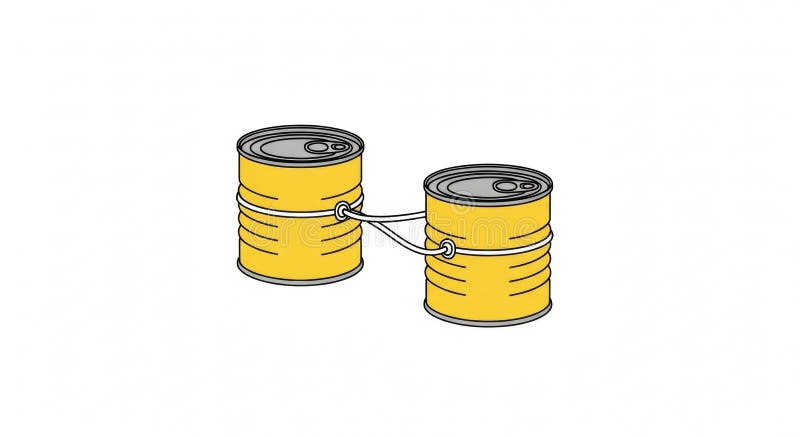
Free with trial A cartoon illustration of two yellow tin cans connected by a string, depicting a simple communication system. The image is a flat, two-dimensional design. Basic system model illustrations Two Connected Tin Cans Representing a Simple Communication System. A cartoon illustration of two yellow tin cans connected by a string, depicting a simple. A cartoon illustration of two yellow tin cans connected by a string, depicting a simple communication system. The image is a flat, two-dimensional design
Free with trial Abstract vector illustration of DNA model in linear style. Natural science, discovery, and investigation symbol element. The icon is perfect for web design, decorative elements, print, stickers, or social media. The image is isolated on the white background. Basic system model vectors Abstract DNA model in outline style. Abstract vector illustration of DNA model in linear style. Natural science, discovery, and investigation symbol element. The. Abstract vector illustration of DNA model in linear style. Natural science, discovery, and investigation symbol element. The icon is perfect for web design, decorative elements, print, stickers, or social media. The image is isolated on the white background
Free with trial Vector illustration of abstract atomic model in linear style. Science, discovery, and investigation symbol element. The icon is perfect for web design, decorative elements, print, stickers, or social media. The image is isolated on the white background. Basic system model vectors Abstract atomic model in outline style. Vector illustration of abstract atomic model in linear style. Science, discovery, and investigation symbol element. The. Vector illustration of abstract atomic model in linear style. Science, discovery, and investigation symbol element. The icon is perfect for web design, decorative elements, print, stickers, or social media. The image is isolated on the white background
Free with trial This image depicts a colorful atom model, representing the basic structure of matter and energy, showcasing protons, neutrons, and electrons on a white background. Basic system model vectors Vector art of representation of an atom, illustrating the fundamental building block of matter and energy. This image depicts a colorful atom model, representing. This image depicts a colorful atom model, representing the basic structure of matter and energy, showcasing protons, neutrons, and electrons on a white background
Free with trial This miniature city surveillance system showcases a revolutionary approach to comprehensive security. The panoramic view allows for an unparalleled level of detail in monitoring, ideal for urban planning, traffic analysis, and various security applications. The system's advanced capabilities extend beyond basic observation, enabling real-time data collection and analysis. Designed with a focus. Basic system model illustrations Advanced Miniature City Surveillance System Panoramic View Comprehensive Security and RealTime Monitoring for Detailed. This miniature city surveillance system. This miniature city surveillance system showcases a revolutionary approach to comprehensive security. The panoramic view allows for an unparalleled level of detail in monitoring, ideal for urban planning, traffic analysis, and various security applications. The system's advanced capabilities extend beyond basic observation, enabling real-time data collection and analysis. Designed with a focus
Free with trial A minimalist black and white vector illustration depicting a simplified atomic model. The design features a central black circle representing the nucleus, surrounded by three intersecting elliptical orbits. Three smaller black circles, symbolizing electrons, are positioned on these orbital paths. This clean, flat icon effectively conveys concepts of science, physics, and chemistry. Ideal for educational content, scientific presentations, technology interfaces, infographics, and any design requiring a clear representation of atomic structure or fundamental scientific principles. Basic system model vectors Atomic Structure Icon Illustration. A minimalist black and white vector illustration depicting a simplified atomic model. The design features a central black. A minimalist black and white vector illustration depicting a simplified atomic model. The design features a central black circle representing the nucleus, surrounded by three intersecting elliptical orbits. Three smaller black circles, symbolizing electrons, are positioned on these orbital paths. This clean, flat icon effectively conveys concepts of science, physics, and chemistry. Ideal for educational content, scientific presentations, technology interfaces, infographics, and any design requiring a clear representation of atomic structure or fundamental scientific principles.
Free with trial Atom model with electrons orbiting a central nucleus, illustrating fundamental principles of physics, chemistry, and research in science and technology. Basic system model illustrations Atom model orbiting electrons scientific concept. Atom model with electrons orbiting a central nucleus, illustrating fundamental principles of physics, chemistry. Atom model with electrons orbiting a central nucleus, illustrating fundamental principles of physics, chemistry, and research in science and technology
Free with trial A minimalist black outline illustration of an atom, featuring a central nucleus orbited by electrons along distinct paths. This simple yet powerful graphic represents fundamental concepts in science, chemistry, and physics. Ideal for educational materials, scientific presentations, web icons, app interfaces, or any design project requiring a clear and modern symbol of atomic structure, technology, or innovation. Isolated on a clean white background for versatile use, emphasizing clarity and scientific accuracy. Basic system model vectors Atom Model Outline Icon. A minimalist black outline illustration of an atom, featuring a central nucleus orbited by electrons along distinct paths. This simple. A minimalist black outline illustration of an atom, featuring a central nucleus orbited by electrons along distinct paths. This simple yet powerful graphic represents fundamental concepts in science, chemistry, and physics. Ideal for educational materials, scientific presentations, web icons, app interfaces, or any design project requiring a clear and modern symbol of atomic structure, technology, or innovation. Isolated on a clean white background for versatile use, emphasizing clarity and scientific accuracy.
Free with trial A stylized, minimalist representation of an atom. The central nucleus is depicted as a large dark circle within a hexagonal outline. Orbiting this nucleus are several smaller dark circles, connected by thin, curved lines that form elliptical paths. The overall design is clean, modern, and uses a simple black and white color scheme, making it versatile for various scientific, technological, or conceptual applications. Basic system model illustrations Abstract Atom Model Icon. A stylized, minimalist representation of an atom. The central nucleus is depicted as a large dark circle within a hexagonal outline. A stylized, minimalist representation of an atom. The central nucleus is depicted as a large dark circle within a hexagonal outline. Orbiting this nucleus are several smaller dark circles, connected by thin, curved lines that form elliptical paths. The overall design is clean, modern, and uses a simple black and white color scheme, making it versatile for various scientific, technological, or conceptual applications.
Free with trial This image depicts a simplified, three-dimensional representation of the human stomach, shown in a reddish hue. The stomach is connected to the esophagus, which is illustrated as a tube leading upward from the top of the stomach. This type of visual is often used in medical and educational contexts to explain the basic anatomy of the human digestive system. Basic system model illustrations Anatomical illustration of the human stomach with esophagus connection. This image depicts a simplified, three-dimensional representation of the human stomach. This image depicts a simplified, three-dimensional representation of the human stomach, shown in a reddish hue. The stomach is connected to the esophagus, which is illustrated as a tube leading upward from the top of the stomach. This type of visual is often used in medical and educational contexts to explain the basic anatomy of the human digestive system
Free with trial This image depicts a simplified representation of neurons connected by synaptic links, illustrating the basic concept of a neural network. The neurons, shown with branching dendrites and a single axon, are linked to one another, symbolizing how information is transmitted across a network of nerve cells in the brain or artificial neural networks in computational models. Basic system model illustrations Illustration of interconnected neurons forming a neural network structure. This image depicts a simplified representation of neurons connected by synaptic links. This image depicts a simplified representation of neurons connected by synaptic links, illustrating the basic concept of a neural network. The neurons, shown with branching dendrites and a single axon, are linked to one another, symbolizing how information is transmitted across a network of nerve cells in the brain or artificial neural networks in computational models
Free with trial This image displays a three-dimensional model of a human stomach, depicted in red. The stomach is shown with its attached esophagus at the top and the pyloric region at the bottom, which connects to the small intestine. The image is likely used for educational purposes to illustrate the basic anatomy of the stomach. Basic system model illustrations Anatomical illustration of a human stomach with attached esophagus and pylorus. This image displays a three-dimensional model of a human stomach, depicted in red. This image displays a three-dimensional model of a human stomach, depicted in red. The stomach is shown with its attached esophagus at the top and the pyloric region at the bottom, which connects to the small intestine. The image is likely used for educational purposes to illustrate the basic anatomy of the stomach
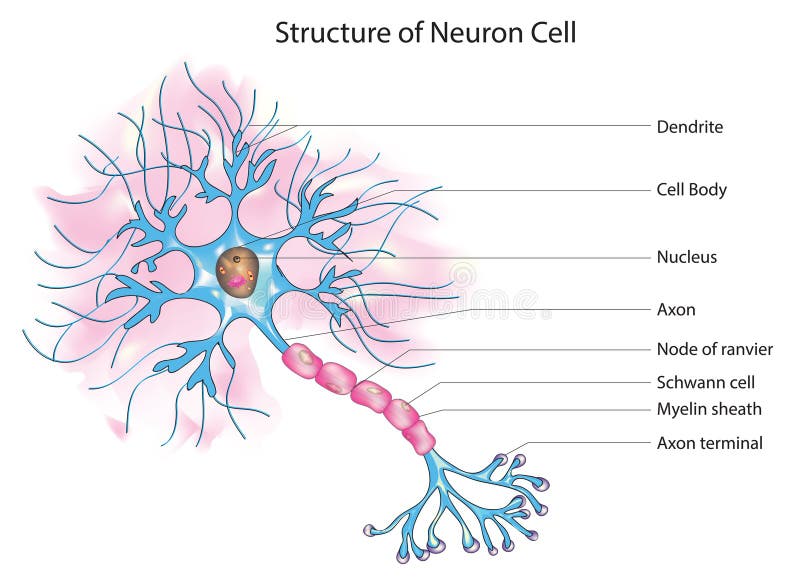
Free with trial A clear and simple anatomical diagram showing the basic structure of a neuron including. Basic system model illustrations Simple neuron anatomy diagram for science education with dendrite, education. A clear and simple anatomical diagram showing the basic structure of a neuron. A clear and simple anatomical diagram showing the basic structure of a neuron including
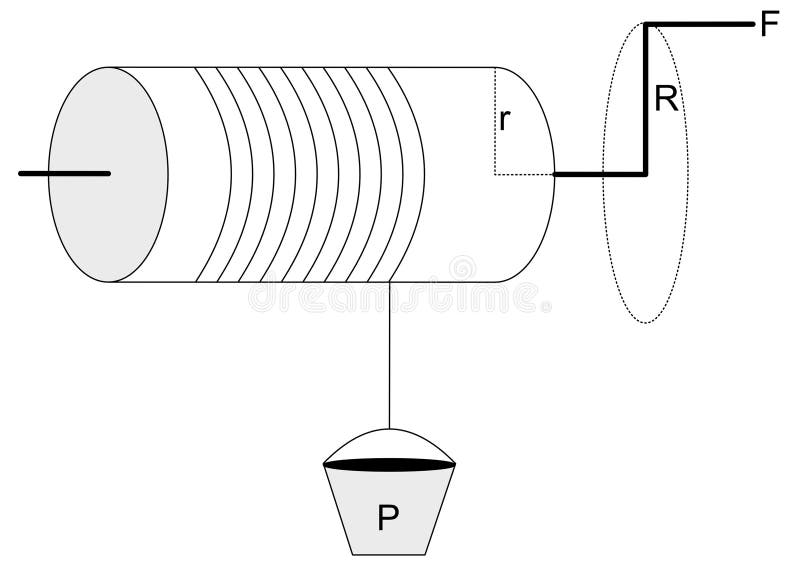
Free with trial Diagram depicting a simple machine illustration of a wheel and axle system. It includes a cylindrical axle with a smaller wheel radius labeled "r" and a larger force lever radius labeled "R. " A load "P" is attached via a rope around the axle. An external force "F" is applied perpendicularly at radius "R. " The system illustrates mechanical advantage principles used in basic physics and engineering. Basic system model vectors Physics diagram of a pulley and axle system. Simple machine illustration of wheel and axle. Diagram depicting a simple machine illustration of a wheel and axle. Diagram depicting a simple machine illustration of a wheel and axle system. It includes a cylindrical axle with a smaller wheel radius labeled "r" and a larger force lever radius labeled "R." A load "P" is attached via a rope around the axle. An external force "F" is applied perpendicularly at radius "R." The system illustrates mechanical advantage principles used in basic physics and engineering.
Free with trial Simple Flowchart Icon for Business Hierarchy. A simple, hand-drawn icon illustrating a basic organizational structure or workflow. Basic system model vectors Simple Flowchart Icon for Business Hierarchy. A simple, hand-drawn icon illustrating a basic organizational structure or workflow
Free with trial Colour palette wheel - RYB model, circle divided into thirty two shades, version with different light, dark and saturation. Basic system model vectors Colour palette wheel - RYB model, circle divided into thirty two shades, version with different light, dark and saturation.
Free with trial A 3D rendering of gray concrete blocks stacked to form a modern architectural model with industrial texture.. This image was created using AI. Created with artificial intelligence. Basic system model illustrations Futuristic industrial structure made of concrete blocks - AI generated. A 3D rendering of gray concrete blocks stacked to form a modern architectural model with. A 3D rendering of gray concrete blocks stacked to form a modern architectural model with industrial texture.. This image was created using AI. Created with artificial intelligence.
Free with trial A 3D representation of a molecule with four bonds, illustrating basic chemical structure. Basic system model illustrations A 3D representation of a molecule with four bonds, illustrating basic chemical structure.
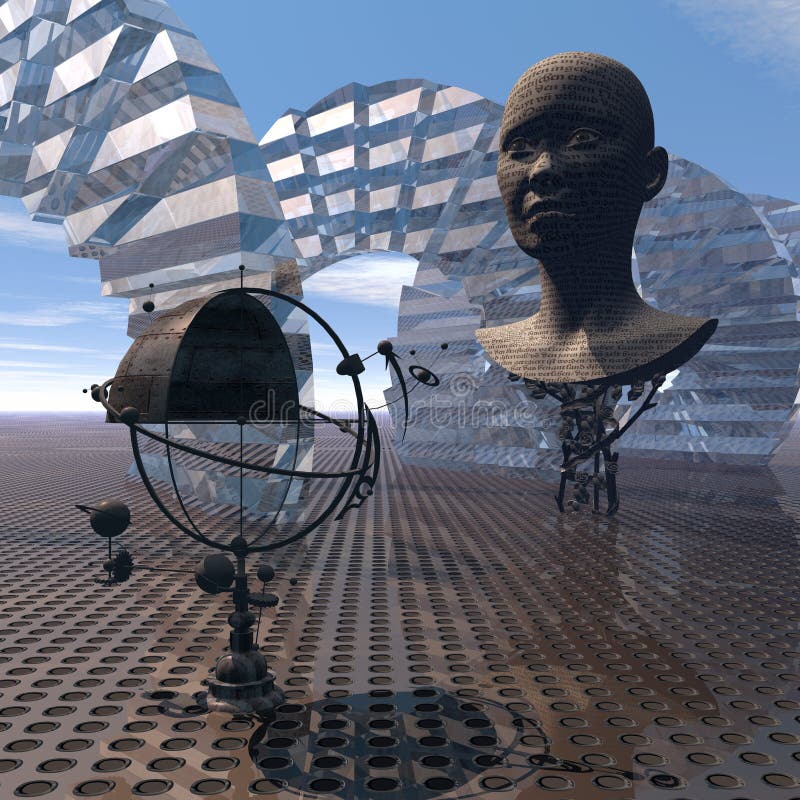
Free with trial Close-up of a glowing sphere within a transparent structure, set on a reflective surface with blurred lights in the background. Generative AI. Basic system model illustrations Representation of Rutherford s nuclear model. Close-up of a glowing sphere within a transparent structure, set on a reflective surface with blurred lights in the. Close-up of a glowing sphere within a transparent structure, set on a reflective surface with blurred lights in the background. Generative AI
Free with trial Neurons, also known as nerve cells, are specialized cells that form the basic functional units of the nervous system. They are responsible for transmitting electrical and chemical signals throughout the body, enabling communication between different parts of the nervous system and coordinating various physiological functions. Basic system model vectors Typical nerve cell diagram. Neurons, also known as nerve cells, are specialized cells that form the basic functional units of the nervous system. They are. Neurons, also known as nerve cells, are specialized cells that form the basic functional units of the nervous system. They are responsible for transmitting electrical and chemical signals throughout the body, enabling communication between different parts of the nervous system and coordinating various physiological functions.
Free with trial Electron microscope. Bacterial molecular structure,virus concept design. The smallest particle of a substance that has all its basic chemical properties. Basic system model illustrations Electron microscope.Bacterial molecular structure,virus concept design. The smallest particle of a substance that has all its basic chemical properties
Free with trial Molecular bacterial structure,virus concept design,electron microscope. The smallest particle of a substance that has all its basic chemical properties. Basic system model illustrations Molecular bacterial structure,virus concept design,electron microscope. The smallest particle of a substance that has all its basic chemical properties
Free with trial Colour palette wheel - RYB model, circle divided into fourty eight shades, version with different light, dark and saturation. Basic system model vectors Colour palette wheel - RYB model, circle divided into fourty eight shades, version with different light, dark and saturation.
Free with trial Molecular bacterial structure, virus concept design,electron microscope. The smallest particle of a substance that has all its basic chemical properties. Basic system model illustrations Molecular bacterial structure, virus concept design,electron microscope. The smallest particle of a substance that has all its basic chemical properties
Free with trial Stylized robotic figure composed of geometric shapes stands alone on a white background. The head is a blue circle, and the torso is a vertical yellow rectangle. Limbs are formed using gray rectangles and circles, connected by lines depicting joints. Small triangles act as hands and feet. The design is simple and uses basic shapes to convey a robotic appearance. Basic system model illustrations Modern vector illustration of a stylized robotic human figure with geometric shapes, standing isolated on a clean white background. Stylized robotic figure. Stylized robotic figure composed of geometric shapes stands alone on a white background. The head is a blue circle, and the torso is a vertical yellow rectangle. Limbs are formed using gray rectangles and circles, connected by lines depicting joints. Small triangles act as hands and feet. The design is simple and uses basic shapes to convey a robotic appearance.
Free with trial Rudimentary word on white. Background. Basic system model vectors Rudimentary word on white. Background
Free with trial Needs hierarchy. Maslow pyramid diagram color illustration. Isolated on white background. Basic system model vectors Needs hierarchy. Maslow pyramid diagram color illustration. Isolated on white background
Free with trial Website wireframe layout displays a clean structure featuring a header headline and various content sections. Basic system model illustrations Minimalist website interface wireframe design layout. Website wireframe layout displays a clean structure featuring a header headline and various content. Website wireframe layout displays a clean structure featuring a header headline and various content sections.
Free with trial Basic funnel diagram with two outcome boxes. A simple black and white funnel diagram with horizontal lines and two boxes at the bottom for outcomes ai generated. Basic system model illustrations Basic funnel diagram with two outcome boxes. A simple black and white funnel diagram with horizontal lines and two boxes at the bottom for outcomes ai generated
Free with trial A minimalist black and white of a stylized atom. The icon features a central nucleus represented by a solid black circle, surrounded by four smaller black circles depicting electrons orbiting in three intersecting elliptical paths. This clean and simple design effectively symbolizes concepts related to science, chemistry, physics, technology, and innovation. Ideal for educational content, scientific presentations, web design, or branding for research and development. Basic system model vectors Stylized Atom Icon Vector Illustration. A minimalist black and white of a stylized atom. The icon features a central nucleus represented by a solid black circle. A minimalist black and white of a stylized atom. The icon features a central nucleus represented by a solid black circle, surrounded by four smaller black circles depicting electrons orbiting in three intersecting elliptical paths. This clean and simple design effectively symbolizes concepts related to science, chemistry, physics, technology, and innovation. Ideal for educational content, scientific presentations, web design, or branding for research and development.
 Sign in