Free with trial Globe with network on white background. 3d render. Clipping path included. Code path illustrations Globe with network on white background. 3d render.Clipping path included
Free with trial Green digital world. With binary code. Code path illustrations Green digital world. With binary code
Free with trial CD data reflection. With trace. Blue background. Code path illustrations CD data reflection. With trace. Blue background
Free with trial Binary background. 3d rendered illustration of a binary background. Code path illustrations Binary background. 3d rendered illustration of a binary background
Free with trial Computer virus. 3d rendered illustration of a matrix and computer viruses. Code path illustrations Computer virus. 3d rendered illustration of a matrix and computer viruses
Free with trial Abstract Circuit Board. Background for your design. Code path vectors Abstract Circuit Board. Background for your design
Free with trial Pattern of radio elements (Stylization radio scheme). Code path vectors Pattern of radio elements. (Stylization radio scheme
Free with trial Love. Two halves of puzzle heart. Code path illustrations Love. Two halves of puzzle heart
Free with trial Digital stream. 3d rendered illustration of a digital stream. Code path illustrations Digital stream. 3d rendered illustration of a digital stream
Free with trial Outline map of country of Portugal in black, isolated on white background. Code path illustrations Map of Portugal. Outline map of country of Portugal in black, isolated on white background. Outline map of country of Portugal in black, isolated on white background.
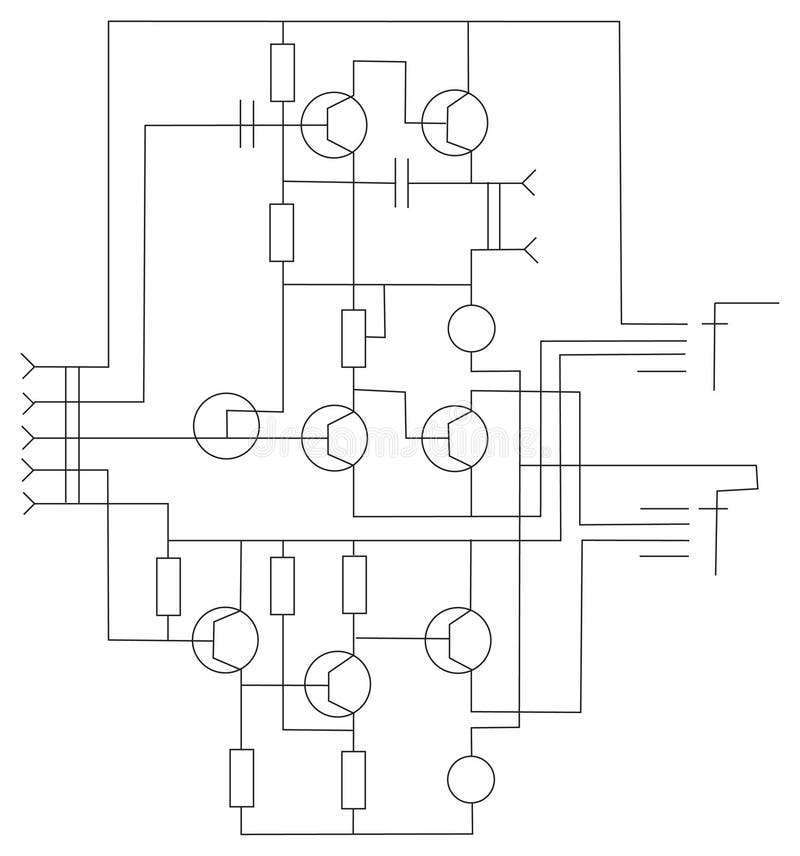
Free with trial Scheme electronic vector. On white. Code path vectors Scheme electronic vector. On white
Free with trial Binary code. 3d object. wallpaper. Code path illustrations Binary. Code. 3d object. wallpaper
Free with trial Cross the yellow line? Concept illustration showing shoes in front of a yellow line. Code path illustrations Cross the yellow line ?. Concept illustration showing shoes in front of a yellow line
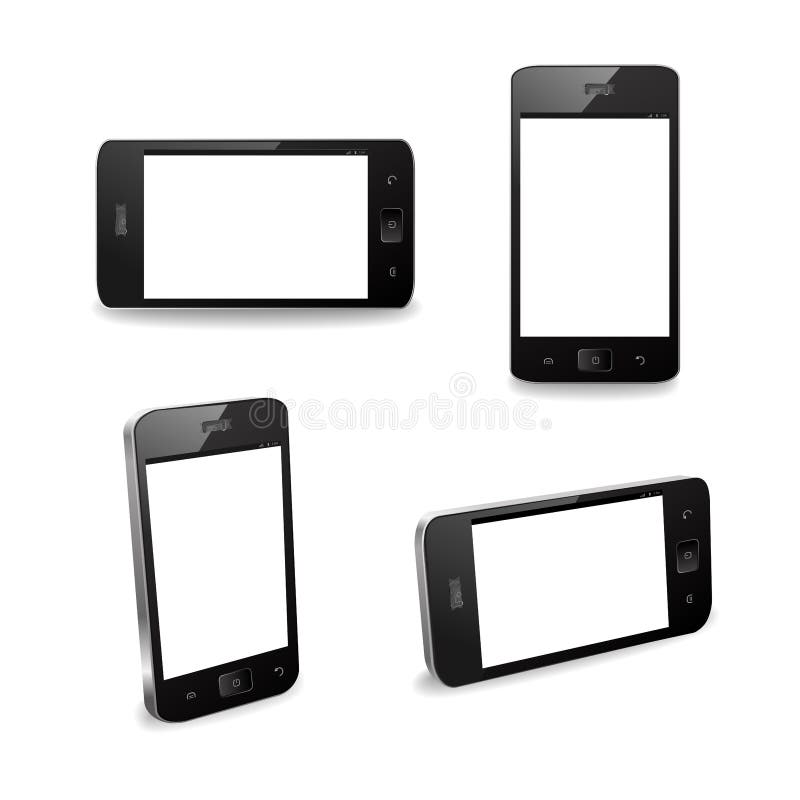
Free with trial Smart phone displays at various angles. Can be used for custom imagery. Code path illustrations Smart Phone Angle Pack. Smart phone displays at various angles. Can be used for custom imagery. Smart phone displays at various angles. Can be used for custom imagery.
Free with trial Heart broken. Red heart puzzle with one piece out. Code path illustrations Heart broken. Red heart puzzle with one piece out
Free with trial High technology background showing a monitor and a world map. Included clipping path allows to insert your own text or images on the screen. Digital illustration. Code path illustrations World monitor. High technology background showing a monitor and a world map. Included clipping path allows to insert your own text or images on the screen. High technology background showing a monitor and a world map. Included clipping path allows to insert your own text or images on the screen. Digital illustration.
Free with trial Digital Technology Background. A background digital technology image with a tunnel of light and binary numbers. Code path vectors Digital Technology Background. A background digital technology image with a tunnel of light and binary numbers
Free with trial Home security road sign illustration. Design over a white background. Code path illustrations Home security road sign illustration. Design over a white background
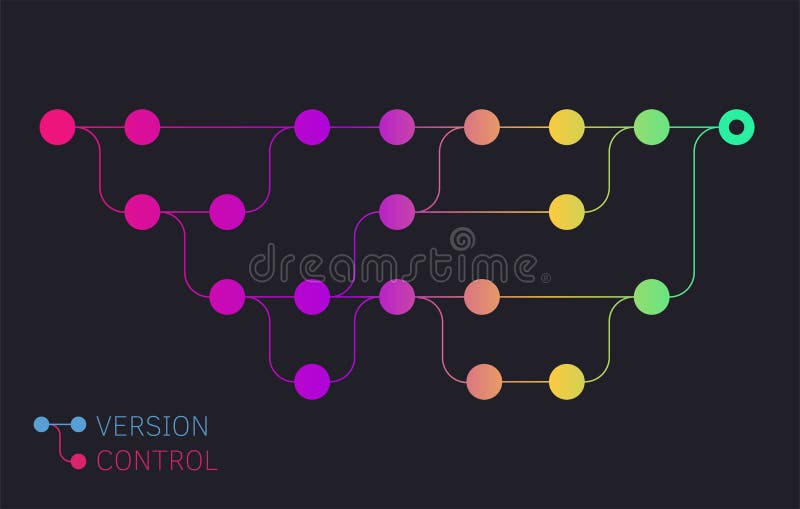
Free with trial Version control representation. Source control and development process. Infographic template with multiple steps and branches of development. Main stages with speech bubbles for dev template. Code path vectors Version control map. Version control representation. Source control and development process. Infographic template with multiple steps and branches of development. Version control representation. Source control and development process. Infographic template with multiple steps and branches of development. Main stages with speech bubbles for dev template.
Free with trial Digital stream. 3d rendered illustration of a digital stream. Code path illustrations Digital stream. 3d rendered illustration of a digital stream
Free with trial Bitcoin. Vector conceptual illustration of electrical circuit and object symbols connected to bitcoin. Code path vectors Bitcoin. Vector conceptual illustration of electrical circuit and object symbols connected to bitcoin
Free with trial Tablet PC with world map, binary concept,3d. Code path vectors Tablet PC with world map. Binary concept,3d
Free with trial Cloud computing connection on digital tablet pc. Conceptual image. Isolated on white. Code path illustrations Cloud Computing Connection on Apple Ipad. Cloud computing connection on digital tablet pc. Conceptual image. Isolated on white. Cloud computing connection on digital tablet pc. Conceptual image. Isolated on white.
Free with trial Digital stream. 3d rendered illustration of a digital stream. Code path illustrations Digital stream. 3d rendered illustration of a digital stream
Free with trial Complex illustration of futuristic technology background with flow from right to left. Usable as a decent additional element for your logos or products. Code path illustrations Construction technology abstract background. Complex illustration of futuristic technology background with flow from right to left. Usable as a decent additional. Complex illustration of futuristic technology background with flow from right to left. Usable as a decent additional element for your logos or products.
Free with trial Blue Binary tunel. Abstarct background. Code path illustrations Blue Binary tunel. Abstarct background
Free with trial Binary codes on arrow with circles. And abstract background. Code path vectors Binary codes on arrow with circles. And abstract background
Free with trial Electrical wiring diagram background. Electrical scheme on a blue background. Code path vectors Electrical wiring diagram background. Electrical scheme on a blue background
Free with trial Digital stream. 3d rendered illustration of the binary code. Code path illustrations Digital stream. 3d rendered illustration of the binary code
Free with trial The metallic bank vault door on a white background isolated on white with clipping path. Code path illustrations The metallic bank vault door. On a white background isolated on white with clipping path
Free with trial Love. Two halves of puzzle heart. Code path illustrations Love. Two halves of puzzle heart
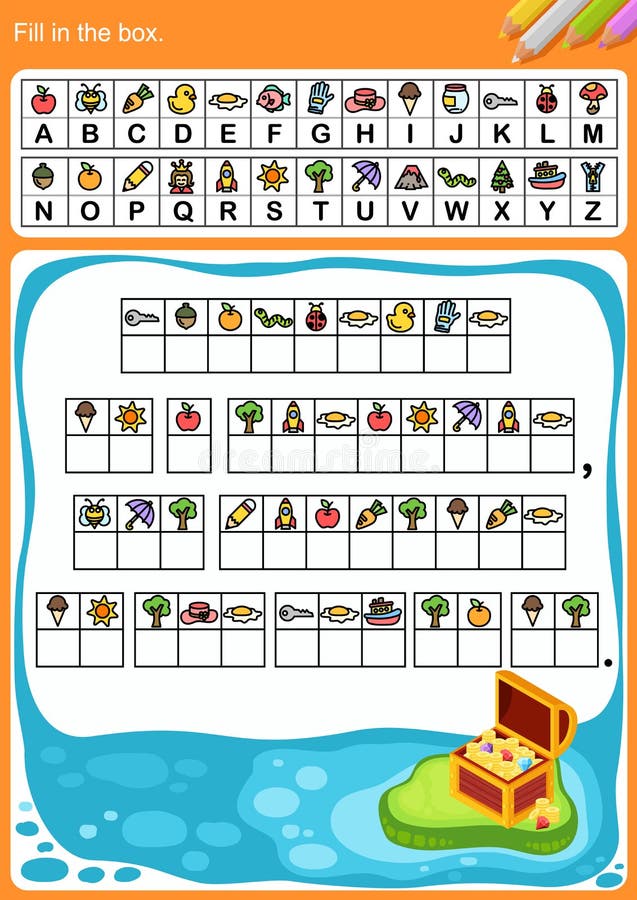
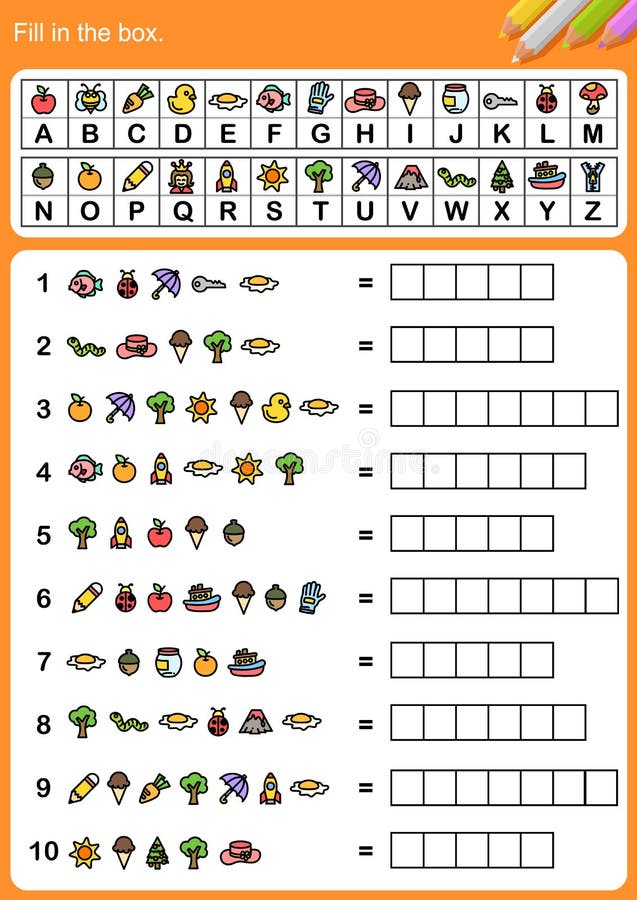
Free with trial Decode alphabet, Matching images and alphabet and fill in the box. - Worksheet for education. Code path vectors Decode alphabet, Fill in the box. Decode alphabet, Matching images and alphabet and fill in the box. - Worksheet for education. Decode alphabet, Matching images and alphabet and fill in the box. - Worksheet for education.
Free with trial Earth Globe with flight paths. Connecting the world. Code path illustrations Earth Globe with flight paths. Connecting the world
Free with trial Seat belt. A seat belt where hands symnolise the union which could be broken if you don't use it. Code path illustrations Seat belt. A seat belt where hands symnolise the union which could be broken if you don't use it
Free with trial Matrix. Binary digital code design. Code path illustrations Matrix. Binary digital code design
Free with trial Digital stream. 3d rendered illustration of the binary code. Code path illustrations Digital stream. 3d rendered illustration of the binary code
Free with trial Decode alphabet, Matching images and alphabet and fill in the box. - Worksheet for education. Code path vectors Decode alphabet, Fill in the box. Decode alphabet, Matching images and alphabet and fill in the box. - Worksheet for education. Decode alphabet, Matching images and alphabet and fill in the box. - Worksheet for education.
Free with trial USB plugs. Isolated on white background. Code path illustrations USB plugs. Isolated on white background
Free with trial Rolling globe leaving a digital trail. Hi-res digitally generated image. Code path illustrations Digital trail. Rolling globe leaving a digital trail. Hi-res digitally generated image. Rolling globe leaving a digital trail. Hi-res digitally generated image.
Free with trial Three-dimensional graphic illustration. Binary code. Code path illustrations Binary. Three-dimensional graphic illustration. Binary code. Three-dimensional graphic illustration. Binary code.
Free with trial Illustration, background of a virtual mail server, provider. Speed, technology, communication concept. Clipping path. Code path illustrations Mail Server Provider. Illustration, background of a virtual mail server, provider. Speed, technology, communication concept. Clipping path. Illustration, background of a virtual mail server, provider. Speed, technology, communication concept. Clipping path.
Free with trial Illustration, background of a virtual mail server, provider. Speed, technology, communication concept. Clipping path. Code path illustrations Mail Server Provider. Illustration, background of a virtual mail server, provider. Speed, technology, communication concept. Clipping path. Illustration, background of a virtual mail server, provider. Speed, technology, communication concept. Clipping path.
Free with trial Virus - a computer generated image. Code path illustrations Virus. A computer generated image
Free with trial Computer virus. 3d rendered illustration of a computer virus. Code path illustrations Computer virus. 3d rendered illustration of a computer virus
Free with trial Magnifying glass - virus (computer generated image). Code path illustrations Magnifying glass - virus. (computer generated image
Free with trial Integrity and ethical moral principles as core values outline concept. Honesty and trust as positive legal behavior vector illustration. Truth and uncompromising adherence to strong moral ethics scene. Code path vectors Integrity and ethical moral principles as core values element outline concept. Integrity and ethical moral principles as core values outline concept. Honesty and. Integrity and ethical moral principles as core values outline concept. Honesty and trust as positive legal behavior vector illustration. Truth and uncompromising adherence to strong moral ethics scene
Free with trial Digital background, see more similar images in my portfolio. Code path illustrations Digital background. See more similar images in my portfolio
Free with trial Computer virus. 3d rendered illustration of a computer virus. Code path illustrations Computer virus. 3d rendered illustration of a computer virus
Free with trial Platonic Shape. On white background. Code path illustrations Platonic Shape. On white background
Free with trial Security information concept with combination lock. Usb drive. Code path illustrations Security information concept with combination lock. Usb drive
Free with trial Outline map of Spain and Balearic islands isolated on blue background. Code path illustrations Outline map of Spain on white. Outline map of Spain and Balearic islands isolated on blue background. Outline map of Spain and Balearic islands isolated on blue background.
Free with trial Smart Phone Angle Pack. Smart phone displays at various angles. Can be used for custom imagery. EPS10 with no transparencies. Code path illustrations Smart Phone Angle Pack. Smart phone displays at various angles. Can be used for custom imagery. EPS10 with no transparencies
Free with trial Abstract blue digital concept background, abstract background. Code path illustrations Abstract blue digital concept background. Abstract blue digital concept background, abstract background. Abstract blue digital concept background, abstract background.
Free with trial Silver Padlock. Raster illustration of a silver padlock isolated on white. Code path illustrations Silver Padlock. Raster illustration of a silver padlock isolated on white
Free with trial Decision making strategy and goal solution concept. Target from blue arrows on a digital computer data background. Code path illustrations Decision making strategy and goal solution concept. Target from blue arrows on a digital computer data background
Free with trial Maze game. Labyrinth with navigation. Help girl find tote bag. learning left, right, up and down. Educational page for kids. Code path vectors Maze game. Labyrinth with navigation. Help girl find tote bag. Learning left, right, up and down. Educational page for kids
Free with trial Digital stream. 3d rendered illustration of a digital stream. Code path illustrations Digital stream. 3d rendered illustration of a digital stream
Free with trial Digital stream. 3d rendered illustration of a digital stream. Code path illustrations Digital stream. 3d rendered illustration of a digital stream
Free with trial Binary. Code. 3d object. wallpaper. Code path illustrations Binary. Code. 3d object. wallpaper
Free with trial Outline map of Spain and Balearic islands isolated on white background. Code path illustrations Outline map of Spain on white. Outline map of Spain and Balearic islands isolated on white background. Outline map of Spain and Balearic islands isolated on white background.
Free with trial Digital computer blockchain isolated on white. Blockchain technologie used in digital computer networks isolated on white, 3d illustration. Code path illustrations Digital computer blockchain isolated on white. Blockchain technologie used in digital computer networks isolated on white, 3d illustration
Free with trial Sai Baba of Shirdi c. 1838? - died 15 October 1918,[2] also known as Shirdi Sai Baba, was an Indian spiritual master, identified as a saint[citation needed] and a fakir and was revered by both his Hindu and Muslim devotees during, as well as after, his lifetime. According to accounts from his life, Sai Baba preached the importance of `realization of the self` and criticized `love towards perishable things`. His teachings concentrate on a moral code of love, forgiveness, helping others, charity, contentment, inner peace and devotion to the God and guru. He stressed the importance of surrender to the true Satguru, who, having trod the path to divine consciousness, will lead the disciple through the jungle of spiritual training. Code path illustrations Sai baba universe in background. Sai Baba of Shirdi c. 1838? - died 15 October 1918,[2] also known as Shirdi Sai Baba, was an Indian spiritual master, identified. Sai Baba of Shirdi c. 1838? - died 15 October 1918,[2] also known as Shirdi Sai Baba, was an Indian spiritual master, identified as a saint[citation needed] and a fakir and was revered by both his Hindu and Muslim devotees during, as well as after, his lifetime. According to accounts from his life, Sai Baba preached the importance of `realization of the self` and criticized `love towards perishable things`. His teachings concentrate on a moral code of love, forgiveness, helping others, charity, contentment, inner peace and devotion to the God and guru. He stressed the importance of surrender to the true Satguru, who, having trod the path to divine consciousness, will lead the disciple through the jungle of spiritual training.
Free with trial Digital stream. 3d rendered illustration of a digital stream. Code path illustrations Digital stream. 3d rendered illustration of a digital stream
Free with trial Version control gradient on dark. Source control and development process. Infographic template with multiple steps and branches of development. Main stages with speech bubbles for dev template. Code path vectors Version control dark map. Version control gradient on dark. Source control and development process. Infographic template with multiple steps and branches of. Version control gradient on dark. Source control and development process. Infographic template with multiple steps and branches of development. Main stages with speech bubbles for dev template.
Free with trial Tiled cyber structure. Nanotechnologies in processors and computer circuits. 3D illustration of digital streams in a futuristic motherboard. Code path illustrations Tiled cyber structure. Nanotechnologies in processors and computer circuits. 3D illustration of digital streams in a futuristic motherboard
Free with trial The logotype on theme - business. The icons for use business, dress code, career. Code path vectors The logotype on theme - business. The icons for use business, dress code, career
Free with trial Map of the world. The red colour map of the world with lining background with clipping path. Code path illustrations Map of the world. The red colour map of the world with lining background with clipping path
Free with trial Maze against. On colorful background. Code path vectors Maze against. On colorful background
Free with trial Cyber architecture 3D illustration. Nano, neuro technologies, internet structures. Microchip, circuit, smart object. Quantum Processor and Big Data Analysis. Code path illustrations Cyber architecture 3D illustration. Nano, neuro technologies, internet structures. Microchip, circuit, smart object. Quantum Processor and Big Data Analysis
Free with trial Golden key with word secure. On a white background. Code path illustrations Golden key with word secure. On a white background
Free with trial Sai Baba of Shirdi c. 1838? - died 15 October 1918,[2] also known as Shirdi Sai Baba, was an Indian spiritual master, identified as a saint[citation needed] and a fakir and was revered by both his Hindu and Muslim devotees during, as well as after, his lifetime. According to accounts from his life, Sai Baba preached the importance of `realization of the self` and criticized `love towards perishable things`. His teachings concentrate on a moral code of love, forgiveness, helping others, charity, contentment, inner peace and devotion to the God and guru. He stressed the importance of surrender to the true Satguru, who, having trod the path to divine consciousness, will lead the disciple through the jungle of spiritual training. Code path illustrations Sai baba jungle in background. Sai Baba of Shirdi c. 1838? - died 15 October 1918,[2] also known as Shirdi Sai Baba, was an Indian spiritual master, identified. Sai Baba of Shirdi c. 1838? - died 15 October 1918,[2] also known as Shirdi Sai Baba, was an Indian spiritual master, identified as a saint[citation needed] and a fakir and was revered by both his Hindu and Muslim devotees during, as well as after, his lifetime. According to accounts from his life, Sai Baba preached the importance of `realization of the self` and criticized `love towards perishable things`. His teachings concentrate on a moral code of love, forgiveness, helping others, charity, contentment, inner peace and devotion to the God and guru. He stressed the importance of surrender to the true Satguru, who, having trod the path to divine consciousness, will lead the disciple through the jungle of spiritual training.
Free with trial Map of the world. The map of the world with gradient shadow isolate background with clipping path. Code path illustrations Map of the world. The map of the world with gradient shadow isolate background with clipping path
Free with trial Tiled cyber structure. Nanotechnologies in processors and computer circuits. 3D illustration of digital streams in a futuristic motherboard. Code path illustrations Tiled cyber structure. Nanotechnologies in processors and computer circuits. 3D illustration of digital streams in a futuristic motherboard
Free with trial Privacy concept: arrow whis Protection on grunge wall background. Privacy concept: arrow whis Protection on grunge textured concrete wall background, 3d render. Code path illustrations Privacy concept: arrow whis Protection on grunge wall background. Privacy concept: arrow whis Protection on grunge textured concrete wall background, 3d render
Free with trial Security concept: arrow whis Document Security on grunge textured concrete wall background, 3d render. Code path illustrations Arrow whis Document Security on grunge wall. Security concept: arrow whis Document Security on grunge textured concrete wall background, 3d render. Security concept: arrow whis Document Security on grunge textured concrete wall background, 3d render.
Free with trial High-tech technology background texture. Blue circuit board vector illustration. Code path vectors Blue circuit board vector illustration. High-tech technology background texture. Blue circuit board vector illustration. High-tech technology background texture. Blue circuit board vector illustration.
Free with trial Collection of Numbers. Made Of colorful animal. Cartoon rainbow zebra. Vector illustration. Code path vectors Collection of Numbers. Made Of colorful animal. Cartoon rainbow zebra. Vector illustration
Free with trial Humanoid robot with telephone,3d render. Code path illustrations Humanoid robot with telephone,3d render. The humanoid robot with telephone,3d render
Free with trial Humanoid robot with telephone,3d render. Code path illustrations Humanoid robot with telephone,3d render. The humanoid robot with telephone,3d render
 Sign in