Continued Evolution Illustrations & Vectors

Only a few matches for continued evolution. Also displaying results for

Browse through 78 continued evolution illustrations & vectors or explore more de monet or de lamarck vectors to complete your project with stunning visuals.

Arrow process steps chart. Business startup step arrows, work flow graph and success stages. Step arrow, progression project diagram progress. Graph flowchart vector infographic concept. Continued evolution vectors
Jean-Baptiste Pierre Antoine de Monet, chevalier de Lamarck (1 August 1744 18 December 1829), often known simply as Lamarck, was a French naturalist, biologist, academic, and soldier. He was an early proponent of the idea that biological evolution occurred and proceeded in accordance with natural laws. Lamarck fought in the Seven Years' War against Prussia, and was awarded a commission for bravery on the battlefield. Posted to Monaco, Lamarck became interested in natural history and resolved to study medicine. He retired from the army after being injured in 1766, and returned to his medical studies. Lamarck developed a particular interest in botany, and later, after he published the three-volume work Flore fran oise (1778), he gained membership of the French Academy of Sciences in 1779. Lamarck became involved in the Jardin des Plantes and was appointed to the Chair of Botany in 1788. When the French National Assembly founded the Mus um national d'Histoire naturelle in 1793, Lamarck became a professor of zoology. In 1801, he published Systeme des animaux sansevert bres, a major work on the classification of invertebrates, a term which he coined. In an 1802 publication, he became one of the first to use the term biology in its modern sense. Lamarck continued his work as a premier authority on invertebrate zoology. He is remembered, at least in malacology, as a taxonomist of considerable stature. The modern era generally remembers Lamarck for a theory of inheritance of acquired characteristics, called Lamarckism (accurately named after him), soft inheritance, or use/disuse theory, which he described in his 1809 Philosophie zoologique. Though, the idea of soft inheritance antedates him, and while it was a small element of his theory of evolution, in his time it was accepted by many natural historians. Lamarck's idea of use/disuse later aligned with Darwin's idea of natural selection and is believe to in part have inspired Darwin, who ended up proving Lamarckism with his own theory. Lamarck's contribution to evolutionary theory consisted of the first truly cohesive theory of biological evolution, in which an alchemical complexifying force drove organisms up a ladder of complexity, and a second environmental force adapted them to local environments through use and disuse of characteristics, differentiating them from other organisms. Scientists have debated whether advances in the field of transgenerational epigenetics mean that Lamarck was to an extent correct, or not. Continued evolution illustrations

Jean-Baptiste Pierre Antoine de Monet, chevalier de Lamarck 1 August 1744 18 December 1829. Jean-Baptiste Pierre Antoine de Monet, chevalier de Lamarck (1. Jean-Baptiste Pierre Antoine de Monet, chevalier de Lamarck (1 August 1744 18 December 1829), often known simply as Lamarck, was a French naturalist, biologist, academic, and soldier. He was an early proponent of the idea that biological evolution occurred and proceeded in accordance with natural laws. Lamarck fought in the Seven Years' War against Prussia, and was awarded a commission for bravery on the battlefield. Posted to Monaco, Lamarck became interested in natural history and resolved to study medicine. He retired from the army after being injured in 1766, and returned to his medical studies. Lamarck developed a particular interest in botany, and later, after he published the three-volume work Flore fran oise (1778), he gained membership of the French Academy of Sciences in 1779. Lamarck became involved in the Jardin des Plantes and was appointed to the Chair of Botany in 1788. When the French National Assembly founded the Mus um national d'Histoire naturelle in 1793, Lamarck became a professor of zoology. In 1801, he published Systeme des animaux sansevert bres, a major work on the classification of invertebrates, a term which he coined. In an 1802 publication, he became one of the first to use the term biology in its modern sense. Lamarck continued his work as a premier authority on invertebrate zoology. He is remembered, at least in malacology, as a taxonomist of considerable stature. The modern era generally remembers Lamarck for a theory of inheritance of acquired characteristics, called Lamarckism (accurately named after him), soft inheritance, or use/disuse theory, which he described in his 1809 Philosophie zoologique. Though, the idea of soft inheritance antedates him, and while it was a small element of his theory of evolution, in his time it was accepted by many natural historians. Lamarck's idea of use/disuse later aligned with Darwin's idea of natural selection and is believe to in part have inspired Darwin, who ended up proving Lamarckism with his own theory. Lamarck's contribution to evolutionary theory consisted of the first truly cohesive theory of biological evolution, in which an alchemical complexifying force drove organisms up a ladder of complexity, and a second environmental force adapted them to local environments through use and disuse of characteristics, differentiating them from other organisms. Scientists have debated whether advances in the field of transgenerational epigenetics mean that Lamarck was to an extent correct, or not.

The image depicts a bar graph with five bars of increasing height, indicating growth or improvement over time. The bars transition in color from dark green to light green, symbolizing progression. An upward-pointing arrow extends from the last bar, suggesting continued growth or a positive trend. Continued evolution illustrations
Jean-Baptiste Pierre Antoine de Monet, chevalier de Lamarck (1 August 1744 18 December 1829), often known simply as Lamarck, was a French naturalist, biologist, academic, and soldier. He was an early proponent of the idea that biological evolution occurred and proceeded in accordance with natural laws. Lamarck fought in the Seven Years' War against Prussia, and was awarded a commission for bravery on the battlefield. Posted to Monaco, Lamarck became interested in natural history and resolved to study medicine. He retired from the army after being injured in 1766, and returned to his medical studies. Lamarck developed a particular interest in botany, and later, after he published the three-volume work Flore fran oise (1778), he gained membership of the French Academy of Sciences in 1779. Lamarck became involved in the Jardin des Plantes and was appointed to the Chair of Botany in 1788. When the French National Assembly founded the Mus um national d'Histoire naturelle in 1793, Lamarck became a professor of zoology. In 1801, he published Systeme des animaux sansevert bres, a major work on the classification of invertebrates, a term which he coined. In an 1802 publication, he became one of the first to use the term biology in its modern sense. Lamarck continued his work as a premier authority on invertebrate zoology. He is remembered, at least in malacology, as a taxonomist of considerable stature. The modern era generally remembers Lamarck for a theory of inheritance of acquired characteristics, called Lamarckism (accurately named after him), soft inheritance, or use/disuse theory, which he described in his 1809 Philosophie zoologique. Though, the idea of soft inheritance antedates him, and while it was a small element of his theory of evolution, in his time it was accepted by many natural historians. Lamarck's idea of use/disuse later aligned with Darwin's idea of natural selection and is believe to in part have inspired Darwin, who ended up proving Lamarckism with his own theory. Lamarck's contribution to evolutionary theory consisted of the first truly cohesive theory of biological evolution, in which an alchemical complexifying force drove organisms up a ladder of complexity, and a second environmental force adapted them to local environments through use and disuse of characteristics, differentiating them from other organisms. Scientists have debated whether advances in the field of transgenerational epigenetics mean that Lamarck was to an extent correct, or not. Continued evolution illustrations

Jean-Baptiste Pierre Antoine de Monet, chevalier de Lamarck 1 August 1744 18 December. Jean-Baptiste Pierre Antoine de Monet, chevalier de Lamarck (1 August. Jean-Baptiste Pierre Antoine de Monet, chevalier de Lamarck (1 August 1744 18 December 1829), often known simply as Lamarck, was a French naturalist, biologist, academic, and soldier. He was an early proponent of the idea that biological evolution occurred and proceeded in accordance with natural laws. Lamarck fought in the Seven Years' War against Prussia, and was awarded a commission for bravery on the battlefield. Posted to Monaco, Lamarck became interested in natural history and resolved to study medicine. He retired from the army after being injured in 1766, and returned to his medical studies. Lamarck developed a particular interest in botany, and later, after he published the three-volume work Flore fran oise (1778), he gained membership of the French Academy of Sciences in 1779. Lamarck became involved in the Jardin des Plantes and was appointed to the Chair of Botany in 1788. When the French National Assembly founded the Mus um national d'Histoire naturelle in 1793, Lamarck became a professor of zoology. In 1801, he published Systeme des animaux sansevert bres, a major work on the classification of invertebrates, a term which he coined. In an 1802 publication, he became one of the first to use the term biology in its modern sense. Lamarck continued his work as a premier authority on invertebrate zoology. He is remembered, at least in malacology, as a taxonomist of considerable stature. The modern era generally remembers Lamarck for a theory of inheritance of acquired characteristics, called Lamarckism (accurately named after him), soft inheritance, or use/disuse theory, which he described in his 1809 Philosophie zoologique. Though, the idea of soft inheritance antedates him, and while it was a small element of his theory of evolution, in his time it was accepted by many natural historians. Lamarck's idea of use/disuse later aligned with Darwin's idea of natural selection and is believe to in part have inspired Darwin, who ended up proving Lamarckism with his own theory. Lamarck's contribution to evolutionary theory consisted of the first truly cohesive theory of biological evolution, in which an alchemical complexifying force drove organisms up a ladder of complexity, and a second environmental force adapted them to local environments through use and disuse of characteristics, differentiating them from other organisms. Scientists have debated whether advances in the field of transgenerational epigenetics mean that Lamarck was to an extent correct, or not.

This image depicts a 3D bar graph with bars of increasing height, representing growth or improvement over time. An upward-pointing arrow is positioned at the end of the graph, symbolizing continued progress and positive trends. Continued evolution illustrations
A close-up view of a customer performing a contactless mobile payment transaction using a smartphone near a modern point-of-sale terminal in a retail environment. The image captures the growing adoption of digital payment technology and the transformation of consumer purchasing behavior in an increasingly cashless economy. The customer holds a smartphone equipped with near-field communication technology, allowing secure and convenient wireless payment processing without the need for physical cash or traditional credit cards. The point-of-sale terminal is positioned on a contemporary retail counter, displaying a successful transaction interface that symbolizes efficiency, speed, and technological innovation in financial services. A printed receipt nearby reinforces the concept of completed payment processing and modern retail operations. The composition highlights the interaction between consumer technology and financial infrastructure, illustrating how digital transformation continues to reshape commerce, banking, and everyday transactions. This visual concept represents a broad range of themes including fintech innovation, mobile banking, electronic commerce, digital wallets, secure transactions, wireless communication, customer convenience, and smart retail solutions. Businesses operating in the fields of financial technology, banking services, payment processing, software development, e-commerce platforms, and retail management can utilize this imagery to communicate modernization, efficiency, and customer-focused technology adoption. The image also reflects emerging trends in global consumer behavior, where contactless payment methods are becoming increasingly preferred due to convenience, security, and speed. Mobile payment solutions have become essential components of modern commerce, enabling consumers to complete purchases quickly while reducing dependence on physical currency. This technological shift supports broader initiatives toward digital transformation, financial inclusion, and seamless customer experiences across industries. The clean composition, realistic environment, and focus on technology-driven interaction make this image suitable for a variety of commercial and editorial applications. It can be used in marketing campaigns, website banners, corporate presentations, annual reports, fintech advertisements, banking promotions, retail technology materials, business reports, educational resources, and digital transformation content. The scene effectively communicates trust, innovation, efficiency, and connectivity while maintaining a professional and contemporary visual style. Furthermore, the photograph highlights the integration of smartphones into daily financial activities, demonstrating how mobile devices have evolved beyond communication tools into powerful instruments for commerce, banking, and financial management. The image conveys themes of convenience, security, digital innovation, customer engagement, and the future of payment ecosystems. It serves as a strong visual representation of technological advancement, modern consumer lifestyles, and the continued evolution of global payment infrastructure in a digitally connected world. Continued evolution illustrations

Contactless Mobile Payment Transaction Using Smartphone and POS Terminal. A close-up view of a customer performing a contactless mobile payment transaction using. A close-up view of a customer performing a contactless mobile payment transaction using a smartphone near a modern point-of-sale terminal in a retail environment. The image captures the growing adoption of digital payment technology and the transformation of consumer purchasing behavior in an increasingly cashless economy. The customer holds a smartphone equipped with near-field communication technology, allowing secure and convenient wireless payment processing without the need for physical cash or traditional credit cards.The point-of-sale terminal is positioned on a contemporary retail counter, displaying a successful transaction interface that symbolizes efficiency, speed, and technological innovation in financial services. A printed receipt nearby reinforces the concept of completed payment processing and modern retail operations. The composition highlights the interaction between consumer technology and financial infrastructure, illustrating how digital transformation continues to reshape commerce, banking, and everyday transactions.This visual concept represents a broad range of themes including fintech innovation, mobile banking, electronic commerce, digital wallets, secure transactions, wireless communication, customer convenience, and smart retail solutions. Businesses operating in the fields of financial technology, banking services, payment processing, software development, e-commerce platforms, and retail management can utilize this imagery to communicate modernization, efficiency, and customer-focused technology adoption.The image also reflects emerging trends in global consumer behavior, where contactless payment methods are becoming increasingly preferred due to convenience, security, and speed. Mobile payment solutions have become essential components of modern commerce, enabling consumers to complete purchases quickly while reducing dependence on physical currency. This technological shift supports broader initiatives toward digital transformation, financial inclusion, and seamless customer experiences across industries.The clean composition, realistic environment, and focus on technology-driven interaction make this image suitable for a variety of commercial and editorial applications. It can be used in marketing campaigns, website banners, corporate presentations, annual reports, fintech advertisements, banking promotions, retail technology materials, business reports, educational resources, and digital transformation content. The scene effectively communicates trust, innovation, efficiency, and connectivity while maintaining a professional and contemporary visual style. Furthermore, the photograph highlights the integration of smartphones into daily financial activities, demonstrating how mobile devices have evolved beyond communication tools into powerful instruments for commerce, banking, and financial management. The image conveys themes of convenience, security, digital innovation, customer engagement, and the future of payment ecosystems. It serves as a strong visual representation of technological advancement, modern consumer lifestyles, and the continued evolution of global payment infrastructure in a digitally connected world.

This striking image depicts a confident business leader pointing towards "Quality Control," symbolizing dedication to excellence and meticulous oversight within a thriving urban environment, showcasing innovation and strategic planning for continued success through advanced systems. . Generative AI. Continued evolution illustrations
The image shows a visual representation of growth using a series of ascending yellow bars and a prominent upward-pointing arrow. The bars increase in height from left to right, symbolizing progress or improvement over time, culminating in a larger gray bar and an arrow indicating continued upward momentum. Continued evolution illustrations
A vibrant DNA hologram against a dark backdrop symbolizes ongoing advancements in science, medicine, and biotechnology, inspiring continued innovation and creativity in these areas. Continued evolution illustrations
This captivating image showcases a futuristic environment with an upward flowing blue digital data stream. The stream represents the flow of information in the digital age, while the blue color symbolizes trust and stability. The futuristic setting suggests the continued evolution of technology and its impact on society. This image can be used to convey themes of innovation, progress, and the power of technology. It is ideal for use in tech-related projects, such as website banners, social media posts, or presentations. Overall, this image is a powerful visual representation of the digital age and the endless possibilities it holds. Continued evolution illustrations
This compelling conceptual image captures the evolving landscape of international travel in the post-pandemic era. A vibrant yellow background sets the stage for a scene of controlled, yet reassuring, travel procedures. The focus is on the meticulous process of passport control, highlighting the continued importance of security measures. An individual is centrally positioned, wearing a face. Continued evolution illustrations
In this image, we see a futuristic businessman holding a hologram display of a city skyline. The concept behind this image is technology and innovation. The hologram represents the cutting-edge technology that is changing the way we interact with our surroundings. The city skyline symbolizes progress and growth, while the businessman holding the display represents the forward-thinking leaders who are driving this change. This image conveys the message that technology and innovation are essential for the continued growth and success of businesses and society as a whole. The use of holographic displays is a glimpse into the future of how we will interact with our environment and represents the limitless possibilities of technology. Continued evolution illustrations
This photo captures the essence of a futuristic smart factory interior, with advanced automation machinery and robotics in action. The image showcases the innovative and interconnected systems of modern manufacturing, highlighting the importance of technology and efficiency in production processes. The sleek and cutting-edge design of the machinery and equipment creates a sense of progress and advancement, while the busy workers in the background indicate the importance of human input in these automated systems. This photo represents the future of manufacturing and the continued evolution of industry towards increased automation and efficiency. Continued evolution illustrations
Image of wooden blocks with the numbers 2024 and 2025 placed on a train track, captured during sunrise. The bright horizon creates an atmosphere of transition, symbolizing the passage of time and moving forward into the future. Continued evolution illustrations
Celebrating Labor Day 2025 with illustrations of people working remotely from home offices, highlighting the modern workforce and its adaptability. The design emphasizes the continued significance of labor and its evolution. Continued evolution illustrations
This illustration depicts a tree that has overcome obstacles and continued to grow and evolve. Its branches reach upward toward the sky, while its roots dig deep into the ground, symbolizing the balance between stability and growth. This image is a powerful representation of perseverance, resilience, and personal growth. It would be a great fit for a variety of projects related to personal development, wellness, and motivational content. Continued evolution illustrations
Antique engraved illustration of the dinosaur skeleton. Vintage illustration of the dinosaur skeleton. Old engraved picture of the dinosaur skeleton. Dinosaurs are a diverse group of reptiles of the clade Dinosauria. They first appeared during the Triassic period, between 243 and 233. 23 million years ago (mya), although the exact origin and timing of the evolution of dinosaurs is the subject of active research. They became the dominant terrestrial vertebrates after the Triassic Jurassic extinction event 201. 3 mya their dominance continued throughout the Jurassic and Cretaceous periods. The fossil record shows that birds are feathered dinosaurs, having evolved from earlier theropods during the Late Jurassic epoch, and are the only dinosaur lineage known to have survived the Cretaceous Paleogene extinction event approximately 66 mya. Dinosaurs can therefore be divided into avian dinosaurs birds and the extinct non-avian dinosaurs, which are all dinosaurs other than birds. Continued evolution illustrations
This image portrays a futuristic world where technology and innovation have become an integral part of our lives. The digital landscape is highlighted with bright lights and vibrant colors, while the human figure in the foreground represents our continued presence in this evolving digital realm. The image conveys themes of progress, advancement, and the merging of human and technological worlds. It represents the possibilities and potential of a digital future, where innovation and technology are at the forefront of human existence. This image is perfect for use in technology-related projects, futuristic designs, and any visual representation of the digital world. Continued evolution illustrations
Metaverse vector illustration. The metaverse metaphorically represents convergence virtual and physical realities Augmented reality enhances our perception world by overlaying digital elements. Continued evolution vectors
Cartoon stick man drawing conceptual illustration of human evolution process progress. Modern human successor is artificial intelligence robot or ai. Continued evolution vectors
3D cube evolution process from wireframe sketch to clay model and final polished glowing gold glass render on black background. The scene is beautifully captured, showcasing intricate details and elements such as cube, 3d modeling, and rendering. Vibrant colors and a carefully crafted atmosphere emphasize the essence of evolution, creating a perfect visual representation of process and wireframe. Continued evolution illustrations
Human evolution stages. Evolutionary process and gradual development visualization from monkey or primate to businessman dressed in suit carrying briefcase. Flat cartoon colorful vector illustration. Continued evolution vectors
Life cycle with female growth, evolution and aging process tiny person concept. Human development progress from newborn, teen to parent, retirement and death vector illustration. All woman generations. Continued evolution vectors
Set of baby growth process, newborn, toddler development. Early childhood, child evolution progress, sitting, crawling, growing up boy in flat cartoon vector illustration isolated on white background. Continued evolution vectors
The image depicts a robotic hand releasing colorful, fragmented representations of a smartphone into another robotic hand that holds a wallet. The visual metaphor suggests themes of digital transition, data transfer, or the blending of physical and digital worlds. The fragmented smartphone pieces indicate a transformation or evolution process, possibly symbolizing how digital technology integrates. Continued evolution illustrations
Evolution concept. Phases plant growing. Seeds sprout in ground. Planting tree infographic. Sprout, plant, tree growing agriculture icons. Planting tree process, business concept flat design -. Continued evolution illustrations
The image shows a clear Erlenmeyer flask containing a liquid with numerous bubbles rising through it. The flask has a narrow neck and a flat bottom, commonly used in laboratory settings for mixing, heating, and storing chemicals. The bubbles suggest a chemical reaction or gas evolution process taking place inside the flask. Continued evolution illustrations
Infographic depicting the structure and key features of a spiral galaxy. Central elements include the supermassive black hole, central bulge of old stars, spiral arms for star formation, and dust lanes that obscure stellar material. Sections explain the Hubble sequence of spiral types (Sa, Sb, Sc) and their characteristics. Additional parts detail the galaxy's stellar disk, halo, and globular clusters. The formation and evolution process are illustrated, outlining stages from initial collapse to arm development. Key components highlighted are stars, gas & dust, and dark matter. Continued evolution illustrations
Meiosis and Mitosis. difference. Mitosis is the process of asexual reproduction. The process results in no new genetic combinations or no new genes. Meiosis is sexual reproduction with two pairs of genes. This is the method of reproduction favored by evolution due to the randomizing of traits by both parents producing an offspring with a new set of DNA. Continued evolution vectors
Circular timeline infographic detailing a business evolution process. It includes eight stages: Foundation Ideation, Strategic Planning, Product Development, Market Launch, Early Growth Feedback, Expansion Optimization, Innovation Scaling, and Sustainable Leadership. Each segment is illustrated with icons, surrounded by a gradient circular arrow indicating progression. The timeline emphasizes a holistic journey from inception to market leadership, with a central focus on the Journey of Success: Business Evolution Timeline. The design is colorful, with visual elements enhancing clarity. Continued evolution illustrations
Tree Drawing Evolution Process. Illustration showing a simple line drawing of a tree transformed into a colored, detailed version with green foliage and brown trunk. Continued evolution vectors
Nature inspired flower stage icons featuring seasonal growth patterns botanical development and flowering processes ideal for educational and decorative applications. Continued evolution vectors
Bright infographic showing five circular stages labeled Idea Generation, Planning & Strategy, Development & Execution, Analysis & Optimization, Growth & Success connected by arrows on a light blue. Continued evolution illustrations
Three conceptual computer mice depicted in the image. The largest mouse features a solar panel on top, symbolizing renewable energy. In the center, a medium-sized mouse has an illuminated blue structure, indicating advanced connectivity. The smallest mouse is minimalist, with a glossy white and blue design. Arrows link the mice, suggesting an evolution or transformation process. The dark background enhances the focus on the innovative designs, showcasing a futuristic approach to computer peripherals. Continued evolution illustrations
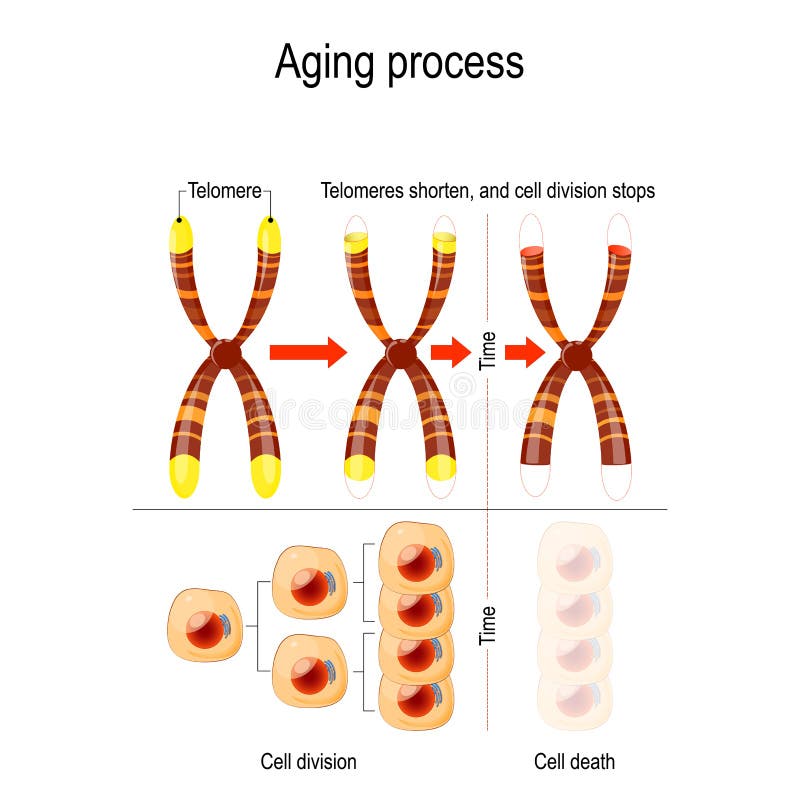
Aging process. A telomere located at the ends of chromosomes. Each time a cell divides, the telomeres become shorter. vector for medical, educational, biologycal and science use. Continued evolution vectors
Business 3 step process chart infographics with step circles. Circular corporate graphic elements. Company presentation slide template. Modern vector info graphic layout design. Continued evolution vectors
A minimalist monochrome line art illustration showing a sequence of abstract geometric shapes connected by arrows, representing transformation, evolution, iteration, and process development. Clean outline design, isolated on white background, ideal for business presentations, infographics, education, UX UI concepts, and modern abstract visual projects. Continued evolution vectors
Hand turning a digitization knob to complete the process of digital tansformation of information. Concept of digitalization of analog data over black background. Composite image between a hand photography and a 3D background. Continued evolution illustrations
Business 7 step process chart infographics with step circles. Bright corporate graphic elements. Company presentation slide template. Modern vector info graphic layout design. Continued evolution vectors
Business 8 step process chart infographics with step circles. Circular corporate graphic elements. Company presentation slide template. Modern vector info graphic layout design. Continued evolution vectors