Free with trial Writing note showing Social Media Algorithm. Business photo showcasing Sorting all post and show the most popular to user Blank Rectangular Color Speech Bubble Overlay and Analog Alarm Clock. Data processing engine illustrations Writing note showing Social Media Algorithm. Business photo showcasing Sorting all post and show the most popular to. User Blank Rectangular Color Speech Bubble. Writing note showing Social Media Algorithm. Business photo showcasing Sorting all post and show the most popular to user Blank Rectangular Color Speech Bubble Overlay and Analog Alarm Clock
Free with trial Word writing text Social Media Algorithm. Business concept for Sorting all post and show the most popular to user 3D Coffee To Go Cup with Lid Cover and Stars on Strip Blank Text Space. Data processing engine illustrations Word writing text Social Media Algorithm. Business concept for Sorting all post and show the most popular to user 3D. Coffee To Go Cup with Lid Cover and Stars
Free with trial Text sign showing Social Media Algorithm. Conceptual photo Sorting all post and show the most popular to user Filled Cocktail Wine Glass with Olive on the Rim Blank Color Text Space. Data processing engine illustrations Text sign showing Social Media Algorithm. Conceptual photo Sorting all post and show the most popular to user Filled. Cocktail Wine Glass with Olive on the Rim
Free with trial Code Program Robot Education Initial A. Logo vector illustration, can be used for any purpose. Data processing engine vectors Code Program Robot Education Initial A. Logo vector illustration, can be used for any purpose
Free with trial Analytics, Business, Chart, Graph line icon vector. Icon over white background. Data processing engine illustrations Analytics, Business, Chart, Graph line icon vector. Icon over white background
Free with trial 3d rendering. Cartoon chat bot smiling, lightbulb and gears on beige background. Artificial intelligence helping human to generate ideas. Concept of AI and new start up illustration. Data processing engine illustrations 3d rendering. Smiling cartoon robot with light bulb, AI technology and startup. 3d rendering. Cartoon chat bot smiling, lightbulb and gears on beige background. 3d rendering. Cartoon chat bot smiling, lightbulb and gears on beige background. Artificial intelligence helping human to generate ideas. Concept of AI and new start up illustration
Free with trial Handwriting text Social Media Algorithm. Concept meaning Sorting all post and show the most popular to user Sets of Cup Saucer for His and Hers Coffee Face icon with Blank Steam. Data processing engine illustrations Handwriting text Social Media Algorithm. Concept meaning Sorting all post and show the most popular to user Sets of Cup. Saucer for His and Hers Coffee Face
Free with trial Word writing text Social Media Algorithm. Business concept for Sorting all post and show the most popular to user Blank Oval Color Speech Bubble with Stars as Outline photo Text Space. Data processing engine illustrations Word writing text Social Media Algorithm. Business concept for Sorting all post and show the most popular to user Blank. Oval Color Speech Bubble with Stars as
Free with trial Api digital key icon vector flat. Api digital key icon. Outline Api digital key vector icon for web design isolated on white background color flat. Data processing engine illustrations Api digital key icon vector flat. Api digital key icon. Outline Api digital key vector icon for web design isolated on white background color flat
Free with trial Word writing text Social Media Algorithm. Business concept for Sorting all post and show the most popular to user Floral Wreath made of Tiny Seeds Small Glossy Pomegranate and Cut Beet. Data processing engine illustrations Word writing text Social Media Algorithm. Business concept for Sorting all post and show the most popular to user Floral. Wreath made of Tiny Seeds Small Glossy
Free with trial Modern 3d illustration of Seo Optimiyation. SEO Optimization, web analytics and seo marketing social media concept. 3d vector illustration. Data processing engine vectors Modern 3d illustration of Seo Optimiyation. SEO Optimization, web analytics and seo marketing social media concept. 3d vector illustration
Free with trial Black isolated outline icon of two cogwheels on white background. Line icon of gear wheel. Editable Stroke. EPS 10. Data processing engine vectors Black isolated outline icon of two cogwheels on white background. Line icon of gear wheel. Editable Stroke. EPS 10.
Free with trial Gear update icon, outline style. Gear update icon. Outline Gear update vector icon for web design isolated on white background. Data processing engine vectors Gear update icon, outline style. Gear update icon. Outline Gear update vector icon for web design isolated on white background
Free with trial Text sign showing Social Media Algorithm. Conceptual photo Sorting all post and show the most popular to user Soccer Ball on the Grass and Blank Outlined Round Color Shape photo. Data processing engine illustrations Text sign showing Social Media Algorithm. Conceptual photo Sorting all post and show the most popular to user Soccer Ball on the. Grass and Blank Outlined Round
Free with trial Modern 3d illustration of Seo analysis concept. SEO Optimization, web analytics and seo marketing social media concept. 3d vector illustration. Data processing engine vectors Modern 3d illustration of Seo analysis concept. SEO Optimization, web analytics and seo marketing social media concept. 3d vector illustration
Free with trial IT specialist icon isometric vector. Software administration programming. Man develops algorithms. Data processing engine vectors IT specialist icon isometric vector. Software administration programming. Man develops algorithms
Free with trial 3D rocket rising above SEO text. Magnifying glass. Web browsing concept for business development. Data processing engine vectors 3D rocket rising above SEO text. Magnifying glass. Web browsing concept for business development
Free with trial Business intelligence concept with various items and symbols. flat vector modern illustration. Data processing engine vectors Business intelligence concept with various items and symbols. Flat vector modern illustration
Free with trial Vector folders with gear, project management, file setting grey icon. Symbol and sign illustration design. Isolated on white background. Data processing engine vectors Folders with gear, project management, file setting grey icon. Vector folders with gear, project management, file setting grey icon. Symbol and sign. Vector folders with gear, project management, file setting grey icon. Symbol and sign illustration design. Isolated on white background
Free with trial Api cursor icon vector flat. Api cursor icon. Outline Api cursor vector icon for web design isolated on white background color flat. Data processing engine illustrations Api cursor icon vector flat. Api cursor icon. Outline Api cursor vector icon for web design isolated on white background color flat
Free with trial Api cursor icon vector flat. Api cursor icon. Outline Api cursor vector icon for web design isolated on white background color flat. Data processing engine vectors Api cursor icon vector flat. Api cursor icon. Outline Api cursor vector icon for web design isolated on white background color flat
Free with trial Application development with isometric smartphone and 3D gear. Digital networking and communication technology concept background. Vector illustration. Data processing engine vectors Application development with isometric smartphone and 3D gear. Digital networking and communication technology concept background. Vector illustration
Free with trial Algorithm line icon. Vector symbol in trendy flat style on white background. Algorithm sing for design. Data processing engine illustrations Algorithm line icon. Vector symbol in trendy flat style on white background. Algorithm sing for design
Free with trial Algorithm line icon. Vector symbol in trendy flat style on white background. Algorithm sing for design. Data processing engine illustrations Algorithm line icon. Vector symbol in trendy flat style on white background. Algorithm sing for design
Free with trial Algorithm line icon. Vector symbol in trendy flat style on white background. Algorithm sing for design. Data processing engine illustrations Algorithm line icon. Vector symbol in trendy flat style on white background. Algorithm sing for design
Free with trial Algorithm line icon. Vector symbol in trendy flat style on white background. Algorithm sing for design. Data processing engine illustrations Algorithm line icon. Vector symbol in trendy flat style on white background. Algorithm sing for design
Free with trial Investigator process icon, isometric style. Investigator process icon. Isometric of investigator process vector icon for web design isolated on white background. Data processing engine vectors Investigator process icon, isometric style. Investigator process icon. Isometric of investigator process vector icon for web design isolated on white background
Free with trial Algorithm line icon. Vector symbol in trendy flat style on white background. Algorithm sing for design. Data processing engine illustrations Algorithm line icon. Vector symbol in trendy flat style on white background. Algorithm sing for design
Free with trial Algorithm line icon. Vector symbol in trendy flat style on white background. Algorithm sing for design. Data processing engine illustrations Algorithm line icon. Vector symbol in trendy flat style on white background. Algorithm sing for design
Free with trial Algorithm line icon. Vector symbol in trendy flat style on white background. Algorithm sing for design. Data processing engine illustrations Algorithm line icon. Vector symbol in trendy flat style on white background. Algorithm sing for design
Free with trial Algorithm line icon. Vector symbol in trendy flat style on white background. Algorithm sing for design. Data processing engine illustrations Algorithm line icon. Vector symbol in trendy flat style on white background. Algorithm sing for design
Free with trial Algorithm line icon. Vector symbol in trendy flat style on white background. Algorithm sing for design. Data processing engine illustrations Algorithm line icon. Vector symbol in trendy flat style on white background. Algorithm sing for design
Free with trial Algorithm line icon. Vector symbol in trendy flat style on white background. Algorithm sing for design. Data processing engine illustrations Algorithm line icon. Vector symbol in trendy flat style on white background. Algorithm sing for design
Free with trial Algorithm line icon. Vector symbol in trendy flat style on white background. Algorithm sing for design. Data processing engine illustrations Algorithm line icon. Vector symbol in trendy flat style on white background. Algorithm sing for design
Free with trial Algorithm line icon. Vector symbol in trendy flat style on white background. Algorithm sing for design. Data processing engine illustrations Algorithm line icon. Vector symbol in trendy flat style on white background. Algorithm sing for design
Free with trial Algorithm line icon. Vector symbol in trendy flat style on white background. Algorithm sing for design. Data processing engine illustrations Algorithm line icon. Vector symbol in trendy flat style on white background. Algorithm sing for design
Free with trial Algorithm line icon. Vector symbol in trendy flat style on white background. Algorithm sing for design. Data processing engine illustrations Algorithm line icon. Vector symbol in trendy flat style on white background. Algorithm sing for design
Free with trial Technical analysis black icon concept. Technical analysis flat vector website sign, symbol, illustration. Data processing engine vectors Technical analysis black icon concept. Technical analysis flat vector symbol, sign, illustration. Technical analysis black icon concept. Technical analysis flat. Technical analysis black icon concept. Technical analysis flat vector website sign, symbol, illustration.
Free with trial Cloud computing technology icon seamless pattern background. Bus. Iness concept vector illustration. Infographic analytics network symbol pattern. Data processing engine vectors Cloud computing technology icon seamless pattern background. Bus. Iness concept vector illustration. Infographic analytics network symbol pattern
Free with trial Business Automation Gear. Vector can use for any purpose. Data processing engine vectors Business Automation Gear. Vector can use for any purpose
Free with trial Cloud computing technology icon seamless pattern background. Bus. Iness concept vector illustration. Infographic analytics network symbol pattern. Data processing engine vectors Cloud computing technology icon seamless pattern background. Bus. Iness concept vector illustration. Infographic analytics network symbol pattern
Free with trial File setting color line icon Vector flat Icon. Elements for mobile concept and web apps. Thin line icons for website design and development, app development. Premium pack. Data processing engine illustrations File setting color line icon. Vector flat Icon. Elements for mobile concept and web apps. Thin line icons for website design and development, app development
Free with trial Girl holds AI brain, vector art pic. Vector illustration for your design. Data processing engine vectors Girl holds AI brain, vector art pic. Vector illustration for your design
Free with trial Laptop with key on the screen, keywords suggesting tools. Analysing and suggesting keywords concept: laptop with progress bar processing info with key icon above. Data processing engine illustrations Laptop with key on the screen, keywords suggesting tools. Analysing and suggesting keywords concept: laptop with progress bar processing info with key icon above
Free with trial Artificial intelligence is intelligence demonstrated by machine. S,artificial intelligence systems are powered by machine learning,technology cogs are spinning. Data processing engine illustrations Artificial intelligence is intelligence demonstrated by machine. S,artificial intelligence systems are powered by machine learning,technology cogs are spinning
Free with trial Conceptual hand writing showing Social Media Algorithm. Business photo showcasing Sorting all post and show the most popular to user Diamond Shape Color Road Warning Signage with One Leg Stand. Data processing engine illustrations Conceptual hand writing showing Social Media Algorithm. Business photo showcasing Sorting all post and show the most. Popular to user Diamond Shape Color Road. Conceptual hand writing showing Social Media Algorithm. Business photo showcasing Sorting all post and show the most popular to user Diamond Shape Color Road Warning Signage with One Leg Stand
Free with trial Cloud computing technology vector icon in flat style. Laptop screen on isolated transparent background. Infographic analytics net. Work business concept. Data processing engine vectors Cloud computing technology vector icon in flat style. Laptop screen on isolated transparent background. Infographic analytics net. Work business concept
Free with trial AI processor in focus, revealing intricate details and advanced technology. Generative AI. Data processing engine illustrations AI processor in focus, revealing intricate details and advanced technology. Generative AI
Free with trial Device transfer cloud global world. Vector illustration eps 10. Data processing engine vectors Device transfer cloud global world. Vector illustration eps 10
Free with trial Device transfer cloud global world. Vector illustration eps 10. Data processing engine vectors Device transfer cloud global world. Vector illustration eps 10
Free with trial Document settings linear icon. Text paper with cogwheel contour symbol. Vector illustration. Data processing engine vectors Text paper with cogwheel contour symbol. Vector illustration. Document settings linear icon. Text paper with cogwheel contour symbol. Vector illustration. Document settings linear icon. Text paper with cogwheel contour symbol. Vector illustration.
Free with trial Recommendation algorithms turquoise concept icon. Use of machine learning abstract idea thin line illustration. Isolated outline drawing. Editable stroke. Arial, Myriad Pro-Bold fonts used. Data processing engine vectors Recommendation algorithms turquoise concept icon. Use of machine learning abstract idea thin line illustration. Isolated outline drawing. Editable stroke
Free with trial Code Program Robot Education. Logo Design Template Vector. Data processing engine vectors Code Program Robot Education. Logo Design Template Vector
Free with trial Code Program Robot Education. Logo Design Template Vector. Data processing engine vectors Code Program Robot Education. Logo Design Template Vector
Free with trial Laptop graphs analysis file link web. Vector illustration eps 10. Data processing engine vectors Laptop graphs analysis file link web. Vector illustration eps 10
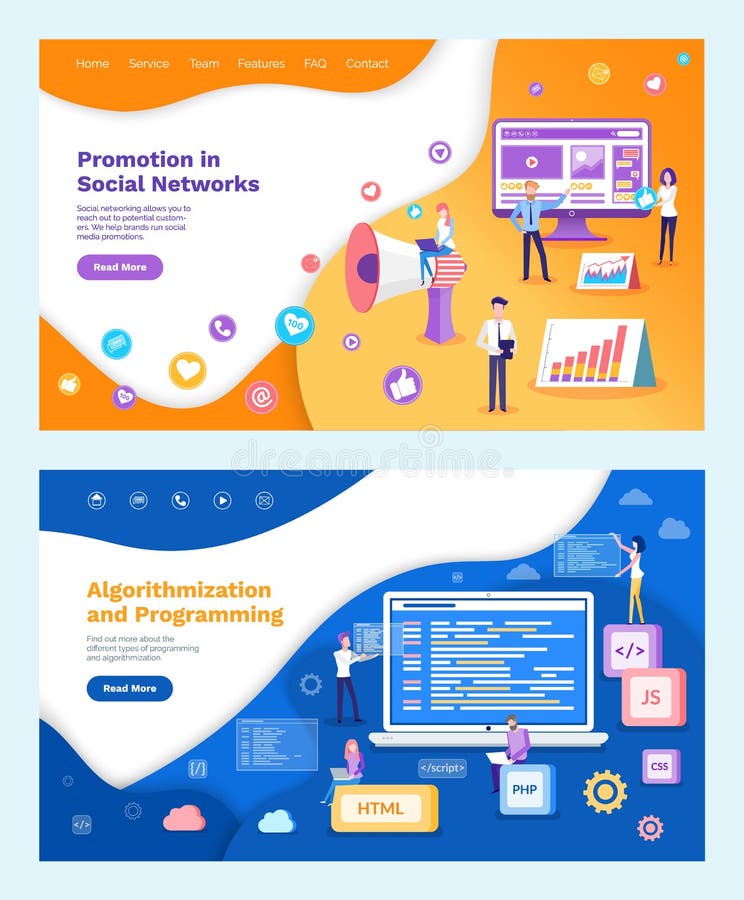
Free with trial Marketing promotion, algorithmization and programming of websites vector. Screen of computer with data and developers working on optimization of web flat style. Data processing engine vectors Marketing Promotion, Algorithmization Programming. Marketing promotion, algorithmization and programming of websites vector. Screen of computer with data and. Marketing promotion, algorithmization and programming of websites vector. Screen of computer with data and developers working on optimization of web flat style
Free with trial Recommendation algorithms blue gradient concept icon. User suggestions. Use of machine learning abstract idea thin line illustration. Isolated outline drawing. Myriad Pro-Bold font used. Data processing engine vectors Recommendation algorithms blue gradient concept icon. User suggestions. Use of machine learning abstract idea thin line illustration. Isolated outline drawing
Free with trial Folders process flat icon. Flat and isolated vector eps illustration icon with minimal design and long shadow. Data processing engine vectors Folders process flat icon. Flat and isolated vector eps illustration icon with minimal design and long shadow
Free with trial Folders process flat icon. Flat and isolated vector eps illustration icon with minimal design and long shadow. Data processing engine vectors Folders process flat icon. Flat and isolated vector eps illustration icon with minimal design and long shadow
Free with trial Folders process flat icon. Flat and isolated vector eps illustration icon with minimal design and long shadow. Data processing engine vectors Folders process flat icon. Flat and isolated vector eps illustration icon with minimal design and long shadow
Free with trial Folders process flat icon. Flat and isolated vector eps illustration icon with minimal design and long shadow. Data processing engine vectors Folders process flat icon. Flat and isolated vector eps illustration icon with minimal design and long shadow
Free with trial Folders process flat icon. Flat and isolated vector eps illustration icon with minimal design and long shadow. Data processing engine vectors Folders process flat icon. Flat and isolated vector eps illustration icon with minimal design and long shadow
Free with trial Folders process flat icon. Flat and isolated vector eps illustration icon with minimal design and long shadow. Data processing engine vectors Folders process flat icon. Flat and isolated vector eps illustration icon with minimal design and long shadow
Free with trial Folders process flat icon. Flat and isolated vector eps illustration icon with minimal design and long shadow. Data processing engine vectors Folders process flat icon. Flat and isolated vector eps illustration icon with minimal design and long shadow
Free with trial Folders process flat icon. Flat and isolated vector eps illustration icon with minimal design and long shadow. Data processing engine vectors Folders process flat icon. Flat and isolated vector eps illustration icon with minimal design and long shadow
Free with trial Folders process flat icon. Flat and isolated vector eps illustration icon with minimal design and long shadow. Data processing engine vectors Folders process flat icon. Flat and isolated vector eps illustration icon with minimal design and long shadow
Free with trial A host of miniature robots on a circuit board, appearing as if they are interacting or performing tasks illustration by generative ai. Data processing engine illustrations A host of miniature robots on a circuit board, appearing as if they are interacting or performing tasks. A host of miniature robots on a circuit board. A host of miniature robots on a circuit board, appearing as if they are interacting or performing tasks illustration by generative ai
Free with trial Figure optimization database icon image design, illustratuion. Data processing engine illustrations Figure optimization database icon image design. Illustratuion
Free with trial Seo analysis black icon concept. Seo analysis flat vector website sign, symbol, illustration. Data processing engine vectors Seo analysis black icon concept. Seo analysis flat vector symbol, sign, illustration. Seo analysis black icon concept. Seo analysis flat vector website sign. Seo analysis black icon concept. Seo analysis flat vector website sign, symbol, illustration.
Free with trial Generative AI Image of Cables Connection Equipment in Server Room. Data processing engine illustrations Generative AI Image of Cables Connection Equipment in Server Room.
Free with trial A PC motherboard, also known as a mainboard or system board, is a crucial component within a personal computer that acts as the central hub connecting various hardware components. It serves as the backbone for communication and data transfer between the CPU (Central Processing Unit), RAM (Random Access Memory), storage devices (such as hard drives or SSDs), expansion cards (e. g. , graphics cards, sound cards), and other peripherals. The motherboard's key features include a CPU socket, memory slots, expansion slots, storage connectors (SATA or NVMe), USB ports, audio and video outputs, and networking interfaces. The CPU socket houses the processor, while the memory slots hold the RAM modules. Expansion slots allow users to add additional hardware components, like a dedicated graphics card or Wi-Fi adapter. Furthermore, the motherboard incorporates chipsets and controllers responsible for managing data flow and ensuring compatibility between various components. It often includes BIOS (Basic Input Output System) or UEFI (Unified Extensible Firmware Interface) firmware, which initializes the computer during startup and manages essential settings. The size and form factor of motherboards may vary, such as ATX (Advanced Technology eXtended), microATX, mini-ITX, and more, affecting the number of components and expansion options that can be accommodated. In summary, a PC motherboard serves as the critical infrastructure that enables the seamless interaction and coordination of various hardware components, allowing the computer to function effectively and run the operating system and applications. Data processing engine illustrations \'Unleashing Performance: A Comprehensive Guide to PC Motherboards\'. A PC motherboard, also known as a mainboard or system board, is a crucial component within. A PC motherboard, also known as a mainboard or system board, is a crucial component within a personal computer that acts as the central hub connecting various hardware components. It serves as the backbone for communication and data transfer between the CPU (Central Processing Unit), RAM (Random Access Memory), storage devices (such as hard drives or SSDs), expansion cards (e.g., graphics cards, sound cards), and other peripherals.The motherboard's key features include a CPU socket, memory slots, expansion slots, storage connectors (SATA or NVMe), USB ports, audio and video outputs, and networking interfaces. The CPU socket houses the processor, while the memory slots hold the RAM modules. Expansion slots allow users to add additional hardware components, like a dedicated graphics card or Wi-Fi adapter.Furthermore, the motherboard incorporates chipsets and controllers responsible for managing data flow and ensuring compatibility between various components. It often includes BIOS (Basic Input Output System) or UEFI (Unified Extensible Firmware Interface) firmware, which initializes the computer during startup and manages essential settings.The size and form factor of motherboards may vary, such as ATX (Advanced Technology eXtended), microATX, mini-ITX, and more, affecting the number of components and expansion options that can be accommodated.In summary, a PC motherboard serves as the critical infrastructure that enables the seamless interaction and coordination of various hardware components, allowing the computer to function effectively and run the operating system and applications.
Free with trial Vector cartoon cloud computing technology icon in comic style. I. Nfographic analytics illustration pictogram. Network business splash effect concept. Data processing engine vectors Vector cartoon cloud computing technology icon in comic style. I. Nfographic analytics illustration pictogram. Network business splash effect concept
Free with trial Database setting statistical optimized icon. Vector illustration eps 10. Data processing engine vectors Database setting statistical optimized icon. Vector illustration eps 10
Free with trial Database setting statistical optimized icon. Vector illustration eps 10. Data processing engine vectors Database setting statistical optimized icon. Vector illustration eps 10
Free with trial SEO Optimization, web analytics and seo marketing social media concept. Landing Page design template. 3d vector illustration. Data processing engine vectors Flat Modern design Illustration of Seo Optimization - Landing page design. SEO Optimization, web analytics and seo marketing social media concept. Landing Page. SEO Optimization, web analytics and seo marketing social media concept. Landing Page design template. 3d vector illustration
Free with trial Silhouette optimization database icon image design, illustratuion. Data processing engine illustrations Silhouette optimization database icon image design. Illustratuion
Free with trial Flat isometric concept illustration. repair and maintenance. Processing data analyst. Data processing engine vectors Flat isometric concept illustration. repair and maintenance. Processing data analyst
Free with trial Cloud computing and storage. Isometric vector illustration. Abstract design concept. Image depicting laptop on the cloud. Data processing engine vectors Cloud computing and storage. Isometric vector illustration. Abstract design concept. Image depicting laptop on the cloud
Free with trial Universal Icon Symbols Group of 4 Modern Solid Glyphs of premium, media, devices, equipment, phone Editable Vector Design Elements. Data processing engine vectors 4 Solid Glyph concept for Websites Mobile and Apps premium, media, devices, equipment, phone. Universal Icon Symbols Group of 4 Modern Solid Glyphs of premium. Universal Icon Symbols Group of 4 Modern Solid Glyphs of premium, media, devices, equipment, phone Editable Vector Design Elements
Free with trial Black optimization database icon image design, illustratuion. Data processing engine illustrations Black optimization database icon image design. Illustratuion
 Sign in