Free with trial Kidney failure. 3d rendered anatomy illustration of human organs with a kidney failure. Filter function illustrations Kidney failure. 3d rendered anatomy illustration of human organs with a kidney failure
Free with trial Human kidney. 3d rendered anatomy illustration of human kidney. Filter function illustrations Human kidney. 3d rendered anatomy illustration of human kidney
Free with trial Clean air quality concept and healthy breathing in a pollution free environment represented by human lungs in a summer sky background as a symbol of healthful living. Filter function illustrations Clean Air. Quality concept and healthy breathing in a pollution free environment represented by human lungs in a summer sky background as a symbol of healthful
Free with trial Big Data Center and Server Icons Set. Vector. Illustration. Filter function vectors Big Data Center and Server Icons Set. Vector. Illustration
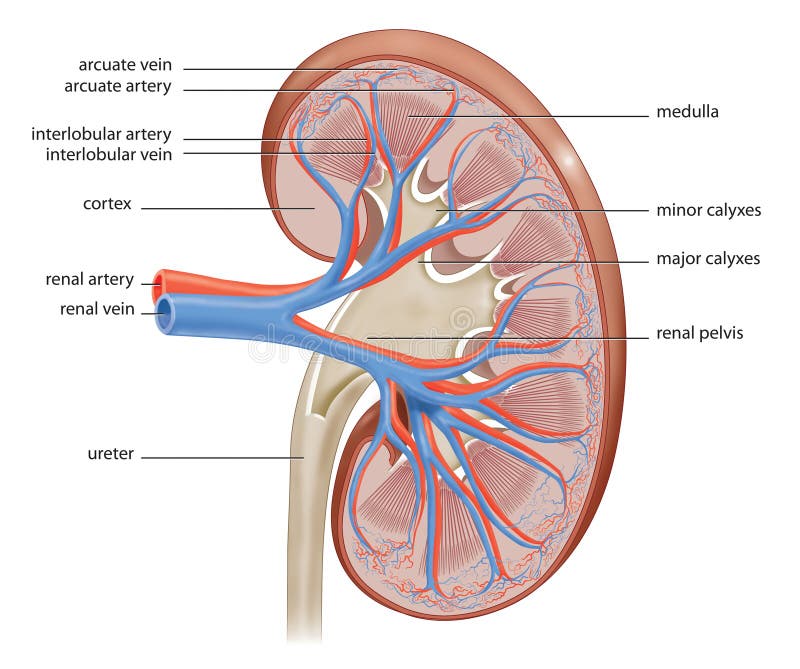
Free with trial Explore the intricate inner workings of the human kidney with our realistic cross-sectional illustration. This detailed artwork showcases the complex anatomy of the kidney, revealing its renal cortex, medulla, renal pelvis, and intricate network of nephrons. Ideal for educational materials, medical publications, and presentations, our illustration provides a comprehensive visual understanding of renal function and structure. Perfectly suited for enhancing medical textbooks, informative posters, and online resources, this artwork is meticulously crafted to accurately depict the essential components of the kidney in a visually engaging manner. Filter function illustrations Medical illustration of a human kidney in cross section showing renal blood vessels, and internal anatomical structure. Explore the intricate inner workings of. Explore the intricate inner workings of the human kidney with our realistic cross-sectional illustration. This detailed artwork showcases the complex anatomy of the kidney, revealing its renal cortex, medulla, renal pelvis, and intricate network of nephrons. Ideal for educational materials, medical publications, and presentations, our illustration provides a comprehensive visual understanding of renal function and structure. Perfectly suited for enhancing medical textbooks, informative posters, and online resources, this artwork is meticulously crafted to accurately depict the essential components of the kidney in a visually engaging manner.
Free with trial Treatment patients with chronic kidney disease. hemodialysis machine used to filter and eliminate waste that is accumulated in the blood. It helps to balance the body of kidney patients in the most normal condition, while the kidneys can no longer function to filter waste. Filter function vectors Hemodialysis. Patient blood is put through a filter outside your. Treatment patients with chronic kidney disease. hemodialysis machine used to filter and. Treatment patients with chronic kidney disease. hemodialysis machine used to filter and eliminate waste that is accumulated in the blood. It helps to balance the body of kidney patients in the most normal condition, while the kidneys can no longer function to filter waste.
Free with trial Data Analytics Icons. Data analytics database filter and information security black icons set isolated vector illustration. Filter function vectors Data Analytics Icons. Data analytics database filter and information security black icons set isolated vector illustration
Free with trial The kidneys are a pair of organs located in the back of the abdomen. Each kidney is about 4 or 5 inches long -- about the size of a fist. The kidneys' function are to filter the blood. All the blood in our bodies passes through the kidneys several times a day. The kidneys remove wastes, control the body's fluid balance, and regulate the balance of electrolytes. As the kidneys filter blood, they create urine, which collects in the kidneys' pelvis -- funnel-shaped structures that drain down tubes called ureters to the bladder. Filter function illustrations Kidneys. The kidneys are a pair of organs located in the back of the abdomen. Each kidney is about 4 or 5 inches long -- about the size of a fist. The kidneys'. The kidneys are a pair of organs located in the back of the abdomen. Each kidney is about 4 or 5 inches long -- about the size of a fist. The kidneys' function are to filter the blood. All the blood in our bodies passes through the kidneys several times a day. The kidneys remove wastes, control the body's fluid balance, and regulate the balance of electrolytes. As the kidneys filter blood, they create urine, which collects in the kidneys' pelvis -- funnel-shaped structures that drain down tubes called ureters to the bladder.
Free with trial Lymph nodes are small, bean-shaped glands throughout the body. They are part of the lymph system, which carries fluid (lymph fluid), nutrients, and waste material between the body tissues and the bloodstream. The lymph system is an important part of the immune system, the body's defense system against disease. The lymph nodes filter lymph fluid as it flows through them, trapping bacteria, viruses, and other foreign substances, which are then destroyed by special white blood cells called lymphocytes. Filter function illustrations Lymph nodes. Are small, bean-shaped glands throughout the body. They are part of the lymph system, which carries fluid (lymph fluid), nutrients, and waste. Lymph nodes are small, bean-shaped glands throughout the body. They are part of the lymph system, which carries fluid (lymph fluid), nutrients, and waste material between the body tissues and the bloodstream. The lymph system is an important part of the immune system, the body's defense system against disease. The lymph nodes filter lymph fluid as it flows through them, trapping bacteria, viruses, and other foreign substances, which are then destroyed by special white blood cells called lymphocytes.
Free with trial The kidneys are a pair of organs located in the back of the abdomen. Each kidney is about 4 or 5 inches long -- about the size of a fist. The kidneys' function are to filter the blood. All the blood in our bodies passes through the kidneys several times a day. The kidneys remove wastes, control the body's fluid balance, and regulate the balance of electrolytes. As the kidneys filter blood, they create urine, which collects in the kidneys' pelvis -- funnel-shaped structures that drain down tubes called ureters to the bladder. Each kidney contains around a million units called nephrons, each of which is a microscopic filter for blood. It's possible to lose as much as 90% of kidney function without experiencing any symptoms or problems. Filter function illustrations Kidneys. The kidneys are a pair of organs located in the back of the abdomen. Each kidney is about 4 or 5 inches long -- about the size of a fist. The kidneys'. The kidneys are a pair of organs located in the back of the abdomen. Each kidney is about 4 or 5 inches long -- about the size of a fist. The kidneys' function are to filter the blood. All the blood in our bodies passes through the kidneys several times a day. The kidneys remove wastes, control the body's fluid balance, and regulate the balance of electrolytes. As the kidneys filter blood, they create urine, which collects in the kidneys' pelvis -- funnel-shaped structures that drain down tubes called ureters to the bladder. Each kidney contains around a million units called nephrons, each of which is a microscopic filter for blood. It's possible to lose as much as 90% of kidney function without experiencing any symptoms or problems.
Free with trial The kidneys are a pair of organs located in the back of the abdomen. Each kidney is about 4 or 5 inches long -- about the size of a fist. The kidneys' function are to filter the blood. All the blood in our bodies passes through the kidneys several times a day. The kidneys remove wastes, control the body's fluid balance, and regulate the balance of electrolytes. As the kidneys filter blood, they create urine, which collects in the kidneys' pelvis -- funnel-shaped structures that drain down tubes called ureters to the bladder. Filter function illustrations Kidneys. The kidneys are a pair of organs located in the back of the abdomen. Each kidney is about 4 or 5 inches long -- about the size of a fist. The kidneys'. The kidneys are a pair of organs located in the back of the abdomen. Each kidney is about 4 or 5 inches long -- about the size of a fist. The kidneys' function are to filter the blood. All the blood in our bodies passes through the kidneys several times a day. The kidneys remove wastes, control the body's fluid balance, and regulate the balance of electrolytes. As the kidneys filter blood, they create urine, which collects in the kidneys' pelvis -- funnel-shaped structures that drain down tubes called ureters to the bladder.
Free with trial Rainwater harvesting system isometric diagram, vector illustration scheme with hose roof water runoff, underground piping, filtering, collecting in tank for domestic use. Efficient, natural and green. Filter function vectors Rainwater harvesting system isometric diagram. Vector illustration scheme with hose roof water runoff, underground piping, filtering, collecting in tank for. Rainwater harvesting system isometric diagram, vector illustration scheme with hose roof water runoff, underground piping, filtering, collecting in tank for domestic use. Efficient, natural and green.
Free with trial Spleen. Medical illustration of the spleen and its position in the human body. Filter function vectors Spleen. Medical illustration of the spleen and its position in the human body
Free with trial Explore the intricate inner workings of the human kidney with our realistic cross-sectional illustration. This detailed artwork showcases the complex anatomy of the kidney, revealing its renal cortex, medulla, renal pelvis, and intricate network of nephrons. Ideal for educational materials, medical publications, and presentations, our illustration provides a comprehensive visual understanding of renal function and structure. Perfectly suited for enhancing medical textbooks, informative posters, and online resources, this artwork is meticulously crafted to accurately depict the essential components of the kidney in a visually engaging manner. Filter function illustrations Human kidney internal structure cross-section realistic illustration. Explore the intricate inner workings of the human kidney with our realistic cross-sectional. Explore the intricate inner workings of the human kidney with our realistic cross-sectional illustration. This detailed artwork showcases the complex anatomy of the kidney, revealing its renal cortex, medulla, renal pelvis, and intricate network of nephrons. Ideal for educational materials, medical publications, and presentations, our illustration provides a comprehensive visual understanding of renal function and structure. Perfectly suited for enhancing medical textbooks, informative posters, and online resources, this artwork is meticulously crafted to accurately depict the essential components of the kidney in a visually engaging manner.
Free with trial Dialisys. A color medical illustration, dialisys. vector. Filter function vectors Dialisys. A color medical illustration, dialisys.vector
Free with trial Face mask protection efficiency infographic. Vector illustration. Filter function vectors Face mask protection efficiency infographic. Vector illustration
Free with trial Vector database icon set. On grey background. Filter function vectors Vector database icon set. On grey background
Free with trial Vector Cloud data technology color flat icon set. Elegant style design. Filter function vectors Vector Cloud data technology color flat icon set. Elegant style design. Vector Cloud data technology color flat icon set. Elegant style design
Free with trial Big data icons. Big data icon set, data analytic icon set, information technology icons, cloud computing icons. Filter function illustrations Big data icons. Big data icon set, data analytic icon set, information technology icons, cloud computing icons
Free with trial Chronic kidney disease. Stage of disease from Normal and Mildly decreased, to Kidney failure. eGFR test result and how kidneys to filter of blood. vector illustration. Filter function vectors Chronic kidney disease. Stage of disorder. Chronic kidney disease. Stage of disease from Normal and Mildly decreased, to Kidney failure. eGFR test result and how. Chronic kidney disease. Stage of disease from Normal and Mildly decreased, to Kidney failure. eGFR test result and how kidneys to filter of blood. vector illustration
Free with trial A rendering of a digital or DSLR camera, both body and lens. Filter function illustrations Digital SLR Camera. A rendering of a digital or DSLR camera, both body and lens. A rendering of a digital or DSLR camera, both body and lens.
Free with trial Lymph nodes are small, bean-shaped glands throughout the body. They are part of the lymph system, which carries fluid (lymph fluid), nutrients, and waste material between the body tissues and the bloodstream. The lymph system is an important part of the immune system, the body's defense system against disease. The lymph nodes filter lymph fluid as it flows through them, trapping bacteria, viruses, and other foreign substances, which are then destroyed by special white blood cells called lymphocytes. Filter function illustrations Lymph nodes. Are small, bean-shaped glands throughout the body. They are part of the lymph system, which carries fluid (lymph fluid), nutrients, and waste. Lymph nodes are small, bean-shaped glands throughout the body. They are part of the lymph system, which carries fluid (lymph fluid), nutrients, and waste material between the body tissues and the bloodstream. The lymph system is an important part of the immune system, the body's defense system against disease. The lymph nodes filter lymph fluid as it flows through them, trapping bacteria, viruses, and other foreign substances, which are then destroyed by special white blood cells called lymphocytes.
Free with trial Human kidney. 3d rendered anatomy illustration of human kidney. Filter function illustrations Human kidney. 3d rendered anatomy illustration of human kidney
Free with trial Lungs freedom and clean air quality concept and healthy breathing in a pollution free environment represented by human lungs as a flying kite in a sky background as a symbol of healthful living free from smoking and air toxins. Filter function illustrations Lungs Freedom. And clean air quality concept and healthy breathing in a pollution free environment represented by human lungs as a flying kite in a sky. Lungs freedom and clean air quality concept and healthy breathing in a pollution free environment represented by human lungs as a flying kite in a sky background as a symbol of healthful living free from smoking and air toxins.
Free with trial Data Analytics Flat Set. Data analytics design concept with making calculations statistics and analytical report flat icons set isolated vector illustration. Filter function vectors Data Analytics Flat Set. Data analytics design concept with making calculations statistics and analytical report flat icons set isolated vector illustration
Free with trial The kidneys are a pair of organs located in the back of the abdomen. Each kidney is about 4 or 5 inches long -- about the size of a fist. The kidneys' function are to filter the blood. All the blood in our bodies passes through the kidneys several times a day. The kidneys remove wastes, control the body's fluid balance, and regulate the balance of electrolytes. As the kidneys filter blood, they create urine, which collects in the kidneys' pelvis -- funnel-shaped structures that drain down tubes called ureters to the bladder. Filter function illustrations Kidneys. The kidneys are a pair of organs located in the back of the abdomen. Each kidney is about 4 or 5 inches long -- about the size of a fist. The kidneys'. The kidneys are a pair of organs located in the back of the abdomen. Each kidney is about 4 or 5 inches long -- about the size of a fist. The kidneys' function are to filter the blood. All the blood in our bodies passes through the kidneys several times a day. The kidneys remove wastes, control the body's fluid balance, and regulate the balance of electrolytes. As the kidneys filter blood, they create urine, which collects in the kidneys' pelvis -- funnel-shaped structures that drain down tubes called ureters to the bladder.
Free with trial Cartoon kidney heart with crutch, great for health care concept. Filter function vectors Cartoon kidney heart with crutch. Great for health care concept
Free with trial Chronic kidney disease. Stage of disease from Normal and Mildly decreased, to Kidney failure. Renal dysfunction. GFR test result. vector illustration. Filter function vectors Chronic kidney disease. Stage of disorder. Chronic kidney disease. Stage of disease from Normal and Mildly decreased, to Kidney failure. Renal dysfunction. GFR. Chronic kidney disease. Stage of disease from Normal and Mildly decreased, to Kidney failure. Renal dysfunction. GFR test result. vector illustration
Free with trial No Spam, trojans, security and spam filters,. Filter function vectors No Spam. Trojans, security and spam filters
Free with trial Big data and cloud computing. Diagram, network background. Filter function illustrations Big data and cloud computing. Diagram, network background
Free with trial Vector Cloud data technology ultra modern outline line icons for web and apps. Filter function vectors Vector Cloud data technology ultra modern outline line icons for web and apps. Vector Cloud data technology ultra modern outline line icons for web and apps
Free with trial Set line icons of data analytics. Isolated on white. Vector illustration. Filter function vectors Set line icons of data analytics. Isolated on white. Vector illustration
Free with trial Human kidneys. Image of human kidneys. flat design. Filter function vectors Human kidneys. Image of human kidneys. flat design
Free with trial Urine Production in Kidney. Illustration explain The kidney function to filter waste from the blood to become a clear fluid. we are called urine and outflows to collect the bladder. Filter function vectors Urine Production in Kidney. Illustration explain The kidney function to filter waste from the blood to become a clear fluid. we. Are called urine and outflows
Free with trial Metaphor function of human kidney to filter wastes and excess fluids from your blood vector illustration sketch hand drawn with black lines, isolated on white background. Education Medical concept. Filter function vectors Metaphor function of human kidney to filter wastes and excess fl. Uids from your blood vector illustration sketch hand drawn with black lines, isolated on white. Metaphor function of human kidney to filter wastes and excess fluids from your blood vector illustration sketch hand drawn with black lines, isolated on white background. Education Medical concept.
Free with trial Vena cava filter diagram shows blood clot prevention in veins, highlighting filter, blood flow, and clot. Outline diagram. Filter function vectors Vena cava filter diagram shows blood clot prevention in veins, ... Vena cava filter diagram shows blood clot prevention in veins, highlighting filter, blood. Vena cava filter diagram shows blood clot prevention in veins, highlighting filter, blood flow, and clot. Outline diagram
Free with trial Data filter and data transfer icons. Moving and filtering information in the database. Vector illustration. Filter function vectors Data filter and data transfer icons. Moving and filtering information in the database. Vector illustration
Free with trial There is collage of nuclear renal scan , which done for education purpose. After injection of isotope its going through the blood to the kidneys and doctor can see function result. Filter function illustrations Nuclear renal scan eight images function collage. There is collage of nuclear renal scan , which done for education purpose. After injection of isotope its. There is collage of nuclear renal scan , which done for education purpose. After injection of isotope its going through the blood to the kidneys and doctor can see function result.
Free with trial Kidneys and urine with glowing effect. Realistic transparent blue kidney on dark background. Vector can use for illustration of CKD stages, Renal function, filtration, Chronic kidney disease. eGFR test result and filter of blood. Human urinary system. Image for healthcare design. Filter function vectors Kidneys and urine. Realistic transparent blue kidney on dark background. Kidneys and urine with glowing effect. Realistic transparent blue kidney on dark. Kidneys and urine with glowing effect. Realistic transparent blue kidney on dark background. Vector can use for illustration of CKD stages, Renal function, filtration, Chronic kidney disease. eGFR test result and filter of blood. Human urinary system. Image for healthcare design
Free with trial Photography and Camera Function Icons - vector icon set. Filter function vectors Photography and Camera Function Icons. Vector icon set
Free with trial Photography and Camera Function Icons - vector icon set. Filter function vectors Photography and Camera Function Icons. Vector icon set
Free with trial Photography and Camera Function Icons - vector icon set. Filter function vectors Photography and Camera Function Icons. Vector icon set
Free with trial Photography and Camera Function Icons - vector icon set. Filter function vectors Photography and Camera Function Icons. Vector icon set
Free with trial This image depicts a green infrastructure project such as a green roof or rain garden. It highlights the role of green infrastructure in reducing stormwater runoff and preserving water resources. Green infrastructure is a natural and sustainable approach to managing stormwater that involves using vegetation, soil, and other natural materials to absorb and filter rainwater. This approach can reduce the amount of stormwater runoff, improve water quality, and enhance the beauty and function of urban and suburban landscapes. This image represents the potential for green infrastructure to promote water conservation and sustainability in both residential and commercial settings. Filter function illustrations Green Infrastructure - Green Roof or Rain Garden. This image depicts a green infrastructure project such as a green roof or rain garden. It highlights the role. This image depicts a green infrastructure project such as a green roof or rain garden. It highlights the role of green infrastructure in reducing stormwater runoff and preserving water resources. Green infrastructure is a natural and sustainable approach to managing stormwater that involves using vegetation, soil, and other natural materials to absorb and filter rainwater. This approach can reduce the amount of stormwater runoff, improve water quality, and enhance the beauty and function of urban and suburban landscapes. This image represents the potential for green infrastructure to promote water conservation and sustainability in both residential and commercial settings.
Free with trial DPF. Vector illustration of the schematic basic function of Diesel Particulate Filter - DPF. Filter function vectors DPF. Vector illustration of the schematic basic function of Diesel Particulate Filter - DPF
Free with trial Vector hardware icons set: keyboard and computer mouse, modem, graphics tablet, UPS, multifunction device, scanner, projector and surge filter. Filter function vectors Vector hardware icons set. Keyboard and computer mouse, modem, graphics tablet, UPS, multifunction device, scanner, projector and surge filter
Free with trial Learning spreadsheets and studying worksheets for digital data processing tiny person concept. Formula and function options knowledge for analytical and visual information work vector illustration. Filter function vectors Learning spreadsheets and studying for data processing tiny person concept. Learning spreadsheets and studying worksheets for digital data processing tiny person. Learning spreadsheets and studying worksheets for digital data processing tiny person concept. Formula and function options knowledge for analytical and visual information work vector illustration.
Free with trial Kidney symptoms icon. Editable vector showing human silhouette with kidneys. Used in nephrology, chronic disease diagnostics, health education, and organ function awareness. Filter function vectors Kidney symptoms icon. Editable vector showing human silhouette with kidneys. Used in nephrology, chronic disease diagnostics, health education, and organ
Free with trial Kidney and bladder urinary system isolated man anatomy vector human organs structure medicine and healthcare urine healthy body function physiology urethra filter medical diagnosis and examination. Filter function vectors Urinary system isolated man anatomy kidney and bladder. Kidney and bladder urinary system isolated man anatomy vector human organs structure medicine and. Kidney and bladder urinary system isolated man anatomy vector human organs structure medicine and healthcare urine healthy body function physiology urethra filter medical diagnosis and examination.
Free with trial Educational Humorous 3D Graphic with Kurt the Kidney, featuring kidney, renal artery, renal vein, adrenal gland, text, ureter, urine. Filter function illustrations Cartoon Educational Kidney Function. Educational Humorous 3D Graphic with Kurt the Kidney, featuring kidney, renal artery, renal vein, adrenal gland, text. Educational Humorous 3D Graphic with Kurt the Kidney, featuring kidney, renal artery, renal vein, adrenal gland, text, ureter, urine
Free with trial This is a microscopic view of the function anatomy of the human kidney protraying the tubules, glomerulus, and Bowman's Capsule. Filter function illustrations 3D Rendering of Close up of Human Kidney Glomerulus and Bowman Capsule. This is a microscopic view of the function anatomy of the human kidney protraying the. This is a microscopic view of the function anatomy of the human kidney protraying the tubules, glomerulus, and Bowman's Capsule.
Free with trial The kidneys are a pair of organs located in the back of the abdomen. Each kidney is about 4 or 5 inches long -- about the size of a fist. The kidneys' function are to filter the blood. All the blood in our bodies passes through the kidneys several times a day. The kidneys remove wastes, control the body's fluid balance, and regulate the balance of electrolytes. As the kidneys filter blood, they create urine, which collects in the kidneys' pelvis -- funnel-shaped structures that drain down tubes called ureters to the bladder. Filter function illustrations Kidneys. The kidneys are a pair of organs located in the back of the abdomen. Each kidney is about 4 or 5 inches long -- about the size of a fist. The kidneys'. The kidneys are a pair of organs located in the back of the abdomen. Each kidney is about 4 or 5 inches long -- about the size of a fist. The kidneys' function are to filter the blood. All the blood in our bodies passes through the kidneys several times a day. The kidneys remove wastes, control the body's fluid balance, and regulate the balance of electrolytes. As the kidneys filter blood, they create urine, which collects in the kidneys' pelvis -- funnel-shaped structures that drain down tubes called ureters to the bladder.
Free with trial Lymph nodes are small, bean-shaped glands throughout the body. They are part of the lymph system, which carries fluid (lymph fluid), nutrients, and waste material between the body tissues and the bloodstream. The lymph system is an important part of the immune system, the body's defense system against disease. The lymph nodes filter lymph fluid as it flows through them, trapping bacteria, viruses, and other foreign substances, which are then destroyed by special white blood cells called lymphocytes. Filter function illustrations Lymph nodes. Are small, bean-shaped glands throughout the body. They are part of the lymph system, which carries fluid (lymph fluid), nutrients, and waste. Lymph nodes are small, bean-shaped glands throughout the body. They are part of the lymph system, which carries fluid (lymph fluid), nutrients, and waste material between the body tissues and the bloodstream. The lymph system is an important part of the immune system, the body's defense system against disease. The lymph nodes filter lymph fluid as it flows through them, trapping bacteria, viruses, and other foreign substances, which are then destroyed by special white blood cells called lymphocytes.
Free with trial Data Analytics Banner Set. Data analytics horizontal banner set with statistics reports and calculations flat elements vector illustration. Filter function vectors Data Analytics Banner Set. Data analytics horizontal banner set with statistics reports and calculations flat elements vector illustration
Free with trial In medicine, dialysis, is a process for removing waste and excess water from the blood and is used primarily as an artificial replacement for lost kidney function in people. Filter function illustrations Dialysis Machine. In medicine, dialysis, is a process for removing waste and excess water from the blood and is used primarily as an artificial replacement for. In medicine, dialysis, is a process for removing waste and excess water from the blood and is used primarily as an artificial replacement for lost kidney function in people.
Free with trial The kidneys are a pair of organs located in the back of the abdomen. Each kidney is about 4 or 5 inches long -- about the size of a fist. The kidneys' function are to filter the blood. All the blood in our bodies passes through the kidneys several times a day. The kidneys remove wastes, control the body's fluid balance, and regulate the balance of electrolytes. As the kidneys filter blood, they create urine, which collects in the kidneys' pelvis -- funnel-shaped structures that drain down tubes called ureters to the bladder. Filter function illustrations Kidneys. The kidneys are a pair of organs located in the back of the abdomen. Each kidney is about 4 or 5 inches long -- about the size of a fist. The kidneys'. The kidneys are a pair of organs located in the back of the abdomen. Each kidney is about 4 or 5 inches long -- about the size of a fist. The kidneys' function are to filter the blood. All the blood in our bodies passes through the kidneys several times a day. The kidneys remove wastes, control the body's fluid balance, and regulate the balance of electrolytes. As the kidneys filter blood, they create urine, which collects in the kidneys' pelvis -- funnel-shaped structures that drain down tubes called ureters to the bladder.
Free with trial Cute cartoon kidney and doctor, great for health care concept. Filter function vectors Cute cartoon kidney and doctor. Great for health care concept
Free with trial In medicine, dialysis, is a process for removing waste and excess water from the blood and is used primarily as an artificial replacement for lost kidney function in people. Filter function illustrations Dialysis Machine. In medicine, dialysis, is a process for removing waste and excess water from the blood and is used primarily as an artificial replacement for. In medicine, dialysis, is a process for removing waste and excess water from the blood and is used primarily as an artificial replacement for lost kidney function in people.
Free with trial The kidneys are a pair of organs located in the back of the abdomen. Each kidney is about 4 or 5 inches long -- about the size of a fist. The kidneys' function are to filter the blood. All the blood in our bodies passes through the kidneys several times a day. The kidneys remove wastes, control the body's fluid balance, and regulate the balance of electrolytes. As the kidneys filter blood, they create urine, which collects in the kidneys' pelvis -- funnel-shaped structures that drain down tubes called ureters to the bladder. Filter function illustrations Kidneys. The kidneys are a pair of organs located in the back of the abdomen. Each kidney is about 4 or 5 inches long -- about the size of a fist. The kidneys'. The kidneys are a pair of organs located in the back of the abdomen. Each kidney is about 4 or 5 inches long -- about the size of a fist. The kidneys' function are to filter the blood. All the blood in our bodies passes through the kidneys several times a day. The kidneys remove wastes, control the body's fluid balance, and regulate the balance of electrolytes. As the kidneys filter blood, they create urine, which collects in the kidneys' pelvis -- funnel-shaped structures that drain down tubes called ureters to the bladder.
Free with trial The kidneys are a pair of organs located in the back of the abdomen. Each kidney is about 4 or 5 inches long -- about the size of a fist. The kidneys' function are to filter the blood. All the blood in our bodies passes through the kidneys several times a day. The kidneys remove wastes, control the body's fluid balance, and regulate the balance of electrolytes. As the kidneys filter blood, they create urine, which collects in the kidneys' pelvis -- funnel-shaped structures that drain down tubes called ureters to the bladder. Filter function illustrations Kidneys. The kidneys are a pair of organs located in the back of the abdomen. Each kidney is about 4 or 5 inches long -- about the size of a fist. The kidneys'. The kidneys are a pair of organs located in the back of the abdomen. Each kidney is about 4 or 5 inches long -- about the size of a fist. The kidneys' function are to filter the blood. All the blood in our bodies passes through the kidneys several times a day. The kidneys remove wastes, control the body's fluid balance, and regulate the balance of electrolytes. As the kidneys filter blood, they create urine, which collects in the kidneys' pelvis -- funnel-shaped structures that drain down tubes called ureters to the bladder.
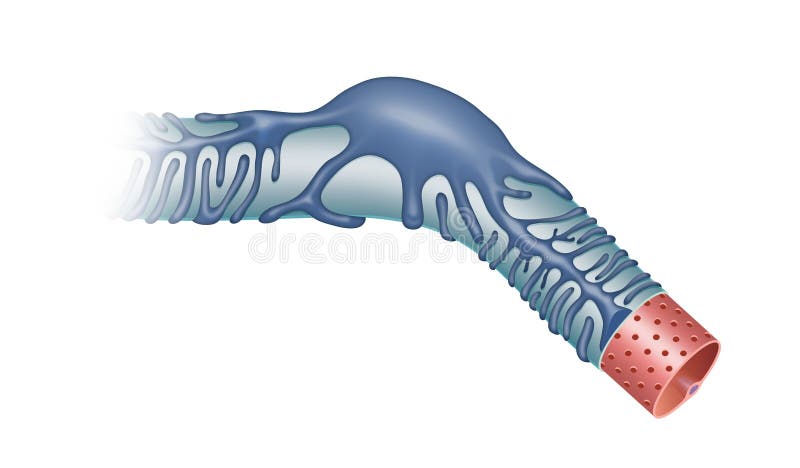
Free with trial Podocytes are cells in Bowman`s capsule in the kidneys that wrap around capillaries of the glomerulus. Podocytes make up the epithelial lining of Bowman`s capsule, the third layer through which filtration of blood takes place. Several proteins are required for the pedicels to wrap around the capillaries and function. Filter function illustrations Kidney. Podocytes are cells in the Bowman`s capsule. Podocytes are cells in Bowman`s capsule in the kidneys that wrap around capillaries of the glomerulus. Podocytes are cells in Bowman`s capsule in the kidneys that wrap around capillaries of the glomerulus. Podocytes make up the epithelial lining of Bowman`s capsule, the third layer through which filtration of blood takes place. Several proteins are required for the pedicels to wrap around the capillaries and function.
Free with trial Happy cartoon kidney. Great for your concept. Filter function vectors Happy cartoon kidney. Great for your concept
Free with trial Highlighted female kidney. 3d rendered illustration of a kidney failure. Filter function illustrations Highlighted female kidney. 3d rendered illustration of a kidney failure
Free with trial Big Data Analytics Icons Set on White Background. Vector illustration. Filter function vectors Big Data Analytics Icons Set on White Background. Vector illustration
Free with trial Flat icons photo camera function and white background. This image is a vector illustration. Filter function vectors Flat icons photo camera function and white background. This image is a vector illustration
Free with trial The kidney is not one large filter. Each kidney is made up of about a million filtering units called nephrons. Each nephron filters a small amount of blood. The nephron includes a filter, called the glomerulus, and a tubule. Filter function illustrations Function of Nephron. The kidney is not one large filter. Each kidney is made up of about a million filtering units called nephrons. Each nephron filters a small. The kidney is not one large filter. Each kidney is made up of about a million filtering units called nephrons. Each nephron filters a small amount of blood. The nephron includes a filter, called the glomerulus, and a tubule.
Free with trial Panic cartoon kidney. Great for your concept. Filter function vectors Panic cartoon kidney. Great for your concept
Free with trial The kidneys are a pair of organs located in the back of the abdomen. Each kidney is about 4 or 5 inches long -- about the size of a fist. The kidneys' function are to filter the blood. All the blood in our bodies passes through the kidneys several times a day. The kidneys remove wastes, control the body's fluid balance, and regulate the balance of electrolytes. As the kidneys filter blood, they create urine, which collects in the kidneys' pelvis -- funnel-shaped structures that drain down tubes called ureters to the bladder. Filter function illustrations Kidneys. The kidneys are a pair of organs located in the back of the abdomen. Each kidney is about 4 or 5 inches long -- about the size of a fist. The kidneys'. The kidneys are a pair of organs located in the back of the abdomen. Each kidney is about 4 or 5 inches long -- about the size of a fist. The kidneys' function are to filter the blood. All the blood in our bodies passes through the kidneys several times a day. The kidneys remove wastes, control the body's fluid balance, and regulate the balance of electrolytes. As the kidneys filter blood, they create urine, which collects in the kidneys' pelvis -- funnel-shaped structures that drain down tubes called ureters to the bladder.
Free with trial The kidneys are bean-shaped organs that serve several essential regulatory roles in vertebrates. They remove excess organic molecules from the blood, and it is by this action that their best-known function is performed: the removal of waste products of metabolism. Kidneys are essential to the urinary system and also serve homeostatic functions such as the regulation of electrolytes, maintenance of acid–base balance, and regulation of blood pressure (via maintaining the salt and water balance). They serve the body as a natural filter of the blood, and remove water-soluble wastes which are diverted to the bladder. Filter function illustrations Kidneys. The kidneys are bean-shaped organs that serve several essential regulatory roles in vertebrates. They remove excess organic molecules from the blood. The kidneys are bean-shaped organs that serve several essential regulatory roles in vertebrates. They remove excess organic molecules from the blood, and it is by this action that their best-known function is performed: the removal of waste products of metabolism. Kidneys are essential to the urinary system and also serve homeostatic functions such as the regulation of electrolytes, maintenance of acid–base balance, and regulation of blood pressure (via maintaining the salt and water balance). They serve the body as a natural filter of the blood, and remove water-soluble wastes which are diverted to the bladder.
Free with trial The kidney is not one large filter. Each kidney is made up of about a million filtering units called nephrons. Each nephron filters a small amount of blood. The nephron includes a filter, called the glomerulus, and a tubule. Filter function illustrations Function of Nephron. The kidney is not one large filter. Each kidney is made up of about a million filtering units called nephrons. Each nephron filters a small. The kidney is not one large filter. Each kidney is made up of about a million filtering units called nephrons. Each nephron filters a small amount of blood. The nephron includes a filter, called the glomerulus, and a tubule.
Free with trial Love cartoon kidney. Great for your concept. Filter function vectors Love cartoon kidney. Great for your concept
Free with trial Urinary tract human body anatomy system for producing storing and eliminating urine with the kidneys ureters bladder and the urethra to remove waste from the blood. Filter function illustrations Urinary Tract. Human body anatomy system for producing storing and eliminating urine with the kidneys ureters bladder and the urethra to remove waste from the
Free with trial Outside and inside of normal Kidney vector on. Illustration about human internal organ. Filter function vectors Outside and inside of normal Kidney vector. On . Illustration about human internal organ
Free with trial Please no spam. Prohibition for spam mails and virus. Filter function vectors Please no spam. Prohibition for spam mails and virus
Free with trial Vector database icon set. On grey background. Filter function vectors Vector database icon set. On grey background
Free with trial Lymph Node Structure. Bean-shaped lymph node structure, vector medical illustration. Filter function vectors Lymph Node Structure. Bean-shaped lymph node structure, vector medical illustration
Free with trial AI and digital brain, generative network with artificial intelligence, machine learning line icon set. algorithm and model of system, microchip thin black and red outline symbols vector illustration. Filter function vectors AI digital brain, network with artificial intelligence, machine learning line icon set. AI and digital brain, generative network with artificial intelligence. AI and digital brain, generative network with artificial intelligence, machine learning line icon set. algorithm and model of system, microchip thin black and red outline symbols vector illustration
Free with trial Vector set of vertical banners with Data filtering, Touch screen, Data management, Cloud storage, Help concept website templates. Modern thin line flat style design. Filter function vectors Vector modern thin line data filtering concept web banners. Vector set of vertical banners with Data filtering, Touch screen, Data management, Cloud storage. Vector set of vertical banners with Data filtering, Touch screen, Data management, Cloud storage, Help concept website templates. Modern thin line flat style design.
Free with trial Ciliated pseudostratified columnar epithelium is a type of respiratory epithelium found in the linings of the trachea and other airways, allowing it to filter and humidify incoming air. Filter function illustrations Ciliated pseudostratified columnar epithelia. Ciliated pseudostratified columnar epithelium is a type of respiratory epithelium found in the linings of the. Ciliated pseudostratified columnar epithelium is a type of respiratory epithelium found in the linings of the trachea and other airways, allowing it to filter and humidify incoming air.
Free with trial Lymphatic drainage collection shows lymph nodes, vessels, and human body diagram in medical outline style. Outline style collection. Filter function vectors Lymphatic drainage collection shows lymph nodes, vessels, and human body ... Lymphatic drainage collection shows lymph nodes, vessels, and human body diagram in. Lymphatic drainage collection shows lymph nodes, vessels, and human body diagram in medical outline style. Outline style collection
 Sign in