Free with trial A cartoon snake with a yellow stripe on its body. The snake is smiling and has its tongue out. Has python illustrations A cartoon snake with a yellow stripe on its body. The snake is smiling and has its tongue out
Free with trial A red snake is curled up on a bed of pink flowers. The image has a warm and inviting mood, with the bright colours of the snake and flowers creating a sense of harmony and beauty. Has python illustrations A red snake is curled up on a bed of pink flowers. The image has a warm and inviting mood, with the bright colours of the snake and flowers creating a sense of
Free with trial A close up of a green lizard tail with a brownish green stripe. The image has a mood of curiosity and wonder, as it showcases the intricate details of the lizard's skin , radiant glow. Has python illustrations A close up of a green lizard tail with a brownish green stripe. The image has a mood of curiosity and wonder, as it showcases the intricate details of the
Free with trial A wooden snake with a flower on its tail is displayed on a white background. The snake is brown and has a flower on its tail, giving it a unique and artistic appearance. Has python illustrations A beautiful wooden snake with a flower on its tail. A wooden snake with a flower on its tail is displayed on a white background. The snake is brown and has a. A wooden snake with a flower on its tail is displayed on a white background. The snake is brown and has a flower on its tail, giving it a unique and artistic appearance
Free with trial Two ball pythons are coiled elegantly on a stark white background. Their bodies display a striking pattern of intricate yellow and dark brown markings. The snake in the foreground has its head slightly raised, with its forked tongue flicking out. The detailed texture of their scales is visible, showcasing the unique beauty of these reptiles. Has python illustrations Two Ball Pythons with Yellow and Black Pattern Coiled on a White Background snake reptile. Two ball pythons are coiled elegantly on a stark white background. Two ball pythons are coiled elegantly on a stark white background. Their bodies display a striking pattern of intricate yellow and dark brown markings. The snake in the foreground has its head slightly raised, with its forked tongue flicking out. The detailed texture of their scales is visible, showcasing the unique beauty of these reptiles
Free with trial A snake sculpture with a black head and orange body. The snake is curled up and has a black and orange pattern. Has python illustrations A snake sculpture with a black head and orange body. The snake is curled up and has a black and orange pattern
Free with trial A snake is curled up on a red background. The snake is orange and has a menacing look on its face. Has python illustrations A snake is curled up on a red background. The snake is orange and has a menacing look on its face
Free with trial A snake with a purple head and body. The head is large and the body is long. The snake is curled up and has a long tail. Generative AI. Has python illustrations A snake with a purple head and body. The head is large and the body is long. The snake is curled up and has a long tail. Generative AI
Free with trial A wooden snake with a flower on its tail is displayed on a white background. The snake is brown and has a flower on its tail, giving it a unique and artistic appearance. Has python illustrations A wooden snake with a flower on its tail. Is displayed on a white background. The snake is brown and has a flower on its tail, giving it a unique and artistic
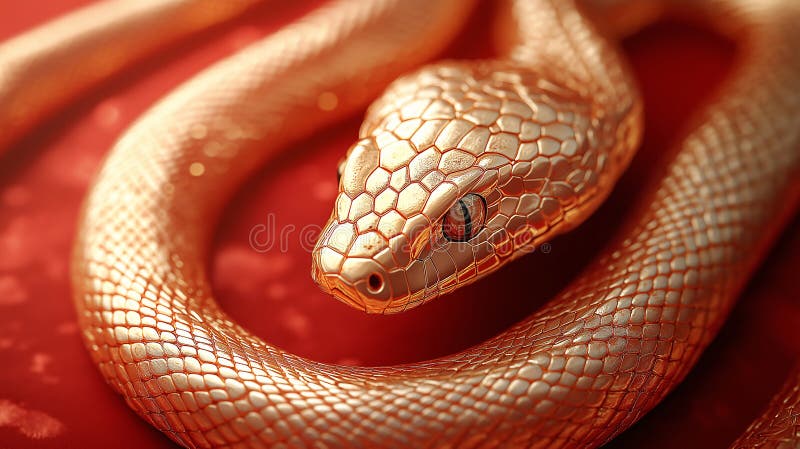
Free with trial A snake's skin is shown in a close up, with the scales and texture of the skin visible. The image has a warm, earthy tone, and the snake's skin appears to be made of gold. Has python illustrations A snake's skin is shown in a close up, with the scales. And texture of the skin visible. The image has a warm, earthy tone, and the snake's skin. A snake's skin is shown in a close up, with the scales and texture of the skin visible. The image has a warm, earthy tone, and the snake's skin appears to be made of gold
Free with trial The image shows a snake coiled on a white background. The snake has smooth brown skin with darker areas resembling patterns. The snake's eyes are black with small reflections of light giving them shine. The background of the image is white, which allows you to focus on the details of the reptile. AI picture - created with the help of artificial intelligence technologies. Has python illustrations Wooden brown snake on a white background. The image shows a snake coiled on a white background. The snake has smooth brown skin with darker areas resembling. The image shows a snake coiled on a white background. The snake has smooth brown skin with darker areas resembling patterns. The snake's eyes are black with small reflections of light giving them shine. The background of the image is white, which allows you to focus on the details of the reptile. AI picture - created with the help of artificial intelligence technologies.
Free with trial A blue snake is laying on a white cloth. The snake is curled up and has a blue head AI generated. Has python illustrations A blue snake is laying on a white cloth. The snake is curled up and has a blue head AI generated
Free with trial A snake is curled up in a bed of red flowers. The snake is surrounded by the flowers, which gives the impression that it is hiding among the petals. The image has a whimsical and playful mood. Has python illustrations A snake is curled up in a bed of red flowers. The snake is surrounded by the flowers, which gives the impression that it is hiding among the petals. The image
Free with trial Close-up view of overlapping scales with a textured, hexagonal pattern. Each scale exhibits a metallic appearance with a blend of dark and coppery hues. The pattern features a mottled texture resembling natural armor, offering depth and contrast. The scales are arranged in a layered fashion, giving a sense of protection and strength. The surface has a glossy finish, adding a reflective quality that enhances the visual complexity. This abstract composition is ideal for design inspiration. Has python illustrations Abstract close-up view of textured dragon scales for fantasy backgrounds and creative design inspiration. Close-up view of overlapping scales with a textured. Close-up view of overlapping scales with a textured, hexagonal pattern. Each scale exhibits a metallic appearance with a blend of dark and coppery hues. The pattern features a mottled texture resembling natural armor, offering depth and contrast. The scales are arranged in a layered fashion, giving a sense of protection and strength. The surface has a glossy finish, adding a reflective quality that enhances the visual complexity. This abstract composition is ideal for design inspiration.
Free with trial Vibrant green scales form a textured, glossy surface. Each scale has a natural, irregular, organic pattern. Light reflects off the glossy finish, adding depth and dimension. Suitable for luxury design. Has python illustrations Vibrant green scales form a textured, glossy surface. Each scale has a natural, irregular, organic pattern. Light reflects off the glossy finish, adding depth
Free with trial Red snake is curled up next to a bunch of pink flowers. The flowers are arranged in a way that they are almost hidden by the snake. The scene has a serene and peaceful mood, as the snake. Has python illustrations Red snake is curled up next to a bunch of pink flowers. AI generated. Red snake is curled up next to a bunch of pink flowers. The flowers are arranged in a way. Red snake is curled up next to a bunch of pink flowers. The flowers are arranged in a way that they are almost hidden by the snake. The scene has a serene and peaceful mood, as the snake
Free with trial A snake is laying on a bed of red flowers. The flowers are in the background and the snake is the main focus of the image. The image has a serene and peaceful mood. Has python illustrations A snake is laying on a bed of red flowers. The flowers are in the background and the snake is the main focus of the image. The image has a serene and peaceful
Free with trial A gold snake is shown in a close up picture. A gold snake is shown in a close up. The snake is surrounded by gold and has a golden head AI generated. Has python illustrations A gold snake is shown in a close up picture. A gold snake is shown in a close up. The snake is surrounded by gold and has a golden head AI generated
Free with trial A brown and tan texture with a lot of detail. The texture is very intricate and has a lot of depth, making it look like a piece of art. Scene is warm and inviting. Generated by artificial intelligence. Has python illustrations Natural brown leather texture. A brown and tan texture with a lot of detail. The texture is very intricate and has a lot of depth, making it look like a piece of. A brown and tan texture with a lot of detail. The texture is very intricate and has a lot of depth, making it look like a piece of art. Scene is warm and inviting. Generated by artificial intelligence
Free with trial A close up of a pink leather texture. AI generated. The leather is pink and has a pattern of small squares. Has python illustrations A close up of a pink leather texture. AI generated. A close up of a pink leather texture. The leather is pink and has a pattern of small squares
Free with trial A large snake is laying on the ground in a jungle. The snake is black and has a yellow head. Has python illustrations A large snake is laying on the ground in a jungle. The snake is black and has a yellow head
Free with trial A snake with gold claws is being held by a person. The image has a dark and mysterious mood, with the snake being the main focus. Has python illustrations Black and gold snake in a humanoid hand with gold nails and snake skin. Opulence, style and unique design in fashion. A snake with gold claws is being held by a. A snake with gold claws is being held by a person. The image has a dark and mysterious mood, with the snake being the main focus
Free with trial A cartoon snake with pink and orange skin and blue eyes. It has a pink tongue sticking out AI generated. Has python illustrations A cartoon snake with pink and orange skin and blue eyes. It has a pink tongue sticking out AI generated
Free with trial A black snake sculpture is sitting on a grey surface. The snake is curled up and he is resting. The sculpture is made of metal and has a shiny, reflective surface. Has python illustrations A black snake sculpture. Is sitting on a grey surface. The snake is curled up and he is resting. The sculpture is made of metal and has a shiny, reflective
Free with trial A snake made of crystals and beads is on a red cloth. The snake is made of shiny beads and has a golden head. Has python illustrations A snake made of crystals and beads is on a red cloth picture. A snake made of crystals and beads is on a red cloth. The snake is made of shiny beads and has a. A snake made of crystals and beads is on a red cloth. The snake is made of shiny beads and has a golden head
Free with trial A green snake is curled up on a leafy branch. The snake is green and has a yellow eye, Generative AI. Has python illustrations A green snake is curled up on a leafy branch. The snake is green and has a yellow eye, Generative AI
Free with trial A close up of a yellow and black snake with a black head. The snake has a yellow and black pattern on its body AI generated. Has python illustrations A close up of a yellow and black snake with a black head. The snake has a yellow and black pattern on its body AI generated
Free with trial A silver snake is wrapped around a hand. The snake is white and has a gold head. Has python illustrations Woman\'s hand, covered in a glossy sheen, gently intertwines with two silvery snakes. Visual metaphor for elegance and danger. A silver snake is wrapped around a. A silver snake is wrapped around a hand. The snake is white and has a gold head
Free with trial A colorful snake with yellow and green stripes on its body. The snake is curled up and has a yellow head AI generated. Has python illustrations A colorful snake with yellow and green stripes on its body. The snake is curled up and has a yellow head AI generated
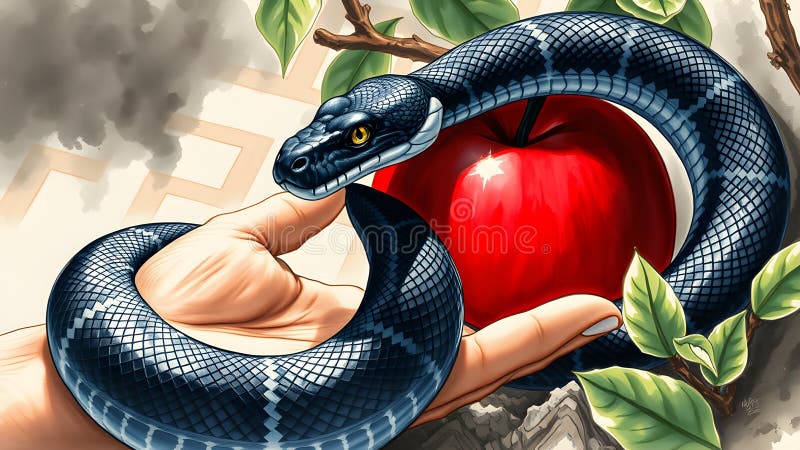
Free with trial A hand holding a snake and an apple. The snake is black and the apple is red. The image has a mysterious and intriguing mood. Has python illustrations A hand holding a snake and an apple. The snake is black and the apple is red. The image has a mysterious and intriguing mood
Free with trial Close-up view of a dark-colored snake coiled on the ground among rocks. The snake has a textured, pixelated appearance, suggesting a digital rendering or illustration. The lighting is moody and dramatic, with shadows enhancing the snake's form and the rough texture of the rocks. The overall atmosphere is mysterious and somewhat ominous. Has python illustrations Dark Coiled Snake Among Rocks Digital Illustration. Close-up view of a dark-colored snake coiled on the ground among rocks. The snake has a textured, pixelated. Close-up view of a dark-colored snake coiled on the ground among rocks. The snake has a textured, pixelated appearance, suggesting a digital rendering or illustration. The lighting is moody and dramatic, with shadows enhancing the snake's form and the rough texture of the rocks. The overall atmosphere is mysterious and somewhat ominous
Free with trial Cartoon snake with a smile on its face. The snake is black and white. The image has a playful and lighthearted mood. Generative AI. Has python illustrations Cartoon snake with a smile on its face. The snake is black and white. The image has a playful and lighthearted mood. Generative AI
Free with trial Black and white line drawing of a snake. The snake is coiled up and appears to be a type of boa constrictor. It has a long, slender body with a pointed head and a pointed tail. Has python illustrations Black and white line drawing of a snake. The snake is coiled up and appears to be a type of boa constrictor. It has a long, slender body with a pointed head
Free with trial A glass like snake staring straight at camera. the snake has lots of small golden details. The snake is curled up. The image has a surreal and dreamlike quality to it. Has python illustrations A glass like snake staring straight at camera. The snake has lots of small golden details. The snake is curled up. The image has a surreal and dreamlike
Free with trial A wooden snake with a black head and brown body. The snake is sitting on a table. The snake is carved out of wood and has a unique design. Has python illustrations A wooden snake with a black head and brown body. The snake is sitting on a table. The snake is carved out of wood and has a unique design
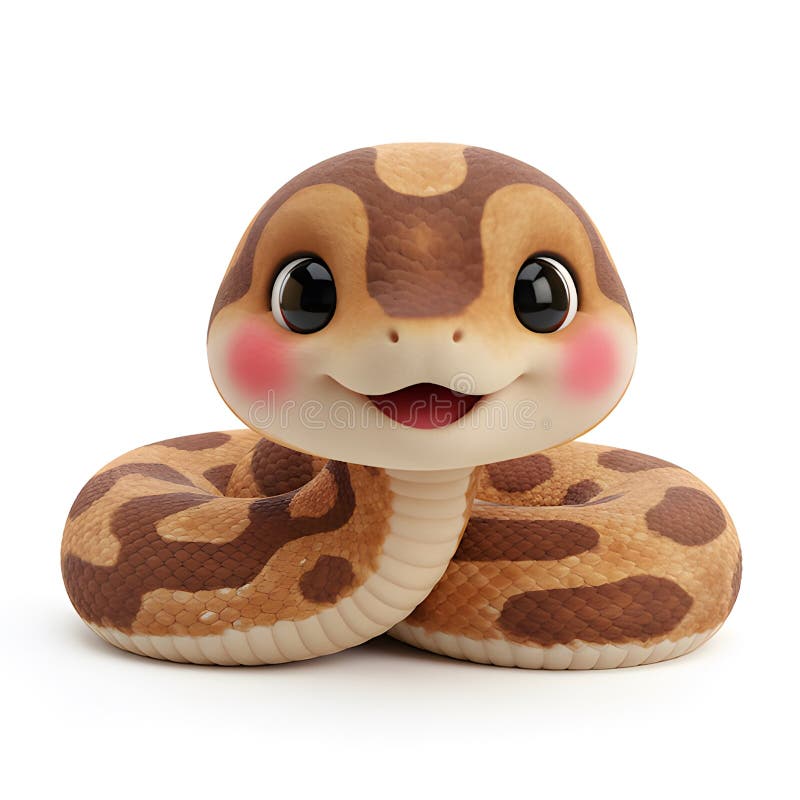
Free with trial Adorable 3D-rendered python with a cartoonish appearance, featuring a smiling face. The snake has a brown and cream color pattern resembling a ball python (Python regius). Its large, shiny eyes and rosy cheeks give it a cute aesthetic. The background is white, emphasizing the snake's features. Has python illustrations CUte 3d smiling phyton on isolated background. Adorable 3D-rendered python with a cartoonish appearance, featuring a smiling face. The snake has a brown and. Adorable 3D-rendered python with a cartoonish appearance, featuring a smiling face. The snake has a brown and cream color pattern resembling a ball python (Python regius). Its large, shiny eyes and rosy cheeks give it a cute aesthetic. The background is white, emphasizing the snake's features.
Free with trial A red and yellow snake is laying on a yellow background. The snake is made of plastic and has a black head. Has python illustrations A red and yellow snake is laying on a yellow background. The snake is made of plastic and has a black head
Free with trial Detailed close up of a reptile's head, showcasing intricate scales and intense eyes. The animal has striking yellow and black markings against a dark background. Sharp focus and excellent lighting. Has python illustrations Close Up Portrait of a Snake with Yellow and Black Markings. Detailed close up of a reptile's head, showcasing intricate scales and intense eyes. The animal has. Detailed close up of a reptile's head, showcasing intricate scales and intense eyes. The animal has striking yellow and black markings against a dark background. Sharp focus and excellent lighting
Free with trial A wooden snake with a red and white stripe on its body is sitting on a red background. The snake is made of wood and has a menacing look on its face. Concept of danger and intrigue. Has python illustrations A wooden snake with a red. And white stripe on its body is sitting on a red background. The snake is made of wood and has a menacing look on its face. Concept
Free with trial A cartoon snake with a smile on its face. The snake is yellow and has a tongue sticking out AI generated. Has python illustrations A cartoon snake with a smile on its face. The snake is yellow and has a tongue sticking out AI generated
Free with trial A detailed illustration of a snake, rendered in a striking black and white style. The snake is coiled, showcasing its scales and head with a forked tongue. The artwork has a vintage or tattoo-inspired aesthetic, perfect for designs related to nature, wildlife, danger, or symbolism. It's suitable for various applications, including print designs, apparel, logos, and digital art projects. Has python vectors Intricate Snake Illustration on Black Background. A detailed illustration of a snake, rendered in a striking black and white style. The snake is coiled. A detailed illustration of a snake, rendered in a striking black and white style. The snake is coiled, showcasing its scales and head with a forked tongue. The artwork has a vintage or tattoo-inspired aesthetic, perfect for designs related to nature, wildlife, danger, or symbolism. It's suitable for various applications, including print designs, apparel, logos, and digital art projects.
Free with trial A close up of a yellow leather texture with a pattern of small circles. The image has a warm and inviting mood, with the yellow color and the texture of the leather giving it a luxurious. Has python illustrations A close up of a yellow leather texture with a pattern of small circles. AI generated. A close up of a yellow leather texture with a pattern of small circles. The. A close up of a yellow leather texture with a pattern of small circles. The image has a warm and inviting mood, with the yellow color and the texture of the leather giving it a luxurious
Free with trial A gold coloured snake with a red background. The snake is curled up and has a shiny appearance. Has python illustrations A gold coloured snake with a red background. The snake is curled up and has a shiny appearance
Free with trial A cartoon snake with stars on its head is sitting on a pink background. The snake is cute and has a playful expression. A cartoon snake with stars AI generated. Has python illustrations A cartoon snake with stars on its head is sitting on a pink background. The snake is cute and has a playful expression. A cartoon snake with stars AI generated
Free with trial Light-colored snake rolled up on his body, big, fat and long, on a tree, leaves around the snake, the snake has its head down,. Light-colored snake rolled up on. Has python illustrations Light-colored snake rolled up on his body, big, fat and long, on a tree, leaves around the snake, the snake has its head down,. Light-colored snake rolled up on
Free with trial Light-colored snake rolled up on his body, big, fat and long, on a tree, leaves around the snake, the snake has its head down,. Light-colored snake rolled up on. Has python illustrations Light-colored snake rolled up on his body, big, fat and long, on a tree, leaves around the snake, the snake has its head down,. Light-colored snake rolled up on
Free with trial Light-colored snake rolled up on his body, big, fat and long, on a tree, leaves around the snake, the snake has its head down,. Light-colored snake rolled up on. Has python illustrations Light-colored snake rolled up on his body, big, fat and long, on a tree, leaves around the snake, the snake has its head down,. Light-colored snake rolled up on
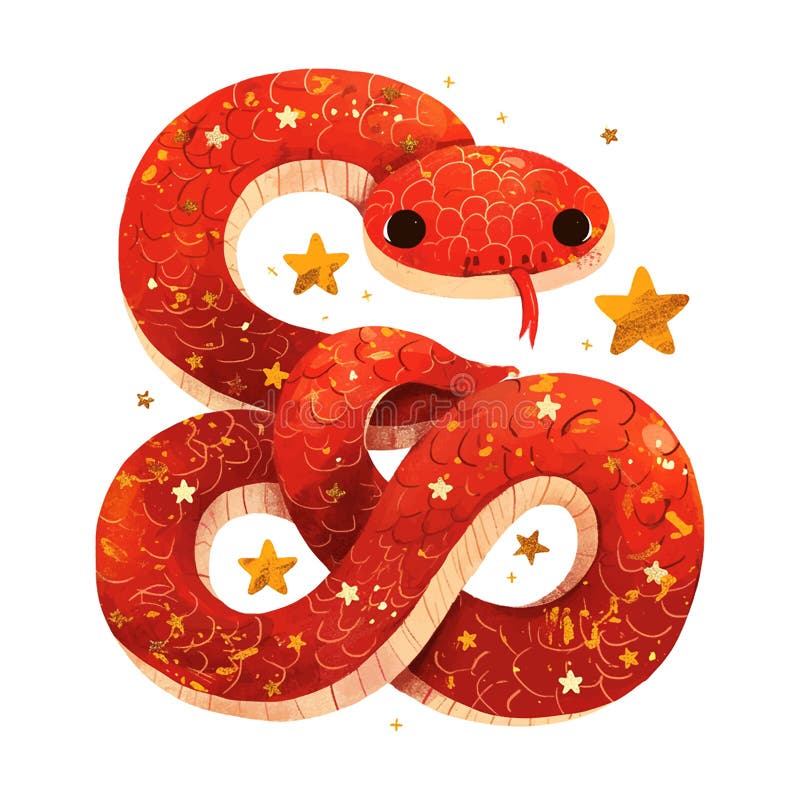
Free with trial 2025 A red snake with stars on it. The snake is curled up and has a star on its head. 2025 A red snake with AI generated. Has python vectors 2025 A red snake with stars on it. The snake is curled up and has a star on its head. 2025 A red snake with AI generated
Free with trial Heroku is a cloud platform as a service PaaS supporting several programming languages. One of the first cloud platforms, Heroku has been in development since June 2007, when it supported only the Ruby programming language, but now supports Java, Node. js, Scala, Clojure, Python, PHP, and Go. For th. Has python illustrations Heroku on glossy office wall realistic texture. Heroku is a cloud platform as a service PaaS supporting several programming languages. One of the first cloud. Heroku is a cloud platform as a service PaaS supporting several programming languages. One of the first cloud platforms, Heroku has been in development since June 2007, when it supported only the Ruby programming language, but now supports Java, Node.js, Scala, Clojure, Python, PHP, and Go. For th
Free with trial The Chinese dragon is a mythical creature in traditional Chinese culture, typically described as a colossal serpent-like being with scales resembling those of a python. It has features such as mane, deer horns, deer ears, hooves, ox whiskers, catfish-like whiskers, the eyes of a deer, and tiger fangs. It is usually a fearsome yet auspicious presence. In Chinese culture, the Chinese dragon is considered a symbol of good fortune, authority, and power, often appearing in festivals and significant events. Has python illustrations A highly realistic Chinese dragon in various environments. The Chinese dragon is a mythical creature in traditional Chinese culture, typically described as a. The Chinese dragon is a mythical creature in traditional Chinese culture, typically described as a colossal serpent-like being with scales resembling those of a python. It has features such as mane, deer horns, deer ears, hooves, ox whiskers, catfish-like whiskers, the eyes of a deer, and tiger fangs. It is usually a fearsome yet auspicious presence. In Chinese culture, the Chinese dragon is considered a symbol of good fortune, authority, and power, often appearing in festivals and significant events.
Free with trial The Chinese dragon is a mythical creature in traditional Chinese culture, typically described as a colossal serpent-like being with scales resembling those of a python. It has features such as mane, deer horns, deer ears, hooves, ox whiskers, catfish-like whiskers, the eyes of a deer, and tiger fangs. It is usually a fearsome yet auspicious presence. In Chinese culture, the Chinese dragon is considered a symbol of good fortune, authority, and power, often appearing in festivals and significant events. Has python illustrations A highly realistic Chinese dragon in various environments. The Chinese dragon is a mythical creature in traditional Chinese culture, typically described as a. The Chinese dragon is a mythical creature in traditional Chinese culture, typically described as a colossal serpent-like being with scales resembling those of a python. It has features such as mane, deer horns, deer ears, hooves, ox whiskers, catfish-like whiskers, the eyes of a deer, and tiger fangs. It is usually a fearsome yet auspicious presence. In Chinese culture, the Chinese dragon is considered a symbol of good fortune, authority, and power, often appearing in festivals and significant events.
Free with trial The Chinese dragon is a mythical creature in traditional Chinese culture, typically described as a colossal serpent-like being with scales resembling those of a python. It has features such as mane, deer horns, deer ears, hooves, ox whiskers, catfish-like whiskers, the eyes of a deer, and tiger fangs. It is usually a fearsome yet auspicious presence. In Chinese culture, the Chinese dragon is considered a symbol of good fortune, authority, and power, often appearing in festivals and significant events. Has python illustrations A highly realistic Chinese dragon in various environments. The Chinese dragon is a mythical creature in traditional Chinese culture, typically described as a. The Chinese dragon is a mythical creature in traditional Chinese culture, typically described as a colossal serpent-like being with scales resembling those of a python. It has features such as mane, deer horns, deer ears, hooves, ox whiskers, catfish-like whiskers, the eyes of a deer, and tiger fangs. It is usually a fearsome yet auspicious presence. In Chinese culture, the Chinese dragon is considered a symbol of good fortune, authority, and power, often appearing in festivals and significant events.
Free with trial The Chinese dragon is a mythical creature in traditional Chinese culture, typically described as a colossal serpent-like being with scales resembling those of a python. It has features such as mane, deer horns, deer ears, hooves, ox whiskers, catfish-like whiskers, the eyes of a deer, and tiger fangs. It is usually a fearsome yet auspicious presence. In Chinese culture, the Chinese dragon is considered a symbol of good fortune, authority, and power, often appearing in festivals and significant events. Has python illustrations A highly realistic Chinese dragon in various environments. The Chinese dragon is a mythical creature in traditional Chinese culture, typically described as a. The Chinese dragon is a mythical creature in traditional Chinese culture, typically described as a colossal serpent-like being with scales resembling those of a python. It has features such as mane, deer horns, deer ears, hooves, ox whiskers, catfish-like whiskers, the eyes of a deer, and tiger fangs. It is usually a fearsome yet auspicious presence. In Chinese culture, the Chinese dragon is considered a symbol of good fortune, authority, and power, often appearing in festivals and significant events.
Free with trial The Chinese dragon is a mythical creature in traditional Chinese culture, typically described as a colossal serpent-like being with scales resembling those of a python. It has features such as mane, deer horns, deer ears, hooves, ox whiskers, catfish-like whiskers, the eyes of a deer, and tiger fangs. It is usually a fearsome yet auspicious presence. In Chinese culture, the Chinese dragon is considered a symbol of good fortune, authority, and power, often appearing in festivals and significant events. Has python illustrations A highly realistic Chinese dragon in various environments. The Chinese dragon is a mythical creature in traditional Chinese culture, typically described as a. The Chinese dragon is a mythical creature in traditional Chinese culture, typically described as a colossal serpent-like being with scales resembling those of a python. It has features such as mane, deer horns, deer ears, hooves, ox whiskers, catfish-like whiskers, the eyes of a deer, and tiger fangs. It is usually a fearsome yet auspicious presence. In Chinese culture, the Chinese dragon is considered a symbol of good fortune, authority, and power, often appearing in festivals and significant events.
Free with trial The Chinese dragon is a mythical creature in traditional Chinese culture, typically described as a colossal serpent-like being with scales resembling those of a python. It has features such as mane, deer horns, deer ears, hooves, ox whiskers, catfish-like whiskers, the eyes of a deer, and tiger fangs. It is usually a fearsome yet auspicious presence. In Chinese culture, the Chinese dragon is considered a symbol of good fortune, authority, and power, often appearing in festivals and significant events. Has python illustrations A highly realistic Chinese dragon in various environments. The Chinese dragon is a mythical creature in traditional Chinese culture, typically described as a. The Chinese dragon is a mythical creature in traditional Chinese culture, typically described as a colossal serpent-like being with scales resembling those of a python. It has features such as mane, deer horns, deer ears, hooves, ox whiskers, catfish-like whiskers, the eyes of a deer, and tiger fangs. It is usually a fearsome yet auspicious presence. In Chinese culture, the Chinese dragon is considered a symbol of good fortune, authority, and power, often appearing in festivals and significant events.
Free with trial The Chinese dragon is a mythical creature in traditional Chinese culture, typically described as a colossal serpent-like being with scales resembling those of a python. It has features such as mane, deer horns, deer ears, hooves, ox whiskers, catfish-like whiskers, the eyes of a deer, and tiger fangs. It is usually a fearsome yet auspicious presence. In Chinese culture, the Chinese dragon is considered a symbol of good fortune, authority, and power, often appearing in festivals and significant events. Has python illustrations A highly realistic Chinese dragon in various environments. The Chinese dragon is a mythical creature in traditional Chinese culture, typically described as a. The Chinese dragon is a mythical creature in traditional Chinese culture, typically described as a colossal serpent-like being with scales resembling those of a python. It has features such as mane, deer horns, deer ears, hooves, ox whiskers, catfish-like whiskers, the eyes of a deer, and tiger fangs. It is usually a fearsome yet auspicious presence. In Chinese culture, the Chinese dragon is considered a symbol of good fortune, authority, and power, often appearing in festivals and significant events.
Free with trial The Chinese dragon is a mythical creature in traditional Chinese culture, typically described as a colossal serpent-like being with scales resembling those of a python. It has features such as mane, deer horns, deer ears, hooves, ox whiskers, catfish-like whiskers, the eyes of a deer, and tiger fangs. It is usually a fearsome yet auspicious presence. In Chinese culture, the Chinese dragon is considered a symbol of good fortune, authority, and power, often appearing in festivals and significant events. Has python illustrations A highly realistic Chinese dragon in various environments. The Chinese dragon is a mythical creature in traditional Chinese culture, typically described as a. The Chinese dragon is a mythical creature in traditional Chinese culture, typically described as a colossal serpent-like being with scales resembling those of a python. It has features such as mane, deer horns, deer ears, hooves, ox whiskers, catfish-like whiskers, the eyes of a deer, and tiger fangs. It is usually a fearsome yet auspicious presence. In Chinese culture, the Chinese dragon is considered a symbol of good fortune, authority, and power, often appearing in festivals and significant events.
Free with trial The Chinese dragon is a mythical creature in traditional Chinese culture, typically described as a colossal serpent-like being with scales resembling those of a python. It has features such as mane, deer horns, deer ears, hooves, ox whiskers, catfish-like whiskers, the eyes of a deer, and tiger fangs. It is usually a fearsome yet auspicious presence. In Chinese culture, the Chinese dragon is considered a symbol of good fortune, authority, and power, often appearing in festivals and significant events. Has python illustrations A highly realistic Chinese dragon in various environments. The Chinese dragon is a mythical creature in traditional Chinese culture, typically described as a. The Chinese dragon is a mythical creature in traditional Chinese culture, typically described as a colossal serpent-like being with scales resembling those of a python. It has features such as mane, deer horns, deer ears, hooves, ox whiskers, catfish-like whiskers, the eyes of a deer, and tiger fangs. It is usually a fearsome yet auspicious presence. In Chinese culture, the Chinese dragon is considered a symbol of good fortune, authority, and power, often appearing in festivals and significant events.
Free with trial The Chinese dragon is a mythical creature in traditional Chinese culture, typically described as a colossal serpent-like being with scales resembling those of a python. It has features such as mane, deer horns, deer ears, hooves, ox whiskers, catfish-like whiskers, the eyes of a deer, and tiger fangs. It is usually a fearsome yet auspicious presence. In Chinese culture, the Chinese dragon is considered a symbol of good fortune, authority, and power, often appearing in festivals and significant events. Has python illustrations A highly realistic Chinese dragon in various environments. The Chinese dragon is a mythical creature in traditional Chinese culture, typically described as a. The Chinese dragon is a mythical creature in traditional Chinese culture, typically described as a colossal serpent-like being with scales resembling those of a python. It has features such as mane, deer horns, deer ears, hooves, ox whiskers, catfish-like whiskers, the eyes of a deer, and tiger fangs. It is usually a fearsome yet auspicious presence. In Chinese culture, the Chinese dragon is considered a symbol of good fortune, authority, and power, often appearing in festivals and significant events.
Free with trial The Chinese dragon is a mythical creature in traditional Chinese culture, typically described as a colossal serpent-like being with scales resembling those of a python. It has features such as mane, deer horns, deer ears, hooves, ox whiskers, catfish-like whiskers, the eyes of a deer, and tiger fangs. It is usually a fearsome yet auspicious presence. In Chinese culture, the Chinese dragon is considered a symbol of good fortune, authority, and power, often appearing in festivals and significant events. Has python illustrations A highly realistic Chinese dragon in various environments. The Chinese dragon is a mythical creature in traditional Chinese culture, typically described as a. The Chinese dragon is a mythical creature in traditional Chinese culture, typically described as a colossal serpent-like being with scales resembling those of a python. It has features such as mane, deer horns, deer ears, hooves, ox whiskers, catfish-like whiskers, the eyes of a deer, and tiger fangs. It is usually a fearsome yet auspicious presence. In Chinese culture, the Chinese dragon is considered a symbol of good fortune, authority, and power, often appearing in festivals and significant events.
Free with trial The Chinese dragon is a mythical creature in traditional Chinese culture, typically described as a colossal serpent-like being with scales resembling those of a python. It has features such as mane, deer horns, deer ears, hooves, ox whiskers, catfish-like whiskers, the eyes of a deer, and tiger fangs. It is usually a fearsome yet auspicious presence. In Chinese culture, the Chinese dragon is considered a symbol of good fortune, authority, and power, often appearing in festivals and significant events. Has python illustrations A highly realistic Chinese dragon in various environments. The Chinese dragon is a mythical creature in traditional Chinese culture, typically described as a. The Chinese dragon is a mythical creature in traditional Chinese culture, typically described as a colossal serpent-like being with scales resembling those of a python. It has features such as mane, deer horns, deer ears, hooves, ox whiskers, catfish-like whiskers, the eyes of a deer, and tiger fangs. It is usually a fearsome yet auspicious presence. In Chinese culture, the Chinese dragon is considered a symbol of good fortune, authority, and power, often appearing in festivals and significant events.
Free with trial The Chinese dragon is a mythical creature in traditional Chinese culture, typically described as a colossal serpent-like being with scales resembling those of a python. It has features such as mane, deer horns, deer ears, hooves, ox whiskers, catfish-like whiskers, the eyes of a deer, and tiger fangs. It is usually a fearsome yet auspicious presence. In Chinese culture, the Chinese dragon is considered a symbol of good fortune, authority, and power, often appearing in festivals and significant events. Has python illustrations A highly realistic Chinese dragon in various environments. The Chinese dragon is a mythical creature in traditional Chinese culture, typically described as a. The Chinese dragon is a mythical creature in traditional Chinese culture, typically described as a colossal serpent-like being with scales resembling those of a python. It has features such as mane, deer horns, deer ears, hooves, ox whiskers, catfish-like whiskers, the eyes of a deer, and tiger fangs. It is usually a fearsome yet auspicious presence. In Chinese culture, the Chinese dragon is considered a symbol of good fortune, authority, and power, often appearing in festivals and significant events.
Free with trial The Chinese dragon is a mythical creature in traditional Chinese culture, typically described as a colossal serpent-like being with scales resembling those of a python. It has features such as mane, deer horns, deer ears, hooves, ox whiskers, catfish-like whiskers, the eyes of a deer, and tiger fangs. It is usually a fearsome yet auspicious presence. In Chinese culture, the Chinese dragon is considered a symbol of good fortune, authority, and power, often appearing in festivals and significant events. Has python illustrations A highly realistic Chinese dragon in various environments. The Chinese dragon is a mythical creature in traditional Chinese culture, typically described as a. The Chinese dragon is a mythical creature in traditional Chinese culture, typically described as a colossal serpent-like being with scales resembling those of a python. It has features such as mane, deer horns, deer ears, hooves, ox whiskers, catfish-like whiskers, the eyes of a deer, and tiger fangs. It is usually a fearsome yet auspicious presence. In Chinese culture, the Chinese dragon is considered a symbol of good fortune, authority, and power, often appearing in festivals and significant events.
Free with trial The Chinese dragon is a mythical creature in traditional Chinese culture, typically described as a colossal serpent-like being with scales resembling those of a python. It has features such as mane, deer horns, deer ears, hooves, ox whiskers, catfish-like whiskers, the eyes of a deer, and tiger fangs. It is usually a fearsome yet auspicious presence. In Chinese culture, the Chinese dragon is considered a symbol of good fortune, authority, and power, often appearing in festivals and significant events. Has python illustrations A highly realistic Chinese dragon in various environments. The Chinese dragon is a mythical creature in traditional Chinese culture, typically described as a. The Chinese dragon is a mythical creature in traditional Chinese culture, typically described as a colossal serpent-like being with scales resembling those of a python. It has features such as mane, deer horns, deer ears, hooves, ox whiskers, catfish-like whiskers, the eyes of a deer, and tiger fangs. It is usually a fearsome yet auspicious presence. In Chinese culture, the Chinese dragon is considered a symbol of good fortune, authority, and power, often appearing in festivals and significant events.
Free with trial The Chinese dragon is a mythical creature in traditional Chinese culture, typically described as a colossal serpent-like being with scales resembling those of a python. It has features such as mane, deer horns, deer ears, hooves, ox whiskers, catfish-like whiskers, the eyes of a deer, and tiger fangs. It is usually a fearsome yet auspicious presence. In Chinese culture, the Chinese dragon is considered a symbol of good fortune, authority, and power, often appearing in festivals and significant events. Has python illustrations A highly realistic Chinese dragon in various environments. The Chinese dragon is a mythical creature in traditional Chinese culture, typically described as a. The Chinese dragon is a mythical creature in traditional Chinese culture, typically described as a colossal serpent-like being with scales resembling those of a python. It has features such as mane, deer horns, deer ears, hooves, ox whiskers, catfish-like whiskers, the eyes of a deer, and tiger fangs. It is usually a fearsome yet auspicious presence. In Chinese culture, the Chinese dragon is considered a symbol of good fortune, authority, and power, often appearing in festivals and significant events.
Free with trial The Chinese dragon is a mythical creature in traditional Chinese culture, typically described as a colossal serpent-like being with scales resembling those of a python. It has features such as mane, deer horns, deer ears, hooves, ox whiskers, catfish-like whiskers, the eyes of a deer, and tiger fangs. It is usually a fearsome yet auspicious presence. In Chinese culture, the Chinese dragon is considered a symbol of good fortune, authority, and power, often appearing in festivals and significant events. Has python illustrations A highly realistic Chinese dragon in various environments. The Chinese dragon is a mythical creature in traditional Chinese culture, typically described as a. The Chinese dragon is a mythical creature in traditional Chinese culture, typically described as a colossal serpent-like being with scales resembling those of a python. It has features such as mane, deer horns, deer ears, hooves, ox whiskers, catfish-like whiskers, the eyes of a deer, and tiger fangs. It is usually a fearsome yet auspicious presence. In Chinese culture, the Chinese dragon is considered a symbol of good fortune, authority, and power, often appearing in festivals and significant events.
Free with trial The Chinese dragon is a mythical creature in traditional Chinese culture, typically described as a colossal serpent-like being with scales resembling those of a python. It has features such as mane, deer horns, deer ears, hooves, ox whiskers, catfish-like whiskers, the eyes of a deer, and tiger fangs. It is usually a fearsome yet auspicious presence. In Chinese culture, the Chinese dragon is considered a symbol of good fortune, authority, and power, often appearing in festivals and significant events. Has python illustrations A highly realistic Chinese dragon in various environments. The Chinese dragon is a mythical creature in traditional Chinese culture, typically described as a. The Chinese dragon is a mythical creature in traditional Chinese culture, typically described as a colossal serpent-like being with scales resembling those of a python. It has features such as mane, deer horns, deer ears, hooves, ox whiskers, catfish-like whiskers, the eyes of a deer, and tiger fangs. It is usually a fearsome yet auspicious presence. In Chinese culture, the Chinese dragon is considered a symbol of good fortune, authority, and power, often appearing in festivals and significant events.
Free with trial The Chinese dragon is a mythical creature in traditional Chinese culture, typically described as a colossal serpent-like being with scales resembling those of a python. It has features such as mane, deer horns, deer ears, hooves, ox whiskers, catfish-like whiskers, the eyes of a deer, and tiger fangs. It is usually a fearsome yet auspicious presence. In Chinese culture, the Chinese dragon is considered a symbol of good fortune, authority, and power, often appearing in festivals and significant events. Has python illustrations A highly realistic Chinese dragon in various environments. The Chinese dragon is a mythical creature in traditional Chinese culture, typically described as a. The Chinese dragon is a mythical creature in traditional Chinese culture, typically described as a colossal serpent-like being with scales resembling those of a python. It has features such as mane, deer horns, deer ears, hooves, ox whiskers, catfish-like whiskers, the eyes of a deer, and tiger fangs. It is usually a fearsome yet auspicious presence. In Chinese culture, the Chinese dragon is considered a symbol of good fortune, authority, and power, often appearing in festivals and significant events.
Free with trial The Chinese dragon is a mythical creature in traditional Chinese culture, typically described as a colossal serpent-like being with scales resembling those of a python. It has features such as mane, deer horns, deer ears, hooves, ox whiskers, catfish-like whiskers, the eyes of a deer, and tiger fangs. It is usually a fearsome yet auspicious presence. In Chinese culture, the Chinese dragon is considered a symbol of good fortune, authority, and power, often appearing in festivals and significant events. Has python illustrations A highly realistic Chinese dragon in various environments. The Chinese dragon is a mythical creature in traditional Chinese culture, typically described as a. The Chinese dragon is a mythical creature in traditional Chinese culture, typically described as a colossal serpent-like being with scales resembling those of a python. It has features such as mane, deer horns, deer ears, hooves, ox whiskers, catfish-like whiskers, the eyes of a deer, and tiger fangs. It is usually a fearsome yet auspicious presence. In Chinese culture, the Chinese dragon is considered a symbol of good fortune, authority, and power, often appearing in festivals and significant events.
Free with trial The Chinese dragon is a mythical creature in traditional Chinese culture, typically described as a colossal serpent-like being with scales resembling those of a python. It has features such as mane, deer horns, deer ears, hooves, ox whiskers, catfish-like whiskers, the eyes of a deer, and tiger fangs. It is usually a fearsome yet auspicious presence. In Chinese culture, the Chinese dragon is considered a symbol of good fortune, authority, and power, often appearing in festivals and significant events. Has python illustrations A highly realistic Chinese dragon in various environments. The Chinese dragon is a mythical creature in traditional Chinese culture, typically described as a. The Chinese dragon is a mythical creature in traditional Chinese culture, typically described as a colossal serpent-like being with scales resembling those of a python. It has features such as mane, deer horns, deer ears, hooves, ox whiskers, catfish-like whiskers, the eyes of a deer, and tiger fangs. It is usually a fearsome yet auspicious presence. In Chinese culture, the Chinese dragon is considered a symbol of good fortune, authority, and power, often appearing in festivals and significant events.
Free with trial The Chinese dragon is a mythical creature in traditional Chinese culture, typically described as a colossal serpent-like being with scales resembling those of a python. It has features such as mane, deer horns, deer ears, hooves, ox whiskers, catfish-like whiskers, the eyes of a deer, and tiger fangs. It is usually a fearsome yet auspicious presence. In Chinese culture, the Chinese dragon is considered a symbol of good fortune, authority, and power, often appearing in festivals and significant events. Has python illustrations A highly realistic Chinese dragon in various environments. The Chinese dragon is a mythical creature in traditional Chinese culture, typically described as a. The Chinese dragon is a mythical creature in traditional Chinese culture, typically described as a colossal serpent-like being with scales resembling those of a python. It has features such as mane, deer horns, deer ears, hooves, ox whiskers, catfish-like whiskers, the eyes of a deer, and tiger fangs. It is usually a fearsome yet auspicious presence. In Chinese culture, the Chinese dragon is considered a symbol of good fortune, authority, and power, often appearing in festivals and significant events.
Free with trial The Chinese dragon is a mythical creature in traditional Chinese culture, typically described as a colossal serpent-like being with scales resembling those of a python. It has features such as mane, deer horns, deer ears, hooves, ox whiskers, catfish-like whiskers, the eyes of a deer, and tiger fangs. It is usually a fearsome yet auspicious presence. In Chinese culture, the Chinese dragon is considered a symbol of good fortune, authority, and power, often appearing in festivals and significant events. Has python illustrations A highly realistic Chinese dragon in various environments. The Chinese dragon is a mythical creature in traditional Chinese culture, typically described as a. The Chinese dragon is a mythical creature in traditional Chinese culture, typically described as a colossal serpent-like being with scales resembling those of a python. It has features such as mane, deer horns, deer ears, hooves, ox whiskers, catfish-like whiskers, the eyes of a deer, and tiger fangs. It is usually a fearsome yet auspicious presence. In Chinese culture, the Chinese dragon is considered a symbol of good fortune, authority, and power, often appearing in festivals and significant events.
Free with trial The Chinese dragon is a mythical creature in traditional Chinese culture, typically described as a colossal serpent-like being with scales resembling those of a python. It has features such as mane, deer horns, deer ears, hooves, ox whiskers, catfish-like whiskers, the eyes of a deer, and tiger fangs. It is usually a fearsome yet auspicious presence. In Chinese culture, the Chinese dragon is considered a symbol of good fortune, authority, and power, often appearing in festivals and significant events. Has python illustrations A highly realistic Chinese dragon in various environments. The Chinese dragon is a mythical creature in traditional Chinese culture, typically described as a. The Chinese dragon is a mythical creature in traditional Chinese culture, typically described as a colossal serpent-like being with scales resembling those of a python. It has features such as mane, deer horns, deer ears, hooves, ox whiskers, catfish-like whiskers, the eyes of a deer, and tiger fangs. It is usually a fearsome yet auspicious presence. In Chinese culture, the Chinese dragon is considered a symbol of good fortune, authority, and power, often appearing in festivals and significant events.
Free with trial The Chinese dragon is a mythical creature in traditional Chinese culture, typically described as a colossal serpent-like being with scales resembling those of a python. It has features such as mane, deer horns, deer ears, hooves, ox whiskers, catfish-like whiskers, the eyes of a deer, and tiger fangs. It is usually a fearsome yet auspicious presence. In Chinese culture, the Chinese dragon is considered a symbol of good fortune, authority, and power, often appearing in festivals and significant events. Has python illustrations A highly realistic Chinese dragon in various environments. The Chinese dragon is a mythical creature in traditional Chinese culture, typically described as a. The Chinese dragon is a mythical creature in traditional Chinese culture, typically described as a colossal serpent-like being with scales resembling those of a python. It has features such as mane, deer horns, deer ears, hooves, ox whiskers, catfish-like whiskers, the eyes of a deer, and tiger fangs. It is usually a fearsome yet auspicious presence. In Chinese culture, the Chinese dragon is considered a symbol of good fortune, authority, and power, often appearing in festivals and significant events.
Free with trial The Chinese dragon is a mythical creature in traditional Chinese culture, typically described as a colossal serpent-like being with scales resembling those of a python. It has features such as mane, deer horns, deer ears, hooves, ox whiskers, catfish-like whiskers, the eyes of a deer, and tiger fangs. It is usually a fearsome yet auspicious presence. In Chinese culture, the Chinese dragon is considered a symbol of good fortune, authority, and power, often appearing in festivals and significant events. Has python illustrations A highly realistic Chinese dragon in various environments. The Chinese dragon is a mythical creature in traditional Chinese culture, typically described as a. The Chinese dragon is a mythical creature in traditional Chinese culture, typically described as a colossal serpent-like being with scales resembling those of a python. It has features such as mane, deer horns, deer ears, hooves, ox whiskers, catfish-like whiskers, the eyes of a deer, and tiger fangs. It is usually a fearsome yet auspicious presence. In Chinese culture, the Chinese dragon is considered a symbol of good fortune, authority, and power, often appearing in festivals and significant events.
Free with trial The Chinese dragon is a mythical creature in traditional Chinese culture, typically described as a colossal serpent-like being with scales resembling those of a python. It has features such as mane, deer horns, deer ears, hooves, ox whiskers, catfish-like whiskers, the eyes of a deer, and tiger fangs. It is usually a fearsome yet auspicious presence. In Chinese culture, the Chinese dragon is considered a symbol of good fortune, authority, and power, often appearing in festivals and significant events. Has python illustrations A highly realistic Chinese dragon in various environments. The Chinese dragon is a mythical creature in traditional Chinese culture, typically described as a. The Chinese dragon is a mythical creature in traditional Chinese culture, typically described as a colossal serpent-like being with scales resembling those of a python. It has features such as mane, deer horns, deer ears, hooves, ox whiskers, catfish-like whiskers, the eyes of a deer, and tiger fangs. It is usually a fearsome yet auspicious presence. In Chinese culture, the Chinese dragon is considered a symbol of good fortune, authority, and power, often appearing in festivals and significant events.
Free with trial The Chinese dragon is a mythical creature in traditional Chinese culture, typically described as a colossal serpent-like being with scales resembling those of a python. It has features such as mane, deer horns, deer ears, hooves, ox whiskers, catfish-like whiskers, the eyes of a deer, and tiger fangs. It is usually a fearsome yet auspicious presence. In Chinese culture, the Chinese dragon is considered a symbol of good fortune, authority, and power, often appearing in festivals and significant events. Has python illustrations A highly realistic Chinese dragon in various environments. The Chinese dragon is a mythical creature in traditional Chinese culture, typically described as a. The Chinese dragon is a mythical creature in traditional Chinese culture, typically described as a colossal serpent-like being with scales resembling those of a python. It has features such as mane, deer horns, deer ears, hooves, ox whiskers, catfish-like whiskers, the eyes of a deer, and tiger fangs. It is usually a fearsome yet auspicious presence. In Chinese culture, the Chinese dragon is considered a symbol of good fortune, authority, and power, often appearing in festivals and significant events.
Free with trial The Chinese dragon is a mythical creature in traditional Chinese culture, typically described as a colossal serpent-like being with scales resembling those of a python. It has features such as mane, deer horns, deer ears, hooves, ox whiskers, catfish-like whiskers, the eyes of a deer, and tiger fangs. It is usually a fearsome yet auspicious presence. In Chinese culture, the Chinese dragon is considered a symbol of good fortune, authority, and power, often appearing in festivals and significant events. Has python illustrations A highly realistic Chinese dragon in various environments. The Chinese dragon is a mythical creature in traditional Chinese culture, typically described as a. The Chinese dragon is a mythical creature in traditional Chinese culture, typically described as a colossal serpent-like being with scales resembling those of a python. It has features such as mane, deer horns, deer ears, hooves, ox whiskers, catfish-like whiskers, the eyes of a deer, and tiger fangs. It is usually a fearsome yet auspicious presence. In Chinese culture, the Chinese dragon is considered a symbol of good fortune, authority, and power, often appearing in festivals and significant events.
Free with trial The Chinese dragon is a mythical creature in traditional Chinese culture, typically described as a colossal serpent-like being with scales resembling those of a python. It has features such as mane, deer horns, deer ears, hooves, ox whiskers, catfish-like whiskers, the eyes of a deer, and tiger fangs. It is usually a fearsome yet auspicious presence. In Chinese culture, the Chinese dragon is considered a symbol of good fortune, authority, and power, often appearing in festivals and significant events. Has python illustrations A highly realistic Chinese dragon in various environments. The Chinese dragon is a mythical creature in traditional Chinese culture, typically described as a. The Chinese dragon is a mythical creature in traditional Chinese culture, typically described as a colossal serpent-like being with scales resembling those of a python. It has features such as mane, deer horns, deer ears, hooves, ox whiskers, catfish-like whiskers, the eyes of a deer, and tiger fangs. It is usually a fearsome yet auspicious presence. In Chinese culture, the Chinese dragon is considered a symbol of good fortune, authority, and power, often appearing in festivals and significant events.
 Sign in