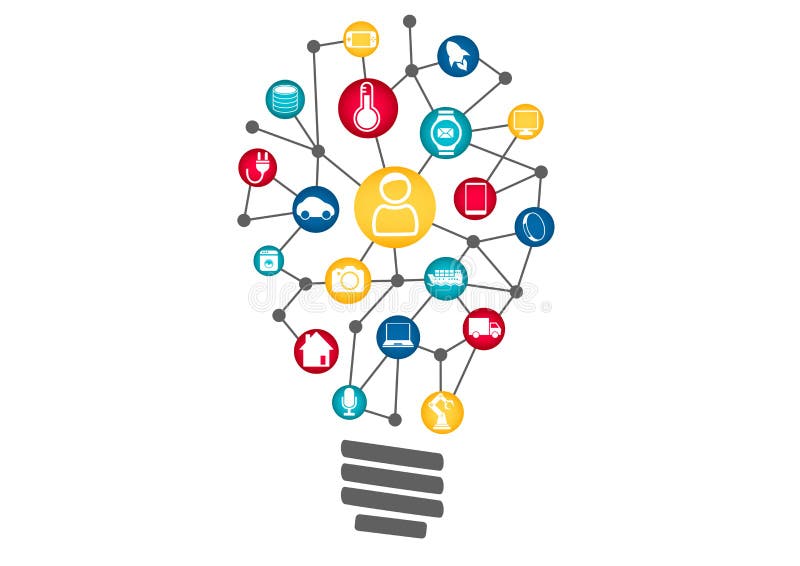
Free with trial Internet of Things (IOT) concept. Vector illustration of light bulb representing digital smart ideas, machine learning, internet of everything and smart home automation. Learning sensor vectors Internet of Things (IOT) concept. Vector illustration of light bulb representing digital smart ideas, machine learning. Internet of everything and smart home
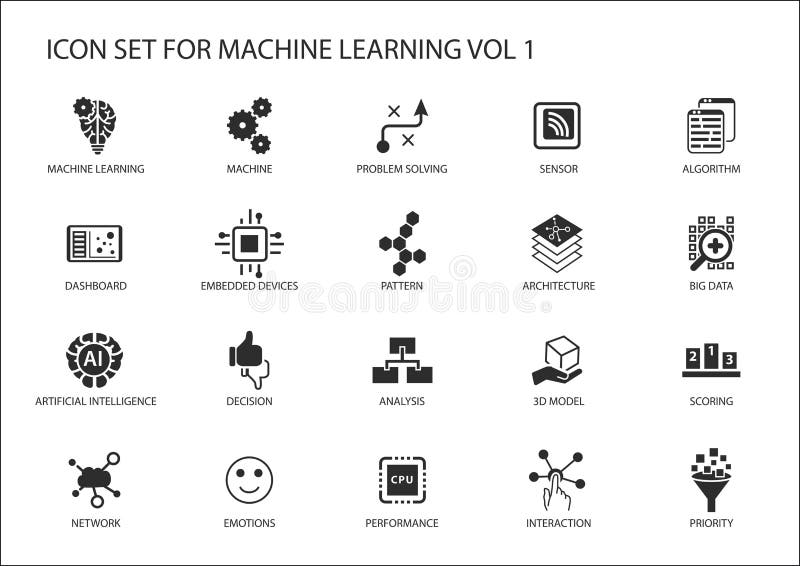
Free with trial Smart machine learning icon set. Learning sensor vectors Smart machine learning icon set.
Free with trial Numbers like robots. Solid fill illustration in EPS 8 format. Learning sensor vectors Numbers like robots. Solid fill illustration in EPS 8 format
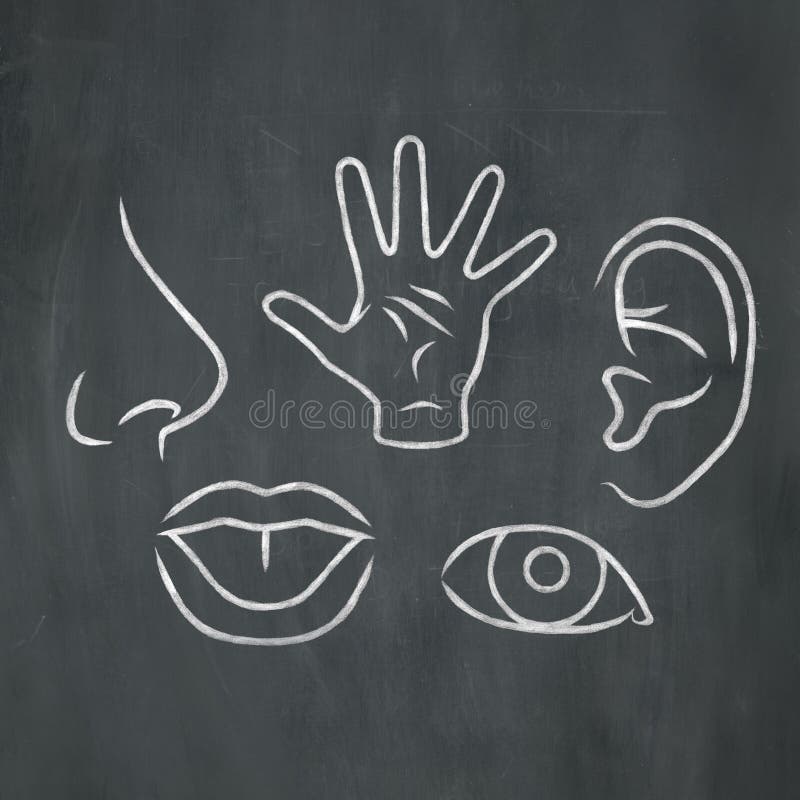
Free with trial Hand-drawn illustration of the five senses in white chalk on a blackboard background. Learning sensor illustrations Chalk 5 Senses. Hand-drawn illustration of the five senses in white chalk on a blackboard background. Hand-drawn illustration of the five senses in white chalk on a blackboard background.
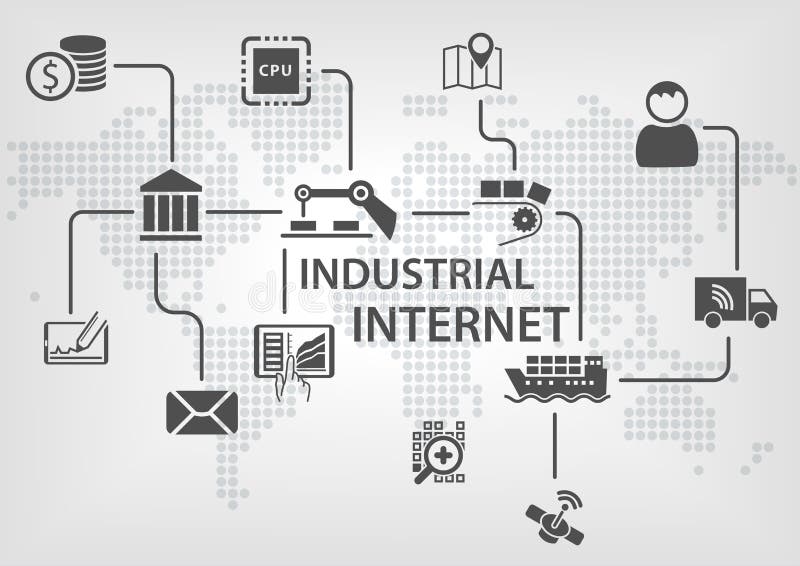
Free with trial Industrial Internet (IOT) concept with world map and process flow for business automation of industries. Learning sensor vectors Industrial Internet (IOT) concept with world map and process flow for business automation. Of industries
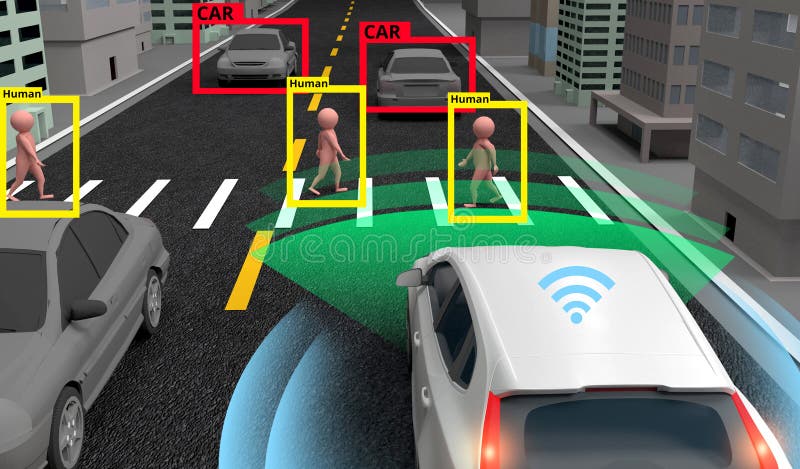
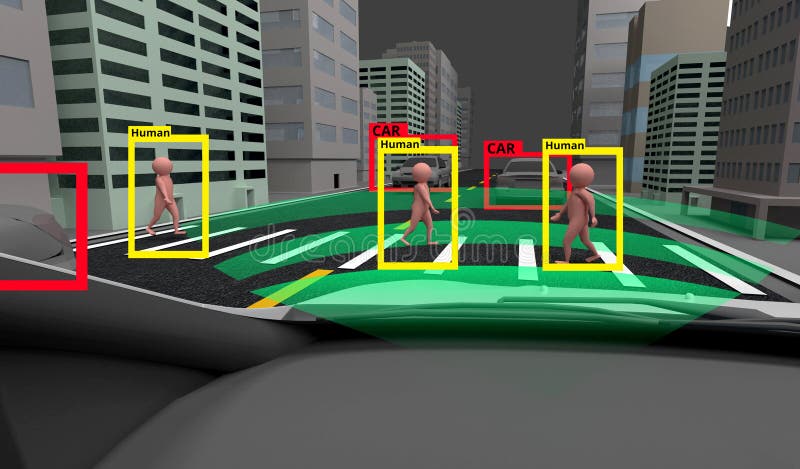
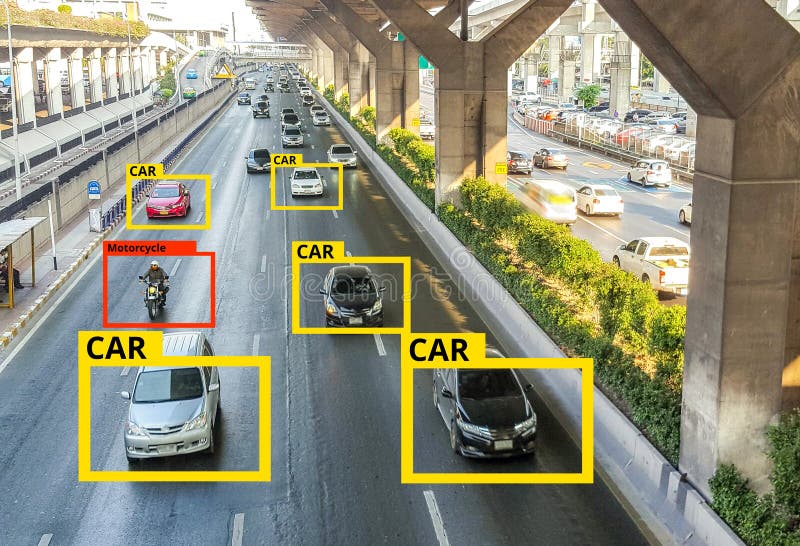
Free with trial Smart car, Machine Learning and AI to Identify Objects technology, Artificial intelligence concept. Image processing,. Recognition technology. 3d rendering. Learning sensor illustrations Smart car, Machine Learning and AI to Identify Objects technology, Artificial intelligence concept. Image processing,. Recognition technology.3d rendering
Free with trial Neural nodes, connected together with a synaptic links in electronic cyberspace. 3D rendering image on the subject of `Artificial Intelligence`. Learning sensor illustrations Artificial Neural Network. Neural nodes, connected together with a synaptic links in electronic cyberspace. 3D rendering image on the subject of `Artificial. Neural nodes, connected together with a synaptic links in electronic cyberspace. 3D rendering image on the subject of `Artificial Intelligence`.
Free with trial Artificial intelligence icons. Artificial intelligence line icons set. Learning sensor vectors Artificial intelligence icons. Artificial intelligence line icons set
Free with trial Smart home devices, Internet of Things set. Remote, smartphone controlled sensors, outlets, lightbulbs, appliances for house, office. Thin line art icons. Linear style illustrations isolated on white. Learning sensor vectors Smart home devices, Internet of Things set. Remote, smartphone controlled sensors, outlets, lightbulbs, appliances for house, office. Thin line art icons
Free with trial Find differences, education game for children (wolf and two-neck guitar). Learning sensor vectors Find differences, game for children (wolf and two-neck guitar). Find differences, education game for children (wolf and two-neck guitar. Find differences, education game for children (wolf and two-neck guitar)
Free with trial Numbers like robots seamless pattern. Solid fill seamless pattern in EPS 8 format. Learning sensor vectors Numbers like robots seamless pattern. Solid fill seamless pattern in EPS 8 format
Free with trial Industrial Internet (IOT) concept with world map and icons of connected devices. With blue background. Learning sensor vectors Industrial Internet (IOT) concept with world map and icons of connected devices. With blue background
Free with trial Artificial intelligence flat icons set. Vector AI and machine learning concept symbols or design elements. Learning sensor vectors Artificial intelligence flat icons set. Vector AI symbols. Artificial intelligence flat icons set. Vector AI and machine learning concept symbols or design. Artificial intelligence flat icons set. Vector AI and machine learning concept symbols or design elements
Free with trial Abstract Colorful Machine Learning, Artificial Intelligence, AI, IoT, Technology Concept - Illustration in Editable Vector Format. Learning sensor vectors Abstract Artificial Intelligence, Smart Traffic Controlling, Public Transportation and Digital Networks Design Concept. Abstract Colorful Machine Learning. Abstract Colorful Machine Learning, Artificial Intelligence, AI, IoT, Technology Concept - Illustration in Editable Vector Format
Free with trial Creative vector illustration of biometric face verification scan, identification scanning system on background. Art design high technology detection template. Abstract concept graphic element. Learning sensor vectors Creative vector illustration of biometric face verification scan, identification scanning system on background. Art. Design high technology detection template. Creative vector illustration of biometric face verification scan, identification scanning system on background. Art design high technology detection template. Abstract concept graphic element.
Free with trial Machine Learning icon set. Contain filled flat sensor, algorithm, 3d model, priority, architecture, embedded device icons. Editable format. Learning sensor illustrations Machine Learning icon set. Contain filled flat sensor, algorithm, 3d model, priority, architecture, embedded device. Icons. Editable format
Free with trial Machine Learning icon set. Contain filled flat sensor, algorithm, 3d model, priority, architecture, embedded device icons. Editable format. Learning sensor illustrations Machine Learning icon set. Contain filled flat sensor, algorithm, 3d model, priority, architecture, embedded device icons. Editable format
Free with trial Electronic devices, remote control of smart home gadget and sensor with mobile app color icon set. Electric appliances and robot, cloud technology, machine learning flat elements vector illustration. Learning sensor vectors Smart home devices, remote control of gadget and sensor with mobile app color icon set. Electronic devices, remote control of smart home gadget and sensor with. Electronic devices, remote control of smart home gadget and sensor with mobile app color icon set. Electric appliances and robot, cloud technology, machine learning flat elements vector illustration
Free with trial Sensor fusion concept image. Sensor fusion concept. Clipart image isolated on white background. Learning sensor vectors Sensor fusion concept image. Sensor fusion concept. Clipart image isolated on white background
Free with trial Development of digital project, software code, AI innovation, tech device and sensor line icon set. Artificial intelligence support, machine learning thin black outline symbols vector illustration. Learning sensor vectors Development of digital project, software code, AI innovation, tech device line icon set. Development of digital project, software code, AI innovation, tech. Development of digital project, software code, AI innovation, tech device and sensor line icon set. Artificial intelligence support, machine learning thin black outline symbols vector illustration
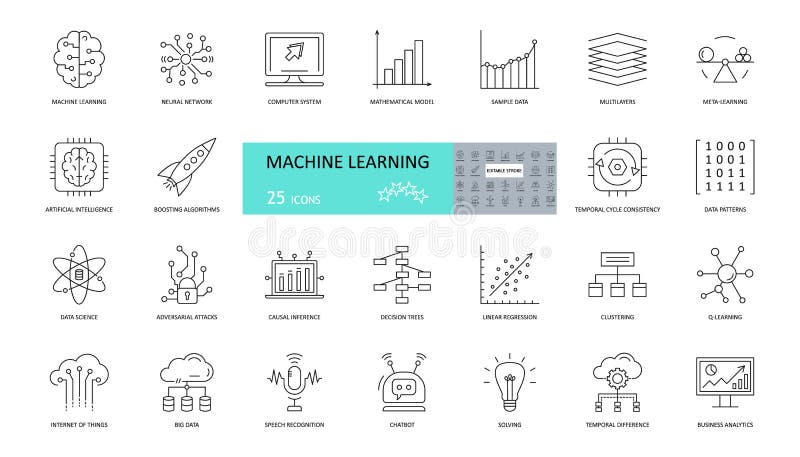
Free with trial Set of machine learning icons. 25 editable stroke icons. Artificial intelligence, neural networks, mathematical model, patterns, chatbots, linear regression in data science and business analytics. Learning sensor vectors Set of machine learning icons. 25 editable stroke icons. Artificial intelligence, neural networks, mathematical model, patterns,. Chatbots, linear regression in. Set of machine learning icons. 25 editable stroke icons. Artificial intelligence, neural networks, mathematical model, patterns, chatbots, linear regression in data science and business analytics
Free with trial Sensor icon isolated flat style design. Vector illustration on white background. Learning sensor vectors Sensor icon isolated flat style design. Vector illustration on white background
Free with trial Smart car, Machine Learning and AI to Identify Objects technology, Artificial intelligence concept. Image processing,. Recognition technology. 3d rendering. Learning sensor illustrations Smart car, Machine Learning and AI to Identify Objects technology, Artificial intelligence concept. Image processing,. Recognition technology.3d rendering
Free with trial Machine learning colorful icons set - vector data mining and AI creative symbols or design elements. Learning sensor vectors Machine learning colorful icons set. Vector data mining and AI creative symbols or design elements
Free with trial Machine Learning and AI to Identify Objects technology, Artificial intelligence concept. Image processing, Recognition. Technology. Learning sensor illustrations Machine Learning and AI to Identify Objects technology, Artificial intelligence concept. Image processing, Recognition. Technology
Free with trial Illustration and Vector: Deep fake line icon set. Included the icons as face, machine learning, digital, AI, Deepfakes, and more. Learning sensor vectors Deep fake line icon set. Included the icons as face, machine learning, digital, AI, Deepfakes, and more. Illustration and Vector: Deep fake line icon set. Illustration and Vector: Deep fake line icon set. Included the icons as face, machine learning, digital, AI, Deepfakes, and more.
Free with trial Modern thin line icons set of data science technology, machine learning process. Premium quality outline symbol collection. Editable Stroke. Learning sensor vectors Modern thin line icons set of data science technology, machine learning process. Premium quality outline symbol collection. Editable Stroke
Free with trial Computer Vision Word Cloud. Composition Of Key Terms Related To Algorithms, Image Processing, Object Detection, Deep Learning, And Neural Networks In Artificial Intelligence. Learning sensor illustrations Computer Vision Word Cloud. Core Concepts Of Artificial Intelligence, Object Recognition, Image Analysis, Deep Learning, And. Computer Vision Word Cloud. Computer Vision Word Cloud. Composition Of Key Terms Related To Algorithms, Image Processing, Object Detection, Deep Learning, And Neural Networks In Artificial Intelligence
Free with trial Vector Machine Learning pattern with word. Machine Learning background. Learning sensor vectors Vector Machine Learning pattern with word. Machine Learning background
Free with trial Machine learning vector banner. Word with line icon. Vector background. Learning sensor vectors Machine learning vector banner. Word with line icon. Vector background
Free with trial Artificial intelligence AI icon in line style, machine learning, smart robotic, cloud computing, network, digital, AI technology vector. Learning sensor vectors Artificial intelligence AI icon in line style, machine learning, smart robotic, cloud computing, network, digital, AI technology. Vector
Free with trial Artificial intelligence heads ,AI heads of icon set. Set of AI line style, machine learning robot heads. Collection of Artificial intelligence icons. smart robotic head. Learning sensor vectors Artificial intelligenceheads ,AI heads of icon set. Set of AI line style, machine learning robot heads. Collection of Artificial. Artificial intelligence heads. artificial intelligence heads ,AI heads of icon set. Set of AI line style, machine learning robot heads. Collection of Artificial intelligence icons. smart robotic head.
Free with trial Self-driving cars, also known as autonomous vehicles, rely heavily on AI algorithms to function effectively and safely. These AI systems process vast amounts of data from various sensors, including cameras, LIDAR (Light Detection and Ranging), and radar, to understand and navigate their surroundings. Here’s a detailed description of how AI supports self-driving cars:Sensor Data Processing: AI algorithms analyze data from multiple sensors to create a comprehensive and real-time understanding of the vehicle’s environment. Cameras capture visual information, LIDAR provides precise distance measurements by illuminating targets with laser light and measuring the reflection, and radar detects objects and measures their speed and distance. Navigation: Using the processed sensor data, AI systems can determine the vehicle's exact position on the road and plot a safe and efficient path to its destination. This involves recognizing road signs, traffic signals, lane markings, and other critical navigational elements. Obstacle Avoidance: AI algorithms continuously monitor the vehicle's surroundings to detect and avoid obstacles such as pedestrians, other vehicles, animals, and debris. By predicting the movements of these obstacles, the AI can make timely adjustments to the vehicle’s path or speed to ensure safety. Real-time Decision Making: Autonomous vehicles must make rapid decisions to handle dynamic and complex driving scenarios. AI systems evaluate multiple factors, such as traffic conditions, road hazards, and the behavior of other road users, to make real-time driving decisions. These decisions include when to change lanes, merge into traffic, stop at intersections, and react to sudden changes in the environment. Machine Learning: Self-driving cars utilize machine learning techniques to improve their performance over time. By continuously learning from real-world driving experiences and simulations, the AI systems can enhance their decision-making processes, leading to safer and more reliable autonomous driving. In summary, AI is the backbone of self-driving cars, enabling them to process sensor data, navigate roads, avoid obstacles, and make real-time decisions, ultimately paving the way for safer and more efficient transportation. Learning sensor illustrations Transportation: Self-driving cars rely heavily on AI algorithms. Self-driving cars, also known as autonomous vehicles, rely heavily on AI algorithms to function. Self-driving cars, also known as autonomous vehicles, rely heavily on AI algorithms to function effectively and safely. These AI systems process vast amounts of data from various sensors, including cameras, LIDAR (Light Detection and Ranging), and radar, to understand and navigate their surroundings. Here’s a detailed description of how AI supports self-driving cars:Sensor Data Processing: AI algorithms analyze data from multiple sensors to create a comprehensive and real-time understanding of the vehicle’s environment. Cameras capture visual information, LIDAR provides precise distance measurements by illuminating targets with laser light and measuring the reflection, and radar detects objects and measures their speed and distance.Navigation: Using the processed sensor data, AI systems can determine the vehicle's exact position on the road and plot a safe and efficient path to its destination. This involves recognizing road signs, traffic signals, lane markings, and other critical navigational elements.Obstacle Avoidance: AI algorithms continuously monitor the vehicle's surroundings to detect and avoid obstacles such as pedestrians, other vehicles, animals, and debris. By predicting the movements of these obstacles, the AI can make timely adjustments to the vehicle’s path or speed to ensure safety.Real-time Decision Making: Autonomous vehicles must make rapid decisions to handle dynamic and complex driving scenarios. AI systems evaluate multiple factors, such as traffic conditions, road hazards, and the behavior of other road users, to make real-time driving decisions. These decisions include when to change lanes, merge into traffic, stop at intersections, and react to sudden changes in the environment.Machine Learning: Self-driving cars utilize machine learning techniques to improve their performance over time. By continuously learning from real-world driving experiences and simulations, the AI systems can enhance their decision-making processes, leading to safer and more reliable autonomous driving.In summary, AI is the backbone of self-driving cars, enabling them to process sensor data, navigate roads, avoid obstacles, and make real-time decisions, ultimately paving the way for safer and more efficient transportation.
Free with trial Smart business woman pointing to empty address bar in virtual web browser. Seo, internet marketing or distance learning concept. Learning sensor illustrations Smart business woman pointing to empty address bar in virtual web browser. Seo, internet marketing or distance learning concept.
Free with trial Emotion detection abstract concept vector illustration. Speech, emotional state recognition, emotion detection from text, sensor technology, machine learning, AI reading face abstract metaphor. Learning sensor vectors Emotion detection abstract concept vector illustration. Speech, emotional state recognition, emotion detection from text, sensor technology, machine learning
Free with trial Artificial Intelligence outline icon set with machine learning, smart robotic, cloud computing, network, digital AI technology. Editable Stroke. EPS 10. Learning sensor vectors Artificial Intelligence outline icon set with machine learning, smart robotic, cloud computing, network, deep learning. Artificial Intelligence outline icon set. Artificial Intelligence outline icon set with machine learning, smart robotic, cloud computing, network, digital AI technology. Editable Stroke. EPS 10
Free with trial Icon Chatbot. related to Machine Learning symbol. glyph style. simple design editable. simple illustration. simple vector icons. Learning sensor vectors Icon Chatbot. related to Machine Learning symbol. glyph style. simple design editable. simple illustration. simple vector icons
Free with trial View of a Cyborg hand touching a technology interface 3d rendering, AI Machine learning Hands of robot and human touch, AI. Generated. Learning sensor illustrations View of a Cyborg hand touching a technology interface 3d rendering, AI Machine learning Hands of robot and human touch, AI. Generated
Free with trial Autonomous driving concept. Illustration - 3d rendering showing a top down view of lidar sensor use. Learning sensor illustrations Autonomous driving concept. Illustration - 3d rendering showing a top down view of lidar sensor use
Free with trial Cyber learning. Future business man cyber learning, original vector illustration. Learning sensor vectors Cyber learning. Future business man cyber learning, original vector illustration
Free with trial Pattern recognition for precise data algorithm analytics tiny person concept. Analyze artificial intelligence behavior and learning digital technology connections vector illustration. AI functions. Learning sensor vectors Pattern recognition for precise data algorithm analytics tiny person concept. Analyze artificial intelligence behavior and learning digital technology
Free with trial Colorful Plastic Letters in Rainbow Sensory Bin with Scoops and Bowls. Multi-colored alphabet letters in dyed rice for sensory play concept, 3D render for preschool learning activity. Generative Ai. child, activity, children, preschool, sensory, play, development, montessori, kids, creative, education, childhood, educational, material, toy, sensory box, toddler, toys, tactile, kindergarten, sensory bin, colorful, girl, game, learning, baby, learn, color, sorting, school, play tray, fun, happy, kid, background, wooden, skills, sensory play, home, art, diy, leisure, hand, sense, box, games, alphabet, hands, educational game, green, elementary, sand, blue, boy, table, educational toys, english, figure, search, letters, busy, isolated, classroom, rudiments, natural, didactic, numbers, numeral, student, early education, kindergarden, read, sitting, teaching, playing, bright, decorating, creativity, cognition, decoration, fine motor, learning to read, white, font, room, language, rice, object, idea, chickpeas, house, touch, motor, dinosaur, brain, exploration, experiment, discovery, concept, biology, science, insects, yellow, colors, wood, red, plastic, flat lay, style, design, basket, top view, texture, knowledge, interactive, holiday, festive, close up, celebration, sensor, lessons, handmade, research, peas, occupation, nature, stylish, magnifying glass, pasta, daycare, tongs, teach, styrofoam, studying, skill, selective focus, playtime, playschool, person, looking, forceps, foam, bowls, container, cow. Learning sensor illustrations Colorful Plastic Letters in Rainbow Sensory Bin with Scoops and Bowls. Multi-colored alphabet letters in dyed rice for sensory play concept, 3D render for
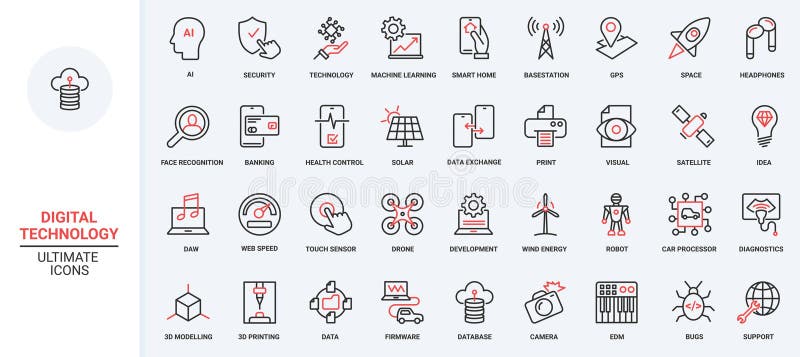
Free with trial AI machine learning, smart home, data communication, internet network symbols, robot support service, eco tech startup. Vector illustration set of digital technology red black thin line icons. Learning sensor vectors Trendy AI machine learning, smart home and communication digital technology red black thin line icons set. AI machine learning, smart home, data communication. AI machine learning, smart home, data communication, internet network symbols, robot support service, eco tech startup. Vector illustration set of digital technology red black thin line icons
Free with trial A futuristic AI disaster prediction system illuminates a high-tech control room with holographic dashboards displaying real-time flood, wildfire, and earthquake risk analytics. Glowing neural networks process satellite data and IoT sensor inputs to generate predictive climate models, while autonomous drones map evacuation routes through storm simulations. Neon-lit maps highlight tsunami-prone zones and drought forecasts, set against a dark, gradient-blue backdrop with dynamic data streams. This 8K-rendered image captures AI's role in safeguarding communities—ideal for government agencies, climate tech campaigns, or disaster response training. No human faces, just cutting-edge tech combating natural catastrophes. Learning sensor illustrations Next-Gen AI Disaster Tech – Machine Learning Tsunami Alerts, Drought Prediction & Smart City Evacuation Plans. A futuristic AI disaster prediction system. A futuristic AI disaster prediction system illuminates a high-tech control room with holographic dashboards displaying real-time flood, wildfire, and earthquake risk analytics. Glowing neural networks process satellite data and IoT sensor inputs to generate predictive climate models, while autonomous drones map evacuation routes through storm simulations. Neon-lit maps highlight tsunami-prone zones and drought forecasts, set against a dark, gradient-blue backdrop with dynamic data streams. This 8K-rendered image captures AI's role in safeguarding communities—ideal for government agencies, climate tech campaigns, or disaster response training. No human faces, just cutting-edge tech combating natural catastrophes.
Free with trial Entertainment, digital technology, activity for kids development line icon set. Back to school, learning of pupils in classroom and online thin black and red outline symbols vector illustration. Learning sensor vectors Entertainment, digital technology, activity for kids development, back to school line icon set. Entertainment, digital technology, activity for kids development. Entertainment, digital technology, activity for kids development line icon set. Back to school, learning of pupils in classroom and online thin black and red outline symbols vector illustration
Free with trial Internet connection controlled by AI robot and machine learning process to analyze data connectivity and cyber security. 3D illustration. Learning sensor illustrations Internet connection controlled by AI robot and machine learning process. To analyze data connectivity and cyber security . 3D illustration
Free with trial Internet connection controlled by AI robot and machine learning process to analyze data connectivity and cyber security. 3D illustration. Learning sensor illustrations Internet connection controlled by AI robot and machine learning process. To analyze data connectivity and cyber security . 3D illustration
Free with trial Internet connection controlled by AI robot and machine learning process to analyze data connectivity and cyber security. 3D illustration. Learning sensor illustrations Internet connection controlled by AI robot and machine learning process. To analyze data connectivity and cyber security . 3D illustration
Free with trial Internet connection controlled by AI robot and machine learning process to analyze data connectivity and cyber security. 3D illustration. Learning sensor illustrations Internet connection controlled by AI robot and machine learning process. To analyze data connectivity and cyber security . 3D illustration
Free with trial Set of Artificial intelligence icons, AI icons group set vector design, used in Ai Concepts, artificial intelligence icon set in line style, machine learning, smart robotic. Learning sensor vectors Set of Artificial intelligence icons, AI icons group set vector design, used in Ai Concepts, artificial intelligence icon set in. Line style, machine learning
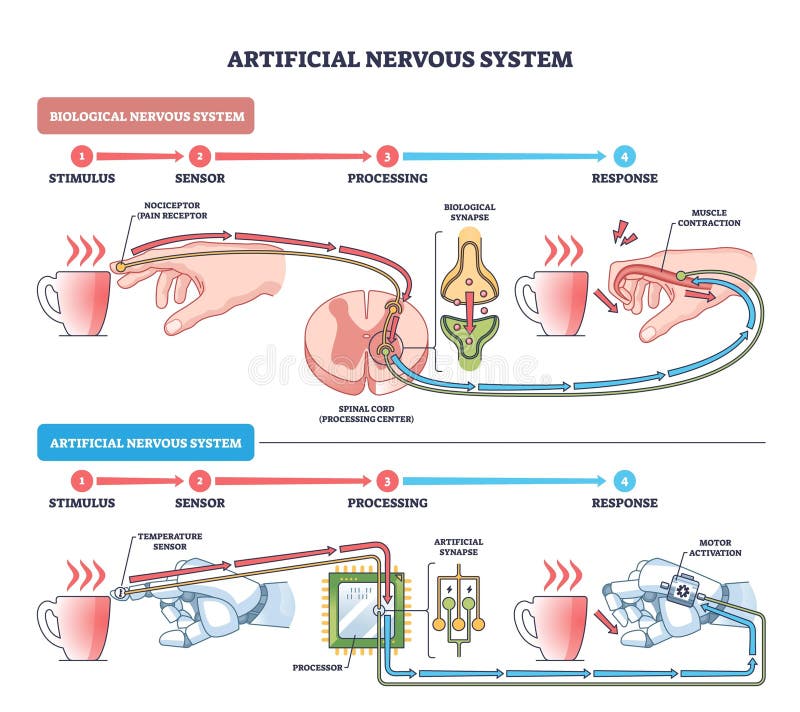
Free with trial Artificial nervous system brief diagram compares human reflex and robotic response, shows hand, cup, processor. Outline diagram. Learning sensor vectors Artificial nervous system brief diagram compares human reflex and robotic ... Artificial nervous system brief diagram compares human reflex and robotic response. Artificial nervous system brief diagram compares human reflex and robotic response, shows hand, cup, processor. Outline diagram
Free with trial Neural nodes, connected together with a synaptic links in electronic cyberspace. 3D rendering image on the subject of `Artificial Intelligence`. Learning sensor illustrations Artificial Neural Network. Neural nodes, connected together with a synaptic links in electronic cyberspace. 3D rendering image on the subject of `Artificial. Neural nodes, connected together with a synaptic links in electronic cyberspace. 3D rendering image on the subject of `Artificial Intelligence`.
Free with trial Neural nodes, connected together with a synaptic links in electronic cyberspace. 3D rendering image on the subject of `Artificial Intelligence`. Learning sensor illustrations Artificial Neural Network. Neural nodes, connected together with a synaptic links in electronic cyberspace. 3D rendering image on the subject of `Artificial. Neural nodes, connected together with a synaptic links in electronic cyberspace. 3D rendering image on the subject of `Artificial Intelligence`.
Free with trial Indoor farming with robots. Indoors farming with automated robots and control panel, smart agriculture concept. Learning sensor vectors Indoor farming with robots. Indoors farming with automated robots and control panel, smart agriculture concept
Free with trial Colorful Futuristic Innovations Labels Collection. With robotic cybernetic artificial intelligence technologies in vintage style isolated vector illustration. Learning sensor vectors Colorful Futuristic Innovations Labels Collection. With robotic cybernetic artificial intelligence technologies in vintage style isolated vector illustration
Free with trial Artificial intelligence AI. Concept icons set in modern line icon style for ui, ux, web, mobile app design, etc. Learning sensor vectors Artificial intelligence AI. Concept icons set in modern line icon style for ui, ux, web, mobile app design, etc
Free with trial Smart car icons set. Vector illustration graphic design. Learning sensor vectors Smart car icons set. Vector illustration graphic design
Free with trial Artificial intelligence AI. Concept icons set in modern line icon style for ui, ux, web, mobile app design, etc. Learning sensor vectors Artificial intelligence AI. Concept icons set in modern line icon style for ui, ux, web, mobile app design, etc
Free with trial Artificial intelligence AI icons. Artificial intelligence AI concept icons set in modern line icon style for ui, ux, web, mobile app design, etc. Learning sensor vectors Artificial intelligence AI icons. Artificial intelligence AI concept icons set in modern line icon style for ui, ux, web, mobile app design, etc
Free with trial AI automated robot system icon vector design illustration set. For futuristic industry. Learning sensor vectors AI automated robot system icon vector design illustration set. For futuristic industry
Free with trial Neural nodes, connected together with a synaptic links in electronic cyberspace. 3D rendering image on the subject of `Artificial Intelligence`. Learning sensor illustrations Artificial Neural Network. Neural nodes, connected together with a synaptic links in electronic cyberspace. 3D rendering image on the subject of `Artificial. Neural nodes, connected together with a synaptic links in electronic cyberspace. 3D rendering image on the subject of `Artificial Intelligence`.
Free with trial Car is parking with autonomous self-driving parking assistant. 3D rendered illustration. Learning sensor illustrations Car is parking with autonomous self-driving parking assistant. 3D rendered illustration.
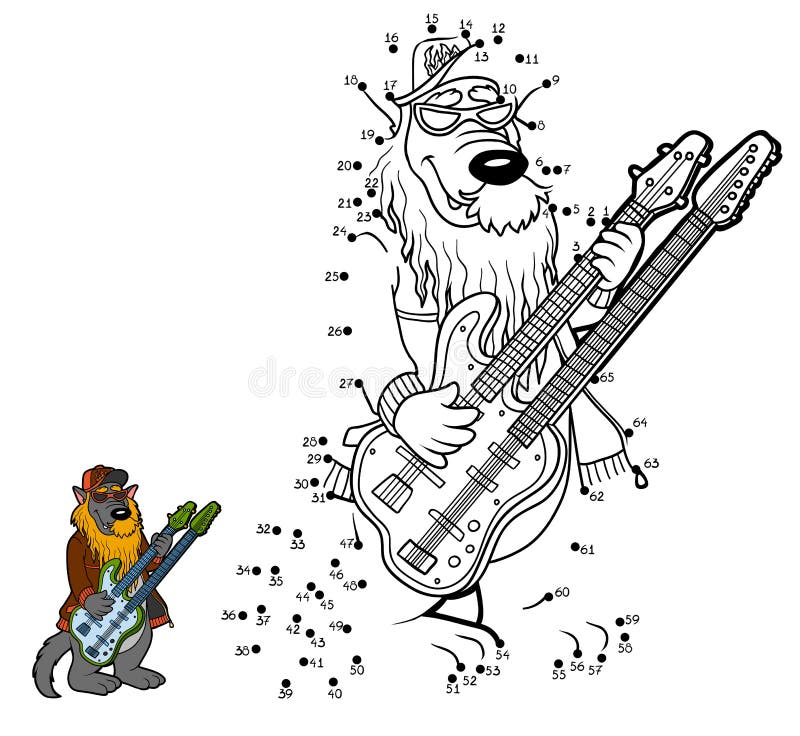
Free with trial Numbers game for children: music band (wolf and two-neck guitar). Learning sensor vectors Numbers game for children: wolf and two-neck guitar. Numbers game for children: music band (wolf and two-neck guitar. Numbers game for children: music band (wolf and two-neck guitar)
Free with trial Vintage Future Technology Labels Set. With robotic cybernetic futuristic and artificial intelligence elements isolated vector illustration. Learning sensor vectors Vintage Future Technology Labels Set. With robotic cybernetic futuristic and artificial intelligence elements isolated vector illustration
Free with trial Smart agriculture futuristic industry 4. 0 technology concept, cyborg hand put to touch hand with green leaves with hud technology including artificial intelligence, 5g to analysis data of smart farm. Learning sensor illustrations Smart agriculture futuristic industry 4.0 technology concept, cyborg hand put to touch hand with green leaves with hud technology. Including artificial. Smart agriculture futuristic industry 4.0 technology concept, cyborg hand put to touch hand with green leaves with hud technology including artificial intelligence, 5g to analysis data of smart farm
Free with trial Man in augmented reality smart glasses with computer vision learning foreign language home isometric poster vector illustration. Learning sensor vectors Augmented Reality Glases Symbols Isometric oster. Man in augmented reality smart glasses with computer vision learning foreign language home isometric poster. Man in augmented reality smart glasses with computer vision learning foreign language home isometric poster vector illustration
Free with trial IOT Internet of Things concept as illustration. Learning sensor vectors IOT Internet of Things concept as illustration.
Free with trial Car is parking with autonomous self-driving parking assistant. 3D rendered illustration. Learning sensor illustrations Car is parking with autonomous self-driving parking assistant. 3D rendered illustration.
Free with trial Smart City - Internet of Things - 5G. Smart City and the Advent of Internet of Things - 5G Networks. Learning sensor illustrations Smart City - Internet of Things - 5G. Smart City and the Advent of Internet of Things - 5G Networks
Free with trial A captivating visualization of a smart factory, showcasing the seamless integration of digital technologies and automation for enhanced efficiency and productivity. The image highlights the interconnectedness of various systems through digital overlays representing data streams and real-time information. Learning sensor illustrations Smart Factory Digital Transformation in Industrial Automation. A captivating visualization of a smart factory, showcasing the seamless integration of digital. A captivating visualization of a smart factory, showcasing the seamless integration of digital technologies and automation for enhanced efficiency and productivity. The image highlights the interconnectedness of various systems through digital overlays representing data streams and real-time information.
Free with trial Data archivation, information bloks, cloud storage, electronic filing concept, laptop with electron billing system. Isometric vector. Learning sensor vectors Data archivation, information bloks, cloud storage, electronic filing concept, laptop with electron billing system. Isometric vector
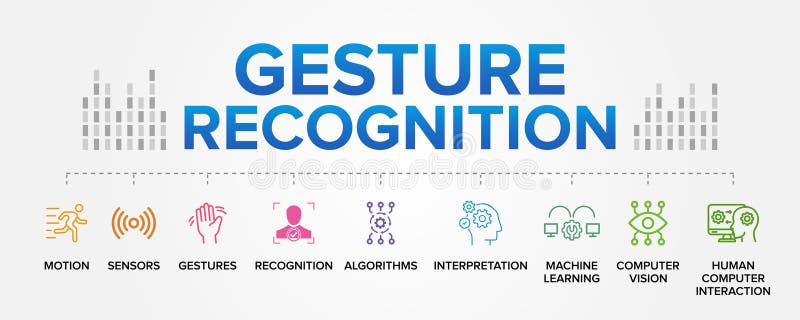
Free with trial Gesture Recognition technology concept vector icons set infographic illustration background. Computer Science, Language Technology, Computer Vision, Motion, Sensor. Learning sensor vectors Gesture Recognition technology concept vector icons set infographic illustration background. Computer Science, Language Technology. Computer Vision, Motion
Free with trial AI Artificial intelligence Technology for smart securiy and protection icon set in hexagon shape with connection line design element vector illustration eps10. Learning sensor vectors AI Artificial intelligence Technology for protection and security icon and design element. AI Artificial intelligence Technology for smart securiy and protection. AI Artificial intelligence Technology for smart securiy and protection icon set in hexagon shape with connection line design element vector illustration eps10
Free with trial A Futuristic Car Crossover. An eye-catching 3D render of a futuristic car crossover, designed in a sleek and modern style. Learning sensor illustrations A Futuristic Car Crossover. An eye-catching 3D render of a futuristic car crossover, designed in a sleek and modern style
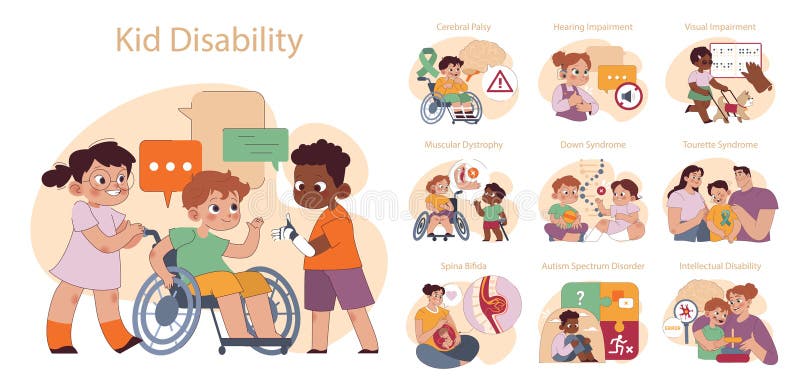
Free with trial Kid Disability set. Awareness and inclusion in childhood. Support and adaptation for diverse abilities. Interactive education, caring community, and acceptance. Learning sensor vectors Kid Disability set. Awareness and inclusion in childhood. Support and adaptation for diverse abilities. Interactive education, caring community, and acceptance
Free with trial A futuristic AI disaster prediction system illuminates a high-tech control room with holographic dashboards displaying real-time flood, wildfire, and earthquake risk analytics. Glowing neural networks process satellite data and IoT sensor inputs to generate predictive climate models, while autonomous drones map evacuation routes through storm simulations. Neon-lit maps highlight tsunami-prone zones and drought forecasts, set against a dark, gradient-blue backdrop with dynamic data streams. This 8K-rendered image captures AI's role in safeguarding communities—ideal for government agencies, climate tech campaigns, or disaster response training. No human faces, just cutting-edge tech combating natural catastrophes. Learning sensor illustrations AI in Global Disaster Management – Cyber-Physical Systems, Real-Time Crisis Analytics & Holographic Relief Maps. A futuristic AI disaster prediction system. A futuristic AI disaster prediction system illuminates a high-tech control room with holographic dashboards displaying real-time flood, wildfire, and earthquake risk analytics. Glowing neural networks process satellite data and IoT sensor inputs to generate predictive climate models, while autonomous drones map evacuation routes through storm simulations. Neon-lit maps highlight tsunami-prone zones and drought forecasts, set against a dark, gradient-blue backdrop with dynamic data streams. This 8K-rendered image captures AI's role in safeguarding communities—ideal for government agencies, climate tech campaigns, or disaster response training. No human faces, just cutting-edge tech combating natural catastrophes.
Free with trial A futuristic AI disaster prediction system illuminates a high-tech control room with holographic dashboards displaying real-time flood, wildfire, and earthquake risk analytics. Glowing neural networks process satellite data and IoT sensor inputs to generate predictive climate models, while autonomous drones map evacuation routes through storm simulations. Neon-lit maps highlight tsunami-prone zones and drought forecasts, set against a dark, gradient-blue backdrop with dynamic data streams. This 8K-rendered image captures AI's role in safeguarding communities—ideal for government agencies, climate tech campaigns, or disaster response training. No human faces, just cutting-edge tech combating natural catastrophes. Learning sensor illustrations AI-Powered Disaster Mitigation – Volcanic Activity Sensors, Real-Time Landslide Mapping & Neon Risk Visualization. A futuristic AI disaster prediction system. A futuristic AI disaster prediction system illuminates a high-tech control room with holographic dashboards displaying real-time flood, wildfire, and earthquake risk analytics. Glowing neural networks process satellite data and IoT sensor inputs to generate predictive climate models, while autonomous drones map evacuation routes through storm simulations. Neon-lit maps highlight tsunami-prone zones and drought forecasts, set against a dark, gradient-blue backdrop with dynamic data streams. This 8K-rendered image captures AI's role in safeguarding communities—ideal for government agencies, climate tech campaigns, or disaster response training. No human faces, just cutting-edge tech combating natural catastrophes.
Free with trial Self-parking car system abstract concept vector illustration. Automated parking car system, self-parking vehicle, smart driverless technology, autonomous driving valet abstract metaphor. Learning sensor vectors Self-parking car system abstract concept vector illustration. Automated parking car system, self-parking vehicle, smart driverless technology, autonomous
Free with trial Self-parking car system abstract concept vector illustration. Automated parking car system, self-parking vehicle, smart driverless technology, autonomous driving valet abstract metaphor. Learning sensor vectors Self-parking car system abstract concept vector illustration. Automated parking car system, self-parking vehicle, smart driverless technology, autonomous
Free with trial Educational robot toy cartoon. remote autonomous, humanoid innovative, collectible customizable educational robot toy sign. isolated symbol vector illustration. Learning sensor vectors Educational robot toy cartoon vector illustration. Educational robot toy cartoon. remote autonomous, humanoid innovative, collectible customizable educational. educational robot toy cartoon. remote autonomous, humanoid innovative, collectible customizable educational robot toy sign. isolated symbol vector illustration
 Sign in