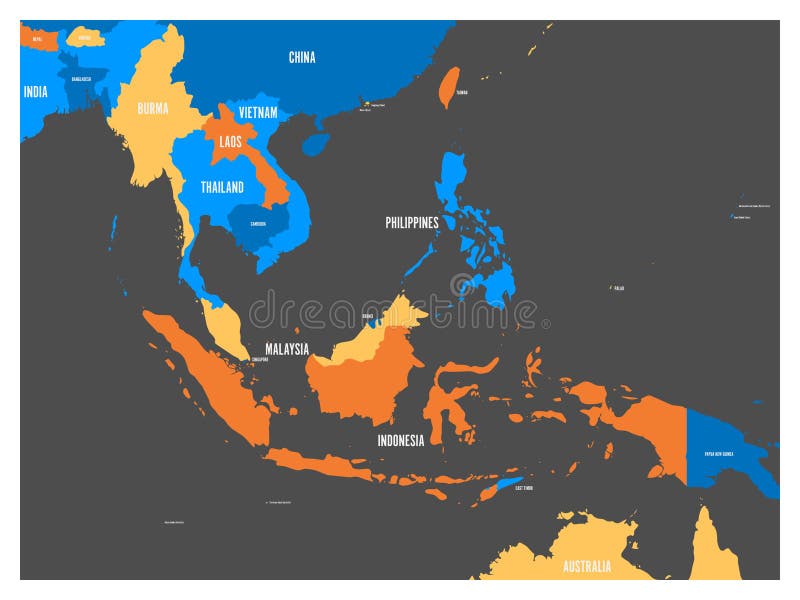
Free with trial South East Asia political map in four colors with white country names labels. Simple flat vector illustration. North java vectors South East Asia political map in four colors with white country names labels. Simple flat vector illustration.
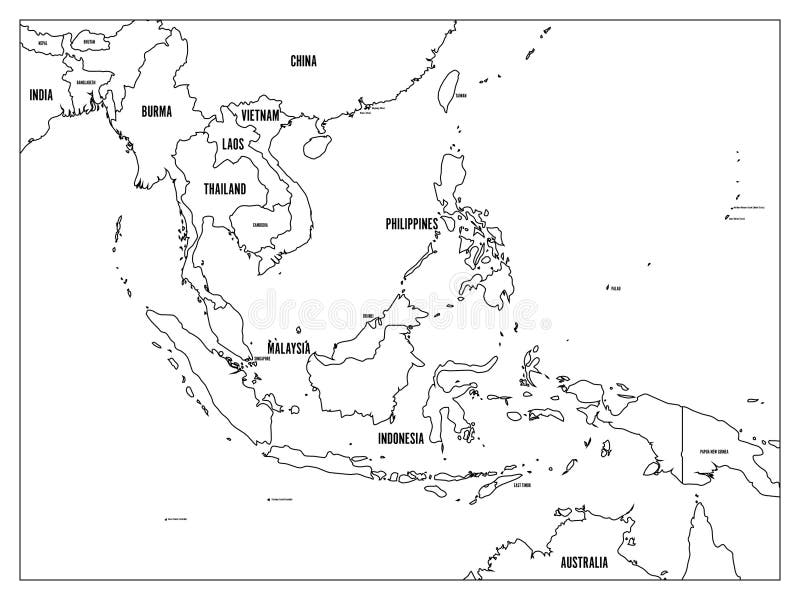
Free with trial South East Asia political map. Black outline on white background. Simple flat vector illustration. North java vectors South East Asia political map. Black outline on white background. Simple flat vector illustration.
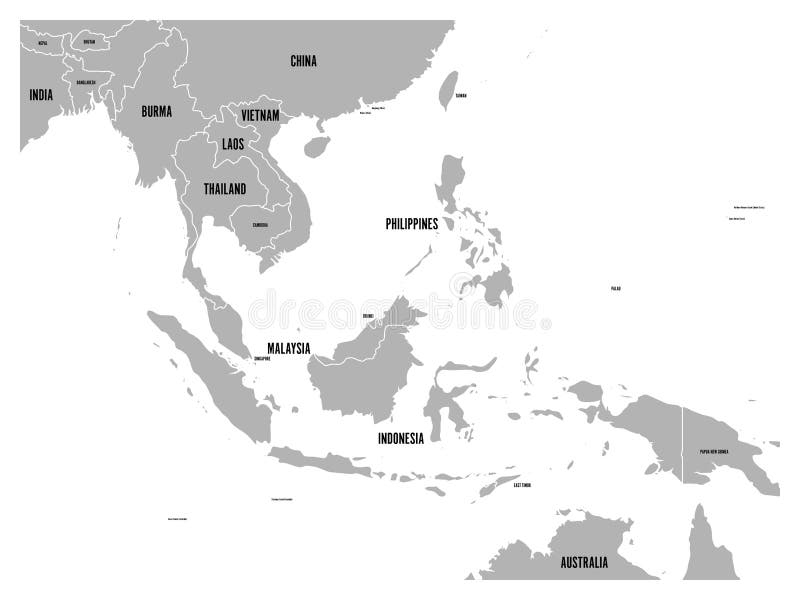
Free with trial South East Asia political map. Grey land on white background with black country name labels. Simple flat vector illustration. North java vectors South East Asia political map. Grey land on white background with black country name labels. Simple flat vector. Illustration
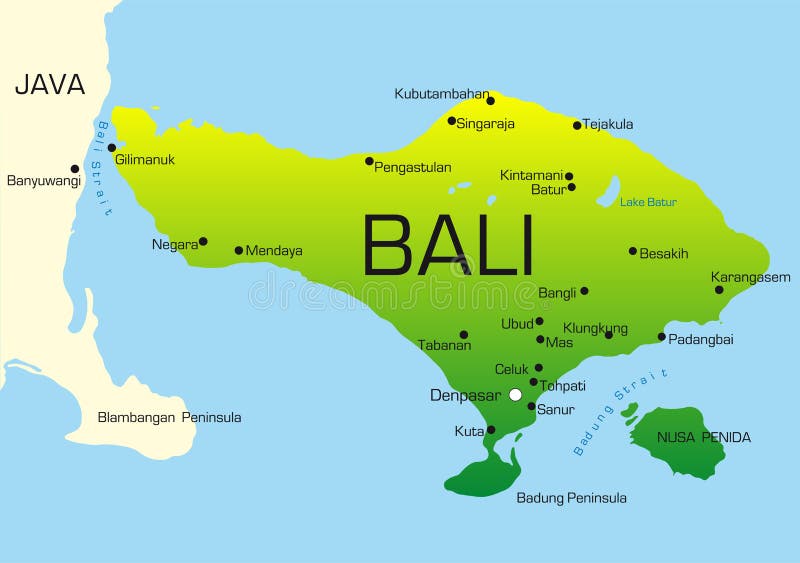
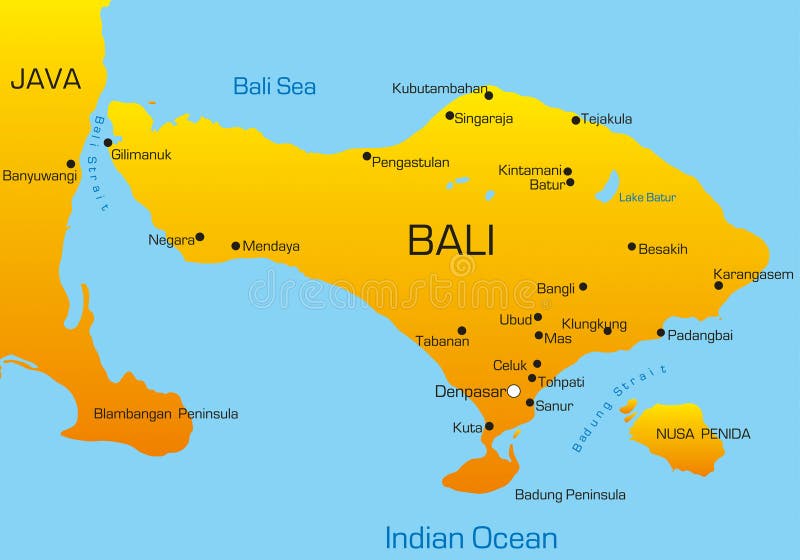
Free with trial Bali. Vector map of Bali country. North java vectors Bali. Vector map of Bali country
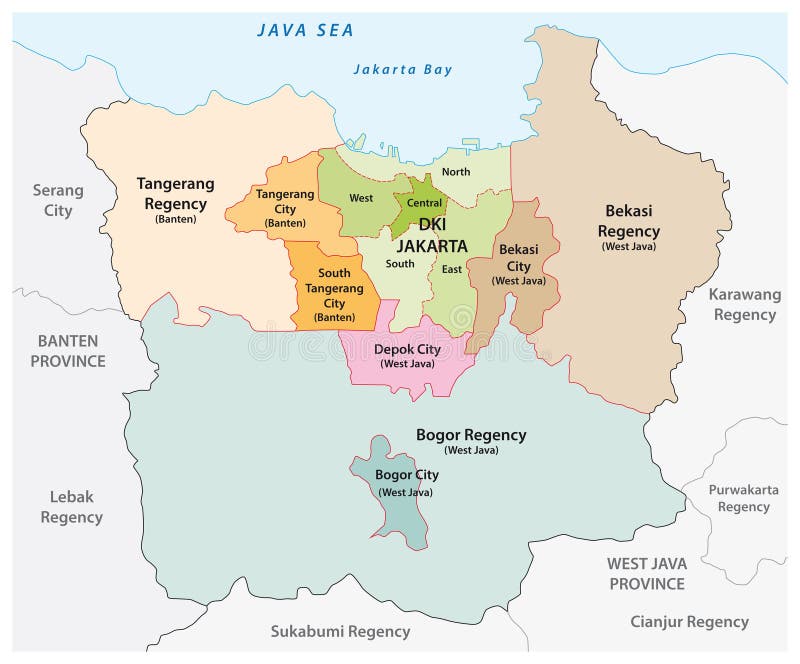
Free with trial Administrative vector map of the Jakarta metropolitan area, the most populous metropolitan area in Indonesia. North java vectors Administrative vector map of the Jakarta metropolitan area, the most populous metropolitan area in Indonesia.
Free with trial Vintage wall art map of North Java, located in Wyoming, New York, United States. Aerial plan with forests, roads, cities, lakes and rivers. North java illustrations Retro US map of North Java, New York. Vintage street map. Vintage wall art map of North Java, located in Wyoming, New York, United States. Aerial plan with. Vintage wall art map of North Java, located in Wyoming, New York, United States. Aerial plan with forests, roads, cities, lakes and rivers.
Free with trial The city on the north coast of Java Island Cirebon has a long history of spreading Islam. One of the important legacies is the traditional house which is still standing firmly called the Kasepuhan Cirebon Palace. North java illustrations Rumah Adat Kasepuhan Cirebon in illustration. The city on the north coast of Java Island Cirebon has a long history of spreading Islam. One of the important. The city on the north coast of Java Island Cirebon has a long history of spreading Islam. One of the important legacies is the traditional house which is still standing firmly called the Kasepuhan Cirebon Palace.
Free with trial Thick impasto oil painting macro close-up of authentic Indonesian batik Wadasan motif from Cirebon, North Coast of Java. The batik cloth is draped over a traditional bamboo gawangan (bamboo rack) with heavy palette knife texture, tied with natural rattan ropes in a cross pattern. The pattern shows iconic Wadasan, meaning rock or stone wall, featuring stylized terracotta rock formations, brick mountains, stone cliffs, and rocky hills in brown terracotta, reddish brown, and beige impasto paint that is physically raised from the canvas like real rocks and bricks. The background is creamy beige with intricate brown dot isen-isen cecek in gradient and small leaf motifs. Visible crackle texture remekan with heavy cracked lines resembling dried earth and frayed fabric edges show authentic handmade batik tulis texture. The bamboo gawangan shows aged bamboo logs with natural nodes, cracks, moss, rattan bindings, and thick oil paint impasto texture in brown and beige, painted with a dark gray background. The batik is folded with natural drapery and shadows creating depth, with a diagonal arrangement of rocky mountains forming the traditional Wadasan pattern. Batik Wadasan Cirebon originates from Wadasan village, Cirebon, West Java, near Gunung Jati, created by Cirebon palace artisans, inspired by rocky hills and stone walls around Cirebon, especially the Wadasan rock formation, symbolizing strength, stability, foundation, and resilience like rocks, and Cirebon identity. The word Wadas means rock or stone in Javanese. It is the most basic and oldest motif in Cirebon batik, often used as a background or base for other motifs like Mega Mendung and Wadasan combined. Traditionally worn as Cirebon signature batik for ceremonies and daily wear. The pattern features realistic small rock mountains with thick impasto paint that looks like terracotta bricks, stone blocks, layered rocks, scattered cecek dots, and small floral leaf ornaments, UNESCO Intangible Cultural Heritage, created using traditional canting and wax-resist dyeing technique with sogan natural dyes (brown, beige, terracotta). The style is heavy impasto oil painting with visible palette knife and brush strokes, textile macro photography style but painted. No person, no model, only textile and bamboo. North java illustrations Impasto Oil Painting Macro Batik Wadasan Cirebon Terracotta Rock. Thick impasto oil painting macro close-up of authentic Indonesian batik Wadasan motif from. Thick impasto oil painting macro close-up of authentic Indonesian batik Wadasan motif from Cirebon, North Coast of Java. The batik cloth is draped over a traditional bamboo gawangan (bamboo rack) with heavy palette knife texture, tied with natural rattan ropes in a cross pattern. The pattern shows iconic Wadasan, meaning rock or stone wall, featuring stylized terracotta rock formations, brick mountains, stone cliffs, and rocky hills in brown terracotta, reddish brown, and beige impasto paint that is physically raised from the canvas like real rocks and bricks. The background is creamy beige with intricate brown dot isen-isen cecek in gradient and small leaf motifs. Visible crackle texture remekan with heavy cracked lines resembling dried earth and frayed fabric edges show authentic handmade batik tulis texture. The bamboo gawangan shows aged bamboo logs with natural nodes, cracks, moss, rattan bindings, and thick oil paint impasto texture in brown and beige, painted with a dark gray background. The batik is folded with natural drapery and shadows creating depth, with a diagonal arrangement of rocky mountains forming the traditional Wadasan pattern. Batik Wadasan Cirebon originates from Wadasan village, Cirebon, West Java, near Gunung Jati, created by Cirebon palace artisans, inspired by rocky hills and stone walls around Cirebon, especially the Wadasan rock formation, symbolizing strength, stability, foundation, and resilience like rocks, and Cirebon identity. The word Wadas means rock or stone in Javanese. It is the most basic and oldest motif in Cirebon batik, often used as a background or base for other motifs like Mega Mendung and Wadasan combined. Traditionally worn as Cirebon signature batik for ceremonies and daily wear. The pattern features realistic small rock mountains with thick impasto paint that looks like terracotta bricks, stone blocks, layered rocks, scattered cecek dots, and small floral leaf ornaments, UNESCO Intangible Cultural Heritage, created using traditional canting and wax-resist dyeing technique with sogan natural dyes (brown, beige, terracotta). The style is heavy impasto oil painting with visible palette knife and brush strokes, textile macro photography style but painted. No person, no model, only textile and bamboo.
Free with trial Character Wearing North Maluku Traditional Dress. For your project and others. North java vectors Character Wearing North Maluku Traditional Dress. For your project and others
Free with trial Coat of Arms of East Java. Vector Illustration of the Flat Emblem of Indonesia Province of East Java. North java vectors Coat of Arms of East Java. Vector Illustration of the Flat Emblem of Indonesia Province of East Java
Free with trial Coat of Arms of North Sulawesi. Vector Illustration of the Flat Emblem of Indonesia Province of North Sulawesi. North java vectors Coat of Arms of North Sulawesi. Vector Illustration of the Flat Emblem of Indonesia Province of North Sulawesi
Free with trial High Quality map of north maluku is a province of Indonesia. gray colour map of north maluku, country of indonesia. North java illustrations High Quality map of north maluku is a province of Indonesia. Gray colour map of north maluku, country of indonesia
Free with trial High Quality map of north sumatera is a province of Indonesia. gray colour map of north sumatera, country of indonesia. North java illustrations High Quality map of north sumatera is a province of Indonesia. Gray colour map of north sumatera, country of indonesia
Free with trial High Quality map of north sulawesi is a province of Indonesia. gray colour map of north sulawesi, country of indonesia. North java illustrations High Quality map of north sulawesi is a province of Indonesia. Gray colour map of north sulawesi, country of indonesia
Free with trial High Quality map of north kalimantan is a province of Indonesia. gray colour map of north kalimantan, country of indonesia. North java illustrations High Quality map of north kalimantan is a province of Indonesia. Gray colour map of north kalimantan, country of indonesia
Free with trial Coat of Arms of North Sumatra. Vector Illustration of the Flat Emblem of Indonesia Province of North Sumatra. North java vectors Coat of Arms of North Sumatra. Vector Illustration of the Flat Emblem of Indonesia Province of North Sumatra
Free with trial Java digital badge. Dotted style map of Java in circle. Tech icon of the island with gradiented dots. Vibrant vector illustration. North java vectors Java digital badge. Dotted style map of Java in circle. Tech icon of the island with gradiented dots. Vibrant vector illustration
Free with trial Java dotted map set. Map of Java in dotted style. Borders of the island filled with beautiful smooth gradient circles. Stylish vector illustration. North java vectors Java dotted map set. Map of Java in dotted style. Borders of the island filled with beautiful smooth gradient circles. Stylish vector illustration
Free with trial Java dotted map set. Map of Java in dotted style. Borders of the island filled with beautiful smooth gradient circles. Superb vector illustration. North java vectors Java dotted map set. Map of Java in dotted style. Borders of the island filled with beautiful smooth gradient circles. Superb vector illustration
Free with trial Java map. Map of Java in dotted style. Borders of the island filled with rectangles for your design. Vector illustration. North java vectors Java map. Map of Java in dotted style. Borders of the island filled with rectangles for your design. Vector illustration
Free with trial North Korea flag is depicted on the screen with the program code. The concept of modern technology and site development. North java illustrations North Korea flag is depicted on the screen with the program code. The concept of modern technology and site development.
Free with trial Crossed and waving flags of North Korea and Indonesia. Vector illustration. North java vectors Crossed and waving flags of North Korea and Indonesia. Vector illustration
Free with trial Indonesia and North Korea. The Indonesian and Korean flags. Official colors. Correct proportion. Vector. Illustrationn. North java vectors Indonesia and North Korea. The Indonesian and Korean flags. Official colors. Correct proportion. Vector. Illustrationn
Free with trial North Korea flag is depicted on the screen with the program code. The concept of modern technology and site development. North java illustrations North Korea flag is depicted on the screen with the program code. The concept of modern technology and site development.
Free with trial North Korea flag is depicted on the screen with the program code. The concept of modern technology and site development. North java illustrations North Korea flag is depicted on the screen with the program code. The concept of modern technology and site development.
Free with trial Thick impasto oil painting of Candi Sewu, the second largest Mahayana Buddhist temple complex in Indonesia after Borobudur, located just 800 meters north of Prambanan Temple in Klaten, Central Java, near Yogyakarta. Built in the 8th century during the Mataram Kingdom, this UNESCO World Heritage area is known as the temple of a thousand temples. The painting depicts its unique Mandala layout with one main central temple surrounded by 248 small Perwara guardian temples arranged in concentric squares, creating a cosmic Buddhist mandala seen from an aerial perspective. At magical blue hour and starry night, each small temple glows with warm golden lantern lights, like fireflies in the mist, reflected on flooded rice fields and sawah. The three main temples in the center are illuminated, with Mount Merapi volcano (2,930 m) looming in the background under a starry sky with thick palette knife impasto clouds. Lush palm trees, tropical fog, and Javanese rural landscape frame this mystical scene. A symbol of ancient Buddhist architecture, Mataram heritage, spiritual enlightenment, and Indonesian culture. Mystical, sacred, serene fine art landscape. No people, no signature, premium oil painting with heavy impasto on sky and water reflections. North java illustrations Oil Painting Impasto of Candi Sewu Mandala Temple at Blue Hour Night with Lantern Lights and Mount Merapi. Thick impasto oil painting of Candi Sewu, the second. Thick impasto oil painting of Candi Sewu, the second largest Mahayana Buddhist temple complex in Indonesia after Borobudur, located just 800 meters north of Prambanan Temple in Klaten, Central Java, near Yogyakarta. Built in the 8th century during the Mataram Kingdom, this UNESCO World Heritage area is known as the temple of a thousand temples. The painting depicts its unique Mandala layout with one main central temple surrounded by 248 small Perwara guardian temples arranged in concentric squares, creating a cosmic Buddhist mandala seen from an aerial perspective. At magical blue hour and starry night, each small temple glows with warm golden lantern lights, like fireflies in the mist, reflected on flooded rice fields and sawah. The three main temples in the center are illuminated, with Mount Merapi volcano (2,930 m) looming in the background under a starry sky with thick palette knife impasto clouds. Lush palm trees, tropical fog, and Javanese rural landscape frame this mystical scene. A symbol of ancient Buddhist architecture, Mataram heritage, spiritual enlightenment, and Indonesian culture. Mystical, sacred, serene fine art landscape. No people, no signature, premium oil painting with heavy impasto on sky and water reflections.
Free with trial World Map Vector. World map java code abstract background. North java vectors World Map Vector. World map java code abstract background
Free with trial Vector jungle rainforest emblem with Green peafowl, North Sulawesi babirusa and butterflies. Illustration. North java vectors Vector jungle rainforest emblem with Green peafowl, North Sulawesi babirusa and butterflies. Illustration
Free with trial Thick impasto oil painting miniature wooden model of traditional Rumah Bolon Batak Toba from North Sumatra, traditional Batak stilt house with distinctive saddleback curved roof resembling buffalo horns (tanduk kerbau), steep roof with wooden shingles, intricate Batak Gorga wood carvings in red, white, and black colors, ornate wooden pillars, small wooden stairs, sitting on floating bamboo raft made of 5 large bamboo logs tied with rattan rope and moss, floating on blue water with waves. Miniature house model, miniatur rumah adat. Background is traditional Batik Wadasan Cirebon fabric with Mega Mendung blue cloud pattern, wadasan stone motif, blue white gradation, intricate batik texture with dots and wadasan patterns, heavy impasto palette knife texture. The Rumah Bolon is a traditional house of Batak Toba people, symbol of Batak culture, communal house, with buffalo horn ornaments on roof gables, carved walls with Gorga Batak motif symbolizing protection, wooden construction, elevated on stilts. The miniature is detailed craft model, realistic wood texture, thatched roof with thick impasto strokes. The bamboo raft has green moss and rope knots, floating on turquoise water. The batik background shows Wadasan Cirebon and Mega Mendung motifs from Cirebon, West Java, blue cloud symbolizing sky and rain, wadasan meaning rock, traditional handmade batik tulis texture. Painting style is heavy impasto oil painting with visible palette knife and brush strokes, miniature craft photography but painted. Miniature model, miniatur rumah adat Batak, traditional house miniature. Cultural heritage of Indonesia, Batak architecture, Lake Toba heritage, Indonesian traditional houses. No real property, miniature model is fictional handmade craft, not real building, toy model, no property release needed. North java illustrations Impasto Oil Painting Miniature Traditional Rumah Bolon Batak Toba on Bamboo Raft with Batik Wadasan Mega Mendung Background. Thick impasto oil painting miniature. Thick impasto oil painting miniature wooden model of traditional Rumah Bolon Batak Toba from North Sumatra, traditional Batak stilt house with distinctive saddleback curved roof resembling buffalo horns (tanduk kerbau), steep roof with wooden shingles, intricate Batak Gorga wood carvings in red, white, and black colors, ornate wooden pillars, small wooden stairs, sitting on floating bamboo raft made of 5 large bamboo logs tied with rattan rope and moss, floating on blue water with waves. Miniature house model, miniatur rumah adat. Background is traditional Batik Wadasan Cirebon fabric with Mega Mendung blue cloud pattern, wadasan stone motif, blue white gradation, intricate batik texture with dots and wadasan patterns, heavy impasto palette knife texture. The Rumah Bolon is a traditional house of Batak Toba people, symbol of Batak culture, communal house, with buffalo horn ornaments on roof gables, carved walls with Gorga Batak motif symbolizing protection, wooden construction, elevated on stilts. The miniature is detailed craft model, realistic wood texture, thatched roof with thick impasto strokes. The bamboo raft has green moss and rope knots, floating on turquoise water. The batik background shows Wadasan Cirebon and Mega Mendung motifs from Cirebon, West Java, blue cloud symbolizing sky and rain, wadasan meaning rock, traditional handmade batik tulis texture. Painting style is heavy impasto oil painting with visible palette knife and brush strokes, miniature craft photography but painted. Miniature model, miniatur rumah adat Batak, traditional house miniature. Cultural heritage of Indonesia, Batak architecture, Lake Toba heritage, Indonesian traditional houses. No real property, miniature model is fictional handmade craft, not real building, toy model, no property release needed.
Free with trial Bali. Vector map of Bali country. North java vectors Bali. Vector map of Bali country
Free with trial Close up of leopard, leopard with splash of paint, generative ai. North java illustrations Close up of leopard, leopard with splash of paint, generative ai.
Free with trial Black silhouette maps of the twenty largest islands in the world. North java vectors Black silhouette maps of the twenty largest islands in the world.
Free with trial Close up of leopard, leopard with splash of paint, generative ai. North java illustrations Close up of leopard, leopard with splash of paint, generative ai.
Free with trial Close up of leopard, leopard with splash of paint, generative ai. North java illustrations Close up of leopard, leopard with splash of paint, generative ai.
Free with trial Black Square - map of indonesia. For design element, Black Square - map of indonesia. North java vectors Black Square - map of indonesia. For design element, Black Square - map of indonesia
Free with trial Indonesia Map Highlights. A map illustration showcasing Indonesia's extensive archipelago with highlighted islands and. North java vectors Indonesia Map Highlights. A map illustration showcasing Indonesia's extensive archipelago with highlighted islands and. A map illustration showcasing Indonesia's extensive archipelago with highlighted islands and
Free with trial Map of Morocco created from coffee beans isolated on a white background. North java vectors Map of Morocco created from coffee beans. Isolated on a white background
Free with trial A decorative display of ketupat, traditional Indonesian Malay rice dumplings wrapped in woven green palm leaves, suspended in a warm gradient background. The image captures multiple diamond-shaped bundles with long ribbons, creating a festive, cultural scene suitable for culinary, heritage, or event themes. Ideal for articles on traditional foods, Eid celebrations, Ramadan feasts, or Asian cuisine, highlighting craftsmanship, texture, and vibrant color contrast in a studio-style still life. North java illustrations Hanging Ketupat: Traditional Wrapped Rice Dumplings in Green and White. A decorative display of ketupat, traditional Indonesian Malay rice dumplings wrapped in. A decorative display of ketupat, traditional Indonesian Malay rice dumplings wrapped in woven green palm leaves, suspended in a warm gradient background. The image captures multiple diamond-shaped bundles with long ribbons, creating a festive, cultural scene suitable for culinary, heritage, or event themes. Ideal for articles on traditional foods, Eid celebrations, Ramadan feasts, or Asian cuisine, highlighting craftsmanship, texture, and vibrant color contrast in a studio-style still life.
Free with trial South East Asia political map. Black outline on white background with black country name labels. Simple flat vector illustration. North java vectors South East Asia political map. Black outline on white background with black country name labels. Simple flat vector. Illustration
Free with trial Map of attractions of Indonesia, watercolor illustration, hand drawn, vector illustration. North java vectors Map of attractions of Indonesia, watercolor hand drawn, vector illustration. Map of attractions of Indonesia, watercolor illustration, hand drawn, vector. Map of attractions of Indonesia, watercolor illustration, hand drawn, vector illustration
Free with trial A detailed, raised topographical world map in monochrome with continents and oceans on a white background. North java illustrations Monochrome Topographical World Map With Raised Continents And Oceans On White globe earth. A detailed, raised topographical world map in monochrome with. A detailed, raised topographical world map in monochrome with continents and oceans on a white background
Free with trial Ancient Batak warriors dance in sacred, rhythmic unity. North java vectors Batak Tor Tor Ceremonial Dance North Sumatra. Ancient Batak warriors dance in sacred, rhythmic unity. Ancient Batak warriors dance in sacred, rhythmic unity.
Free with trial Beautiful batak woman wearing traditional dress perform traditional dance called `tari tor-tor` from tapanuli north sumatra indonesia vector illustration flat design character, ancient indonesia. North java illustrations Beautiful batak woman wearing traditional dress perform traditional dance called `tari tor-tor`. From tapanuli north sumatra indonesia vector illustration flat. Beautiful batak woman wearing traditional dress perform traditional dance called `tari tor-tor` from tapanuli north sumatra indonesia vector illustration flat design character, ancient indonesia
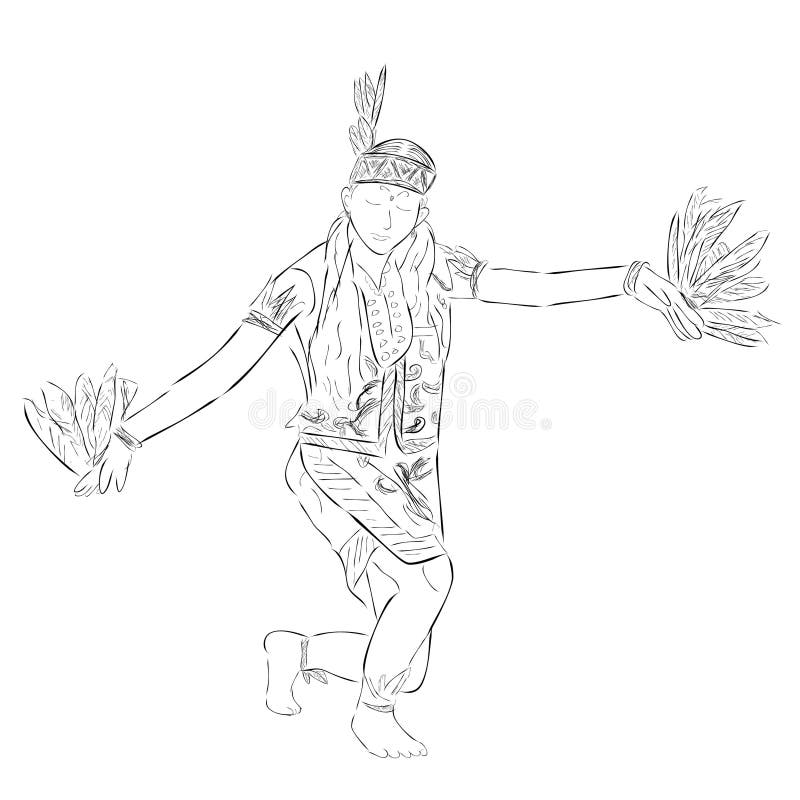
Free with trial Simple Black Vector Outline Sketch, Dayak Traditional Enggang Bird Dancer, East or West Kalimantan Indonesia. Black Vector Outline Sketch, Dayak Traditional. North java vectors Simple Black Vector Outline Sketch, Dayak Traditional Enggang Bird Dancer, East or West Kalimantan Indonesia. Black Vector Outline Sketch, Dayak Traditional
Free with trial Indonesia political map showing provinces and islands. Detailed archipelago map of Indonesia with labeled provinces and islands for educational or travel use. North java illustrations Indonesia political map showing provinces and islands. Detailed archipelago map of Indonesia with labeled provinces and islands for educational or travel use
Free with trial Character Wearing Riau Traditional Dress. For your project and others. North java vectors Character Wearing Riau Traditional Dress. For your project and others
Free with trial The tiger (Panthera tigris) is a member of the genus Panthera and the largest living cat species native to Asia. The tiger is endangered throughout its range, which stretches from the Russian Far East through parts of North Korea, China, India, and Southeast Asia to the Indonesian island of Sumatra. North java illustrations Leaping tiger, fierce expression. The tiger (Panthera tigris) is a member of the genus Panthera and the largest living cat species native to Asia. The tiger is. The tiger (Panthera tigris) is a member of the genus Panthera and the largest living cat species native to Asia. The tiger is endangered throughout its range, which stretches from the Russian Far East through parts of North Korea, China, India, and Southeast Asia to the Indonesian island of Sumatra.
Free with trial Also called Java cotton, ceiba, or Java kapok, seed-hair fibre obtained from the fruit of the kapok tree or the kapok tree itself, vintage line drawing or engraving illustration. North java vectors Kapok vintage illustration. Also called Java cotton, ceiba, or Java kapok, seed-hair fibre obtained from the fruit of the kapok tree or the kapok tree itself. Also called Java cotton, ceiba, or Java kapok, seed-hair fibre obtained from the fruit of the kapok tree or the kapok tree itself, vintage line drawing or engraving illustration
Free with trial Grenada MAP in Blue, Country Border, Grenada Map, Border line of Grenada, Geographic Map. Art design. North java vectors Grenada MAP in Blue, Country Border, Grenada Map, Border line of Grenada, Geographic Map. Art design
Free with trial Coat of Arms of East Kalimantan. Vector Illustration of the Flat Emblem of Indonesia Province of East Kalimantan. North java vectors Coat of Arms of East Kalimantan. Vector Illustration of the Flat Emblem of Indonesia Province of East Kalimantan
Free with trial Coffee tree doodle icon, vector illustration. North java illustrations Coffee tree doodle icon, vector illustration. Coffee tree doodle icon, vector color illustration
Free with trial Coffee tree doodle icon, vector illustration. North java illustrations Coffee tree doodle icon, vector illustration. Coffee tree doodle icon, vector color illustration
Free with trial Coffee tree doodle icon, vector illustration. North java illustrations Coffee tree doodle icon, vector illustration. Coffee tree doodle icon, vector color illustration
Free with trial Coat of Arms of East Nusa Tenggara. Vector Illustration of the Flat Emblem of Indonesia Province of East Nusa Tenggara. North java vectors Coat of Arms of East Nusa Tenggara. Vector Illustration of the Flat Emblem of Indonesia Province of East Nusa Tenggara
Free with trial A cluster of black berries with a few red ones. The berries are on a leafy green bush. North java illustrations A cluster of black berries with a few red ones. The berries are on a leafy green bush.
Free with trial Coat of Arms of Special Capital Region of Jakarta. Vector Illustration of the Flat Emblem of Indonesia Province of Special Capital Region of Jakarta. North java vectors Coat of Arms of Special Capital Region of Jakarta. Vector Illustration of the Flat Emblem of Indonesia Province of Special Capital Region of Jakarta
Free with trial Maluku traditional house silhouette vector illustration design template elements, indonesian ancient architecture clip art. North java vectors Maluku traditional house silhouette vector illustration design, indonesian ancient architecture clip art. Maluku traditional house silhouette vector illustration. Maluku traditional house silhouette vector illustration design template elements, indonesian ancient architecture clip art.
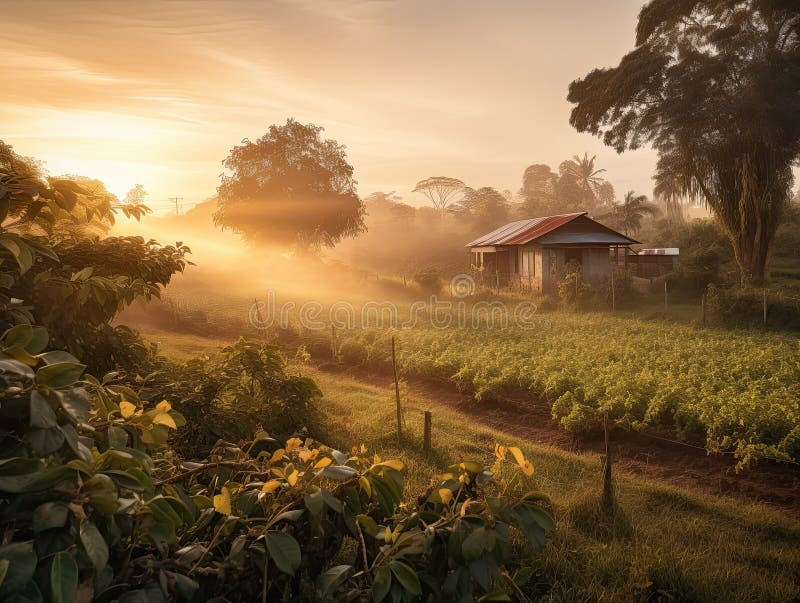
Free with trial Rustic coffee farm at sunset,. North java illustrations Rustic coffee farm. At sunset, AI generated. Rustic coffee farm at sunset,
Free with trial Rustic coffee farm. At sunset with warm sunlight. North java illustrations Rustic coffee farm. At sunset with warm sunlight
Free with trial Rustic coffee farm. At sunset, ai generative0. North java illustrations Rustic coffee farm. At sunset, ai generative0
Free with trial Rustic coffee farm. At sunset, ai generative0. North java illustrations Rustic coffee farm. At sunset, ai generative0
Free with trial Oceans and islands between Asia and Australia on the Earth ball, Mariana hollow in the center, isolated globe, 3D rendering, elements of this image furnished by NASA. North java illustrations Oceans and islands between Asia and Australia on the Earth ball, Mariana hollow in the center, isolated globe, 3D rendering, eleme. Nts of this image furnished
Free with trial Map of Utah with beautiful gradients. Beautiful set of Utah maps. Eminent vector illustration. North java vectors Map of Utah with beautiful gradients. Beautiful set of Utah maps. Eminent vector illustration
Free with trial Coat of Arms of Jambi. Vector Illustration of the Flat Emblem of Indonesia Province of Jambi. North java vectors Coat of Arms of Jambi. Vector Illustration of the Flat Emblem of Indonesia Province of Jambi
Free with trial Rustic coffee farm. At sunset with warm sunlight. North java illustrations Rustic coffee farm. At sunset with warm sunlight
Free with trial Rustic coffee farm. At sunset with warm sunlight. North java illustrations Rustic coffee farm. At sunset with warm sunlight
Free with trial Rustic coffee farm. At sunset, ai generative0. North java illustrations Rustic coffee farm. At sunset, ai generative0
Free with trial Rustic coffee farm. At sunset, ai generative0. North java illustrations Rustic coffee farm. At sunset, ai generative0
Free with trial Rumah adat baileo, maluku traditional house vector illustration design template elements, ancient architecture of indonesia, flat design color illustration. North java vectors Rumah adat baileo, maluku traditional house vector illustration. Design template elements, ancient architecture of indonesia, flat design color illustration
Free with trial Maluku traditional house vector illustration design template elements, indonesian ancient architecture, line art style. North java vectors Maluku traditional house vector illustration design. Template elements, indonesian ancient architecture, line art style
Free with trial Rumah adat baileo, traditional house from maluku indonesia, cartoon style vector illustration isolated on white. North java vectors Rumah adat baileo, traditional house from maluku indonesia, cartoon style vector illustration isolated on white.
Free with trial Map of California with beautiful gradients. Awesome set of California maps. Superb vector illustration. North java vectors Map of California with beautiful gradients. Awesome set of California maps. Superb vector illustration
Free with trial Maluku traditional house vector illustration design template elements, indonesian ancient architecture, black silhouette. North java vectors Maluku traditional house vector illustration design template elements, indonesian ancient architecture, black silhouette.
Free with trial Relief image of the globe, Asia and Australia. The relief image of the globe, Asia and Australia, 3D rendering, the elements of this image are furnished by NASA. North java illustrations Relief image of the globe, Asia and Australia. The relief image of the globe, Asia and Australia, 3D rendering, the elements of this image are furnished by NASA
Free with trial Black silhouette of a map of the province of West Nusa Tenggara in Indonesia on a white background. Very simple. North java vectors Black silhouette of a map of the province of West Nusa Tenggara in Indonesia on a white background. Very simple
Free with trial Map of Wisconsin with beautiful gradients. Beautiful set of Wisconsin maps. Fresh vector illustration. North java vectors Map of Wisconsin with beautiful gradients. Beautiful set of Wisconsin maps. Fresh vector illustration
Free with trial A vibrant 3D world map showcasing detailed topography of continents and ocean depths on a white background. North java illustrations Colorful 3D World Map Showing Topography And Ocean Depths On White globe earth. A vibrant 3D world map showcasing detailed topography of continents and ocean. A vibrant 3D world map showcasing detailed topography of continents and ocean depths on a white background
Free with trial Map of Bekasi, Indonesia. Vector map of Bekasi in Indonesia with named districts and travel icons. North java vectors Map of Bekasi, Indonesia. Vector map of Bekasi in Indonesia with named districts and travel icons
Free with trial Black silhouette of a map of the province of West Sulawesi in Indonesia on a white background. Very simple. North java vectors Black silhouette of a map of the province of West Sulawesi in Indonesia on a white background. Very simple
Free with trial A raised topographical world map with detailed continents and oceans against a clean white background. North java illustrations Topographical World Map With Raised Continents And Oceans On White globe earth. A raised topographical world map with detailed continents and oceans against a. A raised topographical world map with detailed continents and oceans against a clean white background
 Sign in