Free with trial Weighing in at around 3 pounds, the liver is the body’s second largest organ; only the skin is larger and heavier. The liver performs many essential functions related to digestion, metabolism, immunity, and the storage of nutrients within the body. These functions make the liver a vital organ without which the tissues of the body would quickly die from lack of energy and nutrients. Fortunately, the liver has an incredible capacity for regeneration of dead or damaged tissues; it is capable of growing as quickly as a cancerous tumor to restore its normal size and function. Performs functions illustrations Liver. Weighing in at around 3 pounds, the liver is the body’s second largest organ; only the skin is larger and heavier. The liver performs many essential. Weighing in at around 3 pounds, the liver is the body’s second largest organ; only the skin is larger and heavier. The liver performs many essential functions related to digestion, metabolism, immunity, and the storage of nutrients within the body. These functions make the liver a vital organ without which the tissues of the body would quickly die from lack of energy and nutrients. Fortunately, the liver has an incredible capacity for regeneration of dead or damaged tissues; it is capable of growing as quickly as a cancerous tumor to restore its normal size and function.
Free with trial Weighing in at around 3 pounds, the liver is the body’s second largest organ; only the skin is larger and heavier. The liver performs many essential functions related to digestion, metabolism, immunity, and the storage of nutrients within the body. These functions make the liver a vital organ without which the tissues of the body would quickly die from lack of energy and nutrients. Fortunately, the liver has an incredible capacity for regeneration of dead or damaged tissues; it is capable of growing as quickly as a cancerous tumor to restore its normal size and function. Performs functions illustrations Liver. Weighing in at around 3 pounds, the liver is the body’s second largest organ; only the skin is larger and heavier. The liver performs many essential. Weighing in at around 3 pounds, the liver is the body’s second largest organ; only the skin is larger and heavier. The liver performs many essential functions related to digestion, metabolism, immunity, and the storage of nutrients within the body. These functions make the liver a vital organ without which the tissues of the body would quickly die from lack of energy and nutrients. Fortunately, the liver has an incredible capacity for regeneration of dead or damaged tissues; it is capable of growing as quickly as a cancerous tumor to restore its normal size and function.
Free with trial The stomach is a muscular, hollow organ in the gastrointestinal tract of humans and many other animals, including several invertebrates. The stomach has a dilated structure and functions as a vital digestive organ. In the digestive system the stomach is involved in the second phase of digestion, following chewing. It performs a chemical breakdown by means of enzymes and hydrochloric acid. Performs functions illustrations 3D Illustration of Human Digestive System Anatomy Stomach with Small Intestine. The stomach is a muscular, hollow organ in the gastrointestinal tract of humans. The stomach is a muscular, hollow organ in the gastrointestinal tract of humans and many other animals, including several invertebrates. The stomach has a dilated structure and functions as a vital digestive organ. In the digestive system the stomach is involved in the second phase of digestion, following chewing. It performs a chemical breakdown by means of enzymes and hydrochloric acid.
Free with trial A calculator is a device that performs arithmetic operations. It is a fundamental tool for math, finance, and accounting, enabling efficient calculations and problem-solving. Performs functions vectors Vector art of calculator with basic operations is a simple representation of math, finance, and accounting functions and. A calculator is a device that performs. A calculator is a device that performs arithmetic operations. It is a fundamental tool for math, finance, and accounting, enabling efficient calculations and problem-solving
Free with trial Modern multifunctional printer with documents surrounding. Device performs printing scanning functions for office automation. Supports high efficiency business workflows. Isometric. Performs functions illustrations Modern multifunctional printer with documents surrounding. Device performs printing, scanning functions for office automation. Modern multifunctional printer. Modern multifunctional printer with documents surrounding. Device performs printing scanning functions for office automation. Supports high efficiency business workflows. Isometric.
Free with trial Brain: The brain is the control center of the body, responsible for thinking, memory, emotions, and controlling various bodily functions. Heart: The heart pumps blood throughout the body, supplying oxygen and nutrients to cells and removing waste products. Lungs: Lungs are responsible for the exchange of oxygen and carbon dioxide between the body and the air. They enable us to breathe. Liver: The liver performs numerous vital functions, including detoxifying the blood, storing energy in the form of glycogen, and producing essential proteins. Kidneys: Kidneys filter waste products and excess substances from the blood, maintaining a balance of electrolytes and regulating blood pressure. Stomach: The stomach is involved in the digestion of food. It secretes acids and enzymes to break down food for further processing in the intestines. Pancreas: The pancreas produces digestive enzymes and hormones like insulin, which regulates blood sugar levels. Performs functions illustrations Human male nerves anatomy system. 3d illustration. Brain: The brain is the control center of the body, responsible for thinking, memory, emotions, and. Brain: The brain is the control center of the body, responsible for thinking, memory, emotions, and controlling various bodily functions.Heart: The heart pumps blood throughout the body, supplying oxygen and nutrients to cells and removing waste products.Lungs: Lungs are responsible for the exchange of oxygen and carbon dioxide between the body and the air. They enable us to breathe.Liver: The liver performs numerous vital functions, including detoxifying the blood, storing energy in the form of glycogen, and producing essential proteins.Kidneys: Kidneys filter waste products and excess substances from the blood, maintaining a balance of electrolytes and regulating blood pressure.Stomach: The stomach is involved in the digestion of food. It secretes acids and enzymes to break down food for further processing in the intestines.Pancreas: The pancreas produces digestive enzymes and hormones like insulin, which regulates blood sugar levels.
Free with trial Brain: The brain is the control center of the body, responsible for thinking, memory, emotions, and controlling various bodily functions. Heart: The heart pumps blood throughout the body, supplying oxygen and nutrients to cells and removing waste products. Lungs: Lungs are responsible for the exchange of oxygen and carbon dioxide between the body and the air. They enable us to breathe. Liver: The liver performs numerous vital functions, including detoxifying the blood, storing energy in the form of glycogen, and producing essential proteins. Kidneys: Kidneys filter waste products and excess substances from the blood, maintaining a balance of electrolytes and regulating blood pressure. Stomach: The stomach is involved in the digestion of food. It secretes acids and enzymes to break down food for further processing in the intestines. Pancreas: The pancreas produces digestive enzymes and hormones like insulin, which regulates blood sugar levels. Performs functions illustrations Human male nerves anatomy system. 3d illustration. Brain: The brain is the control center of the body, responsible for thinking, memory, emotions, and. Brain: The brain is the control center of the body, responsible for thinking, memory, emotions, and controlling various bodily functions.Heart: The heart pumps blood throughout the body, supplying oxygen and nutrients to cells and removing waste products.Lungs: Lungs are responsible for the exchange of oxygen and carbon dioxide between the body and the air. They enable us to breathe.Liver: The liver performs numerous vital functions, including detoxifying the blood, storing energy in the form of glycogen, and producing essential proteins.Kidneys: Kidneys filter waste products and excess substances from the blood, maintaining a balance of electrolytes and regulating blood pressure.Stomach: The stomach is involved in the digestion of food. It secretes acids and enzymes to break down food for further processing in the intestines.Pancreas: The pancreas produces digestive enzymes and hormones like insulin, which regulates blood sugar levels.
Free with trial Brain: The brain is the control center of the body, responsible for thinking, memory, emotions, and controlling various bodily functions. Heart: The heart pumps blood throughout the body, supplying oxygen and nutrients to cells and removing waste products. Lungs: Lungs are responsible for the exchange of oxygen and carbon dioxide between the body and the air. They enable us to breathe. Liver: The liver performs numerous vital functions, including detoxifying the blood, storing energy in the form of glycogen, and producing essential proteins. Kidneys: Kidneys filter waste products and excess substances from the blood, maintaining a balance of electrolytes and regulating blood pressure. Stomach: The stomach is involved in the digestion of food. It secretes acids and enzymes to break down food for further processing in the intestines. Pancreas: The pancreas produces digestive enzymes and hormones like insulin, which regulates blood sugar levels. Performs functions illustrations Male human body stomach anatomy system. 3d illustration. Brain: The brain is the control center of the body, responsible for thinking, memory, emotions, and. Brain: The brain is the control center of the body, responsible for thinking, memory, emotions, and controlling various bodily functions.Heart: The heart pumps blood throughout the body, supplying oxygen and nutrients to cells and removing waste products.Lungs: Lungs are responsible for the exchange of oxygen and carbon dioxide between the body and the air. They enable us to breathe.Liver: The liver performs numerous vital functions, including detoxifying the blood, storing energy in the form of glycogen, and producing essential proteins.Kidneys: Kidneys filter waste products and excess substances from the blood, maintaining a balance of electrolytes and regulating blood pressure.Stomach: The stomach is involved in the digestion of food. It secretes acids and enzymes to break down food for further processing in the intestines.Pancreas: The pancreas produces digestive enzymes and hormones like insulin, which regulates blood sugar levels.
Free with trial Brain: The brain is the control center of the body, responsible for thinking, memory, emotions, and controlling various bodily functions. Heart: The heart pumps blood throughout the body, supplying oxygen and nutrients to cells and removing waste products. Lungs: Lungs are responsible for the exchange of oxygen and carbon dioxide between the body and the air. They enable us to breathe. Liver: The liver performs numerous vital functions, including detoxifying the blood, storing energy in the form of glycogen, and producing essential proteins. Kidneys: Kidneys filter waste products and excess substances from the blood, maintaining a balance of electrolytes and regulating blood pressure. Stomach: The stomach is involved in the digestion of food. It secretes acids and enzymes to break down food for further processing in the intestines. Pancreas: The pancreas produces digestive enzymes and hormones like insulin, which regulates blood sugar levels. Performs functions illustrations Male human body stomach anatomy system. 3d illustration. Brain: The brain is the control center of the body, responsible for thinking, memory, emotions, and. Brain: The brain is the control center of the body, responsible for thinking, memory, emotions, and controlling various bodily functions.Heart: The heart pumps blood throughout the body, supplying oxygen and nutrients to cells and removing waste products.Lungs: Lungs are responsible for the exchange of oxygen and carbon dioxide between the body and the air. They enable us to breathe.Liver: The liver performs numerous vital functions, including detoxifying the blood, storing energy in the form of glycogen, and producing essential proteins.Kidneys: Kidneys filter waste products and excess substances from the blood, maintaining a balance of electrolytes and regulating blood pressure.Stomach: The stomach is involved in the digestion of food. It secretes acids and enzymes to break down food for further processing in the intestines.Pancreas: The pancreas produces digestive enzymes and hormones like insulin, which regulates blood sugar levels.
Free with trial Brain: The brain is the control center of the body, responsible for thinking, memory, emotions, and controlling various bodily functions. Heart: The heart pumps blood throughout the body, supplying oxygen and nutrients to cells and removing waste products. Lungs: Lungs are responsible for the exchange of oxygen and carbon dioxide between the body and the air. They enable us to breathe. Liver: The liver performs numerous vital functions, including detoxifying the blood, storing energy in the form of glycogen, and producing essential proteins. Kidneys: Kidneys filter waste products and excess substances from the blood, maintaining a balance of electrolytes and regulating blood pressure. Stomach: The stomach is involved in the digestion of food. It secretes acids and enzymes to break down food for further processing in the intestines. Pancreas: The pancreas produces digestive enzymes and hormones like insulin, which regulates blood sugar levels. Performs functions illustrations Male human body stomach anatomy system. 3d illustration. Brain: The brain is the control center of the body, responsible for thinking, memory, emotions, and. Brain: The brain is the control center of the body, responsible for thinking, memory, emotions, and controlling various bodily functions.Heart: The heart pumps blood throughout the body, supplying oxygen and nutrients to cells and removing waste products.Lungs: Lungs are responsible for the exchange of oxygen and carbon dioxide between the body and the air. They enable us to breathe.Liver: The liver performs numerous vital functions, including detoxifying the blood, storing energy in the form of glycogen, and producing essential proteins.Kidneys: Kidneys filter waste products and excess substances from the blood, maintaining a balance of electrolytes and regulating blood pressure.Stomach: The stomach is involved in the digestion of food. It secretes acids and enzymes to break down food for further processing in the intestines.Pancreas: The pancreas produces digestive enzymes and hormones like insulin, which regulates blood sugar levels.
Free with trial Brain: The brain is the control center of the body, responsible for thinking, memory, emotions, and controlling various bodily functions. Heart: The heart pumps blood throughout the body, supplying oxygen and nutrients to cells and removing waste products. Lungs: Lungs are responsible for the exchange of oxygen and carbon dioxide between the body and the air. They enable us to breathe. Liver: The liver performs numerous vital functions, including detoxifying the blood, storing energy in the form of glycogen, and producing essential proteins. Kidneys: Kidneys filter waste products and excess substances from the blood, maintaining a balance of electrolytes and regulating blood pressure. Stomach: The stomach is involved in the digestion of food. It secretes acids and enzymes to break down food for further processing in the intestines. Pancreas: The pancreas produces digestive enzymes and hormones like insulin, which regulates blood sugar levels. Performs functions illustrations Male human body stomach anatomy system. 3d illustration. Brain: The brain is the control center of the body, responsible for thinking, memory, emotions, and. Brain: The brain is the control center of the body, responsible for thinking, memory, emotions, and controlling various bodily functions.Heart: The heart pumps blood throughout the body, supplying oxygen and nutrients to cells and removing waste products.Lungs: Lungs are responsible for the exchange of oxygen and carbon dioxide between the body and the air. They enable us to breathe.Liver: The liver performs numerous vital functions, including detoxifying the blood, storing energy in the form of glycogen, and producing essential proteins.Kidneys: Kidneys filter waste products and excess substances from the blood, maintaining a balance of electrolytes and regulating blood pressure.Stomach: The stomach is involved in the digestion of food. It secretes acids and enzymes to break down food for further processing in the intestines.Pancreas: The pancreas produces digestive enzymes and hormones like insulin, which regulates blood sugar levels.
Free with trial Brain: The brain is the control center of the body, responsible for thinking, memory, emotions, and controlling various bodily functions. Heart: The heart pumps blood throughout the body, supplying oxygen and nutrients to cells and removing waste products. Lungs: Lungs are responsible for the exchange of oxygen and carbon dioxide between the body and the air. They enable us to breathe. Liver: The liver performs numerous vital functions, including detoxifying the blood, storing energy in the form of glycogen, and producing essential proteins. Kidneys: Kidneys filter waste products and excess substances from the blood, maintaining a balance of electrolytes and regulating blood pressure. Stomach: The stomach is involved in the digestion of food. It secretes acids and enzymes to break down food for further processing in the intestines. Pancreas: The pancreas produces digestive enzymes and hormones like insulin, which regulates blood sugar levels. Performs functions illustrations Male human body stomach anatomy system. 3d illustration. Brain: The brain is the control center of the body, responsible for thinking, memory, emotions, and. Brain: The brain is the control center of the body, responsible for thinking, memory, emotions, and controlling various bodily functions.Heart: The heart pumps blood throughout the body, supplying oxygen and nutrients to cells and removing waste products.Lungs: Lungs are responsible for the exchange of oxygen and carbon dioxide between the body and the air. They enable us to breathe.Liver: The liver performs numerous vital functions, including detoxifying the blood, storing energy in the form of glycogen, and producing essential proteins.Kidneys: Kidneys filter waste products and excess substances from the blood, maintaining a balance of electrolytes and regulating blood pressure.Stomach: The stomach is involved in the digestion of food. It secretes acids and enzymes to break down food for further processing in the intestines.Pancreas: The pancreas produces digestive enzymes and hormones like insulin, which regulates blood sugar levels.
Free with trial Brain: The brain is the control center of the body, responsible for thinking, memory, emotions, and controlling various bodily functions. Heart: The heart pumps blood throughout the body, supplying oxygen and nutrients to cells and removing waste products. Lungs: Lungs are responsible for the exchange of oxygen and carbon dioxide between the body and the air. They enable us to breathe. Liver: The liver performs numerous vital functions, including detoxifying the blood, storing energy in the form of glycogen, and producing essential proteins. Kidneys: Kidneys filter waste products and excess substances from the blood, maintaining a balance of electrolytes and regulating blood pressure. Stomach: The stomach is involved in the digestion of food. It secretes acids and enzymes to break down food for further processing in the intestines. Pancreas: The pancreas produces digestive enzymes and hormones like insulin, which regulates blood sugar levels. Performs functions illustrations Male human body stomach anatomy system. 3d illustration. Brain: The brain is the control center of the body, responsible for thinking, memory, emotions, and. Brain: The brain is the control center of the body, responsible for thinking, memory, emotions, and controlling various bodily functions.Heart: The heart pumps blood throughout the body, supplying oxygen and nutrients to cells and removing waste products.Lungs: Lungs are responsible for the exchange of oxygen and carbon dioxide between the body and the air. They enable us to breathe.Liver: The liver performs numerous vital functions, including detoxifying the blood, storing energy in the form of glycogen, and producing essential proteins.Kidneys: Kidneys filter waste products and excess substances from the blood, maintaining a balance of electrolytes and regulating blood pressure.Stomach: The stomach is involved in the digestion of food. It secretes acids and enzymes to break down food for further processing in the intestines.Pancreas: The pancreas produces digestive enzymes and hormones like insulin, which regulates blood sugar levels.
Free with trial Brain: The brain is the control center of the body, responsible for thinking, memory, emotions, and controlling various bodily functions. Heart: The heart pumps blood throughout the body, supplying oxygen and nutrients to cells and removing waste products. Lungs: Lungs are responsible for the exchange of oxygen and carbon dioxide between the body and the air. They enable us to breathe. Liver: The liver performs numerous vital functions, including detoxifying the blood, storing energy in the form of glycogen, and producing essential proteins. Kidneys: Kidneys filter waste products and excess substances from the blood, maintaining a balance of electrolytes and regulating blood pressure. Stomach: The stomach is involved in the digestion of food. It secretes acids and enzymes to break down food for further processing in the intestines. Pancreas: The pancreas produces digestive enzymes and hormones like insulin, which regulates blood sugar levels. Performs functions illustrations Male human body stomach anatomy system. 3d illustration. Brain: The brain is the control center of the body, responsible for thinking, memory, emotions, and. Brain: The brain is the control center of the body, responsible for thinking, memory, emotions, and controlling various bodily functions.Heart: The heart pumps blood throughout the body, supplying oxygen and nutrients to cells and removing waste products.Lungs: Lungs are responsible for the exchange of oxygen and carbon dioxide between the body and the air. They enable us to breathe.Liver: The liver performs numerous vital functions, including detoxifying the blood, storing energy in the form of glycogen, and producing essential proteins.Kidneys: Kidneys filter waste products and excess substances from the blood, maintaining a balance of electrolytes and regulating blood pressure.Stomach: The stomach is involved in the digestion of food. It secretes acids and enzymes to break down food for further processing in the intestines.Pancreas: The pancreas produces digestive enzymes and hormones like insulin, which regulates blood sugar levels.
Free with trial Brain: The brain is the control center of the body, responsible for thinking, memory, emotions, and controlling various bodily functions. Heart: The heart pumps blood throughout the body, supplying oxygen and nutrients to cells and removing waste products. Lungs: Lungs are responsible for the exchange of oxygen and carbon dioxide between the body and the air. They enable us to breathe. Liver: The liver performs numerous vital functions, including detoxifying the blood, storing energy in the form of glycogen, and producing essential proteins. Kidneys: Kidneys filter waste products and excess substances from the blood, maintaining a balance of electrolytes and regulating blood pressure. Stomach: The stomach is involved in the digestion of food. It secretes acids and enzymes to break down food for further processing in the intestines. Pancreas: The pancreas produces digestive enzymes and hormones like insulin, which regulates blood sugar levels. Performs functions illustrations Male human body stomach anatomy system. 3d illustration. Brain: The brain is the control center of the body, responsible for thinking, memory, emotions, and. Brain: The brain is the control center of the body, responsible for thinking, memory, emotions, and controlling various bodily functions.Heart: The heart pumps blood throughout the body, supplying oxygen and nutrients to cells and removing waste products.Lungs: Lungs are responsible for the exchange of oxygen and carbon dioxide between the body and the air. They enable us to breathe.Liver: The liver performs numerous vital functions, including detoxifying the blood, storing energy in the form of glycogen, and producing essential proteins.Kidneys: Kidneys filter waste products and excess substances from the blood, maintaining a balance of electrolytes and regulating blood pressure.Stomach: The stomach is involved in the digestion of food. It secretes acids and enzymes to break down food for further processing in the intestines.Pancreas: The pancreas produces digestive enzymes and hormones like insulin, which regulates blood sugar levels.
Free with trial Brain: The brain is the control center of the body, responsible for thinking, memory, emotions, and controlling various bodily functions. Heart: The heart pumps blood throughout the body, supplying oxygen and nutrients to cells and removing waste products. Lungs: Lungs are responsible for the exchange of oxygen and carbon dioxide between the body and the air. They enable us to breathe. Liver: The liver performs numerous vital functions, including detoxifying the blood, storing energy in the form of glycogen, and producing essential proteins. Kidneys: Kidneys filter waste products and excess substances from the blood, maintaining a balance of electrolytes and regulating blood pressure. Stomach: The stomach is involved in the digestion of food. It secretes acids and enzymes to break down food for further processing in the intestines. Pancreas: The pancreas produces digestive enzymes and hormones like insulin, which regulates blood sugar levels. Performs functions illustrations Male human body stomach anatomy system. 3d illustration. Brain: The brain is the control center of the body, responsible for thinking, memory, emotions, and. Brain: The brain is the control center of the body, responsible for thinking, memory, emotions, and controlling various bodily functions.Heart: The heart pumps blood throughout the body, supplying oxygen and nutrients to cells and removing waste products.Lungs: Lungs are responsible for the exchange of oxygen and carbon dioxide between the body and the air. They enable us to breathe.Liver: The liver performs numerous vital functions, including detoxifying the blood, storing energy in the form of glycogen, and producing essential proteins.Kidneys: Kidneys filter waste products and excess substances from the blood, maintaining a balance of electrolytes and regulating blood pressure.Stomach: The stomach is involved in the digestion of food. It secretes acids and enzymes to break down food for further processing in the intestines.Pancreas: The pancreas produces digestive enzymes and hormones like insulin, which regulates blood sugar levels.
Free with trial Brain: The brain is the control center of the body, responsible for thinking, memory, emotions, and controlling various bodily functions. Heart: The heart pumps blood throughout the body, supplying oxygen and nutrients to cells and removing waste products. Lungs: Lungs are responsible for the exchange of oxygen and carbon dioxide between the body and the air. They enable us to breathe. Liver: The liver performs numerous vital functions, including detoxifying the blood, storing energy in the form of glycogen, and producing essential proteins. Kidneys: Kidneys filter waste products and excess substances from the blood, maintaining a balance of electrolytes and regulating blood pressure. Stomach: The stomach is involved in the digestion of food. It secretes acids and enzymes to break down food for further processing in the intestines. Pancreas: The pancreas produces digestive enzymes and hormones like insulin, which regulates blood sugar levels. Performs functions illustrations Male human body stomach anatomy system. 3d illustration. Brain: The brain is the control center of the body, responsible for thinking, memory, emotions, and. Brain: The brain is the control center of the body, responsible for thinking, memory, emotions, and controlling various bodily functions.Heart: The heart pumps blood throughout the body, supplying oxygen and nutrients to cells and removing waste products.Lungs: Lungs are responsible for the exchange of oxygen and carbon dioxide between the body and the air. They enable us to breathe.Liver: The liver performs numerous vital functions, including detoxifying the blood, storing energy in the form of glycogen, and producing essential proteins.Kidneys: Kidneys filter waste products and excess substances from the blood, maintaining a balance of electrolytes and regulating blood pressure.Stomach: The stomach is involved in the digestion of food. It secretes acids and enzymes to break down food for further processing in the intestines.Pancreas: The pancreas produces digestive enzymes and hormones like insulin, which regulates blood sugar levels.
Free with trial Brain: The brain is the control center of the body, responsible for thinking, memory, emotions, and controlling various bodily functions. Heart: The heart pumps blood throughout the body, supplying oxygen and nutrients to cells and removing waste products. Lungs: Lungs are responsible for the exchange of oxygen and carbon dioxide between the body and the air. They enable us to breathe. Liver: The liver performs numerous vital functions, including detoxifying the blood, storing energy in the form of glycogen, and producing essential proteins. Kidneys: Kidneys filter waste products and excess substances from the blood, maintaining a balance of electrolytes and regulating blood pressure. Stomach: The stomach is involved in the digestion of food. It secretes acids and enzymes to break down food for further processing in the intestines. Pancreas: The pancreas produces digestive enzymes and hormones like insulin, which regulates blood sugar levels. Performs functions illustrations Male human body stomach anatomy system. 3d illustration. Brain: The brain is the control center of the body, responsible for thinking, memory, emotions, and. Brain: The brain is the control center of the body, responsible for thinking, memory, emotions, and controlling various bodily functions.Heart: The heart pumps blood throughout the body, supplying oxygen and nutrients to cells and removing waste products.Lungs: Lungs are responsible for the exchange of oxygen and carbon dioxide between the body and the air. They enable us to breathe.Liver: The liver performs numerous vital functions, including detoxifying the blood, storing energy in the form of glycogen, and producing essential proteins.Kidneys: Kidneys filter waste products and excess substances from the blood, maintaining a balance of electrolytes and regulating blood pressure.Stomach: The stomach is involved in the digestion of food. It secretes acids and enzymes to break down food for further processing in the intestines.Pancreas: The pancreas produces digestive enzymes and hormones like insulin, which regulates blood sugar levels.
Free with trial Brain: The brain is the control center of the body, responsible for thinking, memory, emotions, and controlling various bodily functions. Heart: The heart pumps blood throughout the body, supplying oxygen and nutrients to cells and removing waste products. Lungs: Lungs are responsible for the exchange of oxygen and carbon dioxide between the body and the air. They enable us to breathe. Liver: The liver performs numerous vital functions, including detoxifying the blood, storing energy in the form of glycogen, and producing essential proteins. Kidneys: Kidneys filter waste products and excess substances from the blood, maintaining a balance of electrolytes and regulating blood pressure. Stomach: The stomach is involved in the digestion of food. It secretes acids and enzymes to break down food for further processing in the intestines. Pancreas: The pancreas produces digestive enzymes and hormones like insulin, which regulates blood sugar levels. Performs functions illustrations Male human body stomach anatomy system. 3d illustration. Brain: The brain is the control center of the body, responsible for thinking, memory, emotions, and. Brain: The brain is the control center of the body, responsible for thinking, memory, emotions, and controlling various bodily functions.Heart: The heart pumps blood throughout the body, supplying oxygen and nutrients to cells and removing waste products.Lungs: Lungs are responsible for the exchange of oxygen and carbon dioxide between the body and the air. They enable us to breathe.Liver: The liver performs numerous vital functions, including detoxifying the blood, storing energy in the form of glycogen, and producing essential proteins.Kidneys: Kidneys filter waste products and excess substances from the blood, maintaining a balance of electrolytes and regulating blood pressure.Stomach: The stomach is involved in the digestion of food. It secretes acids and enzymes to break down food for further processing in the intestines.Pancreas: The pancreas produces digestive enzymes and hormones like insulin, which regulates blood sugar levels.
Free with trial Brain: The brain is the control center of the body, responsible for thinking, memory, emotions, and controlling various bodily functions. Heart: The heart pumps blood throughout the body, supplying oxygen and nutrients to cells and removing waste products. Lungs: Lungs are responsible for the exchange of oxygen and carbon dioxide between the body and the air. They enable us to breathe. Liver: The liver performs numerous vital functions, including detoxifying the blood, storing energy in the form of glycogen, and producing essential proteins. Kidneys: Kidneys filter waste products and excess substances from the blood, maintaining a balance of electrolytes and regulating blood pressure. Stomach: The stomach is involved in the digestion of food. It secretes acids and enzymes to break down food for further processing in the intestines. Pancreas: The pancreas produces digestive enzymes and hormones like insulin, which regulates blood sugar levels. Performs functions illustrations Male human body stomach anatomy system. 3d illustration. Brain: The brain is the control center of the body, responsible for thinking, memory, emotions, and. Brain: The brain is the control center of the body, responsible for thinking, memory, emotions, and controlling various bodily functions.Heart: The heart pumps blood throughout the body, supplying oxygen and nutrients to cells and removing waste products.Lungs: Lungs are responsible for the exchange of oxygen and carbon dioxide between the body and the air. They enable us to breathe.Liver: The liver performs numerous vital functions, including detoxifying the blood, storing energy in the form of glycogen, and producing essential proteins.Kidneys: Kidneys filter waste products and excess substances from the blood, maintaining a balance of electrolytes and regulating blood pressure.Stomach: The stomach is involved in the digestion of food. It secretes acids and enzymes to break down food for further processing in the intestines.Pancreas: The pancreas produces digestive enzymes and hormones like insulin, which regulates blood sugar levels.
Free with trial Brain: The brain is the control center of the body, responsible for thinking, memory, emotions, and controlling various bodily functions. Heart: The heart pumps blood throughout the body, supplying oxygen and nutrients to cells and removing waste products. Lungs: Lungs are responsible for the exchange of oxygen and carbon dioxide between the body and the air. They enable us to breathe. Liver: The liver performs numerous vital functions, including detoxifying the blood, storing energy in the form of glycogen, and producing essential proteins. Kidneys: Kidneys filter waste products and excess substances from the blood, maintaining a balance of electrolytes and regulating blood pressure. Stomach: The stomach is involved in the digestion of food. It secretes acids and enzymes to break down food for further processing in the intestines. Pancreas: The pancreas produces digestive enzymes and hormones like insulin, which regulates blood sugar levels. Performs functions illustrations Male human body stomach anatomy system. 3d illustration. Brain: The brain is the control center of the body, responsible for thinking, memory, emotions, and. Brain: The brain is the control center of the body, responsible for thinking, memory, emotions, and controlling various bodily functions.Heart: The heart pumps blood throughout the body, supplying oxygen and nutrients to cells and removing waste products.Lungs: Lungs are responsible for the exchange of oxygen and carbon dioxide between the body and the air. They enable us to breathe.Liver: The liver performs numerous vital functions, including detoxifying the blood, storing energy in the form of glycogen, and producing essential proteins.Kidneys: Kidneys filter waste products and excess substances from the blood, maintaining a balance of electrolytes and regulating blood pressure.Stomach: The stomach is involved in the digestion of food. It secretes acids and enzymes to break down food for further processing in the intestines.Pancreas: The pancreas produces digestive enzymes and hormones like insulin, which regulates blood sugar levels.
Free with trial Advanced industrial robot arm operates on modern factory assembly line. Automated system performs precise component assembly. Robotic arm functions efficiently, safely. Modern tech. Performs functions illustrations Advanced industrial robot arm operates on modern factory assembly line. Automated system performs precise component assembly. Robotic arm functions efficiently
Free with trial This diagram illustrates how an AI-powered self-driving car performs obstacle detection, lane keeping, and traffic sign recognition via cloud connectivity. Performs functions illustrations Autonomous Driving System Core Functions Diagram. This diagram illustrates how an AI-powered self-driving car performs obstacle detection, lane keeping, and. This diagram illustrates how an AI-powered self-driving car performs obstacle detection, lane keeping, and traffic sign recognition via cloud connectivity.
Free with trial The liver is a major metabolic organ exclusively found in vertebrates, which performs many essential biological functions such as detoxification of the organism, and the synthesis of various proteins and various other biochemicals necessary for digestion and growth. Performs functions illustrations Human liver - isometric view 3d illustration. The liver is a major metabolic organ exclusively found in vertebrates, which performs many essential biological. The liver is a major metabolic organ exclusively found in vertebrates, which performs many essential biological functions such as detoxification of the organism, and the synthesis of various proteins and various other biochemicals necessary for digestion and growth.
Free with trial Bright countryside garden composition presents a woven wicker basket overflowing with fresh white daisies arranged on a rustic stone bench beside a soft cream blanket accented with delicate tassel details. Warm natural sunlight illuminates the floral arrangement and creates luminous highlights across the daisy petals, textured basket weaving and aged stone surface. The white blossoms with golden yellow centers contrast beautifully against the lush green garden background, forming a refined botanical palette associated with freshness, serenity and premium decorative aesthetics. Soft depth of field transforms the surrounding landscape into an airy blur of green and pastel tones while maintaining sharp focus on the floral centerpiece and rustic textures. The composition functions as a sophisticated visual commercial asset ideal for wellness branding, hospitality campaigns, floral marketing, spring advertising and elegant lifestyle communication. Large copyspace areas extend throughout the upper background and softly blurred garden surroundings, supporting efficient placement of promotional text, logos, social media banners, packaging concepts and decorative advertising layouts. Natural lighting reinforces the organic realism of the petals and botanical foliage while the cream textile introduces warmth and softness that complement the handcrafted basket structure and stone bench details. The balanced composition combines floral abundance, rustic elegance and luminous countryside atmosphere frequently associated with luxury seasonal branding and boutique editorial imagery. This image publicitária concept performs effectively as a decorative background, product presentation visual and premium countryside marketing asset optimized for SEO focused campaigns, floral promotions and sophisticated storytelling applications. Performs functions illustrations White daisy basket with soft cream blanket on stone garden bench in bright spring countryside sunlight scene. Bright countryside garden composition presents a. Bright countryside garden composition presents a woven wicker basket overflowing with fresh white daisies arranged on a rustic stone bench beside a soft cream blanket accented with delicate tassel details. Warm natural sunlight illuminates the floral arrangement and creates luminous highlights across the daisy petals, textured basket weaving and aged stone surface. The white blossoms with golden yellow centers contrast beautifully against the lush green garden background, forming a refined botanical palette associated with freshness, serenity and premium decorative aesthetics. Soft depth of field transforms the surrounding landscape into an airy blur of green and pastel tones while maintaining sharp focus on the floral centerpiece and rustic textures. The composition functions as a sophisticated visual commercial asset ideal for wellness branding, hospitality campaigns, floral marketing, spring advertising and elegant lifestyle communication. Large copyspace areas extend throughout the upper background and softly blurred garden surroundings, supporting efficient placement of promotional text, logos, social media banners, packaging concepts and decorative advertising layouts. Natural lighting reinforces the organic realism of the petals and botanical foliage while the cream textile introduces warmth and softness that complement the handcrafted basket structure and stone bench details. The balanced composition combines floral abundance, rustic elegance and luminous countryside atmosphere frequently associated with luxury seasonal branding and boutique editorial imagery. This image publicitária concept performs effectively as a decorative background, product presentation visual and premium countryside marketing asset optimized for SEO focused campaigns, floral promotions and sophisticated storytelling applications.
Free with trial The human liver is a vital organ located in the upper right quadrant of the abdomen, just below the diaphragm. It performs a wide range of functions that are essential for maintaining overall health and homeostasis in the body. Performs functions vectors Human liver anatomy. The human liver is a vital organ located in the upper right quadrant of the abdomen, just below the diaphragm. It performs a wide range of. The human liver is a vital organ located in the upper right quadrant of the abdomen, just below the diaphragm. It performs a wide range of functions that are essential for maintaining overall health and homeostasis in the body.
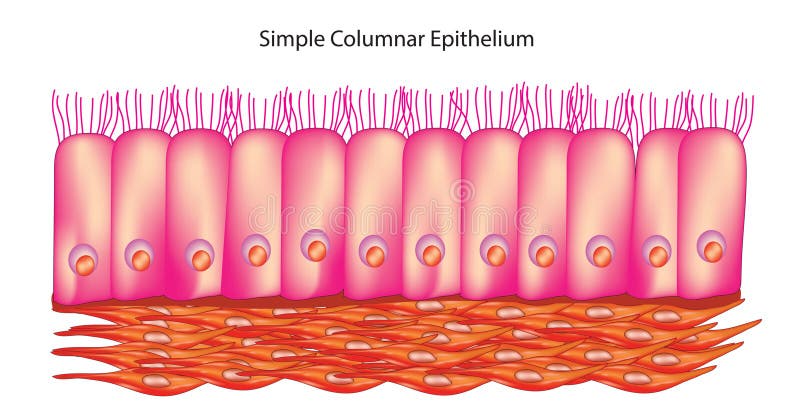
Free with trial Simple columnar epithelium is a type of epithelial tissue characterized by a single layer of tall, column-shaped cells. These cells are closely packed together and have elongated nuclei located near the basal surface. Simple columnar epithelium lines various structures in the body and performs specialized functions. Performs functions vectors Simple columnar epithelium. Is a type of epithelial tissue characterized by a single layer of tall, column-shaped cells. These cells are closely packed together. Simple columnar epithelium is a type of epithelial tissue characterized by a single layer of tall, column-shaped cells. These cells are closely packed together and have elongated nuclei located near the basal surface. Simple columnar epithelium lines various structures in the body and performs specialized functions.
Free with trial Vector illustration of a modern robot that smiles. The ability of a high-tech robot that performs various functions, tasks and projects. Technological possibilities in the field of robotics. Performs functions vectors Vector illustration of a modern robot that smiles. The ability of a high-tech robot that performs various functions, tasks and. Projects. Technological. Vector illustration of a modern robot that smiles. The ability of a high-tech robot that performs various functions, tasks and projects. Technological possibilities in the field of robotics
Free with trial An employee performs many functions in the workplace. flat design. Performs functions vectors An employee performs many functions in the workplace. Flat design
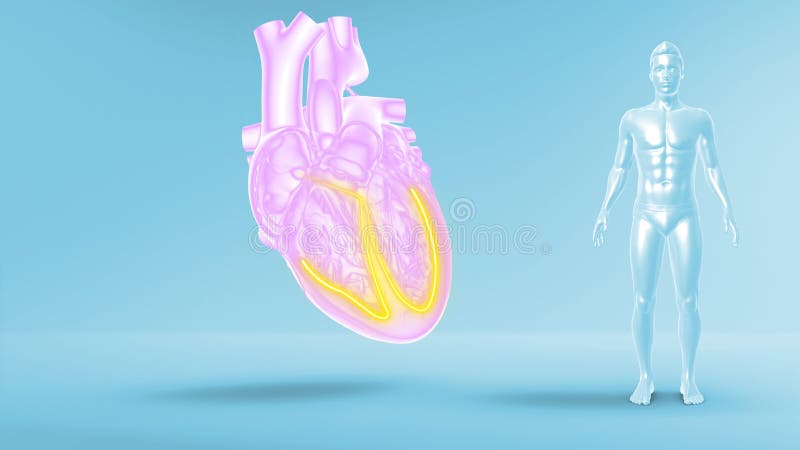
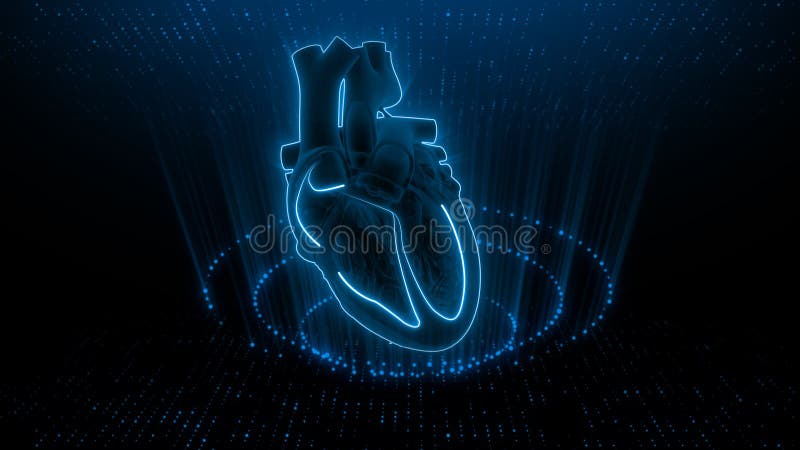
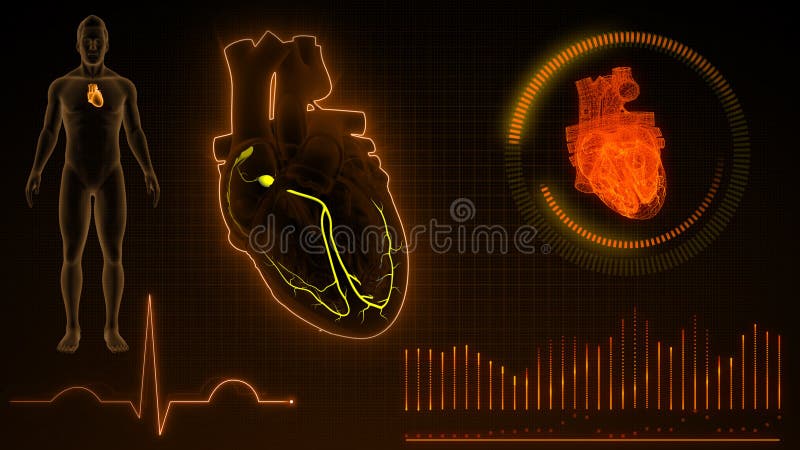
Free with trial The atrioventricular node AVN is a complex structure that performs a variety of functions in the heart. The AVN is primarily an electrical gatekeeper between the atria and ventricles and introduces a delay between atrial and ventricular excitation, allowing for efficient ventricular filling. Performs functions illustrations AV Node Signal or Atrioventricular Node Signal of Human Heart. The atrioventricular node AVN is a complex structure that performs a variety of functions in the. The atrioventricular node AVN is a complex structure that performs a variety of functions in the heart. The AVN is primarily an electrical gatekeeper between the atria and ventricles and introduces a delay between atrial and ventricular excitation, allowing for efficient ventricular filling.
Free with trial The atrioventricular node AVN is a complex structure that performs a variety of functions in the heart. The AVN is primarily an electrical gatekeeper between the atria and ventricles and introduces a delay between atrial and ventricular excitation, allowing for efficient ventricular filling. Performs functions illustrations AV Node Signal or Atrioventricular Node Signal of Human Heart. The atrioventricular node AVN is a complex structure that performs a variety of functions in the. The atrioventricular node AVN is a complex structure that performs a variety of functions in the heart. The AVN is primarily an electrical gatekeeper between the atria and ventricles and introduces a delay between atrial and ventricular excitation, allowing for efficient ventricular filling.
Free with trial The atrioventricular node AVN is a complex structure that performs a variety of functions in the heart. The AVN is primarily an electrical gatekeeper between the atria and ventricles and introduces a delay between atrial and ventricular excitation, allowing for efficient ventricular filling. Performs functions illustrations AV Node Signal or Atrioventricular Node Signal of Human Heart. The atrioventricular node AVN is a complex structure that performs a variety of functions in the. The atrioventricular node AVN is a complex structure that performs a variety of functions in the heart. The AVN is primarily an electrical gatekeeper between the atria and ventricles and introduces a delay between atrial and ventricular excitation, allowing for efficient ventricular filling.
Free with trial The atrioventricular node AVN is a complex structure that performs a variety of functions in the heart. The AVN is primarily an electrical gatekeeper between the atria and ventricles and introduces a delay between atrial and ventricular excitation, allowing for efficient ventricular filling. Performs functions illustrations AV Node Signal or Atrioventricular Node Signal of Human Heart. The atrioventricular node AVN is a complex structure that performs a variety of functions in the. The atrioventricular node AVN is a complex structure that performs a variety of functions in the heart. The AVN is primarily an electrical gatekeeper between the atria and ventricles and introduces a delay between atrial and ventricular excitation, allowing for efficient ventricular filling.
Free with trial The atrioventricular node AVN is a complex structure that performs a variety of functions in the heart. The AVN is primarily an electrical gatekeeper between the atria and ventricles and introduces a delay between atrial and ventricular excitation, allowing for efficient ventricular filling. Performs functions illustrations AV Node Signal or Atrioventricular Node Signal of Human Heart. The atrioventricular node AVN is a complex structure that performs a variety of functions in the. The atrioventricular node AVN is a complex structure that performs a variety of functions in the heart. The AVN is primarily an electrical gatekeeper between the atria and ventricles and introduces a delay between atrial and ventricular excitation, allowing for efficient ventricular filling.
Free with trial The atrioventricular node AVN is a complex structure that performs a variety of functions in the heart. The AVN is primarily an electrical gatekeeper between the atria and ventricles and introduces a delay between atrial and ventricular excitation, allowing for efficient ventricular filling. Performs functions illustrations AV Node Signal or Atrioventricular Node Signal of Human Heart. The atrioventricular node AVN is a complex structure that performs a variety of functions in the. The atrioventricular node AVN is a complex structure that performs a variety of functions in the heart. The AVN is primarily an electrical gatekeeper between the atria and ventricles and introduces a delay between atrial and ventricular excitation, allowing for efficient ventricular filling.
Free with trial The atrioventricular node AVN is a complex structure that performs a variety of functions in the heart. The AVN is primarily an electrical gatekeeper between the atria and ventricles and introduces a delay between atrial and ventricular excitation, allowing for efficient ventricular filling. Performs functions illustrations AV Node Signal or Atrioventricular Node Signal of Human Heart. The atrioventricular node AVN is a complex structure that performs a variety of functions in the. The atrioventricular node AVN is a complex structure that performs a variety of functions in the heart. The AVN is primarily an electrical gatekeeper between the atria and ventricles and introduces a delay between atrial and ventricular excitation, allowing for efficient ventricular filling.
Free with trial The atrioventricular node AVN is a complex structure that performs a variety of functions in the heart. The AVN is primarily an electrical gatekeeper between the atria and ventricles and introduces a delay between atrial and ventricular excitation, allowing for efficient ventricular filling. Performs functions illustrations AV and SA Node Signals or Atrioventricular and Sinoartial Node Signal of Human Heart. The atrioventricular node AVN is a complex structure that performs a. The atrioventricular node AVN is a complex structure that performs a variety of functions in the heart. The AVN is primarily an electrical gatekeeper between the atria and ventricles and introduces a delay between atrial and ventricular excitation, allowing for efficient ventricular filling.
Free with trial The atrioventricular node AVN is a complex structure that performs a variety of functions in the heart. The AVN is primarily an electrical gatekeeper between the atria and ventricles and introduces a delay between atrial and ventricular excitation, allowing for efficient ventricular filling. Performs functions illustrations AV and SA Node Signals or Atrioventricular and Sinoartial Node Signal of Human Heart. The atrioventricular node AVN is a complex structure that performs a. The atrioventricular node AVN is a complex structure that performs a variety of functions in the heart. The AVN is primarily an electrical gatekeeper between the atria and ventricles and introduces a delay between atrial and ventricular excitation, allowing for efficient ventricular filling.
Free with trial The atrioventricular node AVN is a complex structure that performs a variety of functions in the heart. The AVN is primarily an electrical gatekeeper between the atria and ventricles and introduces a delay between atrial and ventricular excitation, allowing for efficient ventricular filling. Performs functions illustrations AV and SA Node Signals or Atrioventricular and Sinoartial Node Signal of Human Heart. The atrioventricular node AVN is a complex structure that performs a. The atrioventricular node AVN is a complex structure that performs a variety of functions in the heart. The AVN is primarily an electrical gatekeeper between the atria and ventricles and introduces a delay between atrial and ventricular excitation, allowing for efficient ventricular filling.
Free with trial The atrioventricular node AVN is a complex structure that performs a variety of functions in the heart. The AVN is primarily an electrical gatekeeper between the atria and ventricles and introduces a delay between atrial and ventricular excitation, allowing for efficient ventricular filling. Performs functions illustrations AV and SA Node Signals or Atrioventricular and Sinoartial Node Signal of Human Heart. The atrioventricular node AVN is a complex structure that performs a. The atrioventricular node AVN is a complex structure that performs a variety of functions in the heart. The AVN is primarily an electrical gatekeeper between the atria and ventricles and introduces a delay between atrial and ventricular excitation, allowing for efficient ventricular filling.
Free with trial The atrioventricular node AVN is a complex structure that performs a variety of functions in the heart. The AVN is primarily an electrical gatekeeper between the atria and ventricles and introduces a delay between atrial and ventricular excitation, allowing for efficient ventricular filling. Performs functions illustrations AV and SA Node Signals or Atrioventricular and Sinoartial Node Signal of Human Heart. The atrioventricular node AVN is a complex structure that performs a. The atrioventricular node AVN is a complex structure that performs a variety of functions in the heart. The AVN is primarily an electrical gatekeeper between the atria and ventricles and introduces a delay between atrial and ventricular excitation, allowing for efficient ventricular filling.
Free with trial The atrioventricular node AVN is a complex structure that performs a variety of functions in the heart. The AVN is primarily an electrical gatekeeper between the atria and ventricles and introduces a delay between atrial and ventricular excitation, allowing for efficient ventricular filling. Performs functions illustrations AV and SA Node Signals or Atrioventricular and Sinoartial Node Signal of Human Heart. The atrioventricular node AVN is a complex structure that performs a. The atrioventricular node AVN is a complex structure that performs a variety of functions in the heart. The AVN is primarily an electrical gatekeeper between the atria and ventricles and introduces a delay between atrial and ventricular excitation, allowing for efficient ventricular filling.
Free with trial The atrioventricular node AVN is a complex structure that performs a variety of functions in the heart. The AVN is primarily an electrical gatekeeper between the atria and ventricles and introduces a delay between atrial and ventricular excitation, allowing for efficient ventricular filling. Performs functions illustrations AV and SA Node Signals or Atrioventricular and Sinoartial Node Signal of Human Heart. The atrioventricular node AVN is a complex structure that performs a. The atrioventricular node AVN is a complex structure that performs a variety of functions in the heart. The AVN is primarily an electrical gatekeeper between the atria and ventricles and introduces a delay between atrial and ventricular excitation, allowing for efficient ventricular filling.
Free with trial The atrioventricular node AVN is a complex structure that performs a variety of functions in the heart. The AVN is primarily an electrical gatekeeper between the atria and ventricles and introduces a delay between atrial and ventricular excitation, allowing for efficient ventricular filling. Performs functions illustrations AV and SA Node Signals or Atrioventricular and Sinoartial Node Signal of Human Heart. The atrioventricular node AVN is a complex structure that performs a. The atrioventricular node AVN is a complex structure that performs a variety of functions in the heart. The AVN is primarily an electrical gatekeeper between the atria and ventricles and introduces a delay between atrial and ventricular excitation, allowing for efficient ventricular filling.
Free with trial The stomach is a muscular, hollow organ in the gastrointestinal tract of humans and many other animals, including several invertebrates. The stomach has a dilated structure and functions as a vital digestive organ. In the digestive system the stomach is involved in the second phase of digestion, following chewing. It performs a chemical breakdown due to enzymes and hydrochloric acid. Performs functions illustrations 3d rendered medically accurate illustration of a mans stomach. The stomach is a muscular, hollow organ in the gastrointestinal tract of humans and many other. The stomach is a muscular, hollow organ in the gastrointestinal tract of humans and many other animals, including several invertebrates. The stomach has a dilated structure and functions as a vital digestive organ. In the digestive system the stomach is involved in the second phase of digestion, following chewing. It performs a chemical breakdown due to enzymes and hydrochloric acid.
Free with trial Abstract digital background, Futuristic technology concept, Black screen with program performs functions, binary code. Performs functions illustrations Black screen with program performs functions, binary code. Abstract digital background, Futuristic technology concept, Black screen with program performs. Abstract digital background, Futuristic technology concept, Black screen with program performs functions, binary code
Free with trial A wireless router is a device that performs the functions of a router and also includes the functions of a wireless access point. Performs functions vectors A wireless router with black color and three antennas. A wireless router is a device that performs the functions of a router and also includes the functions of a. A wireless router is a device that performs the functions of a router and also includes the functions of a wireless access point
Free with trial The stomach is a muscular, hollow organ in the gastrointestinal tract of humans and many other animals, including several invertebrates. The stomach has a dilated structure and functions as a vital digestive organ. In the digestive system the stomach is involved in the second phase of digestion, following chewing. It performs a chemical breakdown by means of enzymes and hydrochloric acid. Performs functions illustrations 3D Illustration of Human Digestive System Stomach Anatomy. The stomach is a muscular, hollow organ in the gastrointestinal tract of humans and many other animals. The stomach is a muscular, hollow organ in the gastrointestinal tract of humans and many other animals, including several invertebrates. The stomach has a dilated structure and functions as a vital digestive organ. In the digestive system the stomach is involved in the second phase of digestion, following chewing. It performs a chemical breakdown by means of enzymes and hydrochloric acid.
Free with trial The liver is a vital organ located in the upper right side of the abdomen, under the rib cage. It is the largest internal organ in the human body and performs numerous essential functions that are crucial for maintaining overall health and well-being. Performs functions illustrations The medical structure of the liver. The liver is a vital organ located in the upper right side of the abdomen, under the rib cage. It is the largest internal. The liver is a vital organ located in the upper right side of the abdomen, under the rib cage. It is the largest internal organ in the human body and performs numerous essential functions that are crucial for maintaining overall health and well-being.
Free with trial The liver is a vital organ located in the upper right side of the abdomen, under the rib cage. It is the largest internal organ in the human body and performs numerous essential functions that are crucial for maintaining overall health and well-being. Performs functions illustrations The medical structure of the liver. The liver is a vital organ located in the upper right side of the abdomen, under the rib cage. It is the largest internal. The liver is a vital organ located in the upper right side of the abdomen, under the rib cage. It is the largest internal organ in the human body and performs numerous essential functions that are crucial for maintaining overall health and well-being.
Free with trial Abstract digital background, Futuristic technology concept, Black screen with program performs functions, binary code. Performs functions illustrations Black screen with program performs functions, binary code. Abstract digital background, Futuristic technology concept, Black screen with program performs. Abstract digital background, Futuristic technology concept, Black screen with program performs functions, binary code
Free with trial Abstract digital background, Futuristic technology concept, Black screen with program performs functions, binary code. Performs functions illustrations Black screen with program performs functions, binary code. Abstract digital background, Futuristic technology concept, Black screen with program performs. Abstract digital background, Futuristic technology concept, Black screen with program performs functions, binary code
Free with trial The stomach is a muscular, hollow organ in the gastrointestinal tract of humans and many other animals, including several invertebrates. The stomach has a dilated structure and functions as a vital digestive organ. In the digestive system the stomach is involved in the second phase of digestion, following chewing. It performs a chemical breakdown by means of enzymes and hydrochloric acid. Performs functions illustrations 3D Illustration of Human Digestive System Anatomy Stomach with Small Intestine. The stomach is a muscular, hollow organ in the gastrointestinal tract of humans. The stomach is a muscular, hollow organ in the gastrointestinal tract of humans and many other animals, including several invertebrates. The stomach has a dilated structure and functions as a vital digestive organ. In the digestive system the stomach is involved in the second phase of digestion, following chewing. It performs a chemical breakdown by means of enzymes and hydrochloric acid.
Free with trial The stomach is a muscular, hollow organ in the gastrointestinal tract of humans and many other animals, including several invertebrates. The stomach has a dilated structure and functions as a vital digestive organ. In the digestive system the stomach is involved in the second phase of digestion, following chewing. It performs a chemical breakdown by means of enzymes and hydrochloric acid. Performs functions illustrations 3D Illustration of Human Digestive System Stomach Anatomy. The stomach is a muscular, hollow organ in the gastrointestinal tract of humans and many other animals. The stomach is a muscular, hollow organ in the gastrointestinal tract of humans and many other animals, including several invertebrates. The stomach has a dilated structure and functions as a vital digestive organ. In the digestive system the stomach is involved in the second phase of digestion, following chewing. It performs a chemical breakdown by means of enzymes and hydrochloric acid.
Free with trial Brain: The brain is the control center of the body, responsible for thinking, memory, emotions, and controlling various bodily functions. Heart: The heart pumps blood throughout the body, supplying oxygen and nutrients to cells and removing waste products. Lungs: Lungs are responsible for the exchange of oxygen and carbon dioxide between the body and the air. They enable us to breathe. Liver: The liver performs numerous vital functions, including detoxifying the blood, storing energy in the form of glycogen, and producing essential proteins. Kidneys: Kidneys filter waste products and excess substances from the blood, maintaining a balance of electrolytes and regulating blood pressure. Stomach: The stomach is involved in the digestion of food. It secretes acids and enzymes to break down food for further processing in the intestines. Pancreas: The pancreas produces digestive enzymes and hormones like insulin, which regulates blood sugar levels. Performs functions illustrations Human male nerves anatomy system. 3d illustration. Brain: The brain is the control center of the body, responsible for thinking, memory, emotions, and. Brain: The brain is the control center of the body, responsible for thinking, memory, emotions, and controlling various bodily functions.Heart: The heart pumps blood throughout the body, supplying oxygen and nutrients to cells and removing waste products.Lungs: Lungs are responsible for the exchange of oxygen and carbon dioxide between the body and the air. They enable us to breathe.Liver: The liver performs numerous vital functions, including detoxifying the blood, storing energy in the form of glycogen, and producing essential proteins.Kidneys: Kidneys filter waste products and excess substances from the blood, maintaining a balance of electrolytes and regulating blood pressure.Stomach: The stomach is involved in the digestion of food. It secretes acids and enzymes to break down food for further processing in the intestines.Pancreas: The pancreas produces digestive enzymes and hormones like insulin, which regulates blood sugar levels.
Free with trial Brain: The brain is the control center of the body, responsible for thinking, memory, emotions, and controlling various bodily functions. Heart: The heart pumps blood throughout the body, supplying oxygen and nutrients to cells and removing waste products. Lungs: Lungs are responsible for the exchange of oxygen and carbon dioxide between the body and the air. They enable us to breathe. Liver: The liver performs numerous vital functions, including detoxifying the blood, storing energy in the form of glycogen, and producing essential proteins. Kidneys: Kidneys filter waste products and excess substances from the blood, maintaining a balance of electrolytes and regulating blood pressure. Stomach: The stomach is involved in the digestion of food. It secretes acids and enzymes to break down food for further processing in the intestines. Pancreas: The pancreas produces digestive enzymes and hormones like insulin, which regulates blood sugar levels. Performs functions illustrations Human male nerves anatomy system. 3d illustration. Brain: The brain is the control center of the body, responsible for thinking, memory, emotions, and. Brain: The brain is the control center of the body, responsible for thinking, memory, emotions, and controlling various bodily functions.Heart: The heart pumps blood throughout the body, supplying oxygen and nutrients to cells and removing waste products.Lungs: Lungs are responsible for the exchange of oxygen and carbon dioxide between the body and the air. They enable us to breathe.Liver: The liver performs numerous vital functions, including detoxifying the blood, storing energy in the form of glycogen, and producing essential proteins.Kidneys: Kidneys filter waste products and excess substances from the blood, maintaining a balance of electrolytes and regulating blood pressure.Stomach: The stomach is involved in the digestion of food. It secretes acids and enzymes to break down food for further processing in the intestines.Pancreas: The pancreas produces digestive enzymes and hormones like insulin, which regulates blood sugar levels.
Free with trial Brain: The brain is the control center of the body, responsible for thinking, memory, emotions, and controlling various bodily functions. Heart: The heart pumps blood throughout the body, supplying oxygen and nutrients to cells and removing waste products. Lungs: Lungs are responsible for the exchange of oxygen and carbon dioxide between the body and the air. They enable us to breathe. Liver: The liver performs numerous vital functions, including detoxifying the blood, storing energy in the form of glycogen, and producing essential proteins. Kidneys: Kidneys filter waste products and excess substances from the blood, maintaining a balance of electrolytes and regulating blood pressure. Stomach: The stomach is involved in the digestion of food. It secretes acids and enzymes to break down food for further processing in the intestines. Pancreas: The pancreas produces digestive enzymes and hormones like insulin, which regulates blood sugar levels. Performs functions illustrations Human male nerves anatomy system. 3d illustration. Brain: The brain is the control center of the body, responsible for thinking, memory, emotions, and. Brain: The brain is the control center of the body, responsible for thinking, memory, emotions, and controlling various bodily functions.Heart: The heart pumps blood throughout the body, supplying oxygen and nutrients to cells and removing waste products.Lungs: Lungs are responsible for the exchange of oxygen and carbon dioxide between the body and the air. They enable us to breathe.Liver: The liver performs numerous vital functions, including detoxifying the blood, storing energy in the form of glycogen, and producing essential proteins.Kidneys: Kidneys filter waste products and excess substances from the blood, maintaining a balance of electrolytes and regulating blood pressure.Stomach: The stomach is involved in the digestion of food. It secretes acids and enzymes to break down food for further processing in the intestines.Pancreas: The pancreas produces digestive enzymes and hormones like insulin, which regulates blood sugar levels.
Free with trial Brain: The brain is the control center of the body, responsible for thinking, memory, emotions, and controlling various bodily functions. Heart: The heart pumps blood throughout the body, supplying oxygen and nutrients to cells and removing waste products. Lungs: Lungs are responsible for the exchange of oxygen and carbon dioxide between the body and the air. They enable us to breathe. Liver: The liver performs numerous vital functions, including detoxifying the blood, storing energy in the form of glycogen, and producing essential proteins. Kidneys: Kidneys filter waste products and excess substances from the blood, maintaining a balance of electrolytes and regulating blood pressure. Stomach: The stomach is involved in the digestion of food. It secretes acids and enzymes to break down food for further processing in the intestines. Pancreas: The pancreas produces digestive enzymes and hormones like insulin, which regulates blood sugar levels. Performs functions illustrations Human male nerves anatomy system. 3d illustration. Brain: The brain is the control center of the body, responsible for thinking, memory, emotions, and. Brain: The brain is the control center of the body, responsible for thinking, memory, emotions, and controlling various bodily functions.Heart: The heart pumps blood throughout the body, supplying oxygen and nutrients to cells and removing waste products.Lungs: Lungs are responsible for the exchange of oxygen and carbon dioxide between the body and the air. They enable us to breathe.Liver: The liver performs numerous vital functions, including detoxifying the blood, storing energy in the form of glycogen, and producing essential proteins.Kidneys: Kidneys filter waste products and excess substances from the blood, maintaining a balance of electrolytes and regulating blood pressure.Stomach: The stomach is involved in the digestion of food. It secretes acids and enzymes to break down food for further processing in the intestines.Pancreas: The pancreas produces digestive enzymes and hormones like insulin, which regulates blood sugar levels.
Free with trial Brain: The brain is the control center of the body, responsible for thinking, memory, emotions, and controlling various bodily functions. Heart: The heart pumps blood throughout the body, supplying oxygen and nutrients to cells and removing waste products. Lungs: Lungs are responsible for the exchange of oxygen and carbon dioxide between the body and the air. They enable us to breathe. Liver: The liver performs numerous vital functions, including detoxifying the blood, storing energy in the form of glycogen, and producing essential proteins. Kidneys: Kidneys filter waste products and excess substances from the blood, maintaining a balance of electrolytes and regulating blood pressure. Stomach: The stomach is involved in the digestion of food. It secretes acids and enzymes to break down food for further processing in the intestines. Pancreas: The pancreas produces digestive enzymes and hormones like insulin, which regulates blood sugar levels. Performs functions illustrations Human male nerves anatomy system. 3d illustration. Brain: The brain is the control center of the body, responsible for thinking, memory, emotions, and. Brain: The brain is the control center of the body, responsible for thinking, memory, emotions, and controlling various bodily functions.Heart: The heart pumps blood throughout the body, supplying oxygen and nutrients to cells and removing waste products.Lungs: Lungs are responsible for the exchange of oxygen and carbon dioxide between the body and the air. They enable us to breathe.Liver: The liver performs numerous vital functions, including detoxifying the blood, storing energy in the form of glycogen, and producing essential proteins.Kidneys: Kidneys filter waste products and excess substances from the blood, maintaining a balance of electrolytes and regulating blood pressure.Stomach: The stomach is involved in the digestion of food. It secretes acids and enzymes to break down food for further processing in the intestines.Pancreas: The pancreas produces digestive enzymes and hormones like insulin, which regulates blood sugar levels.
Free with trial Brain: The brain is the control center of the body, responsible for thinking, memory, emotions, and controlling various bodily functions. Heart: The heart pumps blood throughout the body, supplying oxygen and nutrients to cells and removing waste products. Lungs: Lungs are responsible for the exchange of oxygen and carbon dioxide between the body and the air. They enable us to breathe. Liver: The liver performs numerous vital functions, including detoxifying the blood, storing energy in the form of glycogen, and producing essential proteins. Kidneys: Kidneys filter waste products and excess substances from the blood, maintaining a balance of electrolytes and regulating blood pressure. Stomach: The stomach is involved in the digestion of food. It secretes acids and enzymes to break down food for further processing in the intestines. Pancreas: The pancreas produces digestive enzymes and hormones like insulin, which regulates blood sugar levels. Performs functions illustrations Human male nerves anatomy system. 3d illustration. Brain: The brain is the control center of the body, responsible for thinking, memory, emotions, and. Brain: The brain is the control center of the body, responsible for thinking, memory, emotions, and controlling various bodily functions.Heart: The heart pumps blood throughout the body, supplying oxygen and nutrients to cells and removing waste products.Lungs: Lungs are responsible for the exchange of oxygen and carbon dioxide between the body and the air. They enable us to breathe.Liver: The liver performs numerous vital functions, including detoxifying the blood, storing energy in the form of glycogen, and producing essential proteins.Kidneys: Kidneys filter waste products and excess substances from the blood, maintaining a balance of electrolytes and regulating blood pressure.Stomach: The stomach is involved in the digestion of food. It secretes acids and enzymes to break down food for further processing in the intestines.Pancreas: The pancreas produces digestive enzymes and hormones like insulin, which regulates blood sugar levels.
Free with trial Brain: The brain is the control center of the body, responsible for thinking, memory, emotions, and controlling various bodily functions. Heart: The heart pumps blood throughout the body, supplying oxygen and nutrients to cells and removing waste products. Lungs: Lungs are responsible for the exchange of oxygen and carbon dioxide between the body and the air. They enable us to breathe. Liver: The liver performs numerous vital functions, including detoxifying the blood, storing energy in the form of glycogen, and producing essential proteins. Kidneys: Kidneys filter waste products and excess substances from the blood, maintaining a balance of electrolytes and regulating blood pressure. Stomach: The stomach is involved in the digestion of food. It secretes acids and enzymes to break down food for further processing in the intestines. Pancreas: The pancreas produces digestive enzymes and hormones like insulin, which regulates blood sugar levels. Performs functions illustrations Human male nerves anatomy system. 3d illustration. Brain: The brain is the control center of the body, responsible for thinking, memory, emotions, and. Brain: The brain is the control center of the body, responsible for thinking, memory, emotions, and controlling various bodily functions.Heart: The heart pumps blood throughout the body, supplying oxygen and nutrients to cells and removing waste products.Lungs: Lungs are responsible for the exchange of oxygen and carbon dioxide between the body and the air. They enable us to breathe.Liver: The liver performs numerous vital functions, including detoxifying the blood, storing energy in the form of glycogen, and producing essential proteins.Kidneys: Kidneys filter waste products and excess substances from the blood, maintaining a balance of electrolytes and regulating blood pressure.Stomach: The stomach is involved in the digestion of food. It secretes acids and enzymes to break down food for further processing in the intestines.Pancreas: The pancreas produces digestive enzymes and hormones like insulin, which regulates blood sugar levels.
Free with trial Brain: The brain is the control center of the body, responsible for thinking, memory, emotions, and controlling various bodily functions. Heart: The heart pumps blood throughout the body, supplying oxygen and nutrients to cells and removing waste products. Lungs: Lungs are responsible for the exchange of oxygen and carbon dioxide between the body and the air. They enable us to breathe. Liver: The liver performs numerous vital functions, including detoxifying the blood, storing energy in the form of glycogen, and producing essential proteins. Kidneys: Kidneys filter waste products and excess substances from the blood, maintaining a balance of electrolytes and regulating blood pressure. Stomach: The stomach is involved in the digestion of food. It secretes acids and enzymes to break down food for further processing in the intestines. Pancreas: The pancreas produces digestive enzymes and hormones like insulin, which regulates blood sugar levels. Performs functions illustrations Human male nerves anatomy system. 3d illustration. Brain: The brain is the control center of the body, responsible for thinking, memory, emotions, and. Brain: The brain is the control center of the body, responsible for thinking, memory, emotions, and controlling various bodily functions.Heart: The heart pumps blood throughout the body, supplying oxygen and nutrients to cells and removing waste products.Lungs: Lungs are responsible for the exchange of oxygen and carbon dioxide between the body and the air. They enable us to breathe.Liver: The liver performs numerous vital functions, including detoxifying the blood, storing energy in the form of glycogen, and producing essential proteins.Kidneys: Kidneys filter waste products and excess substances from the blood, maintaining a balance of electrolytes and regulating blood pressure.Stomach: The stomach is involved in the digestion of food. It secretes acids and enzymes to break down food for further processing in the intestines.Pancreas: The pancreas produces digestive enzymes and hormones like insulin, which regulates blood sugar levels.
Free with trial Brain: The brain is the control center of the body, responsible for thinking, memory, emotions, and controlling various bodily functions. Heart: The heart pumps blood throughout the body, supplying oxygen and nutrients to cells and removing waste products. Lungs: Lungs are responsible for the exchange of oxygen and carbon dioxide between the body and the air. They enable us to breathe. Liver: The liver performs numerous vital functions, including detoxifying the blood, storing energy in the form of glycogen, and producing essential proteins. Kidneys: Kidneys filter waste products and excess substances from the blood, maintaining a balance of electrolytes and regulating blood pressure. Stomach: The stomach is involved in the digestion of food. It secretes acids and enzymes to break down food for further processing in the intestines. Pancreas: The pancreas produces digestive enzymes and hormones like insulin, which regulates blood sugar levels. Performs functions illustrations Human male nerves anatomy system. 3d illustration. Brain: The brain is the control center of the body, responsible for thinking, memory, emotions, and. Brain: The brain is the control center of the body, responsible for thinking, memory, emotions, and controlling various bodily functions.Heart: The heart pumps blood throughout the body, supplying oxygen and nutrients to cells and removing waste products.Lungs: Lungs are responsible for the exchange of oxygen and carbon dioxide between the body and the air. They enable us to breathe.Liver: The liver performs numerous vital functions, including detoxifying the blood, storing energy in the form of glycogen, and producing essential proteins.Kidneys: Kidneys filter waste products and excess substances from the blood, maintaining a balance of electrolytes and regulating blood pressure.Stomach: The stomach is involved in the digestion of food. It secretes acids and enzymes to break down food for further processing in the intestines.Pancreas: The pancreas produces digestive enzymes and hormones like insulin, which regulates blood sugar levels.
Free with trial Brain: The brain is the control center of the body, responsible for thinking, memory, emotions, and controlling various bodily functions. Heart: The heart pumps blood throughout the body, supplying oxygen and nutrients to cells and removing waste products. Lungs: Lungs are responsible for the exchange of oxygen and carbon dioxide between the body and the air. They enable us to breathe. Liver: The liver performs numerous vital functions, including detoxifying the blood, storing energy in the form of glycogen, and producing essential proteins. Kidneys: Kidneys filter waste products and excess substances from the blood, maintaining a balance of electrolytes and regulating blood pressure. Stomach: The stomach is involved in the digestion of food. It secretes acids and enzymes to break down food for further processing in the intestines. Pancreas: The pancreas produces digestive enzymes and hormones like insulin, which regulates blood sugar levels. Performs functions illustrations Human male nerves anatomy system. 3d illustration. Brain: The brain is the control center of the body, responsible for thinking, memory, emotions, and. Brain: The brain is the control center of the body, responsible for thinking, memory, emotions, and controlling various bodily functions.Heart: The heart pumps blood throughout the body, supplying oxygen and nutrients to cells and removing waste products.Lungs: Lungs are responsible for the exchange of oxygen and carbon dioxide between the body and the air. They enable us to breathe.Liver: The liver performs numerous vital functions, including detoxifying the blood, storing energy in the form of glycogen, and producing essential proteins.Kidneys: Kidneys filter waste products and excess substances from the blood, maintaining a balance of electrolytes and regulating blood pressure.Stomach: The stomach is involved in the digestion of food. It secretes acids and enzymes to break down food for further processing in the intestines.Pancreas: The pancreas produces digestive enzymes and hormones like insulin, which regulates blood sugar levels.
Free with trial Brain: The brain is the control center of the body, responsible for thinking, memory, emotions, and controlling various bodily functions. Heart: The heart pumps blood throughout the body, supplying oxygen and nutrients to cells and removing waste products. Lungs: Lungs are responsible for the exchange of oxygen and carbon dioxide between the body and the air. They enable us to breathe. Liver: The liver performs numerous vital functions, including detoxifying the blood, storing energy in the form of glycogen, and producing essential proteins. Kidneys: Kidneys filter waste products and excess substances from the blood, maintaining a balance of electrolytes and regulating blood pressure. Stomach: The stomach is involved in the digestion of food. It secretes acids and enzymes to break down food for further processing in the intestines. Pancreas: The pancreas produces digestive enzymes and hormones like insulin, which regulates blood sugar levels. Performs functions illustrations Human male nerves anatomy system. 3d illustration. Brain: The brain is the control center of the body, responsible for thinking, memory, emotions, and. Brain: The brain is the control center of the body, responsible for thinking, memory, emotions, and controlling various bodily functions.Heart: The heart pumps blood throughout the body, supplying oxygen and nutrients to cells and removing waste products.Lungs: Lungs are responsible for the exchange of oxygen and carbon dioxide between the body and the air. They enable us to breathe.Liver: The liver performs numerous vital functions, including detoxifying the blood, storing energy in the form of glycogen, and producing essential proteins.Kidneys: Kidneys filter waste products and excess substances from the blood, maintaining a balance of electrolytes and regulating blood pressure.Stomach: The stomach is involved in the digestion of food. It secretes acids and enzymes to break down food for further processing in the intestines.Pancreas: The pancreas produces digestive enzymes and hormones like insulin, which regulates blood sugar levels.
Free with trial Brain: The brain is the control center of the body, responsible for thinking, memory, emotions, and controlling various bodily functions. Heart: The heart pumps blood throughout the body, supplying oxygen and nutrients to cells and removing waste products. Lungs: Lungs are responsible for the exchange of oxygen and carbon dioxide between the body and the air. They enable us to breathe. Liver: The liver performs numerous vital functions, including detoxifying the blood, storing energy in the form of glycogen, and producing essential proteins. Kidneys: Kidneys filter waste products and excess substances from the blood, maintaining a balance of electrolytes and regulating blood pressure. Stomach: The stomach is involved in the digestion of food. It secretes acids and enzymes to break down food for further processing in the intestines. Pancreas: The pancreas produces digestive enzymes and hormones like insulin, which regulates blood sugar levels. Performs functions illustrations Human male nerves anatomy system. 3d illustration. Brain: The brain is the control center of the body, responsible for thinking, memory, emotions, and. Brain: The brain is the control center of the body, responsible for thinking, memory, emotions, and controlling various bodily functions.Heart: The heart pumps blood throughout the body, supplying oxygen and nutrients to cells and removing waste products.Lungs: Lungs are responsible for the exchange of oxygen and carbon dioxide between the body and the air. They enable us to breathe.Liver: The liver performs numerous vital functions, including detoxifying the blood, storing energy in the form of glycogen, and producing essential proteins.Kidneys: Kidneys filter waste products and excess substances from the blood, maintaining a balance of electrolytes and regulating blood pressure.Stomach: The stomach is involved in the digestion of food. It secretes acids and enzymes to break down food for further processing in the intestines.Pancreas: The pancreas produces digestive enzymes and hormones like insulin, which regulates blood sugar levels.
Free with trial Brain: The brain is the control center of the body, responsible for thinking, memory, emotions, and controlling various bodily functions. Heart: The heart pumps blood throughout the body, supplying oxygen and nutrients to cells and removing waste products. Lungs: Lungs are responsible for the exchange of oxygen and carbon dioxide between the body and the air. They enable us to breathe. Liver: The liver performs numerous vital functions, including detoxifying the blood, storing energy in the form of glycogen, and producing essential proteins. Kidneys: Kidneys filter waste products and excess substances from the blood, maintaining a balance of electrolytes and regulating blood pressure. Stomach: The stomach is involved in the digestion of food. It secretes acids and enzymes to break down food for further processing in the intestines. Pancreas: The pancreas produces digestive enzymes and hormones like insulin, which regulates blood sugar levels. Performs functions illustrations Human male nerves anatomy system. 3d illustration. Brain: The brain is the control center of the body, responsible for thinking, memory, emotions, and. Brain: The brain is the control center of the body, responsible for thinking, memory, emotions, and controlling various bodily functions.Heart: The heart pumps blood throughout the body, supplying oxygen and nutrients to cells and removing waste products.Lungs: Lungs are responsible for the exchange of oxygen and carbon dioxide between the body and the air. They enable us to breathe.Liver: The liver performs numerous vital functions, including detoxifying the blood, storing energy in the form of glycogen, and producing essential proteins.Kidneys: Kidneys filter waste products and excess substances from the blood, maintaining a balance of electrolytes and regulating blood pressure.Stomach: The stomach is involved in the digestion of food. It secretes acids and enzymes to break down food for further processing in the intestines.Pancreas: The pancreas produces digestive enzymes and hormones like insulin, which regulates blood sugar levels.
Free with trial Brain: The brain is the control center of the body, responsible for thinking, memory, emotions, and controlling various bodily functions. Heart: The heart pumps blood throughout the body, supplying oxygen and nutrients to cells and removing waste products. Lungs: Lungs are responsible for the exchange of oxygen and carbon dioxide between the body and the air. They enable us to breathe. Liver: The liver performs numerous vital functions, including detoxifying the blood, storing energy in the form of glycogen, and producing essential proteins. Kidneys: Kidneys filter waste products and excess substances from the blood, maintaining a balance of electrolytes and regulating blood pressure. Stomach: The stomach is involved in the digestion of food. It secretes acids and enzymes to break down food for further processing in the intestines. Pancreas: The pancreas produces digestive enzymes and hormones like insulin, which regulates blood sugar levels. Performs functions illustrations Human male nerves anatomy system. 3d illustration. Brain: The brain is the control center of the body, responsible for thinking, memory, emotions, and. Brain: The brain is the control center of the body, responsible for thinking, memory, emotions, and controlling various bodily functions.Heart: The heart pumps blood throughout the body, supplying oxygen and nutrients to cells and removing waste products.Lungs: Lungs are responsible for the exchange of oxygen and carbon dioxide between the body and the air. They enable us to breathe.Liver: The liver performs numerous vital functions, including detoxifying the blood, storing energy in the form of glycogen, and producing essential proteins.Kidneys: Kidneys filter waste products and excess substances from the blood, maintaining a balance of electrolytes and regulating blood pressure.Stomach: The stomach is involved in the digestion of food. It secretes acids and enzymes to break down food for further processing in the intestines.Pancreas: The pancreas produces digestive enzymes and hormones like insulin, which regulates blood sugar levels.
Free with trial Brain: The brain is the control center of the body, responsible for thinking, memory, emotions, and controlling various bodily functions. Heart: The heart pumps blood throughout the body, supplying oxygen and nutrients to cells and removing waste products. Lungs: Lungs are responsible for the exchange of oxygen and carbon dioxide between the body and the air. They enable us to breathe. Liver: The liver performs numerous vital functions, including detoxifying the blood, storing energy in the form of glycogen, and producing essential proteins. Kidneys: Kidneys filter waste products and excess substances from the blood, maintaining a balance of electrolytes and regulating blood pressure. Stomach: The stomach is involved in the digestion of food. It secretes acids and enzymes to break down food for further processing in the intestines. Pancreas: The pancreas produces digestive enzymes and hormones like insulin, which regulates blood sugar levels. Performs functions illustrations Human male nerves anatomy system. 3d illustration. Brain: The brain is the control center of the body, responsible for thinking, memory, emotions, and. Brain: The brain is the control center of the body, responsible for thinking, memory, emotions, and controlling various bodily functions.Heart: The heart pumps blood throughout the body, supplying oxygen and nutrients to cells and removing waste products.Lungs: Lungs are responsible for the exchange of oxygen and carbon dioxide between the body and the air. They enable us to breathe.Liver: The liver performs numerous vital functions, including detoxifying the blood, storing energy in the form of glycogen, and producing essential proteins.Kidneys: Kidneys filter waste products and excess substances from the blood, maintaining a balance of electrolytes and regulating blood pressure.Stomach: The stomach is involved in the digestion of food. It secretes acids and enzymes to break down food for further processing in the intestines.Pancreas: The pancreas produces digestive enzymes and hormones like insulin, which regulates blood sugar levels.
Free with trial Brain: The brain is the control center of the body, responsible for thinking, memory, emotions, and controlling various bodily functions. Heart: The heart pumps blood throughout the body, supplying oxygen and nutrients to cells and removing waste products. Lungs: Lungs are responsible for the exchange of oxygen and carbon dioxide between the body and the air. They enable us to breathe. Liver: The liver performs numerous vital functions, including detoxifying the blood, storing energy in the form of glycogen, and producing essential proteins. Kidneys: Kidneys filter waste products and excess substances from the blood, maintaining a balance of electrolytes and regulating blood pressure. Stomach: The stomach is involved in the digestion of food. It secretes acids and enzymes to break down food for further processing in the intestines. Pancreas: The pancreas produces digestive enzymes and hormones like insulin, which regulates blood sugar levels. Performs functions illustrations Human male nerves anatomy system. 3d illustration. Brain: The brain is the control center of the body, responsible for thinking, memory, emotions, and. Brain: The brain is the control center of the body, responsible for thinking, memory, emotions, and controlling various bodily functions.Heart: The heart pumps blood throughout the body, supplying oxygen and nutrients to cells and removing waste products.Lungs: Lungs are responsible for the exchange of oxygen and carbon dioxide between the body and the air. They enable us to breathe.Liver: The liver performs numerous vital functions, including detoxifying the blood, storing energy in the form of glycogen, and producing essential proteins.Kidneys: Kidneys filter waste products and excess substances from the blood, maintaining a balance of electrolytes and regulating blood pressure.Stomach: The stomach is involved in the digestion of food. It secretes acids and enzymes to break down food for further processing in the intestines.Pancreas: The pancreas produces digestive enzymes and hormones like insulin, which regulates blood sugar levels.
Free with trial Brain: The brain is the control center of the body, responsible for thinking, memory, emotions, and controlling various bodily functions. Heart: The heart pumps blood throughout the body, supplying oxygen and nutrients to cells and removing waste products. Lungs: Lungs are responsible for the exchange of oxygen and carbon dioxide between the body and the air. They enable us to breathe. Liver: The liver performs numerous vital functions, including detoxifying the blood, storing energy in the form of glycogen, and producing essential proteins. Kidneys: Kidneys filter waste products and excess substances from the blood, maintaining a balance of electrolytes and regulating blood pressure. Stomach: The stomach is involved in the digestion of food. It secretes acids and enzymes to break down food for further processing in the intestines. Pancreas: The pancreas produces digestive enzymes and hormones like insulin, which regulates blood sugar levels. Performs functions illustrations Human male nerves anatomy system. 3d illustration. Brain: The brain is the control center of the body, responsible for thinking, memory, emotions, and. Brain: The brain is the control center of the body, responsible for thinking, memory, emotions, and controlling various bodily functions.Heart: The heart pumps blood throughout the body, supplying oxygen and nutrients to cells and removing waste products.Lungs: Lungs are responsible for the exchange of oxygen and carbon dioxide between the body and the air. They enable us to breathe.Liver: The liver performs numerous vital functions, including detoxifying the blood, storing energy in the form of glycogen, and producing essential proteins.Kidneys: Kidneys filter waste products and excess substances from the blood, maintaining a balance of electrolytes and regulating blood pressure.Stomach: The stomach is involved in the digestion of food. It secretes acids and enzymes to break down food for further processing in the intestines.Pancreas: The pancreas produces digestive enzymes and hormones like insulin, which regulates blood sugar levels.
Free with trial Brain: The brain is the control center of the body, responsible for thinking, memory, emotions, and controlling various bodily functions. Heart: The heart pumps blood throughout the body, supplying oxygen and nutrients to cells and removing waste products. Lungs: Lungs are responsible for the exchange of oxygen and carbon dioxide between the body and the air. They enable us to breathe. Liver: The liver performs numerous vital functions, including detoxifying the blood, storing energy in the form of glycogen, and producing essential proteins. Kidneys: Kidneys filter waste products and excess substances from the blood, maintaining a balance of electrolytes and regulating blood pressure. Stomach: The stomach is involved in the digestion of food. It secretes acids and enzymes to break down food for further processing in the intestines. Pancreas: The pancreas produces digestive enzymes and hormones like insulin, which regulates blood sugar levels. Performs functions illustrations Human male nerves anatomy system. 3d illustration. Brain: The brain is the control center of the body, responsible for thinking, memory, emotions, and. Brain: The brain is the control center of the body, responsible for thinking, memory, emotions, and controlling various bodily functions.Heart: The heart pumps blood throughout the body, supplying oxygen and nutrients to cells and removing waste products.Lungs: Lungs are responsible for the exchange of oxygen and carbon dioxide between the body and the air. They enable us to breathe.Liver: The liver performs numerous vital functions, including detoxifying the blood, storing energy in the form of glycogen, and producing essential proteins.Kidneys: Kidneys filter waste products and excess substances from the blood, maintaining a balance of electrolytes and regulating blood pressure.Stomach: The stomach is involved in the digestion of food. It secretes acids and enzymes to break down food for further processing in the intestines.Pancreas: The pancreas produces digestive enzymes and hormones like insulin, which regulates blood sugar levels.
Free with trial Brain: The brain is the control center of the body, responsible for thinking, memory, emotions, and controlling various bodily functions. Heart: The heart pumps blood throughout the body, supplying oxygen and nutrients to cells and removing waste products. Lungs: Lungs are responsible for the exchange of oxygen and carbon dioxide between the body and the air. They enable us to breathe. Liver: The liver performs numerous vital functions, including detoxifying the blood, storing energy in the form of glycogen, and producing essential proteins. Kidneys: Kidneys filter waste products and excess substances from the blood, maintaining a balance of electrolytes and regulating blood pressure. Stomach: The stomach is involved in the digestion of food. It secretes acids and enzymes to break down food for further processing in the intestines. Pancreas: The pancreas produces digestive enzymes and hormones like insulin, which regulates blood sugar levels. Performs functions illustrations Human male nerves anatomy system. 3d illustration. Brain: The brain is the control center of the body, responsible for thinking, memory, emotions, and. Brain: The brain is the control center of the body, responsible for thinking, memory, emotions, and controlling various bodily functions.Heart: The heart pumps blood throughout the body, supplying oxygen and nutrients to cells and removing waste products.Lungs: Lungs are responsible for the exchange of oxygen and carbon dioxide between the body and the air. They enable us to breathe.Liver: The liver performs numerous vital functions, including detoxifying the blood, storing energy in the form of glycogen, and producing essential proteins.Kidneys: Kidneys filter waste products and excess substances from the blood, maintaining a balance of electrolytes and regulating blood pressure.Stomach: The stomach is involved in the digestion of food. It secretes acids and enzymes to break down food for further processing in the intestines.Pancreas: The pancreas produces digestive enzymes and hormones like insulin, which regulates blood sugar levels.
Free with trial Brain: The brain is the control center of the body, responsible for thinking, memory, emotions, and controlling various bodily functions. Heart: The heart pumps blood throughout the body, supplying oxygen and nutrients to cells and removing waste products. Lungs: Lungs are responsible for the exchange of oxygen and carbon dioxide between the body and the air. They enable us to breathe. Liver: The liver performs numerous vital functions, including detoxifying the blood, storing energy in the form of glycogen, and producing essential proteins. Kidneys: Kidneys filter waste products and excess substances from the blood, maintaining a balance of electrolytes and regulating blood pressure. Stomach: The stomach is involved in the digestion of food. It secretes acids and enzymes to break down food for further processing in the intestines. Pancreas: The pancreas produces digestive enzymes and hormones like insulin, which regulates blood sugar levels. Performs functions illustrations Human male nerves anatomy system. 3d illustration. Brain: The brain is the control center of the body, responsible for thinking, memory, emotions, and. Brain: The brain is the control center of the body, responsible for thinking, memory, emotions, and controlling various bodily functions.Heart: The heart pumps blood throughout the body, supplying oxygen and nutrients to cells and removing waste products.Lungs: Lungs are responsible for the exchange of oxygen and carbon dioxide between the body and the air. They enable us to breathe.Liver: The liver performs numerous vital functions, including detoxifying the blood, storing energy in the form of glycogen, and producing essential proteins.Kidneys: Kidneys filter waste products and excess substances from the blood, maintaining a balance of electrolytes and regulating blood pressure.Stomach: The stomach is involved in the digestion of food. It secretes acids and enzymes to break down food for further processing in the intestines.Pancreas: The pancreas produces digestive enzymes and hormones like insulin, which regulates blood sugar levels.
Free with trial Brain: The brain is the control center of the body, responsible for thinking, memory, emotions, and controlling various bodily functions. Heart: The heart pumps blood throughout the body, supplying oxygen and nutrients to cells and removing waste products. Lungs: Lungs are responsible for the exchange of oxygen and carbon dioxide between the body and the air. They enable us to breathe. Liver: The liver performs numerous vital functions, including detoxifying the blood, storing energy in the form of glycogen, and producing essential proteins. Kidneys: Kidneys filter waste products and excess substances from the blood, maintaining a balance of electrolytes and regulating blood pressure. Stomach: The stomach is involved in the digestion of food. It secretes acids and enzymes to break down food for further processing in the intestines. Pancreas: The pancreas produces digestive enzymes and hormones like insulin, which regulates blood sugar levels. Performs functions illustrations Human male nerves anatomy system. 3d illustration. Brain: The brain is the control center of the body, responsible for thinking, memory, emotions, and. Brain: The brain is the control center of the body, responsible for thinking, memory, emotions, and controlling various bodily functions.Heart: The heart pumps blood throughout the body, supplying oxygen and nutrients to cells and removing waste products.Lungs: Lungs are responsible for the exchange of oxygen and carbon dioxide between the body and the air. They enable us to breathe.Liver: The liver performs numerous vital functions, including detoxifying the blood, storing energy in the form of glycogen, and producing essential proteins.Kidneys: Kidneys filter waste products and excess substances from the blood, maintaining a balance of electrolytes and regulating blood pressure.Stomach: The stomach is involved in the digestion of food. It secretes acids and enzymes to break down food for further processing in the intestines.Pancreas: The pancreas produces digestive enzymes and hormones like insulin, which regulates blood sugar levels.
Free with trial Brain: The brain is the control center of the body, responsible for thinking, memory, emotions, and controlling various bodily functions. Heart: The heart pumps blood throughout the body, supplying oxygen and nutrients to cells and removing waste products. Lungs: Lungs are responsible for the exchange of oxygen and carbon dioxide between the body and the air. They enable us to breathe. Liver: The liver performs numerous vital functions, including detoxifying the blood, storing energy in the form of glycogen, and producing essential proteins. Kidneys: Kidneys filter waste products and excess substances from the blood, maintaining a balance of electrolytes and regulating blood pressure. Stomach: The stomach is involved in the digestion of food. It secretes acids and enzymes to break down food for further processing in the intestines. Pancreas: The pancreas produces digestive enzymes and hormones like insulin, which regulates blood sugar levels. Performs functions illustrations Human male nerves anatomy system. 3d illustration. Brain: The brain is the control center of the body, responsible for thinking, memory, emotions, and. Brain: The brain is the control center of the body, responsible for thinking, memory, emotions, and controlling various bodily functions.Heart: The heart pumps blood throughout the body, supplying oxygen and nutrients to cells and removing waste products.Lungs: Lungs are responsible for the exchange of oxygen and carbon dioxide between the body and the air. They enable us to breathe.Liver: The liver performs numerous vital functions, including detoxifying the blood, storing energy in the form of glycogen, and producing essential proteins.Kidneys: Kidneys filter waste products and excess substances from the blood, maintaining a balance of electrolytes and regulating blood pressure.Stomach: The stomach is involved in the digestion of food. It secretes acids and enzymes to break down food for further processing in the intestines.Pancreas: The pancreas produces digestive enzymes and hormones like insulin, which regulates blood sugar levels.
Free with trial Brain: The brain is the control center of the body, responsible for thinking, memory, emotions, and controlling various bodily functions. Heart: The heart pumps blood throughout the body, supplying oxygen and nutrients to cells and removing waste products. Lungs: Lungs are responsible for the exchange of oxygen and carbon dioxide between the body and the air. They enable us to breathe. Liver: The liver performs numerous vital functions, including detoxifying the blood, storing energy in the form of glycogen, and producing essential proteins. Kidneys: Kidneys filter waste products and excess substances from the blood, maintaining a balance of electrolytes and regulating blood pressure. Stomach: The stomach is involved in the digestion of food. It secretes acids and enzymes to break down food for further processing in the intestines. Pancreas: The pancreas produces digestive enzymes and hormones like insulin, which regulates blood sugar levels. Performs functions illustrations Human male nerves anatomy system. 3d illustration. Brain: The brain is the control center of the body, responsible for thinking, memory, emotions, and. Brain: The brain is the control center of the body, responsible for thinking, memory, emotions, and controlling various bodily functions.Heart: The heart pumps blood throughout the body, supplying oxygen and nutrients to cells and removing waste products.Lungs: Lungs are responsible for the exchange of oxygen and carbon dioxide between the body and the air. They enable us to breathe.Liver: The liver performs numerous vital functions, including detoxifying the blood, storing energy in the form of glycogen, and producing essential proteins.Kidneys: Kidneys filter waste products and excess substances from the blood, maintaining a balance of electrolytes and regulating blood pressure.Stomach: The stomach is involved in the digestion of food. It secretes acids and enzymes to break down food for further processing in the intestines.Pancreas: The pancreas produces digestive enzymes and hormones like insulin, which regulates blood sugar levels.
Free with trial Brain: The brain is the control center of the body, responsible for thinking, memory, emotions, and controlling various bodily functions. Heart: The heart pumps blood throughout the body, supplying oxygen and nutrients to cells and removing waste products. Lungs: Lungs are responsible for the exchange of oxygen and carbon dioxide between the body and the air. They enable us to breathe. Liver: The liver performs numerous vital functions, including detoxifying the blood, storing energy in the form of glycogen, and producing essential proteins. Kidneys: Kidneys filter waste products and excess substances from the blood, maintaining a balance of electrolytes and regulating blood pressure. Stomach: The stomach is involved in the digestion of food. It secretes acids and enzymes to break down food for further processing in the intestines. Pancreas: The pancreas produces digestive enzymes and hormones like insulin, which regulates blood sugar levels. Performs functions illustrations Human male nerves anatomy system. 3d illustration. Brain: The brain is the control center of the body, responsible for thinking, memory, emotions, and. Brain: The brain is the control center of the body, responsible for thinking, memory, emotions, and controlling various bodily functions.Heart: The heart pumps blood throughout the body, supplying oxygen and nutrients to cells and removing waste products.Lungs: Lungs are responsible for the exchange of oxygen and carbon dioxide between the body and the air. They enable us to breathe.Liver: The liver performs numerous vital functions, including detoxifying the blood, storing energy in the form of glycogen, and producing essential proteins.Kidneys: Kidneys filter waste products and excess substances from the blood, maintaining a balance of electrolytes and regulating blood pressure.Stomach: The stomach is involved in the digestion of food. It secretes acids and enzymes to break down food for further processing in the intestines.Pancreas: The pancreas produces digestive enzymes and hormones like insulin, which regulates blood sugar levels.
Free with trial Brain: The brain is the control center of the body, responsible for thinking, memory, emotions, and controlling various bodily functions. Heart: The heart pumps blood throughout the body, supplying oxygen and nutrients to cells and removing waste products. Lungs: Lungs are responsible for the exchange of oxygen and carbon dioxide between the body and the air. They enable us to breathe. Liver: The liver performs numerous vital functions, including detoxifying the blood, storing energy in the form of glycogen, and producing essential proteins. Kidneys: Kidneys filter waste products and excess substances from the blood, maintaining a balance of electrolytes and regulating blood pressure. Stomach: The stomach is involved in the digestion of food. It secretes acids and enzymes to break down food for further processing in the intestines. Pancreas: The pancreas produces digestive enzymes and hormones like insulin, which regulates blood sugar levels. Performs functions illustrations Human male nerves anatomy system. 3d illustration. Brain: The brain is the control center of the body, responsible for thinking, memory, emotions, and. Brain: The brain is the control center of the body, responsible for thinking, memory, emotions, and controlling various bodily functions.Heart: The heart pumps blood throughout the body, supplying oxygen and nutrients to cells and removing waste products.Lungs: Lungs are responsible for the exchange of oxygen and carbon dioxide between the body and the air. They enable us to breathe.Liver: The liver performs numerous vital functions, including detoxifying the blood, storing energy in the form of glycogen, and producing essential proteins.Kidneys: Kidneys filter waste products and excess substances from the blood, maintaining a balance of electrolytes and regulating blood pressure.Stomach: The stomach is involved in the digestion of food. It secretes acids and enzymes to break down food for further processing in the intestines.Pancreas: The pancreas produces digestive enzymes and hormones like insulin, which regulates blood sugar levels.
Free with trial Brain: The brain is the control center of the body, responsible for thinking, memory, emotions, and controlling various bodily functions. Heart: The heart pumps blood throughout the body, supplying oxygen and nutrients to cells and removing waste products. Lungs: Lungs are responsible for the exchange of oxygen and carbon dioxide between the body and the air. They enable us to breathe. Liver: The liver performs numerous vital functions, including detoxifying the blood, storing energy in the form of glycogen, and producing essential proteins. Kidneys: Kidneys filter waste products and excess substances from the blood, maintaining a balance of electrolytes and regulating blood pressure. Stomach: The stomach is involved in the digestion of food. It secretes acids and enzymes to break down food for further processing in the intestines. Pancreas: The pancreas produces digestive enzymes and hormones like insulin, which regulates blood sugar levels. Performs functions illustrations Human male nerves anatomy system. 3d illustration. Brain: The brain is the control center of the body, responsible for thinking, memory, emotions, and. Brain: The brain is the control center of the body, responsible for thinking, memory, emotions, and controlling various bodily functions.Heart: The heart pumps blood throughout the body, supplying oxygen and nutrients to cells and removing waste products.Lungs: Lungs are responsible for the exchange of oxygen and carbon dioxide between the body and the air. They enable us to breathe.Liver: The liver performs numerous vital functions, including detoxifying the blood, storing energy in the form of glycogen, and producing essential proteins.Kidneys: Kidneys filter waste products and excess substances from the blood, maintaining a balance of electrolytes and regulating blood pressure.Stomach: The stomach is involved in the digestion of food. It secretes acids and enzymes to break down food for further processing in the intestines.Pancreas: The pancreas produces digestive enzymes and hormones like insulin, which regulates blood sugar levels.
 Sign in