Free with trial Population low and birth rate chart, decrease social development, global demography decline. Population decrease stock images, royalty-free photos and pictures South Korea fertility rate social problem. Birth rate is decreasing and declining chart and graph. Generative AI. Population low and birth rate chart, decrease. population low and birth rate chart, decrease social development, global demography decline.
Free with trial A snowy owl hides behind a tree log. He peeks over to see me with his bright,yellow eyes. Captured near Minneapolis. Population decrease stock images, royalty-free photos and pictures Snowy owl spying tree log. A snowy owl hides behind a tree log. He peeks over to see me with his bright,yellow eyes. Captured near Minneapolis. A snowy owl hides behind a tree log. He peeks over to see me with his bright,yellow eyes. Captured near Minneapolis.
Free with trial Population growth and decline. The concept of age groups of the population. Children being born, adults and elderly people leaving. Population decrease stock images, royalty-free photos and pictures Population growth and decline. The concept of age groups of the population. Children being born, adults and elderly people leaving
Free with trial Population decline crisis concept. Increase birth rate, fertility rate and population decrease control. Businessman hold population family icon with world map background. Demography statistics. Population decrease stock images, royalty-free photos and pictures Population decline crisis concept. Increase birth rate, fertility rate and population decrease control. Businessman hold population family icon with world map
Free with trial Global demographics: World Population Day, awareness of people distribution, migration flows, density visualization, map data, demographic trend, societal impact, statistical insight, human geography. Population decrease stock images, royalty-free photos and pictures Global demographics: World Population Day, awareness of people distribution, migration flows, density visualization, map. Data, demographic trend, societal. Global demographics: World Population Day, awareness of people distribution, migration flows, density visualization, map data, demographic trend, societal impact, statistical insight, human geography
Free with trial Birth rate factor decline crisis concept. Increase birth rate infographic, fertility rate decrease control. Businessman hold population family icon with world map background. Demography statistic day. Population decrease stock images, royalty-free photos and pictures Birth rate factor decline crisis concept. Increase birth rate infographic, fertility rate decrease control. Businessman hold population family icon with world
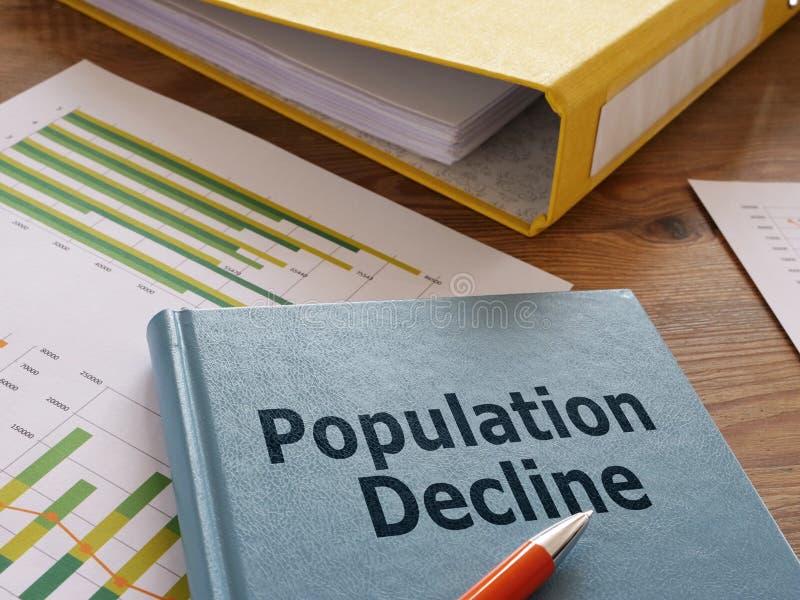
Free with trial Population decline is shown on the photo using the text. Population decrease stock images, royalty-free photos and pictures Population decline is shown on the photo using the text. Population decline is shown on a photo using the text
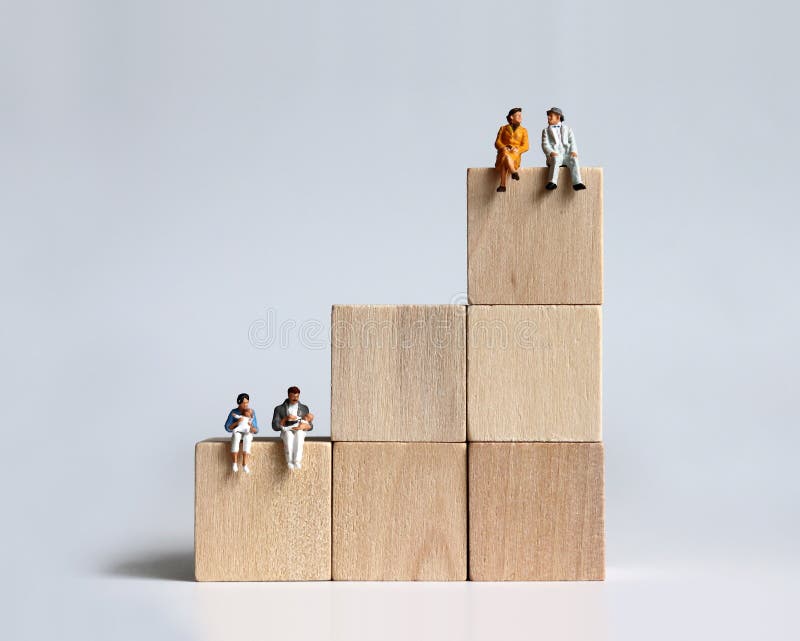
Free with trial The miniature people sitting on a block of stepped wood. Concepts about low birth rate and growing aging population. Population decrease stock images, royalty-free photos and pictures The miniature people sitting on a block of stepped wood. Concepts about low birth rate and growing aging population.
Free with trial Global demographics: World Population Day, awareness of people distribution, migration flows, density visualization, map data, demographic trend, societal impact, statistical insight, human geography. Population decrease stock images, royalty-free photos and pictures Global demographics: World Population Day, awareness of people distribution, migration flows, density visualization, map. Data, demographic trend, societal. Global demographics: World Population Day, awareness of people distribution, migration flows, density visualization, map data, demographic trend, societal impact, statistical insight, human geography
Free with trial Broken piggy bank in the form of a pig on a blue background. Concept - Crisis, decrease in incomes of the population during a pandemic, expenses from savings. Horizontal photo. Population decrease stock images, royalty-free photos and pictures Broken piggy bank in the form of a pig on a blue background. Concept - Crisis, decrease in incomes of the population. During a pandemic, expenses from savings
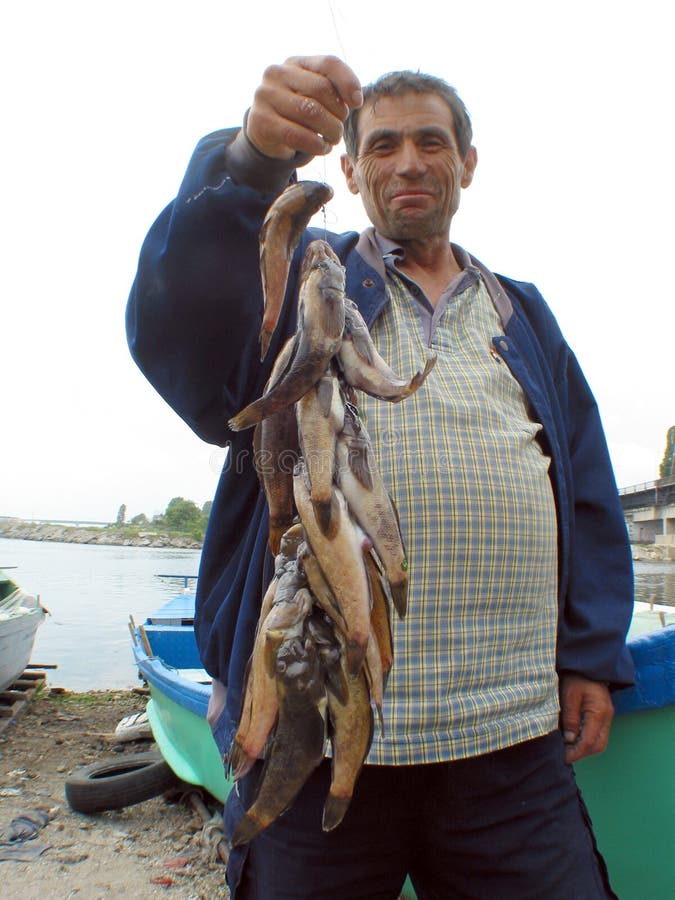
Free with trial Fisherman. Decrease by 60% of the population of fish in the Danube Delta. A fisherman shows how many fish caught. Population decrease stock images, royalty-free photos and pictures Fisherman. Decrease by 60% of the population of fish in the Danube Delta. A fisherman shows how many fish caught
Free with trial Light bulb is on background of stacks or columns of coins in ascending order. Concept photo saving electrical energy by people and industry, increase or decrease fees for the use of electricity. Population decrease stock images, royalty-free photos and pictures Light bulb is on background of stacks or columns of coins in ascending order. Concept photo saving electrical energy by people and. Industry, increase or. Light bulb is on background of stacks or columns of coins in ascending order. Concept photo saving electrical energy by people and industry, increase or decrease fees for the use of electricity
Free with trial Human statistics: demographic awareness, migration analysis, density mapping, societal change, global trend, data visualization, population distribution, geographic movement, statistical perspective. Population decrease stock images, royalty-free photos and pictures Human statistics: demographic awareness, migration analysis, density mapping, societal change, global trend, data. Visualization, population distribution. Human statistics: demographic awareness, migration analysis, density mapping, societal change, global trend, data visualization, population distribution, geographic movement, statistical perspective
Free with trial A hand holding a pen is indicating options about fertility rates on an orange background for research purposes. Population decrease stock images, royalty-free photos and pictures Survey on fertility rate preferences for population studies. A hand holding a pen is indicating options about fertility rates on an orange background for. A hand holding a pen is indicating options about fertility rates on an orange background for research purposes
Free with trial Questionnaire. One person is answering question about population. Population decrease stock images, royalty-free photos and pictures Questionnaire. One person is answering question about population
Free with trial The credit rate is reduced. The mortgage rate is falling, it`s time to buy real estate. The population is poor, income is falling. The deterioration of the situation in the city. Decline in sales. Decrease in prices for cars. Losses of the enterprise. Population decrease stock images, royalty-free photos and pictures The credit rate is reduced, the income of the population is falling. The credit rate is reduced. The mortgage rate is falling, it`s time to buy real estate. The. The credit rate is reduced. The mortgage rate is falling, it`s time to buy real estate. The population is poor, income is falling. The deterioration of the situation in the city. Decline in sales. Decrease in prices for cars. Losses of the enterprise.
Free with trial Ukraine flag background of the arrow chart down. Decrease in the number of the country`s rape. Fertility below the measurement. Reducing the flow of refugees, tourists, immigrants. Population decrease stock images, royalty-free photos and pictures Ukraine flag background of the arrow chart down. Decrease in the number of the country`s rape. Fertility below the measurement. Reducing the flow of refugees
Free with trial Many nested dolls cost beside in a shop. Population decrease stock images, royalty-free photos and pictures Nested dolls cost beside. Many nested dolls cost beside in a shop. Many nested dolls cost beside in a shop.
Free with trial Elderly man sitting on a chart bar graph. Isolated on white background. Population decrease stock images, royalty-free photos and pictures Elderly man sitting on a chart bar graph. Isolated on white background
Free with trial JAIPUR, INDIA: Gas cylinders put on a dirty street with old houses of poor families. Jaipur, with population 6,664000 people, is a capital of Rajasthan. Population decrease stock images, royalty-free photos and pictures Gas cylinders put on a dirty street with old houses of poor families. JAIPUR, INDIA: Gas cylinders put on a dirty street with old houses of poor families. Jaipur. JAIPUR, INDIA: Gas cylinders put on a dirty street with old houses of poor families. Jaipur, with population 6,664000 people, is a capital of Rajasthan
Free with trial Uaxactun is an ancient sacred place of the Maya civilization, located in the Peten Basin region of the Maya lowlands, in the present-day department of Peten, Guatemala. The site lies some 12 miles 19 km north of the major center of Tikal. He coined the name from Maya words Waxac and Tun, to mean `Eight Stones`. A war between Tikal and Uaxactun, in which Uaxactun was defeated by forces led by Fire is Born Siyaj K`ak`, formerly identified as Smoking Frog, ended in 378 AD. The combined political entity of Tikal-Uaxactun dominated the region for the following 180 years. Siyaj K`ak` might have come from Teotihuacan, been the general of the Teotihuacano ruler Spearthrower Owl, and conquered Tikal earlier the same year. After the conquest, Uaxactun was still able to keep elite prerogatives of monument carving, temple erection, and rich burials during most of the Early Classic era. During the Hiatus period between Early Classic and Late Classic, Uaxactun experienced a lack of architectural activity and ceramic production, which coincided with the decline of the power of Teotihuacan and Tikal. By the middle of Late Classic, Uaxactun showed evidences of population increase, new construction, remodeling of old structures, and appearance of new residential areas, plaza groups, and buildings. There was a time of distinctive population decrease towards the end of Late Classic. By the end of Terminal Classic, Uaxactun was virtually abandoned. Population decrease stock images, royalty-free photos and pictures Archaeological Site Drone view: Uaxactun, ancient sacred Maya place and astronomical observatory. Uaxactun is an ancient sacred place of the Maya civilization. Uaxactun is an ancient sacred place of the Maya civilization, located in the Peten Basin region of the Maya lowlands, in the present-day department of Peten, Guatemala. The site lies some 12 miles 19 km north of the major center of Tikal. He coined the name from Maya words Waxac and Tun, to mean `Eight Stones`. A war between Tikal and Uaxactun, in which Uaxactun was defeated by forces led by Fire is Born Siyaj K`ak`, formerly identified as Smoking Frog, ended in 378 AD. The combined political entity of Tikal-Uaxactun dominated the region for the following 180 years. Siyaj K`ak` might have come from Teotihuacan, been the general of the Teotihuacano ruler Spearthrower Owl, and conquered Tikal earlier the same year. After the conquest, Uaxactun was still able to keep elite prerogatives of monument carving, temple erection, and rich burials during most of the Early Classic era. During the Hiatus period between Early Classic and Late Classic, Uaxactun experienced a lack of architectural activity and ceramic production, which coincided with the decline of the power of Teotihuacan and Tikal. By the middle of Late Classic, Uaxactun showed evidences of population increase, new construction, remodeling of old structures, and appearance of new residential areas, plaza groups, and buildings. There was a time of distinctive population decrease towards the end of Late Classic. By the end of Terminal Classic, Uaxactun was virtually abandoned.
Free with trial Bengal tigers are the national animals of China. It is the most numerous of the tiger subspecies, but the population tends to decrease and the predator is listed in the Red Book. In India, this animal is considered one of the most intelligent after the elephant, its strength, steep temper and fearlessness make up legends. Population decrease stock images, royalty-free photos and pictures Bengal tiger stands on the background of green grass. Bengal tigers are the national animals of China. It is the most numerous of the tiger subspecies, but the. Bengal tigers are the national animals of China. It is the most numerous of the tiger subspecies, but the population tends to decrease and the predator is listed in the Red Book. In India, this animal is considered one of the most intelligent after the elephant, its strength, steep temper and fearlessness make up legends.
Free with trial Uaxactun is an ancient sacred place of the Maya civilization, located in the Peten Basin region of the Maya lowlands, in the present-day department of Peten, Guatemala. The site lies some 12 miles 19 km north of the major center of Tikal. He coined the name from Maya words Waxac and Tun, to mean `Eight Stones`. A war between Tikal and Uaxactun, in which Uaxactun was defeated by forces led by Fire is Born Siyaj K`ak`, formerly identified as Smoking Frog, ended in 378 AD. The combined political entity of Tikal-Uaxactun dominated the region for the following 180 years. Siyaj K`ak` might have come from Teotihuacan, been the general of the Teotihuacano ruler Spearthrower Owl, and conquered Tikal earlier the same year. After the conquest, Uaxactun was still able to keep elite prerogatives of monument carving, temple erection, and rich burials during most of the Early Classic era. During the Hiatus period between Early Classic and Late Classic, Uaxactun experienced a lack of architectural activity and ceramic production, which coincided with the decline of the power of Teotihuacan and Tikal. By the middle of Late Classic, Uaxactun showed evidences of population increase, new construction, remodeling of old structures, and appearance of new residential areas, plaza groups, and buildings. There was a time of distinctive population decrease towards the end of Late Classic. By the end of Terminal Classic, Uaxactun was virtually abandoned. Population decrease stock images, royalty-free photos and pictures Archaeological Site: Uaxactun, ancient sacred Maya place and astronomical observatory. Uaxactun is an ancient sacred place of the Maya civilization, located in. Uaxactun is an ancient sacred place of the Maya civilization, located in the Peten Basin region of the Maya lowlands, in the present-day department of Peten, Guatemala. The site lies some 12 miles 19 km north of the major center of Tikal. He coined the name from Maya words Waxac and Tun, to mean `Eight Stones`. A war between Tikal and Uaxactun, in which Uaxactun was defeated by forces led by Fire is Born Siyaj K`ak`, formerly identified as Smoking Frog, ended in 378 AD. The combined political entity of Tikal-Uaxactun dominated the region for the following 180 years. Siyaj K`ak` might have come from Teotihuacan, been the general of the Teotihuacano ruler Spearthrower Owl, and conquered Tikal earlier the same year. After the conquest, Uaxactun was still able to keep elite prerogatives of monument carving, temple erection, and rich burials during most of the Early Classic era. During the Hiatus period between Early Classic and Late Classic, Uaxactun experienced a lack of architectural activity and ceramic production, which coincided with the decline of the power of Teotihuacan and Tikal. By the middle of Late Classic, Uaxactun showed evidences of population increase, new construction, remodeling of old structures, and appearance of new residential areas, plaza groups, and buildings. There was a time of distinctive population decrease towards the end of Late Classic. By the end of Terminal Classic, Uaxactun was virtually abandoned.
Free with trial Uaxactun is an ancient sacred place of the Maya civilization, located in the Peten Basin region of the Maya lowlands, in the present-day department of Peten, Guatemala. The site lies some 12 miles 19 km north of the major center of Tikal. He coined the name from Maya words Waxac and Tun, to mean `Eight Stones`. A war between Tikal and Uaxactun, in which Uaxactun was defeated by forces led by Fire is Born Siyaj K`ak`, formerly identified as Smoking Frog, ended in 378 AD. The combined political entity of Tikal-Uaxactun dominated the region for the following 180 years. Siyaj K`ak` might have come from Teotihuacan, been the general of the Teotihuacano ruler Spearthrower Owl, and conquered Tikal earlier the same year. After the conquest, Uaxactun was still able to keep elite prerogatives of monument carving, temple erection, and rich burials during most of the Early Classic era. During the Hiatus period between Early Classic and Late Classic, Uaxactun experienced a lack of architectural activity and ceramic production, which coincided with the decline of the power of Teotihuacan and Tikal. By the middle of Late Classic, Uaxactun showed evidences of population increase, new construction, remodeling of old structures, and appearance of new residential areas, plaza groups, and buildings. There was a time of distinctive population decrease towards the end of Late Classic. By the end of Terminal Classic, Uaxactun was virtually abandoned. Population decrease stock images, royalty-free photos and pictures Archaeological Site: Uaxactun, ancient sacred Maya place and astronomical observatory. Uaxactun is an ancient sacred place of the Maya civilization, located in. Uaxactun is an ancient sacred place of the Maya civilization, located in the Peten Basin region of the Maya lowlands, in the present-day department of Peten, Guatemala. The site lies some 12 miles 19 km north of the major center of Tikal. He coined the name from Maya words Waxac and Tun, to mean `Eight Stones`. A war between Tikal and Uaxactun, in which Uaxactun was defeated by forces led by Fire is Born Siyaj K`ak`, formerly identified as Smoking Frog, ended in 378 AD. The combined political entity of Tikal-Uaxactun dominated the region for the following 180 years. Siyaj K`ak` might have come from Teotihuacan, been the general of the Teotihuacano ruler Spearthrower Owl, and conquered Tikal earlier the same year. After the conquest, Uaxactun was still able to keep elite prerogatives of monument carving, temple erection, and rich burials during most of the Early Classic era. During the Hiatus period between Early Classic and Late Classic, Uaxactun experienced a lack of architectural activity and ceramic production, which coincided with the decline of the power of Teotihuacan and Tikal. By the middle of Late Classic, Uaxactun showed evidences of population increase, new construction, remodeling of old structures, and appearance of new residential areas, plaza groups, and buildings. There was a time of distinctive population decrease towards the end of Late Classic. By the end of Terminal Classic, Uaxactun was virtually abandoned.
Free with trial Uaxactun is an ancient sacred place of the Maya civilization, located in the Peten Basin region of the Maya lowlands, in the present-day department of Peten, Guatemala. The site lies some 12 miles 19 km north of the major center of Tikal. He coined the name from Maya words Waxac and Tun, to mean `Eight Stones`. A war between Tikal and Uaxactun, in which Uaxactun was defeated by forces led by Fire is Born Siyaj K`ak`, formerly identified as Smoking Frog, ended in 378 AD. The combined political entity of Tikal-Uaxactun dominated the region for the following 180 years. Siyaj K`ak` might have come from Teotihuacan, been the general of the Teotihuacano ruler Spearthrower Owl, and conquered Tikal earlier the same year. After the conquest, Uaxactun was still able to keep elite prerogatives of monument carving, temple erection, and rich burials during most of the Early Classic era. During the Hiatus period between Early Classic and Late Classic, Uaxactun experienced a lack of architectural activity and ceramic production, which coincided with the decline of the power of Teotihuacan and Tikal. By the middle of Late Classic, Uaxactun showed evidences of population increase, new construction, remodeling of old structures, and appearance of new residential areas, plaza groups, and buildings. There was a time of distinctive population decrease towards the end of Late Classic. By the end of Terminal Classic, Uaxactun was virtually abandoned. Population decrease stock images, royalty-free photos and pictures Archaeological Site: Uaxactun, ancient sacred Maya place and astronomical observatory. Uaxactun is an ancient sacred place of the Maya civilization, located in. Uaxactun is an ancient sacred place of the Maya civilization, located in the Peten Basin region of the Maya lowlands, in the present-day department of Peten, Guatemala. The site lies some 12 miles 19 km north of the major center of Tikal. He coined the name from Maya words Waxac and Tun, to mean `Eight Stones`. A war between Tikal and Uaxactun, in which Uaxactun was defeated by forces led by Fire is Born Siyaj K`ak`, formerly identified as Smoking Frog, ended in 378 AD. The combined political entity of Tikal-Uaxactun dominated the region for the following 180 years. Siyaj K`ak` might have come from Teotihuacan, been the general of the Teotihuacano ruler Spearthrower Owl, and conquered Tikal earlier the same year. After the conquest, Uaxactun was still able to keep elite prerogatives of monument carving, temple erection, and rich burials during most of the Early Classic era. During the Hiatus period between Early Classic and Late Classic, Uaxactun experienced a lack of architectural activity and ceramic production, which coincided with the decline of the power of Teotihuacan and Tikal. By the middle of Late Classic, Uaxactun showed evidences of population increase, new construction, remodeling of old structures, and appearance of new residential areas, plaza groups, and buildings. There was a time of distinctive population decrease towards the end of Late Classic. By the end of Terminal Classic, Uaxactun was virtually abandoned.
Free with trial Uaxactun is an ancient sacred place of the Maya civilization, located in the Peten Basin region of the Maya lowlands, in the present-day department of Peten, Guatemala. The site lies some 12 miles 19 km north of the major center of Tikal. He coined the name from Maya words Waxac and Tun, to mean `Eight Stones`. A war between Tikal and Uaxactun, in which Uaxactun was defeated by forces led by Fire is Born Siyaj K`ak`, formerly identified as Smoking Frog, ended in 378 AD. The combined political entity of Tikal-Uaxactun dominated the region for the following 180 years. Siyaj K`ak` might have come from Teotihuacan, been the general of the Teotihuacano ruler Spearthrower Owl, and conquered Tikal earlier the same year. After the conquest, Uaxactun was still able to keep elite prerogatives of monument carving, temple erection, and rich burials during most of the Early Classic era. During the Hiatus period between Early Classic and Late Classic, Uaxactun experienced a lack of architectural activity and ceramic production, which coincided with the decline of the power of Teotihuacan and Tikal. By the middle of Late Classic, Uaxactun showed evidences of population increase, new construction, remodeling of old structures, and appearance of new residential areas, plaza groups, and buildings. There was a time of distinctive population decrease towards the end of Late Classic. By the end of Terminal Classic, Uaxactun was virtually abandoned. Population decrease stock images, royalty-free photos and pictures Archaeological Site: Uaxactun, ancient sacred Maya place and astronomical observatory. Uaxactun is an ancient sacred place of the Maya civilization, located in. Uaxactun is an ancient sacred place of the Maya civilization, located in the Peten Basin region of the Maya lowlands, in the present-day department of Peten, Guatemala. The site lies some 12 miles 19 km north of the major center of Tikal. He coined the name from Maya words Waxac and Tun, to mean `Eight Stones`. A war between Tikal and Uaxactun, in which Uaxactun was defeated by forces led by Fire is Born Siyaj K`ak`, formerly identified as Smoking Frog, ended in 378 AD. The combined political entity of Tikal-Uaxactun dominated the region for the following 180 years. Siyaj K`ak` might have come from Teotihuacan, been the general of the Teotihuacano ruler Spearthrower Owl, and conquered Tikal earlier the same year. After the conquest, Uaxactun was still able to keep elite prerogatives of monument carving, temple erection, and rich burials during most of the Early Classic era. During the Hiatus period between Early Classic and Late Classic, Uaxactun experienced a lack of architectural activity and ceramic production, which coincided with the decline of the power of Teotihuacan and Tikal. By the middle of Late Classic, Uaxactun showed evidences of population increase, new construction, remodeling of old structures, and appearance of new residential areas, plaza groups, and buildings. There was a time of distinctive population decrease towards the end of Late Classic. By the end of Terminal Classic, Uaxactun was virtually abandoned.
Free with trial Uaxactun is an ancient sacred place of the Maya civilization, located in the Peten Basin region of the Maya lowlands, in the present-day department of Peten, Guatemala. The site lies some 12 miles 19 km north of the major center of Tikal. He coined the name from Maya words Waxac and Tun, to mean `Eight Stones`. A war between Tikal and Uaxactun, in which Uaxactun was defeated by forces led by Fire is Born Siyaj K`ak`, formerly identified as Smoking Frog, ended in 378 AD. The combined political entity of Tikal-Uaxactun dominated the region for the following 180 years. Siyaj K`ak` might have come from Teotihuacan, been the general of the Teotihuacano ruler Spearthrower Owl, and conquered Tikal earlier the same year. After the conquest, Uaxactun was still able to keep elite prerogatives of monument carving, temple erection, and rich burials during most of the Early Classic era. During the Hiatus period between Early Classic and Late Classic, Uaxactun experienced a lack of architectural activity and ceramic production, which coincided with the decline of the power of Teotihuacan and Tikal. By the middle of Late Classic, Uaxactun showed evidences of population increase, new construction, remodeling of old structures, and appearance of new residential areas, plaza groups, and buildings. There was a time of distinctive population decrease towards the end of Late Classic. By the end of Terminal Classic, Uaxactun was virtually abandoned. Population decrease stock images, royalty-free photos and pictures Archaeological Site: Uaxactun, ancient sacred Maya place and astronomical observatory. Uaxactun is an ancient sacred place of the Maya civilization, located in. Uaxactun is an ancient sacred place of the Maya civilization, located in the Peten Basin region of the Maya lowlands, in the present-day department of Peten, Guatemala. The site lies some 12 miles 19 km north of the major center of Tikal. He coined the name from Maya words Waxac and Tun, to mean `Eight Stones`. A war between Tikal and Uaxactun, in which Uaxactun was defeated by forces led by Fire is Born Siyaj K`ak`, formerly identified as Smoking Frog, ended in 378 AD. The combined political entity of Tikal-Uaxactun dominated the region for the following 180 years. Siyaj K`ak` might have come from Teotihuacan, been the general of the Teotihuacano ruler Spearthrower Owl, and conquered Tikal earlier the same year. After the conquest, Uaxactun was still able to keep elite prerogatives of monument carving, temple erection, and rich burials during most of the Early Classic era. During the Hiatus period between Early Classic and Late Classic, Uaxactun experienced a lack of architectural activity and ceramic production, which coincided with the decline of the power of Teotihuacan and Tikal. By the middle of Late Classic, Uaxactun showed evidences of population increase, new construction, remodeling of old structures, and appearance of new residential areas, plaza groups, and buildings. There was a time of distinctive population decrease towards the end of Late Classic. By the end of Terminal Classic, Uaxactun was virtually abandoned.
Free with trial The concept of an aging society and low birthrate. Miniature people. Population decrease stock images, royalty-free photos and pictures The concept of an aging society and low birthrate. Miniature people.
Free with trial Uaxactun is an ancient sacred place of the Maya civilization, located in the Peten Basin region of the Maya lowlands, in the present-day department of Peten, Guatemala. The site lies some 12 miles 19 km north of the major center of Tikal. He coined the name from Maya words Waxac and Tun, to mean `Eight Stones`. A war between Tikal and Uaxactun, in which Uaxactun was defeated by forces led by Fire is Born Siyaj K`ak`, formerly identified as Smoking Frog, ended in 378 AD. The combined political entity of Tikal-Uaxactun dominated the region for the following 180 years. Siyaj K`ak` might have come from Teotihuacan, been the general of the Teotihuacano ruler Spearthrower Owl, and conquered Tikal earlier the same year. After the conquest, Uaxactun was still able to keep elite prerogatives of monument carving, temple erection, and rich burials during most of the Early Classic era. During the Hiatus period between Early Classic and Late Classic, Uaxactun experienced a lack of architectural activity and ceramic production, which coincided with the decline of the power of Teotihuacan and Tikal. By the middle of Late Classic, Uaxactun showed evidences of population increase, new construction, remodeling of old structures, and appearance of new residential areas, plaza groups, and buildings. There was a time of distinctive population decrease towards the end of Late Classic. By the end of Terminal Classic, Uaxactun was virtually abandoned. Population decrease stock images, royalty-free photos and pictures Archaeological Site: Uaxactun, ancient sacred Maya place and astronomical observatory. Uaxactun is an ancient sacred place of the Maya civilization, located in. Uaxactun is an ancient sacred place of the Maya civilization, located in the Peten Basin region of the Maya lowlands, in the present-day department of Peten, Guatemala. The site lies some 12 miles 19 km north of the major center of Tikal. He coined the name from Maya words Waxac and Tun, to mean `Eight Stones`. A war between Tikal and Uaxactun, in which Uaxactun was defeated by forces led by Fire is Born Siyaj K`ak`, formerly identified as Smoking Frog, ended in 378 AD. The combined political entity of Tikal-Uaxactun dominated the region for the following 180 years. Siyaj K`ak` might have come from Teotihuacan, been the general of the Teotihuacano ruler Spearthrower Owl, and conquered Tikal earlier the same year. After the conquest, Uaxactun was still able to keep elite prerogatives of monument carving, temple erection, and rich burials during most of the Early Classic era. During the Hiatus period between Early Classic and Late Classic, Uaxactun experienced a lack of architectural activity and ceramic production, which coincided with the decline of the power of Teotihuacan and Tikal. By the middle of Late Classic, Uaxactun showed evidences of population increase, new construction, remodeling of old structures, and appearance of new residential areas, plaza groups, and buildings. There was a time of distinctive population decrease towards the end of Late Classic. By the end of Terminal Classic, Uaxactun was virtually abandoned.
Free with trial Uaxactun is an ancient sacred place of the Maya civilization, located in the Peten Basin region of the Maya lowlands, in the present-day department of Peten, Guatemala. The site lies some 12 miles 19 km north of the major center of Tikal. He coined the name from Maya words Waxac and Tun, to mean `Eight Stones`. A war between Tikal and Uaxactun, in which Uaxactun was defeated by forces led by Fire is Born Siyaj K`ak`, formerly identified as Smoking Frog, ended in 378 AD. The combined political entity of Tikal-Uaxactun dominated the region for the following 180 years. Siyaj K`ak` might have come from Teotihuacan, been the general of the Teotihuacano ruler Spearthrower Owl, and conquered Tikal earlier the same year. After the conquest, Uaxactun was still able to keep elite prerogatives of monument carving, temple erection, and rich burials during most of the Early Classic era. During the Hiatus period between Early Classic and Late Classic, Uaxactun experienced a lack of architectural activity and ceramic production, which coincided with the decline of the power of Teotihuacan and Tikal. By the middle of Late Classic, Uaxactun showed evidences of population increase, new construction, remodeling of old structures, and appearance of new residential areas, plaza groups, and buildings. There was a time of distinctive population decrease towards the end of Late Classic. By the end of Terminal Classic, Uaxactun was virtually abandoned. Population decrease stock images, royalty-free photos and pictures Archaeological Site: Uaxactun, ancient sacred Maya place and astronomical observatory. Uaxactun is an ancient sacred place of the Maya civilization, located in. Uaxactun is an ancient sacred place of the Maya civilization, located in the Peten Basin region of the Maya lowlands, in the present-day department of Peten, Guatemala. The site lies some 12 miles 19 km north of the major center of Tikal. He coined the name from Maya words Waxac and Tun, to mean `Eight Stones`. A war between Tikal and Uaxactun, in which Uaxactun was defeated by forces led by Fire is Born Siyaj K`ak`, formerly identified as Smoking Frog, ended in 378 AD. The combined political entity of Tikal-Uaxactun dominated the region for the following 180 years. Siyaj K`ak` might have come from Teotihuacan, been the general of the Teotihuacano ruler Spearthrower Owl, and conquered Tikal earlier the same year. After the conquest, Uaxactun was still able to keep elite prerogatives of monument carving, temple erection, and rich burials during most of the Early Classic era. During the Hiatus period between Early Classic and Late Classic, Uaxactun experienced a lack of architectural activity and ceramic production, which coincided with the decline of the power of Teotihuacan and Tikal. By the middle of Late Classic, Uaxactun showed evidences of population increase, new construction, remodeling of old structures, and appearance of new residential areas, plaza groups, and buildings. There was a time of distinctive population decrease towards the end of Late Classic. By the end of Terminal Classic, Uaxactun was virtually abandoned.
Free with trial Human statistics: demographic awareness, migration analysis, density mapping, societal change, global trend, data visualization, population distribution, geographic movement, statistical perspective. Population decrease stock images, royalty-free photos and pictures Human statistics: demographic awareness, migration analysis, density mapping, societal change, global trend, data. Visualization, population distribution. Human statistics: demographic awareness, migration analysis, density mapping, societal change, global trend, data visualization, population distribution, geographic movement, statistical perspective
Free with trial Uaxactun is an ancient sacred place of the Maya civilization, located in the Peten Basin region of the Maya lowlands, in the present-day department of Peten, Guatemala. The site lies some 12 miles 19 km north of the major center of Tikal. He coined the name from Maya words Waxac and Tun, to mean `Eight Stones`. A war between Tikal and Uaxactun, in which Uaxactun was defeated by forces led by Fire is Born Siyaj K`ak`, formerly identified as Smoking Frog, ended in 378 AD. The combined political entity of Tikal-Uaxactun dominated the region for the following 180 years. Siyaj K`ak` might have come from Teotihuacan, been the general of the Teotihuacano ruler Spearthrower Owl, and conquered Tikal earlier the same year. After the conquest, Uaxactun was still able to keep elite prerogatives of monument carving, temple erection, and rich burials during most of the Early Classic era. During the Hiatus period between Early Classic and Late Classic, Uaxactun experienced a lack of architectural activity and ceramic production, which coincided with the decline of the power of Teotihuacan and Tikal. By the middle of Late Classic, Uaxactun showed evidences of population increase, new construction, remodeling of old structures, and appearance of new residential areas, plaza groups, and buildings. There was a time of distinctive population decrease towards the end of Late Classic. By the end of Terminal Classic, Uaxactun was virtually abandoned. Population decrease stock images, royalty-free photos and pictures Archaeological Site: Uaxactun, ancient sacred Maya place and astronomical observatory. Uaxactun is an ancient sacred place of the Maya civilization, located in. Uaxactun is an ancient sacred place of the Maya civilization, located in the Peten Basin region of the Maya lowlands, in the present-day department of Peten, Guatemala. The site lies some 12 miles 19 km north of the major center of Tikal. He coined the name from Maya words Waxac and Tun, to mean `Eight Stones`. A war between Tikal and Uaxactun, in which Uaxactun was defeated by forces led by Fire is Born Siyaj K`ak`, formerly identified as Smoking Frog, ended in 378 AD. The combined political entity of Tikal-Uaxactun dominated the region for the following 180 years. Siyaj K`ak` might have come from Teotihuacan, been the general of the Teotihuacano ruler Spearthrower Owl, and conquered Tikal earlier the same year. After the conquest, Uaxactun was still able to keep elite prerogatives of monument carving, temple erection, and rich burials during most of the Early Classic era. During the Hiatus period between Early Classic and Late Classic, Uaxactun experienced a lack of architectural activity and ceramic production, which coincided with the decline of the power of Teotihuacan and Tikal. By the middle of Late Classic, Uaxactun showed evidences of population increase, new construction, remodeling of old structures, and appearance of new residential areas, plaza groups, and buildings. There was a time of distinctive population decrease towards the end of Late Classic. By the end of Terminal Classic, Uaxactun was virtually abandoned.
Free with trial Uaxactun is an ancient sacred place of the Maya civilization, located in the Peten Basin region of the Maya lowlands, in the present-day department of Peten, Guatemala. The site lies some 12 miles 19 km north of the major center of Tikal. He coined the name from Maya words Waxac and Tun, to mean `Eight Stones`. A war between Tikal and Uaxactun, in which Uaxactun was defeated by forces led by Fire is Born Siyaj K`ak`, formerly identified as Smoking Frog, ended in 378 AD. The combined political entity of Tikal-Uaxactun dominated the region for the following 180 years. Siyaj K`ak` might have come from Teotihuacan, been the general of the Teotihuacano ruler Spearthrower Owl, and conquered Tikal earlier the same year. After the conquest, Uaxactun was still able to keep elite prerogatives of monument carving, temple erection, and rich burials during most of the Early Classic era. During the Hiatus period between Early Classic and Late Classic, Uaxactun experienced a lack of architectural activity and ceramic production, which coincided with the decline of the power of Teotihuacan and Tikal. By the middle of Late Classic, Uaxactun showed evidences of population increase, new construction, remodeling of old structures, and appearance of new residential areas, plaza groups, and buildings. There was a time of distinctive population decrease towards the end of Late Classic. By the end of Terminal Classic, Uaxactun was virtually abandoned. Population decrease stock images, royalty-free photos and pictures Archaeological Site: Uaxactun, ancient sacred Maya place and astronomical observatory. Uaxactun is an ancient sacred place of the Maya civilization, located in. Uaxactun is an ancient sacred place of the Maya civilization, located in the Peten Basin region of the Maya lowlands, in the present-day department of Peten, Guatemala. The site lies some 12 miles 19 km north of the major center of Tikal. He coined the name from Maya words Waxac and Tun, to mean `Eight Stones`. A war between Tikal and Uaxactun, in which Uaxactun was defeated by forces led by Fire is Born Siyaj K`ak`, formerly identified as Smoking Frog, ended in 378 AD. The combined political entity of Tikal-Uaxactun dominated the region for the following 180 years. Siyaj K`ak` might have come from Teotihuacan, been the general of the Teotihuacano ruler Spearthrower Owl, and conquered Tikal earlier the same year. After the conquest, Uaxactun was still able to keep elite prerogatives of monument carving, temple erection, and rich burials during most of the Early Classic era. During the Hiatus period between Early Classic and Late Classic, Uaxactun experienced a lack of architectural activity and ceramic production, which coincided with the decline of the power of Teotihuacan and Tikal. By the middle of Late Classic, Uaxactun showed evidences of population increase, new construction, remodeling of old structures, and appearance of new residential areas, plaza groups, and buildings. There was a time of distinctive population decrease towards the end of Late Classic. By the end of Terminal Classic, Uaxactun was virtually abandoned.
Free with trial Uaxactun is an ancient sacred place of the Maya civilization, located in the Peten Basin region of the Maya lowlands, in the present-day department of Peten, Guatemala. The site lies some 12 miles 19 km north of the major center of Tikal. He coined the name from Maya words Waxac and Tun, to mean `Eight Stones`. A war between Tikal and Uaxactun, in which Uaxactun was defeated by forces led by Fire is Born Siyaj K`ak`, formerly identified as Smoking Frog, ended in 378 AD. The combined political entity of Tikal-Uaxactun dominated the region for the following 180 years. Siyaj K`ak` might have come from Teotihuacan, been the general of the Teotihuacano ruler Spearthrower Owl, and conquered Tikal earlier the same year. After the conquest, Uaxactun was still able to keep elite prerogatives of monument carving, temple erection, and rich burials during most of the Early Classic era. During the Hiatus period between Early Classic and Late Classic, Uaxactun experienced a lack of architectural activity and ceramic production, which coincided with the decline of the power of Teotihuacan and Tikal. By the middle of Late Classic, Uaxactun showed evidences of population increase, new construction, remodeling of old structures, and appearance of new residential areas, plaza groups, and buildings. There was a time of distinctive population decrease towards the end of Late Classic. By the end of Terminal Classic, Uaxactun was virtually abandoned. Population decrease stock images, royalty-free photos and pictures Archaeological Site: Uaxactun, ancient sacred Maya place and astronomical observatory. Uaxactun is an ancient sacred place of the Maya civilization, located in. Uaxactun is an ancient sacred place of the Maya civilization, located in the Peten Basin region of the Maya lowlands, in the present-day department of Peten, Guatemala. The site lies some 12 miles 19 km north of the major center of Tikal. He coined the name from Maya words Waxac and Tun, to mean `Eight Stones`. A war between Tikal and Uaxactun, in which Uaxactun was defeated by forces led by Fire is Born Siyaj K`ak`, formerly identified as Smoking Frog, ended in 378 AD. The combined political entity of Tikal-Uaxactun dominated the region for the following 180 years. Siyaj K`ak` might have come from Teotihuacan, been the general of the Teotihuacano ruler Spearthrower Owl, and conquered Tikal earlier the same year. After the conquest, Uaxactun was still able to keep elite prerogatives of monument carving, temple erection, and rich burials during most of the Early Classic era. During the Hiatus period between Early Classic and Late Classic, Uaxactun experienced a lack of architectural activity and ceramic production, which coincided with the decline of the power of Teotihuacan and Tikal. By the middle of Late Classic, Uaxactun showed evidences of population increase, new construction, remodeling of old structures, and appearance of new residential areas, plaza groups, and buildings. There was a time of distinctive population decrease towards the end of Late Classic. By the end of Terminal Classic, Uaxactun was virtually abandoned.
Free with trial Uaxactun is an ancient sacred place of the Maya civilization, located in the Peten Basin region of the Maya lowlands, in the present-day department of Peten, Guatemala. The site lies some 12 miles 19 km north of the major center of Tikal. He coined the name from Maya words Waxac and Tun, to mean `Eight Stones`. A war between Tikal and Uaxactun, in which Uaxactun was defeated by forces led by Fire is Born Siyaj K`ak`, formerly identified as Smoking Frog, ended in 378 AD. The combined political entity of Tikal-Uaxactun dominated the region for the following 180 years. Siyaj K`ak` might have come from Teotihuacan, been the general of the Teotihuacano ruler Spearthrower Owl, and conquered Tikal earlier the same year. After the conquest, Uaxactun was still able to keep elite prerogatives of monument carving, temple erection, and rich burials during most of the Early Classic era. During the Hiatus period between Early Classic and Late Classic, Uaxactun experienced a lack of architectural activity and ceramic production, which coincided with the decline of the power of Teotihuacan and Tikal. By the middle of Late Classic, Uaxactun showed evidences of population increase, new construction, remodeling of old structures, and appearance of new residential areas, plaza groups, and buildings. There was a time of distinctive population decrease towards the end of Late Classic. By the end of Terminal Classic, Uaxactun was virtually abandoned. Population decrease stock images, royalty-free photos and pictures Archaeological Site: Uaxactun, ancient sacred Maya place and astronomical observatory. Uaxactun is an ancient sacred place of the Maya civilization, located in. Uaxactun is an ancient sacred place of the Maya civilization, located in the Peten Basin region of the Maya lowlands, in the present-day department of Peten, Guatemala. The site lies some 12 miles 19 km north of the major center of Tikal. He coined the name from Maya words Waxac and Tun, to mean `Eight Stones`. A war between Tikal and Uaxactun, in which Uaxactun was defeated by forces led by Fire is Born Siyaj K`ak`, formerly identified as Smoking Frog, ended in 378 AD. The combined political entity of Tikal-Uaxactun dominated the region for the following 180 years. Siyaj K`ak` might have come from Teotihuacan, been the general of the Teotihuacano ruler Spearthrower Owl, and conquered Tikal earlier the same year. After the conquest, Uaxactun was still able to keep elite prerogatives of monument carving, temple erection, and rich burials during most of the Early Classic era. During the Hiatus period between Early Classic and Late Classic, Uaxactun experienced a lack of architectural activity and ceramic production, which coincided with the decline of the power of Teotihuacan and Tikal. By the middle of Late Classic, Uaxactun showed evidences of population increase, new construction, remodeling of old structures, and appearance of new residential areas, plaza groups, and buildings. There was a time of distinctive population decrease towards the end of Late Classic. By the end of Terminal Classic, Uaxactun was virtually abandoned.
Free with trial Uaxactun is an ancient sacred place of the Maya civilization, located in the Peten Basin region of the Maya lowlands, in the present-day department of Peten, Guatemala. The site lies some 12 miles 19 km north of the major center of Tikal. He coined the name from Maya words Waxac and Tun, to mean `Eight Stones`. A war between Tikal and Uaxactun, in which Uaxactun was defeated by forces led by Fire is Born Siyaj K`ak`, formerly identified as Smoking Frog, ended in 378 AD. The combined political entity of Tikal-Uaxactun dominated the region for the following 180 years. Siyaj K`ak` might have come from Teotihuacan, been the general of the Teotihuacano ruler Spearthrower Owl, and conquered Tikal earlier the same year. After the conquest, Uaxactun was still able to keep elite prerogatives of monument carving, temple erection, and rich burials during most of the Early Classic era. During the Hiatus period between Early Classic and Late Classic, Uaxactun experienced a lack of architectural activity and ceramic production, which coincided with the decline of the power of Teotihuacan and Tikal. By the middle of Late Classic, Uaxactun showed evidences of population increase, new construction, remodeling of old structures, and appearance of new residential areas, plaza groups, and buildings. There was a time of distinctive population decrease towards the end of Late Classic. By the end of Terminal Classic, Uaxactun was virtually abandoned. Population decrease stock images, royalty-free photos and pictures Archaeological Site: Uaxactun, ancient sacred Maya place and astronomical observatory. Uaxactun is an ancient sacred place of the Maya civilization, located in. Uaxactun is an ancient sacred place of the Maya civilization, located in the Peten Basin region of the Maya lowlands, in the present-day department of Peten, Guatemala. The site lies some 12 miles 19 km north of the major center of Tikal. He coined the name from Maya words Waxac and Tun, to mean `Eight Stones`. A war between Tikal and Uaxactun, in which Uaxactun was defeated by forces led by Fire is Born Siyaj K`ak`, formerly identified as Smoking Frog, ended in 378 AD. The combined political entity of Tikal-Uaxactun dominated the region for the following 180 years. Siyaj K`ak` might have come from Teotihuacan, been the general of the Teotihuacano ruler Spearthrower Owl, and conquered Tikal earlier the same year. After the conquest, Uaxactun was still able to keep elite prerogatives of monument carving, temple erection, and rich burials during most of the Early Classic era. During the Hiatus period between Early Classic and Late Classic, Uaxactun experienced a lack of architectural activity and ceramic production, which coincided with the decline of the power of Teotihuacan and Tikal. By the middle of Late Classic, Uaxactun showed evidences of population increase, new construction, remodeling of old structures, and appearance of new residential areas, plaza groups, and buildings. There was a time of distinctive population decrease towards the end of Late Classic. By the end of Terminal Classic, Uaxactun was virtually abandoned.
Free with trial Uaxactun is an ancient sacred place of the Maya civilization, located in the Peten Basin region of the Maya lowlands, in the present-day department of Peten, Guatemala. The site lies some 12 miles 19 km north of the major center of Tikal. He coined the name from Maya words Waxac and Tun, to mean `Eight Stones`. A war between Tikal and Uaxactun, in which Uaxactun was defeated by forces led by Fire is Born Siyaj K`ak`, formerly identified as Smoking Frog, ended in 378 AD. The combined political entity of Tikal-Uaxactun dominated the region for the following 180 years. Siyaj K`ak` might have come from Teotihuacan, been the general of the Teotihuacano ruler Spearthrower Owl, and conquered Tikal earlier the same year. After the conquest, Uaxactun was still able to keep elite prerogatives of monument carving, temple erection, and rich burials during most of the Early Classic era. During the Hiatus period between Early Classic and Late Classic, Uaxactun experienced a lack of architectural activity and ceramic production, which coincided with the decline of the power of Teotihuacan and Tikal. By the middle of Late Classic, Uaxactun showed evidences of population increase, new construction, remodeling of old structures, and appearance of new residential areas, plaza groups, and buildings. There was a time of distinctive population decrease towards the end of Late Classic. By the end of Terminal Classic, Uaxactun was virtually abandoned. Population decrease stock images, royalty-free photos and pictures Archaeological Site: Uaxactun, ancient sacred Maya place and astronomical observatory. Uaxactun is an ancient sacred place of the Maya civilization, located in. Uaxactun is an ancient sacred place of the Maya civilization, located in the Peten Basin region of the Maya lowlands, in the present-day department of Peten, Guatemala. The site lies some 12 miles 19 km north of the major center of Tikal. He coined the name from Maya words Waxac and Tun, to mean `Eight Stones`. A war between Tikal and Uaxactun, in which Uaxactun was defeated by forces led by Fire is Born Siyaj K`ak`, formerly identified as Smoking Frog, ended in 378 AD. The combined political entity of Tikal-Uaxactun dominated the region for the following 180 years. Siyaj K`ak` might have come from Teotihuacan, been the general of the Teotihuacano ruler Spearthrower Owl, and conquered Tikal earlier the same year. After the conquest, Uaxactun was still able to keep elite prerogatives of monument carving, temple erection, and rich burials during most of the Early Classic era. During the Hiatus period between Early Classic and Late Classic, Uaxactun experienced a lack of architectural activity and ceramic production, which coincided with the decline of the power of Teotihuacan and Tikal. By the middle of Late Classic, Uaxactun showed evidences of population increase, new construction, remodeling of old structures, and appearance of new residential areas, plaza groups, and buildings. There was a time of distinctive population decrease towards the end of Late Classic. By the end of Terminal Classic, Uaxactun was virtually abandoned.
Free with trial Uaxactun is an ancient sacred place of the Maya civilization, located in the Peten Basin region of the Maya lowlands, in the present-day department of Peten, Guatemala. The site lies some 12 miles 19 km north of the major center of Tikal. He coined the name from Maya words Waxac and Tun, to mean `Eight Stones`. A war between Tikal and Uaxactun, in which Uaxactun was defeated by forces led by Fire is Born Siyaj K`ak`, formerly identified as Smoking Frog, ended in 378 AD. The combined political entity of Tikal-Uaxactun dominated the region for the following 180 years. Siyaj K`ak` might have come from Teotihuacan, been the general of the Teotihuacano ruler Spearthrower Owl, and conquered Tikal earlier the same year. After the conquest, Uaxactun was still able to keep elite prerogatives of monument carving, temple erection, and rich burials during most of the Early Classic era. During the Hiatus period between Early Classic and Late Classic, Uaxactun experienced a lack of architectural activity and ceramic production, which coincided with the decline of the power of Teotihuacan and Tikal. By the middle of Late Classic, Uaxactun showed evidences of population increase, new construction, remodeling of old structures, and appearance of new residential areas, plaza groups, and buildings. There was a time of distinctive population decrease towards the end of Late Classic. By the end of Terminal Classic, Uaxactun was virtually abandoned. Population decrease stock images, royalty-free photos and pictures Archaeological Site: Uaxactun, ancient sacred Maya place and astronomical observatory. Uaxactun is an ancient sacred place of the Maya civilization, located in. Uaxactun is an ancient sacred place of the Maya civilization, located in the Peten Basin region of the Maya lowlands, in the present-day department of Peten, Guatemala. The site lies some 12 miles 19 km north of the major center of Tikal. He coined the name from Maya words Waxac and Tun, to mean `Eight Stones`. A war between Tikal and Uaxactun, in which Uaxactun was defeated by forces led by Fire is Born Siyaj K`ak`, formerly identified as Smoking Frog, ended in 378 AD. The combined political entity of Tikal-Uaxactun dominated the region for the following 180 years. Siyaj K`ak` might have come from Teotihuacan, been the general of the Teotihuacano ruler Spearthrower Owl, and conquered Tikal earlier the same year. After the conquest, Uaxactun was still able to keep elite prerogatives of monument carving, temple erection, and rich burials during most of the Early Classic era. During the Hiatus period between Early Classic and Late Classic, Uaxactun experienced a lack of architectural activity and ceramic production, which coincided with the decline of the power of Teotihuacan and Tikal. By the middle of Late Classic, Uaxactun showed evidences of population increase, new construction, remodeling of old structures, and appearance of new residential areas, plaza groups, and buildings. There was a time of distinctive population decrease towards the end of Late Classic. By the end of Terminal Classic, Uaxactun was virtually abandoned.
Free with trial Uaxactun is an ancient sacred place of the Maya civilization, located in the Peten Basin region of the Maya lowlands, in the present-day department of Peten, Guatemala. The site lies some 12 miles 19 km north of the major center of Tikal. He coined the name from Maya words Waxac and Tun, to mean `Eight Stones`. A war between Tikal and Uaxactun, in which Uaxactun was defeated by forces led by Fire is Born Siyaj K`ak`, formerly identified as Smoking Frog, ended in 378 AD. The combined political entity of Tikal-Uaxactun dominated the region for the following 180 years. Siyaj K`ak` might have come from Teotihuacan, been the general of the Teotihuacano ruler Spearthrower Owl, and conquered Tikal earlier the same year. After the conquest, Uaxactun was still able to keep elite prerogatives of monument carving, temple erection, and rich burials during most of the Early Classic era. During the Hiatus period between Early Classic and Late Classic, Uaxactun experienced a lack of architectural activity and ceramic production, which coincided with the decline of the power of Teotihuacan and Tikal. By the middle of Late Classic, Uaxactun showed evidences of population increase, new construction, remodeling of old structures, and appearance of new residential areas, plaza groups, and buildings. There was a time of distinctive population decrease towards the end of Late Classic. By the end of Terminal Classic, Uaxactun was virtually abandoned. Population decrease stock images, royalty-free photos and pictures Archaeological Site: Uaxactun, ancient sacred Maya place and astronomical observatory. Uaxactun is an ancient sacred place of the Maya civilization, located in. Uaxactun is an ancient sacred place of the Maya civilization, located in the Peten Basin region of the Maya lowlands, in the present-day department of Peten, Guatemala. The site lies some 12 miles 19 km north of the major center of Tikal. He coined the name from Maya words Waxac and Tun, to mean `Eight Stones`. A war between Tikal and Uaxactun, in which Uaxactun was defeated by forces led by Fire is Born Siyaj K`ak`, formerly identified as Smoking Frog, ended in 378 AD. The combined political entity of Tikal-Uaxactun dominated the region for the following 180 years. Siyaj K`ak` might have come from Teotihuacan, been the general of the Teotihuacano ruler Spearthrower Owl, and conquered Tikal earlier the same year. After the conquest, Uaxactun was still able to keep elite prerogatives of monument carving, temple erection, and rich burials during most of the Early Classic era. During the Hiatus period between Early Classic and Late Classic, Uaxactun experienced a lack of architectural activity and ceramic production, which coincided with the decline of the power of Teotihuacan and Tikal. By the middle of Late Classic, Uaxactun showed evidences of population increase, new construction, remodeling of old structures, and appearance of new residential areas, plaza groups, and buildings. There was a time of distinctive population decrease towards the end of Late Classic. By the end of Terminal Classic, Uaxactun was virtually abandoned.
Free with trial Uaxactun is an ancient sacred place of the Maya civilization, located in the Peten Basin region of the Maya lowlands, in the present-day department of Peten, Guatemala. The site lies some 12 miles 19 km north of the major center of Tikal. He coined the name from Maya words Waxac and Tun, to mean `Eight Stones`. A war between Tikal and Uaxactun, in which Uaxactun was defeated by forces led by Fire is Born Siyaj K`ak`, formerly identified as Smoking Frog, ended in 378 AD. The combined political entity of Tikal-Uaxactun dominated the region for the following 180 years. Siyaj K`ak` might have come from Teotihuacan, been the general of the Teotihuacano ruler Spearthrower Owl, and conquered Tikal earlier the same year. After the conquest, Uaxactun was still able to keep elite prerogatives of monument carving, temple erection, and rich burials during most of the Early Classic era. During the Hiatus period between Early Classic and Late Classic, Uaxactun experienced a lack of architectural activity and ceramic production, which coincided with the decline of the power of Teotihuacan and Tikal. By the middle of Late Classic, Uaxactun showed evidences of population increase, new construction, remodeling of old structures, and appearance of new residential areas, plaza groups, and buildings. There was a time of distinctive population decrease towards the end of Late Classic. By the end of Terminal Classic, Uaxactun was virtually abandoned. Population decrease stock images, royalty-free photos and pictures Archaeological Site: Uaxactun, ancient sacred Maya place and astronomical observatory. Uaxactun is an ancient sacred place of the Maya civilization, located in. Uaxactun is an ancient sacred place of the Maya civilization, located in the Peten Basin region of the Maya lowlands, in the present-day department of Peten, Guatemala. The site lies some 12 miles 19 km north of the major center of Tikal. He coined the name from Maya words Waxac and Tun, to mean `Eight Stones`. A war between Tikal and Uaxactun, in which Uaxactun was defeated by forces led by Fire is Born Siyaj K`ak`, formerly identified as Smoking Frog, ended in 378 AD. The combined political entity of Tikal-Uaxactun dominated the region for the following 180 years. Siyaj K`ak` might have come from Teotihuacan, been the general of the Teotihuacano ruler Spearthrower Owl, and conquered Tikal earlier the same year. After the conquest, Uaxactun was still able to keep elite prerogatives of monument carving, temple erection, and rich burials during most of the Early Classic era. During the Hiatus period between Early Classic and Late Classic, Uaxactun experienced a lack of architectural activity and ceramic production, which coincided with the decline of the power of Teotihuacan and Tikal. By the middle of Late Classic, Uaxactun showed evidences of population increase, new construction, remodeling of old structures, and appearance of new residential areas, plaza groups, and buildings. There was a time of distinctive population decrease towards the end of Late Classic. By the end of Terminal Classic, Uaxactun was virtually abandoned.
Free with trial Uaxactun is an ancient sacred place of the Maya civilization, located in the Peten Basin region of the Maya lowlands, in the present-day department of Peten, Guatemala. The site lies some 12 miles 19 km north of the major center of Tikal. He coined the name from Maya words Waxac and Tun, to mean `Eight Stones`. A war between Tikal and Uaxactun, in which Uaxactun was defeated by forces led by Fire is Born Siyaj K`ak`, formerly identified as Smoking Frog, ended in 378 AD. The combined political entity of Tikal-Uaxactun dominated the region for the following 180 years. Siyaj K`ak` might have come from Teotihuacan, been the general of the Teotihuacano ruler Spearthrower Owl, and conquered Tikal earlier the same year. After the conquest, Uaxactun was still able to keep elite prerogatives of monument carving, temple erection, and rich burials during most of the Early Classic era. During the Hiatus period between Early Classic and Late Classic, Uaxactun experienced a lack of architectural activity and ceramic production, which coincided with the decline of the power of Teotihuacan and Tikal. By the middle of Late Classic, Uaxactun showed evidences of population increase, new construction, remodeling of old structures, and appearance of new residential areas, plaza groups, and buildings. There was a time of distinctive population decrease towards the end of Late Classic. By the end of Terminal Classic, Uaxactun was virtually abandoned. Population decrease stock images, royalty-free photos and pictures Archaeological Site: Uaxactun, ancient sacred Maya place and astronomical observatory. Uaxactun is an ancient sacred place of the Maya civilization, located in. Uaxactun is an ancient sacred place of the Maya civilization, located in the Peten Basin region of the Maya lowlands, in the present-day department of Peten, Guatemala. The site lies some 12 miles 19 km north of the major center of Tikal. He coined the name from Maya words Waxac and Tun, to mean `Eight Stones`. A war between Tikal and Uaxactun, in which Uaxactun was defeated by forces led by Fire is Born Siyaj K`ak`, formerly identified as Smoking Frog, ended in 378 AD. The combined political entity of Tikal-Uaxactun dominated the region for the following 180 years. Siyaj K`ak` might have come from Teotihuacan, been the general of the Teotihuacano ruler Spearthrower Owl, and conquered Tikal earlier the same year. After the conquest, Uaxactun was still able to keep elite prerogatives of monument carving, temple erection, and rich burials during most of the Early Classic era. During the Hiatus period between Early Classic and Late Classic, Uaxactun experienced a lack of architectural activity and ceramic production, which coincided with the decline of the power of Teotihuacan and Tikal. By the middle of Late Classic, Uaxactun showed evidences of population increase, new construction, remodeling of old structures, and appearance of new residential areas, plaza groups, and buildings. There was a time of distinctive population decrease towards the end of Late Classic. By the end of Terminal Classic, Uaxactun was virtually abandoned.
Free with trial Human statistics: demographic awareness, migration analysis, density mapping, societal change, global trend, data visualization, population distribution, geographic movement, statistical perspective. Population decrease stock images, royalty-free photos and pictures Human statistics: demographic awareness, migration analysis, density mapping, societal change, global trend, data. Visualization, population distribution. Human statistics: demographic awareness, migration analysis, density mapping, societal change, global trend, data visualization, population distribution, geographic movement, statistical perspective
Free with trial Uaxactun is an ancient sacred place of the Maya civilization, located in the Peten Basin region of the Maya lowlands, in the present-day department of Peten, Guatemala. The site lies some 12 miles 19 km north of the major center of Tikal. He coined the name from Maya words Waxac and Tun, to mean `Eight Stones`. A war between Tikal and Uaxactun, in which Uaxactun was defeated by forces led by Fire is Born Siyaj K`ak`, formerly identified as Smoking Frog, ended in 378 AD. The combined political entity of Tikal-Uaxactun dominated the region for the following 180 years. Siyaj K`ak` might have come from Teotihuacan, been the general of the Teotihuacano ruler Spearthrower Owl, and conquered Tikal earlier the same year. After the conquest, Uaxactun was still able to keep elite prerogatives of monument carving, temple erection, and rich burials during most of the Early Classic era. During the Hiatus period between Early Classic and Late Classic, Uaxactun experienced a lack of architectural activity and ceramic production, which coincided with the decline of the power of Teotihuacan and Tikal. By the middle of Late Classic, Uaxactun showed evidences of population increase, new construction, remodeling of old structures, and appearance of new residential areas, plaza groups, and buildings. There was a time of distinctive population decrease towards the end of Late Classic. By the end of Terminal Classic, Uaxactun was virtually abandoned. Population decrease stock images, royalty-free photos and pictures Archaeological Site Drone view: Uaxactun, ancient sacred Maya place and astronomical observatory. Uaxactun is an ancient sacred place of the Maya civilization. Uaxactun is an ancient sacred place of the Maya civilization, located in the Peten Basin region of the Maya lowlands, in the present-day department of Peten, Guatemala. The site lies some 12 miles 19 km north of the major center of Tikal. He coined the name from Maya words Waxac and Tun, to mean `Eight Stones`. A war between Tikal and Uaxactun, in which Uaxactun was defeated by forces led by Fire is Born Siyaj K`ak`, formerly identified as Smoking Frog, ended in 378 AD. The combined political entity of Tikal-Uaxactun dominated the region for the following 180 years. Siyaj K`ak` might have come from Teotihuacan, been the general of the Teotihuacano ruler Spearthrower Owl, and conquered Tikal earlier the same year. After the conquest, Uaxactun was still able to keep elite prerogatives of monument carving, temple erection, and rich burials during most of the Early Classic era. During the Hiatus period between Early Classic and Late Classic, Uaxactun experienced a lack of architectural activity and ceramic production, which coincided with the decline of the power of Teotihuacan and Tikal. By the middle of Late Classic, Uaxactun showed evidences of population increase, new construction, remodeling of old structures, and appearance of new residential areas, plaza groups, and buildings. There was a time of distinctive population decrease towards the end of Late Classic. By the end of Terminal Classic, Uaxactun was virtually abandoned.
Free with trial Uaxactun is an ancient sacred place of the Maya civilization, located in the Peten Basin region of the Maya lowlands, in the present-day department of Peten, Guatemala. The site lies some 12 miles 19 km north of the major center of Tikal. He coined the name from Maya words Waxac and Tun, to mean `Eight Stones`. A war between Tikal and Uaxactun, in which Uaxactun was defeated by forces led by Fire is Born Siyaj K`ak`, formerly identified as Smoking Frog, ended in 378 AD. The combined political entity of Tikal-Uaxactun dominated the region for the following 180 years. Siyaj K`ak` might have come from Teotihuacan, been the general of the Teotihuacano ruler Spearthrower Owl, and conquered Tikal earlier the same year. After the conquest, Uaxactun was still able to keep elite prerogatives of monument carving, temple erection, and rich burials during most of the Early Classic era. During the Hiatus period between Early Classic and Late Classic, Uaxactun experienced a lack of architectural activity and ceramic production, which coincided with the decline of the power of Teotihuacan and Tikal. By the middle of Late Classic, Uaxactun showed evidences of population increase, new construction, remodeling of old structures, and appearance of new residential areas, plaza groups, and buildings. There was a time of distinctive population decrease towards the end of Late Classic. By the end of Terminal Classic, Uaxactun was virtually abandoned. Population decrease stock images, royalty-free photos and pictures Archaeological Site Drone view: Uaxactun, ancient sacred Maya place and astronomical observatory. Uaxactun is an ancient sacred place of the Maya civilization. Uaxactun is an ancient sacred place of the Maya civilization, located in the Peten Basin region of the Maya lowlands, in the present-day department of Peten, Guatemala. The site lies some 12 miles 19 km north of the major center of Tikal. He coined the name from Maya words Waxac and Tun, to mean `Eight Stones`. A war between Tikal and Uaxactun, in which Uaxactun was defeated by forces led by Fire is Born Siyaj K`ak`, formerly identified as Smoking Frog, ended in 378 AD. The combined political entity of Tikal-Uaxactun dominated the region for the following 180 years. Siyaj K`ak` might have come from Teotihuacan, been the general of the Teotihuacano ruler Spearthrower Owl, and conquered Tikal earlier the same year. After the conquest, Uaxactun was still able to keep elite prerogatives of monument carving, temple erection, and rich burials during most of the Early Classic era. During the Hiatus period between Early Classic and Late Classic, Uaxactun experienced a lack of architectural activity and ceramic production, which coincided with the decline of the power of Teotihuacan and Tikal. By the middle of Late Classic, Uaxactun showed evidences of population increase, new construction, remodeling of old structures, and appearance of new residential areas, plaza groups, and buildings. There was a time of distinctive population decrease towards the end of Late Classic. By the end of Terminal Classic, Uaxactun was virtually abandoned.
Free with trial Uaxactun is an ancient sacred place of the Maya civilization, located in the Peten Basin region of the Maya lowlands, in the present-day department of Peten, Guatemala. The site lies some 12 miles 19 km north of the major center of Tikal. He coined the name from Maya words Waxac and Tun, to mean `Eight Stones`. A war between Tikal and Uaxactun, in which Uaxactun was defeated by forces led by Fire is Born Siyaj K`ak`, formerly identified as Smoking Frog, ended in 378 AD. The combined political entity of Tikal-Uaxactun dominated the region for the following 180 years. Siyaj K`ak` might have come from Teotihuacan, been the general of the Teotihuacano ruler Spearthrower Owl, and conquered Tikal earlier the same year. After the conquest, Uaxactun was still able to keep elite prerogatives of monument carving, temple erection, and rich burials during most of the Early Classic era. During the Hiatus period between Early Classic and Late Classic, Uaxactun experienced a lack of architectural activity and ceramic production, which coincided with the decline of the power of Teotihuacan and Tikal. By the middle of Late Classic, Uaxactun showed evidences of population increase, new construction, remodeling of old structures, and appearance of new residential areas, plaza groups, and buildings. There was a time of distinctive population decrease towards the end of Late Classic. By the end of Terminal Classic, Uaxactun was virtually abandoned. Population decrease stock images, royalty-free photos and pictures Archaeological Site Drone view: Uaxactun, ancient sacred Maya place and astronomical observatory. Uaxactun is an ancient sacred place of the Maya civilization. Uaxactun is an ancient sacred place of the Maya civilization, located in the Peten Basin region of the Maya lowlands, in the present-day department of Peten, Guatemala. The site lies some 12 miles 19 km north of the major center of Tikal. He coined the name from Maya words Waxac and Tun, to mean `Eight Stones`. A war between Tikal and Uaxactun, in which Uaxactun was defeated by forces led by Fire is Born Siyaj K`ak`, formerly identified as Smoking Frog, ended in 378 AD. The combined political entity of Tikal-Uaxactun dominated the region for the following 180 years. Siyaj K`ak` might have come from Teotihuacan, been the general of the Teotihuacano ruler Spearthrower Owl, and conquered Tikal earlier the same year. After the conquest, Uaxactun was still able to keep elite prerogatives of monument carving, temple erection, and rich burials during most of the Early Classic era. During the Hiatus period between Early Classic and Late Classic, Uaxactun experienced a lack of architectural activity and ceramic production, which coincided with the decline of the power of Teotihuacan and Tikal. By the middle of Late Classic, Uaxactun showed evidences of population increase, new construction, remodeling of old structures, and appearance of new residential areas, plaza groups, and buildings. There was a time of distinctive population decrease towards the end of Late Classic. By the end of Terminal Classic, Uaxactun was virtually abandoned.
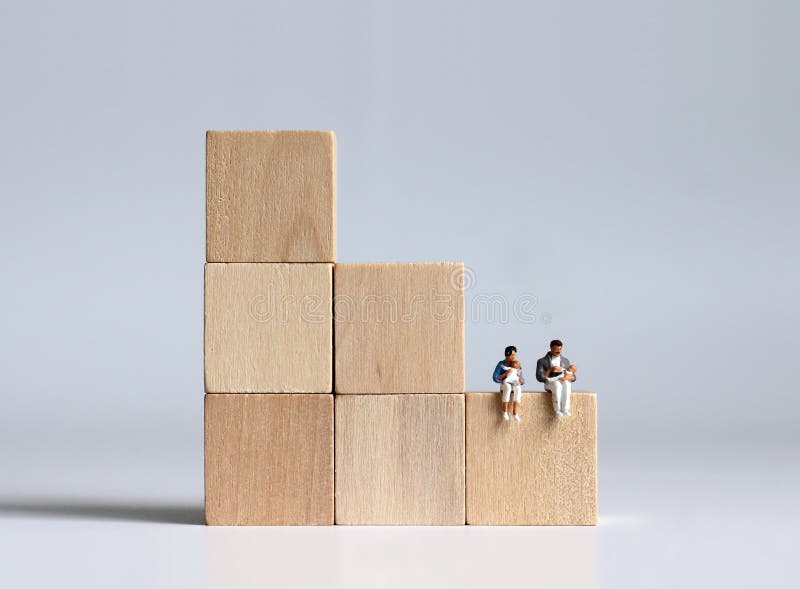
Free with trial The miniature people sitting on a block of stepped wood. The concept of a low birth rate. Population decrease stock images, royalty-free photos and pictures The miniature people sitting on a block of stepped wood. The concept of a low birth rate.
Free with trial Galway/Ireland- 10/11/2020: HSE COVID 19 poster in English and Irish language by river Corrib in focus. People walking in the background out of focus. Life during Pandemic. Population decrease stock images, royalty-free photos and pictures HSE COVID 19 poster in English and Irish language by river Corrib in focus. Galway/Ireland- 10/11/2020: HSE COVID 19 poster in English and Irish language by. Galway/Ireland- 10/11/2020: HSE COVID 19 poster in English and Irish language by river Corrib in focus. People walking in the background out of focus. Life during Pandemic
Free with trial Wick Lighthouse on a stormy day,in Wick Harbour, Caithness,Scotland,UK Wick is a town and royal burgh in Caithness, in the far north of Scotland. The town straddles the River Wick and extends along both sides of Wick Bay. In 1868, Robert Louis Stevenson stayed in Wick while his uncle, Alan Stevenson, a lighthouse engineer, was overseeing the construction of Lighthouses. Wick Locality had a population of 6,954 at the time of the 2011 census, a decrease of 3. 8% from 2001. Pulteneytown, which was developed on the south side of the river by the British Fisheries Society during the 19th century,[5] was officially merged into the burgh in 1902. The town is on the main road (the A99–A9 road linking John o' Groats with southern Britain. The Far North railway line links Wick railway station with southern Scotland and with Thurso, the other burgh of Caithness. Wick Airport is on Wick's northern outskirts. The airport has two usable runways. A third is derelict. The main offices of The John O'Groat Journal and The Caithness Courier are located in Wick, as are Caithness General Hospital (run by NHS Highland), the Wick Carnegie Library and local offices of the Highland Council. Wick Sheriff Court is one of 16 sheriff courts serving the sheriffdom of Grampian, Highland and Islands. Population decrease stock images, royalty-free photos and pictures Wick Lighthouse on a stormy day, Wick Harbour,Caithness,Scotland,UK. Wick Lighthouse on a stormy day,in Wick Harbour. Wick Lighthouse on a stormy day,in Wick Harbour, Caithness,Scotland,UK Wick is a town and royal burgh in Caithness, in the far north of Scotland. The town straddles the River Wick and extends along both sides of Wick Bay. In 1868, Robert Louis Stevenson stayed in Wick while his uncle, Alan Stevenson, a lighthouse engineer, was overseeing the construction of Lighthouses. Wick Locality had a population of 6,954 at the time of the 2011 census, a decrease of 3.8% from 2001. Pulteneytown, which was developed on the south side of the river by the British Fisheries Society during the 19th century,[5] was officially merged into the burgh in 1902. The town is on the main road (the A99–A9 road linking John o' Groats with southern Britain. The Far North railway line links Wick railway station with southern Scotland and with Thurso, the other burgh of Caithness. Wick Airport is on Wick's northern outskirts. The airport has two usable runways. A third is derelict. The main offices of The John O'Groat Journal and The Caithness Courier are located in Wick, as are Caithness General Hospital (run by NHS Highland), the Wick Carnegie Library and local offices of the Highland Council. Wick Sheriff Court is one of 16 sheriff courts serving the sheriffdom of Grampian, Highland and Islands.
Free with trial The arrow falls on the background of the Venezuela flag. Population decrease stock images, royalty-free photos and pictures The arrow falls on the background of the Venezuela flag.
Free with trial A disability symbol and a falling chart. Reduction of a population category. Decrease in social payments. Concept of budget cuts and shrinking social welfare support. Population decrease stock images, royalty-free photos and pictures A disability symbol and a falling chart. Reduction of a population category. Decrease in social payments. Concept of budget cuts. And shrinking social welfare
Free with trial Population, crisis or man with decrease, graphs or drop for demographic fall statistics on white background. Worker, person or illustration of fertility decline, labor shortage or shrinking workforce. Population decrease stock images, royalty-free photos and pictures Population, crisis or man with decrease, graphs or drop for demographic fall statistics on white background. Worker. Person or illustration of fertility. Population, crisis or man with decrease, graphs or drop for demographic fall statistics on white background. Worker, person or illustration of fertility decline, labor shortage or shrinking workforce.
Free with trial Male and female symbols next to a descending red line on a white background. Representation of demographic decline, reduced birth rate, and population decrease, made in paper art. Population decrease stock images, royalty-free photos and pictures Male and Female Symbols with a Red Downward Line, Concept of Population Decline. Male and female symbols next to a descending red line on a white background. Male and female symbols next to a descending red line on a white background. Representation of demographic decline, reduced birth rate, and population decrease, made in paper art
Free with trial AI Generative Current demographic trend towards decrease in TFR birth rate and population aging. Population decrease stock images, royalty-free photos and pictures Current demographic trend towards decrease in TFR birth rate and population aging AI Generative. AI Generative Current demographic trend towards decrease in TFR. AI Generative Current demographic trend towards decrease in TFR birth rate and population aging
Free with trial Population rate factor decline crisis concept. Increase birth rate infographic, fertility rate decrease control. Businessman hold population family icon with world map background. Demography statistic. Population decrease stock images, royalty-free photos and pictures Population rate factor decline crisis concept. Increase birth rate infographic, fertility rate decrease control. Businessman hold population family icon with
Free with trial AI Generative Current demographic trend towards decrease in TFR birth rate and population aging. Population decrease stock images, royalty-free photos and pictures Current demographic trend towards decrease in TFR birth rate and population aging AI Generative. AI Generative Current demographic trend towards decrease in TFR. AI Generative Current demographic trend towards decrease in TFR birth rate and population aging
Free with trial POPULATION MOVEMENT text on a computer keyboard key. This close-up highlights large-scale shifts, demographic trends, internal relocation, global resettlement patterns, and societal changes. Population decrease stock images, royalty-free photos and pictures POPULATION MOVEMENT text on a computer keyboard key. This close-up highlights large-scale shifts, demographic trends, internal. Relocation, global resettlement. POPULATION MOVEMENT text on a computer keyboard key. This close-up highlights large-scale shifts, demographic trends, internal relocation, global resettlement patterns, and societal changes
Free with trial Line of wooden peg dolls stands behind red downward arrow on blue background. Population shrinking statistics, fertility rate drop, societal aging impact, Human capital depletion. Population decrease stock images, royalty-free photos and pictures Line of wooden peg dolls stands behind red downward arrow on blue background. Population shrinking statistics, fertility. Rate drop, societal aging impact. Line of wooden peg dolls stands behind red downward arrow on blue background. Population shrinking statistics, fertility rate drop, societal aging impact, Human capital depletion
Free with trial Overturned shopping card and red arrow down. Falling sales. Low demand. Collapse of purchasing power. Decrease in income of the population. Poverty and economic recession. Population decrease stock images, royalty-free photos and pictures Overturned shopping card and red arrow down. Falling sales. Low demand. Collapse of purchasing power. Decrease in income of the population. Poverty and
Free with trial World Population Day graphic design featuring earth. A stylized graphic design celebrating World Population Day with an illustration of the Earth. Population decrease stock images, royalty-free photos and pictures World Population Day graphic design featuring earth. A stylized graphic design celebrating World Population Day with an illustration of the Earth
Free with trial Land, landscape or green field in aerial view. Include bar chart or graph, drop down arrow. Real estate or property with concept for sale price, land value to decrease, reduction or negative trend. Population decrease stock images, royalty-free photos and pictures Land and concept of value to decrease, reduction or low. Land, landscape or green field in aerial view. Include bar chart or graph, drop down arrow. Real estate. Land, landscape or green field in aerial view. Include bar chart or graph, drop down arrow. Real estate or property with concept for sale price, land value to decrease, reduction or negative trend
Free with trial Land, landscape or green field in aerial view. Include house building, bar chart or graph, drop down arrow. Real estate or property with concept for sale price, land value to decrease, reduction, low. Population decrease stock images, royalty-free photos and pictures Land and concept of value to decrease, reduction or low. Land, landscape or green field in aerial view. Include house building, bar chart or graph, drop down. Land, landscape or green field in aerial view. Include house building, bar chart or graph, drop down arrow. Real estate or property with concept for sale price, land value to decrease, reduction, low
Free with trial World Population Day vibrant design graphic. A colorful abstract graphic celebrating World Population Day with bold typography and dynamic shapes. Population decrease stock images, royalty-free photos and pictures World Population Day vibrant design graphic. A colorful abstract graphic celebrating World Population Day with bold typography and dynamic shapes
Free with trial A downward demographic graph paired with senior care objects communicates population decline, workforce pressure, and long-term aging trends for policy, economics, healthcare, and social planning themes. Population decrease stock images, royalty-free photos and pictures Declining population chart with aging society care symbols. A downward demographic graph paired with senior care objects communicates population decline. A downward demographic graph paired with senior care objects communicates population decline, workforce pressure, and long-term aging trends for policy, economics, healthcare, and social planning themes.
Free with trial Minimalist Birth Rate and Population Decline Concept with Baby Symbol and Copy Space. Population decrease stock images, royalty-free photos and pictures Minimalist Birth Rate and Population Decline Concept with Baby Symbol and Copy Space
Free with trial Minimalist Birth Rate and Population Decline Concept with Baby Symbol and Copy Space. Population decrease stock images, royalty-free photos and pictures Minimalist Birth Rate and Population Decline Concept with Baby Symbol and Copy Space
Free with trial Minimalist Birth Rate and Population Decline Concept with Baby Symbol and Copy Space. Population decrease stock images, royalty-free photos and pictures Minimalist Birth Rate and Population Decline Concept with Baby Symbol and Copy Space
Free with trial Minimalist Birth Rate and Population Decline Concept with Baby Symbol and Copy Space. Population decrease stock images, royalty-free photos and pictures Minimalist Birth Rate and Population Decline Concept with Baby Symbol and Copy Space
Free with trial Minimalist Birth Rate and Population Decline Concept with Baby Symbol and Copy Space. Population decrease stock images, royalty-free photos and pictures Minimalist Birth Rate and Population Decline Concept with Baby Symbol and Copy Space
Free with trial Minimalist Birth Rate and Population Decline Concept with Baby Symbol and Copy Space. Population decrease stock images, royalty-free photos and pictures Minimalist Birth Rate and Population Decline Concept with Baby Symbol and Copy Space
Free with trial Minimalist Birth Rate and Population Decline Concept with Baby Symbol and Copy Space. Population decrease stock images, royalty-free photos and pictures Minimalist Birth Rate and Population Decline Concept with Baby Symbol and Copy Space
Free with trial Minimalist Birth Rate and Population Decline Concept with Baby Symbol and Copy Space. Population decrease stock images, royalty-free photos and pictures Minimalist Birth Rate and Population Decline Concept with Baby Symbol and Copy Space
Free with trial Minimalist Birth Rate and Population Decline Concept with Baby Symbol and Copy Space. Population decrease stock images, royalty-free photos and pictures Minimalist Birth Rate and Population Decline Concept with Baby Symbol and Copy Space
Free with trial Minimalist Birth Rate and Population Decline Concept with Baby Symbol and Copy Space. Population decrease stock images, royalty-free photos and pictures Minimalist Birth Rate and Population Decline Concept with Baby Symbol and Copy Space
Free with trial Minimalist Birth Rate and Population Decline Concept with Baby Symbol and Copy Space. Population decrease stock images, royalty-free photos and pictures Minimalist Birth Rate and Population Decline Concept with Baby Symbol and Copy Space
Free with trial Minimalist Birth Rate and Population Decline Concept with Baby Symbol and Copy Space. Population decrease stock images, royalty-free photos and pictures Minimalist Birth Rate and Population Decline Concept with Baby Symbol and Copy Space
Free with trial Minimalist Birth Rate and Population Decline Concept with Baby Symbol and Copy Space. Population decrease stock images, royalty-free photos and pictures Minimalist Birth Rate and Population Decline Concept with Baby Symbol and Copy Space
Free with trial Minimalist Birth Rate and Population Decline Concept with Baby Symbol and Copy Space. Population decrease stock images, royalty-free photos and pictures Minimalist Birth Rate and Population Decline Concept with Baby Symbol and Copy Space
Free with trial Minimalist Birth Rate and Population Decline Concept with Baby Symbol and Copy Space. Population decrease stock images, royalty-free photos and pictures Minimalist Birth Rate and Population Decline Concept with Baby Symbol and Copy Space
Free with trial Minimalist Birth Rate and Population Decline Concept with Baby Symbol and Copy Space. Population decrease stock images, royalty-free photos and pictures Minimalist Birth Rate and Population Decline Concept with Baby Symbol and Copy Space
 Sign in