Search among 327 authentic population decrease stock photos, high-definition images, and pictures, or look at other bar graph or elderly man stock images to enhance your presentation with the perfect visual.


Pictured is a painted mural by unidentified artist ou an outside wall of EL Cosmico in Marfa, Texas. El Cosmico is a 21-acre hotel and campground for adventurers and wanderers. Marfa was founded in the early 1880s as a railroad water stop. Today, Marfa is a tourist destination and a major center for minimalist art. It`s population in 2020 is 1,672, a 15. 6% decrease since 2010 when its population was 1,966. Population decrease stock images, royalty-free photos and pictures
A striped Hyena pup Hyaena hyaena, a threatened species, on the grassland savanna of the Serengeti National Park in Tanzania. The striped hyena is a species of hyena native to North and East Africa, the Middle East, the Caucasus, Central Asia and the Indian subcontinent. It is listed by the IUCN as near-threatened, as the global population is estimated to be under 10,000 mature individuals which continues to experience deliberate and incidental persecution along with a decrease in its prey base such that it may come close to meeting a continuing decline of 10% over the next three generations. Population decrease stock images, royalty-free photos and pictures
Uaxactun is an ancient sacred place of the Maya civilization, located in the Peten Basin region of the Maya lowlands, in the present-day department of Peten, Guatemala. The site lies some 12 miles 19 km north of the major center of Tikal. He coined the name from Maya words Waxac and Tun, to mean `Eight Stones`. A war between Tikal and Uaxactun, in which Uaxactun was defeated by forces led by Fire is Born Siyaj K`ak`, formerly identified as Smoking Frog, ended in 378 AD. The combined political entity of Tikal-Uaxactun dominated the region for the following 180 years. Siyaj K`ak` might have come from Teotihuacan, been the general of the Teotihuacano ruler Spearthrower Owl, and conquered Tikal earlier the same year. After the conquest, Uaxactun was still able to keep elite prerogatives of monument carving, temple erection, and rich burials during most of the Early Classic era. During the Hiatus period between Early Classic and Late Classic, Uaxactun experienced a lack of architectural activity and ceramic production, which coincided with the decline of the power of Teotihuacan and Tikal. By the middle of Late Classic, Uaxactun showed evidences of population increase, new construction, remodeling of old structures, and appearance of new residential areas, plaza groups, and buildings. There was a time of distinctive population decrease towards the end of Late Classic. By the end of Terminal Classic, Uaxactun was virtually abandoned. Population decrease stock images, royalty-free photos and pictures

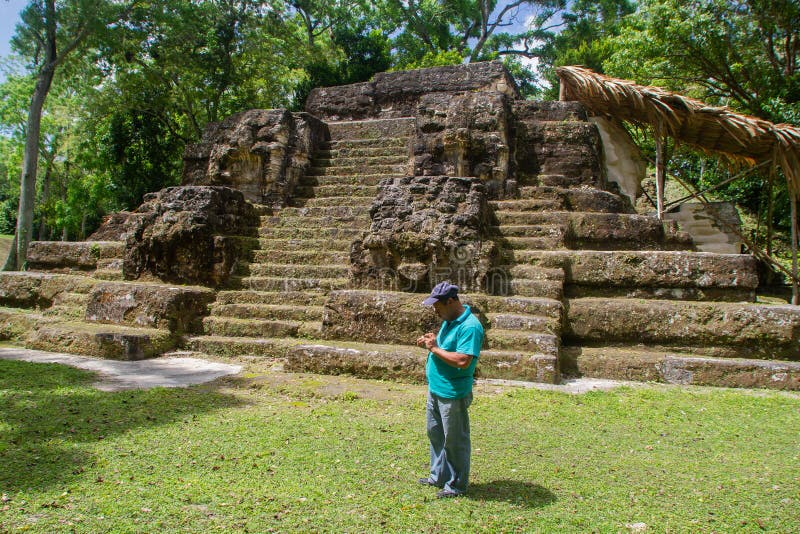
Archaeological Site: Uaxactun, ancient sacred Maya place and astronomical observatory. Uaxactun is an ancient sacred place of the Maya civilization, located in. Uaxactun is an ancient sacred place of the Maya civilization, located in the Peten Basin region of the Maya lowlands, in the present-day department of Peten, Guatemala. The site lies some 12 miles 19 km north of the major center of Tikal. He coined the name from Maya words Waxac and Tun, to mean `Eight Stones`. A war between Tikal and Uaxactun, in which Uaxactun was defeated by forces led by Fire is Born Siyaj K`ak`, formerly identified as Smoking Frog, ended in 378 AD. The combined political entity of Tikal-Uaxactun dominated the region for the following 180 years. Siyaj K`ak` might have come from Teotihuacan, been the general of the Teotihuacano ruler Spearthrower Owl, and conquered Tikal earlier the same year. After the conquest, Uaxactun was still able to keep elite prerogatives of monument carving, temple erection, and rich burials during most of the Early Classic era. During the Hiatus period between Early Classic and Late Classic, Uaxactun experienced a lack of architectural activity and ceramic production, which coincided with the decline of the power of Teotihuacan and Tikal. By the middle of Late Classic, Uaxactun showed evidences of population increase, new construction, remodeling of old structures, and appearance of new residential areas, plaza groups, and buildings. There was a time of distinctive population decrease towards the end of Late Classic. By the end of Terminal Classic, Uaxactun was virtually abandoned.

A striped Hyena Hyaena hyaena, a threatened species, walking on the grassland savanna of the Serengeti National Park in Tanzania. The striped hyena is a species of hyena native to North and East Africa, the Middle East, the Caucasus, Central Asia and the Indian subcontinent. It is listed by the IUCN as near-threatened, as the global population is estimated to be under 10,000 mature individuals which continues to experience deliberate and incidental persecution along with a decrease in its prey base such that it may come close to meeting a continuing decline of 10% over the next three generations. Population decrease stock images, royalty-free photos and pictures
A striped Hyena pup Hyaena hyaena, a threatened species, on the ground with prey grassland savanna of the Serengeti National Park in Tanzania. The striped hyena is a species of hyena native to North and East Africa, the Middle East, the Caucasus, Central Asia and the Indian subcontinent. It is listed by the IUCN as near-threatened, as the global population is estimated to be under 10,000 mature individuals which continues to experience deliberate and incidental persecution along with a decrease in its prey base such that it may come close to meeting a continuing decline of 10% over the next three generations. Population decrease stock images, royalty-free photos and pictures
Uaxactun is an ancient sacred place of the Maya civilization, located in the Peten Basin region of the Maya lowlands, in the present-day department of Peten, Guatemala. The site lies some 12 miles 19 km north of the major center of Tikal. He coined the name from Maya words Waxac and Tun, to mean `Eight Stones`. A war between Tikal and Uaxactun, in which Uaxactun was defeated by forces led by Fire is Born Siyaj K`ak`, formerly identified as Smoking Frog, ended in 378 AD. The combined political entity of Tikal-Uaxactun dominated the region for the following 180 years. Siyaj K`ak` might have come from Teotihuacan, been the general of the Teotihuacano ruler Spearthrower Owl, and conquered Tikal earlier the same year. After the conquest, Uaxactun was still able to keep elite prerogatives of monument carving, temple erection, and rich burials during most of the Early Classic era. During the Hiatus period between Early Classic and Late Classic, Uaxactun experienced a lack of architectural activity and ceramic production, which coincided with the decline of the power of Teotihuacan and Tikal. By the middle of Late Classic, Uaxactun showed evidences of population increase, new construction, remodeling of old structures, and appearance of new residential areas, plaza groups, and buildings. There was a time of distinctive population decrease towards the end of Late Classic. By the end of Terminal Classic, Uaxactun was virtually abandoned. Population decrease stock images, royalty-free photos and pictures

Archaeological Site: Uaxactun, ancient sacred Maya place and astronomical observatory. Uaxactun is an ancient sacred place of the Maya civilization, located in. Uaxactun is an ancient sacred place of the Maya civilization, located in the Peten Basin region of the Maya lowlands, in the present-day department of Peten, Guatemala. The site lies some 12 miles 19 km north of the major center of Tikal. He coined the name from Maya words Waxac and Tun, to mean `Eight Stones`. A war between Tikal and Uaxactun, in which Uaxactun was defeated by forces led by Fire is Born Siyaj K`ak`, formerly identified as Smoking Frog, ended in 378 AD. The combined political entity of Tikal-Uaxactun dominated the region for the following 180 years. Siyaj K`ak` might have come from Teotihuacan, been the general of the Teotihuacano ruler Spearthrower Owl, and conquered Tikal earlier the same year. After the conquest, Uaxactun was still able to keep elite prerogatives of monument carving, temple erection, and rich burials during most of the Early Classic era. During the Hiatus period between Early Classic and Late Classic, Uaxactun experienced a lack of architectural activity and ceramic production, which coincided with the decline of the power of Teotihuacan and Tikal. By the middle of Late Classic, Uaxactun showed evidences of population increase, new construction, remodeling of old structures, and appearance of new residential areas, plaza groups, and buildings. There was a time of distinctive population decrease towards the end of Late Classic. By the end of Terminal Classic, Uaxactun was virtually abandoned.

Galway/Ireland - 09/13/2020: HSE Covid 19 recommendation poster in a park with hand written opinion about vaccination and the virus. Population decrease stock images, royalty-free photos and pictures
Uaxactun is an ancient sacred place of the Maya civilization, located in the Peten Basin region of the Maya lowlands, in the present-day department of Peten, Guatemala. The site lies some 12 miles 19 km north of the major center of Tikal. He coined the name from Maya words Waxac and Tun, to mean `Eight Stones`. A war between Tikal and Uaxactun, in which Uaxactun was defeated by forces led by Fire is Born Siyaj K`ak`, formerly identified as Smoking Frog, ended in 378 AD. The combined political entity of Tikal-Uaxactun dominated the region for the following 180 years. Siyaj K`ak` might have come from Teotihuacan, been the general of the Teotihuacano ruler Spearthrower Owl, and conquered Tikal earlier the same year. After the conquest, Uaxactun was still able to keep elite prerogatives of monument carving, temple erection, and rich burials during most of the Early Classic era. During the Hiatus period between Early Classic and Late Classic, Uaxactun experienced a lack of architectural activity and ceramic production, which coincided with the decline of the power of Teotihuacan and Tikal. By the middle of Late Classic, Uaxactun showed evidences of population increase, new construction, remodeling of old structures, and appearance of new residential areas, plaza groups, and buildings. There was a time of distinctive population decrease towards the end of Late Classic. By the end of Terminal Classic, Uaxactun was virtually abandoned. Population decrease stock images, royalty-free photos and pictures

Archaeological Site: Uaxactun, ancient sacred Maya place and astronomical observatory. Uaxactun is an ancient sacred place of the Maya civilization, located in. Uaxactun is an ancient sacred place of the Maya civilization, located in the Peten Basin region of the Maya lowlands, in the present-day department of Peten, Guatemala. The site lies some 12 miles 19 km north of the major center of Tikal. He coined the name from Maya words Waxac and Tun, to mean `Eight Stones`. A war between Tikal and Uaxactun, in which Uaxactun was defeated by forces led by Fire is Born Siyaj K`ak`, formerly identified as Smoking Frog, ended in 378 AD. The combined political entity of Tikal-Uaxactun dominated the region for the following 180 years. Siyaj K`ak` might have come from Teotihuacan, been the general of the Teotihuacano ruler Spearthrower Owl, and conquered Tikal earlier the same year. After the conquest, Uaxactun was still able to keep elite prerogatives of monument carving, temple erection, and rich burials during most of the Early Classic era. During the Hiatus period between Early Classic and Late Classic, Uaxactun experienced a lack of architectural activity and ceramic production, which coincided with the decline of the power of Teotihuacan and Tikal. By the middle of Late Classic, Uaxactun showed evidences of population increase, new construction, remodeling of old structures, and appearance of new residential areas, plaza groups, and buildings. There was a time of distinctive population decrease towards the end of Late Classic. By the end of Terminal Classic, Uaxactun was virtually abandoned.

Uaxactun is an ancient sacred place of the Maya civilization, located in the Peten Basin region of the Maya lowlands, in the present-day department of Peten, Guatemala. The site lies some 12 miles 19 km north of the major center of Tikal. He coined the name from Maya words Waxac and Tun, to mean `Eight Stones`. A war between Tikal and Uaxactun, in which Uaxactun was defeated by forces led by Fire is Born Siyaj K`ak`, formerly identified as Smoking Frog, ended in 378 AD. The combined political entity of Tikal-Uaxactun dominated the region for the following 180 years. Siyaj K`ak` might have come from Teotihuacan, been the general of the Teotihuacano ruler Spearthrower Owl, and conquered Tikal earlier the same year. After the conquest, Uaxactun was still able to keep elite prerogatives of monument carving, temple erection, and rich burials during most of the Early Classic era. During the Hiatus period between Early Classic and Late Classic, Uaxactun experienced a lack of architectural activity and ceramic production, which coincided with the decline of the power of Teotihuacan and Tikal. By the middle of Late Classic, Uaxactun showed evidences of population increase, new construction, remodeling of old structures, and appearance of new residential areas, plaza groups, and buildings. There was a time of distinctive population decrease towards the end of Late Classic. By the end of Terminal Classic, Uaxactun was virtually abandoned. Population decrease stock images, royalty-free photos and pictures

Archaeological Site Drone view: Uaxactun, ancient sacred Maya place and astronomical observatory. Uaxactun is an ancient sacred place of the Maya civilization. Uaxactun is an ancient sacred place of the Maya civilization, located in the Peten Basin region of the Maya lowlands, in the present-day department of Peten, Guatemala. The site lies some 12 miles 19 km north of the major center of Tikal. He coined the name from Maya words Waxac and Tun, to mean `Eight Stones`. A war between Tikal and Uaxactun, in which Uaxactun was defeated by forces led by Fire is Born Siyaj K`ak`, formerly identified as Smoking Frog, ended in 378 AD. The combined political entity of Tikal-Uaxactun dominated the region for the following 180 years. Siyaj K`ak` might have come from Teotihuacan, been the general of the Teotihuacano ruler Spearthrower Owl, and conquered Tikal earlier the same year. After the conquest, Uaxactun was still able to keep elite prerogatives of monument carving, temple erection, and rich burials during most of the Early Classic era. During the Hiatus period between Early Classic and Late Classic, Uaxactun experienced a lack of architectural activity and ceramic production, which coincided with the decline of the power of Teotihuacan and Tikal. By the middle of Late Classic, Uaxactun showed evidences of population increase, new construction, remodeling of old structures, and appearance of new residential areas, plaza groups, and buildings. There was a time of distinctive population decrease towards the end of Late Classic. By the end of Terminal Classic, Uaxactun was virtually abandoned.

Uaxactun is an ancient sacred place of the Maya civilization, located in the Peten Basin region of the Maya lowlands, in the present-day department of Peten, Guatemala. The site lies some 12 miles 19 km north of the major center of Tikal. He coined the name from Maya words Waxac and Tun, to mean `Eight Stones`. A war between Tikal and Uaxactun, in which Uaxactun was defeated by forces led by Fire is Born Siyaj K`ak`, formerly identified as Smoking Frog, ended in 378 AD. The combined political entity of Tikal-Uaxactun dominated the region for the following 180 years. Siyaj K`ak` might have come from Teotihuacan, been the general of the Teotihuacano ruler Spearthrower Owl, and conquered Tikal earlier the same year. After the conquest, Uaxactun was still able to keep elite prerogatives of monument carving, temple erection, and rich burials during most of the Early Classic era. During the Hiatus period between Early Classic and Late Classic, Uaxactun experienced a lack of architectural activity and ceramic production, which coincided with the decline of the power of Teotihuacan and Tikal. By the middle of Late Classic, Uaxactun showed evidences of population increase, new construction, remodeling of old structures, and appearance of new residential areas, plaza groups, and buildings. There was a time of distinctive population decrease towards the end of Late Classic. By the end of Terminal Classic, Uaxactun was virtually abandoned. Population decrease stock images, royalty-free photos and pictures

Archaeological Site: Uaxactun, ancient sacred Maya place and astronomical observatory. Uaxactun is an ancient sacred place of the Maya civilization, located in. Uaxactun is an ancient sacred place of the Maya civilization, located in the Peten Basin region of the Maya lowlands, in the present-day department of Peten, Guatemala. The site lies some 12 miles 19 km north of the major center of Tikal. He coined the name from Maya words Waxac and Tun, to mean `Eight Stones`. A war between Tikal and Uaxactun, in which Uaxactun was defeated by forces led by Fire is Born Siyaj K`ak`, formerly identified as Smoking Frog, ended in 378 AD. The combined political entity of Tikal-Uaxactun dominated the region for the following 180 years. Siyaj K`ak` might have come from Teotihuacan, been the general of the Teotihuacano ruler Spearthrower Owl, and conquered Tikal earlier the same year. After the conquest, Uaxactun was still able to keep elite prerogatives of monument carving, temple erection, and rich burials during most of the Early Classic era. During the Hiatus period between Early Classic and Late Classic, Uaxactun experienced a lack of architectural activity and ceramic production, which coincided with the decline of the power of Teotihuacan and Tikal. By the middle of Late Classic, Uaxactun showed evidences of population increase, new construction, remodeling of old structures, and appearance of new residential areas, plaza groups, and buildings. There was a time of distinctive population decrease towards the end of Late Classic. By the end of Terminal Classic, Uaxactun was virtually abandoned.

Uaxactun is an ancient sacred place of the Maya civilization, located in the Peten Basin region of the Maya lowlands, in the present-day department of Peten, Guatemala. The site lies some 12 miles 19 km north of the major center of Tikal. He coined the name from Maya words Waxac and Tun, to mean `Eight Stones`. A war between Tikal and Uaxactun, in which Uaxactun was defeated by forces led by Fire is Born Siyaj K`ak`, formerly identified as Smoking Frog, ended in 378 AD. The combined political entity of Tikal-Uaxactun dominated the region for the following 180 years. Siyaj K`ak` might have come from Teotihuacan, been the general of the Teotihuacano ruler Spearthrower Owl, and conquered Tikal earlier the same year. After the conquest, Uaxactun was still able to keep elite prerogatives of monument carving, temple erection, and rich burials during most of the Early Classic era. During the Hiatus period between Early Classic and Late Classic, Uaxactun experienced a lack of architectural activity and ceramic production, which coincided with the decline of the power of Teotihuacan and Tikal. By the middle of Late Classic, Uaxactun showed evidences of population increase, new construction, remodeling of old structures, and appearance of new residential areas, plaza groups, and buildings. There was a time of distinctive population decrease towards the end of Late Classic. By the end of Terminal Classic, Uaxactun was virtually abandoned. Population decrease stock images, royalty-free photos and pictures

Archaeological Site: Uaxactun, ancient sacred Maya place and astronomical observatory. Uaxactun is an ancient sacred place of the Maya civilization, located in. Uaxactun is an ancient sacred place of the Maya civilization, located in the Peten Basin region of the Maya lowlands, in the present-day department of Peten, Guatemala. The site lies some 12 miles 19 km north of the major center of Tikal. He coined the name from Maya words Waxac and Tun, to mean `Eight Stones`. A war between Tikal and Uaxactun, in which Uaxactun was defeated by forces led by Fire is Born Siyaj K`ak`, formerly identified as Smoking Frog, ended in 378 AD. The combined political entity of Tikal-Uaxactun dominated the region for the following 180 years. Siyaj K`ak` might have come from Teotihuacan, been the general of the Teotihuacano ruler Spearthrower Owl, and conquered Tikal earlier the same year. After the conquest, Uaxactun was still able to keep elite prerogatives of monument carving, temple erection, and rich burials during most of the Early Classic era. During the Hiatus period between Early Classic and Late Classic, Uaxactun experienced a lack of architectural activity and ceramic production, which coincided with the decline of the power of Teotihuacan and Tikal. By the middle of Late Classic, Uaxactun showed evidences of population increase, new construction, remodeling of old structures, and appearance of new residential areas, plaza groups, and buildings. There was a time of distinctive population decrease towards the end of Late Classic. By the end of Terminal Classic, Uaxactun was virtually abandoned.

Belana tundra is a species of bird in the family of owls. He lives in Holarktide. According to the International Union for Conservation of Nature and Natural Resources, the white tundra is one of the vulnerable species, the total population is declining due to climate change. The expected development of the next three generations is a decrease of 30-49% and possibly more. Population decrease stock images, royalty-free photos and pictures
Uaxactun is an ancient sacred place of the Maya civilization, located in the Peten Basin region of the Maya lowlands, in the present-day department of Peten, Guatemala. The site lies some 12 miles 19 km north of the major center of Tikal. He coined the name from Maya words Waxac and Tun, to mean `Eight Stones`. A war between Tikal and Uaxactun, in which Uaxactun was defeated by forces led by Fire is Born Siyaj K`ak`, formerly identified as Smoking Frog, ended in 378 AD. The combined political entity of Tikal-Uaxactun dominated the region for the following 180 years. Siyaj K`ak` might have come from Teotihuacan, been the general of the Teotihuacano ruler Spearthrower Owl, and conquered Tikal earlier the same year. After the conquest, Uaxactun was still able to keep elite prerogatives of monument carving, temple erection, and rich burials during most of the Early Classic era. During the Hiatus period between Early Classic and Late Classic, Uaxactun experienced a lack of architectural activity and ceramic production, which coincided with the decline of the power of Teotihuacan and Tikal. By the middle of Late Classic, Uaxactun showed evidences of population increase, new construction, remodeling of old structures, and appearance of new residential areas, plaza groups, and buildings. There was a time of distinctive population decrease towards the end of Late Classic. By the end of Terminal Classic, Uaxactun was virtually abandoned. Population decrease stock images, royalty-free photos and pictures

Archaeological Site Drone view: Uaxactun, ancient sacred Maya place and astronomical observatory. Uaxactun is an ancient sacred place of the Maya civilization. Uaxactun is an ancient sacred place of the Maya civilization, located in the Peten Basin region of the Maya lowlands, in the present-day department of Peten, Guatemala. The site lies some 12 miles 19 km north of the major center of Tikal. He coined the name from Maya words Waxac and Tun, to mean `Eight Stones`. A war between Tikal and Uaxactun, in which Uaxactun was defeated by forces led by Fire is Born Siyaj K`ak`, formerly identified as Smoking Frog, ended in 378 AD. The combined political entity of Tikal-Uaxactun dominated the region for the following 180 years. Siyaj K`ak` might have come from Teotihuacan, been the general of the Teotihuacano ruler Spearthrower Owl, and conquered Tikal earlier the same year. After the conquest, Uaxactun was still able to keep elite prerogatives of monument carving, temple erection, and rich burials during most of the Early Classic era. During the Hiatus period between Early Classic and Late Classic, Uaxactun experienced a lack of architectural activity and ceramic production, which coincided with the decline of the power of Teotihuacan and Tikal. By the middle of Late Classic, Uaxactun showed evidences of population increase, new construction, remodeling of old structures, and appearance of new residential areas, plaza groups, and buildings. There was a time of distinctive population decrease towards the end of Late Classic. By the end of Terminal Classic, Uaxactun was virtually abandoned.

This koala is captured in a sanctuary in Kangaroo Island,Adelaide,Australia. The population of koalas decrease significantly due to devastating bushfire. This sanctuary is very important to nurse koalas back to health and release them back to the nature. Population decrease stock images, royalty-free photos and pictures
Eastern crowned crane in a Russian zoo. Eastern crowned crane (lat. Balearica regulorum) is a bird of the family of these cranes living in the East and southern Africa. Of the six species of cranes that live on the African continent, Eastern crowned crane is the most numerous according to the ornithologists, the total population of this bird is 58-77 thousand birds. Although the number of this bird is still quite large, it has a tendency to decrease and for this reason, the crowned crane has the status of vulnerable species (category VU) in the International red book. The bird is characterized by a crest on the head, large wingspan and beautiful plumage. Population decrease stock images, royalty-free photos and pictures
Uaxactun is an ancient sacred place of the Maya civilization, located in the Peten Basin region of the Maya lowlands, in the present-day department of Peten, Guatemala. The site lies some 12 miles 19 km north of the major center of Tikal. He coined the name from Maya words Waxac and Tun, to mean `Eight Stones`. A war between Tikal and Uaxactun, in which Uaxactun was defeated by forces led by Fire is Born Siyaj K`ak`, formerly identified as Smoking Frog, ended in 378 AD. The combined political entity of Tikal-Uaxactun dominated the region for the following 180 years. Siyaj K`ak` might have come from Teotihuacan, been the general of the Teotihuacano ruler Spearthrower Owl, and conquered Tikal earlier the same year. After the conquest, Uaxactun was still able to keep elite prerogatives of monument carving, temple erection, and rich burials during most of the Early Classic era. During the Hiatus period between Early Classic and Late Classic, Uaxactun experienced a lack of architectural activity and ceramic production, which coincided with the decline of the power of Teotihuacan and Tikal. By the middle of Late Classic, Uaxactun showed evidences of population increase, new construction, remodeling of old structures, and appearance of new residential areas, plaza groups, and buildings. There was a time of distinctive population decrease towards the end of Late Classic. By the end of Terminal Classic, Uaxactun was virtually abandoned. Population decrease stock images, royalty-free photos and pictures

Archaeological Site: Uaxactun, ancient sacred Maya place and astronomical observatory. Uaxactun is an ancient sacred place of the Maya civilization, located in. Uaxactun is an ancient sacred place of the Maya civilization, located in the Peten Basin region of the Maya lowlands, in the present-day department of Peten, Guatemala. The site lies some 12 miles 19 km north of the major center of Tikal. He coined the name from Maya words Waxac and Tun, to mean `Eight Stones`. A war between Tikal and Uaxactun, in which Uaxactun was defeated by forces led by Fire is Born Siyaj K`ak`, formerly identified as Smoking Frog, ended in 378 AD. The combined political entity of Tikal-Uaxactun dominated the region for the following 180 years. Siyaj K`ak` might have come from Teotihuacan, been the general of the Teotihuacano ruler Spearthrower Owl, and conquered Tikal earlier the same year. After the conquest, Uaxactun was still able to keep elite prerogatives of monument carving, temple erection, and rich burials during most of the Early Classic era. During the Hiatus period between Early Classic and Late Classic, Uaxactun experienced a lack of architectural activity and ceramic production, which coincided with the decline of the power of Teotihuacan and Tikal. By the middle of Late Classic, Uaxactun showed evidences of population increase, new construction, remodeling of old structures, and appearance of new residential areas, plaza groups, and buildings. There was a time of distinctive population decrease towards the end of Late Classic. By the end of Terminal Classic, Uaxactun was virtually abandoned.

Conceptual hand writing showing Mass Screening. Concept meaning health evaluation performed at a large amount of population Rolled ripped torn cardboard above a wooden classic table. Population decrease stock images, royalty-free photos and pictures
Few European union coins on inclined wenge table on the dark background. The topic of declining purchasing power in Europe during the global financial crisis. Population decrease stock images, royalty-free photos and pictures
Writing note showing Mass Screening. Business concept for health evaluation performed at a large amount of population Colored clothespin papers empty reminder white floor background office. Population decrease stock images, royalty-free photos and pictures
Conceptual hand writing showing Mass Screening. Concept meaning health evaluation performed at a large amount of population Colored keyboard key with accessories arranged on empty copy space. Population decrease stock images, royalty-free photos and pictures
Belana tundra is a species of bird in the family of owls. He lives in Holarktide. According to the International Union for Conservation of Nature and Natural Resources, the white tundra is one of the vulnerable species, the total population is declining due to climate change. The expected development of the next three generations is a decrease of 30-49% and possibly more. Population decrease stock images, royalty-free photos and pictures
Galway/Ireland- 10/11/2020: HSE COVID 19 poster in English and Irish language by river Corrib in focus. People walking in the background out of focus. Life during Pandemic. Population decrease stock images, royalty-free photos and pictures
Coronavirus. With the covid-19 pandemic, work from home has increased. It`s time for a break. With the vaccination of the population the contagion is reduced and this work system will decrease. Population decrease stock images, royalty-free photos and pictures