Free with trial API vector icon, eps 10 file, easy to edit. Program software optimization vectors API vector icon. Eps 10 file, easy to edit
Free with trial Cloud API icon web design logo set collection in flat vector. Program software optimization vectors Cloud API Icon Illustrating Cloud Computing Technologies, API Integration Services, and Data Storage Solutions for IT Companies. Cloud API icon web design logo. Cloud API icon web design logo set collection in flat vector
Free with trial Develope icon in filled, thin line, outline and stroke style. Vector illustration of two colored and black develope vector icons designs can be used for mobile, ui, web. Program software optimization vectors Develope icon in filled, thin line, outline and stroke style. Vector illustration of two colored and black develope vector icons. Designs can be used for mobile
Free with trial React mobile app concept. Young Men stand next to large smartphone and develop new one page program. Characters programmers work with operating system. Cartoon doodle flat vector illustration. Program software optimization vectors React mobile app concept. Young Men stand next to large smartphone and develop new one page program. Characters programmers work with operating system. Cartoon
Free with trial Custom coding symbol Programming vector icon isolated on white background. Eps10. Program software optimization vectors Custom coding symbol Programming vector icon isolated on white background. Eps10
Free with trial Custom coding symbol Programming vector icon isolated on white background. Eps10. Program software optimization vectors Custom coding symbol Programming vector icon isolated on white background. Eps10
Free with trial Custom coding symbol Programming vector icon isolated on white background. Eps10. Program software optimization vectors Custom coding symbol Programming vector icon isolated on white background. Eps10
Free with trial User experience illustration set wireframe ui on computer screen background of feedback like heart with flat style. Vector design. Program software optimization vectors User experience illustration set wireframe ui on computer screen background of feedback like heart with flat style. Vector design
Free with trial Code review icon flat style isolated on white background. Vector illustration for your web mobile logo app UI design. Program software optimization illustrations Code review icon on white linear vector image. Code review icon flat style isolated on white background. Vector illustration for your web mobile logo app UI. Code review icon flat style isolated on white background. Vector illustration for your web mobile logo app UI design.
Free with trial Custom coding symbol Programming vector icon isolated on white background. Eps10. Program software optimization vectors Custom coding symbol Programming vector icon isolated on white background. Eps10
Free with trial Custom coding symbol Programming vector icon isolated on white background. Eps10. Program software optimization vectors Custom coding symbol Programming vector icon isolated on white background. Eps10
Free with trial Custom coding symbol Programming vector icon isolated on white background. Eps10. Program software optimization vectors Custom coding symbol Programming vector icon isolated on white background. Eps10
Free with trial Custom coding symbol Programming vector icon isolated on white background. Eps10. Program software optimization vectors Custom coding symbol Programming vector icon isolated on white background. Eps10
Free with trial Custom coding symbol Programming vector icon isolated on white background. Eps10. Program software optimization vectors Custom coding symbol Programming vector icon isolated on white background. Eps10
Free with trial Web developer icon. Element of web development signs with name for mobile concept and web apps. Detailed developer icon can be used for web and mobile on white background. Program software optimization illustrations Web developer icon. Element of web development signs with name for mobile concept and web apps. Detailed developer icon can be. Used for web and mobile on white
Free with trial Coding icon vector from education concept. Thin line illustration of coding editable stroke. coding linear sign for use on web and mobile apps, logo, print media. Program software optimization vectors Coding icon vector from education concept. Thin line illustration of coding editable stroke. coding linear sign for use on web and. Mobile apps, logo, print
Free with trial Cartoon image of Code Icon. Code symbol. An artistic freehand picture. Program software optimization vectors Cartoon image of Code Icon. Code symbol. An artistic freehand picture
Free with trial Api gear web window icon, outline style. Api gear web window icon. Outline Api gear web window vector icon for web design isolated on white background. Program software optimization vectors Api gear web window icon, outline style. Api gear web window icon. Outline Api gear web window vector icon for web design isolated on white background
Free with trial Api site icon vector flat. Api site icon. Outline Api site vector icon for web design isolated on white background color flat. Program software optimization illustrations Api site icon vector flat. Api site icon. Outline Api site vector icon for web design isolated on white background color flat
Free with trial API icons set vector neon. API icons set. Outline set of API vector icons neon color on black. Program software optimization vectors API icons set vector neon. API icons set. Outline set of API vector icons neon color on black
Free with trial Programming Code Icon Vector Outline Illustration. Programming Code Icon Vector. Outline Programming Code Sign. Isolated Contour Symbol Illustration. Program software optimization vectors Programming Code Icon Vector Outline Illustration. Programming Code Icon Vector. Outline Programming Code Sign. Isolated Contour Symbol Illustration
Free with trial Develope icon in different style vector illustration. two colored and black develope vector icons designed in filled, outline, line and stroke style can be used for web, mobile, ui. Program software optimization vectors Develope icon in different style vector illustration. two colored and black develope vector icons designed in filled, outline,. Line and stroke style can be. Develope icon in different style vector illustration. two colored and black develope vector icons designed in filled, outline, line and stroke style can be used for web, mobile, ui
Free with trial Cartoon image of Code Icon. Code symbol. An artistic freehand picture. Program software optimization vectors Cartoon image of Code Icon. Code symbol. An artistic freehand picture
Free with trial Web development document php. Vector illustration eps 10. Program software optimization vectors Web development document php. Vector illustration eps 10
Free with trial Web development document php. Vector illustration eps 10. Program software optimization vectors Web development document php. Vector illustration eps 10
Free with trial No code development turquoise concept icon. User experience. Web industry trend abstract idea thin line illustration. Isolated outline drawing. Editable stroke. Arial, Myriad Pro-Bold fonts used. Program software optimization vectors No code development turquoise concept icon. User experience. Web industry trend abstract idea thin line illustration. Isolated outline drawing. Editable stroke
Free with trial Responsive websites turquoise concept icon. Digital industry transformation abstract idea thin line illustration. Isolated outline drawing. Editable stroke. Arial, Myriad Pro-Bold fonts used. Program software optimization vectors Responsive websites turquoise concept icon. Digital industry transformation abstract idea thin line illustration. Isolated outline drawing. Editable stroke
Free with trial VBA Developer linear vector icon. Isolated outline picture of computer screen with coding page. On white. Program software optimization vectors VBA Developer linear vector icon. Isolated outline picture of computer screen with coding page. On white
Free with trial Mobile website adaptability RGB color icon. Responsive web development. Site and app for smartphone. Isolated vector illustration. Simple filled line drawing. Editable stroke. Arial font used. Program software optimization vectors Mobile website adaptability RGB color icon. Responsive web development. Site and app for smartphone. Isolated vector illustration. Simple filled line drawing
Free with trial Java icon vector from programming concept. Thin line illustration of java editable stroke. java linear sign for use on web and. Mobile apps, logo, print media. Program software optimization vectors Java icon vector from programming concept. Thin line illustration of java editable stroke. java linear sign for use on web and. Mobile apps, logo, print media
Free with trial No code platforms purple brochure template. Web 3 0. Booklet print design with linear icons. Vector layouts for presentation, annual reports, ads. Anton-Regular, Lato-Regular fonts used. Program software optimization vectors No code platforms purple brochure template. Web 3 0. Booklet print design with linear icons. Vector layouts for presentation, annual reports, ads. Anton
Free with trial Function, instruction, logic, operation, meeting Flat Color Icon Vector. Program software optimization vectors Function, instruction, logic, operation, meeting Flat Color Icon Vector
Free with trial OPTIMIZE bulb word cloud collage. Program software optimization illustrations OPTIMIZE bulb word cloud collage.
Free with trial ICRM - Innovative Customer Relationship Management acronym, business concept background. Program software optimization illustrations ICRM - Innovative Customer Relationship Management acronym, business concept background
Free with trial Web coding icon for website design and desktop envelopment, development. Premium pack. Program software optimization illustrations Web coding vector color line icon. Web coding icon for website design and desktop envelopment, development. Premium pack. Web coding icon for website design and desktop envelopment, development. Premium pack.
Free with trial Device and platform testing concept icon. App testing components. Checking if project is ready for production idea thin line illustration. Vector isolated outline RGB color drawing. Editable stroke. Program software optimization vectors Device and platform testing concept icon. App testing components. Checking if project is ready for production idea thin line illustration. Vector isolated
Free with trial Education Programming Success Solution. Logo Design Template Vector. Program software optimization vectors Education Programming Success Solution. Logo Design Template Vector
Free with trial Code, web coding icon. Gray Version. Well organized and editable Vector design using in commercial purposes, print media, web or any type of design projects. Program software optimization vectors Code, web coding icon. Gray Version. Well organized and editable Vector design using in commercial purposes, print media, web or any type of design projects
Free with trial Code, web coding icon. Black vector. Well organized and editable Vector design using in commercial purposes, print media, web or any type of design projects. Program software optimization vectors Code, web coding icon. Black vector. Well organized and editable Vector design using in commercial purposes, print media, web or any type of design projects
Free with trial Web development trends linear big icons set. User experience. Website innovations. Digital technology future. Customizable thin line symbols. Isolated vector outline illustrations. Editable stroke. Program software optimization vectors Web development trends linear big icons set. User experience. Website innovations. Digital technology future. Customizable thin line symbols. Isolated vector
Free with trial Programming vector icon in 6 different modern styles. Black, two colored programming icons designed in filled, outline, line and stroke style. Vector illustration can be used for web, mobile, ui. Program software optimization vectors Programming vector icon in 6 different modern styles. Black, two colored programming icons designed in filled, outline, line and. Stroke style. Vector. Programming vector icon in 6 different modern styles. Black, two colored programming icons designed in filled, outline, line and stroke style. Vector illustration can be used for web, mobile, ui
Free with trial HTML icon. Element of online and web for mobile concept and web apps icon. Thin line icon for website design and development, app development. Premium icon on white background. Program software optimization illustrations HTML icon. Element of online and web for mobile concept and web apps icon. Thin line icon for website design and development, app. Development. Premium icon on
Free with trial App development concept isometric landing page. Team create and optimizes mobile application, interface building process 3d web banner template. Vector illustration with people scene in flat design. Program software optimization vectors App development concept isometric landing page. Team create and optimizes mobile application, interface building process 3d web banner template. Vector
Free with trial Back End outline icon. Simple linear element illustration. Isolated line Back End icon on white background. Thin stroke sign can. Be used for web, mobile and UI. Program software optimization vectors Back End outline icon. Simple linear element illustration. Isolated line Back End icon on white background. Thin stroke sign can. Be used for web, mobile and UI
Free with trial Framework code icon. Element of web development signs with name for mobile concept and web apps. Detailed framework code icon can be used for web and mobile on white background. Program software optimization illustrations Framework code icon. Element of web development signs with name for mobile concept and web apps. Detailed framework code icon can. Be used for web and mobile on
Free with trial Css icon vector. Trendy flat css icon from programming collection isolated on white background. Vector illustration can be used for web and mobile graphic design, logo, eps10. Program software optimization vectors Css icon vector. Trendy flat css icon from programming collection isolated on white background. Vector illustration can be used. For web and mobile graphic
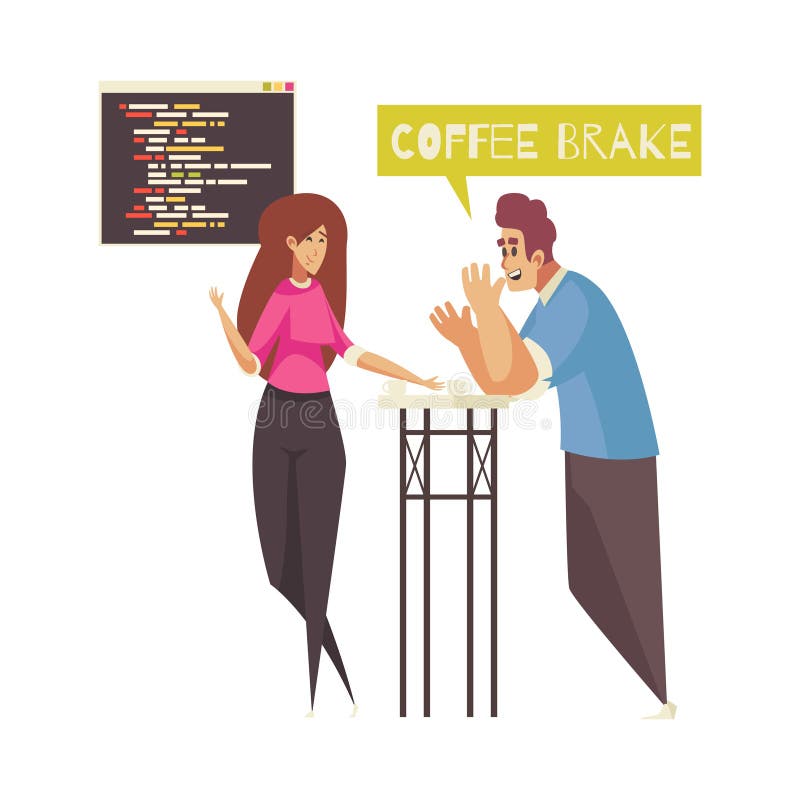
Free with trial Programmers Flat Illustration. Two male and female programmers communicating during coffee break at work flat vector illustration. Program software optimization vectors Programmers Flat Illustration. Two male and female programmers communicating during coffee break at work flat vector illustration
Free with trial Api site icon, outline style. Api site icon. Outline Api site vector icon for web design isolated on white background. Program software optimization vectors Api site icon, outline style. Api site icon. Outline Api site vector icon for web design isolated on white background
Free with trial Flat design vector illustration concept icons set of modern programmer workflow for web coding and html programming user. Interface elements. Program software optimization vectors Flat design vector illustration concept icons set of modern programmer workflow for web coding and html programming user. Interface elements
Free with trial API, application programming interface banner. API, application programming interface, mobile banner, vector, eps 10 file, easy to edit. Program software optimization vectors API, application programming interface banner. API, application programming interface, mobile banner, vector, eps 10 file, easy to edit
Free with trial Icon of coding, programming. Site layout. Vector icons on a white background. Trendy linear icon. Icon for website and print. Logo, emblem, symbol. Interface element. Program software optimization vectors Icon of coding, programming. Site layout. Vector icons on a white background. Trendy linear icon. Icon for website and print. Logo. Emblem, symbol. Interface
Free with trial Icon of coding, programming. Site layout. Vector icons on a white background. Trendy linear icon. Icon for website and print. Logo, emblem, symbol. Interface element. Program software optimization vectors Icon of coding, programming. Site layout. Vector icons on a white background. Trendy linear icon. Icon for website and print. Logo. Emblem, symbol. Interface
Free with trial CMS development flat illustration. CMS development illustration exclusive design inspiration. Program software optimization vectors CMS development flat illustration. CMS development illustration exclusive design inspiration
Free with trial API, application programming interface banner. API, application programming interface, mobile banner, eps 10 file, easy to edit. Program software optimization vectors API, application programming interface banner. API, application programming interface, mobile banner, eps 10 file, easy to edit
Free with trial Open Notebook Depicting Coding Process Vector. Illustration on white. Computer with code symbols on screen in flat style. Program software optimization vectors Open Notebook Depicting Coding Process Vector. Illustration on white. Computer with code symbols on screen in flat style
Free with trial Web Development, People with Coding Languages. Vector. Programmers with clouds, javascript and html, css design element of sites. Workers with script. Program software optimization vectors Web Development, People with Coding Languages. Vector. Programmers with clouds, javascript and html, css design element of sites. Workers with script
Free with trial Web standardization purple brochure template. App development. Leaflet design with linear icons. Editable 4 vector layouts for presentation, annual reports. Anton, Lato-Regular fonts used. Program software optimization illustrations Web standardization purple brochure template. App development. Leaflet design with linear icons. Editable 4 vector layouts for presentation, annual reports
Free with trial Coding setting web development icon line and fill. Coding setting web development icon vector illustration line and fill. Program software optimization vectors Coding setting web development icon line and fill. Coding setting web development icon vector illustration line and fill
Free with trial Simple Code Icons in Globe Logo Design. Computer coding technology global icon logo design. Program software optimization vectors Simple Code Icons Inside Globe Logo Design. Simple Code Icons in Globe Logo Design. Computer coding technology global icon logo design. Simple Code Icons in Globe Logo Design. Computer coding technology global icon logo design.
Free with trial Programming concept with character set. Collection of scenes people working with code, testing and optimization programs, creating new products in IT company. Vector illustrations in flat web design. Program software optimization vectors Programming concept with character set. Vector illustrations. Programming concept with character set. Collection of scenes people working with code, testing and. Programming concept with character set. Collection of scenes people working with code, testing and optimization programs, creating new products in IT company. Vector illustrations in flat web design
Free with trial Geolocation technology flat concept vector illustration. Businessman sitting on word GPS 2D cartoon characters for web design. Geographic marketing campaigns. Location based services creative idea. Program software optimization vectors Geolocation technology flat concept vector illustration. Businessman sitting on word GPS 2D cartoon characters for web design. Geographic marketing campaigns
Free with trial The global solution icon. WWW and browser, development, search, SEO, global solution symbol. UI. Web. Logo Sign Flat design App Stock vector. Program software optimization vectors The global solution icon. WWW and browser, development, search, SEO, global solution symbol. UI. Web. Logo. Sign. Flat. The global solution icon. WWW and browser. The global solution icon. WWW and browser, development, search, SEO, global solution symbol. UI. Web. Logo Sign Flat design App Stock vector
Free with trial The global solution icon. WWW and browser, development, search, SEO, global solution symbol. UI. Web. Logo Sign Flat design App Stock vector. Program software optimization vectors The global solution icon. WWW and browser, development, search, SEO, global solution symbol. UI. Web. Logo. Sign. Flat. The global solution icon. WWW and browser. The global solution icon. WWW and browser, development, search, SEO, global solution symbol. UI. Web. Logo Sign Flat design App Stock vector
Free with trial Web development, bug search icon. On white background. Program software optimization illustrations Web development, bug search icon. On white background
Free with trial Programming code Solutions. Logo vector illustration, can be used for any Business or Other. Program software optimization vectors Programming code Solutions. Logo vector illustration, can be used for any Business or Other
Free with trial Phone checklist icon color outline vector. Phone checklist icon. Outline phone checklist vector icon color flat isolated. Program software optimization vectors Phone checklist icon color outline vector. Phone checklist icon. Outline phone checklist vector icon color flat isolated
Free with trial A 3D character designed for problem-solving would need to have certain qualities to be effective. Here are some key attributes that a problem-solving 3D character should possess:Curiosity: The character should have a natural sense of curiosity and a desire to explore their surroundings. This will help them identify potential problems and find creative solutions. Intelligence: The character should possess a high level of intelligence and be able to analyze situations quickly and effectively. Adaptability: The character should be able to adapt to different situations and environments, as well as be flexible in their approach to problem-solving. Perseverance: The character should have a determined attitude and a willingness to persist in the face of challenges and setbacks. Communication skills: The character should be able to communicate effectively with others, whether it be through verbal communication or nonverbal cues. Creativity: The character should possess a creative and imaginative mind, allowing them to come up with unique solutions to complex problems. Empathy: The character should have an understanding of the emotions and perspectives of others, allowing them to work collaboratively and build relationships with others. By incorporating these attributes into a 3D character, you can create an engaging and effective problem-solving tool for a variety of applications, such as educational games, interactive simulations, or even in real-world situations where a virtual assistant is needed. To further enhance the problem-solving capabilities of the 3D character, you could also consider incorporating some specific features, such as:Analytical tools: You could give the character access to various analytical tools, such as data analysis software or diagnostic equipment, to help them identify problems more accurately and efficiently. Decision-making algorithms: You could program the character with decision-making algorithms, allowing them to make informed decisions based on complex data inputs. Simulation capabilities: You could give the character the ability to simulate different scenarios, allowing them to test out potential solutions and assess their effectiveness before implementing them in real life. Collaborative capabilities: You could enable the character to work collaboratively with other characters or human users, allowing them to pool resources and knowledge to solve more complex problems. Learning capabilities: You could give the character the ability to learn and adapt over time, allowing them to continuously improve their problem-solving skills and become more effective over time. Overall, a problem-solving 3D character could be a powerful tool in a wide range of applications, from education to industry. By carefully considering the attributes and features of the character, you can create a tool that is effective, engaging, and adaptable to a variety of different situations and environments. Program software optimization illustrations Problem solving 3D character. A 3D character designed for problem-solving would need to have certain qualities to be effective. Here are some key attributes that. A 3D character designed for problem-solving would need to have certain qualities to be effective. Here are some key attributes that a problem-solving 3D character should possess:Curiosity: The character should have a natural sense of curiosity and a desire to explore their surroundings. This will help them identify potential problems and find creative solutions.Intelligence: The character should possess a high level of intelligence and be able to analyze situations quickly and effectively.Adaptability: The character should be able to adapt to different situations and environments, as well as be flexible in their approach to problem-solving.Perseverance: The character should have a determined attitude and a willingness to persist in the face of challenges and setbacks.Communication skills: The character should be able to communicate effectively with others, whether it be through verbal communication or nonverbal cues.Creativity: The character should possess a creative and imaginative mind, allowing them to come up with unique solutions to complex problems.Empathy: The character should have an understanding of the emotions and perspectives of others, allowing them to work collaboratively and build relationships with others.By incorporating these attributes into a 3D character, you can create an engaging and effective problem-solving tool for a variety of applications, such as educational games, interactive simulations, or even in real-world situations where a virtual assistant is needed.To further enhance the problem-solving capabilities of the 3D character, you could also consider incorporating some specific features, such as:Analytical tools: You could give the character access to various analytical tools, such as data analysis software or diagnostic equipment, to help them identify problems more accurately and efficiently.Decision-making algorithms: You could program the character with decision-making algorithms, allowing them to make informed decisions based on complex data inputs.Simulation capabilities: You could give the character the ability to simulate different scenarios, allowing them to test out potential solutions and assess their effectiveness before implementing them in real life.Collaborative capabilities: You could enable the character to work collaboratively with other characters or human users, allowing them to pool resources and knowledge to solve more complex problems.Learning capabilities: You could give the character the ability to learn and adapt over time, allowing them to continuously improve their problem-solving skills and become more effective over time.Overall, a problem-solving 3D character could be a powerful tool in a wide range of applications, from education to industry. By carefully considering the attributes and features of the character, you can create a tool that is effective, engaging, and adaptable to a variety of different situations and environments.
Free with trial Programming vector line icon, linear concept, outline sign, symbol. Programming vector line icon, outline concept, linear sign. Program software optimization vectors Programming vector line icon, linear concept, outline sign, symbol. Programming vector line icon, outline concept, linear sign
Free with trial Open source frameworks turquoise concept icon. Web industry transformation abstract idea thin line illustration. Isolated outline drawing. Editable stroke. Arial, Myriad Pro-Bold fonts used. Program software optimization vectors Open source frameworks turquoise concept icon. Web industry transformation abstract idea thin line illustration. Isolated outline drawing. Editable stroke
Free with trial Css icon in filled, thin line, outline and stroke style. Vector illustration of two colored and black css vector icons designs can. Be used for mobile, ui, web. Program software optimization vectors Css icon in filled, thin line, outline and stroke style. Vector illustration of two colored and black css vector icons designs can. Be used for mobile, ui, web
Free with trial Programming icon set. Collection of high quality black outline logo for web site design and mobile apps. Vector illustration on a white background. Program software optimization vectors Programming icon set. Collection of high quality black outline logo for web site design and mobile apps. Vector illustration on a white background
Free with trial Programming icon set. Collection of high quality black outline logo for web site design and mobile apps. Vector illustration on a white background. Program software optimization vectors Programming icon set. Collection of high quality black outline logo for web site design and mobile apps. Vector illustration on a white background
Free with trial Programming icon set. Collection of high quality black outline logo for web site design and mobile apps. Vector illustration on a white background. Program software optimization vectors Programming icon set. Collection of high quality black outline logo for web site design and mobile apps. Vector illustration on a white background
Free with trial Programming icon set. Collection of high quality black outline logo for web site design and mobile apps. Vector illustration on a white background. Program software optimization vectors Programming icon set. Collection of high quality black outline logo for web site design and mobile apps. Vector illustration on a white background
Free with trial The website link icon. WWW and browser, development, seo symbol. UI. Web. Logo. Sign. Flat design App Stock vector. Program software optimization vectors The website link icon. WWW and browser, development, seo symbol. UI. Web. Logo. Sign. Flat design. App. The website link icon. WWW and browser, development, seo. The website link icon. WWW and browser, development, seo symbol. UI. Web. Logo. Sign. Flat design App Stock vector
Free with trial Programming icon set. Collection of high quality black outline logo for web site design and mobile apps. Vector illustration on a white background. Program software optimization vectors Programming icon set. Collection of high quality black outline logo for web site design and mobile apps. Vector illustration on a white background
Free with trial Programming icon set. Collection of high quality black outline logo for web site design and mobile apps. Vector illustration on a white background. Program software optimization vectors Programming icon set. Collection of high quality black outline logo for web site design and mobile apps. Vector illustration on a white background
Free with trial Programming icon set. Collection of high quality black outline logo for web site design and mobile apps. Vector illustration on a white background. Program software optimization vectors Programming icon set. Collection of high quality black outline logo for web site design and mobile apps. Vector illustration on a white background
Free with trial Programming icon set. Collection of high quality black outline logo for web site design and mobile apps. Vector illustration on a white background. Program software optimization vectors Programming icon set. Collection of high quality black outline logo for web site design and mobile apps. Vector illustration on a white background
Free with trial Programming icon set. Collection of high quality black outline logo for web site design and mobile apps. Vector illustration on a white background. Program software optimization vectors Programming icon set. Collection of high quality black outline logo for web site design and mobile apps. Vector illustration on a white background
 Sign in