Free with trial The kidneys are a pair of organs located in the back of the abdomen. Each kidney is about 4 or 5 inches long -- about the size of a fist. The kidneys' function are to filter the blood. All the blood in our bodies passes through the kidneys several times a day. The kidneys remove wastes, control the body's fluid balance, and regulate the balance of electrolytes. As the kidneys filter blood, they create urine, which collects in the kidneys' pelvis -- funnel-shaped structures that drain down tubes called ureters to the bladder. Remove function illustrations Kidneys. The kidneys are a pair of organs located in the back of the abdomen. Each kidney is about 4 or 5 inches long -- about the size of a fist. The kidneys'. The kidneys are a pair of organs located in the back of the abdomen. Each kidney is about 4 or 5 inches long -- about the size of a fist. The kidneys' function are to filter the blood. All the blood in our bodies passes through the kidneys several times a day. The kidneys remove wastes, control the body's fluid balance, and regulate the balance of electrolytes. As the kidneys filter blood, they create urine, which collects in the kidneys' pelvis -- funnel-shaped structures that drain down tubes called ureters to the bladder.
Free with trial The kidneys are bean-shaped organs that serve several essential regulatory roles in vertebrate animals. They remove excess organic molecules (e. g. , glucose) and it is by this action that their best-known function is performed: the removal of waste products of metabolism (e. , urea, though 90% of this is reabsorbed along the nephron. ). Remove function illustrations Kidneys. The kidneys are bean-shaped organs that serve several essential regulatory roles in vertebrate animals. They remove excess organic molecules (e.g. The kidneys are bean-shaped organs that serve several essential regulatory roles in vertebrate animals. They remove excess organic molecules (e.g., glucose) and it is by this action that their best-known function is performed: the removal of waste products of metabolism (e.g., urea, though 90% of this is reabsorbed along the nephron.)
Free with trial Function of the spleen: Red blood cells creations and removes old erythrocytes, produce of lymphocytes, synthesizes of antibodies, store of Platelets and clears old thrombocytes, Pathogens filtration. Remove function vectors Function of the spleen. Red blood cells creations and removes old erythrocytes, produce of lymphocytes, synthesizes of antibodies, store of Platelets and. Function of the spleen: Red blood cells creations and removes old erythrocytes, produce of lymphocytes, synthesizes of antibodies, store of Platelets and clears old thrombocytes, Pathogens filtration
Free with trial Censorship on internet - restricted and limited searching on web search engine. Service forbids and ban to find content, webpages and websites. Regulated function of internet. Remove function vectors Censorship on internet. Restricted and limited searching on web search engine. Service forbids and ban to find content, webpages and websites. Regulated. Censorship on internet - restricted and limited searching on web search engine. Service forbids and ban to find content, webpages and websites. Regulated function of internet.
Free with trial The kidneys are a pair of organs located in the back of the abdomen. Each kidney is about 4 or 5 inches long -- about the size of a fist. The kidneys' function are to filter the blood. All the blood in our bodies passes through the kidneys several times a day. The kidneys remove wastes, control the body's fluid balance, and regulate the balance of electrolytes. As the kidneys filter blood, they create urine, which collects in the kidneys' pelvis -- funnel-shaped structures that drain down tubes called ureters to the bladder. Each kidney contains around a million units called nephrons, each of which is a microscopic filter for blood. It's possible to lose as much as 90% of kidney function without experiencing any symptoms or problems. Remove function illustrations Kidneys. The kidneys are a pair of organs located in the back of the abdomen. Each kidney is about 4 or 5 inches long -- about the size of a fist. The kidneys'. The kidneys are a pair of organs located in the back of the abdomen. Each kidney is about 4 or 5 inches long -- about the size of a fist. The kidneys' function are to filter the blood. All the blood in our bodies passes through the kidneys several times a day. The kidneys remove wastes, control the body's fluid balance, and regulate the balance of electrolytes. As the kidneys filter blood, they create urine, which collects in the kidneys' pelvis -- funnel-shaped structures that drain down tubes called ureters to the bladder. Each kidney contains around a million units called nephrons, each of which is a microscopic filter for blood. It's possible to lose as much as 90% of kidney function without experiencing any symptoms or problems.
Free with trial The kidneys are a pair of organs located in the back of the abdomen. Each kidney is about 4 or 5 inches long -- about the size of a fist. The kidneys' function are to filter the blood. All the blood in our bodies passes through the kidneys several times a day. The kidneys remove wastes, control the body's fluid balance, and regulate the balance of electrolytes. As the kidneys filter blood, they create urine, which collects in the kidneys' pelvis -- funnel-shaped structures that drain down tubes called ureters to the bladder. Remove function illustrations Kidneys. The kidneys are a pair of organs located in the back of the abdomen. Each kidney is about 4 or 5 inches long -- about the size of a fist. The kidneys'. The kidneys are a pair of organs located in the back of the abdomen. Each kidney is about 4 or 5 inches long -- about the size of a fist. The kidneys' function are to filter the blood. All the blood in our bodies passes through the kidneys several times a day. The kidneys remove wastes, control the body's fluid balance, and regulate the balance of electrolytes. As the kidneys filter blood, they create urine, which collects in the kidneys' pelvis -- funnel-shaped structures that drain down tubes called ureters to the bladder.
Free with trial The kidneys are bean-shaped organs that serve several essential regulatory roles in vertebrates. Their main function is to regulate the balance of electrolytes in the blood, along with maintaining pH homeostasis. They also remove excess organic molecules from the blood, and it is by this action that their best-known function is performed: the removal of waste products of metabolism. Kidneys are essential to the urinary system and also serve homeostatic functions such as the regulation of electrolytes, maintenance of acid–base balance, and regulation of blood pressure (via maintaining the salt and water balance). Remove function illustrations Kidneys. The kidneys are bean-shaped organs that serve several essential regulatory roles in vertebrates. Their main function is to regulate the balance of. The kidneys are bean-shaped organs that serve several essential regulatory roles in vertebrates. Their main function is to regulate the balance of electrolytes in the blood, along with maintaining pH homeostasis. They also remove excess organic molecules from the blood, and it is by this action that their best-known function is performed: the removal of waste products of metabolism. Kidneys are essential to the urinary system and also serve homeostatic functions such as the regulation of electrolytes, maintenance of acid–base balance, and regulation of blood pressure (via maintaining the salt and water balance).
Free with trial The kidneys are bean-shaped organs that serve several essential regulatory roles in vertebrate animals. They remove excess organic molecules (e. g. , glucose) and it is by this action that their best-known function is performed: the removal of waste products of metabolism (e. , urea, though 90% of this is reabsorbed along the nephron. ). Remove function illustrations Kidneys. The kidneys are bean-shaped organs that serve several essential regulatory roles in vertebrate animals. They remove excess organic molecules (e.g. The kidneys are bean-shaped organs that serve several essential regulatory roles in vertebrate animals. They remove excess organic molecules (e.g., glucose) and it is by this action that their best-known function is performed: the removal of waste products of metabolism (e.g., urea, though 90% of this is reabsorbed along the nephron.)
Free with trial The kidneys are bean-shaped organs that serve several essential regulatory roles in vertebrates. Their main function is to regulate the balance of electrolytes in the blood, along with maintaining pH homeostasis. They also remove excess organic molecules from the blood, and it is by this action that their best-known function is performed: the removal of waste products of metabolism. Kidneys are essential to the urinary system and also serve homeostatic functions such as the regulation of electrolytes, maintenance of acid–base balance, and regulation of blood pressure (via maintaining the salt and water balance). Remove function illustrations Kidneys. The kidneys are bean-shaped organs that serve several essential regulatory roles in vertebrates. Their main function is to regulate the balance of. The kidneys are bean-shaped organs that serve several essential regulatory roles in vertebrates. Their main function is to regulate the balance of electrolytes in the blood, along with maintaining pH homeostasis. They also remove excess organic molecules from the blood, and it is by this action that their best-known function is performed: the removal of waste products of metabolism. Kidneys are essential to the urinary system and also serve homeostatic functions such as the regulation of electrolytes, maintenance of acid–base balance, and regulation of blood pressure (via maintaining the salt and water balance).
Free with trial The kidneys are bean-shaped organs that serve several essential regulatory roles in vertebrates. They remove excess organic molecules from the blood, and it is by this action that their best-known function is performed: the removal of waste products of metabolism. Remove function illustrations Kidneys. The kidneys are bean-shaped organs that serve several essential regulatory roles in vertebrates. They remove excess organic molecules from the blood. The kidneys are bean-shaped organs that serve several essential regulatory roles in vertebrates. They remove excess organic molecules from the blood, and it is by this action that their best-known function is performed: the removal of waste products of metabolism.
Free with trial The kidneys are a pair of organs located in the back of the abdomen. Each kidney is about 4 or 5 inches long -- about the size of a fist. The kidneys' function are to filter the blood. All the blood in our bodies passes through the kidneys several times a day. The kidneys remove wastes, control the body's fluid balance, and regulate the balance of electrolytes. As the kidneys filter blood, they create urine, which collects in the kidneys' pelvis -- funnel-shaped structures that drain down tubes called ureters to the bladder. Remove function illustrations Kidneys. The kidneys are a pair of organs located in the back of the abdomen. Each kidney is about 4 or 5 inches long -- about the size of a fist. The kidneys'. The kidneys are a pair of organs located in the back of the abdomen. Each kidney is about 4 or 5 inches long -- about the size of a fist. The kidneys' function are to filter the blood. All the blood in our bodies passes through the kidneys several times a day. The kidneys remove wastes, control the body's fluid balance, and regulate the balance of electrolytes. As the kidneys filter blood, they create urine, which collects in the kidneys' pelvis -- funnel-shaped structures that drain down tubes called ureters to the bladder.
Free with trial Losing function concept as a frontal head made of machine gears and cogs on a grunge background being erased by a pencil as a symbol for losing thinking ability or changing business skills to better compete. Remove function illustrations Losing Function. Concept as a frontal head made of machine gears and cogs on a grunge background being erased by a pencil as a symbol for losing thinking. Losing function concept as a frontal head made of machine gears and cogs on a grunge background being erased by a pencil as a symbol for losing thinking ability or changing business skills to better compete.
Free with trial Metaphor function of red blood cell to remove carbon dioxide from body cells vector illustration sketch hand drawn with black lines, isolated on white background. Education Medical concept. Remove function vectors Metaphor function of red blood cell to remove carbon dioxide fro. M body cells vector illustration sketch hand drawn with black lines, isolated on white. Metaphor function of red blood cell to remove carbon dioxide from body cells vector illustration sketch hand drawn with black lines, isolated on white background. Education Medical concept.
Free with trial The human lymphatic system is a complex network of vessels, organs, and tissues that work together to maintain fluid balance, remove waste products, and support immune function. Remove function illustrations Human lymphatic system medical background. The human lymphatic system is a complex network of vessels, organs, and tissues that work together to maintain fluid. The human lymphatic system is a complex network of vessels, organs, and tissues that work together to maintain fluid balance, remove waste products, and support immune function.
Free with trial The kidneys are bean-shaped organs that serve several essential regulatory roles in vertebrate animals. They remove excess organic molecules (e. g. , glucose) and it is by this action that their best-known function is performed: the removal of waste products of metabolism (e. , urea, though 90% of this is reabsorbed along the nephron. ). Remove function illustrations Kidneys Labelled. The kidneys are bean-shaped organs that serve several essential regulatory roles in vertebrate animals. They remove excess organic molecules (e. The kidneys are bean-shaped organs that serve several essential regulatory roles in vertebrate animals. They remove excess organic molecules (e.g., glucose) and it is by this action that their best-known function is performed: the removal of waste products of metabolism (e.g., urea, though 90% of this is reabsorbed along the nephron.)
Free with trial The kidneys are a pair of organs located in the back of the abdomen. Each kidney is about 4 or 5 inches long -- about the size of a fist. The kidneys' function are to filter the blood. All the blood in our bodies passes through the kidneys several times a day. The kidneys remove wastes, control the body's fluid balance, and regulate the balance of electrolytes. As the kidneys filter blood, they create urine, which collects in the kidneys' pelvis -- funnel-shaped structures that drain down tubes called ureters to the bladder. Remove function illustrations Kidneys. The kidneys are a pair of organs located in the back of the abdomen. Each kidney is about 4 or 5 inches long -- about the size of a fist. The kidneys'. The kidneys are a pair of organs located in the back of the abdomen. Each kidney is about 4 or 5 inches long -- about the size of a fist. The kidneys' function are to filter the blood. All the blood in our bodies passes through the kidneys several times a day. The kidneys remove wastes, control the body's fluid balance, and regulate the balance of electrolytes. As the kidneys filter blood, they create urine, which collects in the kidneys' pelvis -- funnel-shaped structures that drain down tubes called ureters to the bladder.
Free with trial The kidneys are bean-shaped organs that serve several essential regulatory roles in vertebrate animals. They remove excess organic molecules (e. g. , glucose) and it is by this action that their best-known function is performed: the removal of waste products of metabolism (e. , urea, though 90% of this is reabsorbed along the nephron. ). Remove function illustrations Kidneys. The kidneys are bean-shaped organs that serve several essential regulatory roles in vertebrate animals. They remove excess organic molecules (e.g. The kidneys are bean-shaped organs that serve several essential regulatory roles in vertebrate animals. They remove excess organic molecules (e.g., glucose) and it is by this action that their best-known function is performed: the removal of waste products of metabolism (e.g., urea, though 90% of this is reabsorbed along the nephron.)
Free with trial The kidneys are bean-shaped organs that serve several essential regulatory roles in vertebrates. Their main function is to regulate the balance of electrolytes in the blood, along with maintaining pH homeostasis. They also remove excess organic molecules from the blood, and it is by this action that their best-known function is performed: the removal of waste products of metabolism. Kidneys are essential to the urinary system and also serve homeostatic functions such as the regulation of electrolytes, maintenance of acid–base balance, and regulation of blood pressure (via maintaining the salt and water balance). Remove function illustrations Kidneys. The kidneys are bean-shaped organs that serve several essential regulatory roles in vertebrates. Their main function is to regulate the balance of. The kidneys are bean-shaped organs that serve several essential regulatory roles in vertebrates. Their main function is to regulate the balance of electrolytes in the blood, along with maintaining pH homeostasis. They also remove excess organic molecules from the blood, and it is by this action that their best-known function is performed: the removal of waste products of metabolism. Kidneys are essential to the urinary system and also serve homeostatic functions such as the regulation of electrolytes, maintenance of acid–base balance, and regulation of blood pressure (via maintaining the salt and water balance).
Free with trial The kidneys are a pair of organs located in the back of the abdomen. Each kidney is about 4 or 5 inches long -- about the size of a fist. The kidneys' function are to filter the blood. All the blood in our bodies passes through the kidneys several times a day. The kidneys remove wastes, control the body's fluid balance, and regulate the balance of electrolytes. As the kidneys filter blood, they create urine, which collects in the kidneys' pelvis -- funnel-shaped structures that drain down tubes called ureters to the bladder. Remove function illustrations Kidneys. The kidneys are a pair of organs located in the back of the abdomen. Each kidney is about 4 or 5 inches long -- about the size of a fist. The kidneys'. The kidneys are a pair of organs located in the back of the abdomen. Each kidney is about 4 or 5 inches long -- about the size of a fist. The kidneys' function are to filter the blood. All the blood in our bodies passes through the kidneys several times a day. The kidneys remove wastes, control the body's fluid balance, and regulate the balance of electrolytes. As the kidneys filter blood, they create urine, which collects in the kidneys' pelvis -- funnel-shaped structures that drain down tubes called ureters to the bladder.
Free with trial The kidneys are bean-shaped organs that serve several essential regulatory roles in vertebrates. They remove excess organic molecules from the blood, and it is by this action that their best-known function is performed: the removal of waste products of metabolism. Kidneys are essential to the urinary system and also serve homeostatic functions such as the regulation of electrolytes, The urinary bladder is the organ that collects urine excreted by the kidneys before disposal by urination. Remove function illustrations Urinary Bladder. The kidneys are bean-shaped organs that serve several essential regulatory roles in vertebrates. They remove excess organic molecules from the. The kidneys are bean-shaped organs that serve several essential regulatory roles in vertebrates. They remove excess organic molecules from the blood, and it is by this action that their best-known function is performed: the removal of waste products of metabolism. Kidneys are essential to the urinary system and also serve homeostatic functions such as the regulation of electrolytes, The urinary bladder is the organ that collects urine excreted by the kidneys before disposal by urination.
Free with trial The kidneys are a pair of organs located in the back of the abdomen. Each kidney is about 4 or 5 inches long -- about the size of a fist. The kidneys' function are to filter the blood. All the blood in our bodies passes through the kidneys several times a day. The kidneys remove wastes, control the body's fluid balance, and regulate the balance of electrolytes. As the kidneys filter blood, they create urine, which collects in the kidneys' pelvis -- funnel-shaped structures that drain down tubes called ureters to the bladder. Remove function illustrations Kidneys. The kidneys are a pair of organs located in the back of the abdomen. Each kidney is about 4 or 5 inches long -- about the size of a fist. The kidneys'. The kidneys are a pair of organs located in the back of the abdomen. Each kidney is about 4 or 5 inches long -- about the size of a fist. The kidneys' function are to filter the blood. All the blood in our bodies passes through the kidneys several times a day. The kidneys remove wastes, control the body's fluid balance, and regulate the balance of electrolytes. As the kidneys filter blood, they create urine, which collects in the kidneys' pelvis -- funnel-shaped structures that drain down tubes called ureters to the bladder.
Free with trial The kidneys are bean-shaped organs that serve several essential regulatory roles in vertebrate animals. They remove excess organic molecules (e. g. , glucose) and it is by this action that their best-known function is performed: the removal of waste products of metabolism (e. , urea, though 90% of this is reabsorbed along the nephron. ). Remove function illustrations Kidneys. The kidneys are bean-shaped organs that serve several essential regulatory roles in vertebrate animals. They remove excess organic molecules (e.g. The kidneys are bean-shaped organs that serve several essential regulatory roles in vertebrate animals. They remove excess organic molecules (e.g., glucose) and it is by this action that their best-known function is performed: the removal of waste products of metabolism (e.g., urea, though 90% of this is reabsorbed along the nephron.)
Free with trial The kidneys are a pair of organs located in the back of the abdomen. Each kidney is about 4 or 5 inches long -- about the size of a fist. The kidneys' function are to filter the blood. All the blood in our bodies passes through the kidneys several times a day. The kidneys remove wastes, control the body's fluid balance, and regulate the balance of electrolytes. As the kidneys filter blood, they create urine, which collects in the kidneys' pelvis -- funnel-shaped structures that drain down tubes called ureters to the bladder. Remove function illustrations Kidneys. The kidneys are a pair of organs located in the back of the abdomen. Each kidney is about 4 or 5 inches long -- about the size of a fist. The kidneys'. The kidneys are a pair of organs located in the back of the abdomen. Each kidney is about 4 or 5 inches long -- about the size of a fist. The kidneys' function are to filter the blood. All the blood in our bodies passes through the kidneys several times a day. The kidneys remove wastes, control the body's fluid balance, and regulate the balance of electrolytes. As the kidneys filter blood, they create urine, which collects in the kidneys' pelvis -- funnel-shaped structures that drain down tubes called ureters to the bladder.
Free with trial Erase alzheimer. bring back memory. illustration design over a white background. Remove function illustrations Erase alzheimer. bring back memory. Illustration design over a white background
Free with trial The kidneys are bean-shaped organs that serve several essential regulatory roles in vertebrates. They remove excess organic molecules from the blood, and it is by this action that their best-known function is performed:. Remove function illustrations Kidney. The kidneys are bean-shaped organs that serve several essential regulatory roles in vertebrates. They remove excess organic molecules from the blood, and. The kidneys are bean-shaped organs that serve several essential regulatory roles in vertebrates. They remove excess organic molecules from the blood, and it is by this action that their best-known function is performed:
Free with trial The kidneys are bean-shaped organs that serve several essential regulatory roles in vertebrates. Their main function is to regulate the balance of electrolytes in the blood, along with maintaining pH homeostasis. They also remove excess organic molecules from the blood, and it is by this action that their best-known function is performed: the removal of waste products of metabolism. Kidneys are essential to the urinary system and also serve homeostatic functions such as the regulation of electrolytes, maintenance of acid–base balance, and regulation of blood pressure (via maintaining the salt and water balance). Remove function illustrations Kidneys. The kidneys are bean-shaped organs that serve several essential regulatory roles in vertebrates. Their main function is to regulate the balance of. The kidneys are bean-shaped organs that serve several essential regulatory roles in vertebrates. Their main function is to regulate the balance of electrolytes in the blood, along with maintaining pH homeostasis. They also remove excess organic molecules from the blood, and it is by this action that their best-known function is performed: the removal of waste products of metabolism. Kidneys are essential to the urinary system and also serve homeostatic functions such as the regulation of electrolytes, maintenance of acid–base balance, and regulation of blood pressure (via maintaining the salt and water balance).
Free with trial The kidneys are bean-shaped organs that serve several essential regulatory roles in vertebrates. They remove excess organic molecules from the blood, and it is by this action that their best-known function is performed: the removal of waste products of metabolism. Kidneys are essential to the urinary system and also serve homeostatic functions such as the regulation of electrolytes,. Remove function illustrations Urinary System zoom with Skeleton Body Anterior view. The kidneys are bean-shaped organs that serve several essential regulatory roles in vertebrates. They. The kidneys are bean-shaped organs that serve several essential regulatory roles in vertebrates. They remove excess organic molecules from the blood, and it is by this action that their best-known function is performed: the removal of waste products of metabolism. Kidneys are essential to the urinary system and also serve homeostatic functions such as the regulation of electrolytes,
Free with trial The kidneys are bean-shaped organs that serve several essential regulatory roles in vertebrates. Their main function is to regulate the balance of electrolytes in the blood, along with maintaining pH homeostasis. They also remove excess organic molecules from the blood, and it is by this action that their best-known function is performed: the removal of waste products of metabolism. Kidneys are essential to the urinary system and also serve homeostatic functions such as the regulation of electrolytes, maintenance of acid–base balance, and regulation of blood pressure (via maintaining the salt and water balance). Remove function illustrations Kidneys. The kidneys are bean-shaped organs that serve several essential regulatory roles in vertebrates. Their main function is to regulate the balance of. The kidneys are bean-shaped organs that serve several essential regulatory roles in vertebrates. Their main function is to regulate the balance of electrolytes in the blood, along with maintaining pH homeostasis. They also remove excess organic molecules from the blood, and it is by this action that their best-known function is performed: the removal of waste products of metabolism. Kidneys are essential to the urinary system and also serve homeostatic functions such as the regulation of electrolytes, maintenance of acid–base balance, and regulation of blood pressure (via maintaining the salt and water balance).
Free with trial The kidneys are bean-shaped organs that serve several essential regulatory roles in vertebrates. Their main function is to regulate the balance of electrolytes in the blood, along with maintaining pH homeostasis. They also remove excess organic molecules from the blood, and it is by this action that their best-known function is performed: the removal of waste products of metabolism. Kidneys are essential to the urinary system and also serve homeostatic functions such as the regulation of electrolytes, maintenance of acid–base balance, and regulation of blood pressure (via maintaining the salt and water balance). Remove function illustrations Kidneys. The kidneys are bean-shaped organs that serve several essential regulatory roles in vertebrates. Their main function is to regulate the balance of. The kidneys are bean-shaped organs that serve several essential regulatory roles in vertebrates. Their main function is to regulate the balance of electrolytes in the blood, along with maintaining pH homeostasis. They also remove excess organic molecules from the blood, and it is by this action that their best-known function is performed: the removal of waste products of metabolism. Kidneys are essential to the urinary system and also serve homeostatic functions such as the regulation of electrolytes, maintenance of acid–base balance, and regulation of blood pressure (via maintaining the salt and water balance).
Free with trial The kidneys are bean-shaped organs that serve several essential regulatory roles in vertebrates. Their main function is to regulate the balance of electrolytes in the blood, along with maintaining pH homeostasis. They also remove excess organic molecules from the blood, and it is by this action that their best-known function is performed: the removal of waste products of metabolism. Kidneys are essential to the urinary system and also serve homeostatic functions such as the regulation of electrolytes, maintenance of acid–base balance, and regulation of blood pressure (via maintaining the salt and water balance). Remove function illustrations Kidneys. The kidneys are bean-shaped organs that serve several essential regulatory roles in vertebrates. Their main function is to regulate the balance of. The kidneys are bean-shaped organs that serve several essential regulatory roles in vertebrates. Their main function is to regulate the balance of electrolytes in the blood, along with maintaining pH homeostasis. They also remove excess organic molecules from the blood, and it is by this action that their best-known function is performed: the removal of waste products of metabolism. Kidneys are essential to the urinary system and also serve homeostatic functions such as the regulation of electrolytes, maintenance of acid–base balance, and regulation of blood pressure (via maintaining the salt and water balance).
Free with trial The kidneys are bean-shaped organs that serve several essential regulatory roles in vertebrates. Their main function is to regulate the balance of electrolytes in the blood, along with maintaining pH homeostasis. They also remove excess organic molecules from the blood, and it is by this action that their best-known function is performed: the removal of waste products of metabolism. Kidneys are essential to the urinary system and also serve homeostatic functions such as the regulation of electrolytes, maintenance of acid–base balance, and regulation of blood pressure (via maintaining the salt and water balance). Remove function illustrations Kidneys. The kidneys are bean-shaped organs that serve several essential regulatory roles in vertebrates. Their main function is to regulate the balance of. The kidneys are bean-shaped organs that serve several essential regulatory roles in vertebrates. Their main function is to regulate the balance of electrolytes in the blood, along with maintaining pH homeostasis. They also remove excess organic molecules from the blood, and it is by this action that their best-known function is performed: the removal of waste products of metabolism. Kidneys are essential to the urinary system and also serve homeostatic functions such as the regulation of electrolytes, maintenance of acid–base balance, and regulation of blood pressure (via maintaining the salt and water balance).
Free with trial The kidneys are a pair of organs located in the back of the abdomen. Each kidney is about 4 or 5 inches long -- about the size of a fist. The kidneys' function are to filter the blood. All the blood in our bodies passes through the kidneys several times a day. The kidneys remove wastes, control the body's fluid balance, and regulate the balance of electrolytes. As the kidneys filter blood, they create urine, which collects in the kidneys' pelvis -- funnel-shaped structures that drain down tubes called ureters to the bladder. Remove function illustrations Kidneys. The kidneys are a pair of organs located in the back of the abdomen. Each kidney is about 4 or 5 inches long -- about the size of a fist. The kidneys'. The kidneys are a pair of organs located in the back of the abdomen. Each kidney is about 4 or 5 inches long -- about the size of a fist. The kidneys' function are to filter the blood. All the blood in our bodies passes through the kidneys several times a day. The kidneys remove wastes, control the body's fluid balance, and regulate the balance of electrolytes. As the kidneys filter blood, they create urine, which collects in the kidneys' pelvis -- funnel-shaped structures that drain down tubes called ureters to the bladder.
Free with trial The kidneys are bean-shaped organs that serve several essential regulatory roles in vertebrates. They remove excess organic molecules from the blood, and it is by this action that their best-known function is performed: the removal of waste products of metabolism. Kidneys are essential to the urinary system and also serve homeostatic functions such as the regulation of electrolytes, maintenance of acid–base balance, and regulation of blood pressure (via maintaining the salt and water balance). They serve the body as a natural filter of the blood, and remove water-soluble wastes which are diverted to the bladder. Remove function illustrations Kidneys. The kidneys are bean-shaped organs that serve several essential regulatory roles in vertebrates. They remove excess organic molecules from the blood. The kidneys are bean-shaped organs that serve several essential regulatory roles in vertebrates. They remove excess organic molecules from the blood, and it is by this action that their best-known function is performed: the removal of waste products of metabolism. Kidneys are essential to the urinary system and also serve homeostatic functions such as the regulation of electrolytes, maintenance of acid–base balance, and regulation of blood pressure (via maintaining the salt and water balance). They serve the body as a natural filter of the blood, and remove water-soluble wastes which are diverted to the bladder.
Free with trial Urinary tract human body anatomy system for producing storing and eliminating urine with the kidneys ureters bladder and the urethra to remove waste from the blood. Remove function illustrations Urinary Tract. Human body anatomy system for producing storing and eliminating urine with the kidneys ureters bladder and the urethra to remove waste from the
Free with trial The kidneys are bean-shaped organs that serve several essential regulatory roles in vertebrates. They remove excess organic molecules from the blood, and it is by this action that their best-known function is performed: the removal of waste products of metabolism. Kidneys are essential to the urinary system and also serve homeostatic functions such as the regulation of electrolytes,. Remove function illustrations Urinary system lateral view. The kidneys are bean-shaped organs that serve several essential regulatory roles in vertebrates. They remove excess organic. The kidneys are bean-shaped organs that serve several essential regulatory roles in vertebrates. They remove excess organic molecules from the blood, and it is by this action that their best-known function is performed: the removal of waste products of metabolism. Kidneys are essential to the urinary system and also serve homeostatic functions such as the regulation of electrolytes,
Free with trial The kidneys are bean-shaped organs that serve several essential regulatory roles in vertebrates. They remove excess organic molecules from the blood, and it is by this action that their best-known function is performed: the removal of waste products of metabolism. Kidneys are essential to the urinary system and also serve homeostatic functions such as the regulation of electrolytes,. Remove function illustrations Urinary system anterior view. The kidneys are bean-shaped organs that serve several essential regulatory roles in vertebrates. They remove excess organic. The kidneys are bean-shaped organs that serve several essential regulatory roles in vertebrates. They remove excess organic molecules from the blood, and it is by this action that their best-known function is performed: the removal of waste products of metabolism. Kidneys are essential to the urinary system and also serve homeostatic functions such as the regulation of electrolytes,
Free with trial The kidneys are bean-shaped organs that serve several essential regulatory roles in vertebrates. They remove excess organic molecules from the blood, and it is by this action that their best-known function is performed: the removal of waste products of metabolism. Kidneys are essential to the urinary system and also serve homeostatic functions such as the regulation of electrolytes,. Remove function illustrations Urinary system posterior view. The kidneys are bean-shaped organs that serve several essential regulatory roles in vertebrates. They remove excess organic. The kidneys are bean-shaped organs that serve several essential regulatory roles in vertebrates. They remove excess organic molecules from the blood, and it is by this action that their best-known function is performed: the removal of waste products of metabolism. Kidneys are essential to the urinary system and also serve homeostatic functions such as the regulation of electrolytes,
Free with trial Outside and inside of normal Kidney vector on. Illustration about human internal organ. Remove function vectors Outside and inside of normal Kidney vector. On . Illustration about human internal organ
Free with trial Blood vessels with circulating cells. Microscopic view of blood vessels with circulating cells. Remove function illustrations Blood vessels with circulating cells. Microscopic view of blood vessels with circulating cells
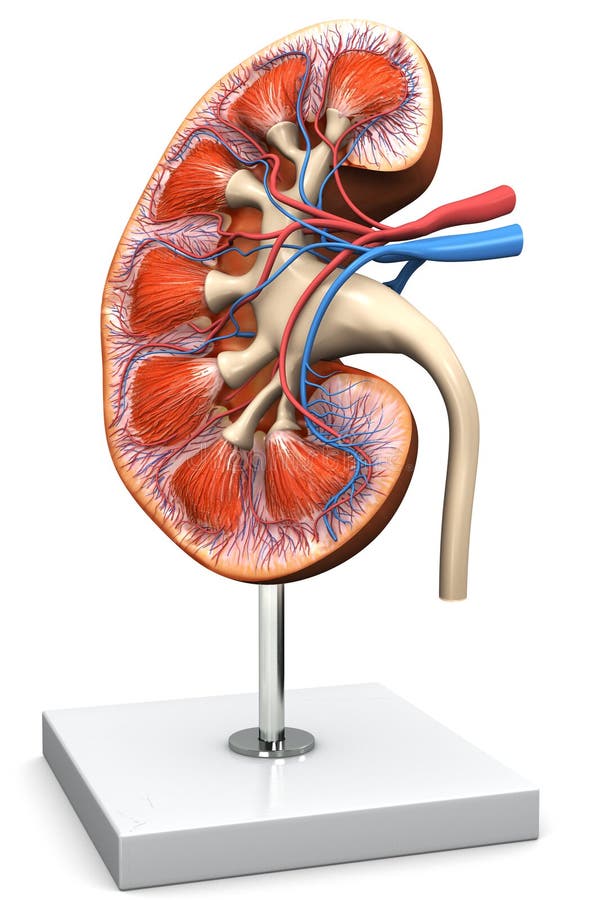
Free with trial Kidneys filter blood, remove waste, balance fluids, and electrolytes. Structurally, they contain nephrons, glomeruli, tubules, and collecting ducts. 3D Illustration. Remove function illustrations Anatomical model of a kidney. 3D illustration. Kidneys filter blood, remove waste, balance fluids, and electrolytes. Structurally, they contain nephrons. Kidneys filter blood, remove waste, balance fluids, and electrolytes. Structurally, they contain nephrons, glomeruli, tubules, and collecting ducts. 3D Illustration
Free with trial Backspace key vector icon symbol keyboard isolated on white background. EPS10. Remove function vectors Backspace key vector icon symbol keyboard isolated on white background. EPS10
Free with trial Backspace key vector icon symbol keyboard isolated on white background. EPS10. Remove function vectors Backspace key vector icon symbol keyboard isolated on white background. EPS10
Free with trial Backspace key vector icon symbol keyboard isolated on white background. EPS10. Remove function vectors Backspace key vector icon symbol keyboard isolated on white background. EPS10
Free with trial Backspace key vector icon symbol keyboard isolated on white background. EPS10. Remove function vectors Backspace key vector icon symbol keyboard isolated on white background. EPS10
Free with trial Disc Eject, CD DVD. Flat Vector Icon illustration. Simple black symbol on white background. Disc Eject, CD DVD sign design template for web and mobile UI element. Remove function vectors Disc Eject, CD DVD Flat Vector Icon. Disc Eject, CD DVD. Flat Vector Icon illustration. Simple black symbol on white background. Disc Eject, CD DVD sign design. Disc Eject, CD DVD. Flat Vector Icon illustration. Simple black symbol on white background. Disc Eject, CD DVD sign design template for web and mobile UI element
Free with trial Shift, Del keyboard keys isolated on background vector illustration,shortcut for erased permanently file. Remove function vectors Shift, Del keyboard keys isolated on background. Vector illustration,shortcut for erased permanently file
Free with trial Delete button on keyboard icon isolated vector on white,simple sign and symbol vector. Remove function vectors Delete button on keyboard icon isolated vector on white. Simple sign and symbol vector
Free with trial Backspace key vector icon symbol keyboard isolated on white background. Eps10. Remove function vectors Backspace key vector icon symbol keyboard isolated on white background. Eps10
Free with trial A simple vector icon of an eraser, representing the tool used to remove or delete content. Ideal for drawing applications, editing software, and interactive whiteboards. This graphic clearly communicates the function of erasing marks or elements efficiently and effectively for users, vector design Generative AI. Remove function vectors Eraser Tool Remove Content Delete Icon Vector, vector design Generative AI. A simple vector icon of an eraser, representing the tool used to remove or delete. A simple vector icon of an eraser, representing the tool used to remove or delete content. Ideal for drawing applications, editing software, and interactive whiteboards. This graphic clearly communicates the function of erasing marks or elements efficiently and effectively for users, vector design Generative AI
Free with trial A modern trash can silhouette, representing the delete function. Used to remove files, discard items, or move to a recycle bin. Remove function vectors Trash Can Icon, Delete, Remove, Bin, Recycle, Dispose, Garbage Vector. A modern trash can silhouette, representing the delete function. Used to remove files. A modern trash can silhouette, representing the delete function. Used to remove files, discard items, or move to a recycle bin.
Free with trial Ready to use linear icon of remove database function. Remove function vectors Ready to use linear icon of remove database function.
Free with trial A clean vector icon featuring a minus sign on a dashed arrow, signifying a remove, subtract, or retract function. This minimalist UI element is perfect for digital applications, software interfaces, or web design, providing a clear visual cue for subtraction or deletion actions. Its simple design ensures clarity and usability, vector design Generative AI. Remove function vectors Minus Sign on Dashed Arrow, Removal Function Icon, vector design Generative AI. A clean vector icon featuring a minus sign on a dashed arrow, signifying a remove. A clean vector icon featuring a minus sign on a dashed arrow, signifying a remove, subtract, or retract function. This minimalist UI element is perfect for digital applications, software interfaces, or web design, providing a clear visual cue for subtraction or deletion actions. Its simple design ensures clarity and usability, vector design Generative AI
Free with trial Ready to use glyph icon of remove database function. Remove function vectors Ready to use glyph icon of remove database function.
Free with trial A minus sign icon used to represent remove, hide, collapse, or decrease. It's the counterpart to the plus icon, perfect for collapsing sections or reducing quantities. This is a scalable EPS vector. Remove function vectors Minus icon, remove symbol for hide, delete, collapse and decrease function in UI UX, vector EPS. A minus sign icon used to represent remove, hide, collapse, or. A minus sign icon used to represent remove, hide, collapse, or decrease. It's the counterpart to the plus icon, perfect for collapsing sections or reducing quantities. This is a scalable EPS vector.
Free with trial Ready to use glyph icon of remove database function. Remove function vectors Ready to use glyph icon of remove database function.
Free with trial Blue gradient trash bin icon representing delete or remove function, perfect for websites, forms, and apps. Remove function vectors Blue Gradient Trash Bin Delete Icon Representing Remove or Erase Action for Modern Web Applications. Blue gradient trash bin icon representing delete or remove. Blue gradient trash bin icon representing delete or remove function, perfect for websites, forms, and apps
Free with trial A clear vector icon of a delete button with an 'X', symbolizing remove, erase, or cancel actions. Ideal for user interfaces, data management, and editing tools, this design provides a straightforward way to eliminate unwanted items, ensuring a clean and organized digital environment, enhancing user control, vector design Generative AI. Remove function vectors Delete Button: Remove and Erase Function Icon, vector design Generative AI. A clear vector icon of a delete button with an 'X', symbolizing remove, erase, or. A clear vector icon of a delete button with an 'X', symbolizing remove, erase, or cancel actions. Ideal for user interfaces, data management, and editing tools, this design provides a straightforward way to eliminate unwanted items, ensuring a clean and organized digital environment, enhancing user control, vector design Generative AI
Free with trial A simple vector icon of a minus sign, symbolizing subtraction, removal, or decrease function. Ideal for calculators, quantity selectors, and editing tools, this design provides a clear indicator for reducing values or deleting elements, ensuring precise control over data and content, enhancing user input, vector design Generative AI. Remove function vectors Subtract Element: Remove and Decrease Function Icon, vector design Generative AI. A simple vector icon of a minus sign, symbolizing subtraction, removal, or. A simple vector icon of a minus sign, symbolizing subtraction, removal, or decrease function. Ideal for calculators, quantity selectors, and editing tools, this design provides a clear indicator for reducing values or deleting elements, ensuring precise control over data and content, enhancing user input, vector design Generative AI
Free with trial A simple yet effective remove button icon with an 'X' symbol, representing close or delete functions. Ideal for user interfaces, web design, and applications where an action needs to be dismissed or removed, vector design Generative AI. Remove function vectors Remove Button Icon. Close or Delete Function Symbol, vector design Generative AI. A simple yet effective remove button icon with an 'X' symbol, representing. A simple yet effective remove button icon with an 'X' symbol, representing close or delete functions. Ideal for user interfaces, web design, and applications where an action needs to be dismissed or removed, vector design Generative AI
Free with trial Delete smartphone icon in line design. delete, trash, remove item, mobile action, smartphone interaction, app function, disposal, bin icon on white background vector. Delete smartphone editable. Remove function illustrations Delete smartphone icon in line design. delete, trash, remove item, mobile action, smartphone interaction, app function, disposal. Bin icon on white background. Delete smartphone icon in line design. delete, trash, remove item, mobile action, smartphone interaction, app function, disposal, bin icon on white background vector. Delete smartphone editable
Free with trial Delete photo is a function used to remove an unwanted photograph from a camera, gallery, or digital storage. Remove function vectors Delete photo line icon. Delete photo is a function used to remove an unwanted photograph from a camera, gallery, or digital storage. Delete photo is a function used to remove an unwanted photograph from a camera, gallery, or digital storage.
Free with trial Delete photo is a function used to remove an unwanted photograph from a camera, gallery, or digital storage. Remove function vectors Delete photo glyph icon. Delete photo is a function used to remove an unwanted photograph from a camera, gallery, or digital storage. Delete photo is a function used to remove an unwanted photograph from a camera, gallery, or digital storage.
Free with trial Delete photo is a function used to remove an unwanted photograph from a camera, gallery, or digital storage. Remove function vectors Delete photo dualtone icon. Delete photo is a function used to remove an unwanted photograph from a camera, gallery, or digital storage. Delete photo is a function used to remove an unwanted photograph from a camera, gallery, or digital storage.
Free with trial A collection of heart-themed icons arranged in a 4x4 grid. Each icon represents different functions related to digital interaction, such as "heart," "added," "remove," "favorite," "bookmark," and "saved. " Icons use red, gray, and blue tones, with heart shapes integrated into designs like shopping bags, carts, and lists. Text labels beneath each icon indicate their function, such as "Wish List," "Heart Profile," and "Favorites. " The icons have a modern, clean design suitable for digital or UI applications. Remove function vectors Heart Icons With Added With Remove With Favorite. A collection of heart-themed icons arranged in a 4x4 grid. Each icon represents different functions related to. A collection of heart-themed icons arranged in a 4x4 grid. Each icon represents different functions related to digital interaction, such as "heart," "added," "remove," "favorite," "bookmark," and "saved." Icons use red, gray, and blue tones, with heart shapes integrated into designs like shopping bags, carts, and lists. Text labels beneath each icon indicate their function, such as "Wish List," "Heart Profile," and "Favorites." The icons have a modern, clean design suitable for digital or UI applications.
Free with trial Trash Can Delete Remove Icon Set. Vol 9638. Remove function vectors Trash Can Delete Remove Icon Set. Vol 9638
Free with trial A minimalist black shopping cart icon featuring a negative or remove sign for online store interfaces. Remove function vectors Shopping Cart Icon with Remove Symbol for E-commerce User Interface Vector Graphic. A minimalist black shopping cart icon featuring a negative or remove sign for. A minimalist black shopping cart icon featuring a negative or remove sign for online store interfaces
Free with trial Umbrella and minus. Cancel protection, remove insurance policy. Pixel perfect, editable stroke vector icon. Remove function vectors Umbrella and minus. Cancel protection, remove insurance policy. Pixel perfect vector icon. Umbrella and minus. Cancel protection, remove insurance policy. Pixel. Umbrella and minus. Cancel protection, remove insurance policy. Pixel perfect, editable stroke vector icon
Free with trial Speech bubble icons with minus symbols representing remove actions, deletion, reduction, and message control functions in communication and messaging systems. Remove function vectors Chat Bubble Minus Remove Icon Set Representing Delete Action and Message Reduction Concept. Speech bubble icons with minus symbols representing remove actions. Speech bubble icons with minus symbols representing remove actions, deletion, reduction, and message control functions in communication and messaging systems
Free with trial Remove words from search. Delete query. Pixel perfect vector icon. Pixel perfect, editable stroke vector icon. Remove function vectors Remove words from search. Delete query. Pixel perfect vector icon. Remove words from search. Delete query. Pixel perfect, editable stroke vector icon
Free with trial Remove words from search. Delete query. Pixel perfect, editable vector icon. Remove function vectors Remove words from search. Delete query. Pixel perfect, editable vector icon. Remove words from search. Delete query. Pixel perfect, editable stroke vector icon
Free with trial Cogwheel and minus symbol. Settings disabled, function stopped. Pixel perfect, editable stroke vector icon. Remove function illustrations Cogwheel and minus symbol. Settings disabled, function stopped. Pixel perfect vector icon. Cogwheel and minus symbol. Settings disabled, function stopped. Pixel. Cogwheel and minus symbol. Settings disabled, function stopped. Pixel perfect, editable stroke vector icon
Free with trial Printer and minus sign. Remove device, cancel printing job. Pixel perfect, editable stroke vector icon. Remove function vectors Printer and minus sign. Remove device, cancel printing job. Pixel perfect vector icon. Printer and minus sign. Remove device, cancel printing job. Pixel perfect. Printer and minus sign. Remove device, cancel printing job. Pixel perfect, editable stroke vector icon
Free with trial Cogwheel and minus symbol. Settings updates disabled, function stopped. Pixel perfect, editable stroke vector icon. Remove function vectors Cogwheel and minus symbol. Settings updates disabled, function stopped. Pixel perfect, editable vector icon. Cogwheel and minus symbol. Settings updates disabled. Cogwheel and minus symbol. Settings updates disabled, function stopped. Pixel perfect, editable stroke vector icon
Free with trial Cogwheel and minus symbol. Settings disabled, function stopped. Pixel perfect, editable stroke vector icon. Remove function vectors Cogwheel and minus symbol. Settings disabled, function stopped. Pixel perfect, editable vector icon. Cogwheel and minus symbol. Settings disabled, function. Cogwheel and minus symbol. Settings disabled, function stopped. Pixel perfect, editable stroke vector icon
Free with trial Cogwheel and minus symbol. Settings updates disabled, function stopped. Pixel perfect, editable stroke vector icon. Remove function vectors Cogwheel and minus symbol. Settings updates disabled, function stopped. Pixel perfect vector icon. Cogwheel and minus symbol. Settings updates disabled, function. Cogwheel and minus symbol. Settings updates disabled, function stopped. Pixel perfect, editable stroke vector icon
Free with trial Printer and minus sign. Remove device, cancel printing job. Pixel perfect, editable stroke vector icon. Remove function vectors Printer and minus sign. Remove device, cancel printing job. Pixel perfect, editable vector icon. Printer and minus sign. Remove device, cancel printing job. Printer and minus sign. Remove device, cancel printing job. Pixel perfect, editable stroke vector icon
Free with trial Two bean-shaped organs, located on either side of the spine, just below the rib cage. Each kidney is about 10–12 cm long. Main function: filter blood, remove waste, balance electrolytes, and regulate blood pressure. Internal structure: Cortex – outer layer, contains filtering units (nephrons). Medulla – inner region, arranged in pyramid-like structures. Renal pelvis – funnel-shaped area that collects urine before passing it to the ureter. Nephron – the functional unit of the kidney each kidney has about 1 million nephrons. Remove function illustrations Human kidney system anatomy. 3d illustrations. Two bean-shaped organs, located on either side of the spine, just below the rib cage. Each kidney is about 10–12. Two bean-shaped organs, located on either side of the spine, just below the rib cage. Each kidney is about 10–12 cm long. Main function: filter blood, remove waste, balance electrolytes, and regulate blood pressure. Internal structure: Cortex – outer layer, contains filtering units (nephrons).Medulla – inner region, arranged in pyramid-like structures. Renal pelvis – funnel-shaped area that collects urine before passing it to the ureter. Nephron – the functional unit of the kidney each kidney has about 1 million nephrons.
Free with trial Two bean-shaped organs, located on either side of the spine, just below the rib cage. Each kidney is about 10–12 cm long. Main function: filter blood, remove waste, balance electrolytes, and regulate blood pressure. Internal structure: Cortex – outer layer, contains filtering units (nephrons). Medulla – inner region, arranged in pyramid-like structures. Renal pelvis – funnel-shaped area that collects urine before passing it to the ureter. Nephron – the functional unit of the kidney each kidney has about 1 million nephrons. Remove function illustrations Human kidney system anatomy. 3d illustrations. Two bean-shaped organs, located on either side of the spine, just below the rib cage. Each kidney is about 10–12. Two bean-shaped organs, located on either side of the spine, just below the rib cage. Each kidney is about 10–12 cm long. Main function: filter blood, remove waste, balance electrolytes, and regulate blood pressure. Internal structure: Cortex – outer layer, contains filtering units (nephrons).Medulla – inner region, arranged in pyramid-like structures. Renal pelvis – funnel-shaped area that collects urine before passing it to the ureter. Nephron – the functional unit of the kidney each kidney has about 1 million nephrons.
Free with trial Two bean-shaped organs, located on either side of the spine, just below the rib cage. Each kidney is about 10–12 cm long. Main function: filter blood, remove waste, balance electrolytes, and regulate blood pressure. Internal structure: Cortex – outer layer, contains filtering units (nephrons). Medulla – inner region, arranged in pyramid-like structures. Renal pelvis – funnel-shaped area that collects urine before passing it to the ureter. Nephron – the functional unit of the kidney each kidney has about 1 million nephrons. Remove function illustrations Human kidney system anatomy. 3d illustrations. Two bean-shaped organs, located on either side of the spine, just below the rib cage. Each kidney is about 10–12. Two bean-shaped organs, located on either side of the spine, just below the rib cage. Each kidney is about 10–12 cm long. Main function: filter blood, remove waste, balance electrolytes, and regulate blood pressure. Internal structure: Cortex – outer layer, contains filtering units (nephrons).Medulla – inner region, arranged in pyramid-like structures. Renal pelvis – funnel-shaped area that collects urine before passing it to the ureter. Nephron – the functional unit of the kidney each kidney has about 1 million nephrons.
Free with trial Two bean-shaped organs, located on either side of the spine, just below the rib cage. Each kidney is about 10–12 cm long. Main function: filter blood, remove waste, balance electrolytes, and regulate blood pressure. Internal structure: Cortex – outer layer, contains filtering units (nephrons). Medulla – inner region, arranged in pyramid-like structures. Renal pelvis – funnel-shaped area that collects urine before passing it to the ureter. Nephron – the functional unit of the kidney each kidney has about 1 million nephrons. Remove function illustrations Human kidney system anatomy. 3d illustrations. Two bean-shaped organs, located on either side of the spine, just below the rib cage. Each kidney is about 10–12. Two bean-shaped organs, located on either side of the spine, just below the rib cage. Each kidney is about 10–12 cm long. Main function: filter blood, remove waste, balance electrolytes, and regulate blood pressure. Internal structure: Cortex – outer layer, contains filtering units (nephrons).Medulla – inner region, arranged in pyramid-like structures. Renal pelvis – funnel-shaped area that collects urine before passing it to the ureter. Nephron – the functional unit of the kidney each kidney has about 1 million nephrons.
 Sign in