Free with trial Human intelligence brain function with grunge texture made of machine cogs and gears representing education and teaching of strategy and psychological mental neurological activity. Scan function illustrations Human brain function grunge with gears. Human intelligence brain function with grunge texture made of machine cogs and gears representing education and teaching. Human intelligence brain function with grunge texture made of machine cogs and gears representing education and teaching of strategy and psychological mental neurological activity.
Free with trial Guide to the human brain anatomy and human brain functions segregated by lobes. Brain structure infographics. Scan function vectors Human brain anatomy and functions. Guide to the human brain anatomy and human brain functions segregated by lobes. Brain structure infographics. Guide to the human brain anatomy and human brain functions segregated by lobes. Brain structure infographics.
Free with trial 3D render of a man with an x-ray of the torso region. Includes a clipping path. Scan function illustrations Man with X-Ray - with clipping path. 3D render of a man with an x-ray of the torso region. Includes a clipping path. 3D render of a man with an x-ray of the torso region. Includes a clipping path.
Free with trial Human Brain With Labels. The human brain with some inside functional parts labeled. Scan function illustrations Human Brain With Labels. The human brain with some inside functional parts labeled
Free with trial AI and neuroscience aor digital neurology brain function concept as artificial intelligence or virtual reality technology as a 3D. Rendering. Scan function illustrations AI and neuroscience aor digital neurology brain function concept as artificial intelligence or virtual reality technology as a 3D. Rendering
Free with trial Office Multi-function Printer scanner. Flat Vector. Illustration. Scan function vectors Office Multi-function Printer scanner. Flat Vector. Illustration
Free with trial Circuit Board. Layered one curved behind in blue. Scan function vectors Circuit Board. Layered one curved behind in blue
Free with trial Human Brain Anatomy. Illustration. 3D render. Scan function illustrations Human Brain Anatomy. Illustration. 3D render
Free with trial Human Brain Anatomy. 3D render. Scan function illustrations Human Brain Anatomy. 3D render
Free with trial Left and Right Human Brain. Isolated on white background. 3D render. Scan function illustrations Left and Right Human Brain. Isolated on white background. 3D render
Free with trial Isometric multifunction office printer. Office professional multi-function printer scanner isolated flat vector illustration. Scan function vectors Isometric multifunction office printer. Office professional multi-function printer scanner isolated flat vector. Illustration
Free with trial Brain exam medical symbol represented by a magnifying glass shaped as a human head as a close up of 3d neuron function and organ cell activity showing intelligence related to memory. Scan function illustrations Brain Exam. Medical symbol represented by a magnifying glass shaped as a human head as a close up of 3d neuron function and organ cell activity showing. Brain exam medical symbol represented by a magnifying glass shaped as a human head as a close up of 3d neuron function and organ cell activity showing intelligence related to memory.
Free with trial Knee joint anatomy, 3D model. Scan function illustrations Knee joint anatomy. 3D model
Free with trial Human brain and spinal cord. In x-ray view. Scan function illustrations Human brain and spinal cord. In x-ray view
Free with trial Human Brain Anatomy. 3D render. Scan function illustrations Human Brain Anatomy. 3D render
Free with trial Human brain 3d illustration. On dark background. Scan function illustrations Human brain 3d illustration. On dark background
Free with trial Diagnostic and Therapeutic Imaging Hospital Department. Patient as First Aim. PET Scan Cancer Disease Insurance Hospital. NEW bright palette 3D Flat Vector People Set. Scan function vectors Hospital 03 People Isometric. Diagnostic and Therapeutic Imaging Hospital Department. Patient as First Aim. PET Scan Cancer Disease Insurance Hospital. NEW. Diagnostic and Therapeutic Imaging Hospital Department. Patient as First Aim. PET Scan Cancer Disease Insurance Hospital. NEW bright palette 3D Flat Vector People Set
Free with trial Left and Right Human Brain. Isolated on white background. 3D render. Scan function illustrations Left and Right Human Brain. Isolated on white background. 3D render
Free with trial Human Brain Anatomy. Illustration. 3D render. Scan function illustrations Human Brain Anatomy. Illustration. 3D render
Free with trial Echocardiogram white background. Info graphic. Heart examination with high frequency sound waves Very useful in evaluating heart function, Including other symptoms. Scan function vectors Echocardiogram white background. Info graphic.Heart examination with high frequency sound waves Very useful in evaluating heart function, Including other
Free with trial Echocardiogram. Health care, info graphic. Heart examination with high frequency sound waves Very useful in evaluating heart function, Including other symptoms. Scan function vectors Echocardiogram. Health care, info graphic. Heart examination with high frequency sound waves Very useful in evaluating heart function, Including other symptoms
Free with trial Human Brain Anatomy. 3D render. Scan function illustrations Human Brain Anatomy. 3D render
Free with trial There is collage of nuclear renal scan , which done for education purpose. After injection of isotope its going through the blood to the kidneys and doctor can see function result. Scan function illustrations Nuclear renal scan eight images function collage. There is collage of nuclear renal scan , which done for education purpose. After injection of isotope its. There is collage of nuclear renal scan , which done for education purpose. After injection of isotope its going through the blood to the kidneys and doctor can see function result.
Free with trial Isometric Office Multi-function Printer scanner. Print, copy, scan, fax. For office documents, presentations and marketing collateral, with enterprise-level performance. Scan function vectors Isometric Office Multi-function Printer scanner. Print, copy, scan, fax. For office documents, presentations and. Marketing collateral, with enterprise-level
Free with trial Human brain, neural pathways, MRI scans, medical imaging, cognitive function. Symbolizing intellect, neuroscience, health, research, and technology. Spacious empty area designed for product displays and advertisements. Perfect for banners, branding, and marketing visuals. . Generative AI. Scan function illustrations Brain Anatomy and Scan Imagery Human brain neural pathways MRI scans medical imaging cognitive function Symbolizing. Human brain, neural pathways, MRI scans. Human brain, neural pathways, MRI scans, medical imaging, cognitive function. Symbolizing intellect, neuroscience, health, research, and technology. Spacious empty area designed for product displays and advertisements. Perfect for banners, branding, and marketing visuals. . Generative AI
Free with trial Human brain X-ray scan , Medically accurate 3D illustration. Scan function illustrations Human brain X-ray scan. Medically accurate 3D illustration
Free with trial Flat 3d isometric businessman use on display fingerprint scanner function to unlock smartphone. Smartphone security system and biometric authentication methods concept. Scan function vectors Isometric businessman use on display fingerprint scanner function to unlock smartphone. Flat 3d isometric businessman use on display fingerprint scanner function. Flat 3d isometric businessman use on display fingerprint scanner function to unlock smartphone. Smartphone security system and biometric authentication methods concept.
Free with trial This captivating positron emission tomography (PET) scan reveals the dynamic interplay of glucose and oxygen metabolism within the brain. The image showcases regions of heightened activity, visualized by the distribution of radiolabeled isotopes. By tracking the uptake of these isotopes, researchers can pinpoint areas of intense metabolic processes, providing crucial insights into neural. Scan function illustrations Exploring Brain Activity with Positron Emission Tomography PET Scan Visualizing Metabolic Hotspots. This captivating positron emission tomography (PET) scan. This captivating positron emission tomography (PET) scan reveals the dynamic interplay of glucose and oxygen metabolism within the brain. The image showcases regions of heightened activity, visualized by the distribution of radiolabeled isotopes. By tracking the uptake of these isotopes, researchers can pinpoint areas of intense metabolic processes, providing crucial insights into neural
Free with trial Heart scan projection, A medical journey through digital X ray diagnostics. Generative AI. Scan function illustrations Heart scan projection, A medical journey through digital X ray diagnostics. Generative AI
Free with trial Background concept for finger scan lock technology and privacy access. Scan function vectors Vector thumbprint icon from dot connect line polygon with lock pad center with function icon. Background concept for finger scan lock technology and privacy. background concept for finger scan lock technology and privacy access
Free with trial Nametag icon. Interface social media. Function to add friends. Template a app in social media. Vector illustration. Scan function vectors Nametag icon. Interface social media. Function to add friends. Template a app in social media. Vector illustration
Free with trial Human brain X-ray scan , Medically accurate illustration. Scan function illustrations Human brain X-ray scan , Medically accurate illustration. Human brain X-ray scan , Medically accurate 3D illustration
Free with trial Left and Right hemisphere of brain in different colors - division of intellectual function in parts of organ - analytical and logic thinking vs creativity and emotionality. Vector illustration. Scan function vectors Left and Right hemisphere of brain. In different colors - division of intellectual function in parts of organ - analytical and logic thinking vs creativity and. Left and Right hemisphere of brain in different colors - division of intellectual function in parts of organ - analytical and logic thinking vs creativity and emotionality. Vector illustration.
Free with trial Nametag icon. Interface social media. Template a interface. Template a app in social media. Function to add friends. Vector illustration. Scan function vectors Nametag icon. Interface social media. Template a interface. Template a app in social media. Function to add friends. Vector illustration
Free with trial Medical vector illustration of hepatocellular carcinoma showing malignant tumor growth in the liver, often linked to hepatitis or cirrhosis, leading to impaired liver function. Scan function vectors Hepatocellular carcinoma(HCC), Liver Cancer vector illustration. Medical vector illustration of hepatocellular carcinoma showing malignant tumor growth in the. Medical vector illustration of hepatocellular carcinoma showing malignant tumor growth in the liver, often linked to hepatitis or cirrhosis, leading to impaired liver function.
Free with trial Brain MRI scan depicting a chronic ischemic stroke, with a lighter area indicating cerebral infarction and potential tissue changes. Scan function illustrations Brain MRI Revealing Chronic Ischemic Stroke and Cerebral Infarction. Brain MRI scan depicting a chronic ischemic stroke, with a lighter area indicating cerebral. Brain MRI scan depicting a chronic ischemic stroke, with a lighter area indicating cerebral infarction and potential tissue changes
Free with trial Big Office Multi-function Printer scanner or copier. Office printer icon. High detailed flat color vector illustration. Scan function vectors Big Office Multi-function Printer scanner or copier. Office printer icon. Flat color vector illustration. Big Office Multi-function Printer scanner or copier. Big Office Multi-function Printer scanner or copier. Office printer icon. High detailed flat color vector illustration.
Free with trial Brain Connectivity and Neurons High-Quality. Brain scan, X-ray over blue background. Human brain with close up of neuron cells representing intelligence and active memory loss. Scan function illustrations Brain Connectivity and Neurons High-Quality. Brain scan, X-ray over blue background. Human brain with close up of neuron cells representing intelligence and
Free with trial Kidney symptoms icon. Editable vector showing human silhouette with kidneys. Used in nephrology, chronic disease diagnostics, health education, and organ function awareness. Scan function vectors Kidney symptoms icon. Editable vector showing human silhouette with kidneys. Used in nephrology, chronic disease diagnostics, health education, and organ
Free with trial This detailed 3D rendering showcases the intricate internal structures of a brain, enhanced by gadolinium-based MRI contrast. The visualization highlights subtle tissue variations, providing a unique perspective on the brain complex anatomy. The use of contrast agent allows for precise delineation of different brain regions, including gray and white matter, cerebrospinal fluid, and blood vessels. Scan function illustrations 3D MRI Scan Visualizes Brain Structures with Gadolinium Contrast Exploring Internal Anatomy and Tissue Variations. This detailed 3D rendering showcases the. This detailed 3D rendering showcases the intricate internal structures of a brain, enhanced by gadolinium-based MRI contrast. The visualization highlights subtle tissue variations, providing a unique perspective on the brain complex anatomy. The use of contrast agent allows for precise delineation of different brain regions, including gray and white matter, cerebrospinal fluid, and blood vessels
Free with trial This minimalist illustration showcases a crucial aspect of medical diagnostics â€' liver health evaluation. A stylized male body silhouette serves as the central focus, upon which an endoscopic scan overlay is projected. The scan vividly displays the liver, highlighting areas of healthy tissue in a vibrant green hue, contrasting starkly with the red tones representing unhealthy or diseased. Scan function illustrations Visualizing Liver Health A Minimalist Diagnostic Concept Depicting Healthy and Unhealthy Liver States Through. This minimalist illustration showcases a crucial. This minimalist illustration showcases a crucial aspect of medical diagnostics â€' liver health evaluation. A stylized male body silhouette serves as the central focus, upon which an endoscopic scan overlay is projected. The scan vividly displays the liver, highlighting areas of healthy tissue in a vibrant green hue, contrasting starkly with the red tones representing unhealthy or diseased
Free with trial This stunning brain scan, presented in an X-ray style, showcases a striking red dot positioned centrally. This visual representation serves as an intriguing exploration of cerebral activity and connectivity. It highlights the importance of brain imaging in medicine, illustrating how science delves into understanding our most complex organ, its pathways, and potential abnormalities. Scan function illustrations Exploring the Intricacies of the Human Brain: A Fascinating X-Ray Vision with a Red Dot Focus on Functionality and Pathology. This stunning brain scan, presented. This stunning brain scan, presented in an X-ray style, showcases a striking red dot positioned centrally. This visual representation serves as an intriguing exploration of cerebral activity and connectivity. It highlights the importance of brain imaging in medicine, illustrating how science delves into understanding our most complex organ, its pathways, and potential abnormalities
Free with trial Osteopathy session and treatment. Character Doctor is giving X-ray film description on patient spine scan. flat vector illustration man with osteoporosis osteoporosis medication. Flat style cartoon illustration vector. Scan function vectors Osteopathy session and treatment. Character Doctor is giving X-ray film description on patient spine scan. flat vector. Illustration man with osteoporosis. Osteopathy session and treatment. Character Doctor is giving X-ray film description on patient spine scan. flat vector illustration man with osteoporosis osteoporosis medication. Flat style cartoon illustration vector
Free with trial Barcode with circuit. And the word technology. Scan function illustrations Barcode with circuit. And the word technology
Free with trial Human Brain Anatomy. Illustration. 3D render. Scan function illustrations Human Brain Anatomy. Illustration. 3D render
Free with trial The human brain has the same general structure as the brains of other mammals, but has a more developed cortex than any other. The human brain has many properties that are common to all vertebrate brains, including a basic division into three parts called the forebrain, midbrain, and hindbrain, each with fluid-filled ventricles at their core, and a set of generic vertebrate brain structures including the medulla oblongata, pons, cerebellum, optic tectum, thalamus, hypothalamus, basal ganglia, olfactory bulb, and many others. Scan function illustrations Human Brain corpus callosum top view. The human brain has the same general structure as the brains of other mammals, but has a more developed cortex than any. The human brain has the same general structure as the brains of other mammals, but has a more developed cortex than any other. The human brain has many properties that are common to all vertebrate brains, including a basic division into three parts called the forebrain, midbrain, and hindbrain, each with fluid-filled ventricles at their core, and a set of generic vertebrate brain structures including the medulla oblongata, pons, cerebellum, optic tectum, thalamus, hypothalamus, basal ganglia, olfactory bulb, and many others.
Free with trial Human Brain Anatomy. Illustration. 3D render. Scan function illustrations Human Brain Anatomy. Illustration. 3D render
Free with trial Brain. The human brain has the same general structure as the brains of other mammals, but has a more developed cortex than any other. Scan function illustrations Brain. The human brain has the same general structure as the brains of other mammals, but has a more developed cortex than any other
Free with trial Human brain 3d concept on white. Human brain on white 3d illustration. Scan function illustrations Human brain 3d concept on white. Human brain on white 3d illustration
Free with trial Human Brain Anatomy. Illustration. 3D render. Scan function illustrations Human Brain Anatomy. Illustration. 3D render
Free with trial Knee anatomy. Isolated on white. Medically accurate 3D illustration. Scan function illustrations Knee anatomy. Isolated on white. Medically accurate 3D illustration
Free with trial Human Brain Anatomy. 3D render. Scan function illustrations Human Brain Anatomy. 3D render
Free with trial Left and Right Human Brain. Illustration. 3D render. Scan function illustrations Left and Right Human Brain. Illustration. 3D render
Free with trial The human brain has the same general structure as the brains of other mammals, but has a more developed cortex than any other. The human brain has many properties that are common to all vertebrate brains, including a basic division into three parts called the forebrain, midbrain, and hindbrain, each with fluid-filled ventricles at their core, and a set of generic vertebrate brain structures including the medulla oblongata, pons, cerebellum, optic tectum, thalamus, hypothalamus, basal ganglia, olfactory bulb, and many others. Scan function illustrations Human Brain lateral view. The human brain has the same general structure as the brains of other mammals, but has a more developed cortex than any other. The. The human brain has the same general structure as the brains of other mammals, but has a more developed cortex than any other. The human brain has many properties that are common to all vertebrate brains, including a basic division into three parts called the forebrain, midbrain, and hindbrain, each with fluid-filled ventricles at their core, and a set of generic vertebrate brain structures including the medulla oblongata, pons, cerebellum, optic tectum, thalamus, hypothalamus, basal ganglia, olfactory bulb, and many others.
Free with trial Median section of human brain infographic diagram. nervous system anatomy. structure and parts. vector drawing cartoon illustration. cortex lobes. chart for medical science education scheme. Scan function vectors Median section of human brain infographic diagram. Nervous system anatomy. structure and parts. vector drawing cartoon illustration. cortex lobes. chart for
Free with trial Brain. The human brain has the same general structure as the brains of other mammals, but has a more developed cortex than any other. Scan function illustrations Brain. The human brain has the same general structure as the brains of other mammals, but has a more developed cortex than any other
Free with trial Knee anatomy. Isolated on white. Medically accurate 3D illustration. Scan function illustrations Knee anatomy. Isolated on white. Medically accurate 3D illustration
Free with trial Human Brain Anatomy. Illustration. 3D render. Scan function illustrations Human Brain Anatomy. Illustration. 3D render
Free with trial Smartphone with heart rate monitor function. Scan function vectors Smartphone and Heart Rate Monitor. Smartphone with heart rate monitor function. Smartphone with heart rate monitor function.
Free with trial The human brain has the same general structure as the brains of other mammals, but has a more developed cortex than any other. The human brain has many properties that are common to all vertebrate brains, including a basic division into three parts called the forebrain, midbrain, and hindbrain, each with fluid-filled ventricles at their core, and a set of generic vertebrate brain structures including the medulla oblongata, pons, cerebellum, optic tectum, thalamus, hypothalamus, basal ganglia, olfactory bulb, and many others. Scan function illustrations Human Brain Back View. The human brain has the same general structure as the brains of other mammals, but has a more developed cortex than any other. The human. The human brain has the same general structure as the brains of other mammals, but has a more developed cortex than any other. The human brain has many properties that are common to all vertebrate brains, including a basic division into three parts called the forebrain, midbrain, and hindbrain, each with fluid-filled ventricles at their core, and a set of generic vertebrate brain structures including the medulla oblongata, pons, cerebellum, optic tectum, thalamus, hypothalamus, basal ganglia, olfactory bulb, and many others.
Free with trial Human Brain Anatomy. 3D render. Scan function illustrations Human Brain Anatomy. 3D render
Free with trial Human Brain Anatomy. Illustration. 3D render. Scan function illustrations Human Brain Anatomy. Illustration. 3D render
Free with trial The human brain has the same general structure as the brains of other mammals, but has a more developed cortex than any other. The human brain has many properties that are common to all vertebrate brains, including a basic division into three parts called the forebrain, midbrain, and hindbrain, each with fluid-filled ventricles at their core, and a set of generic vertebrate brain structures including the medulla oblongata, pons, cerebellum, optic tectum, thalamus, hypothalamus, basal ganglia, olfactory bulb, and many others. Scan function illustrations Human Brain lateral view. The human brain has the same general structure as the brains of other mammals, but has a more developed cortex than any other. The. The human brain has the same general structure as the brains of other mammals, but has a more developed cortex than any other. The human brain has many properties that are common to all vertebrate brains, including a basic division into three parts called the forebrain, midbrain, and hindbrain, each with fluid-filled ventricles at their core, and a set of generic vertebrate brain structures including the medulla oblongata, pons, cerebellum, optic tectum, thalamus, hypothalamus, basal ganglia, olfactory bulb, and many others.
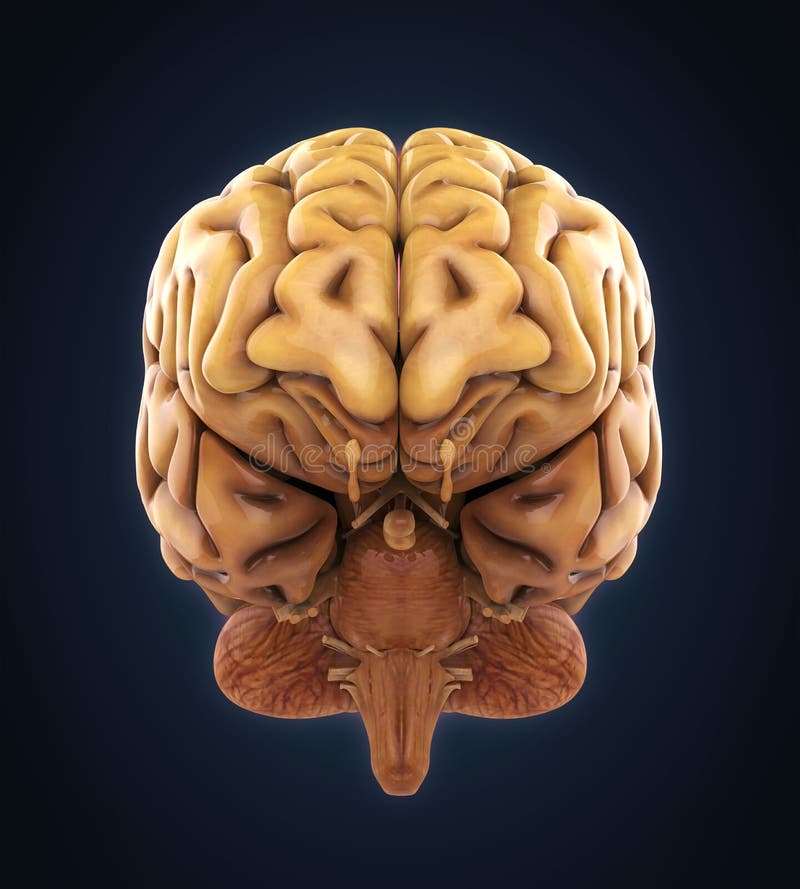
Free with trial The human brain has the same general structure as the brains of other mammals, but has a more developed cortex than any other. The human brain has many properties that are common to all vertebrate brains, including a basic division into three parts called the forebrain, midbrain, and hindbrain, each with fluid-filled ventricles at their core, and a set of generic vertebrate brain structures including the medulla oblongata, pons, cerebellum, optic tectum, thalamus, hypothalamus, basal ganglia, olfactory bulb, and many others. Scan function illustrations Human Brain anterior view. The human brain has the same general structure as the brains of other mammals, but has a more developed cortex than any other. The. The human brain has the same general structure as the brains of other mammals, but has a more developed cortex than any other. The human brain has many properties that are common to all vertebrate brains, including a basic division into three parts called the forebrain, midbrain, and hindbrain, each with fluid-filled ventricles at their core, and a set of generic vertebrate brain structures including the medulla oblongata, pons, cerebellum, optic tectum, thalamus, hypothalamus, basal ganglia, olfactory bulb, and many others.
Free with trial The human brain has the same general structure as the brains of other mammals, but has a more developed cortex than any other. The human brain has many properties that are common to all vertebrate brains, including a basic division into three parts called the forebrain, midbrain, and hindbrain, each with fluid-filled ventricles at their core, and a set of generic vertebrate brain structures including the medulla oblongata, pons, cerebellum, optic tectum, thalamus, hypothalamus, basal ganglia, olfactory bulb, and many others. Scan function illustrations Human Brain anterior view. The human brain has the same general structure as the brains of other mammals, but has a more developed cortex than any other. The. The human brain has the same general structure as the brains of other mammals, but has a more developed cortex than any other. The human brain has many properties that are common to all vertebrate brains, including a basic division into three parts called the forebrain, midbrain, and hindbrain, each with fluid-filled ventricles at their core, and a set of generic vertebrate brain structures including the medulla oblongata, pons, cerebellum, optic tectum, thalamus, hypothalamus, basal ganglia, olfactory bulb, and many others.
Free with trial The human brain has the same general structure as the brains of other mammals, but has a more developed cortex than any other. The human brain has many properties that are common to all vertebrate brains, including a basic division into three parts called the forebrain, midbrain, and hindbrain, each with fluid-filled ventricles at their core, and a set of generic vertebrate brain structures including the medulla oblongata, pons, cerebellum, optic tectum, thalamus, hypothalamus, basal ganglia, olfactory bulb, and many others. Scan function illustrations Human Brain posterior view. The human brain has the same general structure as the brains of other mammals, but has a more developed cortex than any other. The. The human brain has the same general structure as the brains of other mammals, but has a more developed cortex than any other. The human brain has many properties that are common to all vertebrate brains, including a basic division into three parts called the forebrain, midbrain, and hindbrain, each with fluid-filled ventricles at their core, and a set of generic vertebrate brain structures including the medulla oblongata, pons, cerebellum, optic tectum, thalamus, hypothalamus, basal ganglia, olfactory bulb, and many others.
Free with trial The human brain has the same general structure as the brains of other mammals, but has a more developed cortex than any other. The human brain has many properties that are common to all vertebrate brains, including a basic division into three parts called the forebrain, midbrain, and hindbrain, each with fluid-filled ventricles at their core, and a set of generic vertebrate brain structures including the medulla oblongata, pons, cerebellum, optic tectum, thalamus, hypothalamus, basal ganglia, olfactory bulb, and many others. Scan function illustrations Human Brain posterior view. The human brain has the same general structure as the brains of other mammals, but has a more developed cortex than any other. The. The human brain has the same general structure as the brains of other mammals, but has a more developed cortex than any other. The human brain has many properties that are common to all vertebrate brains, including a basic division into three parts called the forebrain, midbrain, and hindbrain, each with fluid-filled ventricles at their core, and a set of generic vertebrate brain structures including the medulla oblongata, pons, cerebellum, optic tectum, thalamus, hypothalamus, basal ganglia, olfactory bulb, and many others.
Free with trial The human brain has the same general structure as the brains of other mammals, but has a more developed cortex than any other. The human brain has many properties that are common to all vertebrate brains, including a basic division into three parts called the forebrain, midbrain, and hindbrain, each with fluid-filled ventricles at their core, and a set of generic vertebrate brain structures including the medulla oblongata, pons, cerebellum, optic tectum, thalamus, hypothalamus, basal ganglia, olfactory bulb, and many others. Scan function illustrations Human Brain Half Back View. The human brain has the same general structure as the brains of other mammals, but has a more developed cortex than any other. The. The human brain has the same general structure as the brains of other mammals, but has a more developed cortex than any other. The human brain has many properties that are common to all vertebrate brains, including a basic division into three parts called the forebrain, midbrain, and hindbrain, each with fluid-filled ventricles at their core, and a set of generic vertebrate brain structures including the medulla oblongata, pons, cerebellum, optic tectum, thalamus, hypothalamus, basal ganglia, olfactory bulb, and many others.
Free with trial Health control design concept. Care healthcare, medicine healthy technology, vector illustration. Scan function vectors Health control design concept. Care healthcare, medicine healthy technology, vector illustration
Free with trial Knee anatomy. Isolated on white. Medically accurate 3D illustration. Scan function illustrations Knee anatomy. Isolated on white. Medically accurate 3D illustration
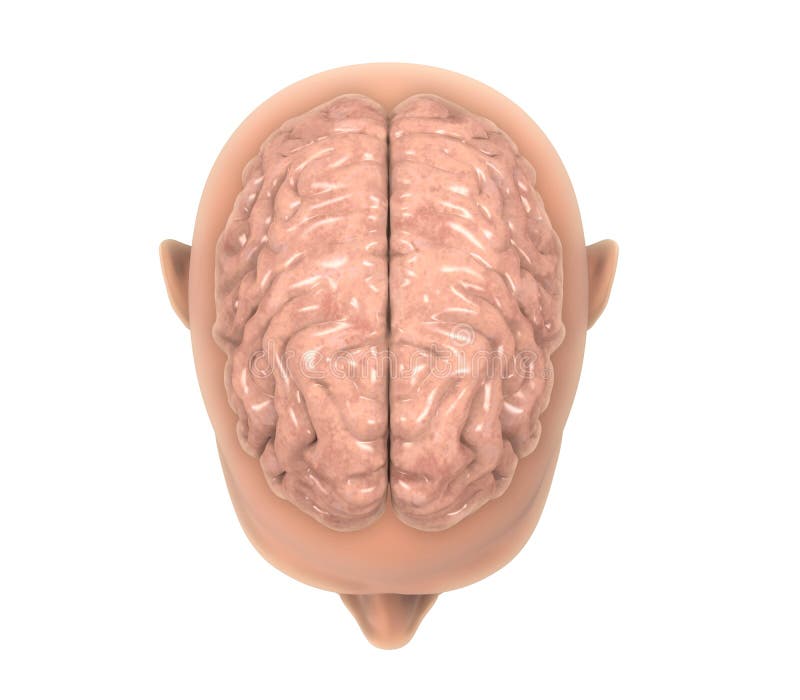
Free with trial The human brain has the same general structure as the brains of other mammals, but has a more developed cortex than any other. The human brain has many properties that are common to all vertebrate brains, including a basic division into three parts called the forebrain, midbrain, and hindbrain, each with fluid-filled ventricles at their core, and a set of generic vertebrate brain structures including the medulla oblongata, pons, cerebellum, optic tectum, thalamus, hypothalamus, basal ganglia, olfactory bulb, and many others. Scan function illustrations Human Brain Aerial View. The human brain has the same general structure as the brains of other mammals, but has a more developed cortex than any other. The human. The human brain has the same general structure as the brains of other mammals, but has a more developed cortex than any other. The human brain has many properties that are common to all vertebrate brains, including a basic division into three parts called the forebrain, midbrain, and hindbrain, each with fluid-filled ventricles at their core, and a set of generic vertebrate brain structures including the medulla oblongata, pons, cerebellum, optic tectum, thalamus, hypothalamus, basal ganglia, olfactory bulb, and many others.
Free with trial Neurological medial health center home page isometric horizontal web banner with hospitalized patient doctor equipment vector illustration. Scan function vectors Neurology Isometric Banner. Neurological medial health center home page isometric horizontal web banner with hospitalized patient doctor equipment vector. Neurological medial health center home page isometric horizontal web banner with hospitalized patient doctor equipment vector illustration
Free with trial Brain. The human brain has the same general structure as the brains of other mammals, but has a more developed cortex than any other. Scan function illustrations Brain. The human brain has the same general structure as the brains of other mammals, but has a more developed cortex than any other
Free with trial Human Brain Anatomy Isolated. On white background. 3D render. Scan function illustrations Human Brain Anatomy Isolated. On white background. 3D render
Free with trial Median section of human brain infographic diagram. nervous system anatomy. structure and parts. vector drawing cartoon illustration. cortex lobes. chart for medical science education scheme. Scan function vectors Median section of human brain infographic diagram. Nervous system anatomy. structure and parts. vector drawing cartoon illustration. cortex lobes. chart for
Free with trial Office Multifunction Printer Isolated. On white background. 3D render. Scan function illustrations Office Multifunction Printer Isolated. On white background. 3D render
Free with trial The human brain has the same general structure as the brains of other mammals, but has a more developed cortex than any other. The human brain has many properties that are common to all vertebrate brains, including a basic division into three parts called the forebrain, midbrain, and hindbrain, each with fluid-filled ventricles at their core, and a set of generic vertebrate brain structures including the medulla oblongata, pons, cerebellum, optic tectum, thalamus, hypothalamus, basal ganglia, olfactory bulb, and many others. Scan function illustrations Human Brain with body anterior view. The human brain has the same general structure as the brains of other mammals, but has a more developed cortex than any. The human brain has the same general structure as the brains of other mammals, but has a more developed cortex than any other. The human brain has many properties that are common to all vertebrate brains, including a basic division into three parts called the forebrain, midbrain, and hindbrain, each with fluid-filled ventricles at their core, and a set of generic vertebrate brain structures including the medulla oblongata, pons, cerebellum, optic tectum, thalamus, hypothalamus, basal ganglia, olfactory bulb, and many others.
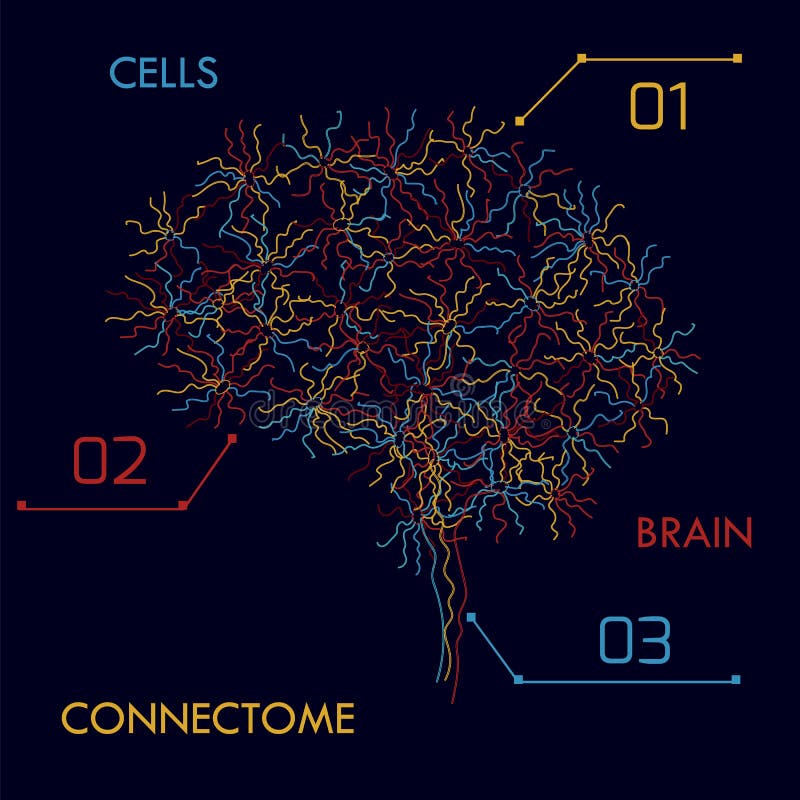
Free with trial Brain cells connectome. Concept. Stock vector illustration of neurons forming a complex map for mind and thinking. Medicine and biology collection. Scan function vectors Brain cells connectome. Concept. Stock vector illustration of neurons forming a complex map for mind and thinking. Medicine and biology collection
Free with trial Human Brain Anatomy. 3D render. Scan function illustrations Human Brain Anatomy. 3D render
Free with trial Lung icon collection with Magnifying glass and frame. Illustration about medical check concept and internal organ. Scan function vectors Lung icon collection with Magnifying glass and frame. Illustration about medical check concept and internal organ
 Sign in