Free with trial Weighing in at around 3 pounds, the liver is the body’s second largest organ; only the skin is larger and heavier. The liver performs many essential functions related to digestion, metabolism, immunity, and the storage of nutrients within the body. These functions make the liver a vital organ without which the tissues of the body would quickly die from lack of energy and nutrients. Fortunately, the liver has an incredible capacity for regeneration of dead or damaged tissues; it is capable of growing as quickly as a cancerous tumor to restore its normal size and function. Skin largest organ human illustrations Liver
Free with trial Weighing in at around 3 pounds, the liver is the body’s second largest organ; only the skin is larger and heavier. The liver performs many essential functions related to digestion, metabolism, immunity, and the storage of nutrients within the body. These functions make the liver a vital organ without which the tissues of the body would quickly die from lack of energy and nutrients. Fortunately, the liver has an incredible capacity for regeneration of dead or damaged tissues; it is capable of growing as quickly as a cancerous tumor to restore its normal size and function. Skin largest organ human illustrations Liver
Free with trial There are almost 78 organs in a human body which vary according to their sizes, functions or actions. An organ is a collection of millions of cells which group together to perform single functions in a our body. The cells in these body organs are highly specialized and form for all the necessary actions for some specific time. Out of these 78 organs of a male or female body, skin is the largest organ with respect to its size and weight. The major organ in the body of human beings is the brain which is primarily responsible for performing all the functions and actions of the body. Other major organs of the body are given in the following list with names, diseases, location and functions. Skin largest organ human illustrations Human Organs. There are almost 78 organs in a human body which vary according to their sizes, functions or actions. An organ is a collection of millions of cells which group together to perform single functions in a our body. The cells in these body organs are highly specialized and form for all the necessary actions for some specific time. Out of these 78 organs of a male or female body, skin is the largest organ with respect to its size and weight. The major organ in the body of human beings is the brain which is primarily responsible for performing all the functions and actions of the body. Other major organs of the body are given in the following list with names, diseases, location and functions.
Free with trial Human skin is the outer layer of the body in humans. It is the largest organ of the body system covering up. The skin has several layers of ectodermal tissue and guards muscles, bones, ligaments and internal organs underneath. Skin largest organ human vectors Skin organ and its function against a white background. Human skin is the outer layer of the body in humans. It is the largest organ of the body system covering up. The skin has several layers of ectodermal tissue and guards muscles, bones, ligaments and internal organs underneath.
Free with trial There are almost 78 organs in a human body which vary according to their sizes, functions or actions. An organ is a collection of millions of cells which group together to perform single functions in a our body. The cells in these body organs are highly specialized and form for all the necessary actions for some specific time. Out of these 78 organs of a male or female body, skin is the largest organ with respect to its size and weight. The major organ in the body of human beings is the brain which is primarily responsible for performing all the functions and actions of the body. Other major organs of the body are given in the following list with names, diseases, location and functions. Skin largest organ human illustrations Human Organs. There are almost 78 organs in a human body which vary according to their sizes, functions or actions. An organ is a collection of millions of cells which group together to perform single functions in a our body. The cells in these body organs are highly specialized and form for all the necessary actions for some specific time. Out of these 78 organs of a male or female body, skin is the largest organ with respect to its size and weight. The major organ in the body of human beings is the brain which is primarily responsible for performing all the functions and actions of the body. Other major organs of the body are given in the following list with names, diseases, location and functions.
Free with trial This detailed illustration showcases the various layers of human skin including the stratum corneum granular cell layer spinous layer llayer and basal layer The visual representation aids in understanding the structure and function of each skin layer including cellular composition and arrangement The diagram highlights the complexity and importance of skin as the bodys largest organ and protective. Skin largest organ human illustrations Human Skin Layers Illustration with Stratum Corneum and Other Layers. This detailed illustration showcases the various layers of human skin including the stratum corneum granular cell layer spinous layer llayer and basal layer The visual representation aids in understanding the structure and function of each skin layer including cellular composition and arrangement The diagram highlights the complexity and importance of skin as the bodys largest organ and protective
Free with trial A detailed 3D rendering reveals the intricate and complex architecture of human skin. This scientific illustration showcases the distinct layers, from the protective epidermis to the supportive dermis and the underlying subcutaneous tissue, highlighting the biological systems that form our bodys largest organ. Skin largest organ human illustrations Anatomy of Skin Layers 3D Illustration. A detailed 3D rendering reveals the intricate and complex architecture of human skin. This scientific illustration showcases the distinct layers, from the protective epidermis to the supportive dermis and the underlying subcutaneous tissue, highlighting the biological systems that form our bodys largest organ
Free with trial A close-up of smoothly stacked zen stones seamlessly transitioning into a human hand. The stones gradually transform into skin, with the largest stone showing a partial skin texture. The hand is outstretched, supporting the stack of stones. The background is a neutral gradient, enhancing the focus on the merging elements. The image conveys a sense of harmony between natural and human elements, blending art and realism in an ultra-detailed 3D rendering. Skin largest organ human illustrations Ultra-realistic 3D close-up of stacked zen stones seamlessly merging into a human hand, stones partially transforming into skin. A close-up of smoothly stacked. A close-up of smoothly stacked zen stones seamlessly transitioning into a human hand. The stones gradually transform into skin, with the largest stone showing a partial skin texture. The hand is outstretched, supporting the stack of stones. The background is a neutral gradient, enhancing the focus on the merging elements. The image conveys a sense of harmony between natural and human elements, blending art and realism in an ultra-detailed 3D rendering.
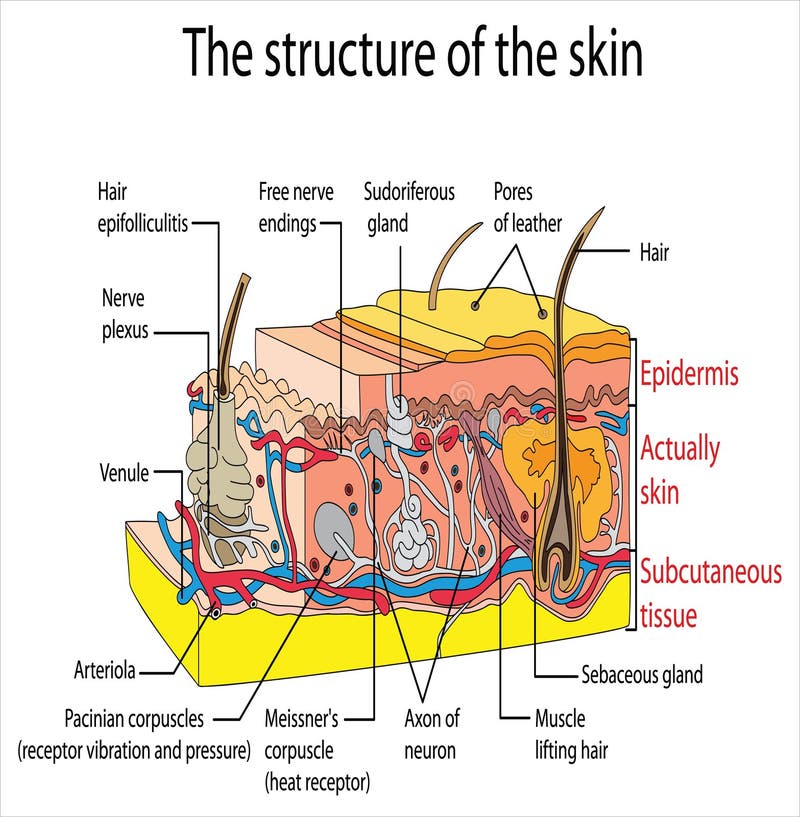
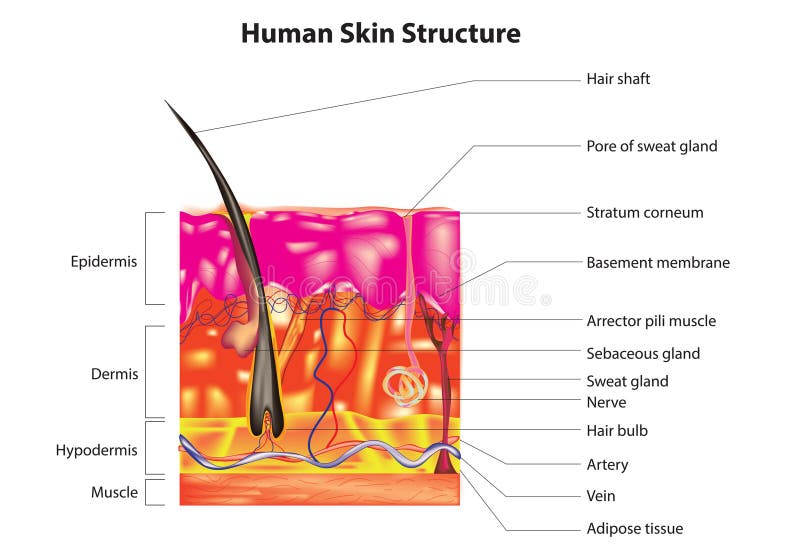
Free with trial Human skin, the largest organ of the body, comprises a complex arrangement of layers, each with unique structures and functions crucial for maintaining health and vitality. From its protective barrier to its sensory receptors, the skin embodies the intricate interplay between structure and function, safeguarding the body against environmental threats while facilitating essential physiological processes. In this essay, we delve into the remarkable layers of human skin, exploring their composition, roles, and significance in overall well-being. Skin largest organ human vectors Human skin layers diagram. Human skin, the largest organ of the body, comprises a complex arrangement of layers, each with unique structures and functions crucial for maintaining health and vitality. From its protective barrier to its sensory receptors, the skin embodies the intricate interplay between structure and function, safeguarding the body against environmental threats while facilitating essential physiological processes. In this essay, we delve into the remarkable layers of human skin, exploring their composition, roles, and significance in overall well-being.
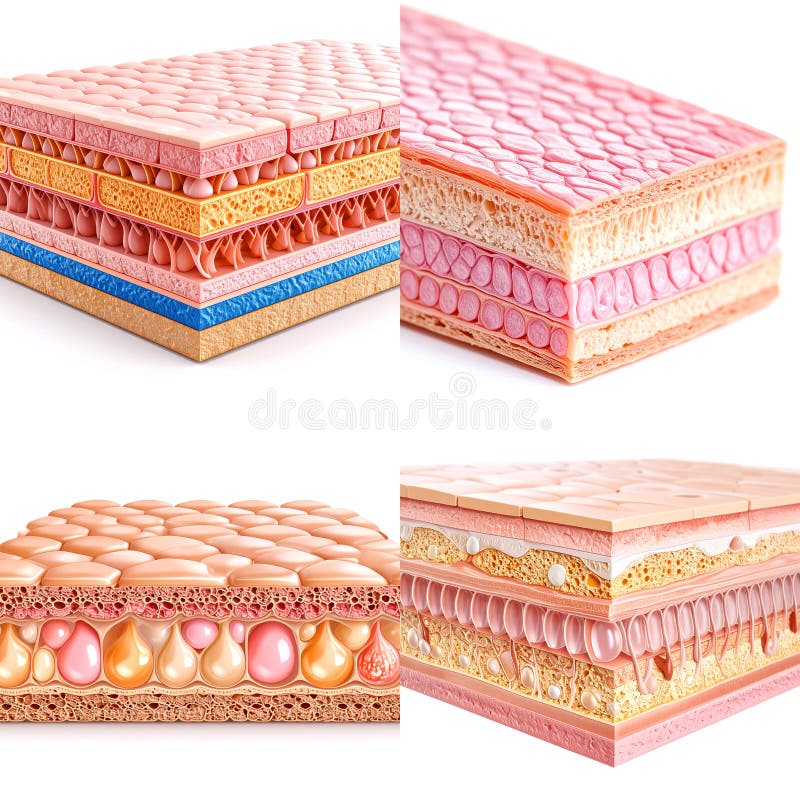
Free with trial Cross-sectional diagrams of human skin, illustrating the layers and structures within. The images display the epidermis, dermis, and subcutaneous tissue, each with distinct textures and colors. The epidermis shows a layer of closely packed cells. The dermis includes structures like collagen fibers and glands, while the subcutaneous layer appears spongy. These images serve educational purposes, highlighting the complexity and functions of skin layers. Skin largest organ human illustrations Human skin cross section anatomy layers epidermis dermis educational medical diagram structure. Cross-sectional diagrams of human skin, illustrating the layers and structures within. The images display the epidermis, dermis, and subcutaneous tissue, each with distinct textures and colors. The epidermis shows a layer of closely packed cells. The dermis includes structures like collagen fibers and glands, while the subcutaneous layer appears spongy. These images serve educational purposes, highlighting the complexity and functions of skin layers.
Free with trial A magnified view of human skin, showcasing its intricate texture and a single hair. Highlighting the delicate details of the body's largest organ. Skin largest organ human illustrations Extreme Close-up of Human Skin Texture: Intricate Lines and a Single Hair. A magnified view of human skin, showcasing its intricate texture and a single hair. Highlighting the delicate details of the body's largest organ
Free with trial Skincare serum droplets on a hexagonally textured surface resembling human skin. The serum is clear with a golden hue, reflecting light and highlighting its glossy texture. The hexagonal pattern suggests a close-up view, emphasizing the skin's natural structure. The droplets vary in size, with the central droplet being the largest, showcasing the serum's hydrating properties. The background is softly blurred, drawing focus to the interaction between the serum and the textured surface. Skin largest organ human illustrations Skincare serum droplets on a hexagonally textured surface
Free with trial As the body's largest organ, skin protects against germs, regulates body temperature and enables touch (tactile) sensations. The skin's main layers include the epidermis, dermis and hypodermis and is prone to many problems, including skin cancer, acne, wrinkles and rashes. Skin largest organ human illustrations Healthy human skin (Epidermis) surface - closeup view 3d illustration. As the body's largest organ, skin protects against germs, regulates body temperature and enables touch (tactile) sensations. The skin's main layers include the epidermis, dermis and hypodermis and is prone to many problems, including skin cancer, acne, wrinkles and rashes.
Free with trial As the body's largest organ, skin protects against germs, regulates body temperature and enables touch (tactile) sensations. The skin's main layers include the epidermis, dermis and hypodermis and is prone to many problems, including skin cancer, acne, wrinkles and rashes. Skin largest organ human illustrations Healthy human skin (Epidermis) surface - closeup view 3d illustration. As the body's largest organ, skin protects against germs, regulates body temperature and enables touch (tactile) sensations. The skin's main layers include the epidermis, dermis and hypodermis and is prone to many problems, including skin cancer, acne, wrinkles and rashes.
Free with trial As the body's largest organ, skin protects against germs, regulates body temperature and enables touch (tactile) sensations. The skin's main layers include the epidermis, dermis and hypodermis and is prone to many problems, including skin cancer, acne, wrinkles and rashes. Skin largest organ human illustrations Healthy human skin (Epidermis) surface - isometric view 3d illustration. As the body's largest organ, skin protects against germs, regulates body temperature and enables touch (tactile) sensations. The skin's main layers include the epidermis, dermis and hypodermis and is prone to many problems, including skin cancer, acne, wrinkles and rashes.
Free with trial As the body's largest organ, skin protects against germs, regulates body temperature and enables touch (tactile) sensations. The skin's main layers include the epidermis, dermis and hypodermis and is prone to many problems, including skin cancer, acne, wrinkles and rashes. Skin largest organ human illustrations Healthy human skin (Epidermis) surface - isometric view 3d illustration. As the body's largest organ, skin protects against germs, regulates body temperature and enables touch (tactile) sensations. The skin's main layers include the epidermis, dermis and hypodermis and is prone to many problems, including skin cancer, acne, wrinkles and rashes.
Free with trial As the body's largest organ, skin protects against germs, regulates body temperature and enables touch (tactile) sensations. The skin's main layers include the epidermis, dermis and hypodermis and is prone to many problems, including skin cancer, acne, wrinkles and rashes. Skin largest organ human illustrations Healthy human skin (Epidermis) surface - isometric view 3d illustration. As the body's largest organ, skin protects against germs, regulates body temperature and enables touch (tactile) sensations. The skin's main layers include the epidermis, dermis and hypodermis and is prone to many problems, including skin cancer, acne, wrinkles and rashes.
Free with trial The human skin is covering of the body and is the largest organ. Skin largest organ human vectors Layers of the skin in human body. The human skin is covering of the body and is the largest organ.
Free with trial They are defined as the organs which are located outside the body. In general skin is the largest external organ of human body and usually this organ is our main concern. The skin is the body`s largest external organ and also the fastest-growing. For one thing, the envisioned new human rights committee would be an external organ of the Justice Ministry. Skin largest organ human illustrations List of external organs of the body. They are defined as the organs which are located outside the body. In general skin is the largest external organ of human body and usually this organ is our main concern. The skin is the body`s largest external organ and also the fastest-growing. For one thing, the envisioned new human rights committee would be an external organ of the Justice Ministry.
Free with trial They are defined as the organs which are located outside the body. In general skin is the largest external organ of human body and usually this organ is our main concern. The skin is the body`s largest external organ and also the fastest-growing. For one thing, the envisioned new human rights committee would be an external organ of the Justice Ministry. Skin largest organ human illustrations List of external organs of the body. They are defined as the organs which are located outside the body. In general skin is the largest external organ of human body and usually this organ is our main concern. The skin is the body`s largest external organ and also the fastest-growing. For one thing, the envisioned new human rights committee would be an external organ of the Justice Ministry.
 Sign in