Free with trial Earthquake Disaster with realistic ground crevices and small destroyed town houses vector illustration design. Small crevices vectors Earthquake Disaster with realistic ground crevices and small destroyed town houses vector illustration design.
Free with trial Illustration of a moray eel (family Muraenidae) with a speckled, light brown body against a white background. The eel has a long, slender shape, smooth skin, and an open mouth, revealing its sharp teeth. Its eyes are small and dark, typical of moray eels which are known for their nocturnal hunting habits. Moray eels are commonly found in tropical and subtropical ocean waters, often hiding in crevices of coral reefs. Small crevices vectors Murena vista laterale. Illustration of a moray eel (family Muraenidae) with a speckled, light brown body against a white background. The eel has a long, slender shape, smooth skin, and an open mouth, revealing its sharp teeth. Its eyes are small and dark, typical of moray eels which are known for their nocturnal hunting habits. Moray eels are commonly found in tropical and subtropical ocean waters, often hiding in crevices of coral reefs.
Free with trial Description: This image captures a group of ants working together to carry a branch across treacherous crevices, showcasing the themes of unity and teamwork. The ants' collaborative efforts symbolize the strength that comes from working together towards a common goal, emphasizing the importance of cooperation and solidarity in overcoming obstacles. The image serves as a reminder of the power of unity and the collective strength that can be achieved through teamwork. Small crevices illustrations Ants Carrying Branch Across Crevices in Unity and Teamwork. Description: This image captures a group of ants working together to carry a branch across treacherous crevices, showcasing the themes of unity and teamwork. The ants' collaborative efforts symbolize the strength that comes from working together towards a common goal, emphasizing the importance of cooperation and solidarity in overcoming obstacles. The image serves as a reminder of the power of unity and the collective strength that can be achieved through teamwork.
Free with trial The image depicts a large, powerful wave with a bright white center, surrounded by smaller waves and mountains in the background. The wave is the main subject, with the mountains providing a contrasting backdrop. The colors used are predominantly blue and white, with some hints of green and brown. The lighting is dramatic, with the sun shining through the wave, creating a sense of depth and movement. The wave has a textured appearance, with visible crevices and ripples. The overall composition is balanced, with the wave occupying the majority of the space and the mountains filling the background. The emotions or actions being depicted include the wave's power and the mountains' grandeur. The image also includes a small white circle in the center, which could represent a sun or moon, adding a sense of mystery and wonder to the scene. Small crevices illustrations The Great Wave off Kanagawa by the artist Hokusai, rendered in blue and white, showcases large, curling wave. The image depicts a large, powerful wave with a bright white center, surrounded by smaller waves and mountains in the background. The wave is the main subject, with the mountains providing a contrasting backdrop. The colors used are predominantly blue and white, with some hints of green and brown. The lighting is dramatic, with the sun shining through the wave, creating a sense of depth and movement. The wave has a textured appearance, with visible crevices and ripples. The overall composition is balanced, with the wave occupying the majority of the space and the mountains filling the background. The emotions or actions being depicted include the wave's power and the mountains' grandeur. The image also includes a small white circle in the center, which could represent a sun or moon, adding a sense of mystery and wonder to the scene.
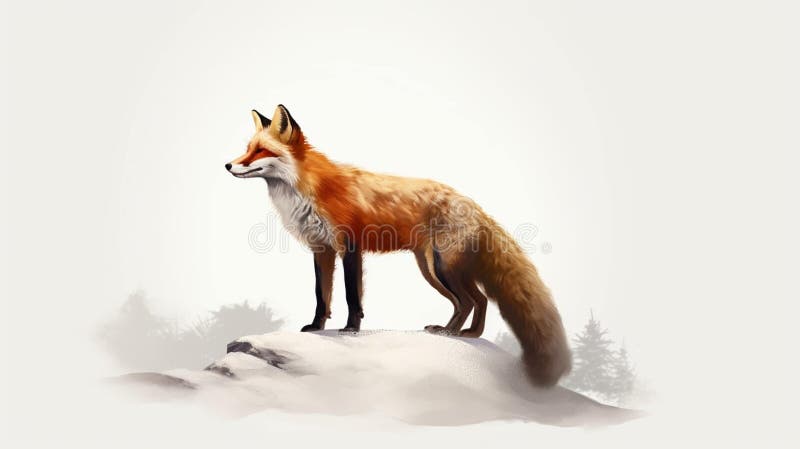
Free with trial The image is a depiction of a fox s tandingon a rock, captured against a white background. . The fur on the fox's body is thick and fluffy, colored in various shades of orange, white, and black. Its small, pointed ears are erect, and its snout is long and narrow. The rock on which the fox sits is textured and rough, with various cracks and crevices. The overall effect is a striking and realistic representation of a beautiful and majestic animal in its natural habitat. Small crevices illustrations Fox standing on rock on white background. The image is a depiction of a fox s tandingon a rock, captured against a white background. . The fur on the fox's body is thick and fluffy, colored in various shades of orange, white, and black. Its small, pointed ears are erect, and its snout is long and narrow. The rock on which the fox sits is textured and rough, with various cracks and crevices. The overall effect is a striking and realistic representation of a beautiful and majestic animal in its natural habitat.
Free with trial A serene landscape photograph captures a rustic stone structure with an asphalt shingled roof, centrally positioned in the image. The structure, made of gray concrete blocks, features an open front with two visible columns and an inviting entrance. The roof is slightly tilted and shows signs of aging. Surrounding the structure is a grassy area dotted with large rocks of various sizes and shapes, some covered in moss and small plants. The rocks have a rough texture with visible cracks and crevices, and some display a grayish hue. The foreground contains patches of lush green grass, small shrubs, and ferns growing between the rocks, adding to the natural setting. In the background, dense tropical vegetation, including tall palm trees with long, slender leaves and various types of shrubs and ferns, creates a lush, green backdrop. The foliage is vibrant and lush, indicating a healthy, thriving ecosystem. Natural daylight illuminates the scene, providing balanced illumination and moderate contrast, enhancing the tranquil and secluded atmosphere of this rural setting. The image has a natural color palette, including forest green, olive green, slate gray, and reddish-brown, contributing to the calm and peaceful mood of the scene. Small crevices illustrations A rustic stone structure with an asphalt shingled roof
Free with trial A serene landscape photograph captures a rustic stone structure with an asphalt shingled roof, centrally positioned in the image. The structure, made of gray concrete blocks, features an open front with two visible columns and an inviting entrance. The roof is slightly tilted and shows signs of aging. Surrounding the structure is a grassy area dotted with large rocks of various sizes and shapes, some covered in moss and small plants. The rocks have a rough texture with visible cracks and crevices, and some display a grayish hue. The foreground contains patches of lush green grass, small shrubs, and ferns growing between the rocks, adding to the natural setting. In the background, dense tropical vegetation, including tall palm trees with long, slender leaves and various types of shrubs and ferns, creates a lush, green backdrop. The foliage is vibrant and lush, indicating a healthy, thriving ecosystem. Natural daylight illuminates the scene, providing balanced illumination and moderate contrast, enhancing the tranquil and secluded atmosphere of this rural setting. The image has a natural color palette, including forest green, olive green, slate gray, and reddish-brown, contributing to the calm and peaceful mood of the scene. Small crevices illustrations A rustic stone structure with an asphalt shingled roof
Free with trial The Mandarin fish is a stunningly beautiful creature that is native to the Pacific Ocean. Its vibrant colors and intricate patterns make it a popular choice for aquarium enthusiasts, but in the wild, it is a rare and elusive sight. The Mandarin fish is a small species, typically growing to no more than 3 inches in length. Its body is elongated and slender, with a pointed snout and large, fan-like fins. The most striking feature of the Mandarin fish is its coloration, which is a kaleidoscope of bright blues, greens, oranges, and yellows. The body is covered in intricate patterns of spots, stripes, and dots, which vary from fish to fish. Despite its beauty, the Mandarin fish is a challenging species to keep in captivity. It has a specialized diet of small crustaceans and other invertebrates, which can be difficult to provide in a home aquarium. Additionally, the Mandarin fish is a shy and reclusive creature that prefers to hide in crevices and caves, making it difficult to observe. In the wild, the Mandarin fish is found in coral reefs and rocky outcroppings, where it feeds on small prey and avoids predators. Its bright colors serve as a warning to potential predators that it is toxic and should not be eaten. The Mandarin fish is also known for its unique mating behavior, in which males perform an elaborate courtship dance to attract females. Despite its challenges, the Mandarin fish remains a popular and sought-after species for aquarium enthusiasts. Its beauty and unique characteristics make it a fascinating creature to observe and study, both in captivity and in the wild. Small crevices illustrations Beautiful Mandarin fish Close Up. Colorful and Vibrant Animal. The Mandarin fish is a stunningly beautiful creature that is native to the Pacific Ocean. Its vibrant colors and intricate patterns make it a popular choice for aquarium enthusiasts, but in the wild, it is a rare and elusive sight.The Mandarin fish is a small species, typically growing to no more than 3 inches in length. Its body is elongated and slender, with a pointed snout and large, fan-like fins. The most striking feature of the Mandarin fish is its coloration, which is a kaleidoscope of bright blues, greens, oranges, and yellows. The body is covered in intricate patterns of spots, stripes, and dots, which vary from fish to fish.Despite its beauty, the Mandarin fish is a challenging species to keep in captivity. It has a specialized diet of small crustaceans and other invertebrates, which can be difficult to provide in a home aquarium. Additionally, the Mandarin fish is a shy and reclusive creature that prefers to hide in crevices and caves, making it difficult to observe.In the wild, the Mandarin fish is found in coral reefs and rocky outcroppings, where it feeds on small prey and avoids predators. Its bright colors serve as a warning to potential predators that it is toxic and should not be eaten. The Mandarin fish is also known for its unique mating behavior, in which males perform an elaborate courtship dance to attract females.Despite its challenges, the Mandarin fish remains a popular and sought-after species for aquarium enthusiasts. Its beauty and unique characteristics make it a fascinating creature to observe and study, both in captivity and in the wild.
Free with trial Rough textured surface with a stucco-like appearance. Uniformly colored in a warm beige or light brown shade. The texture is uneven and coarse, with small crevices and ridges, giving it a gritty, tactile feel. This type of surface is common in warm climates for exterior walls, providing both aesthetic appeal and weather resistance. Small crevices illustrations Is uneven and coarse, with small crevices and ridges, giving it a
Free with trial Dark gray basalt rocks with small green plants growing between crevices. he intricate cracks and layers in the rocks highlight the geological processes that shaped them, making this image ideal for use in educational materials, geological studies, or as a striking background for design projects. Perfect for stock photography needs, this image offers a visually engaging and scientifically relevant depiction of natural rock formations. Created using AI. Small crevices illustrations Dark gray basalt rocks with small green plants growing between crevices
Free with trial Textured surface with a light brown, cracked appearance resembling a desert or arid soil. The surface is granular, with small crevices scattered randomly. The color and texture suggest a dry, rough material, possibly clay or dried mud. The lighting highlights the unevenness and the arid quality of the surface, with shadows accentuating the cracks. Appears to be a close-up, focusing on the detailed texture. Small crevices illustrations The surface is granular, with small crevices scattered randomly
Free with trial Close-up of a cork surface, displaying a textured pattern with unevenly sized and shaped granules. The material is light brown, characteristic of natural cork, which is often used for insulation, bulletin boards, or bottle stoppers. The texture shows irregularities and small crevices, typical of cork's cellular structure. Small crevices illustrations Shows irregularities and small crevices, typical of cork\'s cellular. Close-up of a cork surface, displaying a textured pattern with unevenly sized and shaped granules. The material is light brown, characteristic of natural cork, which is often used for insulation, bulletin boards, or bottle stoppers. The texture shows irregularities and small crevices, typical of cork's cellular structure.
Free with trial This image showcases a unique and intricate piece of coral. The coral has a complex structure with numerous small holes and crevices, giving it a distinctive and interesting appearance. The color is a mix of light and dark browns, with some areas appearing almost white. Small crevices illustrations A unique and intricate piece of coral with numerous small holes and crevices. This image showcases a unique and intricate piece of coral. The coral has a complex structure with numerous small holes and crevices, giving it a distinctive and interesting appearance. The color is a mix of light and dark browns, with some areas appearing almost white
Free with trial Cracked stone wall featuring large, uneven gray stones with visible fissures. The crevices host patches of vibrant green moss and small plants, possibly of the genus *Saxifraga*, thriving within the gaps. The stones have a rough texture and irregular shapes, with varying shades of gray creating a weathered appearance. The greenery adds contrast, highlighting the natural resilience of life in harsh environments. Small crevices illustrations Cracked stone wall with patches of green moss and small plants growing in the crevices. Cracked stone wall featuring large, uneven gray stones with visible fissures. The crevices host patches of vibrant green moss and small plants, possibly of the genus *Saxifraga*, thriving within the gaps. The stones have a rough texture and irregular shapes, with varying shades of gray creating a weathered appearance. The greenery adds contrast, highlighting the natural resilience of life in harsh environments.
Free with trial Rocky cliff with intricate textures and small plants growing in crevices during golden hour Image. Small crevices illustrations Rocky cliff with intricate textures and small plants growing in crevices during golden hour
Free with trial A rustic gray stone wall built with large unevenly stacked rocks creates a textured background. Small bits of green foliage peek through the gaps and crevices adding subtle hints of life and nature to the sturdy structure. Small crevices illustrations Rustic gray stone wall constructed from large uneven rocks featuring small green plants growing in crevices. A rustic gray stone wall built with large unevenly stacked rocks creates a textured background. Small bits of green foliage peek through the gaps and crevices adding subtle hints of life and nature to the sturdy structure
Free with trial Closeup of many small orange and brown crustaceans likely crayfish or crawfish scuttling and exploring the crevices and textures of the rocky shoreline or tide pool environment. Small crevices illustrations Closeup of many small orange and brown crustaceans likely crayfish or crawfish scuttling and exploring the crevices and textures
Free with trial Rough stone surface with prominent horizontal cracks and gaps. The texture shows irregular, weathered layers of sedimentary rock, indicating natural erosion. Small patches of green moss (Bryophyta) grow along the crevices, suggesting a moist environment that supports plant life. The image creates a sense of age and geological history, highlighting the natural artistry of rock formations through environmental processes. Small crevices illustrations Moss (Bryophyta) grow along the crevices, suggesting a moist
Free with trial A close-up view of a grey, textured surface displaying small cracks and slight imperfections. The surface appears glossy, reflecting light subtly across its rough texture. The unevenness and minor crevices add depth, suggesting a possibly weathered or aged material. Small crevices illustrations View of a grey, textured surface displaying small cracks and
Free with trial Rough textured gray rock features numerous small indentations filled with reddish-brown granules resembling sand. These granules vary in size and shape, creating a contrast against the smooth surface of the stone. The composition illustrates the natural process of erosion and deposition, where finer particles accumulate in crevices over time. Small crevices illustrations Features numerous small indentations filled with reddish-brown
Free with trial A detailed stone wall composed of variously sized and shaped rocks. The stones vary in color, including shades of gray, brown, and tan, adding texture and depth. Each stone has a rough surface, with irregular edges, contributing to the rustic and natural appearance of the wall. Small patches of moss can be seen in the crevices, suggesting an outdoor setting. The arrangement is dry-stacked, typical of traditional masonry techniques, providing structural stability without visible mortar. Small crevices illustrations Patches of moss can be seen in the crevices, suggesting an outdoor
 Sign in