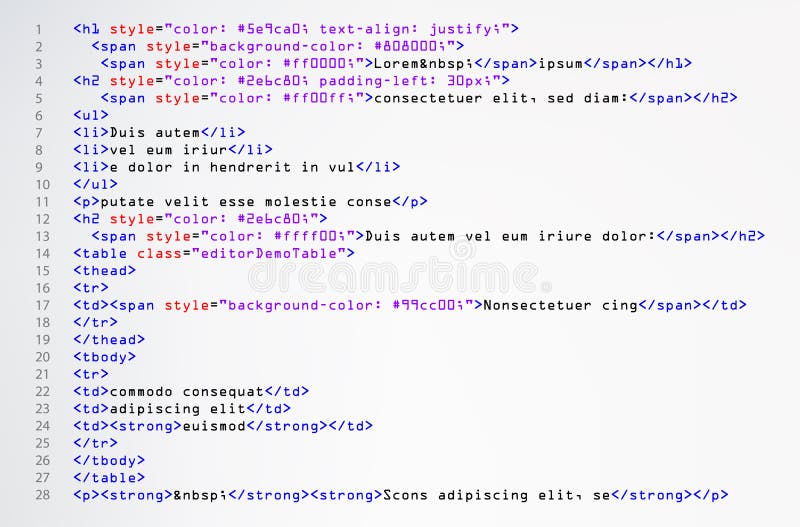
Free with trial HTML Simple Code Vector. Colorful Abstract Program Tags In Developer View. Screen Of Colored Lighted Syntax Of Source Code. Software function vectors HTML Abstract Code Vector. Colorful Tags In Browser View. Source Code. Abstract Computer Script. HTML Simple Code Vector. Colorful Abstract Program Tags In. HTML Simple Code Vector. Colorful Abstract Program Tags In Developer View. Screen Of Colored Lighted Syntax Of Source Code
Free with trial HTML Simple Code Vector. Colorful Abstract Program Tags In Developer View. Screen Of Colored Lighted Syntax Of Source Code Script. Software function vectors HTML Simple Code Vector. Colorful Abstract Program Tags In Developer View. Screen Of Colored Lighted Syntax Of Source Code Script. HTML Simple Code Vector
Free with trial Technical overview gear icon outline vector. Business data. Financial result. Software function vectors Technical overview gear icon outline vector. Business data. Financial result
Free with trial High-tech water technology background. Global digital technology concept. abstract vector illustration. many uses for technology mobile wallpaper, mobile backgrounds, book, covers, screen savers, web page, landscapes, birthday card, greeting cards, function card, letter head etc. Software function illustrations High-tech water technology background.Global digital technology concept. abstract vector illustration. Many uses for technology mobile wallpaper, mobile
Free with trial Water splash or bubbles with water umbrella. water textured background. Isolated on white background. many uses for software brush, image editing, technology mobile wallpaper, mobile backgrounds, book, covers, screen savers, web page, landscapes, birthday card, greeting cards, function card, letter head etc. Software function illustrations Water splash or bubbles with water umbrella. water textured background. Isolated on white background. Many uses for software brush, image editing, technology
Free with trial Abstract program code. Abstract program listing with gradient fall off for your text. Screen of source code script. Vector background. Software function vectors Abstract program code. Abstract program listing with gradient fall off for your text. Screen of source code script. Vector background
Free with trial Big water splash or bubbles with horse. water textured background. Isolated on white background. many uses for software brush, image editing, technology mobile wallpaper, mobile backgrounds, book, covers, screen savers, web page, landscapes, birthday card, greeting cards, function card, letter head etc. Software function illustrations Big water splash or bubbles with horse. water textured background. Isolated on white background. Many uses for software brush, image editing, technology mobile
Free with trial Vector design for any decoration. Creative concept. Software function vectors Dark blue background with program code. Vector design for any decoration. Creative concept. Vector design for any decoration. Creative concept.
Free with trial Vector design for any decoration. Creative concept. Software function vectors Seamless pattern with program code on black background. Vector design for any decoration. Creative concept. Vector design for any decoration. Creative concept.
Free with trial Water splash or bubbles with Blue Water Clock.. water textured background. Isolated on white background. many uses for software brush, image editing, technology mobile wallpaper, mobile backgrounds, book, covers, screen savers, web page, landscapes, birthday card, greeting cards, function card, letter head etc. Software function illustrations Water splash or bubbles with Blue Water Clock.. water textured background. Isolated on white background. Many uses for software brush, image editing
Free with trial Programmer character development cloud. Vector illustration eps 10. Software function vectors Programmer character development cloud. Vector illustration eps 10
Free with trial Conceptual business illustration with the words product data man. Agement. Software function illustrations Conceptual business illustration with the words product data man. Agement
Free with trial A graphic 3d illustration of a slanting computer screen with blue coded letters and numbers in the black background. A big pixel key is placed in the center. Software function illustrations Codes and key screen with blue texts. A graphic 3d illustration of a slanting computer screen with blue coded letters and numbers in the black background. A big. A graphic 3d illustration of a slanting computer screen with blue coded letters and numbers in the black background. A big pixel key is placed in the center.
Free with trial High-tech computer security technology background. Global digital technology concept. abstract vector illustration. many uses for technology mobile wallpaper, mobile backgrounds, book, covers, screen savers, web page, landscapes, birthday card, greeting cards, function card, letter head etc. Software function illustrations High-tech data security technology background.Global digital technology concept. abstract vector illustration. High-tech computer security technology background. High-tech computer security technology background.Global digital technology concept. abstract vector illustration. many uses for technology mobile wallpaper, mobile backgrounds, book, covers, screen savers, web page, landscapes, birthday card, greeting cards, function card, letter head etc.
Free with trial Mouse pointer digital functions icon. Vector illustration EPS10. Software function vectors Mouse pointer digital functions icon. Vector illustration EPS10
Free with trial Programmer character development data gear. Vector illustration eps 10. Software function vectors Programmer character development data gear. Vector illustration eps 10
Free with trial High-tech cogs technology wood textured background. Global digital technology concept. abstract vector illustration. many uses for technology mobile wallpaper, mobile backgrounds, book, covers, screen savers, web page, landscapes, birthday card, greeting cards, function card, letter head etc. Software function illustrations High-tech cogs technology wood textured background.Global digital technology concept. abstract vector illustration. High-tech cogs technology wood textured. High-tech cogs technology wood textured background.Global digital technology concept. abstract vector illustration. many uses for technology mobile wallpaper, mobile backgrounds, book, covers, screen savers, web page, landscapes, birthday card, greeting cards, function card, letter head etc.
Free with trial Color scene background front view web developer man in desk programming language. Vector illustration. Software function vectors Color scene background front view web developer man in desk programming language. Vector illustration
Free with trial High-tech cogs technology background. Global digital technology concept. abstract vector illustration. many uses for technology mobile wallpaper, mobile backgrounds, book, covers, screen savers, web page, landscapes, birthday card, greeting cards, function card, letter head etc. Software function illustrations High-tech cogs technology background.Global digital technology concept. abstract vector illustration. Many uses for technology mobile wallpaper, mobile
Free with trial Web developer working on computer programming coding. Vector illustration. Software function vectors Web developer working on computer programming coding. Vector illustration
Free with trial Color background tech computer programming codes. Vector illustration. Software function vectors Color background tech computer programming codes. Vector illustration
Free with trial Layers thin line icon, tools and design, instruments sign, vector graphics, a linear pattern on a white background, eps 10. Software function vectors Layers thin line icon, tools and design. Instruments sign, vector graphics, a linear pattern on a white background, eps 10
Free with trial Desktop and users with social media marketing icons. Vector illustration design. Software function vectors Desktop and users with social media marketing icons. Vector illustration design
Free with trial Desktop and users with social media marketing icons. Vector illustration design. Software function vectors Desktop and users with social media marketing icons. Vector illustration design
Free with trial Self-driving cars, also known as autonomous vehicles, rely heavily on AI algorithms to function effectively and safely. These AI systems process vast amounts of data from various sensors, including cameras, LIDAR (Light Detection and Ranging), and radar, to understand and navigate their surroundings. Here’s a detailed description of how AI supports self-driving cars:Sensor Data Processing: AI algorithms analyze data from multiple sensors to create a comprehensive and real-time understanding of the vehicle’s environment. Cameras capture visual information, LIDAR provides precise distance measurements by illuminating targets with laser light and measuring the reflection, and radar detects objects and measures their speed and distance. Navigation: Using the processed sensor data, AI systems can determine the vehicle's exact position on the road and plot a safe and efficient path to its destination. This involves recognizing road signs, traffic signals, lane markings, and other critical navigational elements. Obstacle Avoidance: AI algorithms continuously monitor the vehicle's surroundings to detect and avoid obstacles such as pedestrians, other vehicles, animals, and debris. By predicting the movements of these obstacles, the AI can make timely adjustments to the vehicle’s path or speed to ensure safety. Real-time Decision Making: Autonomous vehicles must make rapid decisions to handle dynamic and complex driving scenarios. AI systems evaluate multiple factors, such as traffic conditions, road hazards, and the behavior of other road users, to make real-time driving decisions. These decisions include when to change lanes, merge into traffic, stop at intersections, and react to sudden changes in the environment. Machine Learning: Self-driving cars utilize machine learning techniques to improve their performance over time. By continuously learning from real-world driving experiences and simulations, the AI systems can enhance their decision-making processes, leading to safer and more reliable autonomous driving. In summary, AI is the backbone of self-driving cars, enabling them to process sensor data, navigate roads, avoid obstacles, and make real-time decisions, ultimately paving the way for safer and more efficient transportation. Software function illustrations Transportation: Self-driving cars rely heavily on AI algorithms. Self-driving cars, also known as autonomous vehicles, rely heavily on AI algorithms to function. Self-driving cars, also known as autonomous vehicles, rely heavily on AI algorithms to function effectively and safely. These AI systems process vast amounts of data from various sensors, including cameras, LIDAR (Light Detection and Ranging), and radar, to understand and navigate their surroundings. Here’s a detailed description of how AI supports self-driving cars:Sensor Data Processing: AI algorithms analyze data from multiple sensors to create a comprehensive and real-time understanding of the vehicle’s environment. Cameras capture visual information, LIDAR provides precise distance measurements by illuminating targets with laser light and measuring the reflection, and radar detects objects and measures their speed and distance.Navigation: Using the processed sensor data, AI systems can determine the vehicle's exact position on the road and plot a safe and efficient path to its destination. This involves recognizing road signs, traffic signals, lane markings, and other critical navigational elements.Obstacle Avoidance: AI algorithms continuously monitor the vehicle's surroundings to detect and avoid obstacles such as pedestrians, other vehicles, animals, and debris. By predicting the movements of these obstacles, the AI can make timely adjustments to the vehicle’s path or speed to ensure safety.Real-time Decision Making: Autonomous vehicles must make rapid decisions to handle dynamic and complex driving scenarios. AI systems evaluate multiple factors, such as traffic conditions, road hazards, and the behavior of other road users, to make real-time driving decisions. These decisions include when to change lanes, merge into traffic, stop at intersections, and react to sudden changes in the environment.Machine Learning: Self-driving cars utilize machine learning techniques to improve their performance over time. By continuously learning from real-world driving experiences and simulations, the AI systems can enhance their decision-making processes, leading to safer and more reliable autonomous driving.In summary, AI is the backbone of self-driving cars, enabling them to process sensor data, navigate roads, avoid obstacles, and make real-time decisions, ultimately paving the way for safer and more efficient transportation.
Free with trial Desktop and users with social media marketing icons. Vector illustration design. Software function vectors Desktop and users with social media marketing icons. Vector illustration design
Free with trial Javascript programming language illustration with laptop and java script code. Vector illustration. Software function vectors Javascript programming language illustration with laptop and java script code. Vector illustration
Free with trial User settings outline vivid colored flat icons. In curved borders on white background. Software function vectors User settings outline vivid colored flat icons. In curved borders on white background
Free with trial High-tech cogs technology textured background. Global digital technology concept. abstract vector illustration. many uses for technology mobile wallpaper, mobile backgrounds, book, covers, screen savers, web page, landscapes, birthday card, greeting cards, function card, letter head etc. Software function illustrations High-tech cogs technology textured background.Global digital technology concept. abstract vector illustration. Many uses for technology mobile wallpaper
Free with trial Vector homepage for learning programming and coding. Application development with a simple programming language. Flat illustration for landing page, template, ui ux, web, mobile app, banner, flyer. Software function vectors Vector homepage for learning programming and coding. Application development with a simple programming language. Flat illustration. For landing page, template. Vector homepage for learning programming and coding. Application development with a simple programming language. Flat illustration for landing page, template, ui ux, web, mobile app, banner, flyer
Free with trial Program. Vector background with abstract programm code parts. Red colored. Software function vectors Program. Vector background with abstract programm code parts. Red colored
Free with trial High-tech computer security technology background. Global digital technology concept. abstract vector illustration. many uses for technology mobile wallpaper, mobile backgrounds, book, covers, screen savers, web page, landscapes, birthday card, greeting cards, function card, letter head etc. Software function illustrations High-tech computer security technology background.Global digital technology concept. abstract vector illustration. Many uses for technology mobile wallpaper
Free with trial Web developer working on computer programming coding. Vector illustration. Software function vectors Web developer working on computer programming coding. Vector illustration
Free with trial Process icon in comic style. Arrow and gear cartoon vector illustration on white isolated background. Optimization splash effect. Business concept. Software function vectors Process icon in comic style. Arrow and gear cartoon vector illustration on white isolated background. Optimization splash effect. Business concept
Free with trial An abstract colorful theme with phrases from various programming languages and C plus title at the front. Software function illustrations Programming languages titles with C plus plus phrase in blue color. An abstract colorful theme with phrases from various programming languages and C plus title. An abstract colorful theme with phrases from various programming languages and C plus title at the front
Free with trial Programming code background. Fictitious programming code background. Java language abstract pattern. Computer program vector illustration. Software function vectors Programming code background. Fictitious programming code background. Java language abstract pattern. Computer program vector illustration
Free with trial Stream of binary code on the screen. Computer matrix background. Abstract matrix. Software function illustrations Stream of binary code on the screen. Computer matrix background. Abstract matrix
Free with trial 3D-rendering abstract blocks of code that are in the virtual space. Camera inside the computer code. Software function illustrations 3D rendering of abstract blocks of code located in the virtual space. 3D-rendering abstract blocks of code that are in the virtual space. Camera inside the. 3D-rendering abstract blocks of code that are in the virtual space. Camera inside the computer code
Free with trial Automation and optimization vector line icon, eps 10 file, easy to edit. Software function illustrations Automation and optimization vector line icon. Eps 10 file, easy to edit
Free with trial In computing, an icon is a pictogram or ideogram displayed on a computer screen in order to help the user navigate a computer system. The icon itself is a quickly comprehensible symbol of a software tool, function, or a data file, accessible on the system and is more like a traffic sign than a detailed illustration of the actual entity it represents. Software function vectors Mobile digital transaction icon. money transfer illustration. 3d, three dimentional drawing cartoon style toy like illustration. In computing, an icon is a. In computing, an icon is a pictogram or ideogram displayed on a computer screen in order to help the user navigate a computer system. The icon itself is a quickly comprehensible symbol of a software tool, function, or a data file, accessible on the system and is more like a traffic sign than a detailed illustration of the actual entity it represents.
Free with trial Color background tech computer and programming codes in dialog box. Vector illustration. Software function vectors Color background tech computer and programming codes in dialog box. Vector illustration
Free with trial In computing, an icon is a pictogram or ideogram displayed on a computer screen in order to help the user navigate a computer system. The icon itself is a quickly comprehensible symbol of a software tool, function, or a data file, accessible on the system and is more like a traffic sign than a detailed illustration of the actual entity it represents. Software function vectors Mobile payment system icon. mobile finacial transaction application in smartpohone. 3d, three dimentional drawing cartoon style to. In computing, an icon is a. In computing, an icon is a pictogram or ideogram displayed on a computer screen in order to help the user navigate a computer system. The icon itself is a quickly comprehensible symbol of a software tool, function, or a data file, accessible on the system and is more like a traffic sign than a detailed illustration of the actual entity it represents.
Free with trial Computer program preview. Programming code typing. Information technology website coding standards for web design Modern tech. CSS, JavaScript and HTML usage. Abstract IT technology background. Software function illustrations Computer program preview. Programming code typing. Information technology website coding standards for web design. Modern tech. CSS, JavaScript and HTML usage. Computer program preview. Programming code typing. Information technology website coding standards for web design Modern tech. CSS, JavaScript and HTML usage. Abstract IT technology background.
Free with trial Color scene background with web developer man in desk programming language. Vector illustration. Software function vectors Color scene background with web developer man in desk programming language. Vector illustration
Free with trial Cloud and many objects and ideas around digital world. Very clean graphic illustration vector flat style for your landing page or commercial web site. Software function vectors Cloud and many objects and ideas around digital world. Very clean graphic illustration vector flat style for your landing page or commercial web site
Free with trial 3D-rendering abstract blocks of code that are in the virtual space. Camera inside the computer code. Software function illustrations 3D rendering of abstract blocks of code located in the virtual space. 3D-rendering abstract blocks of code that are in the virtual space. Camera inside the. 3D-rendering abstract blocks of code that are in the virtual space. Camera inside the computer code
Free with trial Creative illustration of programming HTML code on computer screen isolated on background. Art design website digital page. Program listing view. Abstract concept graphic technology element. Software function illustrations Creative illustration of programming HTML code on computer screen isolated on background. Art design website digital page. Program listing view. Abstract
Free with trial HTML Simple Code Vector. Colorful Abstract Program Tags In Developer View. Screen Of Colored Lighted Syntax Of Source Code Script. Software function vectors HTML Simple Code Vector. Colorful Abstract Program Tags In Developer View. Screen Of Colored Lighted Syntax Of Source Code Script. HTML Simple Code Vector
Free with trial Laptop speech recognition icon. Isometric of Laptop speech recognition vector icon for web design isolated on white background. Software function vectors Laptop speech recognition icon, isometric style. Laptop speech recognition icon. Isometric of Laptop speech recognition vector icon for web design isolated on. Laptop speech recognition icon. Isometric of Laptop speech recognition vector icon for web design isolated on white background
Free with trial Agile development vector icon with laptop, eps 10 file, easy to edit. Software function vectors Agile development vector icon with laptop. Eps 10 file, easy to edit
Free with trial Futuristic light blips and grid lines on a black background. Software function illustrations Futuristic Lights Blips. Futuristic light blips and grid lines on a black background. Futuristic light blips and grid lines on a black background.
Free with trial Dive deep into the human digestive system with "Intestinal Tract Hologram" This cutting-edge medical visualization tool uses advanced technology to create a 3D holographic representation of anatomy and physiology, offering an immersive and comprehensive exploration of the intestinal tract AI Generative. Software function illustrations Intestinal Tract Hologram Exploring the Human Digestive System with Advanced Technology, 3D Medical Visualization of Anatomy and. Dive deep into the human. Dive deep into the human digestive system with "Intestinal Tract Hologram" This cutting-edge medical visualization tool uses advanced technology to create a 3D holographic representation of anatomy and physiology, offering an immersive and comprehensive exploration of the intestinal tract AI Generative
Free with trial Web developer working on computer programming coding. Vector illustration. Software function vectors Web developer working on computer programming coding. Vector illustration
Free with trial Programming for a system using a programming language. System Development by Programming, ,Program developer with source code programming concept model,3d rendering. Software function illustrations Programming for a system using a programming language. System Development by Programming, ,Program developer with source code programming concept model,3d
Free with trial Seamless dark blue pattern with program code. Eps 10 vector illustration. Vector illustration. Software function vectors Seamless dark blue pattern with program code . Eps 10 vector illustration. Seamless dark blue pattern with program code . Vector illustration
Free with trial JavaScript programming. JS logo on blue binary background. JavaScript programming language symbol. EPS10 vector. Software function vectors JavaScript programming. JS logo on blue binary background. JavaScript programming language symbol. EPS10 vector
Free with trial High-tech technology background. Global digital technology concept. abstract vector illustration. many uses for technology mobile wallpaper, mobile backgrounds, book, covers, screen savers, web page, landscapes, birthday card, greeting cards, function card, letter head etc. Software function illustrations High-tech music business technology background.Global digital technology concept. abstract vector illustration. High-tech technology background.Global digital. High-tech technology background.Global digital technology concept. abstract vector illustration. many uses for technology mobile wallpaper, mobile backgrounds, book, covers, screen savers, web page, landscapes, birthday card, greeting cards, function card, letter head etc.
Free with trial Word writing text Coding. Business concept for assigning code to something for classification identification. Software function illustrations Word writing text Coding. Business concept for assigning code to something for classification identification.
Free with trial Text sign showing Coding. Conceptual photo assigning code to something for classification identification. Software function illustrations Text sign showing Coding. Conceptual photo assigning code to something for classification identification.
Free with trial Code, Custom, Implementation, Management, Product Solid Icon Infographics 5 Steps Presentation Background. Software function vectors Code, Custom, Implementation, Management, Product Solid Icon Infographics 5 Steps Presentation Background
Free with trial Illustration Infographic template Business modern Idea and Concept. with Tablet, charts, graphs, icons Vector. Software function vectors Vector illustration Infographic template Business modern Idea and Concept. with Tablet, charts, graphs, icons. Illustration Infographic template Business modern. Illustration Infographic template Business modern Idea and Concept. with Tablet, charts, graphs, icons Vector
Free with trial Illustration Infographic template Business modern Idea and Concept. with Tablet, charts, graphs, icons Vector. Software function vectors Vector illustration Infographic template Business modern Idea and Concept. with Tablet, charts, graphs, icons. Illustration Infographic template Business modern. Illustration Infographic template Business modern Idea and Concept. with Tablet, charts, graphs, icons Vector
Free with trial Green down arrow 3d icon. Minimalistic movement symbol. Indicator of decline in business and economy. Volumetric cursor pointer to find desired web software function. Realistic isolated vector. Software function vectors Green down arrow 3d icon. Minimalistic movement symbol. Indicator of decline in business and economy. Volumetric cursor pointer to find desired web software
Free with trial Big data and Internet of things trend. IT specialist workplace. Website HTML Code on the Laptop Display Closeup Photo. Big data storage and cloud computing representation. Software function illustrations Big data and Internet of things trend. IT specialist workplace. Website HTML Code on the Laptop Display. Closeup Photo. Big data storage and cloud computing
Free with trial Big data and Internet of things trend. IT specialist workplace. Website HTML Code on the Laptop Display Closeup Photo. Big data storage and cloud computing representation. Software function illustrations Big data and Internet of things trend. IT specialist workplace. Website HTML Code on the Laptop Display. Closeup Photo. Big data storage and cloud computing
Free with trial Ellipsis flat gradient color ui icon. Suspension points. Computer system menu. List of options. Simple filled pictogram. GUI, UX design for mobile application. Vector isolated RGB illustration. Software function vectors Ellipsis flat gradient color ui icon. Suspension points. Computer system menu. List of options. Simple filled pictogram. GUI, UX design for mobile application
Free with trial Electronics and coding lessons promotional poster with special equipment for researchers, open laptop and thick textbooks vector illustrations. Software function vectors Electronics and Coding Lessons Promotional Poster. With special equipment for researchers, open laptop and thick textbooks vector illustrations
Free with trial Turquoise down arrow 3d icon. Downward movement symbol. Indicator of decline in business and economy. Web cursor is pointer to find desired software function. Realistic isolated vector. Software function vectors Turquoise down arrow 3d icon. Downward movement symbol. Indicator of decline in business and economy. Web cursor is pointer to find desired software function
Free with trial Programer character development cloud. Vector illustration eps 10. Software function vectors Programer character development cloud. Vector illustration eps 10
Free with trial Blocks of program code flying in virtual space. 3d illustration. Depth of field effect. Software function illustrations Blocks of program code flying in virtual space. 3d illustration. Depth of field effect
Free with trial Computer program preview. Programming code typing. Information technology website coding standards for web design Modern tech. CSS, JavaScript and HTML usage. Abstract IT technology background. Software function illustrations Computer program preview. Programming code typing. Information technology website coding standards for web design. Modern tech. CSS, JavaScript and HTML usage. Computer program preview. Programming code typing. Information technology website coding standards for web design Modern tech. CSS, JavaScript and HTML usage. Abstract IT technology background
Free with trial Computer program preview. Programming code typing. Information technology website coding standards for web design Modern tech. CSS, JavaScript and HTML usage. Abstract IT technology background. Software function illustrations Computer program preview. Programming code typing. Information technology website coding standards for web design. Modern tech. CSS, JavaScript and HTML usage. Computer program preview. Programming code typing. Information technology website coding standards for web design Modern tech. CSS, JavaScript and HTML usage. Abstract IT technology background
Free with trial Computer program preview. Programming code typing. Information technology website coding standards for web design Modern tech. CSS, JavaScript and HTML usage. Abstract IT technology background. Software function illustrations Computer program preview. Programming code typing. Information technology website coding standards for web design. Modern tech. CSS, JavaScript and HTML usage. Computer program preview. Programming code typing. Information technology website coding standards for web design Modern tech. CSS, JavaScript and HTML usage. Abstract IT technology background
Free with trial Floating digital code of big data, seamless loop. Animation. Futuristic information technology or science fiction concept, waving stripes with writing program code. Software function illustrations Floating digital code of big data, seamless loop. Animation. Futuristic information technology or science fiction. Concept, waving stripes with writing program
Free with trial Conceptual hand writing showing Coding. Concept meaning assigning code to something for classification identification Asymmetrical uneven shaped pattern object multicolour design. Software function illustrations Conceptual hand writing showing Coding. Business photo showcasing assigning code to something for classification identification. Conceptual hand writing showing. Conceptual hand writing showing Coding. Concept meaning assigning code to something for classification identification Asymmetrical uneven shaped pattern object multicolour design
Free with trial Close button black glyph ui icon. Leave webpage function. System error. User interface design. Silhouette symbol on white space. Solid pictogram for web, mobile. Isolated vector illustration. Software function vectors Close button black glyph ui icon. Leave webpage function. System error. User interface design. Silhouette symbol on white space. Solid pictogram for web
Free with trial Decoding the Brain: Using AI and Neuroscience to Convert Brain Signals into Dialogue. Through Neural Decoding Technology. Software function illustrations Decoding the Brain: Using AI and Neuroscience to Convert Brain Signals into Dialogue. Through Neural Decoding Technology
Free with trial HTML Simple Code Vector. Colorful Abstract Program Tags In Developer View. Screen Of Colored Lighted Syntax Of Source Code Script. Software function vectors HTML Simple Code Vector. Colorful Abstract Program Tags In Developer View. Screen Of Colored Lighted Syntax Of Source Code Script. HTML Simple Code Vector
 Sign in