Browse through 15,098 technology processing data elements illustrations & vectors or explore more data analysis or online data protection vectors to complete your project with stunning visuals.

Online business processing and personal data protection internet security 3 flat banners with infographic elements isolated vector illustration. Technology processing data elements vectors
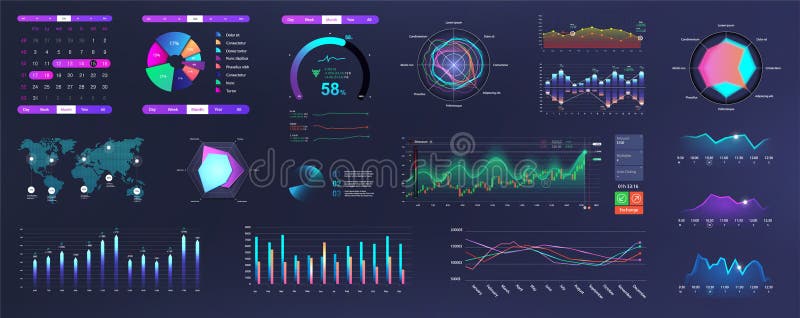
Modern Neon UI, UX and KIT elements interface with charts, graphics and infographics. Network management data screen with charts and diagrams HUD. Modern UI with Neon colors. Vector illustration. Technology processing data elements vectors
Online business processing and personal data protection internet security 3 flat banners with infographic elements isolated vector illustration. Technology processing data elements vectors
Pixel icon of brain as central processing unit with elements of printed circuit board in three variants. Artificial intelligence concept. Fully editable. Technology processing data elements vectors
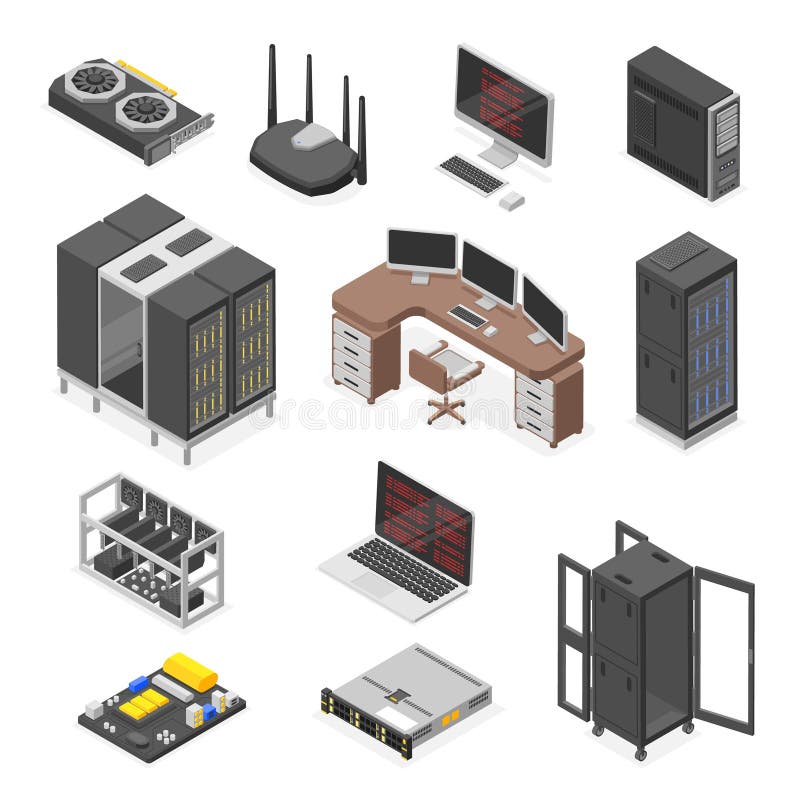
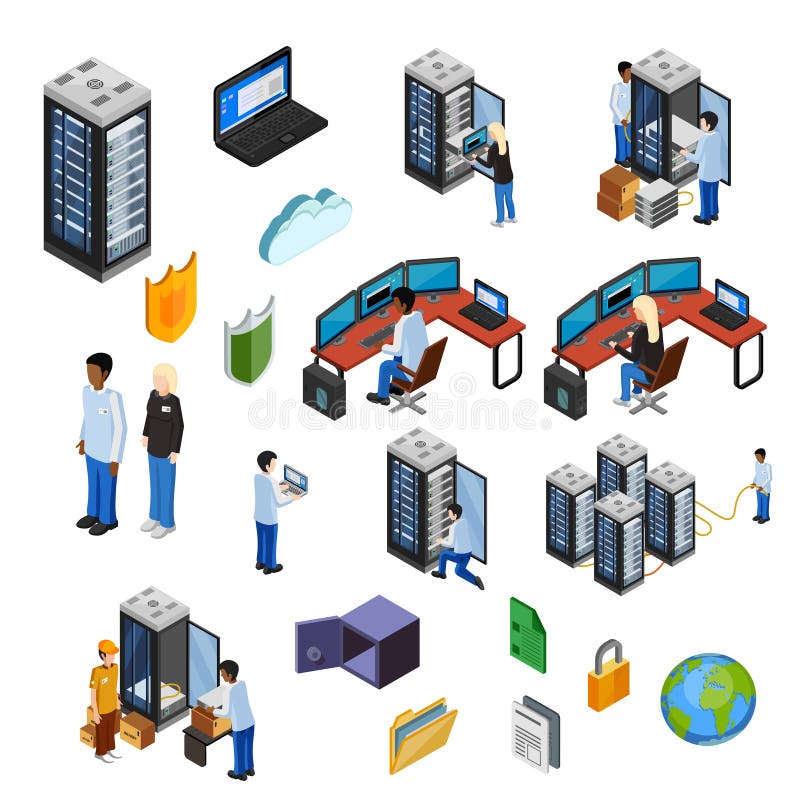
Cloud technology 3d isometric icons set. Pack elements of hardware datacenter racks, computer, microchip, data computing, server, database and others. Vector illustration in modern isometric design. Technology processing data elements vectors
This image showcases a futuristic scene of a smart city with digital blue wavy wires and antennas connecting various elements against a night megapolis city skyline background, symbolizing the integration, dynamic background. Technology processing data elements illustrations
This captivating illustration presents a visionary depiction of the concept of cloud computing and technology. Against a backdrop of a vibrant cloudscape and a starry sky, a robotic cloud emerges as a symbol of advanced virtual capabilities. This robotic cloud embodies the cutting-edge nature of modern computing, showcasing the seamless connection and processing of data in a digital realm. Its dynamic motion and futuristic design convey a sense of energy and progress. The blue color palette adds a sense of tranquility and harmony, contrasting with the boundless possibilities represented by the vastness of space. This artwork serves as a visual representation of the convergence of technology and innovation, combining elements of cloud computing, nanotechnology, and the limitless potential of the digital age. It encapsulates the concept of a global and interconnected network, where information flows freely, and advancements in science and business are fueled by the power of technology. Technology processing data elements illustrations
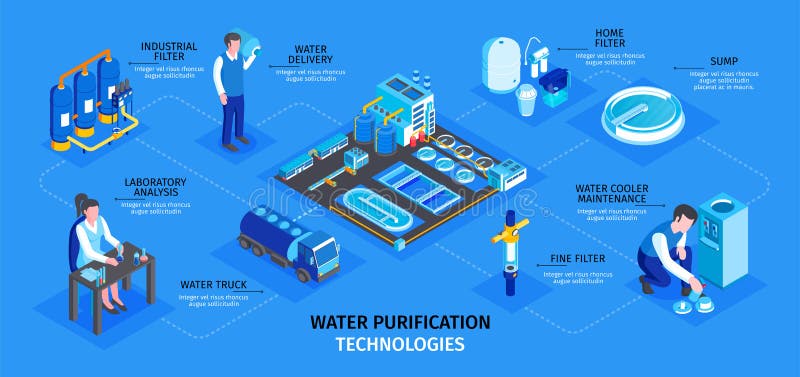
Isometric water purification technology infographics with isolated human characters and images of industrial facilities with text vector illustration. Technology processing data elements vectors
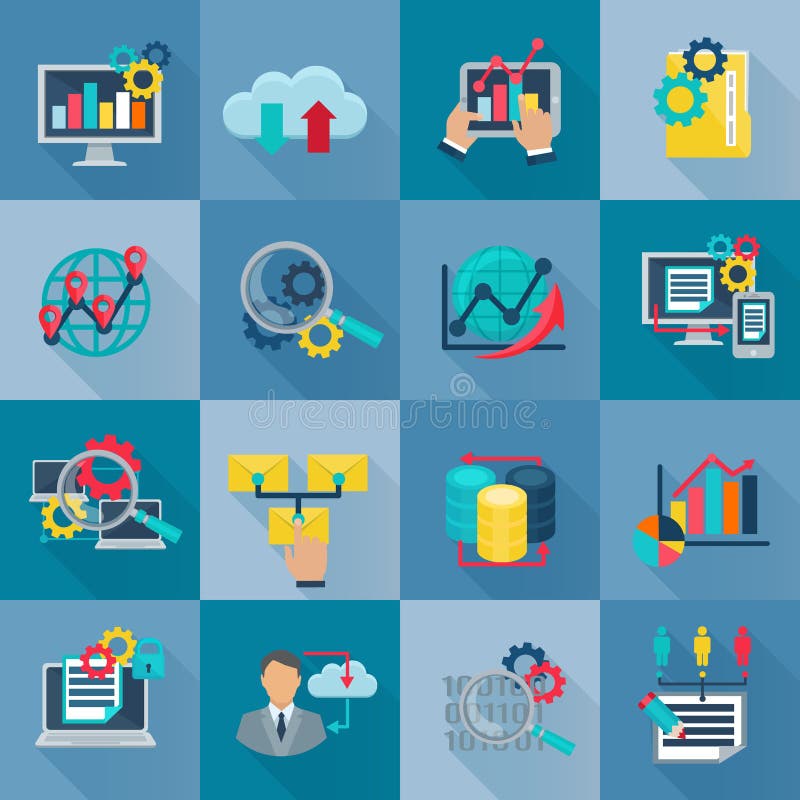
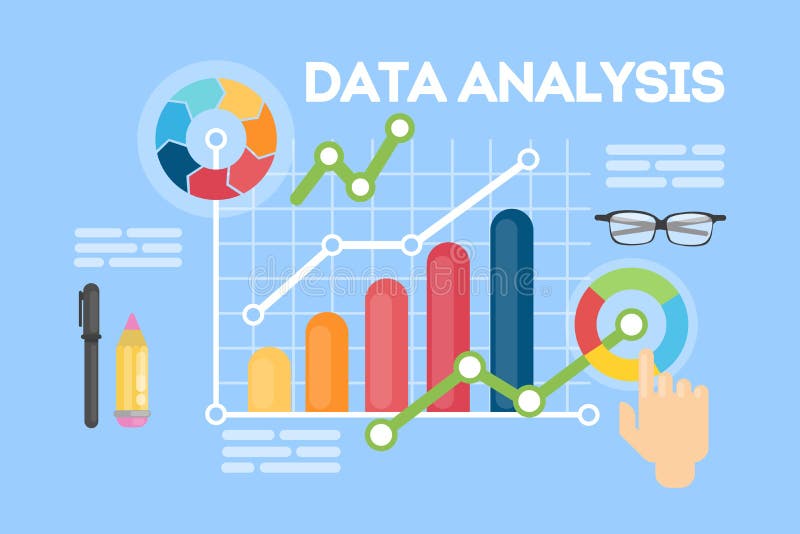
Modern data analysis electronic technologies isometric icons collection with search access storage and protection symbols isolated vector illustration. Technology processing data elements vectors
Blockchain and Big data visualization in hood style with abstract elements. Processing of information and classification of data streams for their sorting. Blocks of information. Vector set elements. Vector illustration. Technology processing data elements vectors
This vector illustration showcases a comprehensive collection of essential computer hardware components interconnected by stylized circuit lines. Featured elements include various RAM modules (DIMM, SO-DIMM), M. 2 SSDs, smaller memory cards, and a central processor unit (CPU). Rendered in a modern flat design with blue, black, and gold tones, this graphic effectively visualizes data flow and digital infrastructure. Ideal for technology articles, educational materials, presentations, and websites related to computer science, electronics, and system upgrades, emphasizing connectivity and the core elements of computing. Technology processing data elements vectors
Icon set featuring 32 symbols related to data analytics. Includes performance dashboards, statistical charts, and market metrics. Icons depict elements like graphs, targets, gears, organizational structures, and computer elements. Primarily blue and black, the icons are designed in a modern, minimalist style. Arranged in four rows, the set includes symbols like bar graphs, check marks, circuit boards, data funnels, and cloud computing. The left side displays a label reading "Data Analytics 32 Icons Editable" on a blue background. Technology processing data elements vectors
Processing Technology series. Interplay of computer chip and fractal elements on the subject of central processing unit, computing and information technology. Technology processing data elements illustrations
This image showcases a meticulously designed schematic diagram featuring a central processing unit at its core, surrounded by various interconnected peripheral components, including multiple logic gates, input and output nodes, and wiring connections, illustrating the complex layout and integration of electronic circuits within a digital system on a clean white background for clarity and precision. Technology processing data elements illustrations
Processing Technology series. Interplay of computer chip and fractal elements on the subject of central processing unit, computing and information technology. Technology processing data elements illustrations
Differential Engine Series. Abstract design made of gears, numbers and fractal elements on the subject of computers, technology and mathematical science. Technology processing data elements illustrations
Abstract arrangement of symbols, lights, fractal elements suitable as background for projects on digital communications, science and virtual cloud technology. Technology processing data elements illustrations
A group of professionals collaborates around a table, discussing an artificial intelligence project infused with technology and communication graphics, showcasing teamwork and innovation. Ledger. Technology processing data elements illustrations
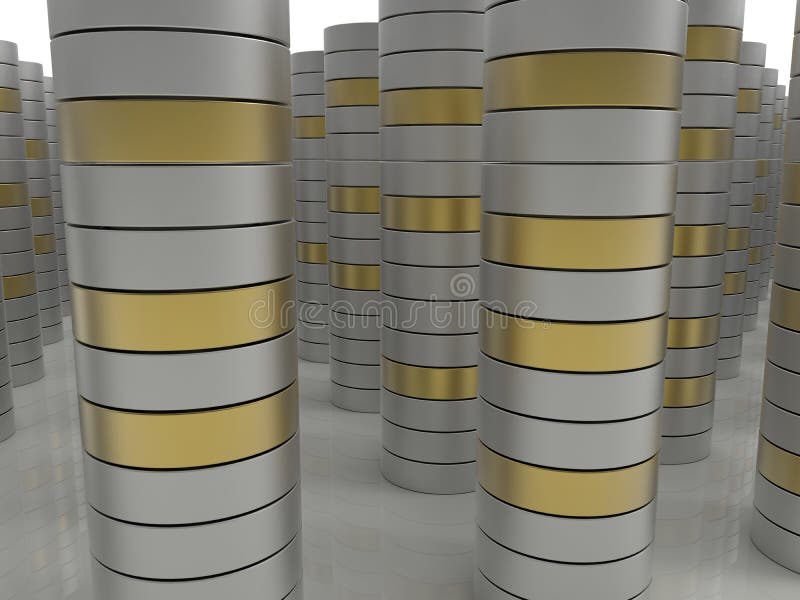
3D rendered illustration for the concept of data storage and data access. The composition makes use of multiple gray and gold cylinders stacked and arranged in a pattern. Technology processing data elements illustrations
Processing Technology series. Backdrop composed of computer chip and fractal elements and suitable for use in the projects on central processing unit, computing and information technology. Technology processing data elements illustrations
Processing Technology series. Design composed of computer chip and fractal elements as a metaphor on the subject of central processing unit, computing and information technology. Technology processing data elements illustrations
Flat AI server icon featuring a server rack with neural network elements, isolated on white background, ideal for artificial intelligence, data, and technology themes. Technology processing data elements illustrations
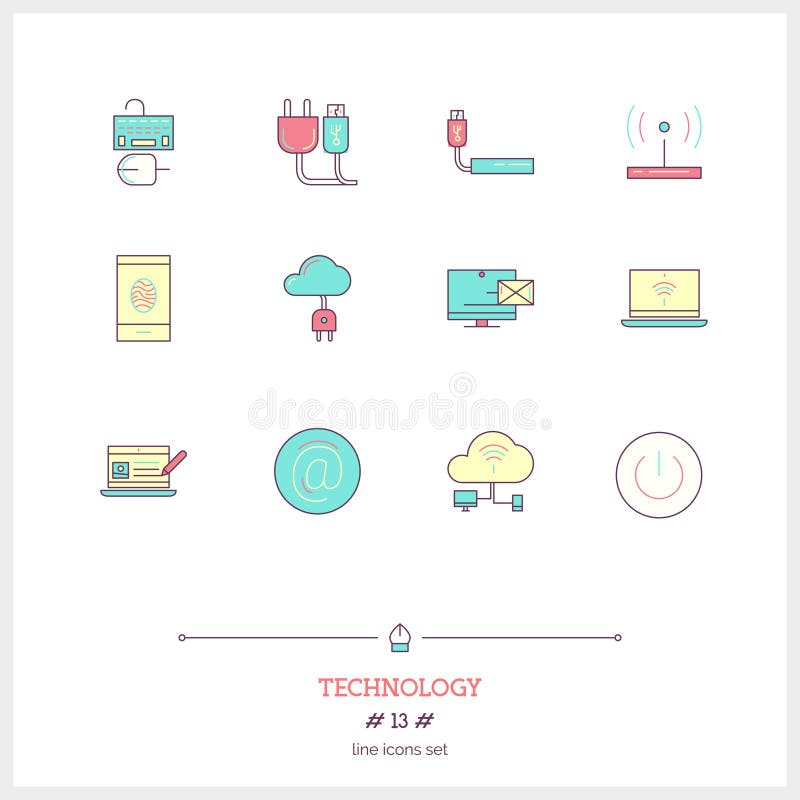
Color line icon set of technology equipment, process, objects and tools elements. Cloud technology services, global connection, network, internet data technology. Logo icons illustration. Technology processing data elements illustrations
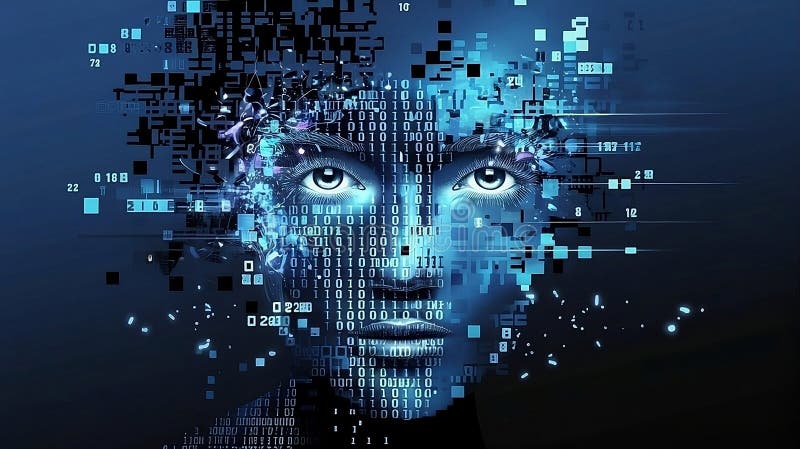
This abstract image features a human-like face formed by binary code, numbers, and scattered digital particles, representing concepts of artificial intelligence, digital identity, and data-driven technology. The design combines elements of technology and human identity, illustrating the connection between AI and the digital personas we create in the modern world. The fragmented, pixelated effect adds a futuristic feel, making this image ideal for illustrating topics on AI, data science, cybersecurity, and digital transformation. Perfect for tech-related articles, educational materials, and digital identity themes, this image captures the essence of the evolving relationship between humanity and technology. Technology processing data elements illustrations
Self-driving cars, also known as autonomous vehicles, rely heavily on AI algorithms to function effectively and safely. These AI systems process vast amounts of data from various sensors, including cameras, LIDAR (Light Detection and Ranging), and radar, to understand and navigate their surroundings. Here’s a detailed description of how AI supports self-driving cars:Sensor Data Processing: AI algorithms analyze data from multiple sensors to create a comprehensive and real-time understanding of the vehicle’s environment. Cameras capture visual information, LIDAR provides precise distance measurements by illuminating targets with laser light and measuring the reflection, and radar detects objects and measures their speed and distance. Navigation: Using the processed sensor data, AI systems can determine the vehicle's exact position on the road and plot a safe and efficient path to its destination. This involves recognizing road signs, traffic signals, lane markings, and other critical navigational elements. Obstacle Avoidance: AI algorithms continuously monitor the vehicle's surroundings to detect and avoid obstacles such as pedestrians, other vehicles, animals, and debris. By predicting the movements of these obstacles, the AI can make timely adjustments to the vehicle’s path or speed to ensure safety. Real-time Decision Making: Autonomous vehicles must make rapid decisions to handle dynamic and complex driving scenarios. AI systems evaluate multiple factors, such as traffic conditions, road hazards, and the behavior of other road users, to make real-time driving decisions. These decisions include when to change lanes, merge into traffic, stop at intersections, and react to sudden changes in the environment. Machine Learning: Self-driving cars utilize machine learning techniques to improve their performance over time. By continuously learning from real-world driving experiences and simulations, the AI systems can enhance their decision-making processes, leading to safer and more reliable autonomous driving. In summary, AI is the backbone of self-driving cars, enabling them to process sensor data, navigate roads, avoid obstacles, and make real-time decisions, ultimately paving the way for safer and more efficient transportation. Technology processing data elements illustrations

Transportation: Self-driving cars rely heavily on AI algorithms. Self-driving cars, also known as autonomous vehicles, rely heavily on AI algorithms to function. Self-driving cars, also known as autonomous vehicles, rely heavily on AI algorithms to function effectively and safely. These AI systems process vast amounts of data from various sensors, including cameras, LIDAR (Light Detection and Ranging), and radar, to understand and navigate their surroundings. Here’s a detailed description of how AI supports self-driving cars:Sensor Data Processing: AI algorithms analyze data from multiple sensors to create a comprehensive and real-time understanding of the vehicle’s environment. Cameras capture visual information, LIDAR provides precise distance measurements by illuminating targets with laser light and measuring the reflection, and radar detects objects and measures their speed and distance.Navigation: Using the processed sensor data, AI systems can determine the vehicle's exact position on the road and plot a safe and efficient path to its destination. This involves recognizing road signs, traffic signals, lane markings, and other critical navigational elements.Obstacle Avoidance: AI algorithms continuously monitor the vehicle's surroundings to detect and avoid obstacles such as pedestrians, other vehicles, animals, and debris. By predicting the movements of these obstacles, the AI can make timely adjustments to the vehicle’s path or speed to ensure safety.Real-time Decision Making: Autonomous vehicles must make rapid decisions to handle dynamic and complex driving scenarios. AI systems evaluate multiple factors, such as traffic conditions, road hazards, and the behavior of other road users, to make real-time driving decisions. These decisions include when to change lanes, merge into traffic, stop at intersections, and react to sudden changes in the environment.Machine Learning: Self-driving cars utilize machine learning techniques to improve their performance over time. By continuously learning from real-world driving experiences and simulations, the AI systems can enhance their decision-making processes, leading to safer and more reliable autonomous driving.In summary, AI is the backbone of self-driving cars, enabling them to process sensor data, navigate roads, avoid obstacles, and make real-time decisions, ultimately paving the way for safer and more efficient transportation.

An abstract, mirage-like landscape that merges the ethereal realm of quantum bits with the familiar elements of traditional data. the boundaries between the physical and digital realms blur. Technology processing data elements illustrations
Clock hands on motherboard background. Giant eye. Clock hands represents time. Human elements were created with 3D software and are not from any actual human likenesses. Technology processing data elements illustrations