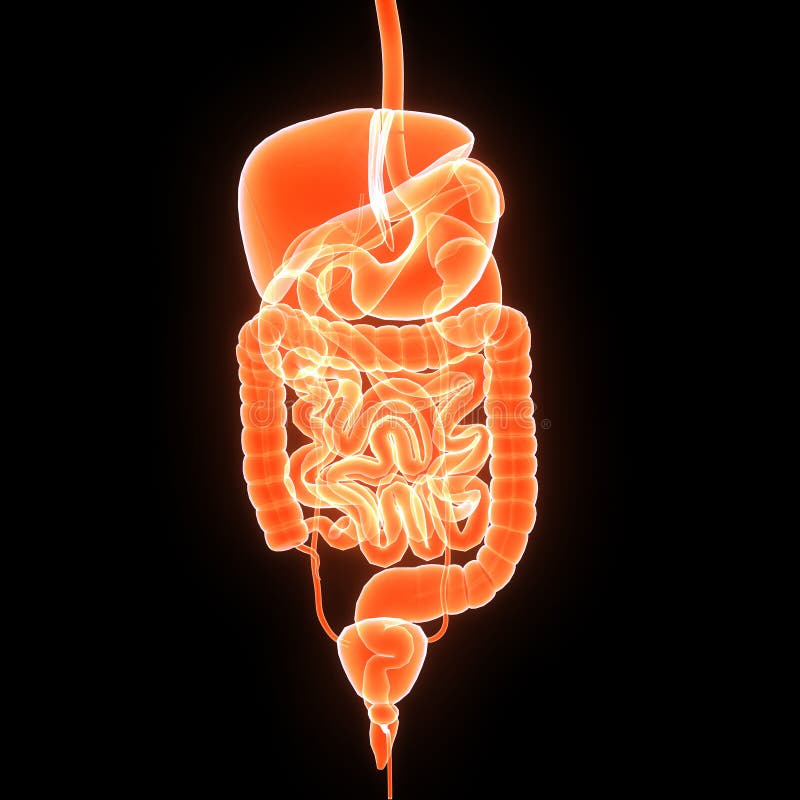
Free with trial In the human digestive system, the process of digestion has many stages, the first of which starts in the mouth (oral cavity). Digestion involves the breakdown of food into smaller and smaller components which can be absorbed and assimilated into the body. Which components illustrations Digestive system. In the human digestive system, the process of digestion has many stages, the first of which starts in the mouth (oral cavity). In the human digestive system, the process of digestion has many stages, the first of which starts in the mouth (oral cavity). Digestion involves the breakdown of food into smaller and smaller components which can be absorbed and assimilated into the body.
Free with trial In the human digestive system, the process of digestion has many stages, the first of which starts in the mouth (oral cavity). Digestion involves the breakdown of food into smaller and smaller components which can be absorbed and assimilated into the body. Which components illustrations Digestive system. In the human digestive system, the process of digestion has many stages, the first of which starts in the mouth (oral cavity). In the human digestive system, the process of digestion has many stages, the first of which starts in the mouth (oral cavity). Digestion involves the breakdown of food into smaller and smaller components which can be absorbed and assimilated into the body.
Free with trial Eye layers. The eye is composed of three layers, each of which has one or more very important components. Which components illustrations Eye layers. The eye is composed of three layers, each of which has one or more very important components
Free with trial In the human digestive system, the process of digestion has many stages, the first of which starts in the mouth (oral cavity). Digestion involves the breakdown of food into smaller and smaller components which can be absorbed and assimilated into the body. Which components illustrations Digestive system. In the human digestive system, the process of digestion has many stages, the first of which starts in the mouth (oral cavity). Digestion. In the human digestive system, the process of digestion has many stages, the first of which starts in the mouth (oral cavity). Digestion involves the breakdown of food into smaller and smaller components which can be absorbed and assimilated into the body.
Free with trial In the human digestive system, the process of digestion has many stages, the first of which starts in the mouth (oral cavity). Digestion involves the breakdown of food into smaller and smaller components which can be absorbed and assimilated into the body. Which components illustrations Digestive system. In the human digestive system, the process of digestion has many stages, the first of which starts in the mouth (oral cavity). In the human digestive system, the process of digestion has many stages, the first of which starts in the mouth (oral cavity). Digestion involves the breakdown of food into smaller and smaller components which can be absorbed and assimilated into the body.
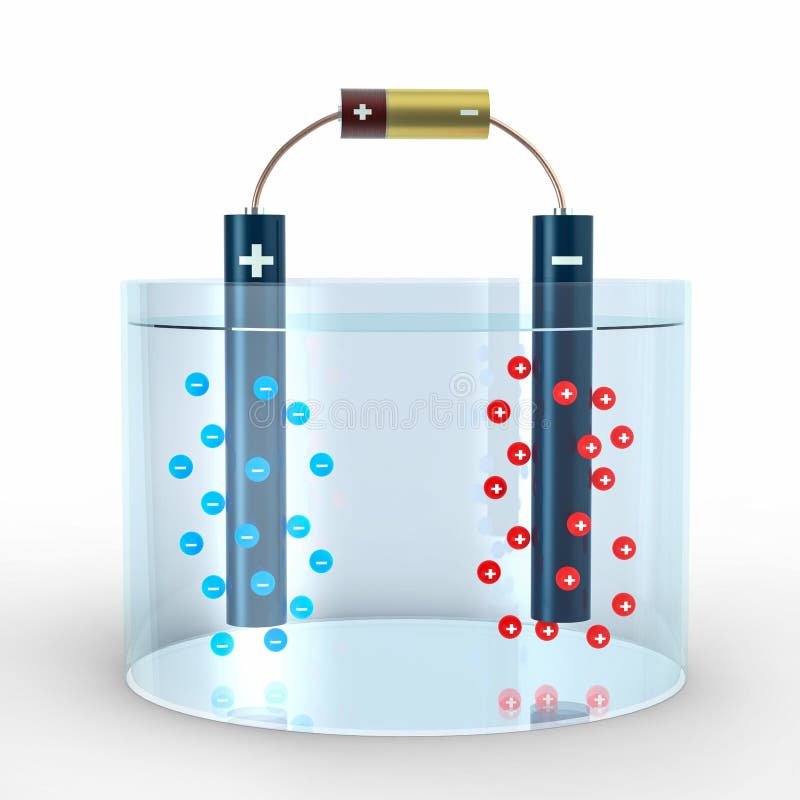
Free with trial This 3D illustration depicts the fascinating process of electrolysis, where water molecules (H2O) are split into their constituent elements using an anode and cathode submerged in water, powered by an electric battery. The central focus of the illustration is the electrolysis setup, with the anode and cathode positioned in the water. The anode, represented by a blue color, attracts negative ions (anions), which move towards the anode. Similarly, the cathode, shown in red, attracts positive ions (cations), which move towards the cathode. These ions are represented by small blue and red particles moving towards their respective electrodes. A metal pipe, symbolizing the conducting pathway, directs the movement of ions towards the electrodes. The electrolysis process is visually depicted by the separation of water molecules into hydrogen (H2) gas at the cathode and oxygen (O2) gas at the anode. The 3D rendering showcases the scientific concept of electrolysis in a visually engaging way. It highlights the movement of ions and the transformation of water into its elemental components through the application of electric current. The use of vibrant blue and red colors helps differentiate the anode and cathode, emphasizing the flow of ions towards the respective electrodes. Which components illustrations Electrolysis of Water: Splitting H2O Molecules. This 3D illustration depicts the fascinating process of electrolysis, where water molecules (H2O) are split into. This 3D illustration depicts the fascinating process of electrolysis, where water molecules (H2O) are split into their constituent elements using an anode and cathode submerged in water, powered by an electric battery. The central focus of the illustration is the electrolysis setup, with the anode and cathode positioned in the water. The anode, represented by a blue color, attracts negative ions (anions), which move towards the anode. Similarly, the cathode, shown in red, attracts positive ions (cations), which move towards the cathode. These ions are represented by small blue and red particles moving towards their respective electrodes. A metal pipe, symbolizing the conducting pathway, directs the movement of ions towards the electrodes. The electrolysis process is visually depicted by the separation of water molecules into hydrogen (H2) gas at the cathode and oxygen (O2) gas at the anode. The 3D rendering showcases the scientific concept of electrolysis in a visually engaging way. It highlights the movement of ions and the transformation of water into its elemental components through the application of electric current. The use of vibrant blue and red colors helps differentiate the anode and cathode, emphasizing the flow of ions towards the respective electrodes.
Free with trial In the human digestive system, the process of digestion has many stages, the first of which starts in the mouth (oral cavity). Digestion involves the breakdown of food into smaller and smaller components which can be absorbed and assimilated into the body. Which components illustrations Digestive system. In the human digestive system, the process of digestion has many stages, the first of which starts in the mouth (oral cavity). In the human digestive system, the process of digestion has many stages, the first of which starts in the mouth (oral cavity). Digestion involves the breakdown of food into smaller and smaller components which can be absorbed and assimilated into the body.
Free with trial In the human digestive system, the process of digestion has many stages, the first of which starts in the mouth (oral cavity). Digestion involves the breakdown of food into smaller and smaller components which can be absorbed and assimilated into the body. Which components illustrations Digestive system. In the human digestive system, the process of digestion has many stages, the first of which starts in the mouth (oral cavity). In the human digestive system, the process of digestion has many stages, the first of which starts in the mouth (oral cavity). Digestion involves the breakdown of food into smaller and smaller components which can be absorbed and assimilated into the body.
Free with trial The allegorical image of mental process of the hastening person. Which components vectors The person which hastens. The allegorical image of mental process of the hastening person. The allegorical image of mental process of the hastening person.
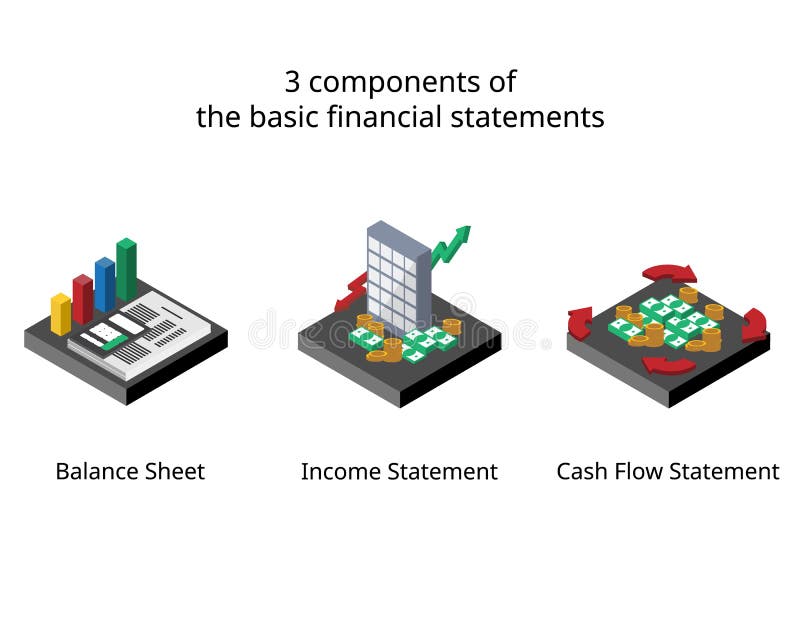
Free with trial 3 components of the basic financial statements which is balance sheet, income statement and cashflow statement. Vector. Which components illustrations 3 components of the basic financial statements which is balance sheet, income statement and cashflow statement. Vector
Free with trial 3 components of the basic financial statements which is balance sheet, income statement and cashflow statement. Vector. Which components vectors 3 components of the basic financial statements which is balance sheet, income statement and cashflow statement. Vector
Free with trial In the human digestive system, the process of digestion has many stages, the first of which starts in the mouth (oral cavity). Digestion involves the breakdown of food into smaller and smaller components which can be absorbed and assimilated into the body. Which components illustrations Digestive system. In the human digestive system, the process of digestion has many stages, the first of which starts in the mouth (oral cavity). Digestion. In the human digestive system, the process of digestion has many stages, the first of which starts in the mouth (oral cavity). Digestion involves the breakdown of food into smaller and smaller components which can be absorbed and assimilated into the body.
Free with trial In the human digestive system, the process of digestion has many stages, the first of which starts in the mouth (oral cavity). Digestion involves the breakdown of food into smaller and smaller components which can be absorbed and assimilated into the body. Which components illustrations Digestive system. In the human digestive system, the process of digestion has many stages, the first of which starts in the mouth (oral cavity). Digestion. In the human digestive system, the process of digestion has many stages, the first of which starts in the mouth (oral cavity). Digestion involves the breakdown of food into smaller and smaller components which can be absorbed and assimilated into the body.
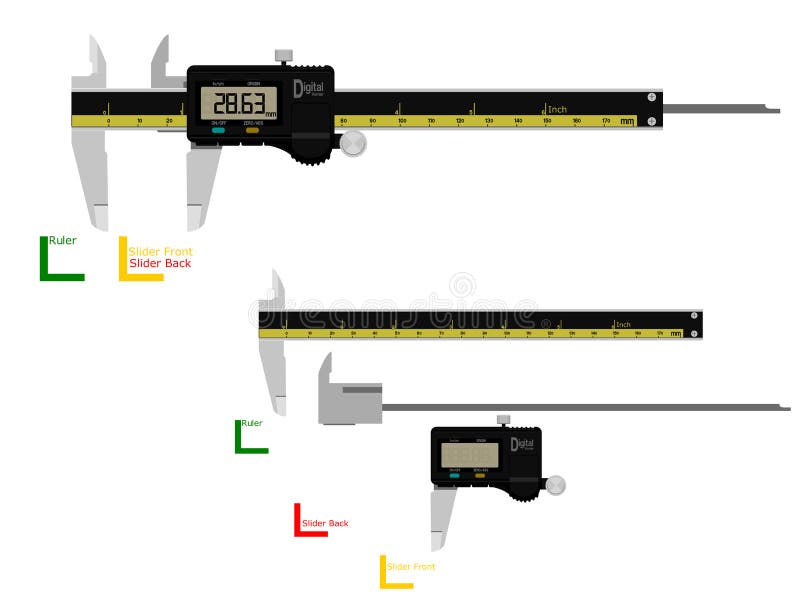
Free with trial Digital vernier caliper on transparent background. There are 3 components which are perfect assembly for your own composition. Which components vectors Digital vernier caliper on transparent background. There are 3 components which are perfect assembly for your own composition
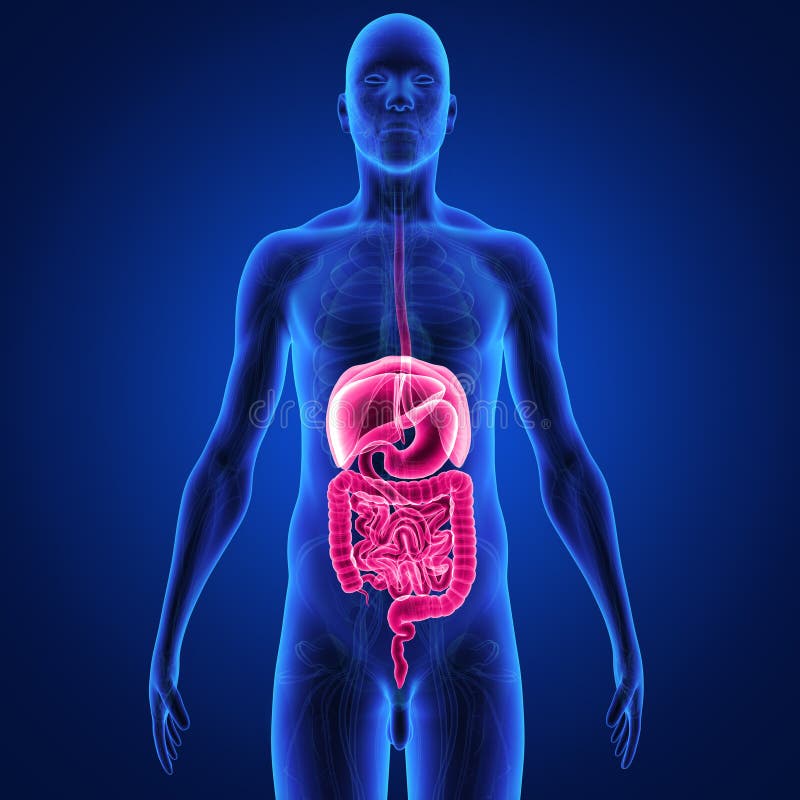
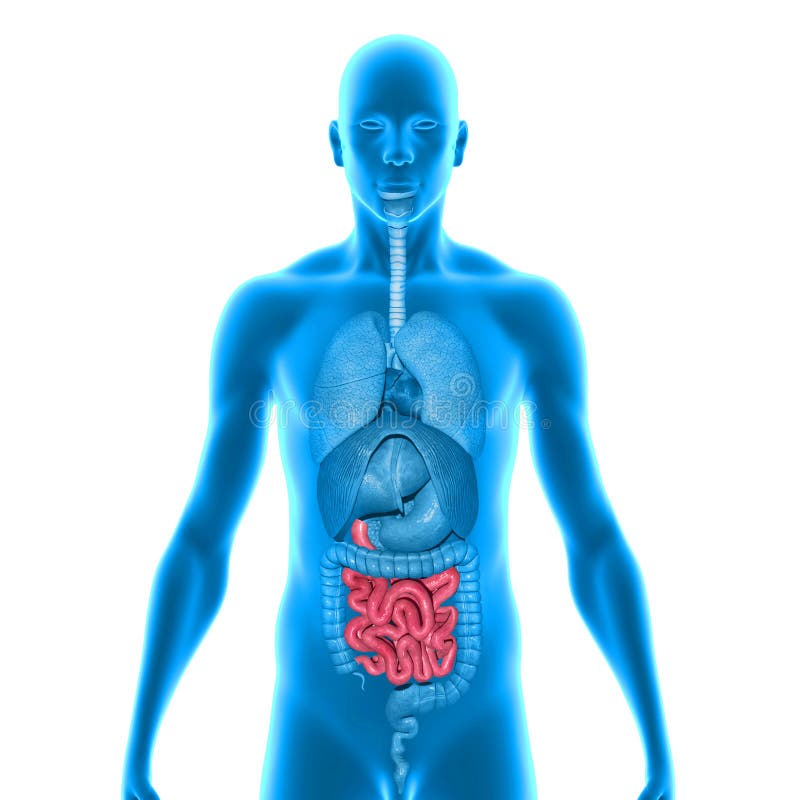
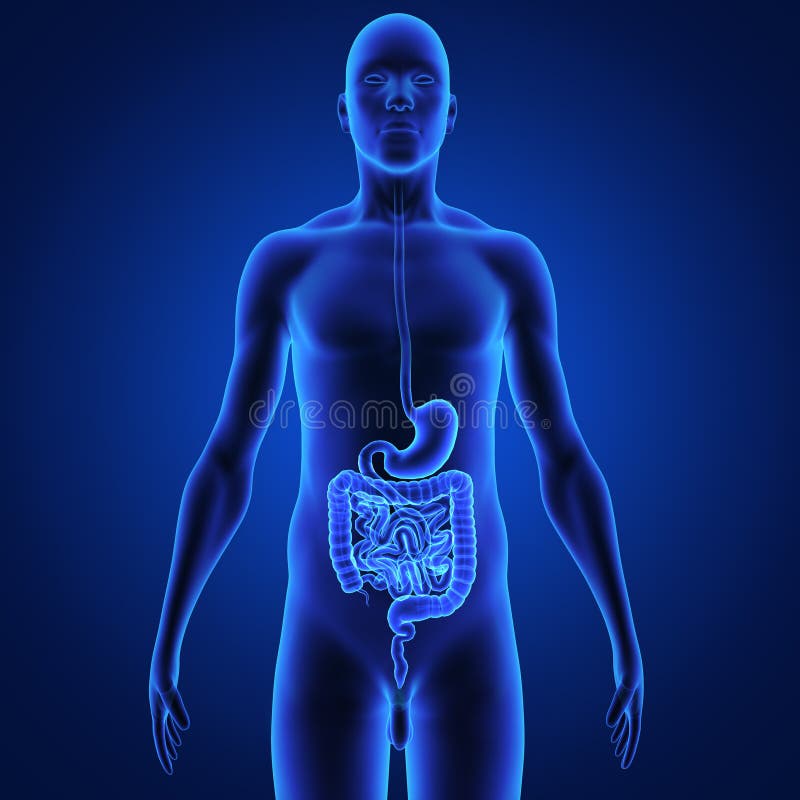
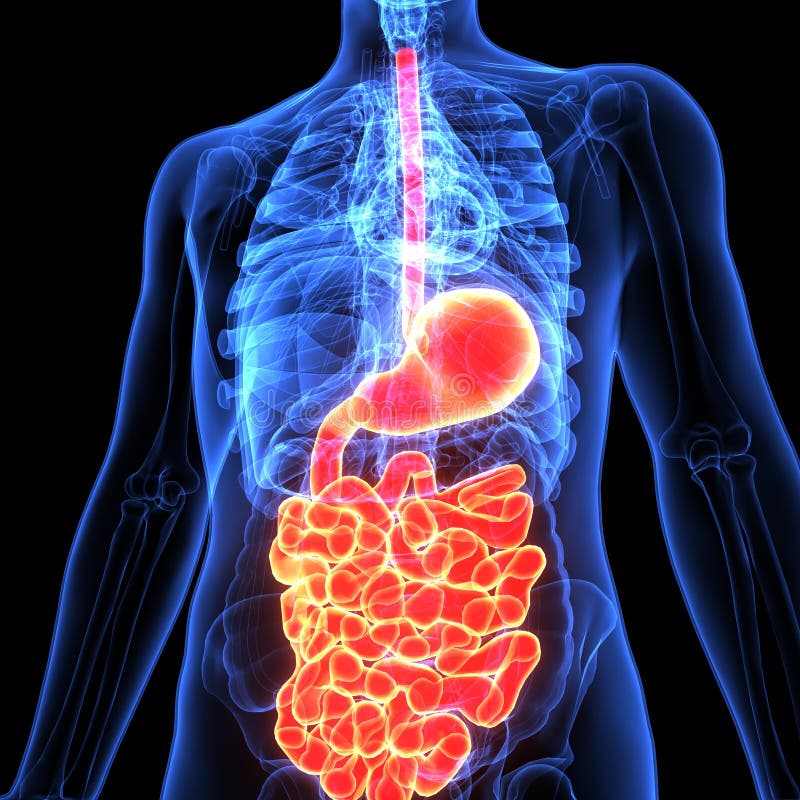
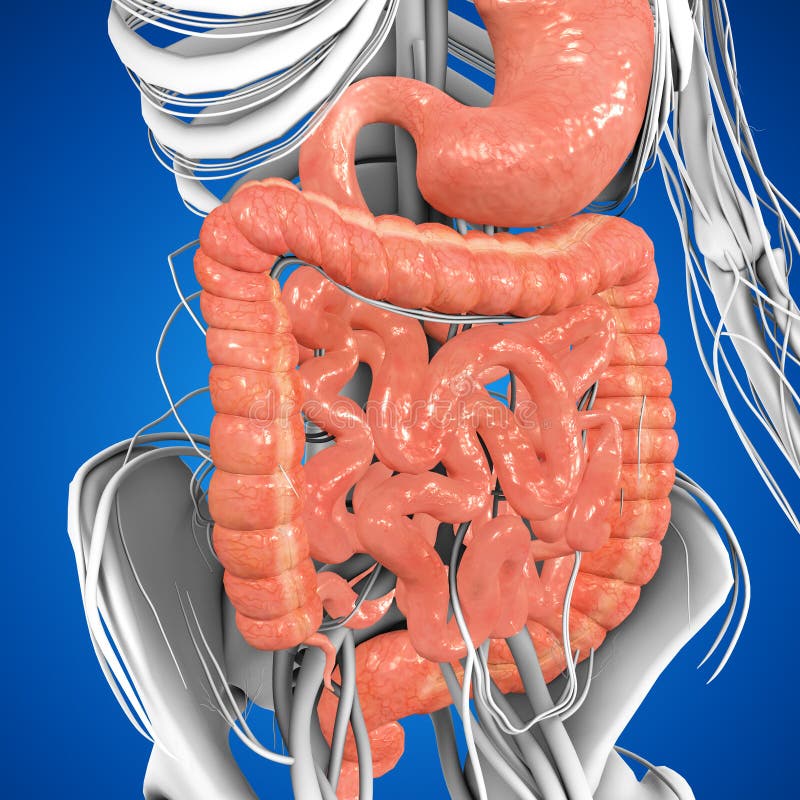
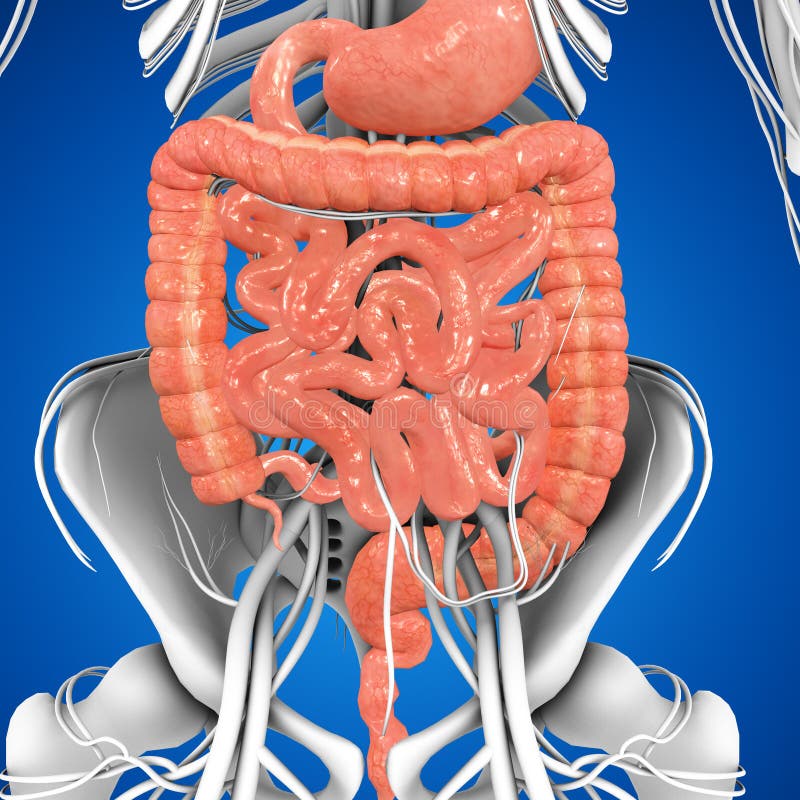
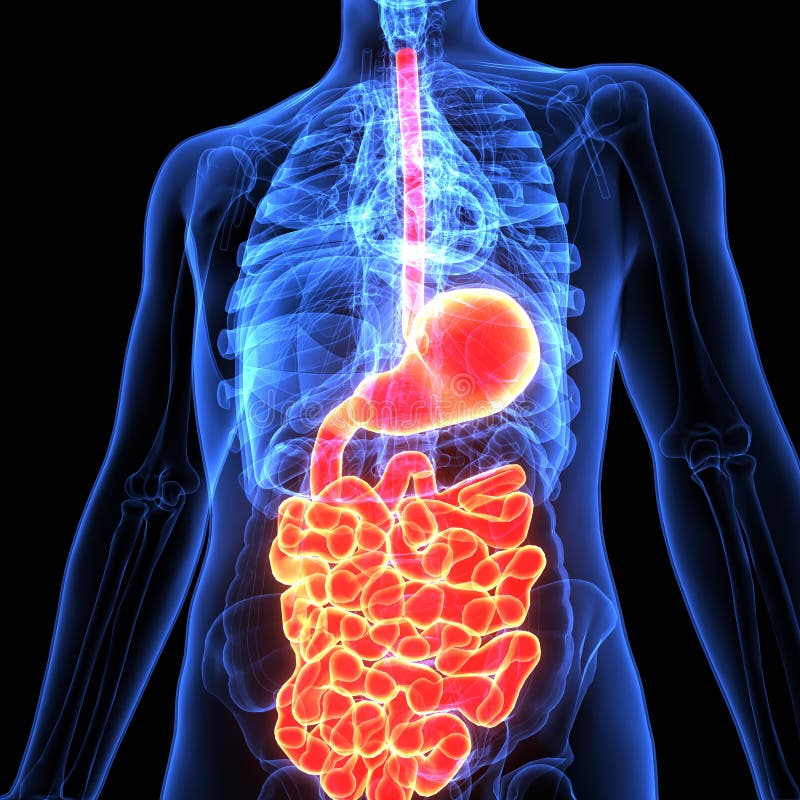
Free with trial The human digestive system consists of the gastrointestinal tract plus the accessory organs of digestion the tongue, salivary glands, pancreas, liver, and gallbladder. [1] In this system, the process of digestion has many stages, the first of which starts in the mouth. Digestion involves the breakdown of food into smaller and smaller components, until they can be absorbed and assimilated into the body. Which components illustrations 3d illustration of human body digestive system anatomy. The human digestive system consists of the gastrointestinal tract plus the accessory organs of digestion. The human digestive system consists of the gastrointestinal tract plus the accessory organs of digestion the tongue, salivary glands, pancreas, liver, and gallbladder.[1] In this system, the process of digestion has many stages, the first of which starts in the mouth. Digestion involves the breakdown of food into smaller and smaller components, until they can be absorbed and assimilated into the body.
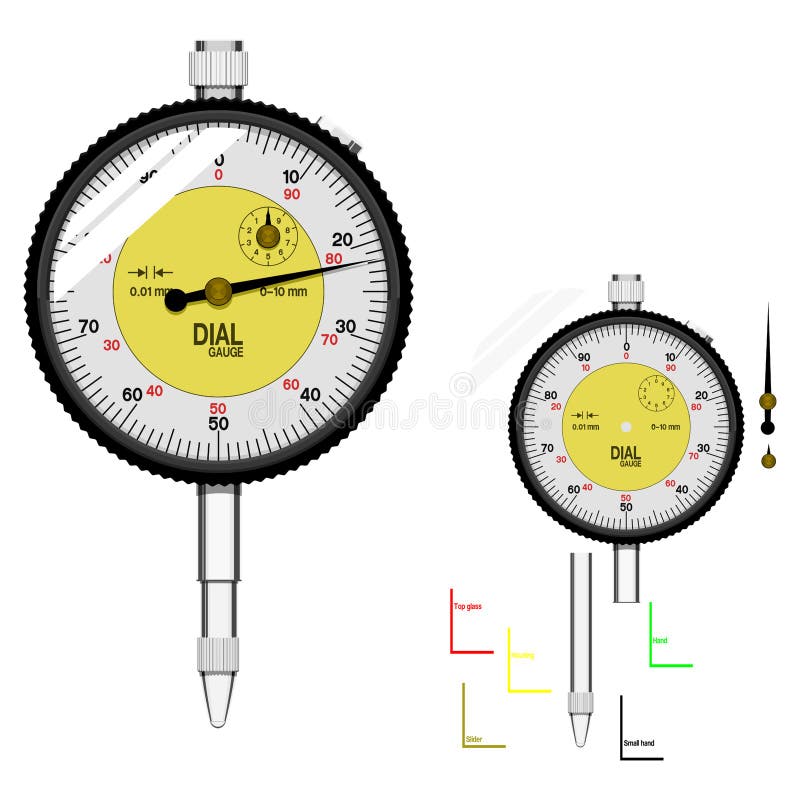
Free with trial Basic dial gauge on transparent background. The unique components are perfect assembly. For variation of dimension which you want. To measure. Which components vectors Basic dial gauge on transparent background. The unique components are perfect assembly.For variation of dimension which you want. To measure
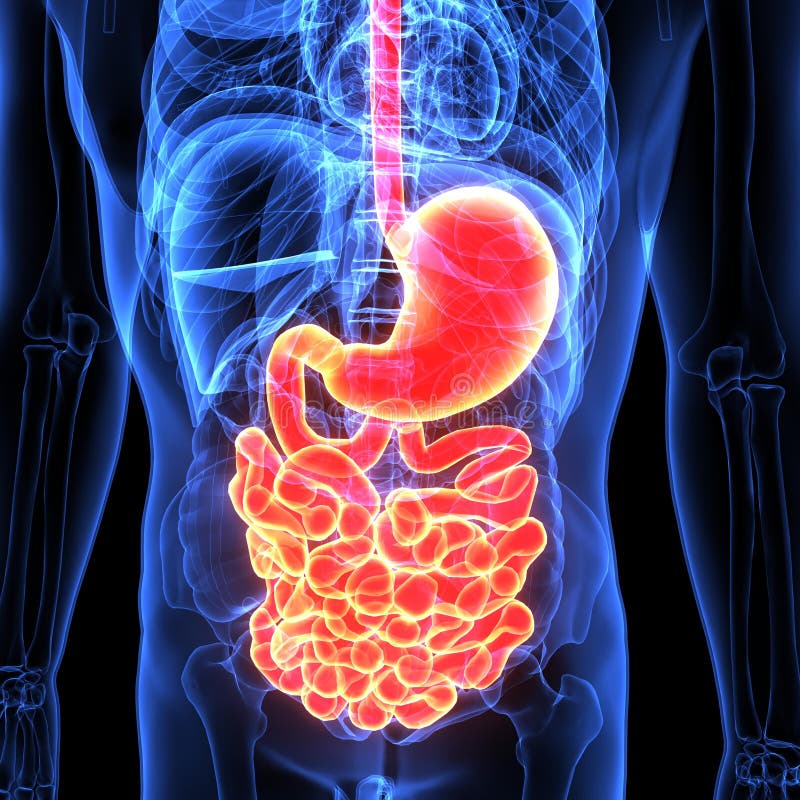
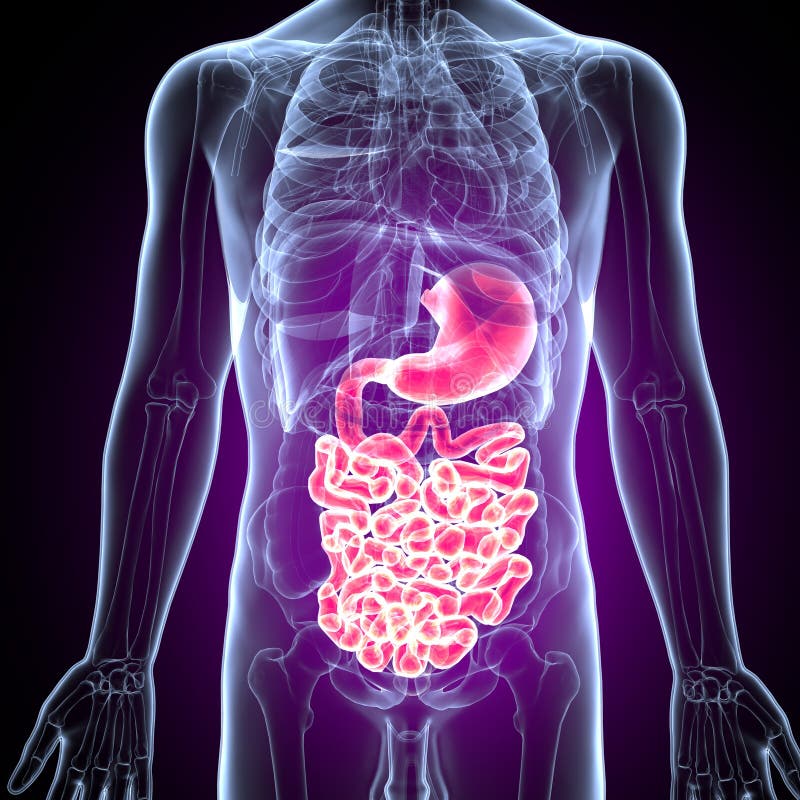
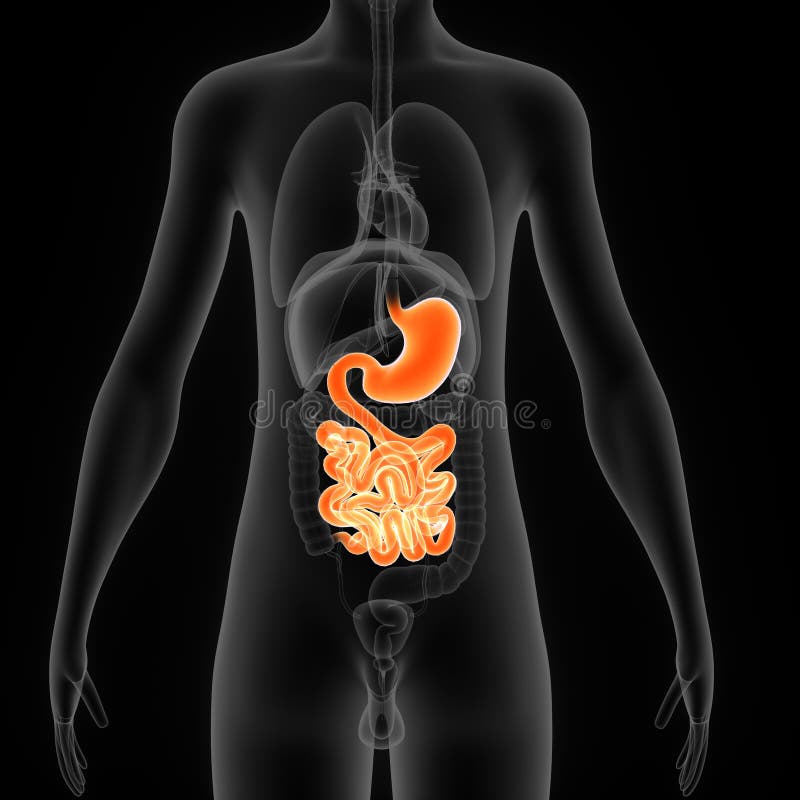
Free with trial The human digestive system consists of the gastrointestinal tract plus the accessory organs of digestion the tongue, salivary glands, pancreas, liver, and gallbladder. [1] In this system, the process of digestion has many stages, the first of which starts in the mouth. Digestion involves the breakdown of food into smaller and smaller components, until they can be absorbed and assimilated into the body. Which components illustrations 3D Illustration of Human Digestive System Anatomy Stomach with Small Intestine. The human digestive system consists of the gastrointestinal tract plus the. The human digestive system consists of the gastrointestinal tract plus the accessory organs of digestion the tongue, salivary glands, pancreas, liver, and gallbladder.[1] In this system, the process of digestion has many stages, the first of which starts in the mouth. Digestion involves the breakdown of food into smaller and smaller components, until they can be absorbed and assimilated into the body.
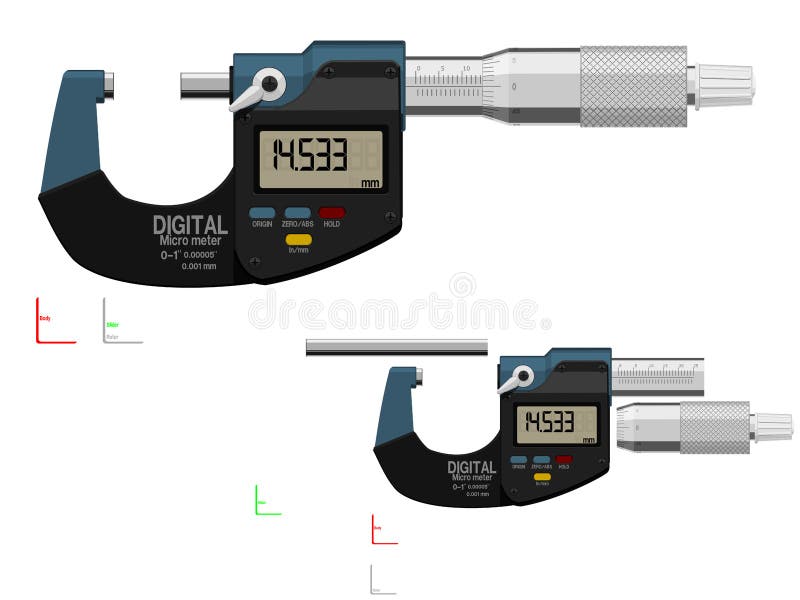
Free with trial Digital micrometer on transparent background. There are 3 components which are perfect assembly for your own composition. Which components vectors Digital micrometer on transparent background. There are 3 components which are perfect assembly for your own composition
Free with trial The human digestive system consists of the gastrointestinal tract plus the accessory organs of digestion the tongue, salivary glands, pancreas, liver, and gallbladder. [1] In this system, the process of digestion has many stages, the first of which starts in the mouth. Digestion involves the breakdown of food into smaller and smaller components, until they can be absorbed and assimilated into the body. Which components illustrations 3d illustration of human body digestive system anatomy. The human digestive system consists of the gastrointestinal tract plus the accessory organs of digestion. The human digestive system consists of the gastrointestinal tract plus the accessory organs of digestion the tongue, salivary glands, pancreas, liver, and gallbladder.[1] In this system, the process of digestion has many stages, the first of which starts in the mouth. Digestion involves the breakdown of food into smaller and smaller components, until they can be absorbed and assimilated into the body.
Free with trial The human digestive system consists of the gastrointestinal tract plus the accessory organs of digestion the tongue, salivary glands, pancreas, liver, and gallbladder. [1] In this system, the process of digestion has many stages, the first of which starts in the mouth. Digestion involves the breakdown of food into smaller and smaller components, until they can be absorbed and assimilated into the body. Which components illustrations 3d illustration of human body digestive system anatomy. The human digestive system consists of the gastrointestinal tract plus the accessory organs of digestion. The human digestive system consists of the gastrointestinal tract plus the accessory organs of digestion the tongue, salivary glands, pancreas, liver, and gallbladder.[1] In this system, the process of digestion has many stages, the first of which starts in the mouth. Digestion involves the breakdown of food into smaller and smaller components, until they can be absorbed and assimilated into the body.
Free with trial The human digestive system consists of the gastrointestinal tract plus the accessory organs of digestion the tongue, salivary glands, pancreas, liver, and gallbladder. [1] In this system, the process of digestion has many stages, the first of which starts in the mouth. Digestion involves the breakdown of food into smaller and smaller components, until they can be absorbed and assimilated into the body. Which components illustrations 3d illustration of human body digestive system anatomy. The human digestive system consists of the gastrointestinal tract plus the accessory organs of digestion. The human digestive system consists of the gastrointestinal tract plus the accessory organs of digestion the tongue, salivary glands, pancreas, liver, and gallbladder.[1] In this system, the process of digestion has many stages, the first of which starts in the mouth. Digestion involves the breakdown of food into smaller and smaller components, until they can be absorbed and assimilated into the body.
Free with trial The human digestive system consists of the gastrointestinal tract plus the accessory organs of digestion the tongue, salivary glands, pancreas, liver, and gallbladder. [1] In this system, the process of digestion has many stages, the first of which starts in the mouth. Digestion involves the breakdown of food into smaller and smaller components, until they can be absorbed and assimilated into the body. Which components illustrations 3d illustration of human body digestive system anatomy. The human digestive system consists of the gastrointestinal tract plus the accessory organs of digestion. The human digestive system consists of the gastrointestinal tract plus the accessory organs of digestion the tongue, salivary glands, pancreas, liver, and gallbladder.[1] In this system, the process of digestion has many stages, the first of which starts in the mouth. Digestion involves the breakdown of food into smaller and smaller components, until they can be absorbed and assimilated into the body.
Free with trial The human digestive system consists of the gastrointestinal tract plus the accessory organs of digestion the tongue, salivary glands, pancreas, liver, and gallbladder. [1] In this system, the process of digestion has many stages, the first of which starts in the mouth. Digestion involves the breakdown of food into smaller and smaller components, until they can be absorbed and assimilated into the body. Which components illustrations 3d illustration of human body digestive system anatomy. The human digestive system consists of the gastrointestinal tract plus the accessory organs of digestion. The human digestive system consists of the gastrointestinal tract plus the accessory organs of digestion the tongue, salivary glands, pancreas, liver, and gallbladder.[1] In this system, the process of digestion has many stages, the first of which starts in the mouth. Digestion involves the breakdown of food into smaller and smaller components, until they can be absorbed and assimilated into the body.
Free with trial The human digestive system consists of the gastrointestinal tract plus the accessory organs of digestion the tongue, salivary glands, pancreas, liver, and gallbladder. [1] In this system, the process of digestion has many stages, the first of which starts in the mouth. Digestion involves the breakdown of food into smaller and smaller components, until they can be absorbed and assimilated into the body. Which components illustrations 3D Illustration of Human Digestive System Anatomy Stomach with Small Intestine. The human digestive system consists of the gastrointestinal tract plus the. The human digestive system consists of the gastrointestinal tract plus the accessory organs of digestion the tongue, salivary glands, pancreas, liver, and gallbladder.[1] In this system, the process of digestion has many stages, the first of which starts in the mouth. Digestion involves the breakdown of food into smaller and smaller components, until they can be absorbed and assimilated into the body.
Free with trial The human digestive system consists of the gastrointestinal tract plus the accessory organs of digestion the tongue, salivary glands, pancreas, liver, and gallbladder. [1] In this system, the process of digestion has many stages, the first of which starts in the mouth. Digestion involves the breakdown of food into smaller and smaller components, until they can be absorbed and assimilated into the body. Which components illustrations 3D Illustration of Human Digestive System Anatomy Stomach with Small Intestine. The human digestive system consists of the gastrointestinal tract plus the. The human digestive system consists of the gastrointestinal tract plus the accessory organs of digestion the tongue, salivary glands, pancreas, liver, and gallbladder.[1] In this system, the process of digestion has many stages, the first of which starts in the mouth. Digestion involves the breakdown of food into smaller and smaller components, until they can be absorbed and assimilated into the body.
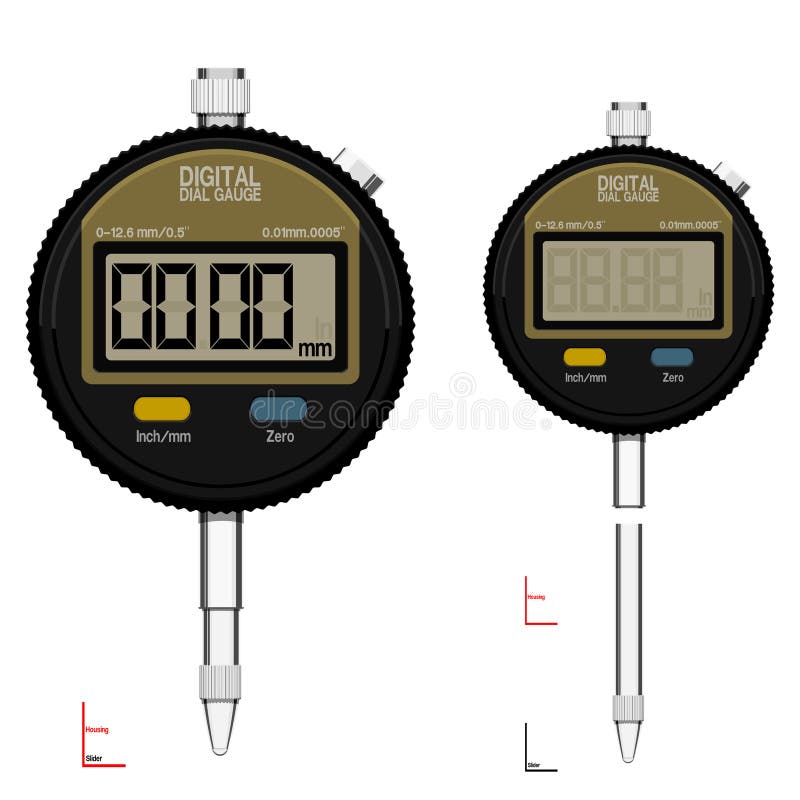
Free with trial Digital dial gauge on transparent background. The unique components are perfect assembly. For variation of dimension which you want. To measure. Which components vectors Digital dial gauge on transparent background. The unique components are perfect assembly.For variation of dimension which you want. To measure
Free with trial The human digestive system consists of the gastrointestinal tract plus the accessory organs of digestion the tongue, salivary glands, pancreas, liver, and gallbladder. [1] In this system, the process of digestion has many stages, the first of which starts in the mouth. Digestion involves the breakdown of food into smaller and smaller components, until they can be absorbed and assimilated into the body. Which components illustrations 3d illustration of human body digestive system anatomy. The human digestive system consists of the gastrointestinal tract plus the accessory organs of digestion. The human digestive system consists of the gastrointestinal tract plus the accessory organs of digestion the tongue, salivary glands, pancreas, liver, and gallbladder.[1] In this system, the process of digestion has many stages, the first of which starts in the mouth. Digestion involves the breakdown of food into smaller and smaller components, until they can be absorbed and assimilated into the body.
Free with trial Vector yellow symbol of the element calcium Ca. Metalloid which is used for the production of semiconductor components, glass production, and is an important component of ceramic and building materials. Element is isolated on a white background. Which components vectors Vector three-dimensional hand drawn chemical symbol of silicon with an abbreviation Si from the periodic table of the elements. Vector yellow symbol of the. Vector yellow symbol of the element calcium Ca. Metalloid which is used for the production of semiconductor components, glass production, and is an important component of ceramic and building materials. Element is isolated on a white background.
Free with trial Battery charger Isolated Vector icon which can easily modify or edit. Which components vectors Battery charger Isolated Vector icon which can easily modify or edit
Free with trial This image depicts an advanced injection molding machine in operation. The machine features multiple components, including a large injection unit, a clamping system, and a control panel. The injection unit is actively processing a molten material, which is being injected into molds to create plastic parts. The machine's intricate design and numerous mechanical parts highlight its capability for. Which components illustrations Advanced injection molding machine in operation isolated on white background. This image depicts an advanced injection molding machine in operation. The machine. This image depicts an advanced injection molding machine in operation. The machine features multiple components, including a large injection unit, a clamping system, and a control panel. The injection unit is actively processing a molten material, which is being injected into molds to create plastic parts. The machine's intricate design and numerous mechanical parts highlight its capability for
Free with trial The image shows a high-resolution, detailed view of red blood cells (erythrocytes) in circulation. The red blood cells are depicted as biconcave discs, which is their characteristic shape, allowing for efficient oxygen transport throughout the body. The image is interesting and relevant as it provides a close-up look at the essential components of blood, highlighting their structure and function within the cardiovascular system. This visualization is crucial for medical research, education, and understanding various blood-related health conditions. Which components illustrations High-Resolution Image of Red Blood Cells in Circulation. The image shows a high-resolution, detailed view of red blood cells (erythrocytes) in circulation. The. The image shows a high-resolution, detailed view of red blood cells (erythrocytes) in circulation. The red blood cells are depicted as biconcave discs, which is their characteristic shape, allowing for efficient oxygen transport throughout the body. The image is interesting and relevant as it provides a close-up look at the essential components of blood, highlighting their structure and function within the cardiovascular system. This visualization is crucial for medical research, education, and understanding various blood-related health conditions.
Free with trial A quark is a type of elementary particle and a fundamental constituent of matter. Quarks combine to form composite particles called hadrons, the most stable of which are protons and neutrons, the components of atomic nuclei. Which components illustrations Quark universe. A quark is a type of elementary particle and a fundamental constituent of matter. Quarks combine to form composite particles called hadrons, the. A quark is a type of elementary particle and a fundamental constituent of matter. Quarks combine to form composite particles called hadrons, the most stable of which are protons and neutrons, the components of atomic nuclei.
Free with trial Cyborg short for English cybernetic organism - cybernetic organism - in medicine - a biological organism containing mechanical or electronic components, a machine-human hybrid in science fiction, hypothetical, etc. Which components illustrations CYBORG ROBOT KILLER. Cyborg short for English cybernetic organism - cybernetic organism - in medicine - a biological organism containing mechanical or electronic. Cyborg short for English cybernetic organism - cybernetic organism - in medicine - a biological organism containing mechanical or electronic components, a machine-human hybrid in science fiction, hypothetical, etc.
Free with trial Kiborg short for the English cybernetic organism - a cybernetic organism is a biological organism that contains mechanical components, as well as a robot that contains biological components, in other words, cyborg is an example of biological-mechanical symbiosis. Which components vectors Cyborg weapons of the future. Kiborg short for the English cybernetic organism - a cybernetic organism is a biological organism that contains mechanical. Kiborg short for the English cybernetic organism - a cybernetic organism is a biological organism that contains mechanical components, as well as a robot that contains biological components, in other words, cyborg is an example of biological-mechanical symbiosis.
Free with trial Kiborg short for the English cybernetic organism - a cybernetic organism is a biological organism that contains mechanical components, as well as a robot that contains biological components, in other words, cyborg is an example of biological-mechanical symbiosis. Which components vectors Cyborg, android, technology of our time. Kiborg short for the English cybernetic organism - a cybernetic organism is a biological organism that contains. Kiborg short for the English cybernetic organism - a cybernetic organism is a biological organism that contains mechanical components, as well as a robot that contains biological components, in other words, cyborg is an example of biological-mechanical symbiosis.
Free with trial Metallic Orbs EPS. A set of spiraled metallic orbs which can be used for various purposes such as logos or icons. Available in vector EPS format. Which components vectors Metallic Orbs EPS. A set of spiraled metallic orbs which can be used for various purposes such as logos or icons. Available in vector EPS format
Free with trial In the human digestive system, the process of digestion has many stages, the first of which starts in the mouth (oral cavity). Digestion involves the breakdown of food into smaller and smaller components which can be absorbed and assimilated into the body. Which components illustrations Digestive system. In the human digestive system, the process of digestion has many stages, the first of which starts in the mouth (oral cavity). Digestion. In the human digestive system, the process of digestion has many stages, the first of which starts in the mouth (oral cavity). Digestion involves the breakdown of food into smaller and smaller components which can be absorbed and assimilated into the body.
Free with trial In the human digestive system, the process of digestion has many stages, the first of which starts in the mouth (oral cavity). Digestion involves the breakdown of food into smaller and smaller components which can be absorbed and assimilated into the body. Which components illustrations Digestive system. In the human digestive system, the process of digestion has many stages, the first of which starts in the mouth (oral cavity). Digestion. In the human digestive system, the process of digestion has many stages, the first of which starts in the mouth (oral cavity). Digestion involves the breakdown of food into smaller and smaller components which can be absorbed and assimilated into the body.
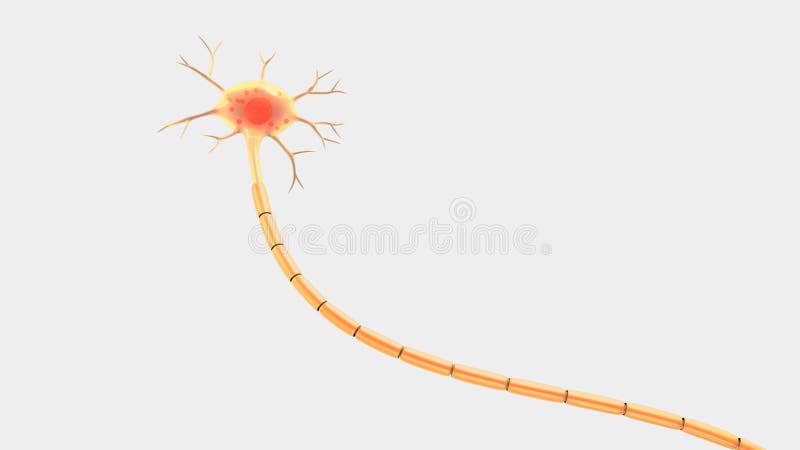
Free with trial Between neurons occur via synapses, specialized connections with other cells. Neurons can connect to each other to form neural networks. Neurons are the core components of the nervous system, which includes the brain, spinal cord–which together comprise the central nervous system CNS–and the ganglia of the peripheral nervous system PNS. Which components illustrations Neuron. Between neurons occur via synapses, specialized connections with other cells. Neurons can connect to each other to form neural networks. Neurons are the. Between neurons occur via synapses, specialized connections with other cells. Neurons can connect to each other to form neural networks. Neurons are the core components of the nervous system, which includes the brain, spinal cord–which together comprise the central nervous system CNS–and the ganglia of the peripheral nervous system PNS .
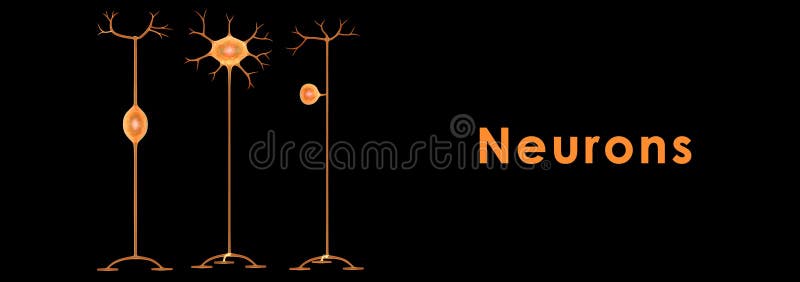
Free with trial Between neurons occur via synapses, specialized connections with other cells. Neurons can connect to each other to form neural networks. Neurons are the core components of the nervous system, which includes the brain, spinal cord–which together comprise the central nervous system (CNS)–and the ganglia of the peripheral nervous system (PNS). Which components illustrations Neurons. Between neurons occur via synapses, specialized connections with other cells. Neurons can connect to each other to form neural networks. Neurons are the. Between neurons occur via synapses, specialized connections with other cells. Neurons can connect to each other to form neural networks. Neurons are the core components of the nervous system, which includes the brain, spinal cord–which together comprise the central nervous system (CNS)–and the ganglia of the peripheral nervous system (PNS) .
Free with trial In the human digestive system, the process of digestion has many stages, the first of which starts in the mouth (oral cavity). Digestion involves the breakdown of food into smaller and smaller components which can be absorbed and assimilated into the body. Which components illustrations Digestive system. In the human digestive system, the process of digestion has many stages, the first of which starts in the mouth (oral cavity). Digestion. In the human digestive system, the process of digestion has many stages, the first of which starts in the mouth (oral cavity). Digestion involves the breakdown of food into smaller and smaller components which can be absorbed and assimilated into the body.
Free with trial The human skeleton is the internal framework of the body. It is composed of 270 bones at birth – this total decreases to 206 bones by adulthood after some bones have fused together. In the human digestive system, the process of digestion has many stages, the first of which starts in the mouth (oral cavity). Digestion involves the breakdown of food into smaller and smaller components which can be absorbed and assimilated into the body. Which components illustrations Skeleton with digestive system. The human skeleton is the internal framework of the body. It is composed of 270 bones at birth – this total decreases to 206. The human skeleton is the internal framework of the body. It is composed of 270 bones at birth – this total decreases to 206 bones by adulthood after some bones have fused together. In the human digestive system, the process of digestion has many stages, the first of which starts in the mouth (oral cavity). Digestion involves the breakdown of food into smaller and smaller components which can be absorbed and assimilated into the body.
Free with trial Between neurons occur via synapses, specialized connections with other cells. Neurons can connect to each other to form neural networks. Neurons are the core components of the nervous system, which includes the brain, spinal cord–which together comprise the central nervous system CNS–and the ganglia of the peripheral nervous system PNS. Which components illustrations Neuron. Between neurons occur via synapses, specialized connections with other cells. Neurons can connect to each other to form neural networks. Neurons are the. Between neurons occur via synapses, specialized connections with other cells. Neurons can connect to each other to form neural networks. Neurons are the core components of the nervous system, which includes the brain, spinal cord–which together comprise the central nervous system CNS–and the ganglia of the peripheral nervous system PNS .
Free with trial In the human digestive system, the process of digestion has many stages, the first of which starts in the mouth (oral cavity). Digestion involves the breakdown of food into smaller and smaller components which can be absorbed and assimilated into the body. Which components illustrations Digestive system. In the human digestive system, the process of digestion has many stages, the first of which starts in the mouth (oral cavity). Digestion. In the human digestive system, the process of digestion has many stages, the first of which starts in the mouth (oral cavity). Digestion involves the breakdown of food into smaller and smaller components which can be absorbed and assimilated into the body.
Free with trial In the human digestive system, the process of digestion has many stages, the first of which starts in the mouth (oral cavity). Digestion involves the breakdown of food into smaller and smaller components which can be absorbed and assimilated into the body. Which components illustrations Digestive system. In the human digestive system, the process of digestion has many stages, the first of which starts in the mouth (oral cavity). In the human digestive system, the process of digestion has many stages, the first of which starts in the mouth (oral cavity). Digestion involves the breakdown of food into smaller and smaller components which can be absorbed and assimilated into the body.
Free with trial In the human digestive system, the process of digestion has many stages, the first of which starts in the mouth (oral cavity). Digestion involves the breakdown of food into smaller and smaller components which can be absorbed and assimilated into the body. Which components illustrations Digestive system. In the human digestive system, the process of digestion has many stages, the first of which starts in the mouth (oral cavity). Digestion. In the human digestive system, the process of digestion has many stages, the first of which starts in the mouth (oral cavity). Digestion involves the breakdown of food into smaller and smaller components which can be absorbed and assimilated into the body.
Free with trial In the human digestive system, the process of digestion has many stages, the first of which starts in the mouth (oral cavity). Digestion involves the breakdown of food into smaller and smaller components which can be absorbed and assimilated into the body. Which components illustrations Digestive system. In the human digestive system, the process of digestion has many stages, the first of which starts in the mouth (oral cavity). Digestion. In the human digestive system, the process of digestion has many stages, the first of which starts in the mouth (oral cavity). Digestion involves the breakdown of food into smaller and smaller components which can be absorbed and assimilated into the body.
Free with trial In the human digestive system, the process of digestion has many stages, the first of which starts in the mouth (oral cavity). Digestion involves the breakdown of food into smaller and smaller components which can be absorbed and assimilated into the body. Which components illustrations Digestive system. In the human digestive system, the process of digestion has many stages, the first of which starts in the mouth (oral cavity). Digestion. In the human digestive system, the process of digestion has many stages, the first of which starts in the mouth (oral cavity). Digestion involves the breakdown of food into smaller and smaller components which can be absorbed and assimilated into the body.
Free with trial Simple flat style infographics components for health education poster about Chikungunya, infectious disease caused by CHIKV Alphavirus, which is mainly spread by Aedes mosquitoes. Which components vectors Infectious Disease Infographics - Chikungunya. Simple flat style infographics components for health education poster about Chikungunya, infectious disease caused. Simple flat style infographics components for health education poster about Chikungunya, infectious disease caused by CHIKV Alphavirus, which is mainly spread by Aedes mosquitoes.
Free with trial Simple flat style infographics components for health education poster about dengue fever, infectious disease caused by DENV flavivirus, which is spread by Aedes mosquitoes. Which components vectors Infectious Disease Infographics - Dengue Fever. Simple flat style infographics components for health education poster about dengue fever, infectious disease. Simple flat style infographics components for health education poster about dengue fever, infectious disease caused by DENV flavivirus, which is spread by Aedes mosquitoes.
Free with trial Between neurons occur via synapses, specialized connections with other cells. Neurons can connect to each other to form neural networks. Neurons are the core components of the nervous system, which includes the brain, spinal cord–which together comprise the central nervous system CNS–and the ganglia of the peripheral nervous system PNS. Which components illustrations Neuron. Between neurons occur via synapses, specialized connections with other cells. Neurons can connect to each other to form neural networks. Neurons are the. Between neurons occur via synapses, specialized connections with other cells. Neurons can connect to each other to form neural networks. Neurons are the core components of the nervous system, which includes the brain, spinal cord–which together comprise the central nervous system CNS–and the ganglia of the peripheral nervous system PNS .
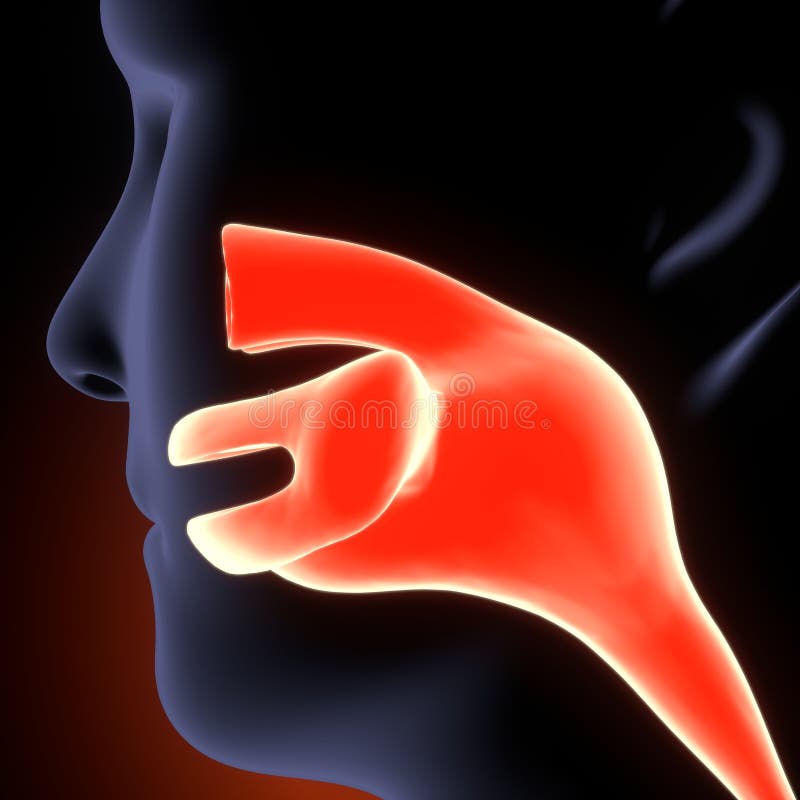
Free with trial In the human digestive system, the process of digestion has many stages, the first of which starts in the mouth (oral cavity). Digestion involves the breakdown of food into smaller and smaller components which can be absorbed and assimilated into the body. Which components illustrations Mouth anatomy. In the human digestive system, the process of digestion has many stages, the first of which starts in the mouth (oral cavity). Digestion involves. In the human digestive system, the process of digestion has many stages, the first of which starts in the mouth (oral cavity). Digestion involves the breakdown of food into smaller and smaller components which can be absorbed and assimilated into the body.
Free with trial A scientist, which makes manipulations with a molecule of DNA. Vector illustration on the subject of `Modern Biotechnology`. Which components vectors Genetic Engineering. A scientist, which makes manipulations with a molecule of DNA. Vector illustration on the subject of `Modern Biotechnology. A scientist, which makes manipulations with a molecule of DNA. Vector illustration on the subject of `Modern Biotechnology`.
Free with trial Simple flat style infographics components for health education poster about tuberculosis, infectious disease caused by Mycobacterium tuberculosis, which mainly spread by droplets. Which components vectors Infectious Disease Infographics - Tuberculosis. Simple flat style infographics components for health education poster about tuberculosis, infectious disease. Simple flat style infographics components for health education poster about tuberculosis, infectious disease caused by Mycobacterium tuberculosis, which mainly spread by droplets.
Free with trial In the human digestive system, the process of digestion has many stages, the first of which starts in the mouth (oral cavity). Digestion involves the breakdown of food into smaller and smaller components which can be absorbed and assimilated into the body. Which components illustrations Digestive system. In the human digestive system, the process of digestion has many stages, the first of which starts in the mouth (oral cavity). Digestion. In the human digestive system, the process of digestion has many stages, the first of which starts in the mouth (oral cavity). Digestion involves the breakdown of food into smaller and smaller components which can be absorbed and assimilated into the body.
Free with trial In the human digestive system, the process of digestion has many stages, the first of which starts in the mouth (oral cavity). Digestion involves the breakdown of food into smaller and smaller components which can be absorbed and assimilated into the body. Which components illustrations Digestive system. In the human digestive system, the process of digestion has many stages, the first of which starts in the mouth (oral cavity). Digestion. In the human digestive system, the process of digestion has many stages, the first of which starts in the mouth (oral cavity). Digestion involves the breakdown of food into smaller and smaller components which can be absorbed and assimilated into the body.
Free with trial In the human digestive system, the process of digestion has many stages, the first of which starts in the mouth (oral cavity). Digestion involves the breakdown of food into smaller and smaller components which can be absorbed and assimilated into the body. The secretion of saliva helps to produce a bolus which can be swallowed to pass down the oesophagus and into the stomach. Which components illustrations Digestive system. In the human digestive system, the process of digestion has many stages, the first of which starts in the mouth (oral cavity). Digestion. In the human digestive system, the process of digestion has many stages, the first of which starts in the mouth (oral cavity). Digestion involves the breakdown of food into smaller and smaller components which can be absorbed and assimilated into the body. The secretion of saliva helps to produce a bolus which can be swallowed to pass down the oesophagus and into the stomach.
Free with trial In the human digestive system, the process of digestion has many stages, the first of which starts in the mouth (oral cavity). Digestion involves the breakdown of food into smaller and smaller components which can be absorbed and assimilated into the body. The secretion of saliva helps to produce a bolus which can be swallowed to pass down the oesophagus and into the stomach. Which components illustrations Digestive system. In the human digestive system, the process of digestion has many stages, the first of which starts in the mouth (oral cavity). Digestion. In the human digestive system, the process of digestion has many stages, the first of which starts in the mouth (oral cavity). Digestion involves the breakdown of food into smaller and smaller components which can be absorbed and assimilated into the body. The secretion of saliva helps to produce a bolus which can be swallowed to pass down the oesophagus and into the stomach.
Free with trial Between neurons occur via synapses, specialized connections with other cells. Neurons can connect to each other to form neural networks. Neurons are the core components of the nervous system, which includes the brain, spinal cord–which together comprise the central nervous system CNS–and the ganglia of the peripheral nervous system PNS. Which components illustrations Neuron. Between neurons occur via synapses, specialized connections with other cells. Neurons can connect to each other to form neural networks. Neurons are the. Between neurons occur via synapses, specialized connections with other cells. Neurons can connect to each other to form neural networks. Neurons are the core components of the nervous system, which includes the brain, spinal cord–which together comprise the central nervous system CNS–and the ganglia of the peripheral nervous system PNS .
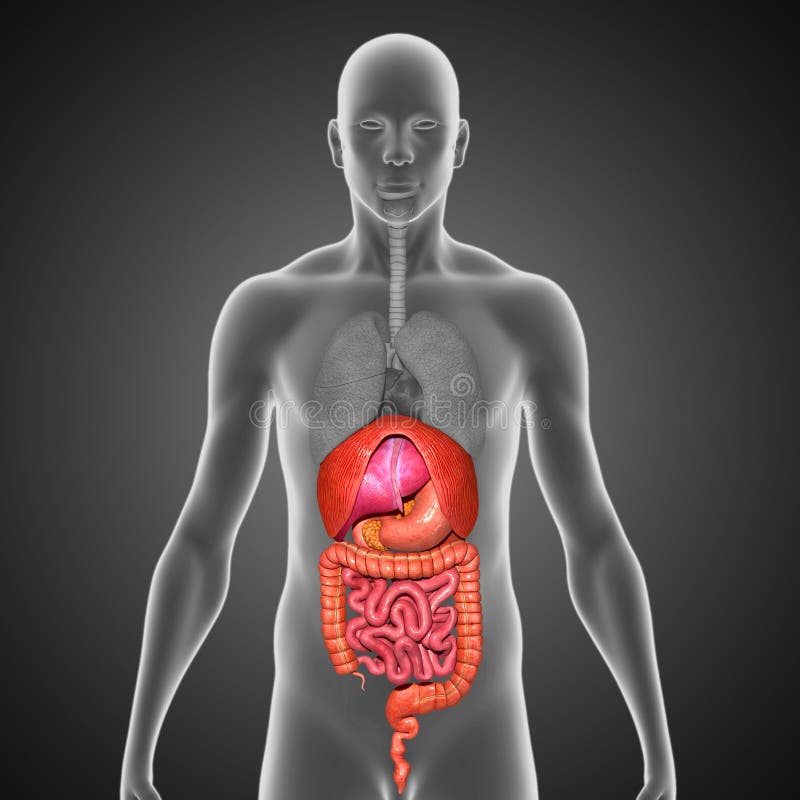
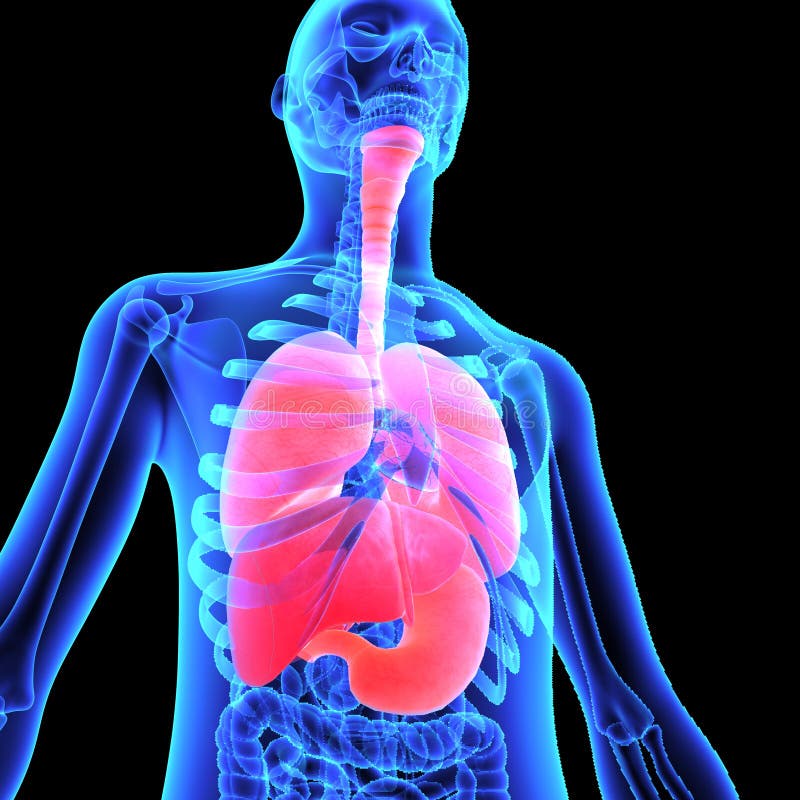
Free with trial The human digestive system consists of the gastrointestinal tract plus the accessory organs of digestion (the tongue, salivary glands, pancreas, liver, and gallbladder). In this system, the process of digestion has many stages, the first of which starts in the mouth (oral cavity). Digestion involves the breakdown of food into smaller and smaller components, until they can be absorbed and assimilated into the body. The secretion of saliva helps to produce a bolus which can be swallowed to pass down the oesophagus and into the stomach. Which components illustrations Human digestive system. The human digestive system consists of the gastrointestinal tract plus the accessory organs of digestion (the tongue, salivary glands. The human digestive system consists of the gastrointestinal tract plus the accessory organs of digestion (the tongue, salivary glands, pancreas, liver, and gallbladder). In this system, the process of digestion has many stages, the first of which starts in the mouth (oral cavity). Digestion involves the breakdown of food into smaller and smaller components, until they can be absorbed and assimilated into the body. The secretion of saliva helps to produce a bolus which can be swallowed to pass down the oesophagus and into the stomach.
Free with trial In the human digestive system, the process of digestion has many stages, the first of which starts in the mouth (oral cavity). Digestion involves the breakdown of food into smaller and smaller components which can be absorbed and assimilated into the body. Which components illustrations Digestive system. In the human digestive system, the process of digestion has many stages, the first of which starts in the mouth (oral cavity). Digestion. In the human digestive system, the process of digestion has many stages, the first of which starts in the mouth (oral cavity). Digestion involves the breakdown of food into smaller and smaller components which can be absorbed and assimilated into the body.
Free with trial The human eye is a marvel of biological engineering, perfectly designed to capture and process visual information from the surrounding environment. Its intricate structure and precise functioning make it one of the most remarkable sensory organs in the human body. At the forefront of the eye lies the cornea, a transparent, dome-shaped tissue that covers the iris, pupil, and anterior chamber. Serving as the eye's outermost lens, the cornea plays a crucial role in refracting light rays onto the retina, the light-sensitive tissue located at the back of the eye. Surrounding the pupil, the iris adds a burst of color to the eye and regulates the amount of light entering through the pupil. This dynamic structure expands and contracts in response to changes in lighting conditions, adjusting the size of the pupil to optimize visual acuity. At the center of the iris lies the pupil, a black circular aperture through which light enters the eye. Its size is controlled by the iris muscles, which contract to constrict the pupil in bright light and dilate it in dim conditions, regulating the amount of light that reaches the retina. Which components vectors Human eye labeled vector. The human eye is a marvel of biological engineering, perfectly designed to capture and process visual information from the surrounding. The human eye is a marvel of biological engineering, perfectly designed to capture and process visual information from the surrounding environment. Its intricate structure and precise functioning make it one of the most remarkable sensory organs in the human body. At the forefront of the eye lies the cornea, a transparent, dome-shaped tissue that covers the iris, pupil, and anterior chamber. Serving as the eye's outermost lens, the cornea plays a crucial role in refracting light rays onto the retina, the light-sensitive tissue located at the back of the eye. Surrounding the pupil, the iris adds a burst of color to the eye and regulates the amount of light entering through the pupil. This dynamic structure expands and contracts in response to changes in lighting conditions, adjusting the size of the pupil to optimize visual acuity. At the center of the iris lies the pupil, a black circular aperture through which light enters the eye. Its size is controlled by the iris muscles, which contract to constrict the pupil in bright light and dilate it in dim conditions, regulating the amount of light that reaches the retina.
Free with trial This image showcases a highly detailed and stylized representation of a circuit board with a prominent, intricately designed central CPU chip. The design features a blend of golden and metallic textures, giving it a futuristic and high-tech appearance. The circuit paths are meticulously arranged in a radial pattern, converging towards the central chip, which is highlighted with a complex geometric. Which components illustrations Intricate golden circuit board with a central cpu chip design on dark background. This image showcases a highly detailed and stylized representation of a circuit. This image showcases a highly detailed and stylized representation of a circuit board with a prominent, intricately designed central CPU chip. The design features a blend of golden and metallic textures, giving it a futuristic and high-tech appearance. The circuit paths are meticulously arranged in a radial pattern, converging towards the central chip, which is highlighted with a complex geometric
Free with trial Illustration of the digestive system, specifically highlighting components related to dumping syndrome. The liver is shown in brown, with the gallbladder in green nestled beneath it. The stomach, in pink, connects to the duodenum, which leads to the small intestine. The pancreas is displayed in yellow, with its pancreatic duct marked. Labels indicate the major and minor duodenal papilla, common bile duct, and the duodenum. Text explains that dumping syndrome involves rapid gastric emptying, causing symptoms like cramps, nausea, diarrhea, and dizziness. Which components vectors Dumping Syndrome (Rapid Gastric Emptying). Illustration of the digestive system, specifically highlighting components related to dumping syndrome. The liver is. Illustration of the digestive system, specifically highlighting components related to dumping syndrome. The liver is shown in brown, with the gallbladder in green nestled beneath it. The stomach, in pink, connects to the duodenum, which leads to the small intestine. The pancreas is displayed in yellow, with its pancreatic duct marked. Labels indicate the major and minor duodenal papilla, common bile duct, and the duodenum. Text explains that dumping syndrome involves rapid gastric emptying, causing symptoms like cramps, nausea, diarrhea, and dizziness.
Free with trial The flow of time is a real natural and social processes that are truly amenable to change. So, it is possible to increase the speed of mechanical displacement or labor productivity. In the named and analogous cases, the time proportions, the relationships in which the real time durations of real things and phenomena are located, change. There is no single stream of time that is mandatory for all living and non-living things. `... time is absolute, autonomous and independent of the material world; it seems to be a homogeneous and unchanging stream from the past through the present into the future. Which components vectors Time is option number 2. The flow of time is a real natural and social processes that are truly amenable to change. So, it is possible to increase the speed of. The flow of time is a real natural and social processes that are truly amenable to change. So, it is possible to increase the speed of mechanical displacement or labor productivity. In the named and analogous cases, the time proportions, the relationships in which the real time durations of real things and phenomena are located, change. There is no single stream of time that is mandatory for all living and non-living things. `... time is absolute, autonomous and independent of the material world; it seems to be a homogeneous and unchanging stream from the past through the present into the future. `
Free with trial The fluid mosaic model is a widely accepted model that describes the structure and dynamics of biological membranes, including cell membranes. Proposed by Singer and Nicolson in 1972, this model revolutionized our understanding of membrane organization and function. The fluid mosaic model describes the lipid bilayer of the membrane as a fluid structure, with lipids and proteins able to move laterally within the plane of the membrane. This fluidity allows for the dynamic interactions between membrane components and enables the membrane to respond to changes in the environment. According to the fluid mosaic model, the main structural component of biological membranes is a lipid bilayer composed of phospholipids. Phospholipids have a hydrophilic (water-attracting) head and hydrophobic (water-repelling) tails, which arrange themselves in a bilayer with the hydrophobic tails facing inward and the hydrophilic heads facing outward toward the aqueous environments inside and outside the cell. Which components vectors Fluid mosaic model. The fluid mosaic model is a widely accepted model that describes the structure and dynamics of biological membranes, including cell membranes. The fluid mosaic model is a widely accepted model that describes the structure and dynamics of biological membranes, including cell membranes. Proposed by Singer and Nicolson in 1972, this model revolutionized our understanding of membrane organization and function. The fluid mosaic model describes the lipid bilayer of the membrane as a fluid structure, with lipids and proteins able to move laterally within the plane of the membrane. This fluidity allows for the dynamic interactions between membrane components and enables the membrane to respond to changes in the environment. According to the fluid mosaic model, the main structural component of biological membranes is a lipid bilayer composed of phospholipids. Phospholipids have a hydrophilic (water-attracting) head and hydrophobic (water-repelling) tails, which arrange themselves in a bilayer with the hydrophobic tails facing inward and the hydrophilic heads facing outward toward the aqueous environments inside and outside the cell.
Free with trial The human digestive system consists of the gastrointestinal tract plus the accessory organs of digestion the tongue, salivary glands, pancreas, liver, and gallbladder. [1] In this system, the process of digestion has many stages, the first of which starts in the mouth. Digestion involves the breakdown of food into smaller and smaller components, until they can be absorbed and assimilated into the body. Which components illustrations 3d illustration of human body digestive system. The human digestive system consists of the gastrointestinal tract plus the accessory organs of digestion the. The human digestive system consists of the gastrointestinal tract plus the accessory organs of digestion the tongue, salivary glands, pancreas, liver, and gallbladder.[1] In this system, the process of digestion has many stages, the first of which starts in the mouth. Digestion involves the breakdown of food into smaller and smaller components, until they can be absorbed and assimilated into the body.
Free with trial Illustration depicting an Ocean Thermal Energy Conversion (OTEC) system. It shows a cross-section of the ocean with a warm water inlet and a cold water inlet. The warm water flows through a heat exchanger, transferring heat to a turbine fluid, which drives a turbine for power generation. The cold deep water is used to condense the turbine fluid. Labels identify key components and flow directions. The system leverages the temperature difference between warm surface water and cold deep water to produce energy. Which components illustrations Ocean Thermal Energy Conversion OTEC system illustration, harnessing warm and cold water for power generation. Illustration depicting an Ocean Thermal Energy. Illustration depicting an Ocean Thermal Energy Conversion (OTEC) system. It shows a cross-section of the ocean with a warm water inlet and a cold water inlet. The warm water flows through a heat exchanger, transferring heat to a turbine fluid, which drives a turbine for power generation. The cold deep water is used to condense the turbine fluid. Labels identify key components and flow directions. The system leverages the temperature difference between warm surface water and cold deep water to produce energy.
Free with trial The human digestive system consists of the gastrointestinal tract plus the accessory organs of digestion the tongue, salivary glands, pancreas, liver, and gallbladder. [1] In this system, the process of digestion has many stages, the first of which starts in the mouth. Digestion involves the breakdown of food into smaller and smaller components, until they can be absorbed and assimilated into the body. Which components illustrations 3d illustration of human body digestive system. The human digestive system consists of the gastrointestinal tract plus the accessory organs of digestion the. The human digestive system consists of the gastrointestinal tract plus the accessory organs of digestion the tongue, salivary glands, pancreas, liver, and gallbladder.[1] In this system, the process of digestion has many stages, the first of which starts in the mouth. Digestion involves the breakdown of food into smaller and smaller components, until they can be absorbed and assimilated into the body.
Free with trial The human digestive system consists of the gastrointestinal tract plus the accessory organs of digestion the tongue, salivary glands, pancreas, liver, and gallbladder. [1] In this system, the process of digestion has many stages, the first of which starts in the mouth. Digestion involves the breakdown of food into smaller and smaller components, until they can be absorbed and assimilated into the body. Which components illustrations 3d illustration of human body digestive system. The human digestive system consists of the gastrointestinal tract plus the accessory organs of digestion the. The human digestive system consists of the gastrointestinal tract plus the accessory organs of digestion the tongue, salivary glands, pancreas, liver, and gallbladder.[1] In this system, the process of digestion has many stages, the first of which starts in the mouth. Digestion involves the breakdown of food into smaller and smaller components, until they can be absorbed and assimilated into the body.
Free with trial The human digestive system consists of the gastrointestinal tract plus the accessory organs of digestion the tongue, salivary glands, pancreas, liver, and gallbladder. [1] In this system, the process of digestion has many stages, the first of which starts in the mouth. Digestion involves the breakdown of food into smaller and smaller components, until they can be absorbed and assimilated into the body. Which components illustrations 3d illustration of human body digestive system. The human digestive system consists of the gastrointestinal tract plus the accessory organs of digestion the. The human digestive system consists of the gastrointestinal tract plus the accessory organs of digestion the tongue, salivary glands, pancreas, liver, and gallbladder.[1] In this system, the process of digestion has many stages, the first of which starts in the mouth. Digestion involves the breakdown of food into smaller and smaller components, until they can be absorbed and assimilated into the body.
Free with trial The human digestive system consists of the gastrointestinal tract plus the accessory organs of digestion the tongue, salivary glands, pancreas, liver, and gallbladder. [1] In this system, the process of digestion has many stages, the first of which starts in the mouth. Digestion involves the breakdown of food into smaller and smaller components, until they can be absorbed and assimilated into the body. Which components illustrations 3d illustration of human body digestive system. The human digestive system consists of the gastrointestinal tract plus the accessory organs of digestion the. The human digestive system consists of the gastrointestinal tract plus the accessory organs of digestion the tongue, salivary glands, pancreas, liver, and gallbladder.[1] In this system, the process of digestion has many stages, the first of which starts in the mouth. Digestion involves the breakdown of food into smaller and smaller components, until they can be absorbed and assimilated into the body.
Free with trial The human digestive system consists of the gastrointestinal tract plus the accessory organs of digestion the tongue, salivary glands, pancreas, liver, and gallbladder. [1] In this system, the process of digestion has many stages, the first of which starts in the mouth. Digestion involves the breakdown of food into smaller and smaller components, until they can be absorbed and assimilated into the body. Which components illustrations 3d illustration of human body digestive system. The human digestive system consists of the gastrointestinal tract plus the accessory organs of digestion the. The human digestive system consists of the gastrointestinal tract plus the accessory organs of digestion the tongue, salivary glands, pancreas, liver, and gallbladder.[1] In this system, the process of digestion has many stages, the first of which starts in the mouth. Digestion involves the breakdown of food into smaller and smaller components, until they can be absorbed and assimilated into the body.
Free with trial The human digestive system consists of the gastrointestinal tract plus the accessory organs of digestion the tongue, salivary glands, pancreas, liver, and gallbladder. [1] In this system, the process of digestion has many stages, the first of which starts in the mouth. Digestion involves the breakdown of food into smaller and smaller components, until they can be absorbed and assimilated into the body. Which components illustrations 3d illustration of human body digestive system. The human digestive system consists of the gastrointestinal tract plus the accessory organs of digestion the. The human digestive system consists of the gastrointestinal tract plus the accessory organs of digestion the tongue, salivary glands, pancreas, liver, and gallbladder.[1] In this system, the process of digestion has many stages, the first of which starts in the mouth. Digestion involves the breakdown of food into smaller and smaller components, until they can be absorbed and assimilated into the body.
Free with trial The human digestive system consists of the gastrointestinal tract plus the accessory organs of digestion the tongue, salivary glands, pancreas, liver, and gallbladder. [1] In this system, the process of digestion has many stages, the first of which starts in the mouth. Digestion involves the breakdown of food into smaller and smaller components, until they can be absorbed and assimilated into the body. Which components illustrations 3d illustration of human body digestive system. The human digestive system consists of the gastrointestinal tract plus the accessory organs of digestion the. The human digestive system consists of the gastrointestinal tract plus the accessory organs of digestion the tongue, salivary glands, pancreas, liver, and gallbladder.[1] In this system, the process of digestion has many stages, the first of which starts in the mouth. Digestion involves the breakdown of food into smaller and smaller components, until they can be absorbed and assimilated into the body.
Free with trial Pillow Block Bearings is a base that is used to support the shaft work on the machine with the help of suitable bearings and various accessories in low loads. It consists of two main components, namely the static bearing part and the inner part which has a rotating ring and can hold the object in its respective position. Which components vectors Pillow block bearing type UCFL, vector icon 3D design, on white background. Pillow Block Bearings is a base that is used to support the shaft work on the machine. Pillow Block Bearings is a base that is used to support the shaft work on the machine with the help of suitable bearings and various accessories in low loads. It consists of two main components, namely the static bearing part and the inner part which has a rotating ring and can hold the object in its respective position.
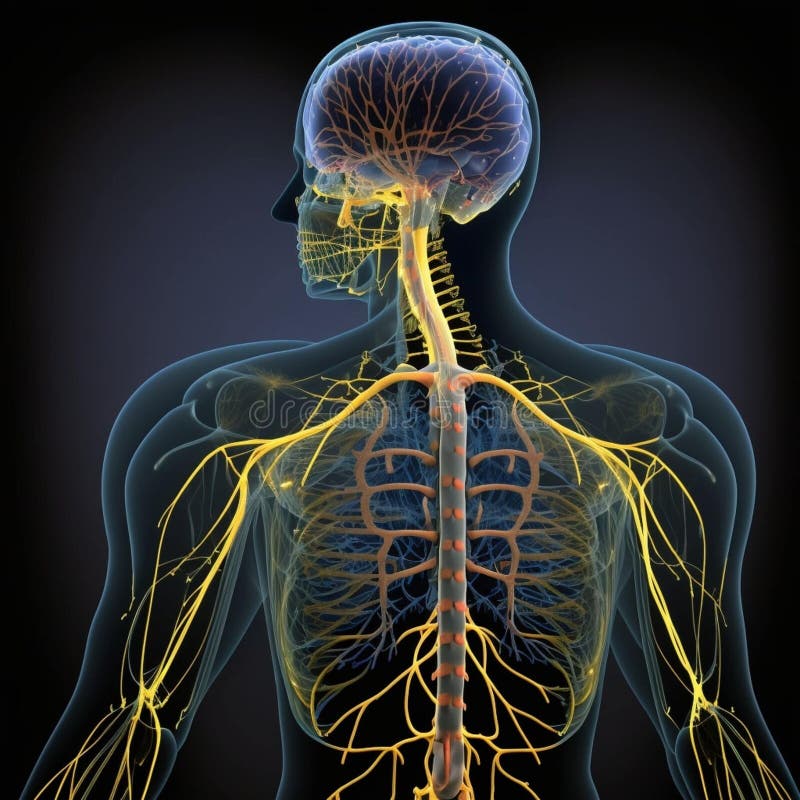
Free with trial The AI-generated image is a schematic depiction of the human nervous system, featuring the brain, spinal cord, and peripheral nerves. The brain is shown at the top of the image, with the spinal cord extending downwards. Branching out from the spinal cord are the peripheral nerves, which are shown in various colors to indicate their different functions. The image has a clean and modern aesthetic, with bold lines and geometric shapes used to convey the different elements of the nervous system. The color palette is primarily shades of blue, emphasizing the importance of this system in controlling bodily functions. Overall, the image provides a clear and concise overview of the key components of the human nervous system, making it a useful tool for educational and medical purposes. Which components illustrations A schematic image of the human nervous system, featuring the brain, spinal cord, and peripheral nerves. The AI-generated image is a schematic depiction of the. The AI-generated image is a schematic depiction of the human nervous system, featuring the brain, spinal cord, and peripheral nerves. The brain is shown at the top of the image, with the spinal cord extending downwards. Branching out from the spinal cord are the peripheral nerves, which are shown in various colors to indicate their different functions. The image has a clean and modern aesthetic, with bold lines and geometric shapes used to convey the different elements of the nervous system. The color palette is primarily shades of blue, emphasizing the importance of this system in controlling bodily functions. Overall, the image provides a clear and concise overview of the key components of the human nervous system, making it a useful tool for educational and medical purposes.
Free with trial This image depicts a hand holding a red heart, symbolizing the importance of health care, mental health, insurance, charity, and corporate social responsibility (CSR) in today's world. It highlights the significance of World Health Day, which stresses the need for better health and well-being for all. The image also emphasizes the importance of self-love and self-care, which are integral components of overall health and happiness. It encourages individuals to prioritize their health, both physically and mentally, and to take responsibility for their well-being. This image is perfect for use in campaigns promoting health care, mental health, insurance, charity, and CSR programs, and will undoubtedly resonate with audiences worldwide. Which components illustrations Hand Holding Red Heart for World Health Day: A Concept of Health Care, Mental Health, Insurance, Charity, and CSR Responsibility,. This image depicts a hand. This image depicts a hand holding a red heart, symbolizing the importance of health care, mental health, insurance, charity, and corporate social responsibility (CSR) in today's world. It highlights the significance of World Health Day, which stresses the need for better health and well-being for all. The image also emphasizes the importance of self-love and self-care, which are integral components of overall health and happiness. It encourages individuals to prioritize their health, both physically and mentally, and to take responsibility for their well-being. This image is perfect for use in campaigns promoting health care, mental health, insurance, charity, and CSR programs, and will undoubtedly resonate with audiences worldwide.
 Sign in