Free with trial Salamanca is an ancient Celtic city in northwestern Spain that is the capital of the Province of Salamanca in the community of Castile and León. The city lies on several hills by the Tormes River. Its Old City was declared a UNESCO World Heritage Site in 1988. With a metropolitan population of 228,881 in 2012 according to the National Institute of Statistics (INE), Salamanca is the second most populated urban area in Castile and León, after Valladolid (414,000), and ahead of Leon (187,000) and Burgos (176,000). 881 stock images, royalty-free photos and pictures Salamanca, Spain. Salamanca is an ancient Celtic city in northwestern Spain that is the capital of the Province of Salamanca in the community of Castile and León. The city lies on several hills by the Tormes River. Its Old City was declared a UNESCO World Heritage Site in 1988. With a metropolitan population of 228,881 in 2012 according to the National Institute of Statistics (INE), Salamanca is the second most populated urban area in Castile and León, after Valladolid (414,000), and ahead of Leon (187,000) and Burgos (176,000).
Free with trial Known as the highest mountain in Langkawi, Gunung Raya peaks at 881 metres in height and its dense forest reserve houses numerous wildlife such as leaf monkeys, flying foxes, macaque monkeys, squirrels, mountain hawk eagles, white bellied sea eagles, and great hornbills. According to local beliefs, the mountain is the cursed form of a giant called Mat Raya, who had once lived on the island. 881 stock images, royalty-free photos and pictures Gunung Raya, Langkawi. Known as the highest mountain in Langkawi, Gunung Raya peaks at 881 metres in height and its dense forest reserve houses numerous wildlife such as leaf monkeys, flying foxes, macaque monkeys, squirrels, mountain hawk eagles, white bellied sea eagles, and great hornbills. According to local beliefs, the mountain is the cursed form of a giant called Mat Raya, who had once lived on the island.
Free with trial Known as the highest mountain in Langkawi, Gunung Raya peaks at 881 metres in height and its dense forest reserve houses numerous wildlife such as leaf monkeys, flying foxes, macaque monkeys, squirrels, mountain hawk eagles, white bellied sea eagles, and great hornbills. 881 stock images, royalty-free photos and pictures GUNUNG RAYA - LANGKAWI. Known as the highest mountain in Langkawi, Gunung Raya peaks at 881 metres in height and its dense forest reserve houses numerous wildlife such as leaf monkeys, flying foxes, macaque monkeys, squirrels, mountain hawk eagles, white bellied sea eagles, and great hornbills.
Free with trial Small red kids tricycle parked on a sidewalk. In Amsterdam there are as many bikes as there are residents, namely 881,000. 881 stock images, royalty-free photos and pictures Parked kids tricycle. Small red kids tricycle parked on a sidewalk. In Amsterdam there are as many bikes as there are residents, namely 881,000.
Free with trial The Cetăţuia Negru Vodă Monastery, located in Arges County, is built on a high rock, at an altitude of 881 meters. 881 stock images, royalty-free photos and pictures Cetatuia monastery,Arges county,Romania. The Cetăţuia Negru Vodă Monastery, located in Arges County, is built on a high rock, at an altitude of 881 meters.
Free with trial Cetateni, Romania - July 2 2022: Cetatuia Negru Voda Monastery. This is an orthodox monastery located on a steep hill at a height of 881 m. 881 stock images, royalty-free photos and pictures Cetatuia Negru Voda Monastery, Romania. Cetateni, Romania - July 2 2022: Cetatuia Negru Voda Monastery. This is an orthodox monastery located on a steep hill at a height of 881 m
Free with trial Cetateni, Romania - July 2 2022: Cetatuia Negru Voda Monastery. This is an orthodox monastery located on a steep hill at a height of 881 m. 881 stock images, royalty-free photos and pictures Cetatuia Negru Voda Monastery, Romania. Cetateni, Romania - July 2 2022: Cetatuia Negru Voda Monastery. This is an orthodox monastery located on a steep hill at a height of 881 m
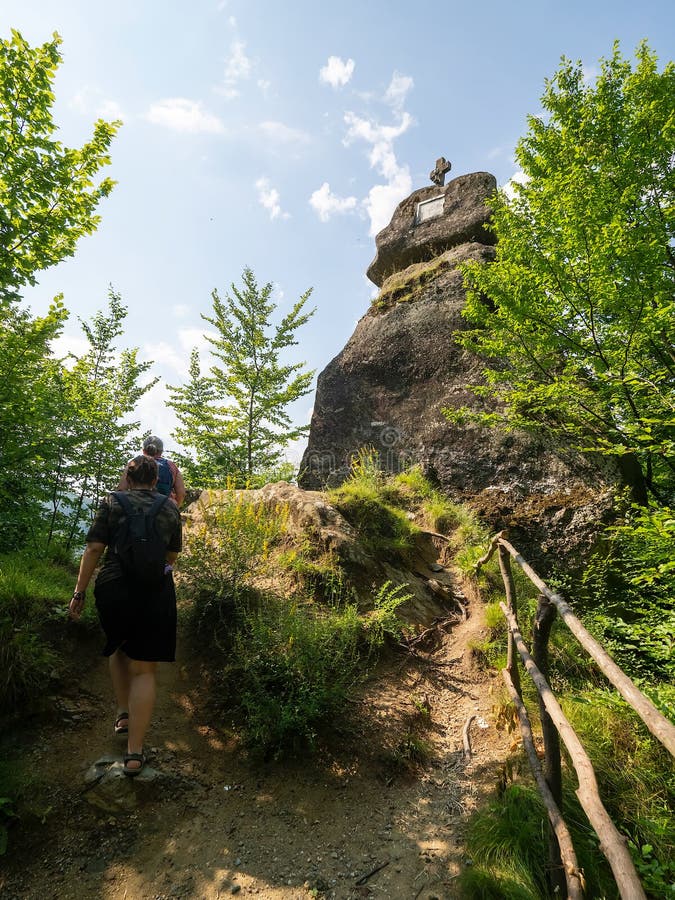
Free with trial Cetateni, Romania - July 2 2022: Ascension route to Cetatuia Negru Voda Monastery. This is an orthodox monastery located on a steep hill at a height of 881 m. 881 stock images, royalty-free photos and pictures Ascension route to Cetatuia Negru Voda Monastery, Romania. Cetateni, Romania - July 2 2022: Ascension route to Cetatuia Negru Voda Monastery. This is an orthodox monastery located on a steep hill at a height of 881 m
Free with trial BEIJING-DEC. 9, 2012. Boeing 787-881 Dreamliner JA805A from All Nippon Airways landing. It is a new long-range, mid-size wide-body twin-engine jet airliner developed by Boeing with 210 to 290 seats. 881 stock images, royalty-free photos and pictures All Nippon Airlines Boeing 787-881 Dreamliner JA805A Landing in Beijing, China. BEIJING-DEC. 9, 2012. Boeing 787-881 Dreamliner JA805A from All Nippon Airways landing. It is a new long-range, mid-size wide-body twin-engine jet airliner developed by Boeing with 210 to 290 seats
Free with trial Cetateni, Romania - July 2 2022: Cetatuia Negru Voda Monastery. This is an orthodox monastery located on a steep hill at a height of 881 m. 881 stock images, royalty-free photos and pictures Cetatuia Negru Voda Monastery, Romania. Cetateni, Romania - July 2 2022: Cetatuia Negru Voda Monastery. This is an orthodox monastery located on a steep hill at a height of 881 m
Free with trial Cetateni, Romania - July 2 2022: Cetatuia Negru Voda Monastery. This is an orthodox monastery located on a steep hill at a height of 881 m. 881 stock images, royalty-free photos and pictures Cetatuia Negru Voda Monastery, Romania. Cetateni, Romania - July 2 2022: Cetatuia Negru Voda Monastery. This is an orthodox monastery located on a steep hill at a height of 881 m
Free with trial Cetateni, Romania - July 2 2022: Cetatuia Negru Voda Monastery. This is an orthodox monastery located on a steep hill at a height of 881 m. 881 stock images, royalty-free photos and pictures Cetatuia Negru Voda Monastery, Romania. Cetateni, Romania - July 2 2022: Cetatuia Negru Voda Monastery. This is an orthodox monastery located on a steep hill at a height of 881 m
Free with trial Cetateni, Romania - July 2 2022: Cetatuia Negru Voda Monastery. This is an orthodox monastery located on a steep hill at a height of 881 m. 881 stock images, royalty-free photos and pictures Cetatuia Negru Voda Monastery, Romania. Cetateni, Romania - July 2 2022: Cetatuia Negru Voda Monastery. This is an orthodox monastery located on a steep hill at a height of 881 m
Free with trial Cetateni, Romania - July 2 2022: Cetatuia Negru Voda Monastery. This is an orthodox monastery located on a steep hill at a height of 881 m. 881 stock images, royalty-free photos and pictures Cetatuia Negru Voda Monastery, Romania. Cetateni, Romania - July 2 2022: Cetatuia Negru Voda Monastery. This is an orthodox monastery located on a steep hill at a height of 881 m
Free with trial Cetateni, Romania - July 2 2022: Cetatuia Negru Voda Monastery panorama. This is an orthodox monastery located on a steep hill at a height of 881 m. 881 stock images, royalty-free photos and pictures Cetatuia Negru Voda Monastery panorama, Romania. Cetateni, Romania - July 2 2022: Cetatuia Negru Voda Monastery panorama. This is an orthodox monastery located on a steep hill at a height of 881 m
Free with trial Cetateni, Romania - July 2 2022: Ascension route to Cetatuia Negru Voda Monastery. This is an orthodox monastery located on a steep hill at a height of 881 m. 881 stock images, royalty-free photos and pictures Ascension route to Cetatuia Negru Voda Monastery, Romania. Cetateni, Romania - July 2 2022: Ascension route to Cetatuia Negru Voda Monastery. This is an orthodox monastery located on a steep hill at a height of 881 m
Free with trial Cetateni, Romania - July 2 2022: Ascension route to Cetatuia Negru Voda Monastery. This is an orthodox monastery located on a steep hill at a height of 881 m. 881 stock images, royalty-free photos and pictures Ascension route to Cetatuia Negru Voda Monastery, Romania. Cetateni, Romania - July 2 2022: Ascension route to Cetatuia Negru Voda Monastery. This is an orthodox monastery located on a steep hill at a height of 881 m
Free with trial The Abbey of San Vincenzo al Volturno is a historic Benedictine abbey located in the territory of the municipalities of Castel San Vincenzo and Rocchetta a Volturno in the Province of Isernia, in the Upper Volturno Valley, Campania, Italy. Between the 5th and 6th centuries, a church and a funerary area were built among the now disused buildings. Theory of six female saints in Byzantine costume, fresco decoration of the crypt of Epiphanius, second quarter of the 9th century. According to the Chronicon Vulturnense the monastery was born thanks to three nobles from Benevento, Paldo, Tato and Taso, who in 731 used all their rich heritage there. To undertake an ascetic life, they reached the Abbey of Farfa, a Benedictine abbey in Sabina. Abbot Tommaso di Moriana suggested they found an abbey near the Volturno river, where there was already an oratory dedicated to the saint who would give its name to the future abbey, San Vincenzo. The foundation of this oratory is attributed to Constantine I the Great. Underlining the Benevento origin of the three founders by the Chronicon suggests that the institution was favored by seeking new prestige by the Lombard Gisulf II, Duke of Benevento from 743 to 749. With the arrival of the Franks from the north, the abbey found itself in a border area between the Franks and the Lombards. In 774 the Frankish Ambrose Autpert was abbot. In 782 the Lombard Potone became abbot: he was deposed for having left the choir during a praise sung to Charlemagne only by swearing loyalty to the king of the Franks was he able to return to his duties. On 27 March 787 the king of the Franks himself granted fiscal and jurisdictional privileges such as to put the abbey on a par with the major European ones. In the 9th century, with the abbots Giosuè, Talarico and Epifanio, the abbey expanded, becoming a small city, with 350 brothers and vast land holdings. In 848 the abbey was damaged by an earthquake. Twelve years later she was blackmailed by Sawd? n, emir of Bari, who was paid a huge tribute so as not to suffer plunder. In 881 some Saracens in the pay of Duke Athanasius II of Naples, thanks to the betrayal of the monks' servants, plundered and burned the monastery. The survivors fled to Capua they returned to build the abbey in 914, succeeding only at the end of the century thanks to the direct support of the emperors Otto II and Otto III. The monks attempted to build a podestà in the Upper Volturno Valley through the administration of justice and the collection of taxes. 881 stock images, royalty-free photos and pictures External panoramic at Ancient Abbey of St.Vincenzo Volturno, Rocchetta a Volturno, Castel San Vincenzo, Isernia, Italy. The Abbey of San Vincenzo al Volturno is a historic Benedictine abbey located in the territory of the municipalities of Castel San Vincenzo and Rocchetta a Volturno in the Province of Isernia, in the Upper Volturno Valley, Campania, Italy. Between the 5th and 6th centuries, a church and a funerary area were built among the now disused buildings.Theory of six female saints in Byzantine costume, fresco decoration of the crypt of Epiphanius, second quarter of the 9th century.According to the Chronicon Vulturnense the monastery was born thanks to three nobles from Benevento, Paldo, Tato and Taso, who in 731 used all their rich heritage there. To undertake an ascetic life, they reached the Abbey of Farfa, a Benedictine abbey in Sabina. Abbot Tommaso di Moriana suggested they found an abbey near the Volturno river, where there was already an oratory dedicated to the saint who would give its name to the future abbey, San Vincenzo. The foundation of this oratory is attributed to Constantine I the Great. Underlining the Benevento origin of the three founders by the Chronicon suggests that the institution was favored by seeking new prestige by the Lombard Gisulf II, Duke of Benevento from 743 to 749.With the arrival of the Franks from the north, the abbey found itself in a border area between the Franks and the Lombards. In 774 the Frankish Ambrose Autpert was abbot. In 782 the Lombard Potone became abbot: he was deposed for having left the choir during a praise sung to Charlemagne only by swearing loyalty to the king of the Franks was he able to return to his duties. On 27 March 787 the king of the Franks himself granted fiscal and jurisdictional privileges such as to put the abbey on a par with the major European ones. In the 9th century, with the abbots Giosuè, Talarico and Epifanio, the abbey expanded, becoming a small city, with 350 brothers and vast land holdings.In 848 the abbey was damaged by an earthquake. Twelve years later she was blackmailed by Sawd?n, emir of Bari, who was paid a huge tribute so as not to suffer plunder. In 881 some Saracens in the pay of Duke Athanasius II of Naples, thanks to the betrayal of the monks' servants, plundered and burned the monastery. The survivors fled to Capua they returned to build the abbey in 914, succeeding only at the end of the century thanks to the direct support of the emperors Otto II and Otto III. The monks attempted to build a podestà in the Upper Volturno Valley through the administration of justice and the collection of taxes.
Free with trial The Dimu river bridge is located in Guizhou province. The bridge length of 881. 5mmeters. 881 stock images, royalty-free photos and pictures The Dimu river bridge
Free with trial Philip J Philbin Federal Office Building at 881 Main Street in downtown Fitchburg, Massachusetts MA, USA. This building includes Postal Service, Internal Revenue Service IRS and Social Security Admin. 881 stock images, royalty-free photos and pictures Federal Office Building, Fitchburg, Massachusetts, USA. Philip J Philbin Federal Office Building at 881 Main Street in downtown Fitchburg, Massachusetts MA, USA. This building includes Postal Service, Internal Revenue Service IRS and Social Security Admin
Free with trial ALL NIPPON ANA Boeing B-727-281 JA8343 CN 20572 LN Taken in July 1983. 881 stock images, royalty-free photos and pictures ALL NIPPON ANA Boeing B-727-281 JA8343 CN 20572 LN 881 . ALL NIPPON ANA Boeing B-727-281 JA8343 CN 20572 LN Taken in July 1983 .
Free with trial Eatured for the rich magnificent waterfalls, amazing mountain peaks, dense woods and rare animals, Tiantangzhai Scenic Area Heavenly Village is the second highest peak of Dabie Mountains. Located in Jinzhai, Lu`an, Anhui Province, it is an interesting place to enjoy the beauty of nature and breathe fresh air. On the mountain are living 185 kinds of animals, with more than 100 waterfalls as well as hundreds of peculiar mountain peaks and rocks scattered. Additionally, covered by numerous green plants which amount to 1,881 kinds, the mountain is a natural oxygen bar, providing abundant fresh air for visitors. 881 stock images, royalty-free photos and pictures Summer Scenery of Heaven Village National Geological Park in Hubei Province. Eatured for the rich magnificent waterfalls, amazing mountain peaks, dense woods and rare animals, Tiantangzhai Scenic Area Heavenly Village is the second highest peak of Dabie Mountains. Located in Jinzhai, Lu`an, Anhui Province, it is an interesting place to enjoy the beauty of nature and breathe fresh air. On the mountain are living 185 kinds of animals, with more than 100 waterfalls as well as hundreds of peculiar mountain peaks and rocks scattered. Additionally, covered by numerous green plants which amount to 1,881 kinds, the mountain is a natural oxygen bar, providing abundant fresh air for visitors.
Free with trial MONCTON, CANADA - JULY 21: Michael Granger (881) of USA and Patrick Fakiye of Australia run the men's 100 metres at the 2010 IAAF World Junior Championships on July 21, 2010 in Moncton, Canada. 881 stock images, royalty-free photos and pictures 100 metres men usa australia. MONCTON, CANADA - JULY 21: Michael Granger (881) of USA and Patrick Fakiye of Australia run the men's 100 metres at the 2010 IAAF World Junior Championships on July 21, 2010 in Moncton, Canada.
Free with trial Cruise ship Norwegian Spirit visit Istanbul Port on May 05, 2012 in Istanbul, Turkey. Norwegian Spirit operated by Norwegian Cruise Line, 881 feet length and 2,018 passenger capacity. 881 stock images, royalty-free photos and pictures Cruise Ship
Free with trial Birthday Cupcake With Candles Lit Forming The Number 881 - Photo On Pink Background. 881 stock images, royalty-free photos and pictures Birthday Cupcake With Candles Lit Forming The Number 881
Free with trial Birthday Cupcakes With Candles Lit Forming The Number 881 - Photo On Blue Background. 881 stock images, royalty-free photos and pictures Birthday Cupcakes With Candles Lit Forming The Number 881
Free with trial The Abbey of San Vincenzo al Volturno is a historic Benedictine abbey located in the territory of the municipalities of Castel San Vincenzo and Rocchetta a Volturno in the Province of Isernia, in the Upper Volturno Valley, Campania, Italy. Between the 5th and 6th centuries, a church and a funerary area were built among the now disused buildings. Theory of six female saints in Byzantine costume, fresco decoration of the crypt of Epiphanius, second quarter of the 9th century. According to the Chronicon Vulturnense the monastery was born thanks to three nobles from Benevento, Paldo, Tato and Taso, who in 731 used all their rich heritage there. To undertake an ascetic life, they reached the Abbey of Farfa, a Benedictine abbey in Sabina. Abbot Tommaso di Moriana suggested they found an abbey near the Volturno river, where there was already an oratory dedicated to the saint who would give its name to the future abbey, San Vincenzo. The foundation of this oratory is attributed to Constantine I the Great. Underlining the Benevento origin of the three founders by the Chronicon suggests that the institution was favored by seeking new prestige by the Lombard Gisulf II, Duke of Benevento from 743 to 749. With the arrival of the Franks from the north, the abbey found itself in a border area between the Franks and the Lombards. In 774 the Frankish Ambrose Autpert was abbot. In 782 the Lombard Potone became abbot: he was deposed for having left the choir during a praise sung to Charlemagne only by swearing loyalty to the king of the Franks was he able to return to his duties. On 27 March 787 the king of the Franks himself granted fiscal and jurisdictional privileges such as to put the abbey on a par with the major European ones. In the 9th century, with the abbots Giosuè, Talarico and Epifanio, the abbey expanded, becoming a small city, with 350 brothers and vast land holdings. In 848 the abbey was damaged by an earthquake. Twelve years later she was blackmailed by Sawd? n, emir of Bari, who was paid a huge tribute so as not to suffer plunder. In 881 some Saracens in the pay of Duke Athanasius II of Naples, thanks to the betrayal of the monks' servants, plundered and burned the monastery. The survivors fled to Capua they returned to build the abbey in 914, succeeding only at the end of the century thanks to the direct support of the emperors Otto II and Otto III. The monks attempted to build a podestà in the Upper Volturno Valley through the administration of justice and the collection of taxes. 881 stock images, royalty-free photos and pictures External excavations of Ancient Abbey of St.Vincenzo Volturno, Rocchetta a Volturno, Castel San Vincenzo, Isernia, Italy. The Abbey of San Vincenzo al Volturno is a historic Benedictine abbey located in the territory of the municipalities of Castel San Vincenzo and Rocchetta a Volturno in the Province of Isernia, in the Upper Volturno Valley, Campania, Italy. Between the 5th and 6th centuries, a church and a funerary area were built among the now disused buildings.Theory of six female saints in Byzantine costume, fresco decoration of the crypt of Epiphanius, second quarter of the 9th century.According to the Chronicon Vulturnense the monastery was born thanks to three nobles from Benevento, Paldo, Tato and Taso, who in 731 used all their rich heritage there. To undertake an ascetic life, they reached the Abbey of Farfa, a Benedictine abbey in Sabina. Abbot Tommaso di Moriana suggested they found an abbey near the Volturno river, where there was already an oratory dedicated to the saint who would give its name to the future abbey, San Vincenzo. The foundation of this oratory is attributed to Constantine I the Great. Underlining the Benevento origin of the three founders by the Chronicon suggests that the institution was favored by seeking new prestige by the Lombard Gisulf II, Duke of Benevento from 743 to 749.With the arrival of the Franks from the north, the abbey found itself in a border area between the Franks and the Lombards. In 774 the Frankish Ambrose Autpert was abbot. In 782 the Lombard Potone became abbot: he was deposed for having left the choir during a praise sung to Charlemagne only by swearing loyalty to the king of the Franks was he able to return to his duties. On 27 March 787 the king of the Franks himself granted fiscal and jurisdictional privileges such as to put the abbey on a par with the major European ones. In the 9th century, with the abbots Giosuè, Talarico and Epifanio, the abbey expanded, becoming a small city, with 350 brothers and vast land holdings.In 848 the abbey was damaged by an earthquake. Twelve years later she was blackmailed by Sawd?n, emir of Bari, who was paid a huge tribute so as not to suffer plunder. In 881 some Saracens in the pay of Duke Athanasius II of Naples, thanks to the betrayal of the monks' servants, plundered and burned the monastery. The survivors fled to Capua they returned to build the abbey in 914, succeeding only at the end of the century thanks to the direct support of the emperors Otto II and Otto III. The monks attempted to build a podestà in the Upper Volturno Valley through the administration of justice and the collection of taxes.
Free with trial The Abbey of San Vincenzo al Volturno is a historic Benedictine abbey located in the territory of the municipalities of Castel San Vincenzo and Rocchetta a Volturno in the Province of Isernia, in the Upper Volturno Valley, Campania, Italy. Between the 5th and 6th centuries, a church and a funerary area were built among the now disused buildings. Theory of six female saints in Byzantine costume, fresco decoration of the crypt of Epiphanius, second quarter of the 9th century. According to the Chronicon Vulturnense the monastery was born thanks to three nobles from Benevento, Paldo, Tato and Taso, who in 731 used all their rich heritage there. To undertake an ascetic life, they reached the Abbey of Farfa, a Benedictine abbey in Sabina. Abbot Tommaso di Moriana suggested they found an abbey near the Volturno river, where there was already an oratory dedicated to the saint who would give its name to the future abbey, San Vincenzo. The foundation of this oratory is attributed to Constantine I the Great. Underlining the Benevento origin of the three founders by the Chronicon suggests that the institution was favored by seeking new prestige by the Lombard Gisulf II, Duke of Benevento from 743 to 749. With the arrival of the Franks from the north, the abbey found itself in a border area between the Franks and the Lombards. In 774 the Frankish Ambrose Autpert was abbot. In 782 the Lombard Potone became abbot: he was deposed for having left the choir during a praise sung to Charlemagne only by swearing loyalty to the king of the Franks was he able to return to his duties. On 27 March 787 the king of the Franks himself granted fiscal and jurisdictional privileges such as to put the abbey on a par with the major European ones. In the 9th century, with the abbots Giosuè, Talarico and Epifanio, the abbey expanded, becoming a small city, with 350 brothers and vast land holdings. In 848 the abbey was damaged by an earthquake. Twelve years later she was blackmailed by Sawd? n, emir of Bari, who was paid a huge tribute so as not to suffer plunder. In 881 some Saracens in the pay of Duke Athanasius II of Naples, thanks to the betrayal of the monks' servants, plundered and burned the monastery. The survivors fled to Capua they returned to build the abbey in 914, succeeding only at the end of the century thanks to the direct support of the emperors Otto II and Otto III. The monks attempted to build a podestà in the Upper Volturno Valley through the administration of justice and the collection of taxes. 881 stock images, royalty-free photos and pictures External panoramic at Ancient Abbey of St.Vincenzo Volturno, Rocchetta a Volturno, Castel San Vincenzo, Isernia, Italy. The Abbey of San Vincenzo al Volturno is a historic Benedictine abbey located in the territory of the municipalities of Castel San Vincenzo and Rocchetta a Volturno in the Province of Isernia, in the Upper Volturno Valley, Campania, Italy. Between the 5th and 6th centuries, a church and a funerary area were built among the now disused buildings.Theory of six female saints in Byzantine costume, fresco decoration of the crypt of Epiphanius, second quarter of the 9th century.According to the Chronicon Vulturnense the monastery was born thanks to three nobles from Benevento, Paldo, Tato and Taso, who in 731 used all their rich heritage there. To undertake an ascetic life, they reached the Abbey of Farfa, a Benedictine abbey in Sabina. Abbot Tommaso di Moriana suggested they found an abbey near the Volturno river, where there was already an oratory dedicated to the saint who would give its name to the future abbey, San Vincenzo. The foundation of this oratory is attributed to Constantine I the Great. Underlining the Benevento origin of the three founders by the Chronicon suggests that the institution was favored by seeking new prestige by the Lombard Gisulf II, Duke of Benevento from 743 to 749.With the arrival of the Franks from the north, the abbey found itself in a border area between the Franks and the Lombards. In 774 the Frankish Ambrose Autpert was abbot. In 782 the Lombard Potone became abbot: he was deposed for having left the choir during a praise sung to Charlemagne only by swearing loyalty to the king of the Franks was he able to return to his duties. On 27 March 787 the king of the Franks himself granted fiscal and jurisdictional privileges such as to put the abbey on a par with the major European ones. In the 9th century, with the abbots Giosuè, Talarico and Epifanio, the abbey expanded, becoming a small city, with 350 brothers and vast land holdings.In 848 the abbey was damaged by an earthquake. Twelve years later she was blackmailed by Sawd?n, emir of Bari, who was paid a huge tribute so as not to suffer plunder. In 881 some Saracens in the pay of Duke Athanasius II of Naples, thanks to the betrayal of the monks' servants, plundered and burned the monastery. The survivors fled to Capua they returned to build the abbey in 914, succeeding only at the end of the century thanks to the direct support of the emperors Otto II and Otto III. The monks attempted to build a podestà in the Upper Volturno Valley through the administration of justice and the collection of taxes.
Free with trial The Abbey of San Vincenzo al Volturno is a historic Benedictine abbey located in the territory of the municipalities of Castel San Vincenzo and Rocchetta a Volturno in the Province of Isernia, in the Upper Volturno Valley, Campania, Italy. Between the 5th and 6th centuries, a church and a funerary area were built among the now disused buildings. Theory of six female saints in Byzantine costume, fresco decoration of the crypt of Epiphanius, second quarter of the 9th century. According to the Chronicon Vulturnense the monastery was born thanks to three nobles from Benevento, Paldo, Tato and Taso, who in 731 used all their rich heritage there. To undertake an ascetic life, they reached the Abbey of Farfa, a Benedictine abbey in Sabina. Abbot Tommaso di Moriana suggested they found an abbey near the Volturno river, where there was already an oratory dedicated to the saint who would give its name to the future abbey, San Vincenzo. The foundation of this oratory is attributed to Constantine I the Great. Underlining the Benevento origin of the three founders by the Chronicon suggests that the institution was favored by seeking new prestige by the Lombard Gisulf II, Duke of Benevento from 743 to 749. With the arrival of the Franks from the north, the abbey found itself in a border area between the Franks and the Lombards. In 774 the Frankish Ambrose Autpert was abbot. In 782 the Lombard Potone became abbot: he was deposed for having left the choir during a praise sung to Charlemagne only by swearing loyalty to the king of the Franks was he able to return to his duties. On 27 March 787 the king of the Franks himself granted fiscal and jurisdictional privileges such as to put the abbey on a par with the major European ones. In the 9th century, with the abbots Giosuè, Talarico and Epifanio, the abbey expanded, becoming a small city, with 350 brothers and vast land holdings. In 848 the abbey was damaged by an earthquake. Twelve years later she was blackmailed by Sawd? n, emir of Bari, who was paid a huge tribute so as not to suffer plunder. In 881 some Saracens in the pay of Duke Athanasius II of Naples, thanks to the betrayal of the monks' servants, plundered and burned the monastery. The survivors fled to Capua they returned to build the abbey in 914, succeeding only at the end of the century thanks to the direct support of the emperors Otto II and Otto III. The monks attempted to build a podestà in the Upper Volturno Valley through the administration of justice and the collection of taxes. 881 stock images, royalty-free photos and pictures External panoramic at Ancient Abbey of St.Vincenzo Volturno, Rocchetta a Volturno, Castel San Vincenzo, Isernia, Italy. The Abbey of San Vincenzo al Volturno is a historic Benedictine abbey located in the territory of the municipalities of Castel San Vincenzo and Rocchetta a Volturno in the Province of Isernia, in the Upper Volturno Valley, Campania, Italy. Between the 5th and 6th centuries, a church and a funerary area were built among the now disused buildings.Theory of six female saints in Byzantine costume, fresco decoration of the crypt of Epiphanius, second quarter of the 9th century.According to the Chronicon Vulturnense the monastery was born thanks to three nobles from Benevento, Paldo, Tato and Taso, who in 731 used all their rich heritage there. To undertake an ascetic life, they reached the Abbey of Farfa, a Benedictine abbey in Sabina. Abbot Tommaso di Moriana suggested they found an abbey near the Volturno river, where there was already an oratory dedicated to the saint who would give its name to the future abbey, San Vincenzo. The foundation of this oratory is attributed to Constantine I the Great. Underlining the Benevento origin of the three founders by the Chronicon suggests that the institution was favored by seeking new prestige by the Lombard Gisulf II, Duke of Benevento from 743 to 749.With the arrival of the Franks from the north, the abbey found itself in a border area between the Franks and the Lombards. In 774 the Frankish Ambrose Autpert was abbot. In 782 the Lombard Potone became abbot: he was deposed for having left the choir during a praise sung to Charlemagne only by swearing loyalty to the king of the Franks was he able to return to his duties. On 27 March 787 the king of the Franks himself granted fiscal and jurisdictional privileges such as to put the abbey on a par with the major European ones. In the 9th century, with the abbots Giosuè, Talarico and Epifanio, the abbey expanded, becoming a small city, with 350 brothers and vast land holdings.In 848 the abbey was damaged by an earthquake. Twelve years later she was blackmailed by Sawd?n, emir of Bari, who was paid a huge tribute so as not to suffer plunder. In 881 some Saracens in the pay of Duke Athanasius II of Naples, thanks to the betrayal of the monks' servants, plundered and burned the monastery. The survivors fled to Capua they returned to build the abbey in 914, succeeding only at the end of the century thanks to the direct support of the emperors Otto II and Otto III. The monks attempted to build a podestà in the Upper Volturno Valley through the administration of justice and the collection of taxes.
Free with trial The Abbey of San Vincenzo al Volturno is a historic Benedictine abbey located in the territory of the municipalities of Castel San Vincenzo and Rocchetta a Volturno in the Province of Isernia, in the Upper Volturno Valley, Campania, Italy. Between the 5th and 6th centuries, a church and a funerary area were built among the now disused buildings. Theory of six female saints in Byzantine costume, fresco decoration of the crypt of Epiphanius, second quarter of the 9th century. According to the Chronicon Vulturnense the monastery was born thanks to three nobles from Benevento, Paldo, Tato and Taso, who in 731 used all their rich heritage there. To undertake an ascetic life, they reached the Abbey of Farfa, a Benedictine abbey in Sabina. Abbot Tommaso di Moriana suggested they found an abbey near the Volturno river, where there was already an oratory dedicated to the saint who would give its name to the future abbey, San Vincenzo. The foundation of this oratory is attributed to Constantine I the Great. Underlining the Benevento origin of the three founders by the Chronicon suggests that the institution was favored by seeking new prestige by the Lombard Gisulf II, Duke of Benevento from 743 to 749. With the arrival of the Franks from the north, the abbey found itself in a border area between the Franks and the Lombards. In 774 the Frankish Ambrose Autpert was abbot. In 782 the Lombard Potone became abbot: he was deposed for having left the choir during a praise sung to Charlemagne only by swearing loyalty to the king of the Franks was he able to return to his duties. On 27 March 787 the king of the Franks himself granted fiscal and jurisdictional privileges such as to put the abbey on a par with the major European ones. In the 9th century, with the abbots Giosuè, Talarico and Epifanio, the abbey expanded, becoming a small city, with 350 brothers and vast land holdings. In 848 the abbey was damaged by an earthquake. Twelve years later she was blackmailed by Sawd? n, emir of Bari, who was paid a huge tribute so as not to suffer plunder. In 881 some Saracens in the pay of Duke Athanasius II of Naples, thanks to the betrayal of the monks' servants, plundered and burned the monastery. The survivors fled to Capua they returned to build the abbey in 914, succeeding only at the end of the century thanks to the direct support of the emperors Otto II and Otto III. The monks attempted to build a podestà in the Upper Volturno Valley through the administration of justice and the collection of taxes. 881 stock images, royalty-free photos and pictures External panoramic at Ancient Abbey of St.Vincenzo Volturno, Rocchetta a Volturno, Castel San Vincenzo, Isernia, Italy. The Abbey of San Vincenzo al Volturno is a historic Benedictine abbey located in the territory of the municipalities of Castel San Vincenzo and Rocchetta a Volturno in the Province of Isernia, in the Upper Volturno Valley, Campania, Italy. Between the 5th and 6th centuries, a church and a funerary area were built among the now disused buildings.Theory of six female saints in Byzantine costume, fresco decoration of the crypt of Epiphanius, second quarter of the 9th century.According to the Chronicon Vulturnense the monastery was born thanks to three nobles from Benevento, Paldo, Tato and Taso, who in 731 used all their rich heritage there. To undertake an ascetic life, they reached the Abbey of Farfa, a Benedictine abbey in Sabina. Abbot Tommaso di Moriana suggested they found an abbey near the Volturno river, where there was already an oratory dedicated to the saint who would give its name to the future abbey, San Vincenzo. The foundation of this oratory is attributed to Constantine I the Great. Underlining the Benevento origin of the three founders by the Chronicon suggests that the institution was favored by seeking new prestige by the Lombard Gisulf II, Duke of Benevento from 743 to 749.With the arrival of the Franks from the north, the abbey found itself in a border area between the Franks and the Lombards. In 774 the Frankish Ambrose Autpert was abbot. In 782 the Lombard Potone became abbot: he was deposed for having left the choir during a praise sung to Charlemagne only by swearing loyalty to the king of the Franks was he able to return to his duties. On 27 March 787 the king of the Franks himself granted fiscal and jurisdictional privileges such as to put the abbey on a par with the major European ones. In the 9th century, with the abbots Giosuè, Talarico and Epifanio, the abbey expanded, becoming a small city, with 350 brothers and vast land holdings.In 848 the abbey was damaged by an earthquake. Twelve years later she was blackmailed by Sawd?n, emir of Bari, who was paid a huge tribute so as not to suffer plunder. In 881 some Saracens in the pay of Duke Athanasius II of Naples, thanks to the betrayal of the monks' servants, plundered and burned the monastery. The survivors fled to Capua they returned to build the abbey in 914, succeeding only at the end of the century thanks to the direct support of the emperors Otto II and Otto III. The monks attempted to build a podestà in the Upper Volturno Valley through the administration of justice and the collection of taxes.
Free with trial The Abbey of San Vincenzo al Volturno is a historic Benedictine abbey located in the territory of the municipalities of Castel San Vincenzo and Rocchetta a Volturno in the Province of Isernia, in the Upper Volturno Valley, Campania, Italy. Between the 5th and 6th centuries, a church and a funerary area were built among the now disused buildings. Theory of six female saints in Byzantine costume, fresco decoration of the crypt of Epiphanius, second quarter of the 9th century. According to the Chronicon Vulturnense the monastery was born thanks to three nobles from Benevento, Paldo, Tato and Taso, who in 731 used all their rich heritage there. To undertake an ascetic life, they reached the Abbey of Farfa, a Benedictine abbey in Sabina. Abbot Tommaso di Moriana suggested they found an abbey near the Volturno river, where there was already an oratory dedicated to the saint who would give its name to the future abbey, San Vincenzo. The foundation of this oratory is attributed to Constantine I the Great. Underlining the Benevento origin of the three founders by the Chronicon suggests that the institution was favored by seeking new prestige by the Lombard Gisulf II, Duke of Benevento from 743 to 749. With the arrival of the Franks from the north, the abbey found itself in a border area between the Franks and the Lombards. In 774 the Frankish Ambrose Autpert was abbot. In 782 the Lombard Potone became abbot: he was deposed for having left the choir during a praise sung to Charlemagne only by swearing loyalty to the king of the Franks was he able to return to his duties. On 27 March 787 the king of the Franks himself granted fiscal and jurisdictional privileges such as to put the abbey on a par with the major European ones. In the 9th century, with the abbots Giosuè, Talarico and Epifanio, the abbey expanded, becoming a small city, with 350 brothers and vast land holdings. In 848 the abbey was damaged by an earthquake. Twelve years later she was blackmailed by Sawd? n, emir of Bari, who was paid a huge tribute so as not to suffer plunder. In 881 some Saracens in the pay of Duke Athanasius II of Naples, thanks to the betrayal of the monks' servants, plundered and burned the monastery. The survivors fled to Capua they returned to build the abbey in 914, succeeding only at the end of the century thanks to the direct support of the emperors Otto II and Otto III. The monks attempted to build a podestà in the Upper Volturno Valley through the administration of justice and the collection of taxes. 881 stock images, royalty-free photos and pictures External panoramic at Ancient Abbey of St.Vincenzo Volturno, Rocchetta a Volturno, Castel San Vincenzo, Isernia, Italy. The Abbey of San Vincenzo al Volturno is a historic Benedictine abbey located in the territory of the municipalities of Castel San Vincenzo and Rocchetta a Volturno in the Province of Isernia, in the Upper Volturno Valley, Campania, Italy. Between the 5th and 6th centuries, a church and a funerary area were built among the now disused buildings.Theory of six female saints in Byzantine costume, fresco decoration of the crypt of Epiphanius, second quarter of the 9th century.According to the Chronicon Vulturnense the monastery was born thanks to three nobles from Benevento, Paldo, Tato and Taso, who in 731 used all their rich heritage there. To undertake an ascetic life, they reached the Abbey of Farfa, a Benedictine abbey in Sabina. Abbot Tommaso di Moriana suggested they found an abbey near the Volturno river, where there was already an oratory dedicated to the saint who would give its name to the future abbey, San Vincenzo. The foundation of this oratory is attributed to Constantine I the Great. Underlining the Benevento origin of the three founders by the Chronicon suggests that the institution was favored by seeking new prestige by the Lombard Gisulf II, Duke of Benevento from 743 to 749.With the arrival of the Franks from the north, the abbey found itself in a border area between the Franks and the Lombards. In 774 the Frankish Ambrose Autpert was abbot. In 782 the Lombard Potone became abbot: he was deposed for having left the choir during a praise sung to Charlemagne only by swearing loyalty to the king of the Franks was he able to return to his duties. On 27 March 787 the king of the Franks himself granted fiscal and jurisdictional privileges such as to put the abbey on a par with the major European ones. In the 9th century, with the abbots Giosuè, Talarico and Epifanio, the abbey expanded, becoming a small city, with 350 brothers and vast land holdings.In 848 the abbey was damaged by an earthquake. Twelve years later she was blackmailed by Sawd?n, emir of Bari, who was paid a huge tribute so as not to suffer plunder. In 881 some Saracens in the pay of Duke Athanasius II of Naples, thanks to the betrayal of the monks' servants, plundered and burned the monastery. The survivors fled to Capua they returned to build the abbey in 914, succeeding only at the end of the century thanks to the direct support of the emperors Otto II and Otto III. The monks attempted to build a podestà in the Upper Volturno Valley through the administration of justice and the collection of taxes.
Free with trial The Abbey of San Vincenzo al Volturno is a historic Benedictine abbey located in the territory of the municipalities of Castel San Vincenzo and Rocchetta a Volturno in the Province of Isernia, in the Upper Volturno Valley, Campania, Italy. Between the 5th and 6th centuries, a church and a funerary area were built among the now disused buildings. Theory of six female saints in Byzantine costume, fresco decoration of the crypt of Epiphanius, second quarter of the 9th century. According to the Chronicon Vulturnense the monastery was born thanks to three nobles from Benevento, Paldo, Tato and Taso, who in 731 used all their rich heritage there. To undertake an ascetic life, they reached the Abbey of Farfa, a Benedictine abbey in Sabina. Abbot Tommaso di Moriana suggested they found an abbey near the Volturno river, where there was already an oratory dedicated to the saint who would give its name to the future abbey, San Vincenzo. The foundation of this oratory is attributed to Constantine I the Great. Underlining the Benevento origin of the three founders by the Chronicon suggests that the institution was favored by seeking new prestige by the Lombard Gisulf II, Duke of Benevento from 743 to 749. With the arrival of the Franks from the north, the abbey found itself in a border area between the Franks and the Lombards. In 774 the Frankish Ambrose Autpert was abbot. In 782 the Lombard Potone became abbot: he was deposed for having left the choir during a praise sung to Charlemagne only by swearing loyalty to the king of the Franks was he able to return to his duties. On 27 March 787 the king of the Franks himself granted fiscal and jurisdictional privileges such as to put the abbey on a par with the major European ones. In the 9th century, with the abbots Giosuè, Talarico and Epifanio, the abbey expanded, becoming a small city, with 350 brothers and vast land holdings. In 848 the abbey was damaged by an earthquake. Twelve years later she was blackmailed by Sawd? n, emir of Bari, who was paid a huge tribute so as not to suffer plunder. In 881 some Saracens in the pay of Duke Athanasius II of Naples, thanks to the betrayal of the monks' servants, plundered and burned the monastery. The survivors fled to Capua they returned to build the abbey in 914, succeeding only at the end of the century thanks to the direct support of the emperors Otto II and Otto III. The monks attempted to build a podestà in the Upper Volturno Valley through the administration of justice and the collection of taxes. 881 stock images, royalty-free photos and pictures External panoramic at Ancient Abbey of St.Vincenzo Volturno, Rocchetta a Volturno, Castel San Vincenzo, Isernia, Italy. The Abbey of San Vincenzo al Volturno is a historic Benedictine abbey located in the territory of the municipalities of Castel San Vincenzo and Rocchetta a Volturno in the Province of Isernia, in the Upper Volturno Valley, Campania, Italy. Between the 5th and 6th centuries, a church and a funerary area were built among the now disused buildings.Theory of six female saints in Byzantine costume, fresco decoration of the crypt of Epiphanius, second quarter of the 9th century.According to the Chronicon Vulturnense the monastery was born thanks to three nobles from Benevento, Paldo, Tato and Taso, who in 731 used all their rich heritage there. To undertake an ascetic life, they reached the Abbey of Farfa, a Benedictine abbey in Sabina. Abbot Tommaso di Moriana suggested they found an abbey near the Volturno river, where there was already an oratory dedicated to the saint who would give its name to the future abbey, San Vincenzo. The foundation of this oratory is attributed to Constantine I the Great. Underlining the Benevento origin of the three founders by the Chronicon suggests that the institution was favored by seeking new prestige by the Lombard Gisulf II, Duke of Benevento from 743 to 749.With the arrival of the Franks from the north, the abbey found itself in a border area between the Franks and the Lombards. In 774 the Frankish Ambrose Autpert was abbot. In 782 the Lombard Potone became abbot: he was deposed for having left the choir during a praise sung to Charlemagne only by swearing loyalty to the king of the Franks was he able to return to his duties. On 27 March 787 the king of the Franks himself granted fiscal and jurisdictional privileges such as to put the abbey on a par with the major European ones. In the 9th century, with the abbots Giosuè, Talarico and Epifanio, the abbey expanded, becoming a small city, with 350 brothers and vast land holdings.In 848 the abbey was damaged by an earthquake. Twelve years later she was blackmailed by Sawd?n, emir of Bari, who was paid a huge tribute so as not to suffer plunder. In 881 some Saracens in the pay of Duke Athanasius II of Naples, thanks to the betrayal of the monks' servants, plundered and burned the monastery. The survivors fled to Capua they returned to build the abbey in 914, succeeding only at the end of the century thanks to the direct support of the emperors Otto II and Otto III. The monks attempted to build a podestà in the Upper Volturno Valley through the administration of justice and the collection of taxes.
Free with trial The Abbey of San Vincenzo al Volturno is a historic Benedictine abbey located in the territory of the municipalities of Castel San Vincenzo and Rocchetta a Volturno in the Province of Isernia, in the Upper Volturno Valley, Campania, Italy. Between the 5th and 6th centuries, a church and a funerary area were built among the now disused buildings. Theory of six female saints in Byzantine costume, fresco decoration of the crypt of Epiphanius, second quarter of the 9th century. According to the Chronicon Vulturnense the monastery was born thanks to three nobles from Benevento, Paldo, Tato and Taso, who in 731 used all their rich heritage there. To undertake an ascetic life, they reached the Abbey of Farfa, a Benedictine abbey in Sabina. Abbot Tommaso di Moriana suggested they found an abbey near the Volturno river, where there was already an oratory dedicated to the saint who would give its name to the future abbey, San Vincenzo. The foundation of this oratory is attributed to Constantine I the Great. Underlining the Benevento origin of the three founders by the Chronicon suggests that the institution was favored by seeking new prestige by the Lombard Gisulf II, Duke of Benevento from 743 to 749. With the arrival of the Franks from the north, the abbey found itself in a border area between the Franks and the Lombards. In 774 the Frankish Ambrose Autpert was abbot. In 782 the Lombard Potone became abbot: he was deposed for having left the choir during a praise sung to Charlemagne only by swearing loyalty to the king of the Franks was he able to return to his duties. On 27 March 787 the king of the Franks himself granted fiscal and jurisdictional privileges such as to put the abbey on a par with the major European ones. In the 9th century, with the abbots Giosuè, Talarico and Epifanio, the abbey expanded, becoming a small city, with 350 brothers and vast land holdings. In 848 the abbey was damaged by an earthquake. Twelve years later she was blackmailed by Sawd? n, emir of Bari, who was paid a huge tribute so as not to suffer plunder. In 881 some Saracens in the pay of Duke Athanasius II of Naples, thanks to the betrayal of the monks' servants, plundered and burned the monastery. The survivors fled to Capua they returned to build the abbey in 914, succeeding only at the end of the century thanks to the direct support of the emperors Otto II and Otto III. The monks attempted to build a podestà in the Upper Volturno Valley through the administration of justice and the collection of taxes. 881 stock images, royalty-free photos and pictures External panoramic at Ancient Abbey of St.Vincenzo Volturno, Rocchetta a Volturno, Castel San Vincenzo, Isernia, Italy. The Abbey of San Vincenzo al Volturno is a historic Benedictine abbey located in the territory of the municipalities of Castel San Vincenzo and Rocchetta a Volturno in the Province of Isernia, in the Upper Volturno Valley, Campania, Italy. Between the 5th and 6th centuries, a church and a funerary area were built among the now disused buildings.Theory of six female saints in Byzantine costume, fresco decoration of the crypt of Epiphanius, second quarter of the 9th century.According to the Chronicon Vulturnense the monastery was born thanks to three nobles from Benevento, Paldo, Tato and Taso, who in 731 used all their rich heritage there. To undertake an ascetic life, they reached the Abbey of Farfa, a Benedictine abbey in Sabina. Abbot Tommaso di Moriana suggested they found an abbey near the Volturno river, where there was already an oratory dedicated to the saint who would give its name to the future abbey, San Vincenzo. The foundation of this oratory is attributed to Constantine I the Great. Underlining the Benevento origin of the three founders by the Chronicon suggests that the institution was favored by seeking new prestige by the Lombard Gisulf II, Duke of Benevento from 743 to 749.With the arrival of the Franks from the north, the abbey found itself in a border area between the Franks and the Lombards. In 774 the Frankish Ambrose Autpert was abbot. In 782 the Lombard Potone became abbot: he was deposed for having left the choir during a praise sung to Charlemagne only by swearing loyalty to the king of the Franks was he able to return to his duties. On 27 March 787 the king of the Franks himself granted fiscal and jurisdictional privileges such as to put the abbey on a par with the major European ones. In the 9th century, with the abbots Giosuè, Talarico and Epifanio, the abbey expanded, becoming a small city, with 350 brothers and vast land holdings.In 848 the abbey was damaged by an earthquake. Twelve years later she was blackmailed by Sawd?n, emir of Bari, who was paid a huge tribute so as not to suffer plunder. In 881 some Saracens in the pay of Duke Athanasius II of Naples, thanks to the betrayal of the monks' servants, plundered and burned the monastery. The survivors fled to Capua they returned to build the abbey in 914, succeeding only at the end of the century thanks to the direct support of the emperors Otto II and Otto III. The monks attempted to build a podestà in the Upper Volturno Valley through the administration of justice and the collection of taxes.
Free with trial The Abbey of San Vincenzo al Volturno is a historic Benedictine abbey located in the territory of the municipalities of Castel San Vincenzo and Rocchetta a Volturno in the Province of Isernia, in the Upper Volturno Valley, Campania, Italy. Between the 5th and 6th centuries, a church and a funerary area were built among the now disused buildings. Theory of six female saints in Byzantine costume, fresco decoration of the crypt of Epiphanius, second quarter of the 9th century. According to the Chronicon Vulturnense the monastery was born thanks to three nobles from Benevento, Paldo, Tato and Taso, who in 731 used all their rich heritage there. To undertake an ascetic life, they reached the Abbey of Farfa, a Benedictine abbey in Sabina. Abbot Tommaso di Moriana suggested they found an abbey near the Volturno river, where there was already an oratory dedicated to the saint who would give its name to the future abbey, San Vincenzo. The foundation of this oratory is attributed to Constantine I the Great. Underlining the Benevento origin of the three founders by the Chronicon suggests that the institution was favored by seeking new prestige by the Lombard Gisulf II, Duke of Benevento from 743 to 749. With the arrival of the Franks from the north, the abbey found itself in a border area between the Franks and the Lombards. In 774 the Frankish Ambrose Autpert was abbot. In 782 the Lombard Potone became abbot: he was deposed for having left the choir during a praise sung to Charlemagne only by swearing loyalty to the king of the Franks was he able to return to his duties. On 27 March 787 the king of the Franks himself granted fiscal and jurisdictional privileges such as to put the abbey on a par with the major European ones. In the 9th century, with the abbots Giosuè, Talarico and Epifanio, the abbey expanded, becoming a small city, with 350 brothers and vast land holdings. In 848 the abbey was damaged by an earthquake. Twelve years later she was blackmailed by Sawd? n, emir of Bari, who was paid a huge tribute so as not to suffer plunder. In 881 some Saracens in the pay of Duke Athanasius II of Naples, thanks to the betrayal of the monks' servants, plundered and burned the monastery. The survivors fled to Capua they returned to build the abbey in 914, succeeding only at the end of the century thanks to the direct support of the emperors Otto II and Otto III. The monks attempted to build a podestà in the Upper Volturno Valley through the administration of justice and the collection of taxes. 881 stock images, royalty-free photos and pictures External panoramic at Ancient Abbey of St.Vincenzo Volturno, Rocchetta a Volturno, Castel San Vincenzo, Isernia, Italy. The Abbey of San Vincenzo al Volturno is a historic Benedictine abbey located in the territory of the municipalities of Castel San Vincenzo and Rocchetta a Volturno in the Province of Isernia, in the Upper Volturno Valley, Campania, Italy. Between the 5th and 6th centuries, a church and a funerary area were built among the now disused buildings.Theory of six female saints in Byzantine costume, fresco decoration of the crypt of Epiphanius, second quarter of the 9th century.According to the Chronicon Vulturnense the monastery was born thanks to three nobles from Benevento, Paldo, Tato and Taso, who in 731 used all their rich heritage there. To undertake an ascetic life, they reached the Abbey of Farfa, a Benedictine abbey in Sabina. Abbot Tommaso di Moriana suggested they found an abbey near the Volturno river, where there was already an oratory dedicated to the saint who would give its name to the future abbey, San Vincenzo. The foundation of this oratory is attributed to Constantine I the Great. Underlining the Benevento origin of the three founders by the Chronicon suggests that the institution was favored by seeking new prestige by the Lombard Gisulf II, Duke of Benevento from 743 to 749.With the arrival of the Franks from the north, the abbey found itself in a border area between the Franks and the Lombards. In 774 the Frankish Ambrose Autpert was abbot. In 782 the Lombard Potone became abbot: he was deposed for having left the choir during a praise sung to Charlemagne only by swearing loyalty to the king of the Franks was he able to return to his duties. On 27 March 787 the king of the Franks himself granted fiscal and jurisdictional privileges such as to put the abbey on a par with the major European ones. In the 9th century, with the abbots Giosuè, Talarico and Epifanio, the abbey expanded, becoming a small city, with 350 brothers and vast land holdings.In 848 the abbey was damaged by an earthquake. Twelve years later she was blackmailed by Sawd?n, emir of Bari, who was paid a huge tribute so as not to suffer plunder. In 881 some Saracens in the pay of Duke Athanasius II of Naples, thanks to the betrayal of the monks' servants, plundered and burned the monastery. The survivors fled to Capua they returned to build the abbey in 914, succeeding only at the end of the century thanks to the direct support of the emperors Otto II and Otto III. The monks attempted to build a podestà in the Upper Volturno Valley through the administration of justice and the collection of taxes.
Free with trial The Abbey of San Vincenzo al Volturno is a historic Benedictine abbey located in the territory of the municipalities of Castel San Vincenzo and Rocchetta a Volturno in the Province of Isernia, in the Upper Volturno Valley, Campania, Italy. Between the 5th and 6th centuries, a church and a funerary area were built among the now disused buildings. Theory of six female saints in Byzantine costume, fresco decoration of the crypt of Epiphanius, second quarter of the 9th century. According to the Chronicon Vulturnense the monastery was born thanks to three nobles from Benevento, Paldo, Tato and Taso, who in 731 used all their rich heritage there. To undertake an ascetic life, they reached the Abbey of Farfa, a Benedictine abbey in Sabina. Abbot Tommaso di Moriana suggested they found an abbey near the Volturno river, where there was already an oratory dedicated to the saint who would give its name to the future abbey, San Vincenzo. The foundation of this oratory is attributed to Constantine I the Great. Underlining the Benevento origin of the three founders by the Chronicon suggests that the institution was favored by seeking new prestige by the Lombard Gisulf II, Duke of Benevento from 743 to 749. With the arrival of the Franks from the north, the abbey found itself in a border area between the Franks and the Lombards. In 774 the Frankish Ambrose Autpert was abbot. In 782 the Lombard Potone became abbot: he was deposed for having left the choir during a praise sung to Charlemagne only by swearing loyalty to the king of the Franks was he able to return to his duties. On 27 March 787 the king of the Franks himself granted fiscal and jurisdictional privileges such as to put the abbey on a par with the major European ones. In the 9th century, with the abbots Giosuè, Talarico and Epifanio, the abbey expanded, becoming a small city, with 350 brothers and vast land holdings. In 848 the abbey was damaged by an earthquake. Twelve years later she was blackmailed by Sawd? n, emir of Bari, who was paid a huge tribute so as not to suffer plunder. In 881 some Saracens in the pay of Duke Athanasius II of Naples, thanks to the betrayal of the monks' servants, plundered and burned the monastery. The survivors fled to Capua they returned to build the abbey in 914, succeeding only at the end of the century thanks to the direct support of the emperors Otto II and Otto III. The monks attempted to build a podestà in the Upper Volturno Valley through the administration of justice and the collection of taxes. 881 stock images, royalty-free photos and pictures External panoramic at Ancient Abbey of St.Vincenzo Volturno, Rocchetta a Volturno, Castel San Vincenzo, Isernia, Italy. The Abbey of San Vincenzo al Volturno is a historic Benedictine abbey located in the territory of the municipalities of Castel San Vincenzo and Rocchetta a Volturno in the Province of Isernia, in the Upper Volturno Valley, Campania, Italy. Between the 5th and 6th centuries, a church and a funerary area were built among the now disused buildings.Theory of six female saints in Byzantine costume, fresco decoration of the crypt of Epiphanius, second quarter of the 9th century.According to the Chronicon Vulturnense the monastery was born thanks to three nobles from Benevento, Paldo, Tato and Taso, who in 731 used all their rich heritage there. To undertake an ascetic life, they reached the Abbey of Farfa, a Benedictine abbey in Sabina. Abbot Tommaso di Moriana suggested they found an abbey near the Volturno river, where there was already an oratory dedicated to the saint who would give its name to the future abbey, San Vincenzo. The foundation of this oratory is attributed to Constantine I the Great. Underlining the Benevento origin of the three founders by the Chronicon suggests that the institution was favored by seeking new prestige by the Lombard Gisulf II, Duke of Benevento from 743 to 749.With the arrival of the Franks from the north, the abbey found itself in a border area between the Franks and the Lombards. In 774 the Frankish Ambrose Autpert was abbot. In 782 the Lombard Potone became abbot: he was deposed for having left the choir during a praise sung to Charlemagne only by swearing loyalty to the king of the Franks was he able to return to his duties. On 27 March 787 the king of the Franks himself granted fiscal and jurisdictional privileges such as to put the abbey on a par with the major European ones. In the 9th century, with the abbots Giosuè, Talarico and Epifanio, the abbey expanded, becoming a small city, with 350 brothers and vast land holdings.In 848 the abbey was damaged by an earthquake. Twelve years later she was blackmailed by Sawd?n, emir of Bari, who was paid a huge tribute so as not to suffer plunder. In 881 some Saracens in the pay of Duke Athanasius II of Naples, thanks to the betrayal of the monks' servants, plundered and burned the monastery. The survivors fled to Capua they returned to build the abbey in 914, succeeding only at the end of the century thanks to the direct support of the emperors Otto II and Otto III. The monks attempted to build a podestà in the Upper Volturno Valley through the administration of justice and the collection of taxes.
Free with trial The Abbey of San Vincenzo al Volturno is a historic Benedictine abbey located in the territory of the municipalities of Castel San Vincenzo and Rocchetta a Volturno in the Province of Isernia, in the Upper Volturno Valley, Campania, Italy. Between the 5th and 6th centuries, a church and a funerary area were built among the now disused buildings. Theory of six female saints in Byzantine costume, fresco decoration of the crypt of Epiphanius, second quarter of the 9th century. According to the Chronicon Vulturnense the monastery was born thanks to three nobles from Benevento, Paldo, Tato and Taso, who in 731 used all their rich heritage there. To undertake an ascetic life, they reached the Abbey of Farfa, a Benedictine abbey in Sabina. Abbot Tommaso di Moriana suggested they found an abbey near the Volturno river, where there was already an oratory dedicated to the saint who would give its name to the future abbey, San Vincenzo. The foundation of this oratory is attributed to Constantine I the Great. Underlining the Benevento origin of the three founders by the Chronicon suggests that the institution was favored by seeking new prestige by the Lombard Gisulf II, Duke of Benevento from 743 to 749. With the arrival of the Franks from the north, the abbey found itself in a border area between the Franks and the Lombards. In 774 the Frankish Ambrose Autpert was abbot. In 782 the Lombard Potone became abbot: he was deposed for having left the choir during a praise sung to Charlemagne only by swearing loyalty to the king of the Franks was he able to return to his duties. On 27 March 787 the king of the Franks himself granted fiscal and jurisdictional privileges such as to put the abbey on a par with the major European ones. In the 9th century, with the abbots Giosuè, Talarico and Epifanio, the abbey expanded, becoming a small city, with 350 brothers and vast land holdings. In 848 the abbey was damaged by an earthquake. Twelve years later she was blackmailed by Sawd? n, emir of Bari, who was paid a huge tribute so as not to suffer plunder. In 881 some Saracens in the pay of Duke Athanasius II of Naples, thanks to the betrayal of the monks' servants, plundered and burned the monastery. The survivors fled to Capua they returned to build the abbey in 914, succeeding only at the end of the century thanks to the direct support of the emperors Otto II and Otto III. The monks attempted to build a podestà in the Upper Volturno Valley through the administration of justice and the collection of taxes. 881 stock images, royalty-free photos and pictures External panoramic at Ancient Abbey of St.Vincenzo Volturno, Rocchetta a Volturno, Castel San Vincenzo, Isernia, Italy. The Abbey of San Vincenzo al Volturno is a historic Benedictine abbey located in the territory of the municipalities of Castel San Vincenzo and Rocchetta a Volturno in the Province of Isernia, in the Upper Volturno Valley, Campania, Italy. Between the 5th and 6th centuries, a church and a funerary area were built among the now disused buildings.Theory of six female saints in Byzantine costume, fresco decoration of the crypt of Epiphanius, second quarter of the 9th century.According to the Chronicon Vulturnense the monastery was born thanks to three nobles from Benevento, Paldo, Tato and Taso, who in 731 used all their rich heritage there. To undertake an ascetic life, they reached the Abbey of Farfa, a Benedictine abbey in Sabina. Abbot Tommaso di Moriana suggested they found an abbey near the Volturno river, where there was already an oratory dedicated to the saint who would give its name to the future abbey, San Vincenzo. The foundation of this oratory is attributed to Constantine I the Great. Underlining the Benevento origin of the three founders by the Chronicon suggests that the institution was favored by seeking new prestige by the Lombard Gisulf II, Duke of Benevento from 743 to 749.With the arrival of the Franks from the north, the abbey found itself in a border area between the Franks and the Lombards. In 774 the Frankish Ambrose Autpert was abbot. In 782 the Lombard Potone became abbot: he was deposed for having left the choir during a praise sung to Charlemagne only by swearing loyalty to the king of the Franks was he able to return to his duties. On 27 March 787 the king of the Franks himself granted fiscal and jurisdictional privileges such as to put the abbey on a par with the major European ones. In the 9th century, with the abbots Giosuè, Talarico and Epifanio, the abbey expanded, becoming a small city, with 350 brothers and vast land holdings.In 848 the abbey was damaged by an earthquake. Twelve years later she was blackmailed by Sawd?n, emir of Bari, who was paid a huge tribute so as not to suffer plunder. In 881 some Saracens in the pay of Duke Athanasius II of Naples, thanks to the betrayal of the monks' servants, plundered and burned the monastery. The survivors fled to Capua they returned to build the abbey in 914, succeeding only at the end of the century thanks to the direct support of the emperors Otto II and Otto III. The monks attempted to build a podestà in the Upper Volturno Valley through the administration of justice and the collection of taxes.
Free with trial The Abbey of San Vincenzo al Volturno is a historic Benedictine abbey located in the territory of the municipalities of Castel San Vincenzo and Rocchetta a Volturno in the Province of Isernia, in the Upper Volturno Valley, Campania, Italy. Between the 5th and 6th centuries, a church and a funerary area were built among the now disused buildings. Theory of six female saints in Byzantine costume, fresco decoration of the crypt of Epiphanius, second quarter of the 9th century. According to the Chronicon Vulturnense the monastery was born thanks to three nobles from Benevento, Paldo, Tato and Taso, who in 731 used all their rich heritage there. To undertake an ascetic life, they reached the Abbey of Farfa, a Benedictine abbey in Sabina. Abbot Tommaso di Moriana suggested they found an abbey near the Volturno river, where there was already an oratory dedicated to the saint who would give its name to the future abbey, San Vincenzo. The foundation of this oratory is attributed to Constantine I the Great. Underlining the Benevento origin of the three founders by the Chronicon suggests that the institution was favored by seeking new prestige by the Lombard Gisulf II, Duke of Benevento from 743 to 749. With the arrival of the Franks from the north, the abbey found itself in a border area between the Franks and the Lombards. In 774 the Frankish Ambrose Autpert was abbot. In 782 the Lombard Potone became abbot: he was deposed for having left the choir during a praise sung to Charlemagne only by swearing loyalty to the king of the Franks was he able to return to his duties. On 27 March 787 the king of the Franks himself granted fiscal and jurisdictional privileges such as to put the abbey on a par with the major European ones. In the 9th century, with the abbots Giosuè, Talarico and Epifanio, the abbey expanded, becoming a small city, with 350 brothers and vast land holdings. In 848 the abbey was damaged by an earthquake. Twelve years later she was blackmailed by Sawd? n, emir of Bari, who was paid a huge tribute so as not to suffer plunder. In 881 some Saracens in the pay of Duke Athanasius II of Naples, thanks to the betrayal of the monks' servants, plundered and burned the monastery. The survivors fled to Capua they returned to build the abbey in 914, succeeding only at the end of the century thanks to the direct support of the emperors Otto II and Otto III. The monks attempted to build a podestà in the Upper Volturno Valley through the administration of justice and the collection of taxes. 881 stock images, royalty-free photos and pictures External panoramic at Ancient Abbey of St.Vincenzo Volturno, Rocchetta a Volturno, Castel San Vincenzo, Isernia, Italy. The Abbey of San Vincenzo al Volturno is a historic Benedictine abbey located in the territory of the municipalities of Castel San Vincenzo and Rocchetta a Volturno in the Province of Isernia, in the Upper Volturno Valley, Campania, Italy. Between the 5th and 6th centuries, a church and a funerary area were built among the now disused buildings.Theory of six female saints in Byzantine costume, fresco decoration of the crypt of Epiphanius, second quarter of the 9th century.According to the Chronicon Vulturnense the monastery was born thanks to three nobles from Benevento, Paldo, Tato and Taso, who in 731 used all their rich heritage there. To undertake an ascetic life, they reached the Abbey of Farfa, a Benedictine abbey in Sabina. Abbot Tommaso di Moriana suggested they found an abbey near the Volturno river, where there was already an oratory dedicated to the saint who would give its name to the future abbey, San Vincenzo. The foundation of this oratory is attributed to Constantine I the Great. Underlining the Benevento origin of the three founders by the Chronicon suggests that the institution was favored by seeking new prestige by the Lombard Gisulf II, Duke of Benevento from 743 to 749.With the arrival of the Franks from the north, the abbey found itself in a border area between the Franks and the Lombards. In 774 the Frankish Ambrose Autpert was abbot. In 782 the Lombard Potone became abbot: he was deposed for having left the choir during a praise sung to Charlemagne only by swearing loyalty to the king of the Franks was he able to return to his duties. On 27 March 787 the king of the Franks himself granted fiscal and jurisdictional privileges such as to put the abbey on a par with the major European ones. In the 9th century, with the abbots Giosuè, Talarico and Epifanio, the abbey expanded, becoming a small city, with 350 brothers and vast land holdings.In 848 the abbey was damaged by an earthquake. Twelve years later she was blackmailed by Sawd?n, emir of Bari, who was paid a huge tribute so as not to suffer plunder. In 881 some Saracens in the pay of Duke Athanasius II of Naples, thanks to the betrayal of the monks' servants, plundered and burned the monastery. The survivors fled to Capua they returned to build the abbey in 914, succeeding only at the end of the century thanks to the direct support of the emperors Otto II and Otto III. The monks attempted to build a podestà in the Upper Volturno Valley through the administration of justice and the collection of taxes.
Free with trial The Abbey of San Vincenzo al Volturno is a historic Benedictine abbey located in the territory of the municipalities of Castel San Vincenzo and Rocchetta a Volturno in the Province of Isernia, in the Upper Volturno Valley, Campania, Italy. Between the 5th and 6th centuries, a church and a funerary area were built among the now disused buildings. Theory of six female saints in Byzantine costume, fresco decoration of the crypt of Epiphanius, second quarter of the 9th century. According to the Chronicon Vulturnense the monastery was born thanks to three nobles from Benevento, Paldo, Tato and Taso, who in 731 used all their rich heritage there. To undertake an ascetic life, they reached the Abbey of Farfa, a Benedictine abbey in Sabina. Abbot Tommaso di Moriana suggested they found an abbey near the Volturno river, where there was already an oratory dedicated to the saint who would give its name to the future abbey, San Vincenzo. The foundation of this oratory is attributed to Constantine I the Great. Underlining the Benevento origin of the three founders by the Chronicon suggests that the institution was favored by seeking new prestige by the Lombard Gisulf II, Duke of Benevento from 743 to 749. With the arrival of the Franks from the north, the abbey found itself in a border area between the Franks and the Lombards. In 774 the Frankish Ambrose Autpert was abbot. In 782 the Lombard Potone became abbot: he was deposed for having left the choir during a praise sung to Charlemagne only by swearing loyalty to the king of the Franks was he able to return to his duties. On 27 March 787 the king of the Franks himself granted fiscal and jurisdictional privileges such as to put the abbey on a par with the major European ones. In the 9th century, with the abbots Giosuè, Talarico and Epifanio, the abbey expanded, becoming a small city, with 350 brothers and vast land holdings. In 848 the abbey was damaged by an earthquake. Twelve years later she was blackmailed by Sawd? n, emir of Bari, who was paid a huge tribute so as not to suffer plunder. In 881 some Saracens in the pay of Duke Athanasius II of Naples, thanks to the betrayal of the monks' servants, plundered and burned the monastery. The survivors fled to Capua they returned to build the abbey in 914, succeeding only at the end of the century thanks to the direct support of the emperors Otto II and Otto III. The monks attempted to build a podestà in the Upper Volturno Valley through the administration of justice and the collection of taxes. 881 stock images, royalty-free photos and pictures External panoramic at Ancient Abbey of St.Vincenzo Volturno, Rocchetta a Volturno, Castel San Vincenzo, Isernia, Italy. The Abbey of San Vincenzo al Volturno is a historic Benedictine abbey located in the territory of the municipalities of Castel San Vincenzo and Rocchetta a Volturno in the Province of Isernia, in the Upper Volturno Valley, Campania, Italy. Between the 5th and 6th centuries, a church and a funerary area were built among the now disused buildings.Theory of six female saints in Byzantine costume, fresco decoration of the crypt of Epiphanius, second quarter of the 9th century.According to the Chronicon Vulturnense the monastery was born thanks to three nobles from Benevento, Paldo, Tato and Taso, who in 731 used all their rich heritage there. To undertake an ascetic life, they reached the Abbey of Farfa, a Benedictine abbey in Sabina. Abbot Tommaso di Moriana suggested they found an abbey near the Volturno river, where there was already an oratory dedicated to the saint who would give its name to the future abbey, San Vincenzo. The foundation of this oratory is attributed to Constantine I the Great. Underlining the Benevento origin of the three founders by the Chronicon suggests that the institution was favored by seeking new prestige by the Lombard Gisulf II, Duke of Benevento from 743 to 749.With the arrival of the Franks from the north, the abbey found itself in a border area between the Franks and the Lombards. In 774 the Frankish Ambrose Autpert was abbot. In 782 the Lombard Potone became abbot: he was deposed for having left the choir during a praise sung to Charlemagne only by swearing loyalty to the king of the Franks was he able to return to his duties. On 27 March 787 the king of the Franks himself granted fiscal and jurisdictional privileges such as to put the abbey on a par with the major European ones. In the 9th century, with the abbots Giosuè, Talarico and Epifanio, the abbey expanded, becoming a small city, with 350 brothers and vast land holdings.In 848 the abbey was damaged by an earthquake. Twelve years later she was blackmailed by Sawd?n, emir of Bari, who was paid a huge tribute so as not to suffer plunder. In 881 some Saracens in the pay of Duke Athanasius II of Naples, thanks to the betrayal of the monks' servants, plundered and burned the monastery. The survivors fled to Capua they returned to build the abbey in 914, succeeding only at the end of the century thanks to the direct support of the emperors Otto II and Otto III. The monks attempted to build a podestà in the Upper Volturno Valley through the administration of justice and the collection of taxes.
Free with trial The Abbey of San Vincenzo al Volturno is a historic Benedictine abbey located in the territory of the municipalities of Castel San Vincenzo and Rocchetta a Volturno in the Province of Isernia, in the Upper Volturno Valley, Campania, Italy. Between the 5th and 6th centuries, a church and a funerary area were built among the now disused buildings. Theory of six female saints in Byzantine costume, fresco decoration of the crypt of Epiphanius, second quarter of the 9th century. According to the Chronicon Vulturnense the monastery was born thanks to three nobles from Benevento, Paldo, Tato and Taso, who in 731 used all their rich heritage there. To undertake an ascetic life, they reached the Abbey of Farfa, a Benedictine abbey in Sabina. Abbot Tommaso di Moriana suggested they found an abbey near the Volturno river, where there was already an oratory dedicated to the saint who would give its name to the future abbey, San Vincenzo. The foundation of this oratory is attributed to Constantine I the Great. Underlining the Benevento origin of the three founders by the Chronicon suggests that the institution was favored by seeking new prestige by the Lombard Gisulf II, Duke of Benevento from 743 to 749. With the arrival of the Franks from the north, the abbey found itself in a border area between the Franks and the Lombards. In 774 the Frankish Ambrose Autpert was abbot. In 782 the Lombard Potone became abbot: he was deposed for having left the choir during a praise sung to Charlemagne only by swearing loyalty to the king of the Franks was he able to return to his duties. On 27 March 787 the king of the Franks himself granted fiscal and jurisdictional privileges such as to put the abbey on a par with the major European ones. In the 9th century, with the abbots Giosuè, Talarico and Epifanio, the abbey expanded, becoming a small city, with 350 brothers and vast land holdings. In 848 the abbey was damaged by an earthquake. Twelve years later she was blackmailed by Sawd? n, emir of Bari, who was paid a huge tribute so as not to suffer plunder. In 881 some Saracens in the pay of Duke Athanasius II of Naples, thanks to the betrayal of the monks' servants, plundered and burned the monastery. The survivors fled to Capua they returned to build the abbey in 914, succeeding only at the end of the century thanks to the direct support of the emperors Otto II and Otto III. The monks attempted to build a podestà in the Upper Volturno Valley through the administration of justice and the collection of taxes. 881 stock images, royalty-free photos and pictures External panoramic at Ancient Abbey of St.Vincenzo Volturno, Rocchetta a Volturno, Castel San Vincenzo, Isernia, Italy. The Abbey of San Vincenzo al Volturno is a historic Benedictine abbey located in the territory of the municipalities of Castel San Vincenzo and Rocchetta a Volturno in the Province of Isernia, in the Upper Volturno Valley, Campania, Italy. Between the 5th and 6th centuries, a church and a funerary area were built among the now disused buildings.Theory of six female saints in Byzantine costume, fresco decoration of the crypt of Epiphanius, second quarter of the 9th century.According to the Chronicon Vulturnense the monastery was born thanks to three nobles from Benevento, Paldo, Tato and Taso, who in 731 used all their rich heritage there. To undertake an ascetic life, they reached the Abbey of Farfa, a Benedictine abbey in Sabina. Abbot Tommaso di Moriana suggested they found an abbey near the Volturno river, where there was already an oratory dedicated to the saint who would give its name to the future abbey, San Vincenzo. The foundation of this oratory is attributed to Constantine I the Great. Underlining the Benevento origin of the three founders by the Chronicon suggests that the institution was favored by seeking new prestige by the Lombard Gisulf II, Duke of Benevento from 743 to 749.With the arrival of the Franks from the north, the abbey found itself in a border area between the Franks and the Lombards. In 774 the Frankish Ambrose Autpert was abbot. In 782 the Lombard Potone became abbot: he was deposed for having left the choir during a praise sung to Charlemagne only by swearing loyalty to the king of the Franks was he able to return to his duties. On 27 March 787 the king of the Franks himself granted fiscal and jurisdictional privileges such as to put the abbey on a par with the major European ones. In the 9th century, with the abbots Giosuè, Talarico and Epifanio, the abbey expanded, becoming a small city, with 350 brothers and vast land holdings.In 848 the abbey was damaged by an earthquake. Twelve years later she was blackmailed by Sawd?n, emir of Bari, who was paid a huge tribute so as not to suffer plunder. In 881 some Saracens in the pay of Duke Athanasius II of Naples, thanks to the betrayal of the monks' servants, plundered and burned the monastery. The survivors fled to Capua they returned to build the abbey in 914, succeeding only at the end of the century thanks to the direct support of the emperors Otto II and Otto III. The monks attempted to build a podestà in the Upper Volturno Valley through the administration of justice and the collection of taxes.
Free with trial The Abbey of San Vincenzo al Volturno is a historic Benedictine abbey located in the territory of the municipalities of Castel San Vincenzo and Rocchetta a Volturno in the Province of Isernia, in the Upper Volturno Valley, Campania, Italy. Between the 5th and 6th centuries, a church and a funerary area were built among the now disused buildings. Theory of six female saints in Byzantine costume, fresco decoration of the crypt of Epiphanius, second quarter of the 9th century. According to the Chronicon Vulturnense the monastery was born thanks to three nobles from Benevento, Paldo, Tato and Taso, who in 731 used all their rich heritage there. To undertake an ascetic life, they reached the Abbey of Farfa, a Benedictine abbey in Sabina. Abbot Tommaso di Moriana suggested they found an abbey near the Volturno river, where there was already an oratory dedicated to the saint who would give its name to the future abbey, San Vincenzo. The foundation of this oratory is attributed to Constantine I the Great. Underlining the Benevento origin of the three founders by the Chronicon suggests that the institution was favored by seeking new prestige by the Lombard Gisulf II, Duke of Benevento from 743 to 749. With the arrival of the Franks from the north, the abbey found itself in a border area between the Franks and the Lombards. In 774 the Frankish Ambrose Autpert was abbot. In 782 the Lombard Potone became abbot: he was deposed for having left the choir during a praise sung to Charlemagne only by swearing loyalty to the king of the Franks was he able to return to his duties. On 27 March 787 the king of the Franks himself granted fiscal and jurisdictional privileges such as to put the abbey on a par with the major European ones. In the 9th century, with the abbots Giosuè, Talarico and Epifanio, the abbey expanded, becoming a small city, with 350 brothers and vast land holdings. In 848 the abbey was damaged by an earthquake. Twelve years later she was blackmailed by Sawd? n, emir of Bari, who was paid a huge tribute so as not to suffer plunder. In 881 some Saracens in the pay of Duke Athanasius II of Naples, thanks to the betrayal of the monks' servants, plundered and burned the monastery. The survivors fled to Capua they returned to build the abbey in 914, succeeding only at the end of the century thanks to the direct support of the emperors Otto II and Otto III. The monks attempted to build a podestà in the Upper Volturno Valley through the administration of justice and the collection of taxes. 881 stock images, royalty-free photos and pictures External panoramic at Ancient Abbey of St.Vincenzo Volturno, Rocchetta a Volturno, Castel San Vincenzo, Isernia, Italy. The Abbey of San Vincenzo al Volturno is a historic Benedictine abbey located in the territory of the municipalities of Castel San Vincenzo and Rocchetta a Volturno in the Province of Isernia, in the Upper Volturno Valley, Campania, Italy. Between the 5th and 6th centuries, a church and a funerary area were built among the now disused buildings.Theory of six female saints in Byzantine costume, fresco decoration of the crypt of Epiphanius, second quarter of the 9th century.According to the Chronicon Vulturnense the monastery was born thanks to three nobles from Benevento, Paldo, Tato and Taso, who in 731 used all their rich heritage there. To undertake an ascetic life, they reached the Abbey of Farfa, a Benedictine abbey in Sabina. Abbot Tommaso di Moriana suggested they found an abbey near the Volturno river, where there was already an oratory dedicated to the saint who would give its name to the future abbey, San Vincenzo. The foundation of this oratory is attributed to Constantine I the Great. Underlining the Benevento origin of the three founders by the Chronicon suggests that the institution was favored by seeking new prestige by the Lombard Gisulf II, Duke of Benevento from 743 to 749.With the arrival of the Franks from the north, the abbey found itself in a border area between the Franks and the Lombards. In 774 the Frankish Ambrose Autpert was abbot. In 782 the Lombard Potone became abbot: he was deposed for having left the choir during a praise sung to Charlemagne only by swearing loyalty to the king of the Franks was he able to return to his duties. On 27 March 787 the king of the Franks himself granted fiscal and jurisdictional privileges such as to put the abbey on a par with the major European ones. In the 9th century, with the abbots Giosuè, Talarico and Epifanio, the abbey expanded, becoming a small city, with 350 brothers and vast land holdings.In 848 the abbey was damaged by an earthquake. Twelve years later she was blackmailed by Sawd?n, emir of Bari, who was paid a huge tribute so as not to suffer plunder. In 881 some Saracens in the pay of Duke Athanasius II of Naples, thanks to the betrayal of the monks' servants, plundered and burned the monastery. The survivors fled to Capua they returned to build the abbey in 914, succeeding only at the end of the century thanks to the direct support of the emperors Otto II and Otto III. The monks attempted to build a podestà in the Upper Volturno Valley through the administration of justice and the collection of taxes.
Free with trial The Abbey of San Vincenzo al Volturno is a historic Benedictine abbey located in the territory of the municipalities of Castel San Vincenzo and Rocchetta a Volturno in the Province of Isernia, in the Upper Volturno Valley, Campania, Italy. Between the 5th and 6th centuries, a church and a funerary area were built among the now disused buildings. Theory of six female saints in Byzantine costume, fresco decoration of the crypt of Epiphanius, second quarter of the 9th century. According to the Chronicon Vulturnense the monastery was born thanks to three nobles from Benevento, Paldo, Tato and Taso, who in 731 used all their rich heritage there. To undertake an ascetic life, they reached the Abbey of Farfa, a Benedictine abbey in Sabina. Abbot Tommaso di Moriana suggested they found an abbey near the Volturno river, where there was already an oratory dedicated to the saint who would give its name to the future abbey, San Vincenzo. The foundation of this oratory is attributed to Constantine I the Great. Underlining the Benevento origin of the three founders by the Chronicon suggests that the institution was favored by seeking new prestige by the Lombard Gisulf II, Duke of Benevento from 743 to 749. With the arrival of the Franks from the north, the abbey found itself in a border area between the Franks and the Lombards. In 774 the Frankish Ambrose Autpert was abbot. In 782 the Lombard Potone became abbot: he was deposed for having left the choir during a praise sung to Charlemagne only by swearing loyalty to the king of the Franks was he able to return to his duties. On 27 March 787 the king of the Franks himself granted fiscal and jurisdictional privileges such as to put the abbey on a par with the major European ones. In the 9th century, with the abbots Giosuè, Talarico and Epifanio, the abbey expanded, becoming a small city, with 350 brothers and vast land holdings. In 848 the abbey was damaged by an earthquake. Twelve years later she was blackmailed by Sawd? n, emir of Bari, who was paid a huge tribute so as not to suffer plunder. In 881 some Saracens in the pay of Duke Athanasius II of Naples, thanks to the betrayal of the monks' servants, plundered and burned the monastery. The survivors fled to Capua they returned to build the abbey in 914, succeeding only at the end of the century thanks to the direct support of the emperors Otto II and Otto III. The monks attempted to build a podestà in the Upper Volturno Valley through the administration of justice and the collection of taxes. 881 stock images, royalty-free photos and pictures External panoramic at Ancient Abbey of St.Vincenzo Volturno, Rocchetta a Volturno, Castel San Vincenzo, Isernia, Italy. The Abbey of San Vincenzo al Volturno is a historic Benedictine abbey located in the territory of the municipalities of Castel San Vincenzo and Rocchetta a Volturno in the Province of Isernia, in the Upper Volturno Valley, Campania, Italy. Between the 5th and 6th centuries, a church and a funerary area were built among the now disused buildings.Theory of six female saints in Byzantine costume, fresco decoration of the crypt of Epiphanius, second quarter of the 9th century.According to the Chronicon Vulturnense the monastery was born thanks to three nobles from Benevento, Paldo, Tato and Taso, who in 731 used all their rich heritage there. To undertake an ascetic life, they reached the Abbey of Farfa, a Benedictine abbey in Sabina. Abbot Tommaso di Moriana suggested they found an abbey near the Volturno river, where there was already an oratory dedicated to the saint who would give its name to the future abbey, San Vincenzo. The foundation of this oratory is attributed to Constantine I the Great. Underlining the Benevento origin of the three founders by the Chronicon suggests that the institution was favored by seeking new prestige by the Lombard Gisulf II, Duke of Benevento from 743 to 749.With the arrival of the Franks from the north, the abbey found itself in a border area between the Franks and the Lombards. In 774 the Frankish Ambrose Autpert was abbot. In 782 the Lombard Potone became abbot: he was deposed for having left the choir during a praise sung to Charlemagne only by swearing loyalty to the king of the Franks was he able to return to his duties. On 27 March 787 the king of the Franks himself granted fiscal and jurisdictional privileges such as to put the abbey on a par with the major European ones. In the 9th century, with the abbots Giosuè, Talarico and Epifanio, the abbey expanded, becoming a small city, with 350 brothers and vast land holdings.In 848 the abbey was damaged by an earthquake. Twelve years later she was blackmailed by Sawd?n, emir of Bari, who was paid a huge tribute so as not to suffer plunder. In 881 some Saracens in the pay of Duke Athanasius II of Naples, thanks to the betrayal of the monks' servants, plundered and burned the monastery. The survivors fled to Capua they returned to build the abbey in 914, succeeding only at the end of the century thanks to the direct support of the emperors Otto II and Otto III. The monks attempted to build a podestà in the Upper Volturno Valley through the administration of justice and the collection of taxes.
Free with trial The Abbey of San Vincenzo al Volturno is a historic Benedictine abbey located in the territory of the municipalities of Castel San Vincenzo and Rocchetta a Volturno in the Province of Isernia, in the Upper Volturno Valley, Campania, Italy. Between the 5th and 6th centuries, a church and a funerary area were built among the now disused buildings. Theory of six female saints in Byzantine costume, fresco decoration of the crypt of Epiphanius, second quarter of the 9th century. According to the Chronicon Vulturnense the monastery was born thanks to three nobles from Benevento, Paldo, Tato and Taso, who in 731 used all their rich heritage there. To undertake an ascetic life, they reached the Abbey of Farfa, a Benedictine abbey in Sabina. Abbot Tommaso di Moriana suggested they found an abbey near the Volturno river, where there was already an oratory dedicated to the saint who would give its name to the future abbey, San Vincenzo. The foundation of this oratory is attributed to Constantine I the Great. Underlining the Benevento origin of the three founders by the Chronicon suggests that the institution was favored by seeking new prestige by the Lombard Gisulf II, Duke of Benevento from 743 to 749. With the arrival of the Franks from the north, the abbey found itself in a border area between the Franks and the Lombards. In 774 the Frankish Ambrose Autpert was abbot. In 782 the Lombard Potone became abbot: he was deposed for having left the choir during a praise sung to Charlemagne only by swearing loyalty to the king of the Franks was he able to return to his duties. On 27 March 787 the king of the Franks himself granted fiscal and jurisdictional privileges such as to put the abbey on a par with the major European ones. In the 9th century, with the abbots Giosuè, Talarico and Epifanio, the abbey expanded, becoming a small city, with 350 brothers and vast land holdings. In 848 the abbey was damaged by an earthquake. Twelve years later she was blackmailed by Sawd? n, emir of Bari, who was paid a huge tribute so as not to suffer plunder. In 881 some Saracens in the pay of Duke Athanasius II of Naples, thanks to the betrayal of the monks' servants, plundered and burned the monastery. The survivors fled to Capua they returned to build the abbey in 914, succeeding only at the end of the century thanks to the direct support of the emperors Otto II and Otto III. The monks attempted to build a podestà in the Upper Volturno Valley through the administration of justice and the collection of taxes. 881 stock images, royalty-free photos and pictures External panoramic at Ancient Abbey of St.Vincenzo Volturno, Rocchetta a Volturno, Castel San Vincenzo, Isernia, Italy. The Abbey of San Vincenzo al Volturno is a historic Benedictine abbey located in the territory of the municipalities of Castel San Vincenzo and Rocchetta a Volturno in the Province of Isernia, in the Upper Volturno Valley, Campania, Italy. Between the 5th and 6th centuries, a church and a funerary area were built among the now disused buildings.Theory of six female saints in Byzantine costume, fresco decoration of the crypt of Epiphanius, second quarter of the 9th century.According to the Chronicon Vulturnense the monastery was born thanks to three nobles from Benevento, Paldo, Tato and Taso, who in 731 used all their rich heritage there. To undertake an ascetic life, they reached the Abbey of Farfa, a Benedictine abbey in Sabina. Abbot Tommaso di Moriana suggested they found an abbey near the Volturno river, where there was already an oratory dedicated to the saint who would give its name to the future abbey, San Vincenzo. The foundation of this oratory is attributed to Constantine I the Great. Underlining the Benevento origin of the three founders by the Chronicon suggests that the institution was favored by seeking new prestige by the Lombard Gisulf II, Duke of Benevento from 743 to 749.With the arrival of the Franks from the north, the abbey found itself in a border area between the Franks and the Lombards. In 774 the Frankish Ambrose Autpert was abbot. In 782 the Lombard Potone became abbot: he was deposed for having left the choir during a praise sung to Charlemagne only by swearing loyalty to the king of the Franks was he able to return to his duties. On 27 March 787 the king of the Franks himself granted fiscal and jurisdictional privileges such as to put the abbey on a par with the major European ones. In the 9th century, with the abbots Giosuè, Talarico and Epifanio, the abbey expanded, becoming a small city, with 350 brothers and vast land holdings.In 848 the abbey was damaged by an earthquake. Twelve years later she was blackmailed by Sawd?n, emir of Bari, who was paid a huge tribute so as not to suffer plunder. In 881 some Saracens in the pay of Duke Athanasius II of Naples, thanks to the betrayal of the monks' servants, plundered and burned the monastery. The survivors fled to Capua they returned to build the abbey in 914, succeeding only at the end of the century thanks to the direct support of the emperors Otto II and Otto III. The monks attempted to build a podestà in the Upper Volturno Valley through the administration of justice and the collection of taxes.
Free with trial The Abbey of San Vincenzo al Volturno is a historic Benedictine abbey located in the territory of the municipalities of Castel San Vincenzo and Rocchetta a Volturno in the Province of Isernia, in the Upper Volturno Valley, Campania, Italy. Between the 5th and 6th centuries, a church and a funerary area were built among the now disused buildings. Theory of six female saints in Byzantine costume, fresco decoration of the crypt of Epiphanius, second quarter of the 9th century. According to the Chronicon Vulturnense the monastery was born thanks to three nobles from Benevento, Paldo, Tato and Taso, who in 731 used all their rich heritage there. To undertake an ascetic life, they reached the Abbey of Farfa, a Benedictine abbey in Sabina. Abbot Tommaso di Moriana suggested they found an abbey near the Volturno river, where there was already an oratory dedicated to the saint who would give its name to the future abbey, San Vincenzo. The foundation of this oratory is attributed to Constantine I the Great. Underlining the Benevento origin of the three founders by the Chronicon suggests that the institution was favored by seeking new prestige by the Lombard Gisulf II, Duke of Benevento from 743 to 749. With the arrival of the Franks from the north, the abbey found itself in a border area between the Franks and the Lombards. In 774 the Frankish Ambrose Autpert was abbot. In 782 the Lombard Potone became abbot: he was deposed for having left the choir during a praise sung to Charlemagne only by swearing loyalty to the king of the Franks was he able to return to his duties. On 27 March 787 the king of the Franks himself granted fiscal and jurisdictional privileges such as to put the abbey on a par with the major European ones. In the 9th century, with the abbots Giosuè, Talarico and Epifanio, the abbey expanded, becoming a small city, with 350 brothers and vast land holdings. In 848 the abbey was damaged by an earthquake. Twelve years later she was blackmailed by Sawd? n, emir of Bari, who was paid a huge tribute so as not to suffer plunder. In 881 some Saracens in the pay of Duke Athanasius II of Naples, thanks to the betrayal of the monks' servants, plundered and burned the monastery. The survivors fled to Capua they returned to build the abbey in 914, succeeding only at the end of the century thanks to the direct support of the emperors Otto II and Otto III. The monks attempted to build a podestà in the Upper Volturno Valley through the administration of justice and the collection of taxes. 881 stock images, royalty-free photos and pictures External panoramic at Ancient Abbey of St.Vincenzo Volturno, Rocchetta a Volturno, Castel San Vincenzo, Isernia, Italy. The Abbey of San Vincenzo al Volturno is a historic Benedictine abbey located in the territory of the municipalities of Castel San Vincenzo and Rocchetta a Volturno in the Province of Isernia, in the Upper Volturno Valley, Campania, Italy. Between the 5th and 6th centuries, a church and a funerary area were built among the now disused buildings.Theory of six female saints in Byzantine costume, fresco decoration of the crypt of Epiphanius, second quarter of the 9th century.According to the Chronicon Vulturnense the monastery was born thanks to three nobles from Benevento, Paldo, Tato and Taso, who in 731 used all their rich heritage there. To undertake an ascetic life, they reached the Abbey of Farfa, a Benedictine abbey in Sabina. Abbot Tommaso di Moriana suggested they found an abbey near the Volturno river, where there was already an oratory dedicated to the saint who would give its name to the future abbey, San Vincenzo. The foundation of this oratory is attributed to Constantine I the Great. Underlining the Benevento origin of the three founders by the Chronicon suggests that the institution was favored by seeking new prestige by the Lombard Gisulf II, Duke of Benevento from 743 to 749.With the arrival of the Franks from the north, the abbey found itself in a border area between the Franks and the Lombards. In 774 the Frankish Ambrose Autpert was abbot. In 782 the Lombard Potone became abbot: he was deposed for having left the choir during a praise sung to Charlemagne only by swearing loyalty to the king of the Franks was he able to return to his duties. On 27 March 787 the king of the Franks himself granted fiscal and jurisdictional privileges such as to put the abbey on a par with the major European ones. In the 9th century, with the abbots Giosuè, Talarico and Epifanio, the abbey expanded, becoming a small city, with 350 brothers and vast land holdings.In 848 the abbey was damaged by an earthquake. Twelve years later she was blackmailed by Sawd?n, emir of Bari, who was paid a huge tribute so as not to suffer plunder. In 881 some Saracens in the pay of Duke Athanasius II of Naples, thanks to the betrayal of the monks' servants, plundered and burned the monastery. The survivors fled to Capua they returned to build the abbey in 914, succeeding only at the end of the century thanks to the direct support of the emperors Otto II and Otto III. The monks attempted to build a podestà in the Upper Volturno Valley through the administration of justice and the collection of taxes.
Free with trial The Abbey of San Vincenzo al Volturno is a historic Benedictine abbey located in the territory of the municipalities of Castel San Vincenzo and Rocchetta a Volturno in the Province of Isernia, in the Upper Volturno Valley, Campania, Italy. Between the 5th and 6th centuries, a church and a funerary area were built among the now disused buildings. Theory of six female saints in Byzantine costume, fresco decoration of the crypt of Epiphanius, second quarter of the 9th century. According to the Chronicon Vulturnense the monastery was born thanks to three nobles from Benevento, Paldo, Tato and Taso, who in 731 used all their rich heritage there. To undertake an ascetic life, they reached the Abbey of Farfa, a Benedictine abbey in Sabina. Abbot Tommaso di Moriana suggested they found an abbey near the Volturno river, where there was already an oratory dedicated to the saint who would give its name to the future abbey, San Vincenzo. The foundation of this oratory is attributed to Constantine I the Great. Underlining the Benevento origin of the three founders by the Chronicon suggests that the institution was favored by seeking new prestige by the Lombard Gisulf II, Duke of Benevento from 743 to 749. With the arrival of the Franks from the north, the abbey found itself in a border area between the Franks and the Lombards. In 774 the Frankish Ambrose Autpert was abbot. In 782 the Lombard Potone became abbot: he was deposed for having left the choir during a praise sung to Charlemagne only by swearing loyalty to the king of the Franks was he able to return to his duties. On 27 March 787 the king of the Franks himself granted fiscal and jurisdictional privileges such as to put the abbey on a par with the major European ones. In the 9th century, with the abbots Giosuè, Talarico and Epifanio, the abbey expanded, becoming a small city, with 350 brothers and vast land holdings. In 848 the abbey was damaged by an earthquake. Twelve years later she was blackmailed by Sawd? n, emir of Bari, who was paid a huge tribute so as not to suffer plunder. In 881 some Saracens in the pay of Duke Athanasius II of Naples, thanks to the betrayal of the monks' servants, plundered and burned the monastery. The survivors fled to Capua they returned to build the abbey in 914, succeeding only at the end of the century thanks to the direct support of the emperors Otto II and Otto III. The monks attempted to build a podestà in the Upper Volturno Valley through the administration of justice and the collection of taxes. 881 stock images, royalty-free photos and pictures External panoramic at Ancient Abbey of St.Vincenzo Volturno, Rocchetta a Volturno, Castel San Vincenzo, Isernia, Italy. The Abbey of San Vincenzo al Volturno is a historic Benedictine abbey located in the territory of the municipalities of Castel San Vincenzo and Rocchetta a Volturno in the Province of Isernia, in the Upper Volturno Valley, Campania, Italy. Between the 5th and 6th centuries, a church and a funerary area were built among the now disused buildings.Theory of six female saints in Byzantine costume, fresco decoration of the crypt of Epiphanius, second quarter of the 9th century.According to the Chronicon Vulturnense the monastery was born thanks to three nobles from Benevento, Paldo, Tato and Taso, who in 731 used all their rich heritage there. To undertake an ascetic life, they reached the Abbey of Farfa, a Benedictine abbey in Sabina. Abbot Tommaso di Moriana suggested they found an abbey near the Volturno river, where there was already an oratory dedicated to the saint who would give its name to the future abbey, San Vincenzo. The foundation of this oratory is attributed to Constantine I the Great. Underlining the Benevento origin of the three founders by the Chronicon suggests that the institution was favored by seeking new prestige by the Lombard Gisulf II, Duke of Benevento from 743 to 749.With the arrival of the Franks from the north, the abbey found itself in a border area between the Franks and the Lombards. In 774 the Frankish Ambrose Autpert was abbot. In 782 the Lombard Potone became abbot: he was deposed for having left the choir during a praise sung to Charlemagne only by swearing loyalty to the king of the Franks was he able to return to his duties. On 27 March 787 the king of the Franks himself granted fiscal and jurisdictional privileges such as to put the abbey on a par with the major European ones. In the 9th century, with the abbots Giosuè, Talarico and Epifanio, the abbey expanded, becoming a small city, with 350 brothers and vast land holdings.In 848 the abbey was damaged by an earthquake. Twelve years later she was blackmailed by Sawd?n, emir of Bari, who was paid a huge tribute so as not to suffer plunder. In 881 some Saracens in the pay of Duke Athanasius II of Naples, thanks to the betrayal of the monks' servants, plundered and burned the monastery. The survivors fled to Capua they returned to build the abbey in 914, succeeding only at the end of the century thanks to the direct support of the emperors Otto II and Otto III. The monks attempted to build a podestà in the Upper Volturno Valley through the administration of justice and the collection of taxes.
Free with trial The Abbey of San Vincenzo al Volturno is a historic Benedictine abbey located in the territory of the municipalities of Castel San Vincenzo and Rocchetta a Volturno in the Province of Isernia, in the Upper Volturno Valley, Campania, Italy. Between the 5th and 6th centuries, a church and a funerary area were built among the now disused buildings. Theory of six female saints in Byzantine costume, fresco decoration of the crypt of Epiphanius, second quarter of the 9th century. According to the Chronicon Vulturnense the monastery was born thanks to three nobles from Benevento, Paldo, Tato and Taso, who in 731 used all their rich heritage there. To undertake an ascetic life, they reached the Abbey of Farfa, a Benedictine abbey in Sabina. Abbot Tommaso di Moriana suggested they found an abbey near the Volturno river, where there was already an oratory dedicated to the saint who would give its name to the future abbey, San Vincenzo. The foundation of this oratory is attributed to Constantine I the Great. Underlining the Benevento origin of the three founders by the Chronicon suggests that the institution was favored by seeking new prestige by the Lombard Gisulf II, Duke of Benevento from 743 to 749. With the arrival of the Franks from the north, the abbey found itself in a border area between the Franks and the Lombards. In 774 the Frankish Ambrose Autpert was abbot. In 782 the Lombard Potone became abbot: he was deposed for having left the choir during a praise sung to Charlemagne only by swearing loyalty to the king of the Franks was he able to return to his duties. On 27 March 787 the king of the Franks himself granted fiscal and jurisdictional privileges such as to put the abbey on a par with the major European ones. In the 9th century, with the abbots Giosuè, Talarico and Epifanio, the abbey expanded, becoming a small city, with 350 brothers and vast land holdings. In 848 the abbey was damaged by an earthquake. Twelve years later she was blackmailed by Sawd? n, emir of Bari, who was paid a huge tribute so as not to suffer plunder. In 881 some Saracens in the pay of Duke Athanasius II of Naples, thanks to the betrayal of the monks' servants, plundered and burned the monastery. The survivors fled to Capua they returned to build the abbey in 914, succeeding only at the end of the century thanks to the direct support of the emperors Otto II and Otto III. The monks attempted to build a podestà in the Upper Volturno Valley through the administration of justice and the collection of taxes. 881 stock images, royalty-free photos and pictures External excavations of Ancient Abbey of St.Vincenzo Volturno, Rocchetta a Volturno, Castel San Vincenzo, Isernia, Italy. The Abbey of San Vincenzo al Volturno is a historic Benedictine abbey located in the territory of the municipalities of Castel San Vincenzo and Rocchetta a Volturno in the Province of Isernia, in the Upper Volturno Valley, Campania, Italy. Between the 5th and 6th centuries, a church and a funerary area were built among the now disused buildings.Theory of six female saints in Byzantine costume, fresco decoration of the crypt of Epiphanius, second quarter of the 9th century.According to the Chronicon Vulturnense the monastery was born thanks to three nobles from Benevento, Paldo, Tato and Taso, who in 731 used all their rich heritage there. To undertake an ascetic life, they reached the Abbey of Farfa, a Benedictine abbey in Sabina. Abbot Tommaso di Moriana suggested they found an abbey near the Volturno river, where there was already an oratory dedicated to the saint who would give its name to the future abbey, San Vincenzo. The foundation of this oratory is attributed to Constantine I the Great. Underlining the Benevento origin of the three founders by the Chronicon suggests that the institution was favored by seeking new prestige by the Lombard Gisulf II, Duke of Benevento from 743 to 749.With the arrival of the Franks from the north, the abbey found itself in a border area between the Franks and the Lombards. In 774 the Frankish Ambrose Autpert was abbot. In 782 the Lombard Potone became abbot: he was deposed for having left the choir during a praise sung to Charlemagne only by swearing loyalty to the king of the Franks was he able to return to his duties. On 27 March 787 the king of the Franks himself granted fiscal and jurisdictional privileges such as to put the abbey on a par with the major European ones. In the 9th century, with the abbots Giosuè, Talarico and Epifanio, the abbey expanded, becoming a small city, with 350 brothers and vast land holdings.In 848 the abbey was damaged by an earthquake. Twelve years later she was blackmailed by Sawd?n, emir of Bari, who was paid a huge tribute so as not to suffer plunder. In 881 some Saracens in the pay of Duke Athanasius II of Naples, thanks to the betrayal of the monks' servants, plundered and burned the monastery. The survivors fled to Capua they returned to build the abbey in 914, succeeding only at the end of the century thanks to the direct support of the emperors Otto II and Otto III. The monks attempted to build a podestà in the Upper Volturno Valley through the administration of justice and the collection of taxes.
Free with trial The Abbey of San Vincenzo al Volturno is a historic Benedictine abbey located in the territory of the municipalities of Castel San Vincenzo and Rocchetta a Volturno in the Province of Isernia, in the Upper Volturno Valley, Campania, Italy. Between the 5th and 6th centuries, a church and a funerary area were built among the now disused buildings. Theory of six female saints in Byzantine costume, fresco decoration of the crypt of Epiphanius, second quarter of the 9th century. According to the Chronicon Vulturnense the monastery was born thanks to three nobles from Benevento, Paldo, Tato and Taso, who in 731 used all their rich heritage there. To undertake an ascetic life, they reached the Abbey of Farfa, a Benedictine abbey in Sabina. Abbot Tommaso di Moriana suggested they found an abbey near the Volturno river, where there was already an oratory dedicated to the saint who would give its name to the future abbey, San Vincenzo. The foundation of this oratory is attributed to Constantine I the Great. Underlining the Benevento origin of the three founders by the Chronicon suggests that the institution was favored by seeking new prestige by the Lombard Gisulf II, Duke of Benevento from 743 to 749. With the arrival of the Franks from the north, the abbey found itself in a border area between the Franks and the Lombards. In 774 the Frankish Ambrose Autpert was abbot. In 782 the Lombard Potone became abbot: he was deposed for having left the choir during a praise sung to Charlemagne only by swearing loyalty to the king of the Franks was he able to return to his duties. On 27 March 787 the king of the Franks himself granted fiscal and jurisdictional privileges such as to put the abbey on a par with the major European ones. In the 9th century, with the abbots Giosuè, Talarico and Epifanio, the abbey expanded, becoming a small city, with 350 brothers and vast land holdings. In 848 the abbey was damaged by an earthquake. Twelve years later she was blackmailed by Sawd? n, emir of Bari, who was paid a huge tribute so as not to suffer plunder. In 881 some Saracens in the pay of Duke Athanasius II of Naples, thanks to the betrayal of the monks' servants, plundered and burned the monastery. The survivors fled to Capua they returned to build the abbey in 914, succeeding only at the end of the century thanks to the direct support of the emperors Otto II and Otto III. The monks attempted to build a podestà in the Upper Volturno Valley through the administration of justice and the collection of taxes. 881 stock images, royalty-free photos and pictures External excavations of Ancient Abbey of St.Vincenzo Volturno, Rocchetta a Volturno, Castel San Vincenzo, Isernia, Italy. The Abbey of San Vincenzo al Volturno is a historic Benedictine abbey located in the territory of the municipalities of Castel San Vincenzo and Rocchetta a Volturno in the Province of Isernia, in the Upper Volturno Valley, Campania, Italy. Between the 5th and 6th centuries, a church and a funerary area were built among the now disused buildings.Theory of six female saints in Byzantine costume, fresco decoration of the crypt of Epiphanius, second quarter of the 9th century.According to the Chronicon Vulturnense the monastery was born thanks to three nobles from Benevento, Paldo, Tato and Taso, who in 731 used all their rich heritage there. To undertake an ascetic life, they reached the Abbey of Farfa, a Benedictine abbey in Sabina. Abbot Tommaso di Moriana suggested they found an abbey near the Volturno river, where there was already an oratory dedicated to the saint who would give its name to the future abbey, San Vincenzo. The foundation of this oratory is attributed to Constantine I the Great. Underlining the Benevento origin of the three founders by the Chronicon suggests that the institution was favored by seeking new prestige by the Lombard Gisulf II, Duke of Benevento from 743 to 749.With the arrival of the Franks from the north, the abbey found itself in a border area between the Franks and the Lombards. In 774 the Frankish Ambrose Autpert was abbot. In 782 the Lombard Potone became abbot: he was deposed for having left the choir during a praise sung to Charlemagne only by swearing loyalty to the king of the Franks was he able to return to his duties. On 27 March 787 the king of the Franks himself granted fiscal and jurisdictional privileges such as to put the abbey on a par with the major European ones. In the 9th century, with the abbots Giosuè, Talarico and Epifanio, the abbey expanded, becoming a small city, with 350 brothers and vast land holdings.In 848 the abbey was damaged by an earthquake. Twelve years later she was blackmailed by Sawd?n, emir of Bari, who was paid a huge tribute so as not to suffer plunder. In 881 some Saracens in the pay of Duke Athanasius II of Naples, thanks to the betrayal of the monks' servants, plundered and burned the monastery. The survivors fled to Capua they returned to build the abbey in 914, succeeding only at the end of the century thanks to the direct support of the emperors Otto II and Otto III. The monks attempted to build a podestà in the Upper Volturno Valley through the administration of justice and the collection of taxes.
Free with trial The Abbey of San Vincenzo al Volturno is a historic Benedictine abbey located in the territory of the municipalities of Castel San Vincenzo and Rocchetta a Volturno in the Province of Isernia, in the Upper Volturno Valley, Campania, Italy. Between the 5th and 6th centuries, a church and a funerary area were built among the now disused buildings. Theory of six female saints in Byzantine costume, fresco decoration of the crypt of Epiphanius, second quarter of the 9th century. According to the Chronicon Vulturnense the monastery was born thanks to three nobles from Benevento, Paldo, Tato and Taso, who in 731 used all their rich heritage there. To undertake an ascetic life, they reached the Abbey of Farfa, a Benedictine abbey in Sabina. Abbot Tommaso di Moriana suggested they found an abbey near the Volturno river, where there was already an oratory dedicated to the saint who would give its name to the future abbey, San Vincenzo. The foundation of this oratory is attributed to Constantine I the Great. Underlining the Benevento origin of the three founders by the Chronicon suggests that the institution was favored by seeking new prestige by the Lombard Gisulf II, Duke of Benevento from 743 to 749. With the arrival of the Franks from the north, the abbey found itself in a border area between the Franks and the Lombards. In 774 the Frankish Ambrose Autpert was abbot. In 782 the Lombard Potone became abbot: he was deposed for having left the choir during a praise sung to Charlemagne only by swearing loyalty to the king of the Franks was he able to return to his duties. On 27 March 787 the king of the Franks himself granted fiscal and jurisdictional privileges such as to put the abbey on a par with the major European ones. In the 9th century, with the abbots Giosuè, Talarico and Epifanio, the abbey expanded, becoming a small city, with 350 brothers and vast land holdings. In 848 the abbey was damaged by an earthquake. Twelve years later she was blackmailed by Sawd? n, emir of Bari, who was paid a huge tribute so as not to suffer plunder. In 881 some Saracens in the pay of Duke Athanasius II of Naples, thanks to the betrayal of the monks' servants, plundered and burned the monastery. The survivors fled to Capua they returned to build the abbey in 914, succeeding only at the end of the century thanks to the direct support of the emperors Otto II and Otto III. The monks attempted to build a podestà in the Upper Volturno Valley through the administration of justice and the collection of taxes. 881 stock images, royalty-free photos and pictures External excavations of Ancient Abbey of St.Vincenzo Volturno, Rocchetta a Volturno, Castel San Vincenzo, Isernia, Italy. The Abbey of San Vincenzo al Volturno is a historic Benedictine abbey located in the territory of the municipalities of Castel San Vincenzo and Rocchetta a Volturno in the Province of Isernia, in the Upper Volturno Valley, Campania, Italy. Between the 5th and 6th centuries, a church and a funerary area were built among the now disused buildings.Theory of six female saints in Byzantine costume, fresco decoration of the crypt of Epiphanius, second quarter of the 9th century.According to the Chronicon Vulturnense the monastery was born thanks to three nobles from Benevento, Paldo, Tato and Taso, who in 731 used all their rich heritage there. To undertake an ascetic life, they reached the Abbey of Farfa, a Benedictine abbey in Sabina. Abbot Tommaso di Moriana suggested they found an abbey near the Volturno river, where there was already an oratory dedicated to the saint who would give its name to the future abbey, San Vincenzo. The foundation of this oratory is attributed to Constantine I the Great. Underlining the Benevento origin of the three founders by the Chronicon suggests that the institution was favored by seeking new prestige by the Lombard Gisulf II, Duke of Benevento from 743 to 749.With the arrival of the Franks from the north, the abbey found itself in a border area between the Franks and the Lombards. In 774 the Frankish Ambrose Autpert was abbot. In 782 the Lombard Potone became abbot: he was deposed for having left the choir during a praise sung to Charlemagne only by swearing loyalty to the king of the Franks was he able to return to his duties. On 27 March 787 the king of the Franks himself granted fiscal and jurisdictional privileges such as to put the abbey on a par with the major European ones. In the 9th century, with the abbots Giosuè, Talarico and Epifanio, the abbey expanded, becoming a small city, with 350 brothers and vast land holdings.In 848 the abbey was damaged by an earthquake. Twelve years later she was blackmailed by Sawd?n, emir of Bari, who was paid a huge tribute so as not to suffer plunder. In 881 some Saracens in the pay of Duke Athanasius II of Naples, thanks to the betrayal of the monks' servants, plundered and burned the monastery. The survivors fled to Capua they returned to build the abbey in 914, succeeding only at the end of the century thanks to the direct support of the emperors Otto II and Otto III. The monks attempted to build a podestà in the Upper Volturno Valley through the administration of justice and the collection of taxes.
Free with trial The Abbey of San Vincenzo al Volturno is a historic Benedictine abbey located in the territory of the municipalities of Castel San Vincenzo and Rocchetta a Volturno in the Province of Isernia, in the Upper Volturno Valley, Campania, Italy. Between the 5th and 6th centuries, a church and a funerary area were built among the now disused buildings. Theory of six female saints in Byzantine costume, fresco decoration of the crypt of Epiphanius, second quarter of the 9th century. According to the Chronicon Vulturnense the monastery was born thanks to three nobles from Benevento, Paldo, Tato and Taso, who in 731 used all their rich heritage there. To undertake an ascetic life, they reached the Abbey of Farfa, a Benedictine abbey in Sabina. Abbot Tommaso di Moriana suggested they found an abbey near the Volturno river, where there was already an oratory dedicated to the saint who would give its name to the future abbey, San Vincenzo. The foundation of this oratory is attributed to Constantine I the Great. Underlining the Benevento origin of the three founders by the Chronicon suggests that the institution was favored by seeking new prestige by the Lombard Gisulf II, Duke of Benevento from 743 to 749. With the arrival of the Franks from the north, the abbey found itself in a border area between the Franks and the Lombards. In 774 the Frankish Ambrose Autpert was abbot. In 782 the Lombard Potone became abbot: he was deposed for having left the choir during a praise sung to Charlemagne only by swearing loyalty to the king of the Franks was he able to return to his duties. On 27 March 787 the king of the Franks himself granted fiscal and jurisdictional privileges such as to put the abbey on a par with the major European ones. In the 9th century, with the abbots Giosuè, Talarico and Epifanio, the abbey expanded, becoming a small city, with 350 brothers and vast land holdings. In 848 the abbey was damaged by an earthquake. Twelve years later she was blackmailed by Sawd? n, emir of Bari, who was paid a huge tribute so as not to suffer plunder. In 881 some Saracens in the pay of Duke Athanasius II of Naples, thanks to the betrayal of the monks' servants, plundered and burned the monastery. The survivors fled to Capua they returned to build the abbey in 914, succeeding only at the end of the century thanks to the direct support of the emperors Otto II and Otto III. The monks attempted to build a podestà in the Upper Volturno Valley through the administration of justice and the collection of taxes. 881 stock images, royalty-free photos and pictures External excavations of Ancient Abbey of St.Vincenzo Volturno, Rocchetta a Volturno, Castel San Vincenzo, Isernia, Italy. The Abbey of San Vincenzo al Volturno is a historic Benedictine abbey located in the territory of the municipalities of Castel San Vincenzo and Rocchetta a Volturno in the Province of Isernia, in the Upper Volturno Valley, Campania, Italy. Between the 5th and 6th centuries, a church and a funerary area were built among the now disused buildings.Theory of six female saints in Byzantine costume, fresco decoration of the crypt of Epiphanius, second quarter of the 9th century.According to the Chronicon Vulturnense the monastery was born thanks to three nobles from Benevento, Paldo, Tato and Taso, who in 731 used all their rich heritage there. To undertake an ascetic life, they reached the Abbey of Farfa, a Benedictine abbey in Sabina. Abbot Tommaso di Moriana suggested they found an abbey near the Volturno river, where there was already an oratory dedicated to the saint who would give its name to the future abbey, San Vincenzo. The foundation of this oratory is attributed to Constantine I the Great. Underlining the Benevento origin of the three founders by the Chronicon suggests that the institution was favored by seeking new prestige by the Lombard Gisulf II, Duke of Benevento from 743 to 749.With the arrival of the Franks from the north, the abbey found itself in a border area between the Franks and the Lombards. In 774 the Frankish Ambrose Autpert was abbot. In 782 the Lombard Potone became abbot: he was deposed for having left the choir during a praise sung to Charlemagne only by swearing loyalty to the king of the Franks was he able to return to his duties. On 27 March 787 the king of the Franks himself granted fiscal and jurisdictional privileges such as to put the abbey on a par with the major European ones. In the 9th century, with the abbots Giosuè, Talarico and Epifanio, the abbey expanded, becoming a small city, with 350 brothers and vast land holdings.In 848 the abbey was damaged by an earthquake. Twelve years later she was blackmailed by Sawd?n, emir of Bari, who was paid a huge tribute so as not to suffer plunder. In 881 some Saracens in the pay of Duke Athanasius II of Naples, thanks to the betrayal of the monks' servants, plundered and burned the monastery. The survivors fled to Capua they returned to build the abbey in 914, succeeding only at the end of the century thanks to the direct support of the emperors Otto II and Otto III. The monks attempted to build a podestà in the Upper Volturno Valley through the administration of justice and the collection of taxes.
Free with trial The Abbey of San Vincenzo al Volturno is a historic Benedictine abbey located in the territory of the municipalities of Castel San Vincenzo and Rocchetta a Volturno in the Province of Isernia, in the Upper Volturno Valley, Campania, Italy. Between the 5th and 6th centuries, a church and a funerary area were built among the now disused buildings. Theory of six female saints in Byzantine costume, fresco decoration of the crypt of Epiphanius, second quarter of the 9th century. According to the Chronicon Vulturnense the monastery was born thanks to three nobles from Benevento, Paldo, Tato and Taso, who in 731 used all their rich heritage there. To undertake an ascetic life, they reached the Abbey of Farfa, a Benedictine abbey in Sabina. Abbot Tommaso di Moriana suggested they found an abbey near the Volturno river, where there was already an oratory dedicated to the saint who would give its name to the future abbey, San Vincenzo. The foundation of this oratory is attributed to Constantine I the Great. Underlining the Benevento origin of the three founders by the Chronicon suggests that the institution was favored by seeking new prestige by the Lombard Gisulf II, Duke of Benevento from 743 to 749. With the arrival of the Franks from the north, the abbey found itself in a border area between the Franks and the Lombards. In 774 the Frankish Ambrose Autpert was abbot. In 782 the Lombard Potone became abbot: he was deposed for having left the choir during a praise sung to Charlemagne only by swearing loyalty to the king of the Franks was he able to return to his duties. On 27 March 787 the king of the Franks himself granted fiscal and jurisdictional privileges such as to put the abbey on a par with the major European ones. In the 9th century, with the abbots Giosuè, Talarico and Epifanio, the abbey expanded, becoming a small city, with 350 brothers and vast land holdings. In 848 the abbey was damaged by an earthquake. Twelve years later she was blackmailed by Sawd? n, emir of Bari, who was paid a huge tribute so as not to suffer plunder. In 881 some Saracens in the pay of Duke Athanasius II of Naples, thanks to the betrayal of the monks' servants, plundered and burned the monastery. The survivors fled to Capua they returned to build the abbey in 914, succeeding only at the end of the century thanks to the direct support of the emperors Otto II and Otto III. The monks attempted to build a podestà in the Upper Volturno Valley through the administration of justice and the collection of taxes. 881 stock images, royalty-free photos and pictures External excavations of Ancient Abbey of St.Vincenzo Volturno, Rocchetta a Volturno, Castel San Vincenzo, Isernia, Italy. The Abbey of San Vincenzo al Volturno is a historic Benedictine abbey located in the territory of the municipalities of Castel San Vincenzo and Rocchetta a Volturno in the Province of Isernia, in the Upper Volturno Valley, Campania, Italy. Between the 5th and 6th centuries, a church and a funerary area were built among the now disused buildings.Theory of six female saints in Byzantine costume, fresco decoration of the crypt of Epiphanius, second quarter of the 9th century.According to the Chronicon Vulturnense the monastery was born thanks to three nobles from Benevento, Paldo, Tato and Taso, who in 731 used all their rich heritage there. To undertake an ascetic life, they reached the Abbey of Farfa, a Benedictine abbey in Sabina. Abbot Tommaso di Moriana suggested they found an abbey near the Volturno river, where there was already an oratory dedicated to the saint who would give its name to the future abbey, San Vincenzo. The foundation of this oratory is attributed to Constantine I the Great. Underlining the Benevento origin of the three founders by the Chronicon suggests that the institution was favored by seeking new prestige by the Lombard Gisulf II, Duke of Benevento from 743 to 749.With the arrival of the Franks from the north, the abbey found itself in a border area between the Franks and the Lombards. In 774 the Frankish Ambrose Autpert was abbot. In 782 the Lombard Potone became abbot: he was deposed for having left the choir during a praise sung to Charlemagne only by swearing loyalty to the king of the Franks was he able to return to his duties. On 27 March 787 the king of the Franks himself granted fiscal and jurisdictional privileges such as to put the abbey on a par with the major European ones. In the 9th century, with the abbots Giosuè, Talarico and Epifanio, the abbey expanded, becoming a small city, with 350 brothers and vast land holdings.In 848 the abbey was damaged by an earthquake. Twelve years later she was blackmailed by Sawd?n, emir of Bari, who was paid a huge tribute so as not to suffer plunder. In 881 some Saracens in the pay of Duke Athanasius II of Naples, thanks to the betrayal of the monks' servants, plundered and burned the monastery. The survivors fled to Capua they returned to build the abbey in 914, succeeding only at the end of the century thanks to the direct support of the emperors Otto II and Otto III. The monks attempted to build a podestà in the Upper Volturno Valley through the administration of justice and the collection of taxes.
Free with trial The Abbey of San Vincenzo al Volturno is a historic Benedictine abbey located in the territory of the municipalities of Castel San Vincenzo and Rocchetta a Volturno in the Province of Isernia, in the Upper Volturno Valley, Campania, Italy. Between the 5th and 6th centuries, a church and a funerary area were built among the now disused buildings. Theory of six female saints in Byzantine costume, fresco decoration of the crypt of Epiphanius, second quarter of the 9th century. According to the Chronicon Vulturnense the monastery was born thanks to three nobles from Benevento, Paldo, Tato and Taso, who in 731 used all their rich heritage there. To undertake an ascetic life, they reached the Abbey of Farfa, a Benedictine abbey in Sabina. Abbot Tommaso di Moriana suggested they found an abbey near the Volturno river, where there was already an oratory dedicated to the saint who would give its name to the future abbey, San Vincenzo. The foundation of this oratory is attributed to Constantine I the Great. Underlining the Benevento origin of the three founders by the Chronicon suggests that the institution was favored by seeking new prestige by the Lombard Gisulf II, Duke of Benevento from 743 to 749. With the arrival of the Franks from the north, the abbey found itself in a border area between the Franks and the Lombards. In 774 the Frankish Ambrose Autpert was abbot. In 782 the Lombard Potone became abbot: he was deposed for having left the choir during a praise sung to Charlemagne only by swearing loyalty to the king of the Franks was he able to return to his duties. On 27 March 787 the king of the Franks himself granted fiscal and jurisdictional privileges such as to put the abbey on a par with the major European ones. In the 9th century, with the abbots Giosuè, Talarico and Epifanio, the abbey expanded, becoming a small city, with 350 brothers and vast land holdings. In 848 the abbey was damaged by an earthquake. Twelve years later she was blackmailed by Sawd? n, emir of Bari, who was paid a huge tribute so as not to suffer plunder. In 881 some Saracens in the pay of Duke Athanasius II of Naples, thanks to the betrayal of the monks' servants, plundered and burned the monastery. The survivors fled to Capua they returned to build the abbey in 914, succeeding only at the end of the century thanks to the direct support of the emperors Otto II and Otto III. The monks attempted to build a podestà in the Upper Volturno Valley through the administration of justice and the collection of taxes. 881 stock images, royalty-free photos and pictures External excavations of Ancient Abbey of St.Vincenzo Volturno, Rocchetta a Volturno, Castel San Vincenzo, Isernia, Italy. The Abbey of San Vincenzo al Volturno is a historic Benedictine abbey located in the territory of the municipalities of Castel San Vincenzo and Rocchetta a Volturno in the Province of Isernia, in the Upper Volturno Valley, Campania, Italy. Between the 5th and 6th centuries, a church and a funerary area were built among the now disused buildings.Theory of six female saints in Byzantine costume, fresco decoration of the crypt of Epiphanius, second quarter of the 9th century.According to the Chronicon Vulturnense the monastery was born thanks to three nobles from Benevento, Paldo, Tato and Taso, who in 731 used all their rich heritage there. To undertake an ascetic life, they reached the Abbey of Farfa, a Benedictine abbey in Sabina. Abbot Tommaso di Moriana suggested they found an abbey near the Volturno river, where there was already an oratory dedicated to the saint who would give its name to the future abbey, San Vincenzo. The foundation of this oratory is attributed to Constantine I the Great. Underlining the Benevento origin of the three founders by the Chronicon suggests that the institution was favored by seeking new prestige by the Lombard Gisulf II, Duke of Benevento from 743 to 749.With the arrival of the Franks from the north, the abbey found itself in a border area between the Franks and the Lombards. In 774 the Frankish Ambrose Autpert was abbot. In 782 the Lombard Potone became abbot: he was deposed for having left the choir during a praise sung to Charlemagne only by swearing loyalty to the king of the Franks was he able to return to his duties. On 27 March 787 the king of the Franks himself granted fiscal and jurisdictional privileges such as to put the abbey on a par with the major European ones. In the 9th century, with the abbots Giosuè, Talarico and Epifanio, the abbey expanded, becoming a small city, with 350 brothers and vast land holdings.In 848 the abbey was damaged by an earthquake. Twelve years later she was blackmailed by Sawd?n, emir of Bari, who was paid a huge tribute so as not to suffer plunder. In 881 some Saracens in the pay of Duke Athanasius II of Naples, thanks to the betrayal of the monks' servants, plundered and burned the monastery. The survivors fled to Capua they returned to build the abbey in 914, succeeding only at the end of the century thanks to the direct support of the emperors Otto II and Otto III. The monks attempted to build a podestà in the Upper Volturno Valley through the administration of justice and the collection of taxes.
Free with trial The Abbey of San Vincenzo al Volturno is a historic Benedictine abbey located in the territory of the municipalities of Castel San Vincenzo and Rocchetta a Volturno in the Province of Isernia, in the Upper Volturno Valley, Campania, Italy. Between the 5th and 6th centuries, a church and a funerary area were built among the now disused buildings. Theory of six female saints in Byzantine costume, fresco decoration of the crypt of Epiphanius, second quarter of the 9th century. According to the Chronicon Vulturnense the monastery was born thanks to three nobles from Benevento, Paldo, Tato and Taso, who in 731 used all their rich heritage there. To undertake an ascetic life, they reached the Abbey of Farfa, a Benedictine abbey in Sabina. Abbot Tommaso di Moriana suggested they found an abbey near the Volturno river, where there was already an oratory dedicated to the saint who would give its name to the future abbey, San Vincenzo. The foundation of this oratory is attributed to Constantine I the Great. Underlining the Benevento origin of the three founders by the Chronicon suggests that the institution was favored by seeking new prestige by the Lombard Gisulf II, Duke of Benevento from 743 to 749. With the arrival of the Franks from the north, the abbey found itself in a border area between the Franks and the Lombards. In 774 the Frankish Ambrose Autpert was abbot. In 782 the Lombard Potone became abbot: he was deposed for having left the choir during a praise sung to Charlemagne only by swearing loyalty to the king of the Franks was he able to return to his duties. On 27 March 787 the king of the Franks himself granted fiscal and jurisdictional privileges such as to put the abbey on a par with the major European ones. In the 9th century, with the abbots Giosuè, Talarico and Epifanio, the abbey expanded, becoming a small city, with 350 brothers and vast land holdings. In 848 the abbey was damaged by an earthquake. Twelve years later she was blackmailed by Sawd? n, emir of Bari, who was paid a huge tribute so as not to suffer plunder. In 881 some Saracens in the pay of Duke Athanasius II of Naples, thanks to the betrayal of the monks' servants, plundered and burned the monastery. The survivors fled to Capua they returned to build the abbey in 914, succeeding only at the end of the century thanks to the direct support of the emperors Otto II and Otto III. The monks attempted to build a podestà in the Upper Volturno Valley through the administration of justice and the collection of taxes. 881 stock images, royalty-free photos and pictures External excavations of Ancient Abbey of St.Vincenzo Volturno, Rocchetta a Volturno, Castel San Vincenzo, Isernia, Italy. The Abbey of San Vincenzo al Volturno is a historic Benedictine abbey located in the territory of the municipalities of Castel San Vincenzo and Rocchetta a Volturno in the Province of Isernia, in the Upper Volturno Valley, Campania, Italy. Between the 5th and 6th centuries, a church and a funerary area were built among the now disused buildings.Theory of six female saints in Byzantine costume, fresco decoration of the crypt of Epiphanius, second quarter of the 9th century.According to the Chronicon Vulturnense the monastery was born thanks to three nobles from Benevento, Paldo, Tato and Taso, who in 731 used all their rich heritage there. To undertake an ascetic life, they reached the Abbey of Farfa, a Benedictine abbey in Sabina. Abbot Tommaso di Moriana suggested they found an abbey near the Volturno river, where there was already an oratory dedicated to the saint who would give its name to the future abbey, San Vincenzo. The foundation of this oratory is attributed to Constantine I the Great. Underlining the Benevento origin of the three founders by the Chronicon suggests that the institution was favored by seeking new prestige by the Lombard Gisulf II, Duke of Benevento from 743 to 749.With the arrival of the Franks from the north, the abbey found itself in a border area between the Franks and the Lombards. In 774 the Frankish Ambrose Autpert was abbot. In 782 the Lombard Potone became abbot: he was deposed for having left the choir during a praise sung to Charlemagne only by swearing loyalty to the king of the Franks was he able to return to his duties. On 27 March 787 the king of the Franks himself granted fiscal and jurisdictional privileges such as to put the abbey on a par with the major European ones. In the 9th century, with the abbots Giosuè, Talarico and Epifanio, the abbey expanded, becoming a small city, with 350 brothers and vast land holdings.In 848 the abbey was damaged by an earthquake. Twelve years later she was blackmailed by Sawd?n, emir of Bari, who was paid a huge tribute so as not to suffer plunder. In 881 some Saracens in the pay of Duke Athanasius II of Naples, thanks to the betrayal of the monks' servants, plundered and burned the monastery. The survivors fled to Capua they returned to build the abbey in 914, succeeding only at the end of the century thanks to the direct support of the emperors Otto II and Otto III. The monks attempted to build a podestà in the Upper Volturno Valley through the administration of justice and the collection of taxes.
Free with trial The Abbey of San Vincenzo al Volturno is a historic Benedictine abbey located in the territory of the municipalities of Castel San Vincenzo and Rocchetta a Volturno in the Province of Isernia, in the Upper Volturno Valley, Campania, Italy. Between the 5th and 6th centuries, a church and a funerary area were built among the now disused buildings. Theory of six female saints in Byzantine costume, fresco decoration of the crypt of Epiphanius, second quarter of the 9th century. According to the Chronicon Vulturnense the monastery was born thanks to three nobles from Benevento, Paldo, Tato and Taso, who in 731 used all their rich heritage there. To undertake an ascetic life, they reached the Abbey of Farfa, a Benedictine abbey in Sabina. Abbot Tommaso di Moriana suggested they found an abbey near the Volturno river, where there was already an oratory dedicated to the saint who would give its name to the future abbey, San Vincenzo. The foundation of this oratory is attributed to Constantine I the Great. Underlining the Benevento origin of the three founders by the Chronicon suggests that the institution was favored by seeking new prestige by the Lombard Gisulf II, Duke of Benevento from 743 to 749. With the arrival of the Franks from the north, the abbey found itself in a border area between the Franks and the Lombards. In 774 the Frankish Ambrose Autpert was abbot. In 782 the Lombard Potone became abbot: he was deposed for having left the choir during a praise sung to Charlemagne only by swearing loyalty to the king of the Franks was he able to return to his duties. On 27 March 787 the king of the Franks himself granted fiscal and jurisdictional privileges such as to put the abbey on a par with the major European ones. In the 9th century, with the abbots Giosuè, Talarico and Epifanio, the abbey expanded, becoming a small city, with 350 brothers and vast land holdings. In 848 the abbey was damaged by an earthquake. Twelve years later she was blackmailed by Sawd? n, emir of Bari, who was paid a huge tribute so as not to suffer plunder. In 881 some Saracens in the pay of Duke Athanasius II of Naples, thanks to the betrayal of the monks' servants, plundered and burned the monastery. The survivors fled to Capua they returned to build the abbey in 914, succeeding only at the end of the century thanks to the direct support of the emperors Otto II and Otto III. The monks attempted to build a podestà in the Upper Volturno Valley through the administration of justice and the collection of taxes. 881 stock images, royalty-free photos and pictures External excavations of Ancient Abbey of St.Vincenzo Volturno, Rocchetta a Volturno, Castel San Vincenzo, Isernia, Italy. The Abbey of San Vincenzo al Volturno is a historic Benedictine abbey located in the territory of the municipalities of Castel San Vincenzo and Rocchetta a Volturno in the Province of Isernia, in the Upper Volturno Valley, Campania, Italy. Between the 5th and 6th centuries, a church and a funerary area were built among the now disused buildings.Theory of six female saints in Byzantine costume, fresco decoration of the crypt of Epiphanius, second quarter of the 9th century.According to the Chronicon Vulturnense the monastery was born thanks to three nobles from Benevento, Paldo, Tato and Taso, who in 731 used all their rich heritage there. To undertake an ascetic life, they reached the Abbey of Farfa, a Benedictine abbey in Sabina. Abbot Tommaso di Moriana suggested they found an abbey near the Volturno river, where there was already an oratory dedicated to the saint who would give its name to the future abbey, San Vincenzo. The foundation of this oratory is attributed to Constantine I the Great. Underlining the Benevento origin of the three founders by the Chronicon suggests that the institution was favored by seeking new prestige by the Lombard Gisulf II, Duke of Benevento from 743 to 749.With the arrival of the Franks from the north, the abbey found itself in a border area between the Franks and the Lombards. In 774 the Frankish Ambrose Autpert was abbot. In 782 the Lombard Potone became abbot: he was deposed for having left the choir during a praise sung to Charlemagne only by swearing loyalty to the king of the Franks was he able to return to his duties. On 27 March 787 the king of the Franks himself granted fiscal and jurisdictional privileges such as to put the abbey on a par with the major European ones. In the 9th century, with the abbots Giosuè, Talarico and Epifanio, the abbey expanded, becoming a small city, with 350 brothers and vast land holdings.In 848 the abbey was damaged by an earthquake. Twelve years later she was blackmailed by Sawd?n, emir of Bari, who was paid a huge tribute so as not to suffer plunder. In 881 some Saracens in the pay of Duke Athanasius II of Naples, thanks to the betrayal of the monks' servants, plundered and burned the monastery. The survivors fled to Capua they returned to build the abbey in 914, succeeding only at the end of the century thanks to the direct support of the emperors Otto II and Otto III. The monks attempted to build a podestà in the Upper Volturno Valley through the administration of justice and the collection of taxes.
Free with trial The Abbey of San Vincenzo al Volturno is a historic Benedictine abbey located in the territory of the municipalities of Castel San Vincenzo and Rocchetta a Volturno in the Province of Isernia, in the Upper Volturno Valley, Campania, Italy. Between the 5th and 6th centuries, a church and a funerary area were built among the now disused buildings. Theory of six female saints in Byzantine costume, fresco decoration of the crypt of Epiphanius, second quarter of the 9th century. According to the Chronicon Vulturnense the monastery was born thanks to three nobles from Benevento, Paldo, Tato and Taso, who in 731 used all their rich heritage there. To undertake an ascetic life, they reached the Abbey of Farfa, a Benedictine abbey in Sabina. Abbot Tommaso di Moriana suggested they found an abbey near the Volturno river, where there was already an oratory dedicated to the saint who would give its name to the future abbey, San Vincenzo. The foundation of this oratory is attributed to Constantine I the Great. Underlining the Benevento origin of the three founders by the Chronicon suggests that the institution was favored by seeking new prestige by the Lombard Gisulf II, Duke of Benevento from 743 to 749. With the arrival of the Franks from the north, the abbey found itself in a border area between the Franks and the Lombards. In 774 the Frankish Ambrose Autpert was abbot. In 782 the Lombard Potone became abbot: he was deposed for having left the choir during a praise sung to Charlemagne only by swearing loyalty to the king of the Franks was he able to return to his duties. On 27 March 787 the king of the Franks himself granted fiscal and jurisdictional privileges such as to put the abbey on a par with the major European ones. In the 9th century, with the abbots Giosuè, Talarico and Epifanio, the abbey expanded, becoming a small city, with 350 brothers and vast land holdings. In 848 the abbey was damaged by an earthquake. Twelve years later she was blackmailed by Sawd? n, emir of Bari, who was paid a huge tribute so as not to suffer plunder. In 881 some Saracens in the pay of Duke Athanasius II of Naples, thanks to the betrayal of the monks' servants, plundered and burned the monastery. The survivors fled to Capua they returned to build the abbey in 914, succeeding only at the end of the century thanks to the direct support of the emperors Otto II and Otto III. The monks attempted to build a podestà in the Upper Volturno Valley through the administration of justice and the collection of taxes. 881 stock images, royalty-free photos and pictures External excavations of Ancient Abbey of St.Vincenzo Volturno, Rocchetta a Volturno, Castel San Vincenzo, Isernia, Italy. The Abbey of San Vincenzo al Volturno is a historic Benedictine abbey located in the territory of the municipalities of Castel San Vincenzo and Rocchetta a Volturno in the Province of Isernia, in the Upper Volturno Valley, Campania, Italy. Between the 5th and 6th centuries, a church and a funerary area were built among the now disused buildings.Theory of six female saints in Byzantine costume, fresco decoration of the crypt of Epiphanius, second quarter of the 9th century.According to the Chronicon Vulturnense the monastery was born thanks to three nobles from Benevento, Paldo, Tato and Taso, who in 731 used all their rich heritage there. To undertake an ascetic life, they reached the Abbey of Farfa, a Benedictine abbey in Sabina. Abbot Tommaso di Moriana suggested they found an abbey near the Volturno river, where there was already an oratory dedicated to the saint who would give its name to the future abbey, San Vincenzo. The foundation of this oratory is attributed to Constantine I the Great. Underlining the Benevento origin of the three founders by the Chronicon suggests that the institution was favored by seeking new prestige by the Lombard Gisulf II, Duke of Benevento from 743 to 749.With the arrival of the Franks from the north, the abbey found itself in a border area between the Franks and the Lombards. In 774 the Frankish Ambrose Autpert was abbot. In 782 the Lombard Potone became abbot: he was deposed for having left the choir during a praise sung to Charlemagne only by swearing loyalty to the king of the Franks was he able to return to his duties. On 27 March 787 the king of the Franks himself granted fiscal and jurisdictional privileges such as to put the abbey on a par with the major European ones. In the 9th century, with the abbots Giosuè, Talarico and Epifanio, the abbey expanded, becoming a small city, with 350 brothers and vast land holdings.In 848 the abbey was damaged by an earthquake. Twelve years later she was blackmailed by Sawd?n, emir of Bari, who was paid a huge tribute so as not to suffer plunder. In 881 some Saracens in the pay of Duke Athanasius II of Naples, thanks to the betrayal of the monks' servants, plundered and burned the monastery. The survivors fled to Capua they returned to build the abbey in 914, succeeding only at the end of the century thanks to the direct support of the emperors Otto II and Otto III. The monks attempted to build a podestà in the Upper Volturno Valley through the administration of justice and the collection of taxes.
Free with trial The Abbey of San Vincenzo al Volturno is a historic Benedictine abbey located in the territory of the municipalities of Castel San Vincenzo and Rocchetta a Volturno in the Province of Isernia, in the Upper Volturno Valley, Campania, Italy. Between the 5th and 6th centuries, a church and a funerary area were built among the now disused buildings. Theory of six female saints in Byzantine costume, fresco decoration of the crypt of Epiphanius, second quarter of the 9th century. According to the Chronicon Vulturnense the monastery was born thanks to three nobles from Benevento, Paldo, Tato and Taso, who in 731 used all their rich heritage there. To undertake an ascetic life, they reached the Abbey of Farfa, a Benedictine abbey in Sabina. Abbot Tommaso di Moriana suggested they found an abbey near the Volturno river, where there was already an oratory dedicated to the saint who would give its name to the future abbey, San Vincenzo. The foundation of this oratory is attributed to Constantine I the Great. Underlining the Benevento origin of the three founders by the Chronicon suggests that the institution was favored by seeking new prestige by the Lombard Gisulf II, Duke of Benevento from 743 to 749. With the arrival of the Franks from the north, the abbey found itself in a border area between the Franks and the Lombards. In 774 the Frankish Ambrose Autpert was abbot. In 782 the Lombard Potone became abbot: he was deposed for having left the choir during a praise sung to Charlemagne only by swearing loyalty to the king of the Franks was he able to return to his duties. On 27 March 787 the king of the Franks himself granted fiscal and jurisdictional privileges such as to put the abbey on a par with the major European ones. In the 9th century, with the abbots Giosuè, Talarico and Epifanio, the abbey expanded, becoming a small city, with 350 brothers and vast land holdings. In 848 the abbey was damaged by an earthquake. Twelve years later she was blackmailed by Sawd? n, emir of Bari, who was paid a huge tribute so as not to suffer plunder. In 881 some Saracens in the pay of Duke Athanasius II of Naples, thanks to the betrayal of the monks' servants, plundered and burned the monastery. The survivors fled to Capua they returned to build the abbey in 914, succeeding only at the end of the century thanks to the direct support of the emperors Otto II and Otto III. The monks attempted to build a podestà in the Upper Volturno Valley through the administration of justice and the collection of taxes. 881 stock images, royalty-free photos and pictures External excavations of Ancient Abbey of St.Vincenzo Volturno, Rocchetta a Volturno, Castel San Vincenzo, Isernia, Italy. The Abbey of San Vincenzo al Volturno is a historic Benedictine abbey located in the territory of the municipalities of Castel San Vincenzo and Rocchetta a Volturno in the Province of Isernia, in the Upper Volturno Valley, Campania, Italy. Between the 5th and 6th centuries, a church and a funerary area were built among the now disused buildings.Theory of six female saints in Byzantine costume, fresco decoration of the crypt of Epiphanius, second quarter of the 9th century.According to the Chronicon Vulturnense the monastery was born thanks to three nobles from Benevento, Paldo, Tato and Taso, who in 731 used all their rich heritage there. To undertake an ascetic life, they reached the Abbey of Farfa, a Benedictine abbey in Sabina. Abbot Tommaso di Moriana suggested they found an abbey near the Volturno river, where there was already an oratory dedicated to the saint who would give its name to the future abbey, San Vincenzo. The foundation of this oratory is attributed to Constantine I the Great. Underlining the Benevento origin of the three founders by the Chronicon suggests that the institution was favored by seeking new prestige by the Lombard Gisulf II, Duke of Benevento from 743 to 749.With the arrival of the Franks from the north, the abbey found itself in a border area between the Franks and the Lombards. In 774 the Frankish Ambrose Autpert was abbot. In 782 the Lombard Potone became abbot: he was deposed for having left the choir during a praise sung to Charlemagne only by swearing loyalty to the king of the Franks was he able to return to his duties. On 27 March 787 the king of the Franks himself granted fiscal and jurisdictional privileges such as to put the abbey on a par with the major European ones. In the 9th century, with the abbots Giosuè, Talarico and Epifanio, the abbey expanded, becoming a small city, with 350 brothers and vast land holdings.In 848 the abbey was damaged by an earthquake. Twelve years later she was blackmailed by Sawd?n, emir of Bari, who was paid a huge tribute so as not to suffer plunder. In 881 some Saracens in the pay of Duke Athanasius II of Naples, thanks to the betrayal of the monks' servants, plundered and burned the monastery. The survivors fled to Capua they returned to build the abbey in 914, succeeding only at the end of the century thanks to the direct support of the emperors Otto II and Otto III. The monks attempted to build a podestà in the Upper Volturno Valley through the administration of justice and the collection of taxes.
Free with trial The Abbey of San Vincenzo al Volturno is a historic Benedictine abbey located in the territory of the municipalities of Castel San Vincenzo and Rocchetta a Volturno in the Province of Isernia, in the Upper Volturno Valley, Campania, Italy. Between the 5th and 6th centuries, a church and a funerary area were built among the now disused buildings. Theory of six female saints in Byzantine costume, fresco decoration of the crypt of Epiphanius, second quarter of the 9th century. According to the Chronicon Vulturnense the monastery was born thanks to three nobles from Benevento, Paldo, Tato and Taso, who in 731 used all their rich heritage there. To undertake an ascetic life, they reached the Abbey of Farfa, a Benedictine abbey in Sabina. Abbot Tommaso di Moriana suggested they found an abbey near the Volturno river, where there was already an oratory dedicated to the saint who would give its name to the future abbey, San Vincenzo. The foundation of this oratory is attributed to Constantine I the Great. Underlining the Benevento origin of the three founders by the Chronicon suggests that the institution was favored by seeking new prestige by the Lombard Gisulf II, Duke of Benevento from 743 to 749. With the arrival of the Franks from the north, the abbey found itself in a border area between the Franks and the Lombards. In 774 the Frankish Ambrose Autpert was abbot. In 782 the Lombard Potone became abbot: he was deposed for having left the choir during a praise sung to Charlemagne only by swearing loyalty to the king of the Franks was he able to return to his duties. On 27 March 787 the king of the Franks himself granted fiscal and jurisdictional privileges such as to put the abbey on a par with the major European ones. In the 9th century, with the abbots Giosuè, Talarico and Epifanio, the abbey expanded, becoming a small city, with 350 brothers and vast land holdings. In 848 the abbey was damaged by an earthquake. Twelve years later she was blackmailed by Sawd? n, emir of Bari, who was paid a huge tribute so as not to suffer plunder. In 881 some Saracens in the pay of Duke Athanasius II of Naples, thanks to the betrayal of the monks' servants, plundered and burned the monastery. The survivors fled to Capua they returned to build the abbey in 914, succeeding only at the end of the century thanks to the direct support of the emperors Otto II and Otto III. The monks attempted to build a podestà in the Upper Volturno Valley through the administration of justice and the collection of taxes. 881 stock images, royalty-free photos and pictures External excavations of Ancient Abbey of St.Vincenzo Volturno, Rocchetta a Volturno, Castel San Vincenzo, Isernia, Italy. The Abbey of San Vincenzo al Volturno is a historic Benedictine abbey located in the territory of the municipalities of Castel San Vincenzo and Rocchetta a Volturno in the Province of Isernia, in the Upper Volturno Valley, Campania, Italy. Between the 5th and 6th centuries, a church and a funerary area were built among the now disused buildings.Theory of six female saints in Byzantine costume, fresco decoration of the crypt of Epiphanius, second quarter of the 9th century.According to the Chronicon Vulturnense the monastery was born thanks to three nobles from Benevento, Paldo, Tato and Taso, who in 731 used all their rich heritage there. To undertake an ascetic life, they reached the Abbey of Farfa, a Benedictine abbey in Sabina. Abbot Tommaso di Moriana suggested they found an abbey near the Volturno river, where there was already an oratory dedicated to the saint who would give its name to the future abbey, San Vincenzo. The foundation of this oratory is attributed to Constantine I the Great. Underlining the Benevento origin of the three founders by the Chronicon suggests that the institution was favored by seeking new prestige by the Lombard Gisulf II, Duke of Benevento from 743 to 749.With the arrival of the Franks from the north, the abbey found itself in a border area between the Franks and the Lombards. In 774 the Frankish Ambrose Autpert was abbot. In 782 the Lombard Potone became abbot: he was deposed for having left the choir during a praise sung to Charlemagne only by swearing loyalty to the king of the Franks was he able to return to his duties. On 27 March 787 the king of the Franks himself granted fiscal and jurisdictional privileges such as to put the abbey on a par with the major European ones. In the 9th century, with the abbots Giosuè, Talarico and Epifanio, the abbey expanded, becoming a small city, with 350 brothers and vast land holdings.In 848 the abbey was damaged by an earthquake. Twelve years later she was blackmailed by Sawd?n, emir of Bari, who was paid a huge tribute so as not to suffer plunder. In 881 some Saracens in the pay of Duke Athanasius II of Naples, thanks to the betrayal of the monks' servants, plundered and burned the monastery. The survivors fled to Capua they returned to build the abbey in 914, succeeding only at the end of the century thanks to the direct support of the emperors Otto II and Otto III. The monks attempted to build a podestà in the Upper Volturno Valley through the administration of justice and the collection of taxes.
Free with trial The Abbey of San Vincenzo al Volturno is a historic Benedictine abbey located in the territory of the municipalities of Castel San Vincenzo and Rocchetta a Volturno in the Province of Isernia, in the Upper Volturno Valley, Campania, Italy. Between the 5th and 6th centuries, a church and a funerary area were built among the now disused buildings. Theory of six female saints in Byzantine costume, fresco decoration of the crypt of Epiphanius, second quarter of the 9th century. According to the Chronicon Vulturnense the monastery was born thanks to three nobles from Benevento, Paldo, Tato and Taso, who in 731 used all their rich heritage there. To undertake an ascetic life, they reached the Abbey of Farfa, a Benedictine abbey in Sabina. Abbot Tommaso di Moriana suggested they found an abbey near the Volturno river, where there was already an oratory dedicated to the saint who would give its name to the future abbey, San Vincenzo. The foundation of this oratory is attributed to Constantine I the Great. Underlining the Benevento origin of the three founders by the Chronicon suggests that the institution was favored by seeking new prestige by the Lombard Gisulf II, Duke of Benevento from 743 to 749. With the arrival of the Franks from the north, the abbey found itself in a border area between the Franks and the Lombards. In 774 the Frankish Ambrose Autpert was abbot. In 782 the Lombard Potone became abbot: he was deposed for having left the choir during a praise sung to Charlemagne only by swearing loyalty to the king of the Franks was he able to return to his duties. On 27 March 787 the king of the Franks himself granted fiscal and jurisdictional privileges such as to put the abbey on a par with the major European ones. In the 9th century, with the abbots Giosuè, Talarico and Epifanio, the abbey expanded, becoming a small city, with 350 brothers and vast land holdings. In 848 the abbey was damaged by an earthquake. Twelve years later she was blackmailed by Sawd? n, emir of Bari, who was paid a huge tribute so as not to suffer plunder. In 881 some Saracens in the pay of Duke Athanasius II of Naples, thanks to the betrayal of the monks' servants, plundered and burned the monastery. The survivors fled to Capua they returned to build the abbey in 914, succeeding only at the end of the century thanks to the direct support of the emperors Otto II and Otto III. The monks attempted to build a podestà in the Upper Volturno Valley through the administration of justice and the collection of taxes. 881 stock images, royalty-free photos and pictures External excavations of Ancient Abbey of St.Vincenzo Volturno, Rocchetta a Volturno, Castel San Vincenzo, Isernia, Italy. The Abbey of San Vincenzo al Volturno is a historic Benedictine abbey located in the territory of the municipalities of Castel San Vincenzo and Rocchetta a Volturno in the Province of Isernia, in the Upper Volturno Valley, Campania, Italy. Between the 5th and 6th centuries, a church and a funerary area were built among the now disused buildings.Theory of six female saints in Byzantine costume, fresco decoration of the crypt of Epiphanius, second quarter of the 9th century.According to the Chronicon Vulturnense the monastery was born thanks to three nobles from Benevento, Paldo, Tato and Taso, who in 731 used all their rich heritage there. To undertake an ascetic life, they reached the Abbey of Farfa, a Benedictine abbey in Sabina. Abbot Tommaso di Moriana suggested they found an abbey near the Volturno river, where there was already an oratory dedicated to the saint who would give its name to the future abbey, San Vincenzo. The foundation of this oratory is attributed to Constantine I the Great. Underlining the Benevento origin of the three founders by the Chronicon suggests that the institution was favored by seeking new prestige by the Lombard Gisulf II, Duke of Benevento from 743 to 749.With the arrival of the Franks from the north, the abbey found itself in a border area between the Franks and the Lombards. In 774 the Frankish Ambrose Autpert was abbot. In 782 the Lombard Potone became abbot: he was deposed for having left the choir during a praise sung to Charlemagne only by swearing loyalty to the king of the Franks was he able to return to his duties. On 27 March 787 the king of the Franks himself granted fiscal and jurisdictional privileges such as to put the abbey on a par with the major European ones. In the 9th century, with the abbots Giosuè, Talarico and Epifanio, the abbey expanded, becoming a small city, with 350 brothers and vast land holdings.In 848 the abbey was damaged by an earthquake. Twelve years later she was blackmailed by Sawd?n, emir of Bari, who was paid a huge tribute so as not to suffer plunder. In 881 some Saracens in the pay of Duke Athanasius II of Naples, thanks to the betrayal of the monks' servants, plundered and burned the monastery. The survivors fled to Capua they returned to build the abbey in 914, succeeding only at the end of the century thanks to the direct support of the emperors Otto II and Otto III. The monks attempted to build a podestà in the Upper Volturno Valley through the administration of justice and the collection of taxes.
Free with trial The Abbey of San Vincenzo al Volturno is a historic Benedictine abbey located in the territory of the municipalities of Castel San Vincenzo and Rocchetta a Volturno in the Province of Isernia, in the Upper Volturno Valley, Campania, Italy. Between the 5th and 6th centuries, a church and a funerary area were built among the now disused buildings. Theory of six female saints in Byzantine costume, fresco decoration of the crypt of Epiphanius, second quarter of the 9th century. According to the Chronicon Vulturnense the monastery was born thanks to three nobles from Benevento, Paldo, Tato and Taso, who in 731 used all their rich heritage there. To undertake an ascetic life, they reached the Abbey of Farfa, a Benedictine abbey in Sabina. Abbot Tommaso di Moriana suggested they found an abbey near the Volturno river, where there was already an oratory dedicated to the saint who would give its name to the future abbey, San Vincenzo. The foundation of this oratory is attributed to Constantine I the Great. Underlining the Benevento origin of the three founders by the Chronicon suggests that the institution was favored by seeking new prestige by the Lombard Gisulf II, Duke of Benevento from 743 to 749. With the arrival of the Franks from the north, the abbey found itself in a border area between the Franks and the Lombards. In 774 the Frankish Ambrose Autpert was abbot. In 782 the Lombard Potone became abbot: he was deposed for having left the choir during a praise sung to Charlemagne only by swearing loyalty to the king of the Franks was he able to return to his duties. On 27 March 787 the king of the Franks himself granted fiscal and jurisdictional privileges such as to put the abbey on a par with the major European ones. In the 9th century, with the abbots Giosuè, Talarico and Epifanio, the abbey expanded, becoming a small city, with 350 brothers and vast land holdings. In 848 the abbey was damaged by an earthquake. Twelve years later she was blackmailed by Sawd? n, emir of Bari, who was paid a huge tribute so as not to suffer plunder. In 881 some Saracens in the pay of Duke Athanasius II of Naples, thanks to the betrayal of the monks' servants, plundered and burned the monastery. The survivors fled to Capua they returned to build the abbey in 914, succeeding only at the end of the century thanks to the direct support of the emperors Otto II and Otto III. The monks attempted to build a podestà in the Upper Volturno Valley through the administration of justice and the collection of taxes. 881 stock images, royalty-free photos and pictures External excavations of Ancient Abbey of St.Vincenzo Volturno, Rocchetta a Volturno, Castel San Vincenzo, Isernia, Italy. The Abbey of San Vincenzo al Volturno is a historic Benedictine abbey located in the territory of the municipalities of Castel San Vincenzo and Rocchetta a Volturno in the Province of Isernia, in the Upper Volturno Valley, Campania, Italy. Between the 5th and 6th centuries, a church and a funerary area were built among the now disused buildings.Theory of six female saints in Byzantine costume, fresco decoration of the crypt of Epiphanius, second quarter of the 9th century.According to the Chronicon Vulturnense the monastery was born thanks to three nobles from Benevento, Paldo, Tato and Taso, who in 731 used all their rich heritage there. To undertake an ascetic life, they reached the Abbey of Farfa, a Benedictine abbey in Sabina. Abbot Tommaso di Moriana suggested they found an abbey near the Volturno river, where there was already an oratory dedicated to the saint who would give its name to the future abbey, San Vincenzo. The foundation of this oratory is attributed to Constantine I the Great. Underlining the Benevento origin of the three founders by the Chronicon suggests that the institution was favored by seeking new prestige by the Lombard Gisulf II, Duke of Benevento from 743 to 749.With the arrival of the Franks from the north, the abbey found itself in a border area between the Franks and the Lombards. In 774 the Frankish Ambrose Autpert was abbot. In 782 the Lombard Potone became abbot: he was deposed for having left the choir during a praise sung to Charlemagne only by swearing loyalty to the king of the Franks was he able to return to his duties. On 27 March 787 the king of the Franks himself granted fiscal and jurisdictional privileges such as to put the abbey on a par with the major European ones. In the 9th century, with the abbots Giosuè, Talarico and Epifanio, the abbey expanded, becoming a small city, with 350 brothers and vast land holdings.In 848 the abbey was damaged by an earthquake. Twelve years later she was blackmailed by Sawd?n, emir of Bari, who was paid a huge tribute so as not to suffer plunder. In 881 some Saracens in the pay of Duke Athanasius II of Naples, thanks to the betrayal of the monks' servants, plundered and burned the monastery. The survivors fled to Capua they returned to build the abbey in 914, succeeding only at the end of the century thanks to the direct support of the emperors Otto II and Otto III. The monks attempted to build a podestà in the Upper Volturno Valley through the administration of justice and the collection of taxes.
Free with trial The Abbey of San Vincenzo al Volturno is a historic Benedictine abbey located in the territory of the municipalities of Castel San Vincenzo and Rocchetta a Volturno in the Province of Isernia, in the Upper Volturno Valley, Campania, Italy. Between the 5th and 6th centuries, a church and a funerary area were built among the now disused buildings. Theory of six female saints in Byzantine costume, fresco decoration of the crypt of Epiphanius, second quarter of the 9th century. According to the Chronicon Vulturnense the monastery was born thanks to three nobles from Benevento, Paldo, Tato and Taso, who in 731 used all their rich heritage there. To undertake an ascetic life, they reached the Abbey of Farfa, a Benedictine abbey in Sabina. Abbot Tommaso di Moriana suggested they found an abbey near the Volturno river, where there was already an oratory dedicated to the saint who would give its name to the future abbey, San Vincenzo. The foundation of this oratory is attributed to Constantine I the Great. Underlining the Benevento origin of the three founders by the Chronicon suggests that the institution was favored by seeking new prestige by the Lombard Gisulf II, Duke of Benevento from 743 to 749. With the arrival of the Franks from the north, the abbey found itself in a border area between the Franks and the Lombards. In 774 the Frankish Ambrose Autpert was abbot. In 782 the Lombard Potone became abbot: he was deposed for having left the choir during a praise sung to Charlemagne only by swearing loyalty to the king of the Franks was he able to return to his duties. On 27 March 787 the king of the Franks himself granted fiscal and jurisdictional privileges such as to put the abbey on a par with the major European ones. In the 9th century, with the abbots Giosuè, Talarico and Epifanio, the abbey expanded, becoming a small city, with 350 brothers and vast land holdings. In 848 the abbey was damaged by an earthquake. Twelve years later she was blackmailed by Sawd? n, emir of Bari, who was paid a huge tribute so as not to suffer plunder. In 881 some Saracens in the pay of Duke Athanasius II of Naples, thanks to the betrayal of the monks' servants, plundered and burned the monastery. The survivors fled to Capua they returned to build the abbey in 914, succeeding only at the end of the century thanks to the direct support of the emperors Otto II and Otto III. The monks attempted to build a podestà in the Upper Volturno Valley through the administration of justice and the collection of taxes. 881 stock images, royalty-free photos and pictures External excavations of Ancient Abbey of St.Vincenzo Volturno, Rocchetta a Volturno, Castel San Vincenzo, Isernia, Italy. The Abbey of San Vincenzo al Volturno is a historic Benedictine abbey located in the territory of the municipalities of Castel San Vincenzo and Rocchetta a Volturno in the Province of Isernia, in the Upper Volturno Valley, Campania, Italy. Between the 5th and 6th centuries, a church and a funerary area were built among the now disused buildings.Theory of six female saints in Byzantine costume, fresco decoration of the crypt of Epiphanius, second quarter of the 9th century.According to the Chronicon Vulturnense the monastery was born thanks to three nobles from Benevento, Paldo, Tato and Taso, who in 731 used all their rich heritage there. To undertake an ascetic life, they reached the Abbey of Farfa, a Benedictine abbey in Sabina. Abbot Tommaso di Moriana suggested they found an abbey near the Volturno river, where there was already an oratory dedicated to the saint who would give its name to the future abbey, San Vincenzo. The foundation of this oratory is attributed to Constantine I the Great. Underlining the Benevento origin of the three founders by the Chronicon suggests that the institution was favored by seeking new prestige by the Lombard Gisulf II, Duke of Benevento from 743 to 749.With the arrival of the Franks from the north, the abbey found itself in a border area between the Franks and the Lombards. In 774 the Frankish Ambrose Autpert was abbot. In 782 the Lombard Potone became abbot: he was deposed for having left the choir during a praise sung to Charlemagne only by swearing loyalty to the king of the Franks was he able to return to his duties. On 27 March 787 the king of the Franks himself granted fiscal and jurisdictional privileges such as to put the abbey on a par with the major European ones. In the 9th century, with the abbots Giosuè, Talarico and Epifanio, the abbey expanded, becoming a small city, with 350 brothers and vast land holdings.In 848 the abbey was damaged by an earthquake. Twelve years later she was blackmailed by Sawd?n, emir of Bari, who was paid a huge tribute so as not to suffer plunder. In 881 some Saracens in the pay of Duke Athanasius II of Naples, thanks to the betrayal of the monks' servants, plundered and burned the monastery. The survivors fled to Capua they returned to build the abbey in 914, succeeding only at the end of the century thanks to the direct support of the emperors Otto II and Otto III. The monks attempted to build a podestà in the Upper Volturno Valley through the administration of justice and the collection of taxes.
Free with trial The Abbey of San Vincenzo al Volturno is a historic Benedictine abbey located in the territory of the municipalities of Castel San Vincenzo and Rocchetta a Volturno in the Province of Isernia, in the Upper Volturno Valley, Campania, Italy. Between the 5th and 6th centuries, a church and a funerary area were built among the now disused buildings. Theory of six female saints in Byzantine costume, fresco decoration of the crypt of Epiphanius, second quarter of the 9th century. According to the Chronicon Vulturnense the monastery was born thanks to three nobles from Benevento, Paldo, Tato and Taso, who in 731 used all their rich heritage there. To undertake an ascetic life, they reached the Abbey of Farfa, a Benedictine abbey in Sabina. Abbot Tommaso di Moriana suggested they found an abbey near the Volturno river, where there was already an oratory dedicated to the saint who would give its name to the future abbey, San Vincenzo. The foundation of this oratory is attributed to Constantine I the Great. Underlining the Benevento origin of the three founders by the Chronicon suggests that the institution was favored by seeking new prestige by the Lombard Gisulf II, Duke of Benevento from 743 to 749. With the arrival of the Franks from the north, the abbey found itself in a border area between the Franks and the Lombards. In 774 the Frankish Ambrose Autpert was abbot. In 782 the Lombard Potone became abbot: he was deposed for having left the choir during a praise sung to Charlemagne only by swearing loyalty to the king of the Franks was he able to return to his duties. On 27 March 787 the king of the Franks himself granted fiscal and jurisdictional privileges such as to put the abbey on a par with the major European ones. In the 9th century, with the abbots Giosuè, Talarico and Epifanio, the abbey expanded, becoming a small city, with 350 brothers and vast land holdings. In 848 the abbey was damaged by an earthquake. Twelve years later she was blackmailed by Sawd? n, emir of Bari, who was paid a huge tribute so as not to suffer plunder. In 881 some Saracens in the pay of Duke Athanasius II of Naples, thanks to the betrayal of the monks' servants, plundered and burned the monastery. The survivors fled to Capua they returned to build the abbey in 914, succeeding only at the end of the century thanks to the direct support of the emperors Otto II and Otto III. The monks attempted to build a podestà in the Upper Volturno Valley through the administration of justice and the collection of taxes. 881 stock images, royalty-free photos and pictures External excavations of Ancient Abbey of St.Vincenzo Volturno, Rocchetta a Volturno, Castel San Vincenzo, Isernia, Italy. The Abbey of San Vincenzo al Volturno is a historic Benedictine abbey located in the territory of the municipalities of Castel San Vincenzo and Rocchetta a Volturno in the Province of Isernia, in the Upper Volturno Valley, Campania, Italy. Between the 5th and 6th centuries, a church and a funerary area were built among the now disused buildings.Theory of six female saints in Byzantine costume, fresco decoration of the crypt of Epiphanius, second quarter of the 9th century.According to the Chronicon Vulturnense the monastery was born thanks to three nobles from Benevento, Paldo, Tato and Taso, who in 731 used all their rich heritage there. To undertake an ascetic life, they reached the Abbey of Farfa, a Benedictine abbey in Sabina. Abbot Tommaso di Moriana suggested they found an abbey near the Volturno river, where there was already an oratory dedicated to the saint who would give its name to the future abbey, San Vincenzo. The foundation of this oratory is attributed to Constantine I the Great. Underlining the Benevento origin of the three founders by the Chronicon suggests that the institution was favored by seeking new prestige by the Lombard Gisulf II, Duke of Benevento from 743 to 749.With the arrival of the Franks from the north, the abbey found itself in a border area between the Franks and the Lombards. In 774 the Frankish Ambrose Autpert was abbot. In 782 the Lombard Potone became abbot: he was deposed for having left the choir during a praise sung to Charlemagne only by swearing loyalty to the king of the Franks was he able to return to his duties. On 27 March 787 the king of the Franks himself granted fiscal and jurisdictional privileges such as to put the abbey on a par with the major European ones. In the 9th century, with the abbots Giosuè, Talarico and Epifanio, the abbey expanded, becoming a small city, with 350 brothers and vast land holdings.In 848 the abbey was damaged by an earthquake. Twelve years later she was blackmailed by Sawd?n, emir of Bari, who was paid a huge tribute so as not to suffer plunder. In 881 some Saracens in the pay of Duke Athanasius II of Naples, thanks to the betrayal of the monks' servants, plundered and burned the monastery. The survivors fled to Capua they returned to build the abbey in 914, succeeding only at the end of the century thanks to the direct support of the emperors Otto II and Otto III. The monks attempted to build a podestà in the Upper Volturno Valley through the administration of justice and the collection of taxes.
Free with trial The Abbey of San Vincenzo al Volturno is a historic Benedictine abbey located in the territory of the municipalities of Castel San Vincenzo and Rocchetta a Volturno in the Province of Isernia, in the Upper Volturno Valley, Campania, Italy. Between the 5th and 6th centuries, a church and a funerary area were built among the now disused buildings. Theory of six female saints in Byzantine costume, fresco decoration of the crypt of Epiphanius, second quarter of the 9th century. According to the Chronicon Vulturnense the monastery was born thanks to three nobles from Benevento, Paldo, Tato and Taso, who in 731 used all their rich heritage there. To undertake an ascetic life, they reached the Abbey of Farfa, a Benedictine abbey in Sabina. Abbot Tommaso di Moriana suggested they found an abbey near the Volturno river, where there was already an oratory dedicated to the saint who would give its name to the future abbey, San Vincenzo. The foundation of this oratory is attributed to Constantine I the Great. Underlining the Benevento origin of the three founders by the Chronicon suggests that the institution was favored by seeking new prestige by the Lombard Gisulf II, Duke of Benevento from 743 to 749. With the arrival of the Franks from the north, the abbey found itself in a border area between the Franks and the Lombards. In 774 the Frankish Ambrose Autpert was abbot. In 782 the Lombard Potone became abbot: he was deposed for having left the choir during a praise sung to Charlemagne only by swearing loyalty to the king of the Franks was he able to return to his duties. On 27 March 787 the king of the Franks himself granted fiscal and jurisdictional privileges such as to put the abbey on a par with the major European ones. In the 9th century, with the abbots Giosuè, Talarico and Epifanio, the abbey expanded, becoming a small city, with 350 brothers and vast land holdings. In 848 the abbey was damaged by an earthquake. Twelve years later she was blackmailed by Sawd? n, emir of Bari, who was paid a huge tribute so as not to suffer plunder. In 881 some Saracens in the pay of Duke Athanasius II of Naples, thanks to the betrayal of the monks' servants, plundered and burned the monastery. The survivors fled to Capua they returned to build the abbey in 914, succeeding only at the end of the century thanks to the direct support of the emperors Otto II and Otto III. The monks attempted to build a podestà in the Upper Volturno Valley through the administration of justice and the collection of taxes. 881 stock images, royalty-free photos and pictures External excavations of Ancient Abbey of St.Vincenzo Volturno, Rocchetta a Volturno, Castel San Vincenzo, Isernia, Italy. The Abbey of San Vincenzo al Volturno is a historic Benedictine abbey located in the territory of the municipalities of Castel San Vincenzo and Rocchetta a Volturno in the Province of Isernia, in the Upper Volturno Valley, Campania, Italy. Between the 5th and 6th centuries, a church and a funerary area were built among the now disused buildings.Theory of six female saints in Byzantine costume, fresco decoration of the crypt of Epiphanius, second quarter of the 9th century.According to the Chronicon Vulturnense the monastery was born thanks to three nobles from Benevento, Paldo, Tato and Taso, who in 731 used all their rich heritage there. To undertake an ascetic life, they reached the Abbey of Farfa, a Benedictine abbey in Sabina. Abbot Tommaso di Moriana suggested they found an abbey near the Volturno river, where there was already an oratory dedicated to the saint who would give its name to the future abbey, San Vincenzo. The foundation of this oratory is attributed to Constantine I the Great. Underlining the Benevento origin of the three founders by the Chronicon suggests that the institution was favored by seeking new prestige by the Lombard Gisulf II, Duke of Benevento from 743 to 749.With the arrival of the Franks from the north, the abbey found itself in a border area between the Franks and the Lombards. In 774 the Frankish Ambrose Autpert was abbot. In 782 the Lombard Potone became abbot: he was deposed for having left the choir during a praise sung to Charlemagne only by swearing loyalty to the king of the Franks was he able to return to his duties. On 27 March 787 the king of the Franks himself granted fiscal and jurisdictional privileges such as to put the abbey on a par with the major European ones. In the 9th century, with the abbots Giosuè, Talarico and Epifanio, the abbey expanded, becoming a small city, with 350 brothers and vast land holdings.In 848 the abbey was damaged by an earthquake. Twelve years later she was blackmailed by Sawd?n, emir of Bari, who was paid a huge tribute so as not to suffer plunder. In 881 some Saracens in the pay of Duke Athanasius II of Naples, thanks to the betrayal of the monks' servants, plundered and burned the monastery. The survivors fled to Capua they returned to build the abbey in 914, succeeding only at the end of the century thanks to the direct support of the emperors Otto II and Otto III. The monks attempted to build a podestà in the Upper Volturno Valley through the administration of justice and the collection of taxes.
Free with trial The Abbey of San Vincenzo al Volturno is a historic Benedictine abbey located in the territory of the municipalities of Castel San Vincenzo and Rocchetta a Volturno in the Province of Isernia, in the Upper Volturno Valley, Campania, Italy. Between the 5th and 6th centuries, a church and a funerary area were built among the now disused buildings. Theory of six female saints in Byzantine costume, fresco decoration of the crypt of Epiphanius, second quarter of the 9th century. According to the Chronicon Vulturnense the monastery was born thanks to three nobles from Benevento, Paldo, Tato and Taso, who in 731 used all their rich heritage there. To undertake an ascetic life, they reached the Abbey of Farfa, a Benedictine abbey in Sabina. Abbot Tommaso di Moriana suggested they found an abbey near the Volturno river, where there was already an oratory dedicated to the saint who would give its name to the future abbey, San Vincenzo. The foundation of this oratory is attributed to Constantine I the Great. Underlining the Benevento origin of the three founders by the Chronicon suggests that the institution was favored by seeking new prestige by the Lombard Gisulf II, Duke of Benevento from 743 to 749. With the arrival of the Franks from the north, the abbey found itself in a border area between the Franks and the Lombards. In 774 the Frankish Ambrose Autpert was abbot. In 782 the Lombard Potone became abbot: he was deposed for having left the choir during a praise sung to Charlemagne only by swearing loyalty to the king of the Franks was he able to return to his duties. On 27 March 787 the king of the Franks himself granted fiscal and jurisdictional privileges such as to put the abbey on a par with the major European ones. In the 9th century, with the abbots Giosuè, Talarico and Epifanio, the abbey expanded, becoming a small city, with 350 brothers and vast land holdings. In 848 the abbey was damaged by an earthquake. Twelve years later she was blackmailed by Sawd? n, emir of Bari, who was paid a huge tribute so as not to suffer plunder. In 881 some Saracens in the pay of Duke Athanasius II of Naples, thanks to the betrayal of the monks' servants, plundered and burned the monastery. The survivors fled to Capua they returned to build the abbey in 914, succeeding only at the end of the century thanks to the direct support of the emperors Otto II and Otto III. The monks attempted to build a podestà in the Upper Volturno Valley through the administration of justice and the collection of taxes. 881 stock images, royalty-free photos and pictures External excavations of Ancient Abbey of St.Vincenzo Volturno, Rocchetta a Volturno, Castel San Vincenzo, Isernia, Italy. The Abbey of San Vincenzo al Volturno is a historic Benedictine abbey located in the territory of the municipalities of Castel San Vincenzo and Rocchetta a Volturno in the Province of Isernia, in the Upper Volturno Valley, Campania, Italy. Between the 5th and 6th centuries, a church and a funerary area were built among the now disused buildings.Theory of six female saints in Byzantine costume, fresco decoration of the crypt of Epiphanius, second quarter of the 9th century.According to the Chronicon Vulturnense the monastery was born thanks to three nobles from Benevento, Paldo, Tato and Taso, who in 731 used all their rich heritage there. To undertake an ascetic life, they reached the Abbey of Farfa, a Benedictine abbey in Sabina. Abbot Tommaso di Moriana suggested they found an abbey near the Volturno river, where there was already an oratory dedicated to the saint who would give its name to the future abbey, San Vincenzo. The foundation of this oratory is attributed to Constantine I the Great. Underlining the Benevento origin of the three founders by the Chronicon suggests that the institution was favored by seeking new prestige by the Lombard Gisulf II, Duke of Benevento from 743 to 749.With the arrival of the Franks from the north, the abbey found itself in a border area between the Franks and the Lombards. In 774 the Frankish Ambrose Autpert was abbot. In 782 the Lombard Potone became abbot: he was deposed for having left the choir during a praise sung to Charlemagne only by swearing loyalty to the king of the Franks was he able to return to his duties. On 27 March 787 the king of the Franks himself granted fiscal and jurisdictional privileges such as to put the abbey on a par with the major European ones. In the 9th century, with the abbots Giosuè, Talarico and Epifanio, the abbey expanded, becoming a small city, with 350 brothers and vast land holdings.In 848 the abbey was damaged by an earthquake. Twelve years later she was blackmailed by Sawd?n, emir of Bari, who was paid a huge tribute so as not to suffer plunder. In 881 some Saracens in the pay of Duke Athanasius II of Naples, thanks to the betrayal of the monks' servants, plundered and burned the monastery. The survivors fled to Capua they returned to build the abbey in 914, succeeding only at the end of the century thanks to the direct support of the emperors Otto II and Otto III. The monks attempted to build a podestà in the Upper Volturno Valley through the administration of justice and the collection of taxes.
Free with trial The Abbey of San Vincenzo al Volturno is a historic Benedictine abbey located in the territory of the municipalities of Castel San Vincenzo and Rocchetta a Volturno in the Province of Isernia, in the Upper Volturno Valley, Campania, Italy. Between the 5th and 6th centuries, a church and a funerary area were built among the now disused buildings. Theory of six female saints in Byzantine costume, fresco decoration of the crypt of Epiphanius, second quarter of the 9th century. According to the Chronicon Vulturnense the monastery was born thanks to three nobles from Benevento, Paldo, Tato and Taso, who in 731 used all their rich heritage there. To undertake an ascetic life, they reached the Abbey of Farfa, a Benedictine abbey in Sabina. Abbot Tommaso di Moriana suggested they found an abbey near the Volturno river, where there was already an oratory dedicated to the saint who would give its name to the future abbey, San Vincenzo. The foundation of this oratory is attributed to Constantine I the Great. Underlining the Benevento origin of the three founders by the Chronicon suggests that the institution was favored by seeking new prestige by the Lombard Gisulf II, Duke of Benevento from 743 to 749. With the arrival of the Franks from the north, the abbey found itself in a border area between the Franks and the Lombards. In 774 the Frankish Ambrose Autpert was abbot. In 782 the Lombard Potone became abbot: he was deposed for having left the choir during a praise sung to Charlemagne only by swearing loyalty to the king of the Franks was he able to return to his duties. On 27 March 787 the king of the Franks himself granted fiscal and jurisdictional privileges such as to put the abbey on a par with the major European ones. In the 9th century, with the abbots Giosuè, Talarico and Epifanio, the abbey expanded, becoming a small city, with 350 brothers and vast land holdings. In 848 the abbey was damaged by an earthquake. Twelve years later she was blackmailed by Sawd? n, emir of Bari, who was paid a huge tribute so as not to suffer plunder. In 881 some Saracens in the pay of Duke Athanasius II of Naples, thanks to the betrayal of the monks' servants, plundered and burned the monastery. The survivors fled to Capua they returned to build the abbey in 914, succeeding only at the end of the century thanks to the direct support of the emperors Otto II and Otto III. The monks attempted to build a podestà in the Upper Volturno Valley through the administration of justice and the collection of taxes. 881 stock images, royalty-free photos and pictures External excavations of Ancient Abbey of St.Vincenzo Volturno, Rocchetta a Volturno, Castel San Vincenzo, Isernia, Italy. The Abbey of San Vincenzo al Volturno is a historic Benedictine abbey located in the territory of the municipalities of Castel San Vincenzo and Rocchetta a Volturno in the Province of Isernia, in the Upper Volturno Valley, Campania, Italy. Between the 5th and 6th centuries, a church and a funerary area were built among the now disused buildings.Theory of six female saints in Byzantine costume, fresco decoration of the crypt of Epiphanius, second quarter of the 9th century.According to the Chronicon Vulturnense the monastery was born thanks to three nobles from Benevento, Paldo, Tato and Taso, who in 731 used all their rich heritage there. To undertake an ascetic life, they reached the Abbey of Farfa, a Benedictine abbey in Sabina. Abbot Tommaso di Moriana suggested they found an abbey near the Volturno river, where there was already an oratory dedicated to the saint who would give its name to the future abbey, San Vincenzo. The foundation of this oratory is attributed to Constantine I the Great. Underlining the Benevento origin of the three founders by the Chronicon suggests that the institution was favored by seeking new prestige by the Lombard Gisulf II, Duke of Benevento from 743 to 749.With the arrival of the Franks from the north, the abbey found itself in a border area between the Franks and the Lombards. In 774 the Frankish Ambrose Autpert was abbot. In 782 the Lombard Potone became abbot: he was deposed for having left the choir during a praise sung to Charlemagne only by swearing loyalty to the king of the Franks was he able to return to his duties. On 27 March 787 the king of the Franks himself granted fiscal and jurisdictional privileges such as to put the abbey on a par with the major European ones. In the 9th century, with the abbots Giosuè, Talarico and Epifanio, the abbey expanded, becoming a small city, with 350 brothers and vast land holdings.In 848 the abbey was damaged by an earthquake. Twelve years later she was blackmailed by Sawd?n, emir of Bari, who was paid a huge tribute so as not to suffer plunder. In 881 some Saracens in the pay of Duke Athanasius II of Naples, thanks to the betrayal of the monks' servants, plundered and burned the monastery. The survivors fled to Capua they returned to build the abbey in 914, succeeding only at the end of the century thanks to the direct support of the emperors Otto II and Otto III. The monks attempted to build a podestà in the Upper Volturno Valley through the administration of justice and the collection of taxes.
Free with trial The Abbey of San Vincenzo al Volturno is a historic Benedictine abbey located in the territory of the municipalities of Castel San Vincenzo and Rocchetta a Volturno in the Province of Isernia, in the Upper Volturno Valley, Campania, Italy. Between the 5th and 6th centuries, a church and a funerary area were built among the now disused buildings. Theory of six female saints in Byzantine costume, fresco decoration of the crypt of Epiphanius, second quarter of the 9th century. According to the Chronicon Vulturnense the monastery was born thanks to three nobles from Benevento, Paldo, Tato and Taso, who in 731 used all their rich heritage there. To undertake an ascetic life, they reached the Abbey of Farfa, a Benedictine abbey in Sabina. Abbot Tommaso di Moriana suggested they found an abbey near the Volturno river, where there was already an oratory dedicated to the saint who would give its name to the future abbey, San Vincenzo. The foundation of this oratory is attributed to Constantine I the Great. Underlining the Benevento origin of the three founders by the Chronicon suggests that the institution was favored by seeking new prestige by the Lombard Gisulf II, Duke of Benevento from 743 to 749. With the arrival of the Franks from the north, the abbey found itself in a border area between the Franks and the Lombards. In 774 the Frankish Ambrose Autpert was abbot. In 782 the Lombard Potone became abbot: he was deposed for having left the choir during a praise sung to Charlemagne only by swearing loyalty to the king of the Franks was he able to return to his duties. On 27 March 787 the king of the Franks himself granted fiscal and jurisdictional privileges such as to put the abbey on a par with the major European ones. In the 9th century, with the abbots Giosuè, Talarico and Epifanio, the abbey expanded, becoming a small city, with 350 brothers and vast land holdings. In 848 the abbey was damaged by an earthquake. Twelve years later she was blackmailed by Sawd? n, emir of Bari, who was paid a huge tribute so as not to suffer plunder. In 881 some Saracens in the pay of Duke Athanasius II of Naples, thanks to the betrayal of the monks' servants, plundered and burned the monastery. The survivors fled to Capua they returned to build the abbey in 914, succeeding only at the end of the century thanks to the direct support of the emperors Otto II and Otto III. The monks attempted to build a podestà in the Upper Volturno Valley through the administration of justice and the collection of taxes. 881 stock images, royalty-free photos and pictures External panoramic at Ancient Abbey of St.Vincenzo Volturno, Rocchetta a Volturno, Castel San Vincenzo, Isernia, Italy. The Abbey of San Vincenzo al Volturno is a historic Benedictine abbey located in the territory of the municipalities of Castel San Vincenzo and Rocchetta a Volturno in the Province of Isernia, in the Upper Volturno Valley, Campania, Italy. Between the 5th and 6th centuries, a church and a funerary area were built among the now disused buildings.Theory of six female saints in Byzantine costume, fresco decoration of the crypt of Epiphanius, second quarter of the 9th century.According to the Chronicon Vulturnense the monastery was born thanks to three nobles from Benevento, Paldo, Tato and Taso, who in 731 used all their rich heritage there. To undertake an ascetic life, they reached the Abbey of Farfa, a Benedictine abbey in Sabina. Abbot Tommaso di Moriana suggested they found an abbey near the Volturno river, where there was already an oratory dedicated to the saint who would give its name to the future abbey, San Vincenzo. The foundation of this oratory is attributed to Constantine I the Great. Underlining the Benevento origin of the three founders by the Chronicon suggests that the institution was favored by seeking new prestige by the Lombard Gisulf II, Duke of Benevento from 743 to 749.With the arrival of the Franks from the north, the abbey found itself in a border area between the Franks and the Lombards. In 774 the Frankish Ambrose Autpert was abbot. In 782 the Lombard Potone became abbot: he was deposed for having left the choir during a praise sung to Charlemagne only by swearing loyalty to the king of the Franks was he able to return to his duties. On 27 March 787 the king of the Franks himself granted fiscal and jurisdictional privileges such as to put the abbey on a par with the major European ones. In the 9th century, with the abbots Giosuè, Talarico and Epifanio, the abbey expanded, becoming a small city, with 350 brothers and vast land holdings.In 848 the abbey was damaged by an earthquake. Twelve years later she was blackmailed by Sawd?n, emir of Bari, who was paid a huge tribute so as not to suffer plunder. In 881 some Saracens in the pay of Duke Athanasius II of Naples, thanks to the betrayal of the monks' servants, plundered and burned the monastery. The survivors fled to Capua they returned to build the abbey in 914, succeeding only at the end of the century thanks to the direct support of the emperors Otto II and Otto III. The monks attempted to build a podestà in the Upper Volturno Valley through the administration of justice and the collection of taxes.
Free with trial The Abbey of San Vincenzo al Volturno is a historic Benedictine abbey located in the territory of the municipalities of Castel San Vincenzo and Rocchetta a Volturno in the Province of Isernia, in the Upper Volturno Valley, Campania, Italy. Between the 5th and 6th centuries, a church and a funerary area were built among the now disused buildings. Theory of six female saints in Byzantine costume, fresco decoration of the crypt of Epiphanius, second quarter of the 9th century. According to the Chronicon Vulturnense the monastery was born thanks to three nobles from Benevento, Paldo, Tato and Taso, who in 731 used all their rich heritage there. To undertake an ascetic life, they reached the Abbey of Farfa, a Benedictine abbey in Sabina. Abbot Tommaso di Moriana suggested they found an abbey near the Volturno river, where there was already an oratory dedicated to the saint who would give its name to the future abbey, San Vincenzo. The foundation of this oratory is attributed to Constantine I the Great. Underlining the Benevento origin of the three founders by the Chronicon suggests that the institution was favored by seeking new prestige by the Lombard Gisulf II, Duke of Benevento from 743 to 749. With the arrival of the Franks from the north, the abbey found itself in a border area between the Franks and the Lombards. In 774 the Frankish Ambrose Autpert was abbot. In 782 the Lombard Potone became abbot: he was deposed for having left the choir during a praise sung to Charlemagne only by swearing loyalty to the king of the Franks was he able to return to his duties. On 27 March 787 the king of the Franks himself granted fiscal and jurisdictional privileges such as to put the abbey on a par with the major European ones. In the 9th century, with the abbots Giosuè, Talarico and Epifanio, the abbey expanded, becoming a small city, with 350 brothers and vast land holdings. In 848 the abbey was damaged by an earthquake. Twelve years later she was blackmailed by Sawd? n, emir of Bari, who was paid a huge tribute so as not to suffer plunder. In 881 some Saracens in the pay of Duke Athanasius II of Naples, thanks to the betrayal of the monks' servants, plundered and burned the monastery. The survivors fled to Capua they returned to build the abbey in 914, succeeding only at the end of the century thanks to the direct support of the emperors Otto II and Otto III. The monks attempted to build a podestà in the Upper Volturno Valley through the administration of justice and the collection of taxes. 881 stock images, royalty-free photos and pictures External panoramic at Ancient Abbey of St.Vincenzo Volturno, Rocchetta a Volturno, Castel San Vincenzo, Isernia, Italy. The Abbey of San Vincenzo al Volturno is a historic Benedictine abbey located in the territory of the municipalities of Castel San Vincenzo and Rocchetta a Volturno in the Province of Isernia, in the Upper Volturno Valley, Campania, Italy. Between the 5th and 6th centuries, a church and a funerary area were built among the now disused buildings.Theory of six female saints in Byzantine costume, fresco decoration of the crypt of Epiphanius, second quarter of the 9th century.According to the Chronicon Vulturnense the monastery was born thanks to three nobles from Benevento, Paldo, Tato and Taso, who in 731 used all their rich heritage there. To undertake an ascetic life, they reached the Abbey of Farfa, a Benedictine abbey in Sabina. Abbot Tommaso di Moriana suggested they found an abbey near the Volturno river, where there was already an oratory dedicated to the saint who would give its name to the future abbey, San Vincenzo. The foundation of this oratory is attributed to Constantine I the Great. Underlining the Benevento origin of the three founders by the Chronicon suggests that the institution was favored by seeking new prestige by the Lombard Gisulf II, Duke of Benevento from 743 to 749.With the arrival of the Franks from the north, the abbey found itself in a border area between the Franks and the Lombards. In 774 the Frankish Ambrose Autpert was abbot. In 782 the Lombard Potone became abbot: he was deposed for having left the choir during a praise sung to Charlemagne only by swearing loyalty to the king of the Franks was he able to return to his duties. On 27 March 787 the king of the Franks himself granted fiscal and jurisdictional privileges such as to put the abbey on a par with the major European ones. In the 9th century, with the abbots Giosuè, Talarico and Epifanio, the abbey expanded, becoming a small city, with 350 brothers and vast land holdings.In 848 the abbey was damaged by an earthquake. Twelve years later she was blackmailed by Sawd?n, emir of Bari, who was paid a huge tribute so as not to suffer plunder. In 881 some Saracens in the pay of Duke Athanasius II of Naples, thanks to the betrayal of the monks' servants, plundered and burned the monastery. The survivors fled to Capua they returned to build the abbey in 914, succeeding only at the end of the century thanks to the direct support of the emperors Otto II and Otto III. The monks attempted to build a podestà in the Upper Volturno Valley through the administration of justice and the collection of taxes.
Free with trial The Abbey of San Vincenzo al Volturno is a historic Benedictine abbey located in the territory of the municipalities of Castel San Vincenzo and Rocchetta a Volturno in the Province of Isernia, in the Upper Volturno Valley, Campania, Italy. Between the 5th and 6th centuries, a church and a funerary area were built among the now disused buildings. Theory of six female saints in Byzantine costume, fresco decoration of the crypt of Epiphanius, second quarter of the 9th century. According to the Chronicon Vulturnense the monastery was born thanks to three nobles from Benevento, Paldo, Tato and Taso, who in 731 used all their rich heritage there. To undertake an ascetic life, they reached the Abbey of Farfa, a Benedictine abbey in Sabina. Abbot Tommaso di Moriana suggested they found an abbey near the Volturno river, where there was already an oratory dedicated to the saint who would give its name to the future abbey, San Vincenzo. The foundation of this oratory is attributed to Constantine I the Great. Underlining the Benevento origin of the three founders by the Chronicon suggests that the institution was favored by seeking new prestige by the Lombard Gisulf II, Duke of Benevento from 743 to 749. With the arrival of the Franks from the north, the abbey found itself in a border area between the Franks and the Lombards. In 774 the Frankish Ambrose Autpert was abbot. In 782 the Lombard Potone became abbot: he was deposed for having left the choir during a praise sung to Charlemagne only by swearing loyalty to the king of the Franks was he able to return to his duties. On 27 March 787 the king of the Franks himself granted fiscal and jurisdictional privileges such as to put the abbey on a par with the major European ones. In the 9th century, with the abbots Giosuè, Talarico and Epifanio, the abbey expanded, becoming a small city, with 350 brothers and vast land holdings. In 848 the abbey was damaged by an earthquake. Twelve years later she was blackmailed by Sawd? n, emir of Bari, who was paid a huge tribute so as not to suffer plunder. In 881 some Saracens in the pay of Duke Athanasius II of Naples, thanks to the betrayal of the monks' servants, plundered and burned the monastery. The survivors fled to Capua they returned to build the abbey in 914, succeeding only at the end of the century thanks to the direct support of the emperors Otto II and Otto III. The monks attempted to build a podestà in the Upper Volturno Valley through the administration of justice and the collection of taxes. 881 stock images, royalty-free photos and pictures External panoramic at Ancient Abbey of St.Vincenzo Volturno, Rocchetta a Volturno, Castel San Vincenzo, Isernia, Italy. The Abbey of San Vincenzo al Volturno is a historic Benedictine abbey located in the territory of the municipalities of Castel San Vincenzo and Rocchetta a Volturno in the Province of Isernia, in the Upper Volturno Valley, Campania, Italy. Between the 5th and 6th centuries, a church and a funerary area were built among the now disused buildings.Theory of six female saints in Byzantine costume, fresco decoration of the crypt of Epiphanius, second quarter of the 9th century.According to the Chronicon Vulturnense the monastery was born thanks to three nobles from Benevento, Paldo, Tato and Taso, who in 731 used all their rich heritage there. To undertake an ascetic life, they reached the Abbey of Farfa, a Benedictine abbey in Sabina. Abbot Tommaso di Moriana suggested they found an abbey near the Volturno river, where there was already an oratory dedicated to the saint who would give its name to the future abbey, San Vincenzo. The foundation of this oratory is attributed to Constantine I the Great. Underlining the Benevento origin of the three founders by the Chronicon suggests that the institution was favored by seeking new prestige by the Lombard Gisulf II, Duke of Benevento from 743 to 749.With the arrival of the Franks from the north, the abbey found itself in a border area between the Franks and the Lombards. In 774 the Frankish Ambrose Autpert was abbot. In 782 the Lombard Potone became abbot: he was deposed for having left the choir during a praise sung to Charlemagne only by swearing loyalty to the king of the Franks was he able to return to his duties. On 27 March 787 the king of the Franks himself granted fiscal and jurisdictional privileges such as to put the abbey on a par with the major European ones. In the 9th century, with the abbots Giosuè, Talarico and Epifanio, the abbey expanded, becoming a small city, with 350 brothers and vast land holdings.In 848 the abbey was damaged by an earthquake. Twelve years later she was blackmailed by Sawd?n, emir of Bari, who was paid a huge tribute so as not to suffer plunder. In 881 some Saracens in the pay of Duke Athanasius II of Naples, thanks to the betrayal of the monks' servants, plundered and burned the monastery. The survivors fled to Capua they returned to build the abbey in 914, succeeding only at the end of the century thanks to the direct support of the emperors Otto II and Otto III. The monks attempted to build a podestà in the Upper Volturno Valley through the administration of justice and the collection of taxes.
Free with trial The Abbey of San Vincenzo al Volturno is a historic Benedictine abbey located in the territory of the municipalities of Castel San Vincenzo and Rocchetta a Volturno in the Province of Isernia, in the Upper Volturno Valley, Campania, Italy. Between the 5th and 6th centuries, a church and a funerary area were built among the now disused buildings. Theory of six female saints in Byzantine costume, fresco decoration of the crypt of Epiphanius, second quarter of the 9th century. According to the Chronicon Vulturnense the monastery was born thanks to three nobles from Benevento, Paldo, Tato and Taso, who in 731 used all their rich heritage there. To undertake an ascetic life, they reached the Abbey of Farfa, a Benedictine abbey in Sabina. Abbot Tommaso di Moriana suggested they found an abbey near the Volturno river, where there was already an oratory dedicated to the saint who would give its name to the future abbey, San Vincenzo. The foundation of this oratory is attributed to Constantine I the Great. Underlining the Benevento origin of the three founders by the Chronicon suggests that the institution was favored by seeking new prestige by the Lombard Gisulf II, Duke of Benevento from 743 to 749. With the arrival of the Franks from the north, the abbey found itself in a border area between the Franks and the Lombards. In 774 the Frankish Ambrose Autpert was abbot. In 782 the Lombard Potone became abbot: he was deposed for having left the choir during a praise sung to Charlemagne only by swearing loyalty to the king of the Franks was he able to return to his duties. On 27 March 787 the king of the Franks himself granted fiscal and jurisdictional privileges such as to put the abbey on a par with the major European ones. In the 9th century, with the abbots Giosuè, Talarico and Epifanio, the abbey expanded, becoming a small city, with 350 brothers and vast land holdings. In 848 the abbey was damaged by an earthquake. Twelve years later she was blackmailed by Sawd? n, emir of Bari, who was paid a huge tribute so as not to suffer plunder. In 881 some Saracens in the pay of Duke Athanasius II of Naples, thanks to the betrayal of the monks' servants, plundered and burned the monastery. The survivors fled to Capua they returned to build the abbey in 914, succeeding only at the end of the century thanks to the direct support of the emperors Otto II and Otto III. The monks attempted to build a podestà in the Upper Volturno Valley through the administration of justice and the collection of taxes. 881 stock images, royalty-free photos and pictures External panoramic at Ancient Abbey of St.Vincenzo Volturno, Rocchetta a Volturno, Castel San Vincenzo, Isernia, Italy. The Abbey of San Vincenzo al Volturno is a historic Benedictine abbey located in the territory of the municipalities of Castel San Vincenzo and Rocchetta a Volturno in the Province of Isernia, in the Upper Volturno Valley, Campania, Italy. Between the 5th and 6th centuries, a church and a funerary area were built among the now disused buildings.Theory of six female saints in Byzantine costume, fresco decoration of the crypt of Epiphanius, second quarter of the 9th century.According to the Chronicon Vulturnense the monastery was born thanks to three nobles from Benevento, Paldo, Tato and Taso, who in 731 used all their rich heritage there. To undertake an ascetic life, they reached the Abbey of Farfa, a Benedictine abbey in Sabina. Abbot Tommaso di Moriana suggested they found an abbey near the Volturno river, where there was already an oratory dedicated to the saint who would give its name to the future abbey, San Vincenzo. The foundation of this oratory is attributed to Constantine I the Great. Underlining the Benevento origin of the three founders by the Chronicon suggests that the institution was favored by seeking new prestige by the Lombard Gisulf II, Duke of Benevento from 743 to 749.With the arrival of the Franks from the north, the abbey found itself in a border area between the Franks and the Lombards. In 774 the Frankish Ambrose Autpert was abbot. In 782 the Lombard Potone became abbot: he was deposed for having left the choir during a praise sung to Charlemagne only by swearing loyalty to the king of the Franks was he able to return to his duties. On 27 March 787 the king of the Franks himself granted fiscal and jurisdictional privileges such as to put the abbey on a par with the major European ones. In the 9th century, with the abbots Giosuè, Talarico and Epifanio, the abbey expanded, becoming a small city, with 350 brothers and vast land holdings.In 848 the abbey was damaged by an earthquake. Twelve years later she was blackmailed by Sawd?n, emir of Bari, who was paid a huge tribute so as not to suffer plunder. In 881 some Saracens in the pay of Duke Athanasius II of Naples, thanks to the betrayal of the monks' servants, plundered and burned the monastery. The survivors fled to Capua they returned to build the abbey in 914, succeeding only at the end of the century thanks to the direct support of the emperors Otto II and Otto III. The monks attempted to build a podestà in the Upper Volturno Valley through the administration of justice and the collection of taxes.
Free with trial The Abbey of San Vincenzo al Volturno is a historic Benedictine abbey located in the territory of the municipalities of Castel San Vincenzo and Rocchetta a Volturno in the Province of Isernia, in the Upper Volturno Valley, Campania, Italy. Between the 5th and 6th centuries, a church and a funerary area were built among the now disused buildings. Theory of six female saints in Byzantine costume, fresco decoration of the crypt of Epiphanius, second quarter of the 9th century. According to the Chronicon Vulturnense the monastery was born thanks to three nobles from Benevento, Paldo, Tato and Taso, who in 731 used all their rich heritage there. To undertake an ascetic life, they reached the Abbey of Farfa, a Benedictine abbey in Sabina. Abbot Tommaso di Moriana suggested they found an abbey near the Volturno river, where there was already an oratory dedicated to the saint who would give its name to the future abbey, San Vincenzo. The foundation of this oratory is attributed to Constantine I the Great. Underlining the Benevento origin of the three founders by the Chronicon suggests that the institution was favored by seeking new prestige by the Lombard Gisulf II, Duke of Benevento from 743 to 749. With the arrival of the Franks from the north, the abbey found itself in a border area between the Franks and the Lombards. In 774 the Frankish Ambrose Autpert was abbot. In 782 the Lombard Potone became abbot: he was deposed for having left the choir during a praise sung to Charlemagne only by swearing loyalty to the king of the Franks was he able to return to his duties. On 27 March 787 the king of the Franks himself granted fiscal and jurisdictional privileges such as to put the abbey on a par with the major European ones. In the 9th century, with the abbots Giosuè, Talarico and Epifanio, the abbey expanded, becoming a small city, with 350 brothers and vast land holdings. In 848 the abbey was damaged by an earthquake. Twelve years later she was blackmailed by Sawd? n, emir of Bari, who was paid a huge tribute so as not to suffer plunder. In 881 some Saracens in the pay of Duke Athanasius II of Naples, thanks to the betrayal of the monks' servants, plundered and burned the monastery. The survivors fled to Capua they returned to build the abbey in 914, succeeding only at the end of the century thanks to the direct support of the emperors Otto II and Otto III. The monks attempted to build a podestà in the Upper Volturno Valley through the administration of justice and the collection of taxes. 881 stock images, royalty-free photos and pictures External panoramic at Ancient Abbey of St.Vincenzo Volturno, Rocchetta a Volturno, Castel San Vincenzo, Isernia, Italy. The Abbey of San Vincenzo al Volturno is a historic Benedictine abbey located in the territory of the municipalities of Castel San Vincenzo and Rocchetta a Volturno in the Province of Isernia, in the Upper Volturno Valley, Campania, Italy. Between the 5th and 6th centuries, a church and a funerary area were built among the now disused buildings.Theory of six female saints in Byzantine costume, fresco decoration of the crypt of Epiphanius, second quarter of the 9th century.According to the Chronicon Vulturnense the monastery was born thanks to three nobles from Benevento, Paldo, Tato and Taso, who in 731 used all their rich heritage there. To undertake an ascetic life, they reached the Abbey of Farfa, a Benedictine abbey in Sabina. Abbot Tommaso di Moriana suggested they found an abbey near the Volturno river, where there was already an oratory dedicated to the saint who would give its name to the future abbey, San Vincenzo. The foundation of this oratory is attributed to Constantine I the Great. Underlining the Benevento origin of the three founders by the Chronicon suggests that the institution was favored by seeking new prestige by the Lombard Gisulf II, Duke of Benevento from 743 to 749.With the arrival of the Franks from the north, the abbey found itself in a border area between the Franks and the Lombards. In 774 the Frankish Ambrose Autpert was abbot. In 782 the Lombard Potone became abbot: he was deposed for having left the choir during a praise sung to Charlemagne only by swearing loyalty to the king of the Franks was he able to return to his duties. On 27 March 787 the king of the Franks himself granted fiscal and jurisdictional privileges such as to put the abbey on a par with the major European ones. In the 9th century, with the abbots Giosuè, Talarico and Epifanio, the abbey expanded, becoming a small city, with 350 brothers and vast land holdings.In 848 the abbey was damaged by an earthquake. Twelve years later she was blackmailed by Sawd?n, emir of Bari, who was paid a huge tribute so as not to suffer plunder. In 881 some Saracens in the pay of Duke Athanasius II of Naples, thanks to the betrayal of the monks' servants, plundered and burned the monastery. The survivors fled to Capua they returned to build the abbey in 914, succeeding only at the end of the century thanks to the direct support of the emperors Otto II and Otto III. The monks attempted to build a podestà in the Upper Volturno Valley through the administration of justice and the collection of taxes.
Free with trial The Abbey of San Vincenzo al Volturno is a historic Benedictine abbey located in the territory of the municipalities of Castel San Vincenzo and Rocchetta a Volturno in the Province of Isernia, in the Upper Volturno Valley, Campania, Italy. Between the 5th and 6th centuries, a church and a funerary area were built among the now disused buildings. Theory of six female saints in Byzantine costume, fresco decoration of the crypt of Epiphanius, second quarter of the 9th century. According to the Chronicon Vulturnense the monastery was born thanks to three nobles from Benevento, Paldo, Tato and Taso, who in 731 used all their rich heritage there. To undertake an ascetic life, they reached the Abbey of Farfa, a Benedictine abbey in Sabina. Abbot Tommaso di Moriana suggested they found an abbey near the Volturno river, where there was already an oratory dedicated to the saint who would give its name to the future abbey, San Vincenzo. The foundation of this oratory is attributed to Constantine I the Great. Underlining the Benevento origin of the three founders by the Chronicon suggests that the institution was favored by seeking new prestige by the Lombard Gisulf II, Duke of Benevento from 743 to 749. With the arrival of the Franks from the north, the abbey found itself in a border area between the Franks and the Lombards. In 774 the Frankish Ambrose Autpert was abbot. In 782 the Lombard Potone became abbot: he was deposed for having left the choir during a praise sung to Charlemagne only by swearing loyalty to the king of the Franks was he able to return to his duties. On 27 March 787 the king of the Franks himself granted fiscal and jurisdictional privileges such as to put the abbey on a par with the major European ones. In the 9th century, with the abbots Giosuè, Talarico and Epifanio, the abbey expanded, becoming a small city, with 350 brothers and vast land holdings. In 848 the abbey was damaged by an earthquake. Twelve years later she was blackmailed by Sawd? n, emir of Bari, who was paid a huge tribute so as not to suffer plunder. In 881 some Saracens in the pay of Duke Athanasius II of Naples, thanks to the betrayal of the monks' servants, plundered and burned the monastery. The survivors fled to Capua they returned to build the abbey in 914, succeeding only at the end of the century thanks to the direct support of the emperors Otto II and Otto III. The monks attempted to build a podestà in the Upper Volturno Valley through the administration of justice and the collection of taxes. 881 stock images, royalty-free photos and pictures External panoramic at Ancient Abbey of St.Vincenzo Volturno, Rocchetta a Volturno, Castel San Vincenzo, Isernia, Italy. The Abbey of San Vincenzo al Volturno is a historic Benedictine abbey located in the territory of the municipalities of Castel San Vincenzo and Rocchetta a Volturno in the Province of Isernia, in the Upper Volturno Valley, Campania, Italy. Between the 5th and 6th centuries, a church and a funerary area were built among the now disused buildings.Theory of six female saints in Byzantine costume, fresco decoration of the crypt of Epiphanius, second quarter of the 9th century.According to the Chronicon Vulturnense the monastery was born thanks to three nobles from Benevento, Paldo, Tato and Taso, who in 731 used all their rich heritage there. To undertake an ascetic life, they reached the Abbey of Farfa, a Benedictine abbey in Sabina. Abbot Tommaso di Moriana suggested they found an abbey near the Volturno river, where there was already an oratory dedicated to the saint who would give its name to the future abbey, San Vincenzo. The foundation of this oratory is attributed to Constantine I the Great. Underlining the Benevento origin of the three founders by the Chronicon suggests that the institution was favored by seeking new prestige by the Lombard Gisulf II, Duke of Benevento from 743 to 749.With the arrival of the Franks from the north, the abbey found itself in a border area between the Franks and the Lombards. In 774 the Frankish Ambrose Autpert was abbot. In 782 the Lombard Potone became abbot: he was deposed for having left the choir during a praise sung to Charlemagne only by swearing loyalty to the king of the Franks was he able to return to his duties. On 27 March 787 the king of the Franks himself granted fiscal and jurisdictional privileges such as to put the abbey on a par with the major European ones. In the 9th century, with the abbots Giosuè, Talarico and Epifanio, the abbey expanded, becoming a small city, with 350 brothers and vast land holdings.In 848 the abbey was damaged by an earthquake. Twelve years later she was blackmailed by Sawd?n, emir of Bari, who was paid a huge tribute so as not to suffer plunder. In 881 some Saracens in the pay of Duke Athanasius II of Naples, thanks to the betrayal of the monks' servants, plundered and burned the monastery. The survivors fled to Capua they returned to build the abbey in 914, succeeding only at the end of the century thanks to the direct support of the emperors Otto II and Otto III. The monks attempted to build a podestà in the Upper Volturno Valley through the administration of justice and the collection of taxes.
Free with trial The Abbey of San Vincenzo al Volturno is a historic Benedictine abbey located in the territory of the municipalities of Castel San Vincenzo and Rocchetta a Volturno in the Province of Isernia, in the Upper Volturno Valley, Campania, Italy. Between the 5th and 6th centuries, a church and a funerary area were built among the now disused buildings. Theory of six female saints in Byzantine costume, fresco decoration of the crypt of Epiphanius, second quarter of the 9th century. According to the Chronicon Vulturnense the monastery was born thanks to three nobles from Benevento, Paldo, Tato and Taso, who in 731 used all their rich heritage there. To undertake an ascetic life, they reached the Abbey of Farfa, a Benedictine abbey in Sabina. Abbot Tommaso di Moriana suggested they found an abbey near the Volturno river, where there was already an oratory dedicated to the saint who would give its name to the future abbey, San Vincenzo. The foundation of this oratory is attributed to Constantine I the Great. Underlining the Benevento origin of the three founders by the Chronicon suggests that the institution was favored by seeking new prestige by the Lombard Gisulf II, Duke of Benevento from 743 to 749. With the arrival of the Franks from the north, the abbey found itself in a border area between the Franks and the Lombards. In 774 the Frankish Ambrose Autpert was abbot. In 782 the Lombard Potone became abbot: he was deposed for having left the choir during a praise sung to Charlemagne only by swearing loyalty to the king of the Franks was he able to return to his duties. On 27 March 787 the king of the Franks himself granted fiscal and jurisdictional privileges such as to put the abbey on a par with the major European ones. In the 9th century, with the abbots Giosuè, Talarico and Epifanio, the abbey expanded, becoming a small city, with 350 brothers and vast land holdings. In 848 the abbey was damaged by an earthquake. Twelve years later she was blackmailed by Sawd? n, emir of Bari, who was paid a huge tribute so as not to suffer plunder. In 881 some Saracens in the pay of Duke Athanasius II of Naples, thanks to the betrayal of the monks' servants, plundered and burned the monastery. The survivors fled to Capua they returned to build the abbey in 914, succeeding only at the end of the century thanks to the direct support of the emperors Otto II and Otto III. The monks attempted to build a podestà in the Upper Volturno Valley through the administration of justice and the collection of taxes. 881 stock images, royalty-free photos and pictures External panoramic at Ancient Abbey of St.Vincenzo Volturno, Rocchetta a Volturno, Castel San Vincenzo, Isernia, Italy. The Abbey of San Vincenzo al Volturno is a historic Benedictine abbey located in the territory of the municipalities of Castel San Vincenzo and Rocchetta a Volturno in the Province of Isernia, in the Upper Volturno Valley, Campania, Italy. Between the 5th and 6th centuries, a church and a funerary area were built among the now disused buildings.Theory of six female saints in Byzantine costume, fresco decoration of the crypt of Epiphanius, second quarter of the 9th century.According to the Chronicon Vulturnense the monastery was born thanks to three nobles from Benevento, Paldo, Tato and Taso, who in 731 used all their rich heritage there. To undertake an ascetic life, they reached the Abbey of Farfa, a Benedictine abbey in Sabina. Abbot Tommaso di Moriana suggested they found an abbey near the Volturno river, where there was already an oratory dedicated to the saint who would give its name to the future abbey, San Vincenzo. The foundation of this oratory is attributed to Constantine I the Great. Underlining the Benevento origin of the three founders by the Chronicon suggests that the institution was favored by seeking new prestige by the Lombard Gisulf II, Duke of Benevento from 743 to 749.With the arrival of the Franks from the north, the abbey found itself in a border area between the Franks and the Lombards. In 774 the Frankish Ambrose Autpert was abbot. In 782 the Lombard Potone became abbot: he was deposed for having left the choir during a praise sung to Charlemagne only by swearing loyalty to the king of the Franks was he able to return to his duties. On 27 March 787 the king of the Franks himself granted fiscal and jurisdictional privileges such as to put the abbey on a par with the major European ones. In the 9th century, with the abbots Giosuè, Talarico and Epifanio, the abbey expanded, becoming a small city, with 350 brothers and vast land holdings.In 848 the abbey was damaged by an earthquake. Twelve years later she was blackmailed by Sawd?n, emir of Bari, who was paid a huge tribute so as not to suffer plunder. In 881 some Saracens in the pay of Duke Athanasius II of Naples, thanks to the betrayal of the monks' servants, plundered and burned the monastery. The survivors fled to Capua they returned to build the abbey in 914, succeeding only at the end of the century thanks to the direct support of the emperors Otto II and Otto III. The monks attempted to build a podestà in the Upper Volturno Valley through the administration of justice and the collection of taxes.
Free with trial A close-up view of a rough, blue stucco wall surface showing granular texture, imperfections, and subtle color. 881 stock images, royalty-free photos and pictures Rough Textured Blue Stucco Wall Surface with Visible Grains and Imperfections Keywords: texture, background, wall. A close-up view of a rough, blue stucco wall. A close-up view of a rough, blue stucco wall surface showing granular texture, imperfections, and subtle color
Free with trial Cloudy blue sky for abstract nature backgrounds. Space in the upper part. 881 stock images, royalty-free photos and pictures Nature background 881. Cloudy blue sky for abstract nature backgrounds. Space in the upper part.
Free with trial Chipped wall detail for abstract backgrounds and textures. Grunge texture. 881 stock images, royalty-free photos and pictures Abstract background 881. Chipped wall detail for abstract backgrounds and textures. Grunge texture.
Free with trial The beggars of sariska tiger reserve alwar district, rajasthan, India. its a common sight in the jungle of alwar, hundreds of the Bengal sacred langur or the Hanuman langur as they are called waiting for people traveling to the village into the jungle to throw food towards them. as they wait, it looks like the beggars in India commonly wait in front of the temples, so human like so natural. The northern plains gray langur also known as the Bengal sacred langur and Hanuman langur, is a species of primate in the family Cercopithecidae. The fur of adults is mostly light colored, with darker fur on the back and limbs, and the face, ears, hands and feet are all black. Sariska National Park is a tiger reserve in Alwar district, Rajasthan, India. It stretches over an area of 881 km comprising scrub-thorn arid forests, dry deciduous forests, grasslands. The landscape of Sariska Wildlife Sanctuary is dominated by a series of rising and falling hills. The land is covered by dry deciduous trees, such as Dhok, Ber, Khair, Surwal Tendu and Goria. Sariska National Park is a natural habitat to a large population and wide variety of wild animals including Tigers, Wild Boars, Jackals, Hyenas, Leopards, Wild Dogs, Nilgai, Jungle Cats, Chital, Chausingha, Sambar and Langurs. The northern plains gray langur eats primarily fruits and leaves. It is able to survive on mature leaves, which is a key to its ability to survive throughout the dry season. It also eats seeds, flowers, buds, bark and insects, including caterpillars. You may have the best intentions when you want to share your trail mix with a critter in a park but feeding wildlife is dangerous. Human foods are not healthy for wild animals. Animals that eat our snacks can get full off the wrong foods and stop eating the nutrients they need to survive. They can stop hunting, foraging, or scavenging as they would naturally. They literally want to get chips or die trying. Depending on humans for food is called food conditioning. Food conditioning is dangerous for animals because it can lead to serious consequences like getting sick, starving, or even having to be killed if they become too aggressive. Animals can lose their fear of people when they get used to eating our food. They may beg, steal, or even rip into backpack or tent if you don’t give it to them. Because they approach, people might think the animals are tame like our pets at home, but they are still wild creatures. If the animal feels threatened for any reason, it could bite, kick, charge, or attack you. When visitors intentionally or unintentionally feed wildlife, it has negative effects on the wildlife. Whether visitors offer scraps and crumbs to birds and other wildlife or simply forget to secure their trash, risks to wildlife from eating human food are great. Some of the dangers to wildlife include shorter lives and poor nourishment. The best way for wildlife to have a healthy diet and live healthy lives is to hunt, forage, or scavenge for food as they would naturally. 881 stock images, royalty-free photos and pictures Gray hanuman langurs. begging monkeyes. the beggers of sariska tiger reserve alwar district, rajasthan, India. the beggars of sariska tiger reserve alwar district, rajasthan, India. its a common sight in the jungle of alwar, hundreds of the Bengal sacred langur or the Hanuman langur as they are called waiting for people traveling to the village into the jungle to throw food towards them. as they wait, it looks like the beggars in India commonly wait in front of the temples, so human like so natural. The northern plains gray langur also known as the Bengal sacred langur and Hanuman langur, is a species of primate in the family Cercopithecidae. The fur of adults is mostly light colored, with darker fur on the back and limbs, and the face, ears, hands and feet are all black. Sariska National Park is a tiger reserve in Alwar district, Rajasthan, India. It stretches over an area of 881 km comprising scrub-thorn arid forests, dry deciduous forests, grasslands. The landscape of Sariska Wildlife Sanctuary is dominated by a series of rising and falling hills. The land is covered by dry deciduous trees, such as Dhok, Ber, Khair, Surwal Tendu and Goria. Sariska National Park is a natural habitat to a large population and wide variety of wild animals including Tigers, Wild Boars, Jackals, Hyenas, Leopards, Wild Dogs, Nilgai, Jungle Cats, Chital, Chausingha, Sambar and Langurs. The northern plains gray langur eats primarily fruits and leaves. It is able to survive on mature leaves, which is a key to its ability to survive throughout the dry season. It also eats seeds, flowers, buds, bark and insects, including caterpillars.You may have the best intentions when you want to share your trail mix with a critter in a park but feeding wildlife is dangerous. Human foods are not healthy for wild animals. Animals that eat our snacks can get full off the wrong foods and stop eating the nutrients they need to survive. They can stop hunting, foraging, or scavenging as they would naturally. They literally want to get chips or die trying.Depending on humans for food is called food conditioning. Food conditioning is dangerous for animals because it can lead to serious consequences like getting sick, starving, or even having to be killed if they become too aggressive. Animals can lose their fear of people when they get used to eating our food. They may beg, steal, or even rip into backpack or tent if you don’t give it to them. Because they approach, people might think the animals are tame like our pets at home, but they are still wild creatures. If the animal feels threatened for any reason, it could bite, kick, charge, or attack you. When visitors intentionally or unintentionally feed wildlife, it has negative effects on the wildlife. Whether visitors offer scraps and crumbs to birds and other wildlife or simply forget to secure their trash, risks to wildlife from eating human food are great. Some of the dangers to wildlife include shorter lives and poor nourishment. The best way for wildlife to have a healthy diet and live healthy lives is to hunt, forage, or scavenge for food as they would naturally.
Free with trial Delta Airlines Boeing B-727-232 N419DA CN21272 LN1243. Taken in 2000 at Boston Logan International Airport , (KBOS). The Boeing 727 is an American narrow-body airliner that was developed and produced by Boeing Commercial Airplanes. After the heavier 707 quad-jet was introduced in 1958, Boeing addressed the demand for shorter flight lengths from smaller airports. On December 5, 1960, the 727 was launched with 40 orders each from United Airlines and Eastern Air Lines. The first 727-100 rolled out on November 27, 1962, first flew on February 9, 1963, and entered service with Eastern on February 1, 1964. 727-200A stretched version of the 727-100, the -200 is 20 feet (6. 1 m) longer (153 feet 2 inches or 46. 69 metres) than the -100 (133 feet 2 inches or 40. 59 metres). A 10 ft (3. 0 m) fuselage section ("plug") was added in front of the wings and another 10 ft fuselage section was added behind them. The wing span and height remain the same on both the -100 and -200 (108 and 34 feet (33 and 10 m), respectively). The original 727-200 had the same maximum gross weight as the 727-100 however, as the aircraft evolved, a series of higher gross weights and more powerful engines were introduced along with other improvements, and from line number 881, 727-200s are dubbed -200 Advanced. The aircraft gross weight eventually increased from 169,000 to 209,500 pounds (76,700 to 95,000 kg) for the latest versions. The dorsal intake of the number-two engine was also redesigned to be round in shape, rather than oval as it was on the -100 series. The first 727-200 flew on July 27, 1967, and received FAA certification on November 30, 1967. The first delivery was made on December 14, 1967, to Northeast Airlines. A total of 310 727-200s were delivered before the -200 was replaced on the production line by the 727-200 Advanced in 1972. 881 stock images, royalty-free photos and pictures Delta Airlines Boeing B-727-232 N419DA CN21272 LN1243 .
Free with trial Lufthansa Boeing B-727-230 D-ABKT CN21623 LN1433 , Taken in October 1980. A stretched version of the 727-100, the -200 is 20 feet (6. 1 m) longer (153 feet 2 inches or 46. 69 metres) than the -100 (133 feet 2 inches or 40. 59 metres). A 10 ft (3. 0 m) fuselage section ("plug") was added in front of the wings and another 10 ft fuselage section was added behind them. The wing span and height remain the same on both the -100 and -200 (108 and 34 feet (33 and 10 m), respectively). The original 727-200 had the same maximum gross weight as the 727-100 however, as the aircraft evolved, a series of higher gross weights and more powerful engines were introduced along with other improvements, and from line number 881, 727-200s are dubbed -200 Advanced. The aircraft gross weight eventually increased from 169,000 to 209,500 pounds (76,700 to 95,000 kg) for the latest versions. The dorsal intake of the number-two engine was also redesigned to be round in shape, rather than oval as it was on the -100 series. 881 stock images, royalty-free photos and pictures Lufthansa Boeing B-727-230 D-ABKT CN21623 LN1433 , Taken in October 1980 .
Free with trial A stretched version of the 727-100, the -200 is 20 feet (6. 1 m) longer (153 feet 2 inches 46. 69 m) than the -100 (133 feet 2 inches 40. 59 m). A 10-ft (3-m) fuselage section ("plug") was added in front of the wings and another 10-ft fuselage section was added behind them. The wing span and height remain the same on both the -100 and -200 (108 and 34 feet (33 and 10 m), respectively). The original 727-200 had the same maximum gross weight as the 727-100 however, as the aircraft evolved, a series of higher gross weights and more powerful engines were introduced along with other improvements, and from line number 881, 727-200s are dubbed -200 Advanced. The aircraft gross weight eventually increased from 169,000 to 209,500 pounds (76,700 to 95,000 kg) for the latest versions. The dorsal intake of the number-two engine was also redesigned to be round in shape, rather than oval as it was on the -100 series. The first 727-200 flew on July 27, 1967, and received FAA certification on November 30, 1967. The first delivery was made on December 14, 1967, to Northeast Airlines. A total of 310 727-200s were delivered before the -200 was replaced on the production line by the 727-200 Advanced in 1972. 881 stock images, royalty-free photos and pictures Air Canada Boeing B-727-233 C-GAAV CN 216755 LN1555 . Taken on June 12 , 1983 . A stretched version of the 727-100, the -200 is 20 feet (6.1 m) longer (153 feet 2 inches 46.69 m) than the -100 (133 feet 2 inches 40.59 m). A 10-ft (3-m) fuselage section ("plug") was added in front of the wings and another 10-ft fuselage section was added behind them. The wing span and height remain the same on both the -100 and -200 (108 and 34 feet (33 and 10 m), respectively). The original 727-200 had the same maximum gross weight as the 727-100 however, as the aircraft evolved, a series of higher gross weights and more powerful engines were introduced along with other improvements, and from line number 881, 727-200s are dubbed -200 Advanced. The aircraft gross weight eventually increased from 169,000 to 209,500 pounds (76,700 to 95,000 kg) for the latest versions. The dorsal intake of the number-two engine was also redesigned to be round in shape, rather than oval as it was on the -100 series.The first 727-200 flew on July 27, 1967, and received FAA certification on November 30, 1967. The first delivery was made on December 14, 1967, to Northeast Airlines. A total of 310 727-200s were delivered before the -200 was replaced on the production line by the 727-200 Advanced in 1972.
Free with trial The Dry Mountains initially form several other distinct ridges north of the second border ridge. They are up to several kilometers long and converge not on a keystone peak, but rather on a mountain pass - the Three Valleys Pass (799 m above sea level) - an important junction of trails, and in winter a center for downhill and cross-country skiing. There is a famous PTTK Andrzejówka shelter here. The highest peaks in this region are: Waligóra (936 m above sea level, Suchawa (928 m above sea level), W? ostowa (903 m above sea level) and Jeleniec (902 m above sea level). These four exceed 900 m above sea level, but there are also a dozen or so peaks higher than 840 m above sea level. All of them have very steep slopes, and the differences in height sometimes reach up to 300 m. On the Polish side, Sto? ek Wielki, viewed from Unis? aw? l? ski, is particularly impressive, and in the Czech part, Ruprechticky Špi? ak (881 m above sea level) viewed from the south. western side. However, these and other peaks are generally gentle on the other side. They are forested, but the forest on many peaks is very sparse and as a result we have a lot of good viewpoints here. 881 stock images, royalty-free photos and pictures Foggy morning over the dry mountains, lower silesia, poland. The Dry Mountains initially form several other distinct ridges north of the second border ridge. They are up to several kilometers long and converge not on a keystone peak, but rather on a mountain pass - the Three Valleys Pass (799 m above sea level) - an important junction of trails, and in winter a center for downhill and cross-country skiing. There is a famous PTTK Andrzejówka shelter here. The highest peaks in this region are: Waligóra (936 m above sea level, Suchawa (928 m above sea level), W?ostowa (903 m above sea level) and Jeleniec (902 m above sea level). These four exceed 900 m above sea level, but there are also a dozen or so peaks higher than 840 m above sea level. All of them have very steep slopes, and the differences in height sometimes reach up to 300 m. On the Polish side, Sto?ek Wielki, viewed from Unis?aw ?l?ski, is particularly impressive, and in the Czech part, Ruprechticky Špi?ak (881 m above sea level) viewed from the south. western side. However, these and other peaks are generally gentle on the other side. They are forested, but the forest on many peaks is very sparse and as a result we have a lot of good viewpoints here.
Free with trial Boeing 727The Boeing 727 is an American narrow-body airliner that was developed and produced by Boeing Commercial Airplanes. After the heavier 707 quad-jet was introduced in 1958, Boeing addressed the demand for shorter flight lengths from smaller airports. On December 5, 1960, the 727 was launched with 40 orders each from United Airlines and Eastern Air Lines. The first 727-100 rolled out on November 27, 1962, first flew on February 9, 1963, and entered service with Eastern on February 1, 1964. A stretched version of the 727-100, the -200 is 20 feet (6. 1 m) longer (153 feet 2 inches 46. 69 m) than the -100 (133 feet 2 inches 40. 59 m). A 10-ft (3-m) fuselage section ("plug") was added in front of the wings and another 10-ft fuselage section was added behind them. The wing span and height remain the same on both the -100 and -200 (108 and 34 feet (33 and 10 m), respectively). The original 727-200 had the same maximum gross weight as the 727-100 however, as the aircraft evolved, a series of higher gross weights and more powerful engines were introduced along with other improvements, and from line number 881, 727-200s are dubbed -200 Advanced. The aircraft gross weight eventually increased from 169,000 to 209,500 pounds (76,700 to 95,000 kg) for the latest versions. The dorsal intake of the number-two engine was also redesigned to be round in shape, rather than oval as it was on the -100 series. The first 727-200 flew on July 27, 1967, and received FAA certification on November 30, 1967. The first delivery was made on December 14, 1967, to Northeast Airlines. A total of 310 727-200s were delivered before the -200 was replaced on the production line by the 727-200 Advanced in 1972. 881 stock images, royalty-free photos and pictures Alaska Airlines Boeing B-727-290 N2990AS CN 21510 LN 1359 . Taken on December 8 , 1981 at Will Rodgers International. Boeing 727The Boeing 727 is an American narrow-body airliner that was developed and produced by Boeing Commercial Airplanes. After the heavier 707 quad-jet was introduced in 1958, Boeing addressed the demand for shorter flight lengths from smaller airports. On December 5, 1960, the 727 was launched with 40 orders each from United Airlines and Eastern Air Lines. The first 727-100 rolled out on November 27, 1962, first flew on February 9, 1963, and entered service with Eastern on February 1, 1964.A stretched version of the 727-100, the -200 is 20 feet (6.1 m) longer (153 feet 2 inches 46.69 m) than the -100 (133 feet 2 inches 40.59 m). A 10-ft (3-m) fuselage section ("plug") was added in front of the wings and another 10-ft fuselage section was added behind them. The wing span and height remain the same on both the -100 and -200 (108 and 34 feet (33 and 10 m), respectively). The original 727-200 had the same maximum gross weight as the 727-100 however, as the aircraft evolved, a series of higher gross weights and more powerful engines were introduced along with other improvements, and from line number 881, 727-200s are dubbed -200 Advanced. The aircraft gross weight eventually increased from 169,000 to 209,500 pounds (76,700 to 95,000 kg) for the latest versions. The dorsal intake of the number-two engine was also redesigned to be round in shape, rather than oval as it was on the -100 series.The first 727-200 flew on July 27, 1967, and received FAA certification on November 30, 1967. The first delivery was made on December 14, 1967, to Northeast Airlines. A total of 310 727-200s were delivered before the -200 was replaced on the production line by the 727-200 Advanced in 1972.
Free with trial Four women walks carrying dry wood after cutting the dead trees, in the colorful costumes and ornaments of the tribes in the Aravali ranges of Rajasthan. of the Alwar district,India. These tribal women sell the woods in the near by towns, they have to walk many miles carrying the wood, to reach the town. the Alwar district, in Rajasthan, India, stretches over an area of 881 km comprising scrub-thorn arid forests, dry deciduous forests. The landscape is dominated by a series of rising and falling hills. The land is covered by dry deciduous trees. the women belong to the Tribes who have been categorized as untouchables. the lake of income, makes them live in poverty and due to the shyness with the public at large they hide their faces with their cloths whenever they come across people. 881 stock images, royalty-free photos and pictures Four women walks carring dry wood after cutting the dead trees, in the colorful costumes and ornaments of the tribes. four women walks carrying dry wood after cutting the dead trees, in the colorful costumes and ornaments of the tribes in the Aravali ranges of Rajasthan. of the Alwar district,India. These tribal women sell the woods in the near by towns, they have to walk many miles carrying the wood, to reach the town. the Alwar district, in Rajasthan, India, stretches over an area of 881 km comprising scrub-thorn arid forests, dry deciduous forests. The landscape is dominated by a series of rising and falling hills. The land is covered by dry deciduous trees.the women belong to the Tribes who have been categorized as untouchables. the lake of income, makes them live in poverty and due to the shyness with the public at large they hide their faces with their cloths whenever they come across people.
 Sign in